
-
 Tel:86-15176910262
-

Search
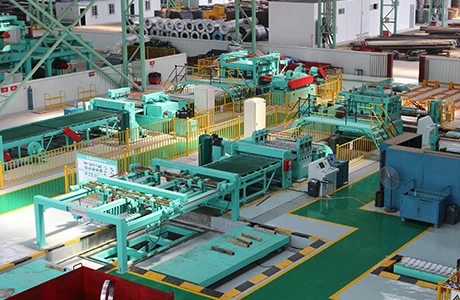

Efficient Steel Coil Transfer Car for Heavy Duty Handling
Aug . 26, 2025 06:40
Introduction to Heavy-Duty Material Handling Solutions
In modern industrial operations, particularly within the heavy manufacturing and metal processing sectors, the efficient and safe transfer of massive, bulky materials is paramount. Among these critical assets, the steel coil transfer car stands out as an indispensable piece of equipment. Engineered for robust performance and precision, these specialized vehicles facilitate the movement of large steel coils—often weighing many tons—between various processing stages, from storage bays to rolling mills or slitting lines.
Designed to integrate seamlessly into complex production workflows, a steel coil transfer car minimizes manual handling, reduces the risk of material damage, and significantly enhances operational safety and efficiency. This detailed guide explores the technical intricacies, application benefits, and market considerations surrounding these vital industrial machines, specifically focusing on the COIL CAR product line.
Industry Trends and Market Dynamics in Material Handling
The global steel industry continues to be a cornerstone of modern infrastructure and manufacturing. With increasing demands for higher production volumes, enhanced safety protocols, and greater operational efficiency, the auxiliary equipment market is experiencing significant evolution. Key trends driving the innovation in coil car technology include:
- Automation and Robotics Integration: The shift towards fully automated or semi-automated material handling systems is accelerating, reducing human intervention and minimizing workplace accidents. Advanced PLC controls and sensor technologies are becoming standard.
- Emphasis on Safety: Stricter safety regulations and a proactive industry approach are leading to the incorporation of features such as emergency stop systems, anti-collision sensors, audible alarms, and visual warnings on every steel coil transfer car.
- Energy Efficiency: With rising energy costs and environmental concerns, manufacturers are focusing on developing energy-efficient drive systems, including variable frequency drives (VFDs) and regenerative braking, to reduce power consumption.
- Durability and Longevity: The harsh operating conditions in steel mills necessitate equipment built for extreme durability. Innovations in material science and structural engineering aim to extend the service life of transfer cars.
- Customization and Modularity: As production lines become more specialized, there's a growing demand for customized solutions that can be tailored to specific coil dimensions, weights, and facility layouts, often leveraging modular designs for easier adaptation.
These trends collectively push manufacturers to deliver more sophisticated, reliable, and adaptable solutions that can meet the evolving needs of the petrochemical, metallurgy, and heavy manufacturing industries. The COIL CAR, for instance, is designed with these modern demands in mind, offering robust construction and advanced control options.
Manufacturing Process of a Steel Coil Transfer Car
The creation of a high-performance steel coil transfer car involves a multi-stage manufacturing process, emphasizing precision, material integrity, and adherence to stringent quality standards.
Key Stages of Production:
- Design and Engineering: Utilizing advanced CAD/CAM software and Finite Element Analysis (FEA), engineers design the transfer car's structure, taking into account load capacity, operational speed, power requirements, and safety features. This phase ensures optimal material distribution and structural integrity.
- Material Selection and Procurement: High-grade structural steel, typically Q345B or equivalent, is selected for the chassis and main frame due to its excellent tensile strength and yield properties. Wheels are often made from forged alloy steel (e.g., 42CrMo) and heat-treated for superior hardness and wear resistance. Electrical components are sourced from reputable suppliers to ensure reliability.
-
Fabrication and Machining:
- Cutting & Bending: Steel plates are precisely cut using CNC plasma or laser cutting machines, followed by hydraulic bending for complex structural components.
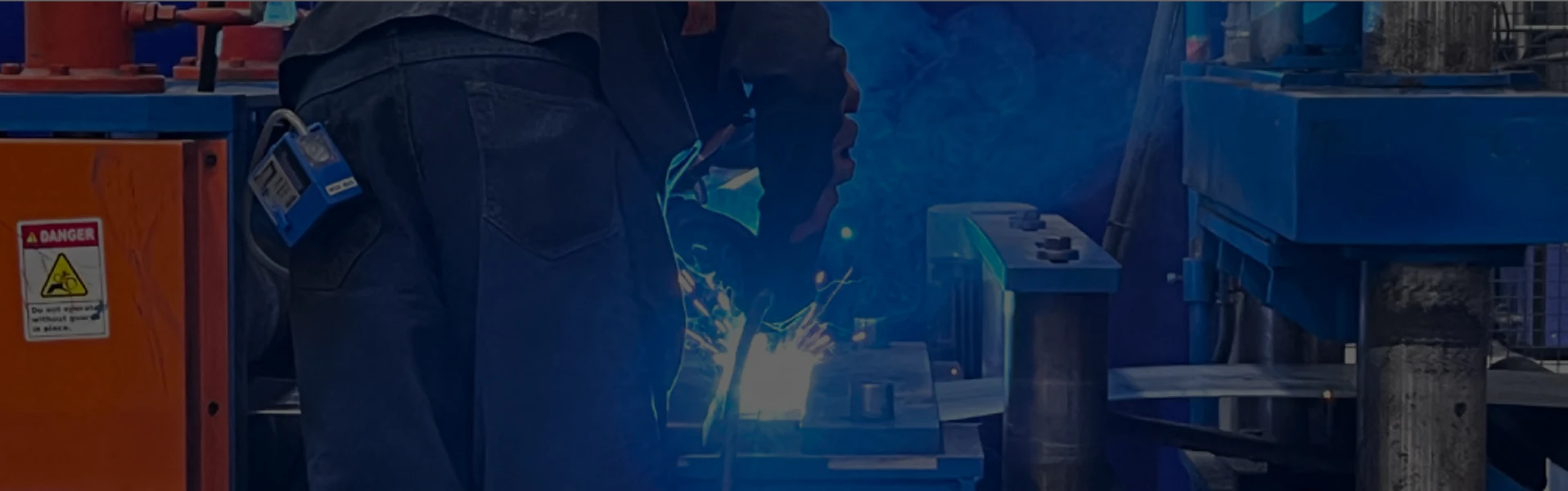
- Welding: Components are meticulously welded by certified welders, often using automated or semi-automated welding processes (e.g., submerged arc welding) to ensure strong, defect-free joints. Non-destructive testing (NDT) such as ultrasonic or magnetic particle inspection is performed on critical welds.
- Machining: Key mechanical parts, especially axles, bearings, and gearbox housings, undergo precision CNC machining to achieve tight tolerances and smooth finishes, crucial for reliable operation.
- Assembly: The fabricated chassis, drive system (motors, gearboxes, wheels), electrical panel, control systems (PLC, VFD), and safety features (sensors, bumpers) are assembled. Special attention is paid to alignment and secure fastening.
- Surface Treatment and Painting: The entire structure undergoes thorough cleaning, sandblasting to remove impurities, and then receives a multi-layer protective coating, including a primer and industrial-grade epoxy paint. This enhances corrosion resistance, crucial for environments in petrochemical and metallurgy sectors, significantly extending the service life of the equipment.
-
Testing and Quality Assurance: Every coil car undergoes rigorous testing to comply with international standards such as ISO 9001 for quality management and ANSI B30.20 for material handling equipment.
- Load Testing: Overload tests (typically 125% of rated capacity) are conducted to verify structural integrity and braking performance.
- Functional Testing: All electrical, mechanical, and safety systems are tested for proper operation, including speed control, emergency stops, and warning systems.
- Durability Testing: Components like wheels and bearings may undergo accelerated lifecycle testing.
This meticulous process ensures that each COIL CAR delivers exceptional reliability, energy-saving performance through optimized drive systems, and superior corrosion resistance, contributing to an extended service life often exceeding 15-20 years with proper maintenance. These advantages are particularly evident in the demanding environments of steel mills, pipe manufacturing facilities, and heavy fabrication plants.
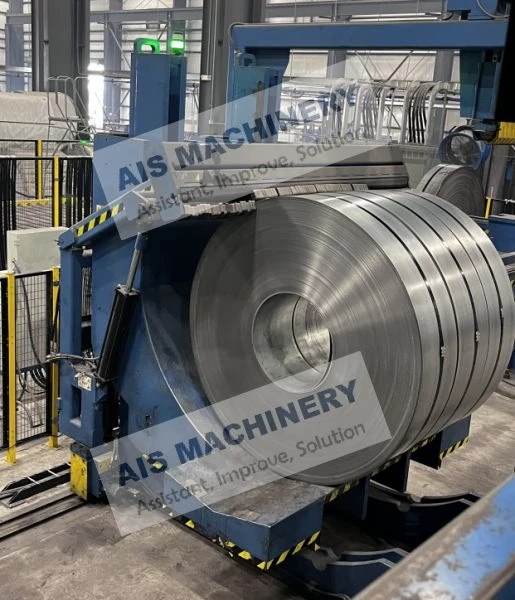
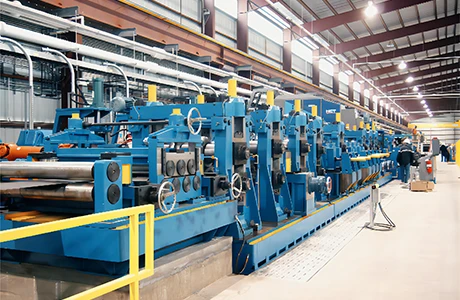
Figure 1: A heavy-duty steel coil transfer car in operation.
Technical Specifications and Design Principles
The robust design and sophisticated engineering behind a COIL CAR are critical to its performance. Understanding the technical specifications allows decision-makers to select the appropriate equipment for their specific operational needs.
Core Components and Their Functions:
- Frame Structure: Constructed from heavy-duty steel plate, often with a box-beam or I-beam design, to withstand extreme loads and dynamic stresses during operation.
- Drive System: Typically comprises high-torque AC or DC motors, geared reducers, and heavy-duty wheels. Options include rail-mounted, trackless, or steerable configurations. Power can be supplied via cable reel, busbar, battery, or towed cable.
- Wheel Assemblies: Forged alloy steel wheels, often flanged for rail operation or solid rubber for trackless. Bearings are heavy-duty, sealed units designed for continuous industrial use.
- Control System: Advanced PLC (Programmable Logic Controller) systems with HMI (Human Machine Interface) for intuitive operation. Features include variable speed control (via VFDs), precise positioning, and integration with facility-wide automation.
- Safety Features: Essential components include emergency stop buttons, anti-collision sensors (ultrasonic or laser), limit switches, audible and visual alarms, and robust bumpers.
- Load Support: V-decks, saddles, or specialized fixtures are custom-designed to cradle steel coils securely, preventing movement and damage during transit. Load cells can be integrated for accurate weight monitoring.
Typical Product Specifications (Example: COIL CAR L-Shape Model):
| Parameter | Specification |
|---|---|
| Rated Load Capacity | 10 - 150 tons (Customizable up to 500 tons) |
| Power Source | AC Motor (380V, 50Hz, 3-Phase standard; customized options available) |
| Control Mode | Pendant Control / Wireless Remote Control / Fully Automatic PLC |
| Operating Speed | 0-20 m/min (Variable Speed Drive via VFD) |
| Wheel Material | Forged Alloy Steel (42CrMo), Heat Treated |
| Platform Type | V-Deck for Coil Stabilization (Customizable for different coil diameters) |
| Safety Features | Anti-collision sensors, Emergency Stop, Audible/Visual Alarms, Limit Switches |
| Minimum Turning Radius | Customizable based on facility layout (for steerable models) |
| Operating Temperature | -20°C to +50°C (Special models for extreme temperatures available) |
| Surface Treatment | Sandblasting + Primer + Industrial Epoxy Paint |
These specifications highlight the robust engineering required to ensure the long-term, reliable operation of a steel coil transfer car in demanding industrial settings.
Application Scenarios and Target Industries
The versatility and robust nature of a coil car make it suitable for a diverse range of heavy industrial applications where efficient, safe, and precise movement of large steel coils is essential.
Primary Target Industries:
- Metallurgy and Steel Mills: This is the most prevalent application. Coil cars move hot or cold rolled steel coils between furnaces, rolling stands, pickling lines, annealing stations, slitting lines, and storage areas. They are crucial for maintaining continuous production flow.
- Pipe Manufacturing Plants: Used to transport large steel coils from receiving bays to forming and welding lines for producing various pipes (e.g., ERW, spiral, seamless).
- Heavy Fabrication Shops: Facilities dealing with large metal sheets, plates, and coils for construction, shipbuilding, or heavy machinery manufacturing utilize these cars to position material for cutting, bending, and assembly.
- Port Terminals and Logistics Hubs: For handling and transferring steel coils from ships or trains to storage or onward transportation within the port area.
- Warehousing and Storage: Large warehouses specializing in metal products use coil cars for efficient retrieval and dispatch of coils, optimizing space utilization and improving safety.
Typical Application Scenarios:
Consider a busy steel processing plant. A newly rolled coil, weighing 30 tons, needs to be moved from the cooling bed to the slitting line 150 meters away. A COIL CAR, equipped with a V-deck and automated guidance, can precisely pick up the coil, transport it safely, and position it accurately for the next stage, all without overhead crane dependency or manual intervention in hazardous zones. This significantly reduces handling time, improves throughput, and mitigates risks associated with overhead lifting. Furthermore, the robust construction and corrosion-resistant coatings ensure reliable operation even in the hot, humid, and often corrosive atmospheres found in steel production.
Technical Advantages and Performance Metrics
The inherent design and engineering of a modern steel coil transfer car offer significant technical and operational advantages over traditional material handling methods.
Key Advantages:
- Enhanced Safety: By automating the transfer of heavy coils, the risk of accidents associated with manual handling or overhead crane operations is drastically reduced. Features like anti-collision systems and emergency stops are standard.
- Improved Efficiency & Throughput: Precise control, variable speed, and programmed routes ensure coils are moved quickly and accurately, minimizing bottlenecks and improving overall production flow.
- Cost-Effectiveness: Reduced labor costs, minimal material damage, and lower energy consumption through efficient drive systems contribute to significant operational savings. The long service life also means a lower total cost of ownership.
- Energy Saving: Modern COIL CARs often incorporate high-efficiency motors, regenerative braking systems, and VFDs, which precisely control motor speed and torque, leading to substantial energy savings compared to older, less optimized systems.
- Corrosion Resistance: Multi-layer industrial coatings and material selection prevent corrosion, ensuring reliable operation in harsh environments (e.g., high humidity, chemical exposure in pickling lines), thereby extending the equipment's lifespan and reducing maintenance.
- High Durability and Longevity: Constructed from robust structural steel and featuring heavy-duty components like forged steel wheels and industrial-grade bearings, these cars are built to withstand continuous, arduous duty cycles.
- Precision Positioning: Advanced control systems (e.g., PLC with encoder feedback) enable accurate stopping and positioning, crucial for feeding coils into processing machinery.
Performance Metrics:
Typical performance metrics tracked by clients include:
- Cycle Time Reduction: Often a 15-30% reduction in coil transfer time compared to older methods.
- Energy Consumption: Specific energy consumption (kWh per ton of coil moved) can be reduced by up to 20% with VFD-equipped systems.
- Maintenance Interval: Extended MTBF (Mean Time Between Failures) due to robust design and quality components, typically exceeding 5,000 operational hours between major services.
- Safety Incident Rate: Near-zero incidents related to coil transfer when using automated systems with comprehensive safety features.
These measurable benefits underscore the significant return on investment offered by a high-quality coil car system.
Customized Solutions for Unique Operational Needs
Recognizing that no two industrial facilities are identical, reputable manufacturers offer extensive customization options for their steel coil transfer car lines, ensuring perfect integration into existing workflows and facility layouts.
Customization factors include:
- Load Capacity & Dimensions: Tailored to the specific weight and dimensions of coils to be handled, from small specialty coils to super-heavy hot-rolled coils up to 500 tons.
- Power Supply Options:
- Cable Reel: Suitable for moderate travel distances.
- Busbar/Conductor Rail: Ideal for long travel distances and continuous power.
- Battery Powered: Offers maximum flexibility for trackless or infrequent travel paths without power constraints.
- Towed Cable: Simple and robust for shorter, fixed routes.
- Steering and Movement:
- Rail-Guided: For fixed, heavy-duty routes.
- Trackless / Steerable: For greater flexibility and movement across multiple bays or facilities without rails, often employing heavy-duty solid rubber or polyurethane wheels.
- Load Handling Attachments: Specialized V-decks, coil saddles, or even motorized rotation mechanisms can be integrated to safely secure and manipulate various coil types and sizes.
- Environmental Adaptations: Options for high-temperature operations, dust-proof enclosures, explosion-proof components (for petrochemical applications), or enhanced corrosion protection for acidic environments.
- Control System Integration: Seamless integration with existing plant control systems, SCADA, or MES (Manufacturing Execution Systems) for fully automated operation, remote diagnostics, and data logging.
By collaborating closely with clients, manufacturers can design a coil car solution that precisely matches their unique operational challenges, ensuring maximum efficiency and safety.
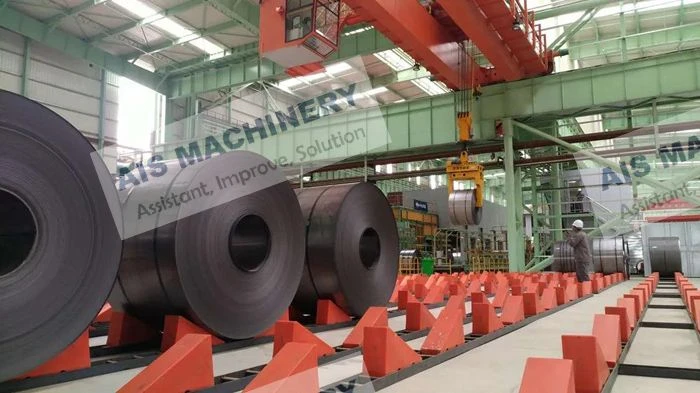
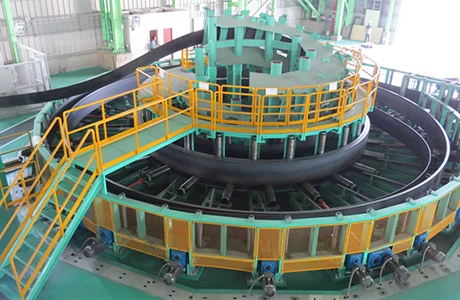
Figure 2: Custom-designed steel coil transfer car for heavy-duty applications.
Vendor Comparison: Key Differentiators
Selecting the right vendor for a steel coil transfer car is a critical decision that impacts long-term operational efficiency and safety. Key differentiators extend beyond initial purchase price.
Factors for Vendor Evaluation:
- Engineering Expertise: Look for vendors with a deep understanding of structural mechanics, automation, and material science specific to heavy industrial applications.
- Customization Capabilities: The ability to provide tailored solutions rather than just off-the-shelf products is crucial for optimal integration.
- Quality & Certifications: Adherence to international standards (e.g., ISO 9001, CE, ANSI) and robust quality control processes throughout manufacturing.
- After-Sales Support & Service: Availability of spare parts, technical support, on-site maintenance, and training.
- Track Record & Client Testimonials: Proven experience with similar projects and positive feedback from long-term clients in relevant industries.
- Safety Features: The inclusion of advanced safety features as standard, not as costly add-ons.
Comparison Table: Key Features of COIL CAR vs. Generic Solutions
| Feature/Criterion | COIL CAR (Advanced) | Generic Coil Transfer Car |
|---|---|---|
| Control System | Advanced PLC with HMI, VFD for smooth acceleration/deceleration, precise positioning (+/- 5mm) | Basic relay control, fixed speed, less precise positioning (+/- 20mm) |
| Drive Mechanism | Independent motor-gearbox drives for each wheelset (where applicable), offering redundancy and better traction. High-efficiency motors. | Centralized single motor with chain/belt drive, less efficient. |
| Safety Features | Laser anti-collision, audible/visual alarms, emergency stop, intelligent fault diagnostics, overload protection. | Basic bumper, emergency stop button. |
| Wheel Material | Forged and heat-treated alloy steel (42CrMo), engineered for high wear resistance. | Cast steel or untreated carbon steel, prone to faster wear. |
| Corrosion Protection | Multi-layer industrial epoxy coating after sandblasting, specialized for harsh environments. | Standard industrial paint, limited protection. |
| Service Life Expectancy | 15-20+ years with proper maintenance. | 7-10 years, potentially less in demanding conditions. |
| Customization Level | Extensive, including load capacity, platform design, power, steering, automation. | Limited to basic dimensions. |
This comparison highlights that while a lower upfront cost might be appealing for a generic solution, the long-term benefits in terms of reliability, safety, efficiency, and lower maintenance costs strongly favor investing in a meticulously engineered steel coil transfer car like the COIL CAR.
Application Case Studies & Customer Feedback
Real-world deployments demonstrate the tangible benefits of integrating a high-quality steel coil transfer car into heavy industrial operations.
Case Study 1: Major Steel Mill in Southeast Asia
- Challenge: An aging fleet of overhead cranes struggled to keep up with increased production volumes, leading to bottlenecks and safety concerns during coil transfers from the hot rolling mill to the annealing furnaces.
- Solution: Installation of two custom-designed COIL CARs, each with a 100-ton capacity, equipped with rail-guidance and fully automated PLC control, integrating with the mill's existing SCADA system. The cars featured specialized high-temperature-resistant components.
- Results: The mill reported a 25% increase in transfer speed, a 15% reduction in energy consumption for material handling, and zero safety incidents related to coil movement in the first year of operation. "The precision and reliability of these coil car units have transformed our material flow," stated the Plant Manager.
Case Study 2: Large-Diameter Pipe Manufacturer, North America
- Challenge: Manual transportation of 50-ton steel coils across multiple bays to the pipe forming line was labor-intensive, slow, and prone to floor damage due to heavy forklift traffic.
- Solution: A trackless, battery-powered COIL CAR with steerable wheels and a laser guidance system was implemented. This unit allowed operators to move coils seamlessly across different concrete floors without fixed infrastructure. The battery system was chosen for its flexibility and environmental benefits.
- Results: The manufacturer achieved a 40% reduction in labor hours for coil transfer and eliminated floor damage previously caused by heavy forklifts. The quiet, emissions-free operation also improved the working environment. "The flexibility of the trackless steel coil transfer car has significantly improved our operational agility," commented the Operations Director.
These case studies underscore the practical benefits and operational improvements achievable through the strategic deployment of advanced steel coil transfer car solutions.
Trust and Reliability: Certifications, Lead Times, and Support
Building trust with B2B clients requires more than just product specifications; it demands transparency in quality, delivery, and post-sales support.
Certifications and Quality Assurance:
Our COIL CAR products adhere to stringent international and national standards, ensuring superior quality and safety:
- ISO 9001:2015 Certified: Demonstrates our commitment to a robust Quality Management System across design, manufacturing, and service.
- CE Marking: Compliance with European health, safety, and environmental protection standards for equipment sold within the European Economic Area.
- ANSI B30.20 Standards: Adherence to the American National Standards Institute's safety standards for Below-the-Hook Lifting Devices, ensuring critical safety parameters are met.
- Comprehensive QC: Every component and assembly undergoes rigorous inspection, from raw material verification to final functional and load testing.
Lead Time and Fulfillment:
Standard COIL CAR models typically have a lead time of 8-12 weeks from order confirmation to shipment, depending on customization levels. Highly customized or very large capacity coil car units may require 14-20 weeks. We provide transparent project timelines and regular updates throughout the manufacturing and testing phases. Global shipping logistics are managed to ensure timely and secure delivery.
Warranty Commitments:
All COIL CAR products come with a comprehensive 2-year warranty on mechanical components and a 1-year warranty on electrical parts, covering manufacturing defects and material failures under normal operating conditions. Extended warranty options are available.
Customer Support and After-Sales Service:
Our commitment extends beyond delivery. We offer:
- 24/7 Technical Support: Our expert team is available round-the-clock for remote diagnostics and troubleshooting.
- On-Site Installation & Commissioning: Experienced engineers can be dispatched for seamless setup and initial operational guidance.
- Preventative Maintenance Programs: Tailored service agreements to ensure peak performance and extend the life of your steel coil transfer car.
- Spare Parts Availability: A readily available inventory of critical spare parts to minimize downtime.
- Operator Training: Comprehensive training programs for your personnel to ensure safe and efficient operation.
Frequently Asked Questions (FAQ)
- Q1: What is the typical load capacity range for a COIL CAR?
- A1: Our COIL CARs are designed to handle loads from 10 tons up to 150 tons as standard, with custom engineering solutions available for capacities exceeding 500 tons to meet specific heavy industrial requirements.
- Q2: Can a steel coil transfer car operate without rails?
- A2: Yes, we offer trackless battery-powered or towed-cable coil car models equipped with steerable heavy-duty wheels (e.g., polyurethane or solid rubber) for flexible movement across factory floors without the need for fixed rail infrastructure. These are ideal for multi-bay operations.
- Q3: How do you ensure safety during operation?
- A3: Safety is paramount. Our steel coil transfer car units are equipped with multiple safety features including anti-collision sensors (ultrasonic/laser), emergency stop buttons, audible alarms, visual warning lights, limit switches, and robust bumpers. Overload protection and fault diagnostics are also integrated into the control system.
- Q4: What kind of maintenance does a coil car require?
- A4: Generally, our coil cars require minimal maintenance. Routine checks include inspecting wheels and bearings for wear, lubricating moving parts, checking electrical connections, and verifying the functionality of safety systems. We provide a detailed maintenance schedule and offer preventative maintenance service packages.
- Q5: Can the COIL CAR be integrated into an existing automation system?
- A5: Absolutely. Our advanced PLC-based control systems are designed for seamless integration with existing plant SCADA, MES, or other automation platforms. We can provide the necessary communication protocols and interfaces to ensure smooth interoperability.
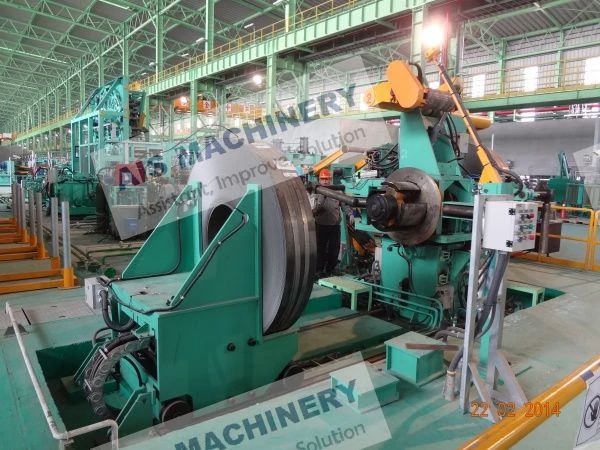
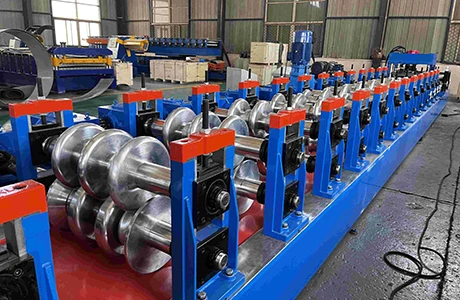
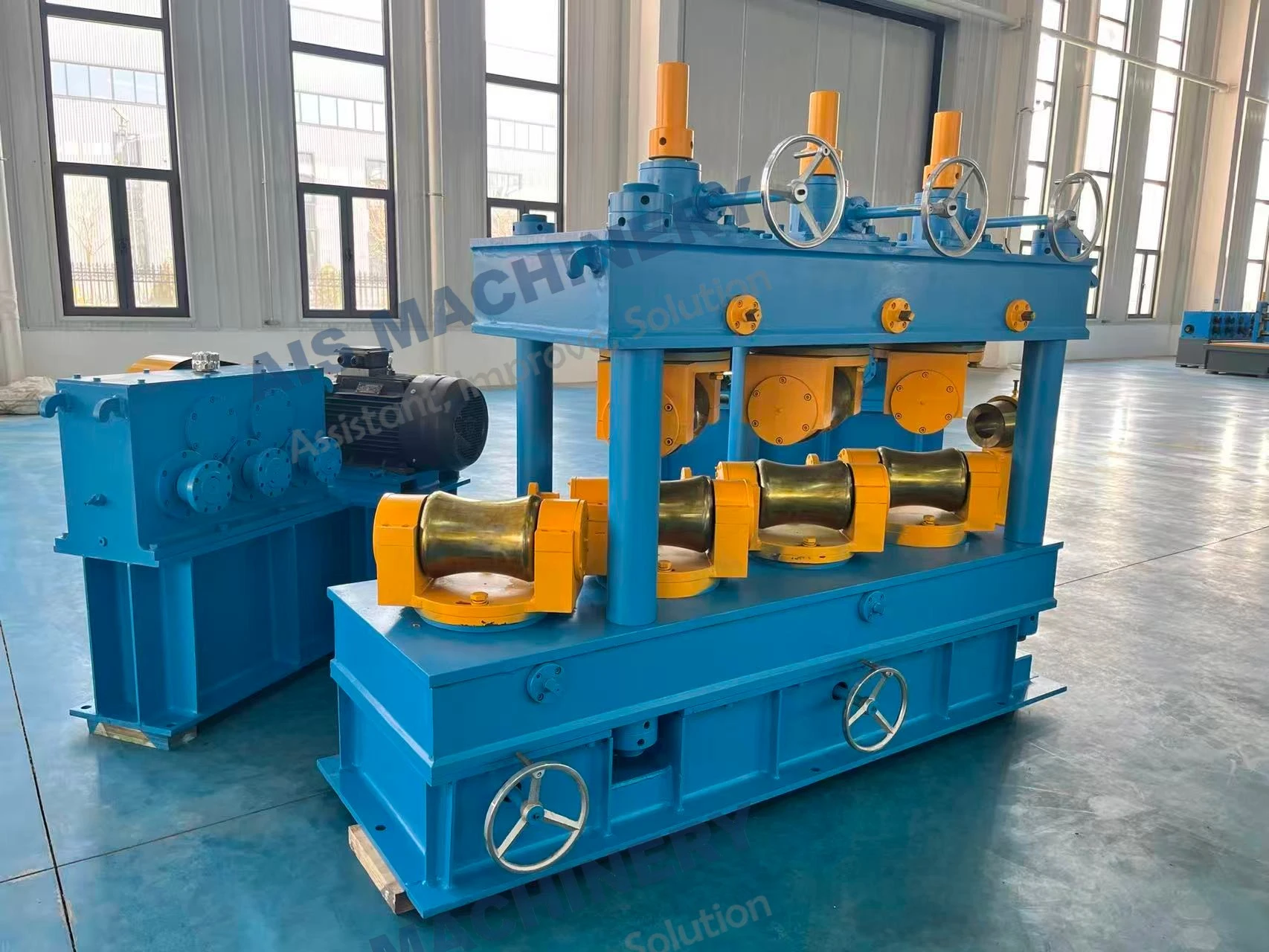
Figure 3: A COIL CAR undergoing final inspection before dispatch.
Conclusion
The steel coil transfer car is far more than a simple transport device; it is a meticulously engineered solution critical to the efficiency, safety, and productivity of modern heavy industries. From its robust manufacturing process, leveraging high-grade materials and advanced machining, to its sophisticated control systems and comprehensive safety features, every aspect of a COIL CAR is designed to meet the rigorous demands of sectors like metallurgy and pipe manufacturing.
By offering customizable designs, adhering to stringent international standards, and providing unparalleled after-sales support, manufacturers like us ensure that clients receive a reliable, long-lasting, and highly efficient solution. Investing in an advanced coil car directly translates to reduced operational costs, enhanced worker safety, and improved production throughput, solidifying its role as an indispensable asset in the material handling landscape.
References
- ISO. (2015). *ISO 9001:2015 - Quality management systems — Requirements*. International Organization for Standardization.
- ANSI. (2014). *ANSI B30.20 - Below-the-Hook Lifting Devices*. American National Standards Institute.
- World Steel Association. (2023). *Steel Statistical Yearbook 2023*. World Steel Association.
- European Commission. (2006). *Directive 2006/42/EC on machinery*. Official Journal of the European Union.
- Industrial Engineering & Management Journal. (2022). *Advanced Automation in Heavy Material Handling: A Review*. Academic journal.

Related Products
Related News
2026-04-18 03:20:20
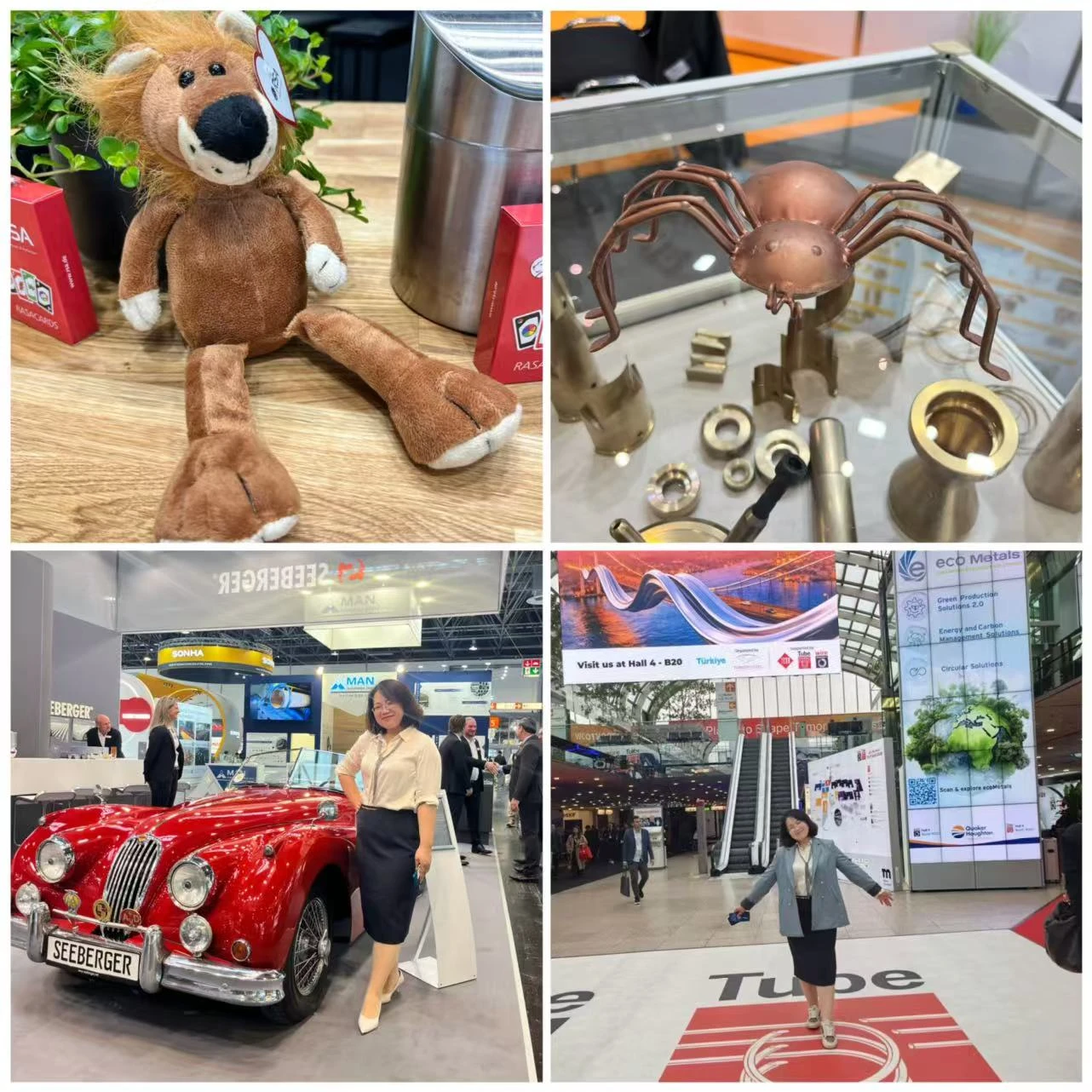
AIS Machinery Showcases Advanced Tube Solutions at Tube & Wire Düsseldorf 2026
Tube & Wire Düsseldorf 2026, one of the most influential exhibitions in the global tube and wire industry, held biennially in Düsseldorf, Germany
2027-04-17 00:00:00
Southeast Asia Client Visits Our Factory | Customized Tube Mill Solution Delivered
A Southeast Asia client visited our ERW tube mill factory to inspect production lines and discuss a customized tube mill solution. Impressed by our machine quality, welding performance, and engineering support, the client confirmed strong cooperation intentions. Discover how our ERW tube mill solutions improve efficiency, precision, and long-term production reliability.
2026-04-16 02:35:12
Professional Cold Roll Forming Machine Factory for Production
In the modern industrial landscape, the precision of metal shaping is the cornerstone of quality manufacturing. Partnering with a professional cold roll forming machine factory is essential for businesses looking to optimize their production lines, reduce material waste, and ensure high-dimensional accuracy. Whether you are producing C-channels, square tubes, or custom profiles, the choice of machinery determines your competitive edge in the market. This guide will explore the critical factors in selecting a factory and the technical advantages of advanced roll forming technology to help you make an informed investment.
2026-04-15 10:37:55
Flat Bar Production Line for Steel Coils: How It Works & Why It Matters
Looking for a flat bar production line? Learn how it turns steel coils into ready-to-use flat bars with precise length and high straightness. Compare it with slitting lines and get the best solution for your steel processing needs.
2026-04-14 00:00:00
Looking for a Milling Saw for ERW Tube Mill? Here’s What You Need to Know
Looking for a high-performance milling saw for your ERW tube mill? Upgrade to burr-free, high-precision pipe cutting with advanced flying saw technology. Improve efficiency, reduce rework, and meet export standards for carbon steel, stainless steel, and API pipes. Contact us today for expert solutions and competitive pricing tailored to your production needs.
2026-04-09 16:15:19
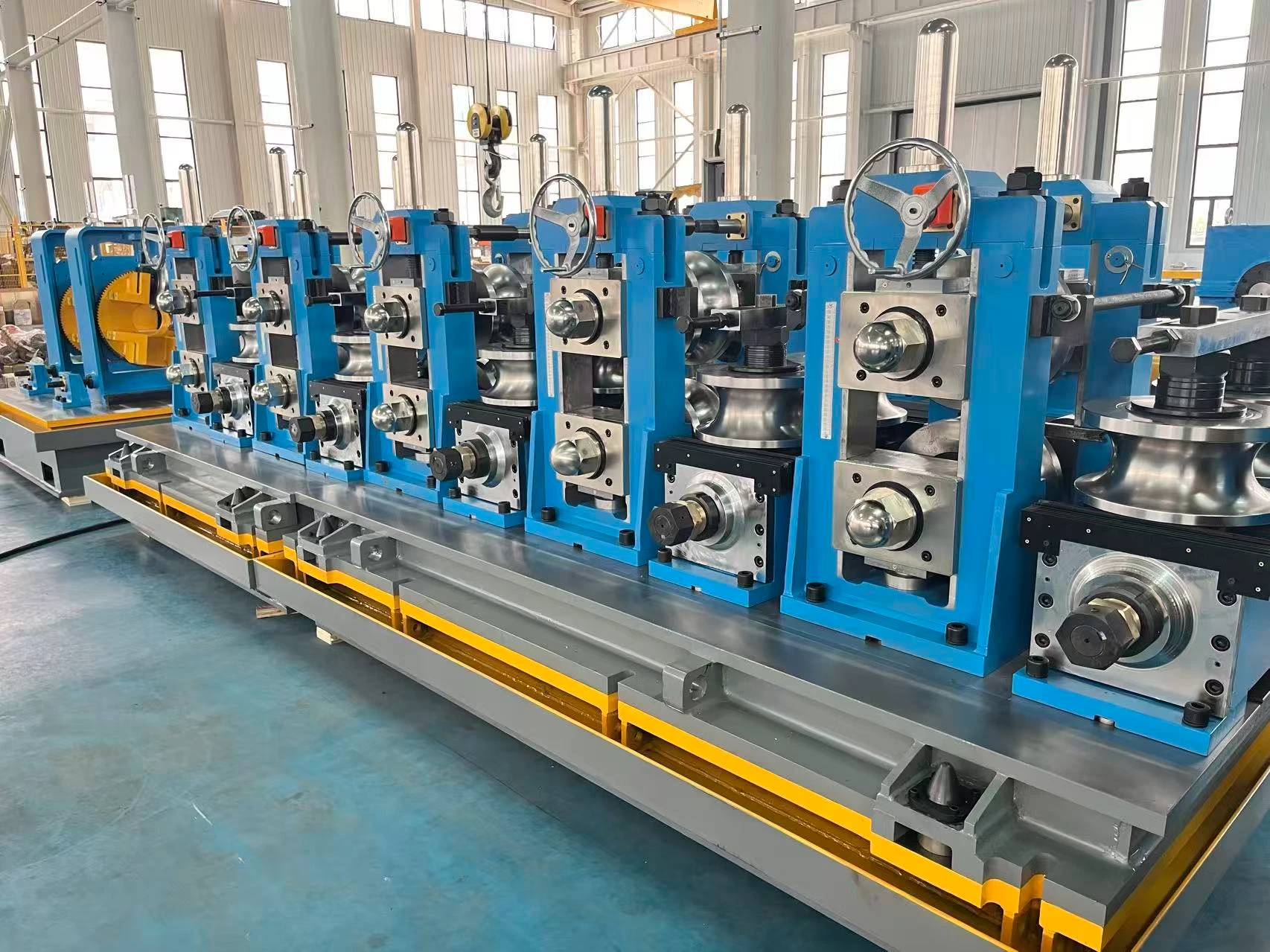
5-Inch (127mm) ERW Tube Making Machine Delivered with Heavy-Duty Design and Advanced Quick Change System
2027-04-07 00:00:00
Metal Embossing Machine: Turn Flat Sheets into High-Value Textured Products
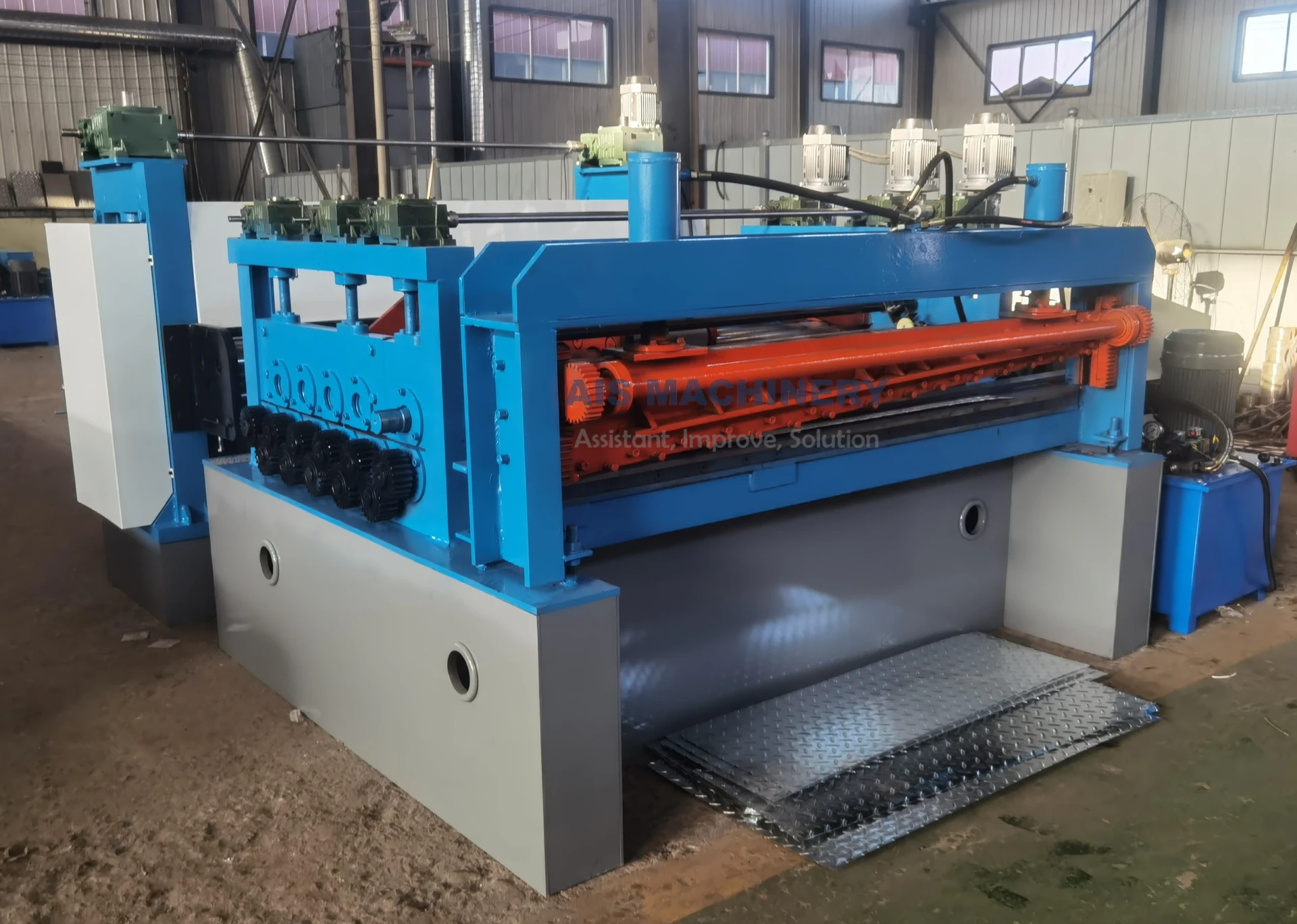
Discover how a metal embossing machine transforms flat steel, stainless steel, and aluminum sheets into high-value textured products. Learn about its working principle, key components, and applications. Ideal for decorative and industrial use, embossing machines improve both appearance and performance. Explore complete embossing line solutions and find the right machine for your production needs.
2026-04-04 20:37:18
Automatic Double Side Uncoiler with Hydraulic Expansion and Auto Rotation for Steel Coil Processing
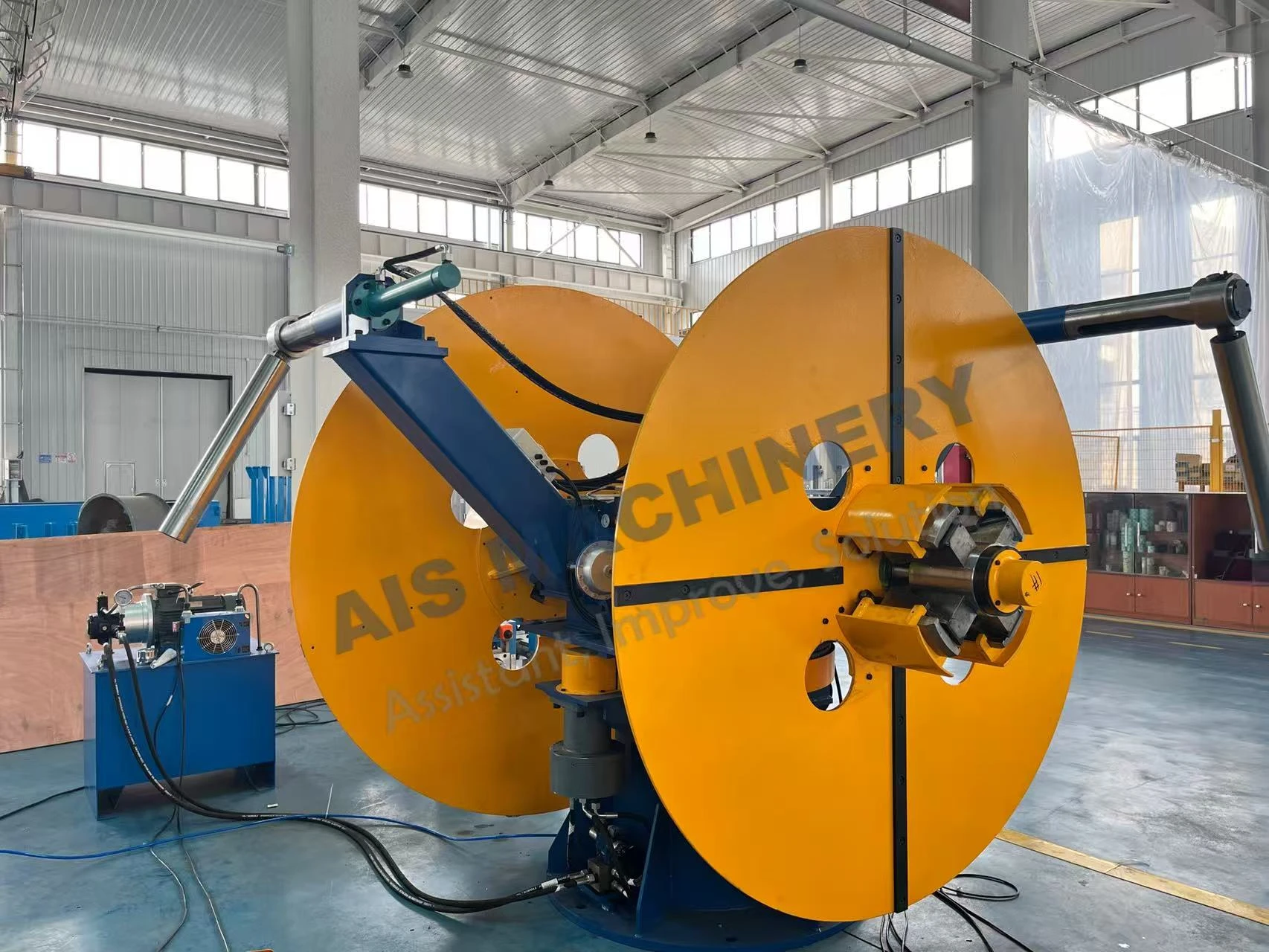
The Automatic Double Side Uncoiler is a high-efficiency solution designed for modern steel coil processing lines, including tube mills, roll forming machines, and slitting lines. With a maximum capacity of 4 tons per side, this machine ensures stable and continuous coil feeding while reducing downtime during coil change.
Send a Message
Dear customer, thank you for your attention! We provide high-quality machinery and equipment and look forward to your orders. Please inform us of your needs and we will respond quickly!
 English
  Albanian
  Arabic
  French
  German
  Indonesian
  Italian
  Japanese
  Kazakh
  Korean
  Latin
Latin  Macedonian
  Portuguese
  Russian
  Spanish
  Thai
Thai  Turkish
  Ukrainian
  Uzbek
Uzbek