
-
 Tel:86-15176910262
-

Search

Cold Roll Forming Machine: Key Insights, Factory Options & Price Breakdown
May . 12, 2025 14:39
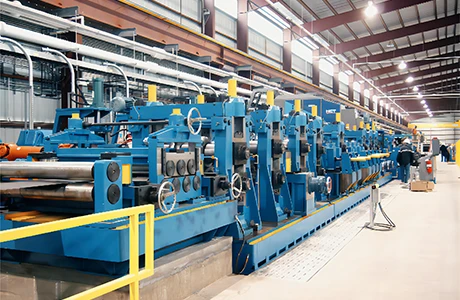
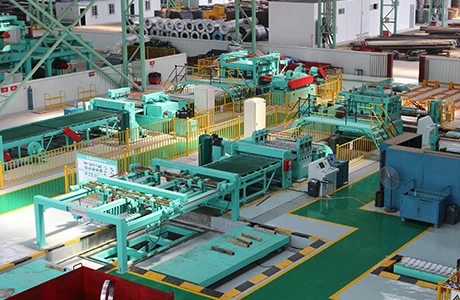
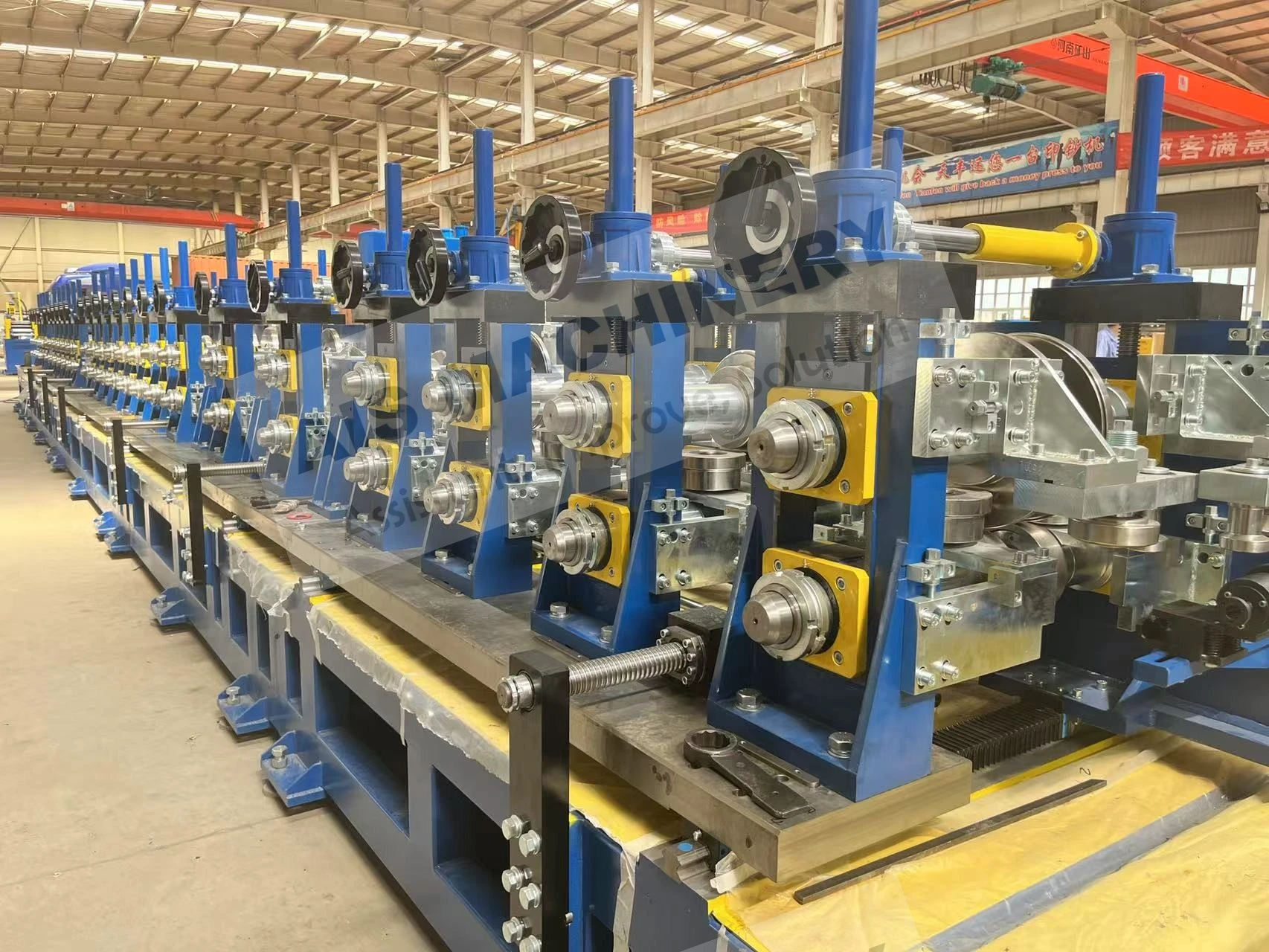
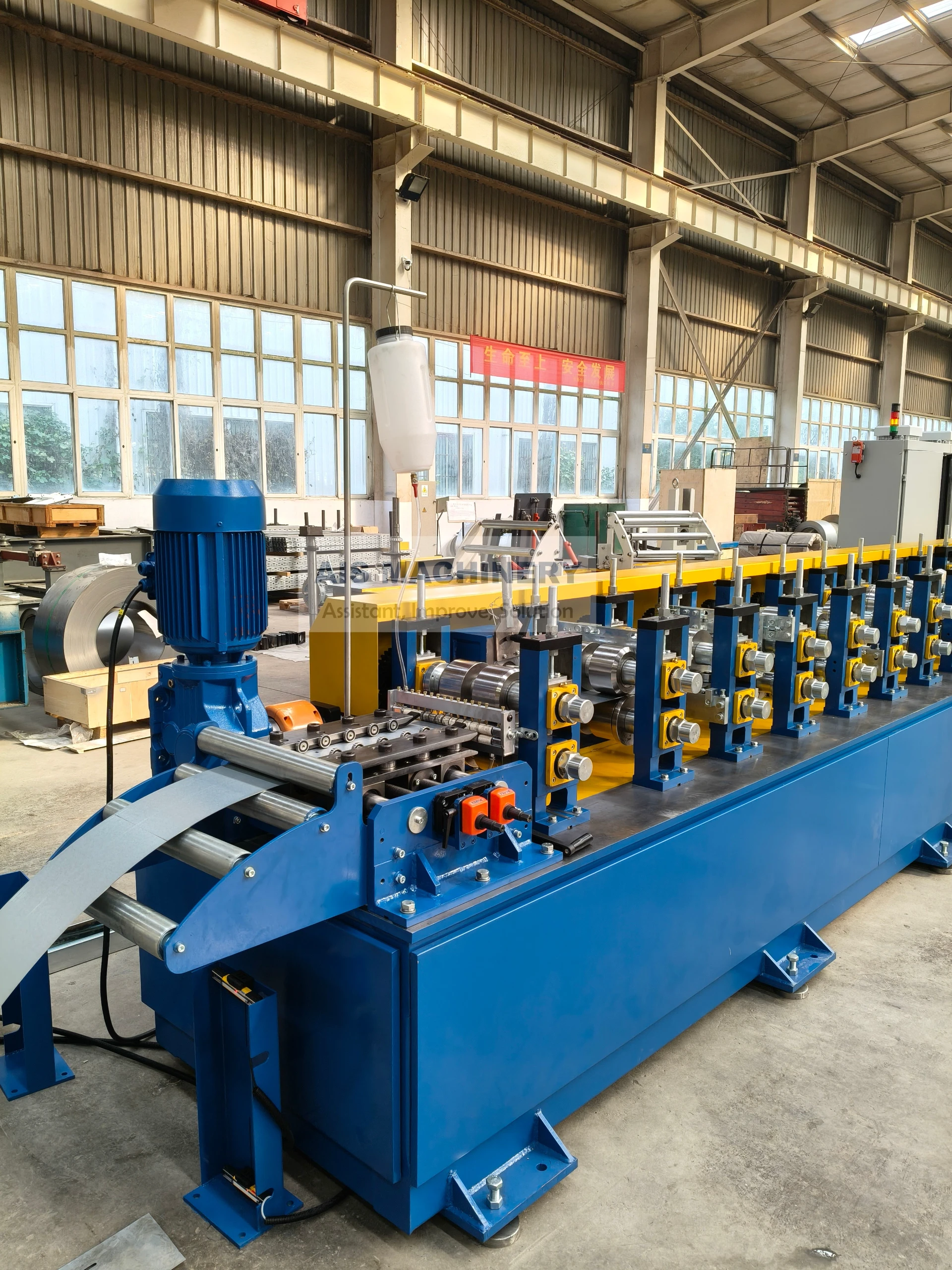
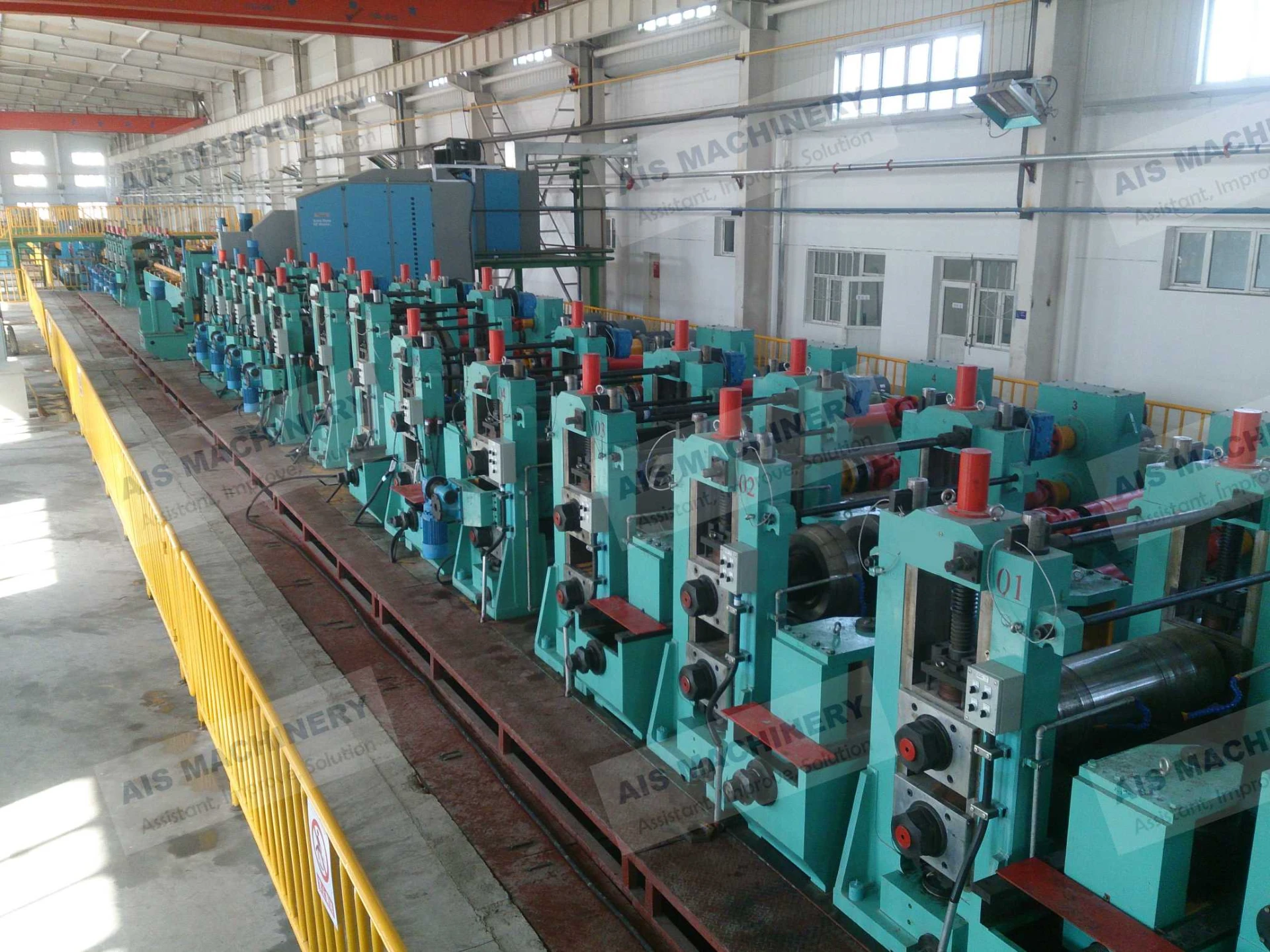
A cold roll forming machine is an essential piece of equipment for anyone in the metal fabrication or construction materials industry. These machines shape steel or other metal coils into specific profiles—like roofing sheets, door frames, structural beams, and more—by passing the material through a series of rollers at room temperature.
If you're planning to purchase a cold roll forming machine, whether to expand production or reduce dependency on suppliers, you’re making a smart investment. But not all machines are built equally. From machine design to materials used and automation features, each factor impacts performance and cost.
Let’s break down how these machines work, how to choose the right cold roll forming machine factory, and what you can expect in terms of cold roll forming machine price.
What Is a Cold Roll Forming Machine?
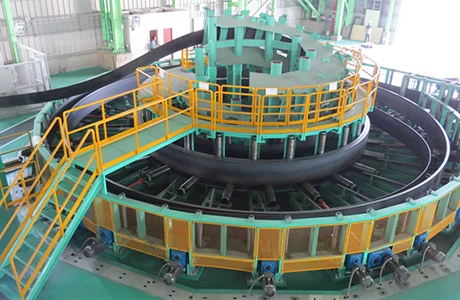
A cold roll forming machine is used to continuously bend long strips of metal into specific cross-sectional profiles. Unlike hot forming, this process happens at room temperature, maintaining the strength and finish of the metal.
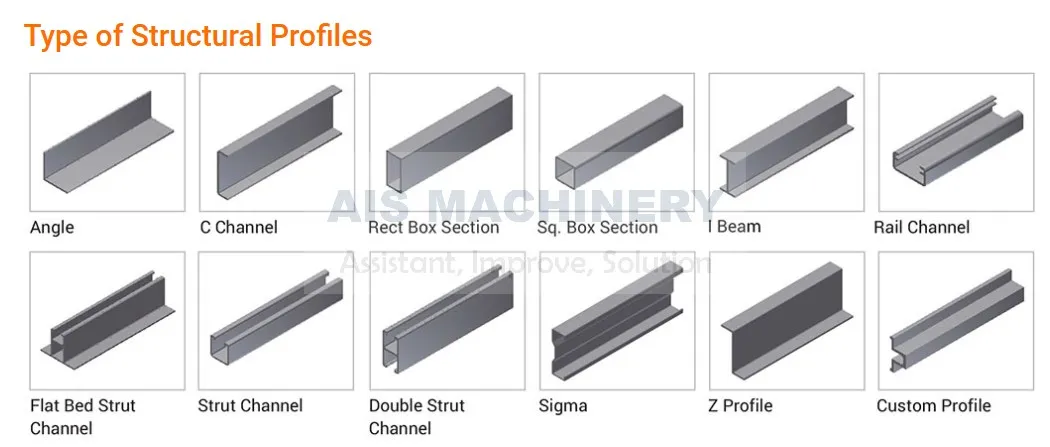
Common End Products:
Roofing sheets (corrugated, trapezoidal, standing seam)
C/U/Z purlins
Door and window frames
Guardrails
Drywall profiles
Cable trays
Custom architectural profiles
The forming process involves:
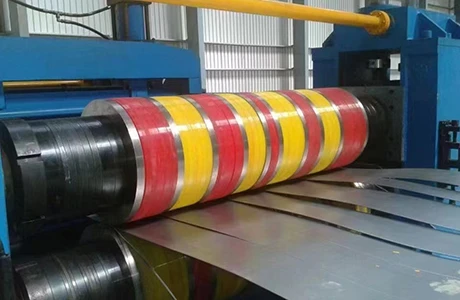
Uncoiling the steel sheet or coil
Feeding the strip into the forming section
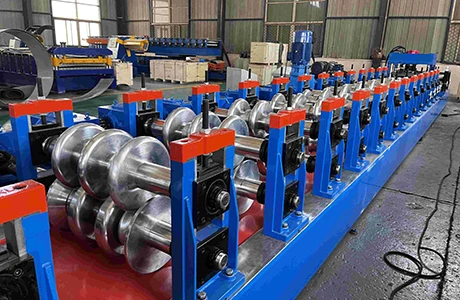
Passing it through multiple sets of rollers
Cutting the profile to length (manually or automatically)
Why Choose Cold Roll Forming?
High Efficiency – Ideal for high-volume production with consistent quality.
Accuracy – Profiles have tight tolerances and sharp detail.
No Heat Needed – Saves energy and maintains the integrity of coated or galvanized steel.
Custom Profiles – Machines can be tailored to produce nearly any shape you need.
Low Waste – Efficient use of raw materials.
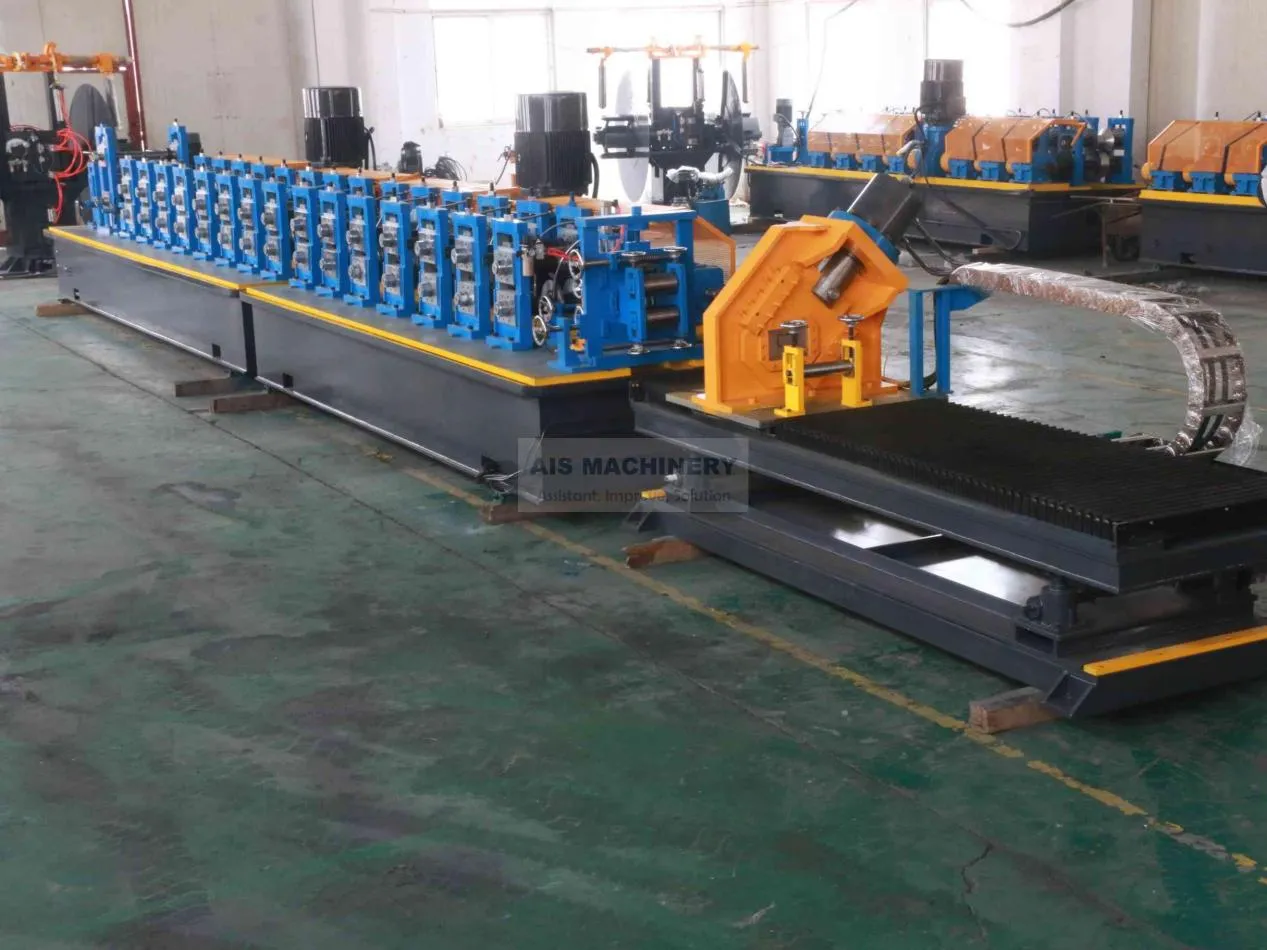
How to Choose a Cold Roll Forming Machine Factory
Not all suppliers offer the same level of engineering, reliability, or service. Choosing a trustworthy cold roll forming machine factory is key.
Look for These Factors:
Experience & Specialization
Choose a factory that focuses on your specific product type (roofing, purlins, studs, etc.).
Customization Ability
Need special dimensions, profile shapes, or integration with punching or embossing units? Make sure the factory can provide tailored solutions.
Build Quality
Check materials used for rollers, frames, shafts, and control systems. Hardened rollers and heavy-duty frames improve machine lifespan.
Automation & Controls
Look for programmable logic controllers (PLC), human-machine interface (HMI), and servo motors for fast, precise operation.
After-Sales Service
Installation support, training, spare parts supply, and remote assistance are essential for long-term performance.
Client References & Case Studies
A reliable factory will gladly show you customer projects and operating machines.
Cold Roll Forming Machine Price
The cold roll forming machine price varies depending on the product type, level of automation, material thickness, and required speed. Here's a general pricing overview:
|
Machine Type |
Estimated Price (USD) |
|
Basic Roofing Sheet Roll Former |
$15,000 – $35,000 |
|
C/Z Purlin Roll Forming Line (manual) |
$30,000 – $60,000 |
|
Automatic C/Z Interchangeable Line |
$60,000 – $120,000 |
|
Cable Tray/Strut Channel Machine |
$40,000 – $80,000 |
|
High-Speed Metal Stud Track Machine |
$25,000 – $50,000 |
|
Custom Profile Roll Forming Machine |
$50,000 – $150,000+ |
Note: These are base prices. If you add punching, notching, embossing, or hydraulic cutters, the price will increase.
Where to Find a Cold Roll Forming Machine Factory
Top regions for sourcing roll forming equipment include:
China – Largest exporter with the most options and best pricing. Many cold roll forming machine factories here offer OEM and fully customized solutions.
Turkey – Known for solid engineering and competitive mid-range machines.
India – Offers affordable solutions with decent quality for smaller businesses.
Europe/Korea – High-end, extremely precise, but much more expensive.
Pro Tip: Go direct to the factory instead of buying through agents or trading companies if you want better pricing and customizability.
Buying Tips
Always request the machine layout, production videos, and customer reference contacts.
Ask about delivery time, which is typically 30–90 days.
Confirm your local voltage and power requirements match the machine setup.
Clarify if on-site installation or virtual guidance is included.
Inquire about the roller material – GCr15 steel is commonly used for durability.
A cold roll forming machine gives you full control over your metal profile production, from speed and accuracy to customization. Whether you're making roofing sheets, purlins, or custom channels, the right machine can increase your efficiency and margins.
Don’t just chase the lowest cold roll forming machine price—look for a cold roll forming machine factory with real-world experience, reliable support, and machines built to last.
Cold Roll Forming Machine FAQs
1. What materials can be used in cold roll forming?
Galvanized steel, carbon steel, aluminum, stainless steel, and coated steels are most common.
2. Can I produce multiple profiles with one machine?
Some machines can make multiple profiles with quick-change tooling, but it depends on the design. Ask your supplier if this option is available.
3. How long does a machine last?
With proper maintenance, a cold roll forming machine can last 10–15 years or more.
4. Is operator training required?
Yes, basic training is essential for safe and efficient operation. Most factories provide it remotely or on-site.
5. How fast can these machines run?
Speeds vary, but typical forming speed ranges from 10–30 meters per minute. High-speed machines may reach 60+ m/min.

Related Products

Related News
2026-04-16 02:35:12
Professional Cold Roll Forming Machine Factory for Production
In the modern industrial landscape, the precision of metal shaping is the cornerstone of quality manufacturing. Partnering with a professional cold roll forming machine factory is essential for businesses looking to optimize their production lines, reduce material waste, and ensure high-dimensional accuracy. Whether you are producing C-channels, square tubes, or custom profiles, the choice of machinery determines your competitive edge in the market. This guide will explore the critical factors in selecting a factory and the technical advantages of advanced roll forming technology to help you make an informed investment.
2026-04-15 10:37:55
Flat Bar Production Line for Steel Coils: How It Works & Why It Matters
Looking for a flat bar production line? Learn how it turns steel coils into ready-to-use flat bars with precise length and high straightness. Compare it with slitting lines and get the best solution for your steel processing needs.
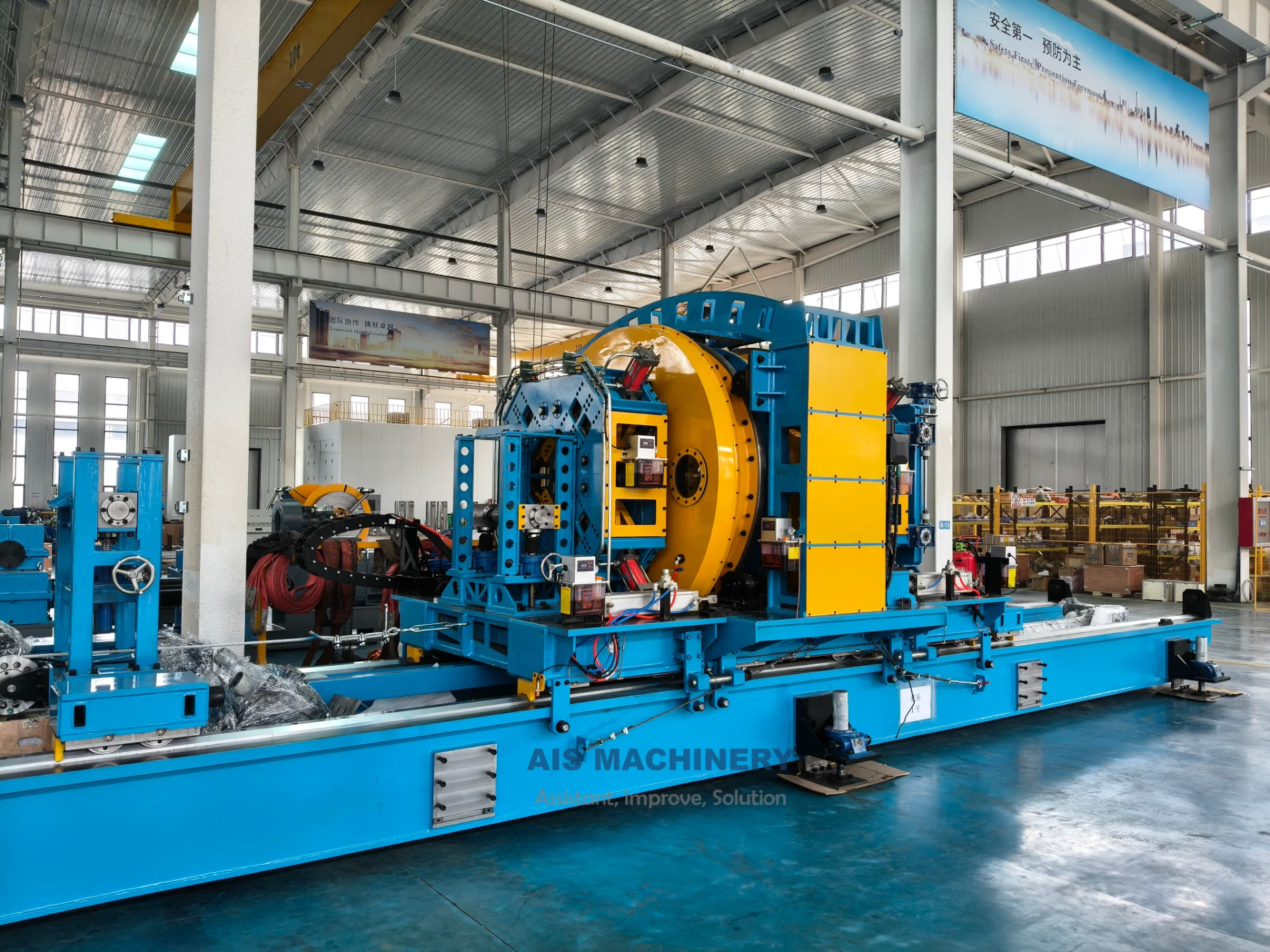
2026-04-14 00:00:00
Looking for a Milling Saw for ERW Tube Mill? Here’s What You Need to Know
Looking for a high-performance milling saw for your ERW tube mill? Upgrade to burr-free, high-precision pipe cutting with advanced flying saw technology. Improve efficiency, reduce rework, and meet export standards for carbon steel, stainless steel, and API pipes. Contact us today for expert solutions and competitive pricing tailored to your production needs.
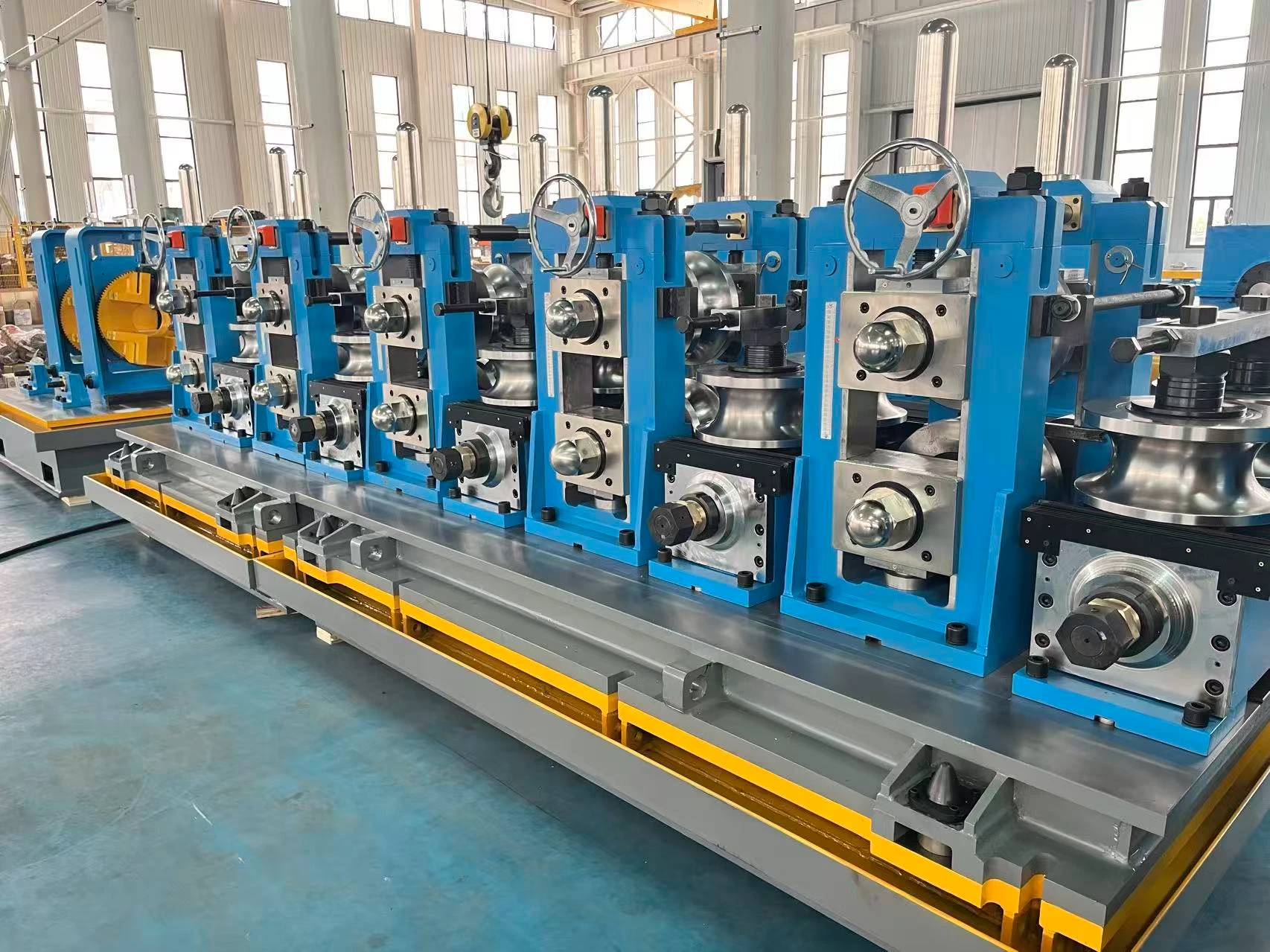
2026-04-09 16:15:19
5-Inch (127mm) ERW Tube Making Machine Delivered with Heavy-Duty Design and Advanced Quick Change System
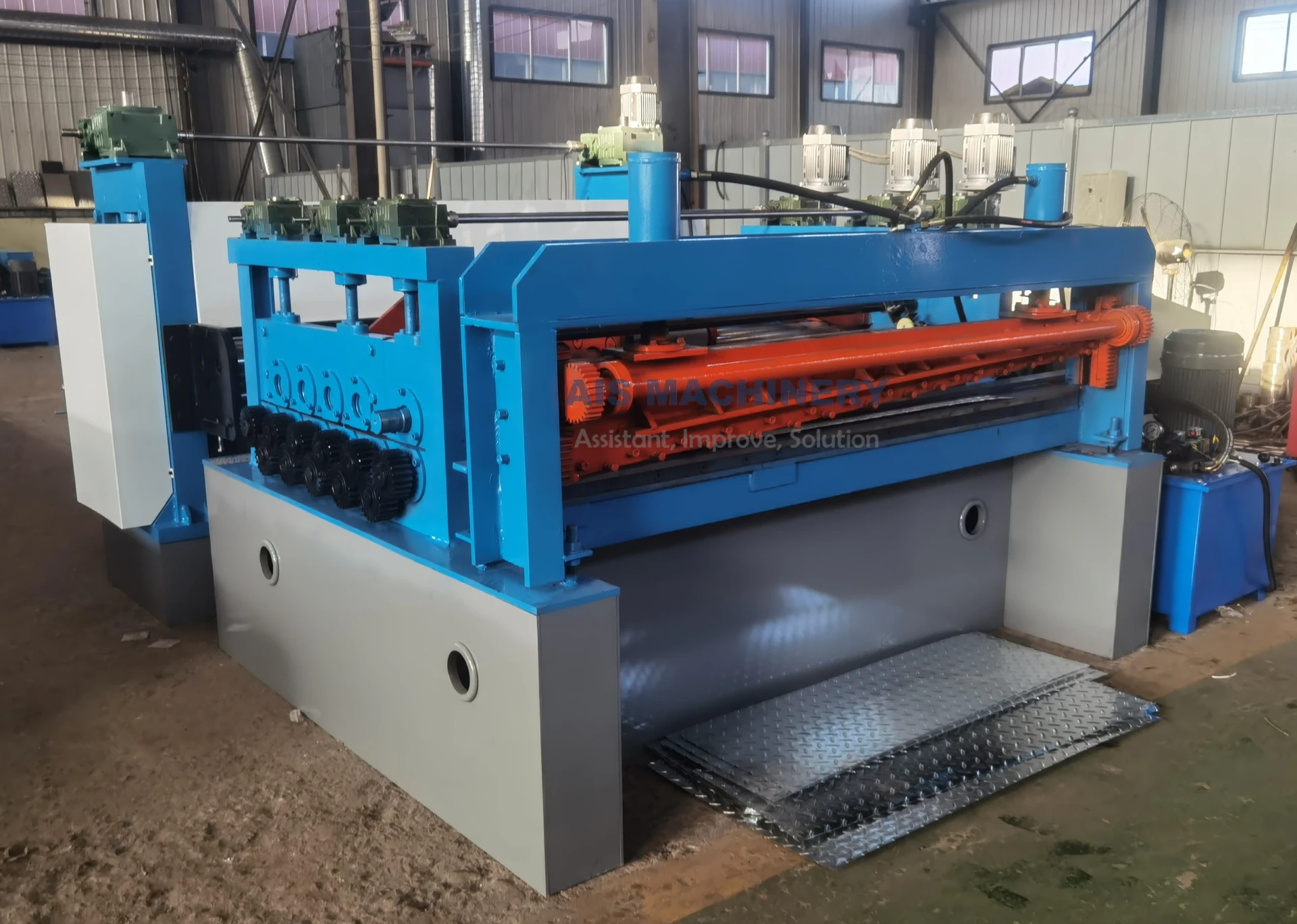
2027-04-07 00:00:00
Metal Embossing Machine: Turn Flat Sheets into High-Value Textured Products
Discover how a metal embossing machine transforms flat steel, stainless steel, and aluminum sheets into high-value textured products. Learn about its working principle, key components, and applications. Ideal for decorative and industrial use, embossing machines improve both appearance and performance. Explore complete embossing line solutions and find the right machine for your production needs.
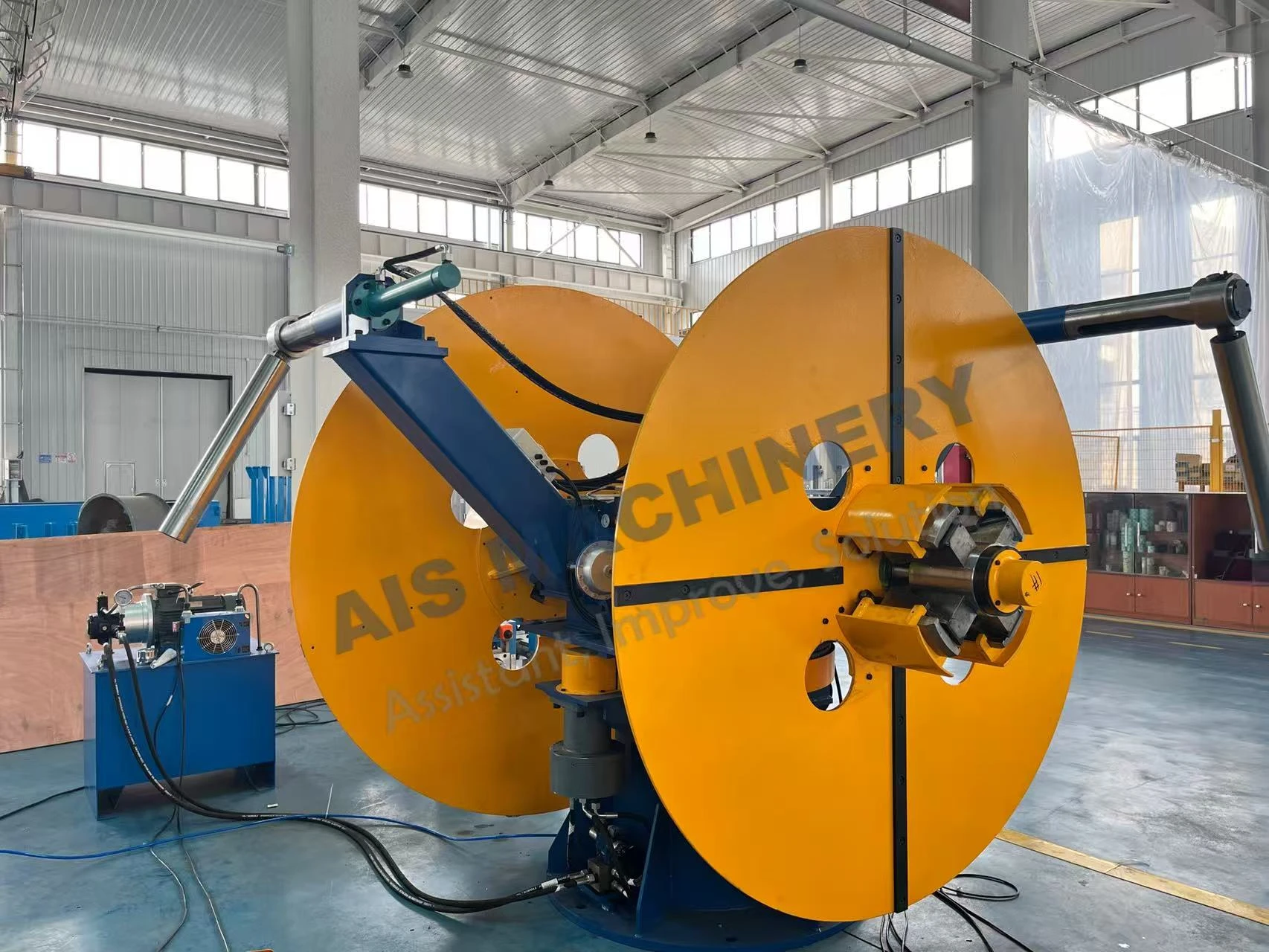
2026-04-04 20:37:18
Automatic Double Side Uncoiler with Hydraulic Expansion and Auto Rotation for Steel Coil Processing
The Automatic Double Side Uncoiler is a high-efficiency solution designed for modern steel coil processing lines, including tube mills, roll forming machines, and slitting lines. With a maximum capacity of 4 tons per side, this machine ensures stable and continuous coil feeding while reducing downtime during coil change.
2026-04-04 02:35:29
Exploring Advanced Cold Forming Machines for Efficient Metal Production
In the realm of metal fabrication, cold forming machines are pivotal for efficient and cost-effective production of various metal components. These machines utilize a shaping process at room temperature, offering advantages like enhanced material strength and reduced production costs. This article provides an in-depth look into the world of cold forming machines, covering their types, applications, benefits, and key considerations when choosing the right machine for your needs. Understanding the nuances of these machines is crucial for optimizing manufacturing processes and achieving superior product quality.
2026-04-01 00:00:00
14 Inch 355mm API Tube Mill: Complete Guide to Structure and Production Process
Discover the complete structure of a 14 inch (355mm) API standard tube mill, including forming, welding, sizing, and finishing sections. Learn what API standards mean and why they are essential for oil and gas pipe production. A practical guide for buyers seeking high-quality ERW tube mill solutions with stable performance and international compliance.
Send a Message
Dear customer, thank you for your attention! We provide high-quality machinery and equipment and look forward to your orders. Please inform us of your needs and we will respond quickly!
 English
  Albanian
  Arabic
  French
  German
  Indonesian
  Italian
  Japanese
  Kazakh
  Korean
  Latin
Latin  Macedonian
  Portuguese
  Russian
  Spanish
  Thai
Thai  Turkish
  Ukrainian
  Uzbek
Uzbek