
-
 Tel:86-15176910262
-

Search

Comprehensive Guide to Induction Coil Technology: Applications, Benefits & Innovations
Dec . 03, 2025 10:30
Understanding the Induction Coil: The Heart of Modern Electromagnetic Technologies
So, what exactly is an induction coil, and why does it still matter today, globally? If you’ve ever wondered how electric currents spark across devices or how we harness electromagnetic principles in everything from medical equipment to industrial machines, the induction coil is often the quiet hero at play. Grasping its nuances is more than academic; it opens doors to innovation in sectors critical to sustainable development, healthcare, and manufacturing—areas pivotal worldwide.
Introduction: The Global Importance of Induction Coils
Frankly, the reach of induction coils extends far beyond just electrical experiments or classroom demos. According to the International Organization for Standardization (ISO), induction coil-based technologies underpin a significant portion of energy transfer systems and signal generation worldwide. For instance, induction heating is utilized in automotive and aerospace industries for precision manufacturing, while wireless power transfer via induction is reshaping how we think about charging and energy efficiency.
Yet, despite their ubiquity, induction coils address some stubborn challenges, such as improving power transfer efficiency over distance or reducing electromagnetic interference (EMI). Innovating around these coils impacts everything from green energy solutions to healthcare diagnostics.
Defining the Induction Coil
At its simplest, an induction coil is a coil of wire designed to produce a magnetic field when electric current flows through it, or conversely, to generate current by changing magnetic fields. These coils are fundamental building blocks in transformers, inductors, and electromagnets. You could say they're the silent enablers behind many gadgets and machinery we rely on.
In the context of modern industry, they’re indispensable: for example, in magnetic resonance imaging (MRI) machines providing non-invasive diagnostics, or in non-destructive testing equipment that keeps infrastructure safe. They marry the beauty of physics and practical human needs.
Core Components and Key Factors of Induction Coils
1. Wire Material and Gauge
The quality and thickness of the wire influence efficiency and heat dissipation. Copper is king here, thanks to its conductivity, but silver coatings or litz wire (multi-stranded) sometimes enter the picture for specialized high-frequency coils.
2. Coil Geometry and Turns
How many windings and their arrangement affect inductance value and field strength. More turns usually mean stronger magnetic fields, but also more resistance and heat.
3. Core Material
Some induction coils include a ferromagnetic core, like iron or ferrite, to amplify magnetic flux. Core choice critically impacts performance especially in transformers or inductors.
4. Durability and Thermal Management
Industrial coils must handle thermal stress without degradation—important for long-term reliability in harsh environments, such as foundries or remote industrial zones.
5. Cost Efficiency
Balancing premium materials with manufacturing cost is a constant industry puzzle, especially for mass-market applications like consumer electronics or renewable energy setups.
| Specification | Value | Notes |
|---|---|---|
| Wire Material | Copper (Enamel-coated) | Standard for conductivity & insulation |
| Number of Turns | 100 – 500 turns | Depends on inductance target |
| Core Type | Ferrite / Air | Core often ferrite for high freq. |
| Operating Frequency | 10 kHz – 1 MHz | Varies by application |
| Max Temperature | 120 – 200°C | Dependent on insulation rating |
Global Applications & Real-World Use Cases
The induction coil’s versatility shines globally across many sectors. Oddly enough, it powers everything from high-tech MRI machines in metropolitan hospitals to induction cooking devices in remote households. In industrial zones across Asia, Europe, and North America, induction coils facilitate precise metal hardening and cutting, enabling faster, cleaner manufacturing. Plus, in post-disaster relief operations, portable induction heating units help rebuild infrastructure quicker and more safely.
One great example is the automotive industry, where induction coils are central to electric vehicle wireless charging pads. Cities like Oslo and San Francisco are already piloting public spaces equipped with this technology, accelerating green transportation adoption.
Regions focusing on renewable energy, such as the solar belt countries, use induction-based transformers to efficiently convert and distribute clean power. The induction coil thus serves as a keystone technology bridging traditional manufacturing with emerging energy paradigms.
Advantages & Long-Term Value of Induction Coils
- Cost Efficiency: Lower maintenance compared to mechanical switches or brushes, fewer moving parts to fail.
- Sustainability: Enables energy-saving heating and reduces reliance on fossil fuels.
- Reliability & Safety: Non-contact energy transfer minimizes wear and sparks, improving equipment longevity and safety.
- Social Impact: Supports medical diagnostics and clean energy solutions, adding dignity and health to communities worldwide.
- Innovation Catalyst: Forms foundation blocks in smart grids, Industry 4.0, and wireless power transfer tech.
In my experience, industries that integrate induction coil solutions not only see immediate operational benefits but also create resilient infrastructures that stand the test of time—quite unlike some flash-in-the-pan tech fads.
Emerging Trends & Innovations
Technology developments are eye-opening here. Materials science advances are producing ultra-thin ferrite cores for lighter coils. Digital transformation means coils now integrate with IoT devices, enabling smarter diagnostics and predictive maintenance.
Green energy policies worldwide prompt energy firms to invest in high-efficiency induction heating for metal recycling and hydrogen production, crucial for climate goals. Furthermore, automation is pushing the boundaries of induction coil use in robotics, where compact, responsive magnetic fields are gaming changers.
Common Challenges & Solutions
Sure, there are hurdles. The key challenges surrounding induction coils include heat management, electromagnetic interference, and material costs. Yet experts are innovating with novel heat-resistant wire insulations, composite core materials, and computational design tools that optimize coil geometry to minimize losses. It’s a fast-moving space where interdisciplinary expertise truly shines.
| Vendor | Material Quality | Customization Options | Price Range | Lead Time |
|---|---|---|---|---|
| CoilTech Industries | High-grade copper & ferrite | Full coil design service | $$$ | 3–4 weeks |
| ElectroWire Solutions | Standard copper wire | Limited customization | $ | 1–2 weeks |
| PrimeCoils Ltd. | Premium wire & advanced cores | Highly customizable | $$$$ | 4–6 weeks |
FAQ: Your Induction Coil Questions Answered
Q1: What factors should I consider when selecting an induction coil for high-frequency applications?
A: For high-frequency use, minimizing parasitic capacitance and using litz wire helps reduce skin effect losses. Ferrite cores designed for the specific frequency range improve magnetic efficiency. Also, thermal stability matters as coils heat up faster at higher frequencies.
Q2: Can induction coils be scaled for large industrial heating systems?
A: Yes, scaling is possible by adjusting coil turns, wire gauge, and power specs. However, it requires careful thermal management and often modular coil arrays to maintain uniform heating and efficiency.
Q3: How does wireless charging use induction coils?
A: Wireless chargers rely on transmitter and receiver induction coils tuned to resonate at the same frequency, enabling power transfer without connectors. Coil alignment and distance affect charging speed and efficiency.
Q4: Are induction coils environmentally friendly?
A: Indirectly, yes. By enabling efficient energy transfer and reducing mechanical wear, they support sustainability initiatives, especially as part of renewable energy systems and electric vehicle infrastructure.
Conclusion: The Induction Coil – A Key to Sustainable Progress
When you think about it, the induction coil is far from obsolete. Quite the opposite — it’s evolving alongside technology trends, improving how we manage and apply electromagnetic forces efficiently and sustainably. Whether in manufacturing, healthcare, or green energy, understanding its specs and capabilities equips engineers and innovators to tackle tomorrow’s challenges today.
If you want to dig deeper or explore tailored induction coil solutions, I suggest visiting https://www.aistubemill.com. They offer expert guidance and quality components that make a difference.
In real terms, the humble induction coil quietly shapes a more connected, efficient, and greener global landscape.

Related Products

Related News
2026-04-18 03:20:20
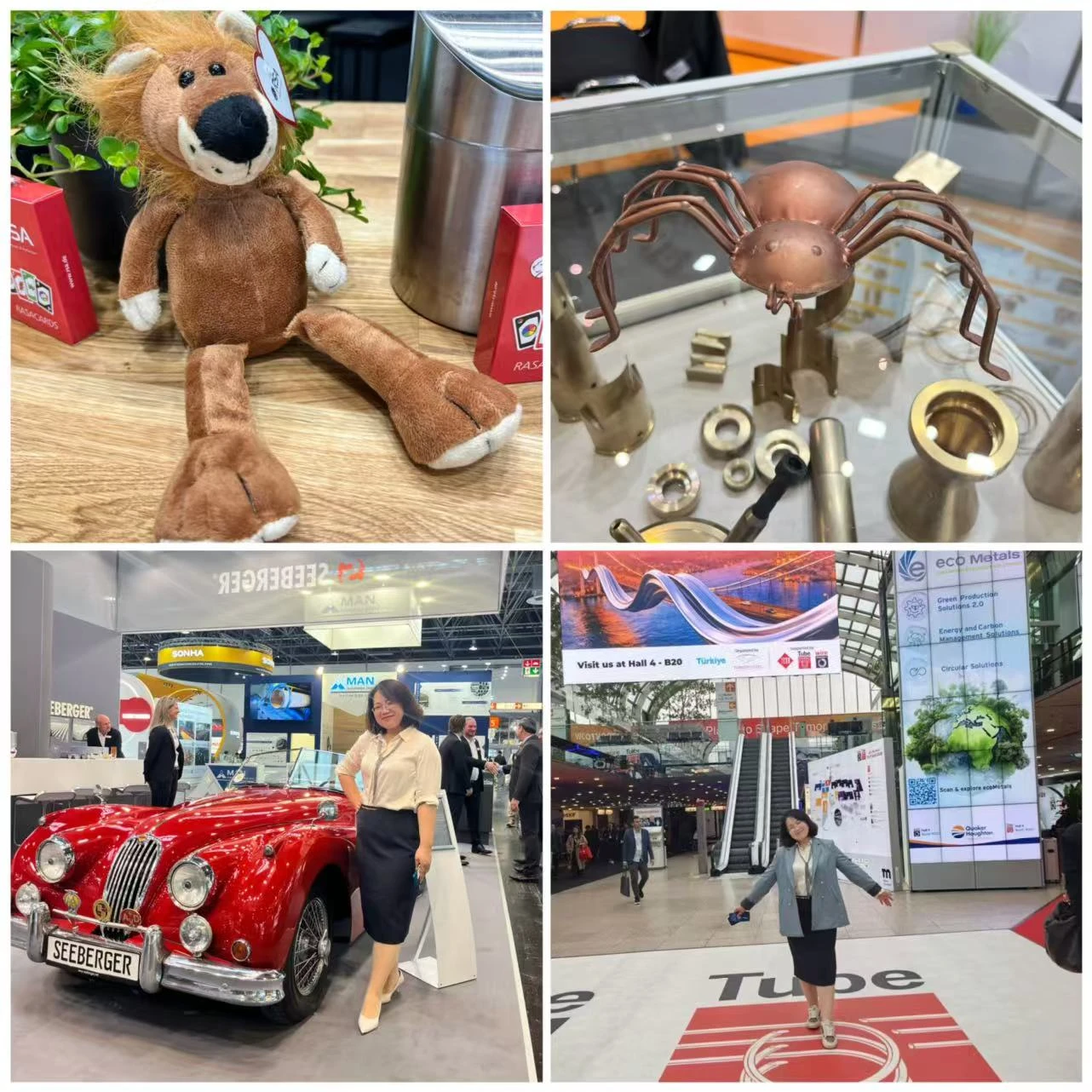
AIS Machinery Showcases Advanced Tube Solutions at Tube & Wire Düsseldorf 2026
Tube & Wire Düsseldorf 2026, one of the most influential exhibitions in the global tube and wire industry, held biennially in Düsseldorf, Germany
2027-04-17 00:00:00
Southeast Asia Client Visits Our Factory | Customized Tube Mill Solution Delivered
A Southeast Asia client visited our ERW tube mill factory to inspect production lines and discuss a customized tube mill solution. Impressed by our machine quality, welding performance, and engineering support, the client confirmed strong cooperation intentions. Discover how our ERW tube mill solutions improve efficiency, precision, and long-term production reliability.
2026-04-16 02:35:12
Professional Cold Roll Forming Machine Factory for Production
In the modern industrial landscape, the precision of metal shaping is the cornerstone of quality manufacturing. Partnering with a professional cold roll forming machine factory is essential for businesses looking to optimize their production lines, reduce material waste, and ensure high-dimensional accuracy. Whether you are producing C-channels, square tubes, or custom profiles, the choice of machinery determines your competitive edge in the market. This guide will explore the critical factors in selecting a factory and the technical advantages of advanced roll forming technology to help you make an informed investment.
2026-04-15 10:37:55
Flat Bar Production Line for Steel Coils: How It Works & Why It Matters
Looking for a flat bar production line? Learn how it turns steel coils into ready-to-use flat bars with precise length and high straightness. Compare it with slitting lines and get the best solution for your steel processing needs.
2026-04-14 00:00:00
Looking for a Milling Saw for ERW Tube Mill? Here’s What You Need to Know
Looking for a high-performance milling saw for your ERW tube mill? Upgrade to burr-free, high-precision pipe cutting with advanced flying saw technology. Improve efficiency, reduce rework, and meet export standards for carbon steel, stainless steel, and API pipes. Contact us today for expert solutions and competitive pricing tailored to your production needs.
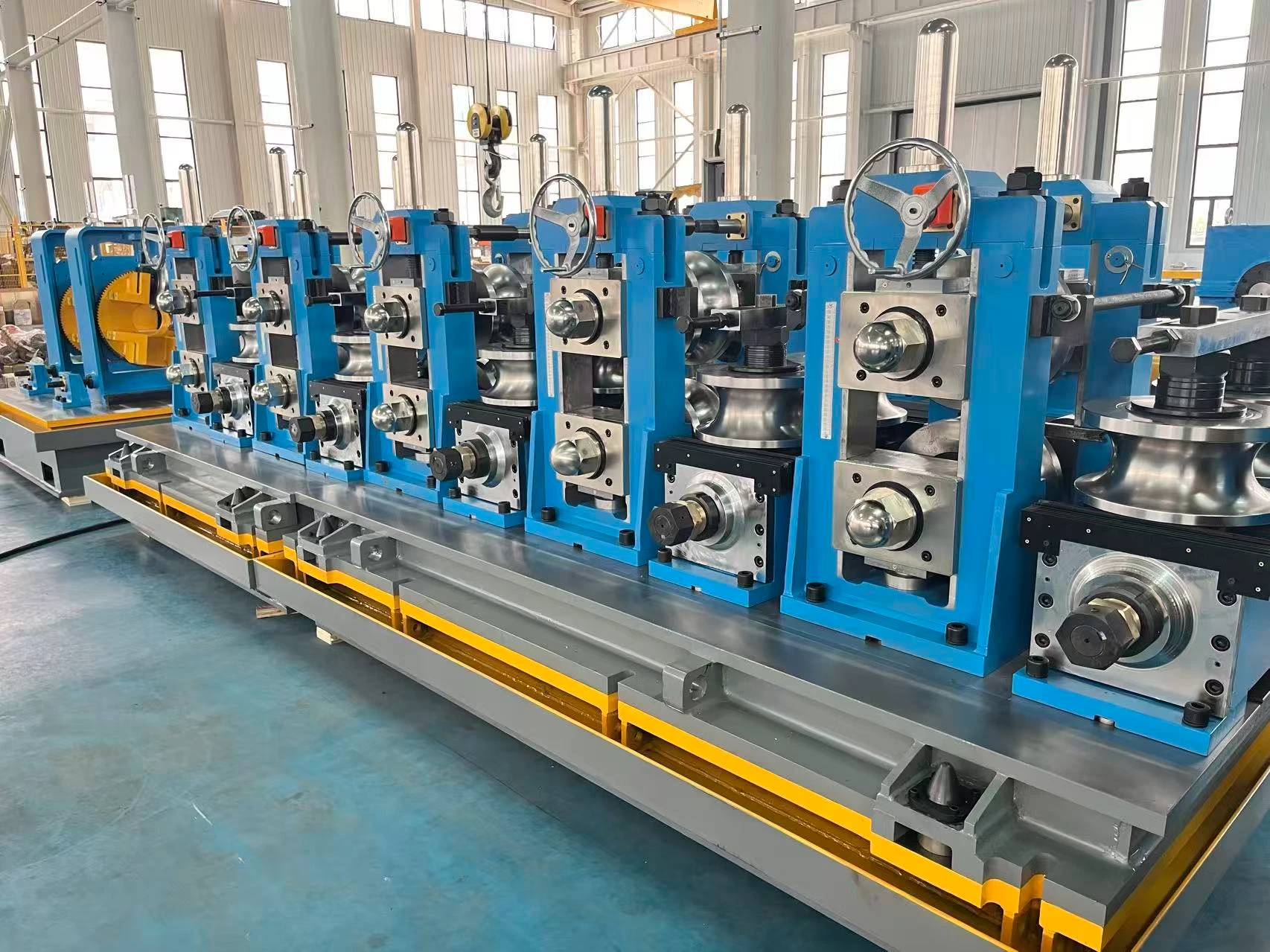
2026-04-09 16:15:19
5-Inch (127mm) ERW Tube Making Machine Delivered with Heavy-Duty Design and Advanced Quick Change System
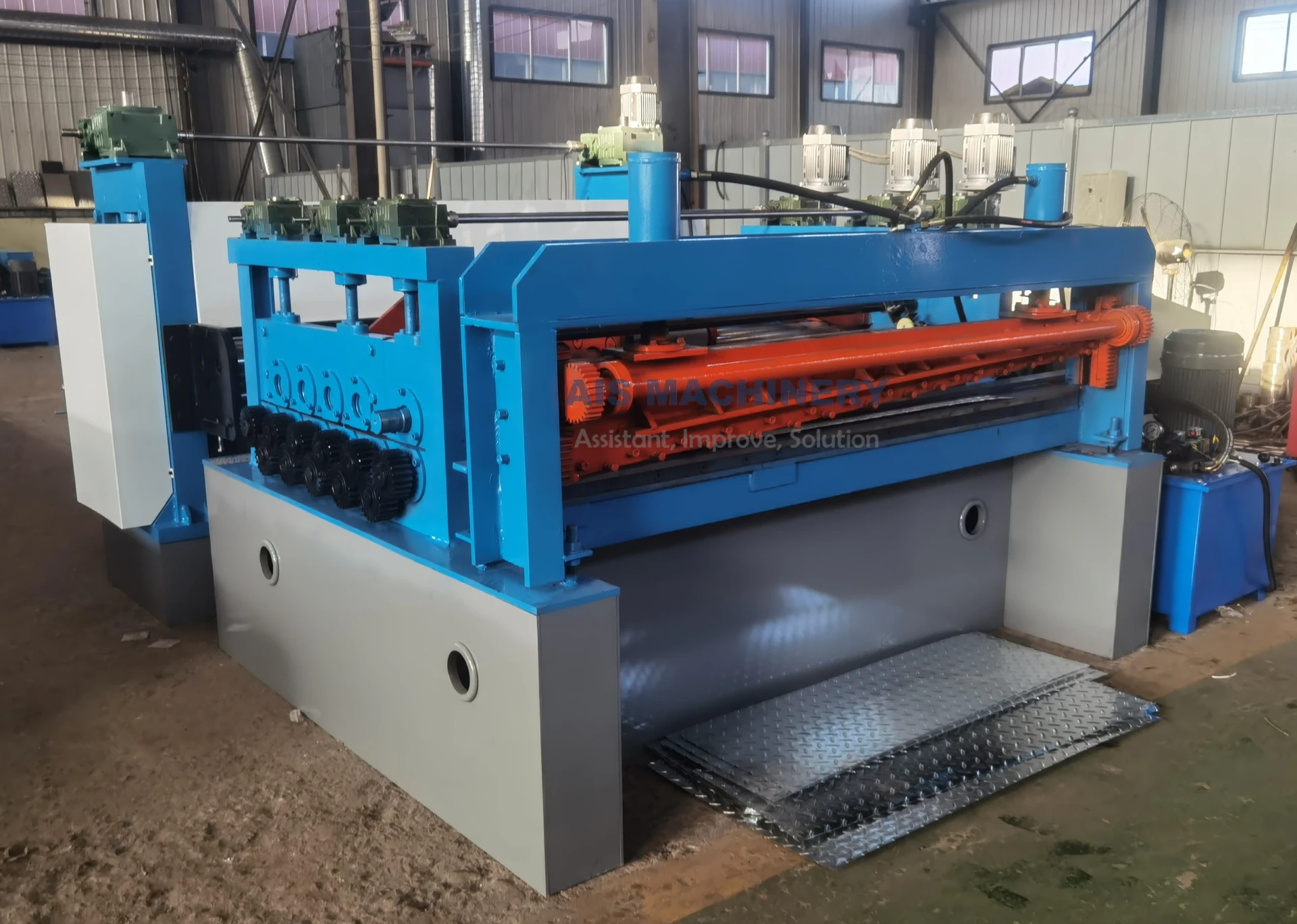
2027-04-07 00:00:00
Metal Embossing Machine: Turn Flat Sheets into High-Value Textured Products
Discover how a metal embossing machine transforms flat steel, stainless steel, and aluminum sheets into high-value textured products. Learn about its working principle, key components, and applications. Ideal for decorative and industrial use, embossing machines improve both appearance and performance. Explore complete embossing line solutions and find the right machine for your production needs.
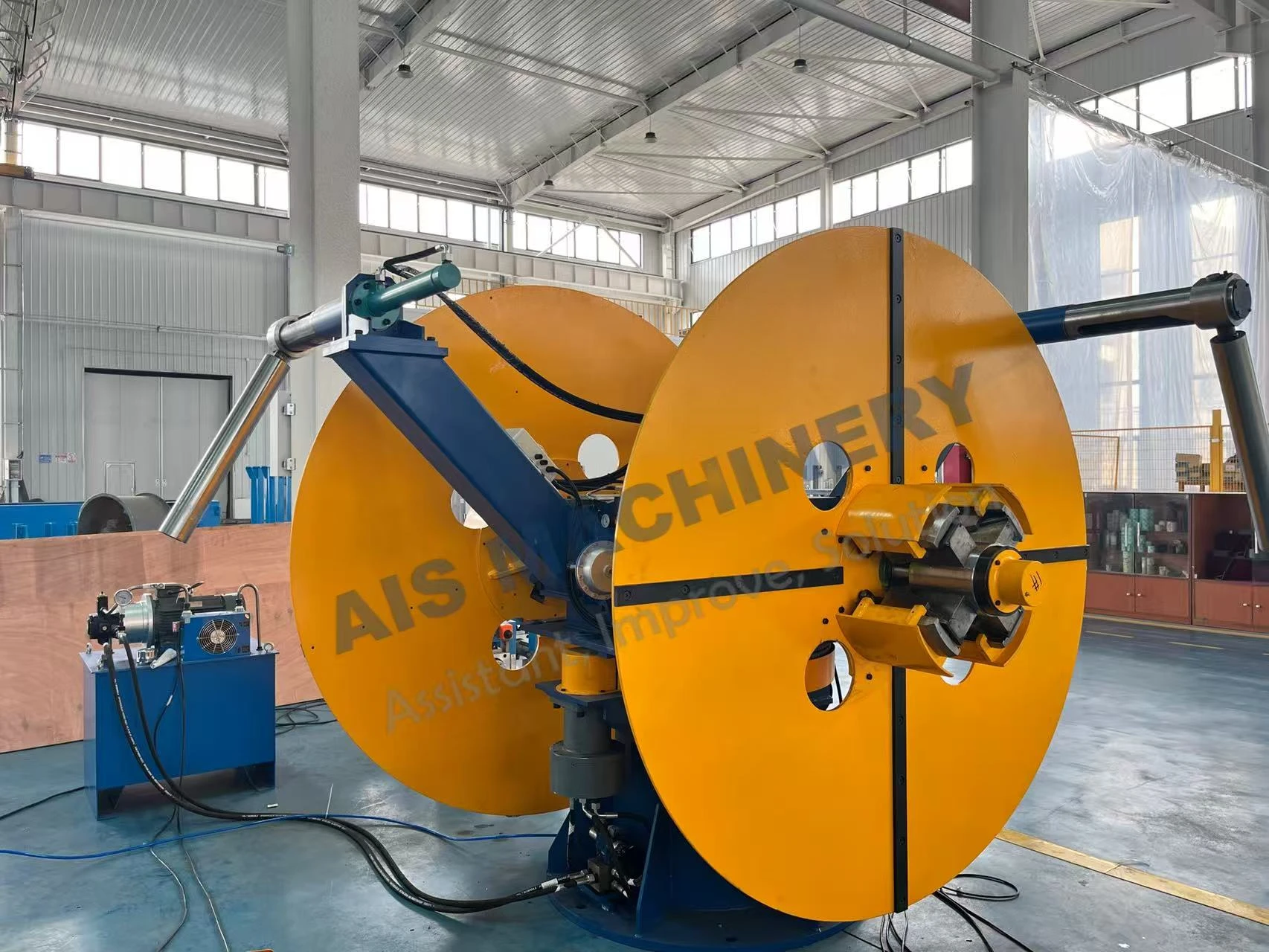
2026-04-04 20:37:18
Automatic Double Side Uncoiler with Hydraulic Expansion and Auto Rotation for Steel Coil Processing
The Automatic Double Side Uncoiler is a high-efficiency solution designed for modern steel coil processing lines, including tube mills, roll forming machines, and slitting lines. With a maximum capacity of 4 tons per side, this machine ensures stable and continuous coil feeding while reducing downtime during coil change.
Send a Message
Dear customer, thank you for your attention! We provide high-quality machinery and equipment and look forward to your orders. Please inform us of your needs and we will respond quickly!
 English
  Albanian
  Arabic
  French
  German
  Indonesian
  Italian
  Japanese
  Kazakh
  Korean
  Latin
Latin  Macedonian
  Portuguese
  Russian
  Spanish
  Thai
Thai  Turkish
  Ukrainian
  Uzbek
Uzbek