
-
 Tel:86-15176910262
-

Search
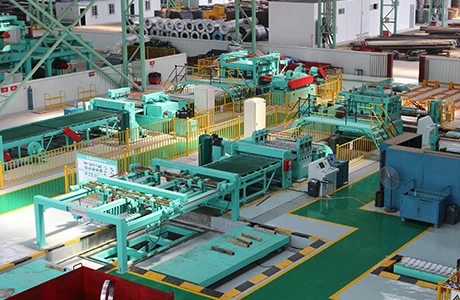

Comprehensive Guide to Slitter Machines: Boost Manufacturing Precision and Efficiency
Nov . 26, 2025 11:30
Getting to Know the Slitter Machine: A Global Impact You Might Not Have Noticed
If you've ever been curious about how giant rolls of metal or plastic sheets are sliced into narrower strips for packaging, automotive parts, or even construction materials, you're in the right place. The slitter machine might sound niche, but its role is anything but. It’s a quiet backbone to many industries worldwide, and understanding it sheds light on global supply chains, manufacturing efficiency, and—even beyond business—disaster response efforts.
Why the Slitter Machine Matters Globally
The world’s reliance on manufacturing is increasing, with the global metal processing equipment market, which includes slitting technologies, forecast to grow at over 5% annually according to recent ISO industry reports. Interestingly, this growth also ties to sustainability drives since precision cutting minimizes material waste—a small but meaningful nudge towards greener manufacturing.
However, challenges remain. Many manufacturers face bottlenecks with inefficient cutting methods that delay production and increase costs. That's where the slitter machine steps in: offering speed, precision, and adaptability, it smooths out these issues globally.
What Exactly Is a Slitter Machine?
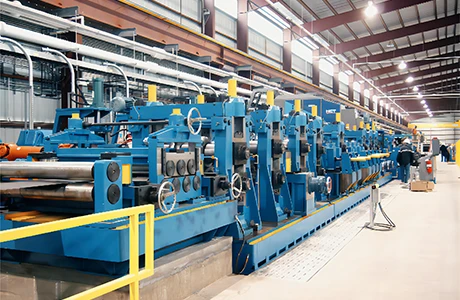
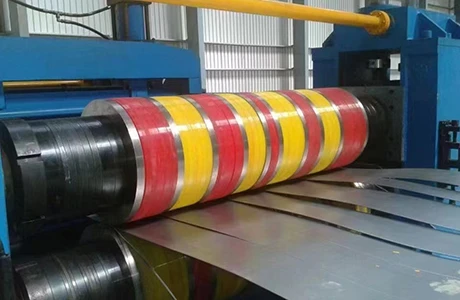
Simply put, a slitter machine is an industrial device designed to cut large rolls or sheets of materials—think metals like steel or aluminum, plastics, papers—into narrower strips with clean, consistent edges. Imagine a giant rolling pin equipped with blades set to precise widths. The connection to modern industry? Without these machines, customized sizing of materials for further fabrication would be inefficient or even nearly impossible.
Beyond just manufacturing, slitter machines help humanitarian efforts by enabling fast production of specialized components like ventilation ducts or container fittings essential in post-disaster rebuilding.
Core Components and Key Factors
1. Durability
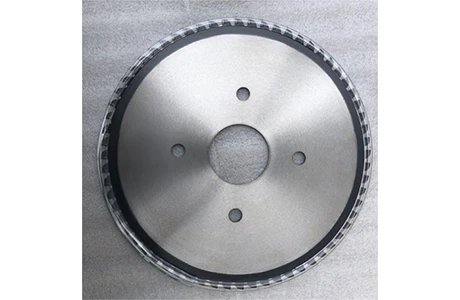
Slitter machines operate continuously under high stress. Their frame and blades are typically made from hardened steel or alloys that resist wear—crucial because downtime from blade changes equals lost productivity.
2. Scalability
From small workshops to large factories, slitter machines come in varying sizes and automation levels. This scalability allows industries of all sizes to adopt slitting tech fitting their budget and output needs.
3. Precision and Speed
One of the biggest selling points is how quickly and accurately these machines slice materials. This saves raw material by reducing errors and rework—a huge cost saver in mass production.
4. Cost Efficiency
Admittedly, quality slitter machines can be pricey upfront, but the reduction in waste and increased throughput generally pays off in months. Many manufacturers see up to a 20% improvement in material utilization.
5. Ease of Maintenance
Designs have evolved so operators can quickly change blades and adjust settings, sometimes aided by digital controls, reducing labor costs and downtime.
Mini takeaway: The slitter machine is a robust blend of engineering geared for efficiency and precise material handling, making it indispensable in modern production lines.
Where Do They Get Used? Real-World Impact of Slitter Machines
Across continents from Asia’s vast metal fabrication hubs to European packaging plants, slitter machines are everywhere. Here are some examples:
- Automotive industry — Precision-cut metal strips become parts like seat frames or trim pieces.
- Packaging sector — Paper and plastic films are slit exactly for bag-making or labels.
- Renewable Energy — Thin metal ribbons used in solar panel manufacturing.
- Disaster relief operations — Slitters produce ventilation pipes and customized shipping container parts quickly.
Oddly enough, in remote industrial zones, having the right slitting equipment onsite reduces reliance on expensive imports and shortens project timelines.
Slitter Machine Specifications at a Glance
| Specification | Typical Range/Value |
|---|---|
| Max Coil Width | 1250 mm - 2000 mm |
| Slitting Speed | 30 - 120 m/min |
| Blade Diameter | 200 - 350 mm |
| Material Thickness Range | 0.2 mm - 3 mm |
| Drive Type | Hydraulic, Electric |
Choosing Between Top Slitter Machine Vendors
| Feature | Vendor A | Vendor B | Vendor C |
|---|---|---|---|
| Max Coil Width | 1500 mm | 1800 mm | 1600 mm |
| Automation Level | Semi-automatic | Fully automatic | Semi-automatic |
| Blade Material | Hardened Tool Steel | Carbide | Hardened Tool Steel |
| Price Range | $$$ | $$$$ | $$ |
Why Invest in a Slitter Machine? The Long-Term Value
Beyond the obvious productivity gains—which are themselves significant—the slitter machine brings cost savings by minimizing scrap and improving quality control. In fact, some plants report up to 15% raw material savings over traditional cutting methods. Then there's the emotional side: fewer production errors mean less stress for operators and better trust from clients who rely on timely, high-quality deliveries.
Plus, as industries push for greener processes, the machine’s efficiency aligns perfectly with sustainability goals—not just in reducing waste, but also in energy-efficient operation models.
What’s Next? Future Trends in Slitter Machines
The future holds an exciting promise: digital integration with IoT sensors for predictive maintenance, fully automated blade change systems, and use of advanced materials that sharpen themselves or last longer. The shift towards renewable energy materials also means slitters will adapt for new substrate types like ultra-thin flexible solar films or biodegradable plastics.
Interestingly, as more manufacturers embrace Industry 4.0, slitting processes will become faster, smarter, and more adaptive to just-in-time production needs.
Common Issues & Expert Solutions
Despite their advantages, slitter machines come with challenges such as initial capital costs and the requirement for skilled operators. But many companies are tackling this via better training programs and modular designs that allow smaller investments while scaling up later.
Moreover, advances in blade technology and software-based cutting optimizations are steadily reducing setup times and blade wear, addressing operational concerns.
FAQ: Quick Answers to Your Slitter Machine Questions
- Q1: What metals can a standard slitter machine handle?
- A: Most slitter machines can process steel, aluminum, copper, and some specialized alloys, typically within thicknesses of 0.2mm to 3mm. However, always check the vendor specs for material compatibility.
- Q2: How often should blades be replaced?
- A: Blade longevity depends on usage and material but typically ranges from several weeks to months. Advanced blade materials and regular maintenance can extend lifespan considerably.
- Q3: Can slitter machines handle plastic films as well?
- A: Absolutely. Slitters designed for plastics have adjusted blade types and tension controls to prevent tearing and ensure smooth cuts.
- Q4: Is automation essential when choosing a slitter machine?
- A: Not always. Smaller operations may benefit more from semi-automatic models. The right choice depends on volume, budget, and required precision.
Wrapping Up: Why the Slitter Machine Should Be on Your Radar
The humble slitter machine enriches countless industries by transforming bulky raw materials into the precise components that power everything from packaging to renewable energy. Its efficiency, cost-savings, and evolving tech show it’s more than just a cutter—it’s a catalyst for innovation and sustainability.
Looking to optimize your production line or explore cutting-edge machinery? Check out our selection of slitter machines and discover how to take your operations to the next level.
Thanks for joining this deep dive. I’ll leave you with this curious thought: behind every shiny metal edge is a story of engineering precision, balancing power and finesse — sort of like life itself...
References

Related Products

Related News
2026-04-18 03:20:20
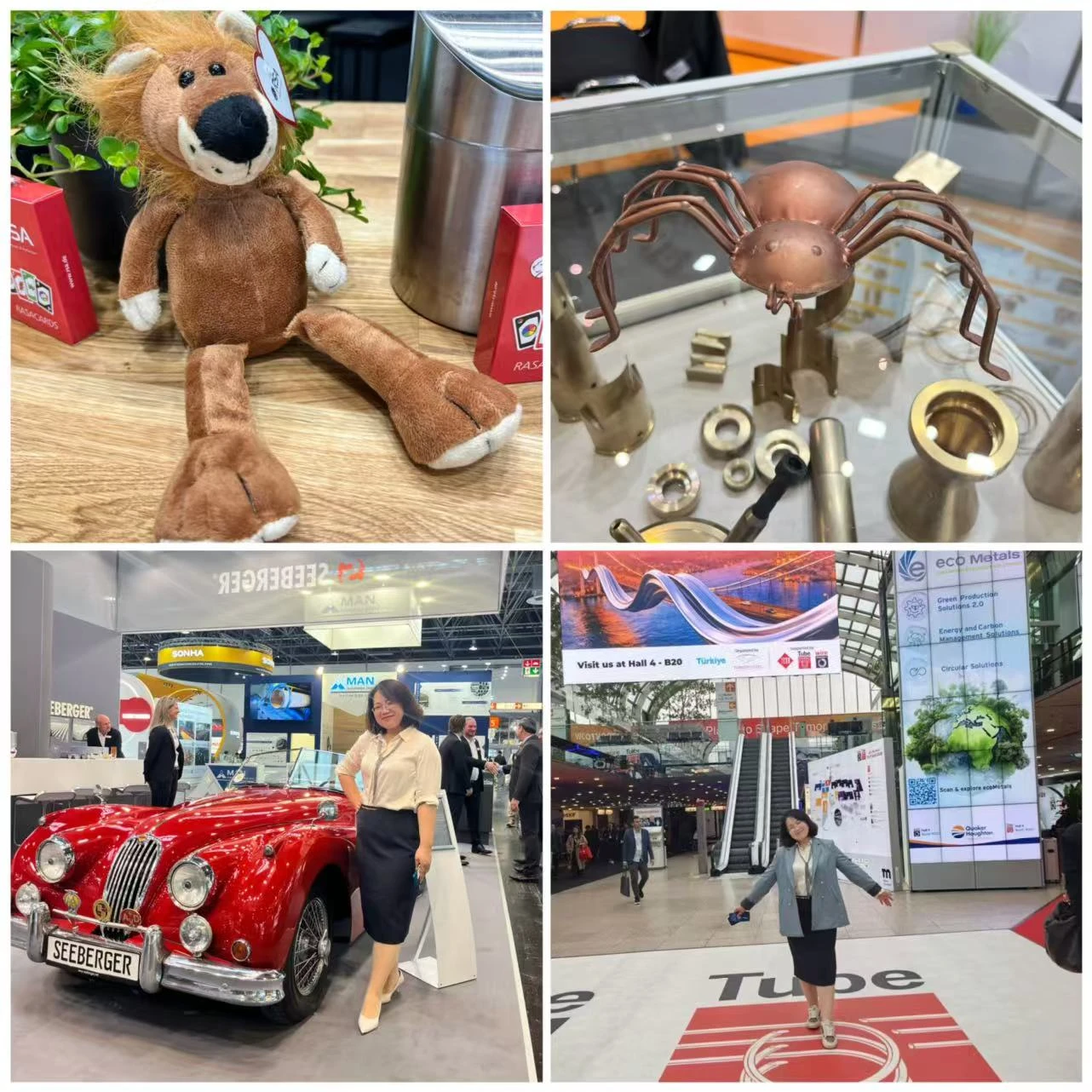
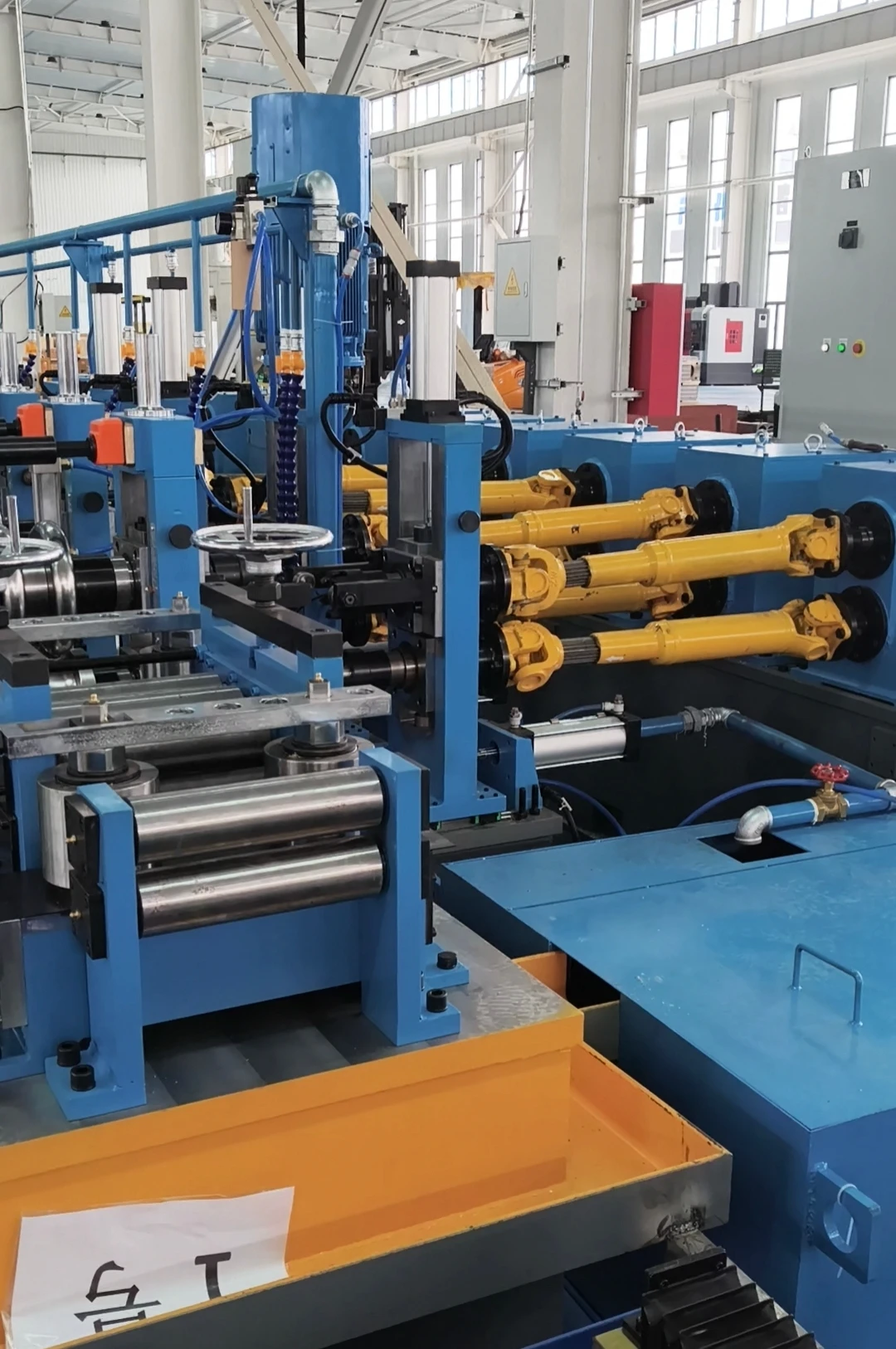
AIS Machinery Showcases Advanced Tube Solutions at Tube & Wire Düsseldorf 2026
Tube & Wire Düsseldorf 2026, one of the most influential exhibitions in the global tube and wire industry, held biennially in Düsseldorf, Germany
2027-04-17 00:00:00
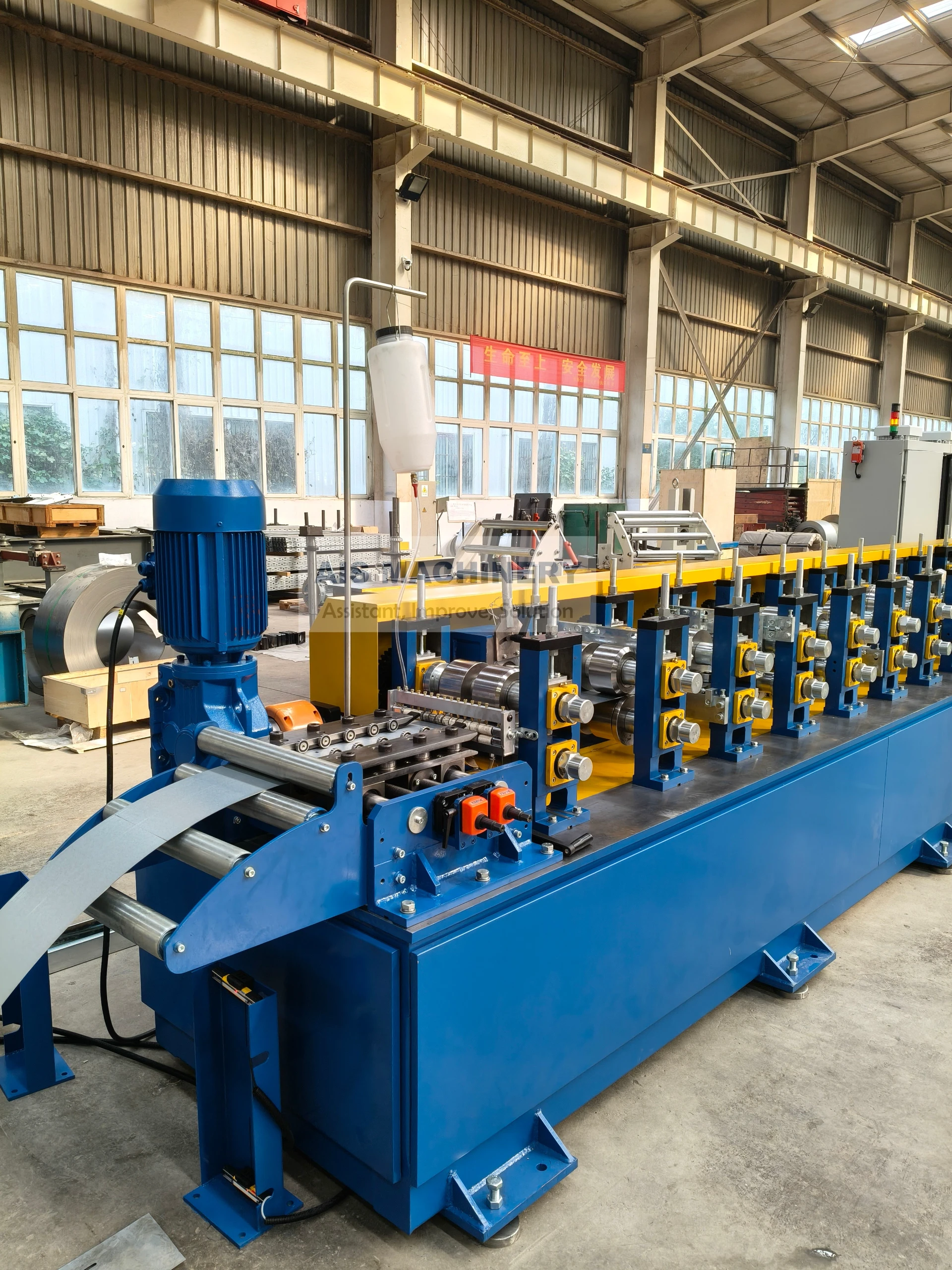
Southeast Asia Client Visits Our Factory | Customized Tube Mill Solution Delivered
A Southeast Asia client visited our ERW tube mill factory to inspect production lines and discuss a customized tube mill solution. Impressed by our machine quality, welding performance, and engineering support, the client confirmed strong cooperation intentions. Discover how our ERW tube mill solutions improve efficiency, precision, and long-term production reliability.
2026-04-16 02:35:12
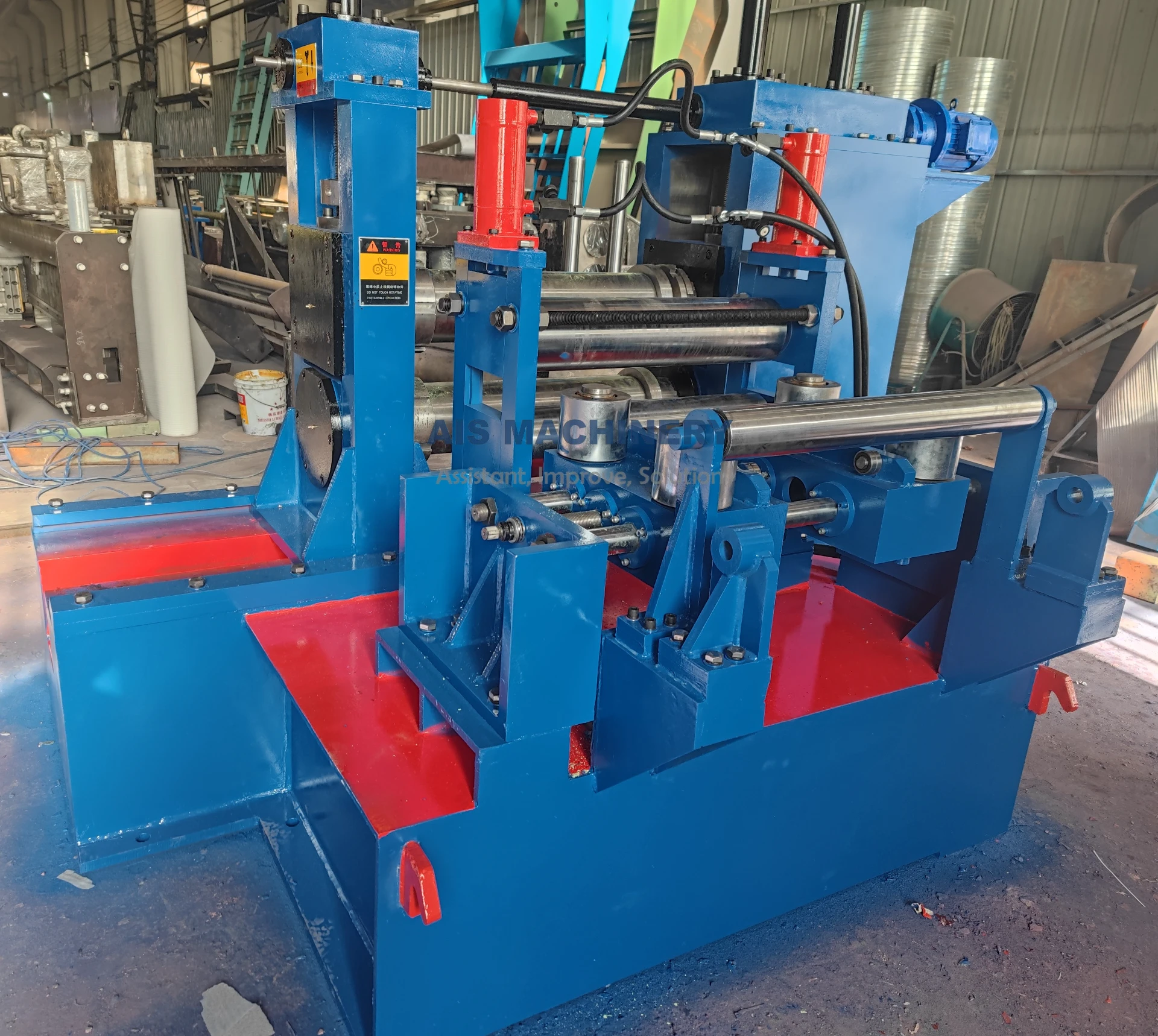
Professional Cold Roll Forming Machine Factory for Production
In the modern industrial landscape, the precision of metal shaping is the cornerstone of quality manufacturing. Partnering with a professional cold roll forming machine factory is essential for businesses looking to optimize their production lines, reduce material waste, and ensure high-dimensional accuracy. Whether you are producing C-channels, square tubes, or custom profiles, the choice of machinery determines your competitive edge in the market. This guide will explore the critical factors in selecting a factory and the technical advantages of advanced roll forming technology to help you make an informed investment.
2026-04-15 10:37:55
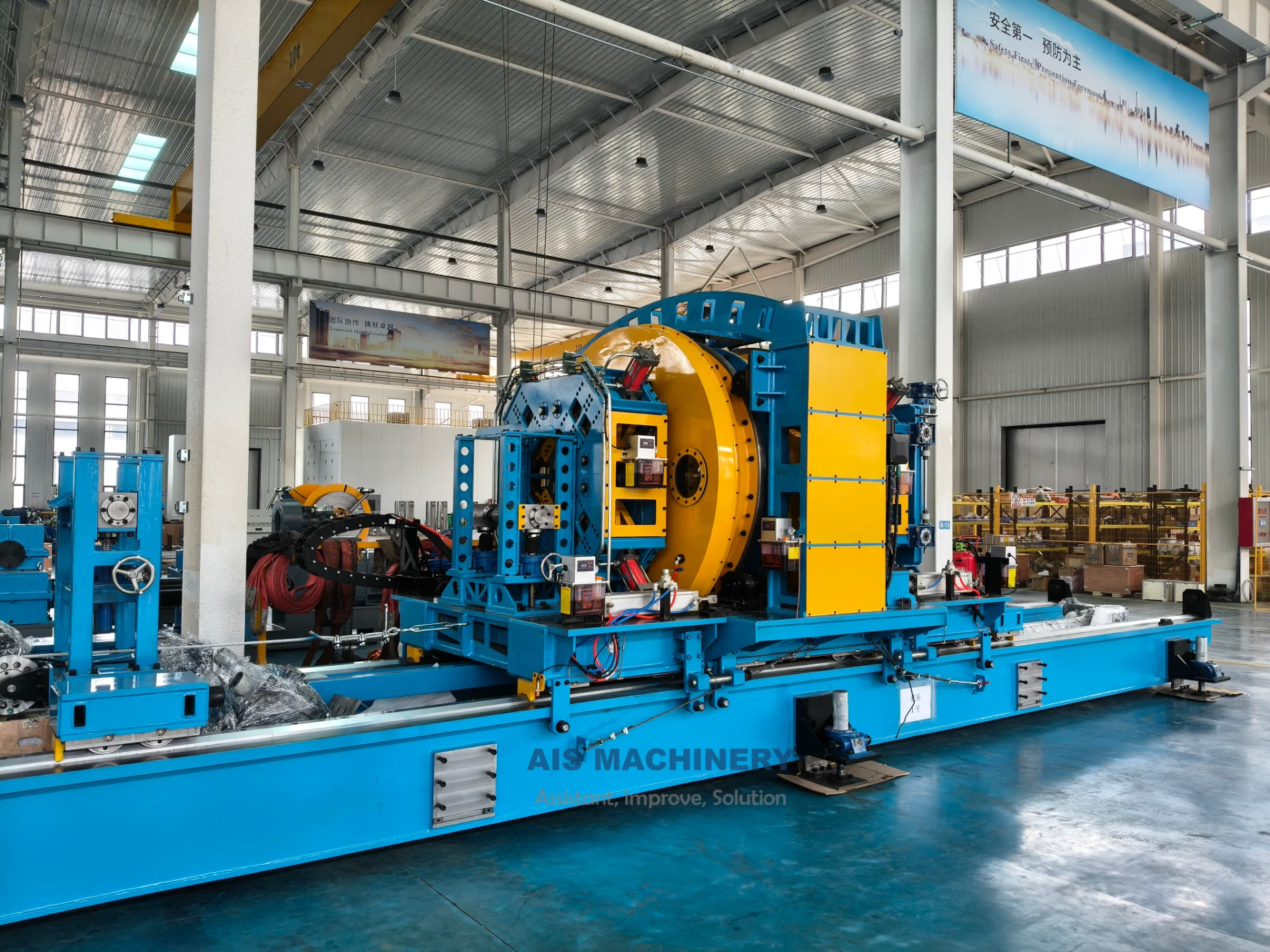
Flat Bar Production Line for Steel Coils: How It Works & Why It Matters
Looking for a flat bar production line? Learn how it turns steel coils into ready-to-use flat bars with precise length and high straightness. Compare it with slitting lines and get the best solution for your steel processing needs.
2026-04-14 00:00:00
Looking for a Milling Saw for ERW Tube Mill? Here’s What You Need to Know
Looking for a high-performance milling saw for your ERW tube mill? Upgrade to burr-free, high-precision pipe cutting with advanced flying saw technology. Improve efficiency, reduce rework, and meet export standards for carbon steel, stainless steel, and API pipes. Contact us today for expert solutions and competitive pricing tailored to your production needs.
2026-04-09 16:15:19
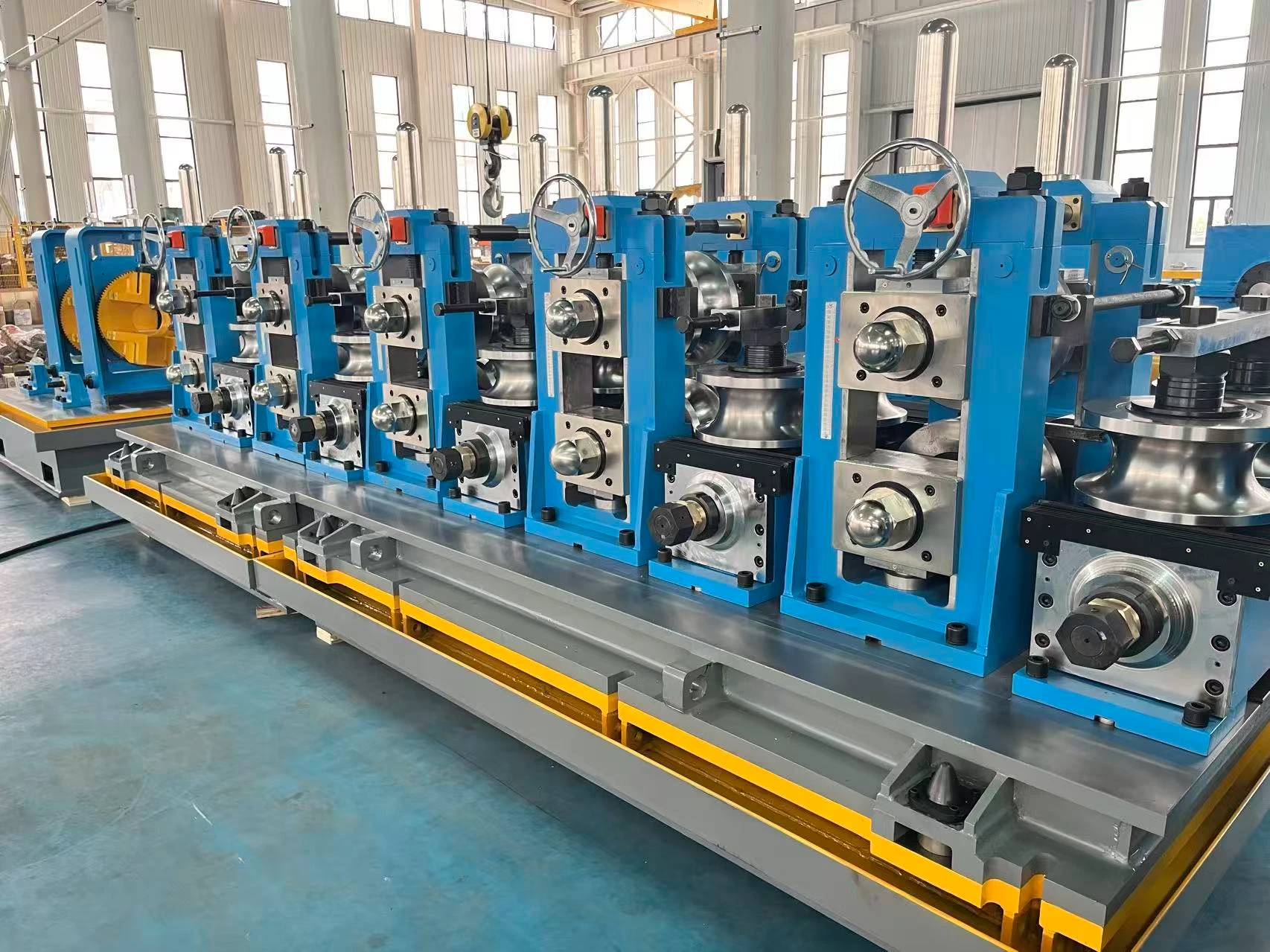
5-Inch (127mm) ERW Tube Making Machine Delivered with Heavy-Duty Design and Advanced Quick Change System
2027-04-07 00:00:00
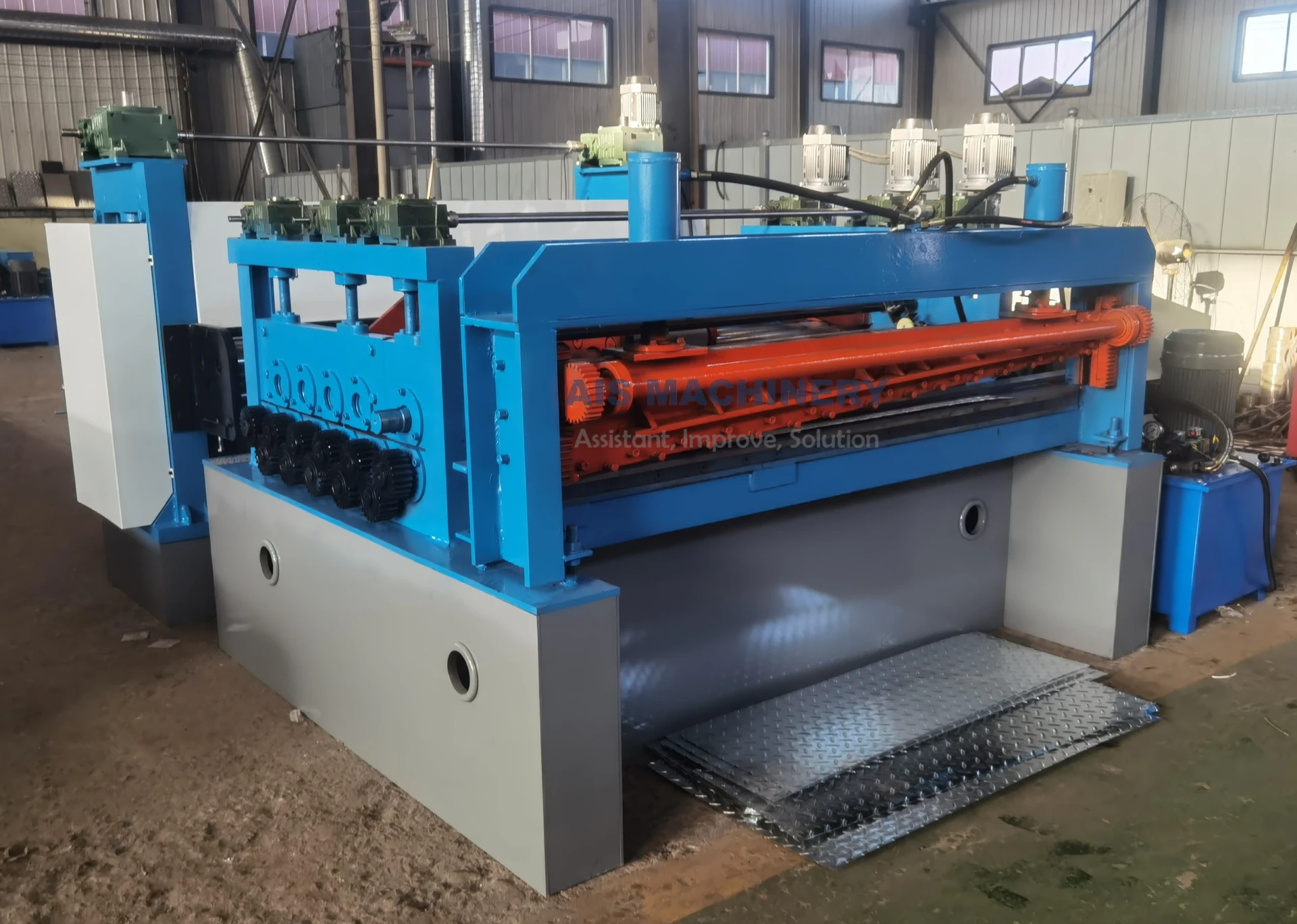
Metal Embossing Machine: Turn Flat Sheets into High-Value Textured Products
Discover how a metal embossing machine transforms flat steel, stainless steel, and aluminum sheets into high-value textured products. Learn about its working principle, key components, and applications. Ideal for decorative and industrial use, embossing machines improve both appearance and performance. Explore complete embossing line solutions and find the right machine for your production needs.
2026-04-04 20:37:18
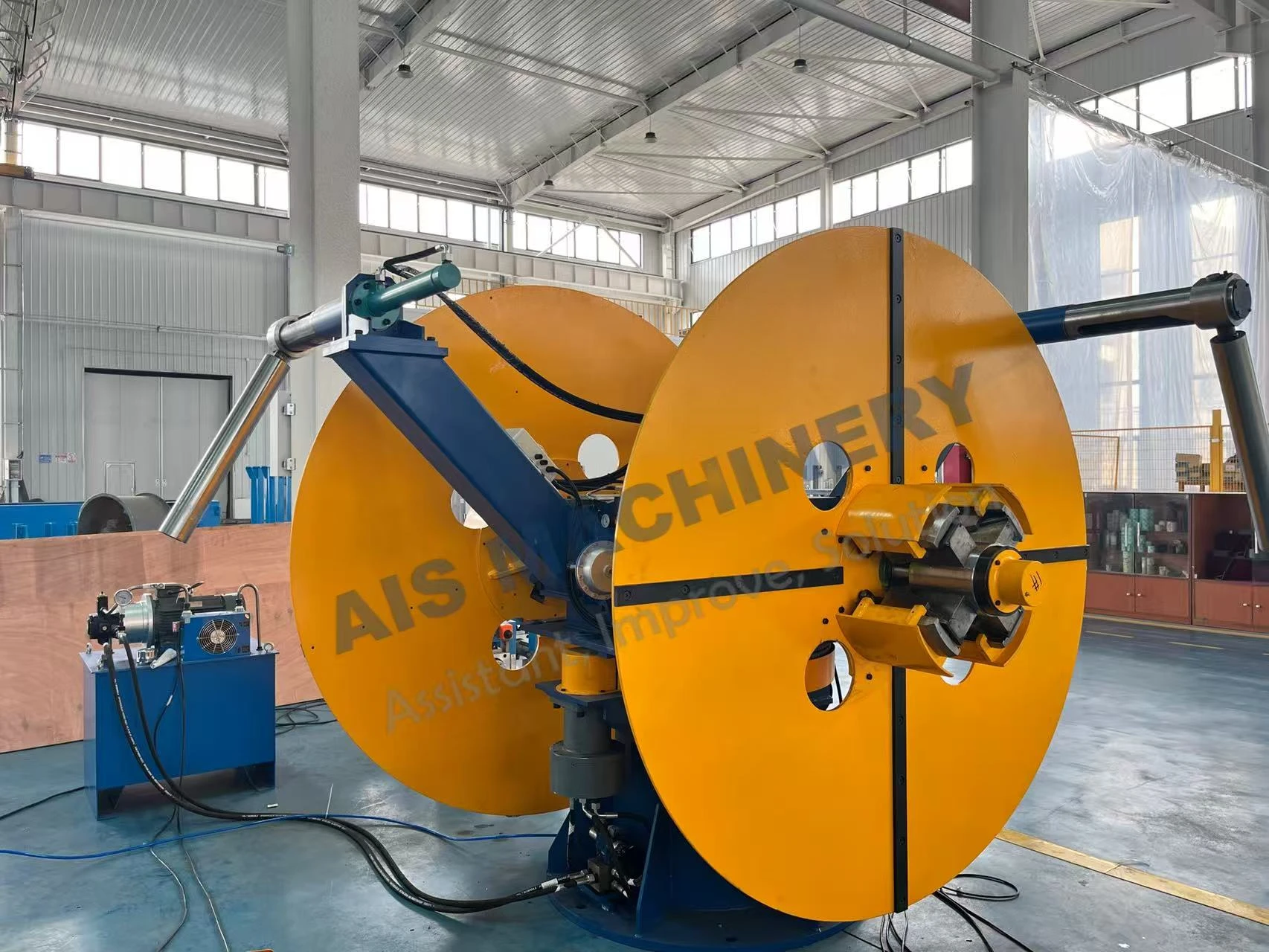
Automatic Double Side Uncoiler with Hydraulic Expansion and Auto Rotation for Steel Coil Processing
The Automatic Double Side Uncoiler is a high-efficiency solution designed for modern steel coil processing lines, including tube mills, roll forming machines, and slitting lines. With a maximum capacity of 4 tons per side, this machine ensures stable and continuous coil feeding while reducing downtime during coil change.
Send a Message
Dear customer, thank you for your attention! We provide high-quality machinery and equipment and look forward to your orders. Please inform us of your needs and we will respond quickly!
 English
  Albanian
  Arabic
  French
  German
  Indonesian
  Italian
  Japanese
  Kazakh
  Korean
  Latin
Latin  Macedonian
  Portuguese
  Russian
  Spanish
  Thai
Thai  Turkish
  Ukrainian
  Uzbek
Uzbek