
-
 Tel:86-15176910262
-

Search

Cut to Length Line Machine – Streamlining Precision Metal Processing for Industry
Dec . 02, 2025 13:49
Why the Cut to Length Line Machine Matters in Modern Industry
Before we get into the nuts and bolts of the cut to length line machine, it might be useful to frame why this topic matters globally. In the vast dance of manufacturing and steel processing, the ability to slice large coils of metal into precise lengths swiftly and efficiently can mean the difference between a smooth, cost-effective supply chain and a logistical headache. With industries ranging from automotive to construction relying heavily on metal sheets, understanding cut to length line machines is practically essential. They not only streamline production but also drastically reduce waste—something the world sorely needs today as we push towards more sustainable manufacturing. ---Introduction: The Global Demand for Precision Cutting
Globally, the steel and metal processing industry is a heavyweight, contributing millions of tons of processed metal annually. According to the World Steel Association, the world produced over 1.8 billion tons of crude steel in 2022. A significant chunk of this steel eventually needs to be cut to standardized dimensions before becoming car bodies, office partitions, home appliances, or packaging. The cut to length line machine serves as an automated hero here, taking up the challenge of turning giant coils into neatly cut sheets. Despite its critical role, many manufacturers struggle with inefficiencies like inconsistent cutting length, metal deformation, or slow processing speed — problems that cut to length machines directly address. And because this equipment often operates at the front lines of steel processing, its performance can ripple down the entire production chain. ---What Is a Cut to Length Line Machine?
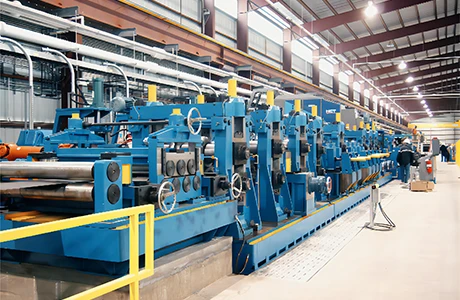
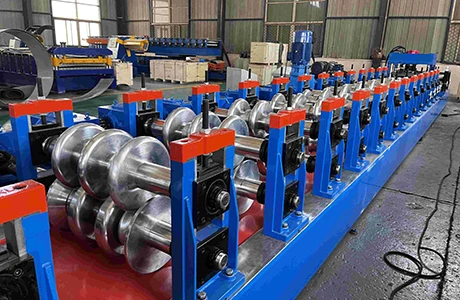
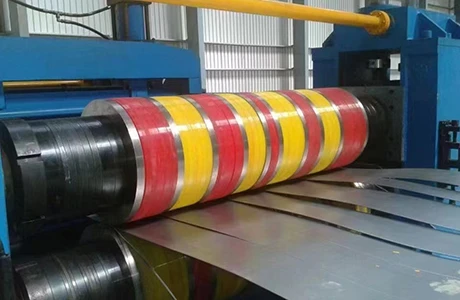
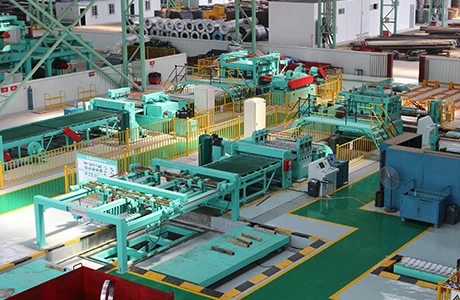
Put simply: a cut to length line machine is a piece of industrial equipment designed to uncoil metal coils, level the metal strip, then cut it precisely into sheets of desired length. Think of it as a kind of automated paper cutter but for sheets of steel, aluminum, or other metals. Its connection to modern manufacturing is pretty straightforward. Industries need uniform sheets ready for stamping, forming, or fabrication. Instead of cutting by hand or using less precise methods, the cut to length line machine automates the entire process — reducing labor, improving accuracy, and boosting repeatability. From emergency shelter frameworks to massive bridge parts, wherever metal sheets come into play, this machine fits right in. ---Key Components and Factors That Make a Difference
1. Precision Cutting Mechanism
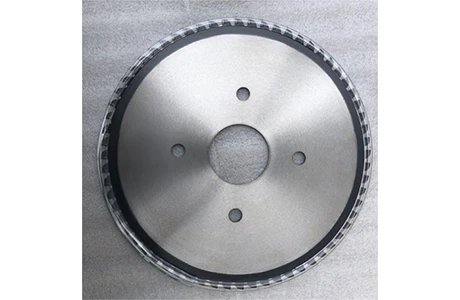
The heart of any cut to length line is its cutting knife or shear. It must slice metal cleanly without burrs or deformation. Many machines today use flying shear technology, enabling cuts without stopping the metal strip, increasing throughput.2. Uncoiler and Leveling Section
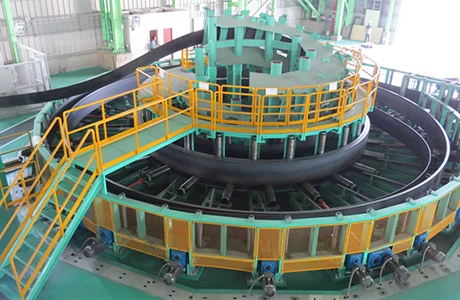
Feeding the metal strip smoothly from the coil is tricky. A well-designed uncoiler paired with flatness levelers ensures the metal enters the cutting station perfectly aligned — minimizing scrap and improving product quality.3. Speed and Automation
Faster isn't always better — but in this case, it usually is, provided accuracy holds. Automated control systems allow operators to program length specs and manage line speed dynamically, reducing downtime and operator error.4. Durability and Maintenance
These machines operate in tough, industrial conditions. Robust construction, easy access for maintenance, and modular parts design help keep downtime low and extend service life.5. Customization and Integration
Different manufacturers have different requirements — from coil width and thickness to cutoff length range. Many machines offer modular options and easy integration with ancillary lines or robots. ---Mini takeaway:
In real terms, the cut to length line machine is this perfect blend of precision engineering and rugged reliability, wrapped up in automation that countless industries depend on daily. ---Global Applications: Where and How the Cut to Length Line Machine Shines
You hear about these machines mostly in steel mills, but their influence spreads far further. For example: - Asia and Europe: Manufacturing hubs like China, Germany, and South Korea rely heavily on advanced cut to length machines to feed automotive and appliance factories. - North America: Steel service centers widely use these lines to create custom sheets for construction, aerospace, and packaging. - Emerging Markets: Countries investing in infrastructure see these machines as catalysts, improving local manufacturing capabilities and reducing dependency on imports. Oddly, some humanitarian groups have indirectly benefited. For instance, faster production of metal sheets enables quicker assembly of prefabricated structures used in emergency housing post-natural disasters. ---What Are the Advantages of Investing in a Cut to Length Line Machine?
- Cost Efficiency: Automating the cutting process reduces labor costs, minimizes waste, and speeds up production cycles. - Sustainability: Precise cutting means less scrap metal heading to landfill and greater use of raw materials. - Reliability: Automated controls reduce human error and help ensure consistent product quality. - Scalability: Modular systems allow operations to grow without ripping up the entire production setup. - Safety: Reduces manual handling of heavy coils and sharp metal sheets, protecting worker well-being. Emotionally, these machines embody trust and innovation. Manufacturers know they can deliver on commitments because their raw materials preparation is in such capable hands. ---Looking Ahead: Technology Trends in Cut to Length Line Machines
There’s a palpable buzz around digital transformation in manufacturing. “Smart factories” increasingly embed sensors to monitor machine health in real-time, predicting maintenance needs before breakdowns occur. Green energy integration, such as electric drives and regenerative braking, trims the environmental impact. Material science advancements are pushing the boundaries too—machines are being designed to handle new lightweight alloys or coated steels more delicately. Automation and robotics are also making the lines safer and more efficient, often loading sheets directly into further processing machines. ---Common Challenges and How the Industry Addresses Them
No machine is perfect, and these lines are no exception. - Initial Cost: High upfront expenditure can be a barrier for small-to-medium manufacturers. Leasing options and modular designs offer some relief. - Technical Complexity: Requires skilled operators and maintenance staff — manufacturers often invest in training or remote support services. - Material Variability: Differences in coil quality can cause issues with leveling or cutting, handled by improved sensor systems and AI-driven adjustments. - Downtime Risk: Regular preventive maintenance and built-in diagnostics help mitigate this. ---FAQ: Frequently Asked Questions About Cut to Length Line Machines
Q1: How does a cut to length line machine improve production speed? A1: By automating the feed, leveling, and cutting process, the machine operates continuously—especially flying shear designs that cut while strip moves—reducing delays and speeding workflows compared to manual or stop-and-go methods. Q2: Can these machines handle different metal types? A2: Yes, most machines come equipped to process a variety of metals including steel, aluminum, and stainless steel. Adjustments are made for thickness, hardness, and surface coatings to ensure clean cuts. Q3: What maintenance is typically required? A3: Regular inspection of blades, lubrication of moving parts, calibration of sensors, and software updates are standard practices to keep the line running smoothly. Q4: Are there eco-friendly models available? A4: Increasingly yes. Manufacturers are incorporating energy-efficient motors, waste-reduction software, and integration with green power sources to meet stricter environmental standards. ---Product Specification Table: Example of a Mid-Range Cut to Length Line Machine
| Specification | Details |
|---|---|
| Max Coil Weight | 30,000 kg |
| Strip Width | 500 - 1600 mm |
| Strip Thickness | 0.5 - 6.0 mm |
| Cutting Speed | Up to 80 m/min |
| Cut Length Range | 200 mm – 6000 mm |
| Automation Level | Full PLC controlled with HMI |
Vendor Comparison Table: Key Features Considered
| Feature | Vendor A | Vendor B | Vendor C |
|---|---|---|---|
| Max Coil Capacity | 35,000 kg | 30,000 kg | 25,000 kg |
| Cutting Speed | 85 m/min | 80 m/min | 70 m/min |
| Automation Features | Advanced AI-assisted controls | Standard PLC with HMI | Basic PLC functions |
| Energy Efficiency | High (Regenerative Drives) | Medium | Low |
| After-sales Support | 24/7 Remote Assistance | Business hours only | Limited onsite |
Wrapping Up: Why Choosing the Right Cut to Length Line Machine Is a Game-Changer
Reflecting on everything, the cut to length line machine isn’t just a metal slicer. It’s a linchpin in modern manufacturing efficiency, sustainability, and innovation. Investing time to understand its nuances can pay dividends in smooth operations, cost savings, and reliable output for years to come. If you’re looking to boost your plant’s capabilities or curious how different options stack up, consider visiting cut to length line machine resources for deeper insights and solutions tailored to your needs. ---References

Related Products
Related News
2026-04-18 03:20:20
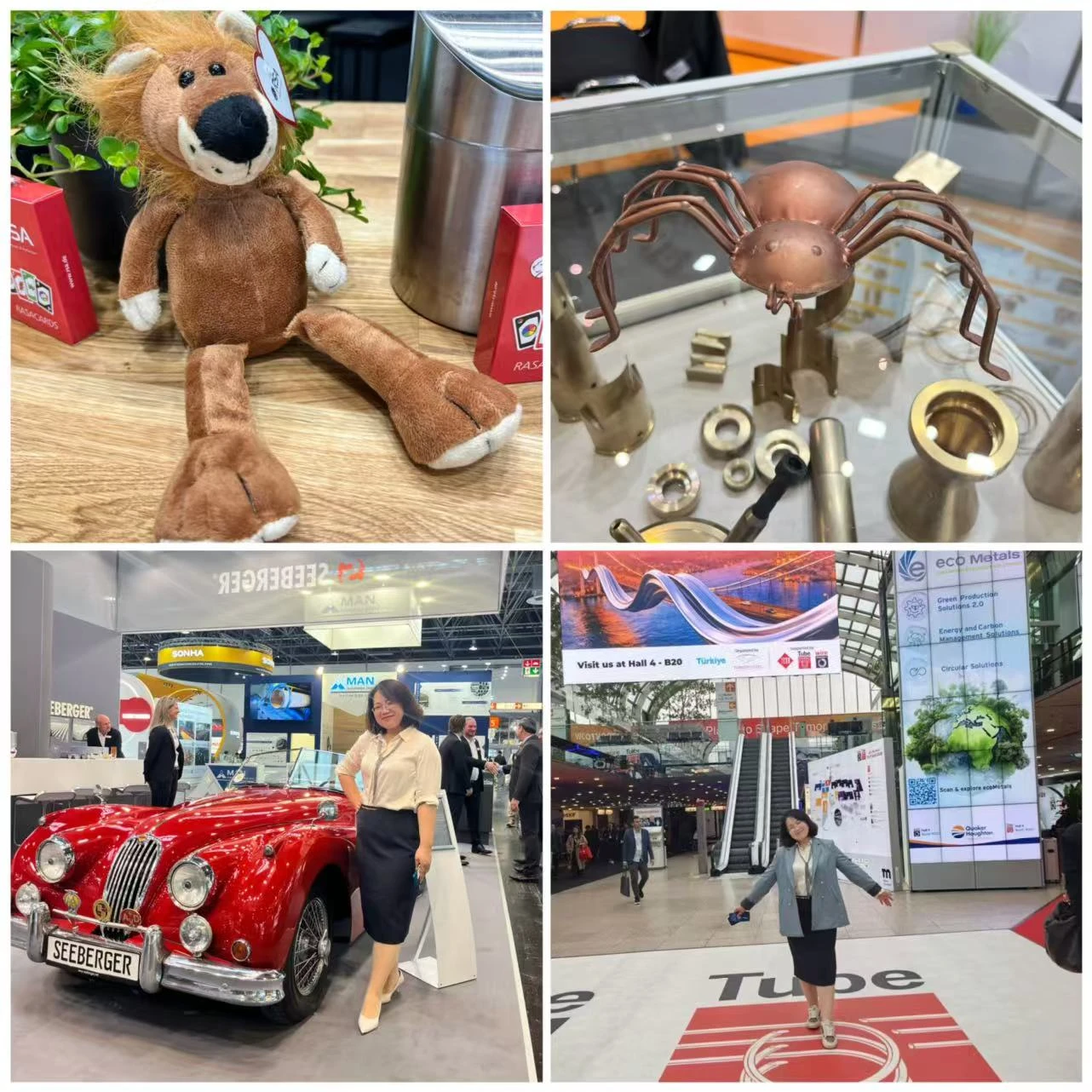
AIS Machinery Showcases Advanced Tube Solutions at Tube & Wire Düsseldorf 2026
Tube & Wire Düsseldorf 2026, one of the most influential exhibitions in the global tube and wire industry, held biennially in Düsseldorf, Germany
2027-04-17 00:00:00
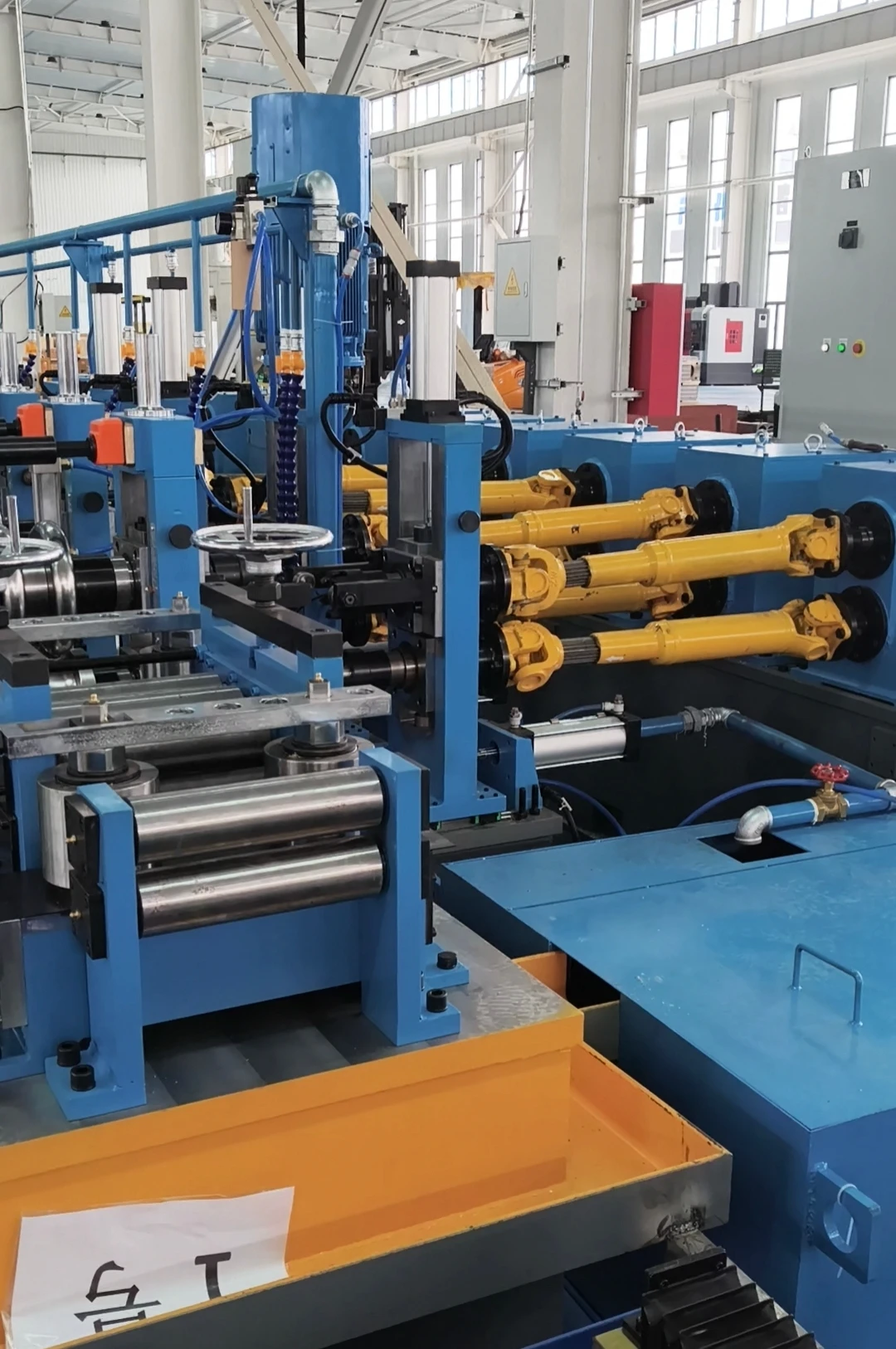
Southeast Asia Client Visits Our Factory | Customized Tube Mill Solution Delivered
A Southeast Asia client visited our ERW tube mill factory to inspect production lines and discuss a customized tube mill solution. Impressed by our machine quality, welding performance, and engineering support, the client confirmed strong cooperation intentions. Discover how our ERW tube mill solutions improve efficiency, precision, and long-term production reliability.
2026-04-16 02:35:12
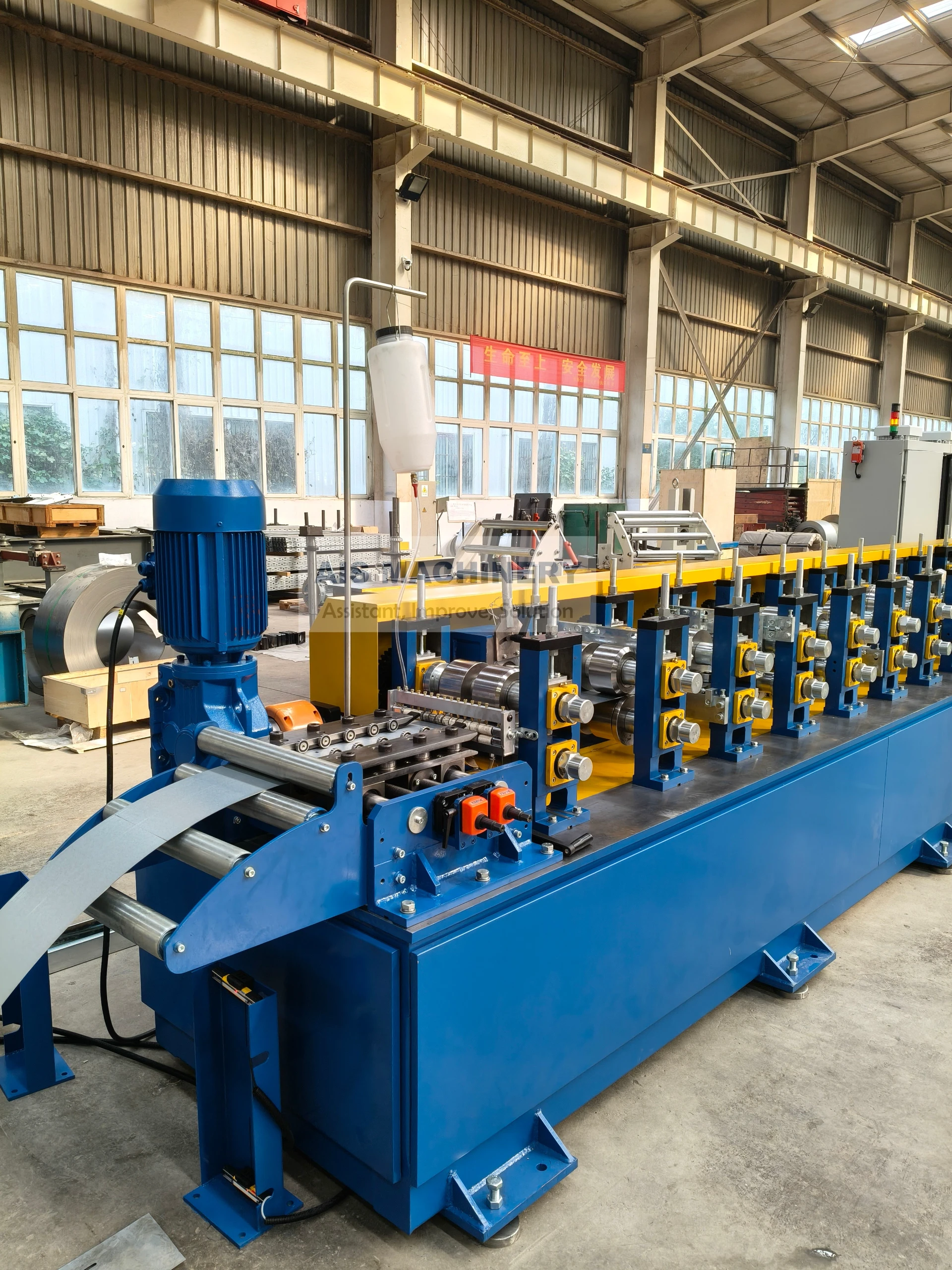
Professional Cold Roll Forming Machine Factory for Production
In the modern industrial landscape, the precision of metal shaping is the cornerstone of quality manufacturing. Partnering with a professional cold roll forming machine factory is essential for businesses looking to optimize their production lines, reduce material waste, and ensure high-dimensional accuracy. Whether you are producing C-channels, square tubes, or custom profiles, the choice of machinery determines your competitive edge in the market. This guide will explore the critical factors in selecting a factory and the technical advantages of advanced roll forming technology to help you make an informed investment.
2026-04-15 10:37:55
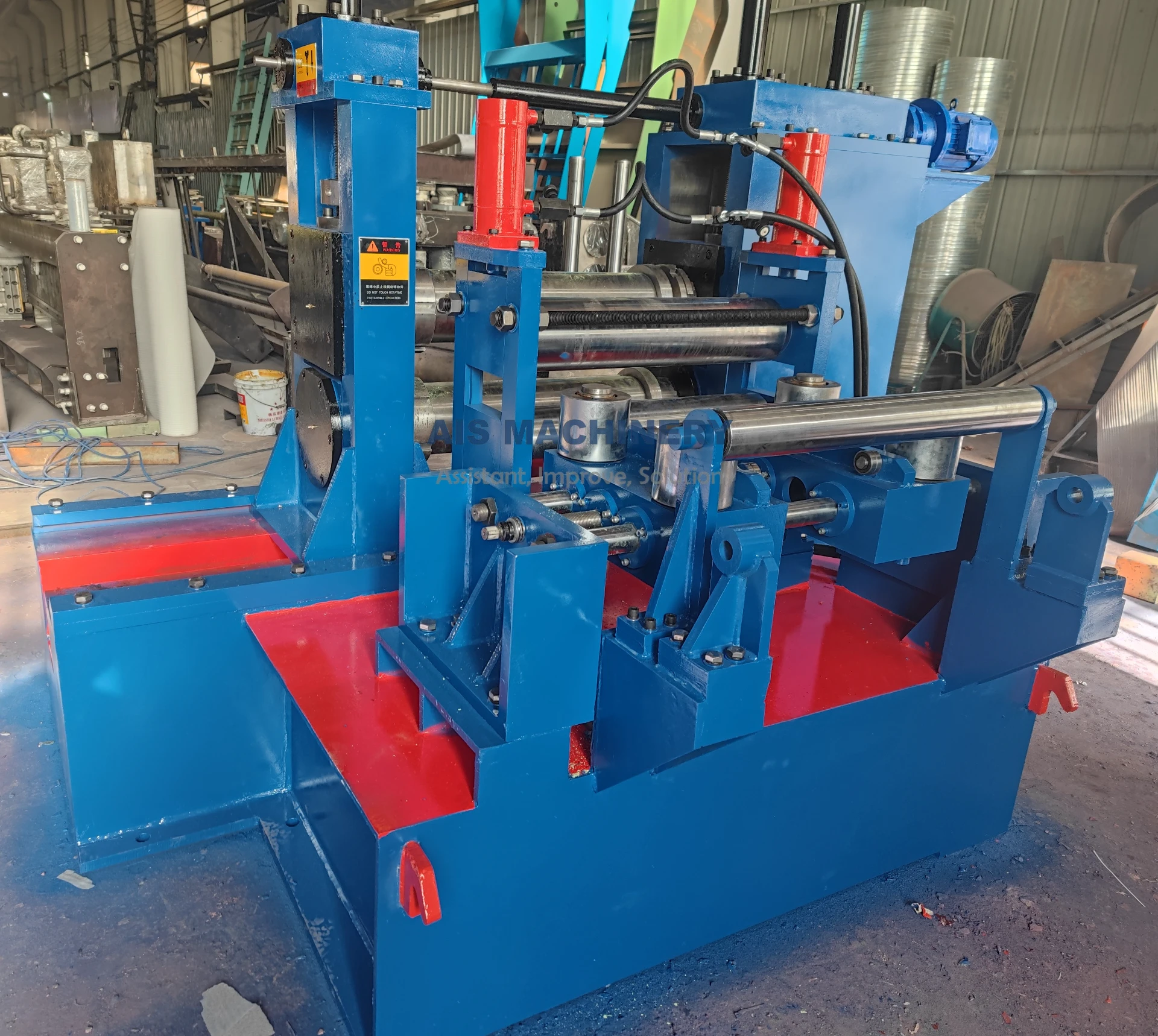
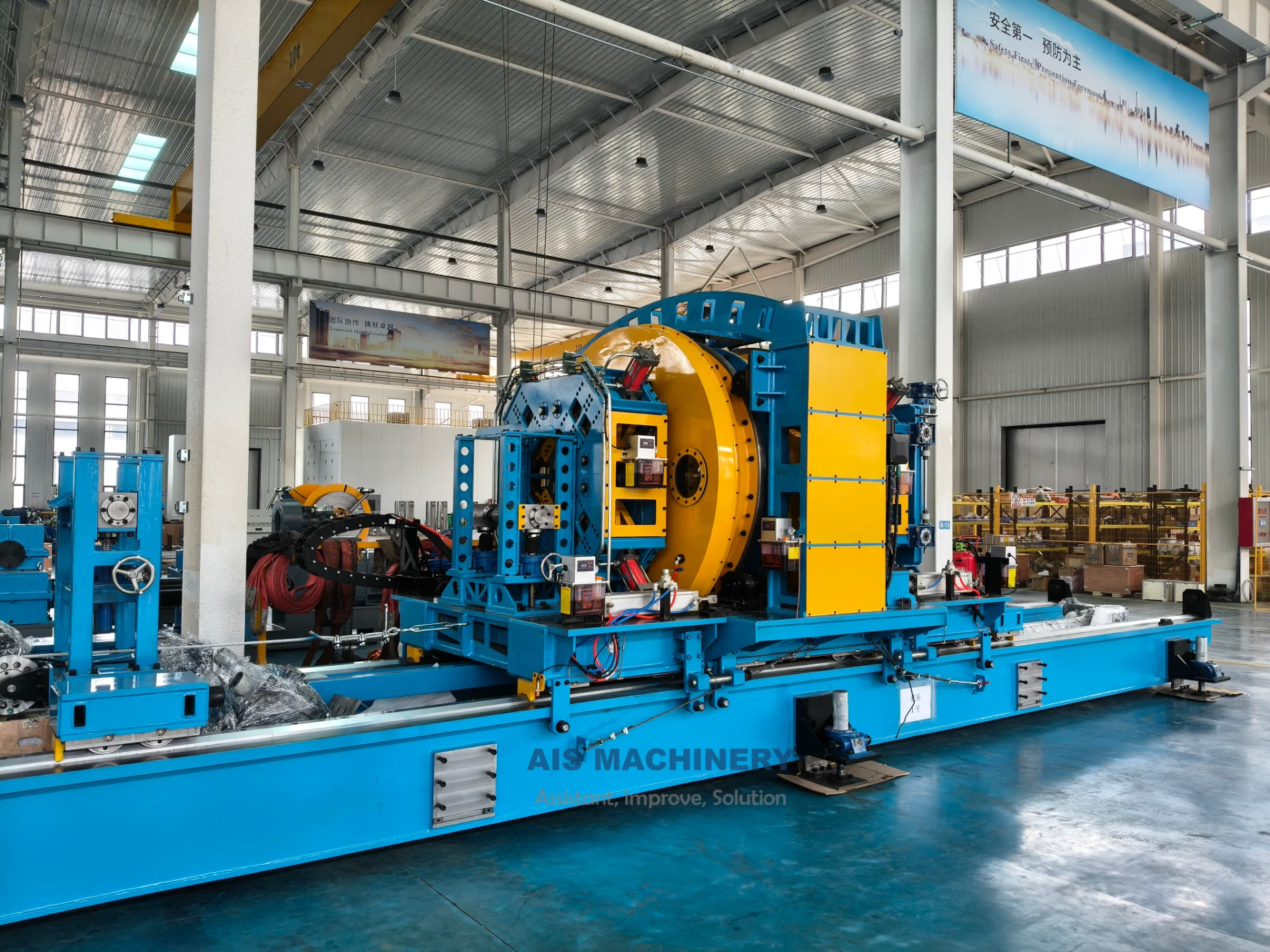
Flat Bar Production Line for Steel Coils: How It Works & Why It Matters
Looking for a flat bar production line? Learn how it turns steel coils into ready-to-use flat bars with precise length and high straightness. Compare it with slitting lines and get the best solution for your steel processing needs.
2026-04-14 00:00:00
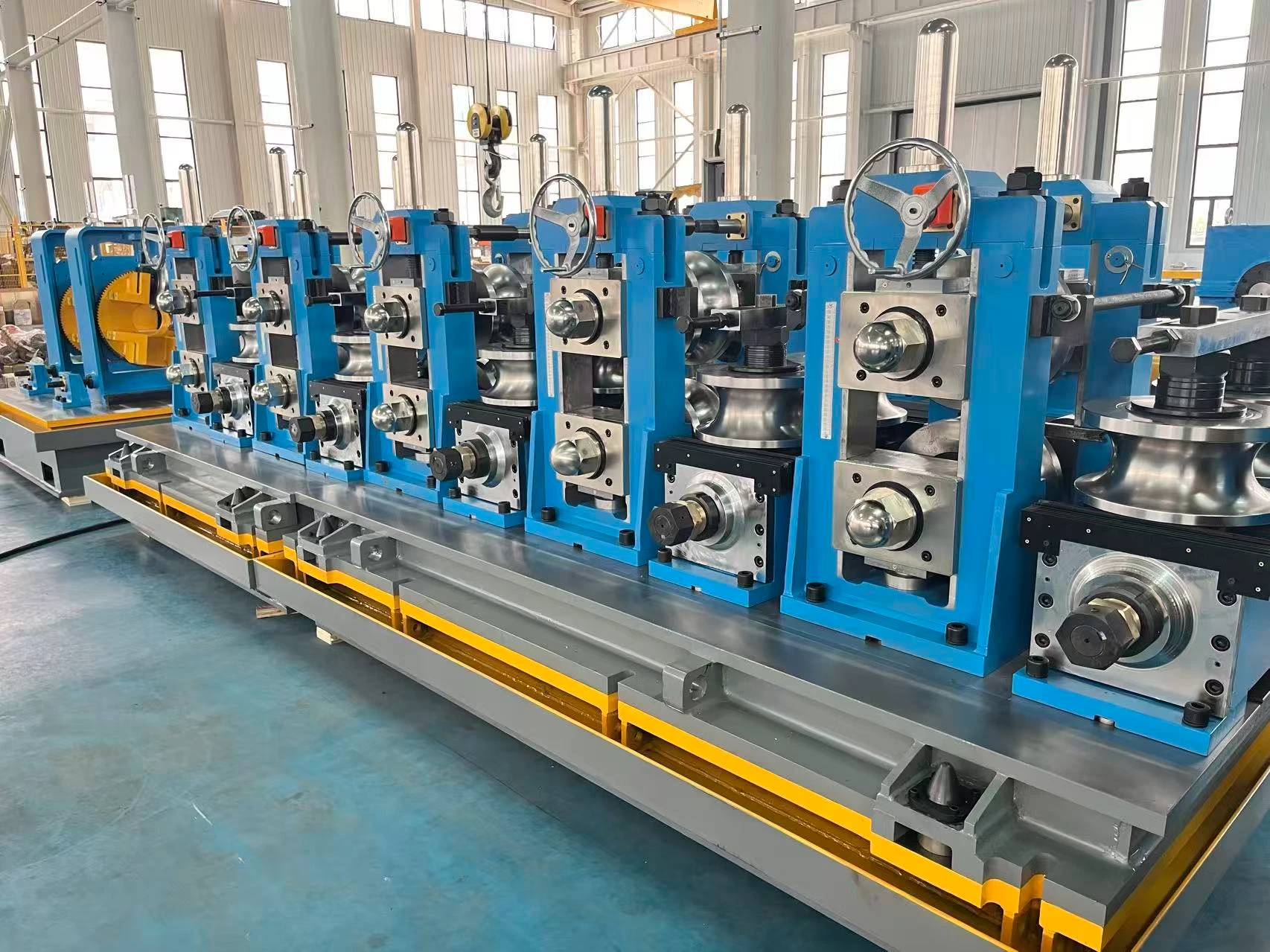
Looking for a Milling Saw for ERW Tube Mill? Here’s What You Need to Know
Looking for a high-performance milling saw for your ERW tube mill? Upgrade to burr-free, high-precision pipe cutting with advanced flying saw technology. Improve efficiency, reduce rework, and meet export standards for carbon steel, stainless steel, and API pipes. Contact us today for expert solutions and competitive pricing tailored to your production needs.
2026-04-09 16:15:19
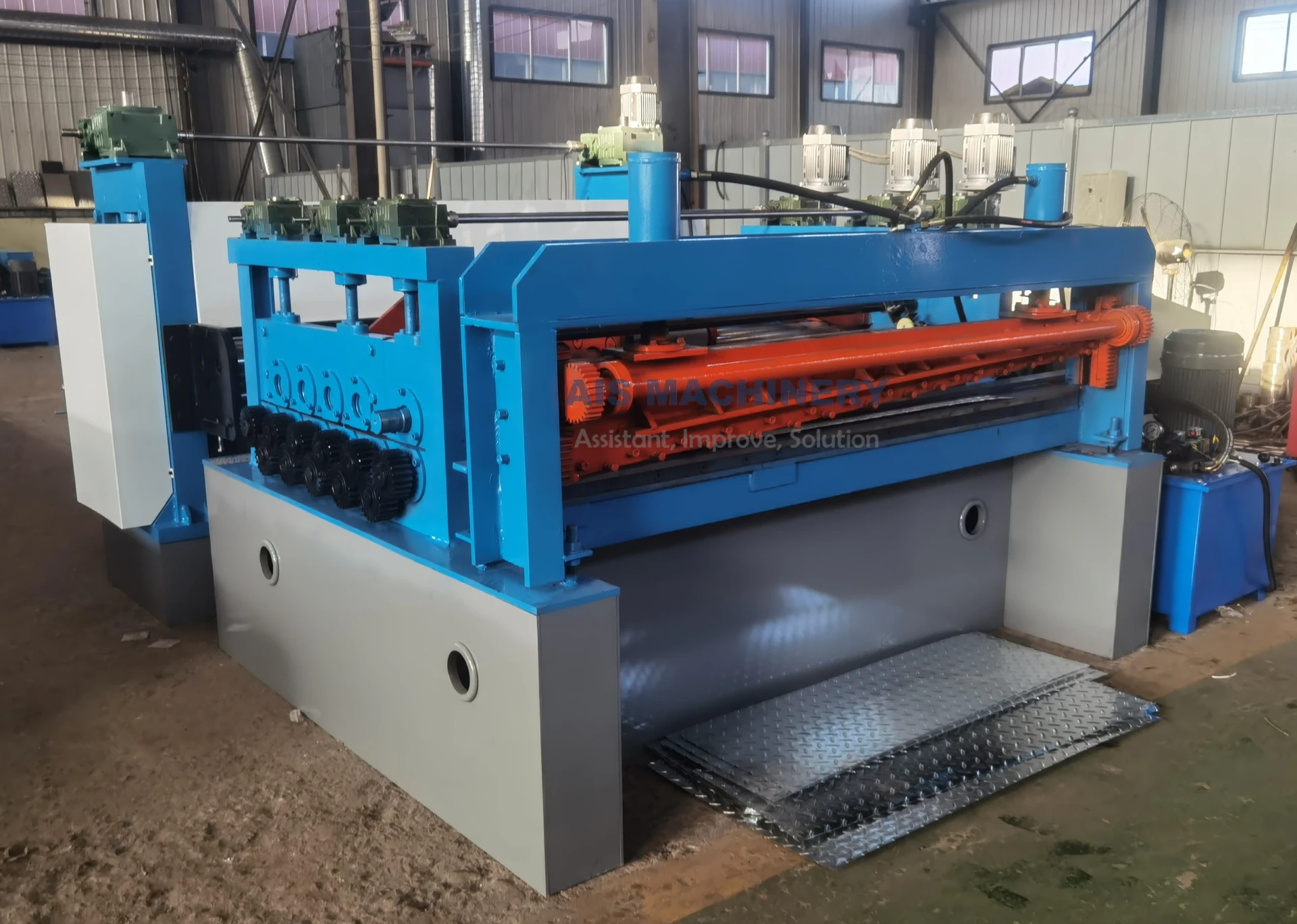
5-Inch (127mm) ERW Tube Making Machine Delivered with Heavy-Duty Design and Advanced Quick Change System
2027-04-07 00:00:00
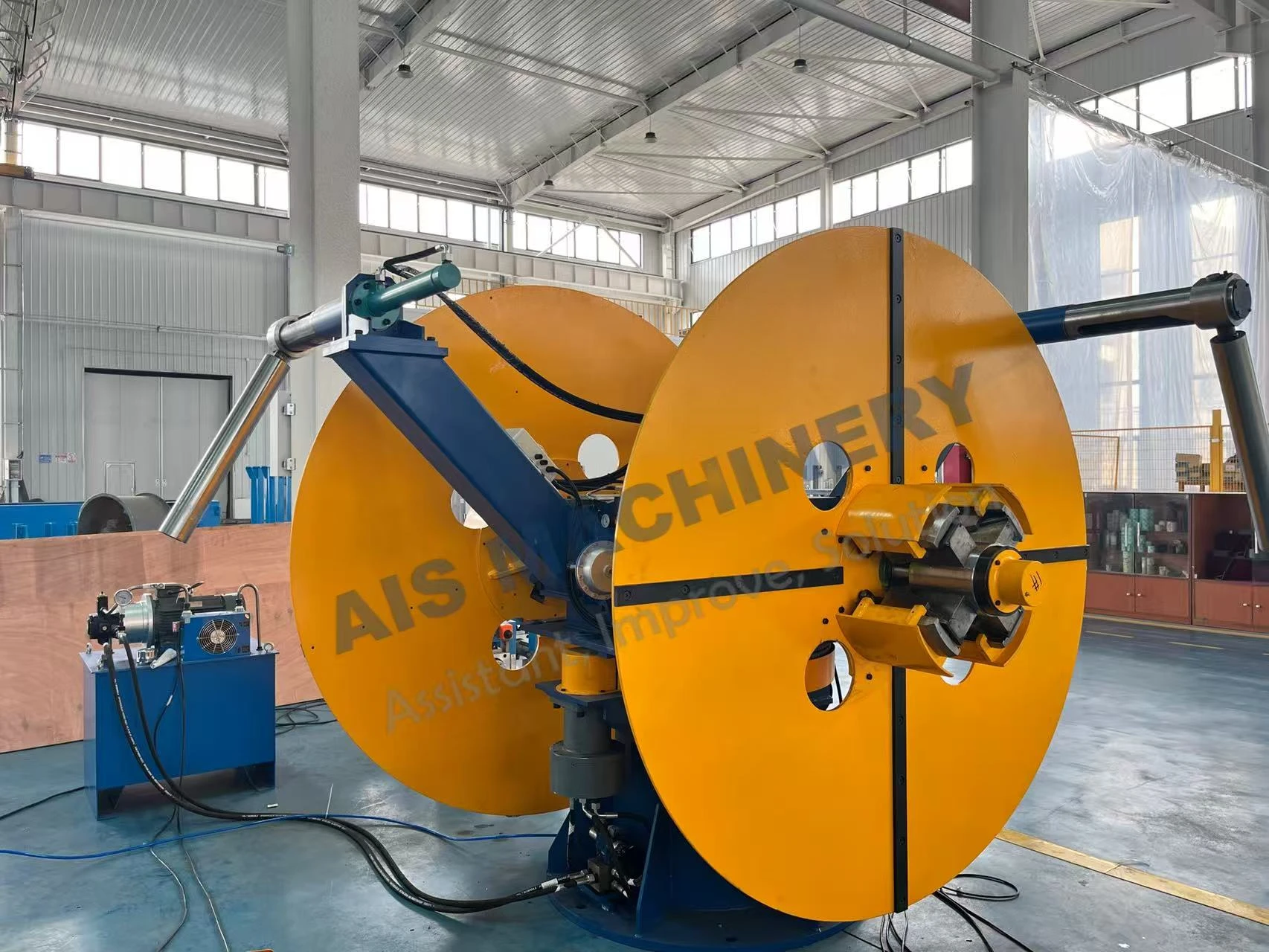
Metal Embossing Machine: Turn Flat Sheets into High-Value Textured Products
Discover how a metal embossing machine transforms flat steel, stainless steel, and aluminum sheets into high-value textured products. Learn about its working principle, key components, and applications. Ideal for decorative and industrial use, embossing machines improve both appearance and performance. Explore complete embossing line solutions and find the right machine for your production needs.
2026-04-04 20:37:18
Automatic Double Side Uncoiler with Hydraulic Expansion and Auto Rotation for Steel Coil Processing
The Automatic Double Side Uncoiler is a high-efficiency solution designed for modern steel coil processing lines, including tube mills, roll forming machines, and slitting lines. With a maximum capacity of 4 tons per side, this machine ensures stable and continuous coil feeding while reducing downtime during coil change.
Send a Message
Dear customer, thank you for your attention! We provide high-quality machinery and equipment and look forward to your orders. Please inform us of your needs and we will respond quickly!
 English
  Albanian
  Arabic
  French
  German
  Indonesian
  Italian
  Japanese
  Kazakh
  Korean
  Latin
Latin  Macedonian
  Portuguese
  Russian
  Spanish
  Thai
Thai  Turkish
  Ukrainian
  Uzbek
Uzbek