
-
 Tel:86-15176910262
-

Search

Metal Sheet Straightening Machine: Precision Tech for Industry Efficiency
Dec . 02, 2025 14:10
Understanding the Metal Sheet Straightening Machine: Essential Tech for Modern Manufacturing
When you think of metalworking, you might picture sparks flying on a welding floor or heavy presses stamping out shapes. But tucked quietly in that workflow is a hero piece of equipment with a very straightforward purpose: making metal sheets perfectly flat and ready for their next step. The metal sheet straightening machine is crucial in this process. Globally, industries ranging from automotive to construction rely on this technology to ensure quality, safety, and efficiency.
This machine isn’t just about aesthetics; flat metal sheets mean better assembly, resulting in stronger structures and less waste. In an era where sustainability and precision go hand in hand, understanding this machine brings insight into how modern manufacturing keeps pushing forward with smarter, cleaner methods.
Global Context: Why Metal Sheet Straightening Machines Matter
According to the International Organization for Standardization (ISO), metal forming and fabrication are a backbone of manufacturing worldwide, generating trillions in economic value. Yet, flatness issues in metal sheets can cause line stoppages, rework, or even structural failures in finished products.
Oddly enough, regions like East Asia and Europe, which lead in metal fabrication, heavily invest in straightening technologies to minimize material waste and increase throughput. The UN’s Industrial Development Report highlights that such machinery plays a subtle but vital role in boosting productivity and environmental goals.
Machines that can quickly and reliably straighten sheets help manufacturers meet tightening standards while reducing operational down-time — a win-win in a competitive global market.
Defining the Metal Sheet Straightening Machine
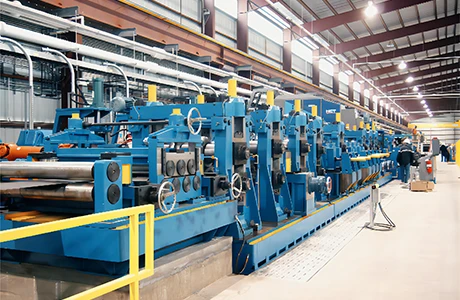
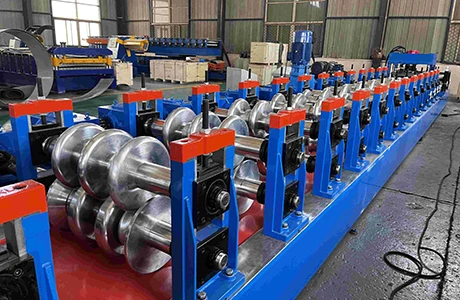
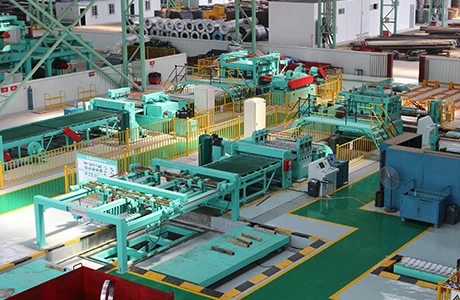
In simple terms, a metal sheet straightening machine is equipment designed to remove bends, warping, or unevenness from rolled or cut metal sheets. Imagine a metal sheet that’s slightly curled or wavy after leaving a rolling mill: this machine applies controlled pressure and bending forces to bring it back to a flat state.
It’s a bit like ironing wrinkles out of fabric but on a much heavier and more precise scale — a vital step before sheets can be formed, welded, or coated in the production line. These machines are widespread in factories producing cars, appliances, or even roofing materials where flatness dictates both function and visual appeal.
Key Factors of Metal Sheet Straightening Machines
1. Durability and Build Quality
These machines handle thick gauge steel and aluminum, so their frames and rollers need to resist wear and heavy mechanical loads for years. Quality materials and precision engineering are non-negotiable.
2. Scalability and Throughput
From small workshops to massive plants, machines vary in size and speed. Some process small batches, others hundreds of tons daily. Matching capacity to production needs avoids bottlenecks.
3. Cost Efficiency
Beyond the upfront price, consider energy use, maintenance intervals, and ease of operation. A cost-effective machine reduces downtime and cuts operational expenses over time.
4. Automation and Control Features
Modern systems include computer-controlled rollers, stiffness adjustments, and monitoring sensors — allowing for consistent quality with less manual intervention.
5. Versatility
The ability to handle different metals and thicknesses without complex changeovers adds flexibility in production schedules.
| Specification | Details |
|---|---|
| Sheet Thickness Range | 0.3 mm – 6 mm |
| Max Sheet Width | 1600 mm |
| Roller Material | High-strength hardened steel |
| Control System | PLC with touchscreen interface |
| Throughput Capacity | Up to 40 m/min |
Global Applications and Use Cases
The metal sheet straightening machine finds applications everywhere metal fabrication takes place. For instance:
- Automotive factories use it to prep body panels for painting and assembly, ensuring tight tolerances and reducing scrap.
- Construction relies on straightened sheets for roofing and structural cladding that must align perfectly to avoid water leakage and structural weaknesses.
- Shipbuilding and aerospace demand precision that only flat sheets can guarantee in terms of aerodynamics and safety.
- In remote industrial zones, portable versions facilitate repairs and fabrication on-site, minimizing logistics delays.
- Post-disaster relief efforts sometimes incorporate straightened metal sheets for rapid shelter assembly, leveraging reusable materials that can be quickly adjusted.
Effectively, you could say this machine quietly boosts resilience across sectors and geographies.
Advantages and Long-Term Value
The tangible benefits are compelling. Cost-wise, reducing waste and rework can save millions in large plants annually. Sustainability also improves since less scrap metal reduces environmental impact during both manufacturing and downstream processes.
On the emotional front, using high-quality, flat sheets ensures safety — structures don’t fail unexpectedly, workers build with confidence, and users of end products gain peace of mind. There’s a dignity in precision that tech like this brings to heavy industry.
Innovation also rides on the backs of such machinery; automated control systems allow for rapid adaptation to new material types or thinner metal grades, aligning with industry trends toward lightweighting and green materials.
Future Trends and Innovations
The industry is buzzing with developments. Digital transformation is leading to smart straightening machines equipped with AI-based predictive maintenance and real-time flatness optimization. The push for sustainability means newer machines use energy-efficient motors and recycle process water.
We’re also seeing experimental materials like composite-metal laminates requiring adapted straightening approaches — a challenge but also an exciting frontier.
Challenges and Expert Solutions
Current challenges include: handling very thick, highly alloyed metal sheets that can resist straightening; the upfront cost of advanced machines; and operator training complexities.
Experts suggest modular designs that scale with customer needs and enhanced training systems with VR simulations to overcome operator learning curves. Continuous R&D investment by manufacturers is critical to push this tech forward.
Frequently Asked Questions About Metal Sheet Straightening Machines
- What thickness of metal sheets can a standard straightening machine handle?
Most machines work efficiently with sheets ranging from about 0.3 mm up to 6 mm, though heavy industrial models can exceed this. - How does automation improve metal sheet straightening?
Automation ensures consistent pressure application, reduces human error, and allows remote monitoring of flatness, boosting quality and reducing downtime. - Can a straightening machine handle different metals like aluminum and steel?
Yes, but some machines have adjustable settings tailored to specific metal properties to optimize performance without damaging the materials. - What maintenance is required for these machines?
Regular lubrication of rollers, periodic inspection of roller wear, calibration of control systems, and following the manufacturer’s schedule prevent breakdowns. - How to choose the right straightening machine for my factory?
Consider sheet sizes, production volume, material types, automation needs, and budget. Consulting with vendors and trial demos is highly recommended.
Conclusion: Why Investing in Metal Sheet Straightening Technology Makes Sense
It’s fair to say the metal sheet straightening machine might not grab headlines, but it plays a pivotal role in keeping modern industry running efficiently. From improving product quality to supporting sustainability and safety, it delivers long-term value every single day.
If you’re involved in metal fabrication or manufacturing, understanding and investing in the right straightening technology is no longer optional — it’s essential.
Ready to discover solutions tailored for your needs? Visit our website and explore the latest in metal sheet straightening machines.
| Vendor | Price Range | Automation Level | Max Sheet Width (mm) | Warranty |
|---|---|---|---|---|
| SteelTech Co. | $50,000 - $120,000 | Semi-automatic | 1500 | 2 years |
| FlatForm Industries | $80,000 - $200,000 | Fully Automatic | 1600 | 3 years |
| PrecisionRollers Ltd. | $65,000 - $150,000 | Manual with Optional Automation | 1400 | 1 year |
Brief takeaway: The metal sheet straightening machine quietly empowers global industry with precise, dependable flatness — turning rough sheets into reliable building blocks for the modern world.
References

Related Products

Related News
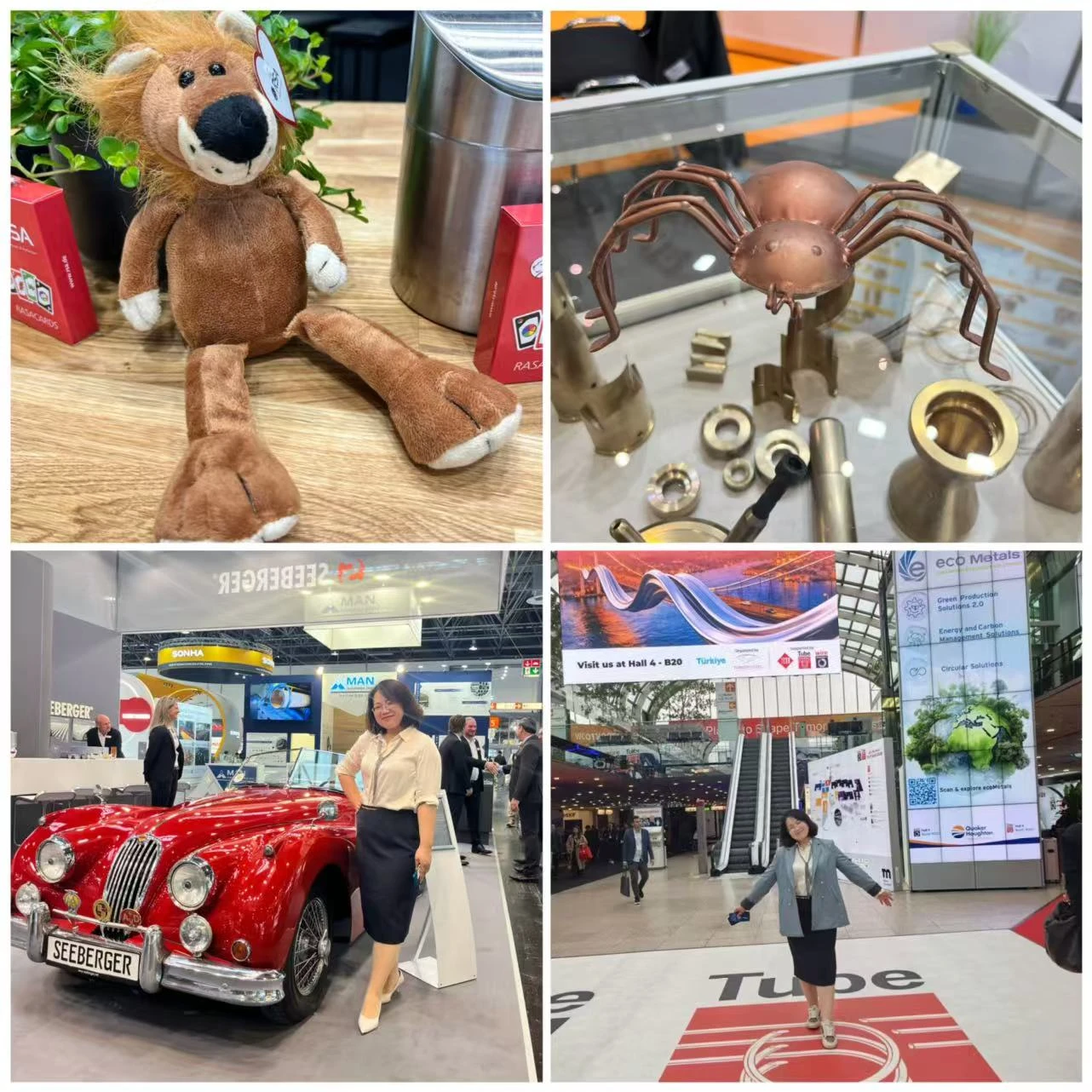
2026-04-18 03:20:20
AIS Machinery Showcases Advanced Tube Solutions at Tube & Wire Düsseldorf 2026
Tube & Wire Düsseldorf 2026, one of the most influential exhibitions in the global tube and wire industry, held biennially in Düsseldorf, Germany
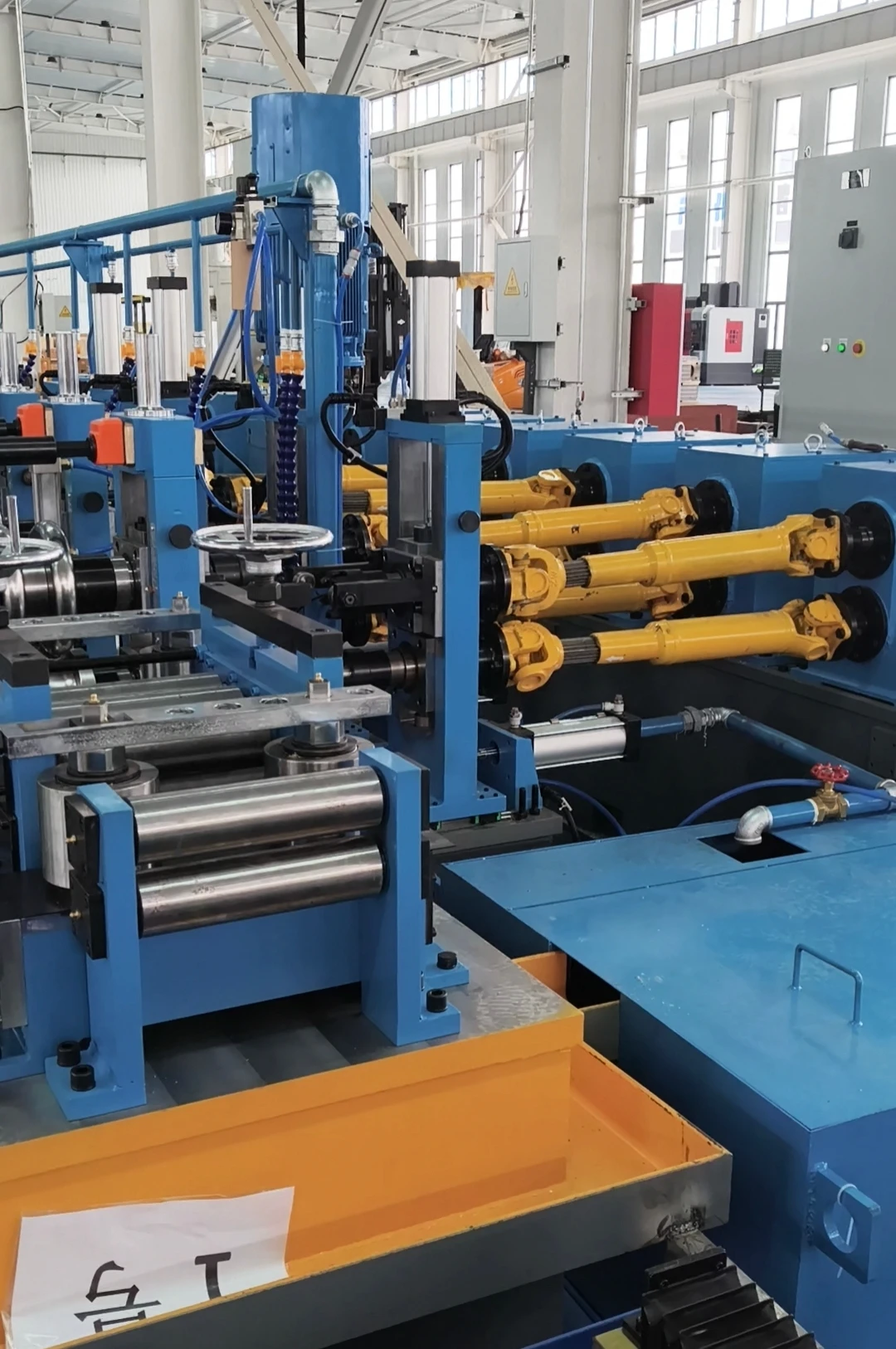
2027-04-17 00:00:00
Southeast Asia Client Visits Our Factory | Customized Tube Mill Solution Delivered
A Southeast Asia client visited our ERW tube mill factory to inspect production lines and discuss a customized tube mill solution. Impressed by our machine quality, welding performance, and engineering support, the client confirmed strong cooperation intentions. Discover how our ERW tube mill solutions improve efficiency, precision, and long-term production reliability.
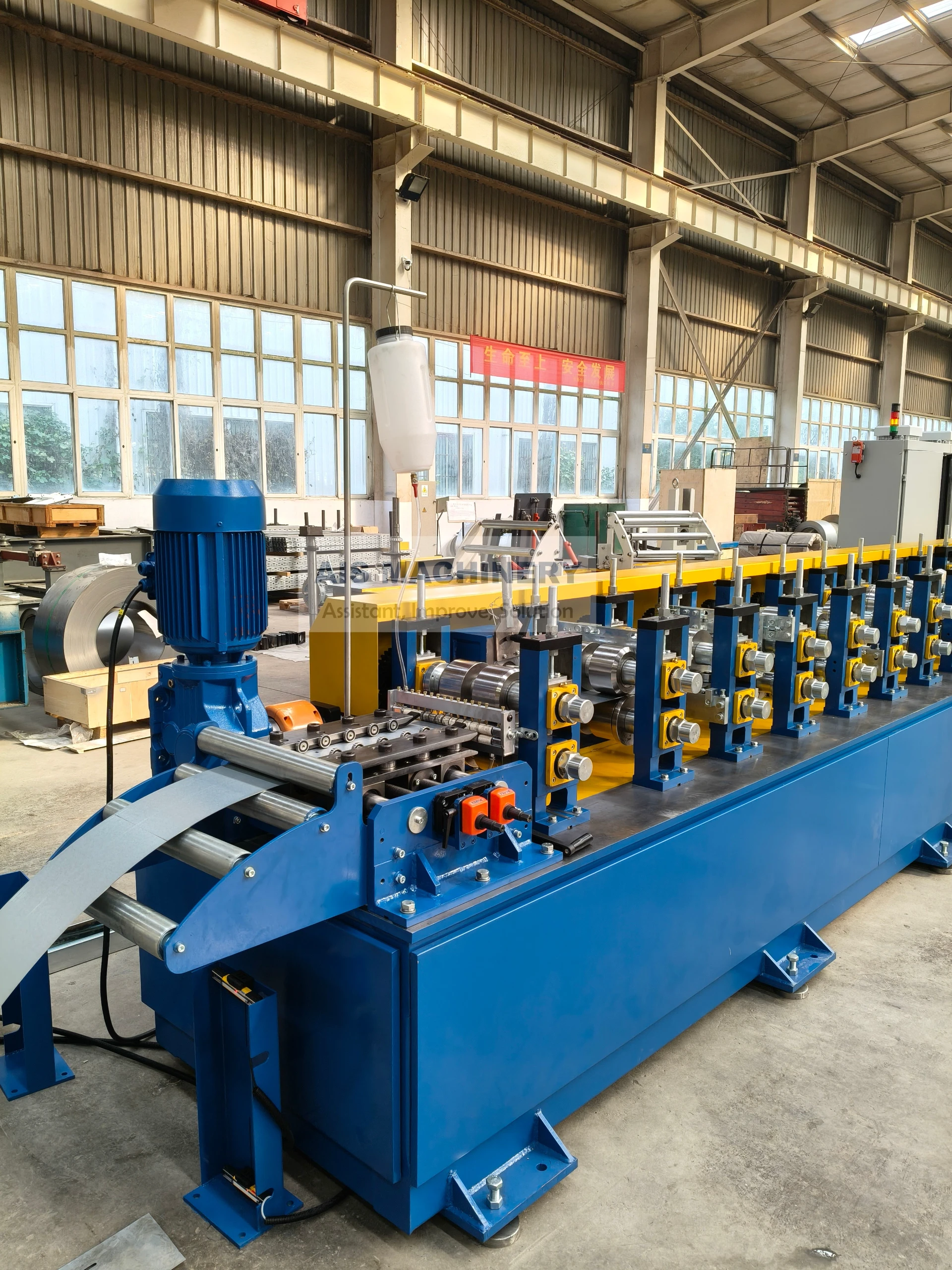
2026-04-16 02:35:12
Professional Cold Roll Forming Machine Factory for Production
In the modern industrial landscape, the precision of metal shaping is the cornerstone of quality manufacturing. Partnering with a professional cold roll forming machine factory is essential for businesses looking to optimize their production lines, reduce material waste, and ensure high-dimensional accuracy. Whether you are producing C-channels, square tubes, or custom profiles, the choice of machinery determines your competitive edge in the market. This guide will explore the critical factors in selecting a factory and the technical advantages of advanced roll forming technology to help you make an informed investment.
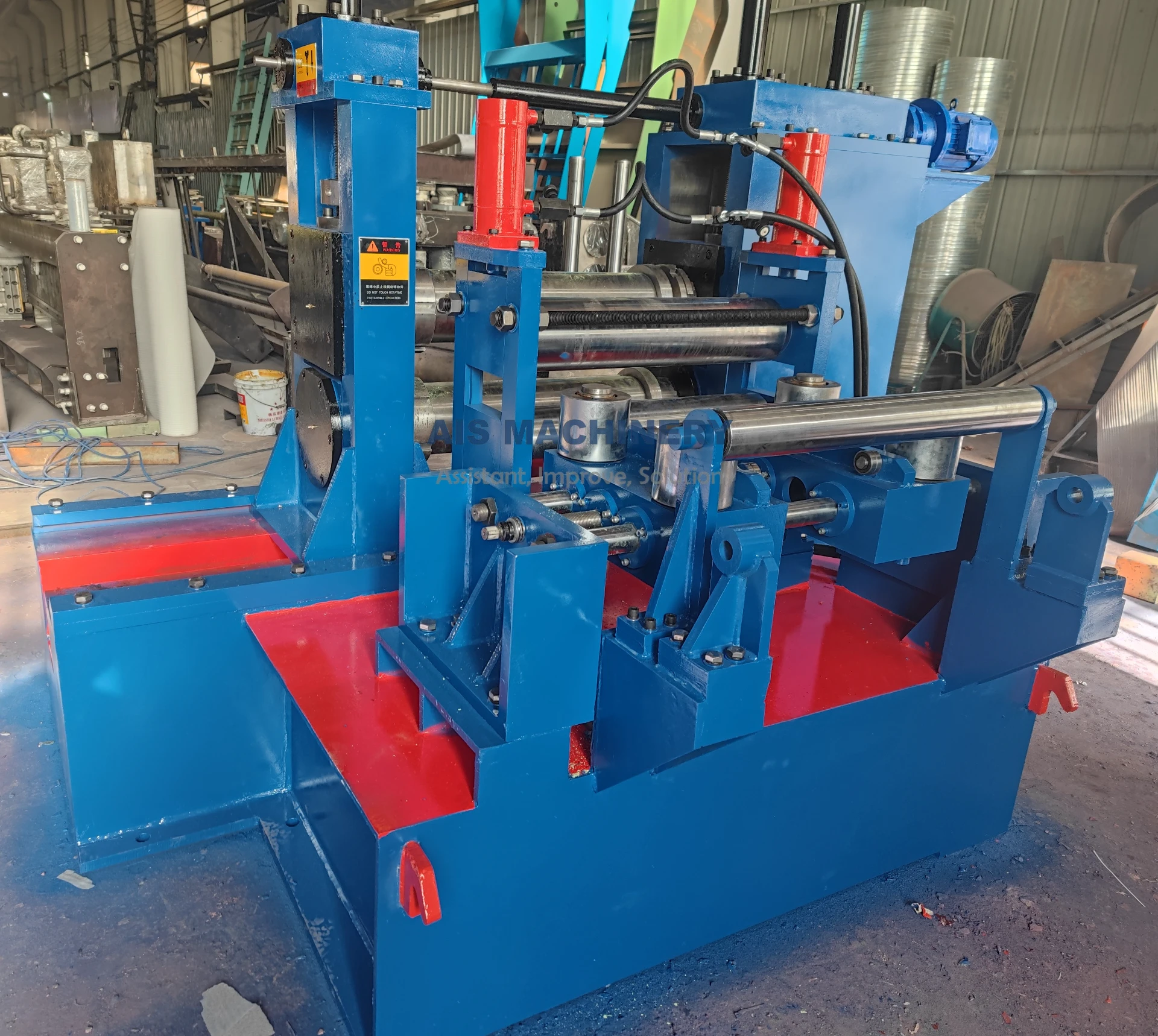
2026-04-15 10:37:55
Flat Bar Production Line for Steel Coils: How It Works & Why It Matters
Looking for a flat bar production line? Learn how it turns steel coils into ready-to-use flat bars with precise length and high straightness. Compare it with slitting lines and get the best solution for your steel processing needs.
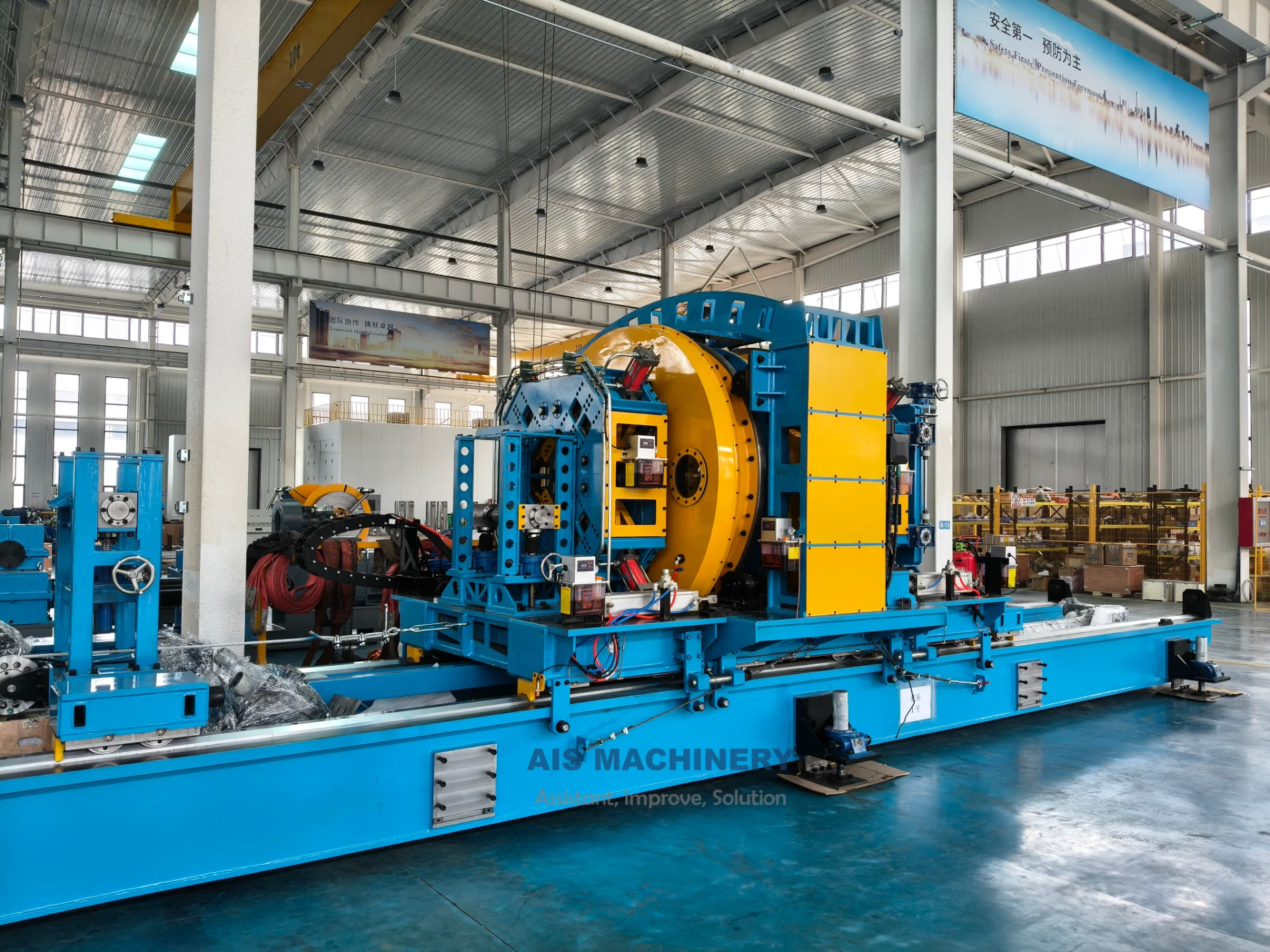
2026-04-14 00:00:00
Looking for a Milling Saw for ERW Tube Mill? Here’s What You Need to Know
Looking for a high-performance milling saw for your ERW tube mill? Upgrade to burr-free, high-precision pipe cutting with advanced flying saw technology. Improve efficiency, reduce rework, and meet export standards for carbon steel, stainless steel, and API pipes. Contact us today for expert solutions and competitive pricing tailored to your production needs.
2026-04-09 16:15:19
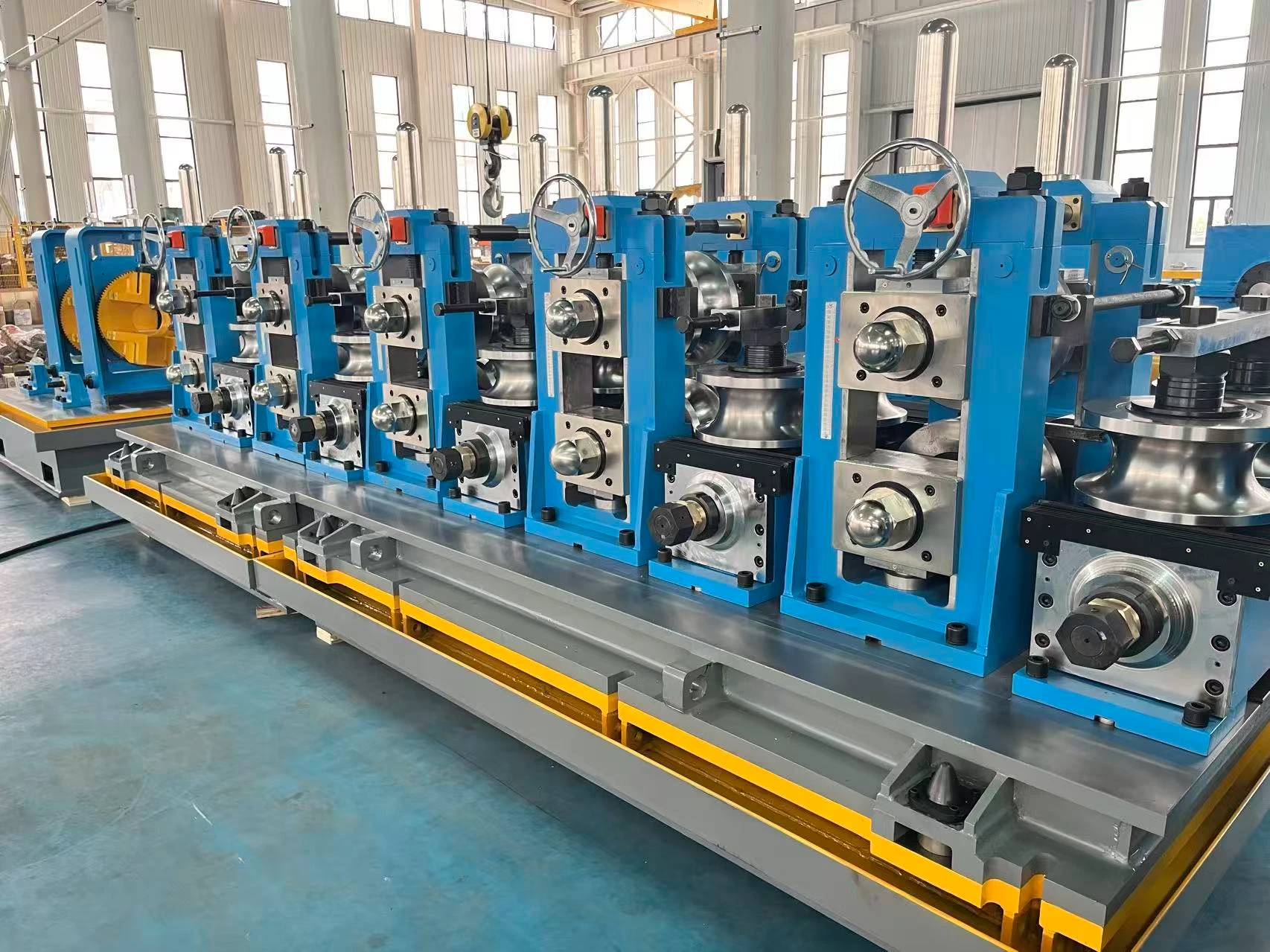
5-Inch (127mm) ERW Tube Making Machine Delivered with Heavy-Duty Design and Advanced Quick Change System
2027-04-07 00:00:00
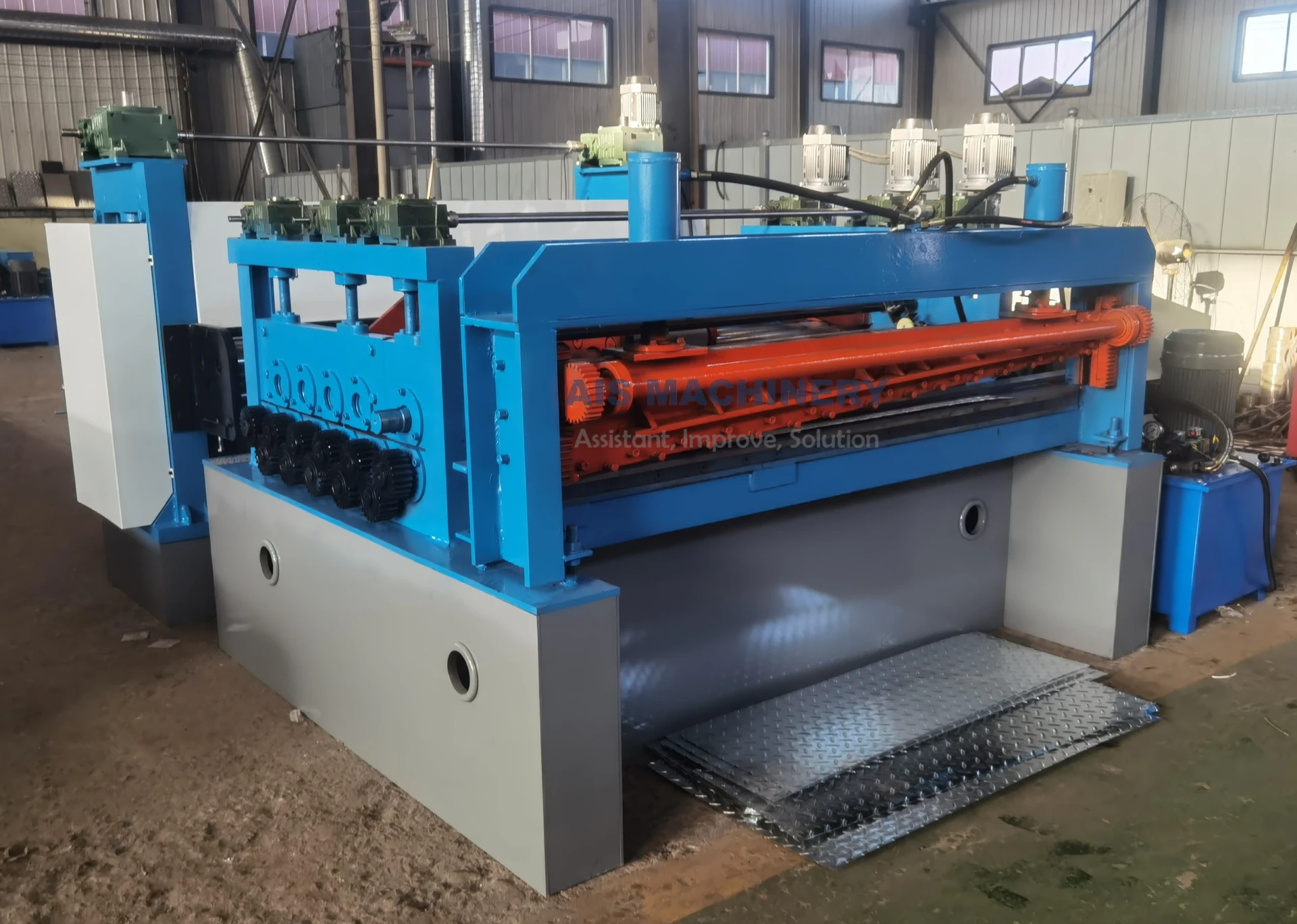
Metal Embossing Machine: Turn Flat Sheets into High-Value Textured Products
Discover how a metal embossing machine transforms flat steel, stainless steel, and aluminum sheets into high-value textured products. Learn about its working principle, key components, and applications. Ideal for decorative and industrial use, embossing machines improve both appearance and performance. Explore complete embossing line solutions and find the right machine for your production needs.
2026-04-04 20:37:18
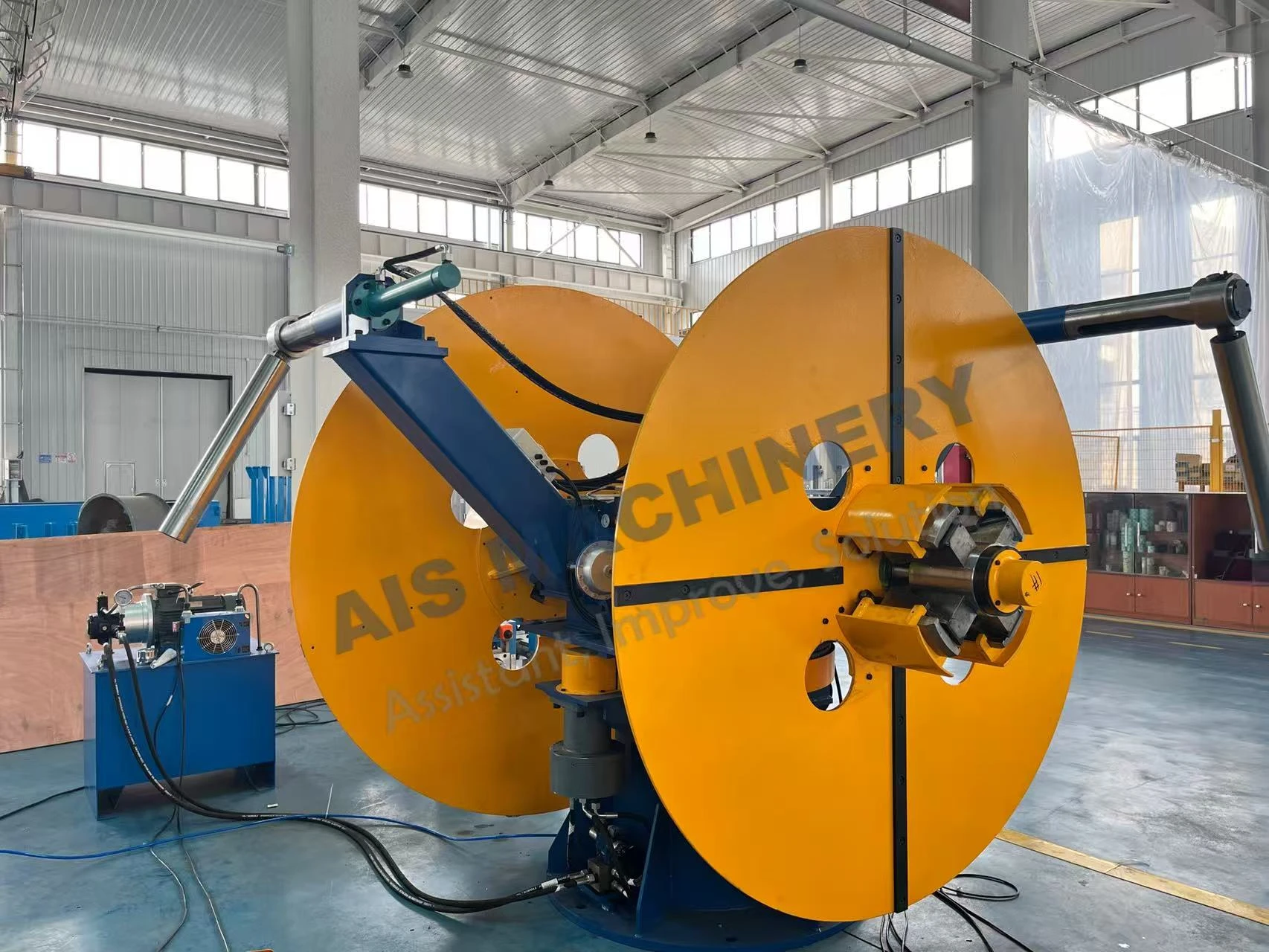
Automatic Double Side Uncoiler with Hydraulic Expansion and Auto Rotation for Steel Coil Processing
The Automatic Double Side Uncoiler is a high-efficiency solution designed for modern steel coil processing lines, including tube mills, roll forming machines, and slitting lines. With a maximum capacity of 4 tons per side, this machine ensures stable and continuous coil feeding while reducing downtime during coil change.
Send a Message
Dear customer, thank you for your attention! We provide high-quality machinery and equipment and look forward to your orders. Please inform us of your needs and we will respond quickly!
 English
  Albanian
  Arabic
  French
  German
  Indonesian
  Italian
  Japanese
  Kazakh
  Korean
  Latin
Latin  Macedonian
  Portuguese
  Russian
  Spanish
  Thai
Thai  Turkish
  Ukrainian
  Uzbek
Uzbek