
-
 Tel:86-15176910262
-

Search

ERW Tube Mill Manufacturer High-Efficiency & Custom Solutions
Jun . 02, 2025 20:01
- Advantages of modern ERW tube mill technologies
- Comparative analysis of top manufacturers
- Custom engineering approaches for specific requirements
- Industry applications across multiple sectors
- Material compatibility considerations
- Technical support and maintenance services
- Evaluating manufacturer credibility
(erw tube mill manufacturer)
Why Partnering with an Expert ERW Tube Mill Manufacturer Matters
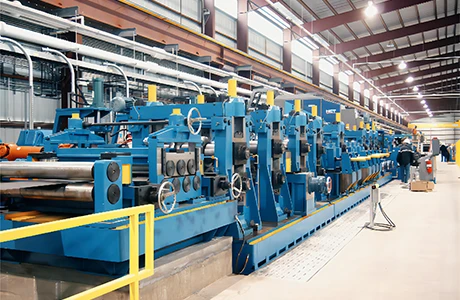
ERW (Electric Resistance Welded) tube mills represent engineering excellence in metal forming, with global market demand projected to reach $26.8 billion by 2028 according to industry analysts. Premium tube mill manufacturers incorporate patented forming techniques that reduce material waste by up to 19% compared to conventional systems. The strategic selection of your equipment partner directly impacts operational efficiency—modern high-frequency welding technology enables production speeds exceeding 400 meters/minute while maintaining tolerances within ±0.10mm.
Leading manufacturers continually innovate cold-forming processes that minimize internal stresses in finished tubes. The latest servo-controlled fin-pass stands adjust parameters in real-time during operation, responding to material variations that previously required production shutdowns. This continuous improvement philosophy separates premium equipment builders from commodity producers in measurable performance metrics.
Cutting-Edge Technologies in Modern Tube Production
Contemporary tube mill lines integrate multiple technological advancements that collectively boost productivity. High-frequency induction welding systems now feature closed-loop control that automatically adjusts kW output and weld pressure based on real-time seam temperature monitoring. This precise thermal management prevents common defect categories like cold welds or burn-through, reducing rejection rates by 42% on average. Weld bead conditioning has similarly evolved with CNC-controlled scarfing tools achieving surface roughness values below Ra 1.6μm.
The integration of Industry 4.0 principles transforms tube mills into data-generating assets. IoT-enabled components throughout the line monitor vibration patterns, bearing temperatures, and motor currents. Machine learning algorithms process this telemetry to predict maintenance needs 500 operating hours before potential failures occur. Cloud-based dashboards provide mill operators with actionable insights including OEE (Overall Equipment Effectiveness) calculations and real-time quality trend analysis.
Manufacturer Capability Comparison
| Evaluation Criteria | Premium Tier Manufacturers | Standard Equipment Suppliers |
|---|---|---|
| Maximum Production Speed | 400+ m/min | 120-180 m/min |
| Annual Uptime Guarantee | 96.5% | 89-92% |
| Tolerance Consistency | ±0.07mm | ±0.15mm |
| Quick Changeover Duration | < 22 minutes | 45-90 minutes |
| Average Energy Consumption | 0.82 kWh/ton | 1.15-1.40 kWh/ton |
Leading manufacturers differentiate through comprehensive testing protocols. Production acceptance includes continuous 48-hour validation runs under full operational load. Material certification goes beyond basic chemical composition reports to include detailed microstructure analysis of weld zones and comprehensive mechanical property testing across entire coil lengths.
Application-Tailored Engineering Solutions
Versatile tube mill manufacturers employ modular design philosophies enabling rapid configuration changes. One facility recently deployed a convertible system producing automotive structural components during daytime operations and switching to architectural tubing each night without tooling changes. Such flexibility stems from computer-optimized roll tooling that adjusts wall thickness distribution patterns based on specific end-use requirements.
Custom engineering teams conduct finite element analysis of material flow behavior before production begins. This virtual prototyping identifies potential wall thinning in critical areas before physical trials commence. For specialized applications like nuclear components, manufacturers implement double-seam welding configurations with redundant inspection systems achieving zero-defect outputs consistently.
Industry-Specific Implementations and Results
In automotive manufacturing, precision tube mills now produce suspension components with ovality tolerances below 0.3%, reducing subsequent machining requirements by 60%. Energy sector installations feature alloy-specific welding parameter profiles that maintain corrosion resistance in pipelines carrying sour crude. The construction equipment segment benefits from in-line profile changing capability allowing on-demand transitions between round and square sections without downtime.
Recent case studies demonstrate significant operational benefits. One manufacturer deployed a high-speed stainless steel tubing line featuring special atmosphere-controlled annealing capabilities. This reduced the post-production scrap rate from 8.2% to 1.3% while achieving full hardness uniformity throughout each production run. Such results translate directly into quantifiable cost savings and improved market competitiveness.
Comprehensive Support Structures
Premium manufacturers establish technical support ecosystems rather than transactional supplier relationships. Dedicated process engineers remain assigned to client facilities during initial ramp-up phases, fine-tuning mill performance to match local conditions. Remote diagnostics capabilities allow troubleshooting assistance without travel delays—over 73% of technical issues now resolve through connected service portals before impacting production.
Maintenance optimization programs utilize operational data analytics to extend component service life. One continuous improvement initiative modified roll stand lubrication frequency based on actual loading conditions rather than fixed schedules. This approach extended bearing service intervals by 600 hours while decreasing grease consumption. Spare parts logistics have similarly evolved with strategically located regional warehouses guaranteeing 24-hour delivery for critical components.
Evaluating Tube Mill Machine Manufacturer Credentials
Certifications provide objective benchmarks of manufacturer capabilities. Leading equipment builders maintain ASME "U" and "UM" stamps for pressure component manufacturing, along with CE/PED certification confirming compliance with the European Pressure Equipment Directive. Production facilities themselves often achieve ISO 9001:2015 certification with additional environmental management accreditation under ISO 14001 standards.
Commercially reliable partners provide documented performance guarantees covering production throughput, dimensional tolerances, and energy consumption metrics. Industry-leading warranties extend beyond standard terms to include wear components for 24 months of normal operation. Client retention rates above 92% over 10-year periods demonstrate sustainable partnership quality more effectively than marketing claims alone.
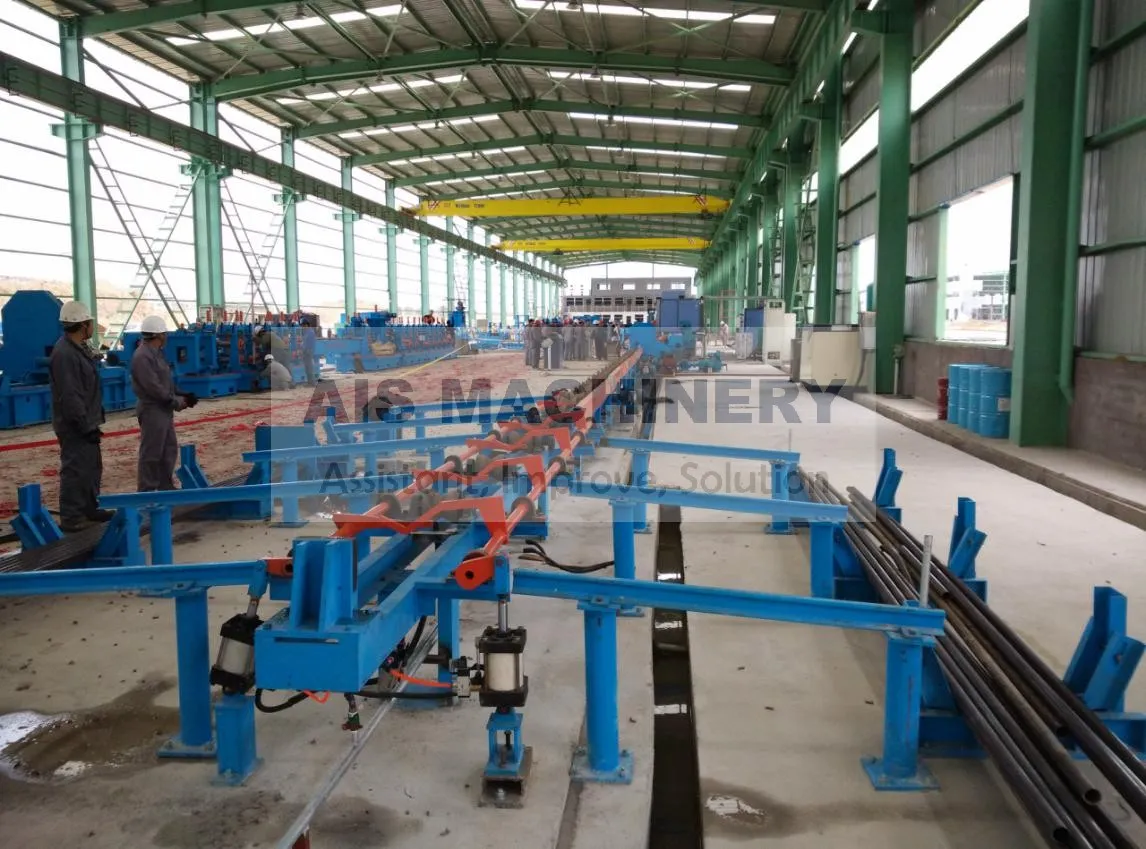
(erw tube mill manufacturer)
FAQS on erw tube mill manufacturer
Q: What is the role of an ERW tube mill manufacturer?
A: An ERW tube mill manufacturer designs and produces machinery for manufacturing Electric Resistance Welded (ERW) tubes. These mills are used to form, weld, and shape metal coils into precise tubular products for industries like construction and automotive.
Q: How to choose a reliable tube mill machine manufacturer?
A: Prioritize manufacturers with proven expertise, certifications (e.g., ISO), and after-sales support. Evaluate their customization options, production capacity, and client testimonials to ensure quality and reliability.
Q: What maintenance is required for a tube mill machine?
A: Regular lubrication, alignment checks, and wear-part inspections are essential. Follow the manufacturer’s maintenance guidelines and schedule professional servicing to minimize downtime and extend machine life.
Q: Do ERW tube mill manufacturers provide industry-specific certifications?
A: Reputable manufacturers often comply with international standards like ISO 9001 and provide material certifications. Confirm their adherence to industry-specific requirements (e.g., API, ASTM) for your project needs.
Q: What is the typical lead time for a tube mill machine order?
A: Lead times vary based on machine complexity and customization. Standard models may take 3-6 months, while tailored solutions can require longer. Confirm timelines directly with the manufacturer during planning.

Related Products

Related News
2025-07-25 16:36:17
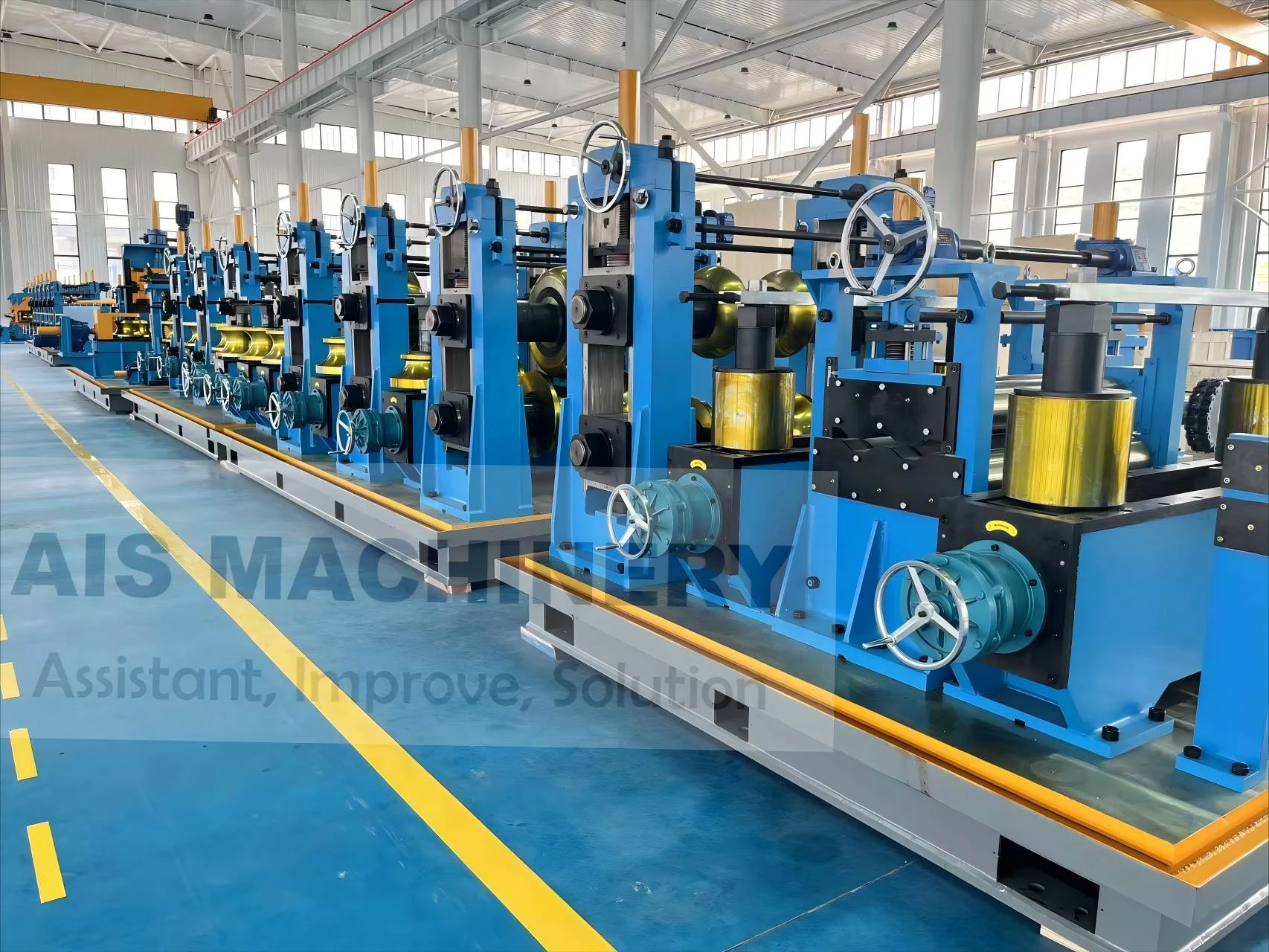
10Inch ERW Tube Mill Delivered to Middle East AIS Machinery
AIS Machinery is proud to announce the successful delivery of a 10-inch ERW tube mill line to a valued customer in the Middle East. The production line is designed for high precision and efficiency, capable of producing tubes ranging from Φ89mm to Φ254mm, with thicknesses up to 8mm.
2025-07-16 10:13:22
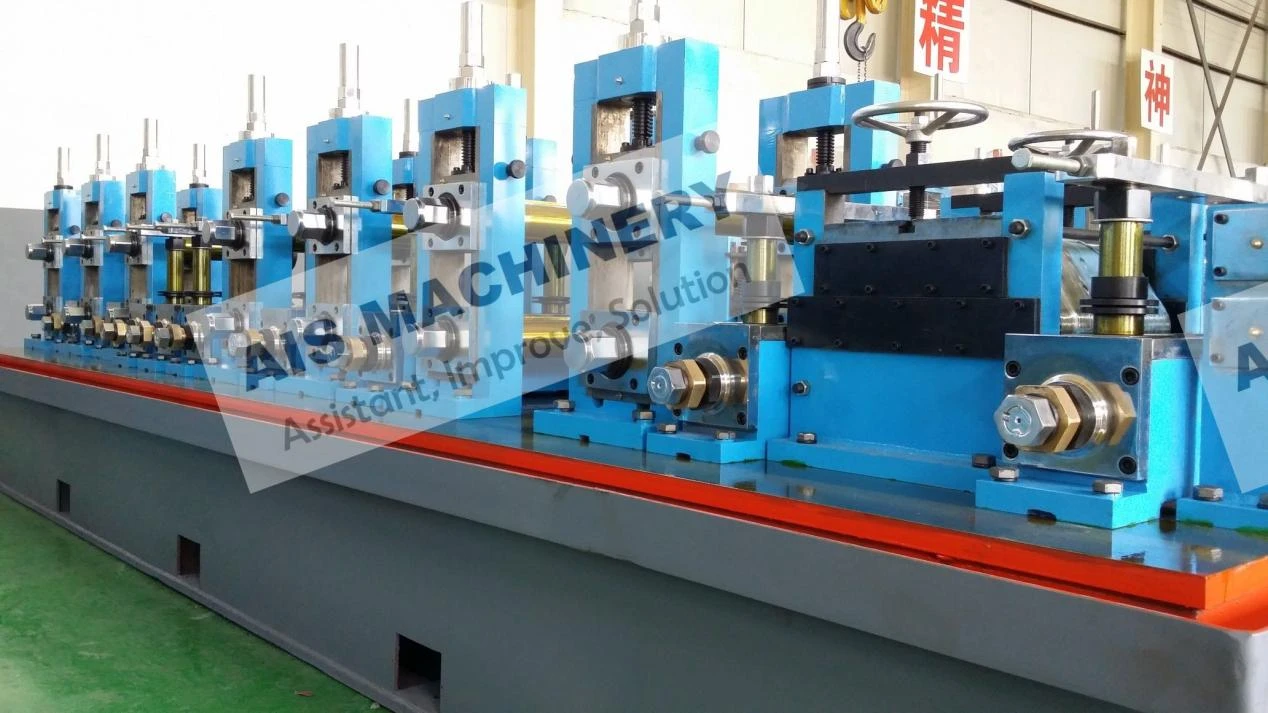
Modern metal fabrication demands precision and productivity, which is why our roll forming tube mill technology leads the industry in pipe and tube production.
2025-07-16 10:09:53
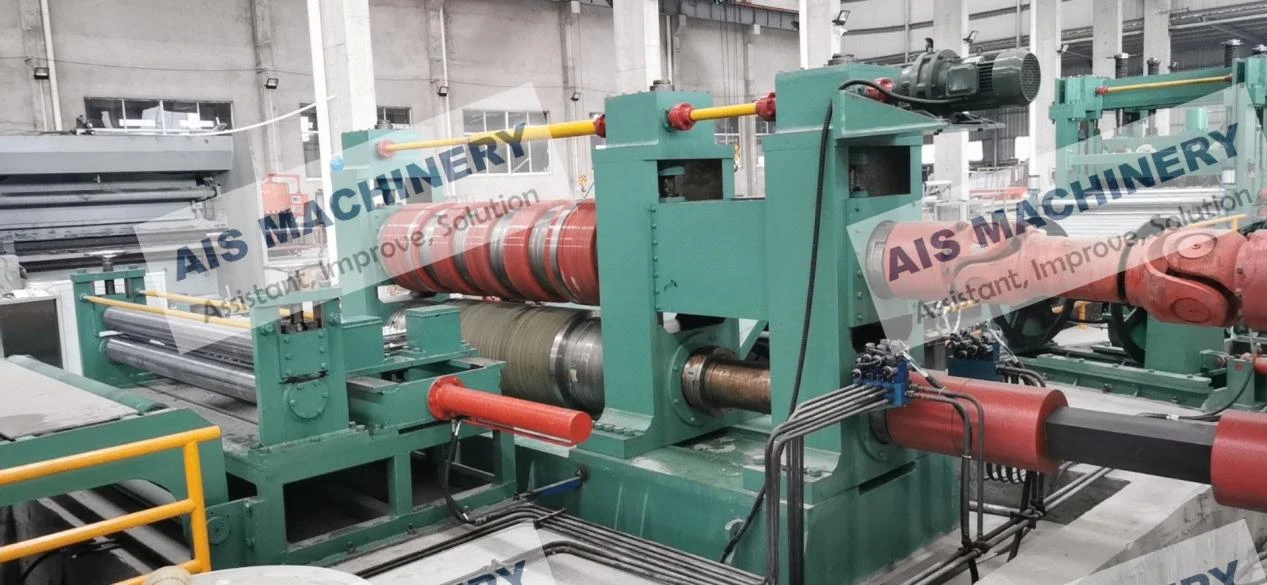
In today's demanding metalworking industry, our metal slitting line technology sets new standards for precision and efficiency in coil processing.
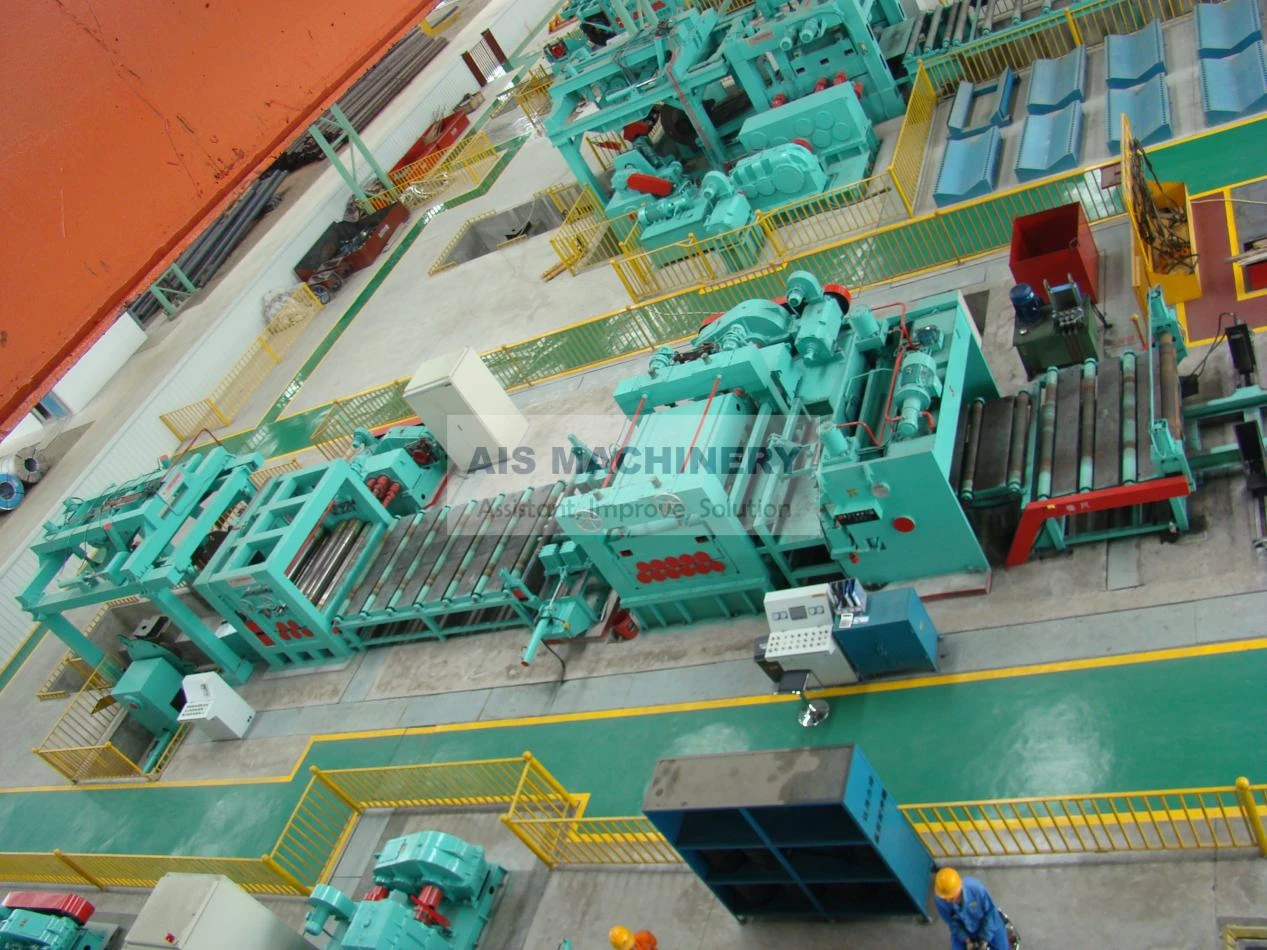
2025-07-16 10:06:48
In today's demanding metal fabrication industry, our cut to length lines set new benchmarks for precision and efficiency.
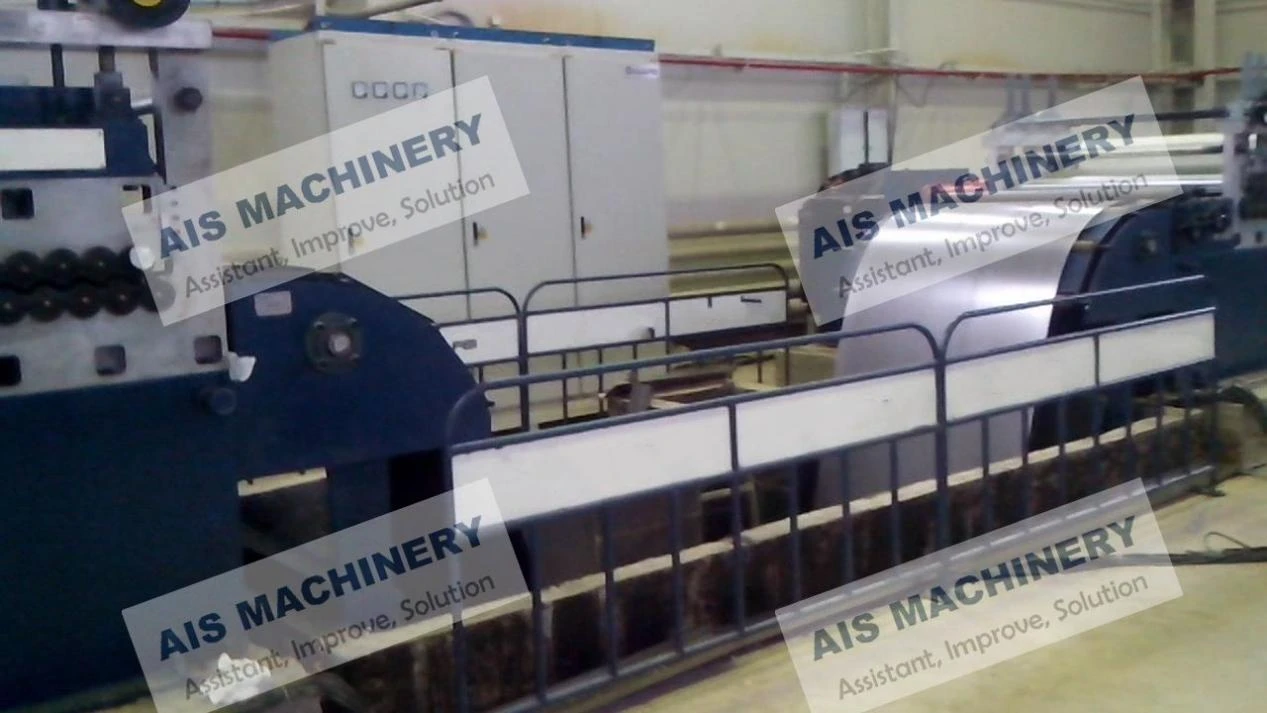
2025-07-16 10:03:57
Cut to Length and Slitting Machine
Modern steel processing demands precision and efficiency, which is why our cut to length and slitting machine technology leads the industry in coil processing solutions.
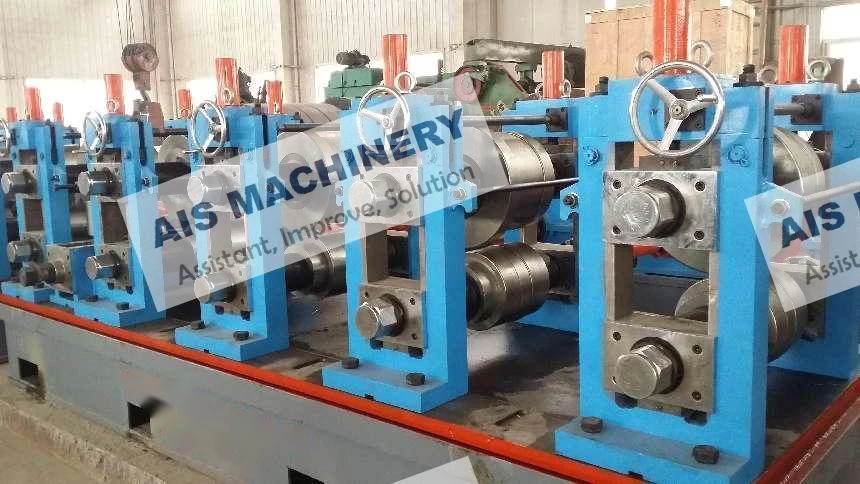
2025-07-16 10:00:56
Modern metal forming requires precision and efficiency, making our cold roll forming machine technology essential for today's manufacturers.
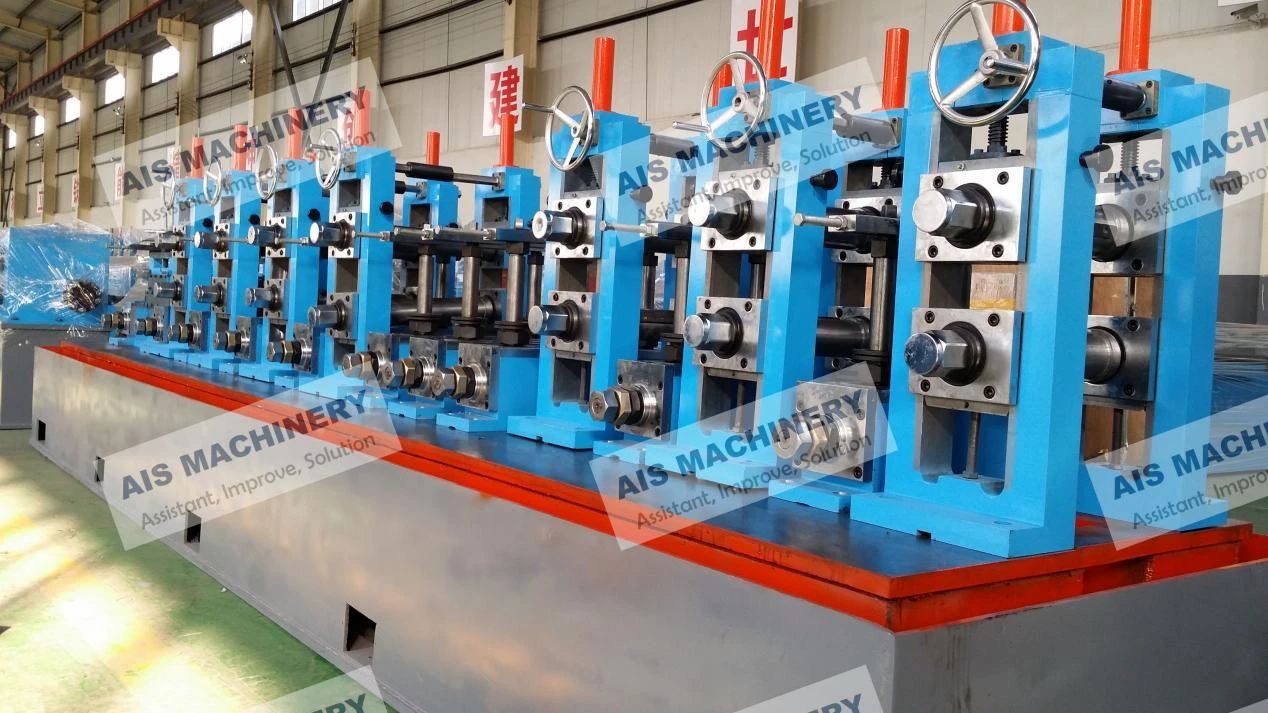
2025-07-16 09:58:00
In today's demanding steel processing industry, our Carbon Steel Tube Mill technology sets new standards for precision and productivity.
2025-06-10 16:26:01
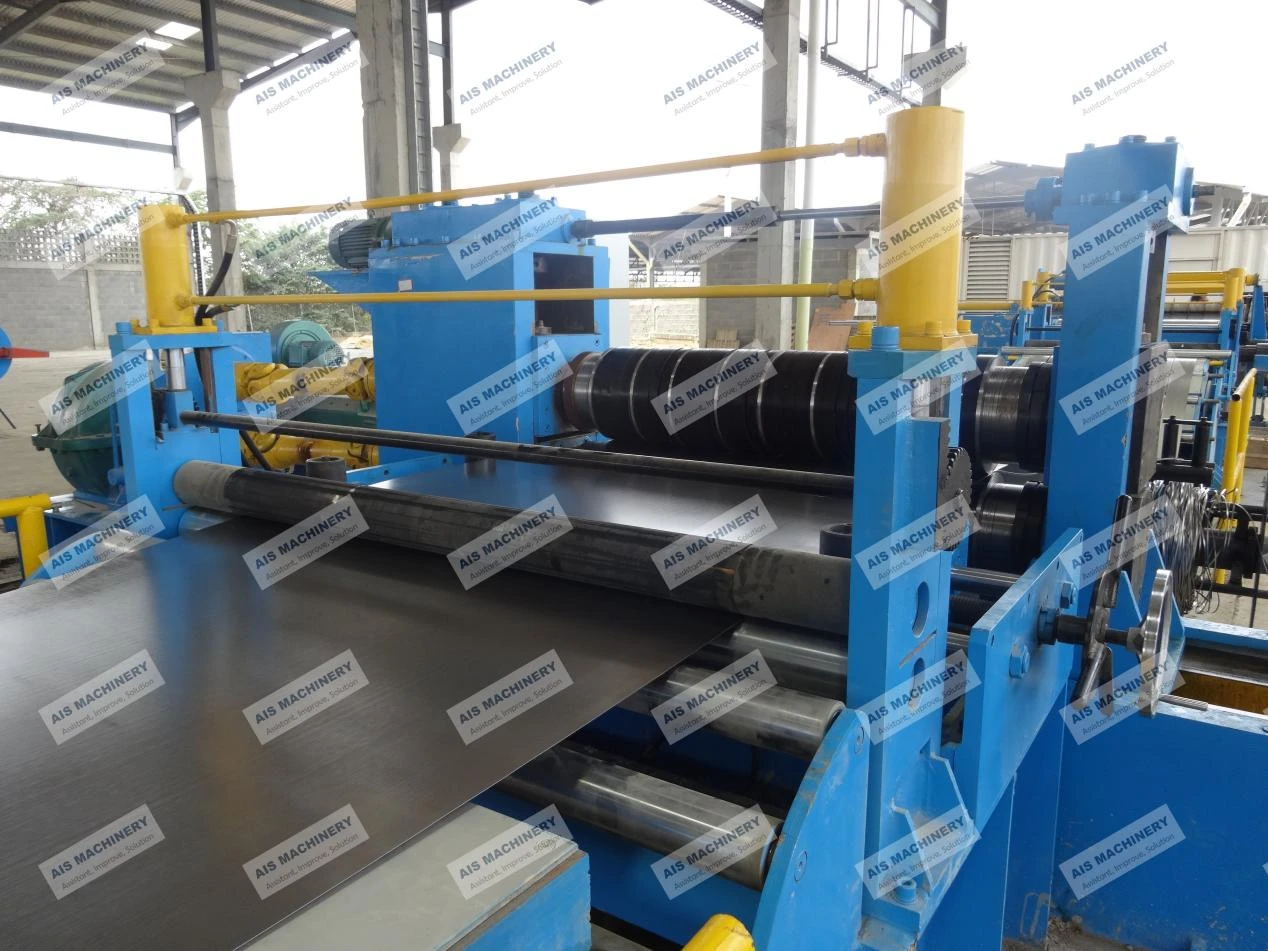
Steel Slitting Machine Waste Reduction
The foundation of waste reduction begins at the coil handling stage within modern steel slitting machines.
Send a Message
Dear customer, thank you for your attention! We provide high-quality machinery and equipment and look forward to your orders. Please inform us of your needs and we will respond quickly!
 English
  Albanian
  Arabic
  French
  German
  Indonesian
  Italian
  Japanese
  Kazakh
  Korean
  Latin
Latin  Macedonian
  Portuguese
  Russian
  Spanish
  Thai
Thai  Turkish
  Ukrainian
  Uzbek
Uzbek