
-
 Tel:86-15176910262
-

Search

Steel Slitting Machine Waste Reduction
Jun . 10, 2025 16:26
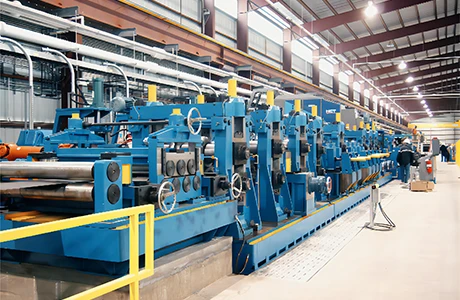
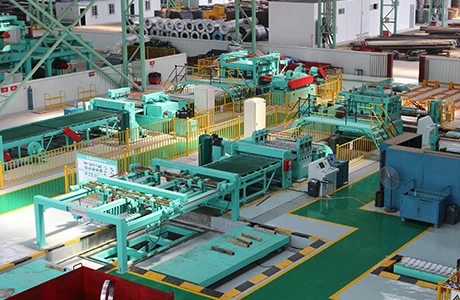
The foundation of waste reduction begins at the coil handling stage within modern steel slitting machines. Advanced servo-driven decoilers with automatic centering systems eliminate manual positioning errors that traditionally caused edge damage. Precision hydraulic expandable mandrels ensure uniform coil support to prevent telescoping that generates scrap. The integration of laser-guided coil cars positions raw materials before entry into the Slitter Line, while non-contact optical sensors continuously monitor strip alignment. These technologies collectively minimize the "end losses" occurring during threading – a critical factor when processing premium materials like automotive-grade galvanized steel or mirror-finish stainless. Throughput optimization algorithms in the PLC-controlled system further reduce transitional waste by predicting coil changeover timing and synchronizing line acceleration curves.
Optimizing Cutting Processes in Slitter Line Operations
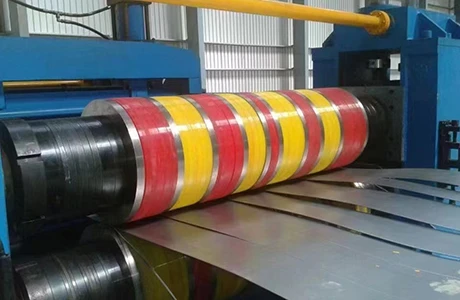
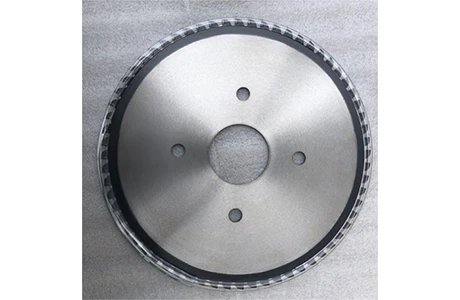
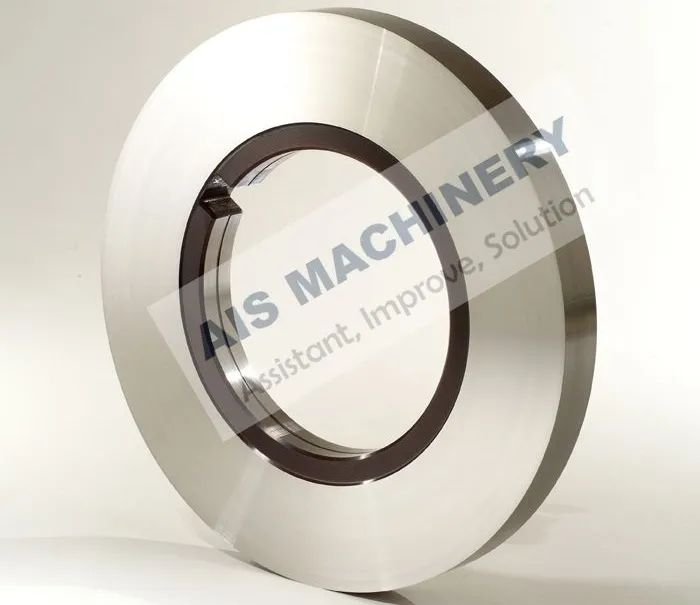
At the heart of waste reduction lies the cutting technology embedded in high-performance Slitter Line configurations. The strategic pairing of carbide-tipped upper knives with precision-ground anvil rolls creates clean shear-type cutting actio. Dynamic blade gap adjustment systems automatically compensate for thermal expansion during continuous operation. For coated materials, electrostatic discharge systems prevent micro-pitting along cut edges – a defect that previously necessitated 5-7% trim allowances. Real-time vibration monitoring in the arbor assemblies detects imbalance before it causes knife chatter, compared with manual lubrication, the automatic lubrication system can extend the service life of the blades. These integrated solutions transform the steel slitting machine from mere processor to precision conservation instrument.
Waste Reduction Through Combined Slitting Technology
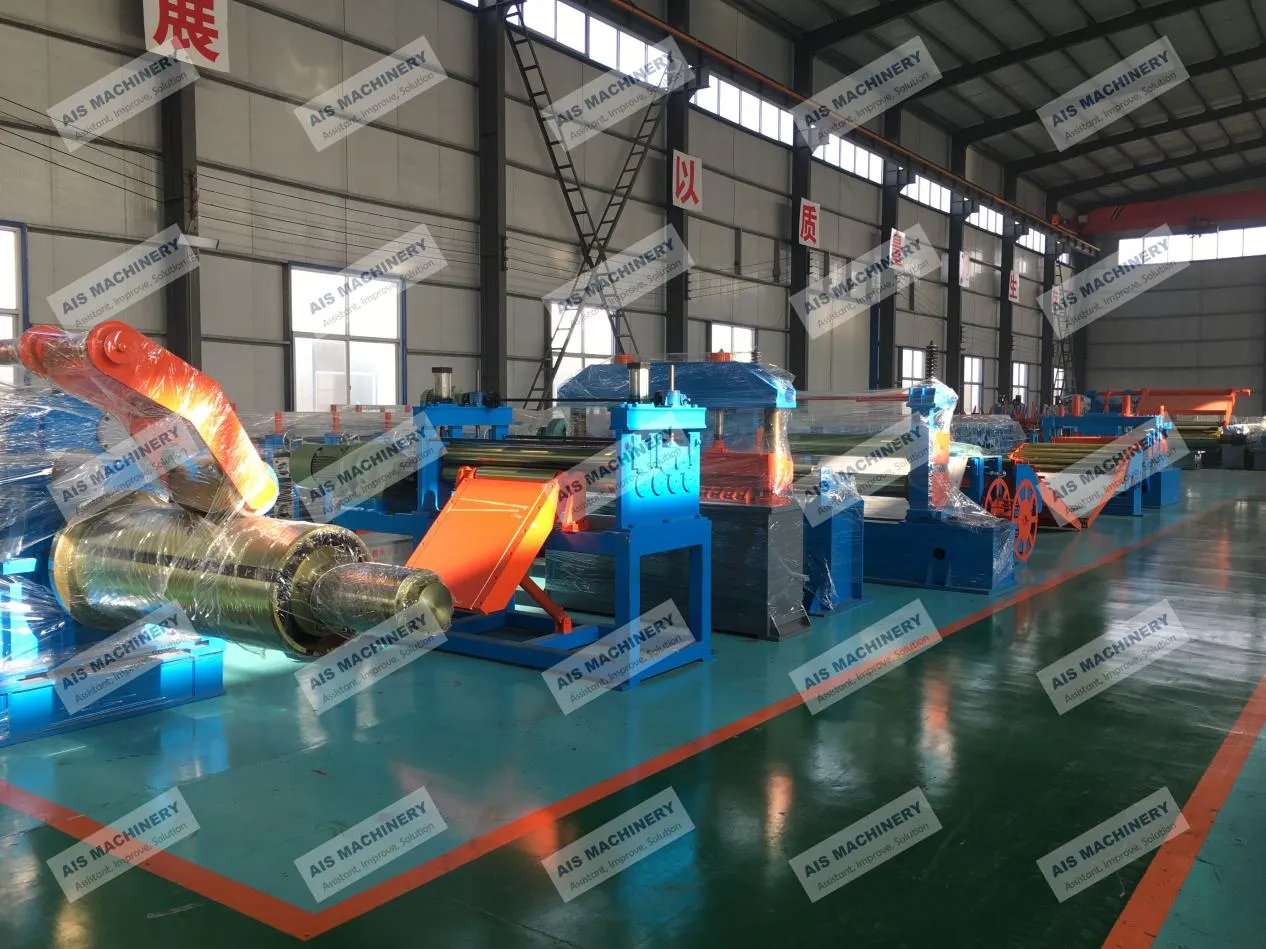
The emergence of Combined Slitting systems represents a quantum leap in material utilization. These hybrid configurations integrate slitting with inline blanking and contour cutting operations, eliminating the traditional skeleton scrap associated with secondary processing. During a single pass through the Slitter Line, servo-punching units create complex profiles in the strip edges before slitting, while flying die-cut stations simultaneously produce finished blanks from the central portion. This approach achieves near-zero matrix waste when producing components like electrical enclosure panels or automotive brackets. The technology leverages cloud-based nesting algorithms that optimize strip layout across multiple orders, dynamically adjusting slit widths to accommodate changing production requirements. For a manufacturer processing 30,000 tons annually, this Combined Slitting methodology typically recovers previously wasted material through computational material stewardship.
Closed-Loop Quality Assurance Steel Slitting Machine Systems
Modern waste reduction extends beyond mechanical innovation to intelligent quality ecosystems. Vision inspection systems with 5μm resolution continuously scan slit edges, automatically adjusting knife positions when burr formation exceeds preset thresholds. Laser micrometers mounted before recoilers detect width deviations as small as 0.03mm, triggering immediate corrective actions through the PLC. The integration of AI-powered defect classification databases enables real-time scrap root cause analysis, distinguishing between blade-related issues , tension problems, or material defects. This closed-loop approach transforms the steel slitting machine into a self-optimizing system where each coil's processing data informs adjustments for subsequent runs, progressively driving scrap rates below 0.8% even when slitting high-strength alloys.
FAQs about Steel Slitting Machine Waste Reduction
What causes edge cracking in steel slitting machines?
Edge cracking typically stems from excessive tension differentials between slit strands or incorrect blade penetration settings. Modern Slitter Line configurations prevent this through independent strand tension control and dynamic blade pressure modulation, particularly critical when processing brittle materials like electrical steels or high-carbon alloys.
How does Combined Slitting reduce setup waste?
Traditional changeovers generate scrap during alignment. Combined Slitting systems incorporate quick-change cassette tooling and digital profile memories that complete format conversion in a very short time, while producing only less meters of transition material through synchronized acceleration algorithms.
Why is camber control crucial for waste reduction in steel slitting machine?
Uncontrolled camber causes telescoping during rewinding, rendering entire coils unusable. Advanced steel slitting machines integrate laser-guided steering rolls that detect and correct camber in real-time.
Can slit width optimization really impact slitter5 line material yield?
Intelligent width algorithms in modern Slitter Line controls can increase yield through dynamic pattern adjustments. By analyzing multiple production orders simultaneously, the system calculates optimal master coil utilization strategies that minimize edge trim while accommodating varying customer width requirements.
How does automated scrap handling improve efficiency?
Integrated scrap choppers and pneumatic conveyance systems in Combined Slitting installations process trim waste inline, preventing manual handling downtime while enabling direct recycling. This reduces non-value-added labor and contains oil contamination for higher scrap value recovery.
The evolution of steel slitting machine technology has transformed waste reduction from passive aspiration to measurable science. By integrating precision machinery, adaptive control systems and revolutionary Combined Slitting methods, the material utilization rate of modern slitting production lines has been enhanced. This technical mastery represents more than economic efficiency – it embodies industrial responsibility. As coil processors face increasingly stringent sustainability mandates, the closed-loop material ecosystems within modern slitting lines demonstrate how engineering innovation converts waste streams into value pathways. The silent revolution occurring within these humming production halls ultimately redefines manufacturing's relationship with raw materials, proving that the most sophisticated conservation technologies often wear industrial grease.

Related Products

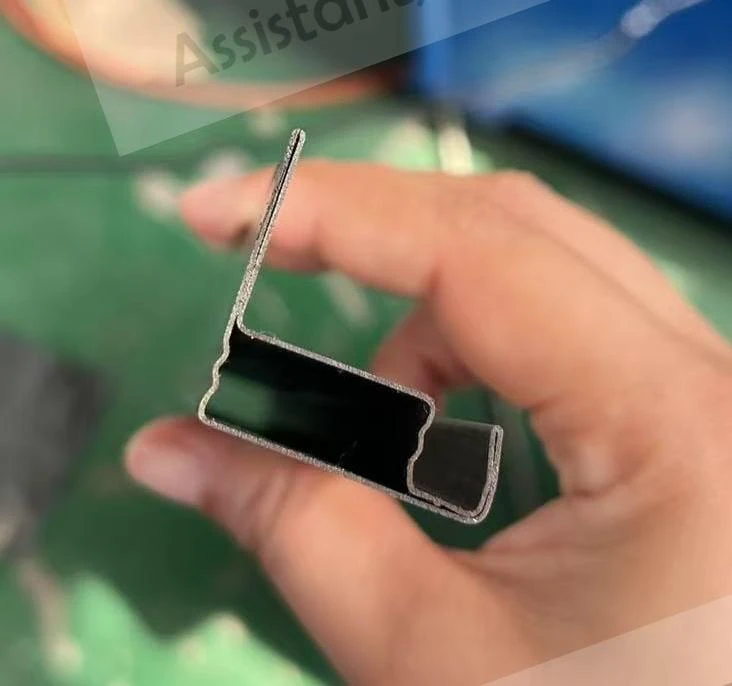
Related News
2026-04-18 03:20:20
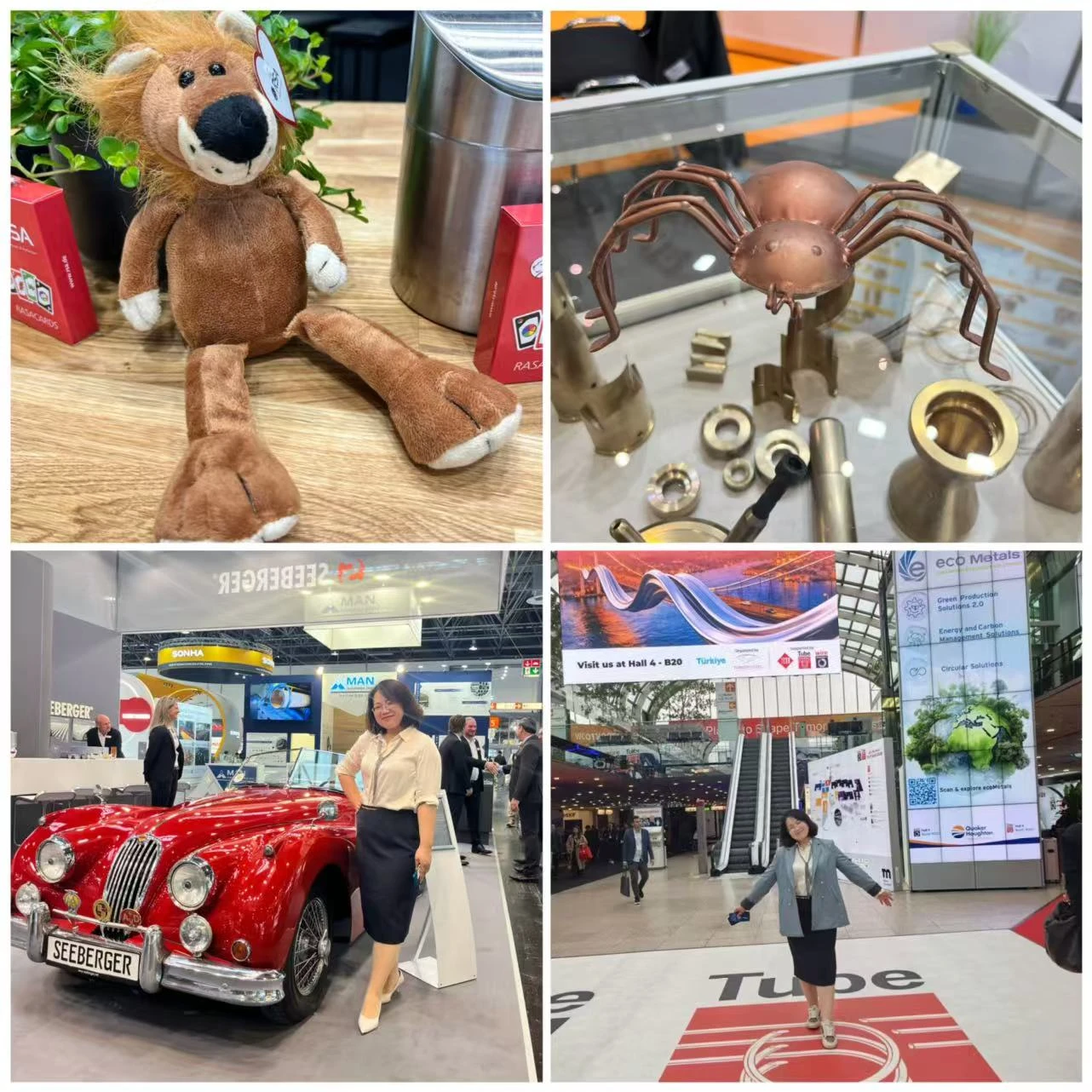
AIS Machinery Showcases Advanced Tube Solutions at Tube & Wire Düsseldorf 2026
Tube & Wire Düsseldorf 2026, one of the most influential exhibitions in the global tube and wire industry, held biennially in Düsseldorf, Germany
2027-04-17 00:00:00
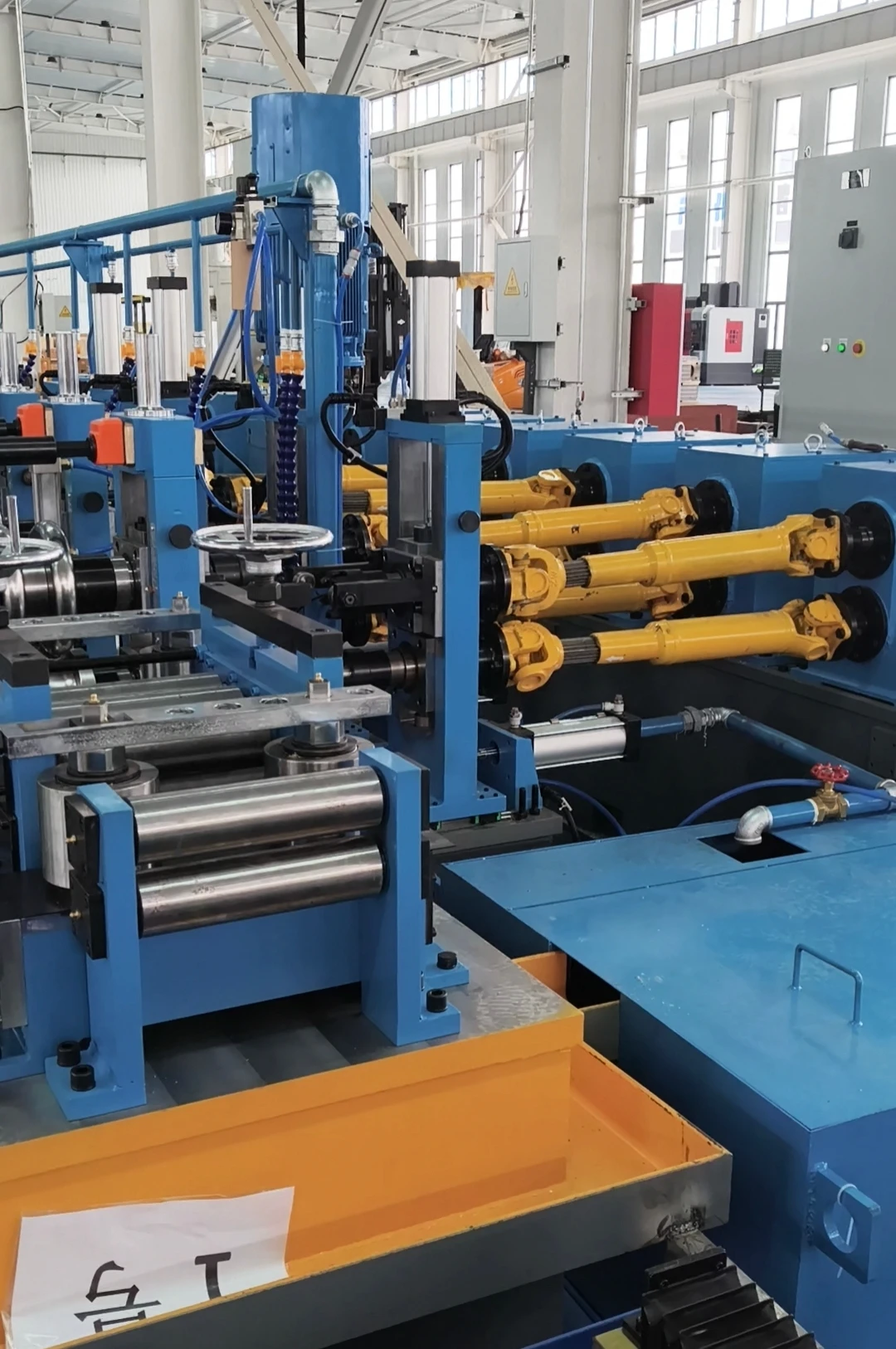
Southeast Asia Client Visits Our Factory | Customized Tube Mill Solution Delivered
A Southeast Asia client visited our ERW tube mill factory to inspect production lines and discuss a customized tube mill solution. Impressed by our machine quality, welding performance, and engineering support, the client confirmed strong cooperation intentions. Discover how our ERW tube mill solutions improve efficiency, precision, and long-term production reliability.
2026-04-16 02:35:12
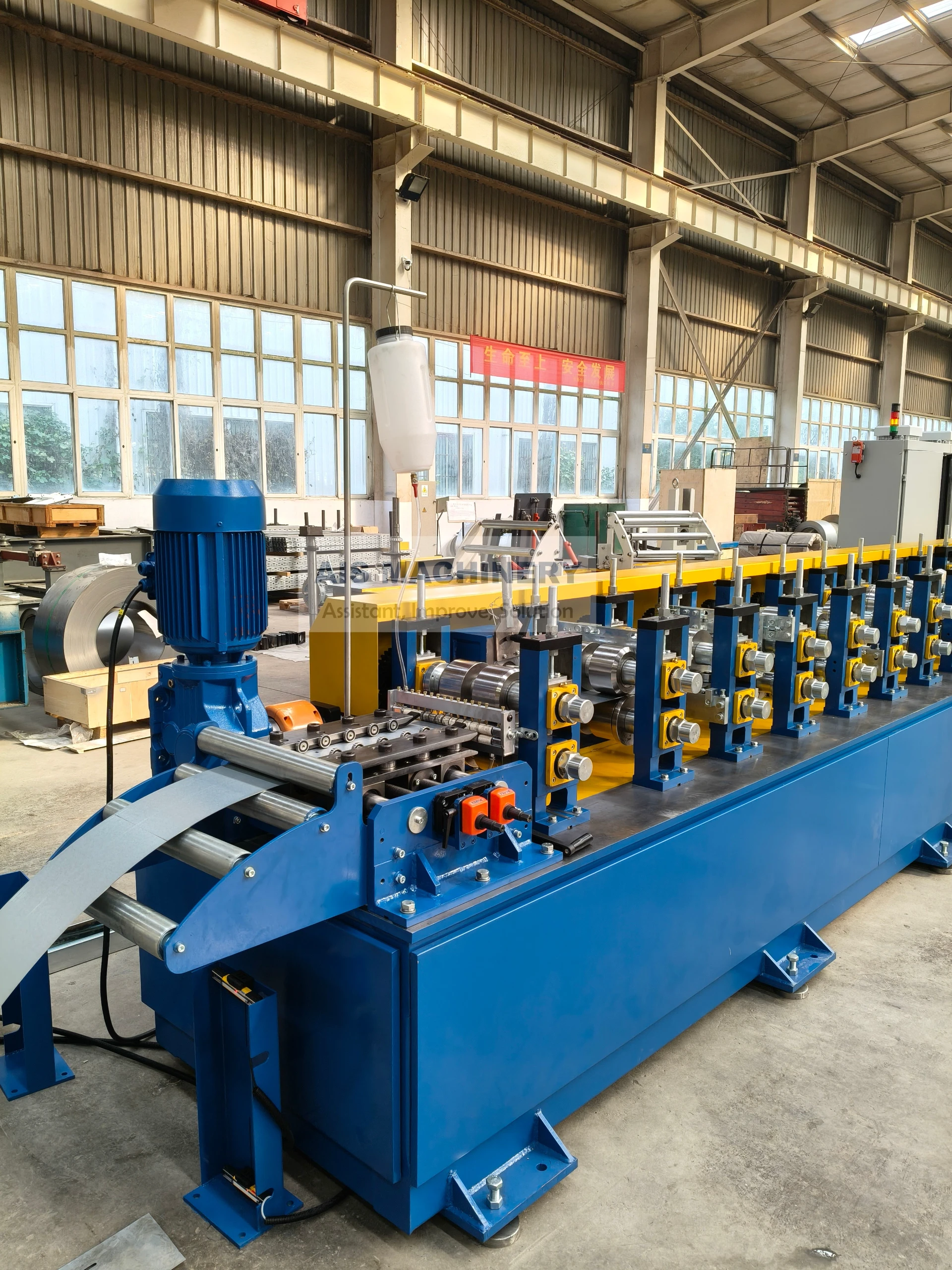
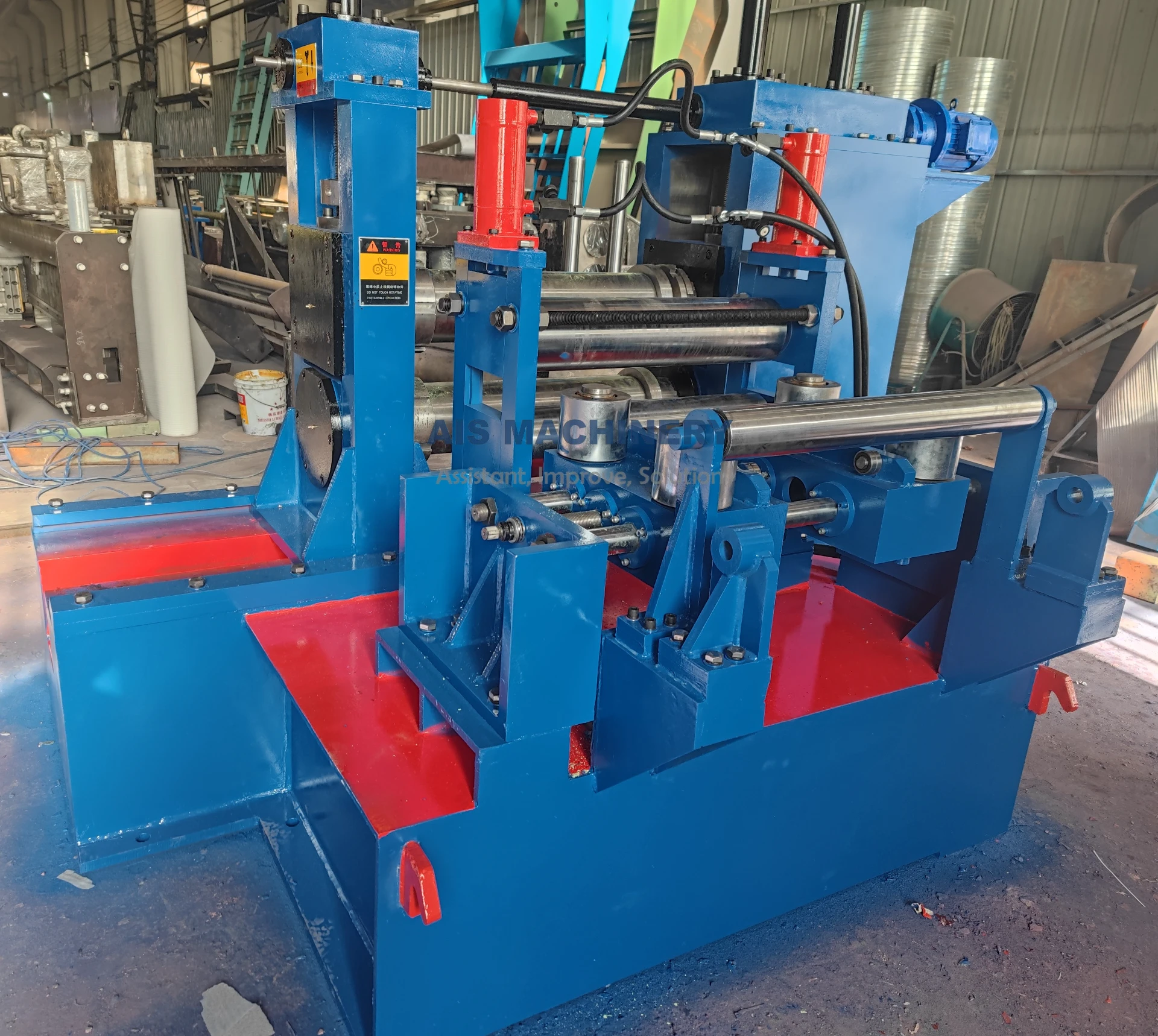
Professional Cold Roll Forming Machine Factory for Production
In the modern industrial landscape, the precision of metal shaping is the cornerstone of quality manufacturing. Partnering with a professional cold roll forming machine factory is essential for businesses looking to optimize their production lines, reduce material waste, and ensure high-dimensional accuracy. Whether you are producing C-channels, square tubes, or custom profiles, the choice of machinery determines your competitive edge in the market. This guide will explore the critical factors in selecting a factory and the technical advantages of advanced roll forming technology to help you make an informed investment.
2026-04-15 10:37:55
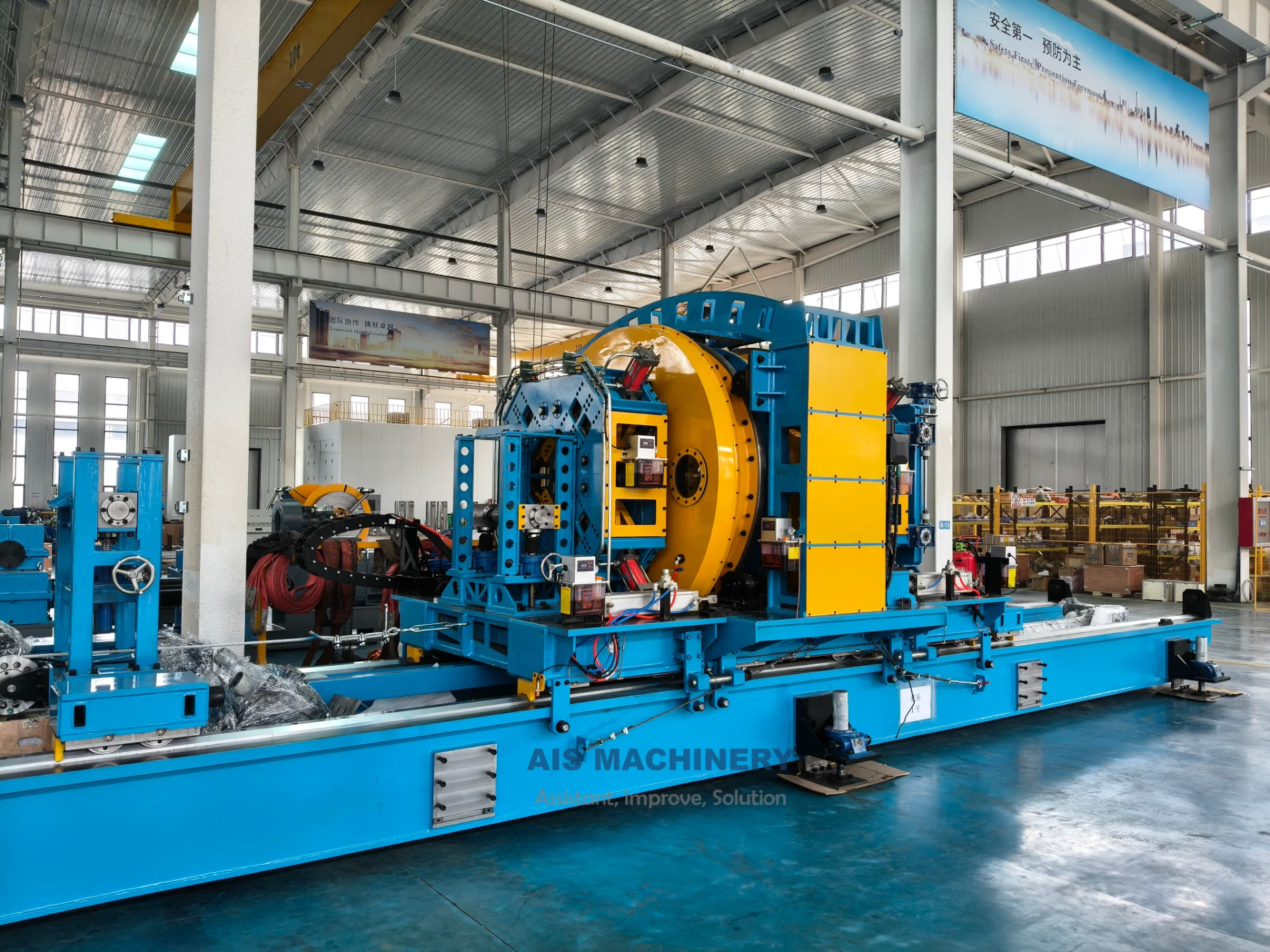
Flat Bar Production Line for Steel Coils: How It Works & Why It Matters
Looking for a flat bar production line? Learn how it turns steel coils into ready-to-use flat bars with precise length and high straightness. Compare it with slitting lines and get the best solution for your steel processing needs.
2026-04-14 00:00:00
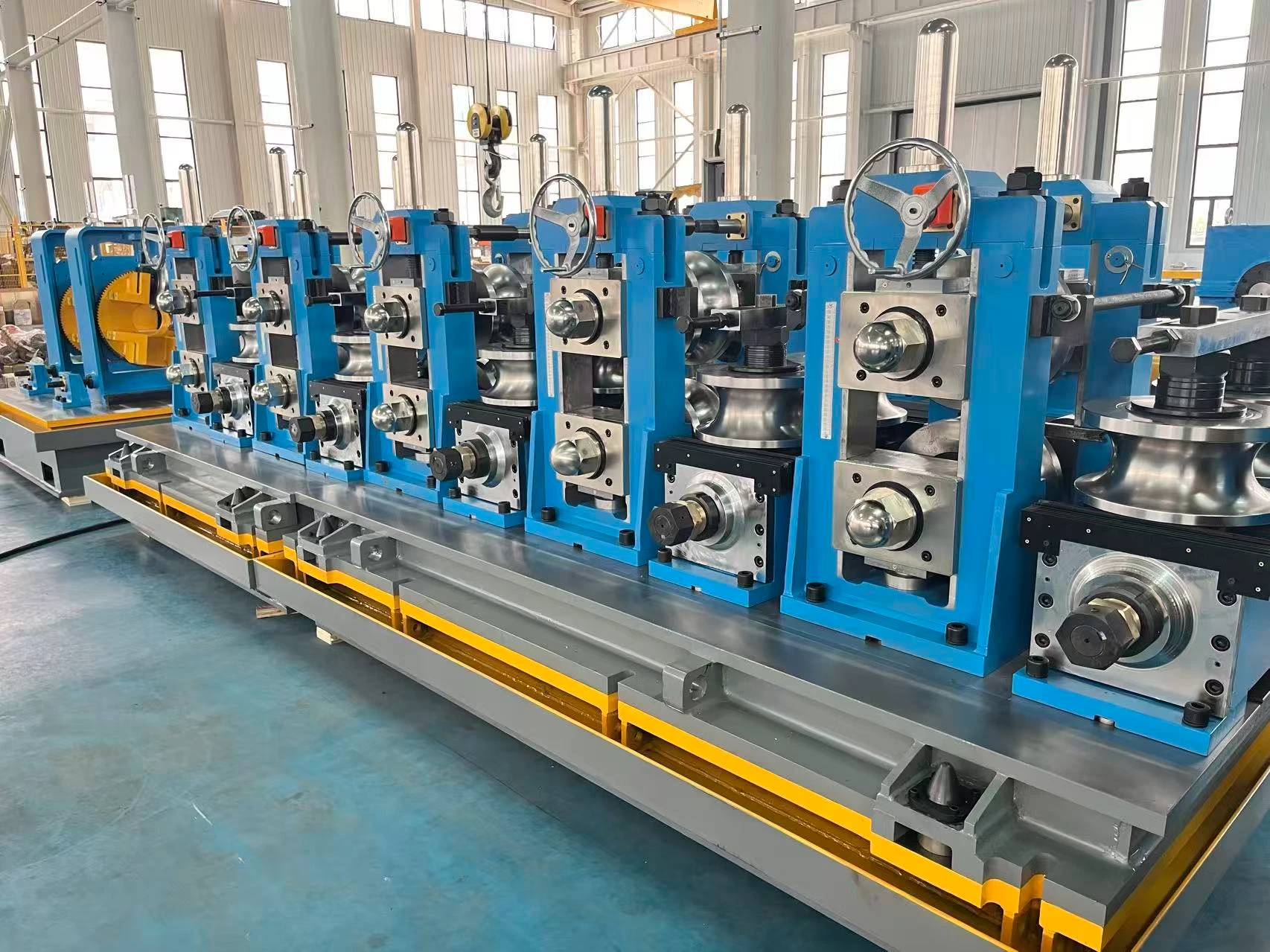
Looking for a Milling Saw for ERW Tube Mill? Here’s What You Need to Know
Looking for a high-performance milling saw for your ERW tube mill? Upgrade to burr-free, high-precision pipe cutting with advanced flying saw technology. Improve efficiency, reduce rework, and meet export standards for carbon steel, stainless steel, and API pipes. Contact us today for expert solutions and competitive pricing tailored to your production needs.
2026-04-09 16:15:19
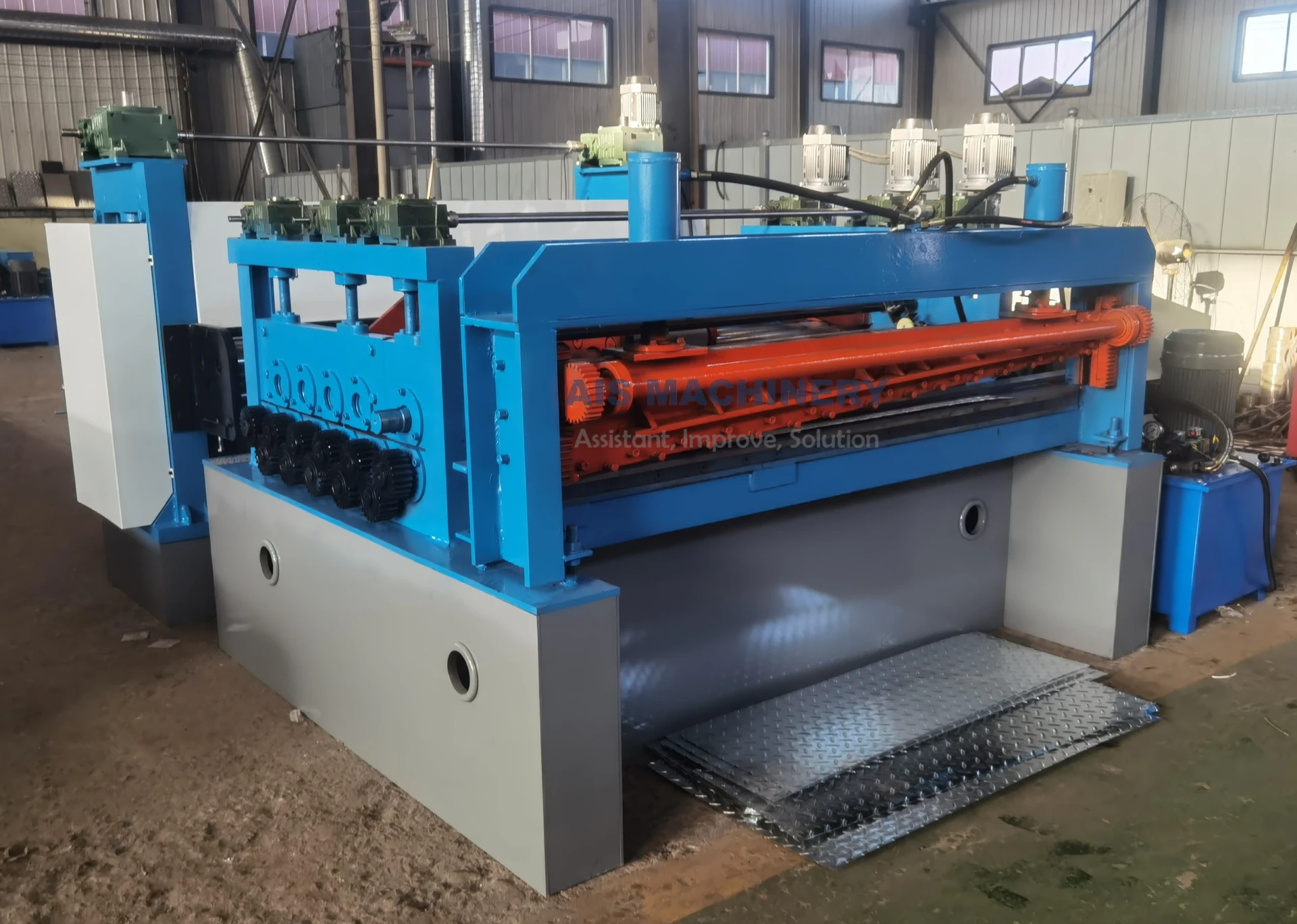
5-Inch (127mm) ERW Tube Making Machine Delivered with Heavy-Duty Design and Advanced Quick Change System
2027-04-07 00:00:00
Metal Embossing Machine: Turn Flat Sheets into High-Value Textured Products
Discover how a metal embossing machine transforms flat steel, stainless steel, and aluminum sheets into high-value textured products. Learn about its working principle, key components, and applications. Ideal for decorative and industrial use, embossing machines improve both appearance and performance. Explore complete embossing line solutions and find the right machine for your production needs.
2026-04-04 20:37:18
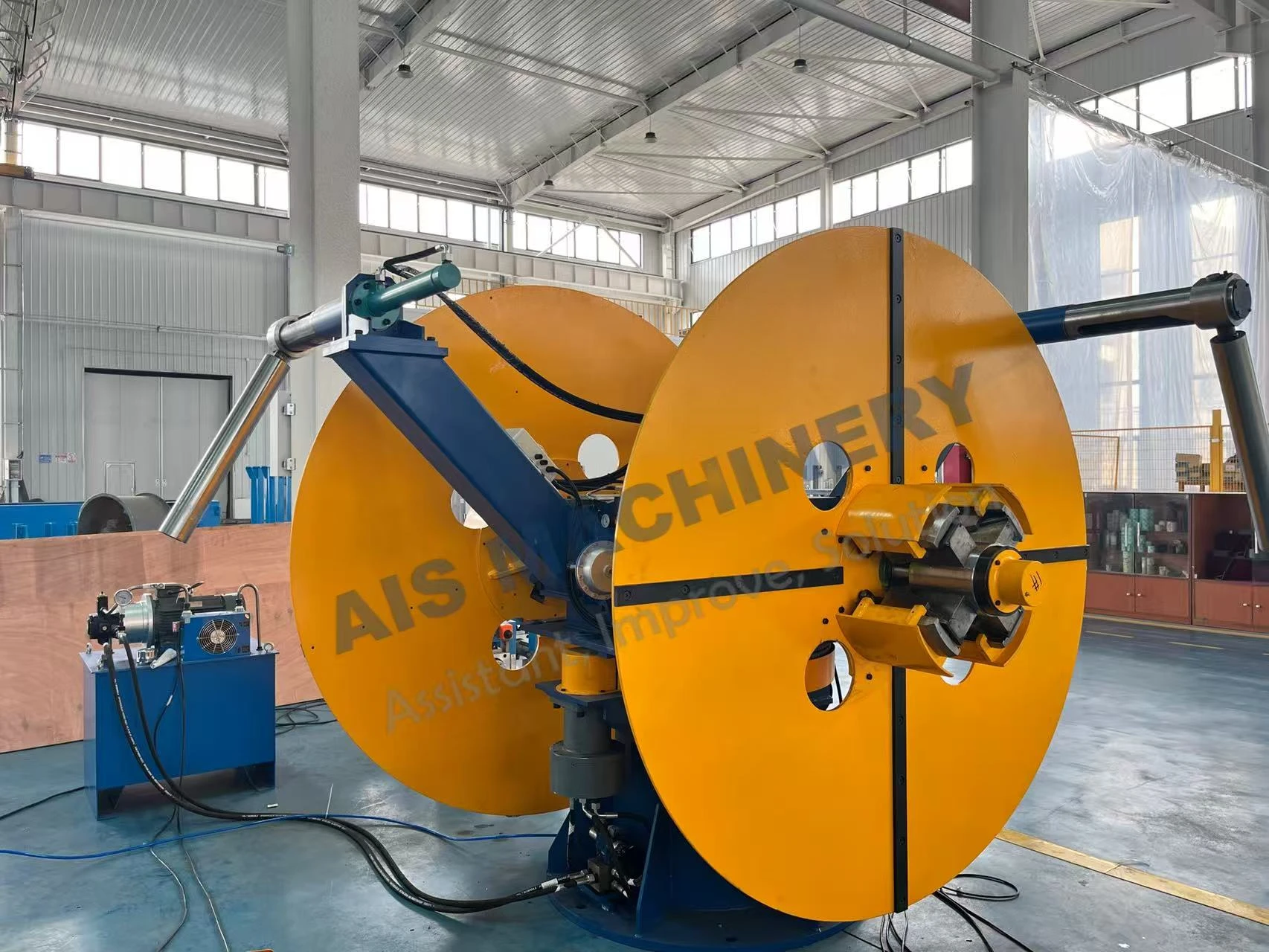
Automatic Double Side Uncoiler with Hydraulic Expansion and Auto Rotation for Steel Coil Processing
The Automatic Double Side Uncoiler is a high-efficiency solution designed for modern steel coil processing lines, including tube mills, roll forming machines, and slitting lines. With a maximum capacity of 4 tons per side, this machine ensures stable and continuous coil feeding while reducing downtime during coil change.
Send a Message
Dear customer, thank you for your attention! We provide high-quality machinery and equipment and look forward to your orders. Please inform us of your needs and we will respond quickly!
 English
  Albanian
  Arabic
  French
  German
  Indonesian
  Italian
  Japanese
  Kazakh
  Korean
  Latin
Latin  Macedonian
  Portuguese
  Russian
  Spanish
  Thai
Thai  Turkish
  Ukrainian
  Uzbek
Uzbek