
-
 Tel:86-15176910262
-

Search
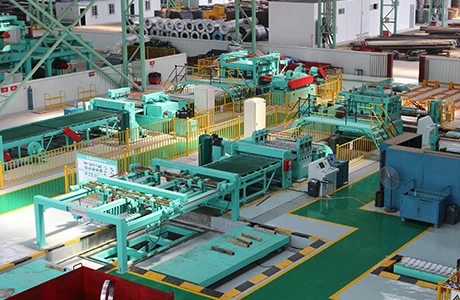
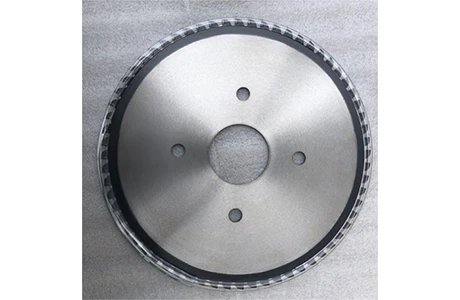
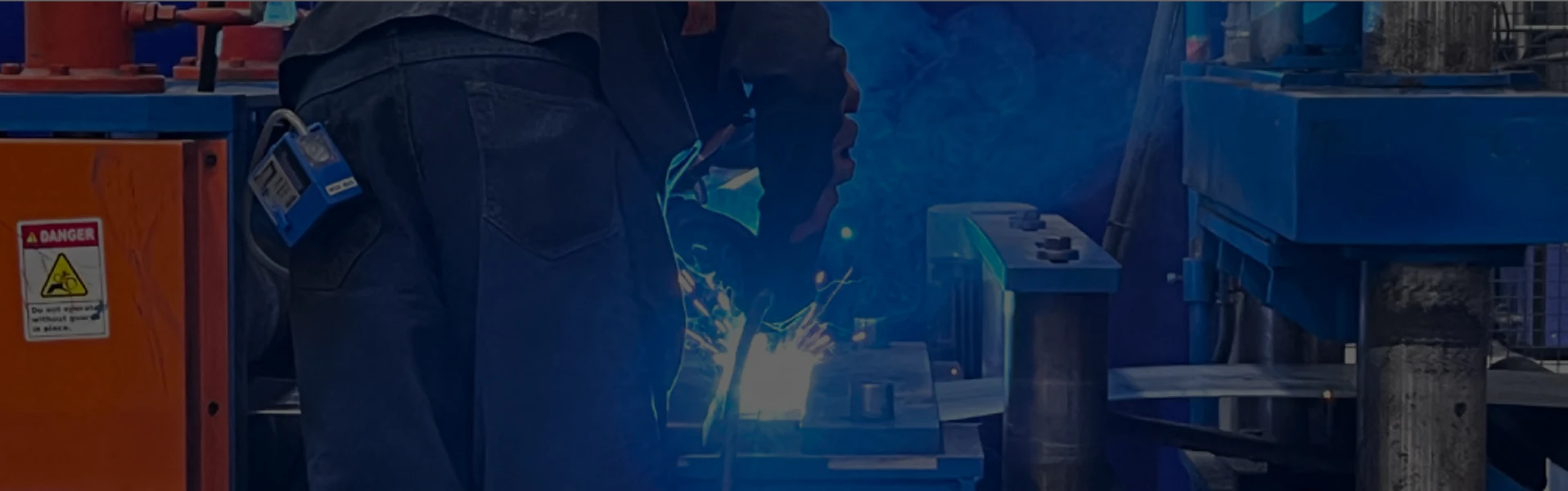

Roll Forming Machine Applications
Jun . 10, 2025 16:22
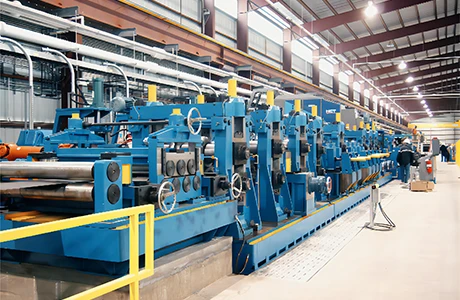
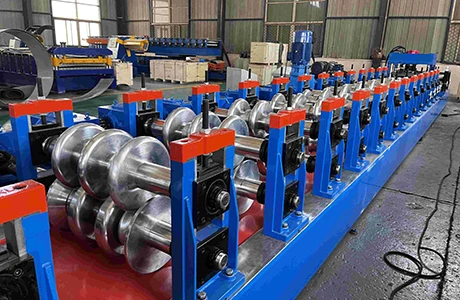
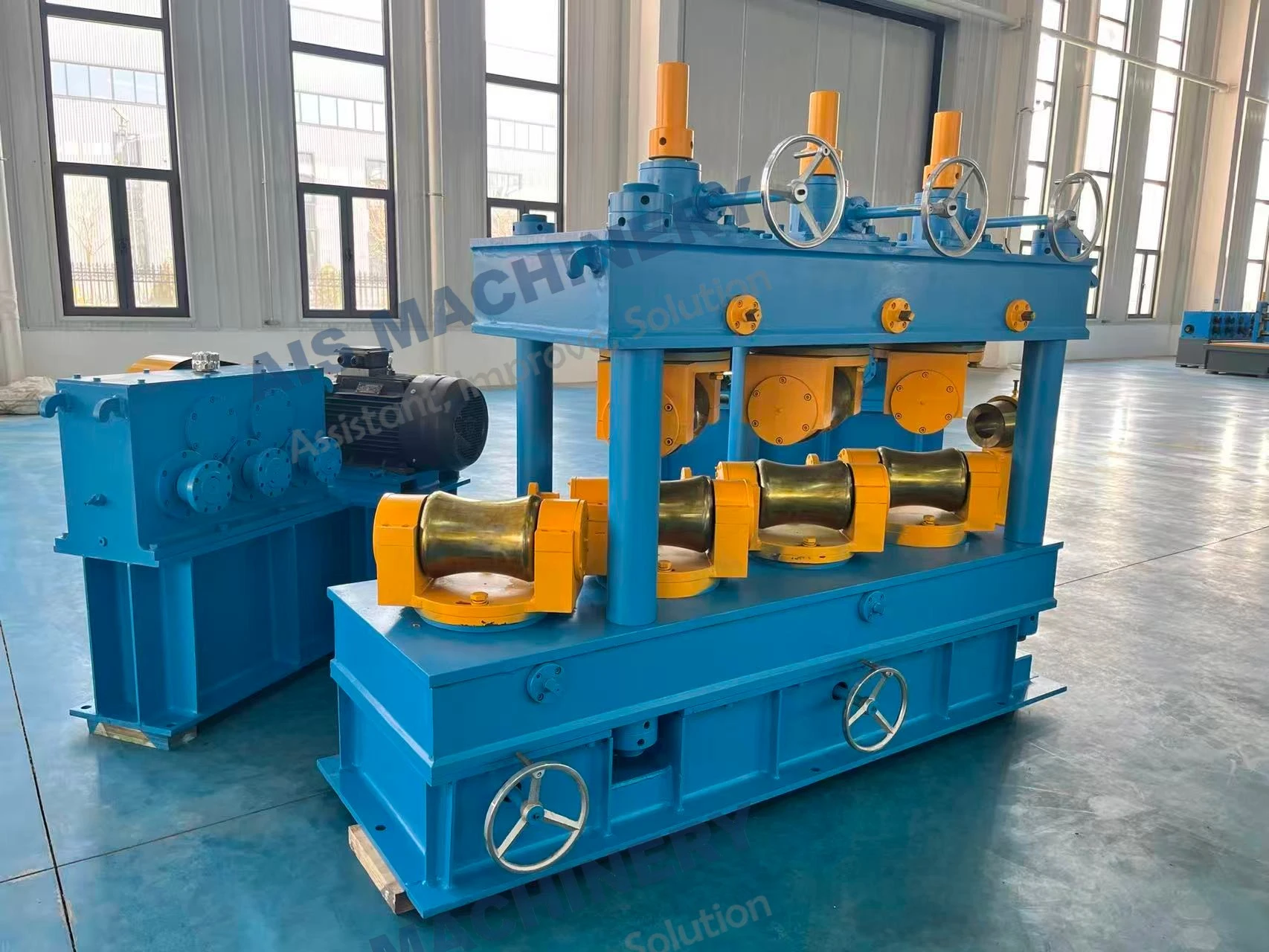
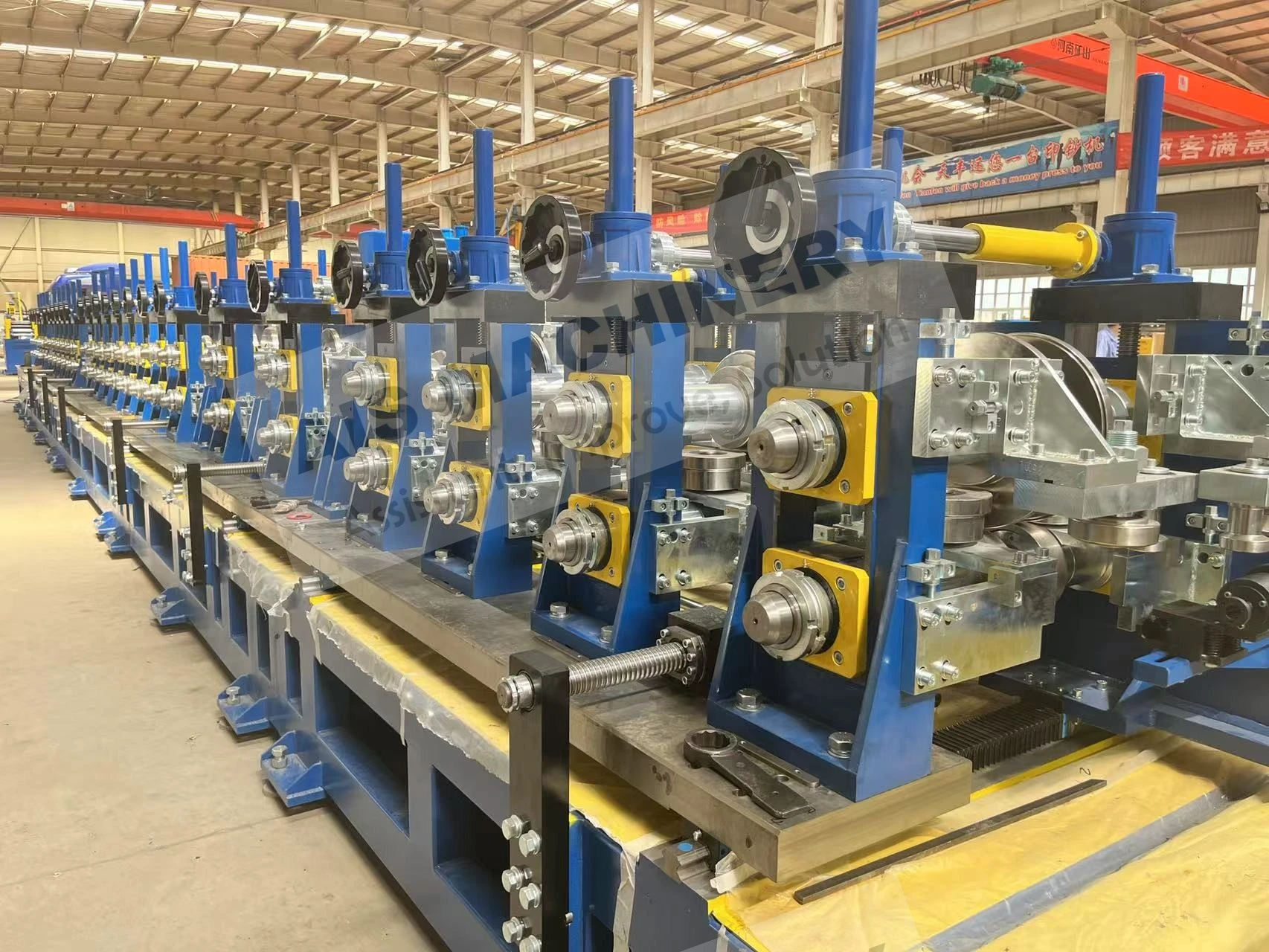
The transformative power of cold roll forming machinery lies in its ability to reshape metal through continuous cold processing. Unlike hot-forming methods, this advanced cold roll forming machine progressively bends steel strips or plates at room temperature using meticulously engineered rolls arranged in tandem stations. This cold-working process enhances material strength through strain hardening while maintaining precise dimensional tolerances. Modern systems integrate Siemens PLC controls and Schneider electrical components, ensuring synchronized motion across uncoiling, pre-punching, forming, and cutoff stages. The absence of heat input minimizes energy consumption and preserves metallic microstructure, making roll forming machine technology indispensable for high-volume production of dimensionally stable profiles.
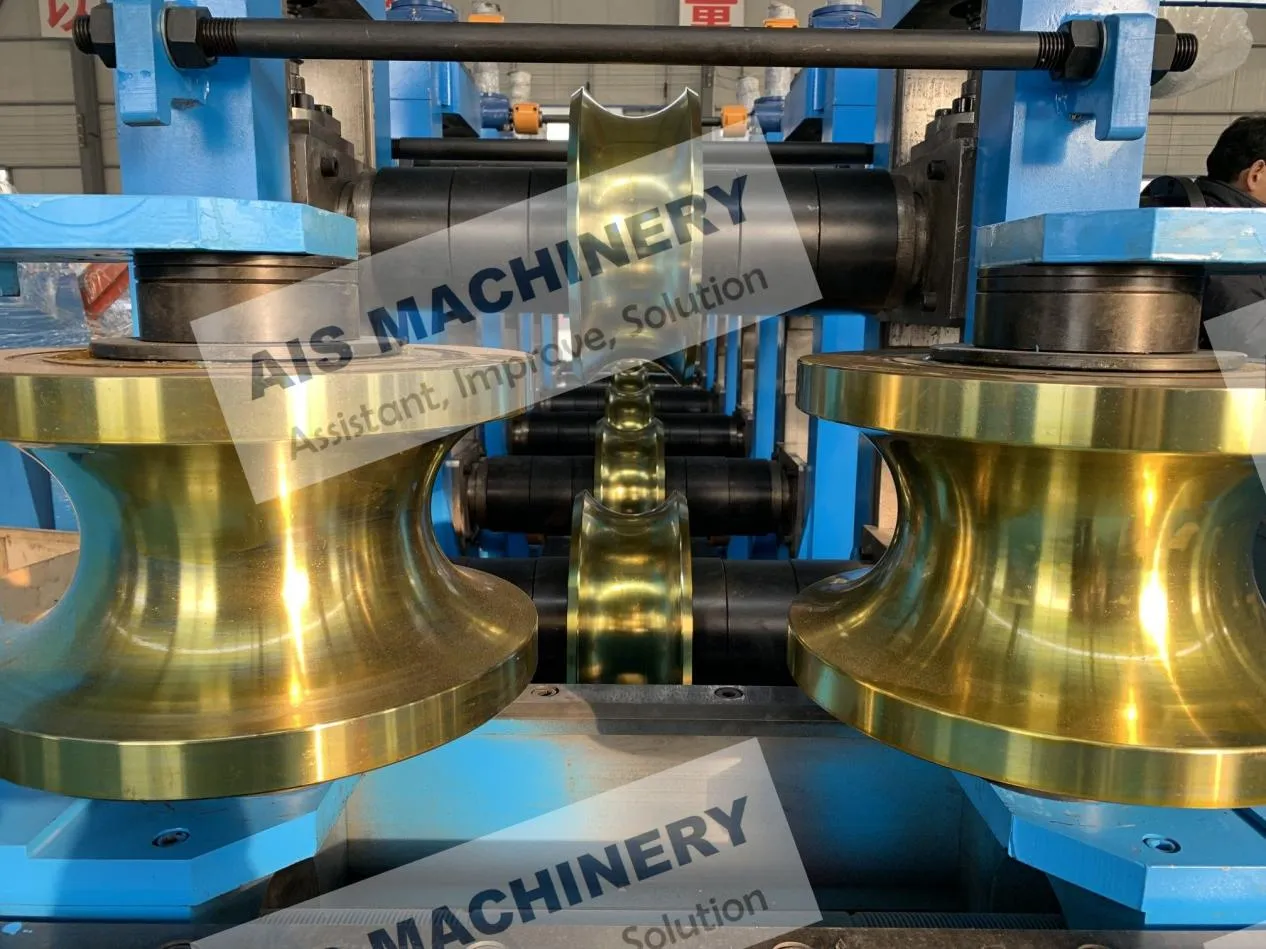
Cold roll forming machine in Architectural and Construction Applications
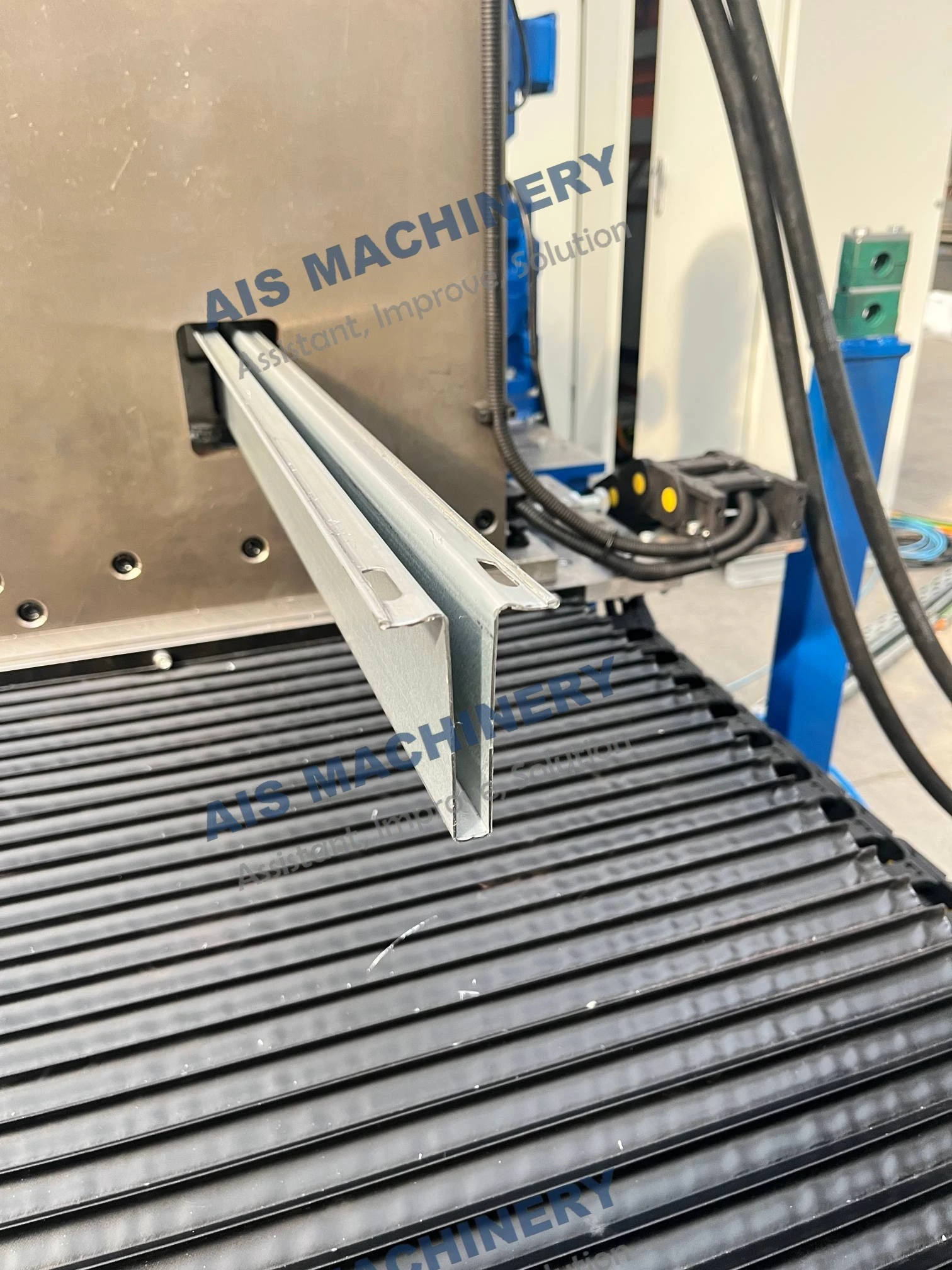
Cold roll forming machine systems dominate building construction through their efficiency in producing structural skeletons. Curtain wall mullions, window frames, and seismic bracing elements emerge from these lines with consistent geometry. The integration of hydraulic servo-punching units enables pre-notching, embossing, or hole patterns during forming – critical for bolt connections in steel frameworks. For high-rise construction, cold roll forming machinery produces load-bearing studs and tracks with yield strengths up to 550 MPa, meeting stringent building codes. Pre-engineered metal buildings leverage this technology for entire structural kits, where roll-formed columns, rafters, and girts assemble with millimeter precision. The process’s material efficiency makes it the backbone of sustainable construction.
The Solar Infrastructure and Framing of Cold Roll Forming Maching
Renewable energy infrastructure showcases the adaptability of roll forming machine technology. Solar mounting systems demand corrosion-resistant galvanized or aluminum profiles with complex cross-sections. Cold roll forming machinery produces torque tubes, rail splices, and ground-mount piles with integrated mounting holes – all punched in-motion via servo tracking systems. The equipment’s flexibility allows rapid changeovers between solar carport components, tracker posts, and rooftop railings. Beyond solar, industrial applications thrive: material handling conveyors use roll-formed guide rails; warehouse racking systems require precisely formed uprights; and agricultural buildings utilize specialized gutters and trims. The machinery’s compatibility with high-strength steels enables lighter yet stronger designs for transportation equipment and machinery guards, demonstrating its cross-sector versatility.
Cold roll forming machine :Advanced Customization
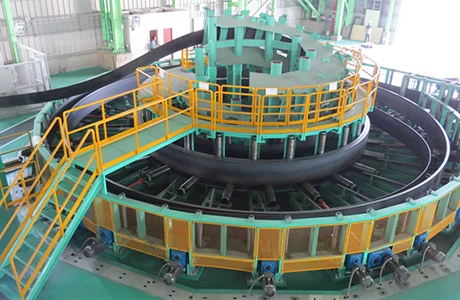
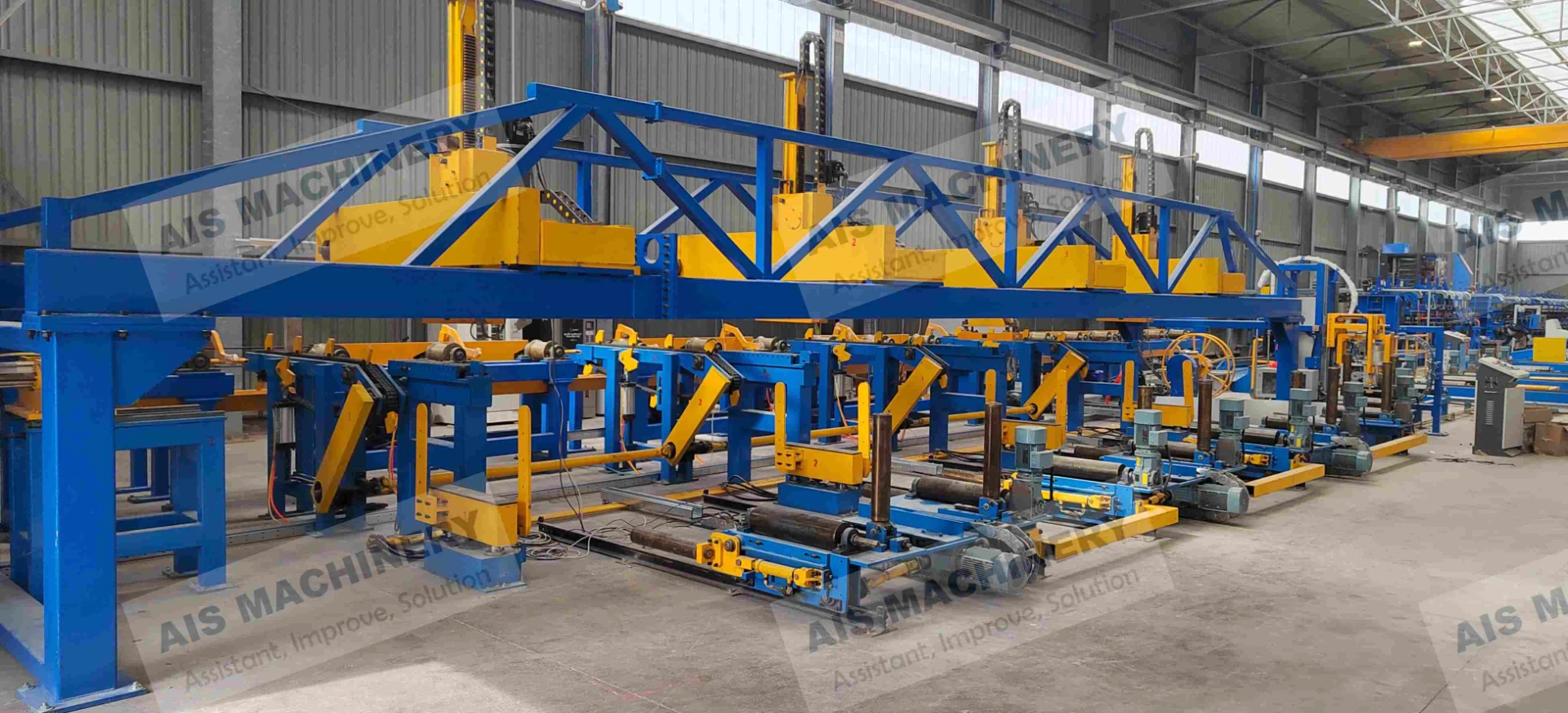
Modern cold roll forming machine lines transcend basic shaping through sophisticated subsystems. Pre-cut servo-feed lines synchronize coil processing with CNC punching for hole patterns before forming. Post-cut operations like end flanging or welding attach inline. For specialized profiles like pipe carriers or cable trays, cold roll forming machinery incorporates edge curling stations and seam-welding units. The true innovation lies in FFX technology, allowing a single machine to switch between C, U, Z, and custom profiles without roll changes – achieved through CNC-adjustable forming stands. This adaptability extends to material handling: automated stacking robots, vision-based inspection systems, and package strapping stations create turnkey production cells. With cloud-connected monitoring via Siemens PLCs, operators optimize OEE (Overall Equipment Effectiveness) while maintaining traceability for certified components.
FAQs About Roll Forming Machine
What distinguishes cold roll forming machine from press braking machine?
Cold roll forming is a continuous process where metal strip passes through multiple roll stations, progressively bending it to final shape with minimal residual stress. Press braking uses discrete punches and dies to create bends in sheet metal, resulting in segmented parts with higher deformation per station. Roll forming excels for long, complex profiles with consistent cross-sections, offering superior production speed, reduced tooling costs for long runs, and better dimensional stability for structural applications.
Can cold roll forming machinery process high-strength steels?
Modern cold roll forming machine systems are engineered to handle advanced high-strength steels up to 700 MPa tensile strength. This requires precisely calculated roll gaps, hardened tool steel rolls, and powerful drive systems to overcome material springback. Servo-controlled forming stations apply incremental pressure to manage work hardening, while profile-specific flower patterns ensure uniform deformation without edge cracking.
How does punching integrate with roll forming machine?
Integrated hydraulic punching units use servo-driven positioning to track the moving strip. The PLC synchronizes punch timing with line speed, enabling holes, slots, or notches to be placed within ±0.2 mm accuracy relative to profile features. Multi-tool turrets perform complex patterns in a single pass, eliminating secondary operations. For solar piles, this allows precise mounting hole constellations.
What maintenance ensures roll forming machine long-term precision?
Critical maintenance includes daily roll gap verification with feeler gauges, weekly lubrication of gearboxes and bearings, and monthly inspection of drive chains for tension. Advanced machines feature vibration sensors and thermal cameras to predict bearing failures.
Do roll forming machine profiles require welding?
While many profiles are weld-free, closed sections utilize inline seam welding.
From the soaring frameworks of urban skyscrapers to the sun-tracking arrays of solar farms, cold roll forming machinery silently shapes the bones of contemporary civilization. As industries demand lighter, stronger, and more complex sections, the evolution of roll forming machine technology continues.
In every C-channel supporting a warehouse, every solar pile anchored in earth, and every conveyor moving goods, the legacy of cold roll forming machine innovation endures – a testament to engineering’s power to reshape our world, one precise curve at a time.

Related Products

Related News
2027-04-24 00:00:00
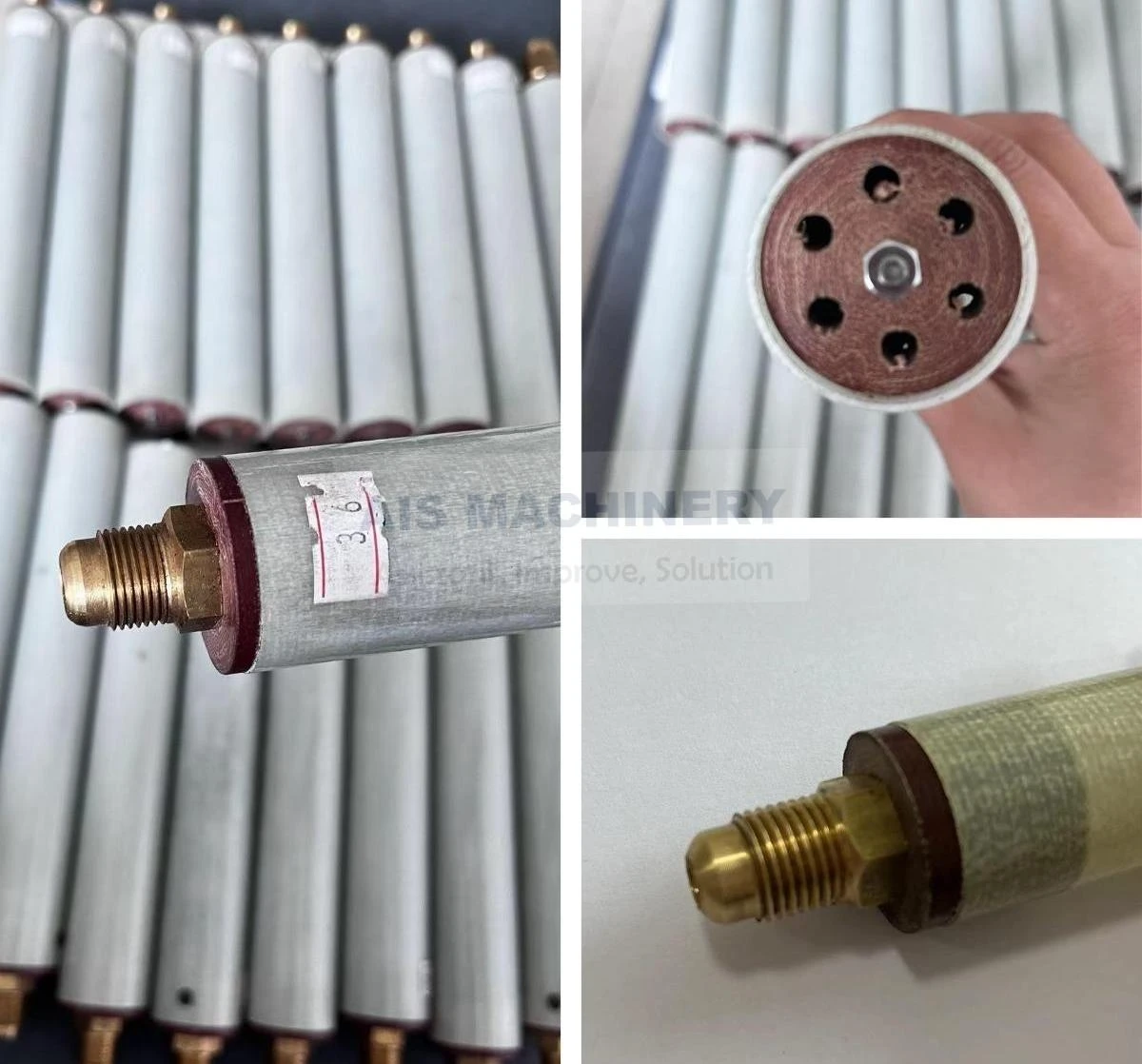
What is an Impeder and Ferrite Rods in ERW Tube Mill?
Struggling with impeder overheating or short service life in your ERW tube mill? This guide explains common impeder problems, the role of ferrite rods, and how to choose the right impeder for stable welding performance. Improve weld quality, reduce energy loss, and extend equipment lifespan with the right selection and proper cooling solutions.
2026-04-21 10:22:25
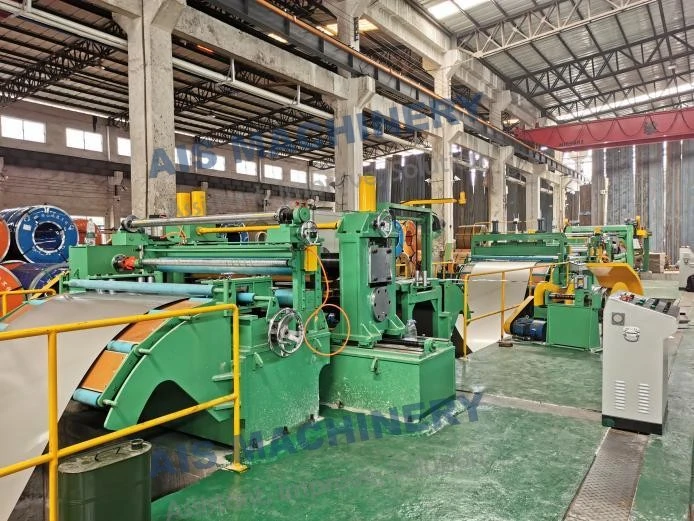
Slitting & Cut-to-Length Combined Production Line: A Smarter Way to Process Steel Coils
Discover the Slitting & Cut-to-Length Combined Production Line, a flexible solution for steel coil processing. This system integrates slitting line and cut-to-length line functions in one machine, saving space, reducing costs, and improving efficiency. Ideal for processing both steel strips and sheets, it is widely used in service centers and manufacturing industries. Learn its advantages, limitations, and applications.
2026-04-18 03:20:20
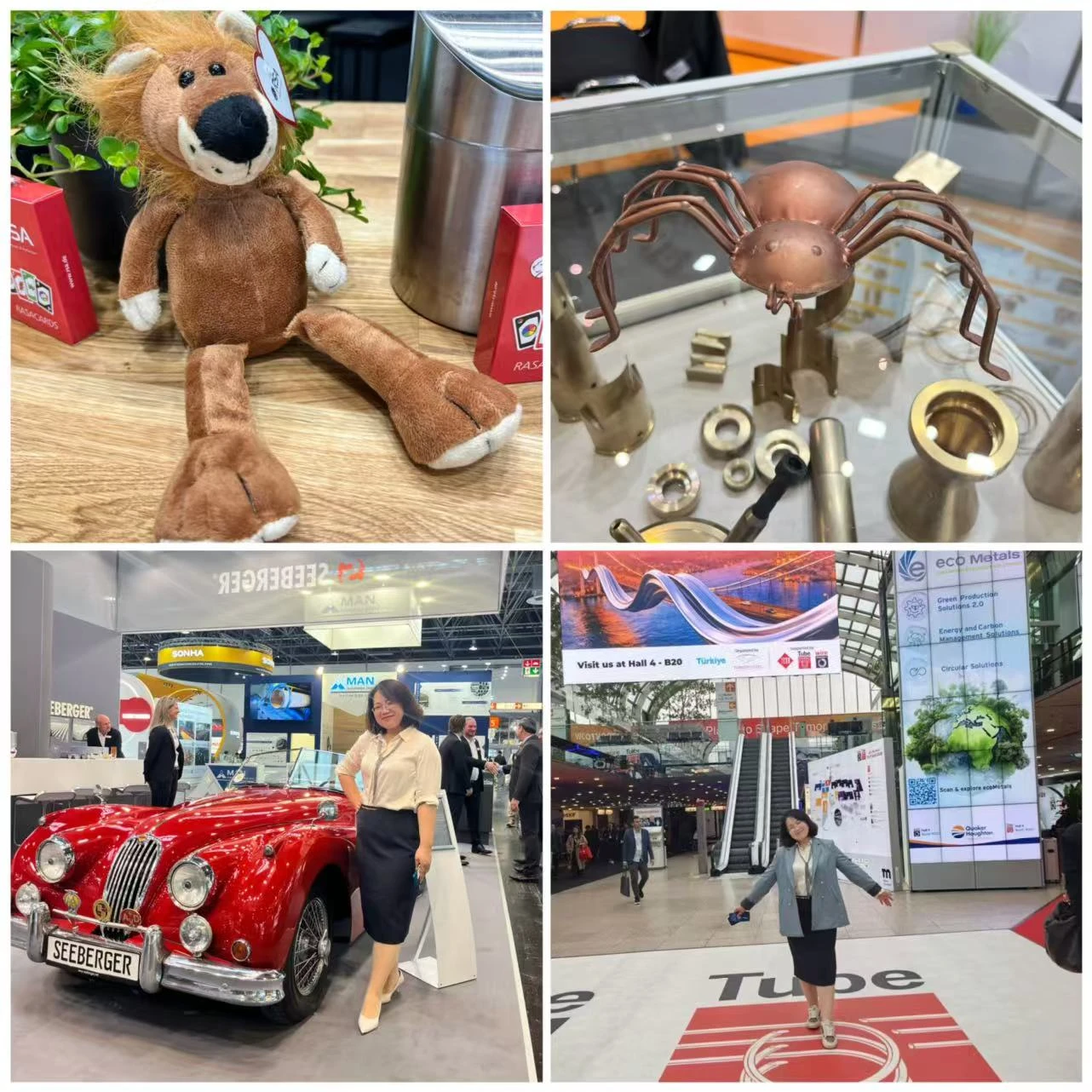
AIS Machinery Showcases Advanced Tube Solutions at Tube & Wire Düsseldorf 2026
Tube & Wire Düsseldorf 2026, one of the most influential exhibitions in the global tube and wire industry, held biennially in Düsseldorf, Germany
2026-04-17 00:00:00
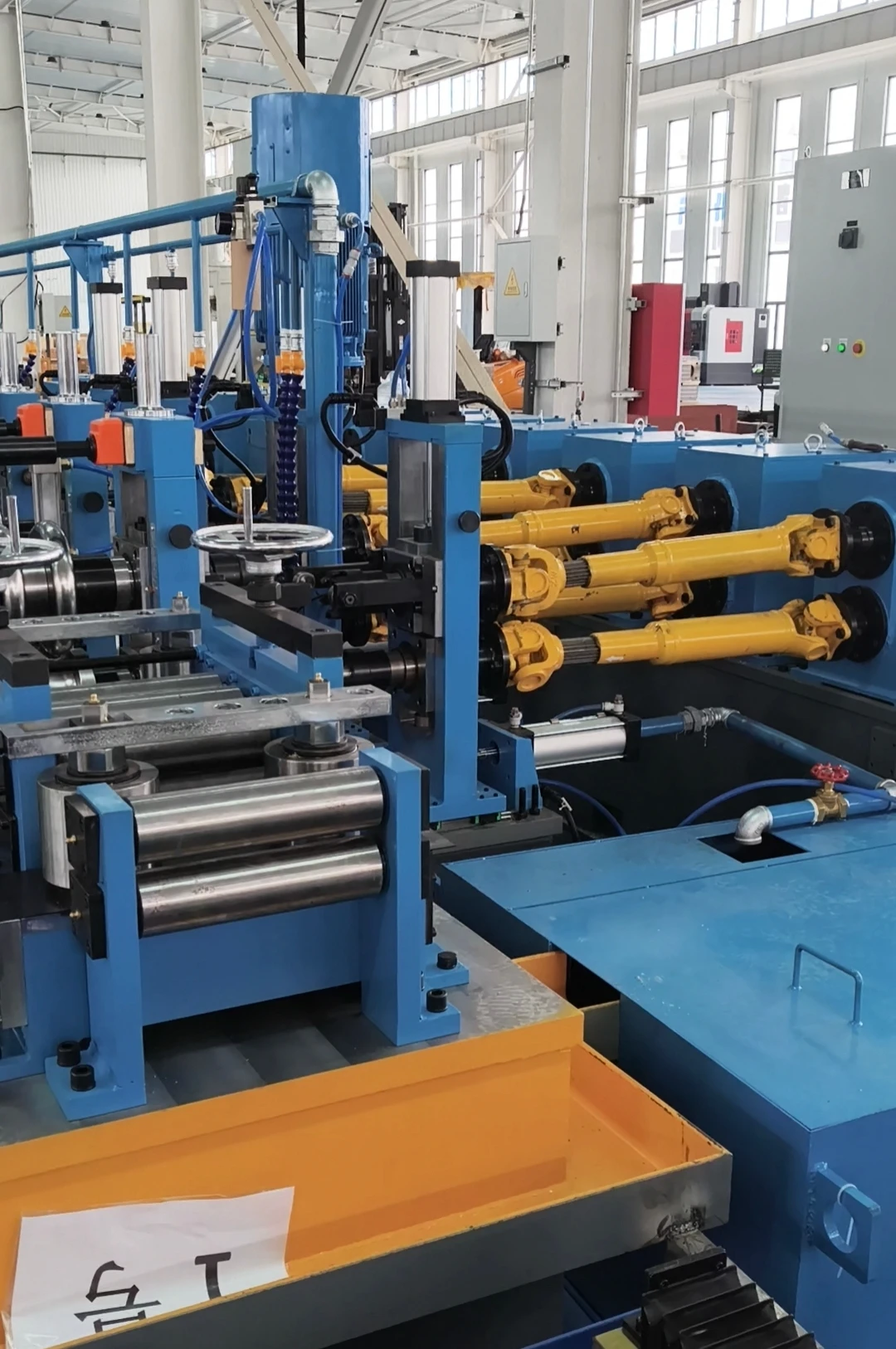
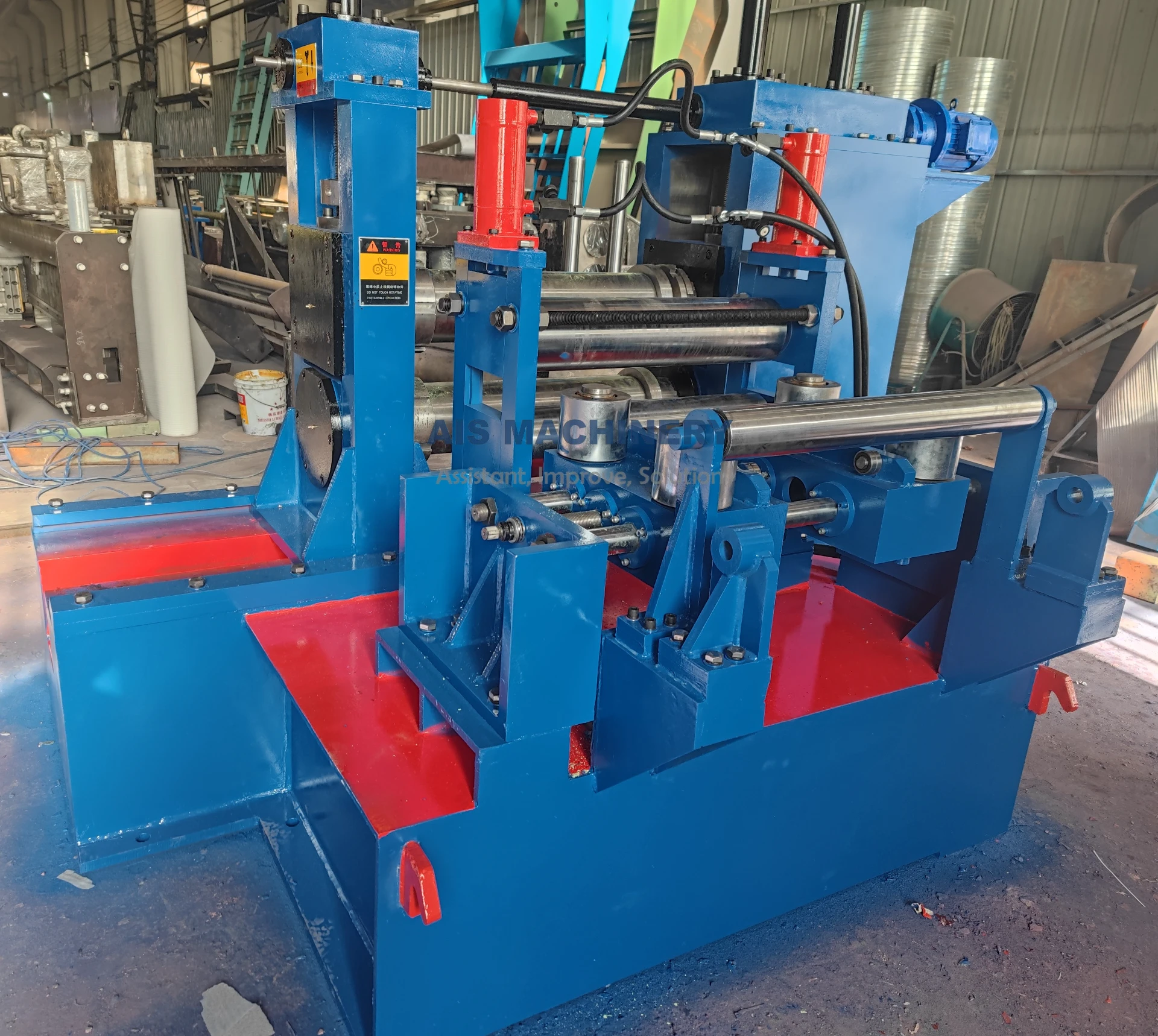
Southeast Asia Client Visits Our Factory | Customized Tube Mill Solution Delivered
A Southeast Asia client visited our ERW tube mill factory to inspect production lines and discuss a customized tube mill solution. Impressed by our machine quality, welding performance, and engineering support, the client confirmed strong cooperation intentions. Discover how our ERW tube mill solutions improve efficiency, precision, and long-term production reliability.
2026-04-15 10:37:55
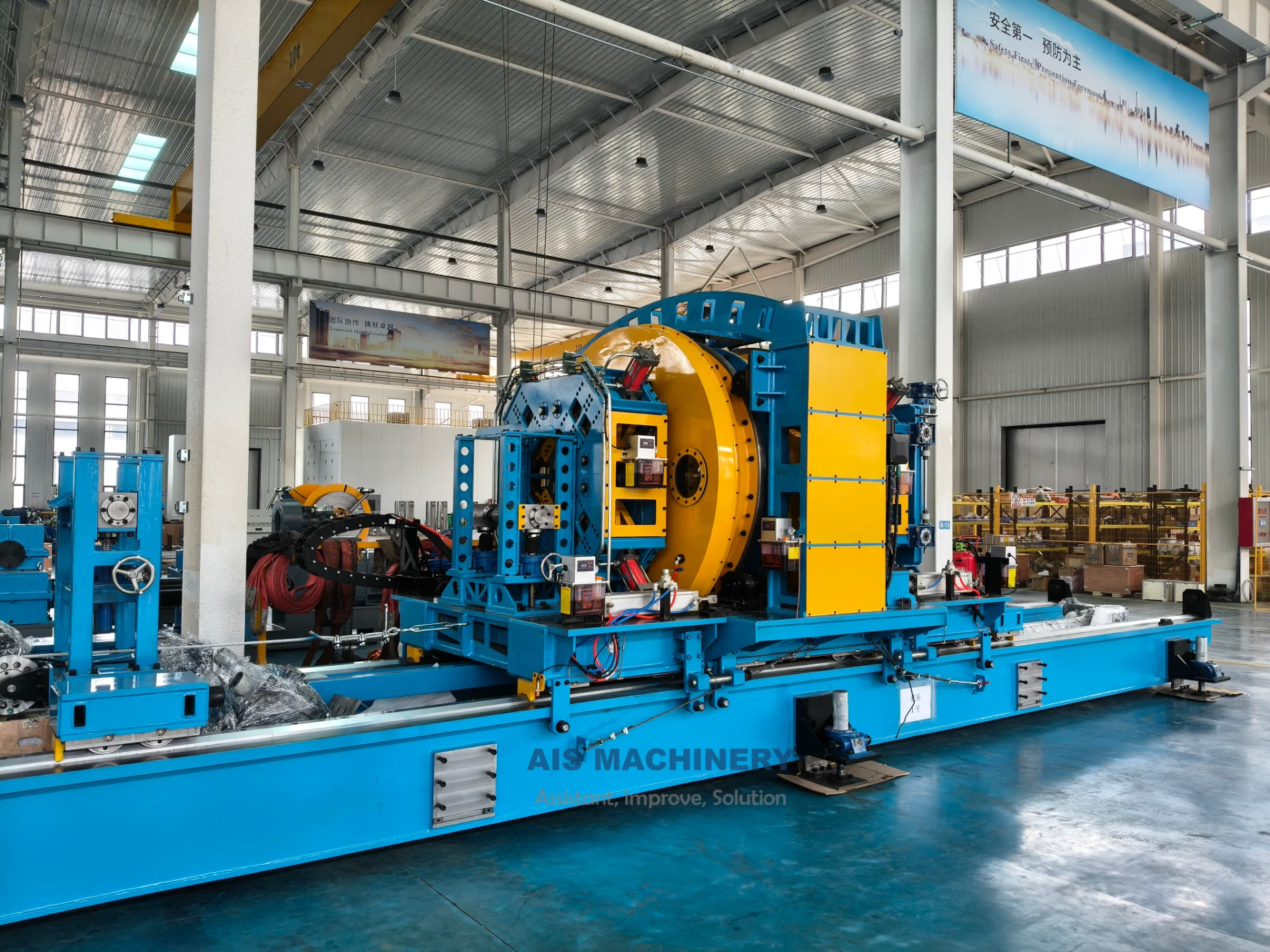
Flat Bar Production Line for Steel Coils: How It Works & Why It Matters
Looking for a flat bar production line? Learn how it turns steel coils into ready-to-use flat bars with precise length and high straightness. Compare it with slitting lines and get the best solution for your steel processing needs.
2026-04-14 00:00:00
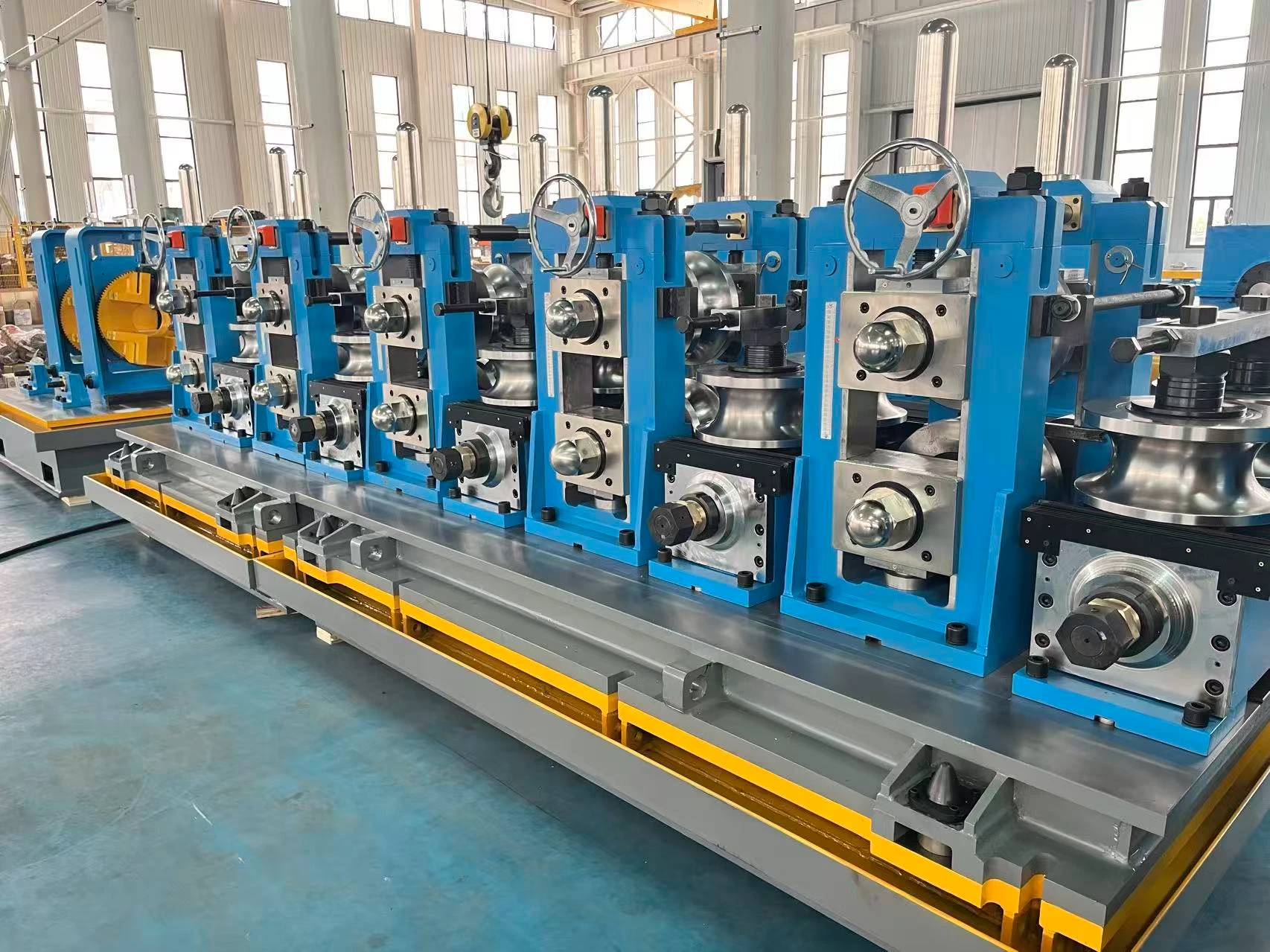
Looking for a Milling Saw for ERW Tube Mill? Here’s What You Need to Know
Looking for a high-performance milling saw for your ERW tube mill? Upgrade to burr-free, high-precision pipe cutting with advanced flying saw technology. Improve efficiency, reduce rework, and meet export standards for carbon steel, stainless steel, and API pipes. Contact us today for expert solutions and competitive pricing tailored to your production needs.
2026-04-09 16:15:19
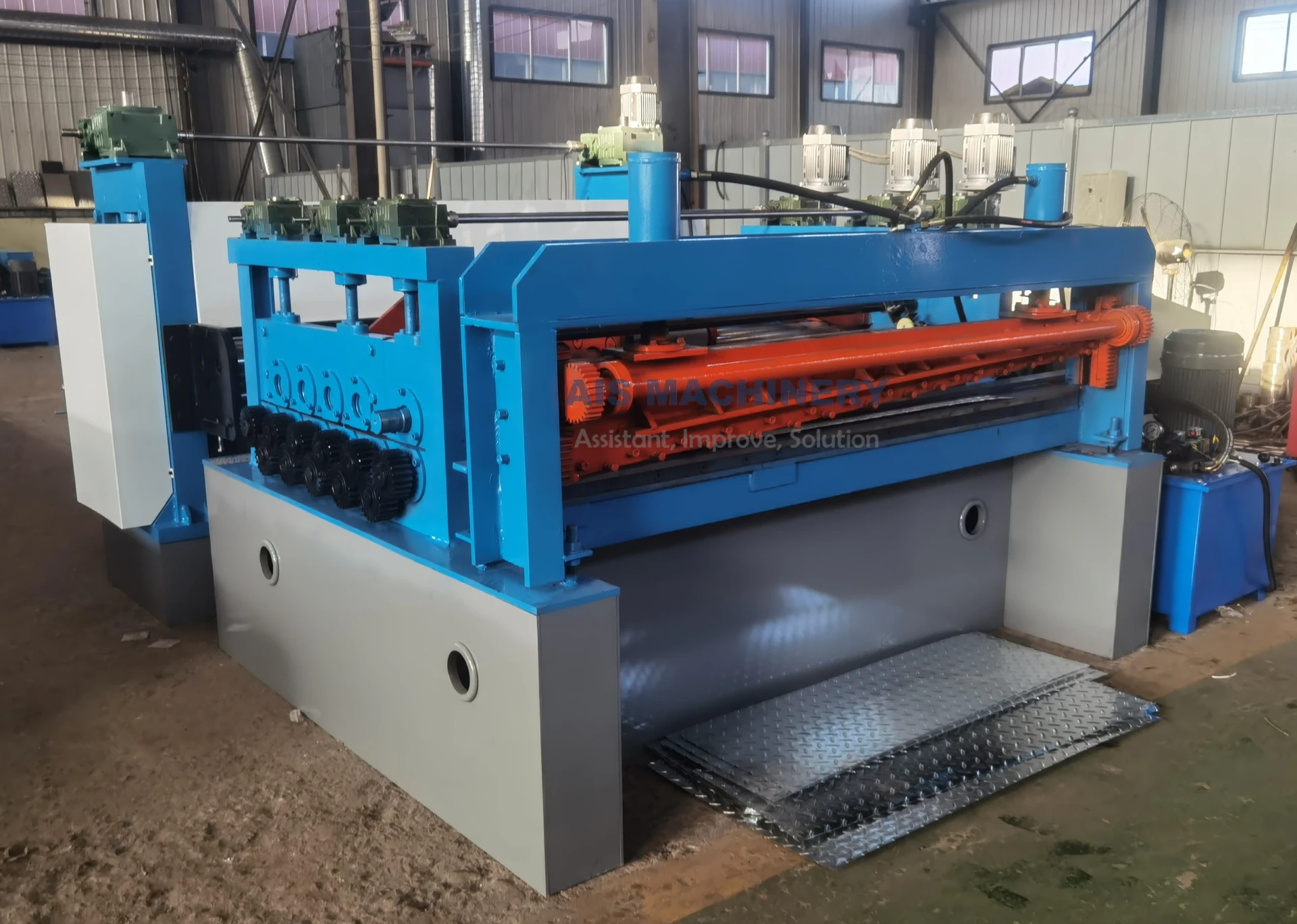
5-Inch (127mm) ERW Tube Making Machine Delivered with Heavy-Duty Design and Advanced Quick Change System
2027-04-07 00:00:00
Metal Embossing Machine: Turn Flat Sheets into High-Value Textured Products
Discover how a metal embossing machine transforms flat steel, stainless steel, and aluminum sheets into high-value textured products. Learn about its working principle, key components, and applications. Ideal for decorative and industrial use, embossing machines improve both appearance and performance. Explore complete embossing line solutions and find the right machine for your production needs.
Send a Message
Dear customer, thank you for your attention! We provide high-quality machinery and equipment and look forward to your orders. Please inform us of your needs and we will respond quickly!
 English
  Albanian
  Arabic
  French
  German
  Indonesian
  Italian
  Japanese
  Kazakh
  Korean
  Latin
Latin  Macedonian
  Portuguese
  Russian
  Spanish
  Thai
Thai  Turkish
  Ukrainian
  Uzbek
Uzbek