
-
 Tel:86-15176910262
-

Search

High Frequency Tube Mills Basics
Jun . 10, 2025 16:16
In industrial manufacturing, high frequency tube mill technology represents a sophisticated approach to creating the steel pipes that form the backbone of modern infrastructure. These advanced production lines transform flat steel strips into precisely formed tubes through a combination of mechanical shaping and electrical welding processes. The versatility of these systems is remarkable – a single Tube Mill Machine can produce pipes ranging from compact 2-inch (50.8mm) diameters to substantial 6-inch (168mm) pipes, with the latter serving as medium-sized workhorses for solar bracket piles, ground piling systems, and structural construction applications. As a specialized category of ERW Tube Mills , high frequency mills deliver exceptional efficiency and quality across diverse production requirements.
Understanding High Frequency Tube Mill Welding Technology
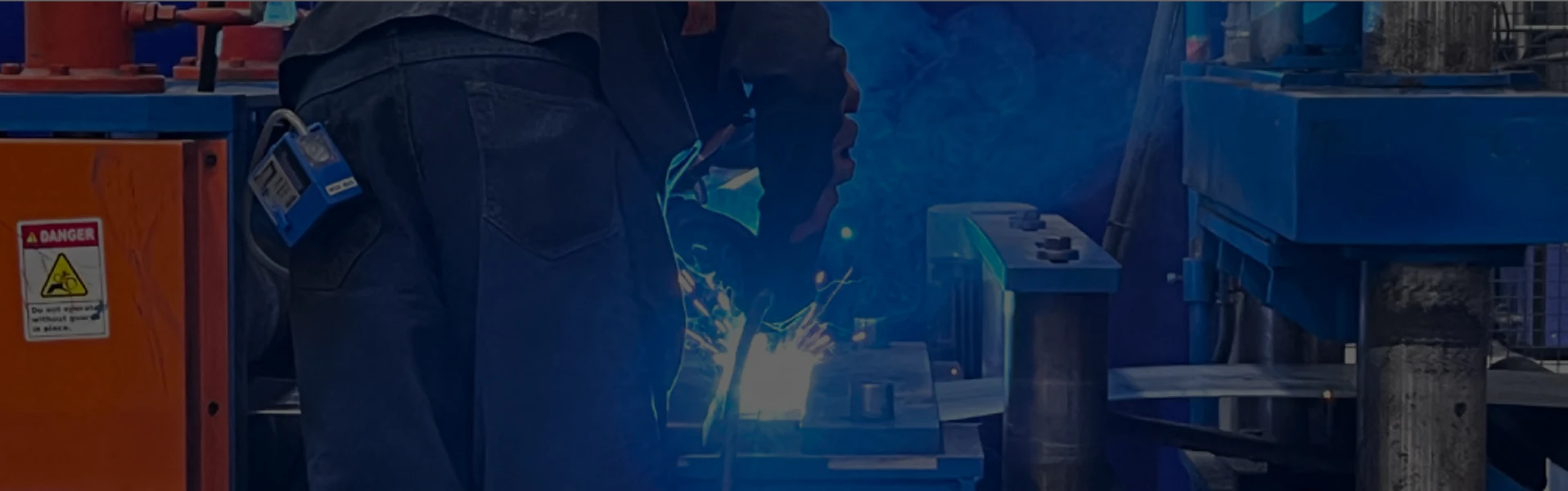
At the core of every high frequency tube mill lies its namesake welding process – an advanced technique where electrical current becomes the invisible welder. As formed steel edges converge in the welding section, high-frequency electricity flows through the V-shaped opening. This concentrated energy heats the steel edges to forging temperature through electrical resistance. Simultaneously, precision pressure rolls forcibly unite the molten edges, creating a seamless metallurgical bond without filler materials. This method distinguishes modern ERW Tube Mills from older fusion welding techniques by producing stronger, more consistent welds with minimal heat distortion.
Anatomy of a Complete Tube Mill Machine
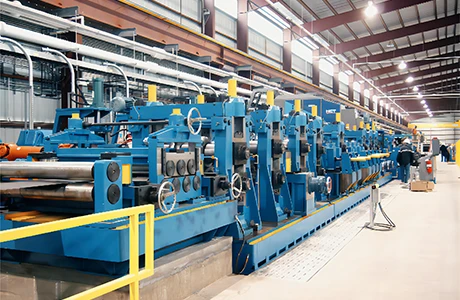
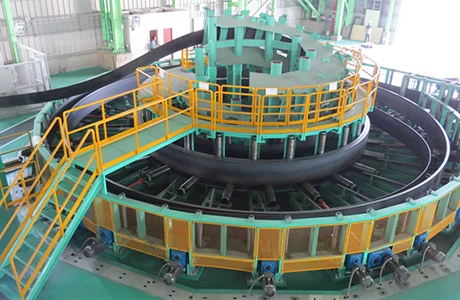
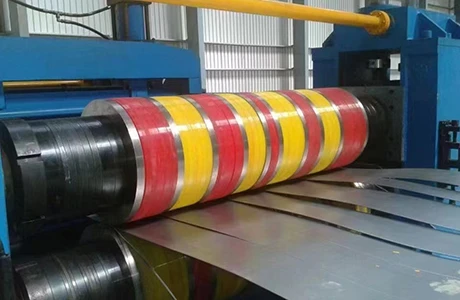
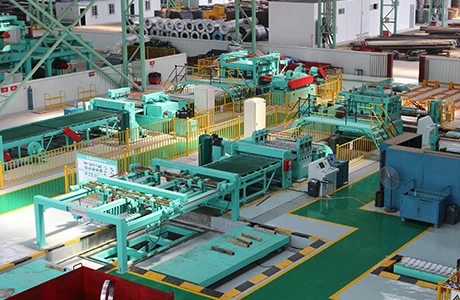
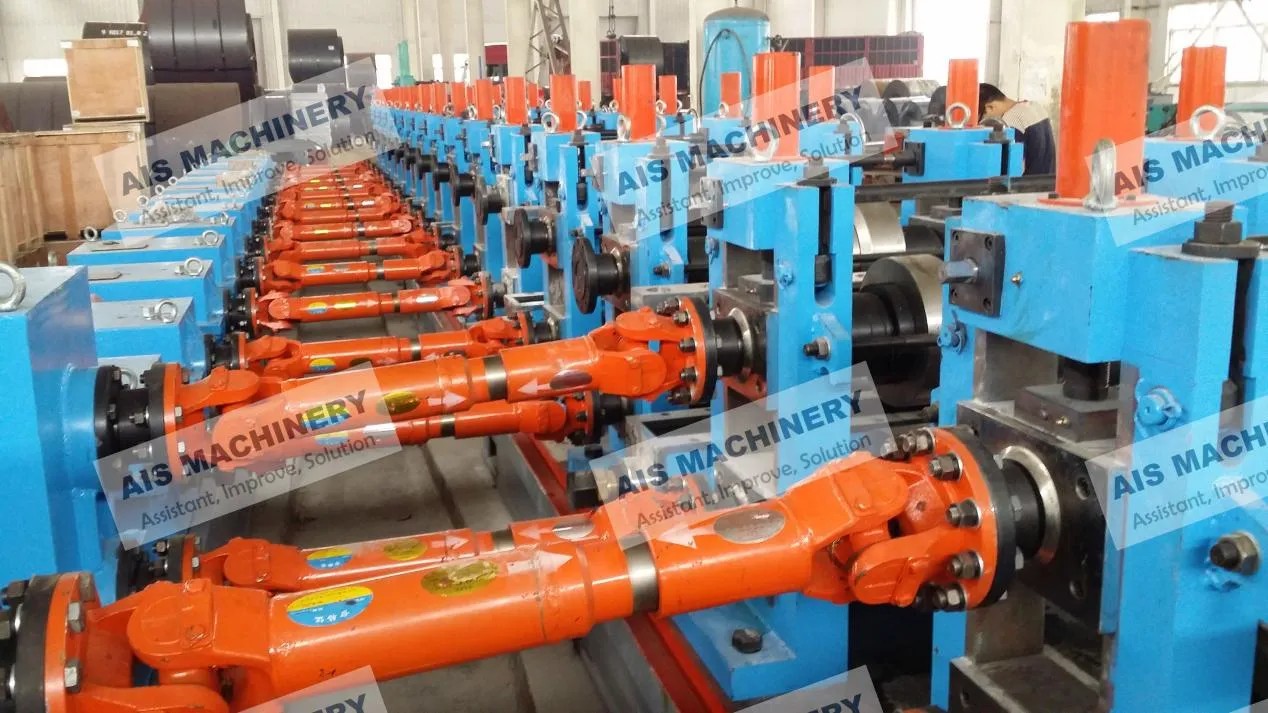
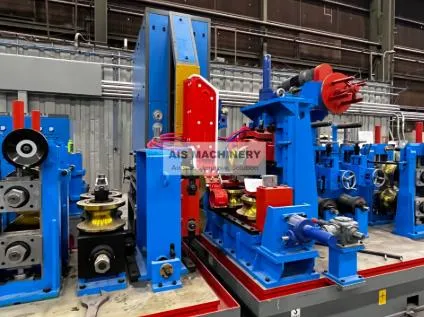
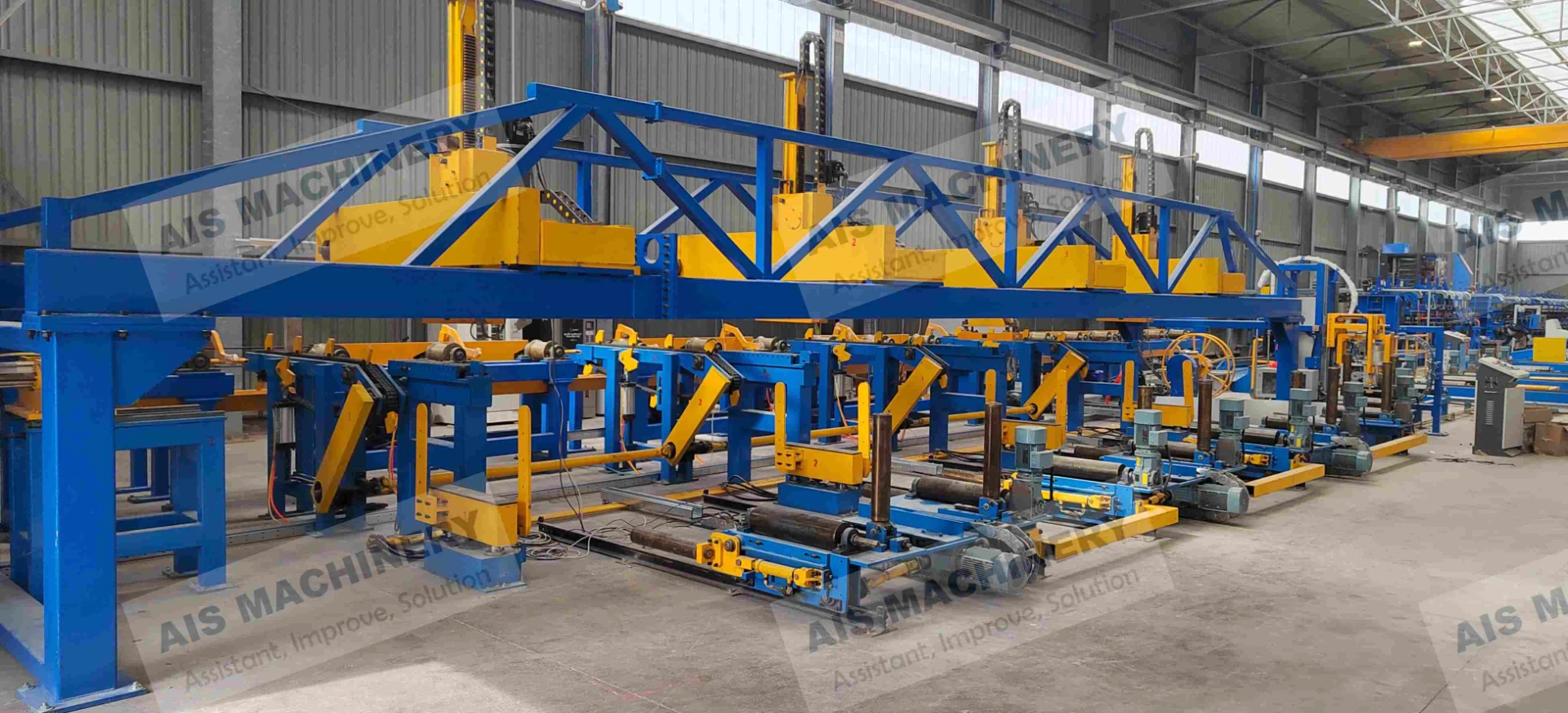
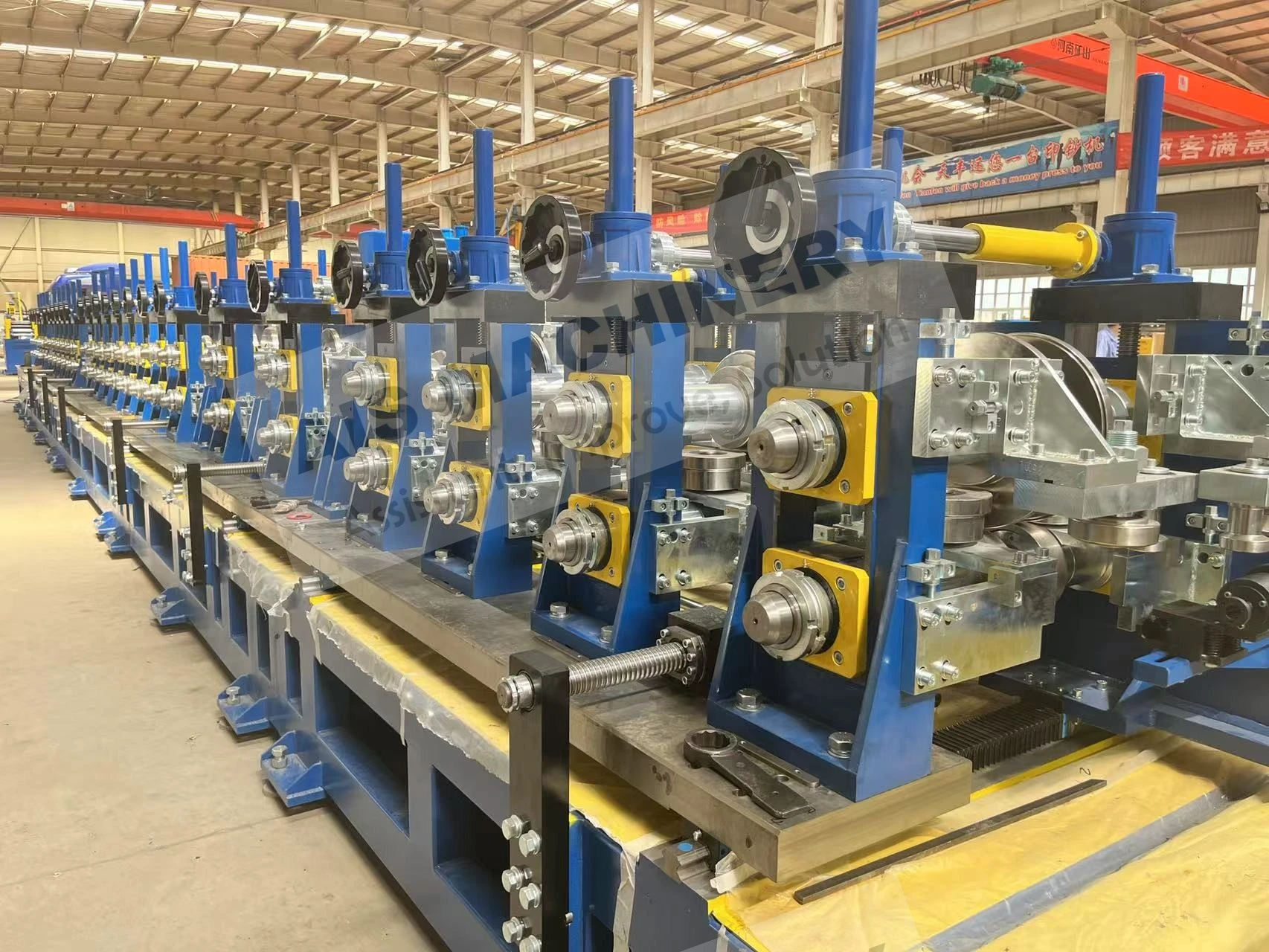
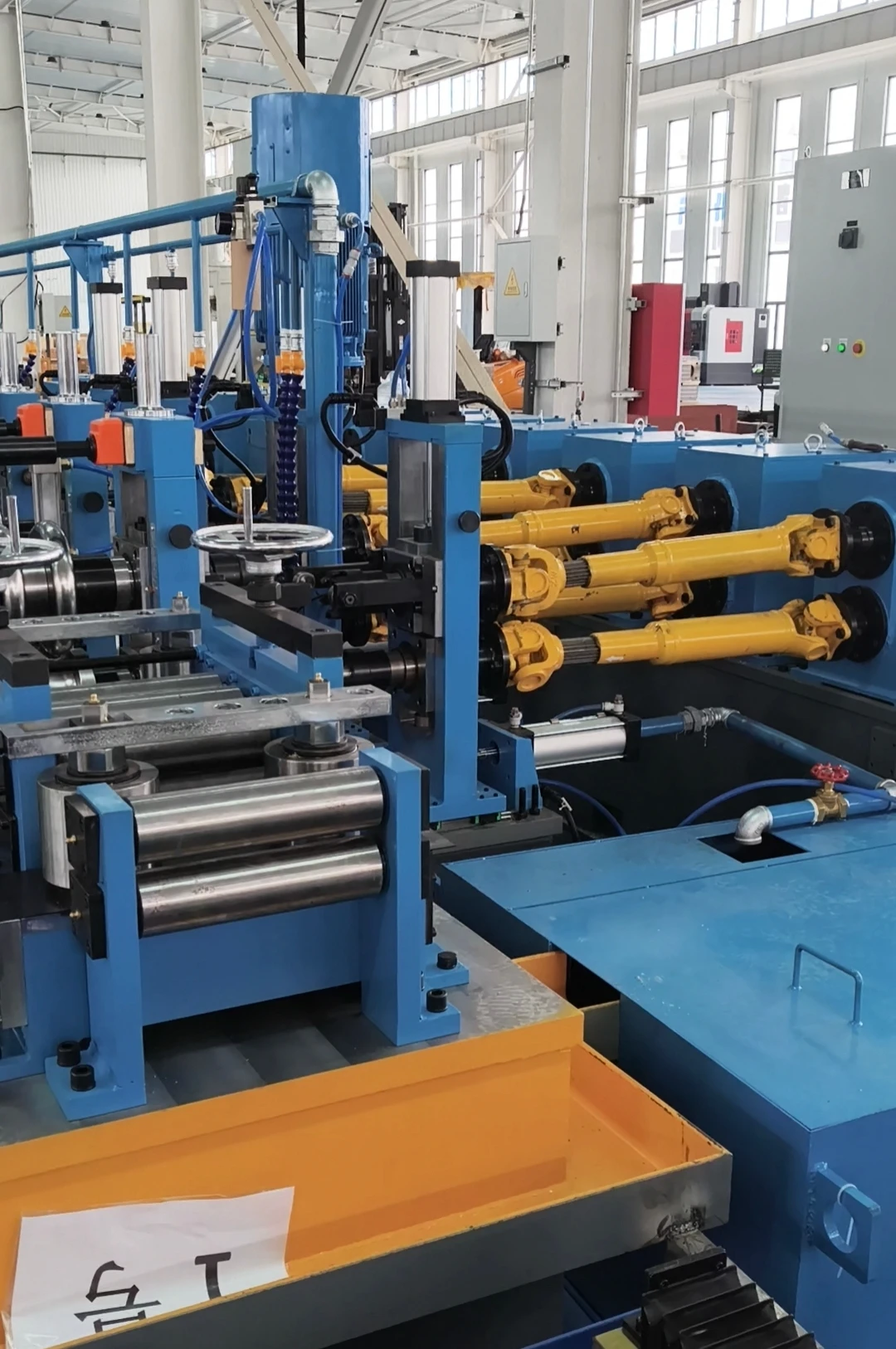
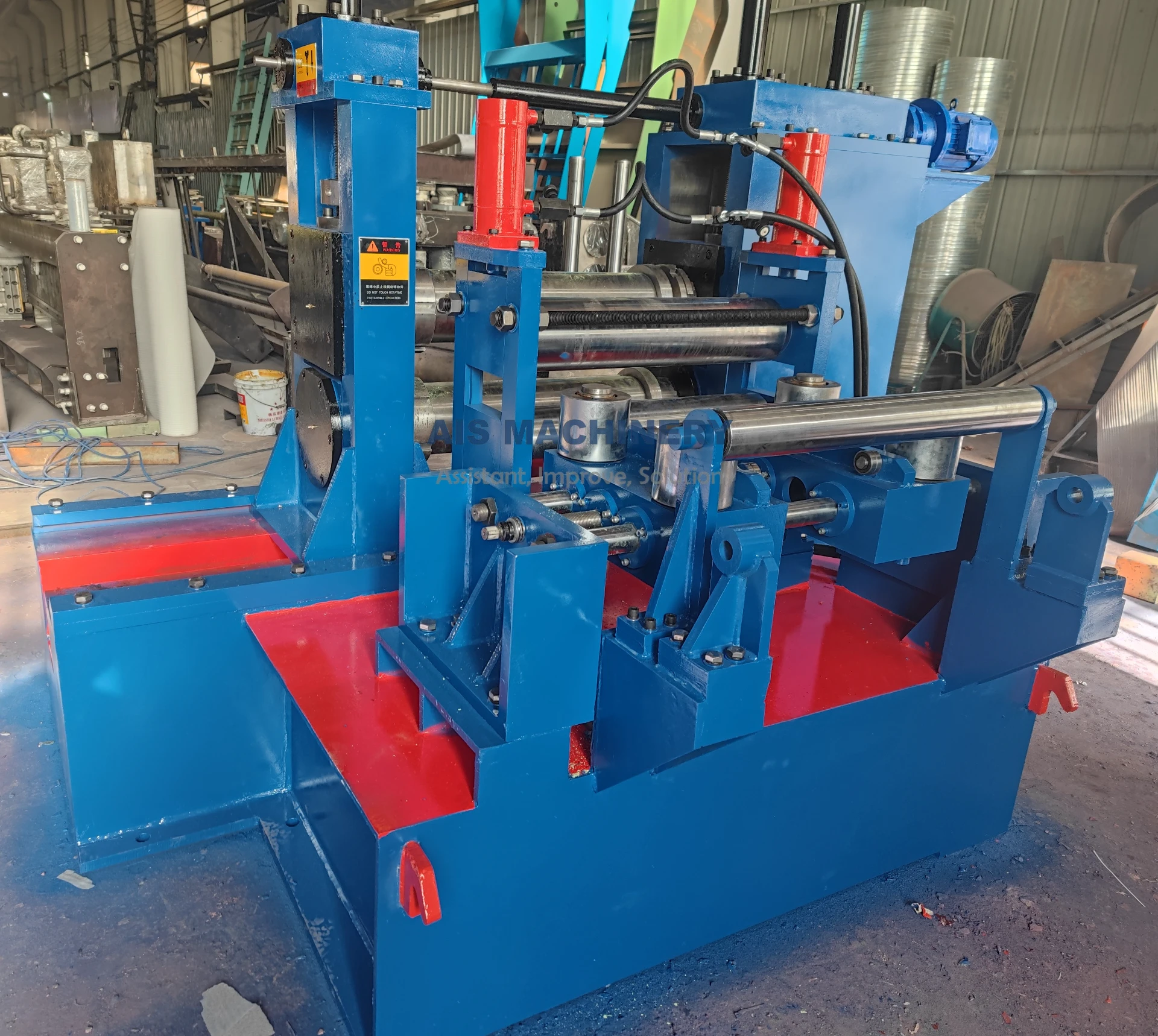
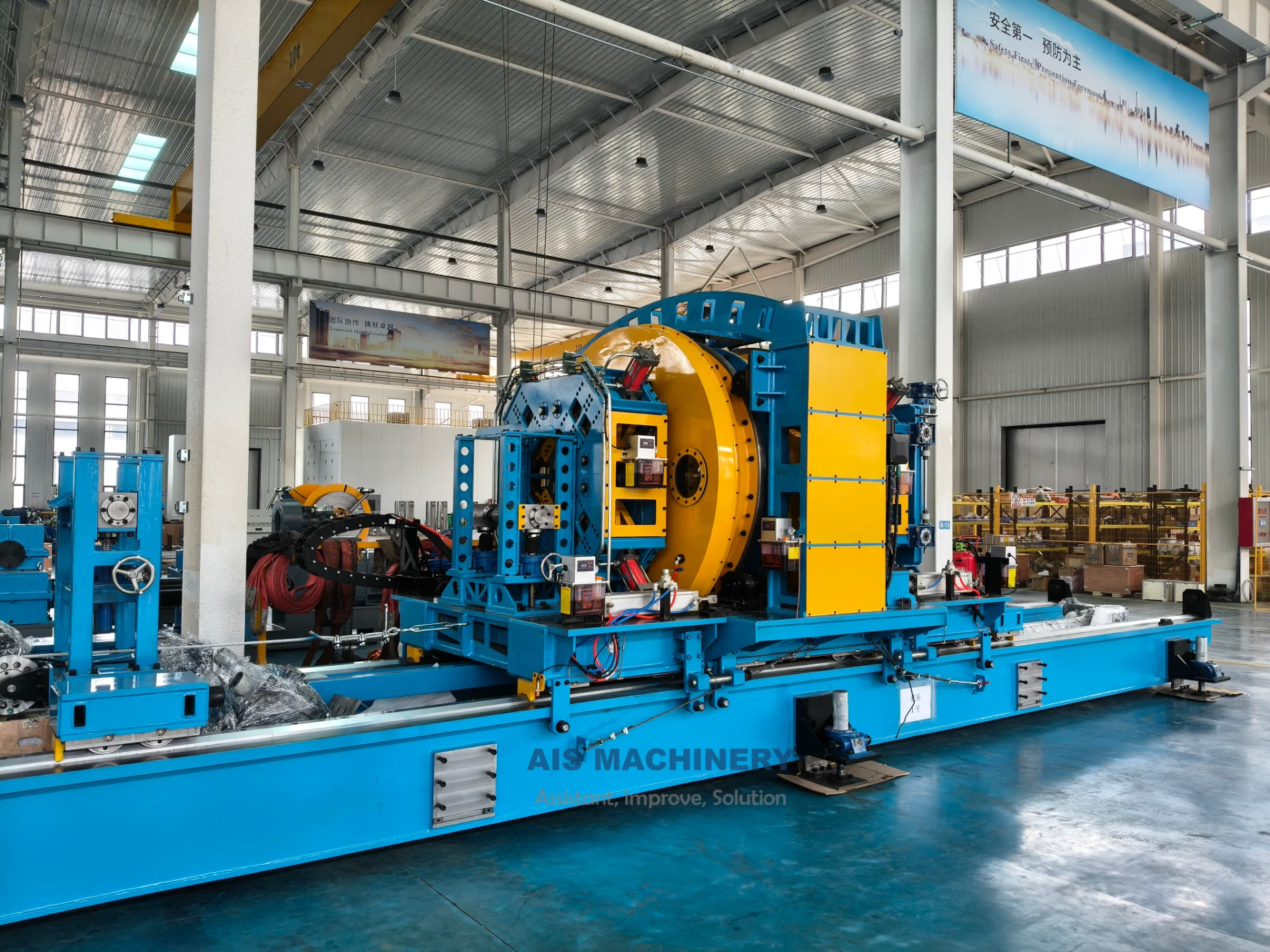
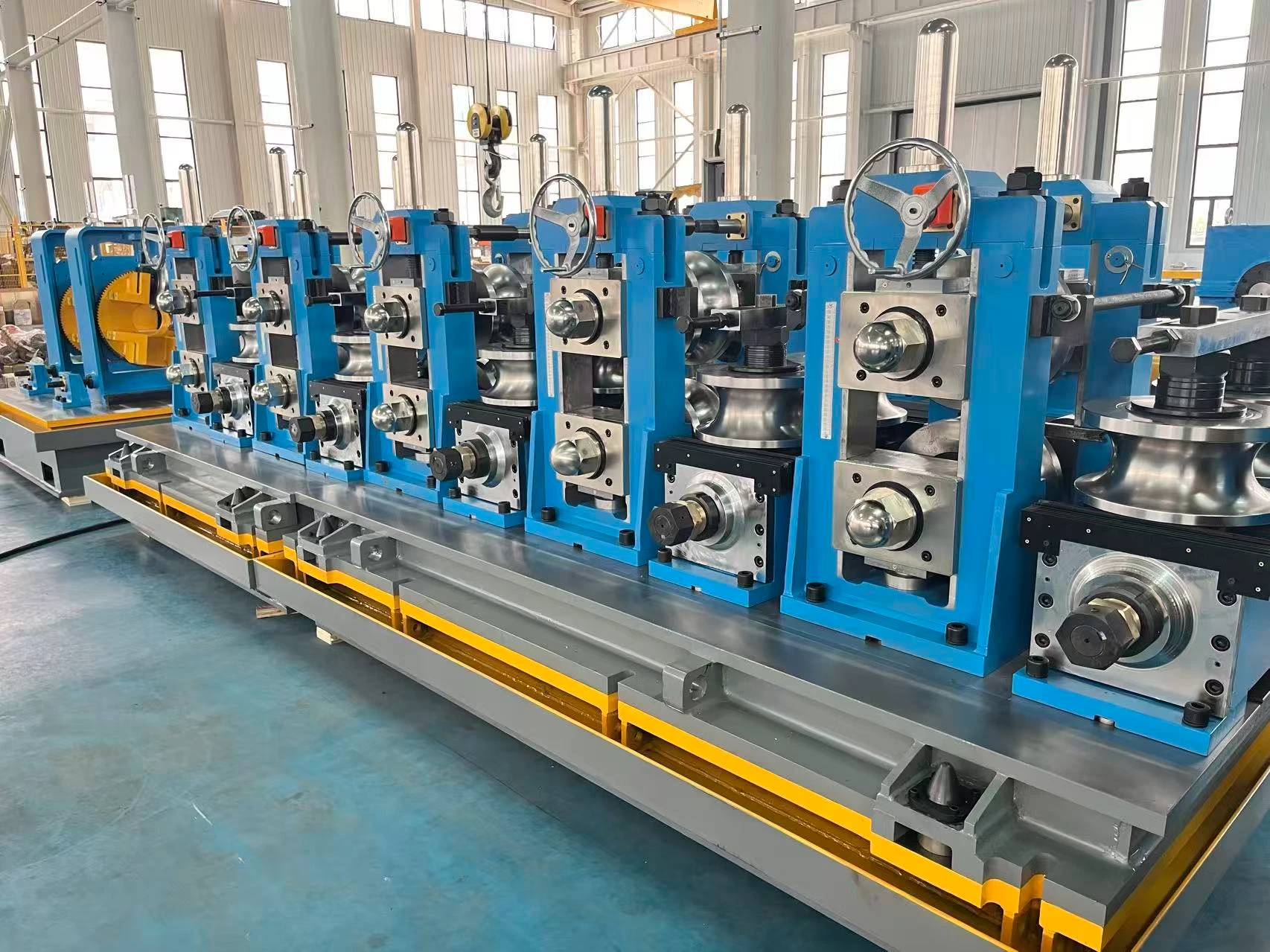
A fully integrated Tube Mill Machine operates as a coordinated ecosystem of specialized components. The production journey begins at the decoiler station where steel coils weighing several tons are mounted. From there, the strip travels through critical preparatory stages: leveling rolls eliminate coil curvature, edge trimmers establish perfect seam geometry, and accumulators create buffer zones for continuous operation. Next comes the forming section – a meticulously engineered sequence of roll stands that progressively shape the flat strip into a cylindrical form. The welded tube then enters sizing stations where calibrated rolls achieve final dimensional accuracy before passing through cooling beds. The line culminates with flying cutoffs that slice moving tubes to length, followed by automated bundling systems. Modern installations incorporate sophisticated quality assurance technologies like ultrasonic weld testers and laser micrometers that continuously monitor pipe integrity throughout production.
Versatility in ERW Tube Mills Production
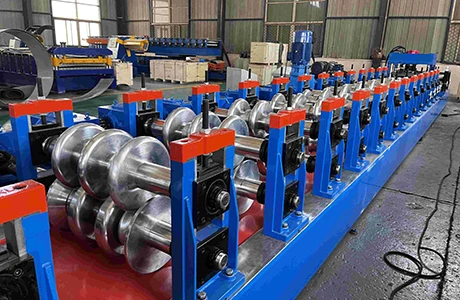
The remarkable adaptability of ERW Tube Mills stems from their configurable tooling systems. Producing different diameters requires changing forming and sizing rolls – essentially the "molds" of tube production. Beyond diameter adjustments, mills offer multiple forming methodologies. Conventional "round to square" processing creates rectangular sections by reshaping round tubes in secondary stands. Direct square forming achieves box sections in a single pass without intermediate rounding. The innovative FFX (Flexible Forming Experience) technology represents the cutting edge, allowing insantaneous shape transitions between rounds, squares, and rectangles without roll changes. This flexibility makes the high frequency tube mill indispensable for manufacturers serving diverse markets from construction to renewable energy infrastructure.
FAQs About Tube Mill Machine
What distinguishes high frequency tube mill welding from other ERW?
High frequency welding uses precisely controlled alternating current to create localized heating at the seam edges. This concentrated energy input creates superior weld integrity with minimal heat-affected zones compared to older low-frequency ERW methods. The process enables faster production speeds while reducing energy consumption per meter of produced tubing.
How significant is ERW Tube Mills tooling in achieving dimensional accuracy?
ERW Tube Mills tooling represents the most critical factor in dimensional precision. Each diameter requires specifically contoured forming rolls that progressively shape the strip without causing edge stretching or compression. Precision-machined sizing rolls then calibrate the welded tube to exact tolerances. Proper roll design and maintenance ensure consistent ovality, straightness, and wall thickness distribution throughout production runs.
Can one ERW Tube Mill produce both round and square sections?
Modern ERW Tube Mills can produce both geometries through different approaches. Conventional mills use secondary shaping stations to reform round tubes into squares. Advanced FFX-equipped mills create square and rectangular sections directly through specialized forming sequences without intermediate rounding.
What factors determine maximum Tube Mill Machine production speed?
Production speed depends on material thickness, steel grade characteristics, and final diameter. Thinner walls and lower-strength steels permit faster processing. Critical limitations include weld integrity at high speeds, cooling capacity between stations, and the mechanical limits of forming equipment.
How does wall thickness affect ERW Tube Mills configuration?
Thicker materials require more powerful forming stations with robust frames and drive systems. Heavier walls also necessitate higher welding energy inputs and extended cooling zones. Conversely, thin-wall production demands extremely precise strip guidance systems and sensitive weld parameter control to prevent burn-through or deformation during processing.
The engineering sophistication behind high frequency tube mill technology continues to evolve, driven by demands for greater efficiency, flexibility, and precision in pipe manufacturing. From the intricate dance of forming rolls to the invisible fusion of high-frequency welding, these ERW Tube Mills transform raw steel into precisely engineered conduits of modern industry.Whether producing standardized round pipes or specialized rectangular sections through FFX technology, these manufacturing platforms exemplify how mechanical innovation and electrical precision converge to create the structural elements that support progress across industries and continents.

Related Products

Related News
2027-04-24 00:00:00
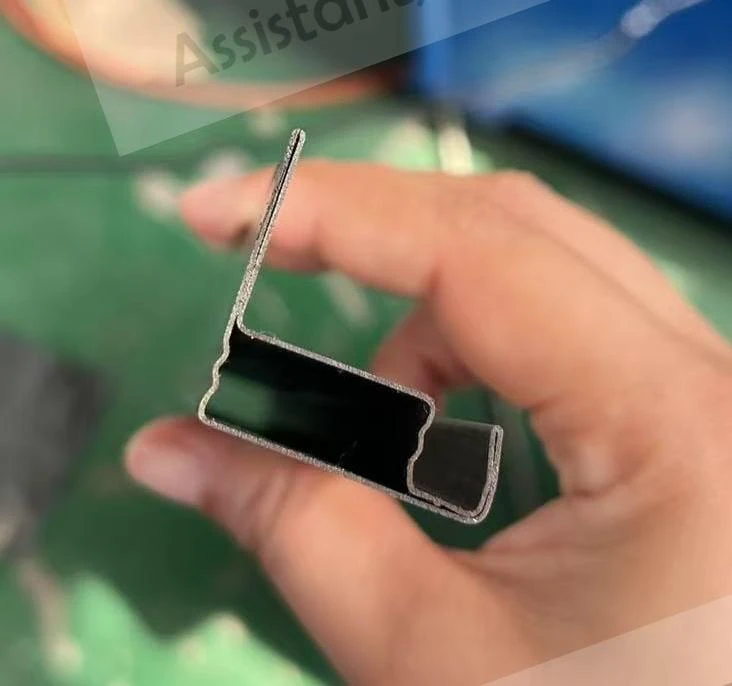
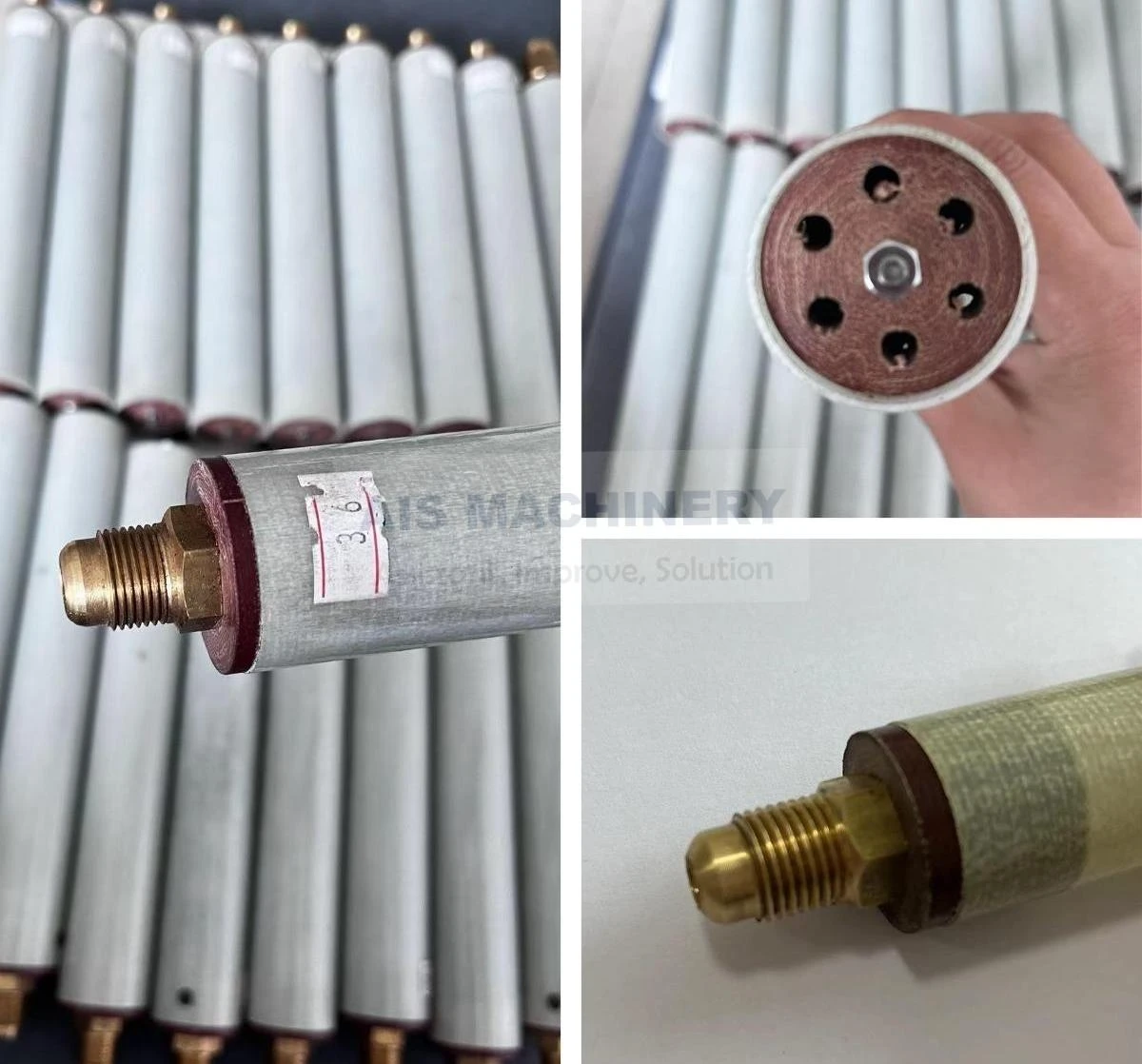
What is an Impeder and Ferrite Rods in ERW Tube Mill?
Struggling with impeder overheating or short service life in your ERW tube mill? This guide explains common impeder problems, the role of ferrite rods, and how to choose the right impeder for stable welding performance. Improve weld quality, reduce energy loss, and extend equipment lifespan with the right selection and proper cooling solutions.
2026-04-21 10:22:25
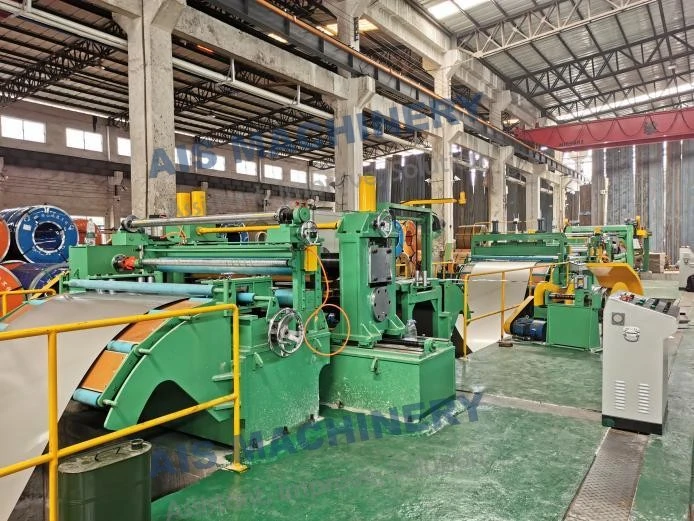
Slitting & Cut-to-Length Combined Production Line: A Smarter Way to Process Steel Coils
Discover the Slitting & Cut-to-Length Combined Production Line, a flexible solution for steel coil processing. This system integrates slitting line and cut-to-length line functions in one machine, saving space, reducing costs, and improving efficiency. Ideal for processing both steel strips and sheets, it is widely used in service centers and manufacturing industries. Learn its advantages, limitations, and applications.
2026-04-18 03:20:20
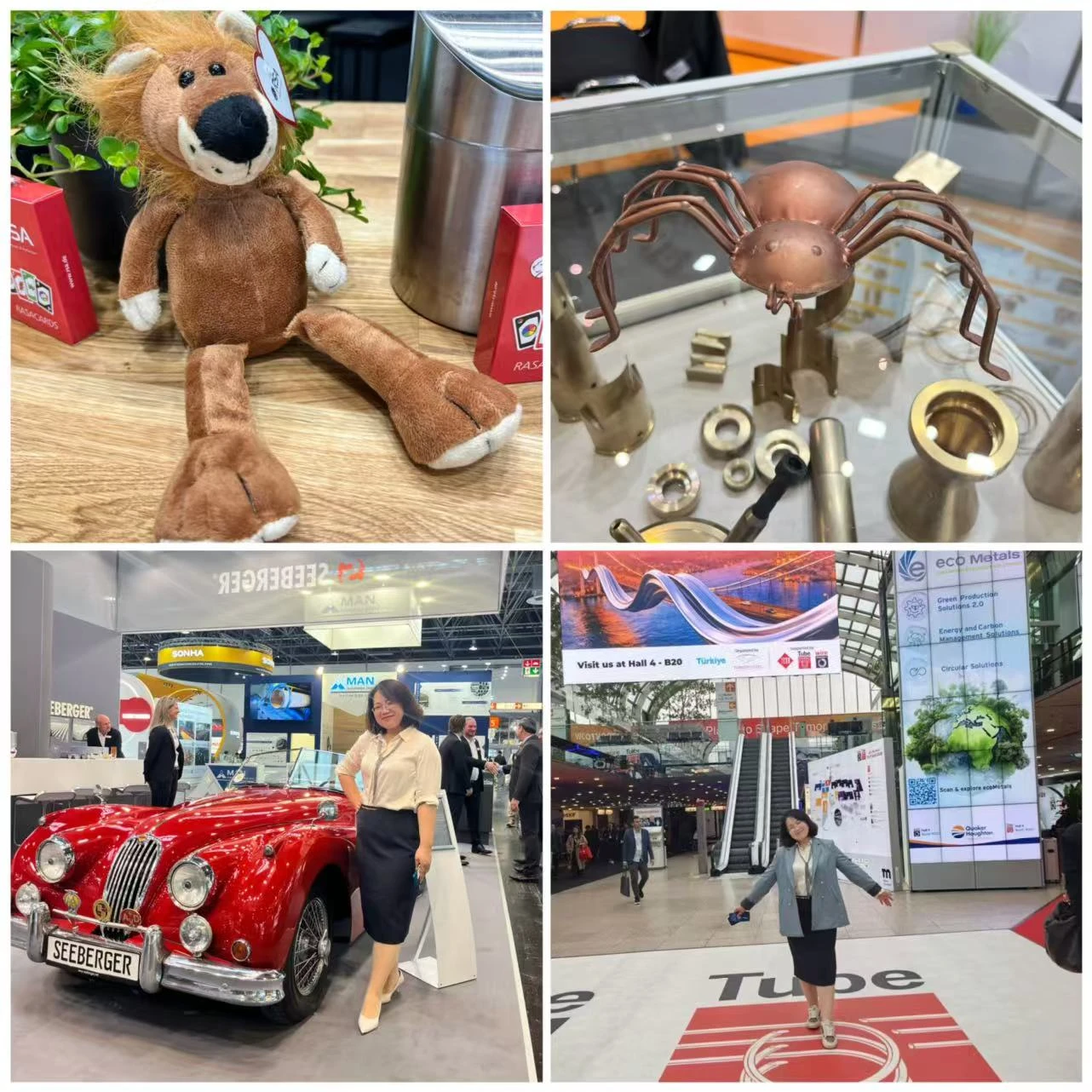
AIS Machinery Showcases Advanced Tube Solutions at Tube & Wire Düsseldorf 2026
Tube & Wire Düsseldorf 2026, one of the most influential exhibitions in the global tube and wire industry, held biennially in Düsseldorf, Germany
2026-04-17 00:00:00
Southeast Asia Client Visits Our Factory | Customized Tube Mill Solution Delivered
A Southeast Asia client visited our ERW tube mill factory to inspect production lines and discuss a customized tube mill solution. Impressed by our machine quality, welding performance, and engineering support, the client confirmed strong cooperation intentions. Discover how our ERW tube mill solutions improve efficiency, precision, and long-term production reliability.
2026-04-15 10:37:55
Flat Bar Production Line for Steel Coils: How It Works & Why It Matters
Looking for a flat bar production line? Learn how it turns steel coils into ready-to-use flat bars with precise length and high straightness. Compare it with slitting lines and get the best solution for your steel processing needs.
2026-04-14 00:00:00
Looking for a Milling Saw for ERW Tube Mill? Here’s What You Need to Know
Looking for a high-performance milling saw for your ERW tube mill? Upgrade to burr-free, high-precision pipe cutting with advanced flying saw technology. Improve efficiency, reduce rework, and meet export standards for carbon steel, stainless steel, and API pipes. Contact us today for expert solutions and competitive pricing tailored to your production needs.
2026-04-09 16:15:19
5-Inch (127mm) ERW Tube Making Machine Delivered with Heavy-Duty Design and Advanced Quick Change System
2027-04-07 00:00:00
Metal Embossing Machine: Turn Flat Sheets into High-Value Textured Products
Discover how a metal embossing machine transforms flat steel, stainless steel, and aluminum sheets into high-value textured products. Learn about its working principle, key components, and applications. Ideal for decorative and industrial use, embossing machines improve both appearance and performance. Explore complete embossing line solutions and find the right machine for your production needs.
Send a Message
Dear customer, thank you for your attention! We provide high-quality machinery and equipment and look forward to your orders. Please inform us of your needs and we will respond quickly!
 English
  Albanian
  Arabic
  French
  German
  Indonesian
  Italian
  Japanese
  Kazakh
  Korean
  Latin
Latin  Macedonian
  Portuguese
  Russian
  Spanish
  Thai
Thai  Turkish
  Ukrainian
  Uzbek
Uzbek