
-
 Tel:86-15176910262
-

Search

Coil Slitting Machine Quality Standards
Jun . 10, 2025 16:13
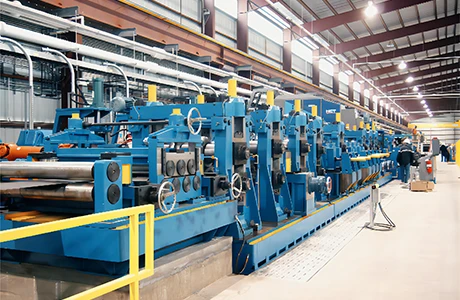
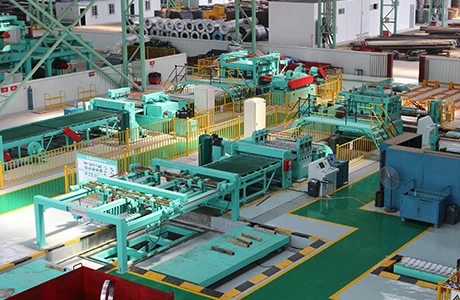
In metal processing facilities worldwide, coil slitting machine performance directly determines downstream product quality. These systems transform master coils into precision-width strips for industries ranging from automotive to construction appliances. International quality standards govern every aspect – from dimensional tolerances to edge condition specifications. ISO 9001-certified lines incorporate redundant measurement systems: laser micrometers continuously verify strip width while edge-scan cameras detect microburrs. For critical applications like EV battery components, IATF 16949 automotive protocols mandate statistical process control with real-time data logging. The metal slitting machine must maintain these standards.
Engineering Excellence in Metal Slitting Machine Design
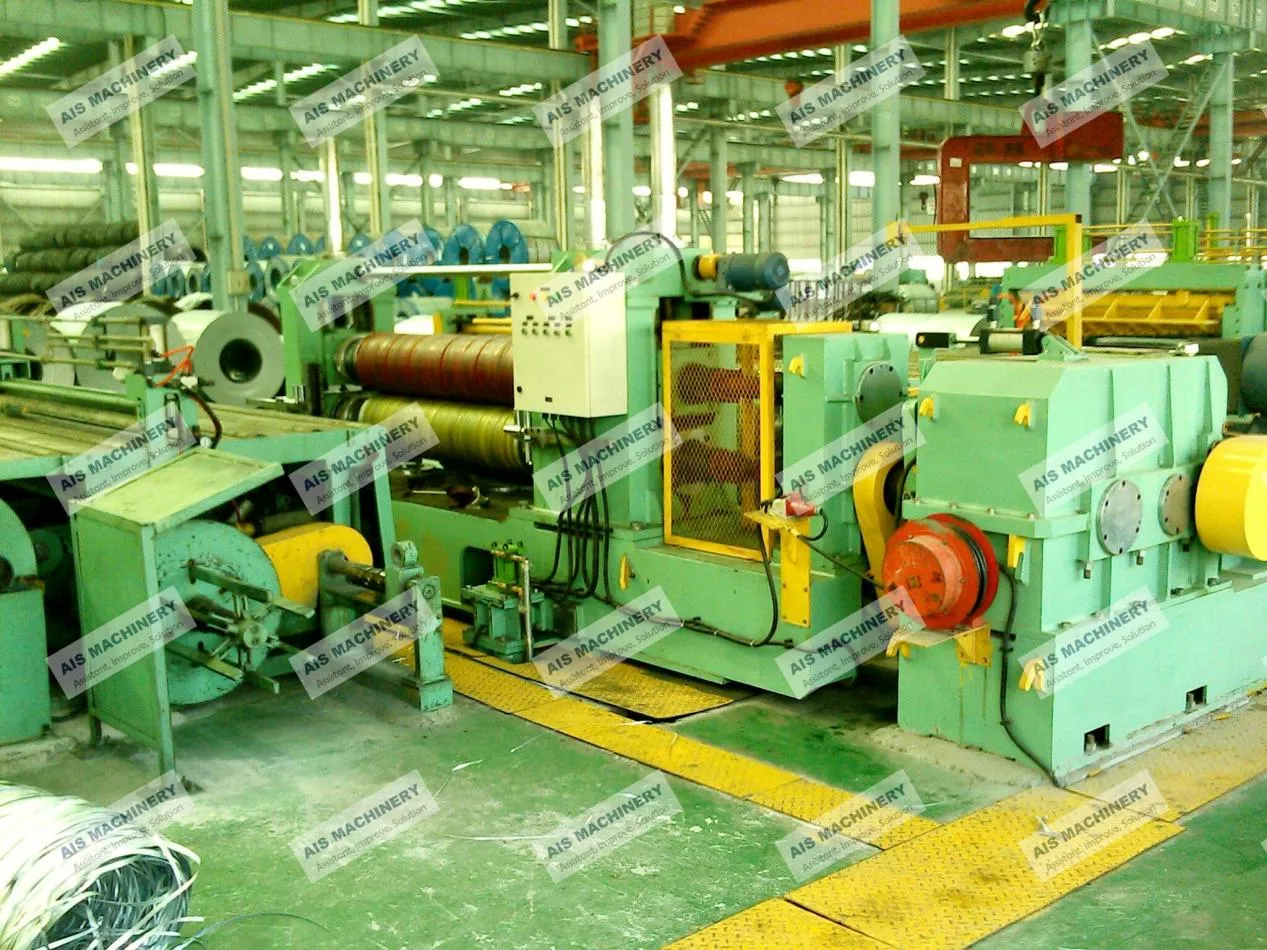
True quality begins with the structural engineering of the metal slitting machine itself. Heavy-duty welded frames with vibration-dampening properties maintain alignment coil loads. Dual-motor driven arbors with hydraulic expansion systems ensure knife concentricity within TIR (Total Indicator Reading). The precision-ground circular knife shafts referenced in the technical specs rotate within Timken-class bearings.Used for processing various materials ranging from stainless steel to aluminum, the servo-driven side guide rails position the coils within a certain range before entering. The automatic tension control system – utilizing load cells and dancer rolls – modulates pressures across unwinding, slitting, and rewinding stages, preventing material yield or edge wave formation.
Dictating Slitting Precision in Slitter Machine
The anatomy of a high-precision slitter machine reveals why component quality is non-negotiable:
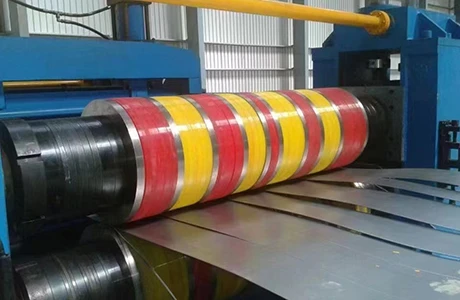
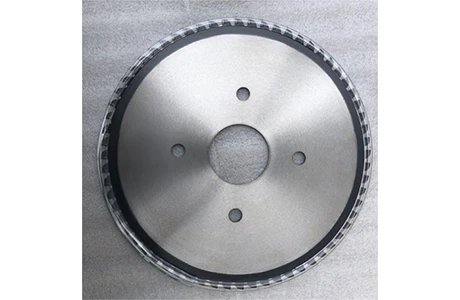
Circular Knife Systems: Hardened tungsten carbide blades mounted on dynamically balanced arbors achieve micron-level concentricity. Precision ground bevel angles vary based on material thickness – thinner gauges require steeper angles to prevent edge deformation.
Tension Control Ecosystems: Multi-zone servo systems maintain tension of setpoint from uncoiler through recoilers. Load cells measure strip tension while dancer rolls provide immediate compensation, preventing telescoping or edge waves.
Guidance and Alignment: Hydraulic edge guides with laser position sensors maintain coil centering . For stainless steel processing, ceramic pinch rolls prevent surface marring while ensuring accurate entry into the slitting head.
Drive Systems: AC vector motors with encoder feedback synchronize all sections.
Intelligent Control Systems for metal slitting machine
Modern metal slitting machine operations revolve around integrated automation:
HMI Interfaces: Touchscreen panels display real-time SPC charts with CPK values for width consistency, allowing operators to intervene before tolerances are breached
Adaptive Blade Management: Vibration sensors detect knife wear patterns, automatically adjusting overlap pressure or scheduling sharpening cycles
Cloud Connectivity: OEE (Overall Equipment Effectiveness) dashboards track performance against quality benchmarks across shifts, correlating parameters like line speed with edge quality metrics.
Metal Slitting Machine:Industry-Specific Quality Requirements
The slitter machine reconfigures its quality requst for diverse sectors:
Construction Steel: EN 10143 standards govern galvanized strip edges
Solar Industry: PV mounting system strips require camber’s range and proprietary edge hardening to prevent microcracks
FAQs About Metal Slitting Machine Quality
How does tension control impact edge quality in a coil slitting machine?
Optimal tension prevents material buckling during slitting while minimizing knife deflection. Low tension causes strip vibration leading to irregular burrs, while excessive tension stretches thin materials causing width deviation. Advanced metal slitting machine systems employ closed-loop tension control with dancer roll hysteresis compensation, maintaining tension stability even during acceleration phases. This ensures consistent compressive force between upper and lower knives regardless of line speed variations.
What causes edge burrs in coil slitting machines?
Burrs typically result from excessive blade clearance , worn knife edges, or incorrect overlap settings. Premium slitter machine designs incorporate automatic blade gap adjustment and edge scanning systems that detect burr formation in real-time, triggering immediate corrective actions
.Why does coil slitting machine PLC automation matter for quality standards?
Modern coil slitting machine PLC systems perform real-time quality arbitration:
Automatic width compensation based on thermal expansion sensors
Dynamic tension adjustments when processing welded coil joints
Predictive edge quality algorithms using motor current signatures
Self-correction of camber by differential speed control across recoiler drums
This reduces human error while ensuring compliance with ISO 13849 safety standards and material traceability protocols.
How do precision slitter machines maintain tolerances at full speed?
Three critical systems interact:
Linear guide knife positioning systems achieve ±0.01mm repeatability
Mass-balanced recoiler mandrels prevent vibration-induced width variation
The metal slitting machine combines these with real-time laser measurement feedback, creating closed-loop control that compensates for thermal drift and mechanical wear during operation.
What reduces scrap rates in high-speed coil slitting machine?
Advanced slitter machine technologies minimize scrap generation:
Vision-guided head starts eliminate trial cuts through predictive setup
Dynamic width optimization software nests slit patterns to maximize yield
Contactless strip handling prevents surface damage on coated materials
The relentless pursuit of perfection in coil slitting machine engineering reflects modern manufacturing's core ethos: where precision becomes the currency of competitiveness. From the nano-scale geometry of tungsten carbide blades to the kilometer-long consistency of slit coils, these machines embody a convergence of mechanical excellence and digital intelligence. As material science advances – with thinner gauges, stronger alloys, and specialized coatings – so too must the capabilities of the metal slitting machine.
Yet the fundamental truth remains: behind every perfectly slit coil lies an ecosystem of calibrated mechanics, controlled forces, and uncompromising standards. In the silent hum of the metal slitting machine, industry finds its rhythm – cut after perfect cut.

Related Products

Related News
2026-04-30 09:35:04
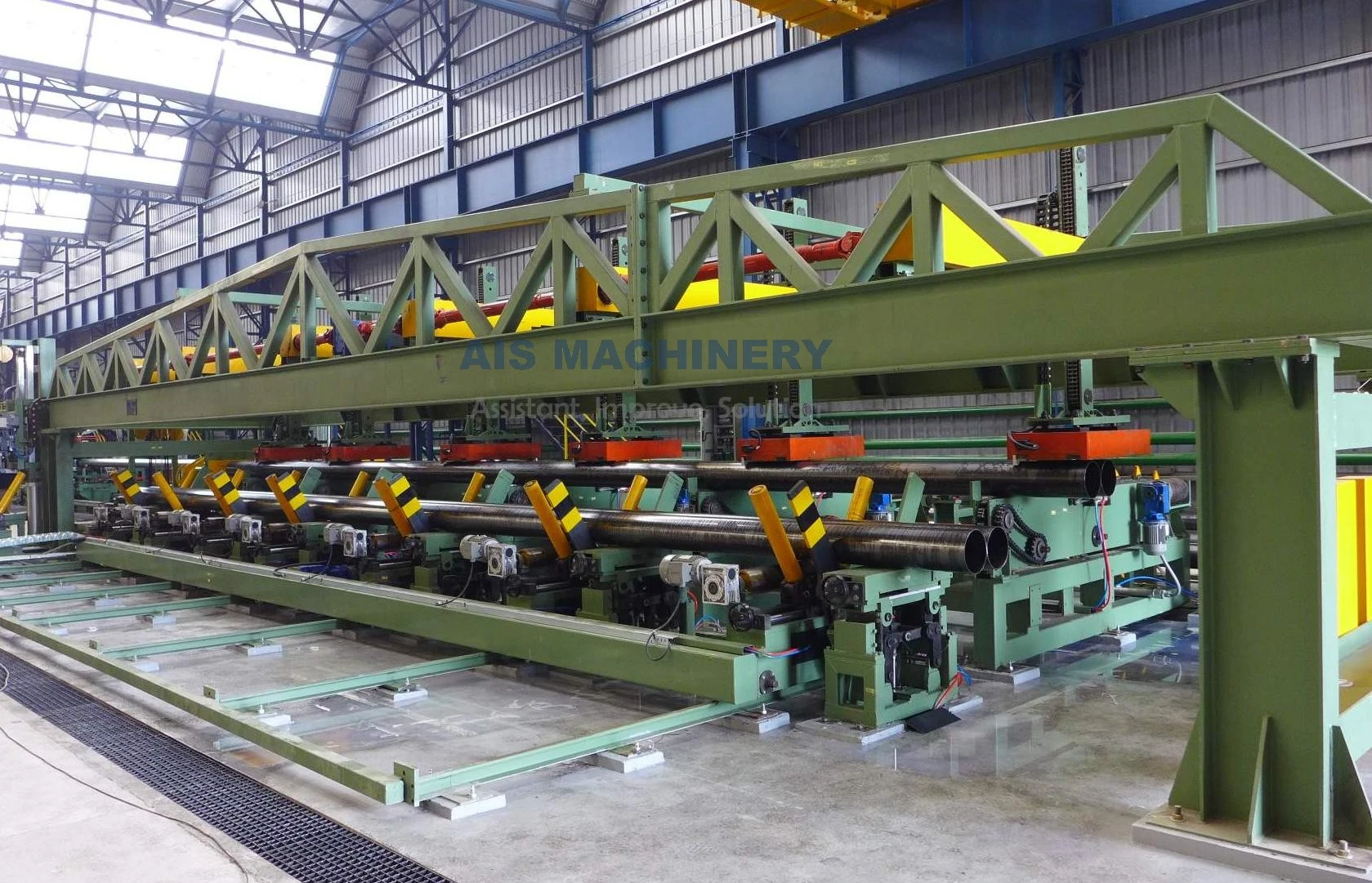
Automatic Stacking Machine (Magnetic Chuck Type)
The Automatic Stacking Machine (Magnetic Chuck Type) from AIS Machinery is designed to efficiently collect and stack steel tubes in ERW tube mill production lines. Using electromagnetic lifting, it can pick up multiple tubes at once and place them neatly in layers. This reduces manual labor, improves stacking accuracy, and increases overall production efficiency. It is installed after the flying saw and works seamlessly with the mill line, making it an ideal solution for modern tube manufacturers.
2026-04-28 08:56:05
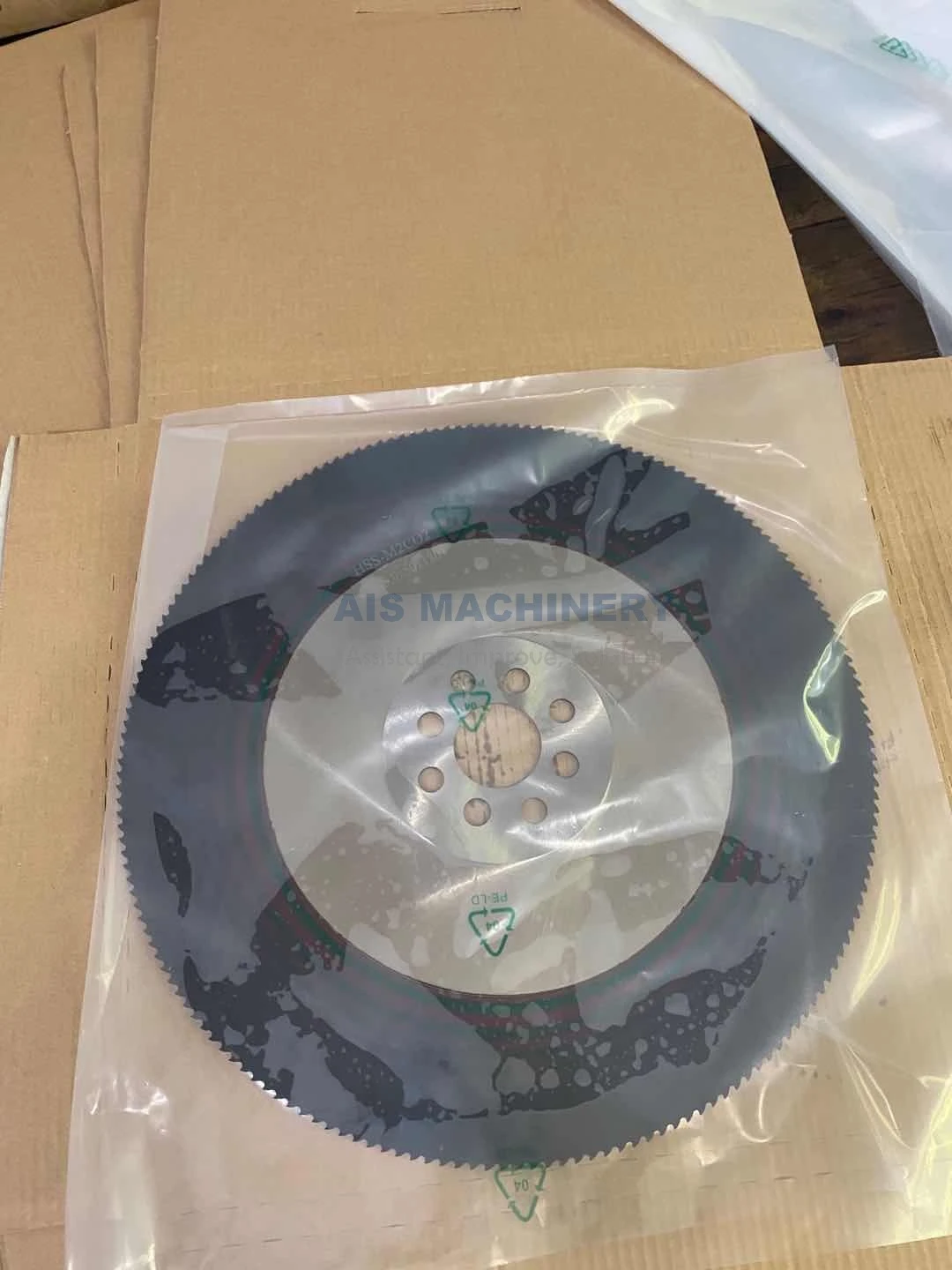
Saw Blade Guide for Tube Mills: Friction vs HSS vs TCT — Which One Should You Choose?
Confused about friction saw, HSS, and TCT blades? This guide explains their uses in cold saw and friction saw machines, with pros, cons, and expert selection tips.
2026-04-24 08:54:16
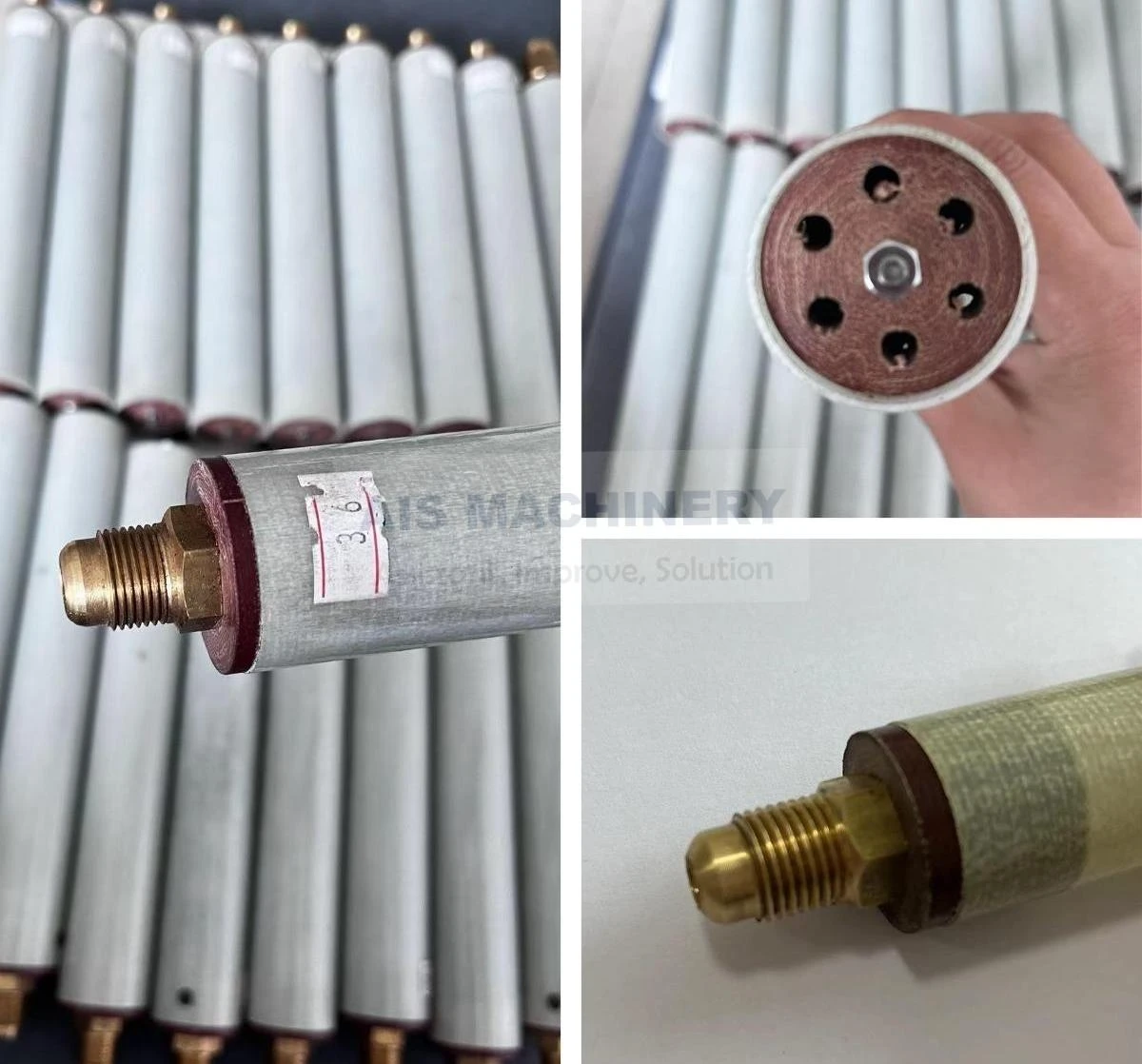
What is an Impeder and Ferrite Rods in ERW Tube Mill?
Struggling with impeder overheating or short service life in your ERW tube mill? This guide explains common impeder problems, the role of ferrite rods, and how to choose the right impeder for stable welding performance. Improve weld quality, reduce energy loss, and extend equipment lifespan with the right selection and proper cooling solutions.
2026-04-21 10:22:25
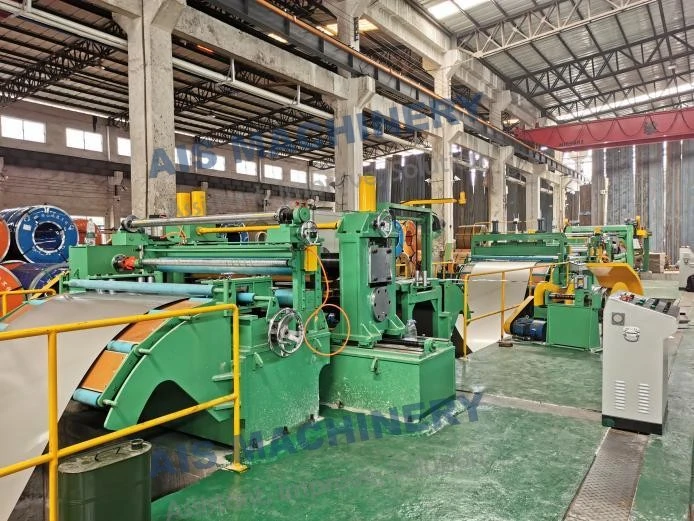
Slitting & Cut-to-Length Combined Production Line: A Smarter Way to Process Steel Coils
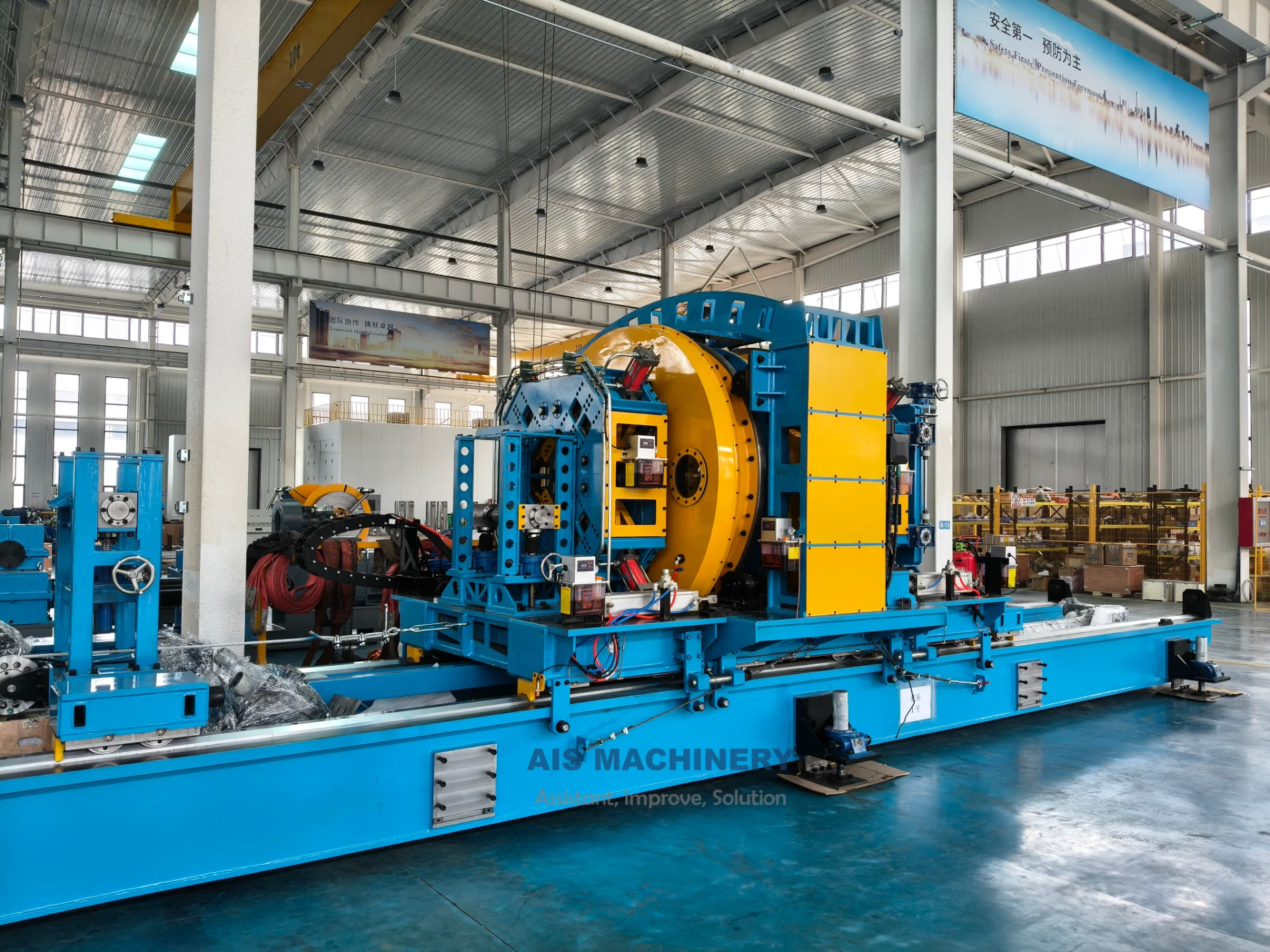
Discover the Slitting & Cut-to-Length Combined Production Line, a flexible solution for steel coil processing. This system integrates slitting line and cut-to-length line functions in one machine, saving space, reducing costs, and improving efficiency. Ideal for processing both steel strips and sheets, it is widely used in service centers and manufacturing industries. Learn its advantages, limitations, and applications.
2026-04-18 03:20:20
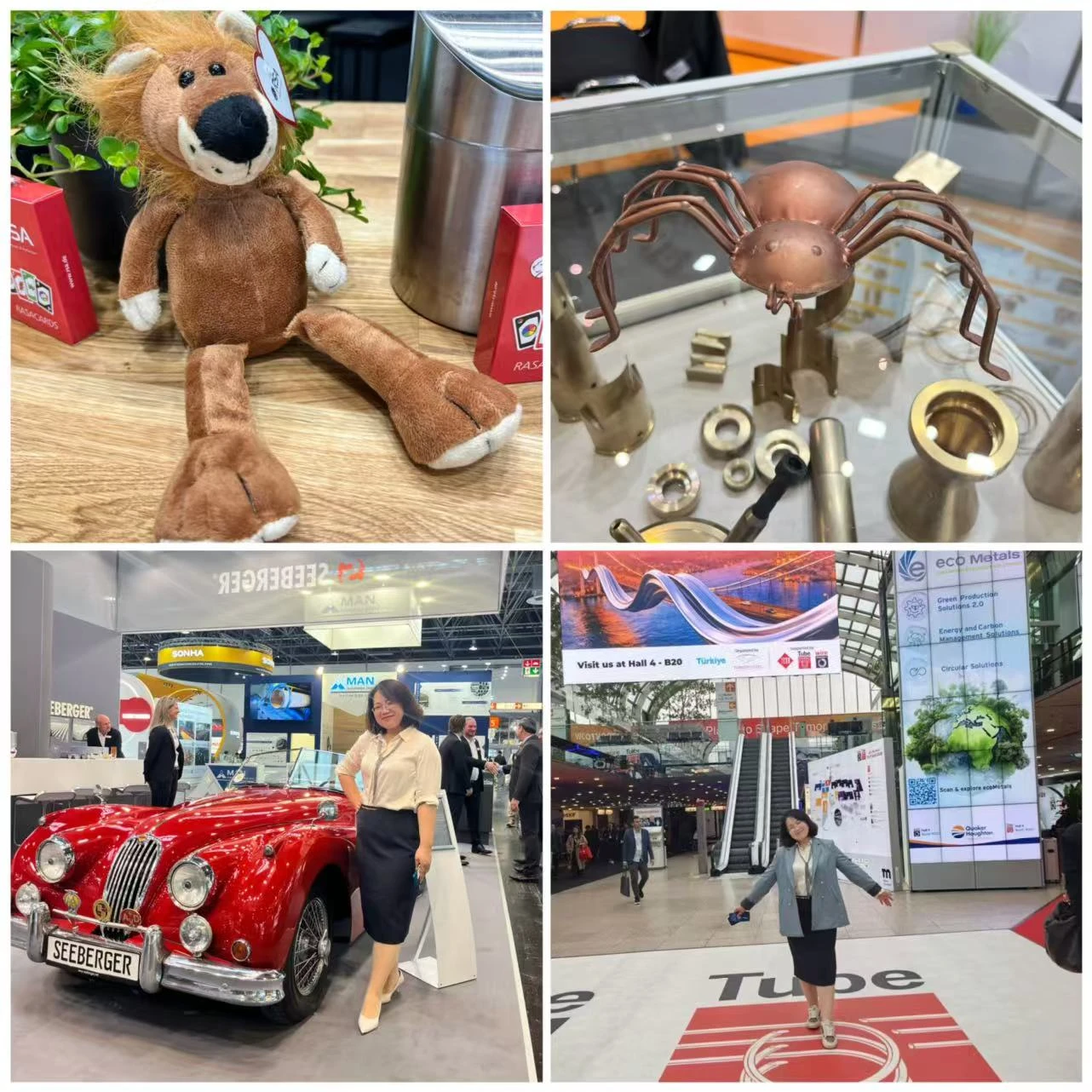
AIS Machinery Showcases Advanced Tube Solutions at Tube & Wire Düsseldorf 2026
Tube & Wire Düsseldorf 2026, one of the most influential exhibitions in the global tube and wire industry, held biennially in Düsseldorf, Germany
2026-04-17 00:00:00
Southeast Asia Client Visits Our Factory | Customized Tube Mill Solution Delivered
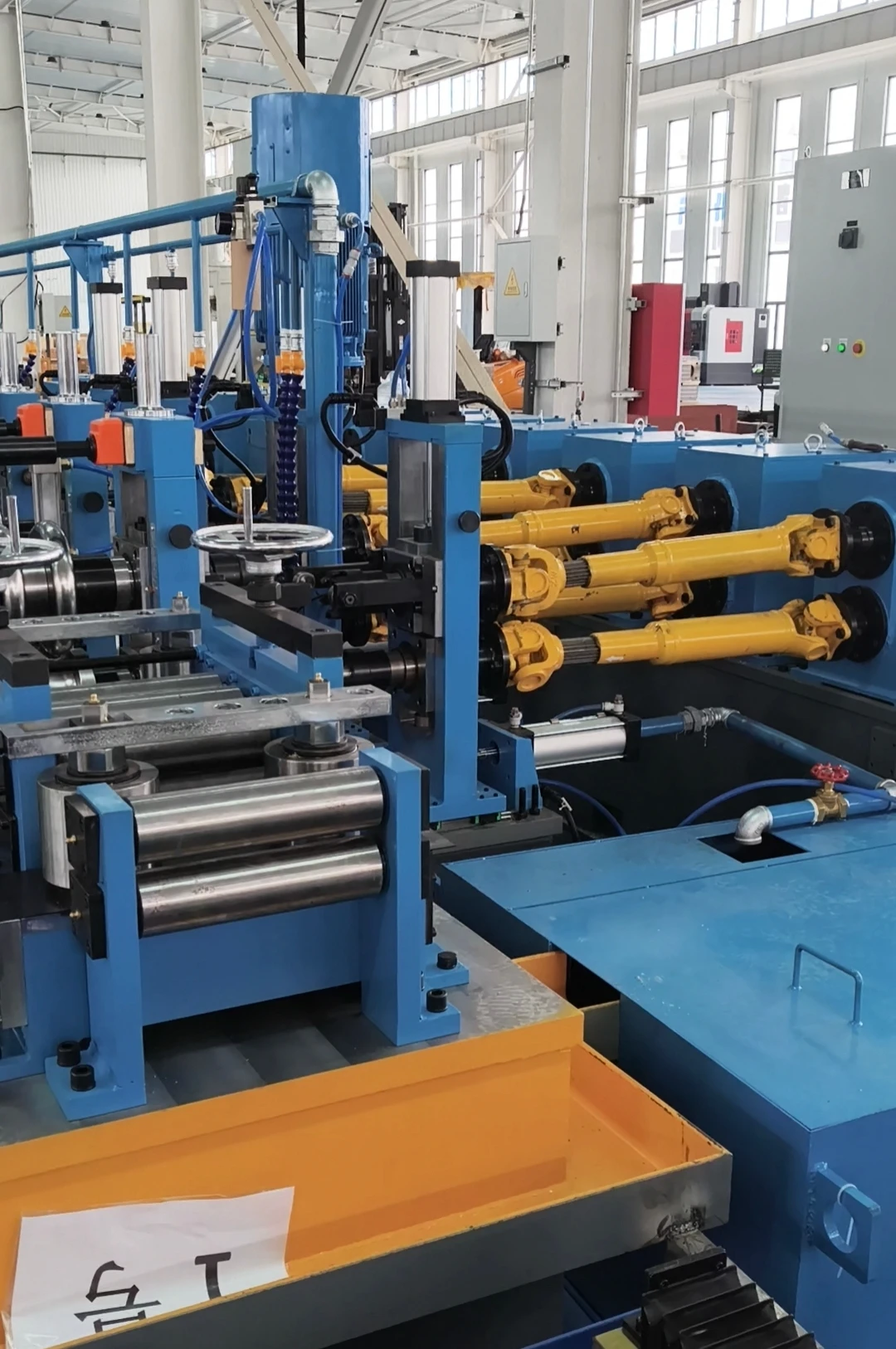
A Southeast Asia client visited our ERW tube mill factory to inspect production lines and discuss a customized tube mill solution. Impressed by our machine quality, welding performance, and engineering support, the client confirmed strong cooperation intentions. Discover how our ERW tube mill solutions improve efficiency, precision, and long-term production reliability.
2026-04-15 10:37:55
Flat Bar Production Line for Steel Coils: How It Works & Why It Matters
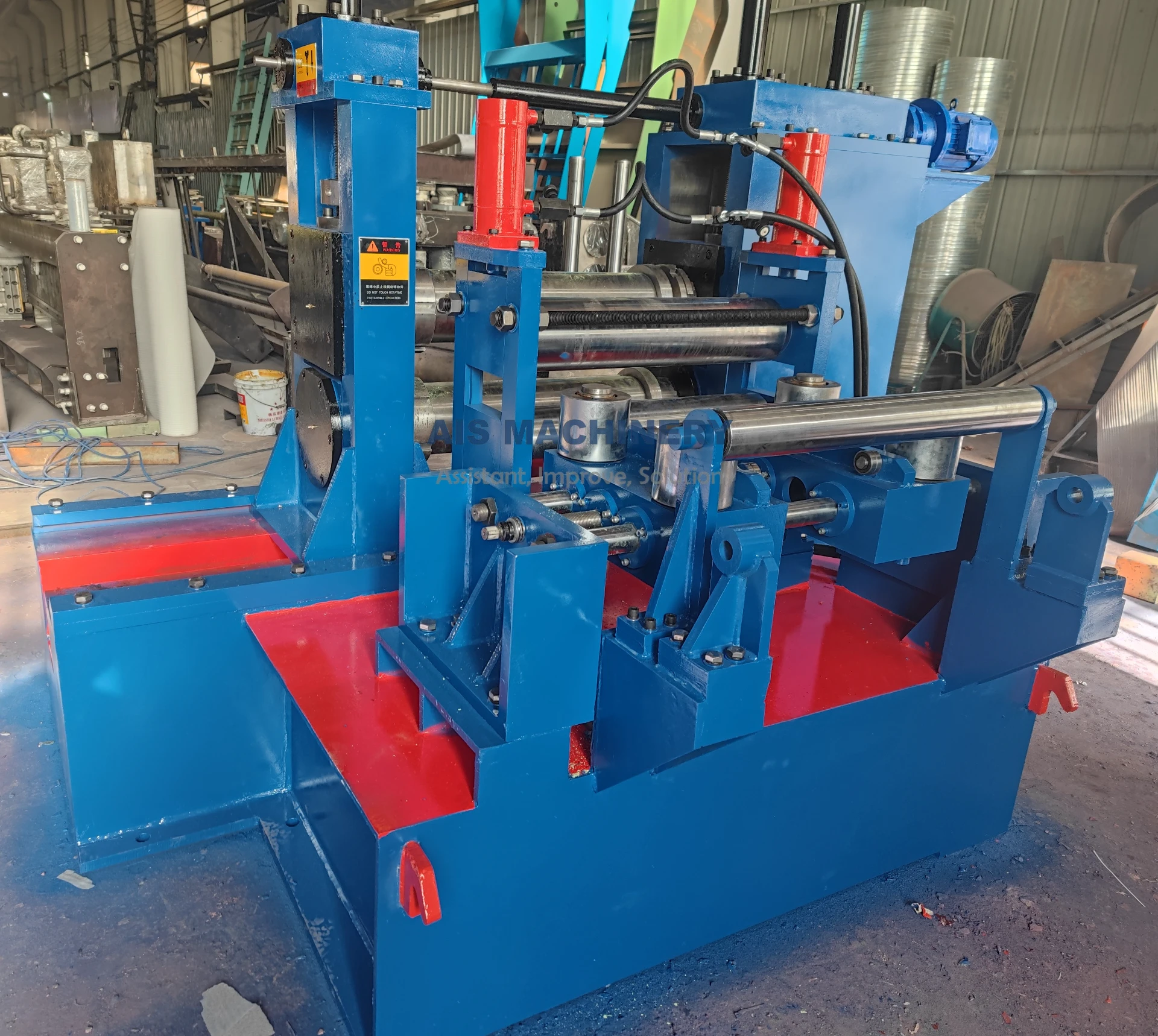
Looking for a flat bar production line? Learn how it turns steel coils into ready-to-use flat bars with precise length and high straightness. Compare it with slitting lines and get the best solution for your steel processing needs.
2026-04-14 00:00:00
Looking for a Milling Saw for ERW Tube Mill? Here’s What You Need to Know
Looking for a high-performance milling saw for your ERW tube mill? Upgrade to burr-free, high-precision pipe cutting with advanced flying saw technology. Improve efficiency, reduce rework, and meet export standards for carbon steel, stainless steel, and API pipes. Contact us today for expert solutions and competitive pricing tailored to your production needs.
Send a Message
Dear customer, thank you for your attention! We provide high-quality machinery and equipment and look forward to your orders. Please inform us of your needs and we will respond quickly!
 English
  Albanian
  Arabic
  French
  German
  Indonesian
  Italian
  Japanese
  Kazakh
  Korean
  Latin
Latin  Macedonian
  Portuguese
  Russian
  Spanish
  Thai
Thai  Turkish
  Ukrainian
  Uzbek
Uzbek