
-
 Tel:86-15176910262
-

Search

Carbon Steel Tube Mill Processes
Jun . 10, 2025 16:10
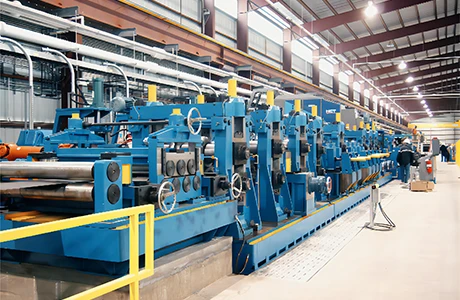
The production of carbon steel tubes is a cornerstone of modern industry, forming the literal pipelines and structural skeletons of our infrastructure, energy networks, and machinery. At the heart of this vital manufacturing process lies the sophisticated carbon steel tube mill, a marvel of engineering precision and efficiency. These mills, particularly ERW Pipe Mill configurations, transform raw steel strip into the high-strength, dimensionally accurate tubes essential for countless applications. Understanding the intricate processes within this carbon steel pipe making machine reveals the technological prowess driving consistent quality and high-volume production.
The foundation of ERW Pipe Mill quality
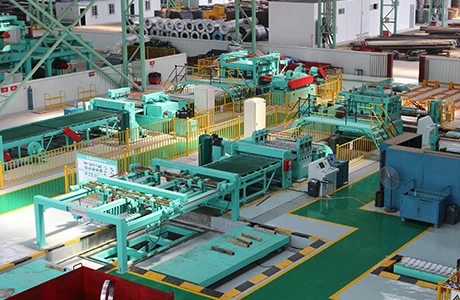
The journey begins long before the steel enters the mill. High-quality carbon steel strip, typically supplied in large coils, is the essential feedstock. Coils are loaded onto an uncoiler or payoff reel.
Critical preparatory stages include:
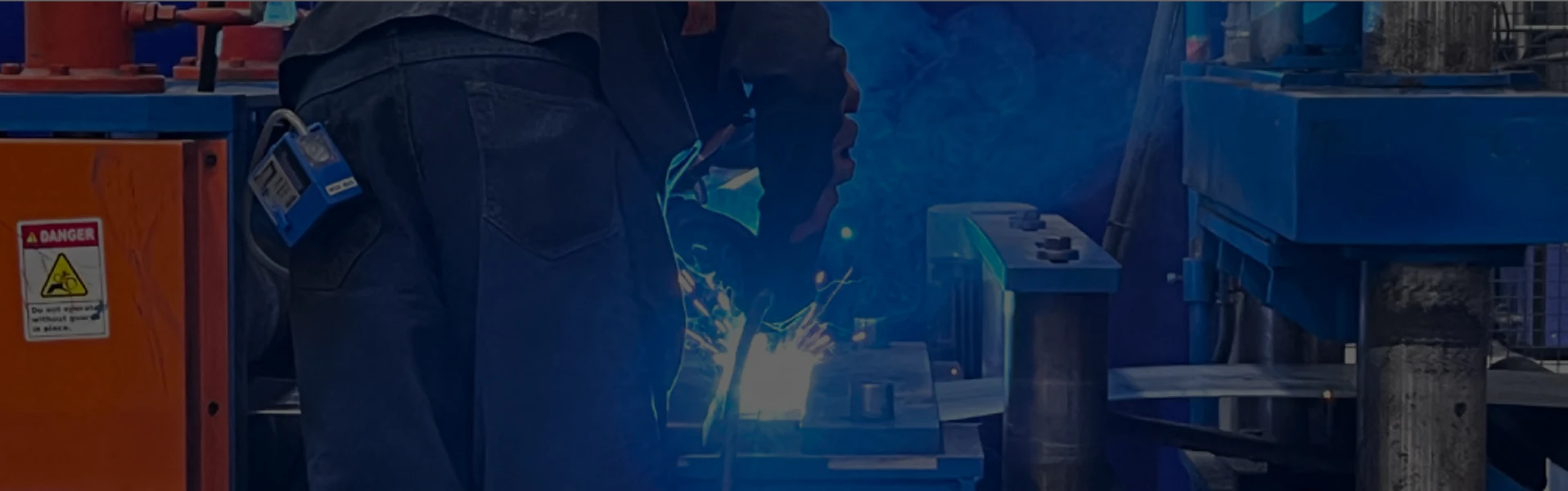
End Shearing and Welding: The trailing end of one coil is welded to the leading end of the next coil to create a continuous strip feed, essential for uninterrupted mill operation. This weld is often ground flush.
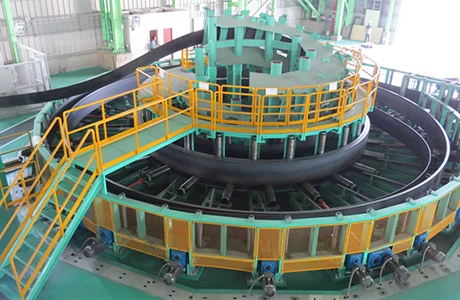
Accumulation: A looper or accumulator stores a significant length of strip, acting as a buffer. This allows the mill to continue running at full speed while the next coil is being prepared and welded, preventing costly stoppages.
Pre-Cleaning and Leveling: The strip passes through leveling rolls to remove any coil set or crossbow, ensuring flatness crucial for consistent forming. It may also undergo light brushing or cleaning to remove loose scale or oils.
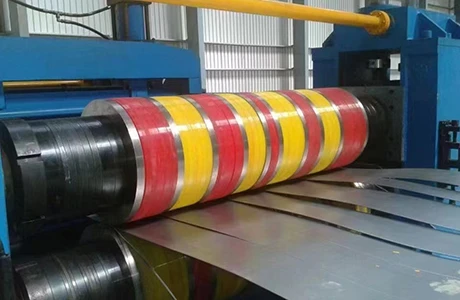
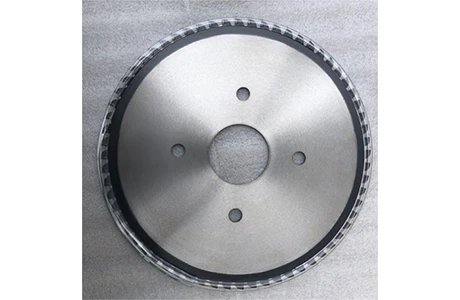
Edge Trimming (Optional): For tubes requiring precise edge conditions or specific weld preparations, the strip edges may be precisely trimmed using rotary slitters to ensure clean, parallel edges before forming. This is vital for achieving high-integrity welds in the ERW Pipe Mill section.
This meticulous preparation ensures the carbon steel pipe making machine receives material optimized for smooth processing, directly impacting final tube quality and minimizing defects downstream.
Carbon Steel Pipe Making Machine: Defining Dimensions and Properties
Immediately after welding, the hot tube moves through critical finishing stages:
Flash Trimming: The internal and external weld beads are precisely scraped off using carbide-tipped tools. Internal scrapers and external rolls or cutters ensure a smooth inner and outer surface at the weld zone. Efficient flash removal is vital for surface quality and downstream processes.
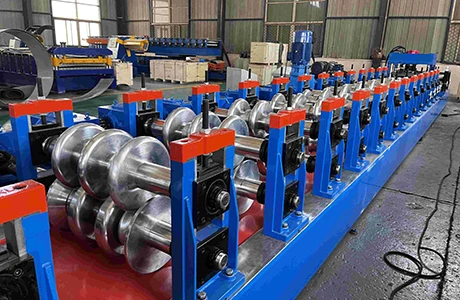
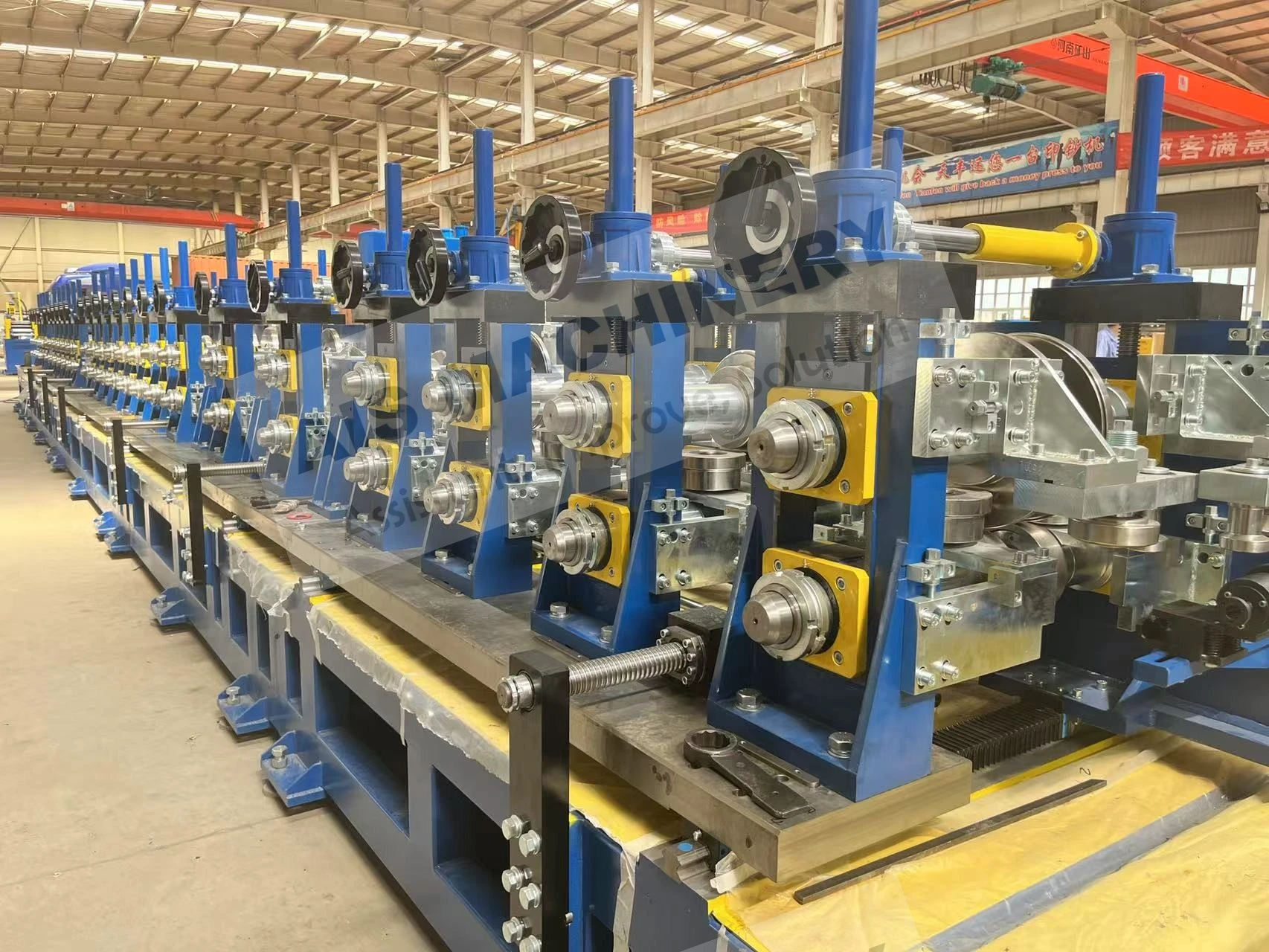
Sizing: The tube, still hot and malleable from welding, passes through a series of sizing stands. These consist of calibrated rolls that progressively reduce the tube's diameter and improve its roundness and dimensional accuracy to meet tight tolerances. Sizing mills are a crucial component of the carbon steel pipe making machine, defining the final O.D.
Cooling: The sized tube enters a cooling section, typically a long water spray table or tunnel. Controlled cooling prevents warping and helps achieve the desired microstructure and mechanical properties. Cooling rates can be adjusted based on the carbon steel grade and final requirements.
Straightening: After cooling, the tube may pass through a series of cross-roll or rotary straighteners to correct any minor curvature or bow induced during processing, ensuring longitudinal straightness.
Ensuring Quality and Readiness in carbon steel tube mill
The continuous tube emerging from the mill must be prepared for shipment and use:
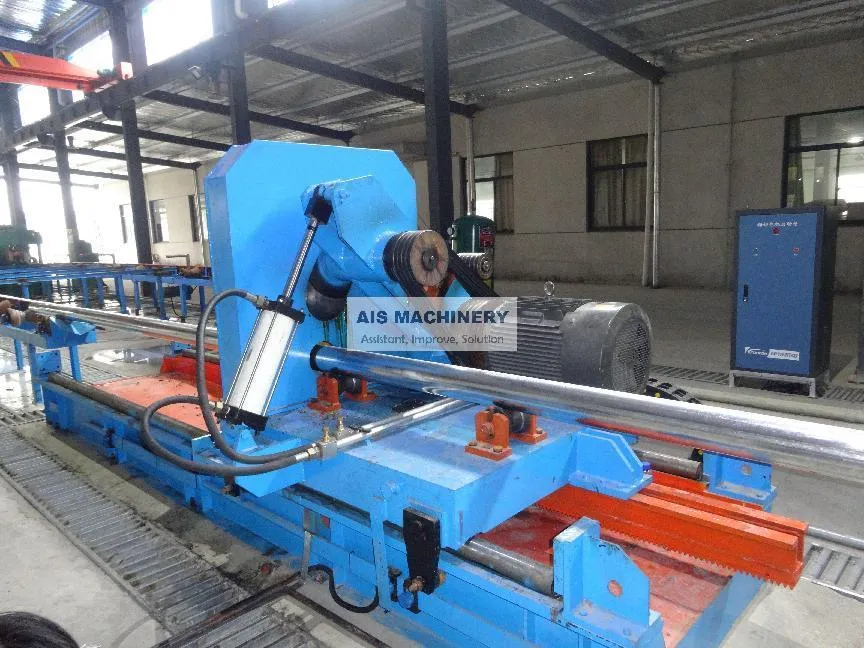
Flying Cut-off: A high-speed saw or cutting system moves synchronously with the tube while cutting it to specified lengths. This happens without stopping the mill line.
Inspection and Testing: Rigorous quality control is paramount. This includes:
Visual Inspection: Checking surface finish, straightness, weld appearance.
Dimensional Checks: Verifying O.D., wall thickness (using ultrasonic or laser gauges), length, and roundness.
Non-Destructive Testing : Ultrasonic Testing and/or Eddy Current Testing are commonly applied inline to detect internal or surface flaws, especially along the weld seam.
Mechanical Testing: Samples are periodically taken for destructive tests (tensile strength, yield strength, elongation, flattening, flaring, hardness, weld bend tests) to verify material and weld properties against standards .
End Facing/Beveling: Tube ends may be faced square or beveled for welding in the field, often using rotary cutting tools.
Marking and Coating: Tubes are typically stenciled or stamped with identification. A light protective oil or anti-corrosion coating might be applied.
Bundling and Packaging: Cut lengths are bundled using steel strapping for efficient handling, transport, and storage.
FAQs About Carbon Steel Tube Mills
What are the main advantages of the ERW Pipe Mill process compared to seamless manufacturing?
ERW mills offer significantly higher production speeds and lower costs for common sizes and wall thicknesses. They efficiently produce long continuous lengths and can handle a wide range of carbon steel grades. While seamless tubes are essential for extremely high-pressure or critical applications where the absence of a weld seam is mandatory, modern ERW Pipe Mill technology produces tubes with excellent strength and integrity suitable for the vast majority of structural, mechanical, and low-to-medium pressure fluid conveyance applications.
How critical is roll tooling design and maintenance in a carbon steel tube mill?
Roll tooling is absolutely fundamental. Precisely designed and manufactured forming, welding, and sizing rolls are essential for achieving the correct tube shape, maintaining dimensional tolerances, ensuring weld quality, and achieving smooth surface finishes. Wear on these rolls is inevitable. A rigorous preventative maintenance schedule involving inspection, regrinding, and replacement is crucial to maintain consistent quality and prevent defects like mismatched seams, dimensional drift, or surface marking. Poorly maintained rolls are a primary cause of mill downtime and scrap generation.
Can a single carbon steel tube mill making machine produce different tube sizes and shapes?
Yes, but with limitations and changeover time. Tube mills are designed for a specific range of diameters and wall thicknesses. Changing to a significantly different size requires a "roll change." This involves replacing the entire set of forming, welding, and sizing rolls with a new set designed for the target tube dimensions. Roll changes are complex, time-consuming operations requiring skilled millwrights. Some modern mills incorporate "quick-change" roll cassettes to reduce this downtime. While primarily for round tubes, specialized mills can produce square, rectangular, or other shaped hollow sections using different forming roll sets.
What role does the carbon steel grade play in the carbon steel tube mill process parameters?
The specific carbon steel grade significantly influences settings throughout the carbon steel tube mill. Higher carbon content or alloying elements generally increase strength but also affect formability and weldability. Mill parameters that must be adjusted include:
Forming Roll Pressure: Harder grades require more force to bend.
Welding Parameters: Grades with higher carbon equivalent values may require pre-heating, lower welding speeds, or adjusted power to achieve sound welds without defects like hard spots or cold welds.
Cooling Rate: Affects the final microstructure and properties.
The mill control system must be programmed for each specific grade to ensure optimal quality.
What are common quality challenges faced in ERW Pipe Mill production?
Common challenges include:
Weld Defects: Lack of fusion, cold welds, penetrators, porosity, cracks.
The continuous evolution of the carbon steel tube mill, particularly the ERW Pipe Mill, represents a relentless pursuit of efficiency, precision, and quality in metal forming. From the careful preparation of raw strip to the sophisticated application of high-frequency welding and precise sizing, the carbon steel pipe making machine integrates mechanical engineering, metallurgical science, and advanced control systems. These complex production lines are not merely machines; they are highly orchestrated systems transforming raw material into the essential conduits and structures that underpin modern civilization.

Related Products

Related News
2027-04-24 00:00:00
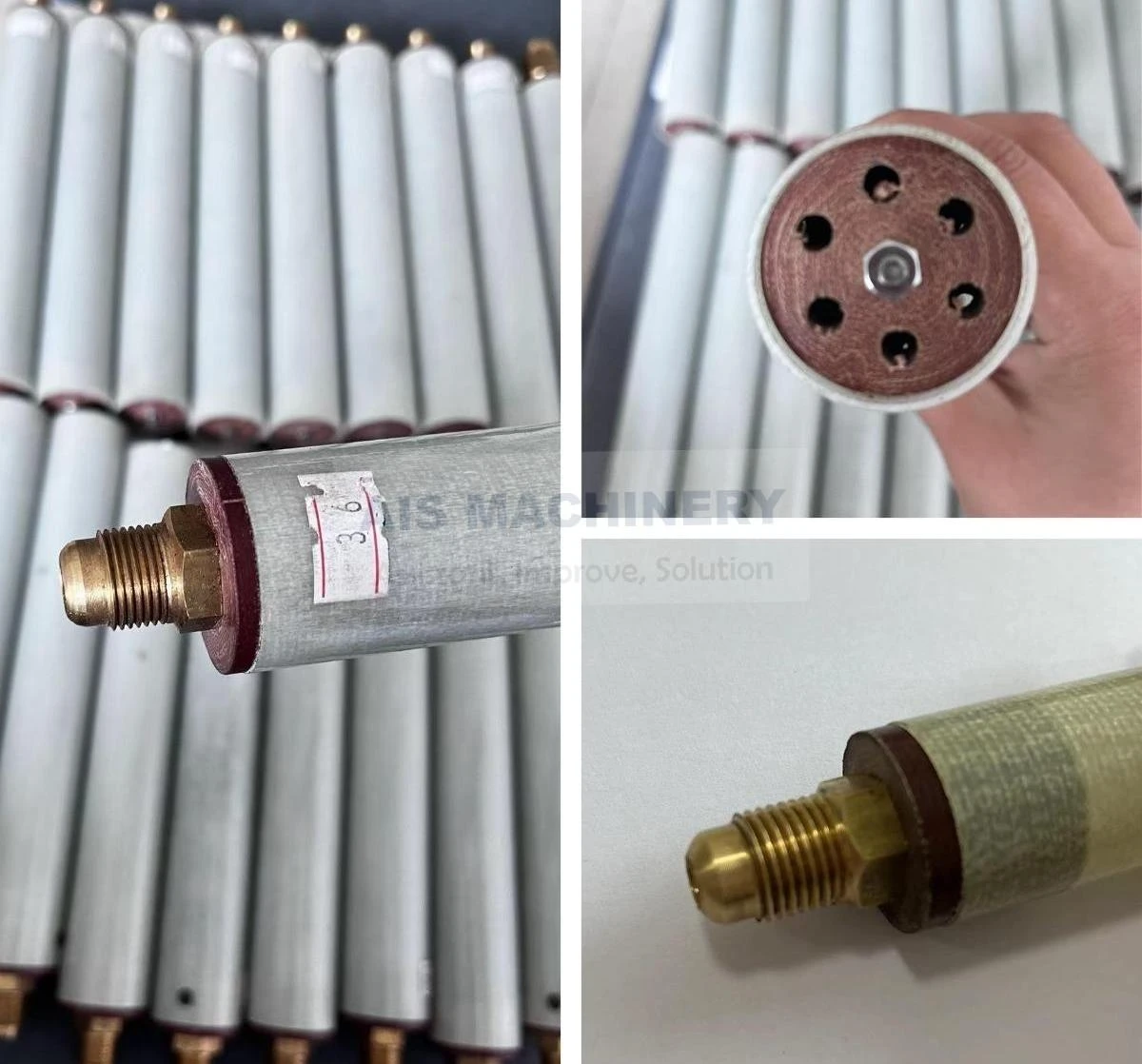
What is an Impeder and Ferrite Rods in ERW Tube Mill?
Struggling with impeder overheating or short service life in your ERW tube mill? This guide explains common impeder problems, the role of ferrite rods, and how to choose the right impeder for stable welding performance. Improve weld quality, reduce energy loss, and extend equipment lifespan with the right selection and proper cooling solutions.
2026-04-21 10:22:25
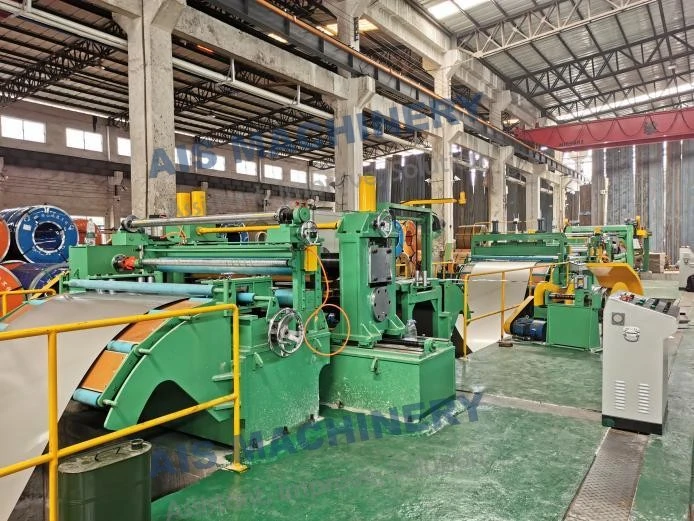
Slitting & Cut-to-Length Combined Production Line: A Smarter Way to Process Steel Coils
Discover the Slitting & Cut-to-Length Combined Production Line, a flexible solution for steel coil processing. This system integrates slitting line and cut-to-length line functions in one machine, saving space, reducing costs, and improving efficiency. Ideal for processing both steel strips and sheets, it is widely used in service centers and manufacturing industries. Learn its advantages, limitations, and applications.
2026-04-18 03:20:20
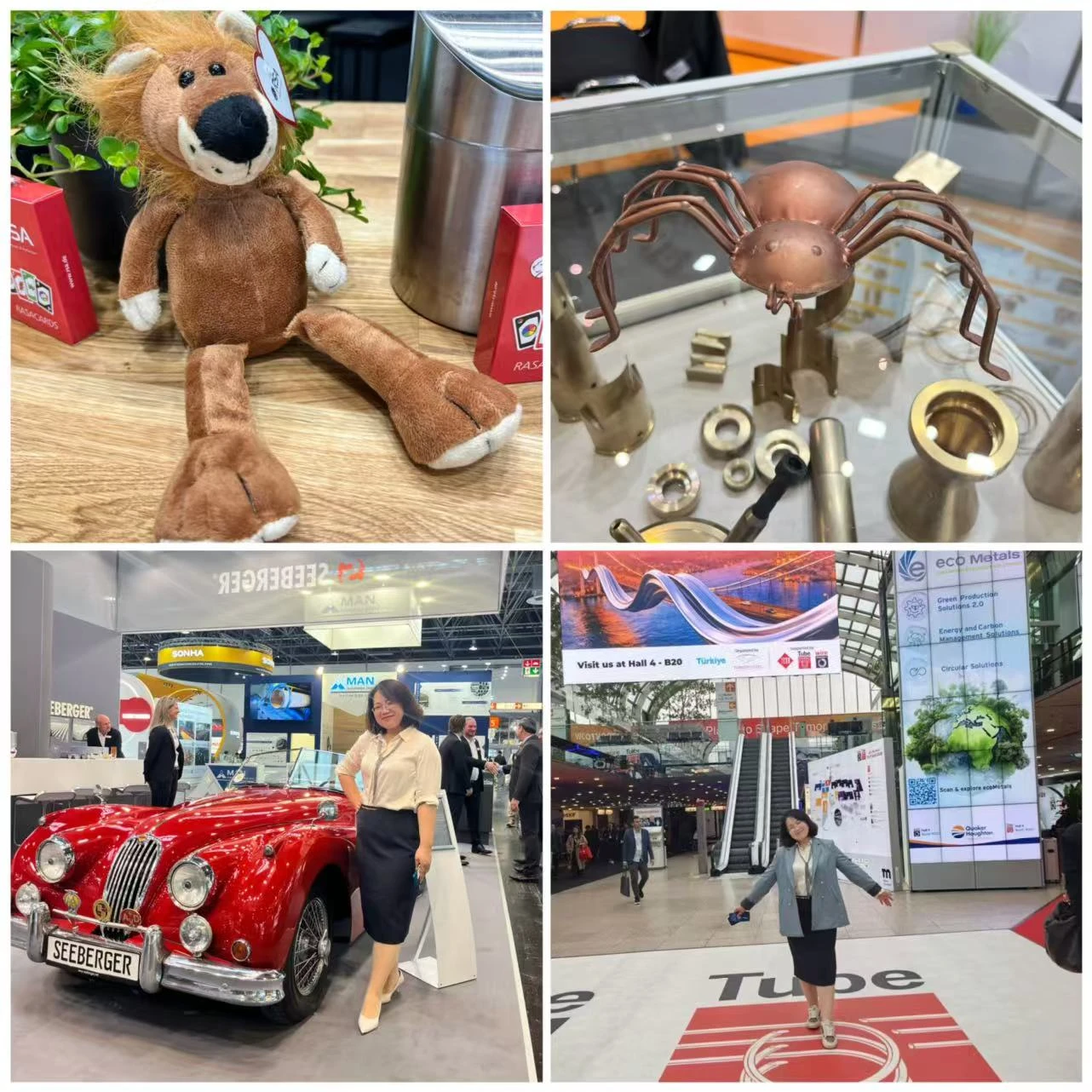
AIS Machinery Showcases Advanced Tube Solutions at Tube & Wire Düsseldorf 2026
Tube & Wire Düsseldorf 2026, one of the most influential exhibitions in the global tube and wire industry, held biennially in Düsseldorf, Germany
2026-04-17 00:00:00
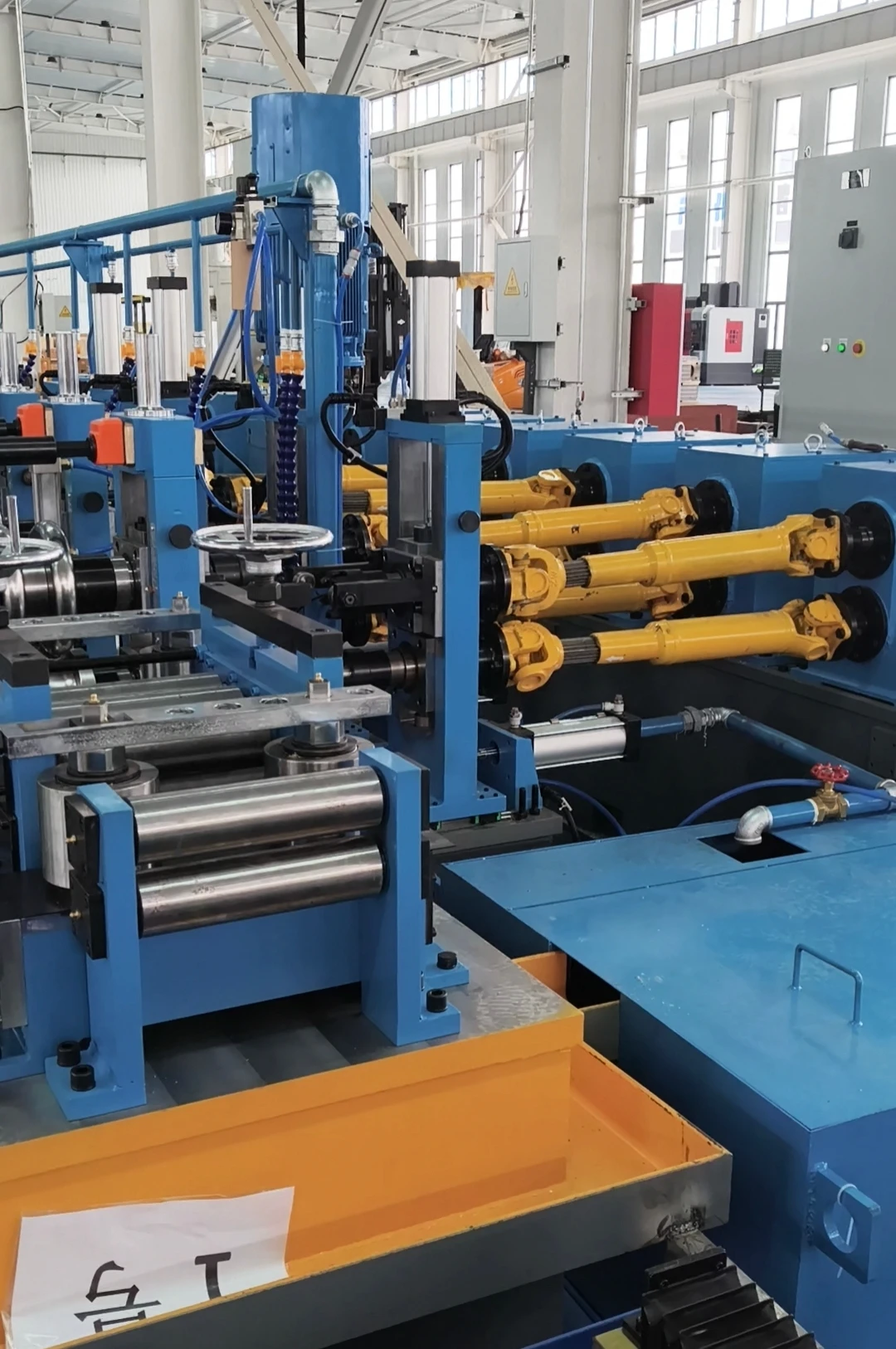
Southeast Asia Client Visits Our Factory | Customized Tube Mill Solution Delivered
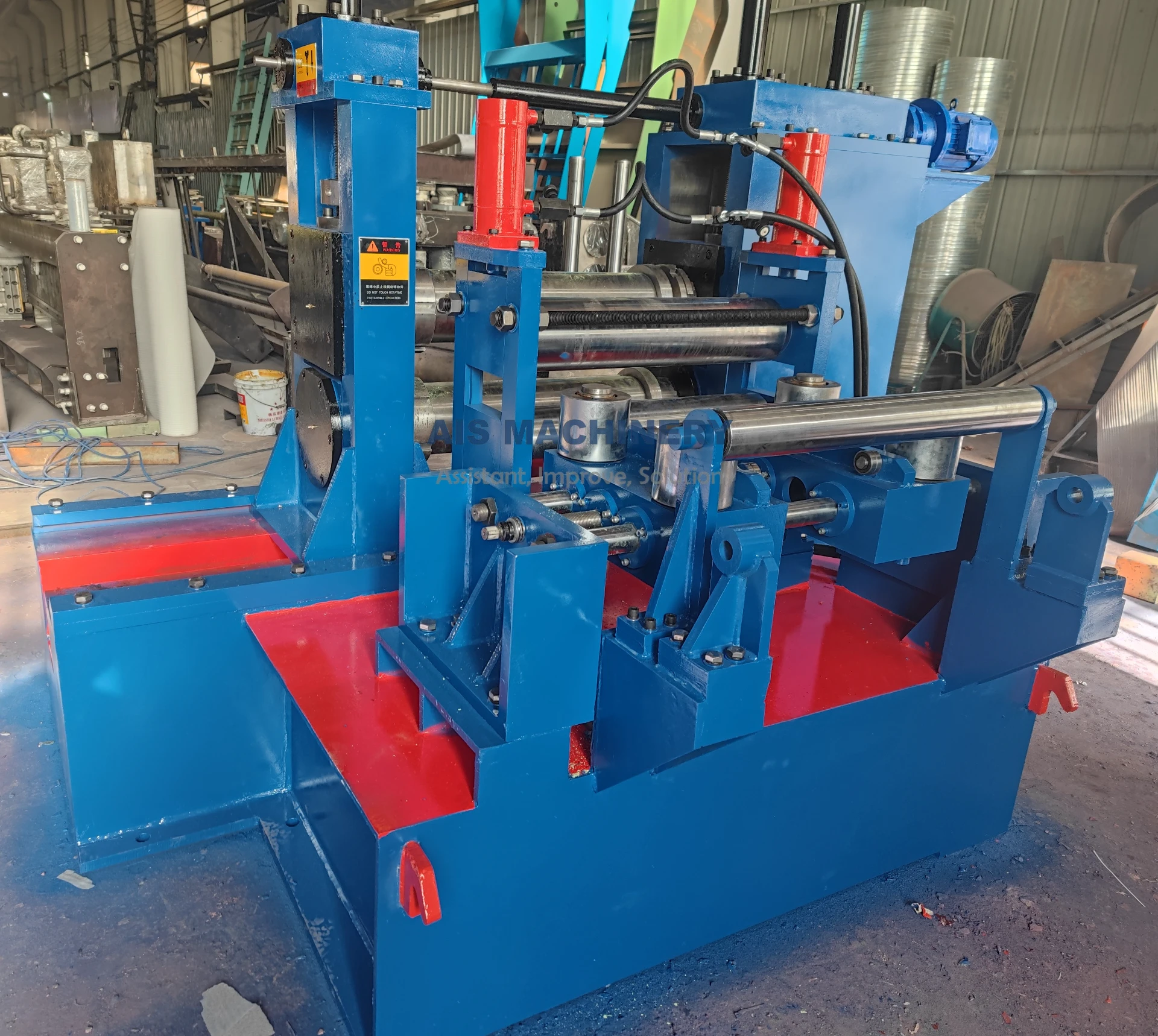
A Southeast Asia client visited our ERW tube mill factory to inspect production lines and discuss a customized tube mill solution. Impressed by our machine quality, welding performance, and engineering support, the client confirmed strong cooperation intentions. Discover how our ERW tube mill solutions improve efficiency, precision, and long-term production reliability.
2026-04-15 10:37:55
Flat Bar Production Line for Steel Coils: How It Works & Why It Matters
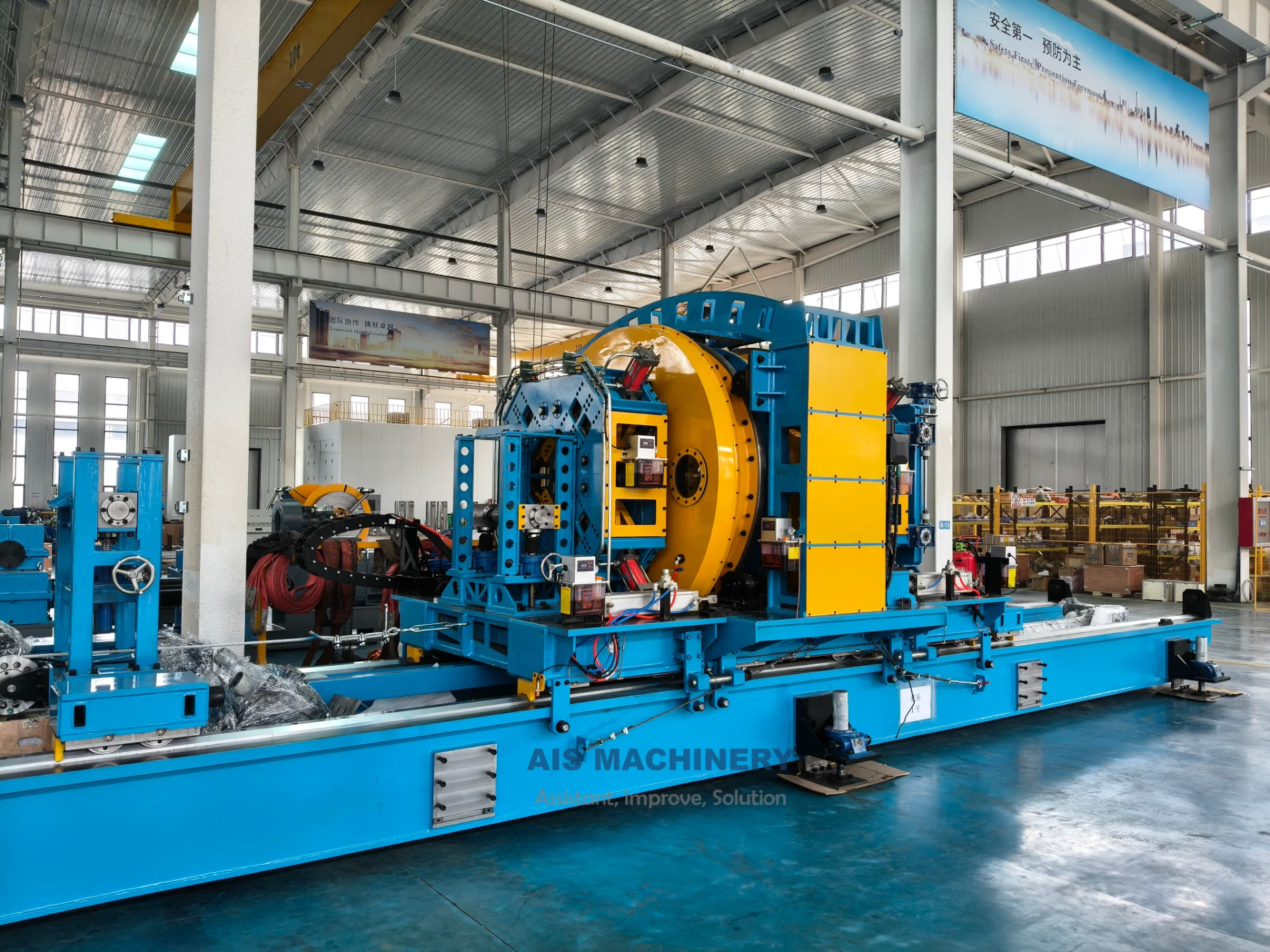
Looking for a flat bar production line? Learn how it turns steel coils into ready-to-use flat bars with precise length and high straightness. Compare it with slitting lines and get the best solution for your steel processing needs.
2026-04-14 00:00:00
Looking for a Milling Saw for ERW Tube Mill? Here’s What You Need to Know
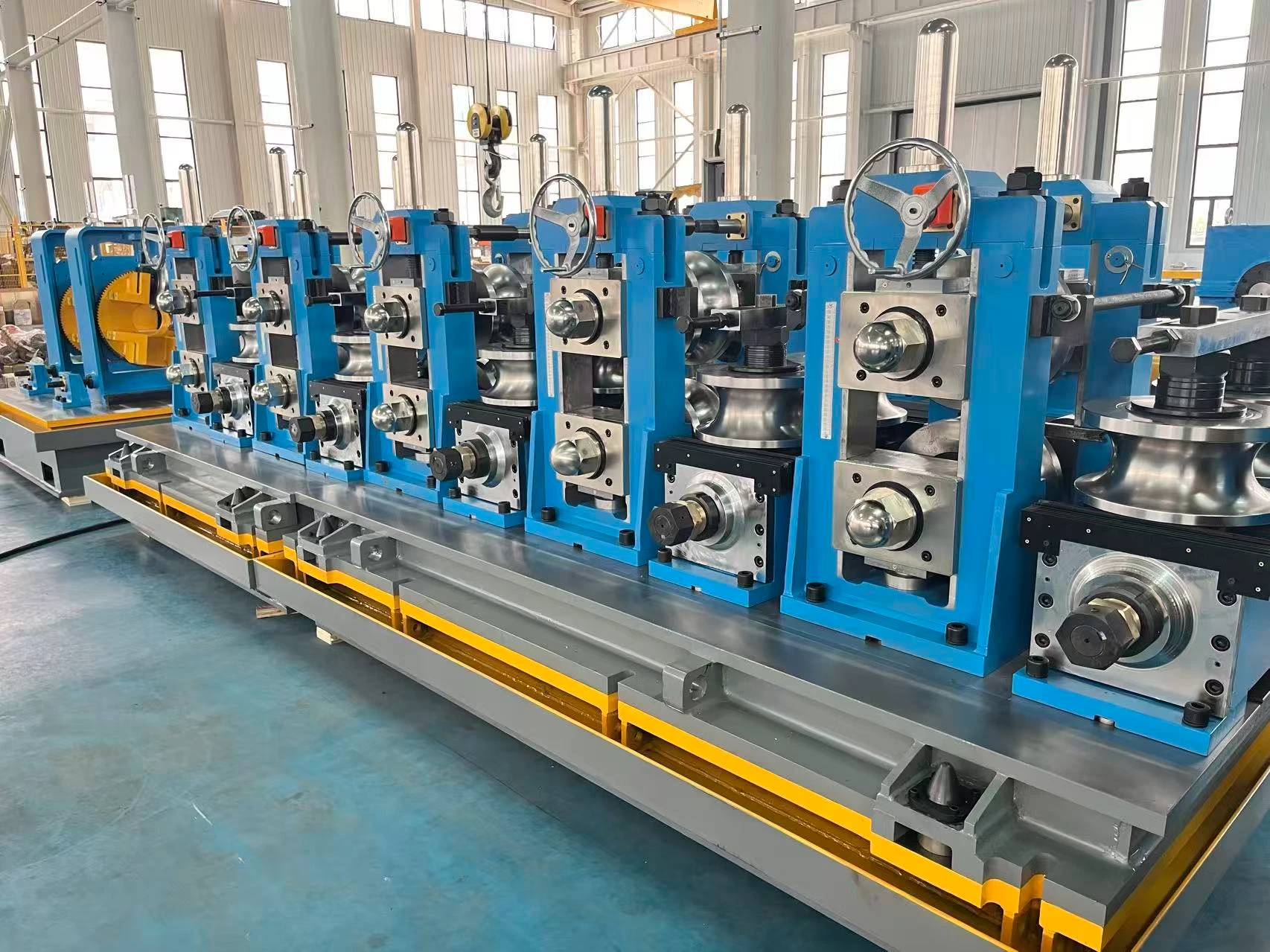
Looking for a high-performance milling saw for your ERW tube mill? Upgrade to burr-free, high-precision pipe cutting with advanced flying saw technology. Improve efficiency, reduce rework, and meet export standards for carbon steel, stainless steel, and API pipes. Contact us today for expert solutions and competitive pricing tailored to your production needs.
2026-04-09 16:15:19
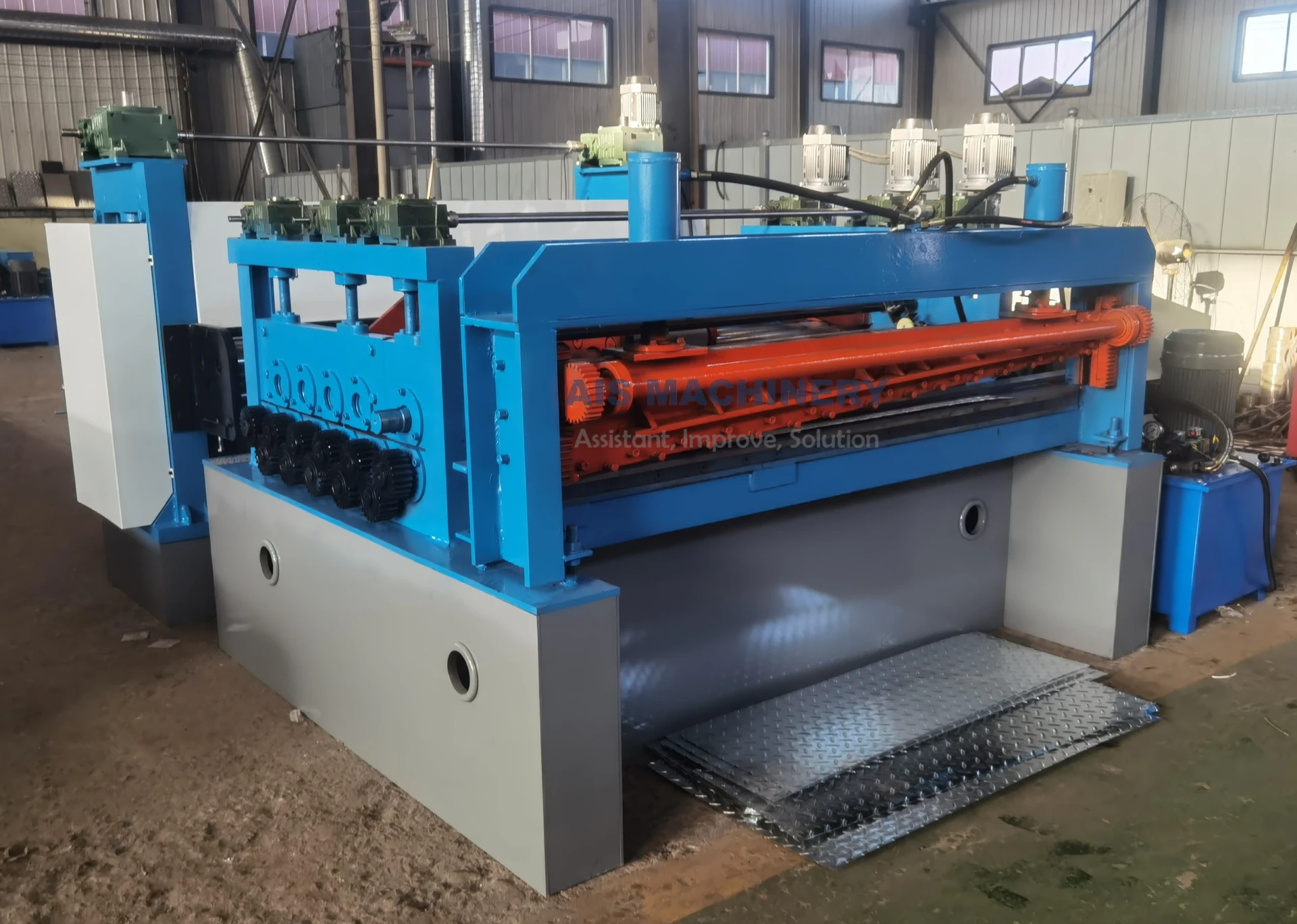
5-Inch (127mm) ERW Tube Making Machine Delivered with Heavy-Duty Design and Advanced Quick Change System
2027-04-07 00:00:00
Metal Embossing Machine: Turn Flat Sheets into High-Value Textured Products
Discover how a metal embossing machine transforms flat steel, stainless steel, and aluminum sheets into high-value textured products. Learn about its working principle, key components, and applications. Ideal for decorative and industrial use, embossing machines improve both appearance and performance. Explore complete embossing line solutions and find the right machine for your production needs.
Send a Message
Dear customer, thank you for your attention! We provide high-quality machinery and equipment and look forward to your orders. Please inform us of your needs and we will respond quickly!
 English
  Albanian
  Arabic
  French
  German
  Indonesian
  Italian
  Japanese
  Kazakh
  Korean
  Latin
Latin  Macedonian
  Portuguese
  Russian
  Spanish
  Thai
Thai  Turkish
  Ukrainian
  Uzbek
Uzbek