
-
 Tel:86-15176910262
-

Search

High-Performance Thermal Metal Spray Equipment | Quality Coatings
Aug . 29, 2025 06:40
Introduction to Advanced Surface Engineering
In the demanding landscape of modern industrial applications, the performance and longevity of critical components are paramount. Surface engineering, particularly through advanced coating technologies, plays a pivotal role in extending the service life, enhancing the efficiency, and optimizing the cost-effectiveness of machinery and structures. Among these, thermal metal spray equipment stands out as a versatile and robust solution for applying high-performance metallic and non-metallic coatings. These systems enable the deposition of protective layers that offer superior resistance to corrosion, wear, erosion, and high temperatures, transforming the operational capabilities of various assets across diverse sectors.
Our focus here delves into the intricate details of such equipment, exploring its manufacturing, technical advantages, and comprehensive application scenarios, with a particular emphasis on solutions like the Zinc Spray System designed for unparalleled cathodic protection.
Manufacturing Process Flow of Thermal Metal Spray Equipment
The production of high-quality thermal metal spray equipment involves a meticulously engineered process, ensuring precision, reliability, and safety. From material selection to final assembly and testing, each stage adheres to stringent industry standards to deliver systems capable of consistent, high-performance coating application.
Product Materials and Component Sourcing
- High-Grade Alloys: Critical components, such as the spray gun body, nozzles, and wire feeders, are typically manufactured from robust materials like aerospace-grade stainless steel (e.g., 316L, 17-4 PH) and specialized nickel alloys (e.g., Inconel) to withstand extreme temperatures, abrasive media, and corrosive environments inherent in thermal spray operations.
- Precision Ceramics: Insulators and certain nozzle elements utilize advanced ceramics (e.g., alumina, zirconia) for their exceptional thermal shock resistance and electrical insulation properties.
- Durable Polymers: Hoses, seals, and control panel elements employ engineering-grade polymers (e.g., PTFE, high-density polyethylene) selected for chemical resistance, flexibility, and longevity.
Manufacturing Processes
- Casting & Forging: Initial shaping of complex metallic components for robust structural integrity, followed by heat treatments to optimize material properties.
- CNC Machining: High-precision computer numerical control (CNC) machining ensures exact tolerances for nozzles, air caps, and internal flow paths, crucial for optimal spray patterns and material atomization.
- Welding & Brazing: Specialized techniques for joining various metallic components, maintaining hermetic seals and structural strength under operational stresses.
- Surface Treatment: Components undergo processes like passivation, anodizing, or specialized coatings to enhance their inherent corrosion resistance and durability.
- Electronic Assembly: Integration of advanced control systems, sensors, and power units, meticulously wired and programmed for precise parameter control.
- Final Assembly: All sub-assemblies are integrated into the complete system, ensuring seamless interaction between mechanical, electrical, and pneumatic components.
Testing Standards and Quality Assurance
Every system undergoes rigorous testing to meet or exceed international standards, ensuring peak performance and safety.
- ISO 9001:2015 Certification: Adherence to a comprehensive Quality Management System, covering design, manufacturing, and service.
- ANSI/AWS C2.16/C2.16M: Standards for Thermal Spray Operators and Equipment.
- CE Marking: Compliance with European health, safety, and environmental protection standards.
- Operational Performance Testing: Each unit is tested for spray pattern uniformity, deposition efficiency, wire feed consistency, and power consumption under various operational parameters.
- Safety Protocol Adherence: Verification of emergency shutdown systems, interlocks, and pressure relief mechanisms.
Service Life and Target Industries
Our thermal metal spray equipment is engineered for a robust service life, typically exceeding 10-15 years with proper maintenance, significantly reducing total cost of ownership. These systems find critical application in:
- Petrochemical: Corrosion protection for pipelines, storage tanks, and structural components, combating aggressive chemicals and harsh atmospheric conditions.
- Metallurgy: Wear-resistant coatings for rolls, guides, and furnace components, enhancing durability in high-temperature, abrasive environments.
- Water Supply & Drainage: Anti-corrosion solutions for pumps, valves, and infrastructure, ensuring longevity in water treatment facilities.
- Marine: Cathodic protection for ship hulls, offshore platforms, and port infrastructure against saltwater corrosion.
- Infrastructure: Protecting bridges, structural steel, and concrete elements from environmental degradation.
Advantages in Typical Application Scenarios
- Energy Saving: By extending component life and reducing friction, our coatings contribute to overall operational efficiency and lower energy consumption in various industrial processes.
- Corrosion Resistance: For instance, the Zinc Spray System offers unparalleled cathodic protection, forming a sacrificial anode layer that shields steel structures from rust and degradation far more effectively and longer than conventional paints.
- Enhanced Wear Resistance: Ideal for high-friction or abrasive environments, significantly reducing material loss and extending maintenance intervals.
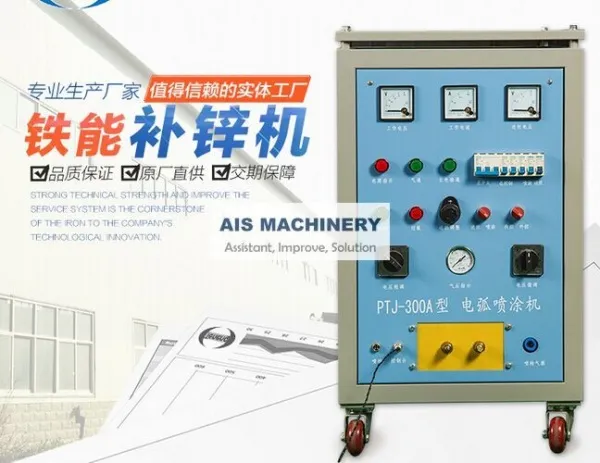
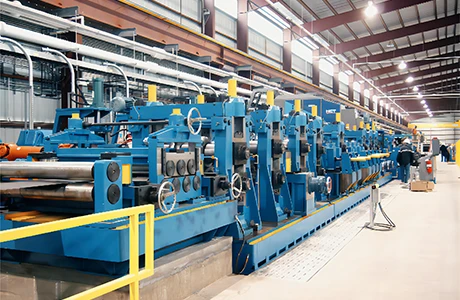
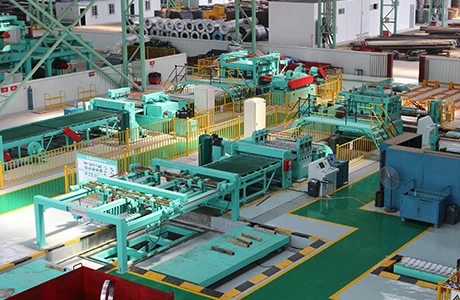
Fig 1: Precision manufacturing of thermal metal spray equipment components.
Industry Trends in Thermal Metal Spray Technology
The thermal spray market is dynamic, driven by increasing demands for superior material performance, environmental compliance, and cost efficiency. Key trends shaping the future of thermal metal spray equipment include:
Advanced Material Development
- Nanostructured Coatings: Development of coatings with enhanced hardness, toughness, and wear resistance due to finer grain structures.
- Ceramic Matrix Composites: Expanding into high-temperature applications, offering improved thermal barrier properties and oxidation resistance.
- Bio-compatible Materials: Growth in medical applications for orthopaedic implants and surgical tools, requiring precise control over coating porosity and surface chemistry.
Automation and Smart Systems
- Robotic Integration: Increased use of articulated robots for precise, repeatable, and complex coating geometries, reducing human exposure to hazardous environments and improving consistency.
- AI and Machine Learning: Implementation for process optimization, predictive maintenance, and real-time quality control, analyzing spray parameters and coating characteristics.
- Digital Twins: Creation of virtual models for process simulation, training, and troubleshooting, leading to faster setup times and reduced material waste.
Environmental and Sustainability Focus
- Reduced Emissions: Development of more efficient spray guns and dust collection systems to minimize particulate emissions.
- Water-Based Processes: Research into alternatives for solvent-based material preparation, aligning with stricter environmental regulations.
- Recycling and Reclamation: Emphasis on reclaiming worn components through thermal spray, extending their lifespan and reducing reliance on new material production.
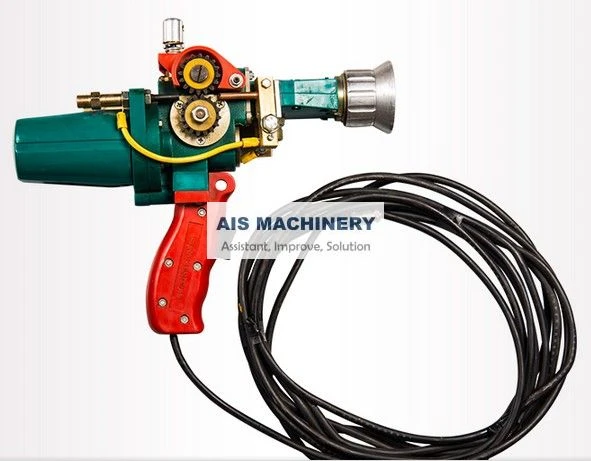
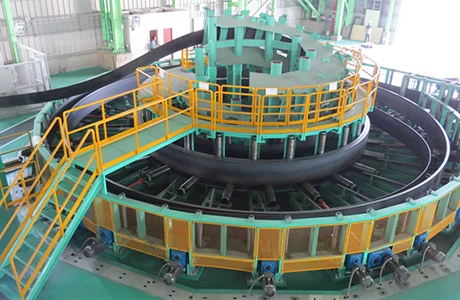
Fig 2: Automation is a key trend in thermal metal spray equipment application.
Technical Specifications of Zinc Spray Systems
The Zinc Spray System, a prime example of advanced thermal metal spray equipment, is specifically designed for high-performance anti-corrosion applications. Its technical parameters are optimized for efficiency, reliability, and superior coating quality.
Key Product Specifications: Zinc Spray System
| Parameter | Specification | Unit |
|---|---|---|
| Spray Gun Type | Arc Spray / Flame Spray (interchangeable modules) | - |
| Compatible Wires | Zinc (99.99%), Zinc-Aluminum (85/15), Aluminum (99.5%) | - |
| Wire Diameter Range | 1.6 - 3.2 | mm |
| Spray Rate (Zinc) | 15 - 40 | kg/hr |
| Operating Voltage (Arc) | 20 - 45 | V |
| Operating Current (Arc) | 100 - 350 | A |
| Air Pressure Requirement | 0.4 - 0.7 | MPa |
| Air Flow Rate | 1.5 - 2.5 | m³/min |
| Power Input | 3-phase, 380V / 480V, 50/60Hz | - |
| Max. Coating Thickness | Up to 500 (multiple passes) | µm |
| Adhesion Strength (to steel) | > 20 | MPa |
| System Weight (approx.) | 150 - 250 (depending on configuration) | kg |
| Control System | PLC-based with HMI (Human Machine Interface) | - |
Coating Characteristics (Zinc)
- Porosity: Typically 5-15%, which allows for keying of sealers or topcoats, and in some cases, contributes to cathodic protection mechanisms by allowing moisture to reach the zinc.
- Hardness: Approximately 40-70 HV (Vickers Hardness), providing a robust yet flexible protective layer.
- Surface Roughness: Ra 6-12 µm, ideal for subsequent painting or sealing applications, ensuring excellent mechanical adhesion.
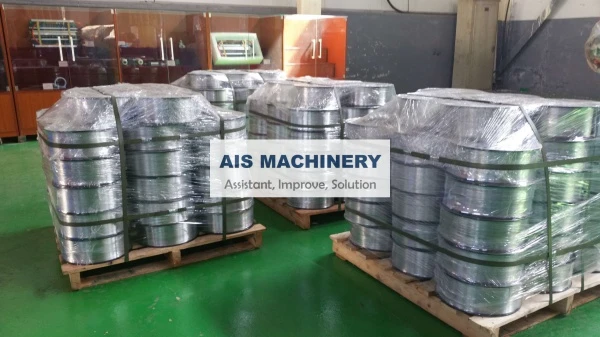
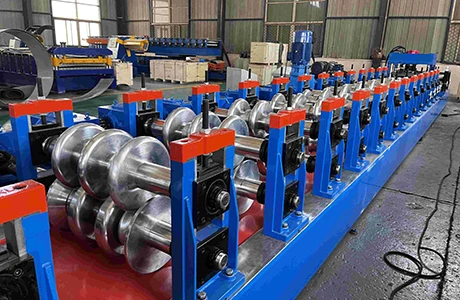
Fig 3: Control panel of a modern thermal metal spray equipment, showing advanced HMI.
Application Scenarios and Technical Advantages
The versatility of thermal metal spray technology, particularly systems optimized for zinc and aluminum, allows for its deployment across a broad spectrum of demanding industrial applications.
Key Application Scenarios
- Offshore and Marine Structures: Protection of oil rigs, ship hulls, submarine pipelines, and port facilities against severe saltwater corrosion. Zinc and zinc-aluminum coatings provide sacrificial cathodic protection.
- Bridges and Civil Infrastructure: Long-term corrosion protection for steel bridges, highway barriers, light poles, and structural steel components exposed to atmospheric elements and de-icing salts.
- Power Generation: Coating of cooling towers, structural steel in power plants, and components in geothermal or hydro-electric facilities where water and atmospheric corrosion are prevalent.
- Water and Wastewater Treatment Plants: Protection of tanks, pipes, valves, and pumps from corrosive liquids and humid environments, extending the life of critical infrastructure.
- Chemical and Petrochemical Processing: Lining of storage tanks for various chemicals, protecting reactor vessels, and pipes from corrosive media, ensuring operational integrity and safety.
- Railroad and Transportation: Corrosion resistance for railcars, chassis components, and signaling equipment, enduring harsh outdoor conditions.
Technical Advantages of Thermal Spray Coatings
- Superior Corrosion Resistance: Metallized zinc coatings, in particular, provide active cathodic protection, sacrificing themselves to protect the underlying steel substrate, even if the coating is scratched or damaged. This offers significantly longer protection than barrier-type paint systems.
- Extended Service Life: Components coated with thermally sprayed metals show vastly improved durability, reducing the frequency of replacement or major repairs, leading to substantial cost savings over the asset's lifecycle.
- Enhanced Abrasion and Wear Resistance: Certain sprayed metals and alloys can dramatically improve the surface hardness and resistance to mechanical wear, ideal for parts exposed to friction or abrasive particles.
- Thermal Barrier Properties: Specialized ceramic or metallic coatings can offer protection against high temperatures, reducing heat transfer and safeguarding substrates from thermal fatigue or oxidation.
- Restoration and Reclamation: Worn or damaged components can be restored to original dimensions or even improved performance specifications, extending the life of expensive parts and reducing waste.
- Reduced Downtime: Rapid application and curing of thermal spray coatings minimize equipment downtime compared to traditional painting or plating methods, accelerating project completion.
- Environmental Benefits: Thermal spray processes are generally solvent-free, producing low VOC (Volatile Organic Compound) emissions, making them an environmentally friendlier alternative to certain painting or electroplating processes.
- Excellent Adhesion: Mechanically interlocking coatings achieve high bond strengths with properly prepared substrates, ensuring long-term performance.
Vendor Comparison for Thermal Metal Spray Equipment
Choosing the right thermal metal spray equipment vendor is critical for long-term operational success. While many suppliers exist, key differentiators include technology offered, system reliability, support services, and overall value. Below is a conceptual comparison of various thermal spray technologies and their typical vendor offerings.
| Feature/Technology | Arc Spray (e.g., Zinc Spray System) | Flame Spray | HVOF (High-Velocity Oxygen Fuel) | Plasma Spray |
|---|---|---|---|---|
| Typical Materials | Wires: Zn, Al, Zn-Al, Cu, Steel | Wires/Powders: Zn, Al, Cu, Ni, Ceramic rods | Powders: Carbides, Superalloys, Ceramics, Metals | Powders: Ceramics, Metals, Cermets, Polymers |
| Coating Density/Hardness | Medium-High (Good for corrosion) | Low-Medium (Can be porous) | Very High (Excellent for wear) | High (Excellent for hardness/TBC) |
| Deposition Efficiency | High (60-80%) | Medium (40-60%) | High (50-70%) | Medium (30-50%) |
| Equipment Cost | Moderate | Low | High | Very High |
| Operational Cost | Moderate (electricity, air) | Low (fuel gas, oxygen) | High (fuel gas, oxygen, nitrogen) | Very High (plasma gases, electricity) |
| Primary Advantage | Cost-effective corrosion protection, high spray rates. | Low initial investment, simple operation. | Dense, hard, wear-resistant coatings. | High melting point materials, TBCs, high bond strength. |
While HVOF and Plasma Spray offer superior coating characteristics for specialized applications (e.g., turbine blades, extreme wear parts), Arc Spray technology, exemplified by our Zinc Spray System, provides the most cost-effective and efficient solution for large-scale corrosion protection with high deposition rates. Our systems are engineered for industrial durability and ease of use, making them highly competitive for B2B applications focused on asset longevity.
What Sets Us Apart
- Specialization: Deep expertise in anti-corrosion solutions with zinc and aluminum.
- Reliability: Robust engineering and components ensure minimal downtime and consistent performance.
- Support: Comprehensive after-sales service, training, and technical assistance.
- Customization: Ability to tailor systems to unique project requirements and integration needs.
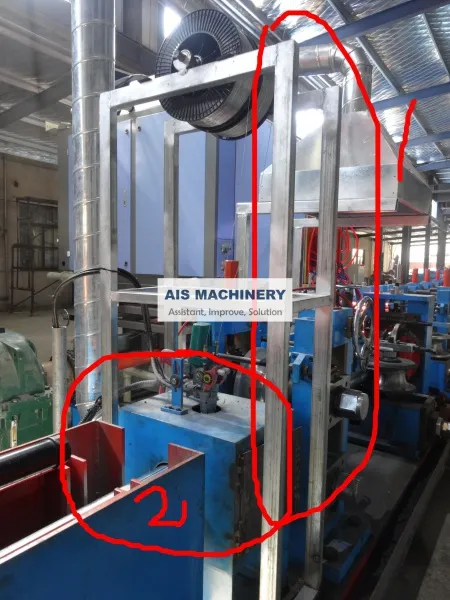
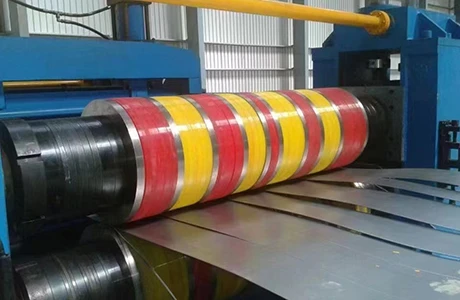
Fig 4: Versatile applications of thermal metal spray equipment across industries.
Customized Solutions for Specific Needs
Recognizing that no two industrial environments are identical, we specialize in providing tailored thermal metal spray equipment solutions. Our engineering team collaborates closely with clients to understand their unique operational challenges and integrate systems seamlessly into existing production lines.
Tailored System Design
- Integration with Automation: Development of custom robotic cells or integration with existing manipulators for automated spray processes, enhancing throughput and consistency.
- Specialized Material Handling: Design of bespoke jigs, fixtures, and component rotation systems for complex geometries or large-scale structures.
- Environmental Controls: Integration of specialized exhaust ventilation, filtration systems, and sound dampening solutions to meet specific plant safety and environmental regulations.
- Custom Coating Specifications: Adapting spray parameters and developing application protocols to achieve precise coating thickness, porosity, hardness, and adhesion requirements for specific industrial standards.
- Modular System Configurations: Offering modular components that can be upgraded or reconfigured to adapt to future production needs or changing material demands.
Engineering and Installation Services
Our services extend beyond equipment supply, encompassing full lifecycle support:
- Feasibility Studies and Consultation: Expert analysis to determine the optimal thermal spray solution for your application.
- System Engineering & CAD Design: Detailed design and layout planning to ensure seamless integration and operational efficiency.
- On-site Installation & Commissioning: Professional installation by certified technicians, ensuring rapid and efficient system setup and testing.
- Operator Training: Comprehensive training programs for your personnel on safe operation, maintenance, and troubleshooting.
Application Case Studies
Real-world applications demonstrate the tangible benefits derived from deploying our advanced thermal metal spray equipment.
Case Study 1: Petrochemical Storage Tank Protection
- Client: Large European Petrochemical Producer
- Challenge: An aging crude oil storage tank (50,000 m³ capacity) suffered from severe external corrosion, requiring frequent, costly, and disruptive conventional painting cycles every 5-7 years. Environmental regulations were also becoming stricter regarding VOC emissions from traditional paints.
- Solution: Our Zinc Spray System was deployed to apply a 250 µm thick layer of pure zinc to the entire external surface of the tank. The system's high deposition rate allowed for rapid application across the vast surface area.
- Results: The metallized coating provided robust cathodic protection, extending the predicted service life of the anti-corrosion system to over 25 years. This resulted in an estimated 70% reduction in long-term maintenance costs and eliminated the need for multiple re-painting cycles, significantly reducing operational downtime and associated environmental impact. The project demonstrated compliance with ISO 12944 standards for severe atmospheric corrosivity (C5-M).
Case Study 2: Marine Vessel Component Longevity
- Client: Global Commercial Shipping Company
- Challenge: Stern tubes and rudder assemblies on cargo vessels were experiencing rapid corrosion in seawater, leading to expensive dry-docking for repairs every 3-5 years. The client sought a solution that could withstand extreme marine environments.
- Solution: Key components were pre-blasted to SA 2.5 cleanliness, then coated with a 200 µm layer of zinc-aluminum (85/15) using our specialized thermal spray process. This alloy offers enhanced corrosion resistance and improved hardness compared to pure zinc.
- Results: After 10 years of in-service operation, the coated components showed negligible signs of corrosion or degradation, far exceeding the performance of previous protective methods. This resulted in a projected 60% reduction in maintenance cycles and extended the operational availability of the vessels, yielding significant economic benefits.
Case Study 3: Infrastructure Protection - Bridge Supports
- Client: Regional Department of Transportation
- Challenge: Steel bridge girders and support structures in an urban environment were subject to aggressive atmospheric corrosion, exacerbated by road salt application during winter. Conventional paint systems degraded quickly, requiring recoating every 7-10 years, causing traffic disruption and high labor costs.
- Solution: Utilizing our robust thermal metal spray equipment, a 300 µm zinc coating was applied directly to the prepared steel surfaces of critical support structures. The process was performed on-site with minimal disruption to traffic flow due to the rapid setting time of the coating.
- Results: The zinc metallization provided superior, long-lasting corrosion protection. Inspections after 15 years showed the coating to be largely intact and performing effectively, projecting a total lifespan of over 30 years. This drastically reduced the frequency of maintenance interventions and associated public inconvenience, offering substantial savings in public funds.
Frequently Asked Questions (FAQ)
Common Inquiries About Thermal Spray Systems
A: Our systems are primarily optimized for metallic wires such as pure zinc, aluminum, and zinc-aluminum alloys. With appropriate modules, other metals like copper, stainless steel, and nickel-based alloys can also be sprayed.
A: A properly applied zinc coating of 200-300 µm thickness can provide effective corrosion protection for 20-40+ years, depending on the environment (e.g., atmospheric, marine, industrial exposure).
A: Yes, with proper safety protocols and equipment, it is safe. Our systems comply with international safety standards. The process is solvent-free, reducing VOC emissions. Adequate ventilation, personal protective equipment (PPE), and adherence to operational guidelines are essential.
A: Absolutely. Our thermal metal spray equipment is designed for easy integration with robotic manipulators and PLC-controlled systems, enabling fully automated, high-volume production for consistent coating quality and increased efficiency.
A: Abrasive blast cleaning (e.g., to Sa 2.5 or Sa 3 according to ISO 8501-1) is crucial to achieve a clean, active surface with an appropriate profile (e.g., 50-100 µm peak-to-trough) for optimal mechanical interlocking and coating adhesion.
Lead Time, Warranty, and Customer Support
Lead Time & Fulfillment
Our standard lead time for a complete thermal metal spray equipment system typically ranges from 8 to 12 weeks, depending on the level of customization and current production schedule. This includes design, manufacturing, rigorous testing, and quality control. For highly specialized or integrated solutions, lead times will be provided with a detailed project proposal. We maintain transparent communication throughout the fulfillment process, providing regular updates from order confirmation to shipment and installation. Our logistics team ensures efficient global delivery.
Warranty Commitments
We stand behind the quality and reliability of our products. All new thermal metal spray systems come with a comprehensive 12-month warranty from the date of installation or 18 months from shipment, whichever comes first. This warranty covers manufacturing defects in materials and workmanship. Specific wear parts are covered under an agreed-upon service interval. Extended warranty options are available upon request, offering peace of mind for long-term operations. Our commitment is to ensure your investment delivers consistent performance.
Customer Support and After-Sales Service
Our dedication to client success extends far beyond the sale. We offer a multi-tiered support system:
- 24/7 Technical Support: Access to our expert technical team via phone and email for immediate troubleshooting and operational guidance.
- On-site Service: Availability of field service engineers for preventive maintenance, complex repairs, or advanced technical assistance anywhere in the world.
- Training Programs: Customizable training modules for operators, maintenance staff, and engineers, covering everything from basic operation to advanced process optimization.
- Spare Parts & Consumables: A readily available inventory of genuine spare parts and essential consumables to minimize downtime and ensure continuous operation.
- Remote Diagnostics: For advanced systems, remote diagnostic capabilities allow for quick identification and resolution of issues, often without the need for an on-site visit.
Conclusion and References
The deployment of advanced thermal metal spray equipment represents a strategic investment for industries facing severe corrosion, wear, and material degradation challenges. Solutions like our Zinc Spray System offer unparalleled protection, extending asset lifespans, reducing maintenance costs, and ensuring operational continuity. By leveraging cutting-edge manufacturing, adhering to stringent quality standards, and providing comprehensive support, we empower businesses to enhance their competitiveness and achieve long-term sustainability.
References
- Smith, R.W.; Gentner, F.J.; Kretschmer, R.; Nicoll, A.R. Thermal Spray Research and Development Status and Needs for the 21st Century. Journal of Thermal Spray Technology, 1998, 7(1), 47-53.
- Pawlowski, L. The Science and Engineering of Thermal Spray Coatings. 2nd ed. Wiley, 2008.
- ASM Handbook Volume 5A: Thermal Spray Technology. ASM International, 2013.
- Spencer, K. Zinc Thermal Spraying for Corrosion Protection. Galvanizers Association, 2004.
- International Organization for Standardization (ISO). ISO 12944-8:2017, Paints and varnishes – Corrosion protection of steel structures by protective paint systems – Part 8: Development of specifications for new work and maintenance.

Related Products

Related News
2026-04-16 02:35:12
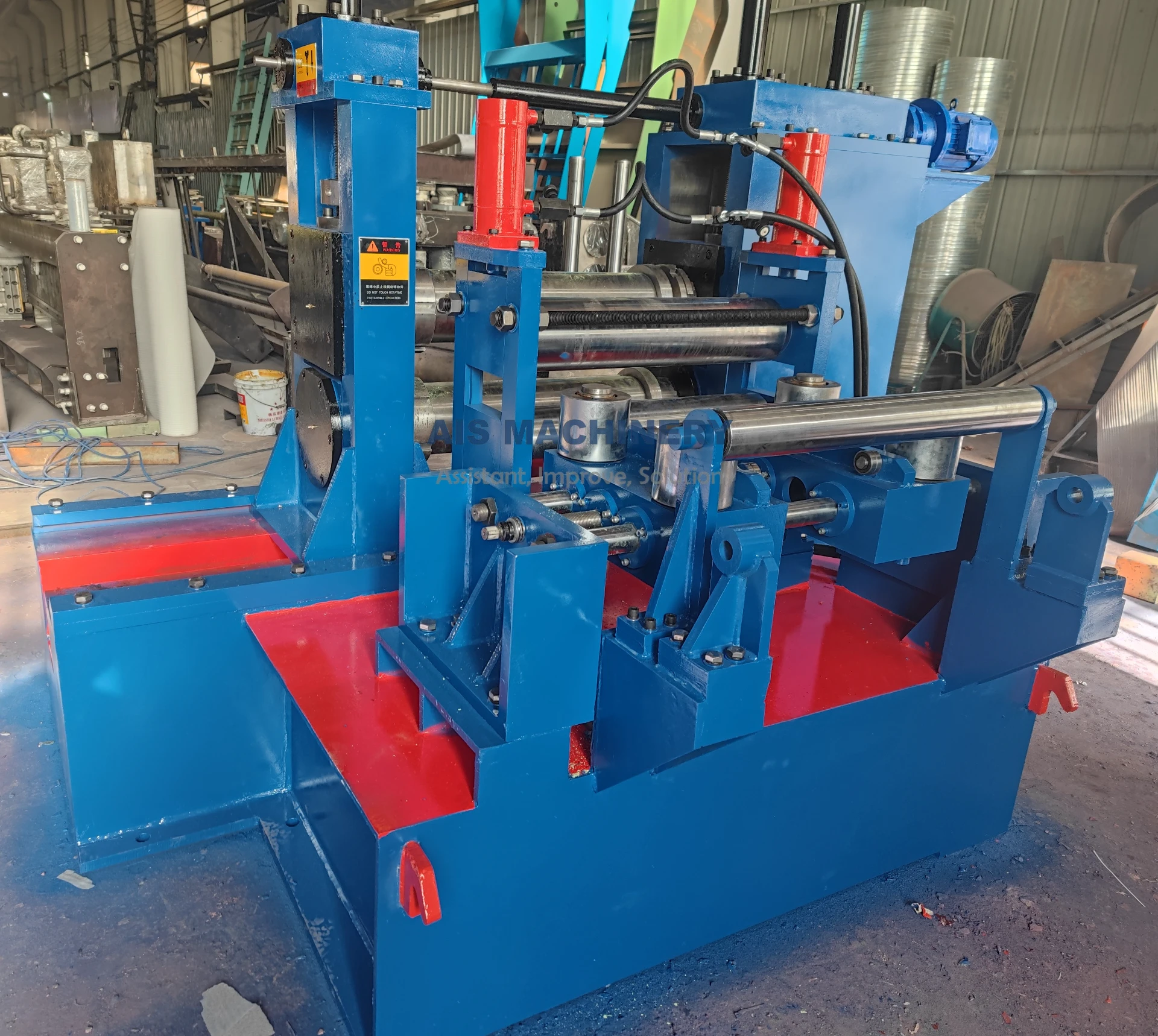
Professional Cold Roll Forming Machine Factory for Production
In the modern industrial landscape, the precision of metal shaping is the cornerstone of quality manufacturing. Partnering with a professional cold roll forming machine factory is essential for businesses looking to optimize their production lines, reduce material waste, and ensure high-dimensional accuracy. Whether you are producing C-channels, square tubes, or custom profiles, the choice of machinery determines your competitive edge in the market. This guide will explore the critical factors in selecting a factory and the technical advantages of advanced roll forming technology to help you make an informed investment.
2026-04-15 10:37:55
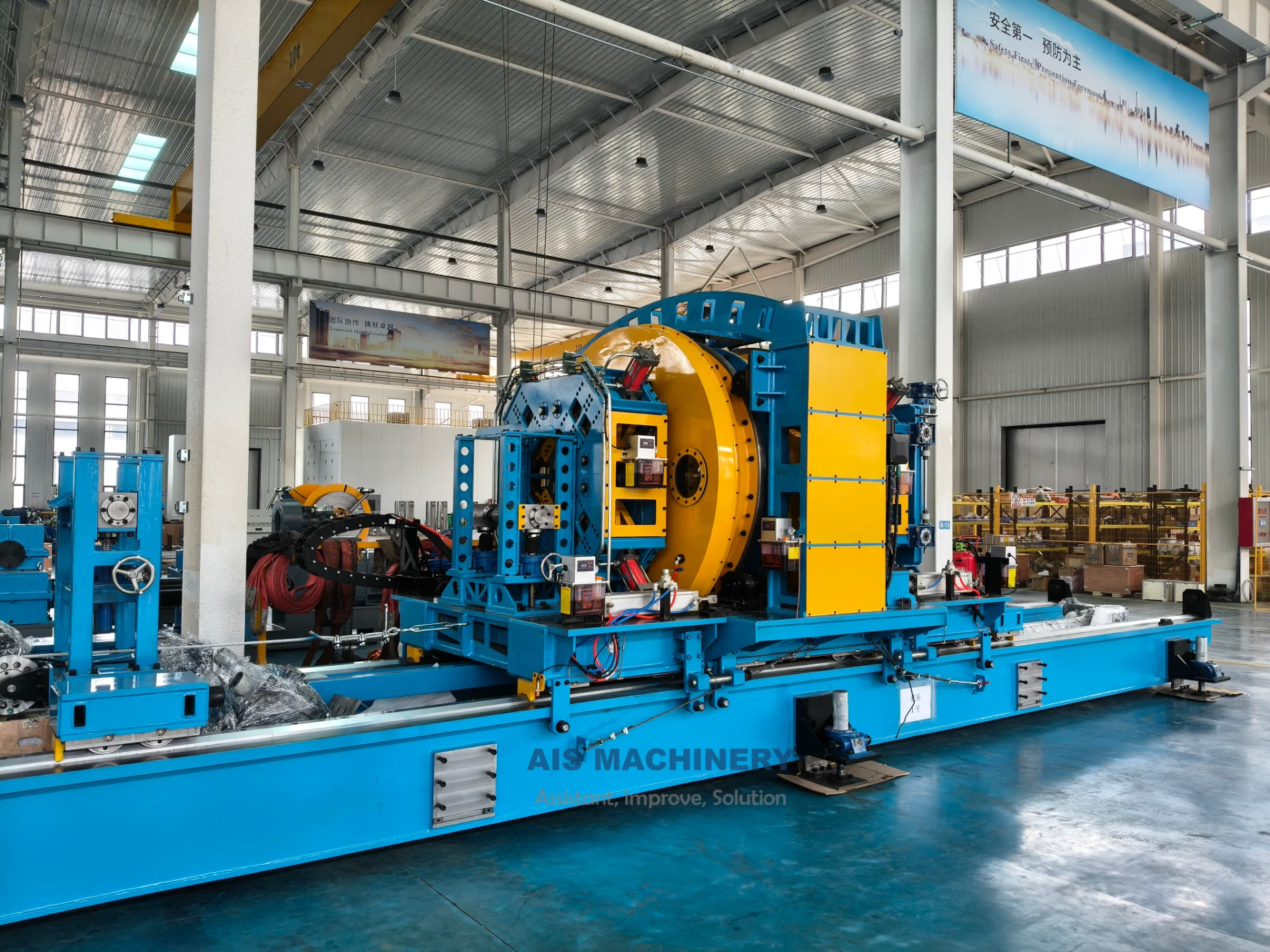
Flat Bar Production Line for Steel Coils: How It Works & Why It Matters
Looking for a flat bar production line? Learn how it turns steel coils into ready-to-use flat bars with precise length and high straightness. Compare it with slitting lines and get the best solution for your steel processing needs.
2026-04-14 00:00:00
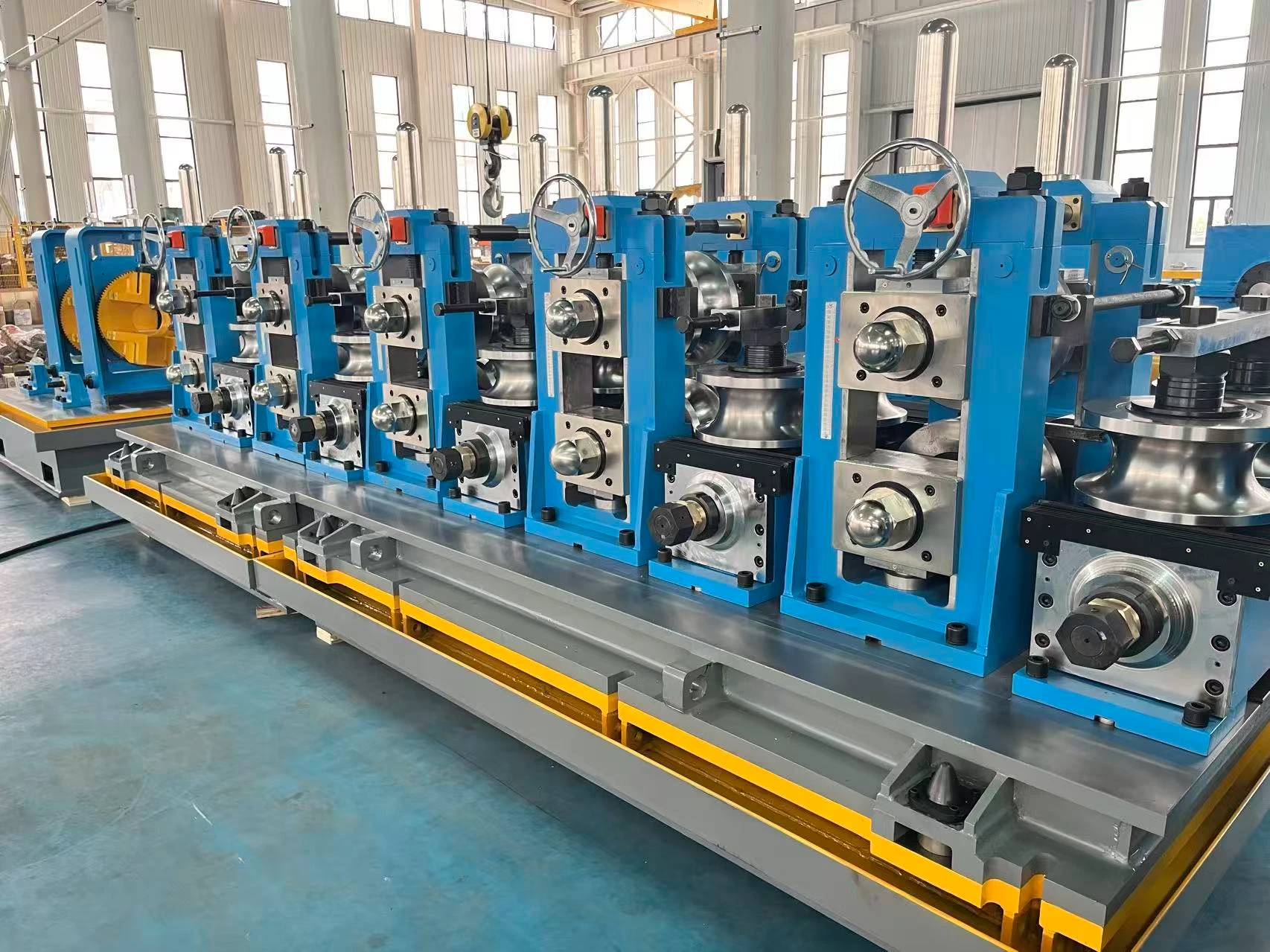
Looking for a Milling Saw for ERW Tube Mill? Here’s What You Need to Know
Looking for a high-performance milling saw for your ERW tube mill? Upgrade to burr-free, high-precision pipe cutting with advanced flying saw technology. Improve efficiency, reduce rework, and meet export standards for carbon steel, stainless steel, and API pipes. Contact us today for expert solutions and competitive pricing tailored to your production needs.
2026-04-09 16:15:19
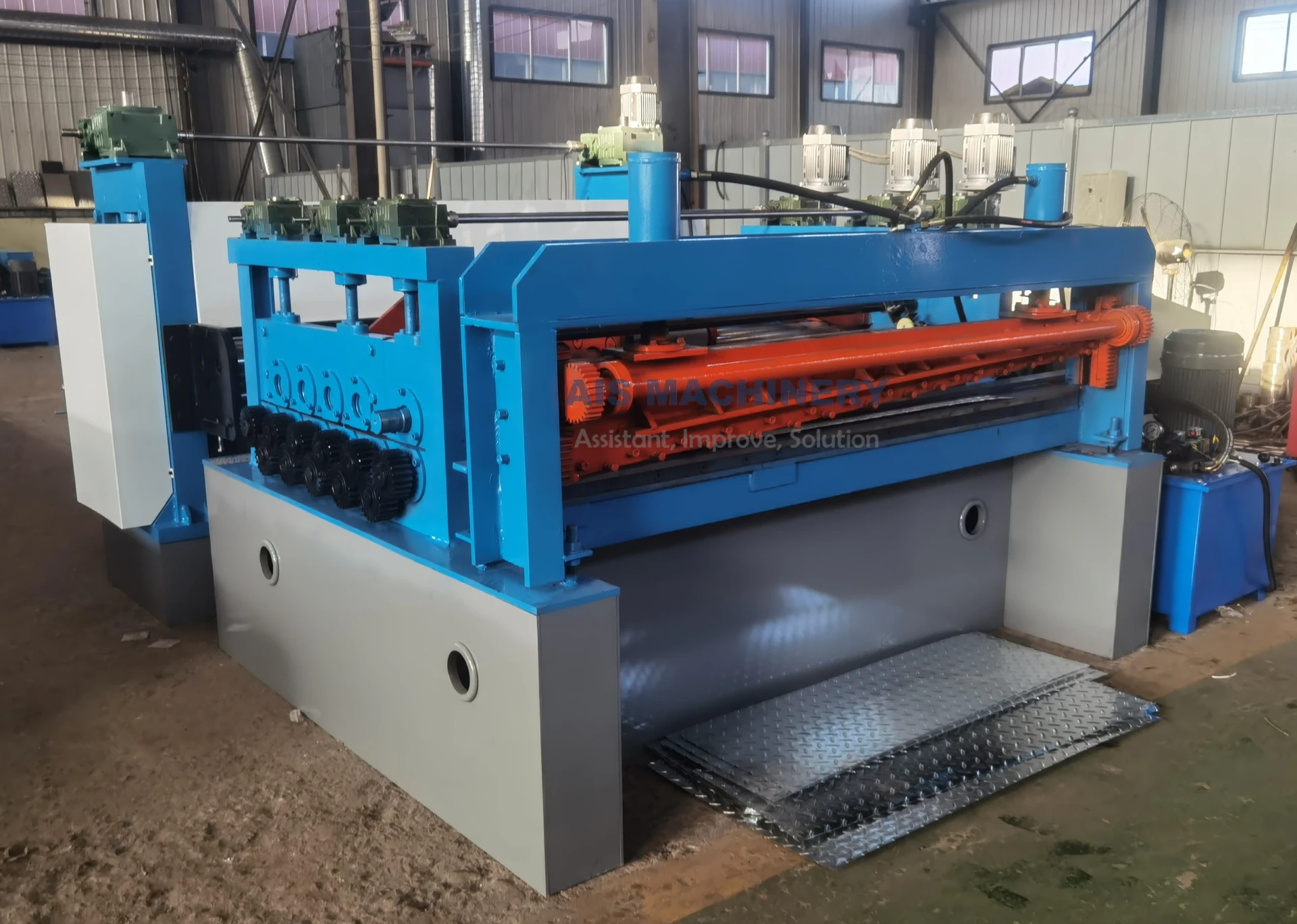
5-Inch (127mm) ERW Tube Making Machine Delivered with Heavy-Duty Design and Advanced Quick Change System
2027-04-07 00:00:00
Metal Embossing Machine: Turn Flat Sheets into High-Value Textured Products
Discover how a metal embossing machine transforms flat steel, stainless steel, and aluminum sheets into high-value textured products. Learn about its working principle, key components, and applications. Ideal for decorative and industrial use, embossing machines improve both appearance and performance. Explore complete embossing line solutions and find the right machine for your production needs.
2026-04-04 20:37:18
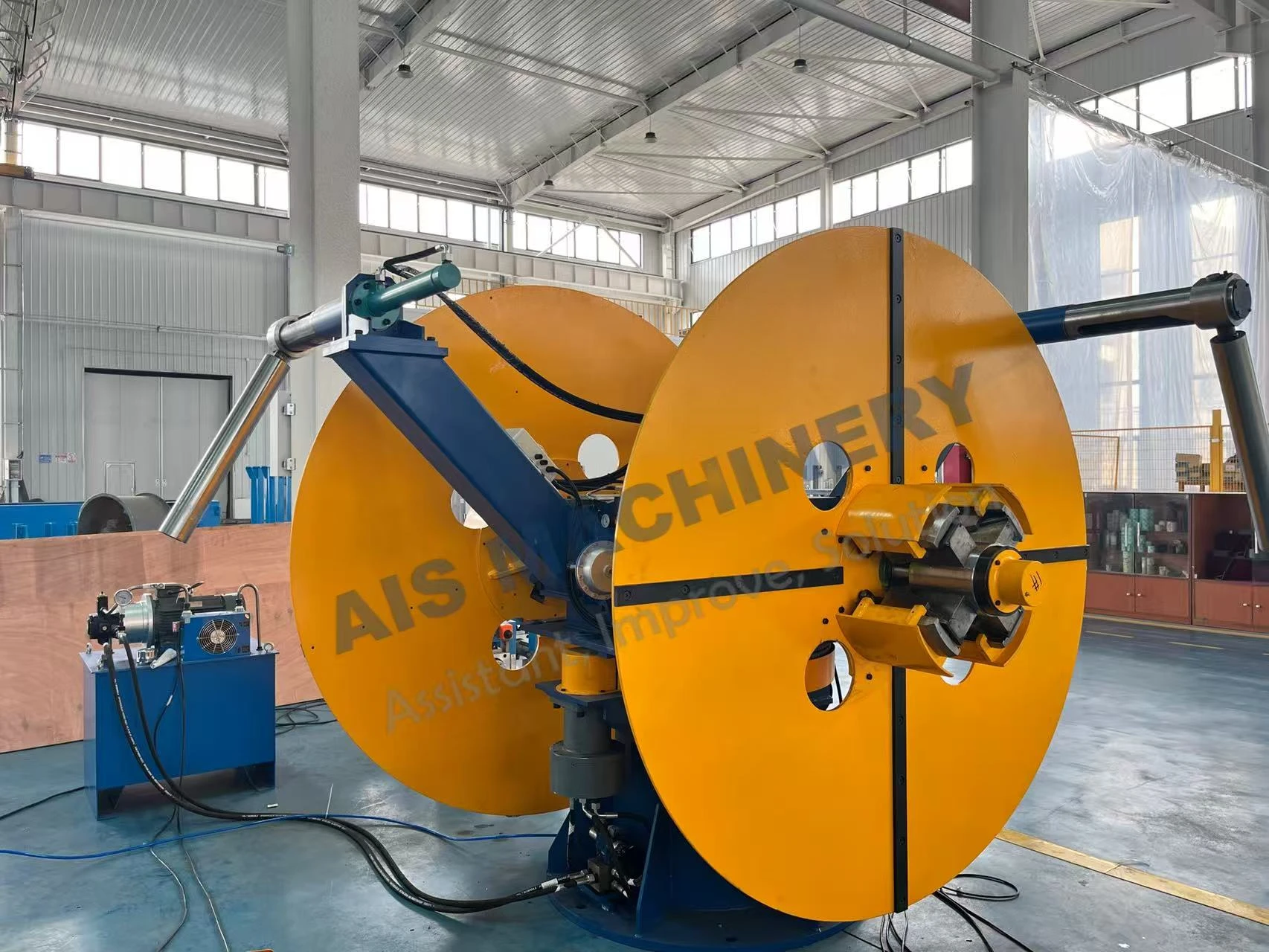
Automatic Double Side Uncoiler with Hydraulic Expansion and Auto Rotation for Steel Coil Processing
The Automatic Double Side Uncoiler is a high-efficiency solution designed for modern steel coil processing lines, including tube mills, roll forming machines, and slitting lines. With a maximum capacity of 4 tons per side, this machine ensures stable and continuous coil feeding while reducing downtime during coil change.
2026-04-04 02:35:29
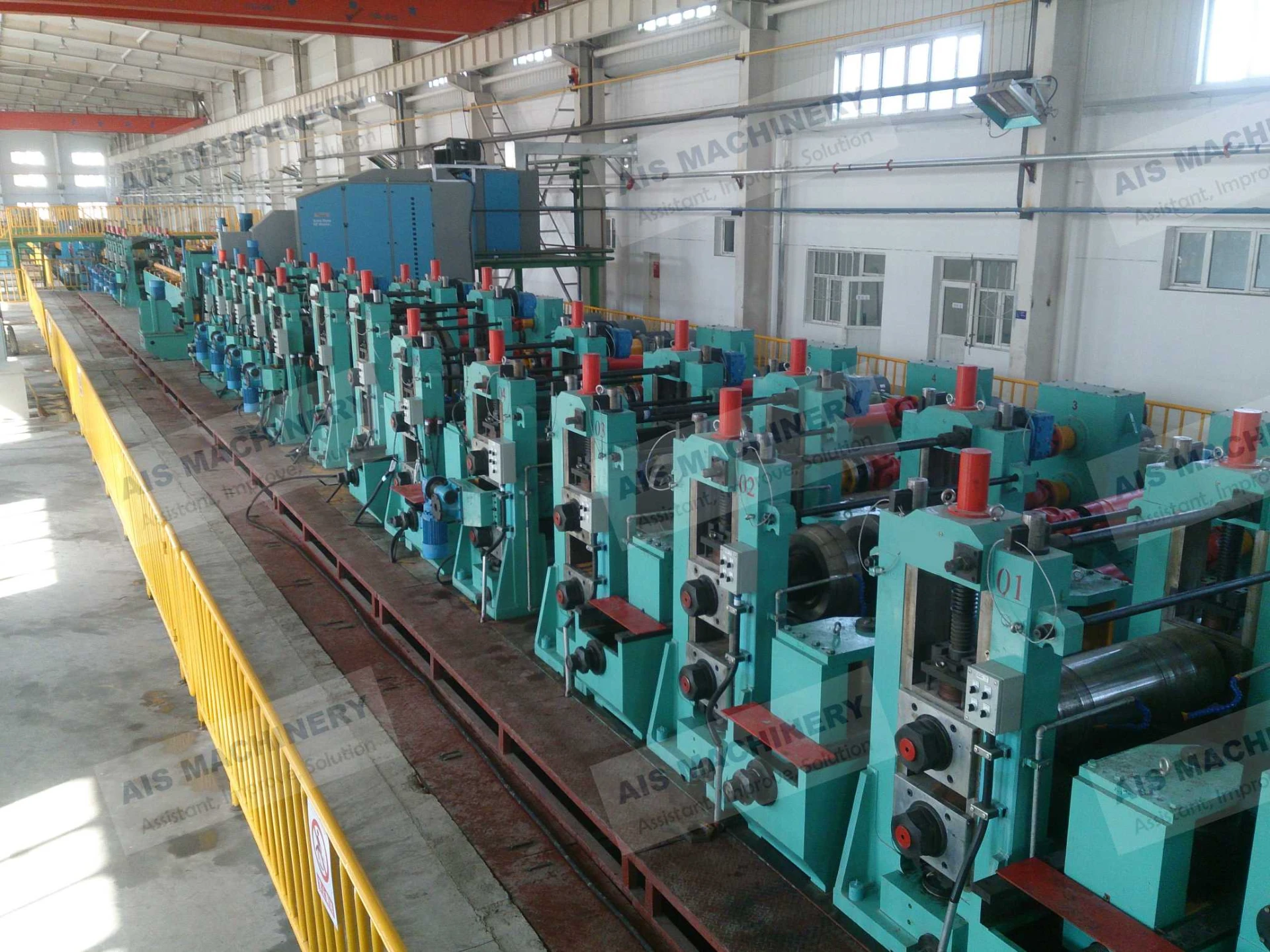
Exploring Advanced Cold Forming Machines for Efficient Metal Production
In the realm of metal fabrication, cold forming machines are pivotal for efficient and cost-effective production of various metal components. These machines utilize a shaping process at room temperature, offering advantages like enhanced material strength and reduced production costs. This article provides an in-depth look into the world of cold forming machines, covering their types, applications, benefits, and key considerations when choosing the right machine for your needs. Understanding the nuances of these machines is crucial for optimizing manufacturing processes and achieving superior product quality.
2026-04-01 00:00:00
14 Inch 355mm API Tube Mill: Complete Guide to Structure and Production Process
Discover the complete structure of a 14 inch (355mm) API standard tube mill, including forming, welding, sizing, and finishing sections. Learn what API standards mean and why they are essential for oil and gas pipe production. A practical guide for buyers seeking high-quality ERW tube mill solutions with stable performance and international compliance.
Send a Message
Dear customer, thank you for your attention! We provide high-quality machinery and equipment and look forward to your orders. Please inform us of your needs and we will respond quickly!
 English
  Albanian
  Arabic
  French
  German
  Indonesian
  Italian
  Japanese
  Kazakh
  Korean
  Latin
Latin  Macedonian
  Portuguese
  Russian
  Spanish
  Thai
Thai  Turkish
  Ukrainian
  Uzbek
Uzbek