
-
 Tel:86-15176910262
-

Search

High-Speed Steel Circular Saw Blade for Metal: Global Insights & Buyer’s Guide
Dec . 01, 2025 02:50
Why Understanding the HSS Circular Saw Blade for Metal Matters Globally
At first glance, the humble hss circular saw blade for metal might seem like just another piece of industrial hardware. But dig a little deeper, and you realize how pivotal it is in shaping modern infrastructure, manufacturing, and repair work worldwide. Whether it’s cutting steel beams for skyscrapers or precision trimming on automotive parts, these blades offer unmatched versatility and productivity. And in a rapidly industrializing world, the demand for durable, efficient metal cutting solutions is only skyrocketing.
Global manufacturing output recently surpassed $40 trillion (World Bank, 2023), and a significant share involves metal processing. So, knowing the benefits, performance characteristics, and applications of HSS blades is not just technical jargon—it’s central to innovation, safety, and sustainability across industries.
The Global Importance of HSS Circular Saw Blades in Metalworking
High-speed steel (HSS) circular saw blades pack a punch globally. The International Organization for Standardization (ISO) puts metal cutting tool standards front and center, recognizing tools like HSS blades for their speed, durability, and precision. Globally, the manufacturing sector accounts for roughly 16% of the workforce and about 22% of global GDP (UNIDO, 2024). The ability to quickly and effectively slice through metals without sacrificing tool life or cut quality is often the competitive edge manufacturers seek.
But here lies the challenge: metal cutting in tough environments, like shipyards near corrosive seawater or remote mines in harsh cold, requires blades that won’t dull or warp easily. Manufacturers need tools that cut costs by lasting longer and maintaining sharpness. It’s a convergence of economics and engineering that the hss circular saw blade for metal addresses spectacularly.
Breaking Down What an HSS Circular Saw Blade Really Is
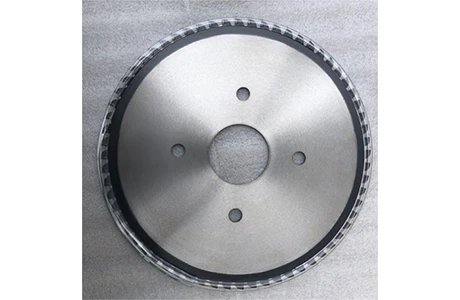
In simple terms, a High-Speed Steel (HSS) circular saw blade is a round, toothed cutting tool designed specifically to "bite" through metal quickly without overheating. HSS refers to a special steel alloy containing tungsten, molybdenum, chromium, and vanadium, giving the blade hardness and resistance to heat. This means it keeps sharp edges at high rotation speeds where other steels might fail.
The blade’s teeth geometry, coating, and edge treatment also play roles. Together, these factors allow industries to perform clean, consistent cuts on stainless steel, aluminum, copper, or tough alloys—foundations of everything from aerospace components to shipping containers.
Interestingly, beyond pure manufacturing, aid agencies in disaster zones use portable cutting units with HSS blades to quickly dismantle metal debris—showing how industrial tools intersect with humanitarian needs.
4 Core Components That Make HSS Circular Saw Blades Tick
1. Durability & Heat Resistance
The heart of HSS blades is their ability to withstand temperatures exceeding 600°C without losing hardness. That’s incredibly useful because metal cutting generates so much heat. Many engineers say this property sharply reduces downtime and unsafe blade replacements.
2. Precision Tooth Geometry
From hooked teeth to variable pitch designs, tooth shape influences the cut’s quality and speed. Precision is key in contexts like automotive part fabrication, where tiny defects translate to expensive rejects.
3. Surface Coatings
Advanced coatings such as titanium nitride (TiN) or cobalt layers further extend blade life by decreasing friction and protecting against corrosion, a game-changer for wet or outdoor cutting jobs.
4. Compatibility & Scalability
Modern blades come in multiple diameters and thicknesses, fitting a wide variety of saw models from portable handheld units to massive metal cutting machines. This flexibility helps operations scale without swapping entire tool inventories.
5. Cost Efficiency
While HSS blades may have a higher purchase price than cheaper carbon steel counterparts, their longevity and consistent performance often balance that cost within the first few projects.
Typical Specifications of a Quality HSS Circular Saw Blade
| Specification | Typical Range / Value | Remarks |
|---|---|---|
| Material | High-Speed Steel (M2, M35 alloys) | Standard industrial grades |
| Diameter | 100 mm – 500 mm | Fits bench and hand saws |
| Kerf (Width) | 2.0 – 4.0 mm | Balances cut precision with material removal |
| Tooth Count | 40 – 120 | Varies with metal type and cut type |
| Coating | TiN, Cobalt | Improves lifespan and corrosion resistance |
| Max RPM | 3000 – 6000 | Depends on blade diameter |
How Industries Worldwide Use HSS Circular Saw Blades
From Europe’s high-tech manufacturing corridors to South America's growing aluminum plants, HSS circular saw blades are everywhere. For example:
- Automotive Manufacturing: Precision cutting of chassis components ensures safety and performance under tough regulations.
- Shipbuilding: Blades handle thick steel plates while resisting corrosion from seawater exposure.
- Construction: Rebar and metal reinforcement bars are cut efficiently on-site, speeding up build times.
- Disaster Relief: Portable cutting stations with HSS blades assist NGOs in clearing metal wreckage, enabling faster rebuilding.
Oddly enough, even remote regions like sub-Saharan Africa benefit, where adaptable cutter setups reduce import reliance by prolonging tool life—a real win for less resource-rich economies.
Comparing Leading Vendors of HSS Circular Saw Blades for Metal
| Vendor | Blade Quality | Price Range | Special Features | Global Reach |
|---|---|---|---|---|
| SteelPro Edge | Premium M35 with TiN coating | $$$ | Ultra heat resistance, anti-corrosion | Europe, North America |
| CutMax Tools | Standard M2 alloy | $ | Affordable, designed for light industrial use | Asia, Africa |
| TitanEdge | M42 variant, cobalt enhanced | $$ | Great for heavy-duty and wet cuts | Global |
Why HSS Circular Saw Blades Offer Long-Term Value
Tangibly, these blades reduce replacement costs, machine downtime, and waste from imperfect cuts. But beyond the dollars, there’s something oddly reassuring about a blade you can trust not to fail mid-cut—especially when your worksite's safety depends on it. For many operators, that steady reliability inspires confidence, ensuring worker safety and project timelines stay intact.
Sustainability also plays a part: longer blade life means fewer discarded tools, less frequent shipments, and a smaller carbon footprint overall—something more companies strive for every year.
The Road Ahead: Trends Shaping the Future of HSS Circular Saw Blades
Innovation isn’t slowing down. Emerging coatings infused with nanomaterials promise even better heat dissipation and wear resistance. Digitally integrated saw systems, with sensors monitoring blade condition, hint at predictive maintenance—cutting down unexpected failures. And, of course, as green manufacturing takes hold, energy-efficient blade designs that reduce saw motor strain will be key.
Challenges and How to Overcome Them
Despite their strengths, HSS blades aren’t invincible. They still require proper cooling during heavy cuts and careful alignment to prevent tooth chipping. Some users also complain about higher upfront costs—though, frankly, that pays back.
Expert tip: Combining HSS blades with advanced lubrication or semi-automated cutting feedback greatly improves lifespan and cut quality. Also, regular blade re-sharpening can mean these tools last for years without replacement.
FAQ: Frequently Asked Questions About HSS Circular Saw Blade for Metal
- Q: What metals can an HSS circular saw blade cut effectively?
- A: HSS blades excel at cutting mild steel, stainless steel, aluminum, copper, and many alloys. However, extremely hard metals like titanium may require specialized carbide tips or different tool types.
- Q: How often should the blade be sharpened for optimal performance?
- A: It depends on use intensity, but generally after 20-40 hours of continuous use, or once you notice increased vibration or heat buildup. Regular sharpening ensures consistent cut quality and blade longevity.
- Q: Are coated HSS blades worth the extra cost?
- A: Yes. Coatings like TiN reduce friction and resist corrosion, significantly extending blade life and reducing downtime—even if initial price is higher.
- Q: Can HSS circular saw blades be used on portable handheld saws?
- A: Absolutely. They’re designed in various sizes for compatibility, making them ideal for onsite metal cutting where mobility and precision matter.
- Q: How do I select the best blade for a specific metal cutting task?
- Consider the metal type, blade diameter, tooth count, and whether coatings are necessary for the work environment. Consulting manufacturer specs or talking to experts helps avoid mismatches.
Wrapping It Up: Why the Investment in HSS Circular Saw Blades Pays Off
Understanding the value and versatility of the hss circular saw blade for metal isn’t just a technical exercise—it’s a strategic move for any business or professional dealing with metalwork. From global manufacturing to emergency relief, these blades fuel progress, safety, and innovation.
If you want to explore top-tier blades for your operations, check out our collection and specs at https://www.aistubemill.com. Investing in the right tooling today is saving time, money, and headaches tomorrow.

Related Products


Related News

2026-04-18 03:20:20
AIS Machinery Showcases Advanced Tube Solutions at Tube & Wire Düsseldorf 2026
Tube & Wire Düsseldorf 2026, one of the most influential exhibitions in the global tube and wire industry, held biennially in Düsseldorf, Germany
2027-04-17 00:00:00
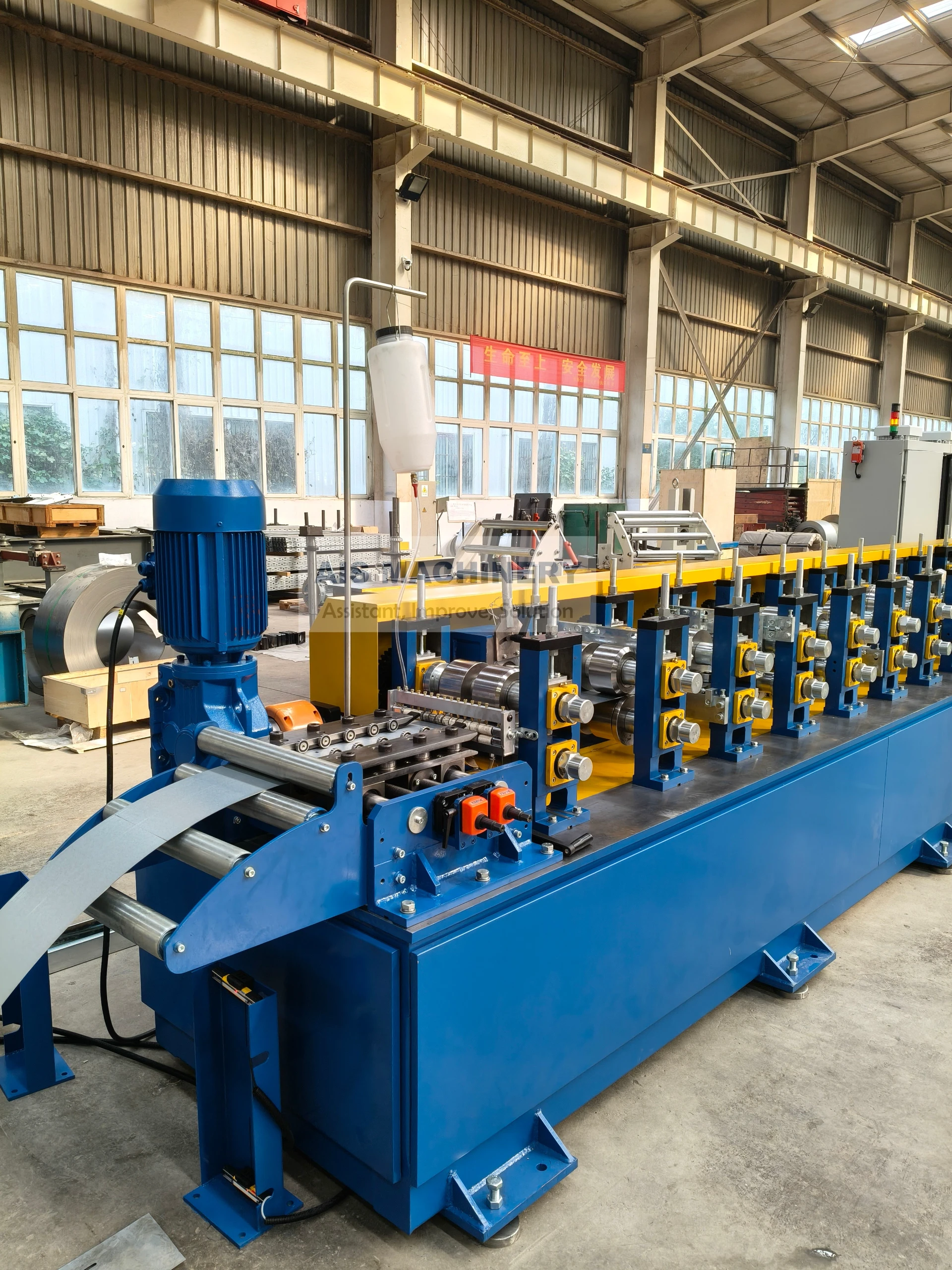
Southeast Asia Client Visits Our Factory | Customized Tube Mill Solution Delivered
A Southeast Asia client visited our ERW tube mill factory to inspect production lines and discuss a customized tube mill solution. Impressed by our machine quality, welding performance, and engineering support, the client confirmed strong cooperation intentions. Discover how our ERW tube mill solutions improve efficiency, precision, and long-term production reliability.
2026-04-16 02:35:12
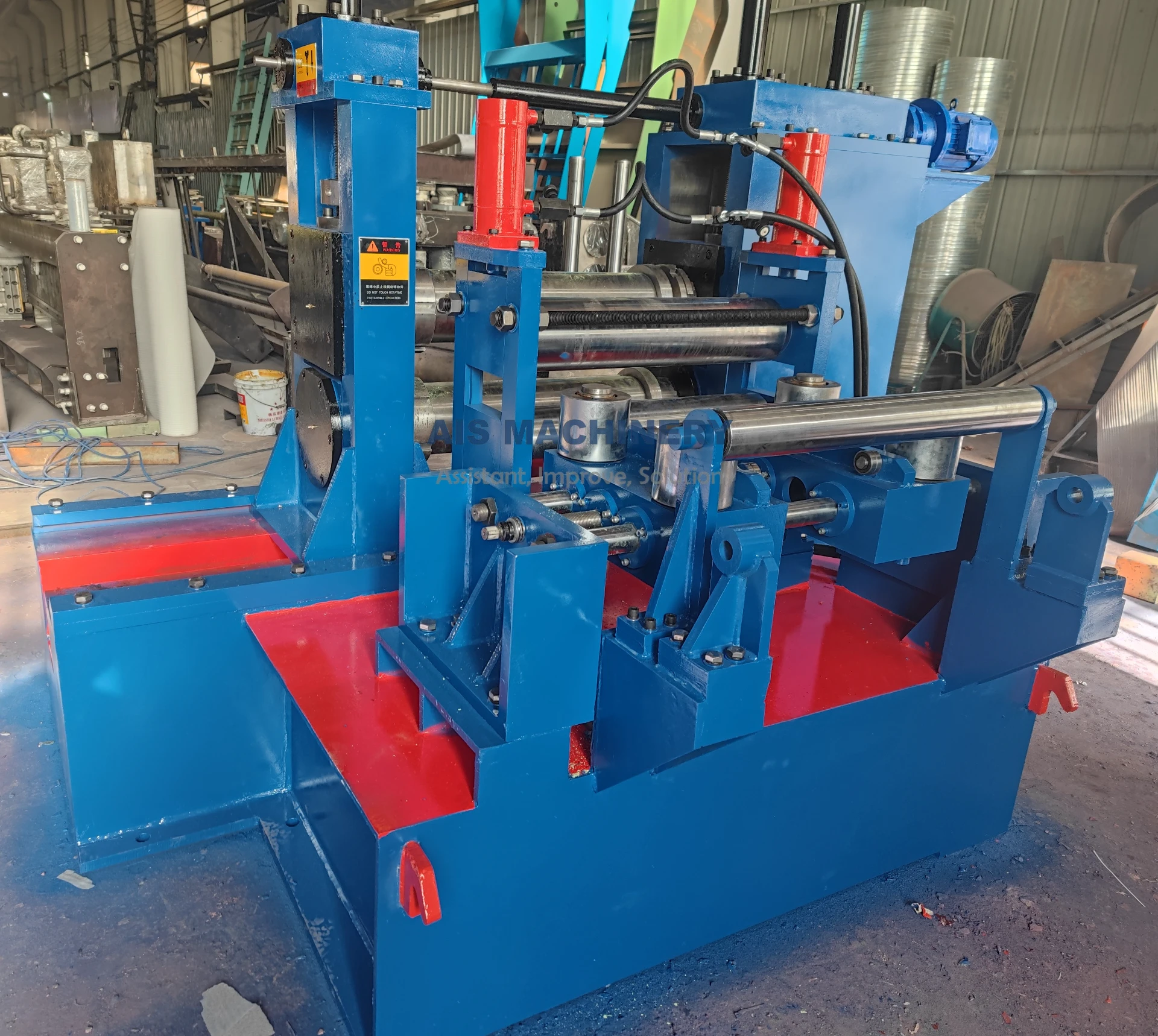
Professional Cold Roll Forming Machine Factory for Production
In the modern industrial landscape, the precision of metal shaping is the cornerstone of quality manufacturing. Partnering with a professional cold roll forming machine factory is essential for businesses looking to optimize their production lines, reduce material waste, and ensure high-dimensional accuracy. Whether you are producing C-channels, square tubes, or custom profiles, the choice of machinery determines your competitive edge in the market. This guide will explore the critical factors in selecting a factory and the technical advantages of advanced roll forming technology to help you make an informed investment.
2026-04-15 10:37:55
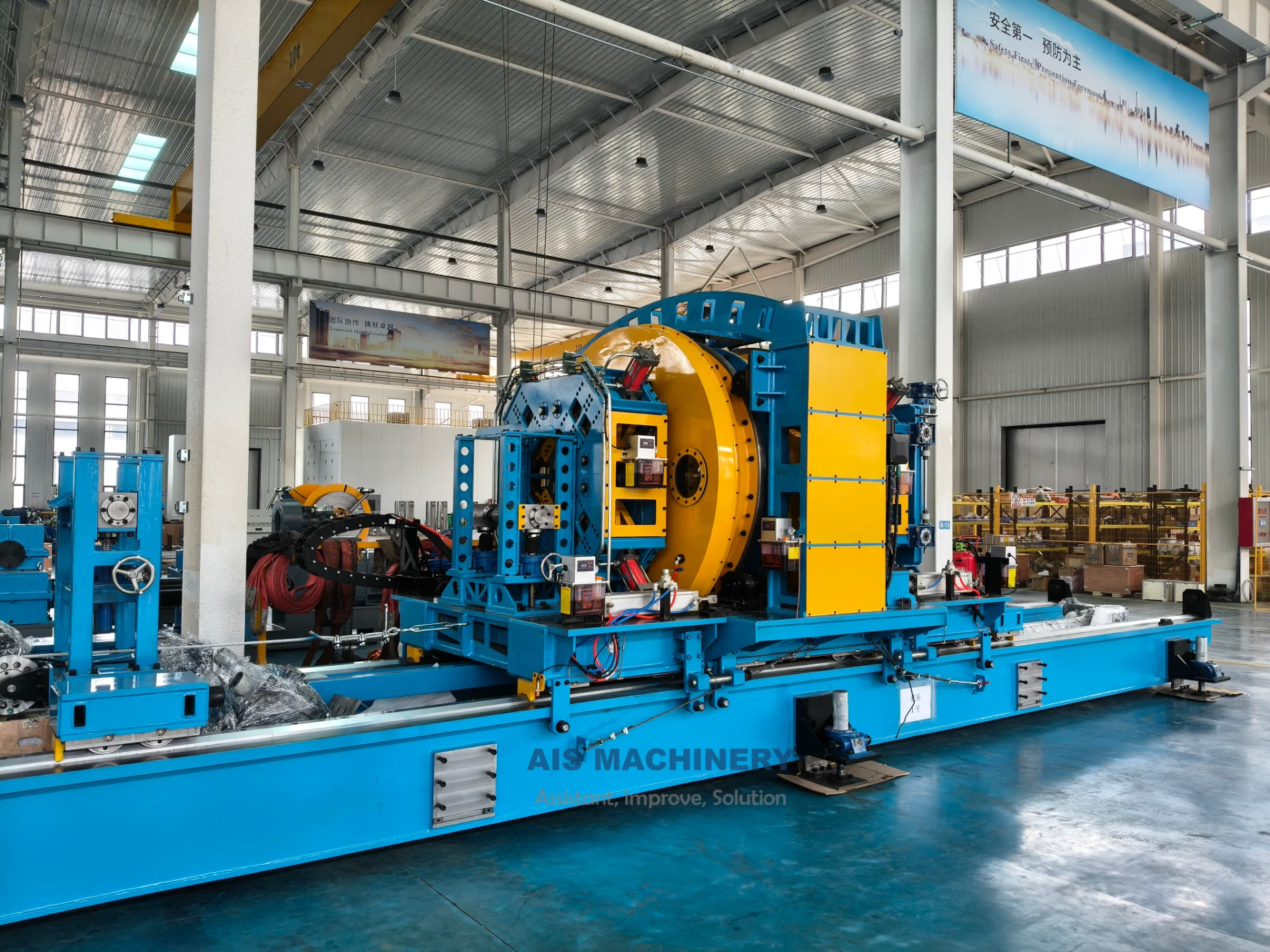
Flat Bar Production Line for Steel Coils: How It Works & Why It Matters
Looking for a flat bar production line? Learn how it turns steel coils into ready-to-use flat bars with precise length and high straightness. Compare it with slitting lines and get the best solution for your steel processing needs.
2026-04-14 00:00:00
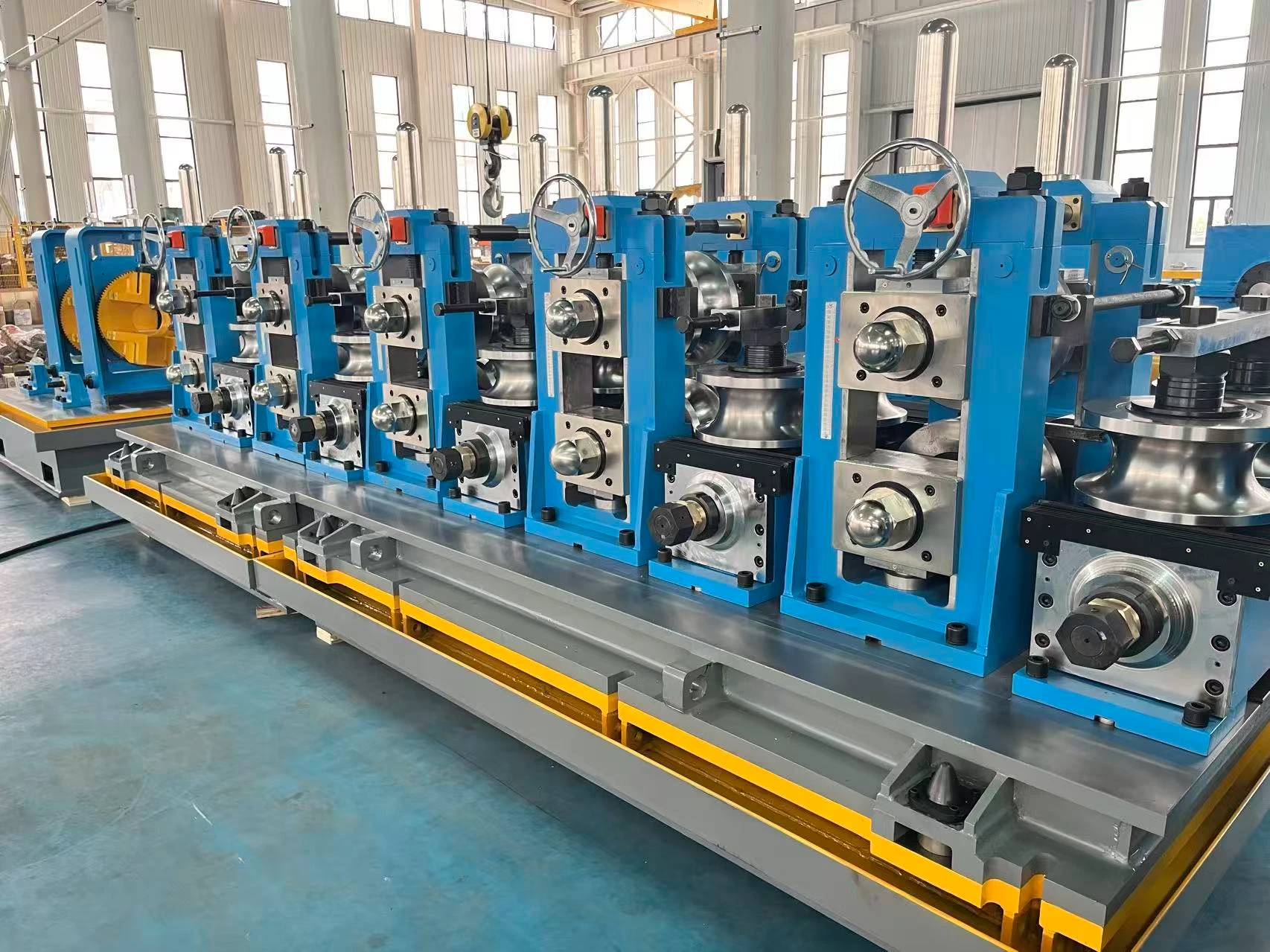
Looking for a Milling Saw for ERW Tube Mill? Here’s What You Need to Know
Looking for a high-performance milling saw for your ERW tube mill? Upgrade to burr-free, high-precision pipe cutting with advanced flying saw technology. Improve efficiency, reduce rework, and meet export standards for carbon steel, stainless steel, and API pipes. Contact us today for expert solutions and competitive pricing tailored to your production needs.
2026-04-09 16:15:19
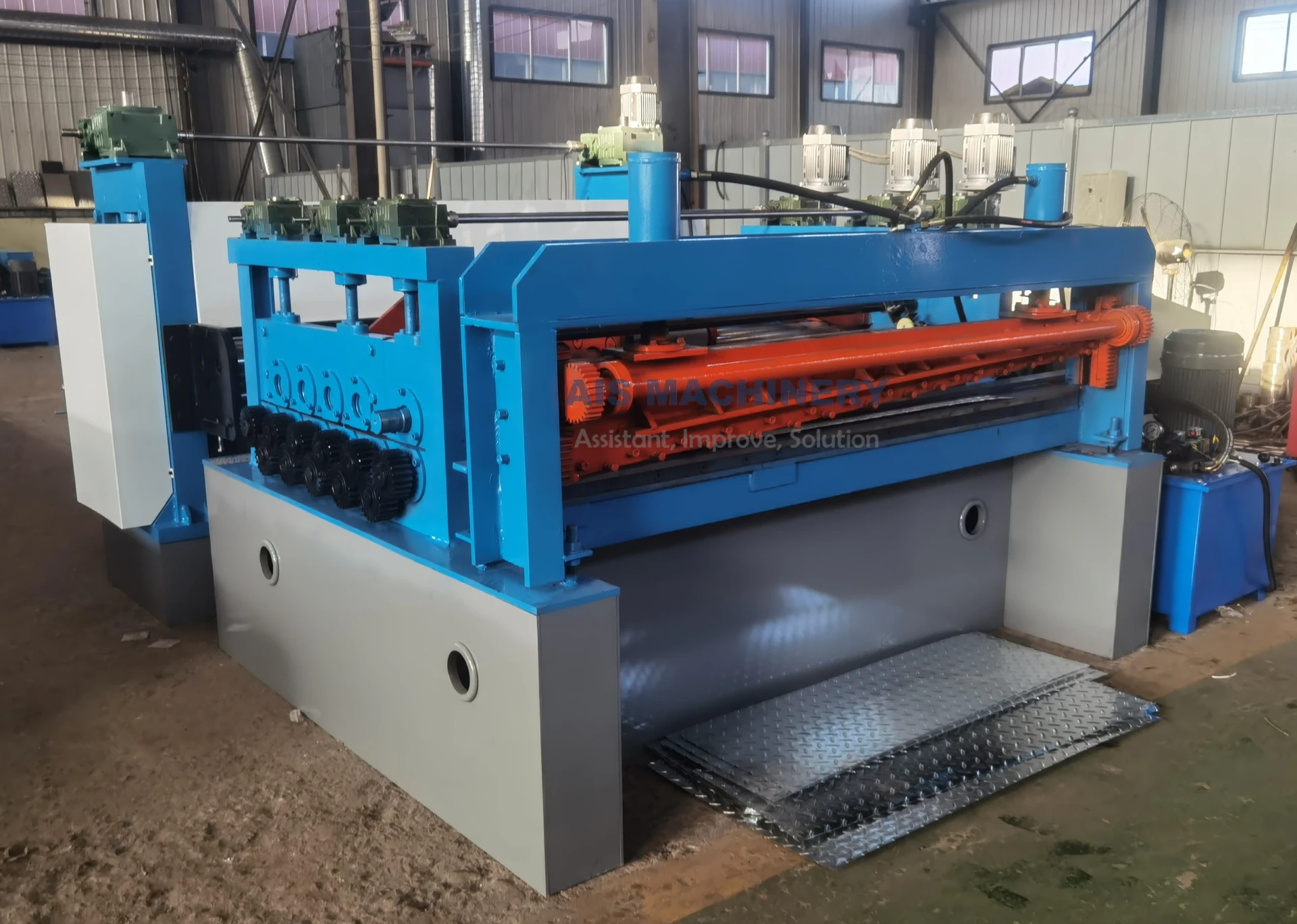
5-Inch (127mm) ERW Tube Making Machine Delivered with Heavy-Duty Design and Advanced Quick Change System
2027-04-07 00:00:00
Metal Embossing Machine: Turn Flat Sheets into High-Value Textured Products
Discover how a metal embossing machine transforms flat steel, stainless steel, and aluminum sheets into high-value textured products. Learn about its working principle, key components, and applications. Ideal for decorative and industrial use, embossing machines improve both appearance and performance. Explore complete embossing line solutions and find the right machine for your production needs.
2026-04-04 20:37:18
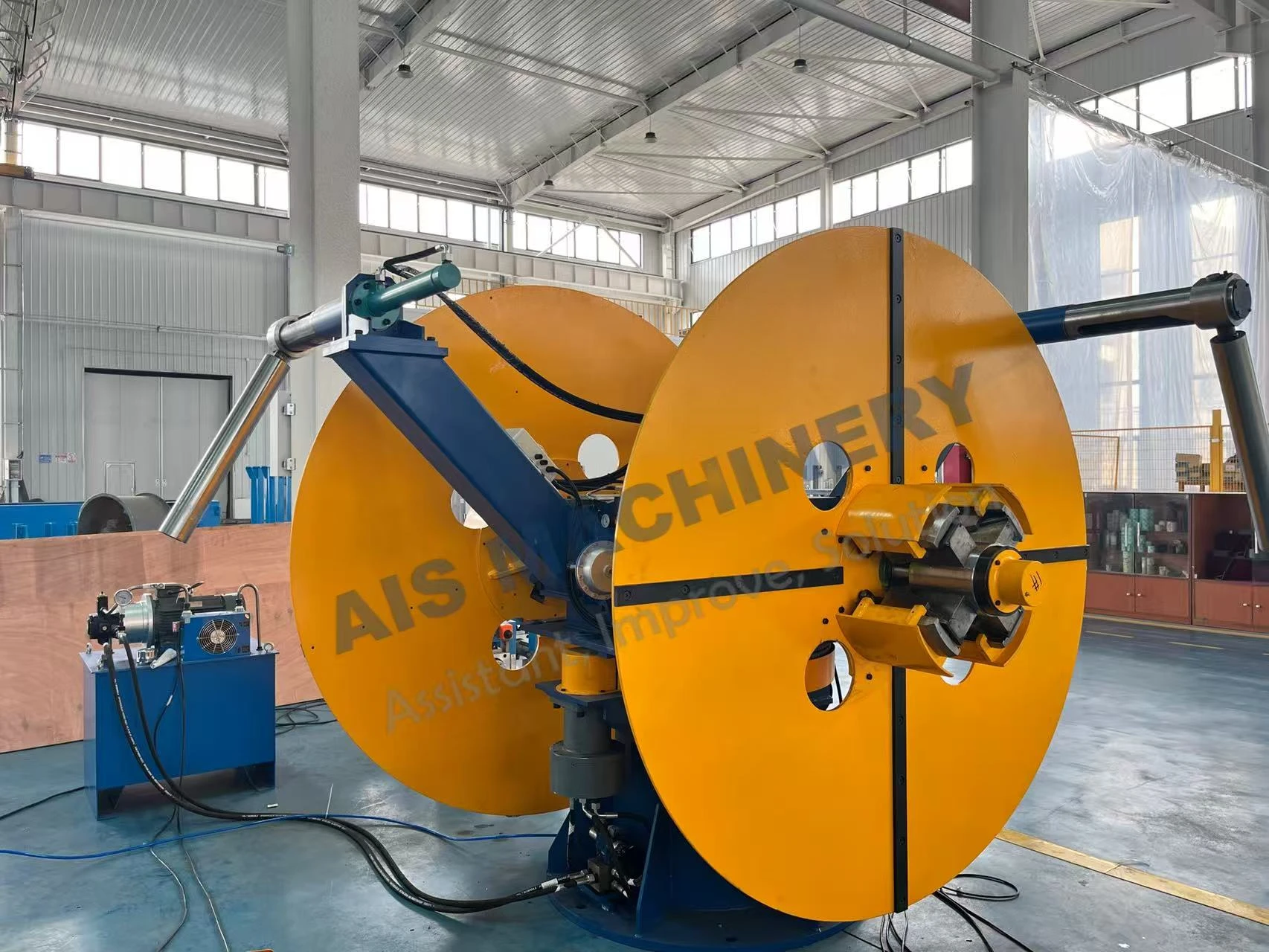
Automatic Double Side Uncoiler with Hydraulic Expansion and Auto Rotation for Steel Coil Processing
The Automatic Double Side Uncoiler is a high-efficiency solution designed for modern steel coil processing lines, including tube mills, roll forming machines, and slitting lines. With a maximum capacity of 4 tons per side, this machine ensures stable and continuous coil feeding while reducing downtime during coil change.
Send a Message
Dear customer, thank you for your attention! We provide high-quality machinery and equipment and look forward to your orders. Please inform us of your needs and we will respond quickly!
 English
  Albanian
  Arabic
  French
  German
  Indonesian
  Italian
  Japanese
  Kazakh
  Korean
  Latin
Latin  Macedonian
  Portuguese
  Russian
  Spanish
  Thai
Thai  Turkish
  Ukrainian
  Uzbek
Uzbek