-
 Tel:86-15176910262
-

Search

What Is a Slitting Line? Key Equipment and Functions Explained
Dec . 01, 2025 00:00
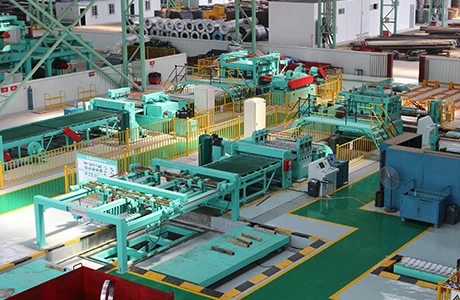
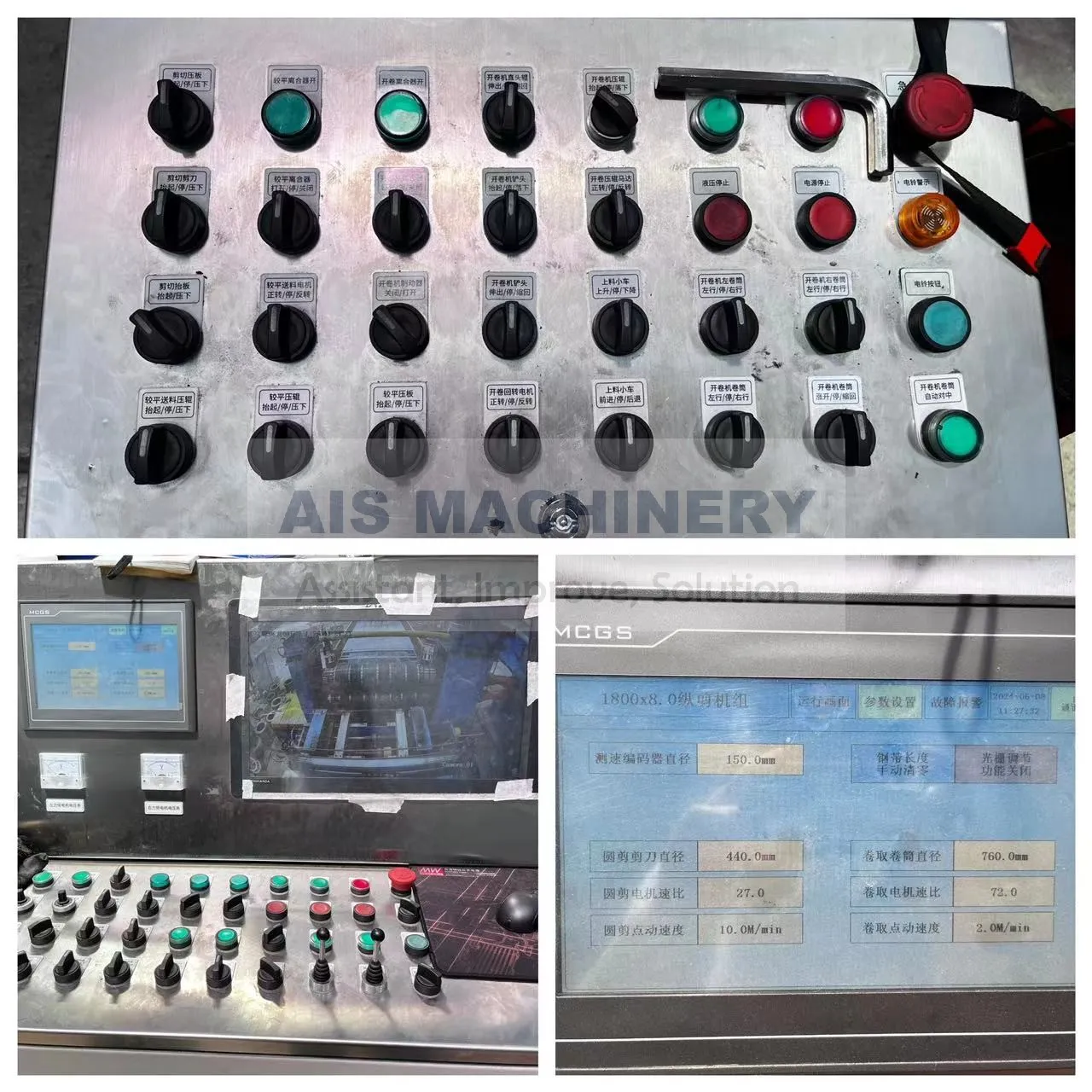
As global steel and metal processing companies seek higher productivity and greater coil precision, modern Slitting Line systems have become essential equipment for handling cold-rolled steel, hot-rolled steel, stainless steel, copper, and aluminum coils. A Slitting Line is a complete processing system that unwinds, levels, slits, and recoils metal coils into precise narrow strips for tube mills, stamping plants, automotive parts, and fabrication industries.
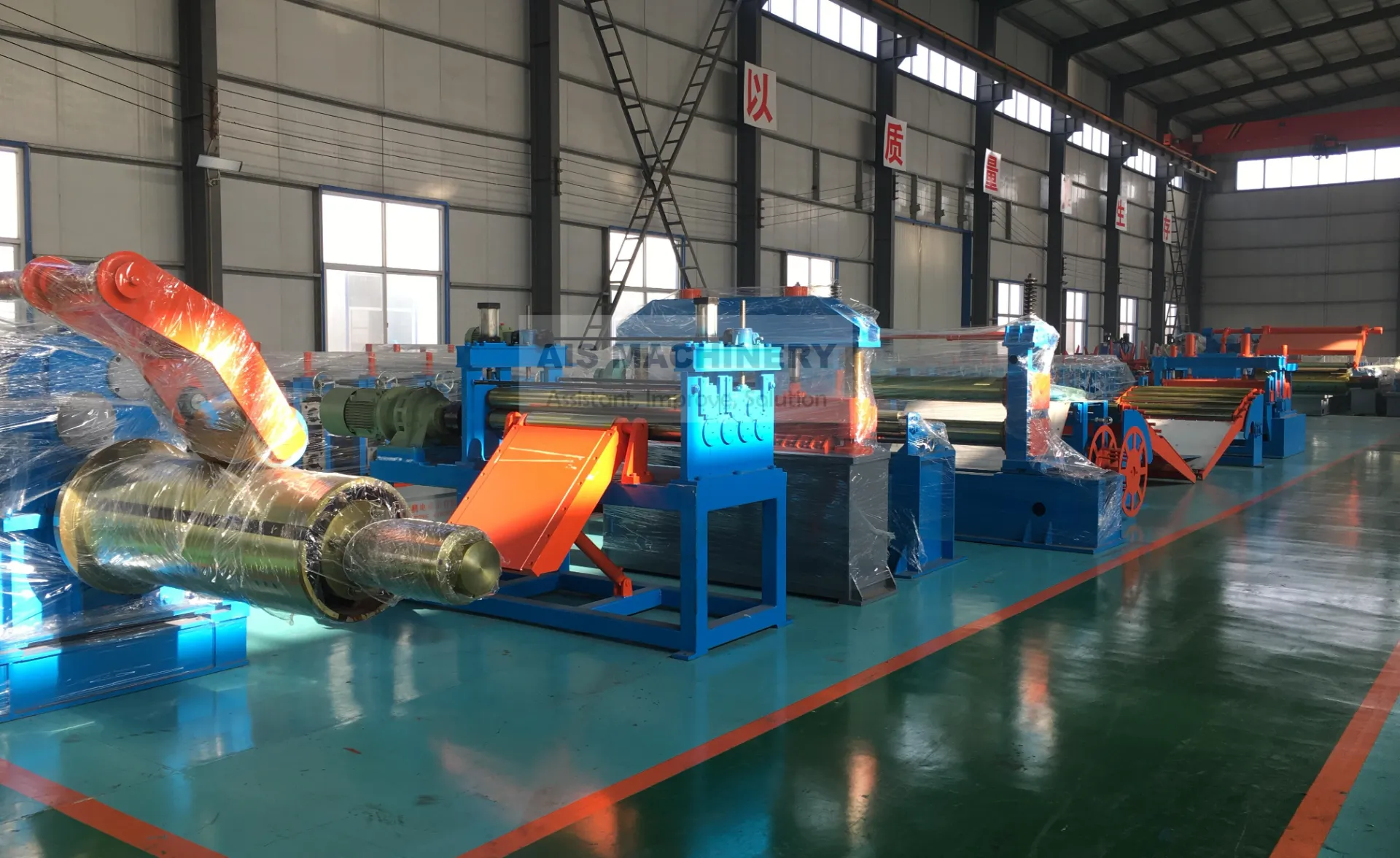
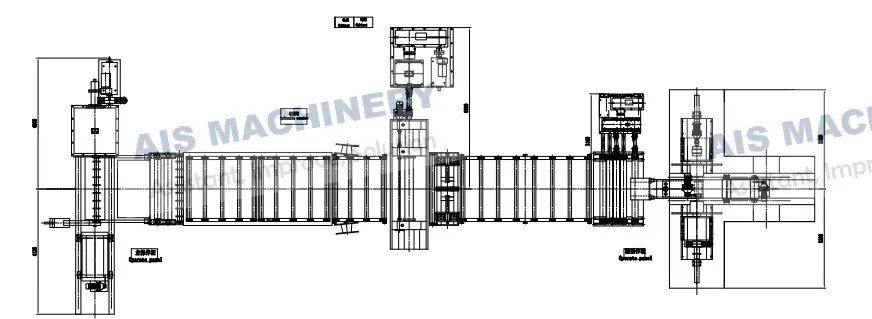
Key Equipment Used in a Slitting Line
1. Uncoiler
The uncoiler securely holds the steel coil and feeds it smoothly into the line. Its function is to provide stable tension and continuous material delivery, ensuring the slitting accuracy of the entire process.
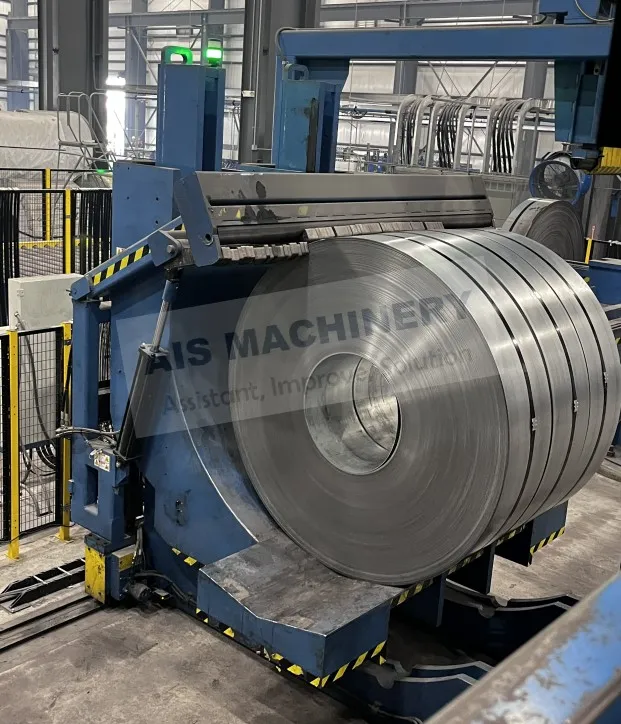
2. Coil Loading Car
Used to lift and position heavy coils onto the uncoiler mandrel. It increases safety and reduces manual labor during the coil-loading stage.
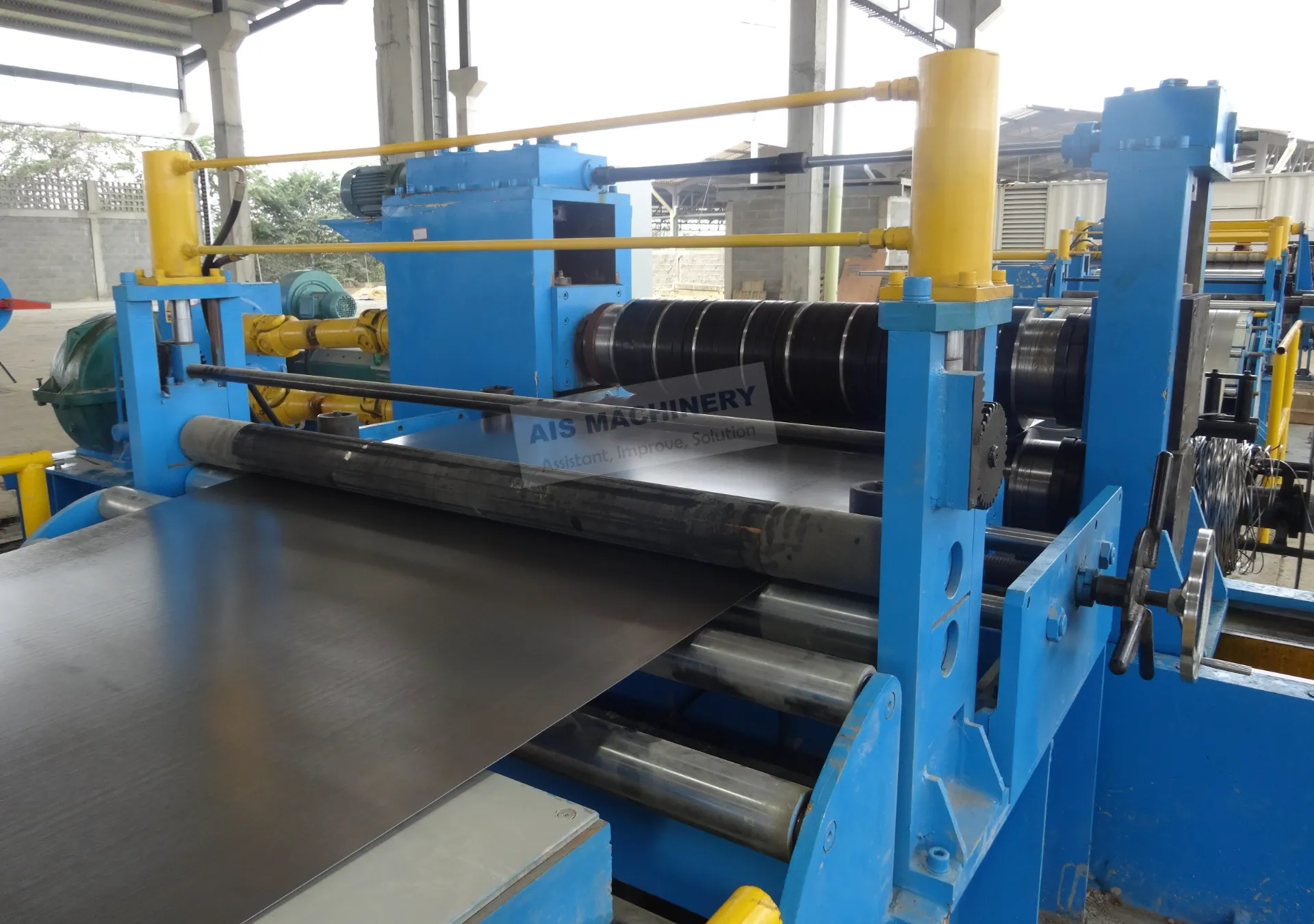
3. Pinch & Leveling Unit
The pinch rolls pull the strip forward while the leveling system removes coil set, waves, and buckles. This ensures the strip enters the slitting head with consistent flatness.
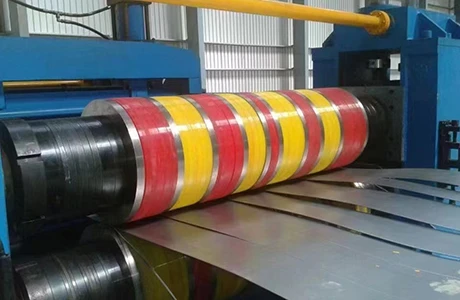
4. Slitting Head / Slitter
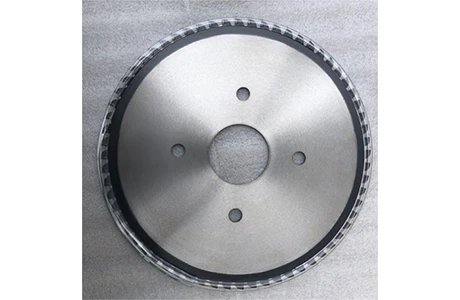
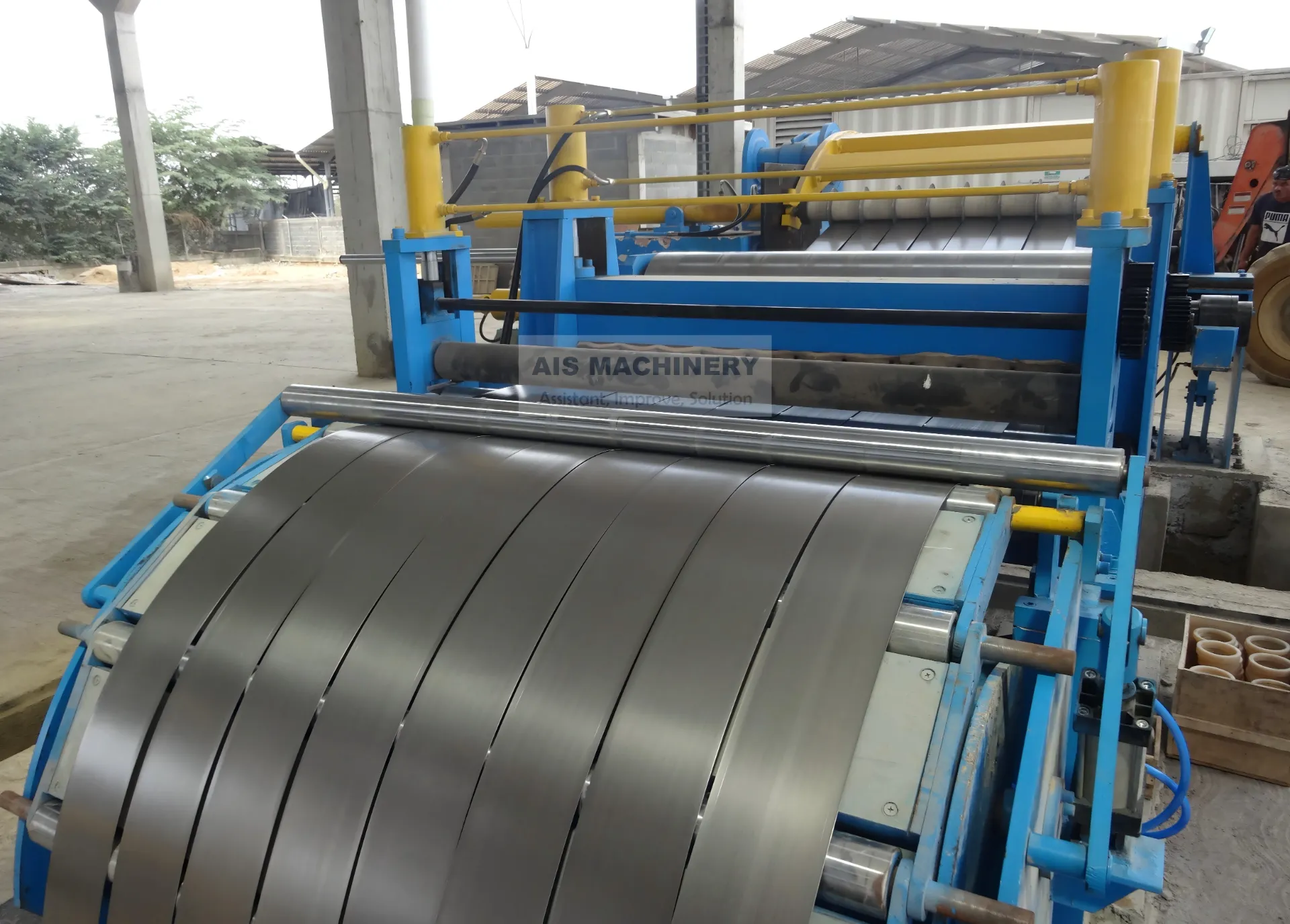
The core of the slitting line. It consists of rotary knives and spacers that precisely cut the coil width into narrow strips. Proper knife setup ensures clean edges, accurate tolerances, and optimal production speed.
5. Scrap Winder
After slitting, edge scrap is wound or chopped to maintain cleanliness and prevent strip entanglement. It ensures smoother downstream recoiling.
6. Tension Stand / Brake System
Creates stable back tension while strips enter the recoiler. This ensures tight, uniform winding for each slit strand.
7. Recoiler
Recoils the slit strips into new coils with consistent tension and surface protection. A good recoiler improves coil quality, reduces telescoping, and enhances packing efficiency.
8. Separator Discs & Overarm Separator
Keeps each strip separated and aligned during recoiling. Essential for maintaining coil shape and preventing overlap.
Benefits of a Modern Slitting Line
-
High cutting accuracy and burr-free edges
-
High production speed suitable for mass manufacturing
-
Flexible coil width, material thickness, and strip count
-
Stable tension control for premium coil quality
-
Lower operating cost and improved safety
-
Supports downstream ERW tube mills, automotive stamping, and fabrication
FAQ
Q1: What is the main purpose of a Slitting Line?
A Slitting Line is designed to cut wide metal coils into multiple narrower strips with precise width tolerance. The slit strips are used for ERW tube mills, steel service centers, and stamping factories.
Q2: What materials can be processed by a Slitting Line?
It can handle hot-rolled steel, cold-rolled steel, stainless steel, galvanized steel, PPGI, aluminum, and copper coils, depending on knife material and line configuration.
Q3: Why is knife clearance important in the slitting process?
Knife clearance determines the burr height and edge quality. Correct clearance ensures clean cuts, low burr, reduced knife wear, and stable strip width.
Q4: What is the function of the tension stand?
The tension stand stabilizes strip tension before recoiling. Proper tension prevents strip wandering, ensures clean slitting paths, and improves final coil tightness.
Q5: How does the overarm separator work?
The overarm separator uses separator discs to keep each slit strip aligned during recoiling. It prevents overlap, ensures coil shape, and keeps the strands neat and compact.
Q6: What is the role of the scrap winder?
The scrap winder collects edge scrap produced during slitting. Removing scrap keeps the strip path clean and avoids tangling.
Q7: Why is slitting important for ERW tube mills?
ERW tube mills require highly accurate strip width, consistent edge quality, and stable tension. A quality slitting line ensures the strip can enter the forming section without deviation, which improves welding stability and tube dimensions.
Q8: Can the slitting line be customized for different coil sizes?
Yes. Slitting lines can be customized for coil width, thickness range, line speed, recoiling tension, and knife shaft diameter to meet various production needs.
About Hebei AIS Machinery Equipment
Hebei AIS Machinery Equipment is a professional manufacturer specializing in ERW Tube Mills, Slitting Lines, Cut-to-Length Lines, and Cold Roll Forming Machine.
With strong engineering capability, strict quality control, we provide complete coil-processing solutions to global customers.
Contact Us
Hebei AIS Machinery Equipment Co., Ltd.
📞 Mobile/WhatsApp: +86-15176910262
🌐 Website: www.aistubemill.com
📧 Email: LINDA@AISMACHINERY.COM

Related Products
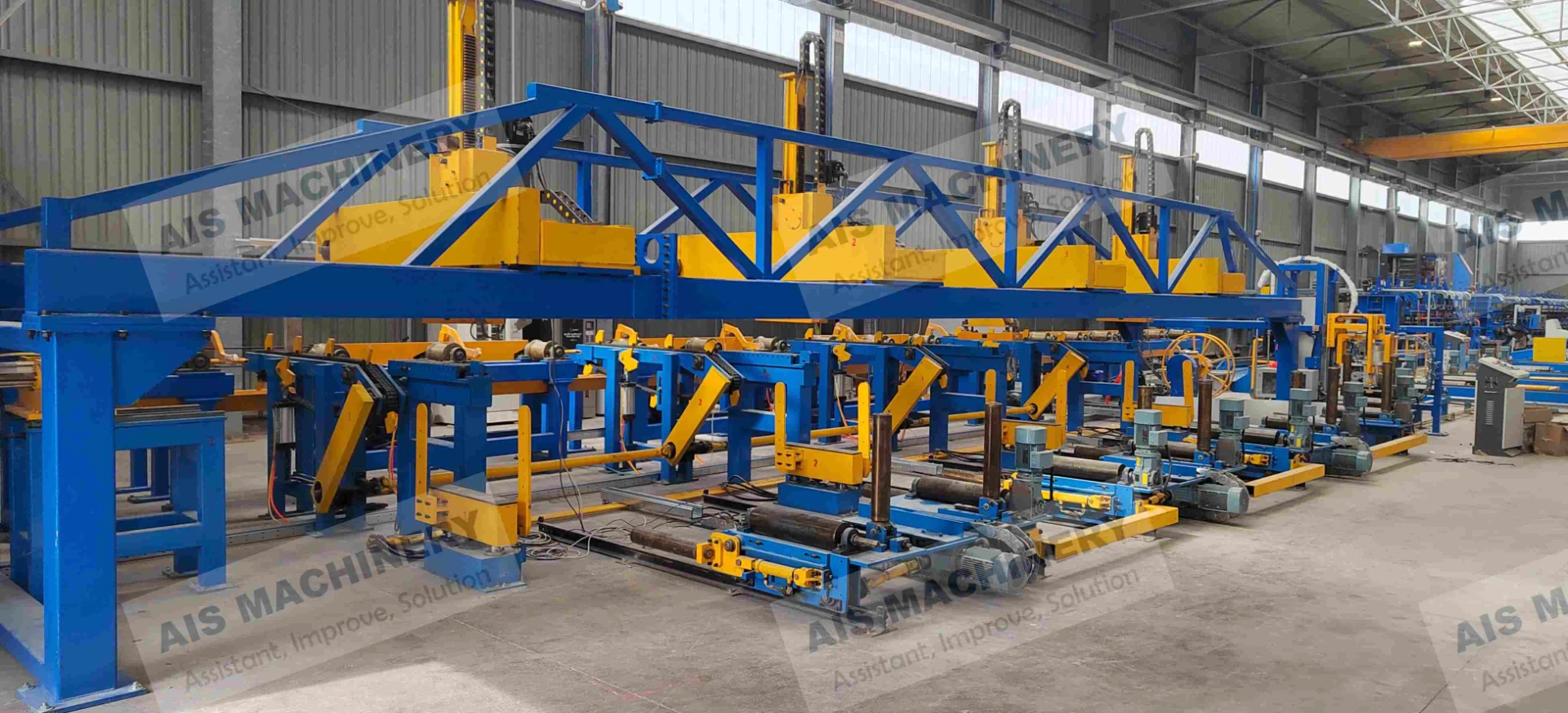
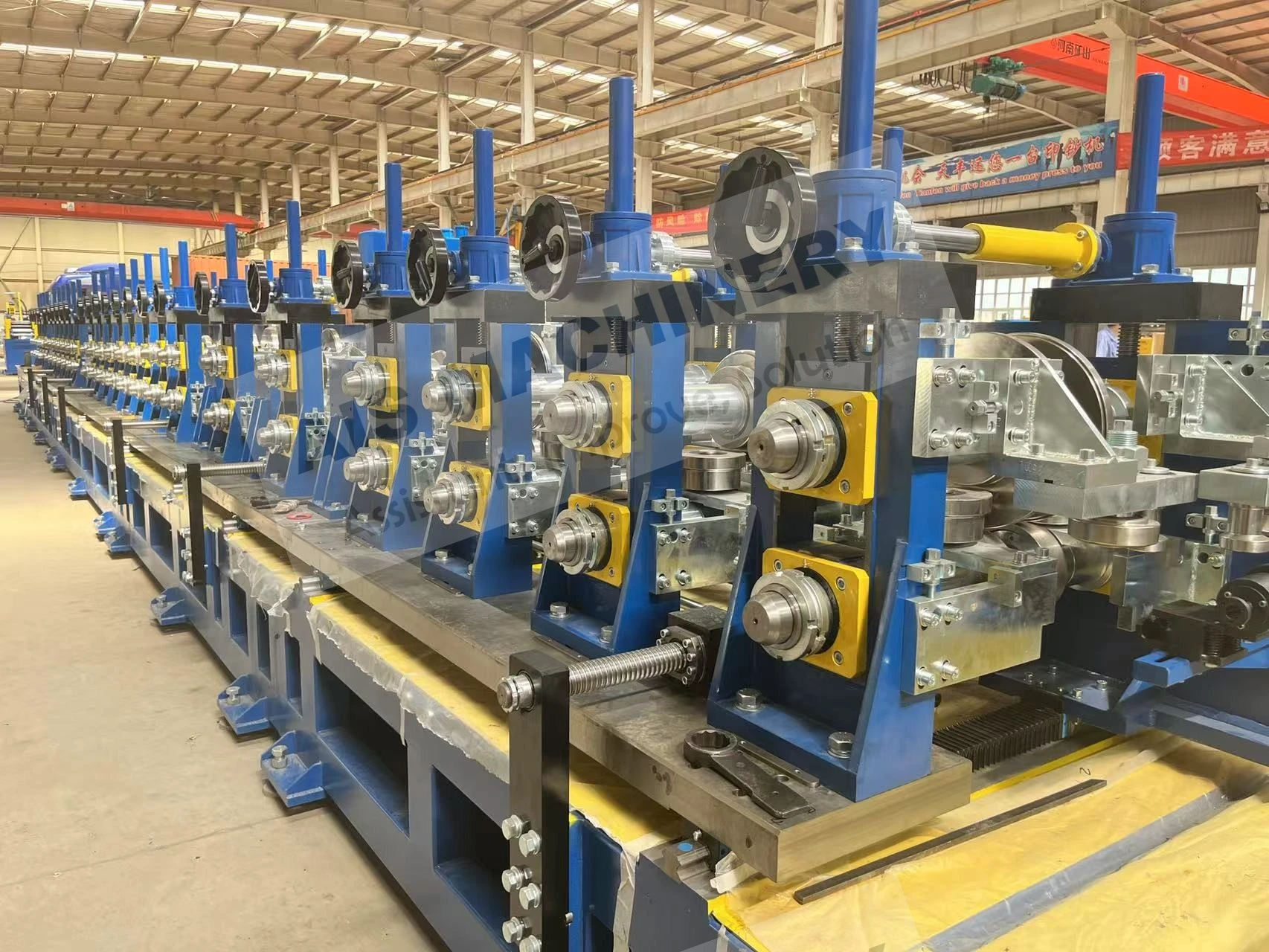
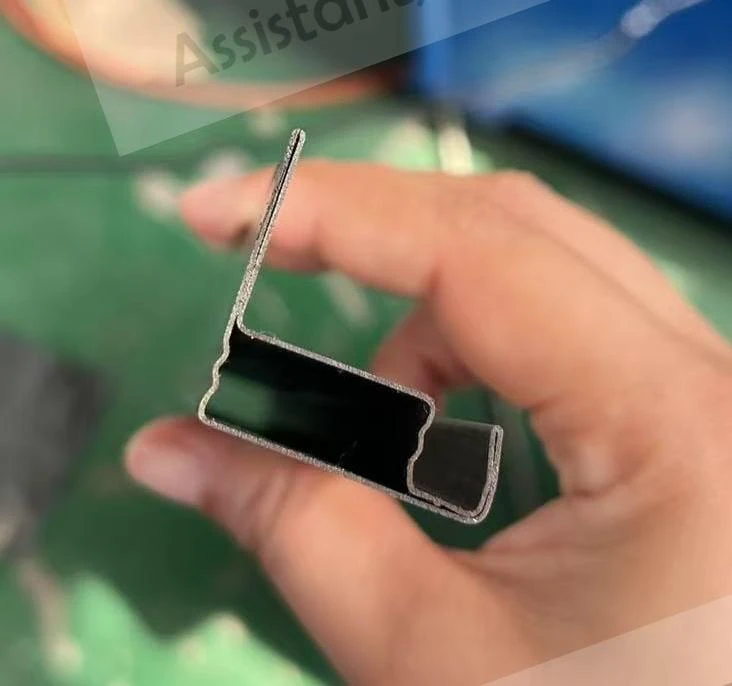
Related News
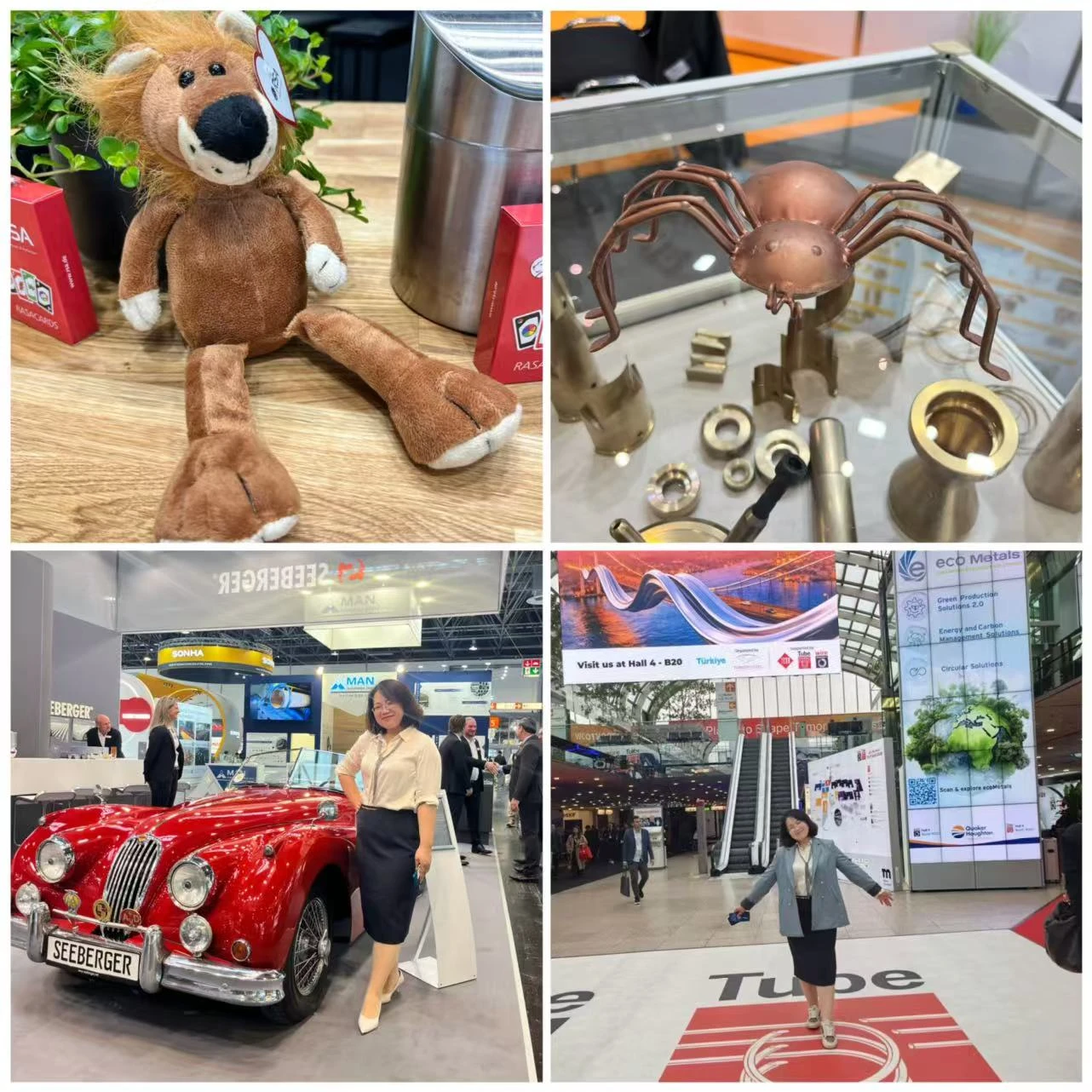
2026-04-18 03:20:20
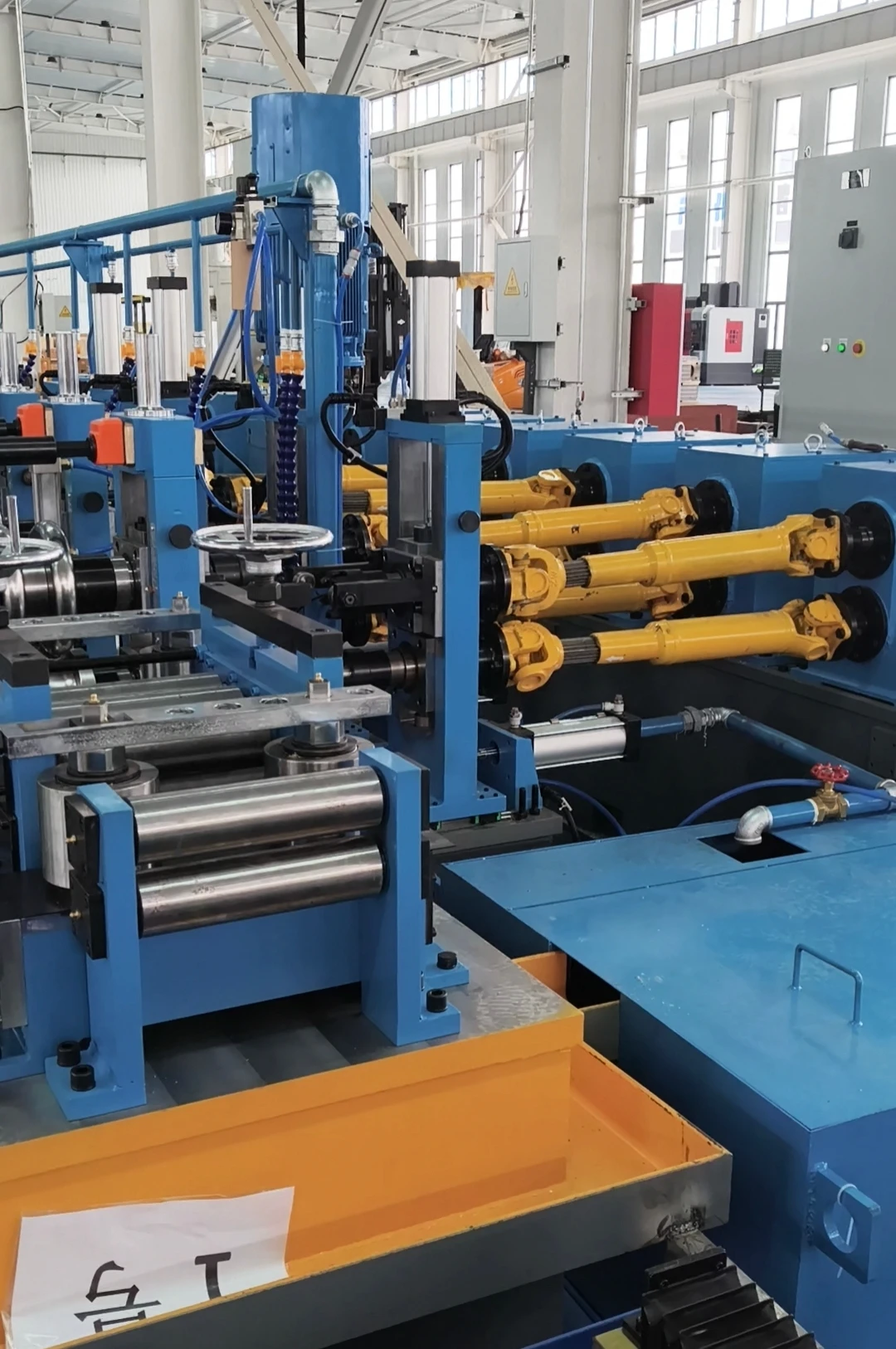
AIS Machinery Showcases Advanced Tube Solutions at Tube & Wire Düsseldorf 2026
Tube & Wire Düsseldorf 2026, one of the most influential exhibitions in the global tube and wire industry, held biennially in Düsseldorf, Germany
2027-04-17 00:00:00
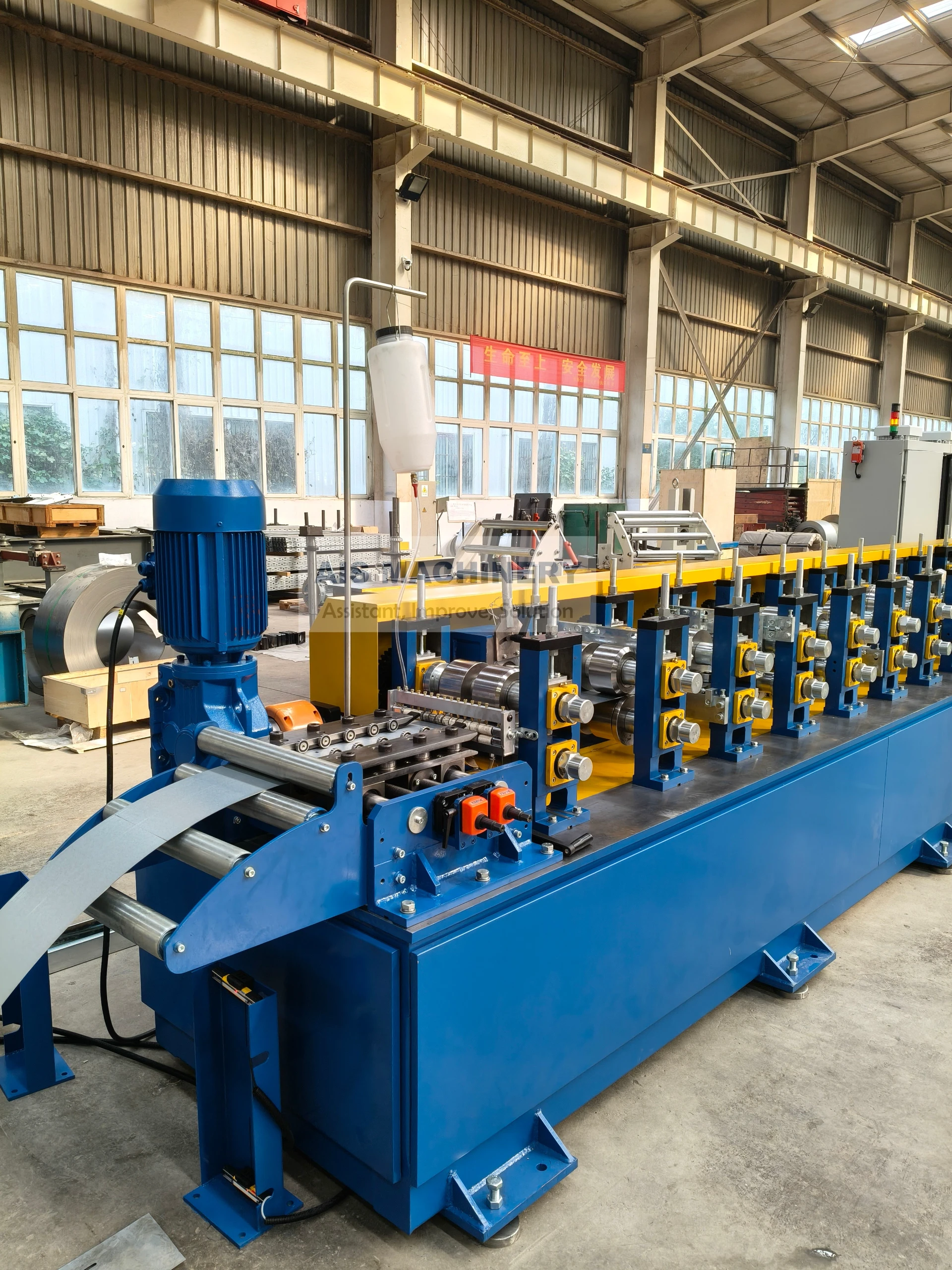
Southeast Asia Client Visits Our Factory | Customized Tube Mill Solution Delivered
A Southeast Asia client visited our ERW tube mill factory to inspect production lines and discuss a customized tube mill solution. Impressed by our machine quality, welding performance, and engineering support, the client confirmed strong cooperation intentions. Discover how our ERW tube mill solutions improve efficiency, precision, and long-term production reliability.
2026-04-16 02:35:12
Professional Cold Roll Forming Machine Factory for Production
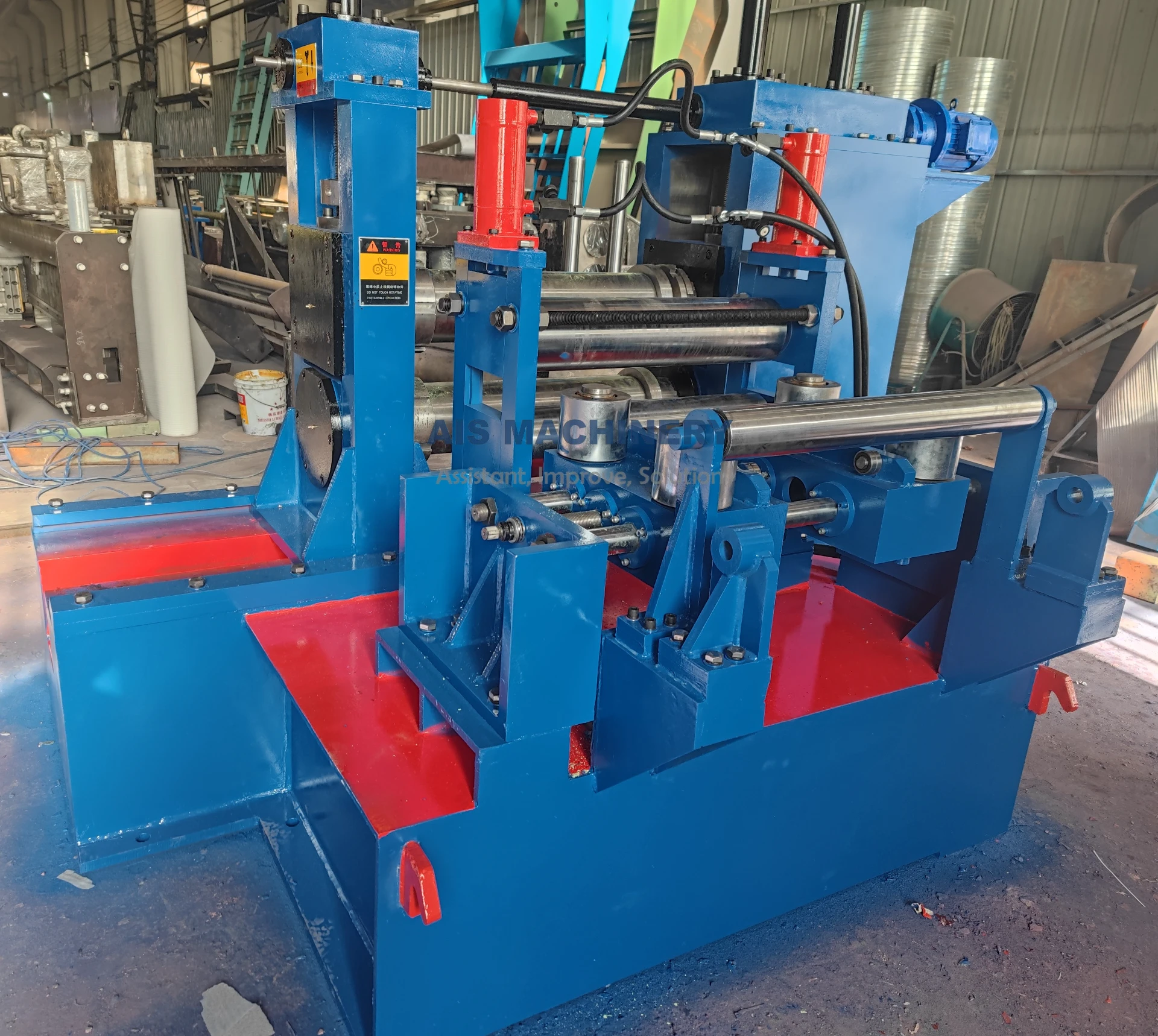
In the modern industrial landscape, the precision of metal shaping is the cornerstone of quality manufacturing. Partnering with a professional cold roll forming machine factory is essential for businesses looking to optimize their production lines, reduce material waste, and ensure high-dimensional accuracy. Whether you are producing C-channels, square tubes, or custom profiles, the choice of machinery determines your competitive edge in the market. This guide will explore the critical factors in selecting a factory and the technical advantages of advanced roll forming technology to help you make an informed investment.
2026-04-15 10:37:55
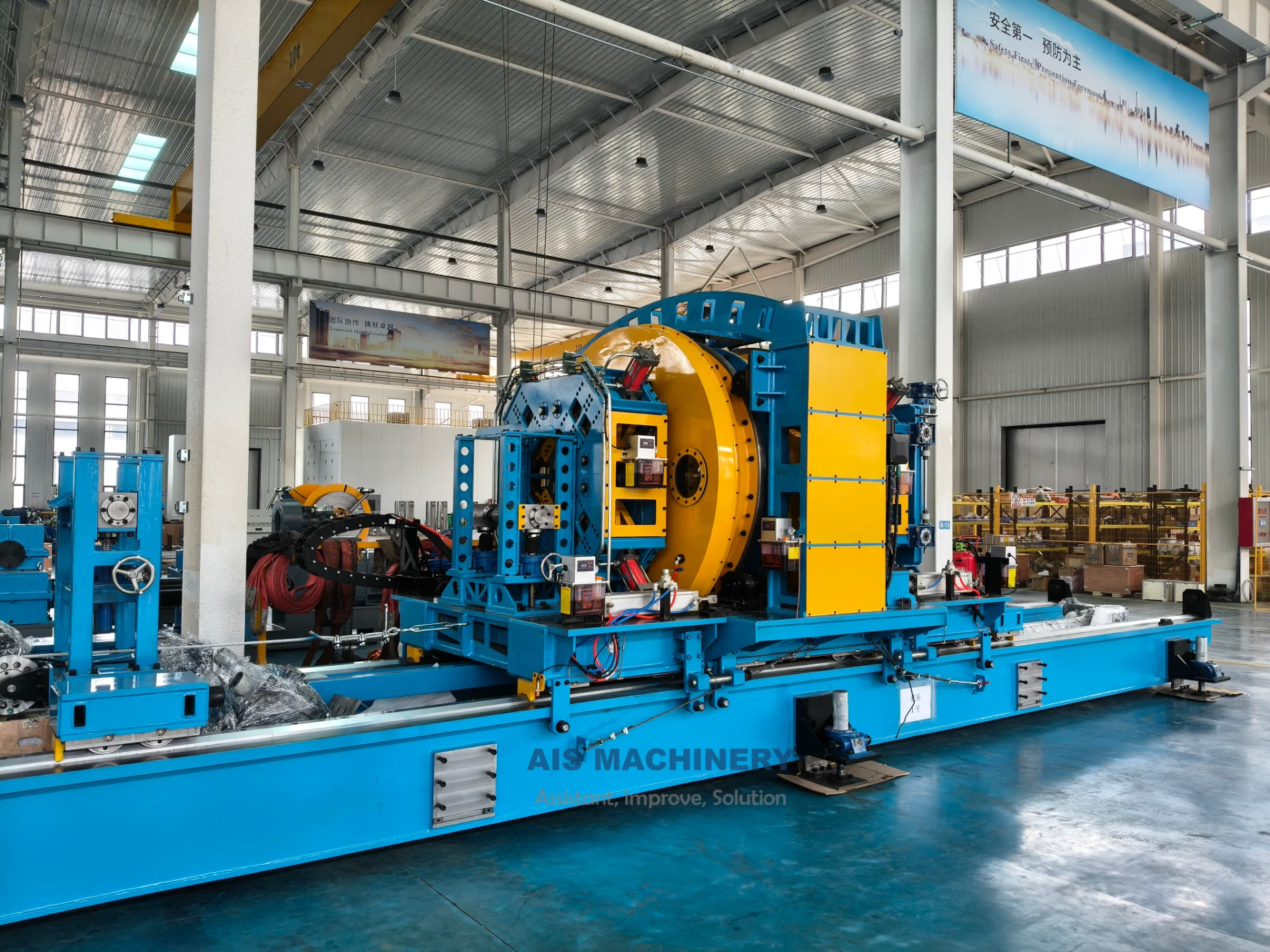
Flat Bar Production Line for Steel Coils: How It Works & Why It Matters
Looking for a flat bar production line? Learn how it turns steel coils into ready-to-use flat bars with precise length and high straightness. Compare it with slitting lines and get the best solution for your steel processing needs.
2026-04-14 00:00:00
Looking for a Milling Saw for ERW Tube Mill? Here’s What You Need to Know
Looking for a high-performance milling saw for your ERW tube mill? Upgrade to burr-free, high-precision pipe cutting with advanced flying saw technology. Improve efficiency, reduce rework, and meet export standards for carbon steel, stainless steel, and API pipes. Contact us today for expert solutions and competitive pricing tailored to your production needs.
2026-04-09 16:15:19
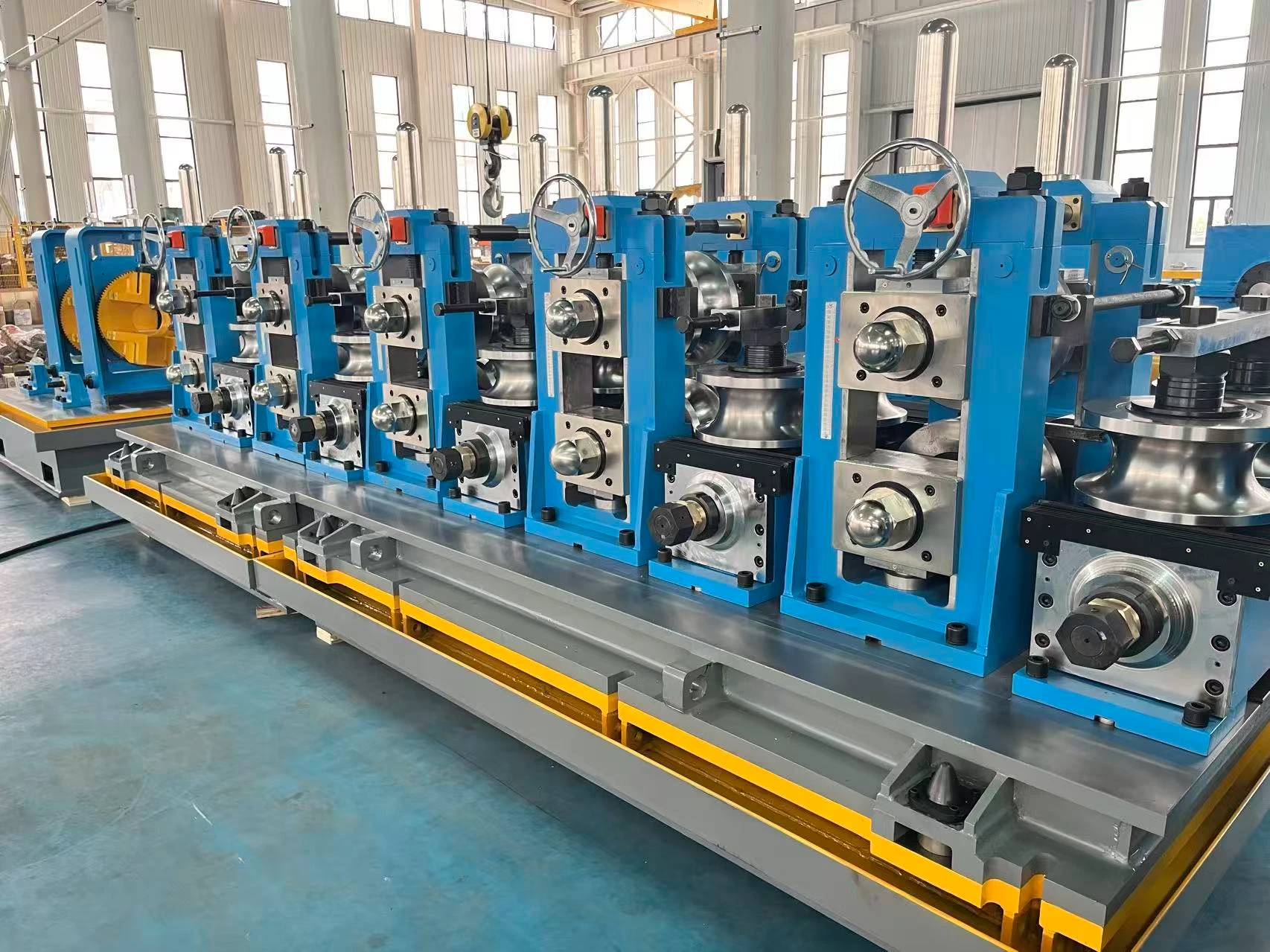
5-Inch (127mm) ERW Tube Making Machine Delivered with Heavy-Duty Design and Advanced Quick Change System
2027-04-07 00:00:00
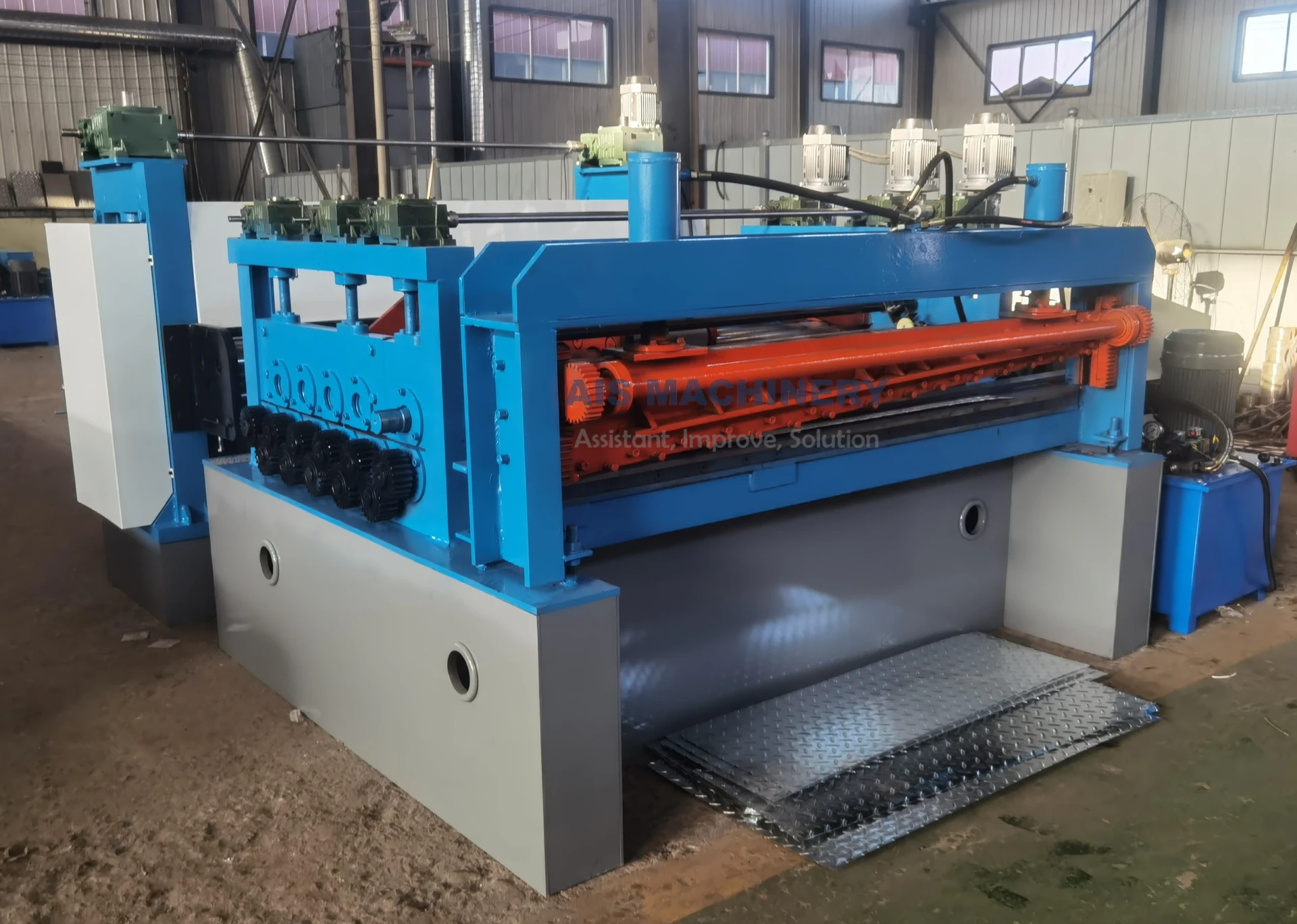
Metal Embossing Machine: Turn Flat Sheets into High-Value Textured Products
Discover how a metal embossing machine transforms flat steel, stainless steel, and aluminum sheets into high-value textured products. Learn about its working principle, key components, and applications. Ideal for decorative and industrial use, embossing machines improve both appearance and performance. Explore complete embossing line solutions and find the right machine for your production needs.
2026-04-04 20:37:18
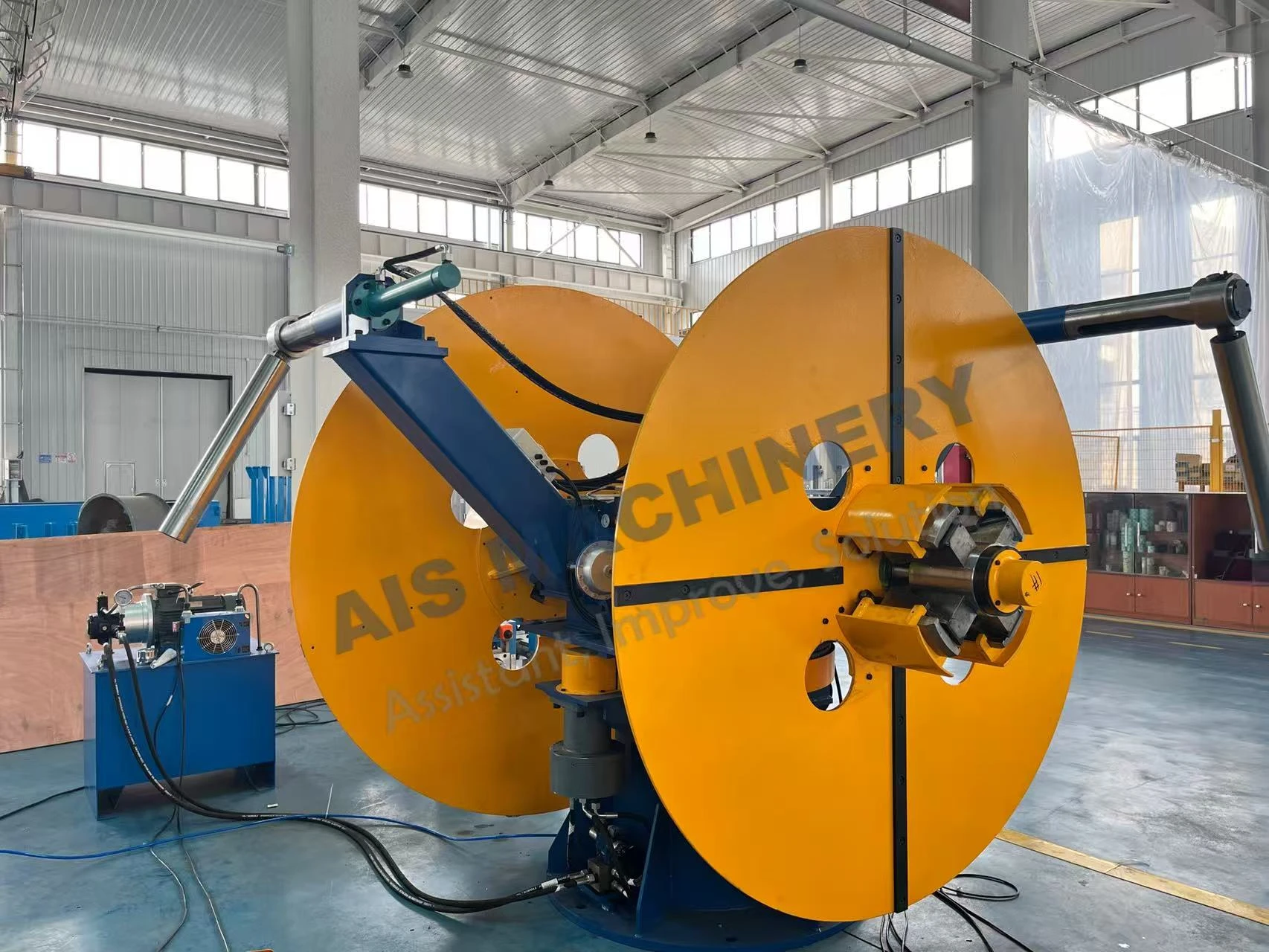
Automatic Double Side Uncoiler with Hydraulic Expansion and Auto Rotation for Steel Coil Processing
The Automatic Double Side Uncoiler is a high-efficiency solution designed for modern steel coil processing lines, including tube mills, roll forming machines, and slitting lines. With a maximum capacity of 4 tons per side, this machine ensures stable and continuous coil feeding while reducing downtime during coil change.
Send a Message
Dear customer, thank you for your attention! We provide high-quality machinery and equipment and look forward to your orders. Please inform us of your needs and we will respond quickly!
 English
  Albanian
  Arabic
  French
  German
  Indonesian
  Italian
  Japanese
  Kazakh
  Korean
  Latin
Latin  Macedonian
  Portuguese
  Russian
  Spanish
  Thai
Thai  Turkish
  Ukrainian
  Uzbek
Uzbek