-
 Tel:86-15176910262
-

Search

Induction Heating Machine: Fast, Efficient, Precise
Nov . 07, 2025 17:00
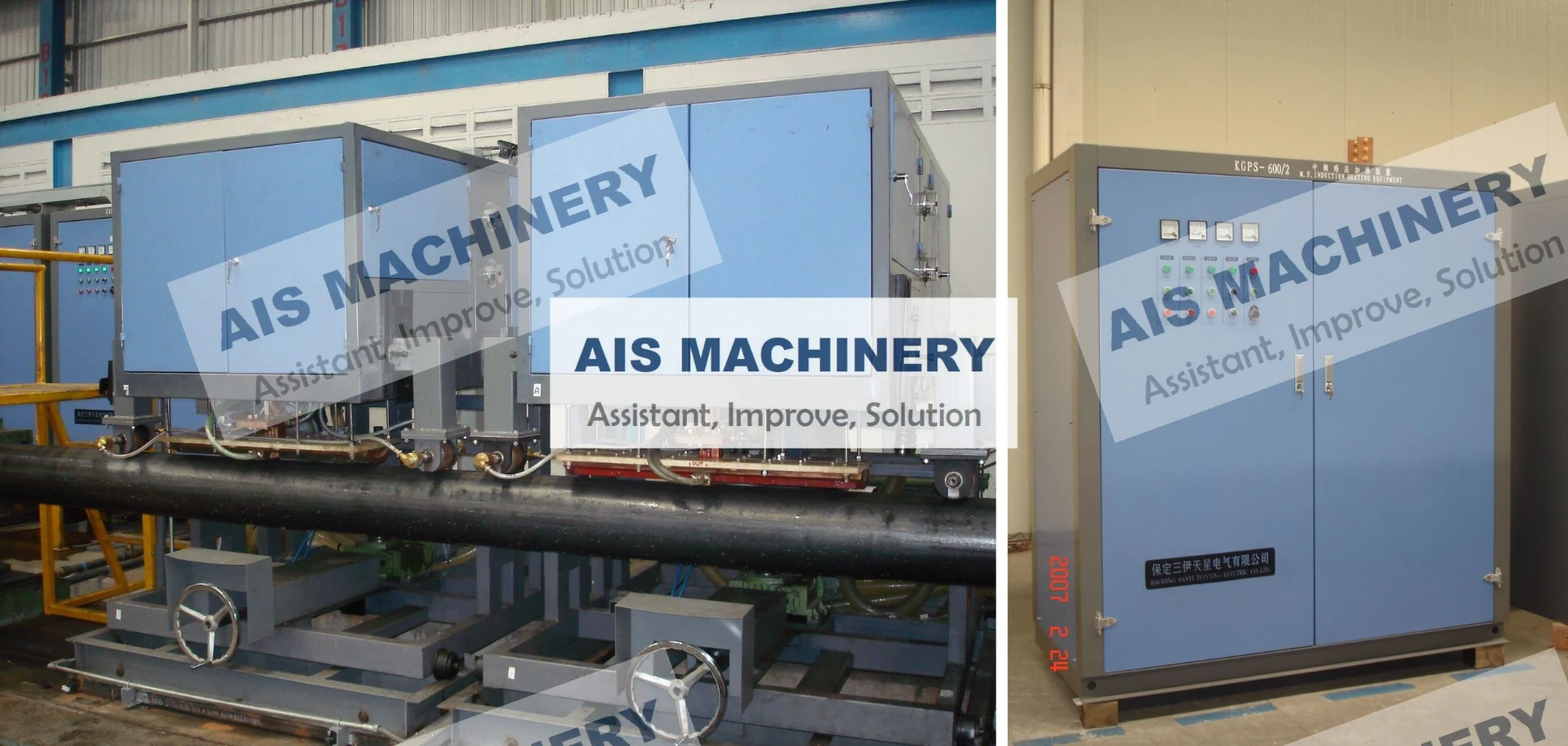 Industry snapshot—briefly: weld lines are sprinting faster, while decarbonization pressures push factories away from gas-fired furnaces. The modern Induction Heating Machine answers both: fast heat into the weld seam only, tight thermal control, and lower overall energy per ton. Many customers say the payoff shows up first in improved pickling behavior and fewer IGC (intergranular corrosion) complaints.
Product at a glance (real-world use may vary):
Industry snapshot—briefly: weld lines are sprinting faster, while decarbonization pressures push factories away from gas-fired furnaces. The modern Induction Heating Machine answers both: fast heat into the weld seam only, tight thermal control, and lower overall energy per ton. Many customers say the payoff shows up first in improved pickling behavior and fewer IGC (intergranular corrosion) complaints.
Product at a glance (real-world use may vary):
| Parameter | Typical Spec |
|---|---|
| Power Output | 50–300 kW (scalable modules) |
| Working Frequency | 30–200 kHz (match to wall/OD) |
| Tube Size Range | OD 6–114 mm; t = 0.3–4.0 mm |
| Line Speed | up to ≈120 m/min (grade-dependent) |
| Control | PLC+HMI, closed-loop pyrometer, PID |
| Cooling | Closed-loop water (≤30 °C return) |
| Electrical Efficiency | ≈92–95% at rated load |
| Certifications | ISO 9001; CE; IEC 60519 compliance |
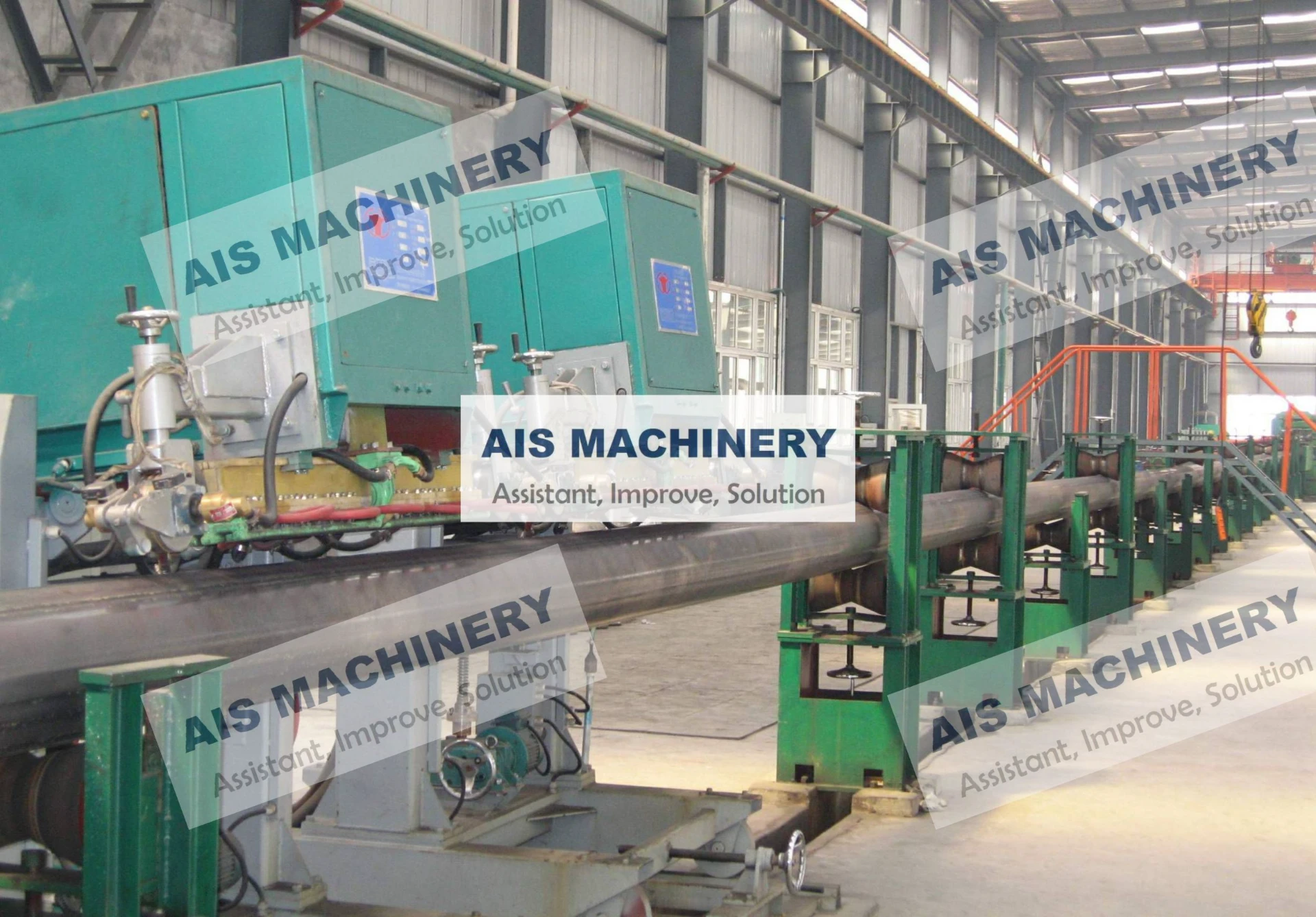 Field data I trust: on 316L, OD 25.4 mm, t 1.2 mm at 70 m/min, weld hardness dropped from 260 HV to 190–200 HV after anneal; ASTM A262-E passed with no ditching; pickling time reduced ≈18%. Another run on duplex showed balanced austenite/ferrite restored near the seam—metallographer was smiling, which is rare.
Vendor snapshot (I’ve seen all three in the wild):
Field data I trust: on 316L, OD 25.4 mm, t 1.2 mm at 70 m/min, weld hardness dropped from 260 HV to 190–200 HV after anneal; ASTM A262-E passed with no ditching; pickling time reduced ≈18%. Another run on duplex showed balanced austenite/ferrite restored near the seam—metallographer was smiling, which is rare.
Vendor snapshot (I’ve seen all three in the wild):
| Vendor | Power Range | Coil Options | Control/Feedback | After‑sales | Lead Time |
|---|---|---|---|---|---|
| AISTubemill | 50–300 kW | Split/seam-follow, quick-change | PLC+pyrometer, recipe library | Remote + on-site (APAC/EU) | 6–10 weeks |
| Vendor B | 80–250 kW | Fixed U-coil | Basic PID, temp display | Regional partners | 10–14 weeks |
| Vendor C | 60–180 kW | Custom on request | PLC, optional IR feedback | Email only | 12–16 weeks |
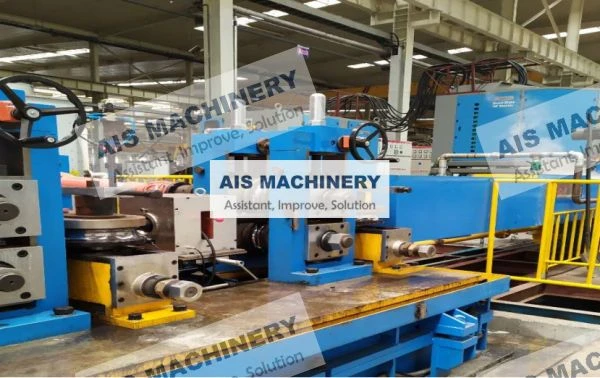 A quick case: a Southeast Asia plant upgraded to a 200 kW Induction Heating Machine on a 32 mm line. Scrap fell 0.6%, uptime nudged 98.5%, and the pickling section shortened cycle time. “We finally stopped arguing about weld color,” their supervisor joked—because temperature was logged, auditable, boring (which is good).
If you’re benchmarking, ask for: (1) hardness/maps before/after, (2) A262-E coupons, (3) coil life history, (4) line-speed at target temp. It seems basic, but the best vendors will show raw charts.
Citations:
A quick case: a Southeast Asia plant upgraded to a 200 kW Induction Heating Machine on a 32 mm line. Scrap fell 0.6%, uptime nudged 98.5%, and the pickling section shortened cycle time. “We finally stopped arguing about weld color,” their supervisor joked—because temperature was logged, auditable, boring (which is good).
If you’re benchmarking, ask for: (1) hardness/maps before/after, (2) A262-E coupons, (3) coil life history, (4) line-speed at target temp. It seems basic, but the best vendors will show raw charts.
Citations:
- IEC 60519-1/2: Safety in industrial electroheating equipment.
- ASTM A262 Practice E: Detecting susceptibility to intergranular attack in austenitic stainless steel.
- ASTM A370: Mechanical testing of steel products (hardness methods).
- ASTM E112: Determining average grain size.
- ISO 9001:2015 Quality management systems—Requirements.

Related Products
Related News
2026-04-18 03:20:20
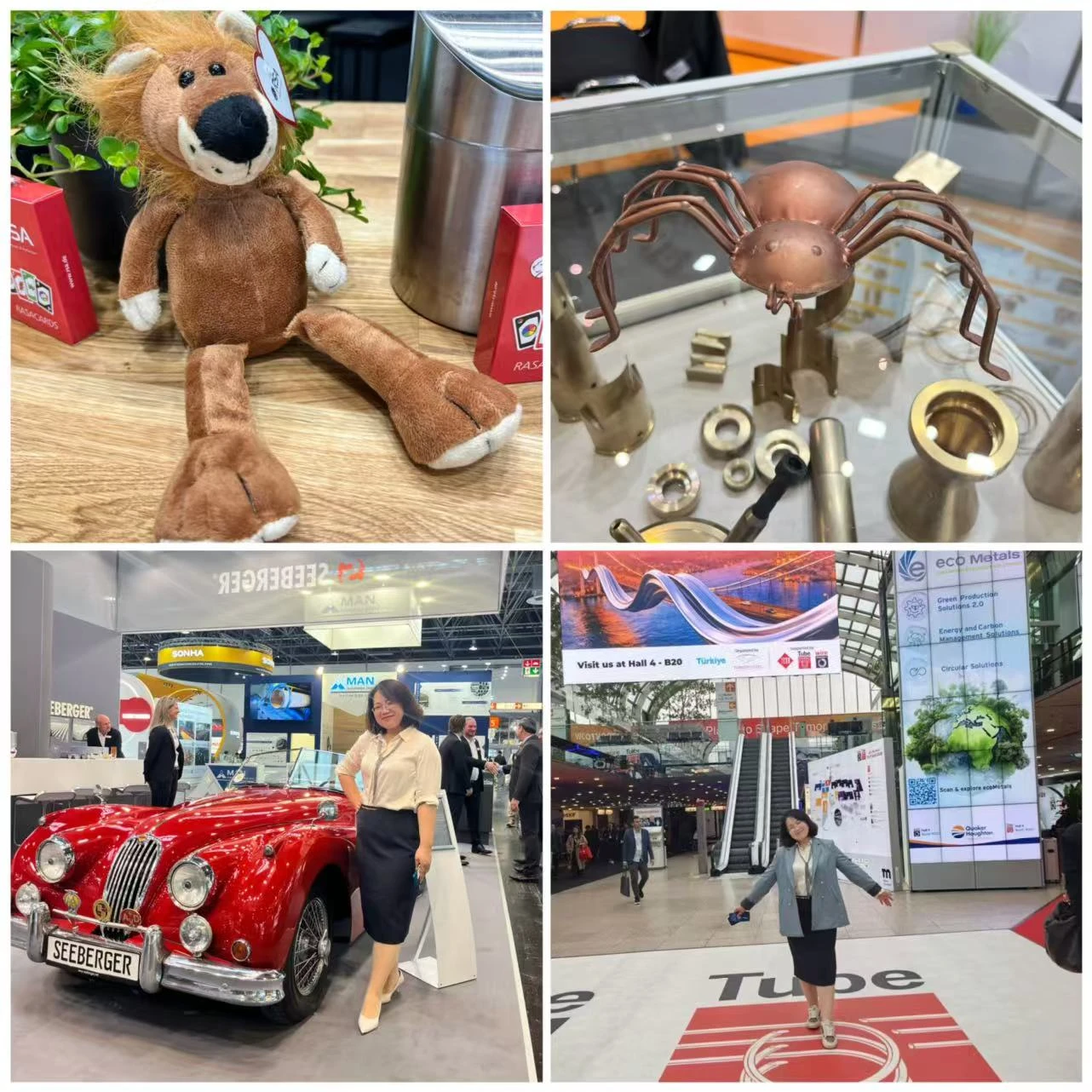
AIS Machinery Showcases Advanced Tube Solutions at Tube & Wire Düsseldorf 2026
Tube & Wire Düsseldorf 2026, one of the most influential exhibitions in the global tube and wire industry, held biennially in Düsseldorf, Germany
2027-04-17 00:00:00
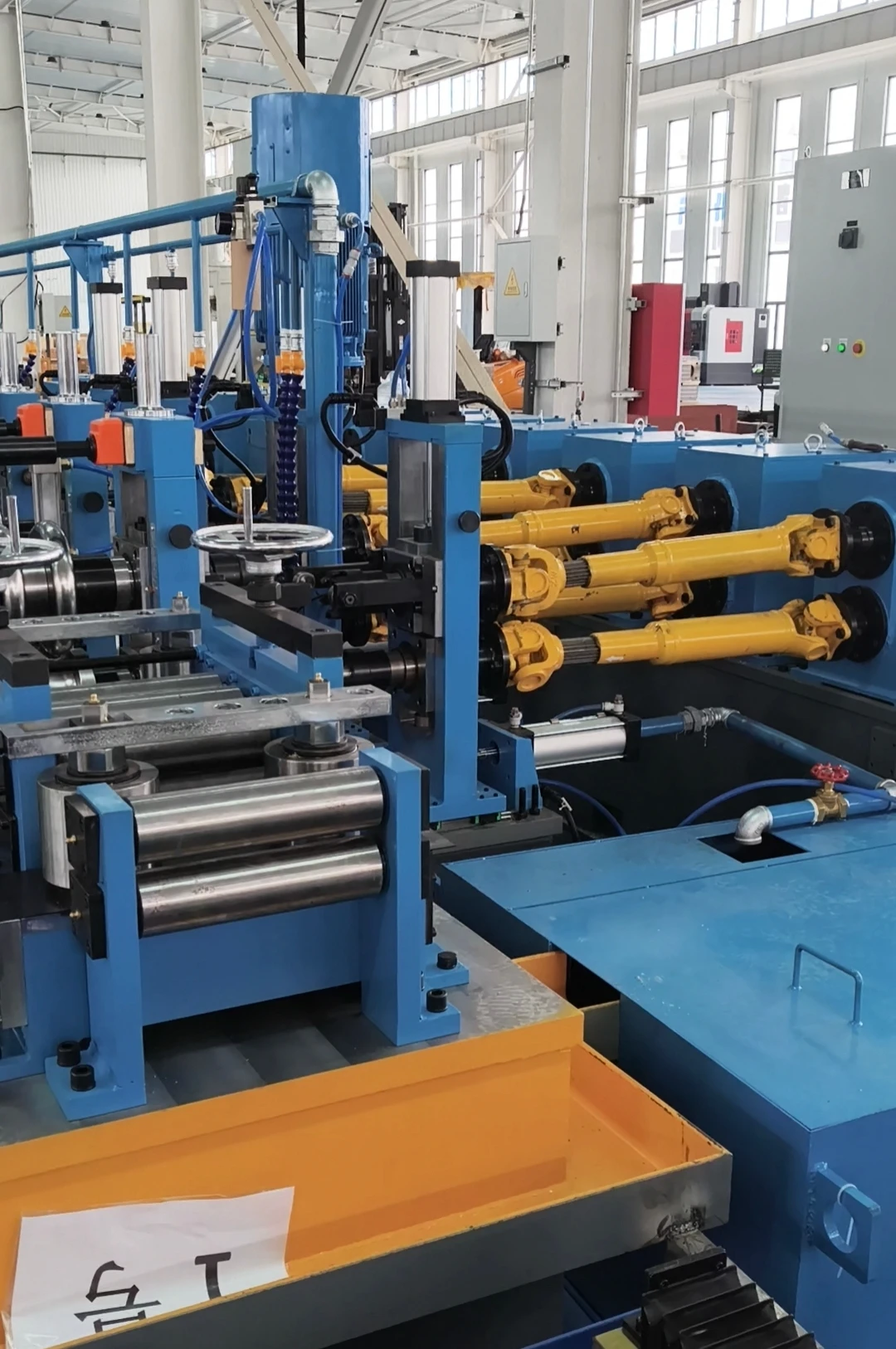
Southeast Asia Client Visits Our Factory | Customized Tube Mill Solution Delivered
A Southeast Asia client visited our ERW tube mill factory to inspect production lines and discuss a customized tube mill solution. Impressed by our machine quality, welding performance, and engineering support, the client confirmed strong cooperation intentions. Discover how our ERW tube mill solutions improve efficiency, precision, and long-term production reliability.
2026-04-16 02:35:12
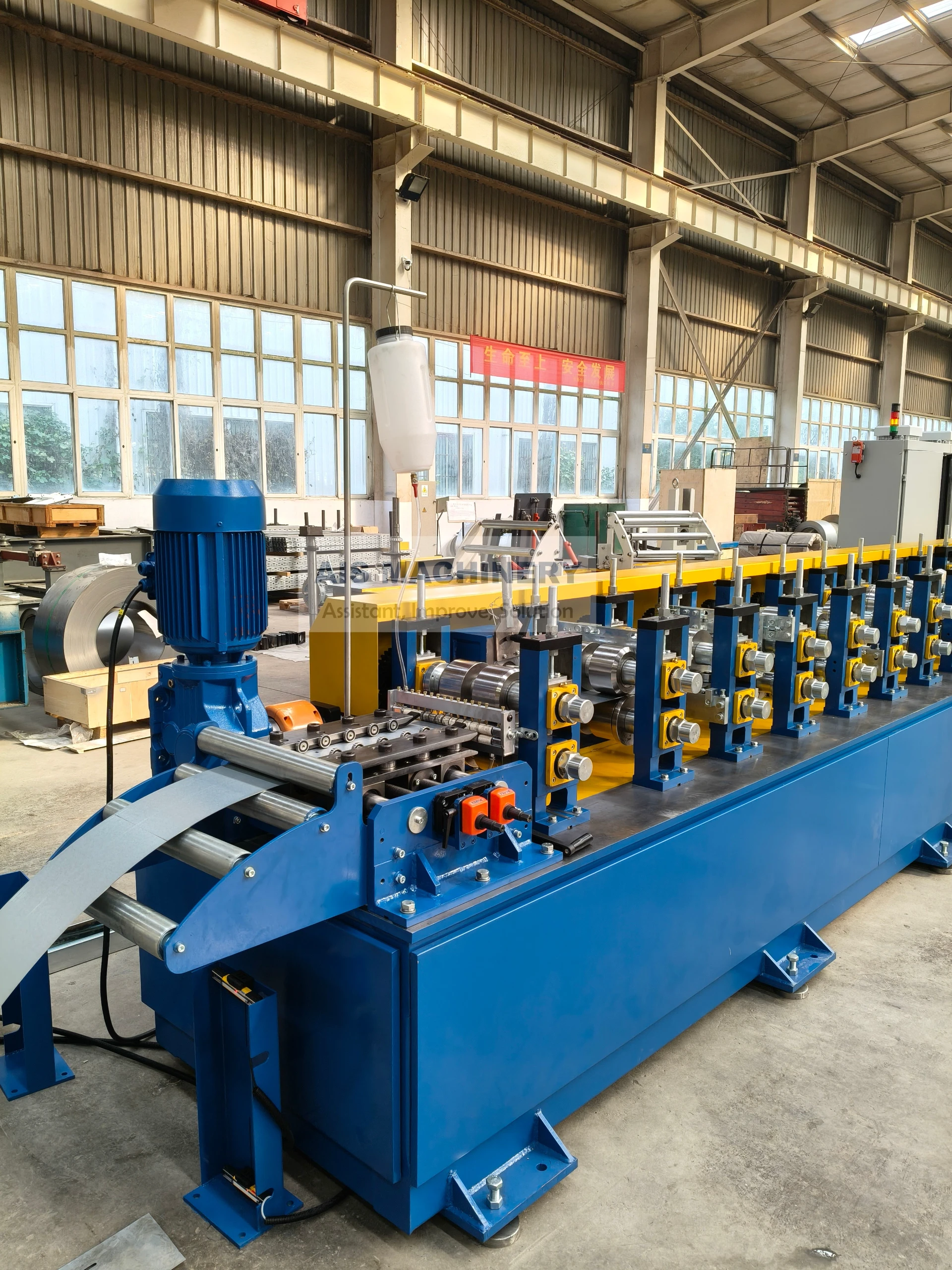
Professional Cold Roll Forming Machine Factory for Production
In the modern industrial landscape, the precision of metal shaping is the cornerstone of quality manufacturing. Partnering with a professional cold roll forming machine factory is essential for businesses looking to optimize their production lines, reduce material waste, and ensure high-dimensional accuracy. Whether you are producing C-channels, square tubes, or custom profiles, the choice of machinery determines your competitive edge in the market. This guide will explore the critical factors in selecting a factory and the technical advantages of advanced roll forming technology to help you make an informed investment.
2026-04-15 10:37:55
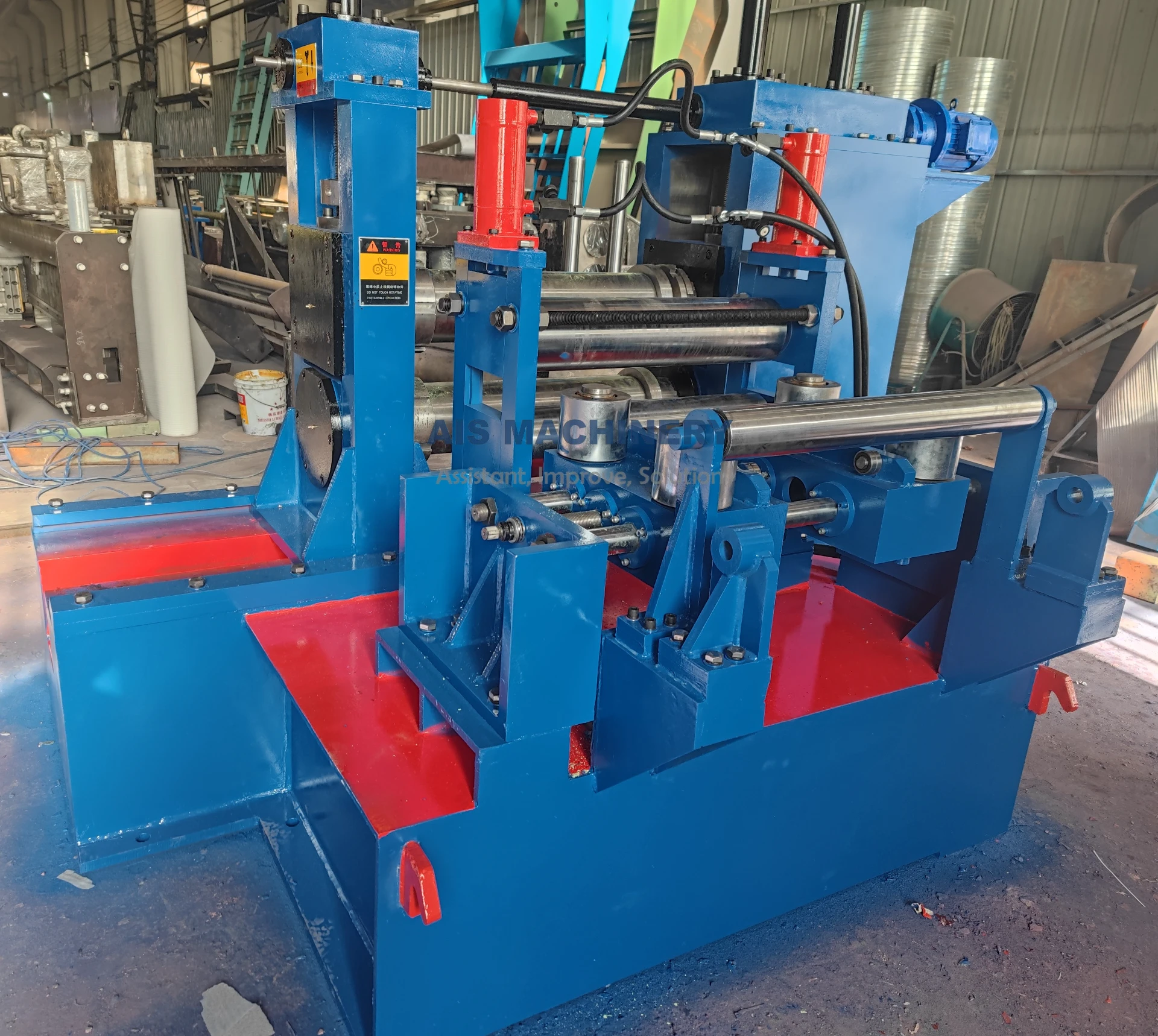
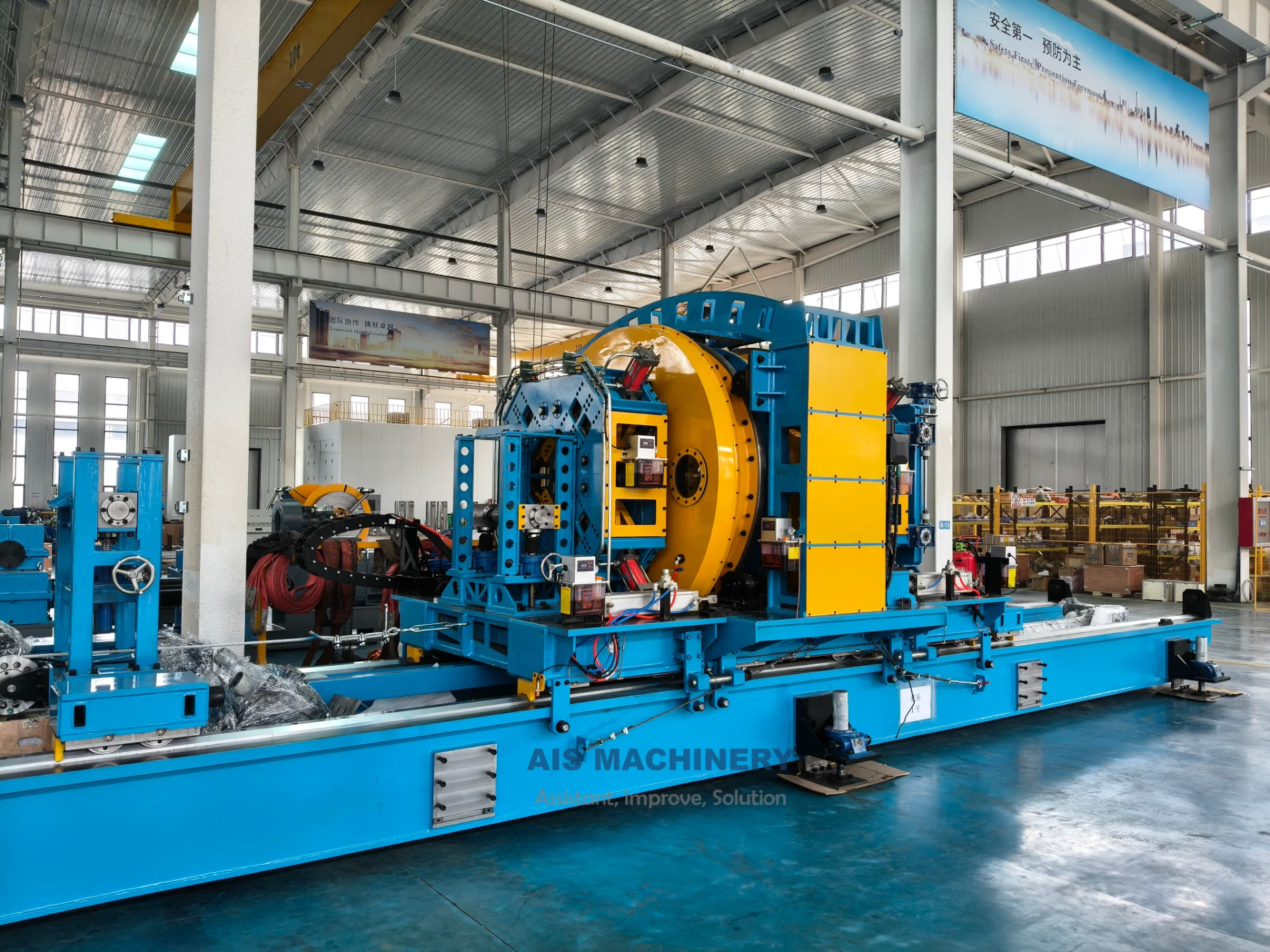
Flat Bar Production Line for Steel Coils: How It Works & Why It Matters
Looking for a flat bar production line? Learn how it turns steel coils into ready-to-use flat bars with precise length and high straightness. Compare it with slitting lines and get the best solution for your steel processing needs.
2026-04-14 00:00:00
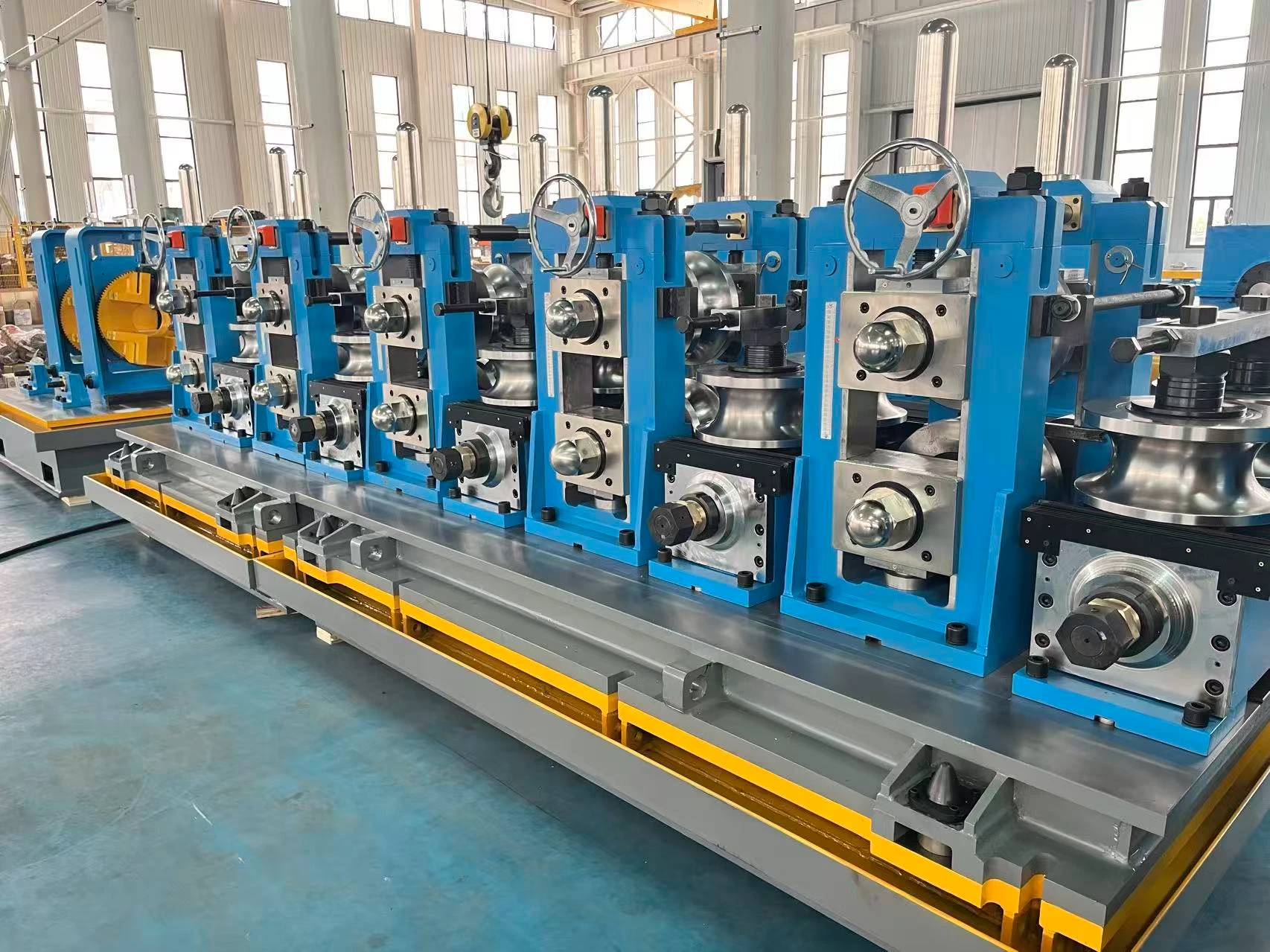
Looking for a Milling Saw for ERW Tube Mill? Here’s What You Need to Know
Looking for a high-performance milling saw for your ERW tube mill? Upgrade to burr-free, high-precision pipe cutting with advanced flying saw technology. Improve efficiency, reduce rework, and meet export standards for carbon steel, stainless steel, and API pipes. Contact us today for expert solutions and competitive pricing tailored to your production needs.
2026-04-09 16:15:19
5-Inch (127mm) ERW Tube Making Machine Delivered with Heavy-Duty Design and Advanced Quick Change System
2027-04-07 00:00:00
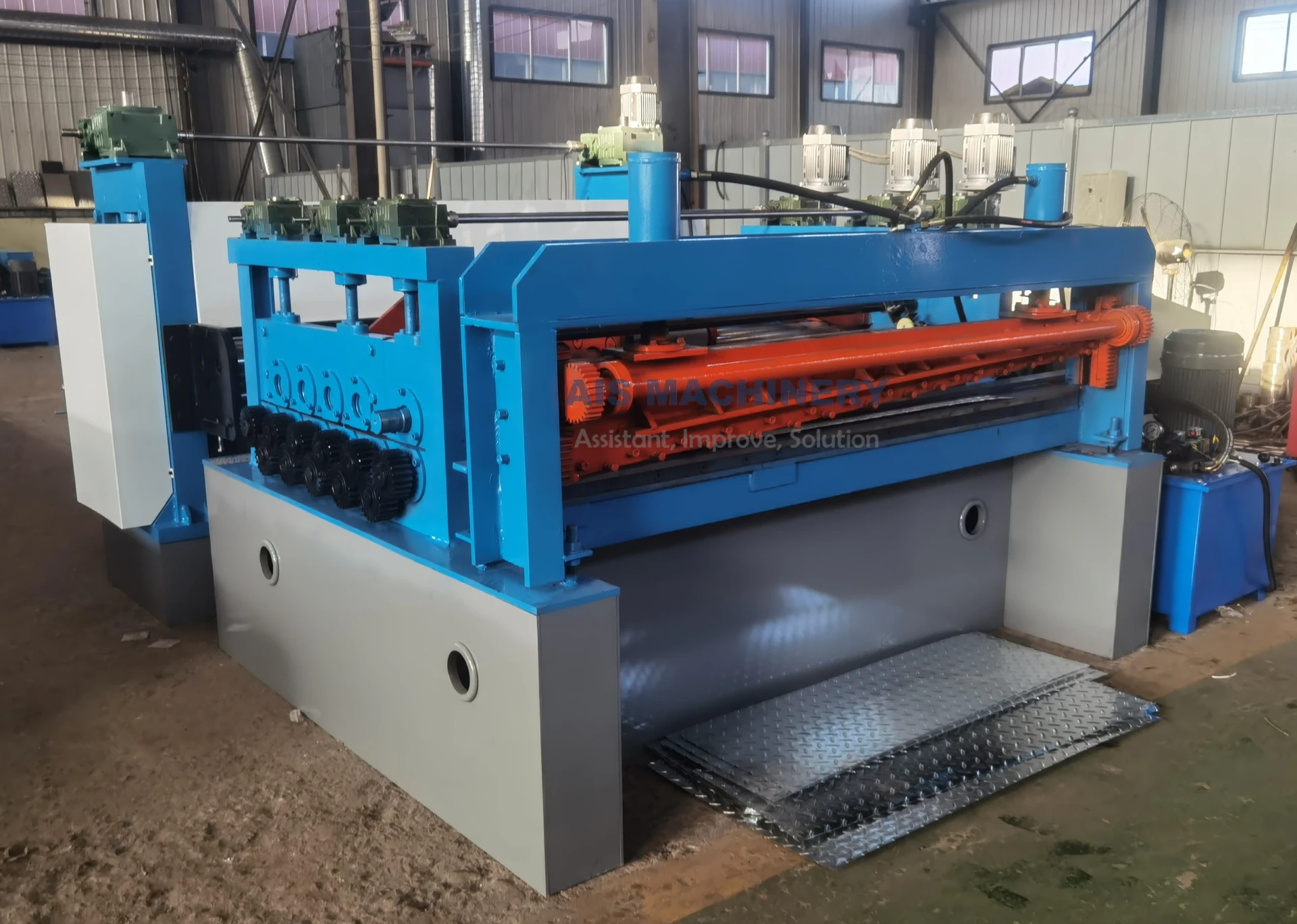
Metal Embossing Machine: Turn Flat Sheets into High-Value Textured Products
Discover how a metal embossing machine transforms flat steel, stainless steel, and aluminum sheets into high-value textured products. Learn about its working principle, key components, and applications. Ideal for decorative and industrial use, embossing machines improve both appearance and performance. Explore complete embossing line solutions and find the right machine for your production needs.
2026-04-04 20:37:18
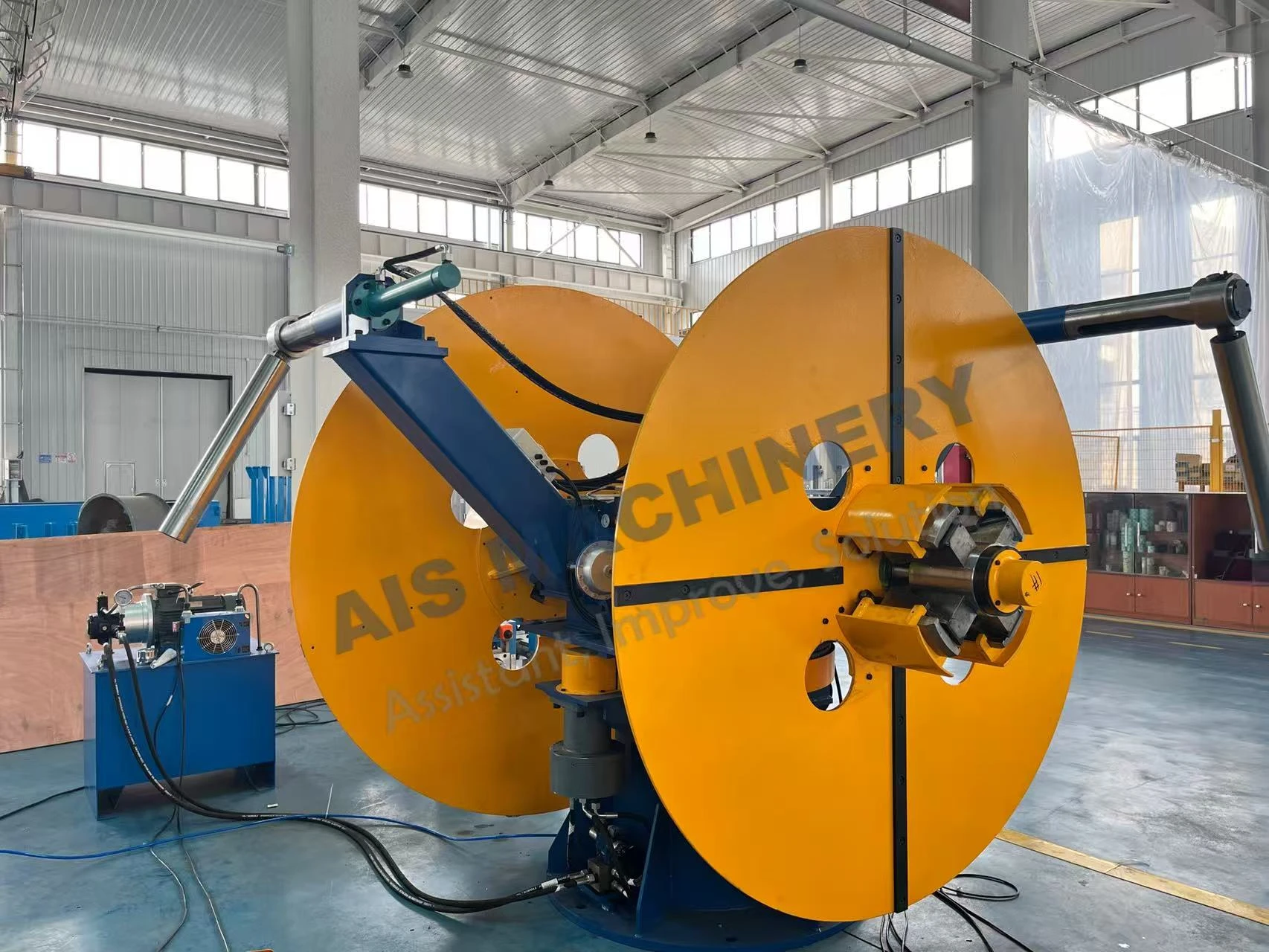
Automatic Double Side Uncoiler with Hydraulic Expansion and Auto Rotation for Steel Coil Processing
The Automatic Double Side Uncoiler is a high-efficiency solution designed for modern steel coil processing lines, including tube mills, roll forming machines, and slitting lines. With a maximum capacity of 4 tons per side, this machine ensures stable and continuous coil feeding while reducing downtime during coil change.
Send a Message
Dear customer, thank you for your attention! We provide high-quality machinery and equipment and look forward to your orders. Please inform us of your needs and we will respond quickly!
 English
  Albanian
  Arabic
  French
  German
  Indonesian
  Italian
  Japanese
  Kazakh
  Korean
  Latin
Latin  Macedonian
  Portuguese
  Russian
  Spanish
  Thai
Thai  Turkish
  Ukrainian
  Uzbek
Uzbek