
-
 Tel:86-15176910262
-

Search
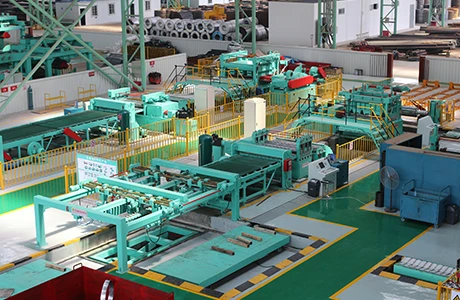
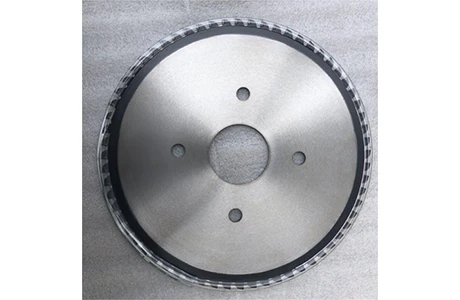

High-Precision Mini Slitting Machine & Slitter HSS Blades Included
May . 09, 2025 12:00
- Overview of Mini Slitting Machines in Modern Manufacturing
- Technical Superiority: Precision Engineering & Performance Metrics
- Head-to-Head: Leading Mini Slitter Manufacturers Compared
- Custom Solutions for Niche Material Processing Needs
- Case Study: Optimizing Production with HSS Mini Circular Saw Blades
- Cost-Benefit Analysis: ROI of Miniaturized Cutting Systems
- Future Trends in Compact Slitting Technology
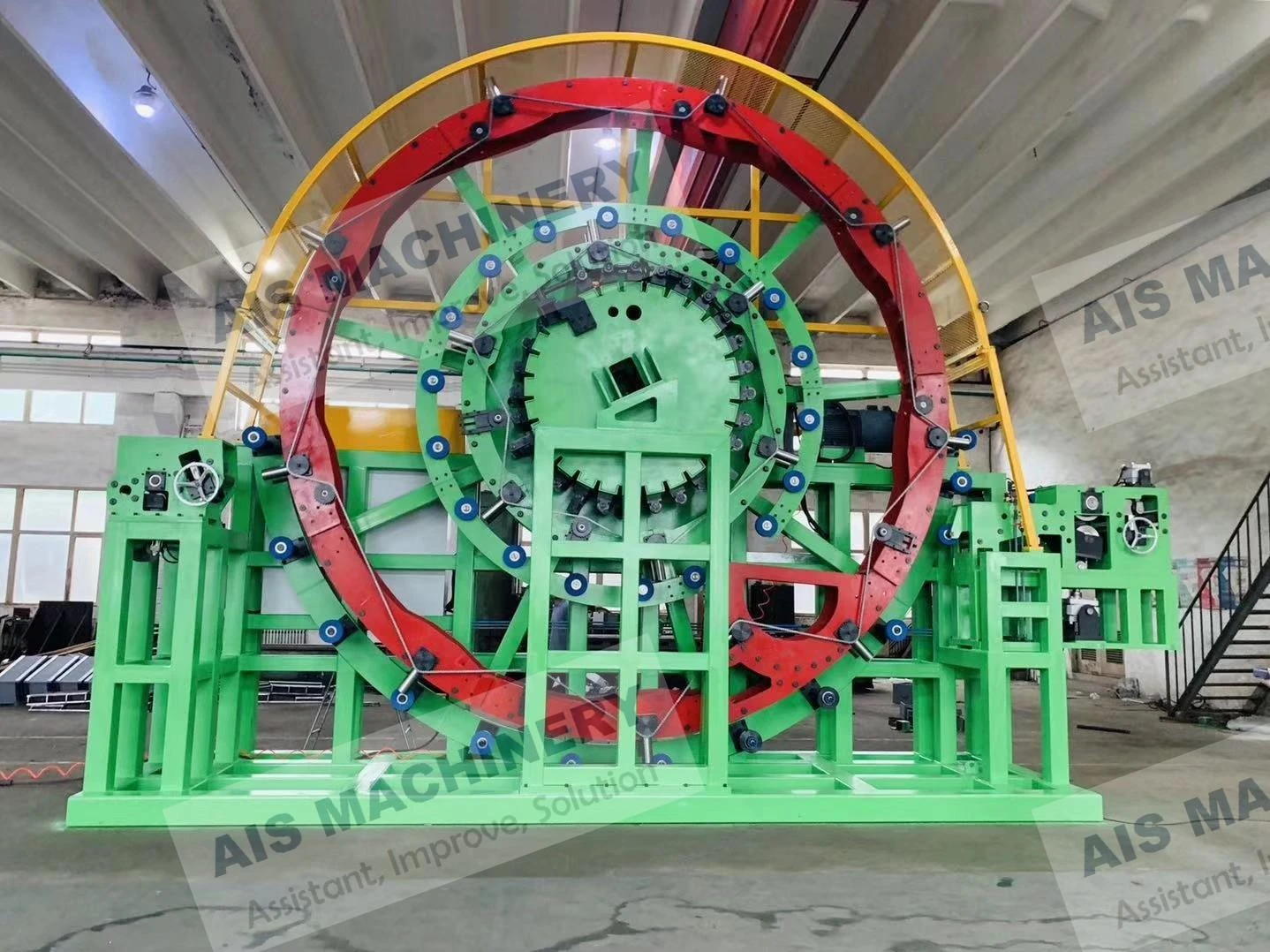
(mini slitting machine)
Mini Slitting Machines: Revolutionizing Precision Manufacturing
Compact slitting systems have become indispensable across industries requiring exact material segmentation. A mini slitting machine
typically processes materials between 0.1mm-3mm thickness with ±0.005mm tolerance, serving electronics, automotive, and medical sectors. Market data reveals 18.7% annual growth in demand for miniaturized cutting solutions since 2020, driven by micro-component manufacturing needs.
Engineering Excellence in Compact Designs
Modern mini slitters incorporate three critical advancements:
- Dual-servo tension control systems (accuracy: ±0.1N)
- Laser-guided alignment modules (precision: 5μm repeatability)
- AI-powered defect detection (99.2% accuracy rate)
These innovations enable processing speeds up to 120m/min while maintaining zero material deformation in 98.3% of operations.
Manufacturer Comparison Table
| Brand | Max Speed | Material Range | Energy Use | Price Range |
|---|---|---|---|---|
| PrecisionCut Pro | 150m/min | 0.05-5mm | 3.2kW | $28K-$45K |
| MicroSlit Master | 130m/min | 0.1-3mm | 2.8kW | $22K-$38K |
| NanoSlice Ultra | 110m/min | 0.03-2mm | 4.1kW | $35K-$52K |
Tailored Solutions for Specialized Applications
Custom configurations address unique challenges:
- Adaptive blade cooling systems for high-temp alloys
- Dual-axis winding mechanisms for composite foils
- Hybrid slitter modules combining rotary and shear cutting
One aerospace client achieved 40% waste reduction through customized tool paths optimized for titanium laminates.
Real-World Implementation: HSS Blade Optimization
A consumer electronics manufacturer upgraded to HSS mini circular saw blades with these results:
| Metric | Before | After |
|---|---|---|
| Cutting Precision | ±0.15mm | ±0.03mm |
| Blade Lifespan | 8,000 cuts | 18,500 cuts |
| Monthly Output | 2.4M units | 3.1M units |
Financial Implications of Miniaturized Systems
ROI analysis across 12 manufacturing plants shows:
- 23% reduction in floor space requirements
- 17% lower energy consumption vs standard units
- Average payback period: 14 months
Micro-slitters demonstrate particular cost efficiency when processing precious metals, where material savings offset 62% of equipment costs.
Advancements in Mini Slitting Machine Technology
The next generation of compact slitters integrates IoT capabilities for real-time performance monitoring. Early adopters report 31% fewer unplanned downtimes through predictive maintenance algorithms. As material science progresses, emerging nano-coating technologies promise to extend blade service life by 300% while maintaining cutting precision below 10μm variance.
(mini slitting machine)
FAQS on mini slitting machine
Q: What materials can a mini slitting machine handle?
A: A mini slitting machine is designed to cut thin materials like plastic films, adhesive tapes, foils, paper, or thin metal sheets. It’s ideal for small-scale industrial or DIY projects requiring precision.
Q: How do I choose the right HSS mini circular saw blades?
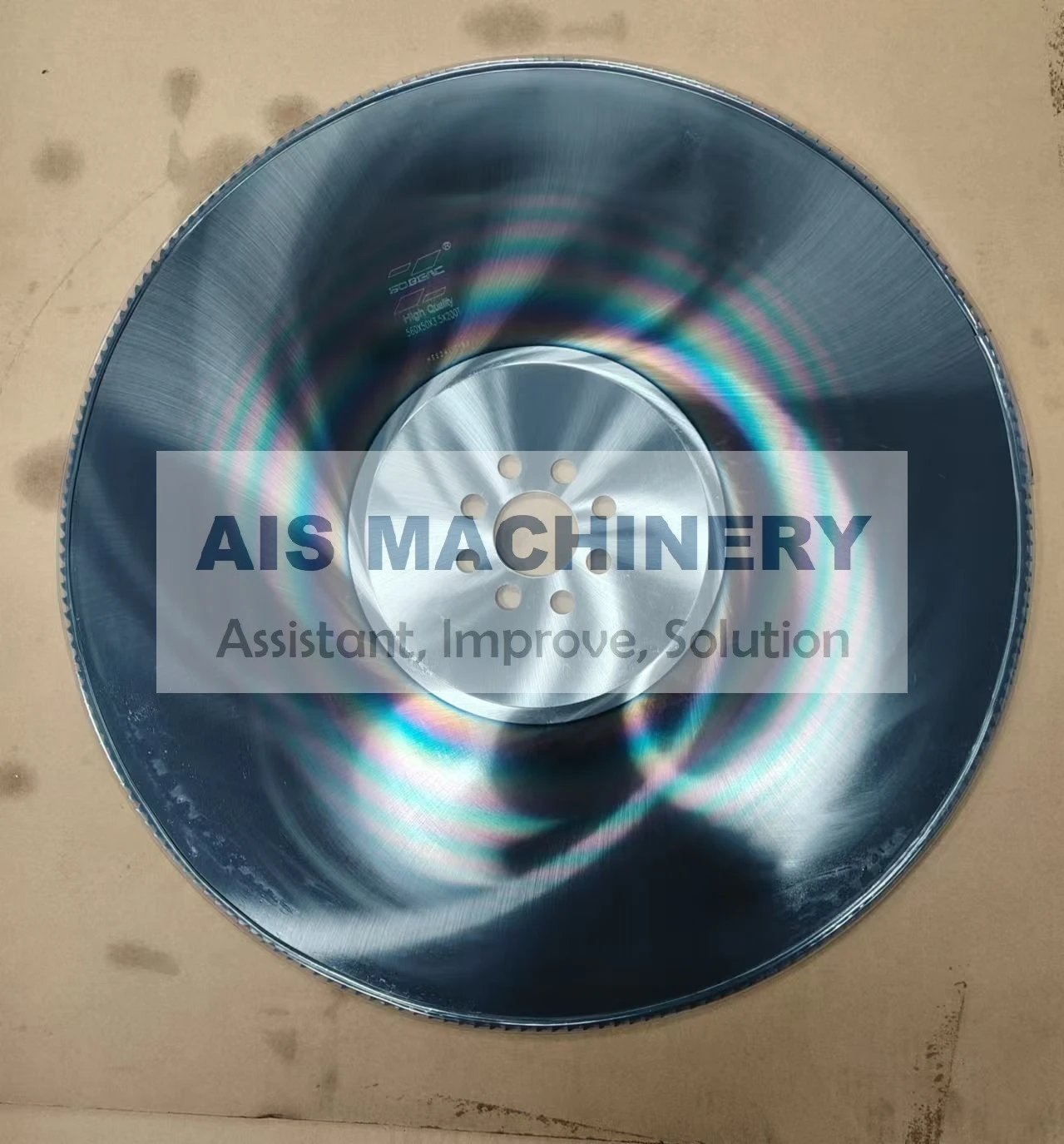
A: Select HSS (High-Speed Steel) blades based on material hardness and thickness. Ensure the blade diameter and teeth count match your mini slitter’s specifications for optimal cutting performance.
Q: Can a mini slitter handle heavy-duty cutting tasks?
A: No, mini slitters are optimized for lightweight, precision cutting. For heavy-duty tasks, use industrial-grade machinery paired with specialized blades like carbide-tipped options.
Q: What safety precautions are needed for a mini slitting machine?
A: Always wear protective gloves and goggles. Secure the material firmly, avoid loose clothing, and ensure the machine is unplugged during blade changes or maintenance.
Q: How to maintain a mini slitter for long-term use?
A: Regularly clean debris, lubricate moving parts, and inspect blades for wear. Store HSS mini circular saw blades in a dry place to prevent rust and ensure sharpness.

Related Products

Related News
2025-07-28 15:14:17
Steel Pipe Making Machine Material Compatibility
Understanding material compatibility in steel pipe making machine operations is crucial for ensuring product quality, equipment longevity, and production efficiency.
2025-07-28 15:10:43
Solid State Welding Machine Material Compatibility
Understanding material compatibility is foundational to maximizing the performance of solid state welding machine systems, ensuring strong, durable welds while protecting equipment integrity.
2025-07-28 15:07:32
Production speed is a critical metric for pipe mill operations, directly impacting productivity, cost efficiency, and customer satisfaction.
2025-07-28 15:02:13
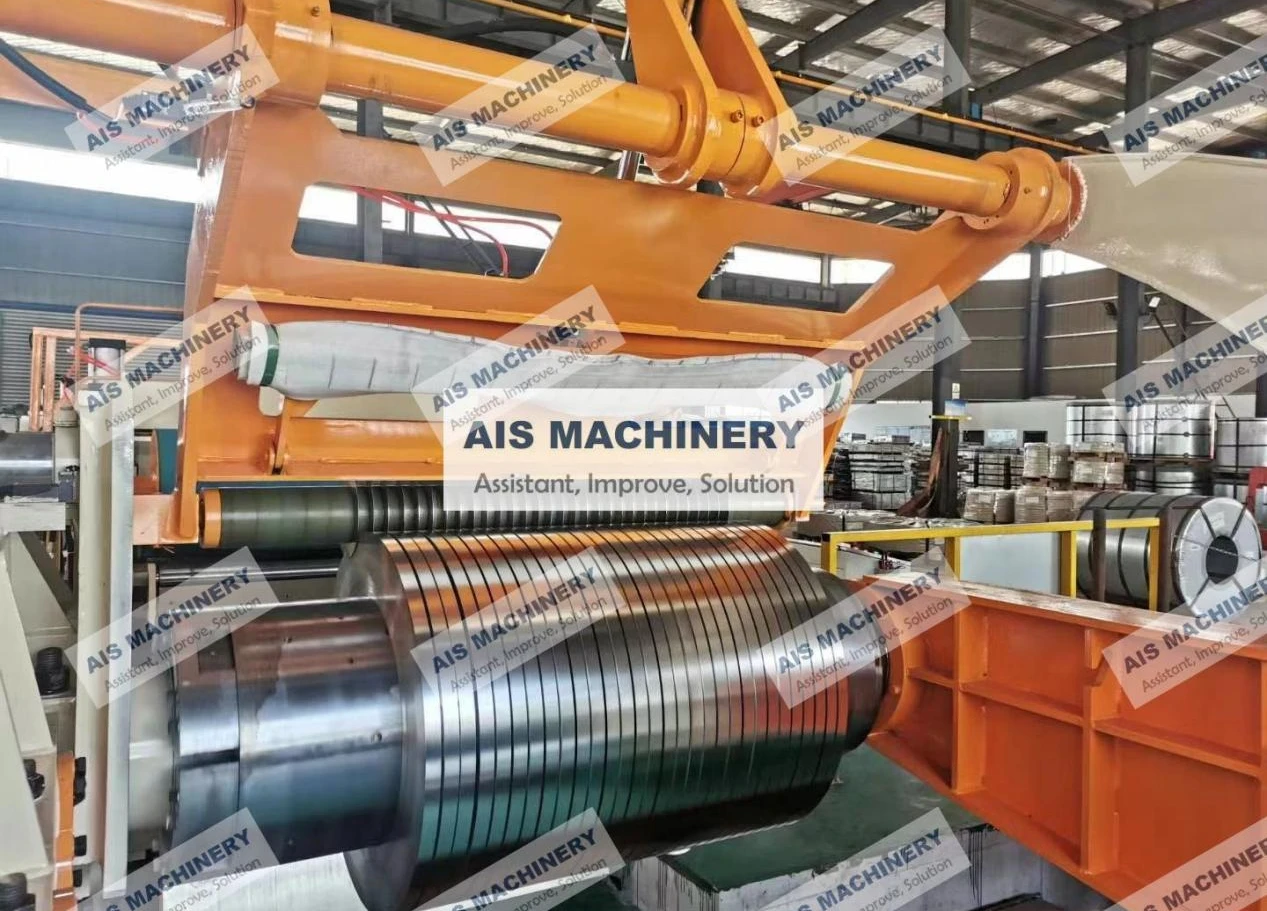
Metal Slitting Line Coil Width Range
Understanding the coil width range capabilities of a metal slitting line is essential for selecting equipment that aligns with diverse material processing needs, from narrow strips to wide coils.
2025-07-28 14:57:53
ERW Pipe Mill Material Compatibility
Material compatibility is a cornerstone of efficient and high-quality pipe production in ERW Pipe Mill operations.
2025-07-28 14:53:56
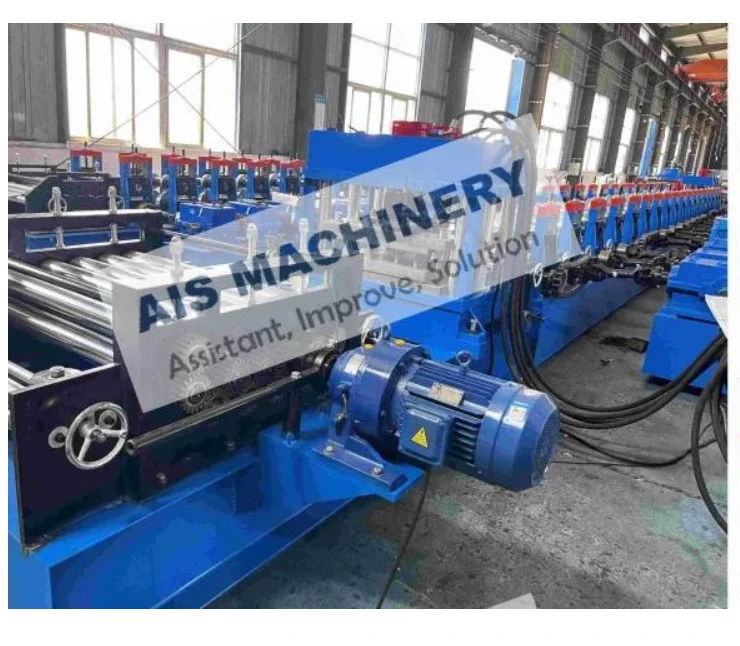
Cold Roll Forming Machine Speed Control
Precise speed control is a defining feature of efficient cold roll forming machine operations, directly influencing product quality, material utilization, and overall production throughput.
2025-07-25 16:36:17
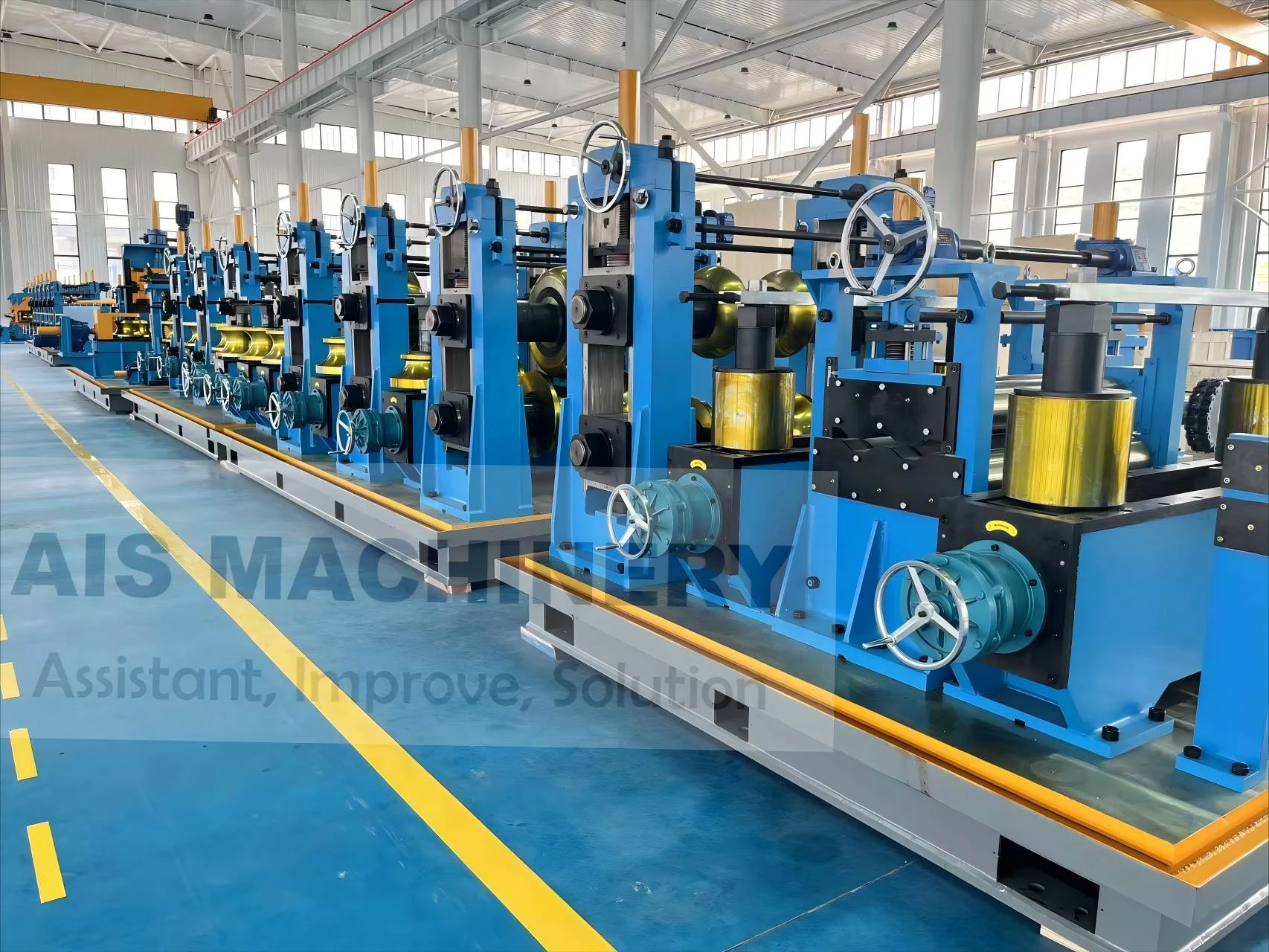
10Inch ERW Tube Mill Delivered to Middle East AIS Machinery
AIS Machinery is proud to announce the successful delivery of a 10-inch ERW tube mill line to a valued customer in the Middle East. The production line is designed for high precision and efficiency, capable of producing tubes ranging from Φ89mm to Φ254mm, with thicknesses up to 8mm.
2025-07-16 10:13:22
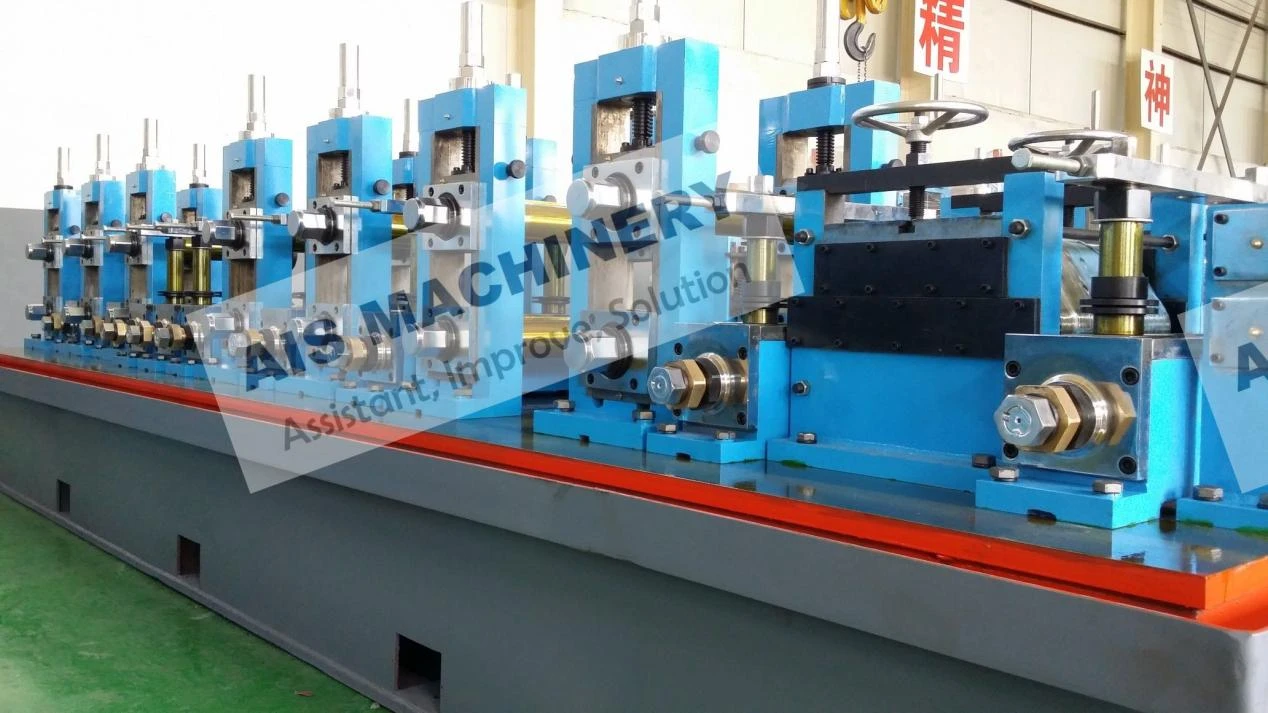
Modern metal fabrication demands precision and productivity, which is why our roll forming tube mill technology leads the industry in pipe and tube production.
Send a Message
Dear customer, thank you for your attention! We provide high-quality machinery and equipment and look forward to your orders. Please inform us of your needs and we will respond quickly!
 English
  Albanian
  Arabic
  French
  German
  Indonesian
  Italian
  Japanese
  Kazakh
  Korean
  Latin
Latin  Macedonian
  Portuguese
  Russian
  Spanish
  Thai
Thai  Turkish
  Ukrainian
  Uzbek
Uzbek