
-
 Tel:86-15176910262
-

Search

Steel Pipe Making Machine Material Compatibility
Jul . 28, 2025 15:14
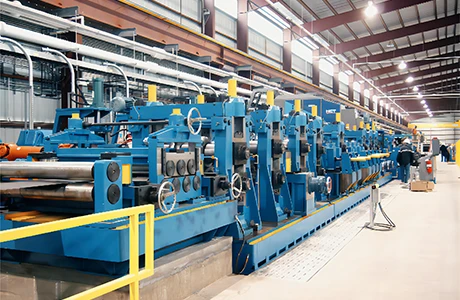
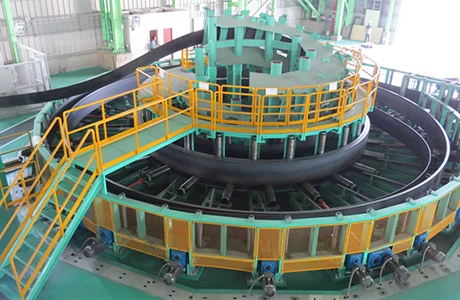
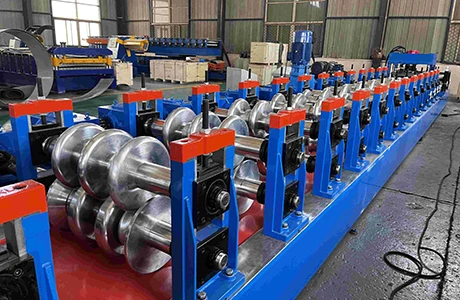
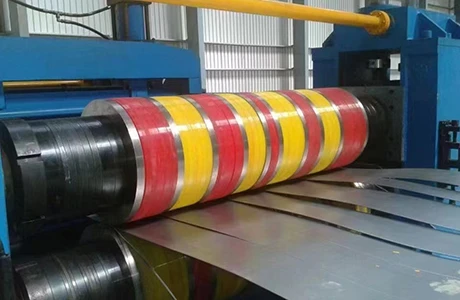
Understanding material compatibility in steel pipe making machine operations is crucial for ensuring product quality, equipment longevity, and production efficiency. As a wholesaler, guiding customers toward the right steel pipe making machine—whether it’s an erw pipe making machine or an ms pipe making machine—requires deep knowledge of how different materials interact with these systems. HEBEI AIS MACHINERY EQUIPMENT CO.,LTD specializes in engineering steel pipe making machine solutions that excel in handling diverse materials, from mild steel to high-strength alloys. This guide explores the compatibility of various materials with steel pipe making machine systems, the unique considerations for erw pipe making machine and ms pipe making machine operations, and how equipment design influences material processing, empowering wholesalers to support customers in achieving optimal production results.
Steel Pipe Making Machine Material Compatibility Basics
Key Material Properties for Compatibility
- Ductility: Materials with high ductility, such as mild steel, are easier to form in steel pipe making machine systems, reducing the risk of cracks during bending and welding. HEBEI AIS MACHINERY EQUIPMENT CO.,LTD.’s steel pipe making machine models are calibrated to handle ductile materials efficiently, with forming rollers that apply gradual pressure to maintain material integrity.
- Tensile Strength: High-tensile strength materials require steel pipe making machinesystems with reinforced components to withstand increased forming forces. HEBEI AIS MACHINERY EQUIPMENT CO.,LTD. offers steel pipe making machine configurations with hardened rollers and high-torque motors, ensuring compatibility with high-strength steels up to 800 MPa tensile strength.
- Corrosion Resistance: Materials like galvanized steel or stainless steel demand steel pipe making machinecomponents that resist corrosion, such as stainless steel rollers and zinc-plated frames. HEBEI AIS MACHINERY EQUIPMENT CO.,LTD.’s specialized steel pipe making machine models for corrosive materials include anti-rust coatings and sealed bearings to extend equipment life.
Common Materials Processed by Steel Pipe Making Machines
- Carbon Steel: The most widely used material in steel pipe making machineoperations, carbon steel (with 0.05–1.0% carbon content) offers excellent compatibility with standard equipment. HEBEI AIS MACHINERY EQUIPMENT CO.,LTD.’s entry-level steel pipe making machine models are optimized for carbon steel, delivering consistent results in both small and large diameter pipe production.
- Alloy Steel: Alloy steels, which contain elements like chromium, nickel, or manganese, require adjusted settings in steel pipe making machinesystems to manage their increased hardness. HEBEI AIS MACHINERY EQUIPMENT CO.,LTD. provides steel pipe making machine configurations with variable speed controls and enhanced cooling systems, ensuring proper forming and welding of alloy steels without compromising strength.
- Galvanized Steel: Processing galvanized steel in steel pipe making machineoperations requires care to prevent zinc vaporization during welding, which can weaken welds. HEBEI AIS MACHINERY EQUIPMENT CO.,LTD.’s steel pipe making machine systems for galvanized steel include fume extraction units and modified welding parameters to preserve the zinc coating and maintain corrosion resistance.
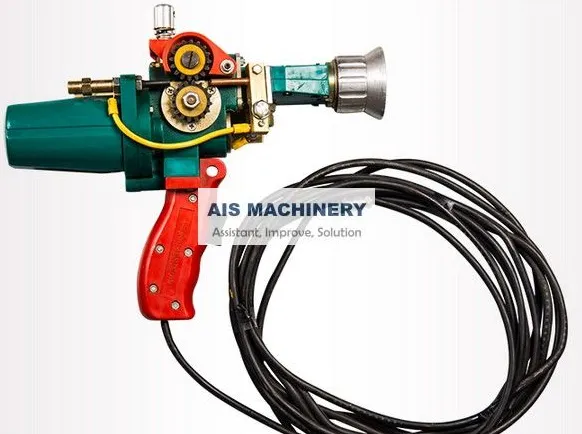
Erw Pipe Making Machine Material Compatibility
High-Frequency Welding Material Considerations
- Weldability of Materials: erw pipe making machinesystems rely on high-frequency current to fuse steel edges, making material weldability a key compatibility factor. Low-carbon steels (0.05–0.30% carbon) are ideal for erw pipe making machine operations, as their low carbon content minimizes weld brittleness. HEBEI AIS MACHINERY EQUIPMENT CO.,LTD.’s erw pipe making machine models feature adjustable frequency settings (400–600 kHz) to optimize welds for different material thicknesses.
- Material Thickness Limits: erw pipe making machinesystems have specific thickness limits for effective welding—typically 0.5–12mm for standard models. Thicker materials require higher welding power and slower line speeds to ensure full penetration. HEBEI AIS MACHINERY EQUIPMENT CO.,LTD.’s heavy-duty erw pipe making machine can handle thicknesses up to 16mm by using enhanced pressure rollers and extended welding zones.
- Surface Condition Requirements: Clean, oxide-free surfaces are essential for proper welding in erw pipe making machine Contaminants like oil, rust, or scale can cause weld defects. HEBEI AIS MACHINERY EQUIPMENT CO.,LTD.’s erw pipe making machinesystems include pre-welding cleaning stations with wire brushes and degreasers, ensuring material surfaces are compatible with the welding process.
ERW Machine Component Compatibility with Materials
- Roller Material: erw pipe making machinerollers must be compatible with the material being processed to avoid excessive wear. For abrasive materials like high-carbon steel, HEBEI AIS MACHINERY EQUIPMENT CO.,LTD. uses high-chrome steel rollers in their erw pipe making machine systems, which resist wear 30% better than standard steel rollers.
- Electrode Material: Copper electrodes in erw pipe making machinesystems conduct high-frequency current to the weld zone, and their compatibility with materials affects weld quality. HEBEI AIS MACHINERY EQUIPMENT CO.,LTD.’s erw pipe making machine models use chromium-plated copper electrodes, which reduce adhesion of molten steel and extend electrode life, especially when processing high-sulfur steels.
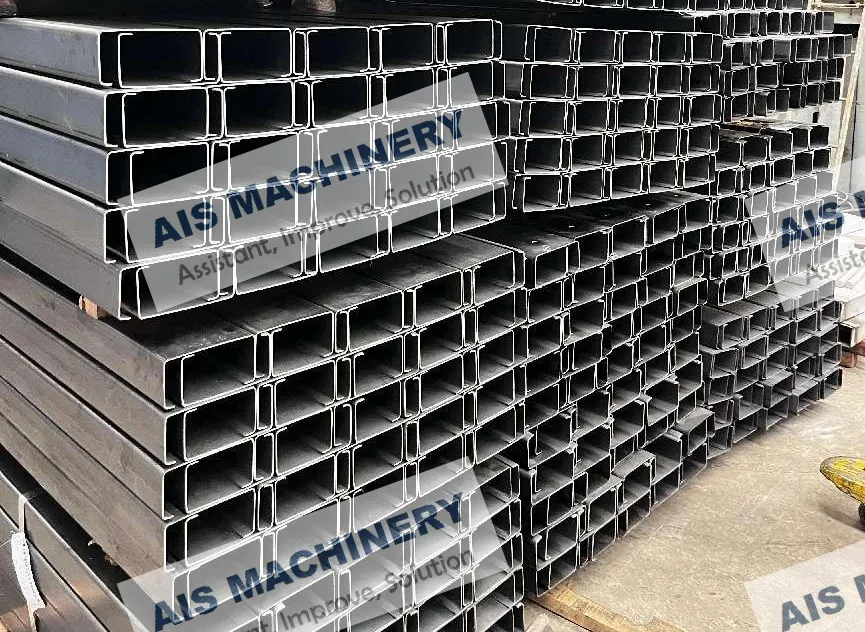
ms pipe making machine Material Compatibility
Mild Steel Processing Advantages
- Formability: Mild steel (ms) is highly formable, making it ideal for ms pipe making machine Its low carbon content (≤0.25%) allows for easy bending and shaping, reducing the risk of cracks during forming. HEBEI AIS MACHINERY EQUIPMENT CO.,LTD.’s ms pipe making machinemodels leverage this property, operating at higher speeds (up to 80 m/min) compared to machines processing harder materials.
- Weldability: Mild steel’s excellent weldability ensures strong, consistent seams in ms pipe making machine The low carbon content minimizes the formation of brittle martensite in the weld zone, resulting in ductile joints. HEBEI AIS MACHINERY EQUIPMENT CO.,LTD.’s ms pipe making machinesystems require minimal welding parameter adjustments, simplifying operation and reducing setup time.
- Cost-Effectiveness: Mild steel’s widespread availability and low cost make ms pipe making machineoperations economically efficient. HEBEI AIS MACHINERY EQUIPMENT CO.,LTD.’s ms pipe making machine models are designed to maximize material utilization, with precision cutting systems that minimize waste, further enhancing cost savings for customers.
Limitations and Solutions for MS Pipe Making
- Strength Limitations: Mild steel’s lower tensile strength (370–500 MPa) restricts its use in high-pressure applications. For customers needing stronger pipes, HEBEI AIS MACHINERY EQUIPMENT CO.,LTD. recommends pairing ms pipe making machineoperations with post-production heat treatment or upgrading to a steel pipe making machine capable of processing high-strength alloys.
- Corrosion Resistance: Mild steel is prone to corrosion, requiring protective coatings in humid or outdoor environments. HEBEI AIS MACHINERY EQUIPMENT CO.,LTD.’s ms pipe making machinesystems can be integrated with coating lines, applying galvanization or paint directly after pipe forming to enhance material durability.
Table: Material Compatibility Across Pipe Making Machines
|
Material Type |
steel pipe making machine Compatibility |
erw pipe making machine Performance |
ms pipe making machine Suitability |
HEBEI AIS MACHINERY EQUIPMENT CO.,LTD. Recommended Model |
|
Mild Steel |
Excellent |
High weld quality, fast speeds |
Ideal (primary material) |
AM-MS-200 |
|
High-Carbon Steel |
Good (with adjustments) |
Requires lower speeds, enhanced cooling |
Not recommended |
AM-STM-300 |
|
Galvanized Steel |
Good (with fume extraction) |
Good (modified welding parameters) |
Good (post-coating) |
AM-ERW-250G |
|
Alloy Steel |
Good (reinforced components) |
Fair (requires precise frequency control) |
Not recommended |
AM-STM-400A |
Steel Pipe Making Machine FAQS
Can an erw pipe making machine process both mild steel and high-carbon steel?
Yes, an erw pipe making machine can process both mild steel and high-carbon steel, but with adjustments to operating parameters. Mild steel (low carbon) works with standard settings, enabling high speeds (60–80 m/min) and consistent welds. High-carbon steel requires slower speeds (20–40 m/min) and lower welding frequency to prevent weld brittleness. HEBEI AIS MACHINERY EQUIPMENT CO.,LTD.’s erw pipe making machine models, such as the AM-ERW-300, feature programmable settings that optimize performance for both materials, ensuring compatibility across a range of carbon contents.
What makes ms pipe making machine systems ideal for mild steel?
ms pipe making machine systems are ideal for mild steel due to their design focus on handling low-carbon, highly formable materials. These machines have rollers with gentler contours to prevent cracking in mild steel’s ductile structure and welding systems calibrated for mild steel’s excellent weldability. HEBEI AIS MACHINERY EQUIPMENT CO.,LTD.’s ms pipe making machine models also operate at higher speeds for mild steel, maximizing productivity while maintaining quality—critical for the high-volume production often associated with mild steel pipes.
How does material thickness affect compatibility with steel pipe making machine systems?
Material thickness significantly impacts compatibility with steel pipe making machine systems. Thinner materials (0.5–3mm) work with most machines at high speeds, while thicker materials (8–16mm) require steel pipe making machine models with reinforced rollers, higher torque motors, and extended forming zones. HEBEI AIS MACHINERY EQUIPMENT CO.,LTD.’s steel pipe making machine lineup includes models like the AM-STM-400, designed to handle thick materials by applying gradual pressure and using heavy-duty components that resist wear, ensuring consistent performance even with thick-walled pipes.
Is galvanized steel compatible with ms pipe making machine operations?
Galvanized steel is compatible with ms pipe making machine operations, but with additional steps to preserve the zinc coating. The ms pipe making machine should include fume extraction to remove zinc vapors during welding, preventing weld porosity. HEBEI AIS MACHINERY EQUIPMENT CO.,LTD. modifies their ms pipe making machine systems for galvanized steel by adding heat shields around the weld zone, reducing zinc oxidation and maintaining the material’s corrosion resistance. Post-forming, the pipes can undergo additional coating to repair any zinc damage.
What maintenance is needed to ensure material compatibility in steel pipe making machine systems?
To ensure material compatibility in steel pipe making machine systems, regular maintenance is key. This includes cleaning rollers to remove material buildup, which can affect forming accuracy; inspecting and replacing worn electrodes in erw pipe making machine models to maintain weld quality; and calibrating speed and pressure settings when switching materials. HEBEI AIS MACHINERY EQUIPMENT CO.,LTD. provides maintenance guides for their steel pipe making machine systems, outlining schedules for these tasks to ensure consistent compatibility with various materials over time.
Material compatibility is a foundational aspect of steel pipe making machine operations, influencing everything from product quality to equipment performance. Whether customers need an erw pipe making machine for versatile steel processing or an ms pipe making machine optimized for mild steel, understanding how materials interact with these systems is key to selecting the right equipment. HEBEI AIS MACHINERY EQUIPMENT CO.,LTD.’s engineered solutions—with their adjustable settings, reinforced components, and material-specific features—empower manufacturers to process a wide range of materials efficiently. As a wholesaler, emphasizing these compatibility features helps customers make informed decisions, ensuring their steel pipe making machine investments deliver consistent results, long-term reliability, and maximum production value.

Related Products

Related News
2026-04-18 03:20:20
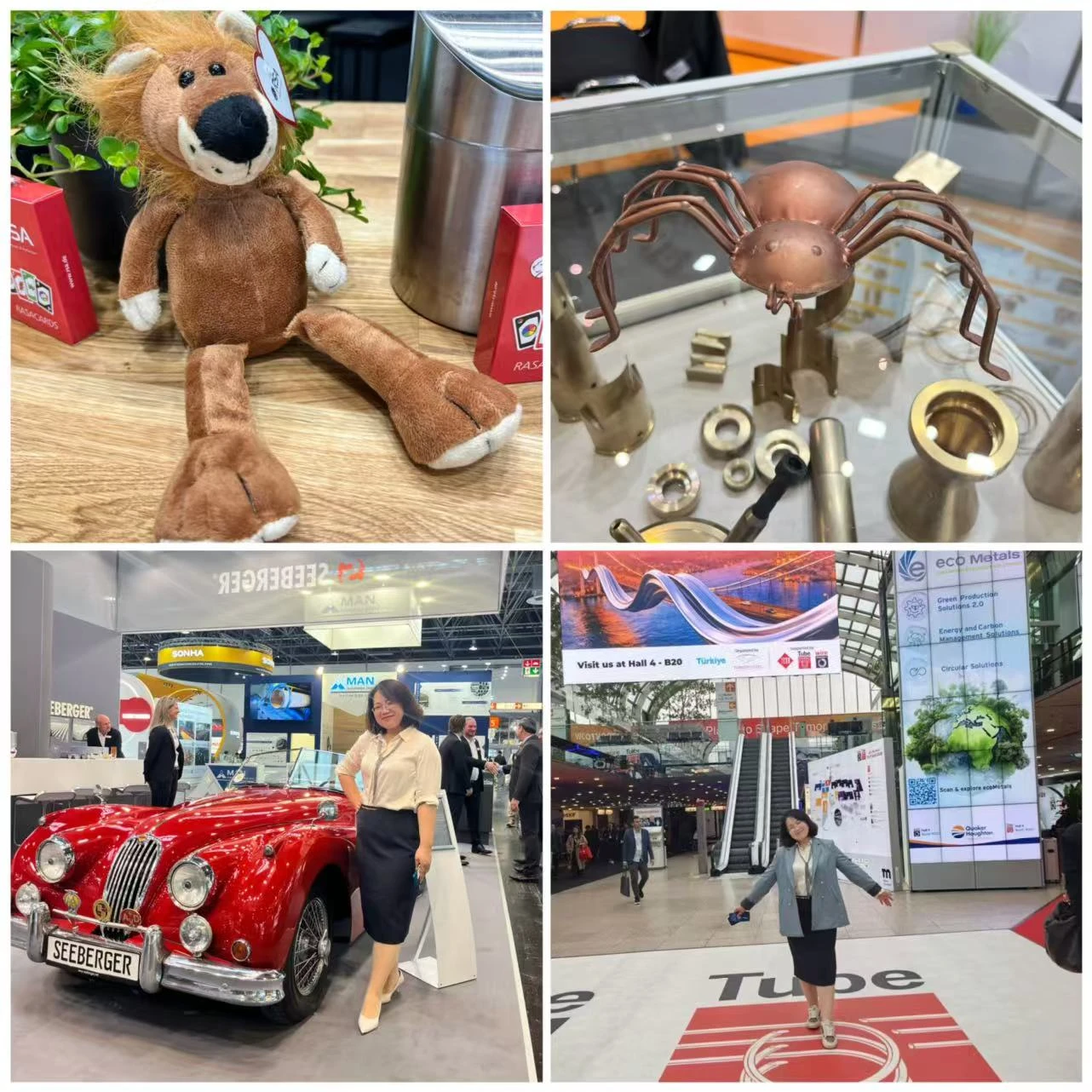
AIS Machinery Showcases Advanced Tube Solutions at Tube & Wire Düsseldorf 2026
Tube & Wire Düsseldorf 2026, one of the most influential exhibitions in the global tube and wire industry, held biennially in Düsseldorf, Germany
2027-04-17 00:00:00
Southeast Asia Client Visits Our Factory | Customized Tube Mill Solution Delivered
A Southeast Asia client visited our ERW tube mill factory to inspect production lines and discuss a customized tube mill solution. Impressed by our machine quality, welding performance, and engineering support, the client confirmed strong cooperation intentions. Discover how our ERW tube mill solutions improve efficiency, precision, and long-term production reliability.
2026-04-16 02:35:12
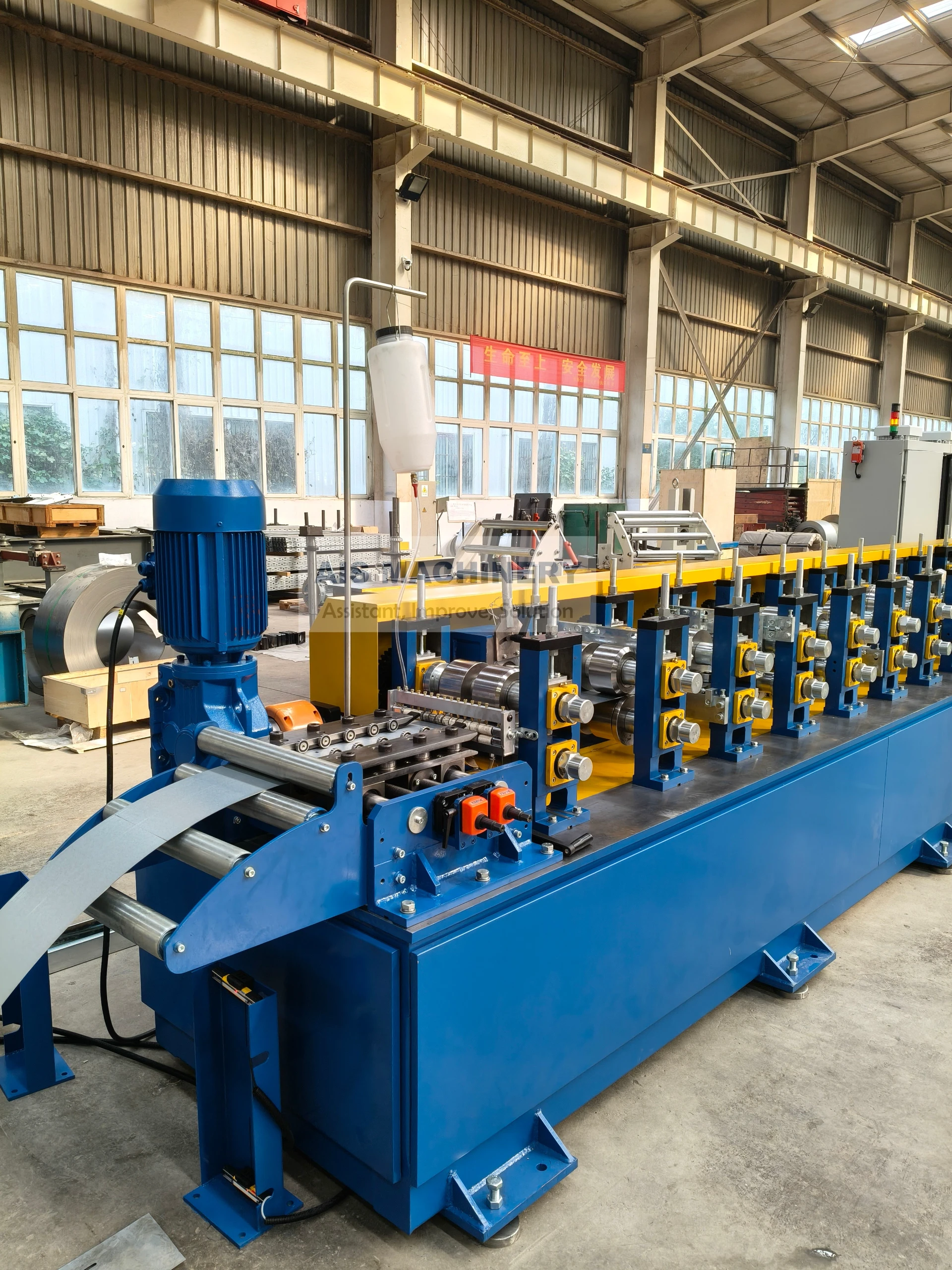
Professional Cold Roll Forming Machine Factory for Production
In the modern industrial landscape, the precision of metal shaping is the cornerstone of quality manufacturing. Partnering with a professional cold roll forming machine factory is essential for businesses looking to optimize their production lines, reduce material waste, and ensure high-dimensional accuracy. Whether you are producing C-channels, square tubes, or custom profiles, the choice of machinery determines your competitive edge in the market. This guide will explore the critical factors in selecting a factory and the technical advantages of advanced roll forming technology to help you make an informed investment.
2026-04-15 10:37:55
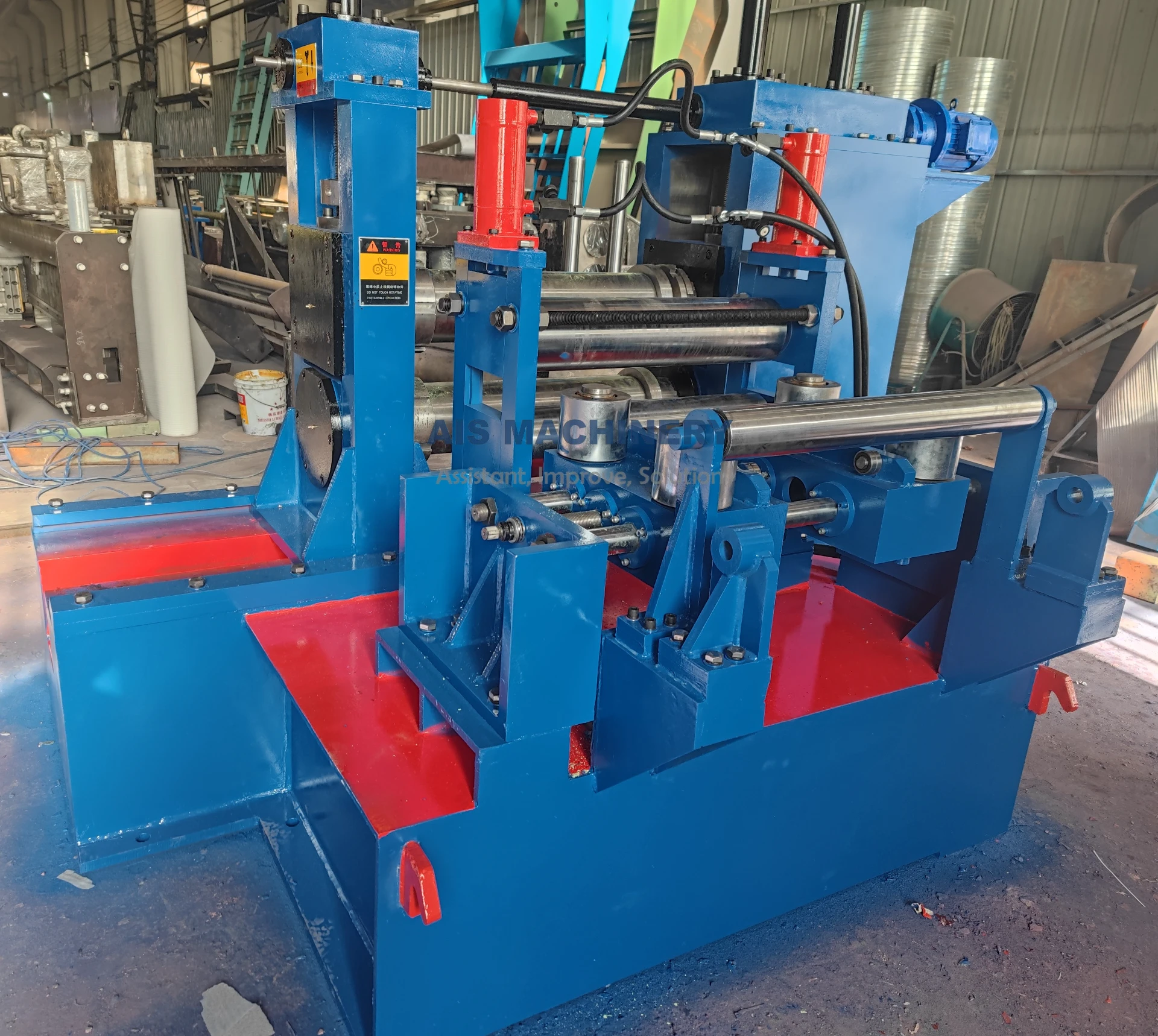
Flat Bar Production Line for Steel Coils: How It Works & Why It Matters
Looking for a flat bar production line? Learn how it turns steel coils into ready-to-use flat bars with precise length and high straightness. Compare it with slitting lines and get the best solution for your steel processing needs.
2026-04-14 00:00:00
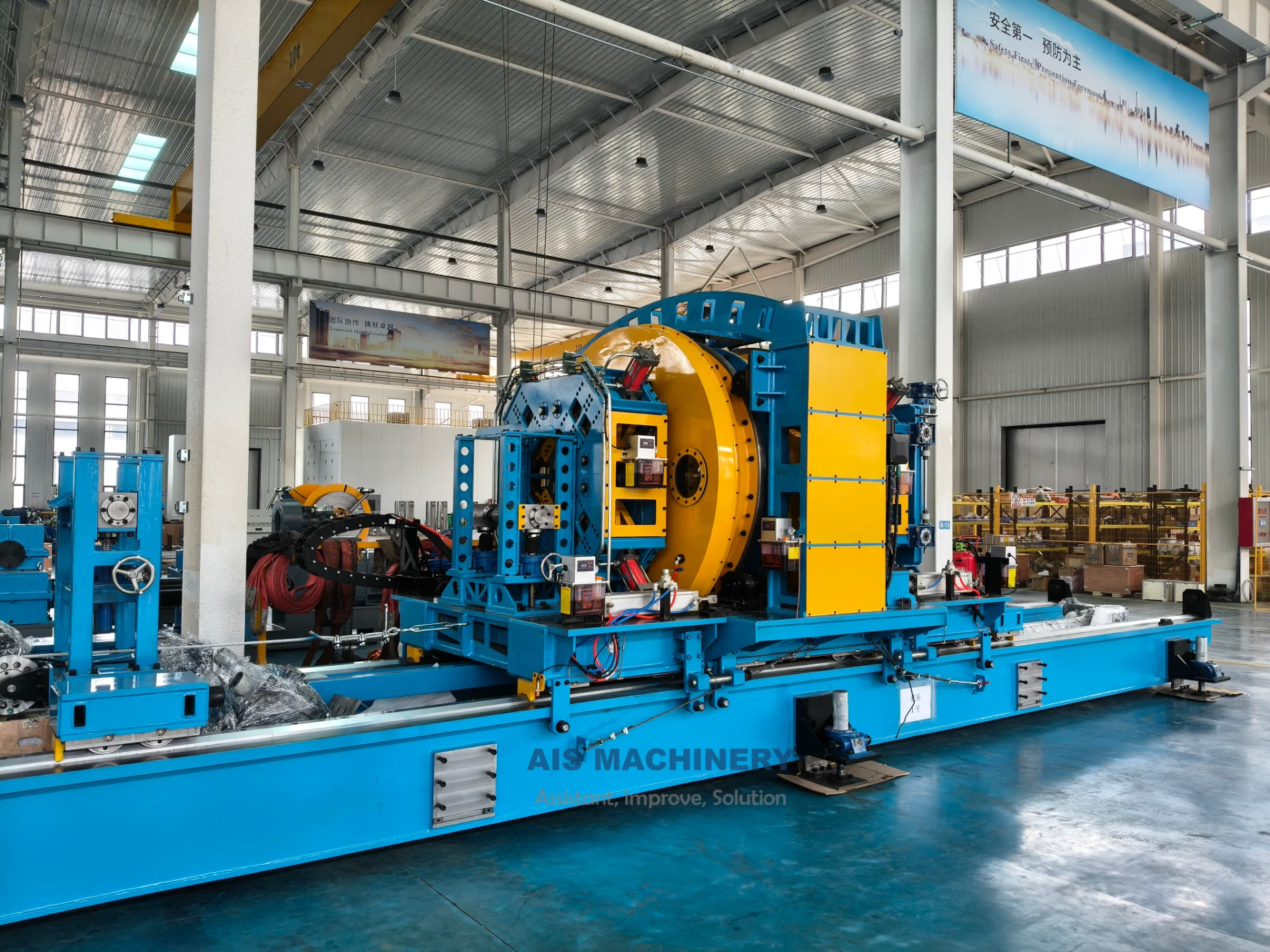
Looking for a Milling Saw for ERW Tube Mill? Here’s What You Need to Know
Looking for a high-performance milling saw for your ERW tube mill? Upgrade to burr-free, high-precision pipe cutting with advanced flying saw technology. Improve efficiency, reduce rework, and meet export standards for carbon steel, stainless steel, and API pipes. Contact us today for expert solutions and competitive pricing tailored to your production needs.
2026-04-09 16:15:19
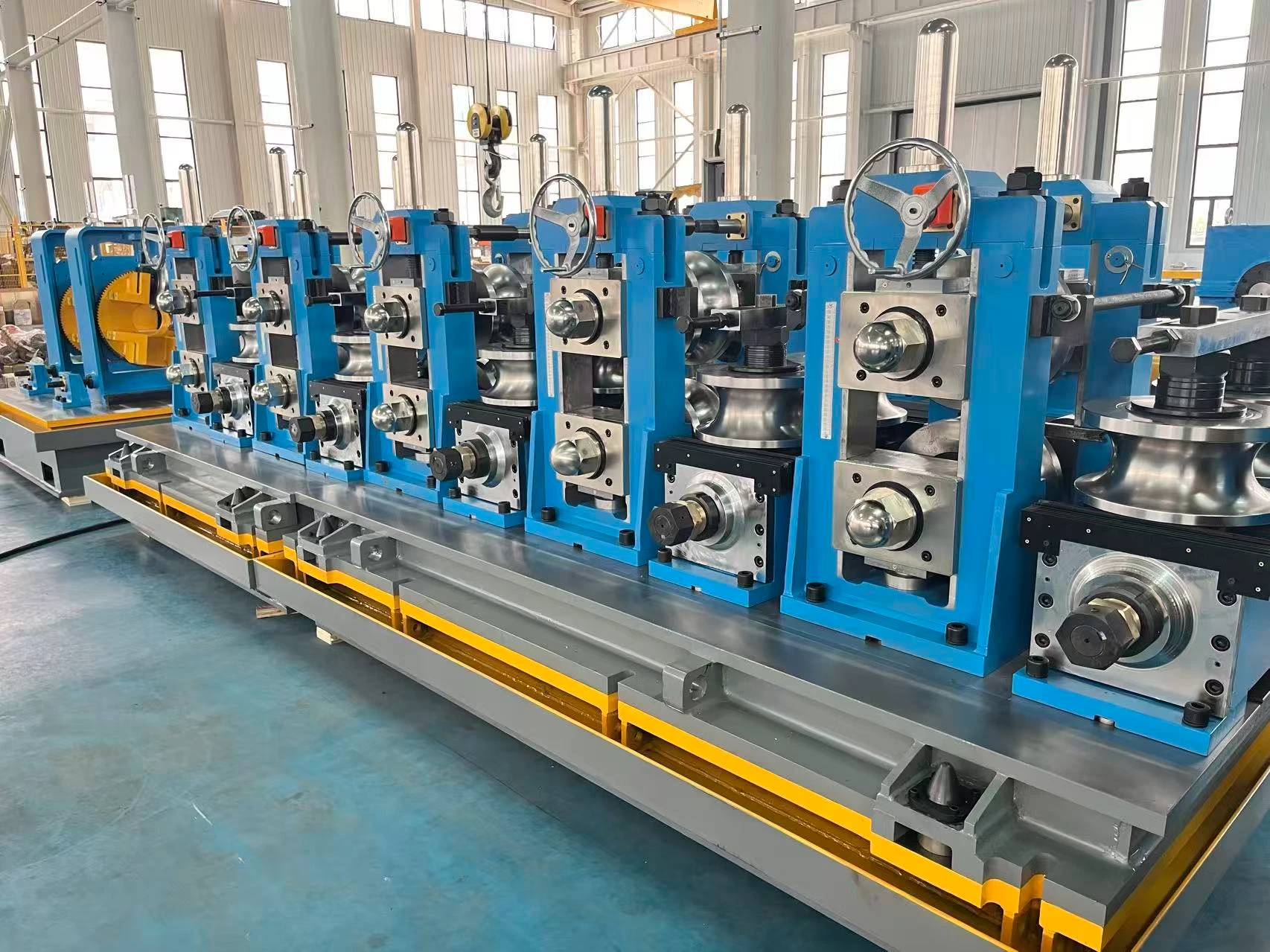
5-Inch (127mm) ERW Tube Making Machine Delivered with Heavy-Duty Design and Advanced Quick Change System
2027-04-07 00:00:00
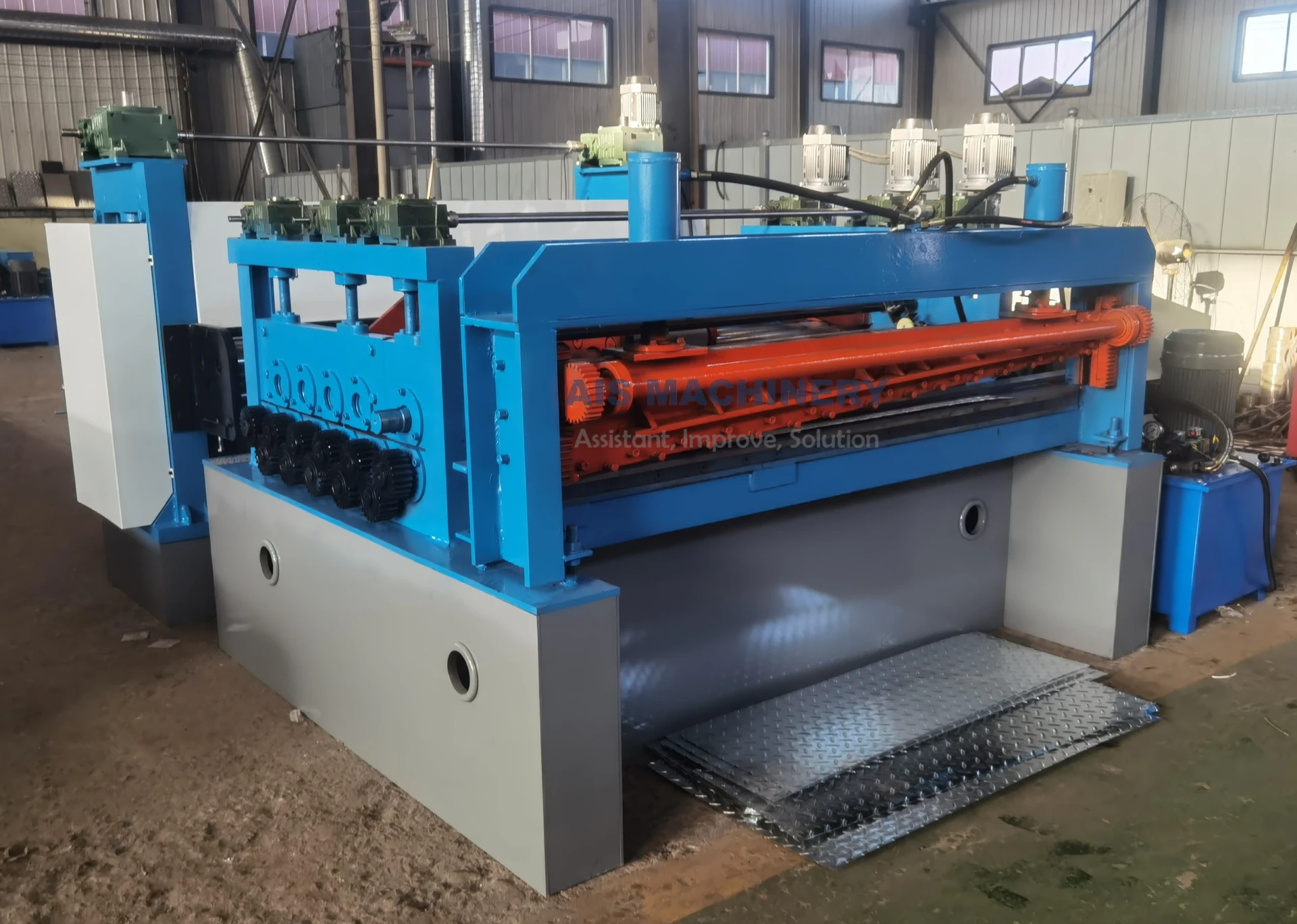
Metal Embossing Machine: Turn Flat Sheets into High-Value Textured Products
Discover how a metal embossing machine transforms flat steel, stainless steel, and aluminum sheets into high-value textured products. Learn about its working principle, key components, and applications. Ideal for decorative and industrial use, embossing machines improve both appearance and performance. Explore complete embossing line solutions and find the right machine for your production needs.
2026-04-04 20:37:18
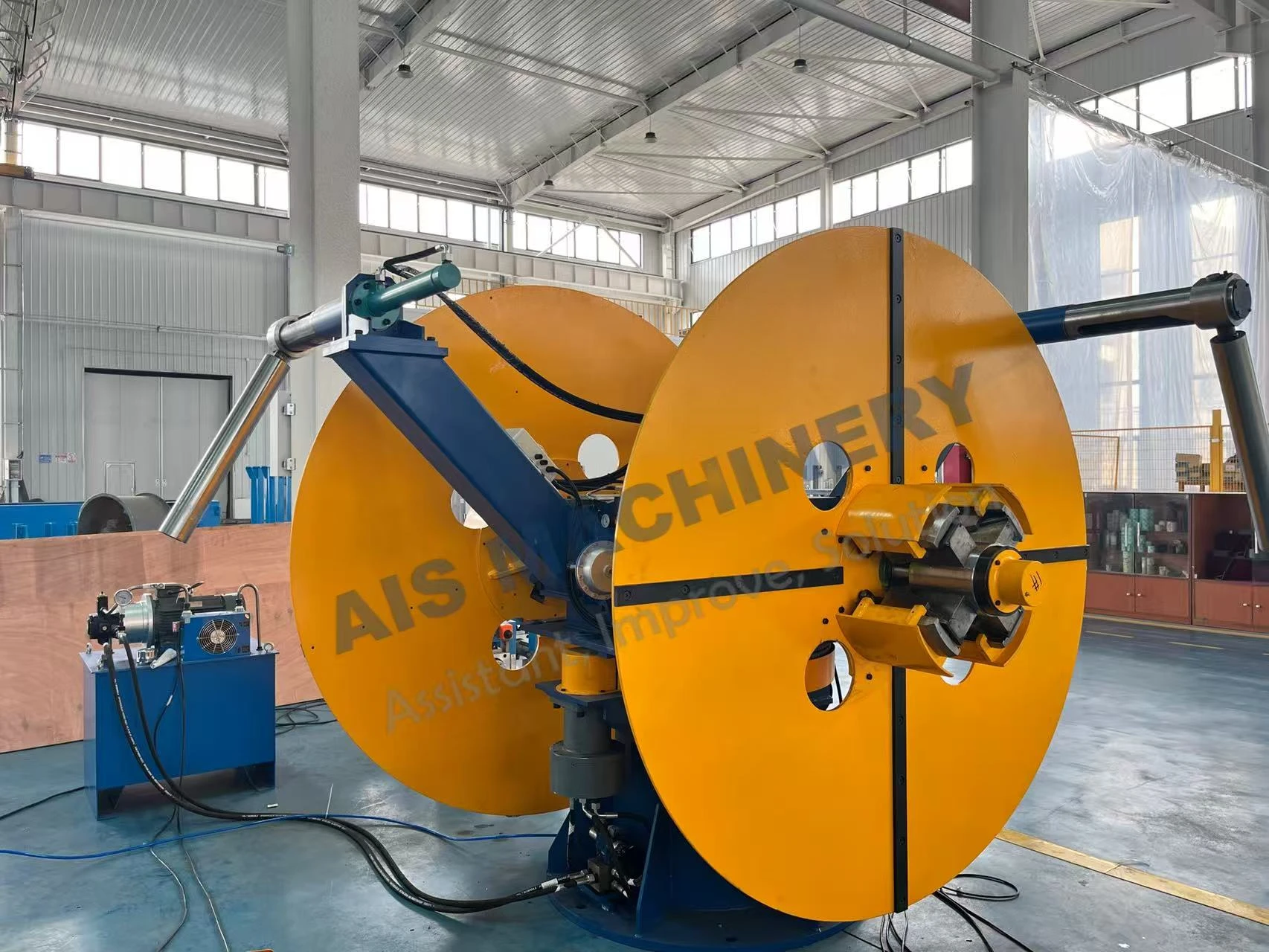
Automatic Double Side Uncoiler with Hydraulic Expansion and Auto Rotation for Steel Coil Processing
The Automatic Double Side Uncoiler is a high-efficiency solution designed for modern steel coil processing lines, including tube mills, roll forming machines, and slitting lines. With a maximum capacity of 4 tons per side, this machine ensures stable and continuous coil feeding while reducing downtime during coil change.
Send a Message
Dear customer, thank you for your attention! We provide high-quality machinery and equipment and look forward to your orders. Please inform us of your needs and we will respond quickly!
 English
  Albanian
  Arabic
  French
  German
  Indonesian
  Italian
  Japanese
  Kazakh
  Korean
  Latin
Latin  Macedonian
  Portuguese
  Russian
  Spanish
  Thai
Thai  Turkish
  Ukrainian
  Uzbek
Uzbek