
-
 Tel:86-15176910262
-

Search

Metal Slitting Line Coil Width Range
Jul . 28, 2025 15:02
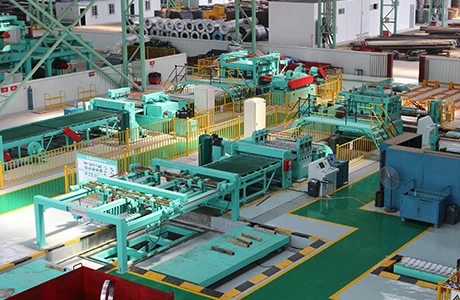
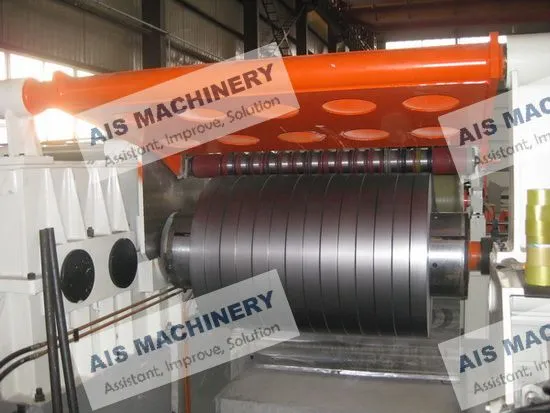
Understanding the coil width range capabilities of a metal slitting line is essential for selecting equipment that aligns with diverse material processing needs, from narrow strips to wide coils. As a wholesaler, knowledge of how coil slitting machine and coil slitter systems handle varying widths enables partners to choose solutions that optimize production efficiency and material utilization. HEBEI AIS MACHINERY EQUIPMENT CO.,LTD specializes in manufacturing metal slitting line systems with versatile width ranges, catering to industries such as automotive, construction, and packaging. This guide explores the factors influencing metal slitting line width capacities, the unique capabilities of coil slitting machine and coil slitter models, and how HEBEI AIS MACHINERY EQUIPMENT CO.,LTD.’s designs accommodate diverse coil widths, empowering wholesalers to support customers in achieving precise, high-volume slitting operations.
Metal Slitting Line Coil Width Fundamentals
Standard and Custom Width Ranges
- Base Width Capabilities: A typical metal slitting line handles coil widths from 100mm to 2000mm, with specialized systems extending to 3000mm for heavy-gauge industrial applications. HEBEI AIS MACHINERY EQUIPMENT CO.,LTD offers metal slitting line models with adjustable mandrels and guide rails, ensuring precise alignment across this full width spectrum.
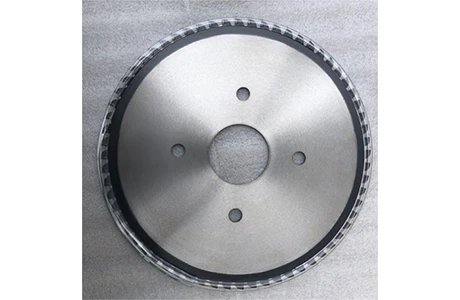
- Narrow Width Precision: For widths below 100mm—critical for electronics and small-part manufacturing—metal slitting linesystems require enhanced blade alignment to prevent strip distortion. HEBEI AIS MACHINERY EQUIPMENT CO.,LTD.’s metal slitting line for narrow widths features micro-adjustable blade holders (±0.01mm) and tension control, maintaining accuracy even for 10mm strips.
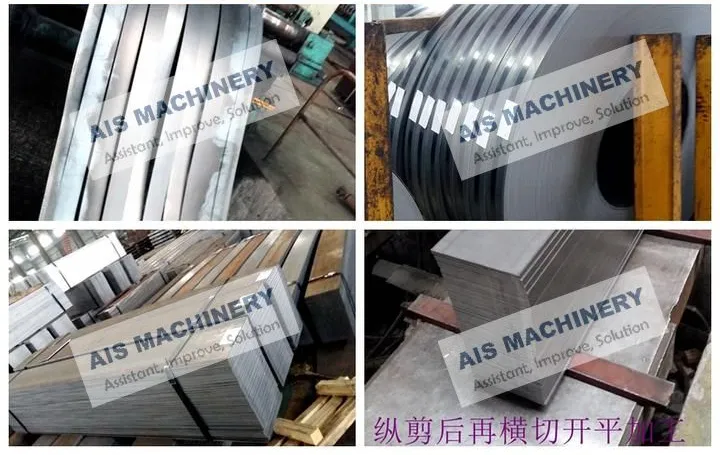
- Wide Coil Handling: Wide coils (1500mm–3000mm) demand robust metal slitting linedesigns with reinforced unwinders and support rollers to prevent sagging. HEBEI AIS MACHINERY EQUIPMENT CO.,LTD.’s heavy-duty metal slitting line models include hydraulic lifting systems and anti-deflection guides, ensuring stable processing of wide coils without edge damage.
Material Thickness and Width Interactions
- Thin Gauge Flexibility: Thin materials (0.1mm–1mm) allow metal slitting linesystems to handle a broader width range (10mm–2000mm) due to their low tensile stress. HEBEI AIS MACHINERY EQUIPMENT CO.,LTD.’s metal slitting line for thin gauges uses pneumatic blade pressure to prevent tearing, enabling consistent results across widths.
- Thick Gauge Limitations: Thick materials (3mm–12mm) restrict metal slitting linewidth ranges to 300mm–1500mm, as wider strips increase blade wear and require higher cutting forces. HEBEI AIS MACHINERY EQUIPMENT CO.,LTD.’s metal slitting line for thick gauges compensates with carbide-tipped blades and high-torque drives, extending width capabilities for demanding applications.
Coil Slitting Machine Width Adjustment Mechanisms
Mechanical and Hydraulic Adjustments
- Quick-Set Width Controls: Modern coil slitting machinesystems feature hydraulic or servo-driven blade positioning, allowing width changes in 2–5 minutes—critical for frequent job switches. HEBEI AIS MACHINERY EQUIPMENT CO.,LTD.’s coil slitting machine models include digital width readouts (±0.1mm accuracy) and pre-programmed width presets, reducing setup errors.
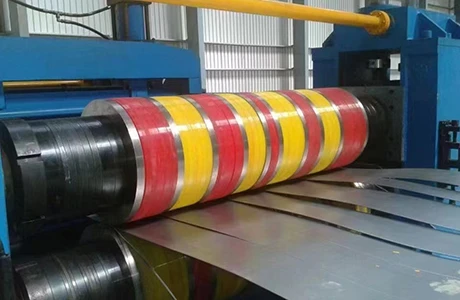
- Blade Shaft Configurations: coil slitting machineblade shafts accommodate varying numbers of blades based on width requirements—narrow strips need more blades, while wide strips use fewer. HEBEI AIS MACHINERY EQUIPMENT CO.,LTD.’s coil slitting machine shafts are precision-ground and balanced, ensuring minimal vibration even with maximum blade density (up to 50 blades for 10mm strips).
Width Tolerance Management
- Tolerance Capabilities: A high-quality coil slitting machinemaintains width tolerances of ±0.05mm for narrow strips and ±0.1mm for wide coils, critical for downstream processes like roll forming. HEBEI AIS MACHINERY EQUIPMENT CO.,LTD.’s coil slitting machine systems achieve this through laser alignment of blades and real-time width monitoring via cameras, correcting deviations during operation.
- Edge Quality and Width: coil slitting machineedge quality (burr height <0.03mm) must be consistent across all widths to prevent material waste. HEBEI AIS MACHINERY EQUIPMENT CO.,LTD.’s coil slitting machine uses staggered blade geometry and adjustable overlap, ensuring clean edges whether slitting 20mm or 2000mm widths.
Coil Slitter Width Range Applications
Industrial and Construction Uses
- Wide Coil Applications: coil slittersystems processing 1000mm–3000mm widths serve construction (roofing panels, structural beams) and heavy equipment manufacturing. HEBEI AIS MACHINERY EQUIPMENT CO.,LTD.’s coil slitter models for wide coils include dual unwinders for continuous operation, handling 10-ton coils with widths up to 2500mm at speeds of 80–120 m/min.
- Medium Width Applications: 300mm–1000mm widths processed by coil slittersystems are common in automotive (frame components, exhaust parts) and appliance manufacturing. HEBEI AIS MACHINERY EQUIPMENT CO.,LTD.’s coil slitter for medium widths balances speed (60–100 m/min) and precision, with automated coil loading to maximize throughput.
Precision and Narrow Width Applications
- Narrow Width Uses: coil slittersystems handling 10mm–300mm widths support electronics (battery contacts, connectors) and aerospace (small structural parts). HEBEI AIS MACHINERY EQUIPMENT CO.,LTD.’s coil slitter for narrow widths features tension-compensating rollers and static elimination, preventing strip distortion in delicate applications.
- Custom Width Solutions: For unique requirements (e.g., 5mm ultra-narrow strips or 3500mm extra-wide coils), coil slittersystems can be customized. HEBEI AIS MACHINERY EQUIPMENT CO.,LTD. engineers bespoke coil slitter models with modified blade shafts, reinforced frames, and specialized guides, ensuring reliability even at extreme width ranges.
Table: metal slitting line Coil Width Capabilities by Model
|
Model Type |
Width Range (mm) |
Max Material Thickness (mm) |
Speed (m/min) |
Ideal Applications |
HEBEI AIS MACHINERY EQUIPMENT CO.,LTD. Model |
|
Precision coil slitter |
10–300 |
0.1–2 |
40–80 |
Electronics, Aerospace |
MS-P10-300 |
|
Standard coil slitting machine |
300–1500 |
0.5–6 |
60–120 |
Automotive, Appliances |
MS-S300-1500 |
|
Wide metal slitting line |
1000–3000 |
2–12 |
30–80 |
Construction, Heavy Equipment |
MS-W1000-3000 |
Metal Slitting Line FAQS
What is the typical width range of a standard metal slitting line?
A standard metal slitting line typically handles coil widths from 100mm to 2000mm, balancing versatility with precision for most industrial applications. HEBEI AIS MACHINERY EQUIPMENT CO.,LTD.’s entry-level metal slitting line models, such as the MS-S100-2000, cover this range, with adjustable blade shafts and guide rails that accommodate both narrow strips and wide coils. This flexibility makes metal slitting line systems suitable for facilities processing diverse materials across industries like automotive and construction.
How does material thickness affect the width range of a coil slitting machine?
Material thickness narrows the effective width range of a coil slitting machine, as thicker materials require more force to cut and are prone to distortion in wider widths. For example, a coil slitting machine may handle 10mm–2000mm for 1mm steel but only 300mm–1500mm for 8mm steel. HEBEI AIS MACHINERY EQUIPMENT CO.,LTD.’s coil slitting machine models address this with reinforced frames and variable blade pressure, maximizing width capabilities even for thick materials while maintaining cut quality.
Can a coil slitter be adjusted to handle both narrow and wide coil widths?
Yes, a coil slitter can be adjusted to handle both narrow and wide widths through modular blade shafts, adjustable guide rails, and programmable controls. HEBEI AIS MACHINERY EQUIPMENT CO.,LTD.’s versatile coil slitter models, like the MS-V10-2500, use quick-change blade assemblies and digital width presets, allowing operators to switch from 20mm narrow strips to 2500mm wide coils in under 10 minutes. This adaptability makes coil slitter systems ideal for job shops with varied customer needs.
What factors limit the maximum width of a metal slitting line?
The maximum width of a metal slitting line is limited by structural considerations (frame stability), unwinder capacity (coil weight distribution), and blade shaft rigidity (to prevent deflection). Beyond 3000mm, metal slitting line systems require specialized designs, such as segmented frames and support rollers, to maintain precision. HEBEI AIS MACHINERY EQUIPMENT CO.,LTD.’s ultra-wide metal slitting line models overcome these limits with reinforced steel frames and synchronized drive systems, extending width capabilities to 3500mm for specific industrial applications.
How does width range impact the speed of a coil slitting machine?
Width range influences coil slitting machine speed, with extreme widths (very narrow or very wide) typically processed at slower speeds to ensure accuracy. For example, a coil slitting machine may run at 100 m/min for 500mm–1000mm widths but slow to 40 m/min for 10mm strips or 3000mm coils. HEBEI AIS MACHINERY EQUIPMENT CO.,LTD.’s coil slitting machine systems optimize this balance with variable speed controls that adjust based on width, ensuring both productivity and precision across the full range.
The coil width range of a metal slitting line is a defining factor in its suitability for diverse manufacturing needs, from narrow precision strips to wide industrial coils. By understanding how coil slitting machine adjustments accommodate different widths and how coil slitter designs balance speed with precision, wholesalers can guide customers toward systems that align with their production goals. HEBEI AIS MACHINERY EQUIPMENT CO.,LTD.’s diverse range of metal slitting line models—each engineered for specific width capabilities—ensures that whether processing 10mm electronics components or 3000mm construction panels, customers can achieve consistent, efficient results. As a wholesaler, emphasizing these width-specific capabilities strengthens your role as a trusted advisor, supporting customers in maximizing material utilization and production efficiency.

Related Products

Related News
2027-04-24 00:00:00
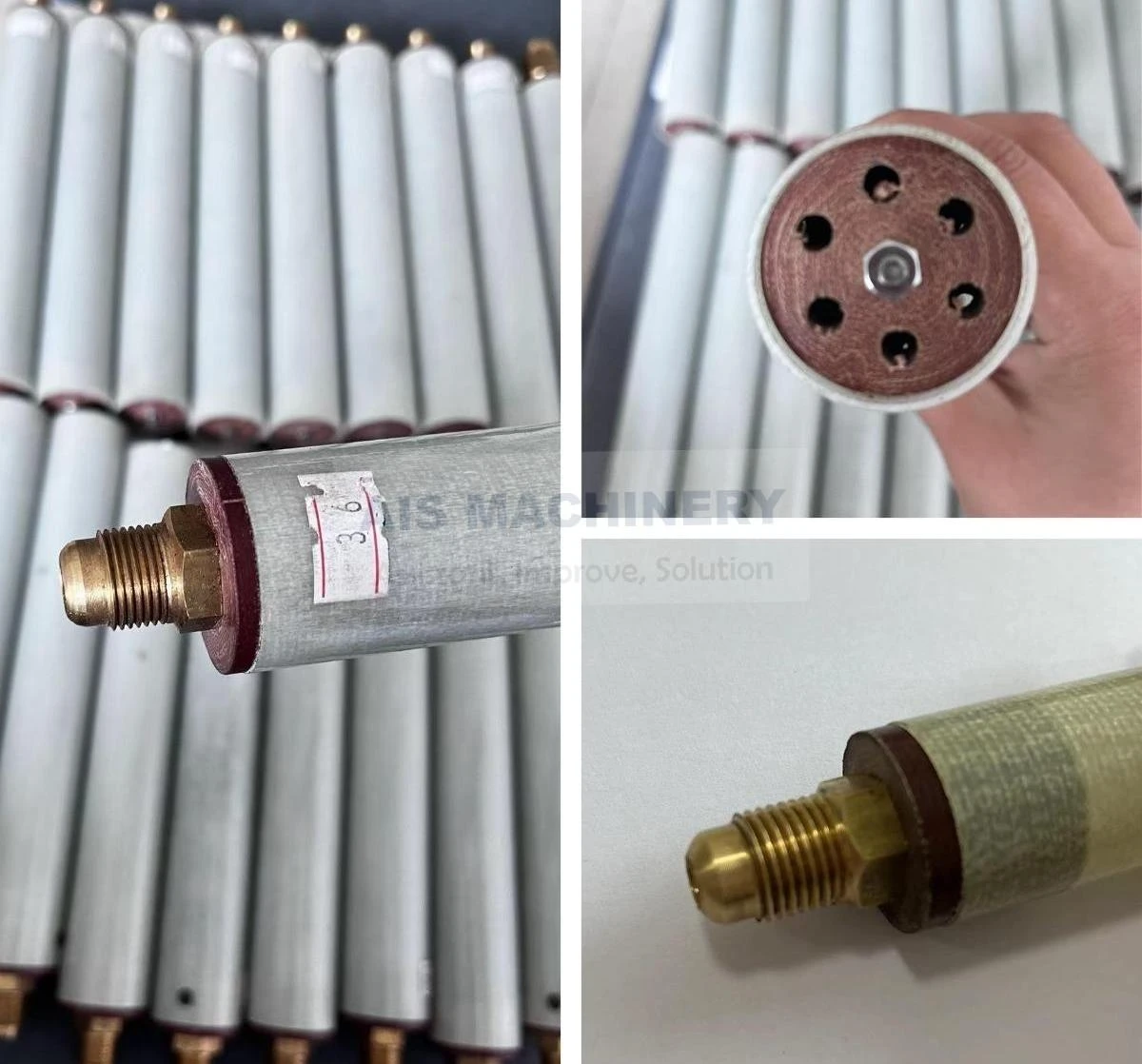
What is an Impeder and Ferrite Rods in ERW Tube Mill?
Struggling with impeder overheating or short service life in your ERW tube mill? This guide explains common impeder problems, the role of ferrite rods, and how to choose the right impeder for stable welding performance. Improve weld quality, reduce energy loss, and extend equipment lifespan with the right selection and proper cooling solutions.
2026-04-21 10:22:25
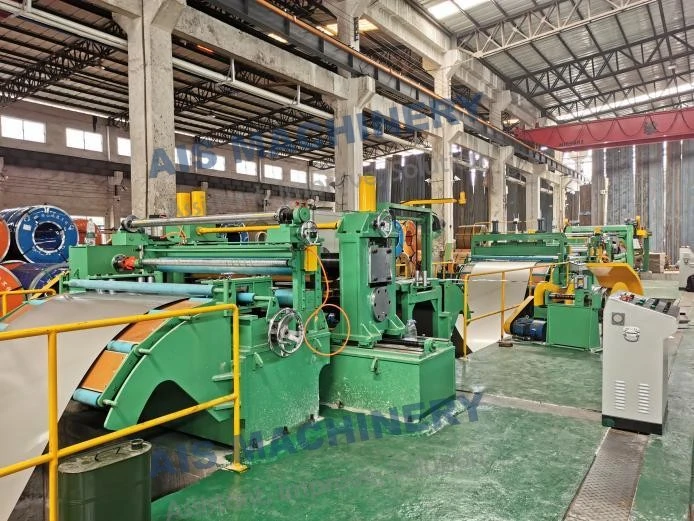
Slitting & Cut-to-Length Combined Production Line: A Smarter Way to Process Steel Coils
Discover the Slitting & Cut-to-Length Combined Production Line, a flexible solution for steel coil processing. This system integrates slitting line and cut-to-length line functions in one machine, saving space, reducing costs, and improving efficiency. Ideal for processing both steel strips and sheets, it is widely used in service centers and manufacturing industries. Learn its advantages, limitations, and applications.
2026-04-18 03:20:20
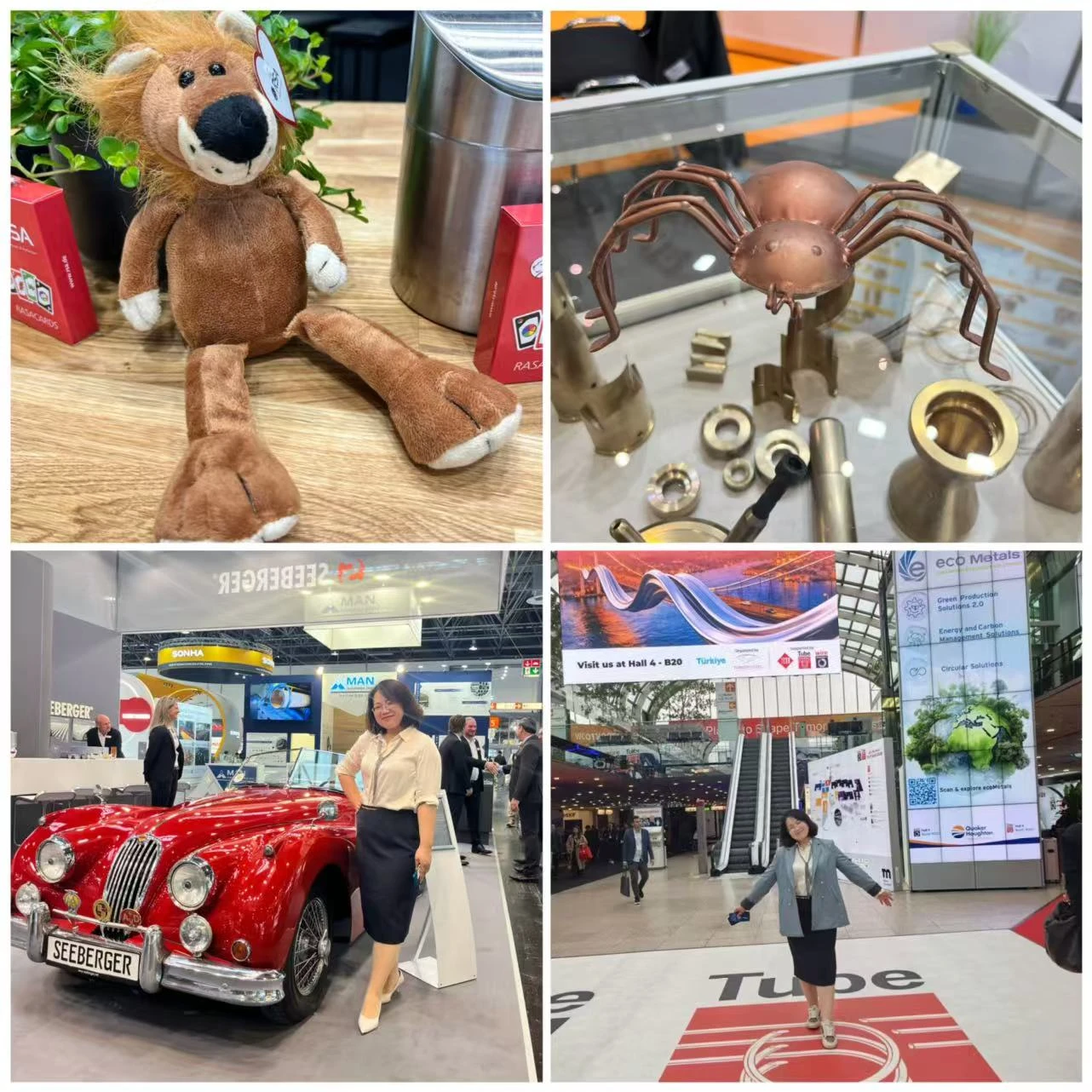
AIS Machinery Showcases Advanced Tube Solutions at Tube & Wire Düsseldorf 2026
Tube & Wire Düsseldorf 2026, one of the most influential exhibitions in the global tube and wire industry, held biennially in Düsseldorf, Germany
2026-04-17 00:00:00
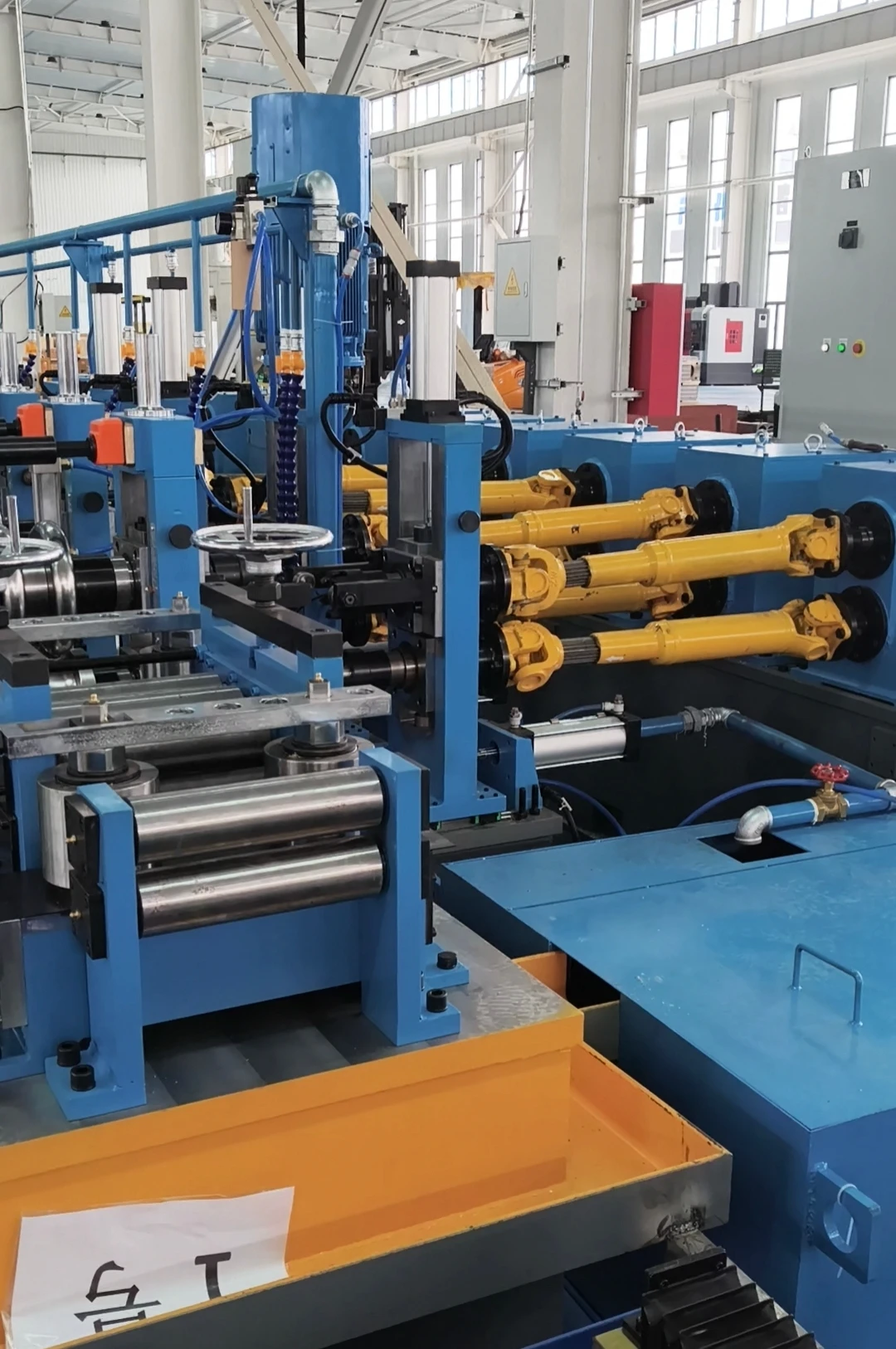
Southeast Asia Client Visits Our Factory | Customized Tube Mill Solution Delivered
A Southeast Asia client visited our ERW tube mill factory to inspect production lines and discuss a customized tube mill solution. Impressed by our machine quality, welding performance, and engineering support, the client confirmed strong cooperation intentions. Discover how our ERW tube mill solutions improve efficiency, precision, and long-term production reliability.
2026-04-15 10:37:55
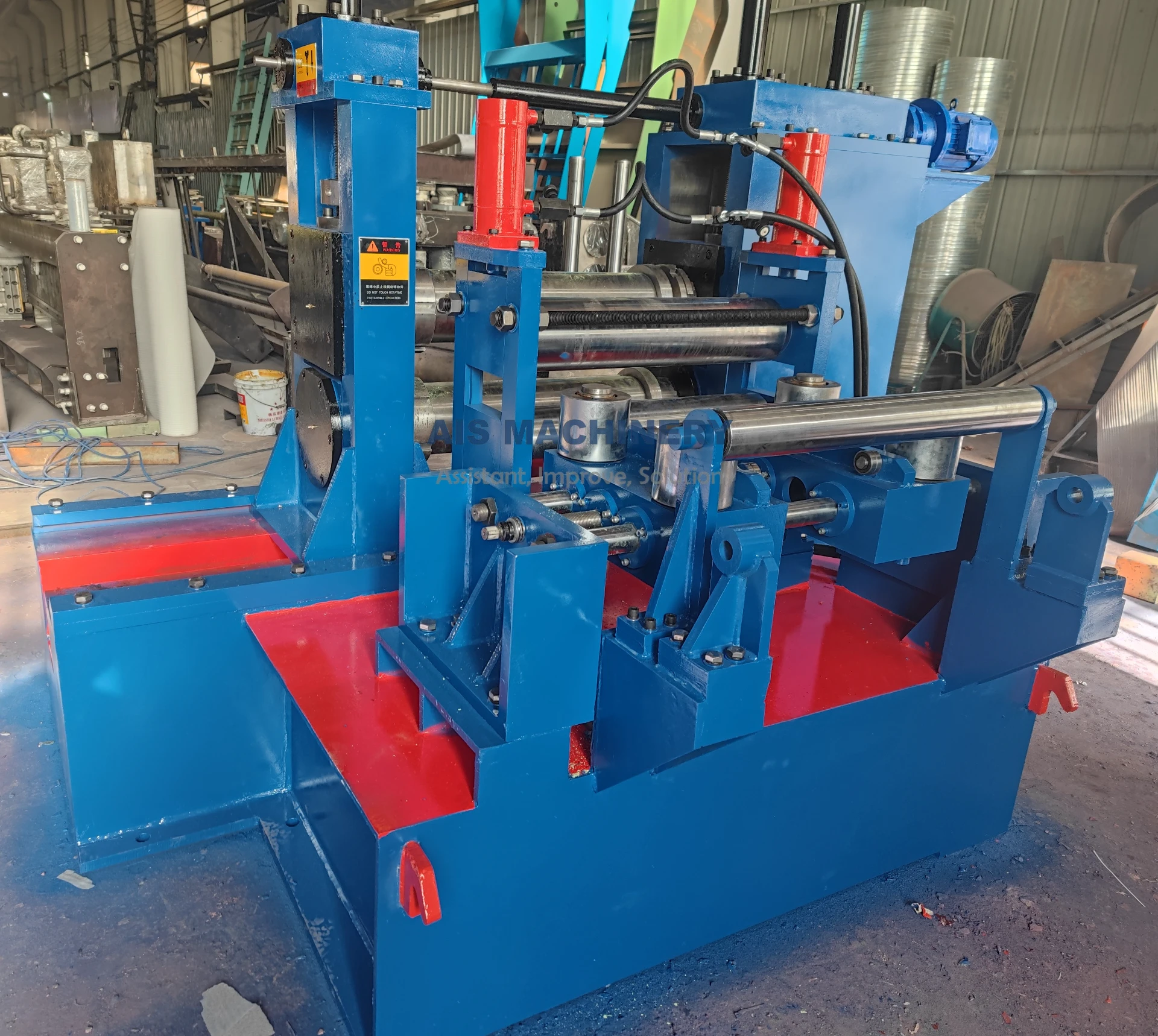
Flat Bar Production Line for Steel Coils: How It Works & Why It Matters
Looking for a flat bar production line? Learn how it turns steel coils into ready-to-use flat bars with precise length and high straightness. Compare it with slitting lines and get the best solution for your steel processing needs.
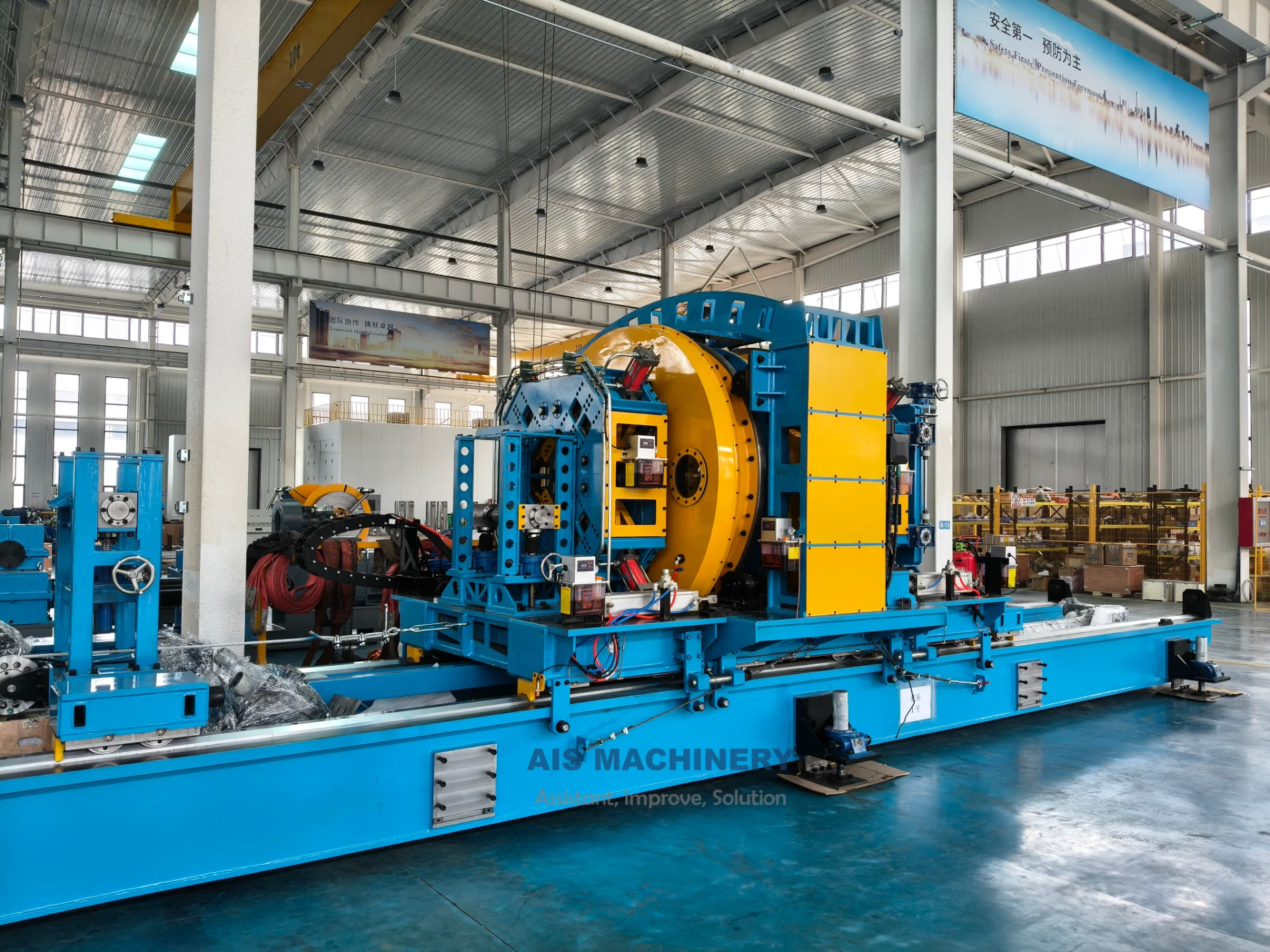
2026-04-14 00:00:00
Looking for a Milling Saw for ERW Tube Mill? Here’s What You Need to Know
Looking for a high-performance milling saw for your ERW tube mill? Upgrade to burr-free, high-precision pipe cutting with advanced flying saw technology. Improve efficiency, reduce rework, and meet export standards for carbon steel, stainless steel, and API pipes. Contact us today for expert solutions and competitive pricing tailored to your production needs.
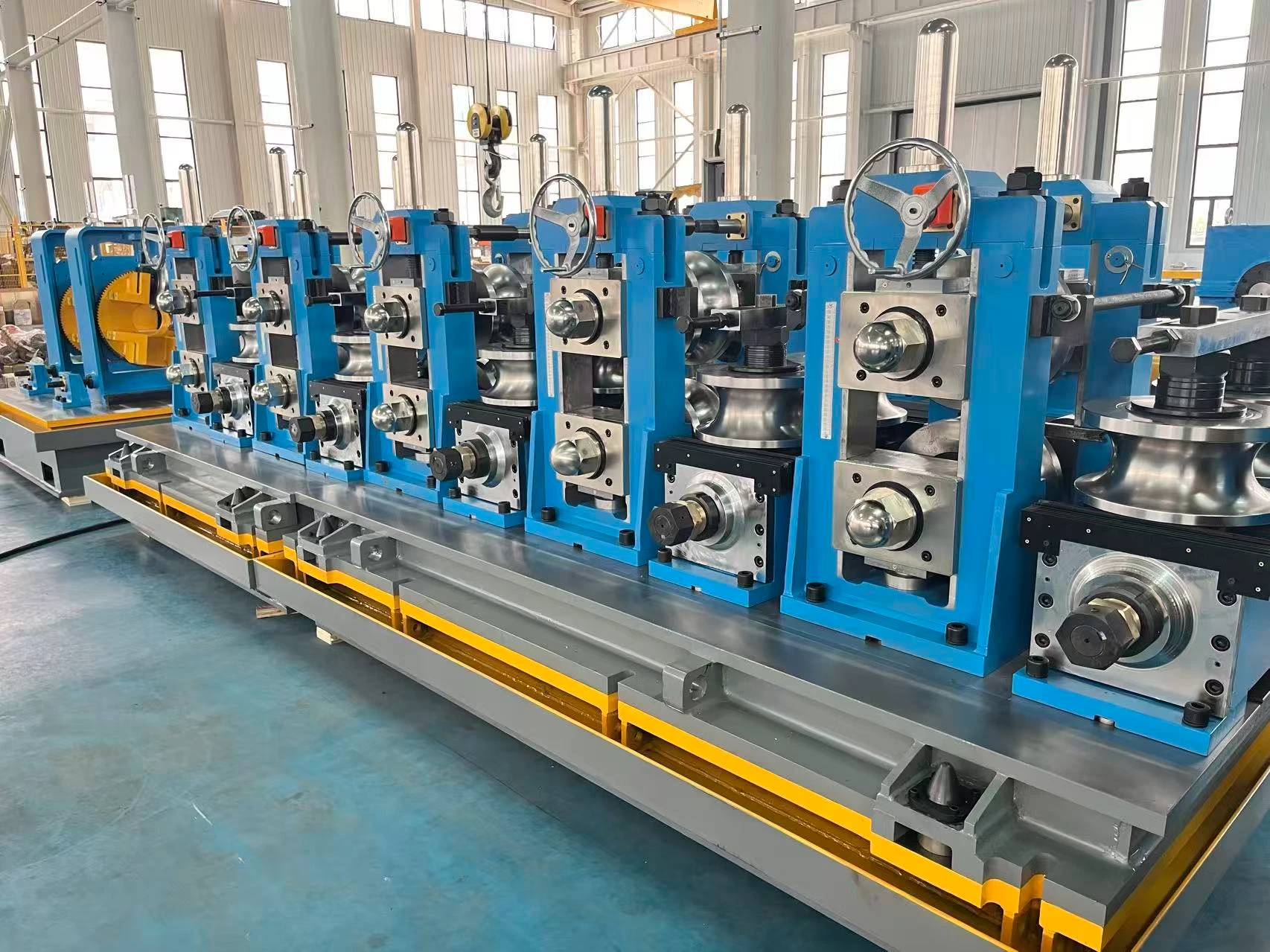
2026-04-09 16:15:19
5-Inch (127mm) ERW Tube Making Machine Delivered with Heavy-Duty Design and Advanced Quick Change System
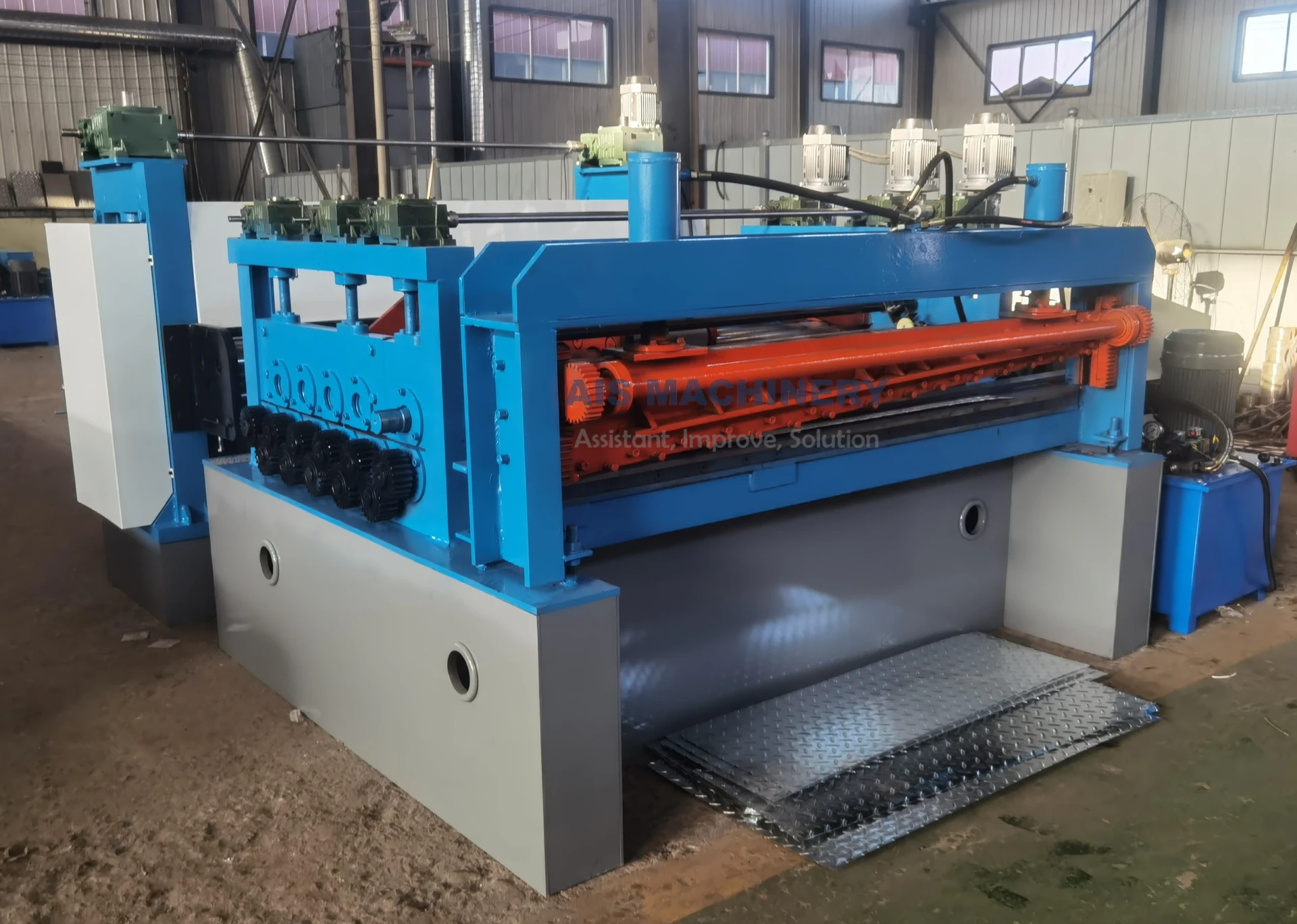
2027-04-07 00:00:00
Metal Embossing Machine: Turn Flat Sheets into High-Value Textured Products
Discover how a metal embossing machine transforms flat steel, stainless steel, and aluminum sheets into high-value textured products. Learn about its working principle, key components, and applications. Ideal for decorative and industrial use, embossing machines improve both appearance and performance. Explore complete embossing line solutions and find the right machine for your production needs.
Send a Message
Dear customer, thank you for your attention! We provide high-quality machinery and equipment and look forward to your orders. Please inform us of your needs and we will respond quickly!
 English
  Albanian
  Arabic
  French
  German
  Indonesian
  Italian
  Japanese
  Kazakh
  Korean
  Latin
Latin  Macedonian
  Portuguese
  Russian
  Spanish
  Thai
Thai  Turkish
  Ukrainian
  Uzbek
Uzbek