
-
 Tel:86-15176910262
-

Search
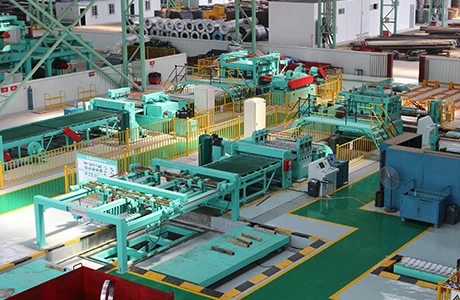
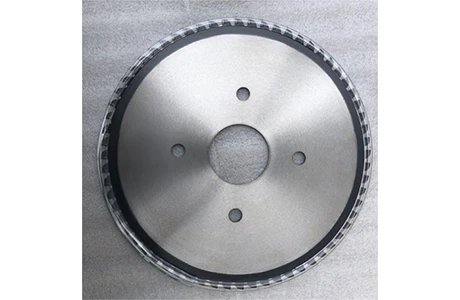
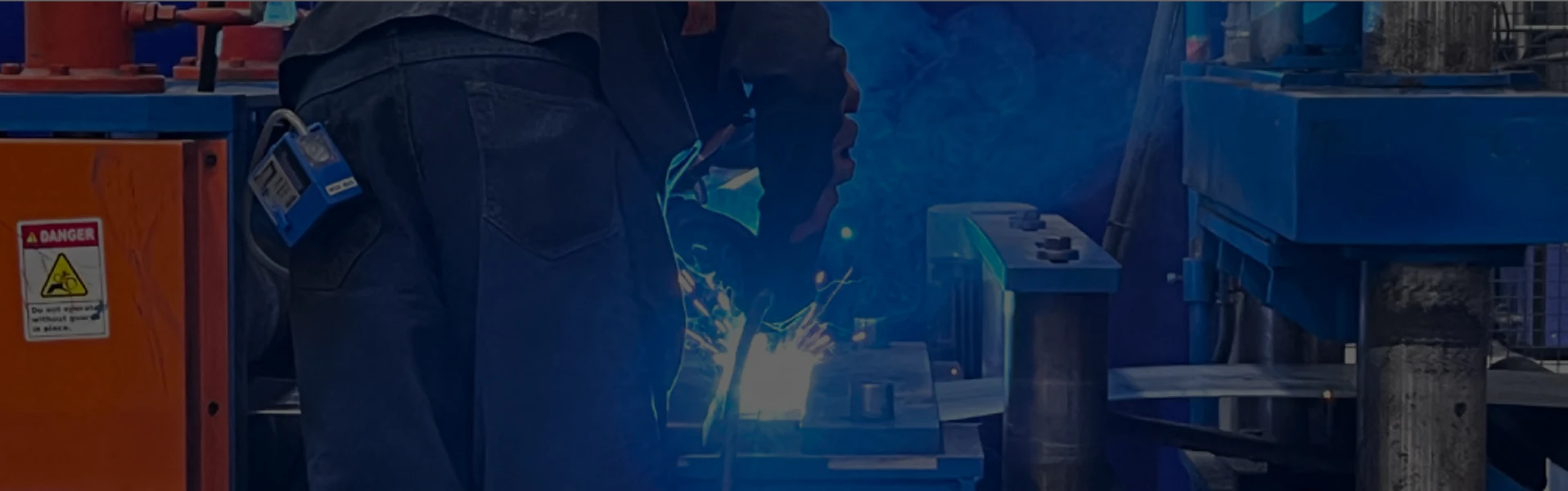

Pipe Threading Machine - Fast, Precise, Heavy-Duty
Oct . 19, 2025 16:00
The Modern Pipe Shop’s Quiet Workhorse: A Field Note on the pipe threading machine
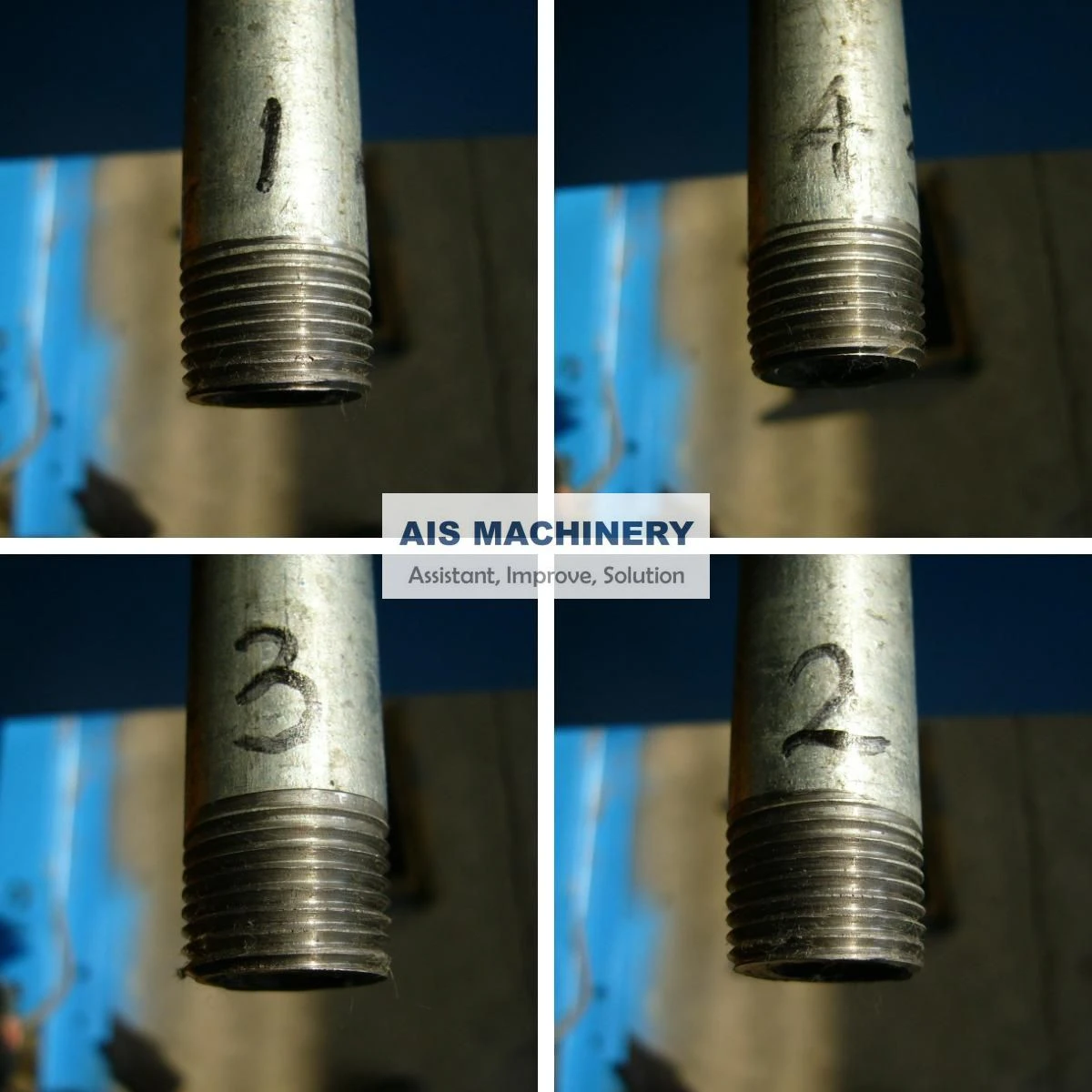
If you spend time in fabrication bays or on pipeline yards, you know the sound: steady spindle, coolant mist, a crisp thread crest appearing like a spiral signature. The pipe threading machine is not glamorous, but it’s pivotal for oil & gas, construction, firefighting systems, and general pipeline manufacturing. And yes, customers often tell me it’s the difference between rework and reliable joints on site.
What’s new in threading, really?
Three trends keep popping up: digital torque control (less guesswork), faster changeovers for NPT/BSPT/API forms, and better coolant filtration to extend die life. To be honest, the biggest practical shift is smarter gauging—shops are leaning on in-line go/no-go checks and data logging to pass audits without drama.
Typical Specifications (representative)
| Parameter | Spec (≈/typical) |
|---|---|
| Pipe OD Range | ½"–6" (≈21–168 mm), options to 8" |
| Thread Forms | NPT, BSPT, API (per API 5B), straight threads |
| Motor Power | 4–11 kW, inverter-controlled |
| Spindle Speed | 20–220 rpm, variable |
| Thread Accuracy | Taper ±0.05 mm/25 mm; Ra ≈3.2–6.3 μm (real-world may vary) |
| Coolant System | Flood coolant with 80–120 μm filtration |
| Certifications | ISO 9001; CE (Machinery Directive) |
How the process actually runs
Materials: Carbon steel (A106/A53), galvanized pipe, alloy steels, and sometimes stainless (304/316) with carbide inserts. Tooling is HSS or TiN/TiCN-coated inserts; cutting oil with EP additives is standard.
Method: Clamp pipe, set taper (e.g., NPT 1:16), select die head or insert holder, run at calculated surface speed, flood with coolant, single or multi-pass depending on diameter. Digital readouts make life easier, I’ll admit.
Testing & standards: Threads are verified using go/no-go gauges per ASME B1.20.1 (NPT) and ISO 7‑1/EN 10226 (BSPT). API threads follow API Spec 5B—gaging, taper, L1 steps. Surface roughness and burr inspection are routine. Hydrostatic or dry pressure tests often follow in pipe shops.
Service life: With decent filtration, die heads last ≈8,000–15,000 threads on carbon steel. Stainless knocks that down unless you slow speeds and step up coolant discipline.
Where it pays off
- Oil & gas yards: API and NPT casing/tubing ends.
- Construction & MEP: Fire sprinkler lines, water supply spools.
- OEM fab shops: Short-run BSPT/straight threads for export projects.
Advantages customers mention: fewer leaks, faster changeovers, and consistent taper every shift. One buyer told me, “our rework board went quiet,” which is about the best metric there is.
Vendor snapshot (indicative, check latest)
| Vendor | Strengths | Notes (≈) |
|---|---|---|
| AISTubemill | ERW line integration, API/BSPT/NPT flexibility | Good for pipe mills needing inline setups |
| RIDGID | Portable/jobsite solutions | Smaller OD focus |
| Rothenberger | Service network in EU | Broad MEP coverage |
| Custom integrators | Automation, data logging | Higher initial cost |
Customization and real-world cases
Options include auto-lube, quick-change die heads, barcode job recall, and in-guard cameras. Origin and support are transparent: RM604 SHENXING BUILDING, XINHUA STREET, SHIJIAZHUANG CITY, HEBEI PROVINCE, CHINA CN, ZIP 050000.
- Case A (Oil & Gas yard): Switched to a pipe threading machine with API 5B gauges; 3" NPT cycle time dropped from 78s to 54s; leak failures fell ≈60% quarter-over-quarter.
- Case B (Fire-protection fab): BSPT 2" runs with automatic length stops; two-line cell hit 1,000 joints/shift, up from 720, with steadier taper readings.
Sample test data: 2" NPT—taper 1:16 within ±0.02; pitch error ±0.05 mm; Ra 3.2–4.0 μm; 100% go/no-go acceptance on a 500-piece lot (shop ambient 24°C).
What buyers say and what auditors check
Feedback skews positive on stability and die life—surprisingly, noise reduction gets shout-outs too. Auditors look for calibration logs on gauges, material certs, and conformity to ASME/ISO/API thread forms. A pipe threading machine that keeps data tidy tends to sail through.
Citations
- ASME B1.20.1 – Pipe Threads, General Purpose (NPT, NPSC, NPTR)
- ISO 7‑1 / EN 10226 – Pipe threads where pressure-tight joints are made on the threads (BSPT)
- API Specification 5B – Threading, Gauging, and Thread Inspection of Casing, Tubing, and Line Pipe Threads
- ISO 9001:2015 – Quality Management Systems
- CE Machinery Directive 2006/42/EC – Safety of Machinery

Related Products

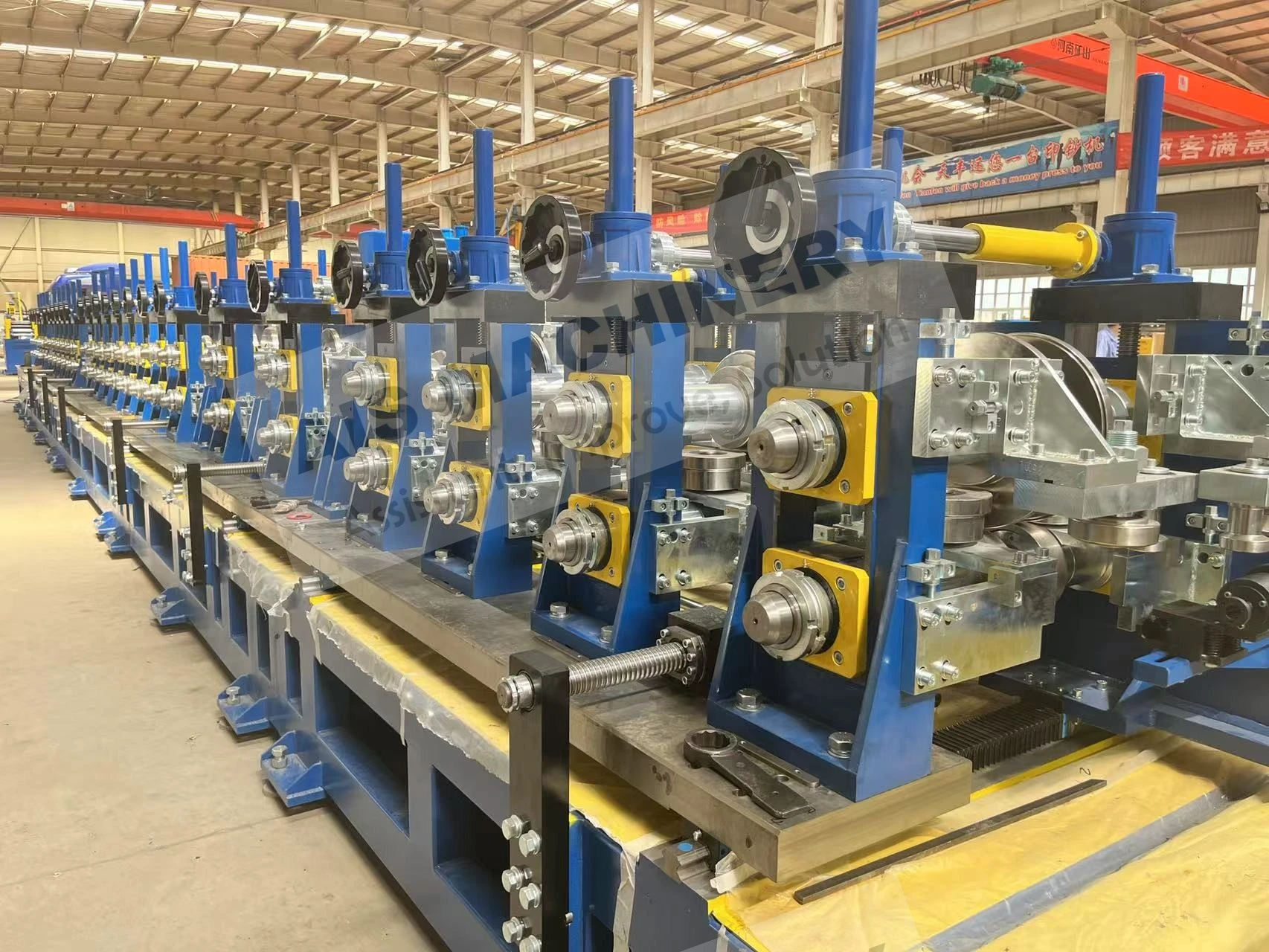
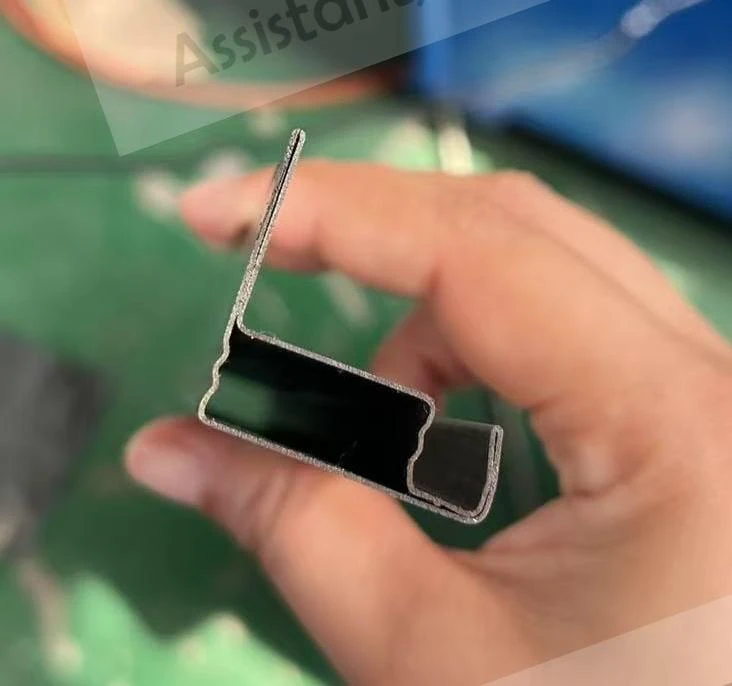
Related News
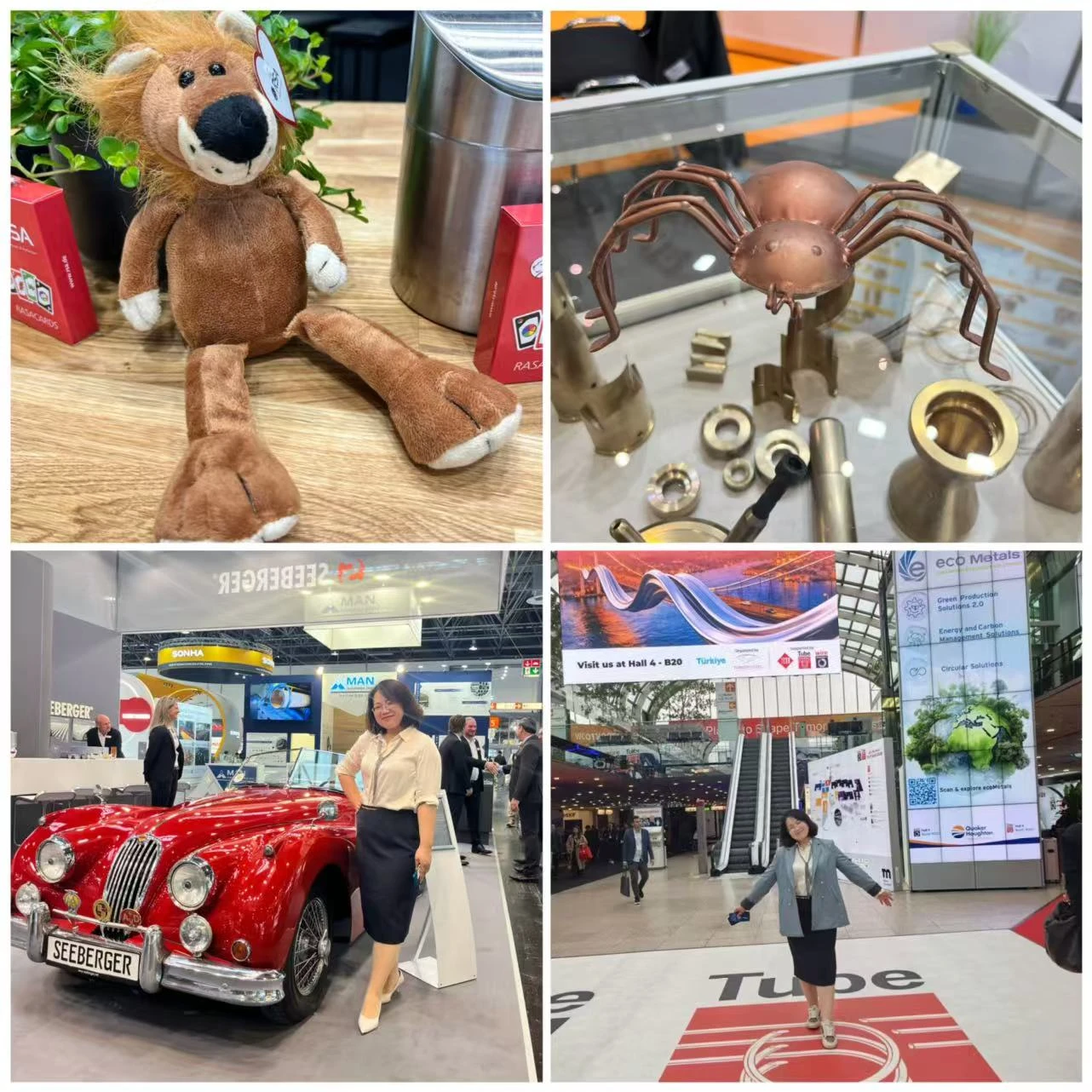
2026-04-18 03:20:20
AIS Machinery Showcases Advanced Tube Solutions at Tube & Wire Düsseldorf 2026
Tube & Wire Düsseldorf 2026, one of the most influential exhibitions in the global tube and wire industry, held biennially in Düsseldorf, Germany
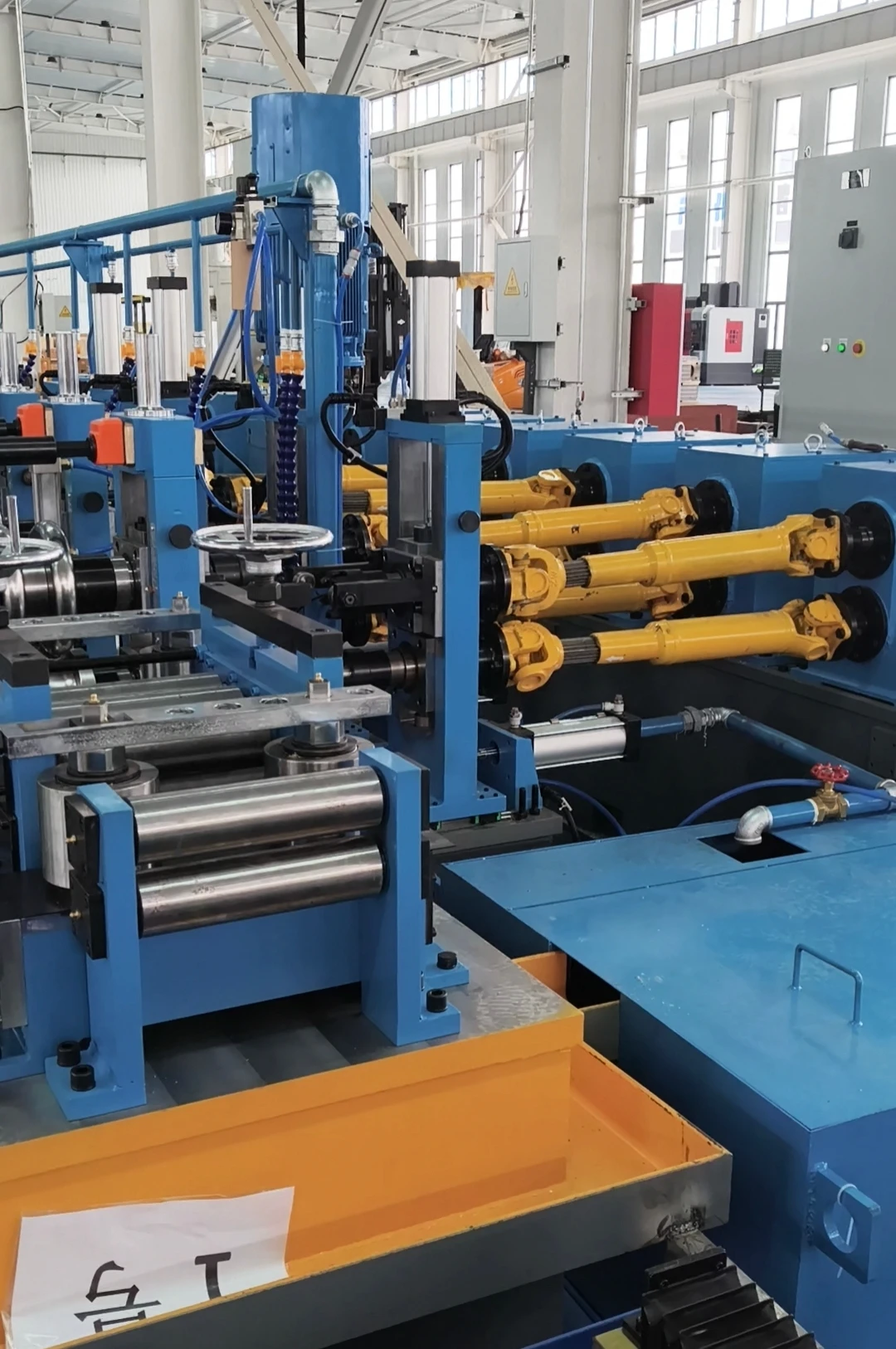
2027-04-17 00:00:00
Southeast Asia Client Visits Our Factory | Customized Tube Mill Solution Delivered
A Southeast Asia client visited our ERW tube mill factory to inspect production lines and discuss a customized tube mill solution. Impressed by our machine quality, welding performance, and engineering support, the client confirmed strong cooperation intentions. Discover how our ERW tube mill solutions improve efficiency, precision, and long-term production reliability.
2026-04-16 02:35:12
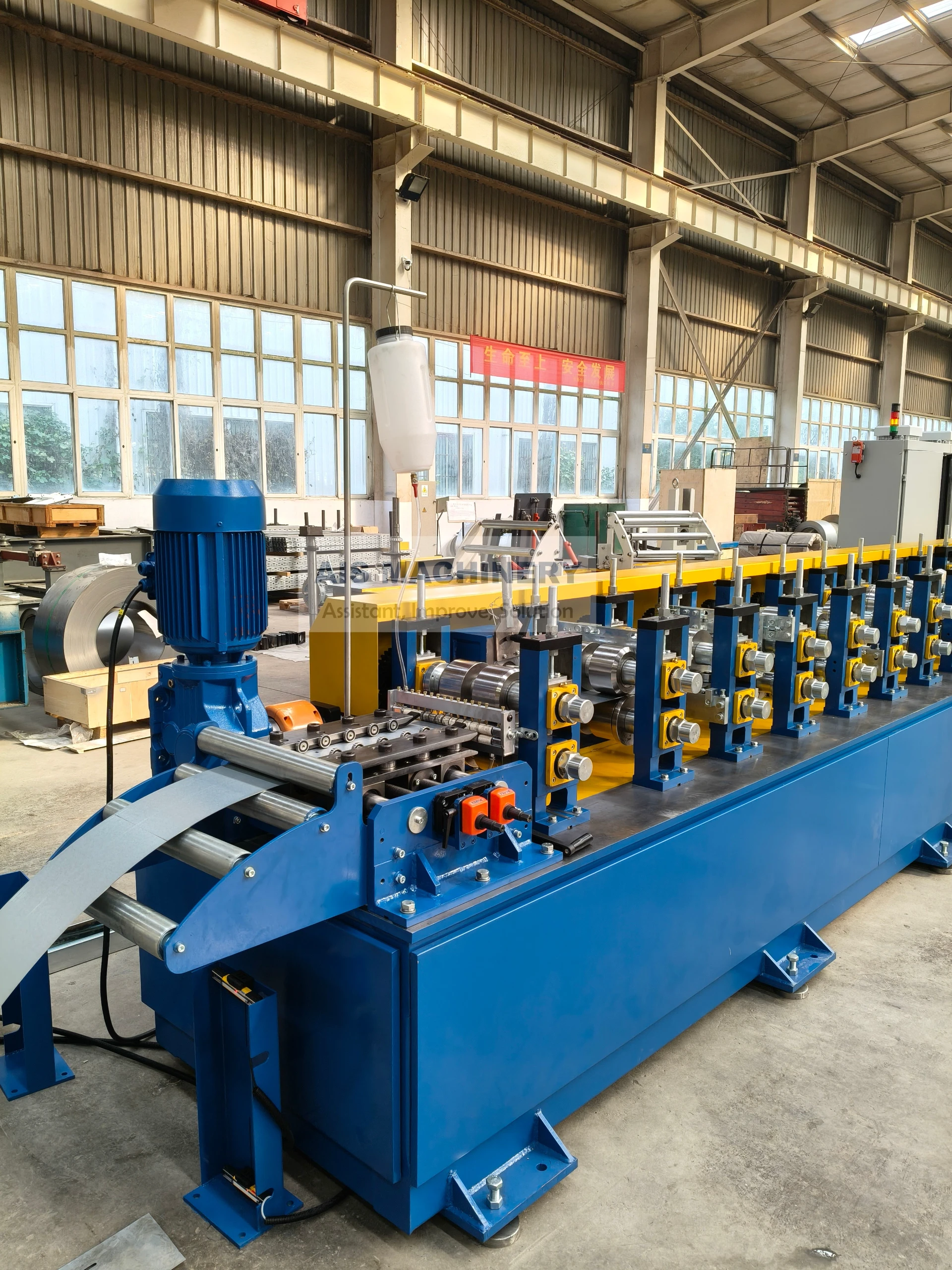
Professional Cold Roll Forming Machine Factory for Production
In the modern industrial landscape, the precision of metal shaping is the cornerstone of quality manufacturing. Partnering with a professional cold roll forming machine factory is essential for businesses looking to optimize their production lines, reduce material waste, and ensure high-dimensional accuracy. Whether you are producing C-channels, square tubes, or custom profiles, the choice of machinery determines your competitive edge in the market. This guide will explore the critical factors in selecting a factory and the technical advantages of advanced roll forming technology to help you make an informed investment.
2026-04-15 10:37:55
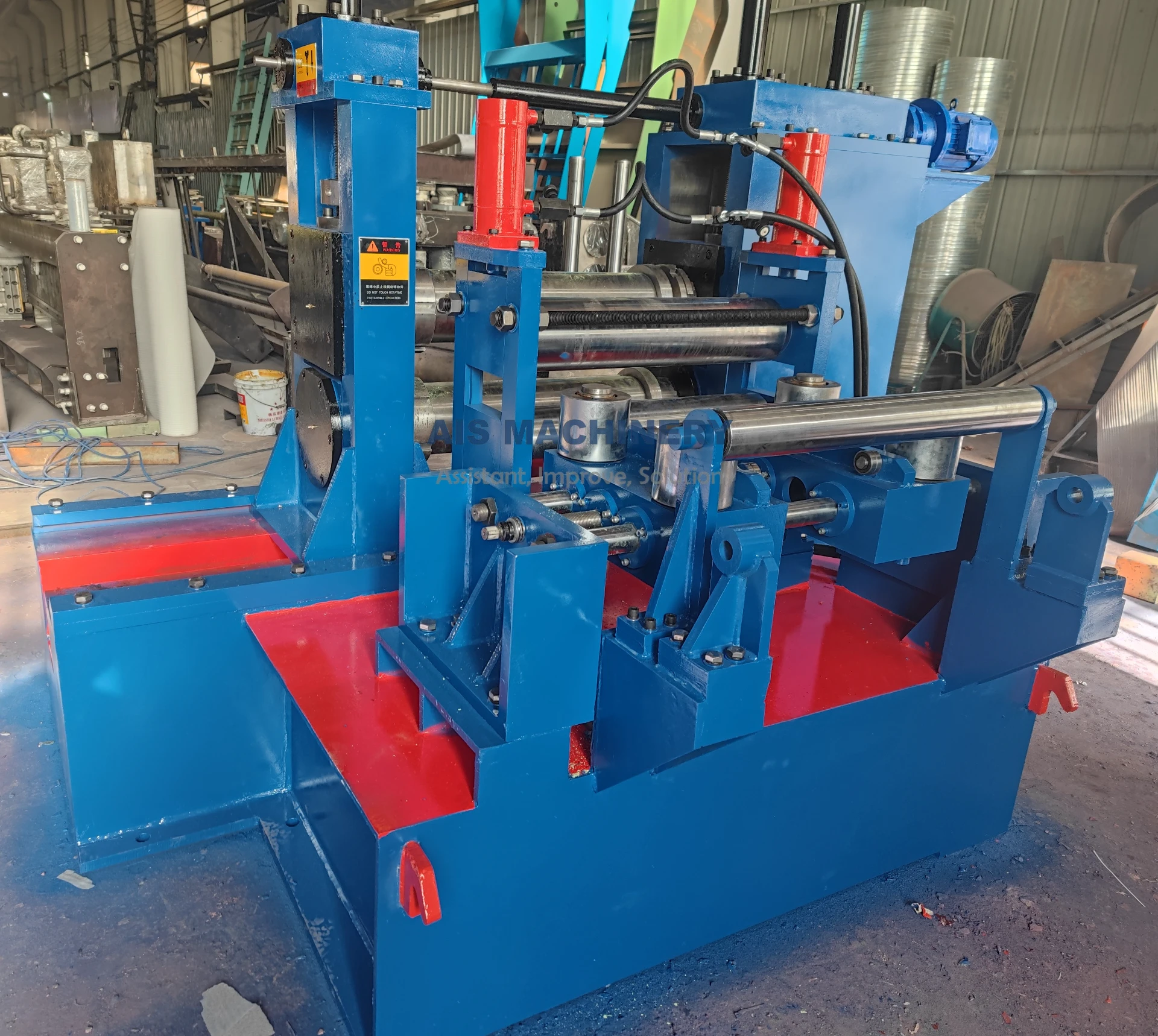
Flat Bar Production Line for Steel Coils: How It Works & Why It Matters
Looking for a flat bar production line? Learn how it turns steel coils into ready-to-use flat bars with precise length and high straightness. Compare it with slitting lines and get the best solution for your steel processing needs.
2026-04-14 00:00:00
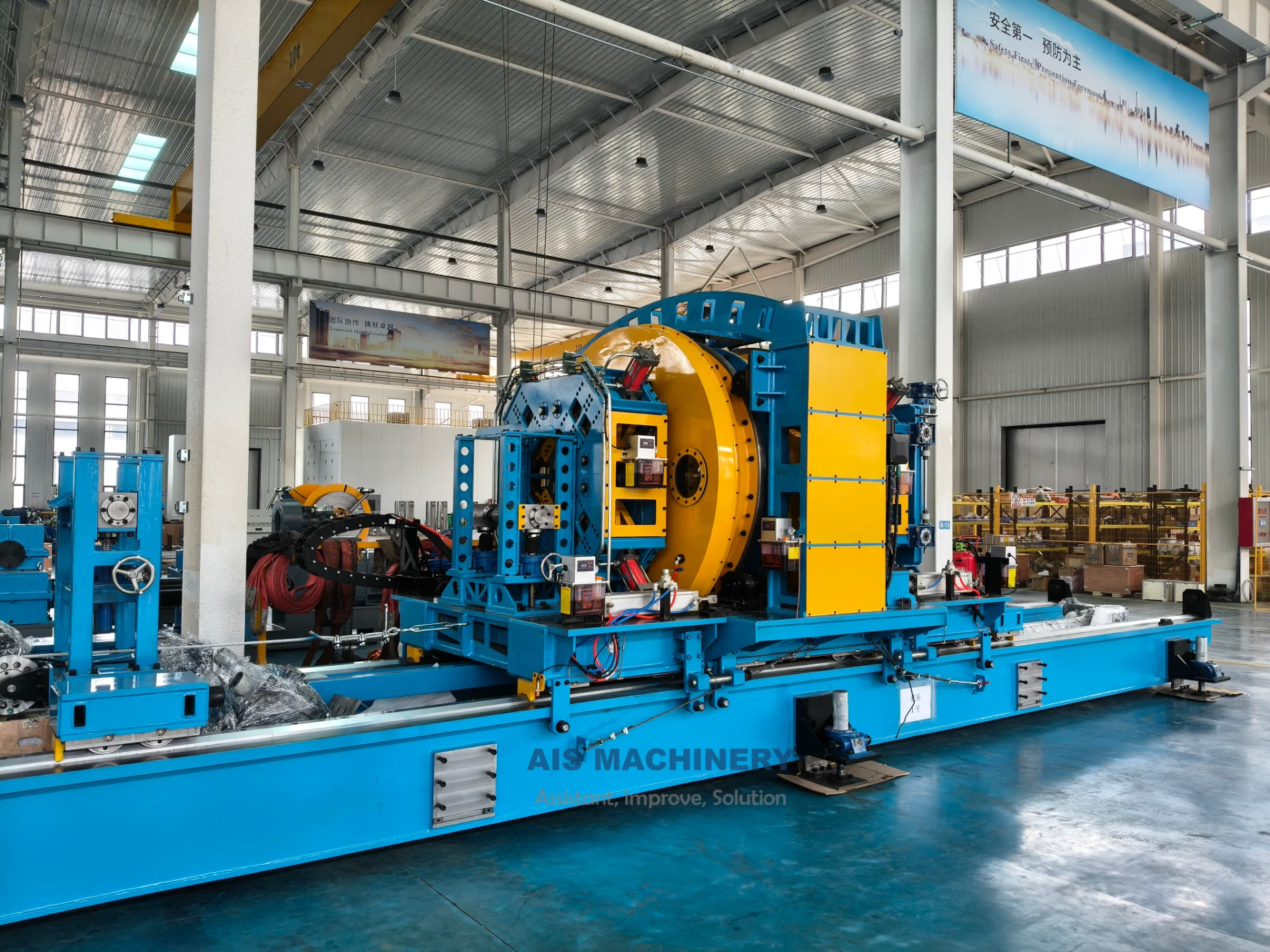
Looking for a Milling Saw for ERW Tube Mill? Here’s What You Need to Know
Looking for a high-performance milling saw for your ERW tube mill? Upgrade to burr-free, high-precision pipe cutting with advanced flying saw technology. Improve efficiency, reduce rework, and meet export standards for carbon steel, stainless steel, and API pipes. Contact us today for expert solutions and competitive pricing tailored to your production needs.
2026-04-09 16:15:19
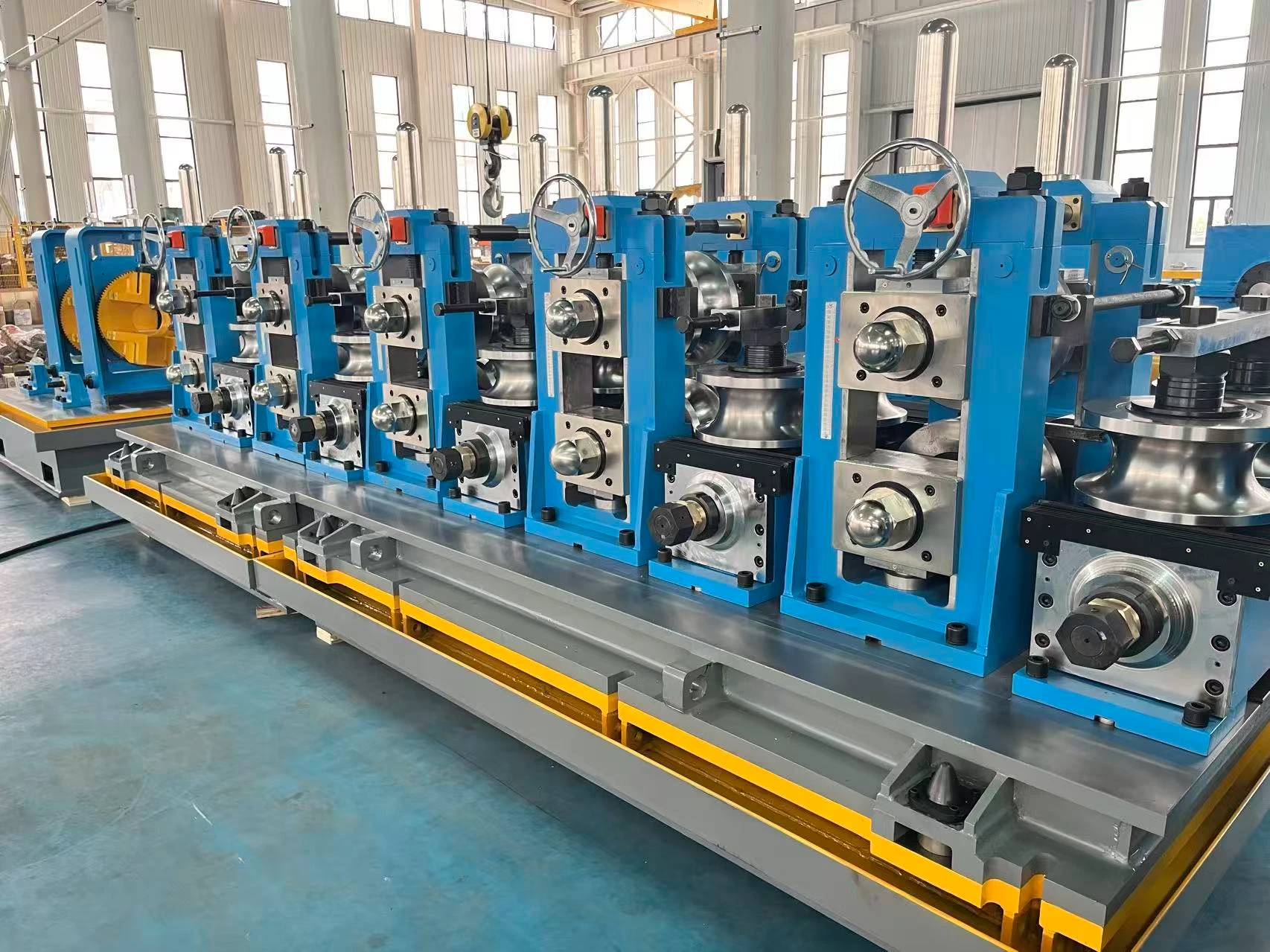
5-Inch (127mm) ERW Tube Making Machine Delivered with Heavy-Duty Design and Advanced Quick Change System
2027-04-07 00:00:00
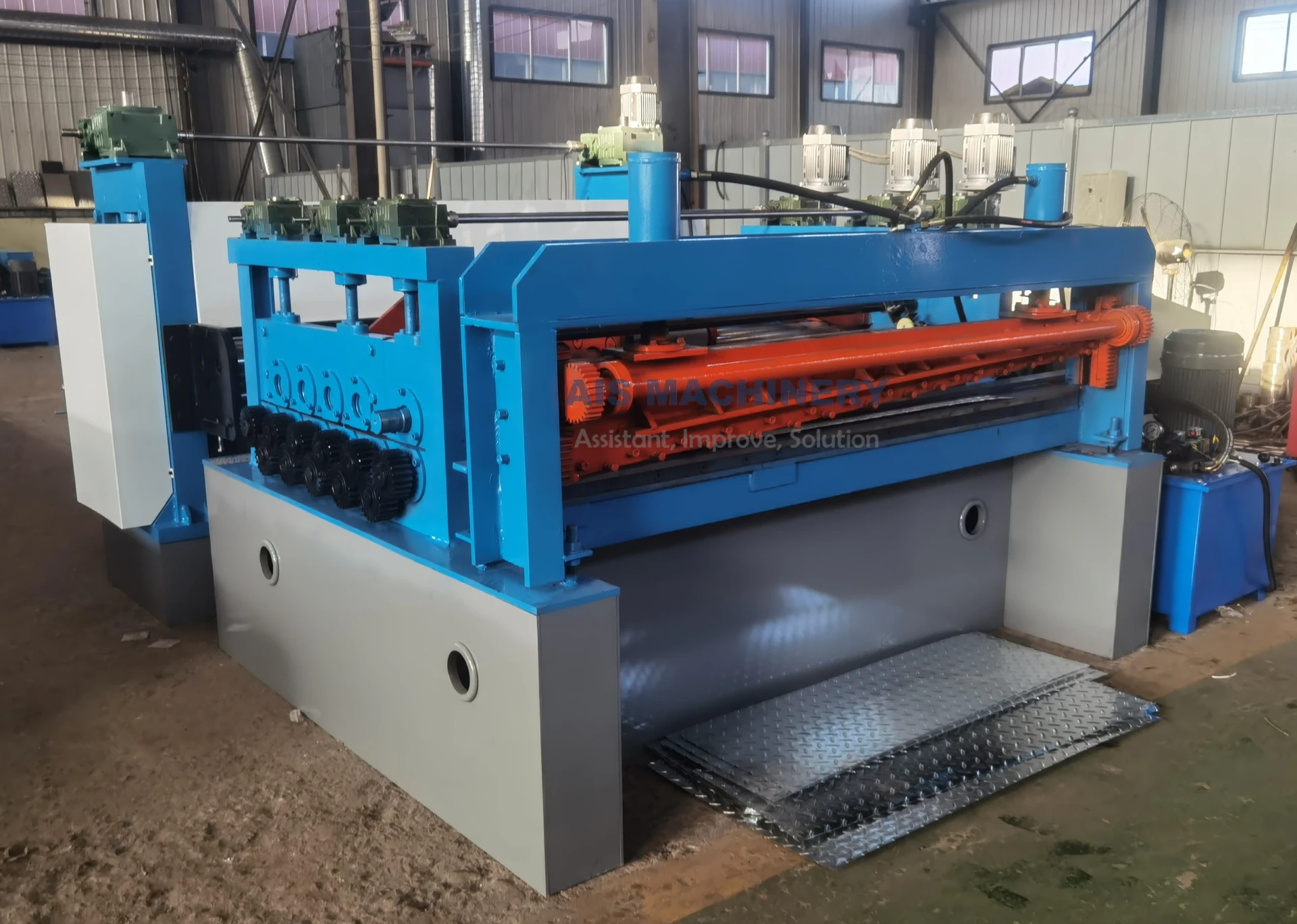
Metal Embossing Machine: Turn Flat Sheets into High-Value Textured Products
Discover how a metal embossing machine transforms flat steel, stainless steel, and aluminum sheets into high-value textured products. Learn about its working principle, key components, and applications. Ideal for decorative and industrial use, embossing machines improve both appearance and performance. Explore complete embossing line solutions and find the right machine for your production needs.
2026-04-04 20:37:18
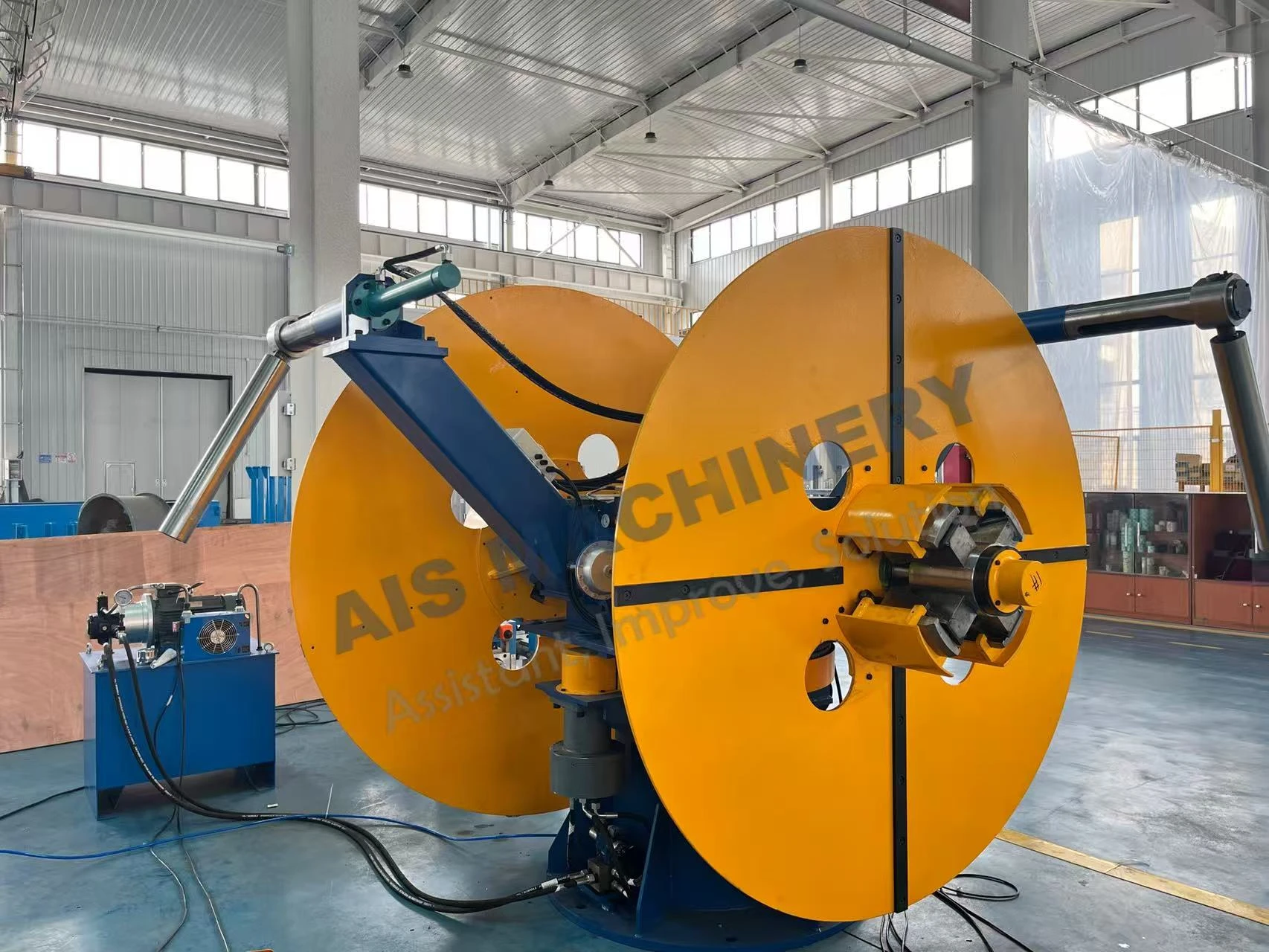
Automatic Double Side Uncoiler with Hydraulic Expansion and Auto Rotation for Steel Coil Processing
The Automatic Double Side Uncoiler is a high-efficiency solution designed for modern steel coil processing lines, including tube mills, roll forming machines, and slitting lines. With a maximum capacity of 4 tons per side, this machine ensures stable and continuous coil feeding while reducing downtime during coil change.
Send a Message
Dear customer, thank you for your attention! We provide high-quality machinery and equipment and look forward to your orders. Please inform us of your needs and we will respond quickly!
 English
  Albanian
  Arabic
  French
  German
  Indonesian
  Italian
  Japanese
  Kazakh
  Korean
  Latin
Latin  Macedonian
  Portuguese
  Russian
  Spanish
  Thai
Thai  Turkish
  Ukrainian
  Uzbek
Uzbek