
-
 Tel:86-15176910262
-

Search

Reliable HSS Circular Saw Blades for Industry & Precision Cutting
Nov . 30, 2025 21:50
What Is an HSS Circular Saw and Why It Matters Globally
When you think of the tools keeping modern industry moving, the hss circular saw might not be the first that comes to mind. Yet, these cutting workhorses are quietly essential worldwide. From metal factories in Germany to construction sites in India, their precision and durability shape everything from massive infrastructure to delicate machine parts.
Understanding these saws means appreciating not just a blade spinning at thousands of RPM, but a vital cog in manufacturing and repair chains. If you’re intrigued by manufacturing efficiency, construction resilience, or even humanitarian logistics — a deep dive into the hss circular saw reveals some surprisingly broad impacts.
Mini takeaway: The hss circular saw isn’t just a tool; it’s a global enabler of precision craftsmanship and industrial progress.
Introduction: The Global Importance of HSS Circular Saws
Globally, the demand for high-speed steel (HSS) tools, including circular saws, mirrors industrial growth and infrastructure needs. According to the World Bank, manufacturing output worldwide has grown by roughly 3.5% annually over the past decade—with machine tools playing a pivotal role. These saws address a fundamental challenge: the need for fast, clean cuts through metal and composite materials used across sectors like automotive, shipbuilding, and even aerospace.
Industry players from ISO-standards bodies to local factories agree: without reliable high-speed steel circular saws, projects risk delays, increased material waste, and higher costs—none of which are acceptable in competitive markets.
Defining the HSS Circular Saw
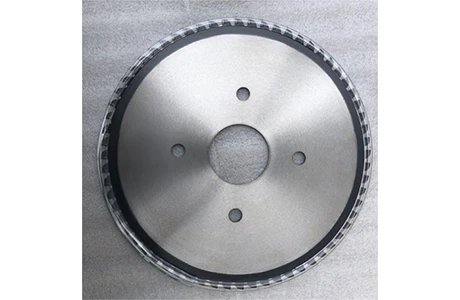
So, what exactly is an hss circular saw? Simply put, it’s a circular cutting blade crafted from high-speed steel, designed to slice through metals like steel, aluminum, and brass with precision and speed. Unlike traditional carbon steel blades, HSS blades maintain their hardness even at high temperatures, allowing faster cutting without the blade dulling prematurely.
These blades’ heat resistance and edge retention make them industry favorites wherever high-precision metal cutting is needed—be it in factory assembly lines or emergency site repairs.
Key Components and Core Aspects of HSS Circular Saws
1. Durability
High-speed steel’s alloy composition—mainly tungsten, molybdenum, chromium, and sometimes cobalt—gives the saw its exceptional toughness. The durability factor means fewer blade changes during a shift, saving both time and money.
2. Cutting Speed and Precision
The ability to cut quickly without sacrificing accuracy is a hallmark. This is crucial in industries like automotive manufacturing, where even minor deviations affect downstream assembly.
3. Heat Resistance
Cutting metals generates frictional heat, which can dull conventional blades rapidly. HSS circular saws withstand higher temperatures—sometimes over 600°C—allowing longer, cleaner cutting sessions.
4. Versatility
From cutting thin sheets to thick metal pipes, these saws adapt remarkably well. Some are designed for ferrous metals, others more optimal for non-ferrous or composite materials.
5. Cost Efficiency
A longer lifespan and less frequent blade sharpening or replacement ultimately translate to cost savings on the factory floor.
Mini takeaway: These core components explain why hss circular saws remain a favorite over cheaper alternatives—they’re about performance longevity and precision under tough conditions.
Product Specifications of a Typical HSS Circular Saw
| Specification | Details |
|---|---|
| Diameter | 200 mm (typical range 150-400 mm) |
| Thickness | 2.5 mm - 4 mm |
| Teeth count | 60 - 120 teeth |
| Max RPM | 5,000 - 8,000 RPM |
| Blade material | High-Speed Steel with cobalt additive option |
| Typical applications | Metal cutting, pipe cutting, sheet metal, industrial parts |
Global Applications of HSS Circular Saws
It’s fascinating to see just how broadly these saws are deployed. In developed nations’ factories—say, in Germany or Japan—hss circular saws power assembly lines for high-end machines with millimeter accuracy. Meanwhile, in emerging markets across Africa and South Asia, they're critical in infrastructure projects for cutting steel reinforcements on-site.
Nonprofits utilizing modular construction methods often turn to these saws for rapid fabrication of durable shelter components, particularly in disaster relief zones across Southeast Asia. Since they're portable and robust, they reduce reliance on expensive outsourcing of metal cutting.
All told, the hss circular saw is kind of a backstage hero you won’t notice, but will definitely lose sleep over if it’s not up to scratch.
Vendor Comparison: Trusted HSS Circular Saw Manufacturers
| Vendor | Blade Quality | Customization | Delivery Time | Price Range |
|---|---|---|---|---|
| Alpha Blades Co. | High—Cobalt-enriched HSS | Custom tooth geometry | 2-3 weeks | $$$ |
| Beta Tools | Medium—Standard HSS | Limited options | 1-2 weeks | $$ |
| Gamma Steel Solutions | High—Cobalt & Titanium coated | Full customization | 3-4 weeks | $$$$ |
Advantages and Long-Term Value of HSS Circular Saws
- Cost savings: Reduced downtime and fewer blade replacements.
- Sustainability: Longer blade life means less waste, aligning with ISO environmental standards.
- Safety and precision: Cleaner cuts reduce accidents and material damage.
- Innovation: Enabling complex projects previously impossible due to technical limits.
- Trust: Operators rely on the consistent quality day after day.
The emotional angle here is interesting — using a tool you can count on gives peace of mind. When deadlines are tight, you want something that won’t falter.
Future Trends & Innovations in HSS Circular Saw Technology
The next few years look exciting. Researchers are experimenting with cobalt-enriched and titanium-coated alloys that further push temperature resistance. Digital integration—smart sensors on saw blades monitoring wear & tear—is not far off, promising predictive maintenance.
Plus, the push for greener manufacturing means blades designed for recyclability and reduced carbon footprint are gaining momentum. Automated cutting robots using hss circular saw blades are also becoming more common in large factories.
Challenges & Modern Solutions
While HSS circular saws outperform many blades, challenges include managing heat dissipation in extreme industrial environments and maintaining blade sharpness through extended heavy use. Some plants combat this with water or oil-based coolants, but that brings environmental and operational costs.
Innovations such as dry-coating technology and hybrid blade designs are promising solutions. Also, staff training on optimal blade use prolongs life significantly.
FAQ About HSS Circular Saws
1. How long does an HSS circular saw blade typically last in heavy use?
Under continuous industrial application, high-speed steel saw blades can last anywhere between 100 to 300 hours of cutting before noticeable dullness. This depends heavily on material type, cutting speed, and cooling method.
2. Are HSS circular saws suitable for cutting non-metal materials?
While primarily designed for metals, some HSS blades can handle composites and plastics effectively. However, for optimal results with wood or fiberglass, specialized blades are recommended.
3. Can HSS circular saw blades be resharpened?
Yes, one of the key benefits is their ability to be reconditioned multiple times, enabling longer blade life and reducing overall costs.
4. How to select the right HSS circular saw for a specific industry need?
Consider factors such as blade diameter, tooth count, material composition, and cutting speed. Consulting with vendors and testing samples under your actual conditions helps ensure the right fit.
5. Where can I find reliable HSS circular saws?
Trusted manufacturers and suppliers can be found globally. Checking product reviews, certifications, and custom support capability is vital. For more details, visit our partner site hss circular saw.
Wrapping Up: Why Investing in an HSS Circular Saw Makes Sense
At the end of the day, the hss circular saw is more than just a blade — it’s a reliable partner across critical industries worldwide. From cutting-edge factories to relief operations, its value echoes in saved time, money, and effort.
Thinking about upgrading or sourcing hss circular saws? Visit our website at https://www.aistubemill.com to explore the latest models, expert insights, and tailor-made solutions.
Mini takeaway: Quality tools like hss circular saws are investments in efficiency, innovation, and safety—cornerstones of enduring industrial success.
References & Further Reading

Related Products


Related News
2026-04-18 03:20:20
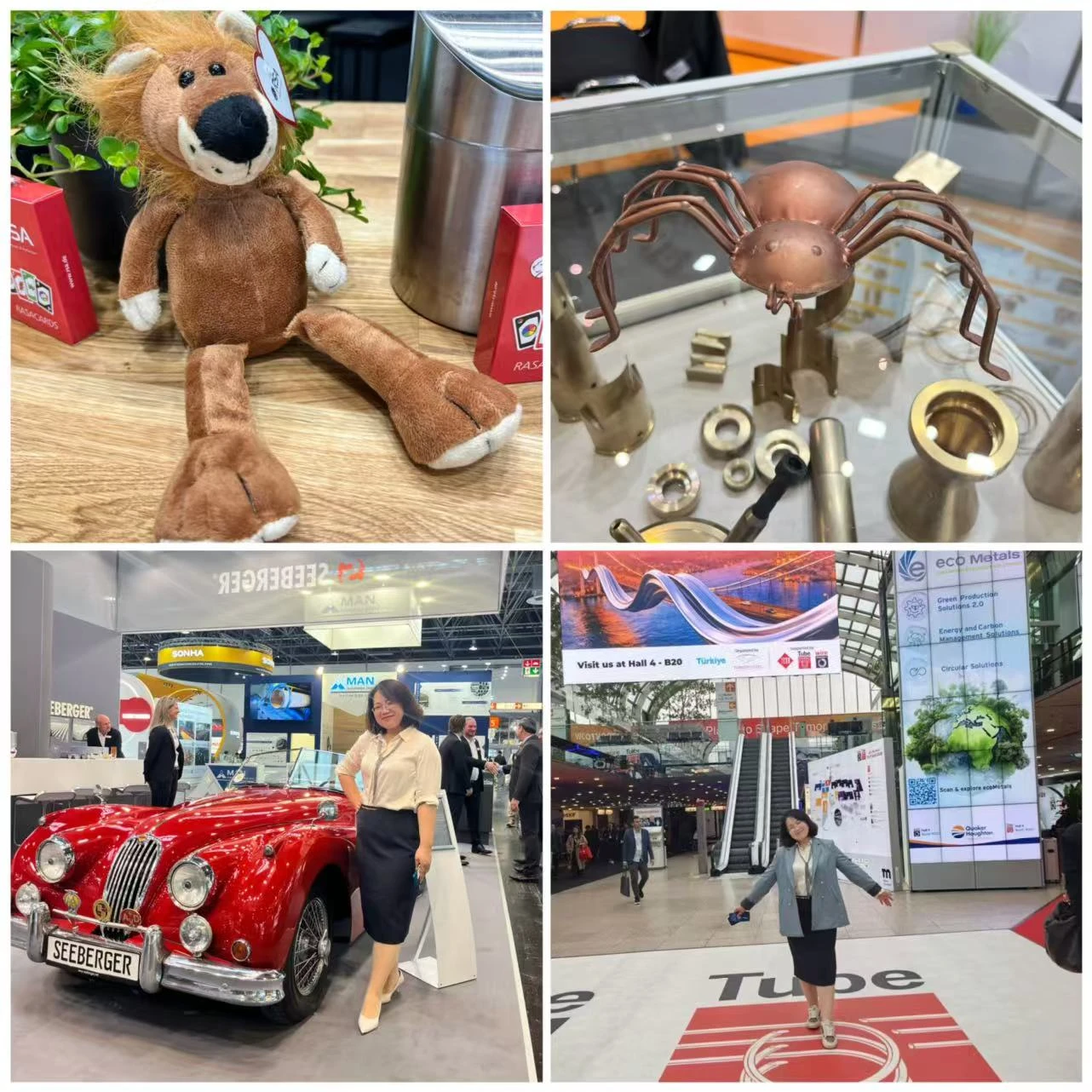
AIS Machinery Showcases Advanced Tube Solutions at Tube & Wire Düsseldorf 2026
Tube & Wire Düsseldorf 2026, one of the most influential exhibitions in the global tube and wire industry, held biennially in Düsseldorf, Germany
2027-04-17 00:00:00
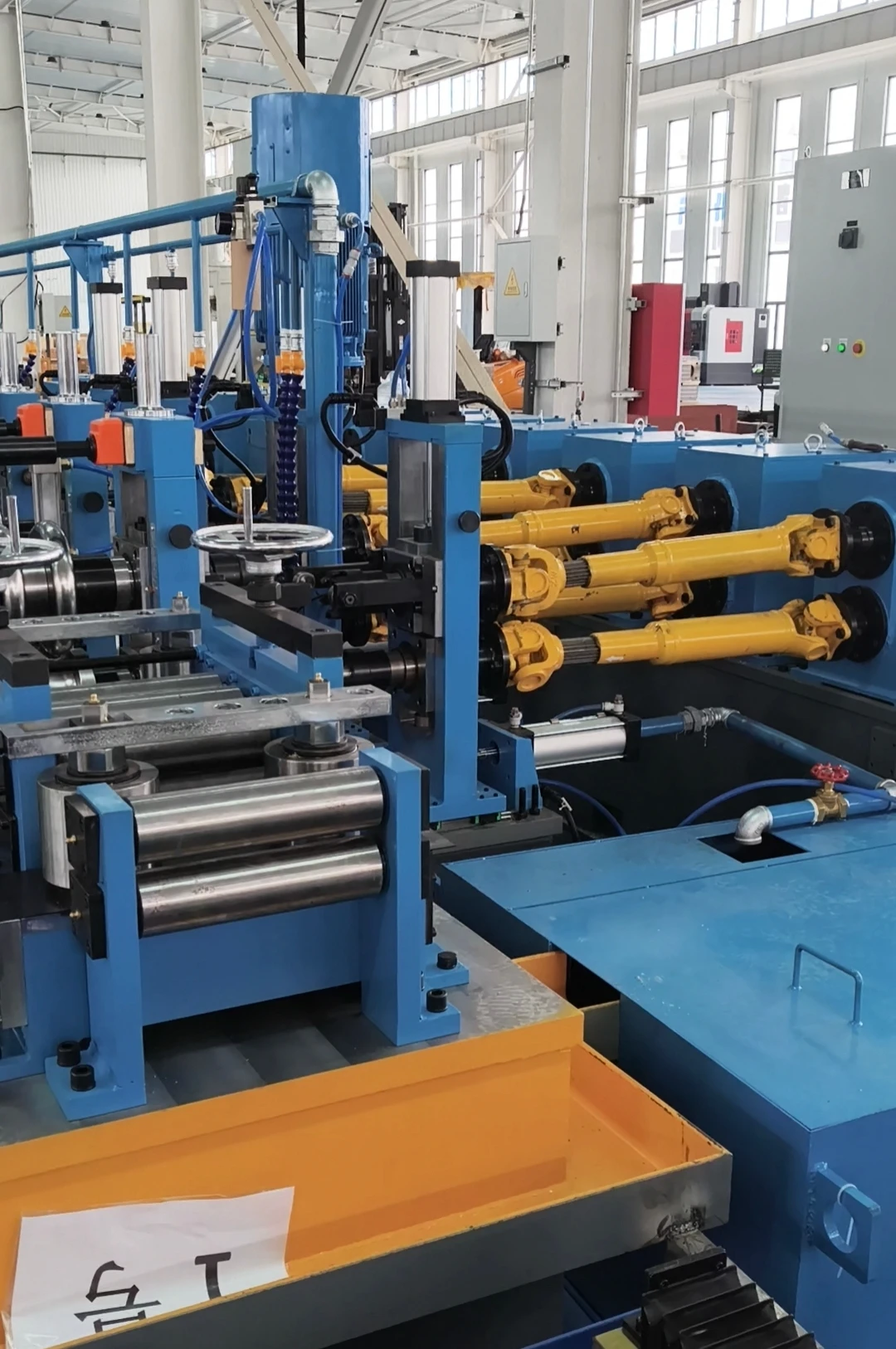
Southeast Asia Client Visits Our Factory | Customized Tube Mill Solution Delivered
A Southeast Asia client visited our ERW tube mill factory to inspect production lines and discuss a customized tube mill solution. Impressed by our machine quality, welding performance, and engineering support, the client confirmed strong cooperation intentions. Discover how our ERW tube mill solutions improve efficiency, precision, and long-term production reliability.
2026-04-16 02:35:12
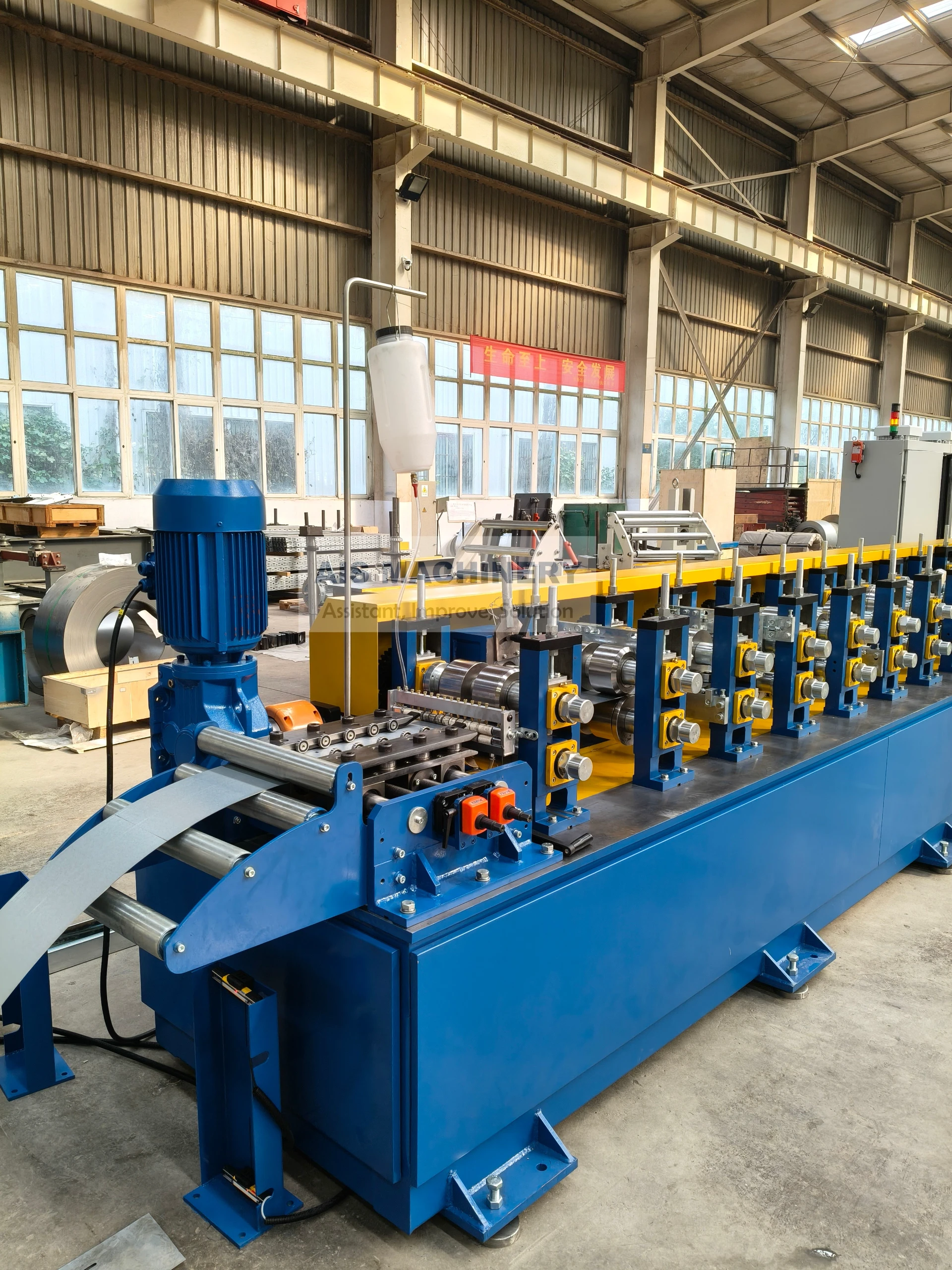
Professional Cold Roll Forming Machine Factory for Production
In the modern industrial landscape, the precision of metal shaping is the cornerstone of quality manufacturing. Partnering with a professional cold roll forming machine factory is essential for businesses looking to optimize their production lines, reduce material waste, and ensure high-dimensional accuracy. Whether you are producing C-channels, square tubes, or custom profiles, the choice of machinery determines your competitive edge in the market. This guide will explore the critical factors in selecting a factory and the technical advantages of advanced roll forming technology to help you make an informed investment.
2026-04-15 10:37:55
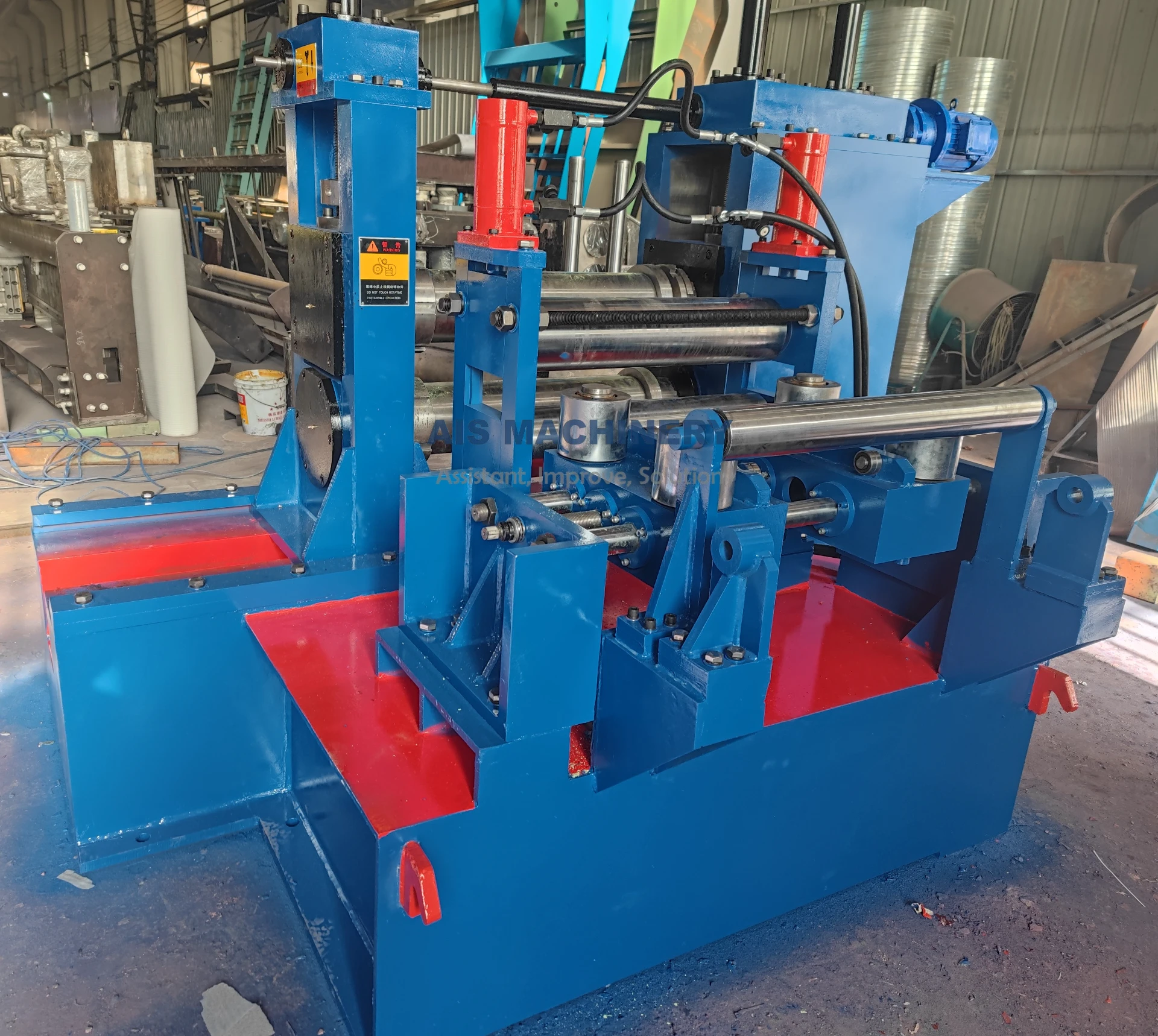
Flat Bar Production Line for Steel Coils: How It Works & Why It Matters
Looking for a flat bar production line? Learn how it turns steel coils into ready-to-use flat bars with precise length and high straightness. Compare it with slitting lines and get the best solution for your steel processing needs.
2026-04-14 00:00:00
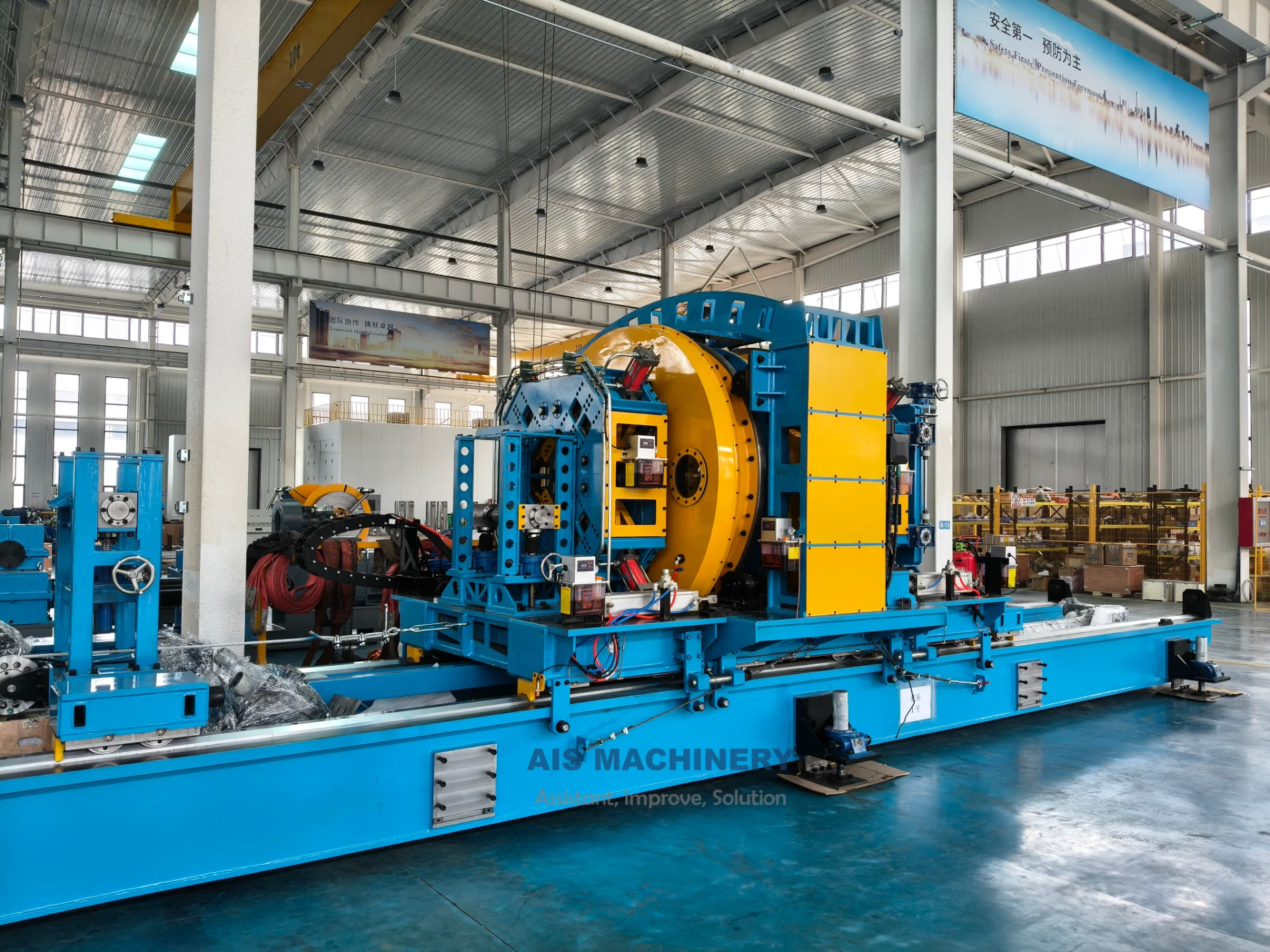
Looking for a Milling Saw for ERW Tube Mill? Here’s What You Need to Know
Looking for a high-performance milling saw for your ERW tube mill? Upgrade to burr-free, high-precision pipe cutting with advanced flying saw technology. Improve efficiency, reduce rework, and meet export standards for carbon steel, stainless steel, and API pipes. Contact us today for expert solutions and competitive pricing tailored to your production needs.
2026-04-09 16:15:19
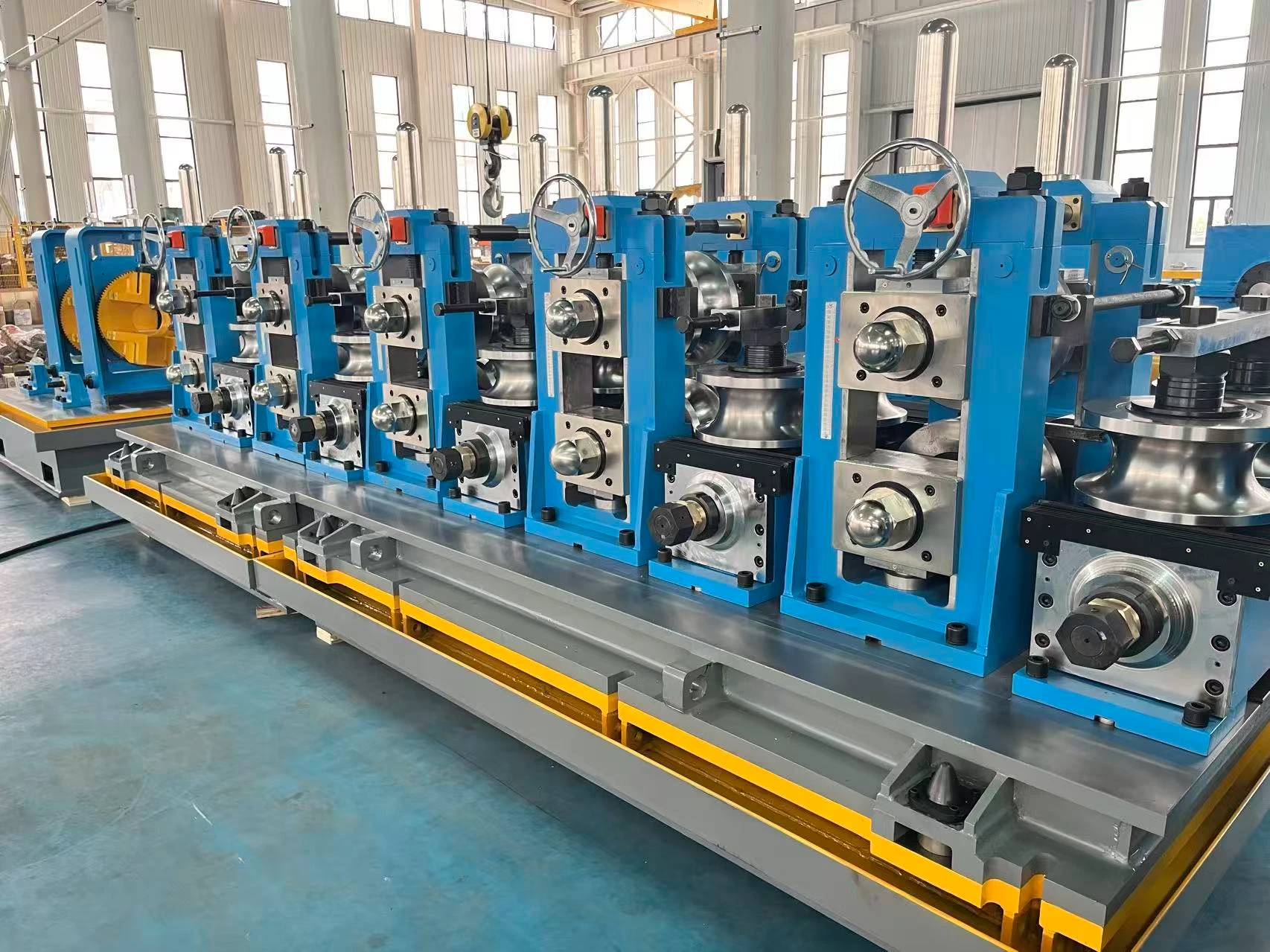
5-Inch (127mm) ERW Tube Making Machine Delivered with Heavy-Duty Design and Advanced Quick Change System
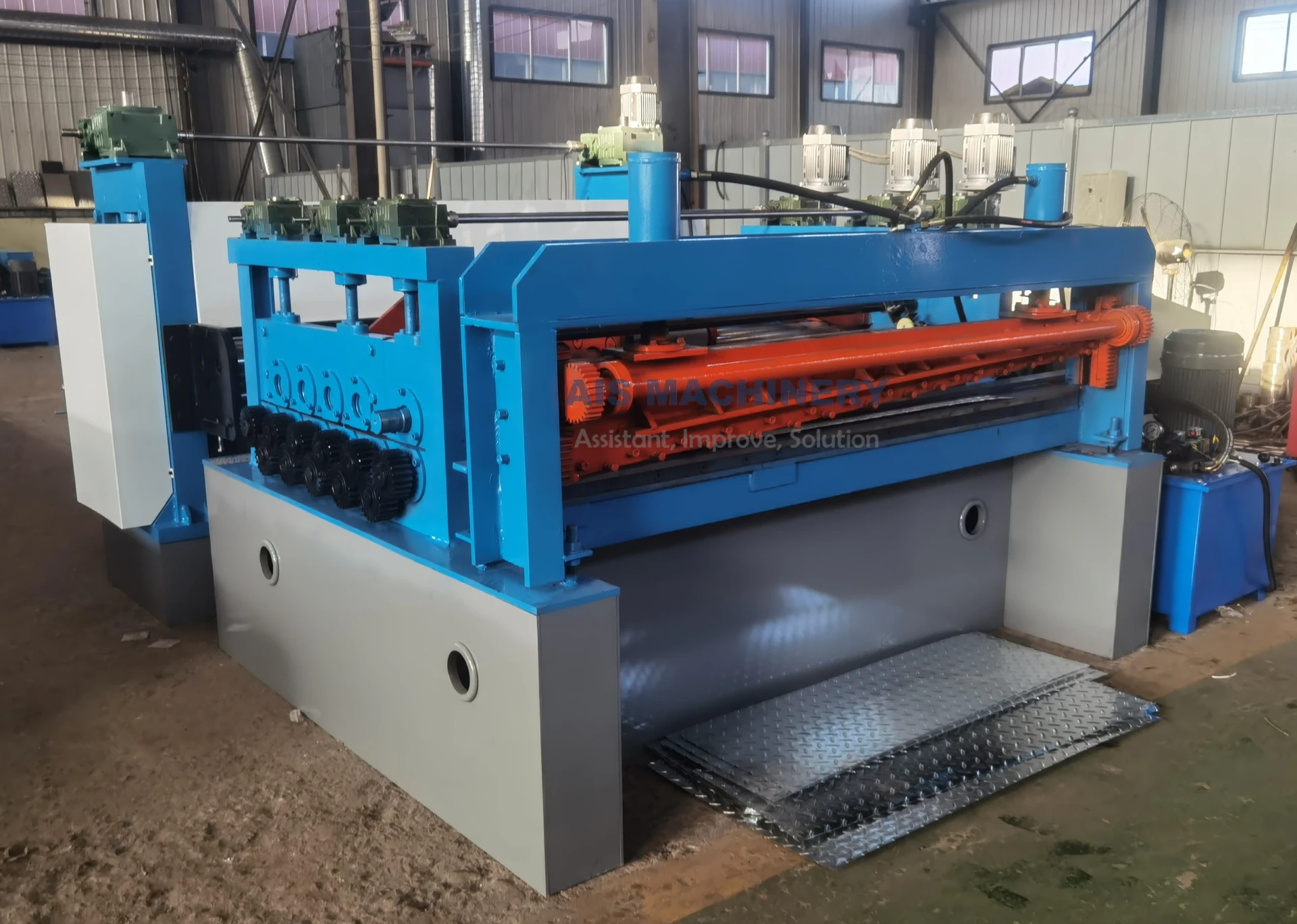
2027-04-07 00:00:00
Metal Embossing Machine: Turn Flat Sheets into High-Value Textured Products
Discover how a metal embossing machine transforms flat steel, stainless steel, and aluminum sheets into high-value textured products. Learn about its working principle, key components, and applications. Ideal for decorative and industrial use, embossing machines improve both appearance and performance. Explore complete embossing line solutions and find the right machine for your production needs.
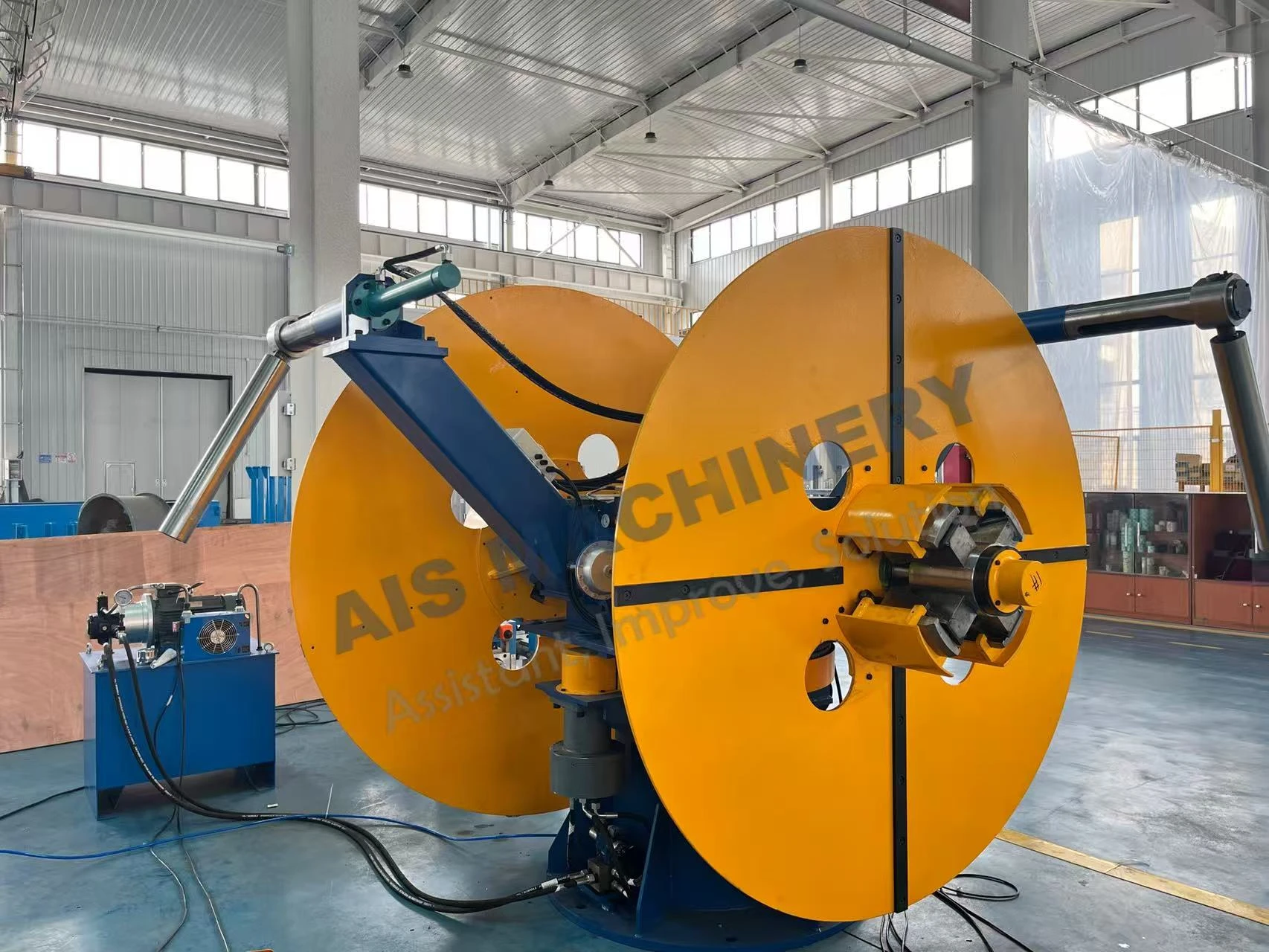
2026-04-04 20:37:18
Automatic Double Side Uncoiler with Hydraulic Expansion and Auto Rotation for Steel Coil Processing
The Automatic Double Side Uncoiler is a high-efficiency solution designed for modern steel coil processing lines, including tube mills, roll forming machines, and slitting lines. With a maximum capacity of 4 tons per side, this machine ensures stable and continuous coil feeding while reducing downtime during coil change.
Send a Message
Dear customer, thank you for your attention! We provide high-quality machinery and equipment and look forward to your orders. Please inform us of your needs and we will respond quickly!
 English
  Albanian
  Arabic
  French
  German
  Indonesian
  Italian
  Japanese
  Kazakh
  Korean
  Latin
Latin  Macedonian
  Portuguese
  Russian
  Spanish
  Thai
Thai  Turkish
  Ukrainian
  Uzbek
Uzbek