
-
 Tel:86-15176910262
-

Search

What Is HSS DMo5 Steel? Key Uses, Benefits & Future Trends
Nov . 30, 2025 20:10
Understanding HSS DMo5 Steel: Why It Matters in Today’s Industrial World
Steel grades, in all their complexity, play a quietly crucial role behind the scenes of modern industry. Among them, hss dmo5 steel stands out — a high-speed steel variant known for its balanced toughness and wear resistance, powering everything from cutting tools to industrial machinery worldwide. Understanding what makes hss dmo5 steel tick helps industries reduce downtime, optimize manufacturing, and ultimately, improve global productivity. Heck, even humanitarian operations rely on robust, precision-made tools crafted from such durable materials.
The Global Context: Why HSS DMo5 Steel Is More Relevant Than Ever
The world’s steel demand hovers around 1.8 billion metric tons annually, with high-speed steels accounting for a critical niche in manufacturing and tool-making sectors (source: Wikipedia). What’s interesting is how industrial economies—especially in Europe, East Asia, and North America—lean heavily on high-performance steels like hss dmo5 to stay competitive. As factories automate and precision requirements tighten, materials that sustain high rpm cutting or drilling without excessive wear will genuinely shape tomorrow’s factories.
One challenge that remains universal: tool wear and material fatigue under extreme conditions. Efficiently tackling it means sending costs plummeting and sustainability ticking upward, making hss dmo5 steel a quiet hero supporting global manufacturing resilience.
Mini takeaway: HSS DMo5 steel drives efficiency and durability in tools essential to manufacturing strength worldwide, helping battle wear and save costs.
What Exactly Is HSS DMo5 Steel?
At its heart, hss dmo5 steel is a tungsten-molybdenum high-speed steel designed for cutting tools like drills, taps, and milling cutters. The “DMo5” classification reflects a specific alloy formula optimized for balance—offering superior hardness at high temperatures with decent toughness. In layman’s terms: these tools stay sharp longer and endure harsher work environments.
Modern industries — automotive, aerospace, tooling, and even humanitarian aid organizations — rely on DMo5 because when every second counts, dull blades or failed drills aren’t just annoyances; they’re expensive bottlenecks.
hss dmo5 steel represents decades of metallurgical refinements to accommodate ever-increasing cutting speeds and complex alloys. It’s kind of the unsung backbone of fast, reliable tool tooling.
Mini takeaway: HSS DMo5 steel is a specialized high-speed steel blend prized for toughness and wear resistance, central to modern industrial cutting tools.
Core Attributes of HSS DMo5 Steel
1. Durability and Wear Resistance
The remarkable toughness comes mainly from a careful balance of tungsten and molybdenum, which maintain hardness even when temps climb above 550°C—a standard benchmark in cutting tool performance.
2. Heat Resistance
Unlike conventional carbon steel, hss dmo5 holds its cutting edge at high temperatures generated by machining at high spindle speeds, which is crucial for productivity.
3. Versatility in Applications
This steel grade works well in a variety of tooling devices—from twist drills to reamers—because it’s neither too brittle nor too soft, allowing for complex shapes and profiles.
4. Cost Efficiency
While slightly pricier than standard tool steels, DMo5’s lifespan often means fewer replacements and less downtime, offsetting initial investment.
5. Machinability and Heat Treatment
DMo5 responds well to hardening processes, allowing engineers to customize properties with tempering or annealing, tailoring tools for specific industrial needs.
Mini takeaway: The magic of hss dmo5 steel lies in its blend of durability, heat resistance, and adaptability, making it a proven choice for high-stress tooling.
Global Applications You Might Not Expect
Industries from automotive plants in Germany to aerospace tooling firms in Japan rely on hss dmo5 steel. Oddly enough, it also finds use in humanitarian and construction toolkits deployed to disaster-affected areas—where dependable tools are non-negotiable.
- In manufacturing hubs: Precision cutting tools crafted from DMo5 maintain high-quality production and reduce stoppages.
- In post-disaster zones: Field teams benefit from rugged, reliable drill bits and cutting equipment made from DMo5 steel.
- Remote industrial sites: Mining and oil rig operations use DMo5 tools to maintain equipment removed from supply chains.
Regions including Asia Pacific and Europe lead the use, with increasing adoption in North America for specialized tooling.
HSS DMo5 Steel Specifications at a Glance
| Property | Value | Notes |
|---|---|---|
| Composition | 0.8%C, 4%W, 5%Mo, 2%Cr, V, Co trace | Balanced alloying elements for performance |
| Hardness (HRC) | 63–65 | After heat treatment |
| Maximum Operation Temp | 540°C | Maintains edge stability |
| Typical Applications | Twist drills, taps, milling cutters | Industrial & specialty tooling |
| Heat Treatment | Hardened & tempered | Optimizes strength and toughness |
Comparing Leading Vendors of HSS DMo5 Steel
| Vendor | Quality Grade | Lead Time | Custom Alloy Options | Typical Pricing |
|---|---|---|---|---|
| SteelForge Inc. | Premium (64+ HRC) | 2-3 weeks | Yes | $$$ |
| Global Metals Ltd. | Standard (63 HRC) | 1-2 weeks | Limited | $$ |
| Industrial Steel Corp. | Economy (62 HRC) | 3-4 weeks | No | $ |
Why Choose HSS DMo5 Steel? The Long-Term Payoff
Aside from the obvious toughness, hss dmo5 steel offers a solid return on investment. The longevity of cutting edges minimizes tool replacement frequency, which directly cuts costs and unscheduled downtime. For companies, this reliability isn't just about money—it’s about building trust with clients who demand quality and stability.
There’s also an emotional aspect: craftsmen and engineers often swear by the feel and predictability of tools made from hss dmo5, viewing them almost as partners in creation. And in fields where safety and dignity matter—like humanitarian construction or maintenance—the dependable performance of these tools gives users confidence.
The Future: Trends and Innovations with HSS DMo5 Steel
Looking ahead, the world of high-speed steels like DMo5 is subtle but active. Green manufacturing approaches push for alloys that use less cobalt or tungsten mining, reducing environmental footprint without compromising steel strength.
Digital manufacturing and AI-driven quality controls are also starting to make an impact, ensuring each batch of DMo5 steel meets stringent consistency standards. We also see interest in coatings—like titanium aluminum nitride—that boost DMo5's surface hardness and reduce friction, expanding tool life further.
Barriers and Smart Solutions
One sticking point with hss dmo5 steel is cost — just straightforward alloying elements and processing skills ramp things up compared to cheaper tool steels. Yet, many find upfront cost well worth it when life-cycle expenses plummet.
Another challenge is machinability before hardening, which some newer vendor blends address with tweaks in sulfur or phosphorus content to ease initial shaping phases.
Frequently Asked Questions About HSS DMo5 Steel
- What makes hss dmo5 steel especially suitable for cutting tools?
- Its unique composition balances tungsten and molybdenum to maintain hardness at high temperatures, allowing tools to cut faster and longer without dulling.
- How does HSS DMo5 compare to other high-speed steels like M2?
- DMo5 typically has slightly higher molybdenum content, improving toughness and wear resistance under certain conditions, making it a preferred choice for complex tooling.
- Is it expensive to use hss dmo5 steel in manufacturing?
- While pricier than basic tool steels, its durability and heat resistance result in longer tool life and lower replacement costs overall, saving money long-term.
- Can hss dmo5 steel tools be customized for specific industries?
- Yes, through varying heat treatments and minor alloy adjustments, tools can be tailored for applications from aerospace to oil rig drilling.
- Where can I find reliable suppliers for hss dmo5 steel?
- Leading vendors like SteelForge Inc. and Global Metals Ltd. provide quality DMo5 stock; compare pricing, lead times, and customization options before purchase.
Wrapping Up: Why HSS DMo5 Steel Matters to You
In real terms? Without dependable materials like hss dmo5 steel, modern industry and humanitarian work would slow, stumble, or even halt under equipment failure. Its blend of toughness, heat resistance, and cost-efficiency keeps manufacturing efficient, supports critical projects worldwide, and continues evolving with greener, smarter tech.
So if you’re hunting down a steel grade to trust for your next tooling project—give HSS DMo5 a serious look. For more details and sourcing options, visit our website and discover how this alloy can keep your operation running—sharp, steady, and strong.
References:
1. Wikipedia: Steel
2. UN Environment Programme - Materials & Sustainable Manufacturing
3. ISO Standards for Tooling Materials

Related Products


Related News
2026-04-30 09:35:04
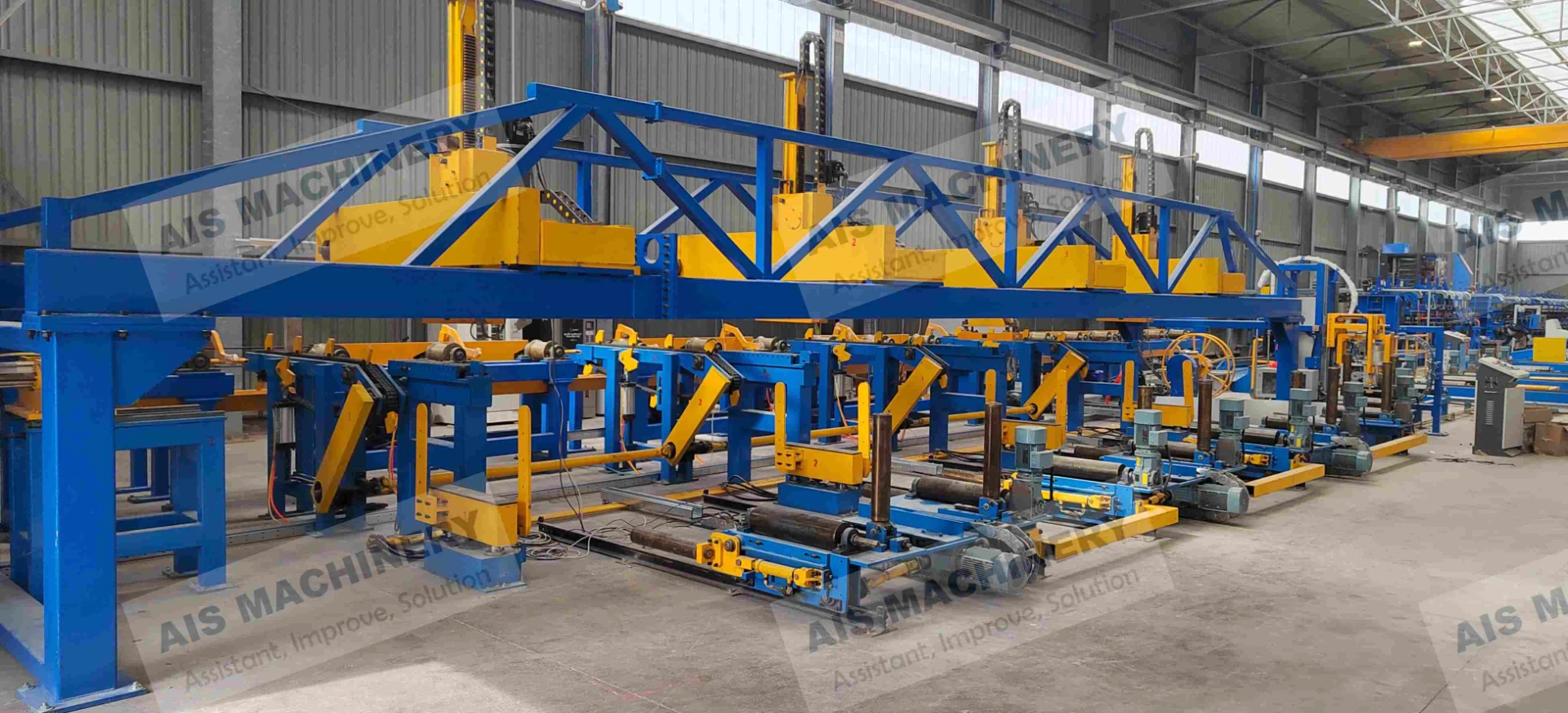
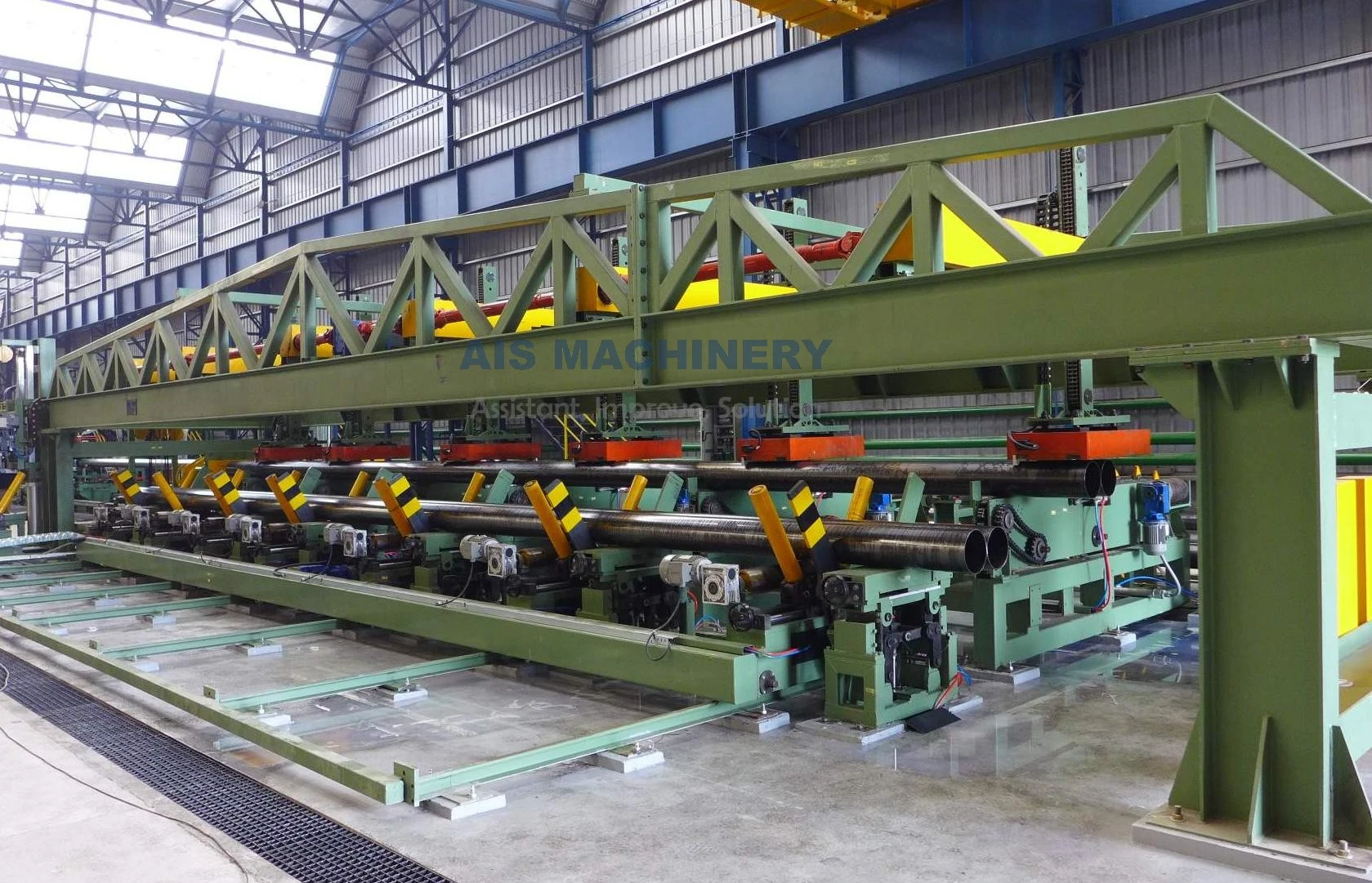
Automatic Stacking Machine (Magnetic Chuck Type)
The Automatic Stacking Machine (Magnetic Chuck Type) from AIS Machinery is designed to efficiently collect and stack steel tubes in ERW tube mill production lines. Using electromagnetic lifting, it can pick up multiple tubes at once and place them neatly in layers. This reduces manual labor, improves stacking accuracy, and increases overall production efficiency. It is installed after the flying saw and works seamlessly with the mill line, making it an ideal solution for modern tube manufacturers.
2026-04-28 08:56:05
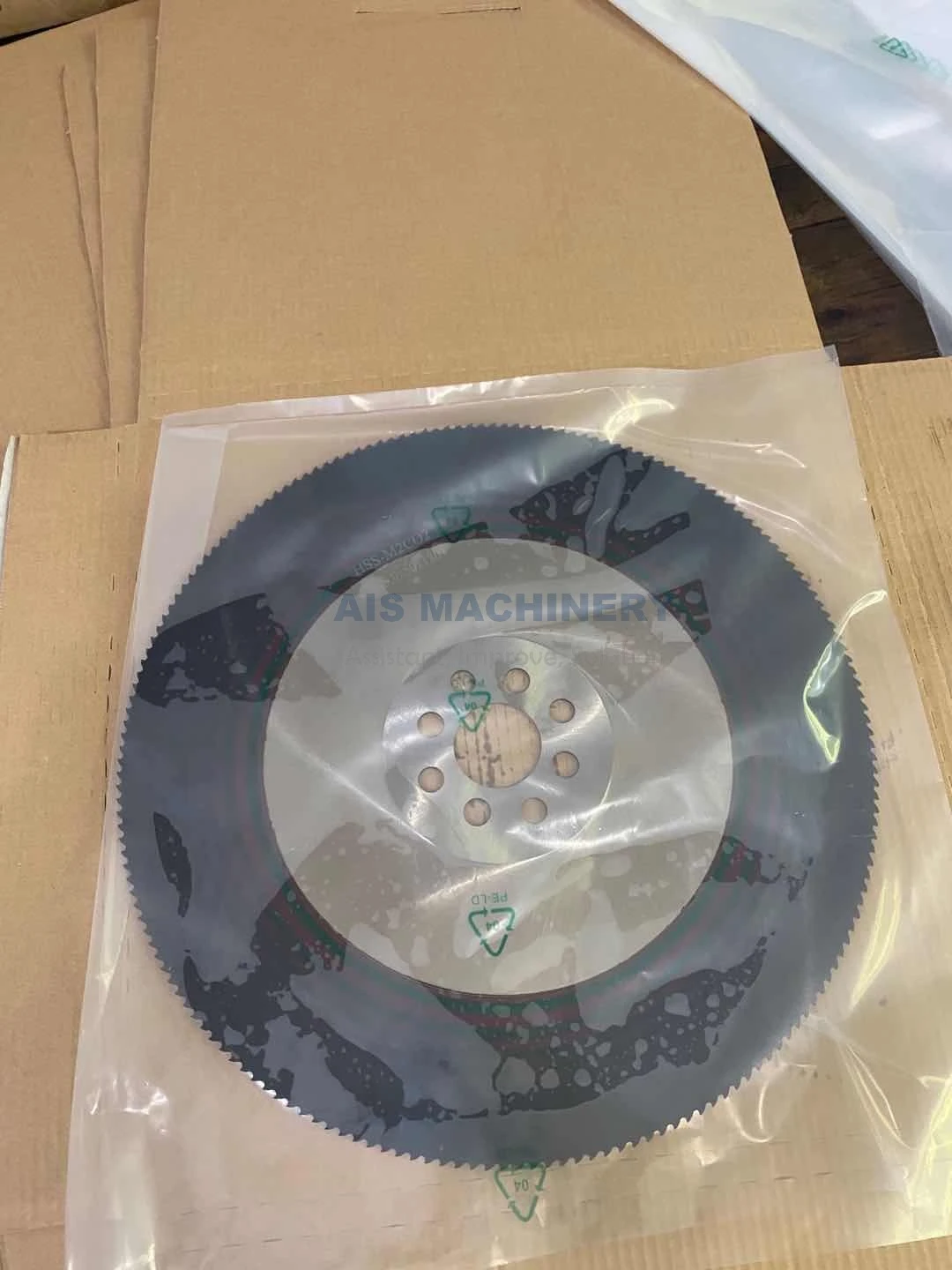
Saw Blade Guide for Tube Mills: Friction vs HSS vs TCT — Which One Should You Choose?
Confused about friction saw, HSS, and TCT blades? This guide explains their uses in cold saw and friction saw machines, with pros, cons, and expert selection tips.
2026-04-24 08:54:16
What is an Impeder and Ferrite Rods in ERW Tube Mill?
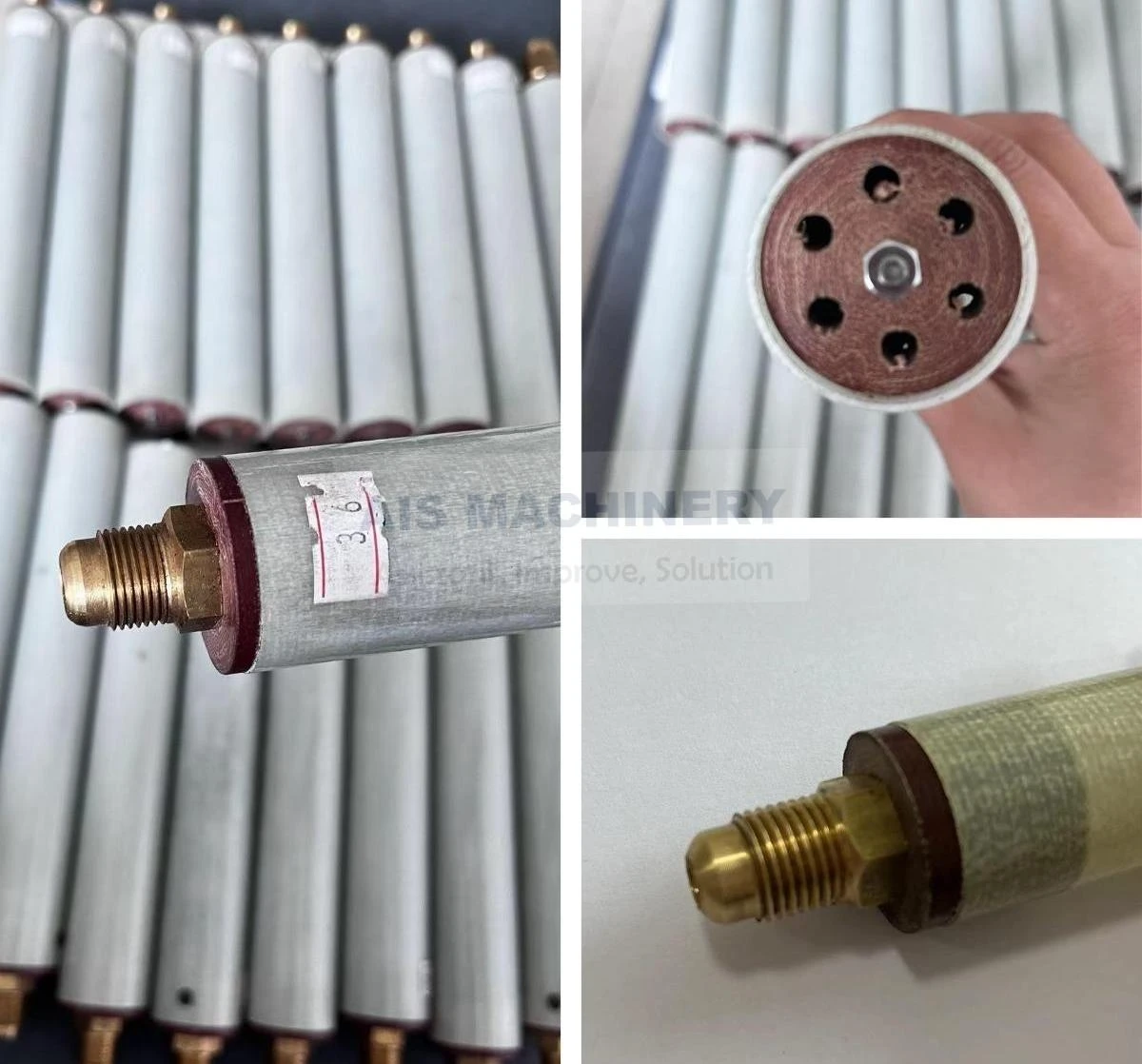
Struggling with impeder overheating or short service life in your ERW tube mill? This guide explains common impeder problems, the role of ferrite rods, and how to choose the right impeder for stable welding performance. Improve weld quality, reduce energy loss, and extend equipment lifespan with the right selection and proper cooling solutions.
2026-04-21 10:22:25
Slitting & Cut-to-Length Combined Production Line: A Smarter Way to Process Steel Coils
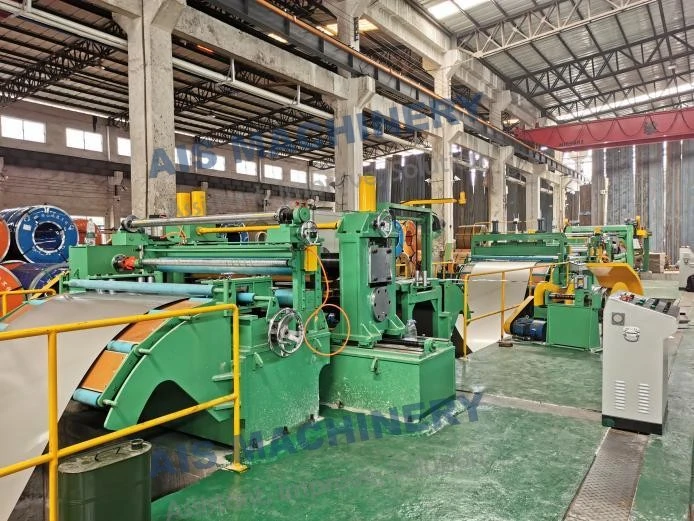
Discover the Slitting & Cut-to-Length Combined Production Line, a flexible solution for steel coil processing. This system integrates slitting line and cut-to-length line functions in one machine, saving space, reducing costs, and improving efficiency. Ideal for processing both steel strips and sheets, it is widely used in service centers and manufacturing industries. Learn its advantages, limitations, and applications.

2026-04-18 03:20:20
AIS Machinery Showcases Advanced Tube Solutions at Tube & Wire Düsseldorf 2026
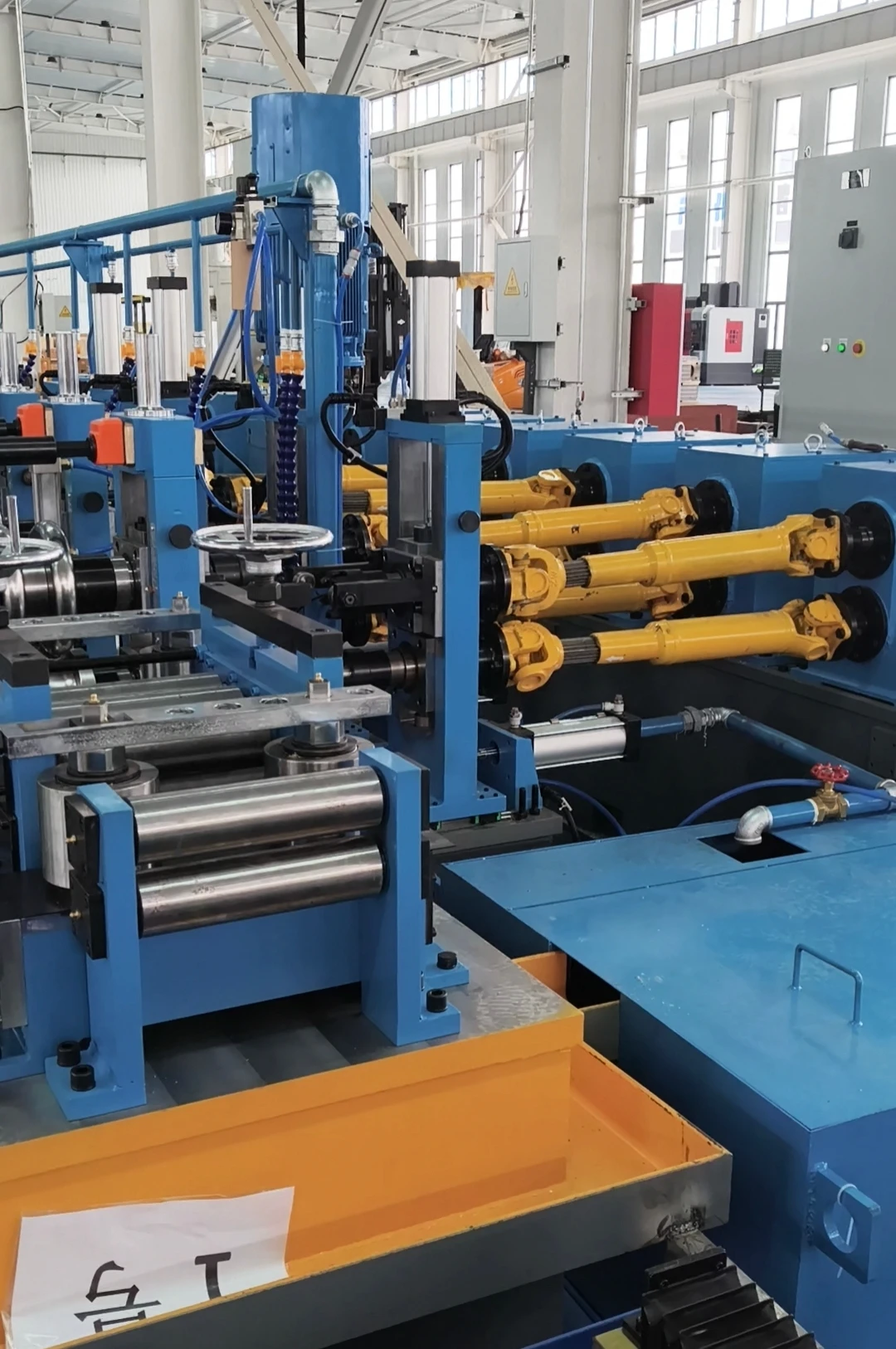
Tube & Wire Düsseldorf 2026, one of the most influential exhibitions in the global tube and wire industry, held biennially in Düsseldorf, Germany
2026-04-17 00:00:00
Southeast Asia Client Visits Our Factory | Customized Tube Mill Solution Delivered
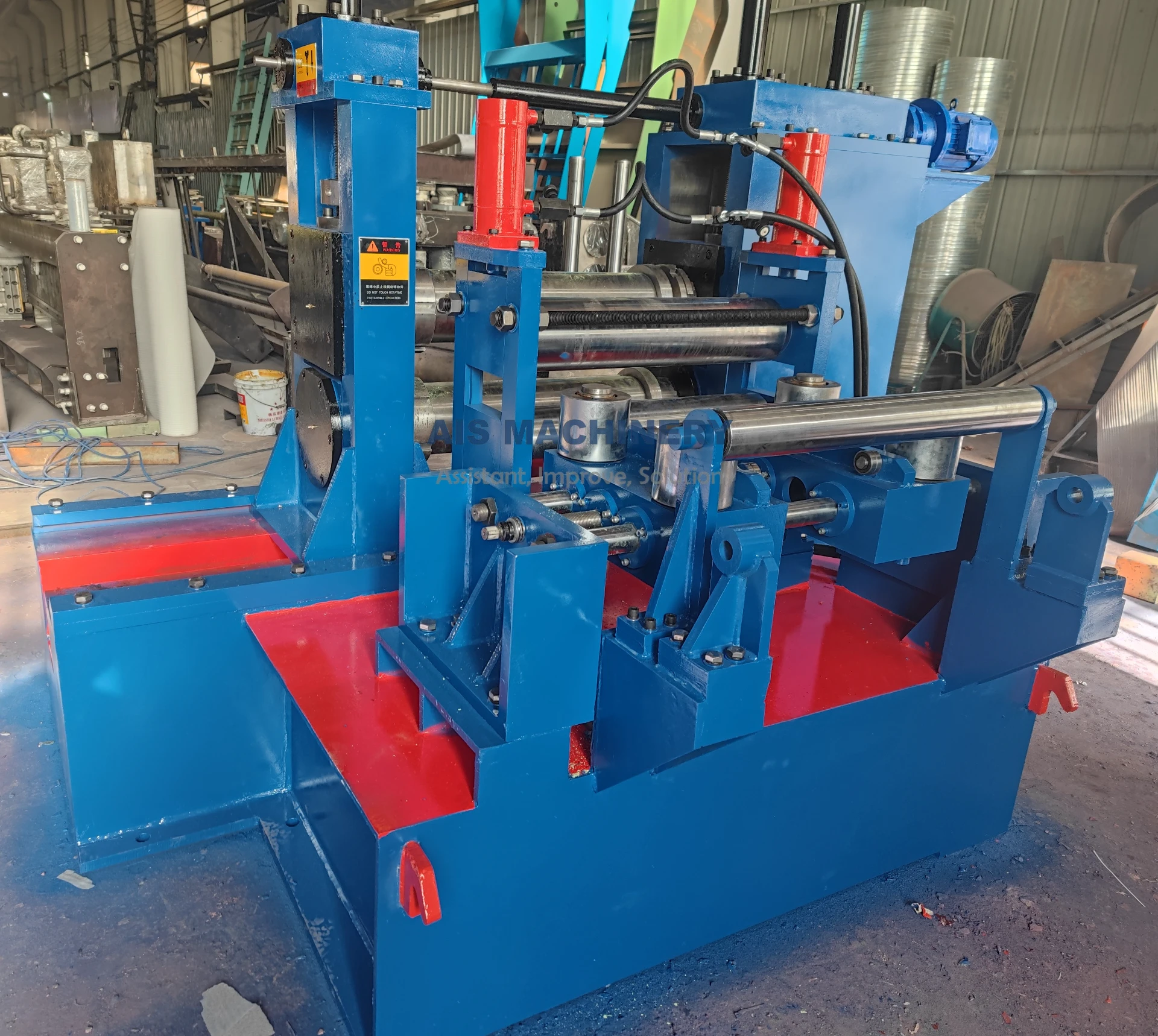
A Southeast Asia client visited our ERW tube mill factory to inspect production lines and discuss a customized tube mill solution. Impressed by our machine quality, welding performance, and engineering support, the client confirmed strong cooperation intentions. Discover how our ERW tube mill solutions improve efficiency, precision, and long-term production reliability.
2026-04-15 10:37:55
Flat Bar Production Line for Steel Coils: How It Works & Why It Matters
Looking for a flat bar production line? Learn how it turns steel coils into ready-to-use flat bars with precise length and high straightness. Compare it with slitting lines and get the best solution for your steel processing needs.
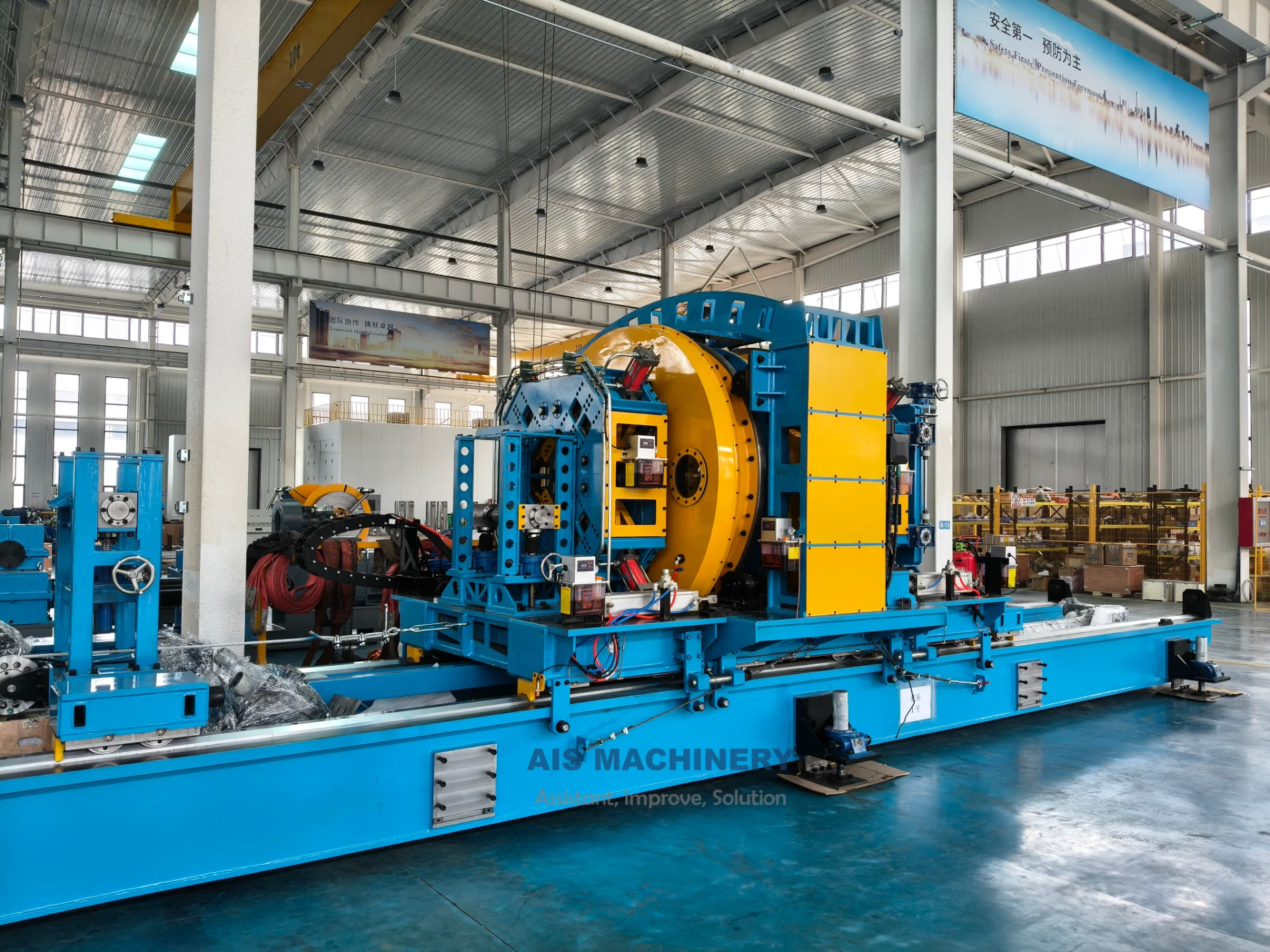
2026-04-14 00:00:00
Looking for a Milling Saw for ERW Tube Mill? Here’s What You Need to Know
Looking for a high-performance milling saw for your ERW tube mill? Upgrade to burr-free, high-precision pipe cutting with advanced flying saw technology. Improve efficiency, reduce rework, and meet export standards for carbon steel, stainless steel, and API pipes. Contact us today for expert solutions and competitive pricing tailored to your production needs.
Send a Message
Dear customer, thank you for your attention! We provide high-quality machinery and equipment and look forward to your orders. Please inform us of your needs and we will respond quickly!
 English
  Albanian
  Arabic
  French
  German
  Indonesian
  Italian
  Japanese
  Kazakh
  Korean
  Latin
Latin  Macedonian
  Portuguese
  Russian
  Spanish
  Thai
Thai  Turkish
  Ukrainian
  Uzbek
Uzbek