
-
 Tel:86-15176910262
-

Search

Durable & Efficient HSS Circular Saw Blades for Metal Cutting | AISTubemill
Nov . 30, 2025 18:35
Understanding HSS Circular Saw Blades for Metal Cutting: Why It Matters
If you’re in the metalworking or fabrication world, chances are you’ve heard of hss circular saw blades for metal cutting. But what makes them so important on a global industrial scale? In short: these blades are the unsung heroes that allow manufacturers, builders, and even humanitarian agencies to slice through metals efficiently and cleanly—literally shaping the backbone of modern infrastructure and innovation. Having a solid grasp of their design and application can help you pick the right tool for the job, saving time, money, and frustrating downtime.
The benefits are pretty clear once you delve in: precision cuts, durability, and even safety—all pivotal when you’re working with tough materials under heavy use.
Global Context: Why HSS Circular Saw Blades are Key in Metalworking
It’s quite telling that according to the International Organization for Standardization (ISO), industries like automotive, aerospace, and construction account for over 60% of global steel consumption. Cutting metal efficiently is a bottleneck almost everywhere. Enter hss circular saw blades for metal cutting, which address the pressing need for reliable, precise, and cost-effective cutting solutions.
Globally, metal processing industries contribute trillions in value and employ millions. But the challenge is standardizing tools that can withstand variations in metal types (from soft aluminum to hard stainless steel). Without advanced blades, throughput suffers and waste piles up. So, it’s not just a tool—it’s a keystone for productivity and sustainability worldwide.
What Exactly Are HSS Circular Saw Blades?
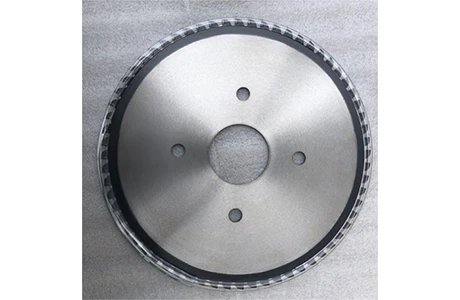
“HSS” stands for High-Speed Steel, a material renowned for its resistance to heat and wear. Circular saw blades made of HSS are precisely engineered cutting discs designed to slice through various metals with finesse. In less techie terms: think of them as a racecar’s tires on a race track—built for speed, durability, and optimal performance.
As industries evolved, these circular blades have been central to mass manufacturing, helping transform raw metal into everything from airplane parts to hospital equipment. Their significance even trickles down to emergency relief efforts, where quickly fabricated metal structures need fast and accurate metal cutting.
Key Factors That Define HSS Circular Saw Blades
1. Durability and Heat Resistance
Metal cutting can generate significant frictional heat. HSS blades are designed to withstand temperatures exceeding 600°C without losing hardness, preventing warping or premature wear. Many engineers note this as a game-changer in prolonging tool life.
2. Tooth Geometry and Design
Blades come with varying tooth counts and shapes — from fine-toothed blades for thin sheet metals to coarse teeth for thick bars. The design governs the cutting speed and finish quality.
3. Versatility Across Metals
One blade might tackle mild steel, stainless steel, copper, and even some alloys. This flexibility cuts down on tool changes and downtime in busy workshops.
4. Cost Efficiency
While the upfront cost can be higher than standard blades, their longevity and fewer replacements make HSS blades a smarter investment long term.
5. Scalability and Availability
Thanks to advances in manufacturing, these blades come in various diameters and thicknesses, catering to everything from handheld saws to massive industrial cutters.
Mini takeaway:
Durability, design, and versatility form the trifecta that makes HSS circular saw blades irreplaceable in modern metal cutting.
Global Applications & Use Cases
From sprawling factories in Germany to compact workshops in Southeast Asia, these blades have an enormous footprint. In the renewable energy sector, for instance, they’re used to prepare frames and components for solar panels and wind turbines.
Humanitarian operations sometimes rely on fast fabrication of metal shelters or medical equipment, especially post-disaster—where having hss circular saw blades for metal cutting in the toolkit can make rapid prototyping possible.
Interestingly, the automotive industry rotates blade usage based on production stages. Rough cuts might use cheaper blades, while finishing requires fine tooth HSS blades for a clean edge—an approach adopted by firms in North America and Japan.
Typical Product Specifications of HSS Circular Saw Blades
| Specification | Typical Range/Value | Notes |
|---|---|---|
| Diameter | 100mm - 600mm | Varies by machine type |
| Tooth Count | 40 - 120 teeth | Higher teeth for finer cuts |
| Kerf Width | 1.2mm - 3.0mm | Thicker kerf = more material waste |
| Max RPM | 4,500 - 6,500 RPM | Depends on blade size |
| Material | M2, M35, M42 HSS grades | Higher grades resist heat better |
Vendor Comparison: Selecting the Right Supplier
| Vendor | Product Range | Customization | Lead Time | Pricing |
|---|---|---|---|---|
| AISTubemill | Wide (100-600mm diameters) | High (tooth geometry, diameter) | 2-3 weeks | Competitive |
| GlobalCut Tools | Moderate (150-500mm) | Medium | 4-5 weeks | Higher |
| BladeTech Inc. | Extensive (80-650mm) | Low | 1-2 weeks | Premium |
Advantages and Long-Term Value of Using HSS Circular Saw Blades
The appeal of HSS blades goes beyond just cutting speed. They offer:
- Cost Savings: Fewer replacements and less downtime mean operational efficiency.
- Sustainability: Durable blades reduce waste and resource use.
- Safety: Cleaner cuts reduce the risk of metal shards or uneven edges, helping prevent accidents.
- Reliability: Trusted in critical sectors like aerospace or medical device manufacturing.
Emotionally, operators trust these blades because they perform consistently—no unpleasant jobs where the blade fails mid-cut. It’s a subtle but important factor that keeps production lines humming and morale up.
Looking Ahead: Future Trends and Innovations
Material science is pushing HSS blades to new heights. For example, new coatings like titanium aluminum nitride (TiAlN) enhance heat resistance. Digital transformation means blades can be monitored via sensors for wear and replaced proactively.
Moreover, green energy projects demand more sustainable materials and faster production, stimulating innovations that reduce energy use during cutting.
Automation is another biggie — robotic saws integrated with smart HSS blades enable precision, repeatability, and data-driven maintenance schedules.
Challenges & Expert Solutions
Of course, no tool is perfect. Issues like blade chipping, unexpected workload spikes, or limited blade availability in some regions pop up. But techniques such as variable tooth pitch (reducing vibration) and modular blade segments help tackle these problems.
Suppliers now also offer on-site sharpening and rapid logistics options to remedy supply chain snags—kind of a game-changer for remote plants.
FAQs: What You Really Want to Know About HSS Circular Saw Blades
Q1: How can I tell if an HSS blade is suitable for my metal cutting project?
A: It depends on the metal type (mild steel, stainless, etc.), thickness, and cut finish required. Choose blades with an appropriate tooth count and check the blade’s maximum RPM relative to your saw’s specs.
Q2: How long do HSS circular saw blades typically last?
A: Under normal workshop conditions, blades last anywhere from several weeks up to months. Factors include metal hardness, cutting speed, and blade maintenance.
Q3: Are HSS circular saw blades eco-friendly?
A: Indirectly. Their durability reduces waste from frequent blade replacements. Also, newer coatings reduce friction and energy consumption during cutting.
Q4: Can I customize HSS blades for specific applications?
A: Yes, many vendors offer custom tooth profiles, diameters, and even special coatings to match your precise metal cutting needs.
Q5: Are these blades compatible with all metal cutting saws?
A: Most standard saws used in metal fabrication accept these blades, but always verify your saw’s specs for diameter, bore size, and max RPM before purchasing.
Conclusion: Why Investing in Quality HSS Circular Saw Blades Pays Off
Frankly, the difference between a mediocre metal cut and a clean, efficient cut often comes down to blade quality—something many overlook until mistakes cost time or safety. Choosing high-grade hss circular saw blades for metal cutting is a straightforward way to boost productivity, ensure sustainability, and build trust in your processes.
Interested? Visit our website: AISTubemill to learn more about our product range and find the perfect blade for your applications.
References & Further Reading

Related Products



Related News
2026-04-30 09:35:04
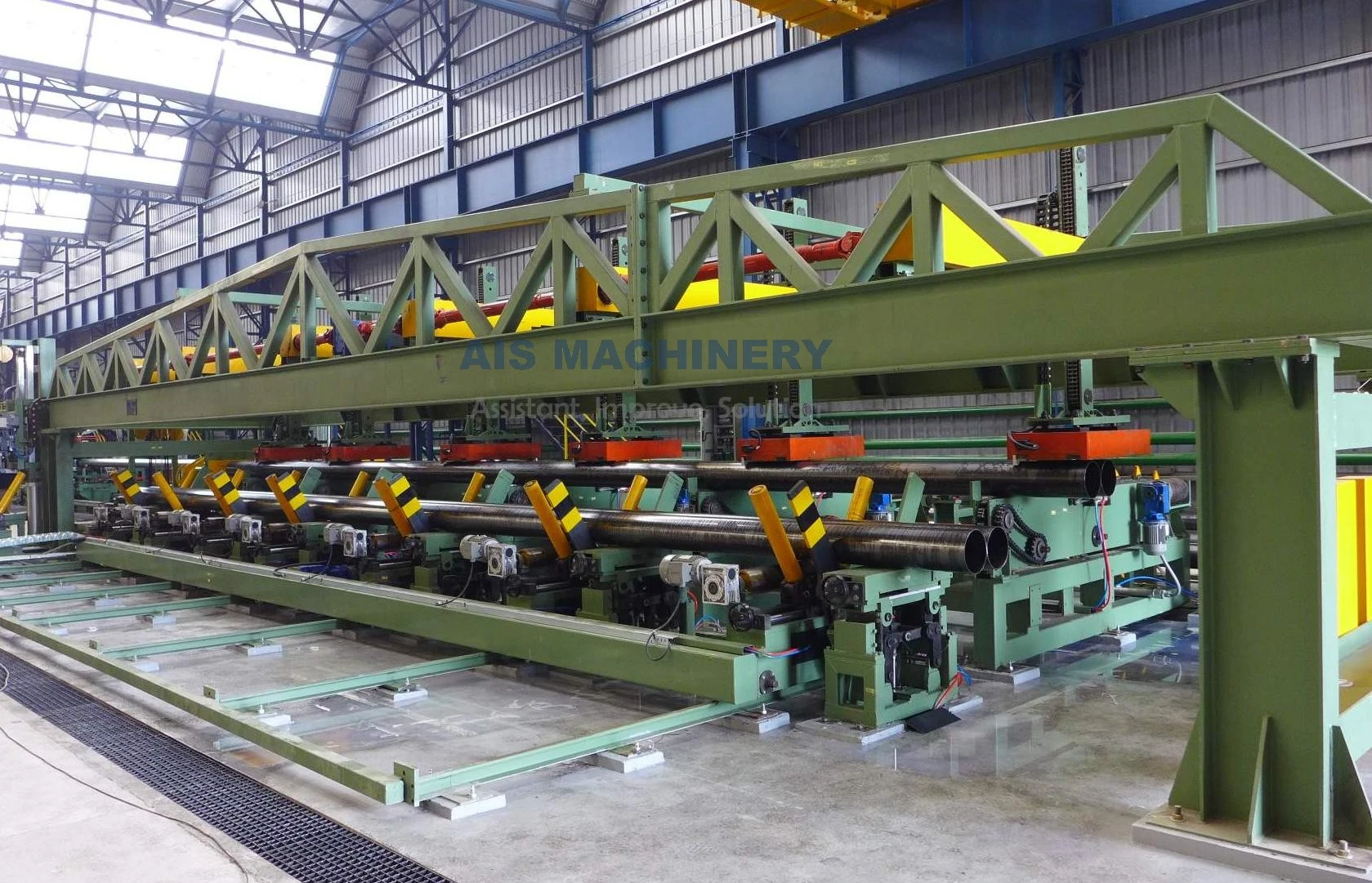
Automatic Stacking Machine (Magnetic Chuck Type)
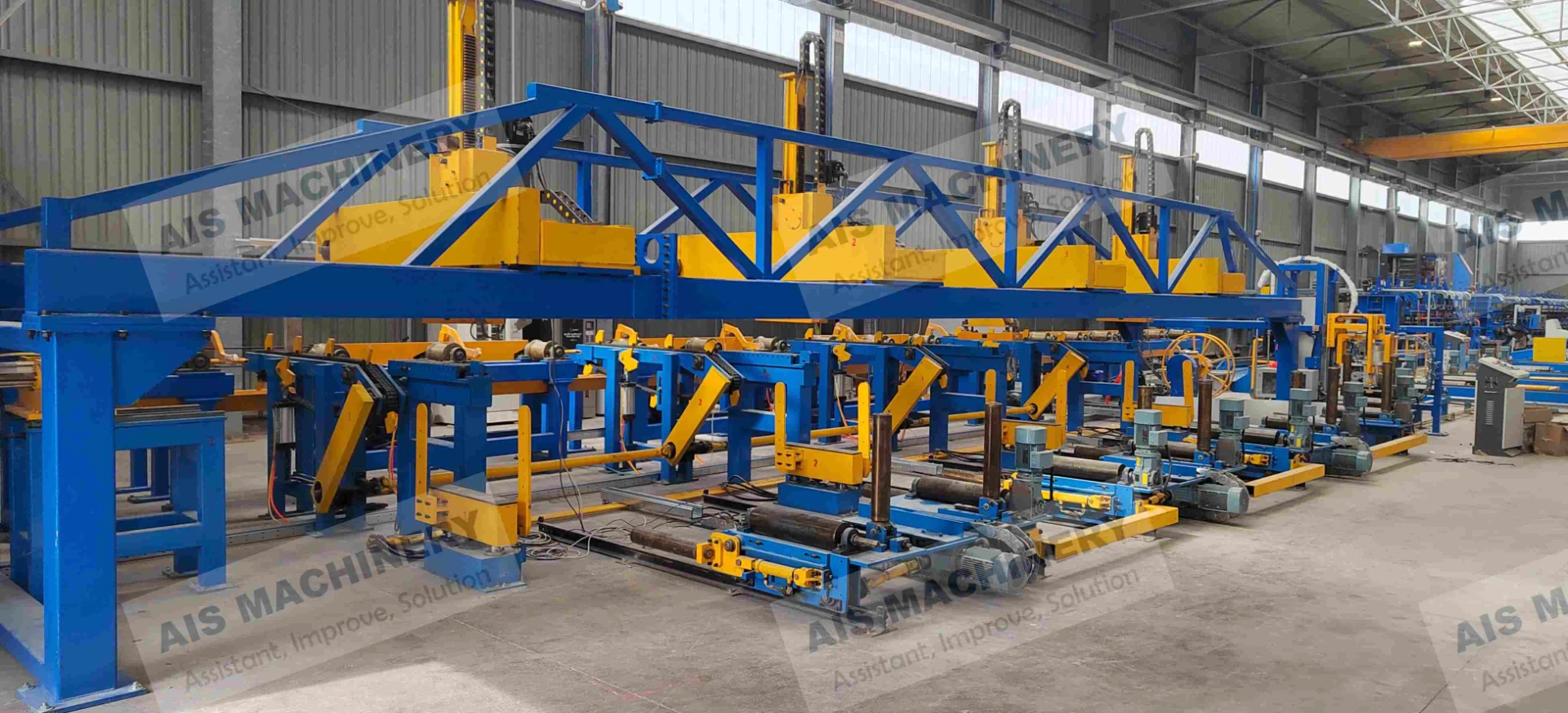
The Automatic Stacking Machine (Magnetic Chuck Type) from AIS Machinery is designed to efficiently collect and stack steel tubes in ERW tube mill production lines. Using electromagnetic lifting, it can pick up multiple tubes at once and place them neatly in layers. This reduces manual labor, improves stacking accuracy, and increases overall production efficiency. It is installed after the flying saw and works seamlessly with the mill line, making it an ideal solution for modern tube manufacturers.
2026-04-28 08:56:05
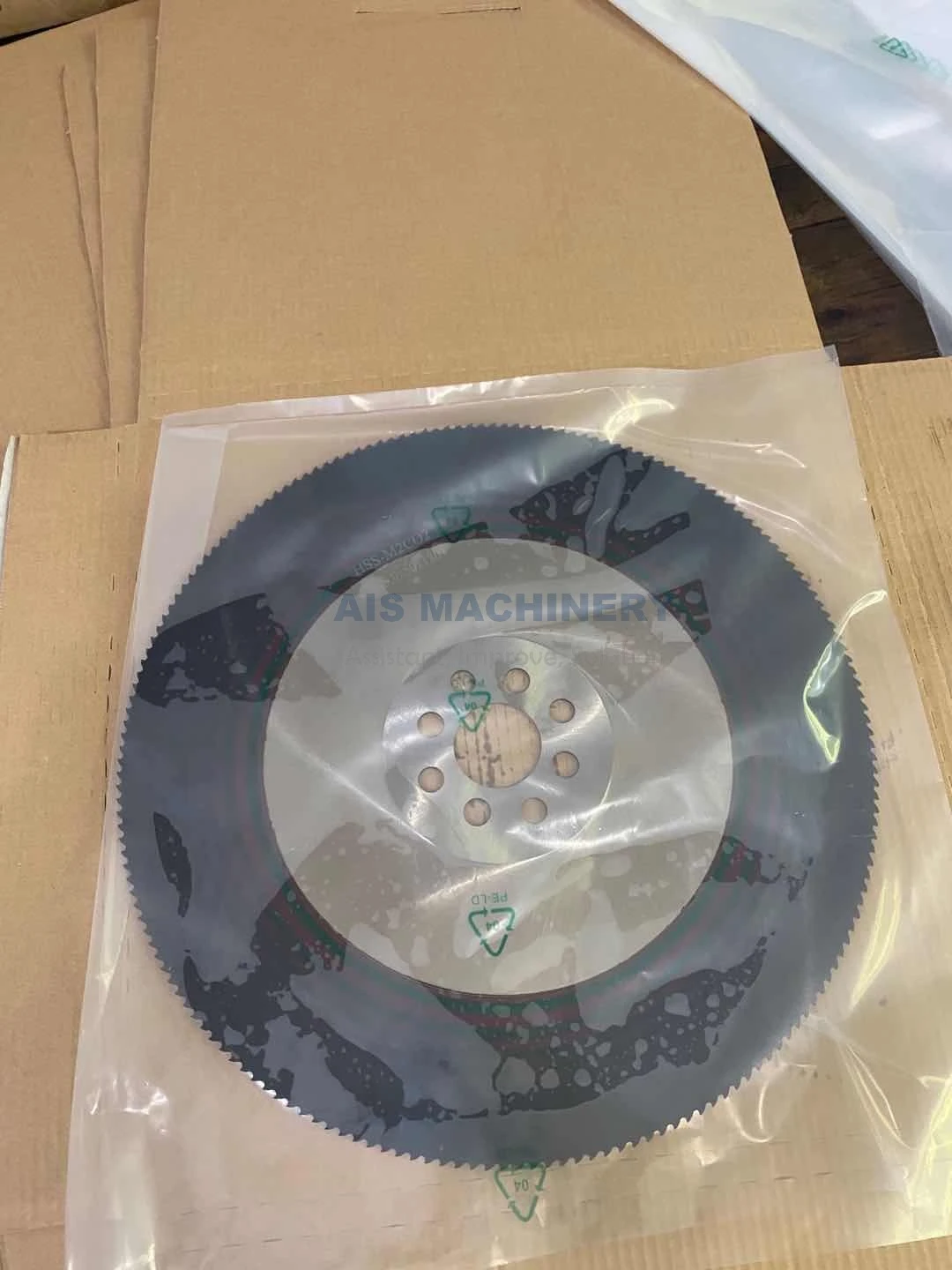
Saw Blade Guide for Tube Mills: Friction vs HSS vs TCT — Which One Should You Choose?
Confused about friction saw, HSS, and TCT blades? This guide explains their uses in cold saw and friction saw machines, with pros, cons, and expert selection tips.
2026-04-24 08:54:16
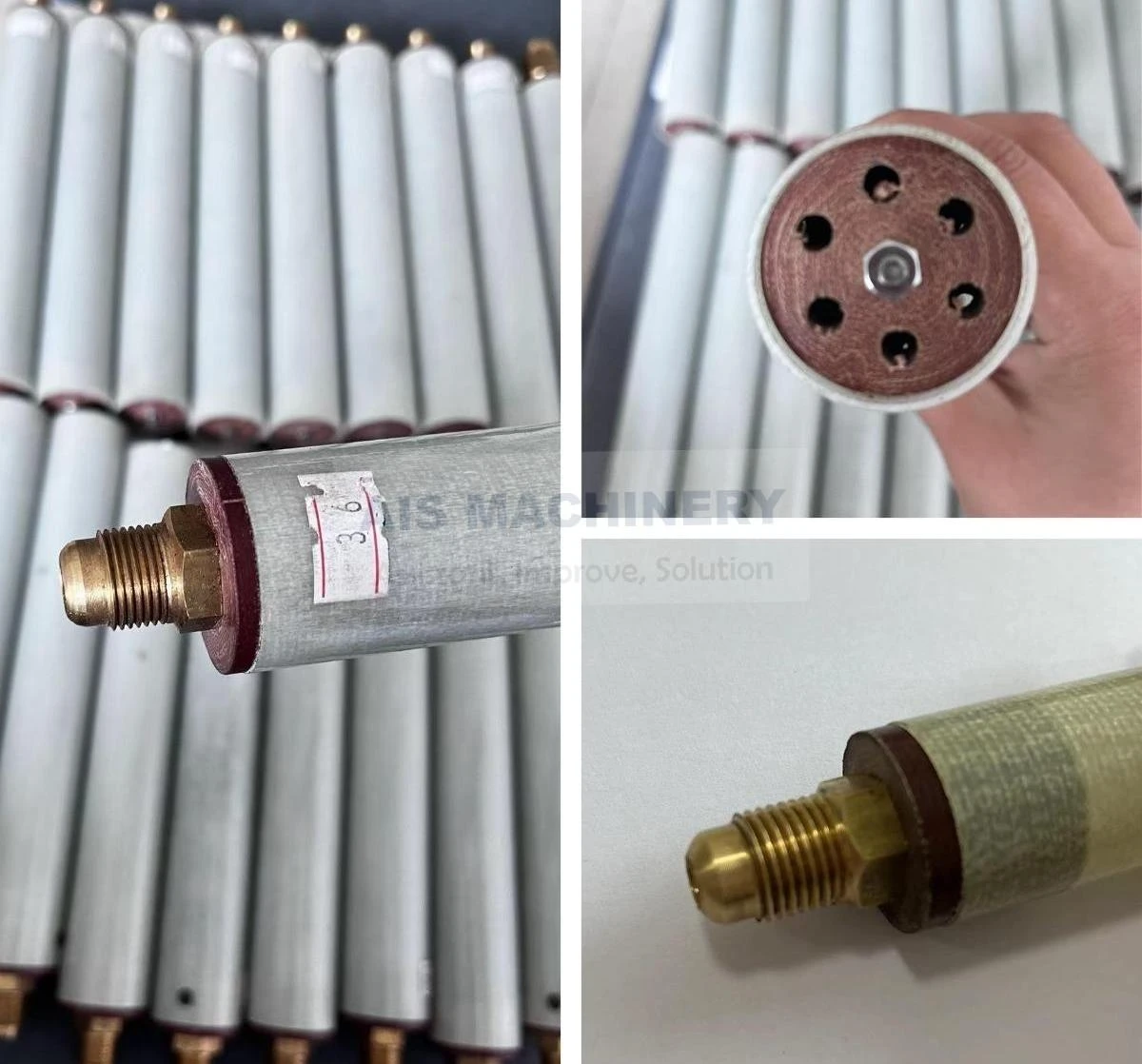
What is an Impeder and Ferrite Rods in ERW Tube Mill?
Struggling with impeder overheating or short service life in your ERW tube mill? This guide explains common impeder problems, the role of ferrite rods, and how to choose the right impeder for stable welding performance. Improve weld quality, reduce energy loss, and extend equipment lifespan with the right selection and proper cooling solutions.
2026-04-21 10:22:25
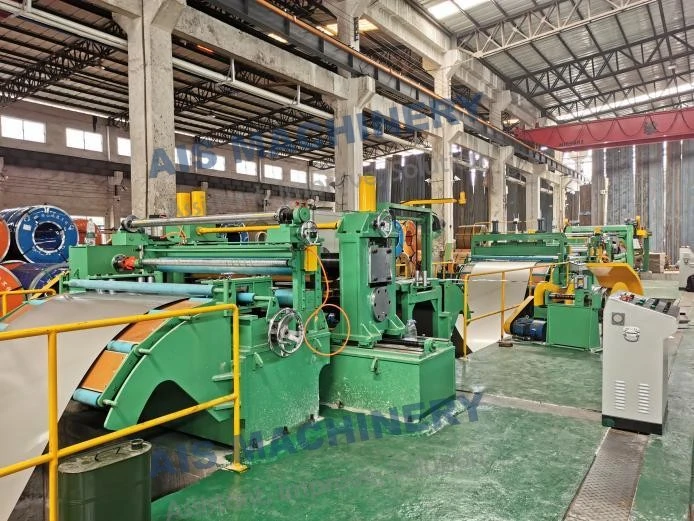
Slitting & Cut-to-Length Combined Production Line: A Smarter Way to Process Steel Coils
Discover the Slitting & Cut-to-Length Combined Production Line, a flexible solution for steel coil processing. This system integrates slitting line and cut-to-length line functions in one machine, saving space, reducing costs, and improving efficiency. Ideal for processing both steel strips and sheets, it is widely used in service centers and manufacturing industries. Learn its advantages, limitations, and applications.

2026-04-18 03:20:20
AIS Machinery Showcases Advanced Tube Solutions at Tube & Wire Düsseldorf 2026
Tube & Wire Düsseldorf 2026, one of the most influential exhibitions in the global tube and wire industry, held biennially in Düsseldorf, Germany
2026-04-17 00:00:00
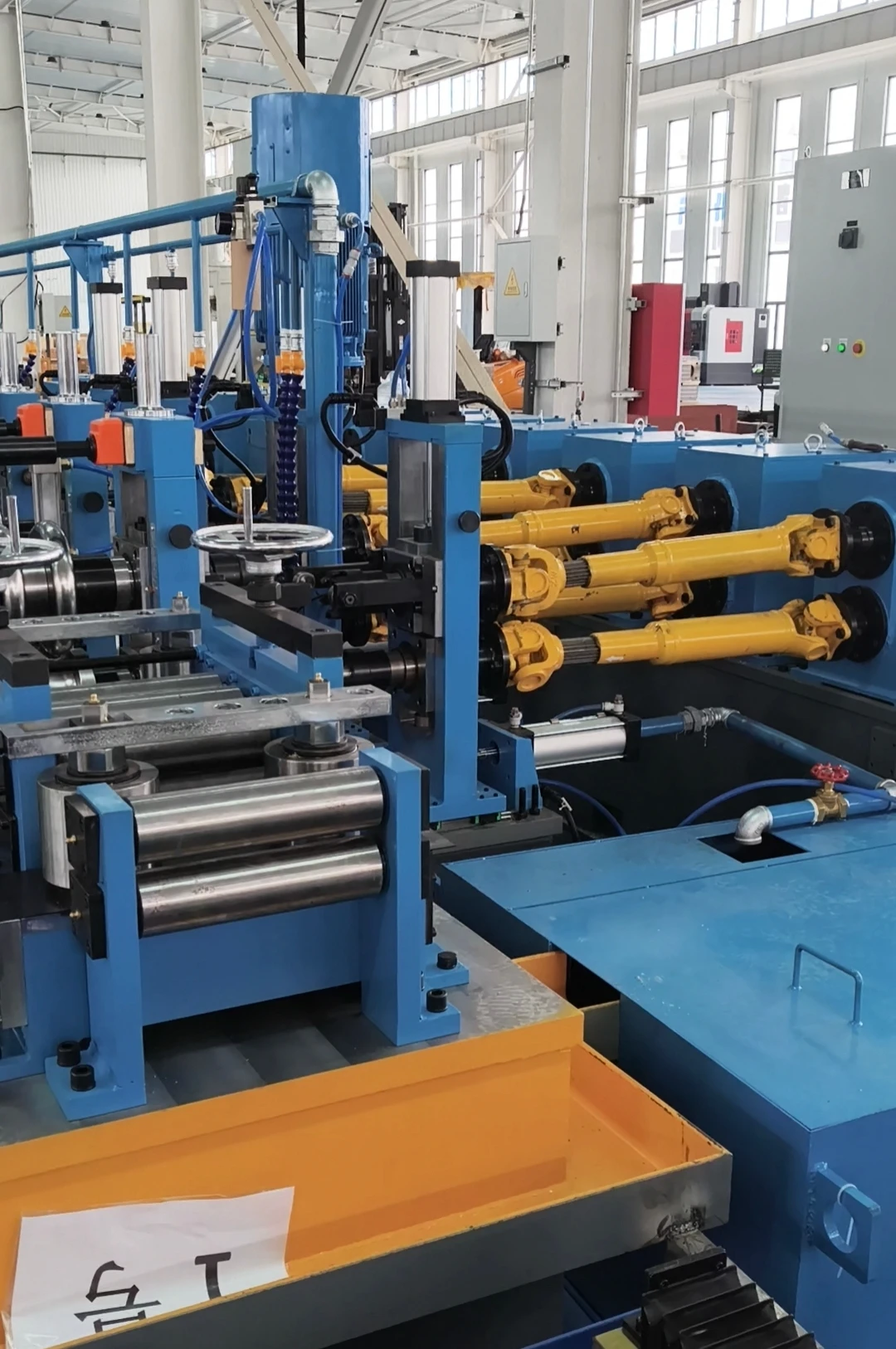
Southeast Asia Client Visits Our Factory | Customized Tube Mill Solution Delivered
A Southeast Asia client visited our ERW tube mill factory to inspect production lines and discuss a customized tube mill solution. Impressed by our machine quality, welding performance, and engineering support, the client confirmed strong cooperation intentions. Discover how our ERW tube mill solutions improve efficiency, precision, and long-term production reliability.
2026-04-15 10:37:55
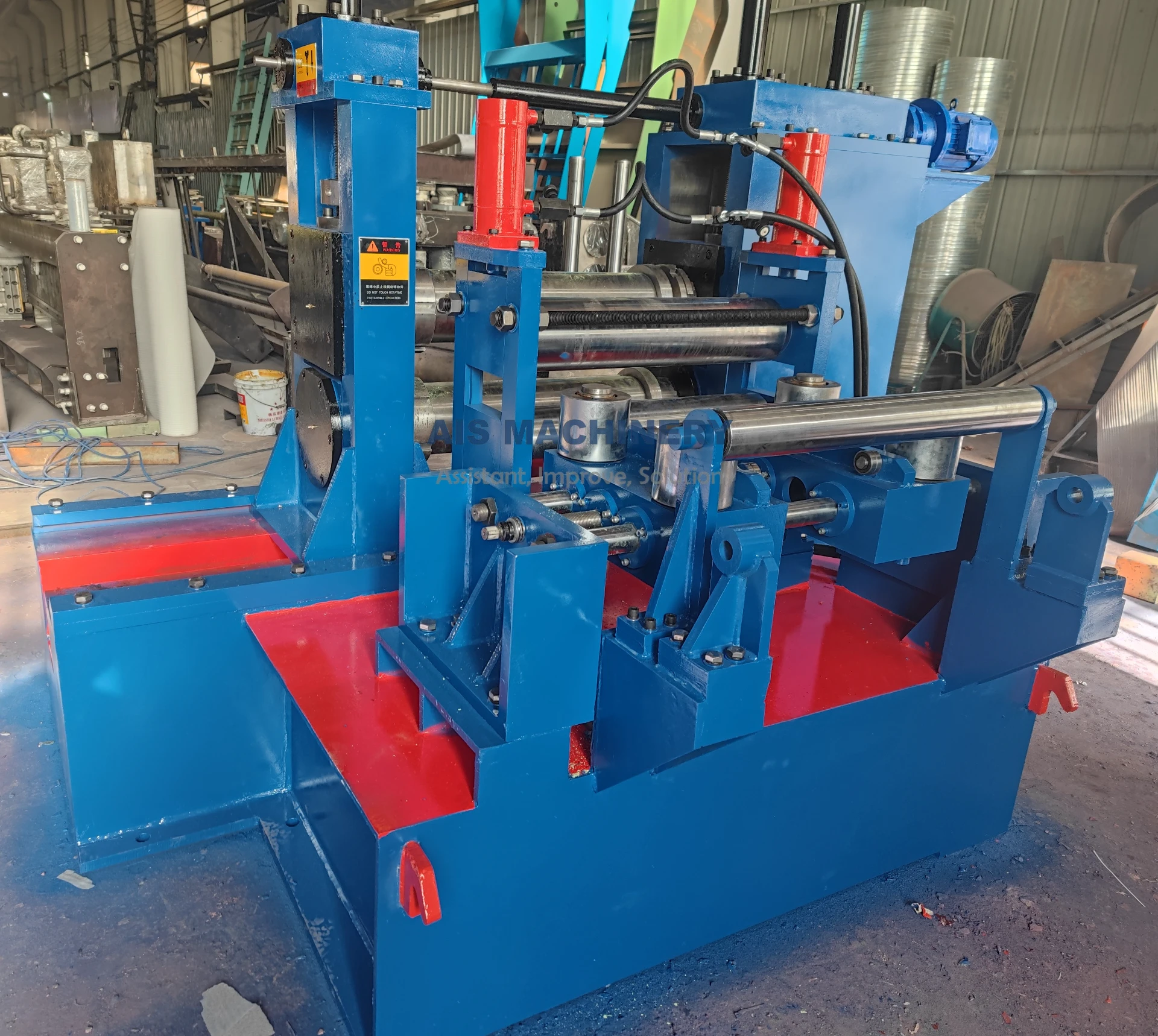
Flat Bar Production Line for Steel Coils: How It Works & Why It Matters
Looking for a flat bar production line? Learn how it turns steel coils into ready-to-use flat bars with precise length and high straightness. Compare it with slitting lines and get the best solution for your steel processing needs.
2026-04-14 00:00:00
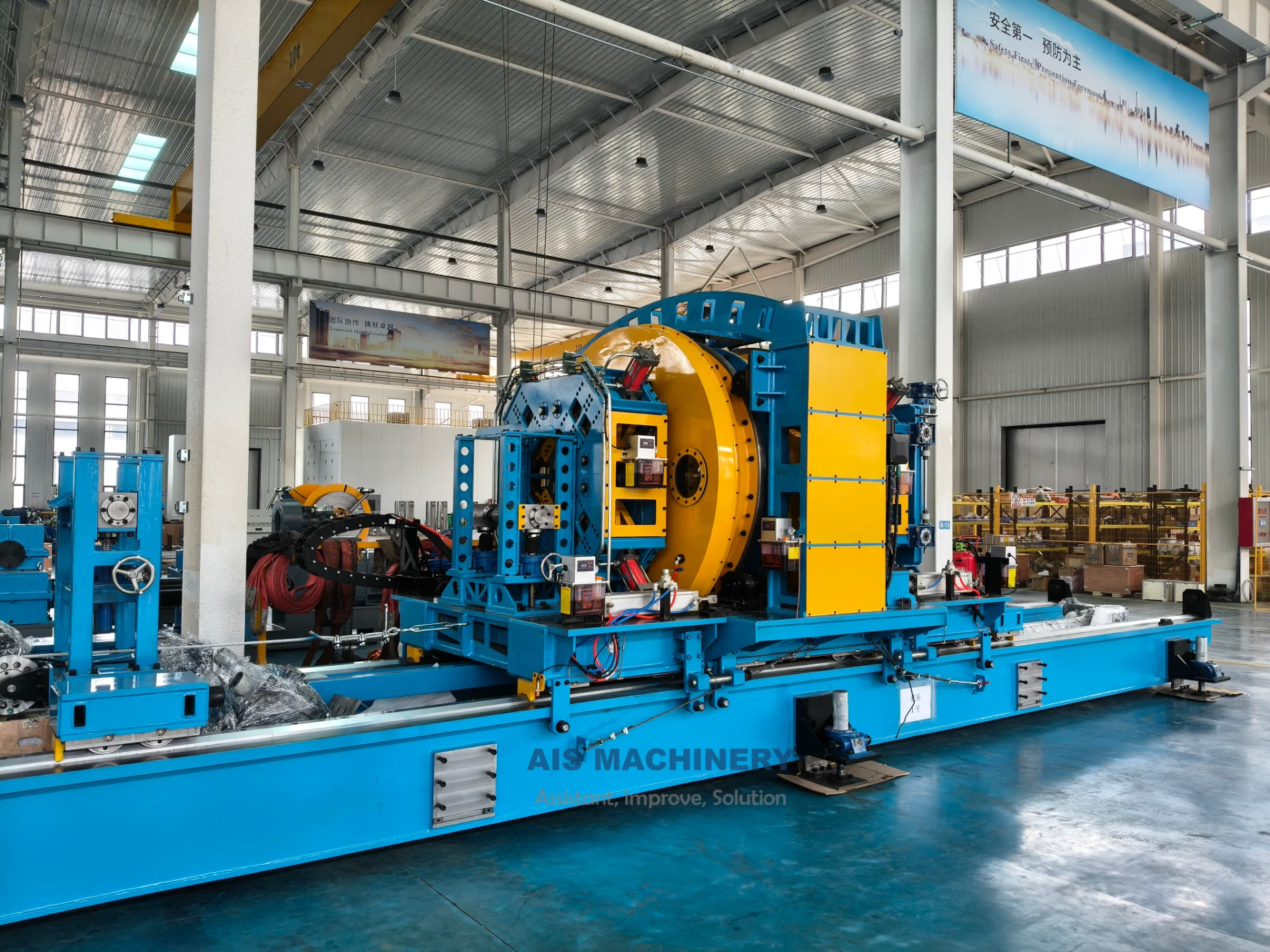
Looking for a Milling Saw for ERW Tube Mill? Here’s What You Need to Know
Looking for a high-performance milling saw for your ERW tube mill? Upgrade to burr-free, high-precision pipe cutting with advanced flying saw technology. Improve efficiency, reduce rework, and meet export standards for carbon steel, stainless steel, and API pipes. Contact us today for expert solutions and competitive pricing tailored to your production needs.
Send a Message
Dear customer, thank you for your attention! We provide high-quality machinery and equipment and look forward to your orders. Please inform us of your needs and we will respond quickly!
 English
  Albanian
  Arabic
  French
  German
  Indonesian
  Italian
  Japanese
  Kazakh
  Korean
  Latin
Latin  Macedonian
  Portuguese
  Russian
  Spanish
  Thai
Thai  Turkish
  Ukrainian
  Uzbek
Uzbek