
-
 Tel:86-15176910262
-

Search

High-Speed Steel Saw Blades: Durable, Precise Cutting Solutions for Global Industries
Nov . 30, 2025 17:00
HSS Saw Blade: More Than Just a Cutting Tool
If you’ve ever handled industrial cutting tools or peeked into manufacturing floors, you might’ve noticed the sturdy, sharp-edged hss saw blade. These humble yet powerful slices of metal are the unsung heroes behind precision cuts and smooth finishes in countless industries worldwide. But why do they matter globally, and what makes understanding them essential beyond the workshop?
Around the globe, industries like automotive manufacturing, aerospace, construction, and even humanitarian logistics rely on robust cutting tools to maintain quality and efficiency. Given the growing demand for faster production and sustainable material usage, the high-speed steel (HSS) saw blade plays a key role in addressing these challenges. Let’s break down what an HSS saw blade is, why it’s critical, and why it’s worth paying attention to.
The Global Importance of HSS Saw Blades
According to data from the International Organization for Standardization (ISO), precision cutting tools impact up to 30% of manufacturing processes globally.1 High-speed steels revolutionized the industry in the mid-20th century, enabling cutting speeds previously unimaginable with carbon steels. The hss saw blade is central to this, supporting faster, cleaner cuts on tough materials.
Yet, paradoxically, as industries push for speed and quality, many still face blade wear, breakage, and inefficiencies. Here, modern HSS blades provide a solution—balancing cutting power with durability, cutting waste and downtime. Combine this with growing awareness of sustainability, and you can see why these blades remain a global game-changer, from bustling factories in Europe to remote fabrication sites in Asia.
What Exactly Is an HSS Saw Blade?
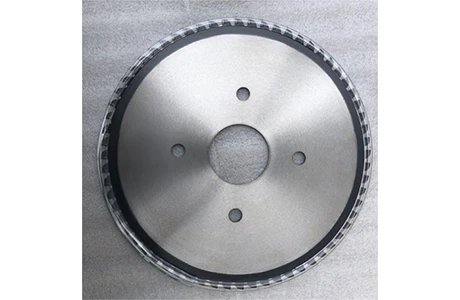
Simply put, an HSS saw blade is a circular or band-shaped cutting blade made from high-speed steel alloy. The alloy is specially formulated to endure high temperatures without losing hardness, hence “high-speed.” That means these blades can slice through tough metals, plastics, and composites more quickly and cleanly than many alternatives.
In practical terms, if you’re cutting steel pipes for an infrastructure project or trimming aerospace-grade aluminum sheets, the HSS saw blade is your reliable partner. Its composition includes tungsten, molybdenum, chromium, vanadium, and cobalt in different proportions to achieve optimum hardness and toughness.
Mini Takeaway
If you want speed and precision without blade fatigue, the HSS saw blade is the cutting edge—literally. Understanding its nature helps industries maintain efficiency amid rising material challenges.
Key Features of HSS Saw Blades: What Makes Them Tick?
1. Durability & Heat Resistance
One of the prime reasons HSS blades outperform regular steel is their ability to maintain hardness at temperatures well above 600°C. This heat resistance means less frequent sharpening and longer lifespans—two critical metrics when downtime means lost revenue.
2. Sharpness and Precision Cutting
Thanks to superior alloy composition, these blades offer a consistently sharp edge, resulting in cleaner cuts and less deformation of the workpiece. Engineers often highlight this advantage when working on critical components.
3. Versatility Across Materials
Unlike carbide or diamond blades that focus on niche applications, HSS saw blades handle a broad spectrum—from mild steel and aluminum to plastics and wood composites. This flexibility is a big selling point for general fabrication shops and onsite repairs alike.
4. Cost Efficiency
While not the cheapest option upfront, HSS blades offer excellent value given their longevity and minimal maintenance needs. Over time, the reduced need for replacements and downtime often balances the initial investment.
5. Scalability in Production
HSS blades come in various sizes and tooth configurations, allowing easy adaptation in small workshops or high-volume automated lines. This scalability is a subtle yet crucial factor in their industry-wide adoption.
Mini Takeaway
Between their robustness, versatility, and cost-effectiveness, HSS saw blades address core industrial needs. Kind of a perfect balance between performance and practicality.
Practical Applications Around the Globe
Across continents and sectors, the hss saw blade finds diverse uses. In automotive hubs of Germany, they’re essential for cutting complex steel assemblies. Meanwhile, in India’s construction industry, rugged HSS blades help prepare reinforcement bars on-site, ensuring timely project completion.
Oddly enough, even humanitarian relief efforts rely on these blades. In post-disaster zones, rapid construction of temporary shelters depends on cutting and fitting metal frames efficiently — and that’s where reliable HSS saw blades make a difference.
In more remote regions, like Northern Canada or parts of Russia, where temperature extremes make machinery prone to faster wear, the heat resistance of these blades ensures uninterrupted operation during crucial infrastructure builds.
| Specification | Typical Value | Notes |
|---|---|---|
| Diameter | 100mm to 600mm | Varies by application |
| Tooth Count | 24 to 120 teeth | Finer teeth for precision cuts |
| Hardness (HRC) | 62-65 | Maintains edge at high temps |
| Material Composition | Tungsten, Molybdenum, Cobalt alloys | Ensures durability & strength |
| Cutting Speed (m/min) | 25-40 | Depends on material & blade |
Advantages and Lasting Value
- Cost Savings: Long blade life means fewer replacements and maintenance hours.
- Sustainability: Using fewer blades reduces metal waste and environmental impact.
- Reliability: Consistent cutting performance lowers scrap rates and improves quality.
- Safety: Sharp, precise cuts reduce operator fatigue and accidents.
- Innovation Enabler: Advances in HSS alloys empower manufacturers to tackle new materials and design challenges.
The combination of these factors builds trust in the tool—and, often, in the brands behind them, which matter immensely in professional settings.
Looking Ahead: Trends in HSS Saw Blade Technology
Technology marches on. New metallurgical advancements promise even harder, tougher alloys, while coatings such as TiAlN (Titanium Aluminum Nitride) improve heat resistance and reduce friction. Digital integration is another exciting frontier, with “smart blades” equipped with sensors to monitor wear and optimize cutting parameters in real time.
Sustainability is also central to future innovations. Manufacturers are focusing on refining alloy compositions and recycling programs to lower environmental footprints — which is no small matter when millions of blades are in use worldwide.
Common Challenges and How to Overcome Them
No tool is perfect. With HSS saw blades, problems sometimes pop up in:
- Blade Wear: Excessive friction or improper feed rates cause premature dulling.
- Chipping: Misalignment in machines or overload cuts can chip teeth.
- Cost Sensitivity: Upfront price can deter smaller workshops.
Addressing these involves correct blade selection, proper machine calibration, and operator training. Some companies now offer refurbishing and sharpening services that extend blade life economically—a win-win.
| Vendor | Blade Material Quality | Price Range | Additional Services |
|---|---|---|---|
| AISTubemill | Premium HSS alloys with advanced coatings | $$$ | Customization, sharpening, and technical support |
| BladesPlus | Standard HSS blends | $ | Bulk order discounts |
| CutPro Tools | Mid-range HSS alloys with optional coatings | $$ | Training materials and small-batch runs |
FAQ: Answers to Your Top Questions About HSS Saw Blades
- Q1: How long does an HSS saw blade typically last in industrial use?
- The lifespan depends on the material being cut and operating conditions. Typically, these blades last from several weeks to months under continuous professional use, especially when properly maintained and sharpened.
- Q2: Can HSS saw blades cut non-metal materials effectively?
- Absolutely. HSS blades are versatile and can cut wood, plastic, and composites, though tooth design may vary depending on the material for optimal results.
- Q3: Is it worth investing in coated HSS saw blades?
- Coatings like TiAlN improve blade life by reducing heat and friction. For demanding or high-speed applications, coatings provide a good return on investment.
- Q4: How quickly can custom HSS saw blades be produced?
- Custom manufacturing timelines vary, but many suppliers offer turnaround from one to two weeks, depending on specifications and order size.
- Q5: Are HSS saw blades recyclable?
- Yes, the alloys in HSS blades are recyclable. Recycling programs help reduce environmental waste and recover valuable metals.
Wrapping It Up: Why HSS Saw Blades Still Matter
From speeding up industrial production lines to assisting in critical infrastructure repair and beyond, the hss saw blade remains a cornerstone of efficient, precise cutting worldwide. Their combination of durability, versatility, and evolving innovation keeps them relevant as industries chase higher performance and greener choices. If you want to explore top-tier HSS saw blade options or need expert guidance tailored to your application, visit our website and see how we can help you cut smarter, not harder.
Thanks for reading—and happy cutting!
References

Related Products

Related News
2026-04-30 09:35:04
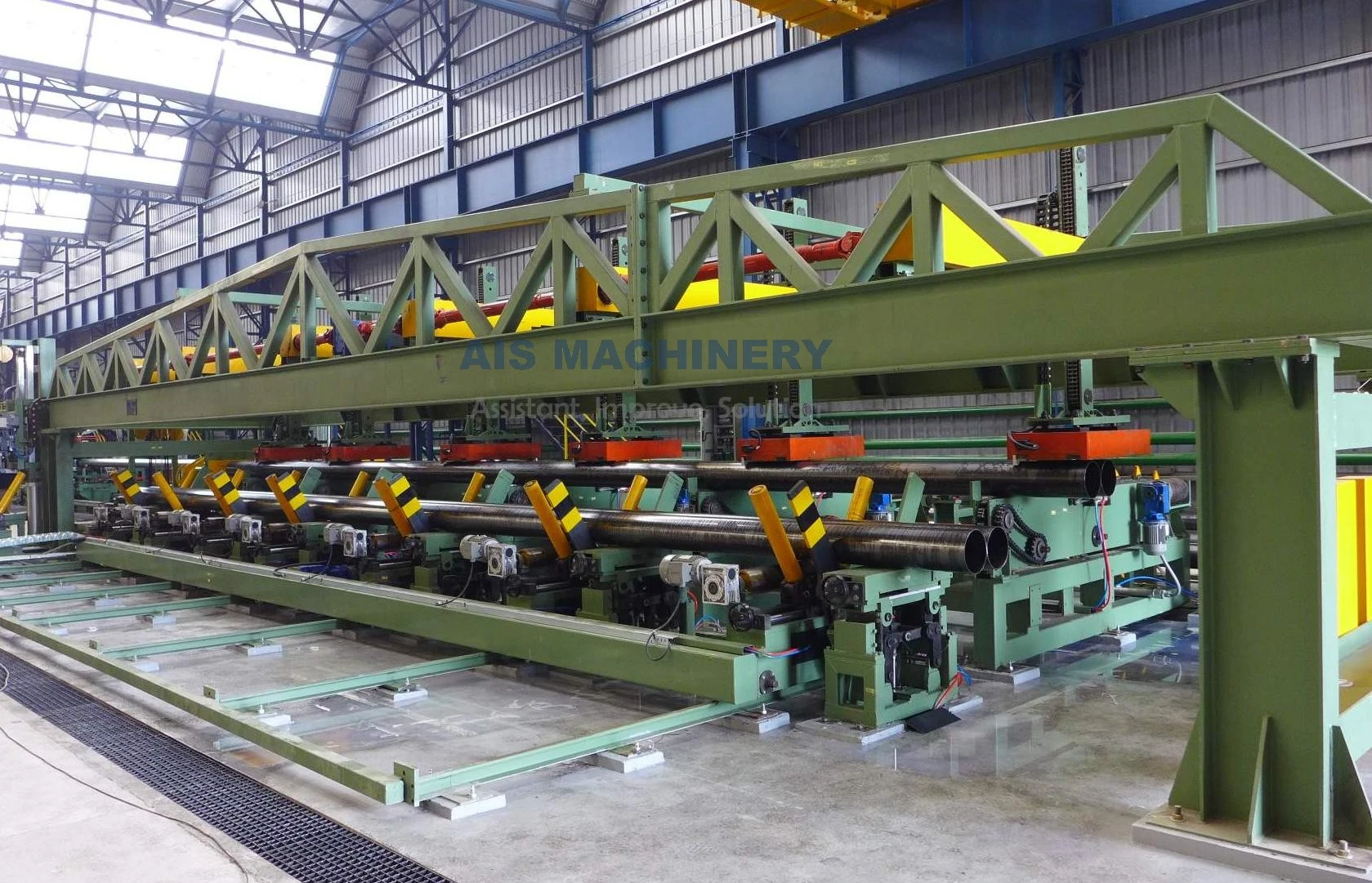
Automatic Stacking Machine (Magnetic Chuck Type)
The Automatic Stacking Machine (Magnetic Chuck Type) from AIS Machinery is designed to efficiently collect and stack steel tubes in ERW tube mill production lines. Using electromagnetic lifting, it can pick up multiple tubes at once and place them neatly in layers. This reduces manual labor, improves stacking accuracy, and increases overall production efficiency. It is installed after the flying saw and works seamlessly with the mill line, making it an ideal solution for modern tube manufacturers.
2026-04-28 08:56:05
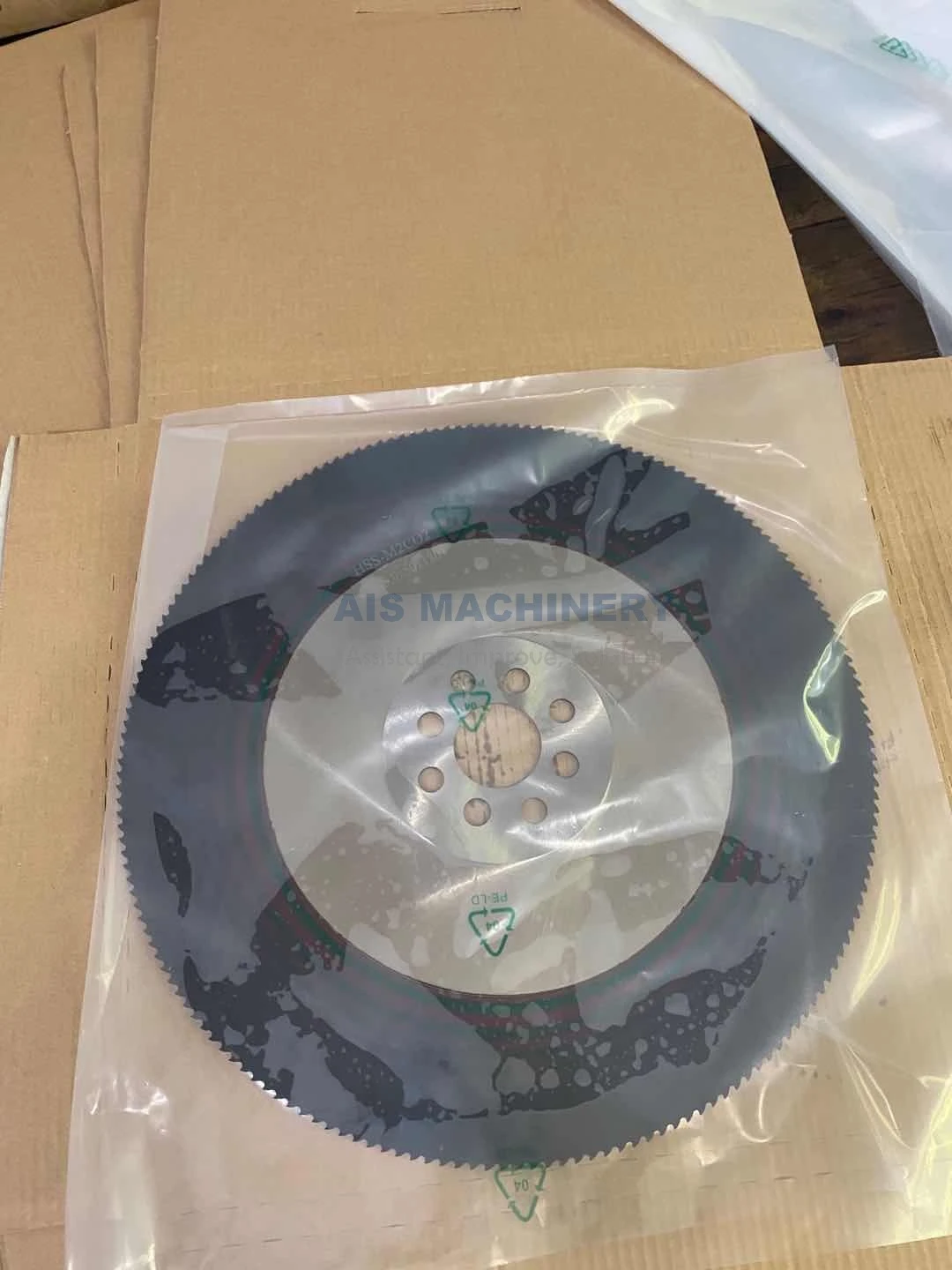
Saw Blade Guide for Tube Mills: Friction vs HSS vs TCT — Which One Should You Choose?
Confused about friction saw, HSS, and TCT blades? This guide explains their uses in cold saw and friction saw machines, with pros, cons, and expert selection tips.
2026-04-24 08:54:16
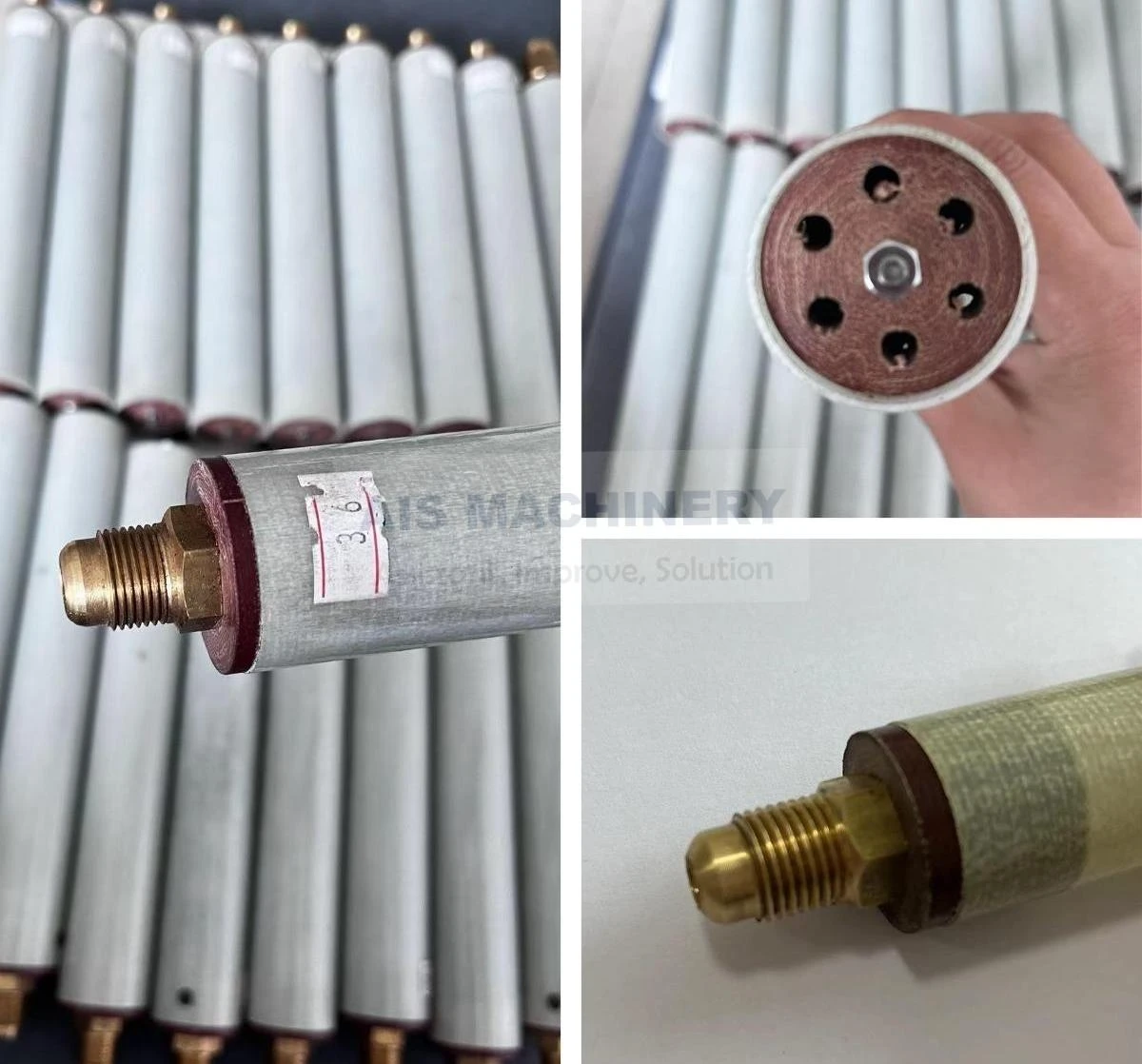
What is an Impeder and Ferrite Rods in ERW Tube Mill?
Struggling with impeder overheating or short service life in your ERW tube mill? This guide explains common impeder problems, the role of ferrite rods, and how to choose the right impeder for stable welding performance. Improve weld quality, reduce energy loss, and extend equipment lifespan with the right selection and proper cooling solutions.
2026-04-21 10:22:25
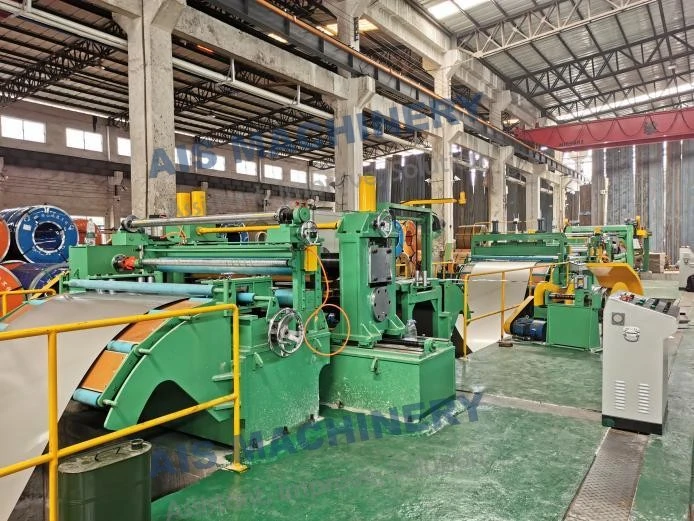
Slitting & Cut-to-Length Combined Production Line: A Smarter Way to Process Steel Coils
Discover the Slitting & Cut-to-Length Combined Production Line, a flexible solution for steel coil processing. This system integrates slitting line and cut-to-length line functions in one machine, saving space, reducing costs, and improving efficiency. Ideal for processing both steel strips and sheets, it is widely used in service centers and manufacturing industries. Learn its advantages, limitations, and applications.

2026-04-18 03:20:20
AIS Machinery Showcases Advanced Tube Solutions at Tube & Wire Düsseldorf 2026
Tube & Wire Düsseldorf 2026, one of the most influential exhibitions in the global tube and wire industry, held biennially in Düsseldorf, Germany
2026-04-17 00:00:00
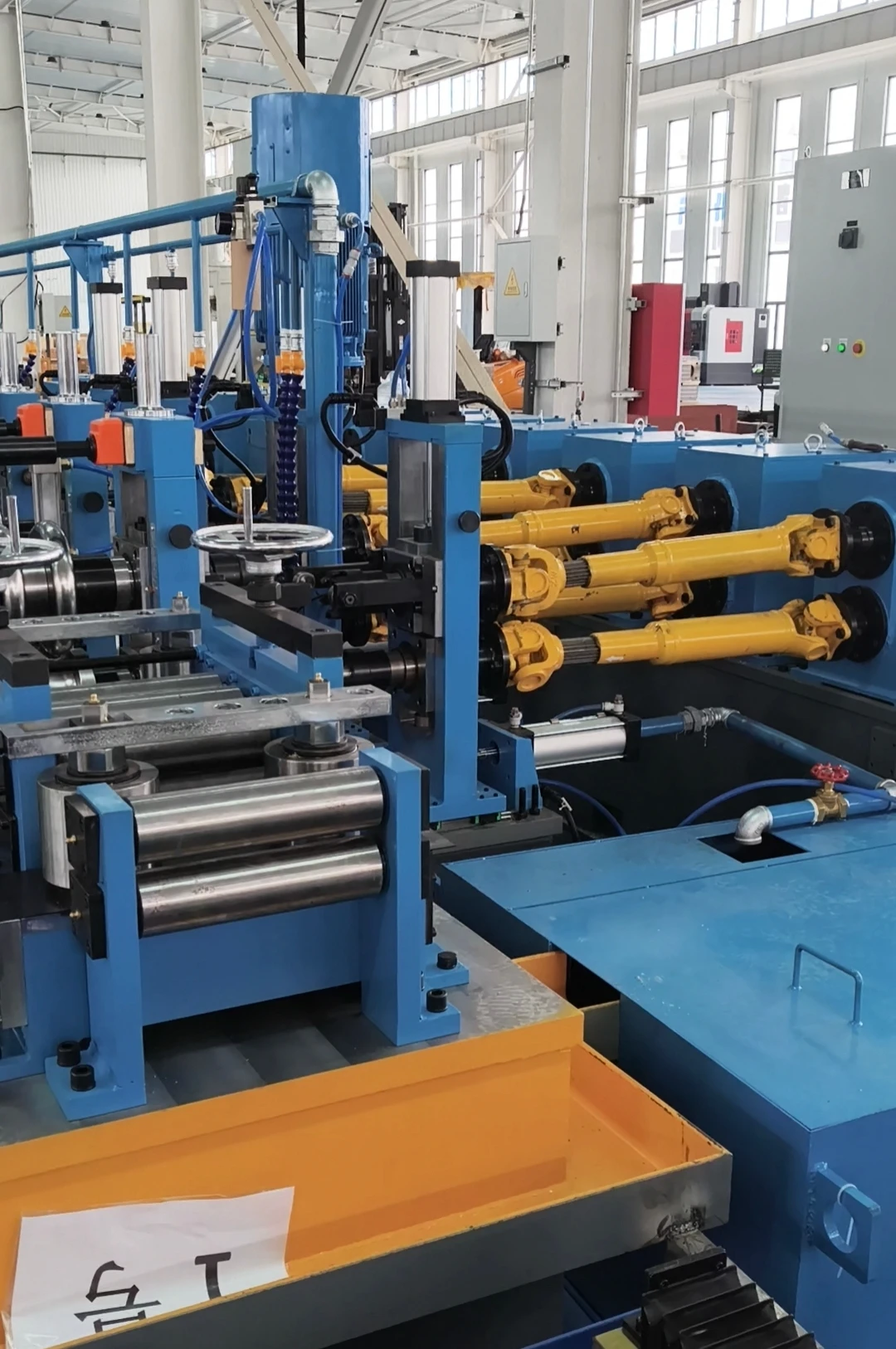
Southeast Asia Client Visits Our Factory | Customized Tube Mill Solution Delivered
A Southeast Asia client visited our ERW tube mill factory to inspect production lines and discuss a customized tube mill solution. Impressed by our machine quality, welding performance, and engineering support, the client confirmed strong cooperation intentions. Discover how our ERW tube mill solutions improve efficiency, precision, and long-term production reliability.
2026-04-15 10:37:55
Flat Bar Production Line for Steel Coils: How It Works & Why It Matters
Looking for a flat bar production line? Learn how it turns steel coils into ready-to-use flat bars with precise length and high straightness. Compare it with slitting lines and get the best solution for your steel processing needs.
2026-04-14 00:00:00
Looking for a Milling Saw for ERW Tube Mill? Here’s What You Need to Know
Looking for a high-performance milling saw for your ERW tube mill? Upgrade to burr-free, high-precision pipe cutting with advanced flying saw technology. Improve efficiency, reduce rework, and meet export standards for carbon steel, stainless steel, and API pipes. Contact us today for expert solutions and competitive pricing tailored to your production needs.
Send a Message
Dear customer, thank you for your attention! We provide high-quality machinery and equipment and look forward to your orders. Please inform us of your needs and we will respond quickly!
 English
  Albanian
  Arabic
  French
  German
  Indonesian
  Italian
  Japanese
  Kazakh
  Korean
  Latin
Latin  Macedonian
  Portuguese
  Russian
  Spanish
  Thai
Thai  Turkish
  Ukrainian
  Uzbek
Uzbek