
-
 Tel:86-15176910262
-

Search

The Power and Precision of a Flying Cut Off Saw for Metal Processing
Feb . 11, 2026 02:35
Understanding the Power and Precision of a Flying Cut Off Saw
In the realm of metal processing, efficiency and accuracy are paramount. The flying cut off saw stands out as a critical tool for manufacturers seeking to streamline their production processes. This article provides a comprehensive overview of flying cut off saws, exploring their functionalities, applications, advantages, and the factors to consider when selecting the right machine. Whether you’re working with tubes, pipes, or solid bars, a flying cut off saw can dramatically improve your output and quality. We'll delve into how these machines deliver precise cuts at high speeds, making them indispensable in modern metalworking facilities.
What is a Flying Cut Off Saw?
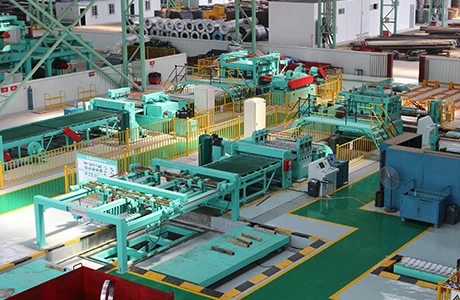
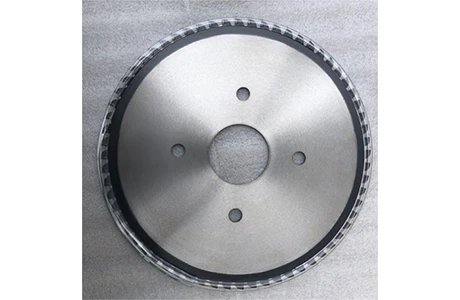
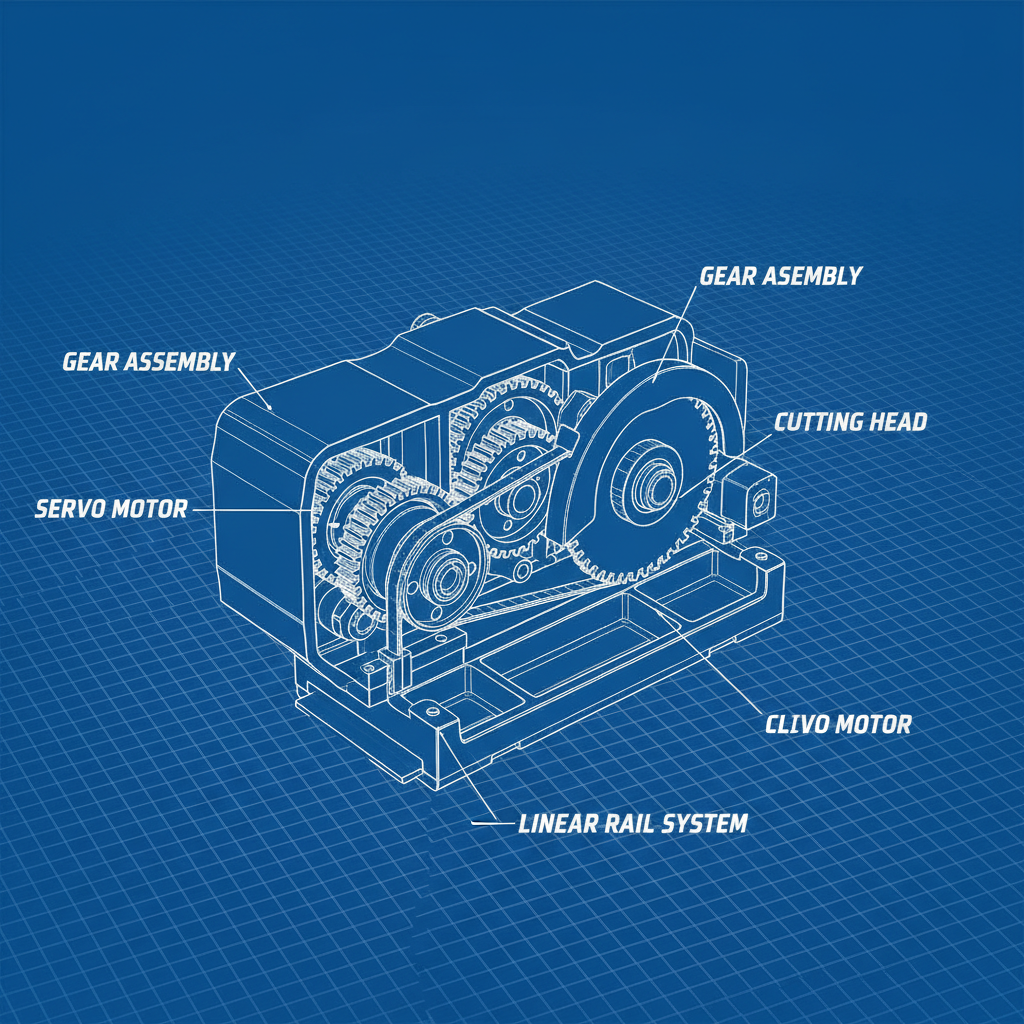
A flying cut off saw, also known as a traveling cut off saw, is a specialized machine designed to precisely cut metal profiles, such as tubes, pipes, bars, and sections, while the material is in motion. Unlike traditional stationary saws, the cutting blade of a flying cut off saw moves with the material, ensuring a clean, burr-free cut at high production speeds. This “flying” action eliminates the need to stop and start the material, significantly boosting efficiency. The saw utilizes a circular blade, often made of high-speed steel or carbide-tipped material, to make accurate cuts. The ability to integrate with automated feeding systems makes it ideal for high-volume production runs.
Key Highlights: Eliminates material stopping/starting, resulting in increased efficiency, precise cuts, and integration with automated feed systems.
Key Features of a Modern Flying Cut Off Saw
Modern flying cut off saws are equipped with several advanced features designed to enhance performance, accuracy, and safety. These include: automatic feeding systems, adjustable cutting speeds, precision blade guidance, digital length controls, and safety guards. Many models also incorporate automatic blade wear compensation, ensuring consistent cut quality throughout the blade’s lifespan. Some saws feature programmable cutting schedules for complex orders. Furthermore, advanced models often include diagnostic capabilities to monitor machine health and predict maintenance needs. Investing in a machine with these features can lead to substantial long-term cost savings and improved production quality.
Feature Highlights:
• Automatic Feeding Systems
• Adjustable Cutting Speeds
• Digital Length Controls
• Automatic Blade Wear Compensation
Flying Cut Off Saw vs. Traditional Cut Off Saws: A Comparative Analysis
Traditional cut off saws require the material to be stopped, clamped, and then cut, resulting in a slower production rate and potential material distortion. In contrast, the flying cut off saw offers continuous operation, eliminating these bottlenecks. This leads to significantly higher throughput, particularly in high-volume applications. The accuracy of a flying saw is also superior due to the continuous cutting action, minimizing burrs and ensuring precise dimensions. While the initial investment in a flying saw might be higher, the long-term benefits in terms of efficiency, accuracy, and reduced material waste often outweigh the costs.
Applications of Flying Cut Off Saws
Flying cut off saws find applications in a wide range of industries, including: metal fabrication, automotive manufacturing, aerospace, construction, and plumbing. They are particularly well-suited for cutting stainless steel, aluminum, copper, brass, and other metal alloys. Common applications include the production of pipes and tubes, cutting structural components, preparing materials for welding, and creating precision parts for machinery. Their ability to handle various material shapes and sizes makes them a versatile asset in any metalworking shop.
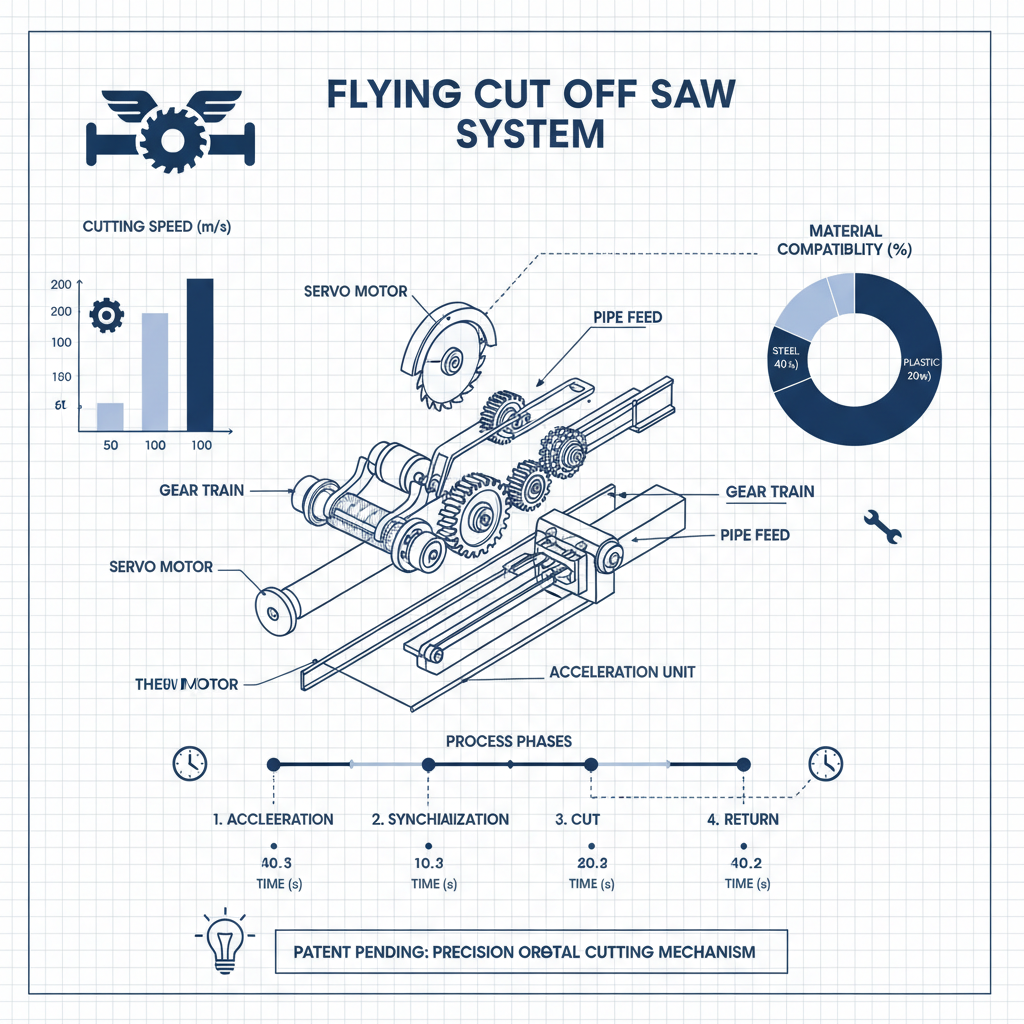
Choosing the Right Flying Cut Off Saw: Key Considerations
Selecting the right flying cut off saw requires careful consideration of several factors. These include: the type of material you’ll be cutting, the diameter and wall thickness of the material, the required cutting speed, and the desired level of automation. The blade type is also critical – different materials require different blade geometries and coatings. Furthermore, consider the machine’s capacity, power requirements, and available space in your facility. It’s essential to partner with a reputable supplier like Ais Tube Mill to ensure you receive a machine that meets your specific needs and offers reliable performance.
Conclusion: Elevating Metalworking Efficiency with Flying Cut Off Saws
The flying cut off saw represents a significant advancement in metal processing technology. Its ability to deliver precise, high-speed cuts while minimizing waste makes it an indispensable tool for modern manufacturers. By investing in the right machine and understanding its capabilities, companies can unlock substantial gains in efficiency, productivity, and overall profitability.
Frequently Asked Questions (FAQs)
What materials can a flying cut off saw cut?
Flying cut off saws are versatile and can cut a wide range of metal materials, including steel (carbon, alloy, stainless), aluminum, copper, brass, and various alloys. The choice of blade material (high-speed steel, carbide, etc.) depends on the specific material being cut. For harder materials like stainless steel, carbide-tipped blades are generally recommended. It's crucial to select the appropriate blade for optimal cutting performance and blade life. Aistubemill provides expert guidance on blade selection based on your application.
What is the typical cutting speed of a flying cut off saw?
The cutting speed of a flying cut off saw varies depending on the material, its diameter, and the saw's specifications. Typically, cutting speeds range from 50 to 200 feet per minute (approximately 15 to 60 meters per minute). Modern saws with advanced control systems can achieve even higher speeds while maintaining accuracy. Adjusting the cutting speed is essential to optimize performance and prevent damage to the blade or material.
How much maintenance does a flying cut off saw require?
Flying cut off saws require regular maintenance to ensure optimal performance and longevity. Key maintenance tasks include: lubricating moving parts, inspecting and replacing worn blades, cleaning the machine, and checking the alignment of the blade and guides. Regular blade sharpening or replacement is also essential. Following the manufacturer's recommended maintenance schedule is crucial for preventing breakdowns and extending the machine's lifespan.
What safety features are important on a flying cut off saw?
Safety is paramount when operating a flying cut off saw. Essential safety features include: blade guards, emergency stop buttons, safety interlocks, and proper machine guarding to prevent access to moving parts. Operators should always wear appropriate personal protective equipment (PPE), such as safety glasses, gloves, and hearing protection. Regular safety training and adherence to established safety procedures are also crucial.

Related Products

Related News

2026-04-18 03:20:20
AIS Machinery Showcases Advanced Tube Solutions at Tube & Wire Düsseldorf 2026
Tube & Wire Düsseldorf 2026, one of the most influential exhibitions in the global tube and wire industry, held biennially in Düsseldorf, Germany
2027-04-17 00:00:00
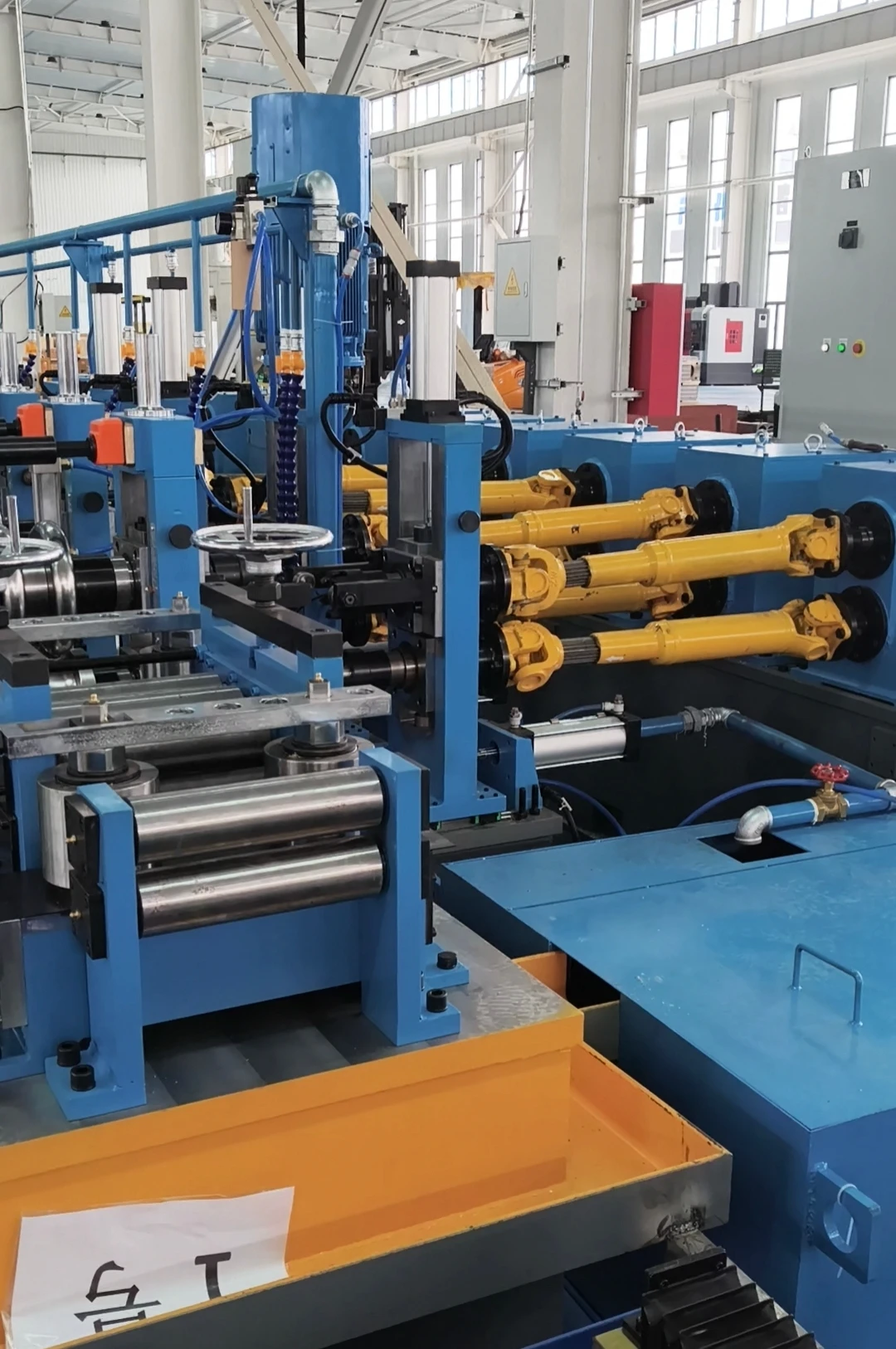
Southeast Asia Client Visits Our Factory | Customized Tube Mill Solution Delivered
A Southeast Asia client visited our ERW tube mill factory to inspect production lines and discuss a customized tube mill solution. Impressed by our machine quality, welding performance, and engineering support, the client confirmed strong cooperation intentions. Discover how our ERW tube mill solutions improve efficiency, precision, and long-term production reliability.
2026-04-16 02:35:12
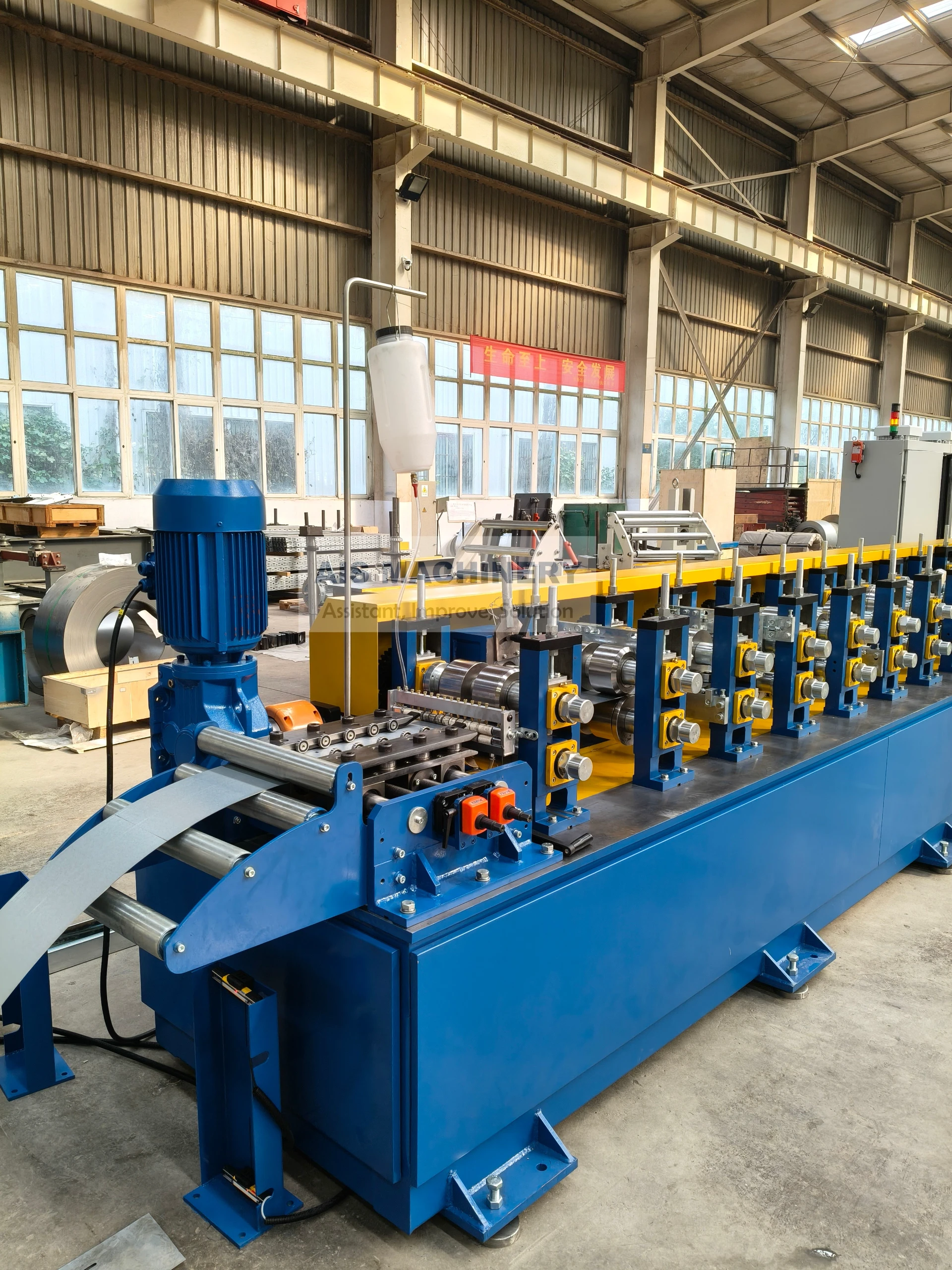
Professional Cold Roll Forming Machine Factory for Production
In the modern industrial landscape, the precision of metal shaping is the cornerstone of quality manufacturing. Partnering with a professional cold roll forming machine factory is essential for businesses looking to optimize their production lines, reduce material waste, and ensure high-dimensional accuracy. Whether you are producing C-channels, square tubes, or custom profiles, the choice of machinery determines your competitive edge in the market. This guide will explore the critical factors in selecting a factory and the technical advantages of advanced roll forming technology to help you make an informed investment.
2026-04-15 10:37:55
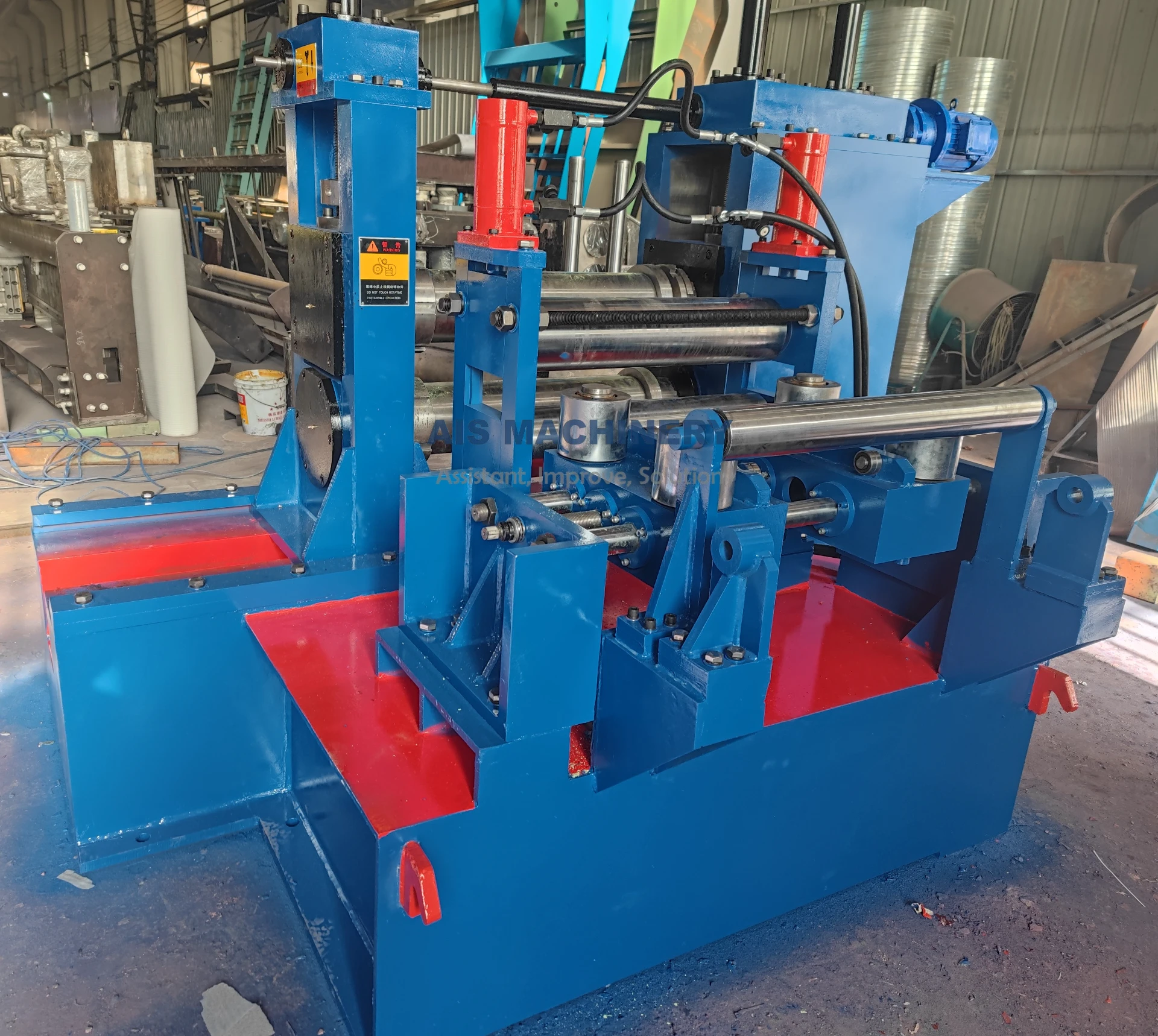
Flat Bar Production Line for Steel Coils: How It Works & Why It Matters
Looking for a flat bar production line? Learn how it turns steel coils into ready-to-use flat bars with precise length and high straightness. Compare it with slitting lines and get the best solution for your steel processing needs.
2026-04-14 00:00:00
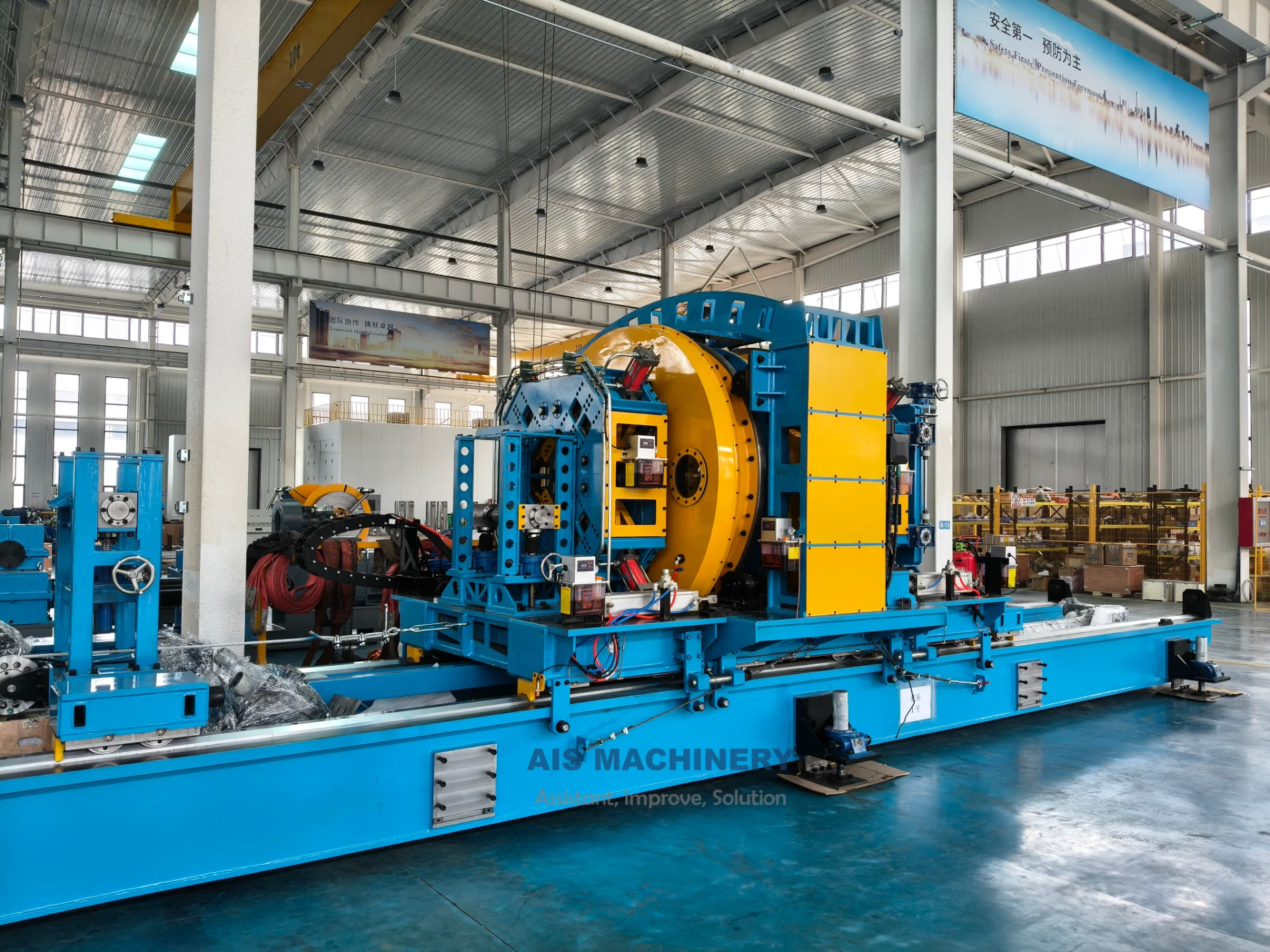
Looking for a Milling Saw for ERW Tube Mill? Here’s What You Need to Know
Looking for a high-performance milling saw for your ERW tube mill? Upgrade to burr-free, high-precision pipe cutting with advanced flying saw technology. Improve efficiency, reduce rework, and meet export standards for carbon steel, stainless steel, and API pipes. Contact us today for expert solutions and competitive pricing tailored to your production needs.
2026-04-09 16:15:19
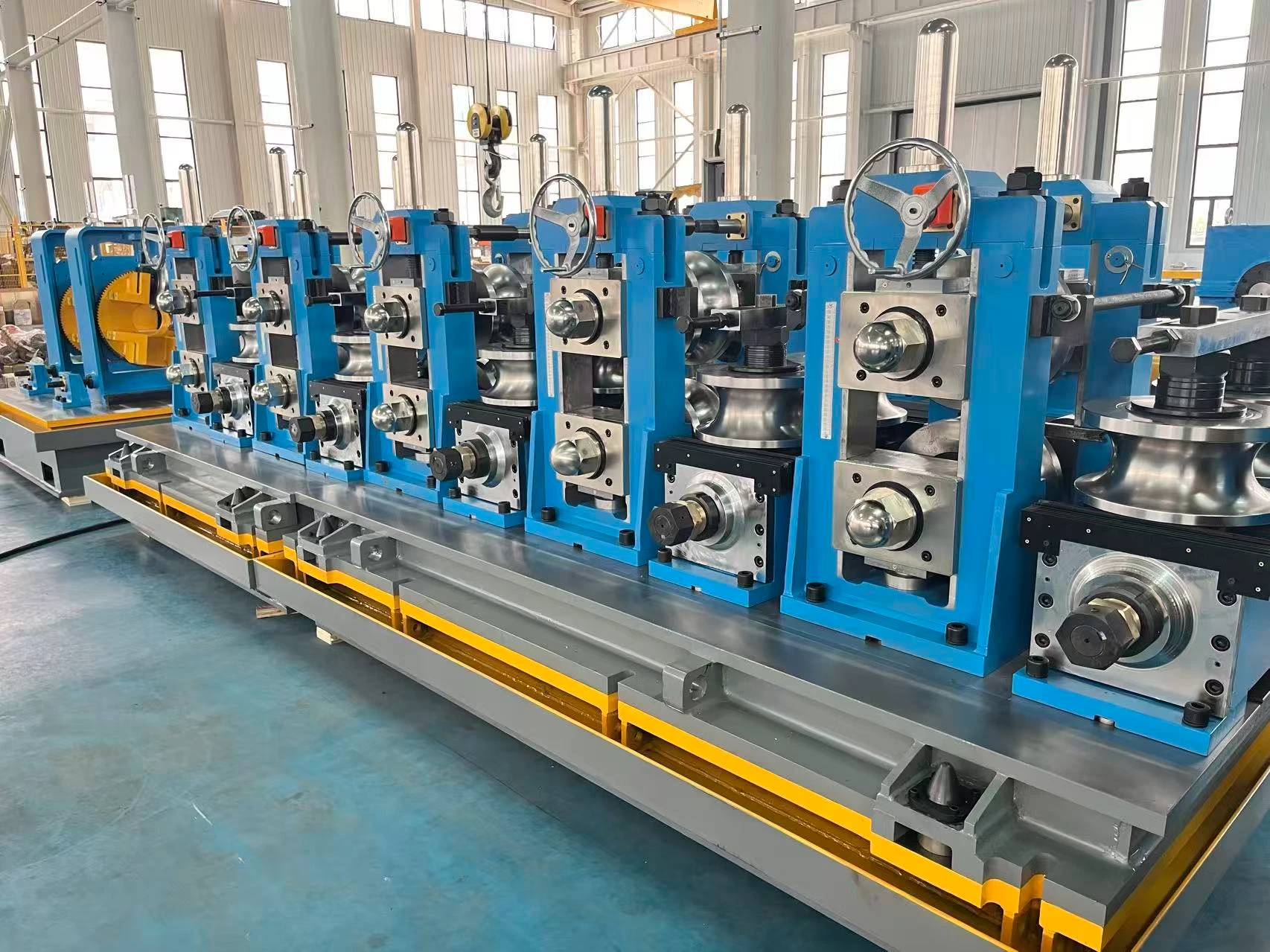
5-Inch (127mm) ERW Tube Making Machine Delivered with Heavy-Duty Design and Advanced Quick Change System
2027-04-07 00:00:00
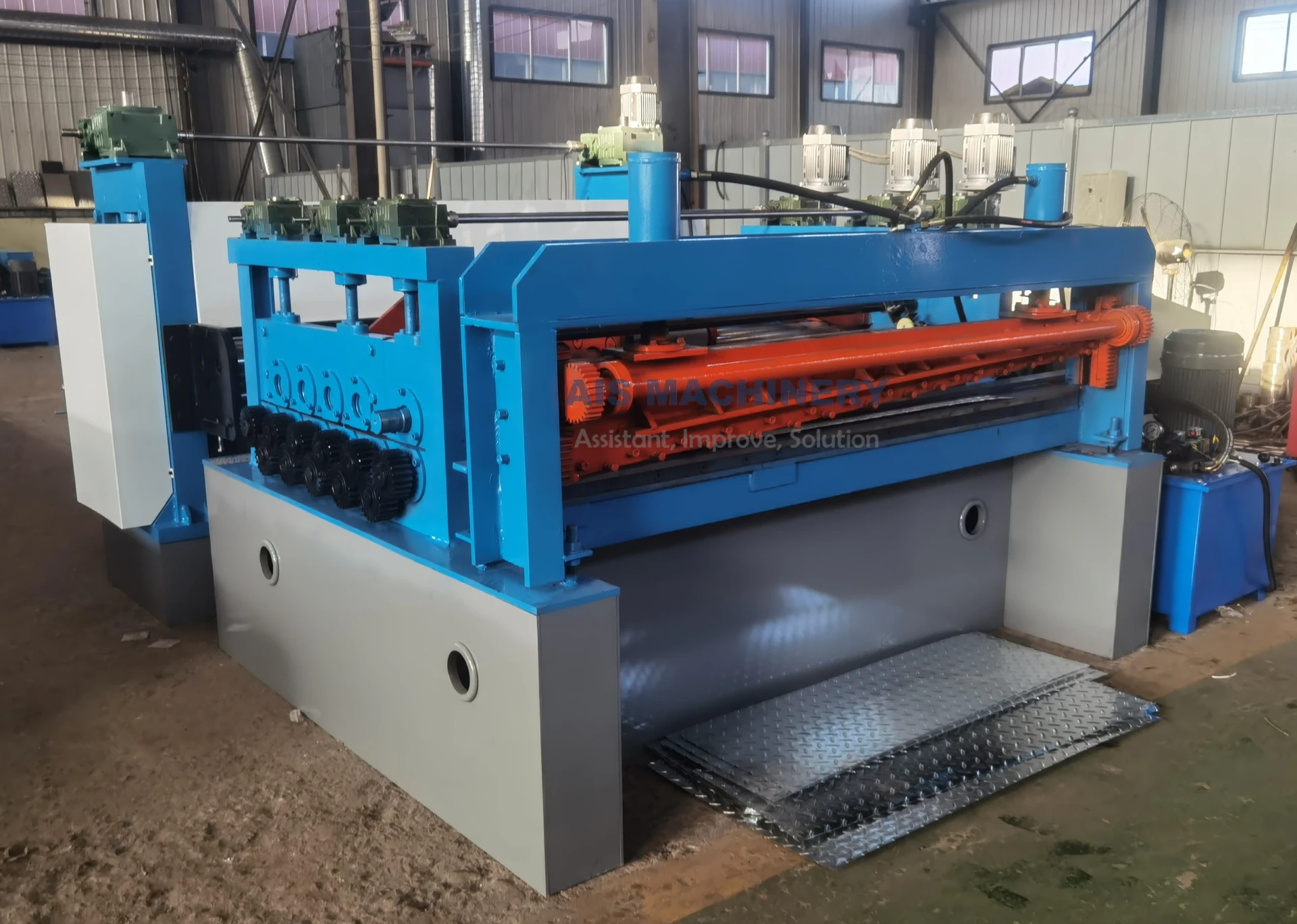
Metal Embossing Machine: Turn Flat Sheets into High-Value Textured Products
Discover how a metal embossing machine transforms flat steel, stainless steel, and aluminum sheets into high-value textured products. Learn about its working principle, key components, and applications. Ideal for decorative and industrial use, embossing machines improve both appearance and performance. Explore complete embossing line solutions and find the right machine for your production needs.
2026-04-04 20:37:18
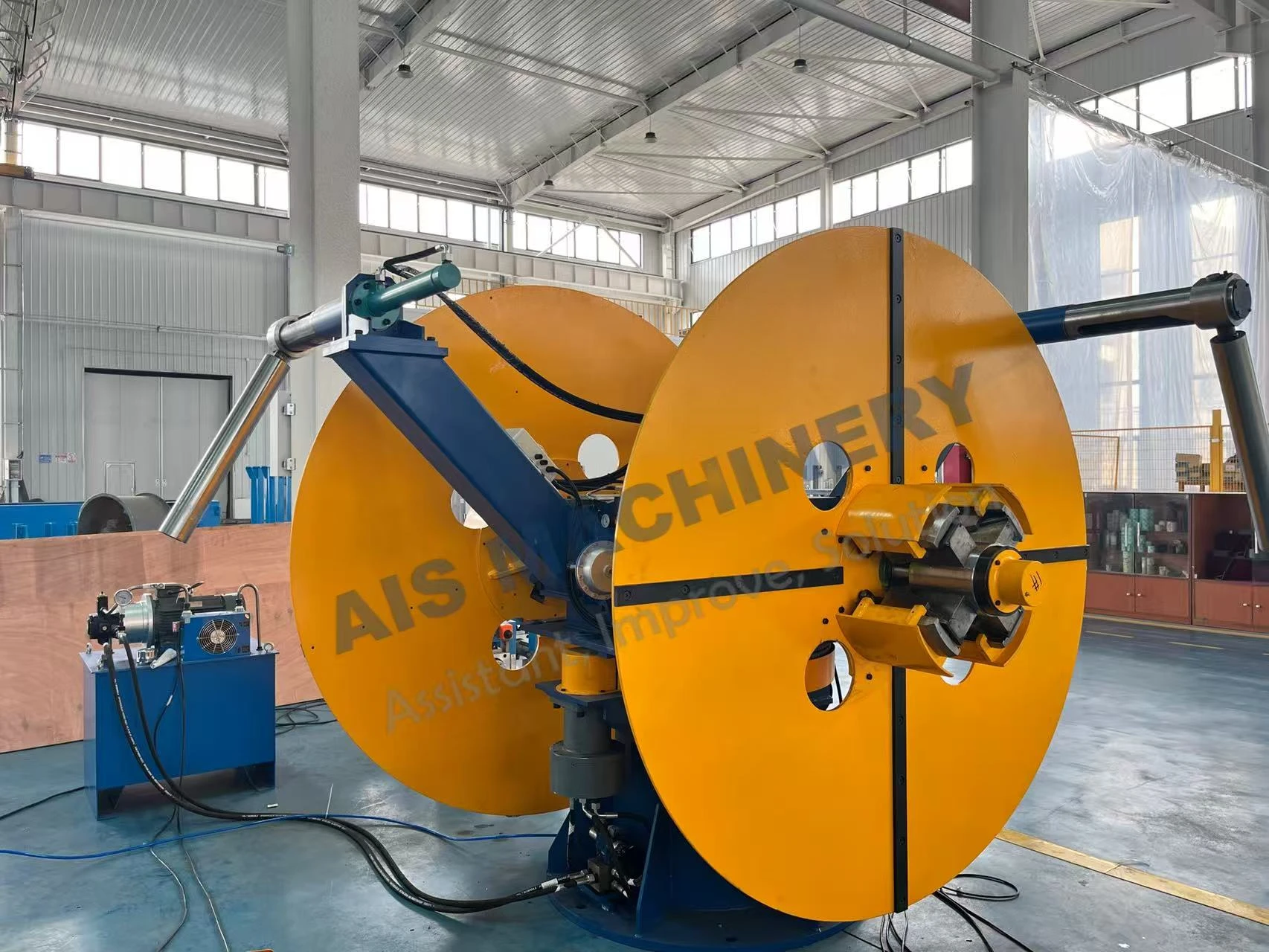
Automatic Double Side Uncoiler with Hydraulic Expansion and Auto Rotation for Steel Coil Processing
The Automatic Double Side Uncoiler is a high-efficiency solution designed for modern steel coil processing lines, including tube mills, roll forming machines, and slitting lines. With a maximum capacity of 4 tons per side, this machine ensures stable and continuous coil feeding while reducing downtime during coil change.
Send a Message
Dear customer, thank you for your attention! We provide high-quality machinery and equipment and look forward to your orders. Please inform us of your needs and we will respond quickly!
 English
  Albanian
  Arabic
  French
  German
  Indonesian
  Italian
  Japanese
  Kazakh
  Korean
  Latin
Latin  Macedonian
  Portuguese
  Russian
  Spanish
  Thai
Thai  Turkish
  Ukrainian
  Uzbek
Uzbek