
-
 Tel:86-15176910262
-

Search

What is a Coil Flattener? Definition, Uses & Global Manufacturing Benefits
Dec . 02, 2025 12:55
Understanding the Coil Flattener: What It Is and Why It Matters
When you think about manufacturing metal sheets that go into everything—from automotive panels to household appliances—precision and quality are the unsung heroes. A coil flattener plays a crucial role here, helping to transform wound metal coils into perfectly flat sheets ready for the next phase of production. Manufacturing plants worldwide depend on this process to ensure material uniformity, reduce waste, and boost efficiency.
Oddly enough, many people outside the metal industry may never hear about coil flatteners, but they quietly support global infrastructure, construction, and even humanitarian projects. Understanding these devices a bit more deeply reveals economic and environmental benefits that manufacturers, engineers, and downstream users appreciate.
The Global Importance of Coil Flatteners in Industry
Globally, steel production reached approximately 1.9 billion metric tons in recent years, with much of this raw steel rolled into coils for transportation and processing (World Steel Association, 2023¹). Here’s the challenge: coiled metals naturally develop stresses and uneven surfaces due to winding and handling forces. Without flatteners, end-users risk costly errors or rejections.
In evolving markets like Asia-Pacific and emerging economies in Africa, coil flatteners enable factories to meet strict international standards while minimizing downtime. With the push toward sustainability and waste reduction, ensuring flat, defect-free metal sheets also reduces scrappage—invaluable for meeting ISO 14001 environmental management goals.
What is a Coil Flattener?
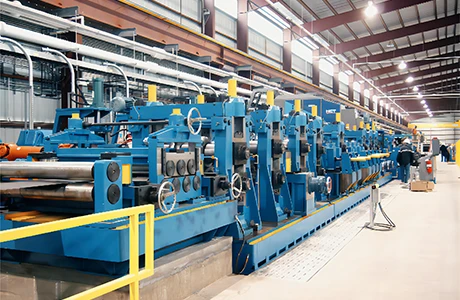
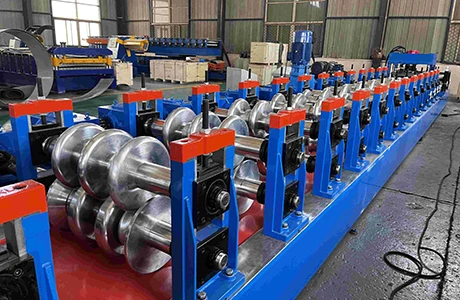
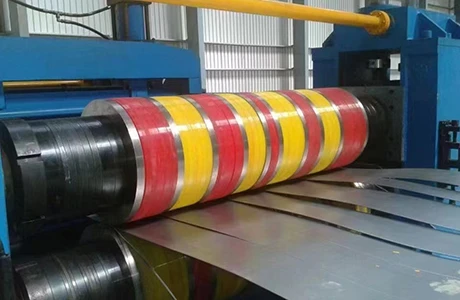
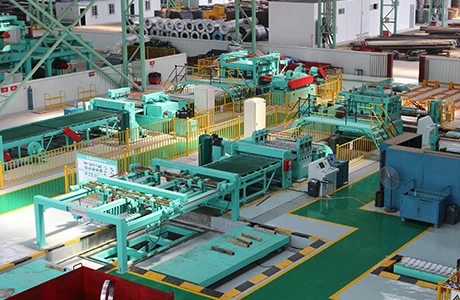
Simply put, a coil flattener is a machine designed to remove curvature, waves, and other imperfections from coiled metal strips (usually steel, aluminum, or copper). These devices use rollers—sometimes powered, sometimes passive—to gently reshape the metal into a consistently flat sheet. The process also relieves residual stresses locked into the metal during winding.
In modern industry, they’re essential because flat sheets form the basis of countless products—from car bodies and machinery casings to roofing panels and kitchenware. Interestingly, in humanitarian settings, flat metal sheets produced with these machines enable rapid construction of shelters and infrastructure after disasters, providing sturdier materials than alternatives.
Core Components and Key Factors in Coil Flattening
1. Durability and Build Quality
A coil flattener must handle high tensile forces and repetitive stress. Manufacturers often use hardened steel rollers and robust frames to ensure long-term reliability. It’s no surprise that many plants run these machines 24/7.
2. Scalability and Size Compatibility
Coil flatteners come in various sizes, from small bench units for thin gauge metals to massive systems handling thick cold-rolled steel coils. Choosing the right size helps balance throughput and precision, especially important in heavy industries like automotive and shipbuilding.
3. Cost Efficiency and Maintenance
Operational cost is often a deciding factor. Machines that feature modular parts and easy roller adjustments save time and money over their lifespan. Frankly, downtime is costly, so ease of maintenance is a big consideration.
4. Automation and Control Systems
Modern coil flatteners integrate digital controls, allowing operators to adjust roller pressure and speed remotely or via programmable logic controllers (PLCs). This innovation reduces human error and enhances quality control.
5. Energy Consumption
With global emphasis on sustainability, energy-efficient motors and regenerative braking features are increasingly common, reducing electricity costs and carbon footprint.
Product Specifications: A Typical Coil Flattener Model
| Specification | Details |
|---|---|
| Maximum Coil Width | 1500 mm |
| Material Thickness Range | 0.2 - 6.0 mm |
| Roller Diameter | 100 mm |
| Motor Power | 15 kW |
| Max Flattening Force | Approx. 100 tons |
| Automation | PLC controlled with remote interface |
| Energy Efficiency | IE3 motor with energy recovery unit |
Comparing Top Coil Flattener Vendors
| Vendor | Product Range | Automation Level | Global Support | Pricing |
|---|---|---|---|---|
| MetalTech Solutions | Small to heavy-duty flatteners | High (PLC & Vision Systems) | Excellent (worldwide) | Premium |
| FlatCoil Industries | Midrange models, customized builds | Medium (PLC-based) | Good (regional) | Midrange |
| EcoRoll Equipments | Small compact units | Low (manual controls) | Limited (select countries) | Budget |
Real-World Applications of Coil Flatteners
Coil flatteners are everywhere in industries relying on sheet metal. Automotive factories use them extensively to prepare steel panels that meet strict aerodynamic and aesthetic standards. Oddly enough, the aerospace sector, too, requires precision-flattened metal sheets for fuselage components.
In construction, companies producing roofing, siding, and ducting materials rely on coil flatteners to ensure durability and weather resistance. In remote industrial zones, such as mining facilities in Australia or steel mills in South America, coil flatteners ensure steady supply of high-quality sheets.
Humanitarian organizations also benefit: in post-disaster areas like cyclone-wrecked regions or earthquake zones, pre-flattened metal sheets help provide rapid, reliable shelter solutions. Notably, some NGOs work closely with manufacturers to customize materials for these specific needs.
Advantages of Using Coil Flatteners
- Cost savings: Reduces material waste and rework due to flatness defects.
- Improved product quality: Delivers uniform thickness and surface finish.
- Sustainability impact: Minimizes scrap and energy through efficient processing.
- Reliability: Consistent output enhances customer trust and operational uptime.
- Social benefits: Enables stronger, safer buildings and vehicles contributing to public safety and dignity.
Many engineers also appreciate the innovation behind modern flatteners, which combine robust mechanical design with intelligent automation. It feels like a perfect blend of tradition and cutting-edge technology.
Looking Ahead: Future Trends in Coil Flattening Technology
With Industry 4.0 underway, expect coil flatteners increasingly equipped with AI-driven sensors that predict and correct flattening issues in real-time. Digital twins and IoT connectivity let operators optimize production remotely and plan maintenance proactively.
Green manufacturing pushes the adoption of ultra-efficient motors and regenerative systems that capture braking energy. Add to this the use of biodegradable lubricants and recycled steel coils, and you’ve got a much greener process.
Automation keeps evolving, making these machines easier to integrate into flexible production lines, handling multiple metal grades or custom coil sizes swiftly. Frankly, it's an exciting time to be in metal forming.
Challenges Faced and How to Overcome Them
Some common issues with coil flatteners include uneven flattening due to coil memory effects, high energy use, and mechanical wear on rollers. Additionally, tight delivery timelines mean slow setups aren’t acceptable.
Industry experts suggest incorporating advanced roller surface coatings to reduce wear and variable frequency drives for energy-saving motor control. Also, training operators using virtual simulators improves skill without halting production. In research circles, new composite roller materials look promising for longevity and performance.
FAQs: Practical Questions About Coil Flatteners
- What thickness ranges can coil flatteners handle effectively?
- Most industrial coil flatteners handle metal thicknesses from 0.2 mm up to around 6 mm, depending on the model. This range covers thin aluminum foils to thicker steel plates used in heavy machinery.
- How do coil flatteners reduce material waste?
- By removing surface waves, kinks, and residual stresses, coil flatteners ensure sheets meet specifications on first pass, cutting down on scrap percentages and costly reworks.
- Can a coil flattener be integrated with other machines?
- Absolutely. Modern coil flatteners feature PLC and IoT compatibility for seamless integration into continuous production lines alongside feeders, slitters, or press lines.
- Are coil flatteners energy-intensive?
- Traditional models can be, but newer equipment uses energy-efficient motors and sometimes regenerative braking to recapture power, significantly lowering operational costs.
- Is remote support available for coil flattening machinery?
- Many leading vendors offer remote diagnostics and assistance via digital interfaces, a boon for factories operating in remote or less-accessible regions.
Conclusion: Why Coil Flatteners Are a Smart Investment
To wrap it all up, coil flatteners are more than just factory equipment—they're critical enablers of quality, sustainability, and innovation in metalworking worldwide. For manufacturers eyeing efficiency gains and greener processes, investing in advanced coil flattening technology is a logical step.
Interested in upgrading your coil flattening capabilities? Do visit our site for detailed options and expert consultation at https://www.aistubemill.com. Getting the right flattening system can truly reshape your metal production’s future.
— It’s always fascinating seeing a coil flattener in action. Makes me appreciate the blend of machinery and human ingenuity behind everyday things.
References

Related Products

Related News
2026-04-18 03:20:20
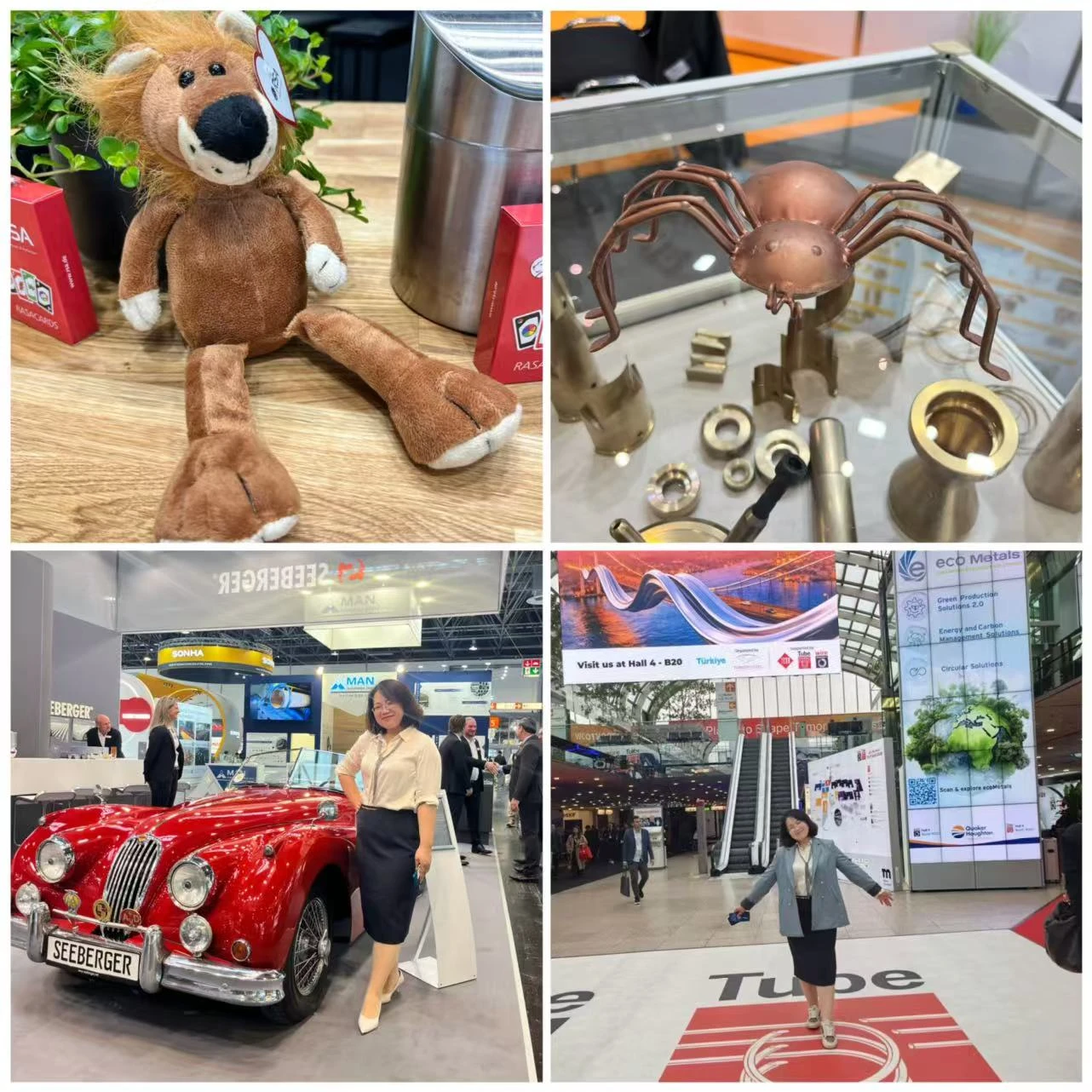
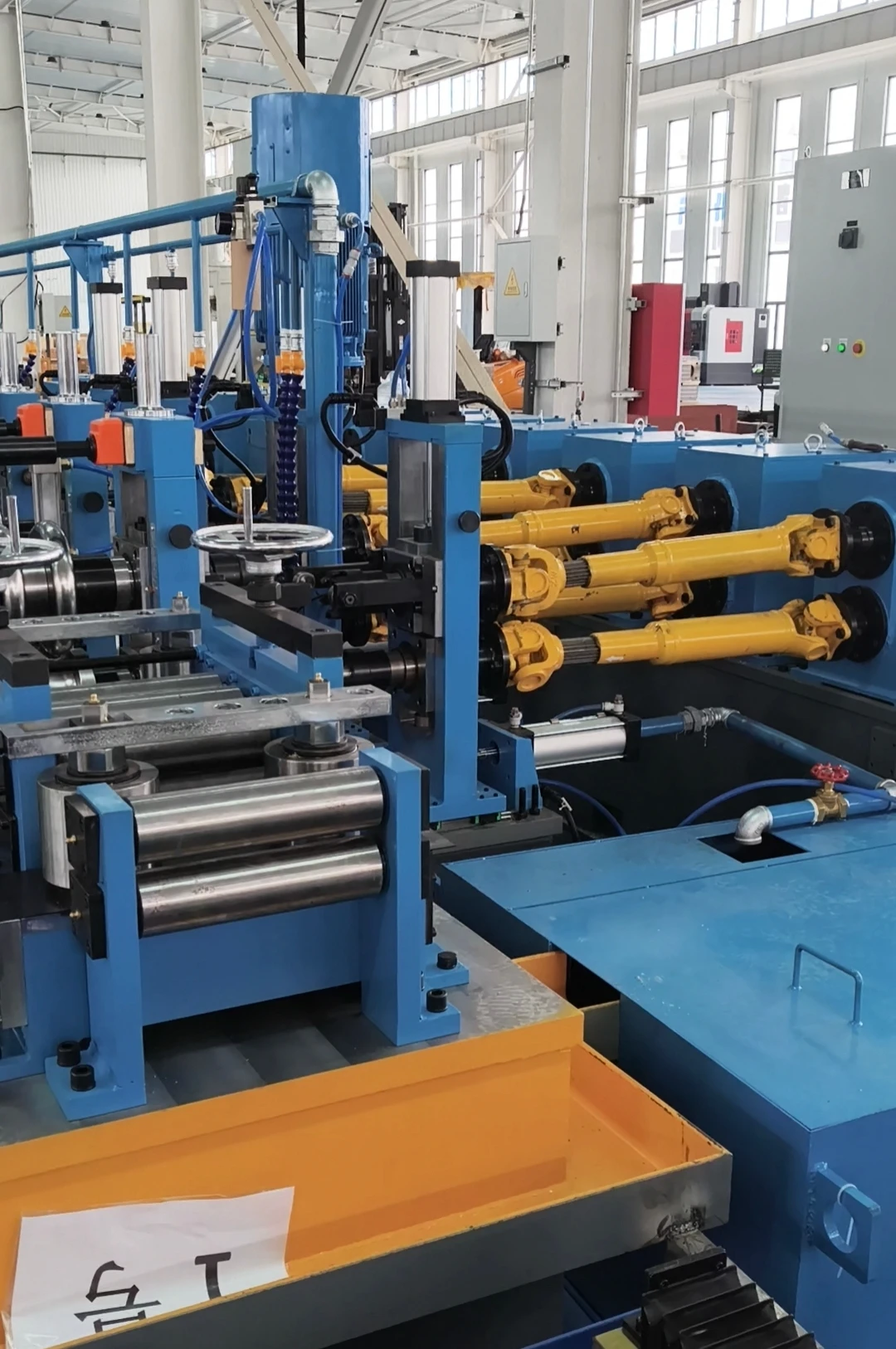
AIS Machinery Showcases Advanced Tube Solutions at Tube & Wire Düsseldorf 2026
Tube & Wire Düsseldorf 2026, one of the most influential exhibitions in the global tube and wire industry, held biennially in Düsseldorf, Germany
2027-04-17 00:00:00
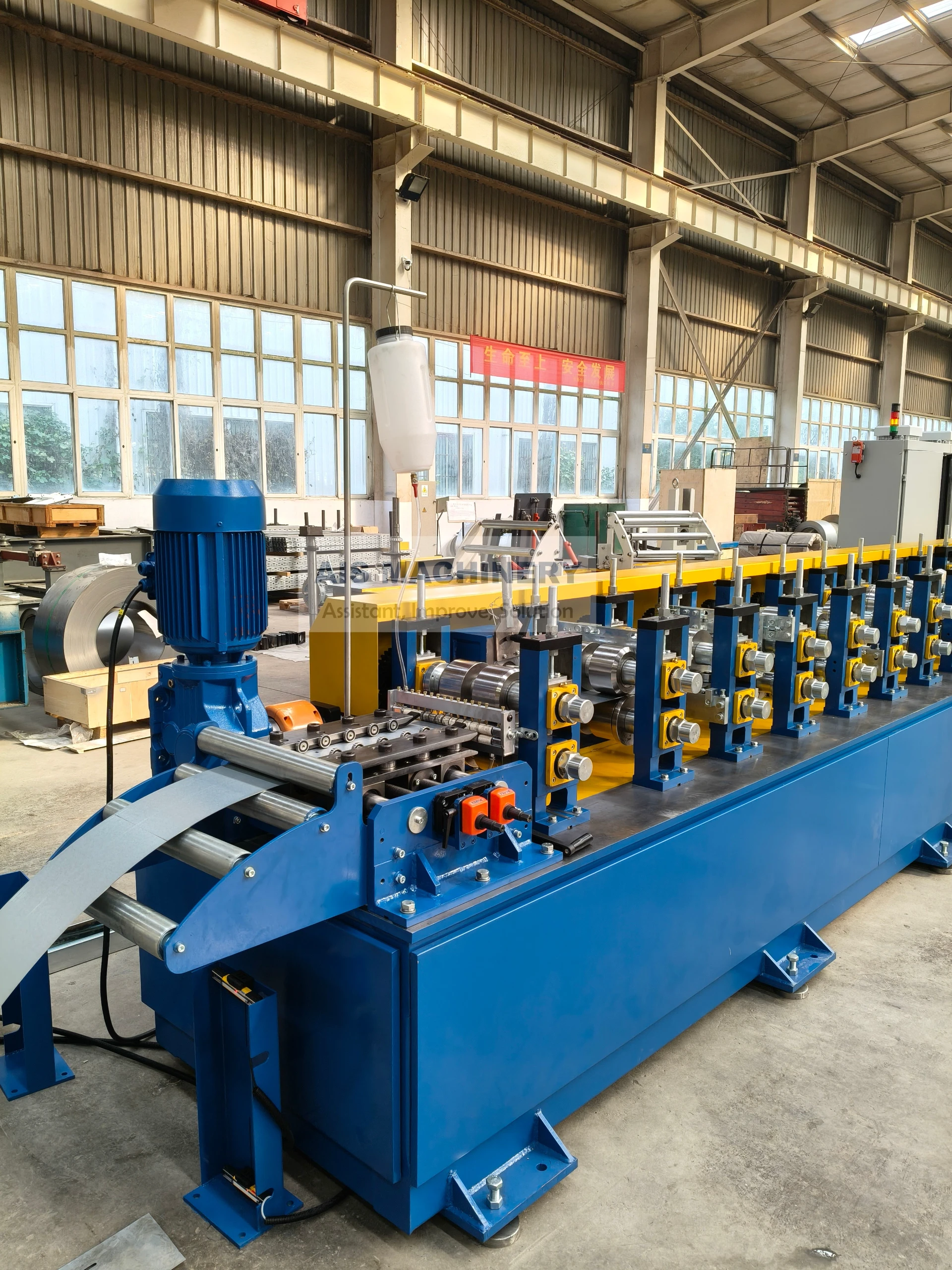
Southeast Asia Client Visits Our Factory | Customized Tube Mill Solution Delivered
A Southeast Asia client visited our ERW tube mill factory to inspect production lines and discuss a customized tube mill solution. Impressed by our machine quality, welding performance, and engineering support, the client confirmed strong cooperation intentions. Discover how our ERW tube mill solutions improve efficiency, precision, and long-term production reliability.
2026-04-16 02:35:12
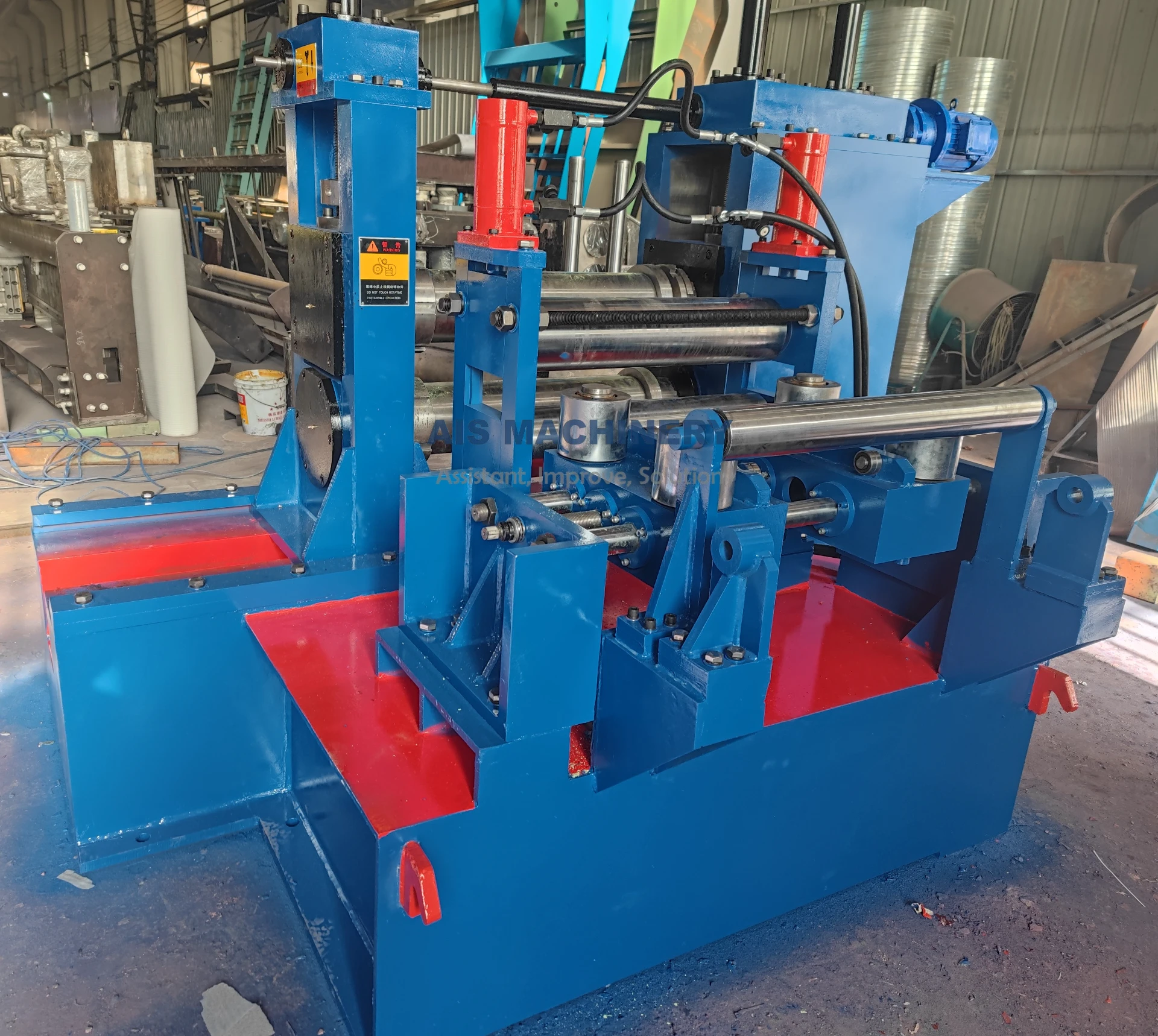
Professional Cold Roll Forming Machine Factory for Production
In the modern industrial landscape, the precision of metal shaping is the cornerstone of quality manufacturing. Partnering with a professional cold roll forming machine factory is essential for businesses looking to optimize their production lines, reduce material waste, and ensure high-dimensional accuracy. Whether you are producing C-channels, square tubes, or custom profiles, the choice of machinery determines your competitive edge in the market. This guide will explore the critical factors in selecting a factory and the technical advantages of advanced roll forming technology to help you make an informed investment.
2026-04-15 10:37:55
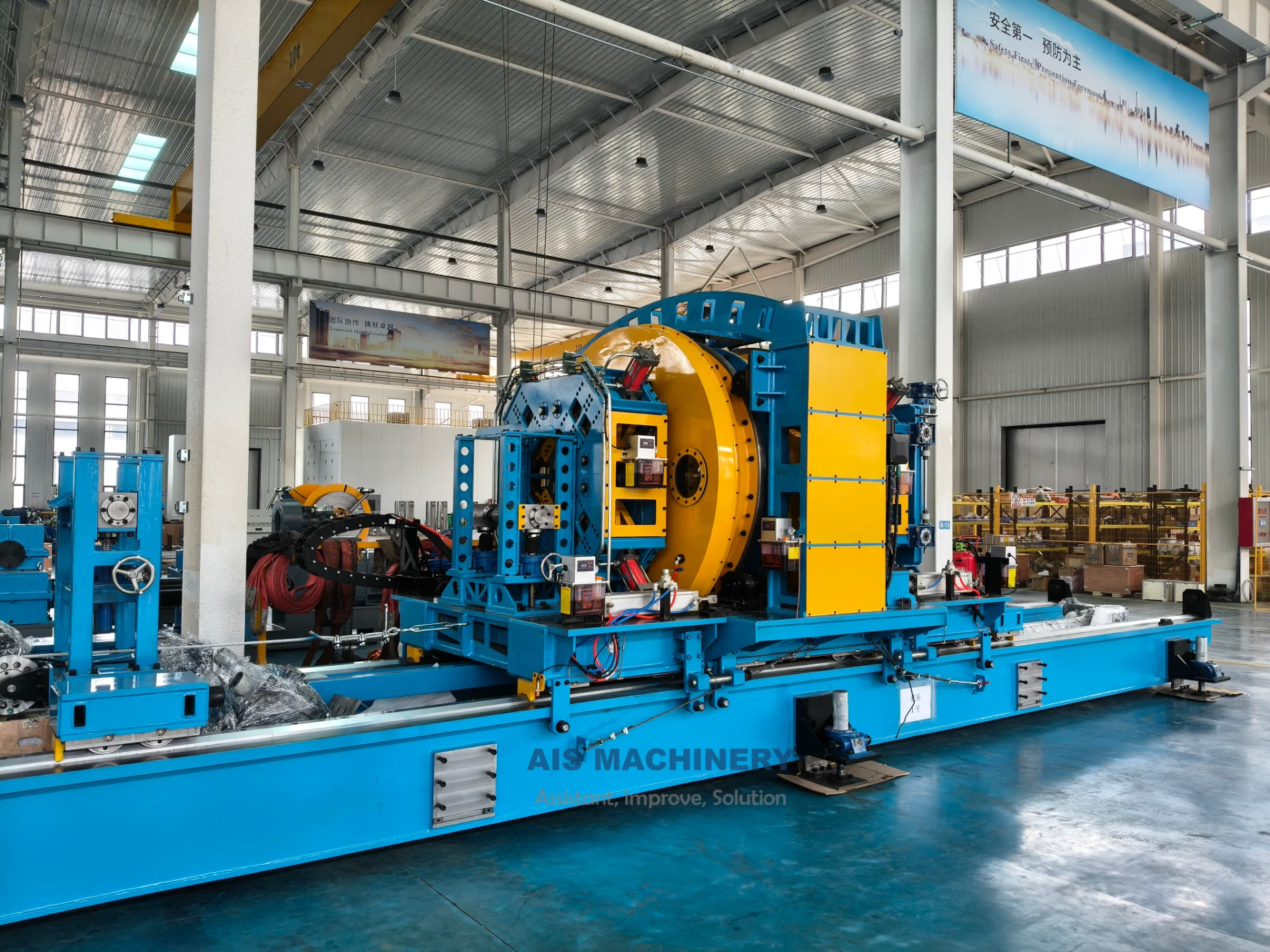
Flat Bar Production Line for Steel Coils: How It Works & Why It Matters
Looking for a flat bar production line? Learn how it turns steel coils into ready-to-use flat bars with precise length and high straightness. Compare it with slitting lines and get the best solution for your steel processing needs.
2026-04-14 00:00:00
Looking for a Milling Saw for ERW Tube Mill? Here’s What You Need to Know
Looking for a high-performance milling saw for your ERW tube mill? Upgrade to burr-free, high-precision pipe cutting with advanced flying saw technology. Improve efficiency, reduce rework, and meet export standards for carbon steel, stainless steel, and API pipes. Contact us today for expert solutions and competitive pricing tailored to your production needs.
2026-04-09 16:15:19
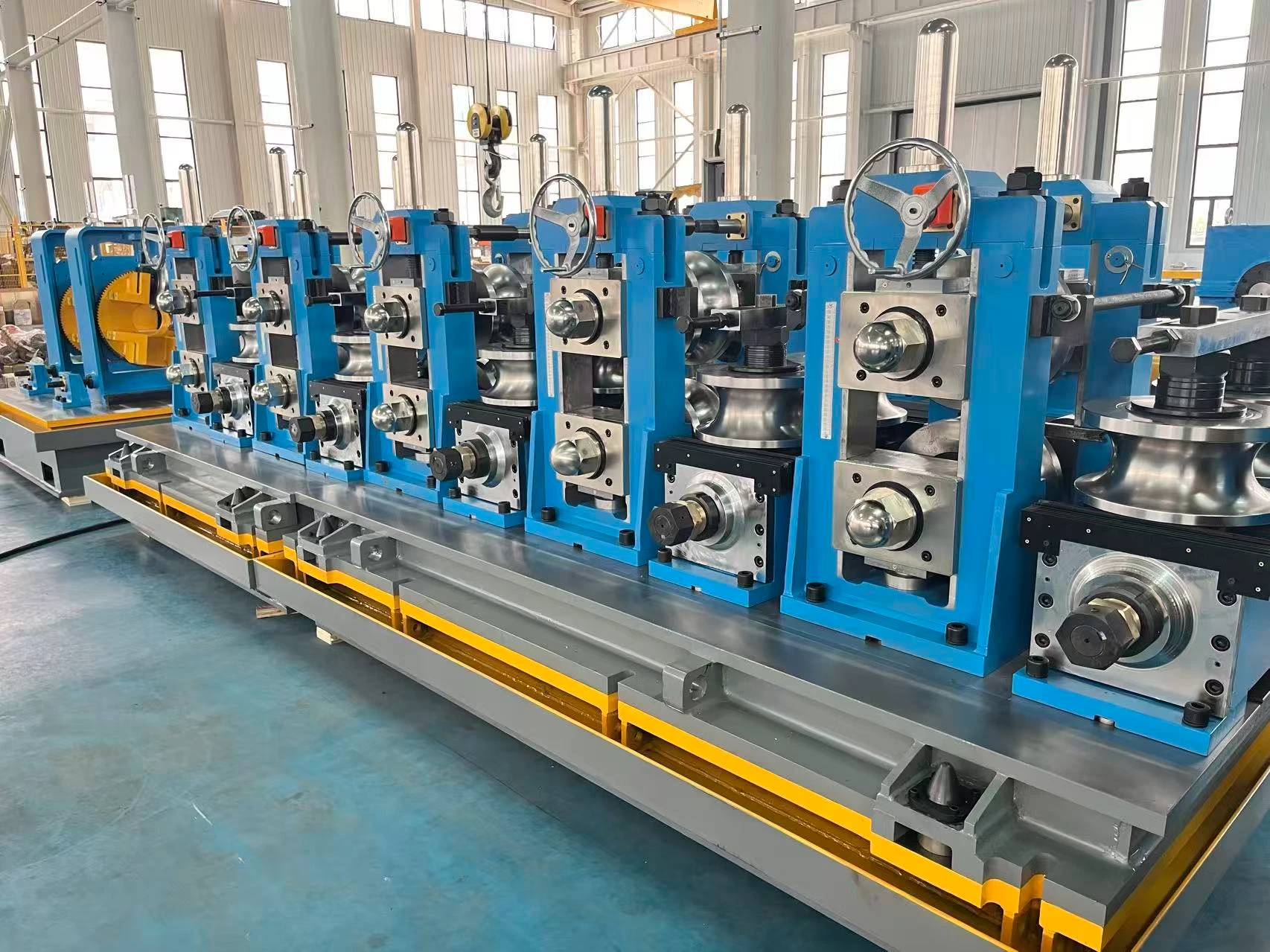
5-Inch (127mm) ERW Tube Making Machine Delivered with Heavy-Duty Design and Advanced Quick Change System
2027-04-07 00:00:00
Metal Embossing Machine: Turn Flat Sheets into High-Value Textured Products
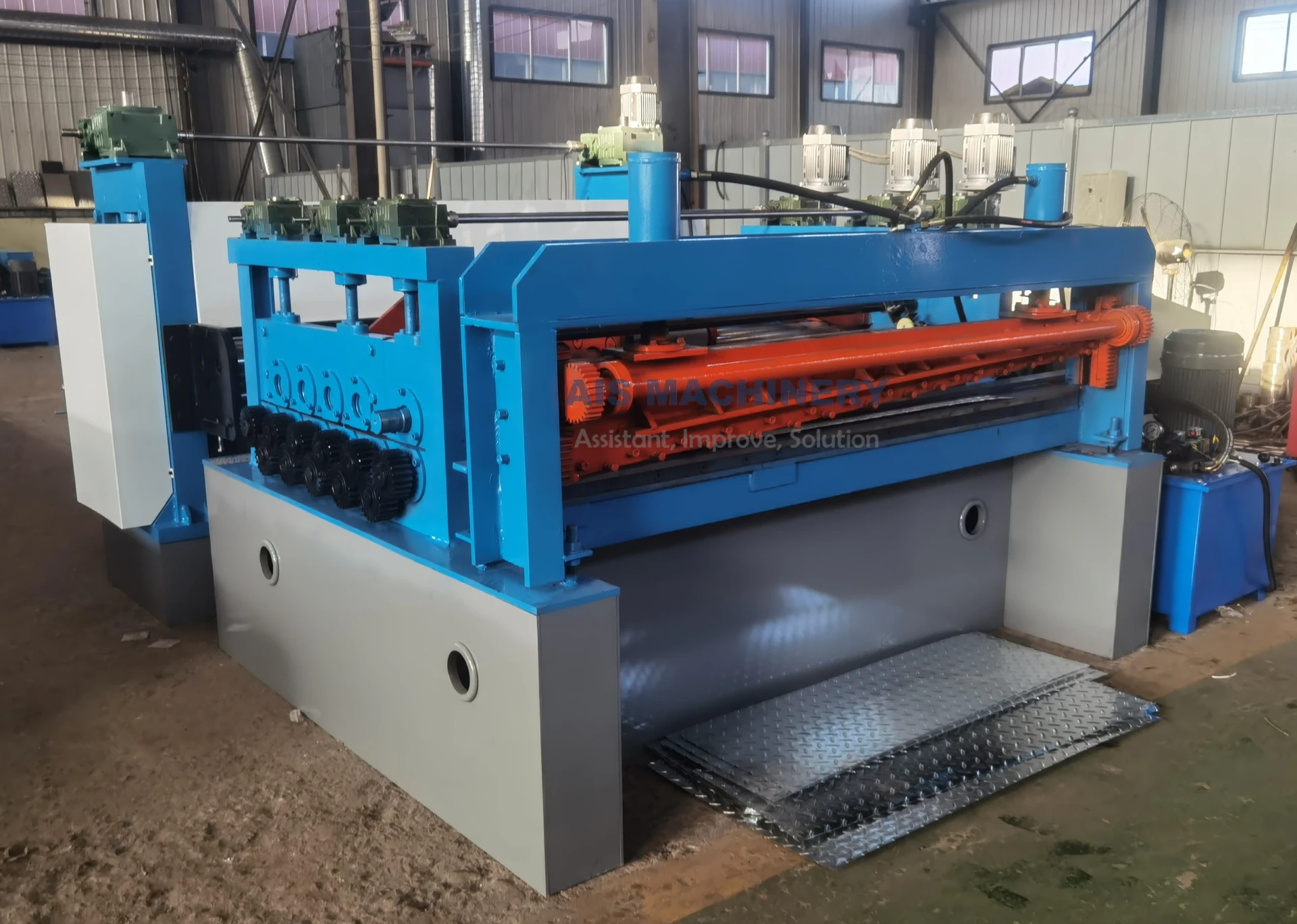
Discover how a metal embossing machine transforms flat steel, stainless steel, and aluminum sheets into high-value textured products. Learn about its working principle, key components, and applications. Ideal for decorative and industrial use, embossing machines improve both appearance and performance. Explore complete embossing line solutions and find the right machine for your production needs.
2026-04-04 20:37:18
Automatic Double Side Uncoiler with Hydraulic Expansion and Auto Rotation for Steel Coil Processing
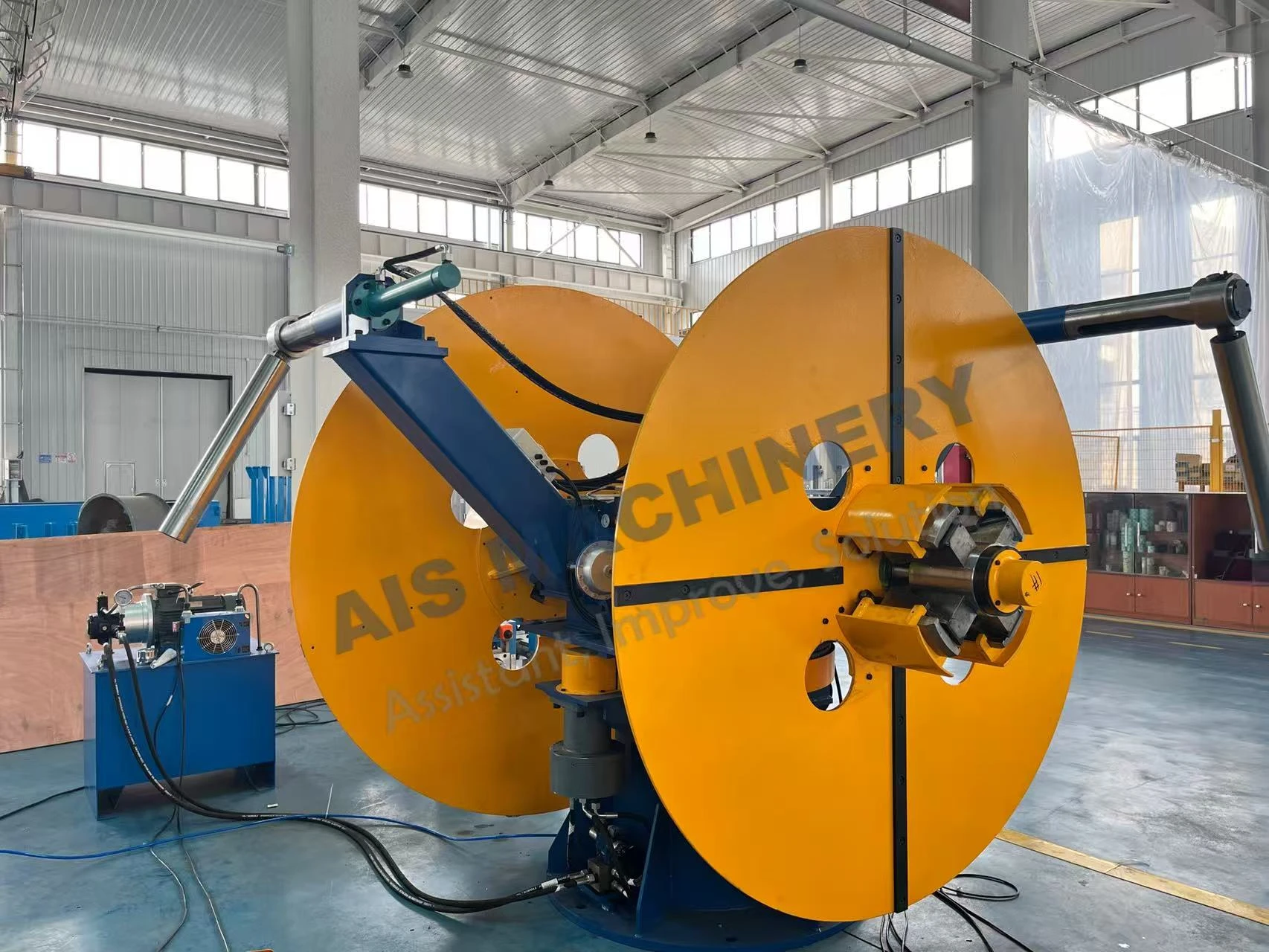
The Automatic Double Side Uncoiler is a high-efficiency solution designed for modern steel coil processing lines, including tube mills, roll forming machines, and slitting lines. With a maximum capacity of 4 tons per side, this machine ensures stable and continuous coil feeding while reducing downtime during coil change.
Send a Message
Dear customer, thank you for your attention! We provide high-quality machinery and equipment and look forward to your orders. Please inform us of your needs and we will respond quickly!
 English
  Albanian
  Arabic
  French
  German
  Indonesian
  Italian
  Japanese
  Kazakh
  Korean
  Latin
Latin  Macedonian
  Portuguese
  Russian
  Spanish
  Thai
Thai  Turkish
  Ukrainian
  Uzbek
Uzbek