
-
 Tel:86-15176910262
-

Search

What Is a Flattener Machine? Key Benefits, Uses & Future Trends
Dec . 02, 2025 12:20
Flattener Machine: An Essential Tool in Modern Industrial Processes
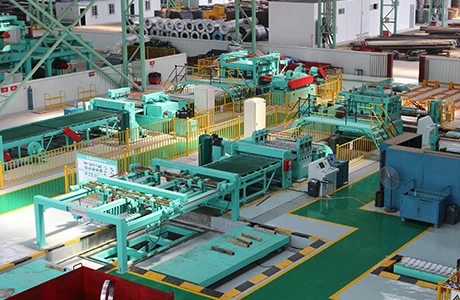
If you've ever wondered how large metal sheets achieve that perfect flatness before they become parts of cars, appliances, or heavy machinery, the flattener machine plays a pivotal role — quietly but crucially. Understanding this device is not just niche technical trivia; it’s a window into the efficiency and safety of many global manufacturing systems. From automotive assembly plants in Germany to steel mills in China, the flattener machine ensures materials are ready for precision fabrication, which ultimately impacts product quality, waste reduction, and economic sustainability worldwide.
Introduction: The Global Relevance of Flattener Machines
Globally, industries that handle sheet metals, like automotive manufacturing, construction, and aerospace, depend heavily on the quality of their raw materials. According to ISO standards, flatness is a critical quality metric — poorly flattened sheets can lead to structural failures or costly rework. Yet, the challenge lies in flattening thick or large-scale metal sheets efficiently without warping or inducing defects. Flattener machines have become the go-to solution, solving a widespread bottleneck in production lines and improving overall workflow.
Frankly, with the increase in demand for lightweight but strong components, especially in electric vehicle manufacturing, the precision offered by flatness post-processing just can’t be overstated.
What Is a Flattener Machine?
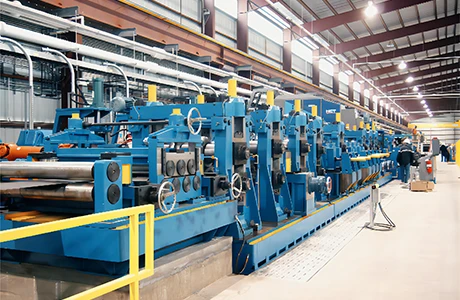
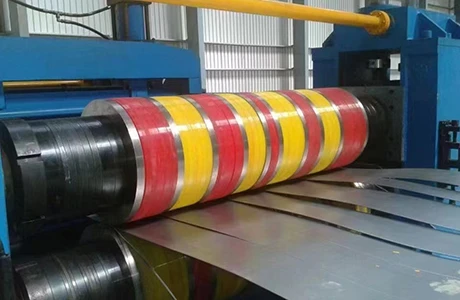
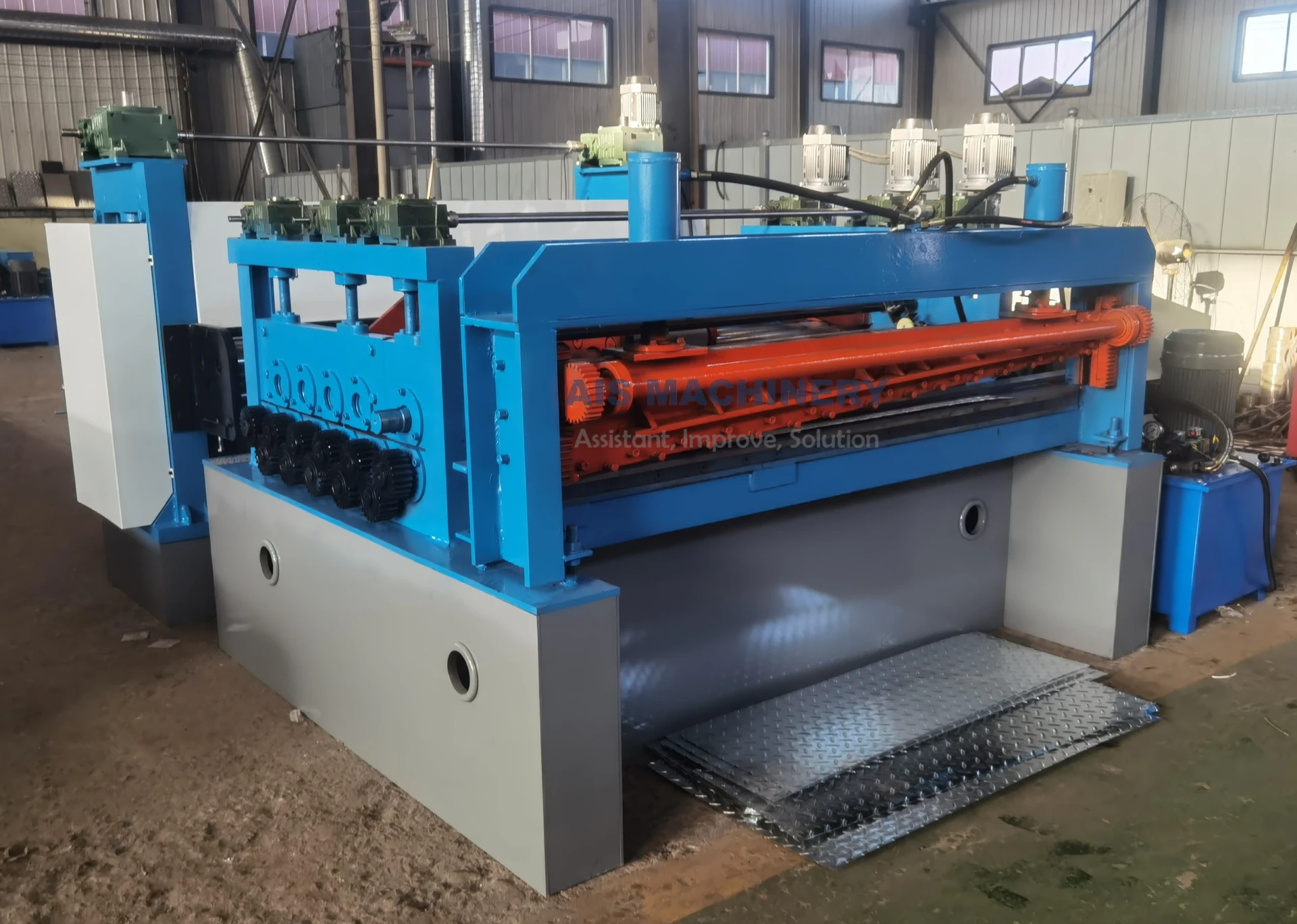
In simple terms, a flattener machine is a mechanical device that straightens and smooths metal sheets by applying controlled pressure or bending actions. Think of it as an industrial-scale iron that removes bowing, waves, or distortions from flat rolled steel, aluminum, or other metals. These machines are essential not only for the manufacturing sector but also for humanitarian efforts where flat steel panels may be repurposed for emergency shelters or infrastructure repairs.
Core Components and Key Factors of Flattener Machines
1. Durability and Material Handling
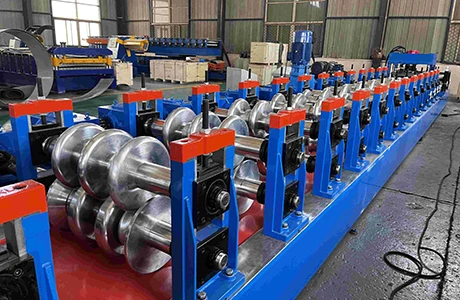
These machines often handle extremely thick and heavy metal sheets, so components must endure high stress over extended periods. Rolls are usually crafted from hardened steel or alloy, designed to resist wear and deformation. Reliability here means less downtime and lower maintenance costs — crucial for high-throughput facilities.
2. Scalability and Capacity
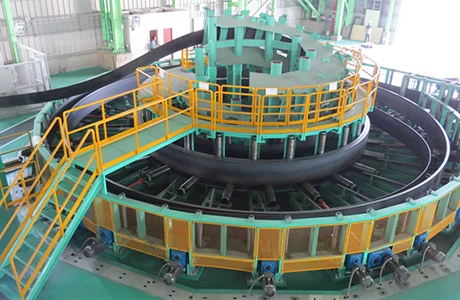
Flattener machines come in sizes suitable for small shops or massive steel plants. Scalability affects both throughput and physical footprint. I’ve noticed smaller manufacturers may prioritize machines that accommodate variable sheet sizes, while mega-plants often buy high-speed, continuous feeding machines for increased volume.
3. Precision and Control Systems
Modern flatteners incorporate computerized controls and sensors that monitor roll pressure and adjust in real time. This makes the process far more consistent, reducing material waste and ensuring flatness tolerances meet stringent standards.
4. Cost Efficiency
Considering installation, operation, and maintenance, an efficient flattener machine reduces overall production expenses. Sometimes investing upfront in automation pays dividends in reduced labor and decreased scrappage rates.
5. Energy Consumption
Energy-efficient designs are trending, reflecting global green manufacturing goals. Machines with variable frequency drives and energy recovery help plants lower their carbon footprint.
Specification Table: Typical Flattener Machine Model
| Feature | Specification |
|---|---|
| Max Sheet Width | 2,000 mm |
| Sheet Thickness Range | 0.3 to 12 mm |
| Roll Diameter | 150 mm |
| Max Flattening Speed | 8 m/min |
| Drive Motor Power | 15 kW |
| Control System | PLC with Touchscreen Interface |
Mini takeaway: A good flattener machine is a mix of rugged mechanics and smart controls — a fusion that makes flat, defect-free sheets the norm rather than the exception.
Global Applications: Where and Who Uses Flattener Machines?
- Automotive industry: Precision flattened sheets are mandatory for chassis and body panels.
- Construction sector: Flat steel sheets are used for roofing, cladding, and infrastructure frames worldwide.
- Aerospace: Higher flatness standards ensure aerodynamic performance and stress durability.
- Post-disaster relief: Flattened metal sheets can quickly be formed into temporary shelters or infrastructure components in emergency zones.
- Remote industrial zones: Equipment like flattener machines streamlines local manufacturing and maintenance capabilities.
Oddly enough, many emerging economies investing in heavy industry also rely heavily on imported flattener technology to boost their capabilities.
Vendor Comparison: Leading Flattener Machine Manufacturers
| Brand | Price Range | Key Feature | Warranty |
|---|---|---|---|
| X-Flat Industries | $45,000 - $75,000 | Smart pressure sensors | 2 years |
| MetalEase Co. | $50,000 - $85,000 | Variable speed drive | 3 years |
| SteelFlow Tech | $39,000 - $70,000 | Energy efficient design | 1.5 years |
Advantages and Long-Term Value of Using a Flattener Machine
Investing in a quality flattener machine brings multiple benefits beyond just the immediate workflow improvements. Cost savings arise from less material waste — fewer warped sheets discarded, less time spent manual straightening — which cascades into lower overall production costs.
Socially and environmentally, these machines contribute to sustainable practices by optimizing raw material use. They also bring a sense of security to quality inspectors and production managers since the finished panels consistently meet stringent flatness standards. Safety in construction and vehicle manufacturing isn’t just a box to check; it’s about people’s lives.
Future Trends & Innovations
Looking ahead, automation will further transform flattening technology. We're beginning to see integration with AI-powered vision systems that detect subtle material imperfections and adapt flattening strategies dynamically — a game-changer for tiny batch or specialized manufacturing.
Then there’s the push towards greener manufacturing. Flattener machines with energy recovery systems and smart standby modes are gaining traction, aligning with UN sustainability goals.
Challenges and Expert Solutions
No tech is without its hurdles. The biggest one? Handling thicker, heavier sheets without over-stressing the equipment or causing surface damage. Manufacturers have responded with innovations like modular roll designs and improved surface coatings, ensuring consistent pressure distribution. Also, training operators rather than relying solely on automation helps minimize errors.
Frequently Asked Questions About Flattener Machines
- Q: What sheet metals can be flattened with these machines?
A: Typically, steel and aluminum sheets from 0.3 to roughly 12 mm thickness can be processed. Some machines also handle stainless steel and other alloys, depending on roll hardness and machine capacity. - Q: How does a flattener machine improve product quality?
A: By removing waviness and distortion, the machine ensures sheets lie perfectly flat, reducing stress concentration during fabrication, improving fitting in assembly lines, and preventing structural failures. - Q: Can flattener machines integrate into existing production lines?
A: Most modern models are designed with modularity and automation compatibility in mind, allowing seamless integration with upstream and downstream equipment for continuous processing. - Q: Are flattener machines energy-intensive?
A: While they do consume power, energy-efficient designs and variable frequency motors are reducing consumption significantly compared to older models. - Q: What maintenance practices ensure longevity?
A: Regular inspection of rolls, lubrication of mechanical parts, and calibration of pressure settings are key for long-term reliable operation.
Conclusion: Why Invest in a Flattener Machine?
From cutting waste to improving safety and enabling precision manufacturing, a well-chosen flattener machine is a cornerstone of modern industry. If you’re involved with metal fabrication or production systems, it’s worth considering how these machines could optimize your process flow and bottom line.
Feel free to explore more about high-quality flattener machine models and solutions on our site — investing in your production's future might be simpler than you think.
Oddly enough, once you start factoring in all the subtle savings and quality improvements, the flattener machine often feels more like an investment than just a tool.
References:
1. ISO Flatness Standards: iso.org
2. Sustainable Manufacturing, UN SDGs: un.org
3. Industrial Metal Forming: Wikipedia

Related Products

Related News
2026-04-18 03:20:20
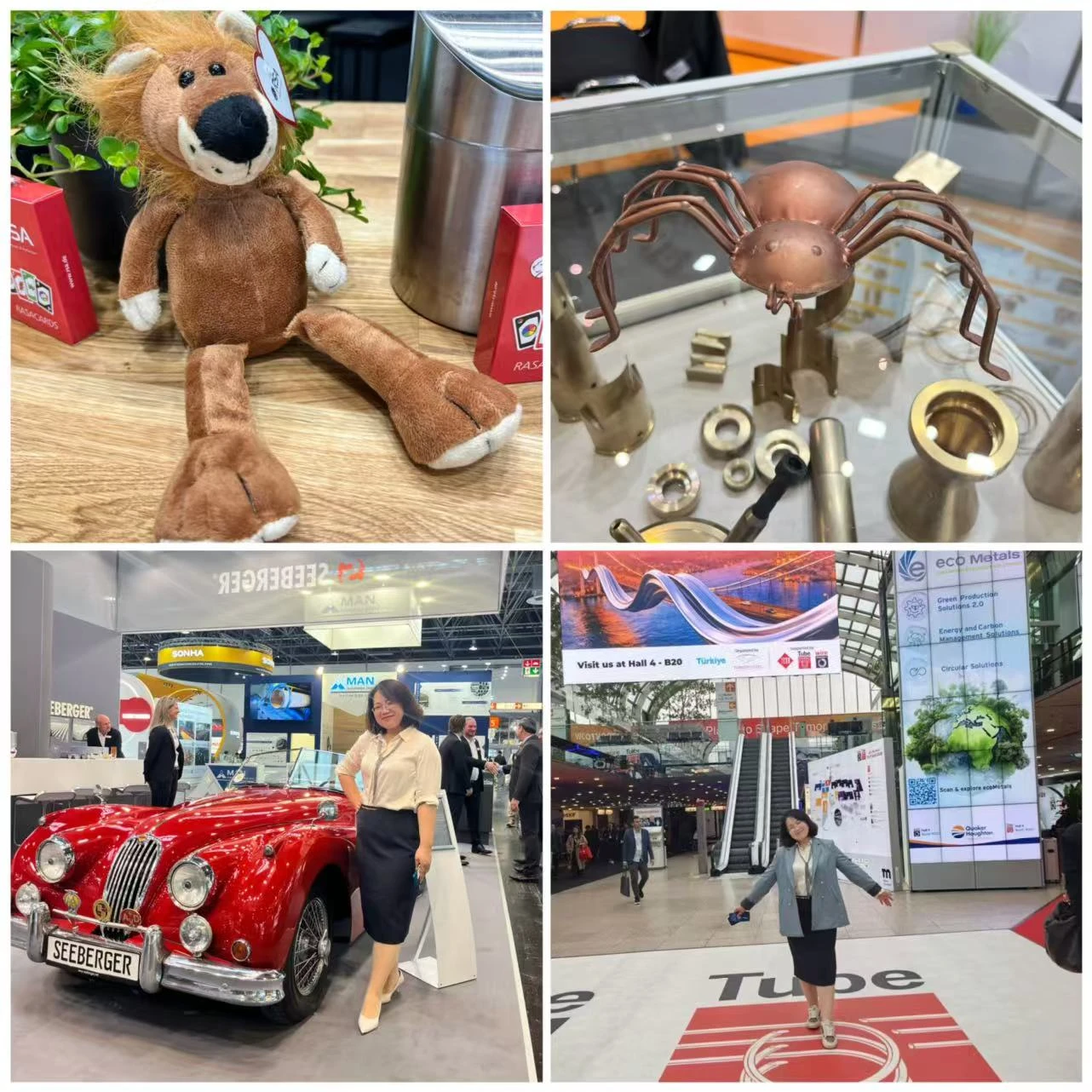
AIS Machinery Showcases Advanced Tube Solutions at Tube & Wire Düsseldorf 2026
Tube & Wire Düsseldorf 2026, one of the most influential exhibitions in the global tube and wire industry, held biennially in Düsseldorf, Germany
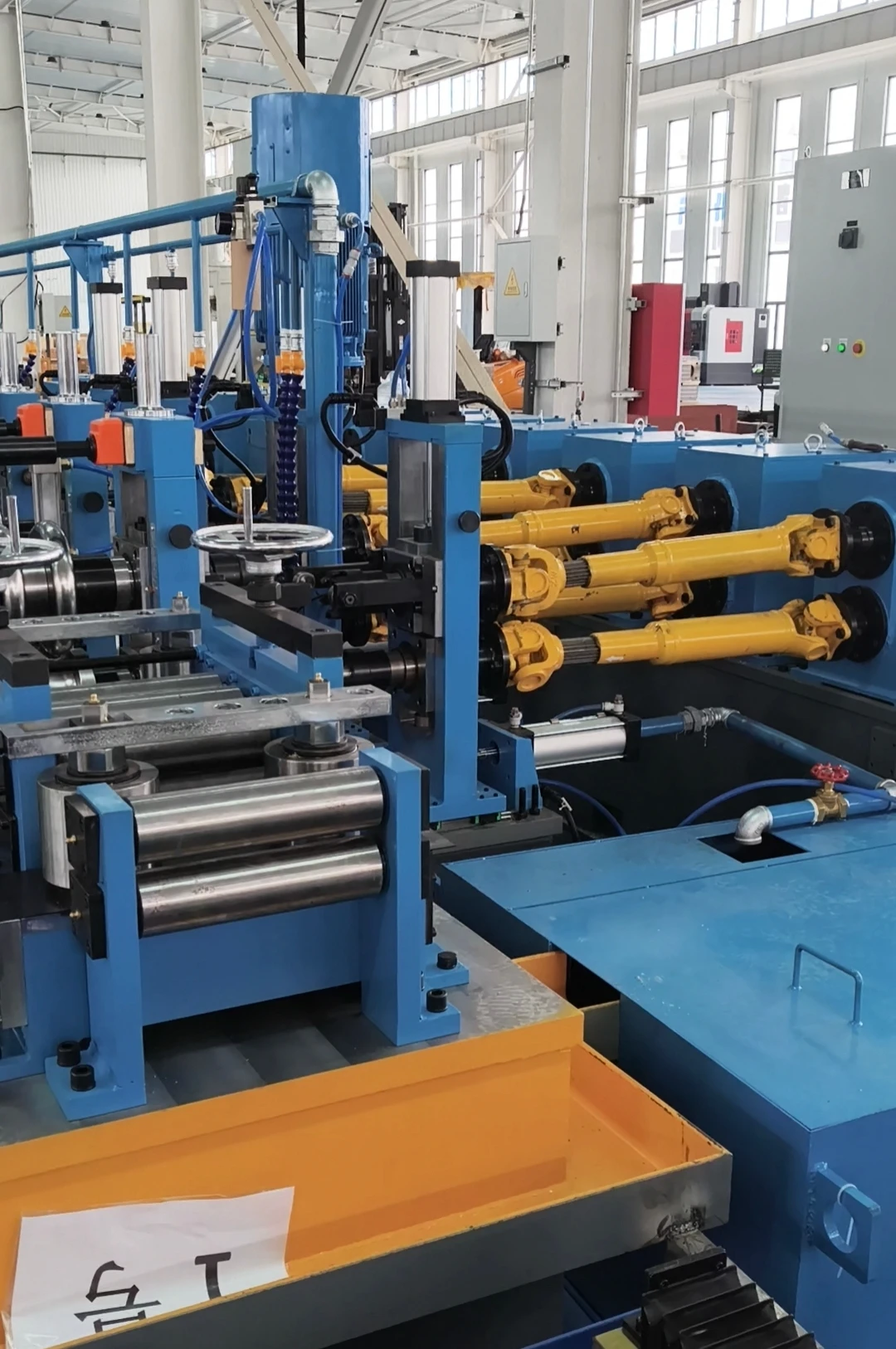
2027-04-17 00:00:00
Southeast Asia Client Visits Our Factory | Customized Tube Mill Solution Delivered
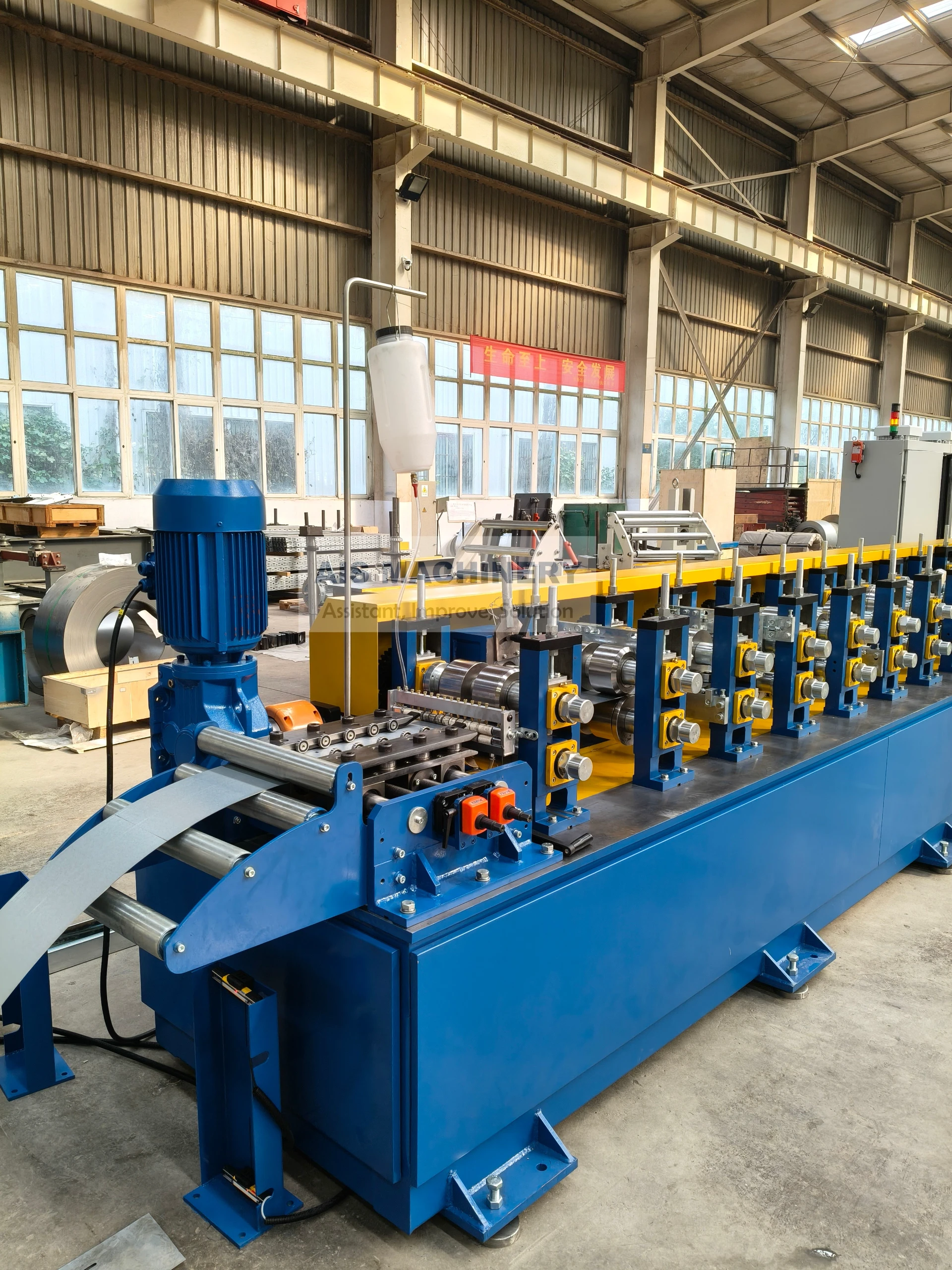
A Southeast Asia client visited our ERW tube mill factory to inspect production lines and discuss a customized tube mill solution. Impressed by our machine quality, welding performance, and engineering support, the client confirmed strong cooperation intentions. Discover how our ERW tube mill solutions improve efficiency, precision, and long-term production reliability.
2026-04-16 02:35:12
Professional Cold Roll Forming Machine Factory for Production
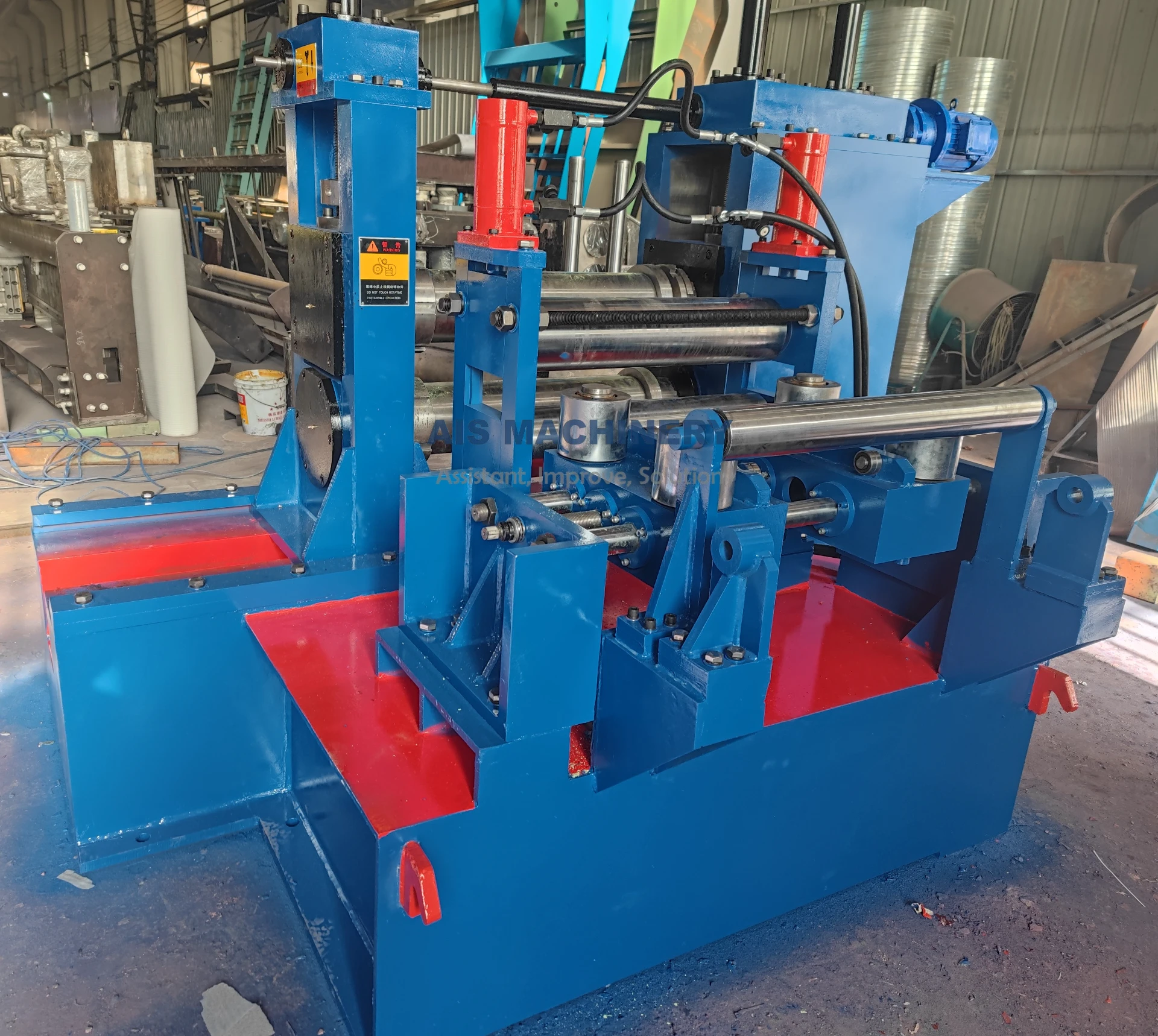
In the modern industrial landscape, the precision of metal shaping is the cornerstone of quality manufacturing. Partnering with a professional cold roll forming machine factory is essential for businesses looking to optimize their production lines, reduce material waste, and ensure high-dimensional accuracy. Whether you are producing C-channels, square tubes, or custom profiles, the choice of machinery determines your competitive edge in the market. This guide will explore the critical factors in selecting a factory and the technical advantages of advanced roll forming technology to help you make an informed investment.
2026-04-15 10:37:55
Flat Bar Production Line for Steel Coils: How It Works & Why It Matters
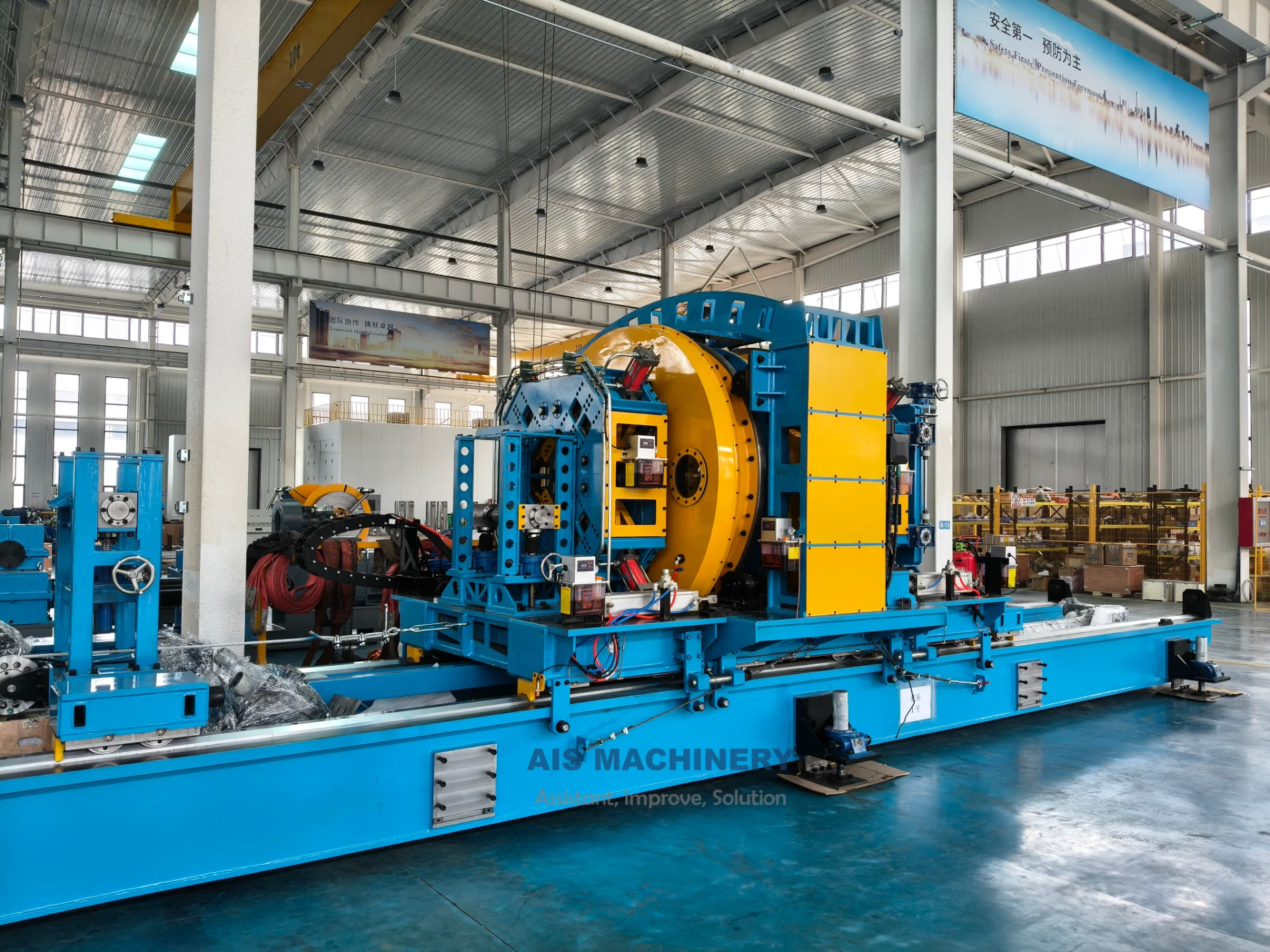
Looking for a flat bar production line? Learn how it turns steel coils into ready-to-use flat bars with precise length and high straightness. Compare it with slitting lines and get the best solution for your steel processing needs.
2026-04-14 00:00:00
Looking for a Milling Saw for ERW Tube Mill? Here’s What You Need to Know
Looking for a high-performance milling saw for your ERW tube mill? Upgrade to burr-free, high-precision pipe cutting with advanced flying saw technology. Improve efficiency, reduce rework, and meet export standards for carbon steel, stainless steel, and API pipes. Contact us today for expert solutions and competitive pricing tailored to your production needs.
2026-04-09 16:15:19
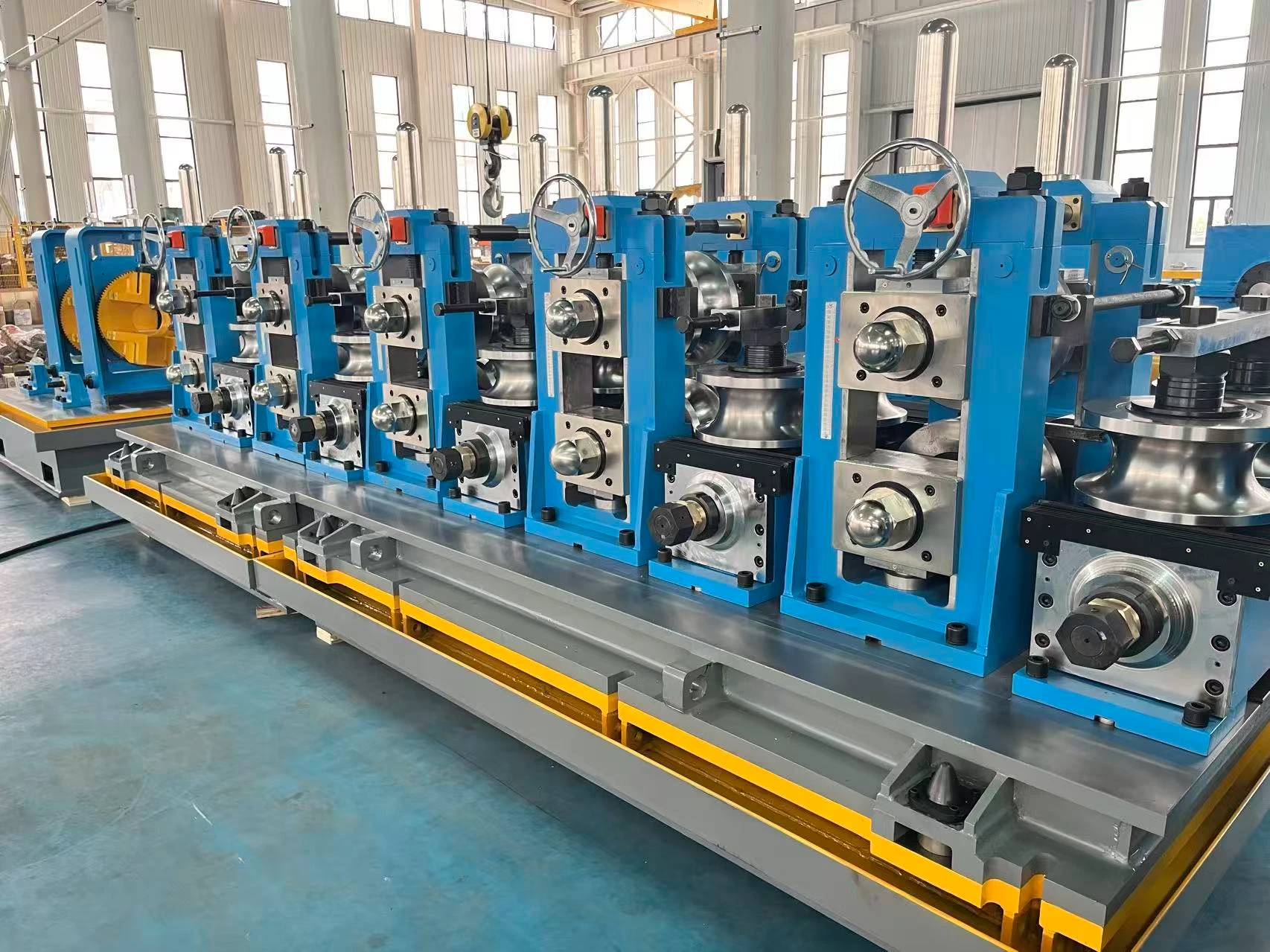
5-Inch (127mm) ERW Tube Making Machine Delivered with Heavy-Duty Design and Advanced Quick Change System
2027-04-07 00:00:00
Metal Embossing Machine: Turn Flat Sheets into High-Value Textured Products
Discover how a metal embossing machine transforms flat steel, stainless steel, and aluminum sheets into high-value textured products. Learn about its working principle, key components, and applications. Ideal for decorative and industrial use, embossing machines improve both appearance and performance. Explore complete embossing line solutions and find the right machine for your production needs.
2026-04-04 20:37:18
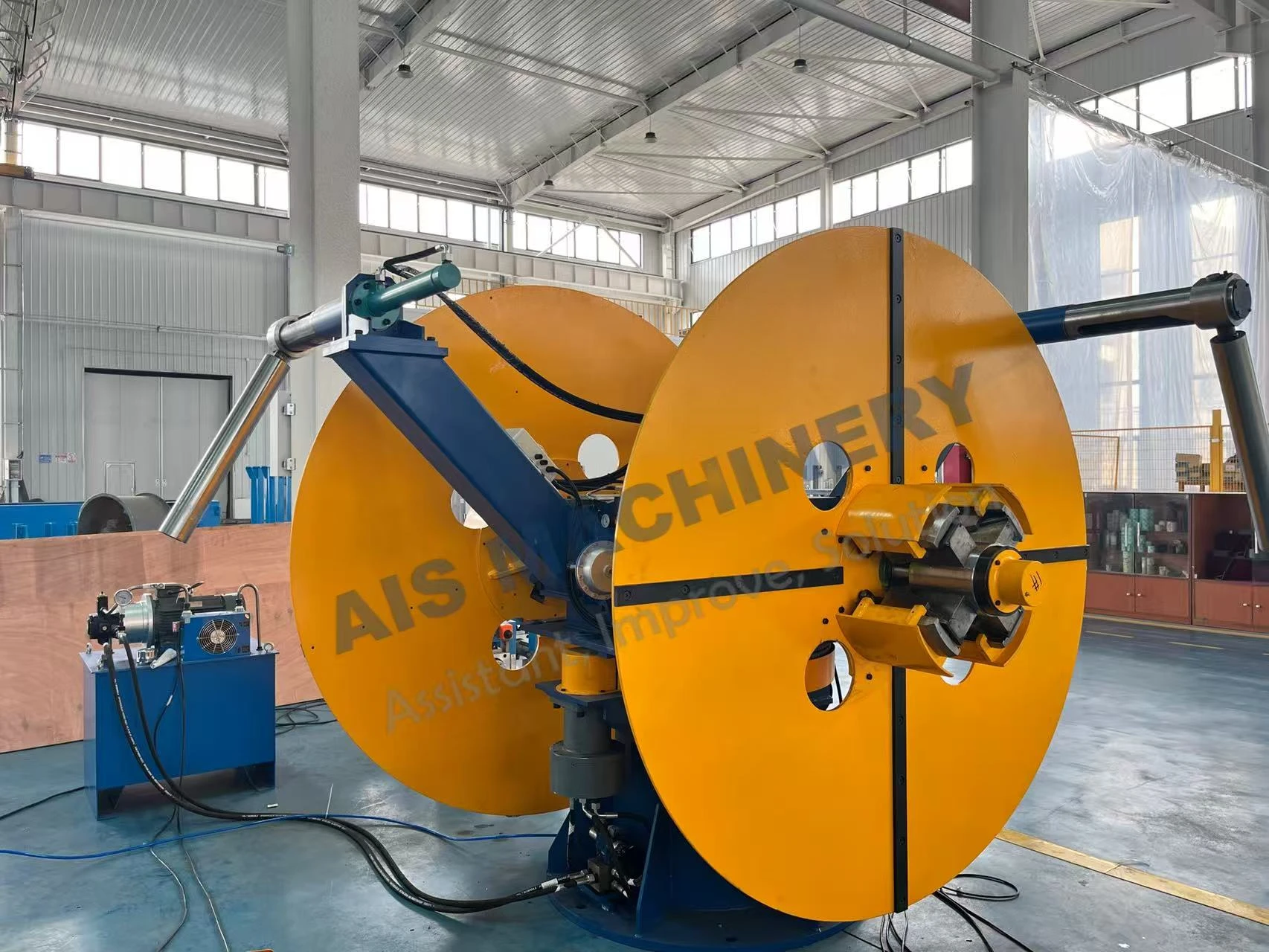
Automatic Double Side Uncoiler with Hydraulic Expansion and Auto Rotation for Steel Coil Processing
The Automatic Double Side Uncoiler is a high-efficiency solution designed for modern steel coil processing lines, including tube mills, roll forming machines, and slitting lines. With a maximum capacity of 4 tons per side, this machine ensures stable and continuous coil feeding while reducing downtime during coil change.
Send a Message
Dear customer, thank you for your attention! We provide high-quality machinery and equipment and look forward to your orders. Please inform us of your needs and we will respond quickly!
 English
  Albanian
  Arabic
  French
  German
  Indonesian
  Italian
  Japanese
  Kazakh
  Korean
  Latin
Latin  Macedonian
  Portuguese
  Russian
  Spanish
  Thai
Thai  Turkish
  Ukrainian
  Uzbek
Uzbek