
-
 Tel:86-15176910262
-

Search

Comprehensive Guide to Coil Processing Equipment: Industry Uses, Benefits & Trends
Dec . 02, 2025 11:45
Understanding Coil Processing Equipment: What It Is and Why It Matters
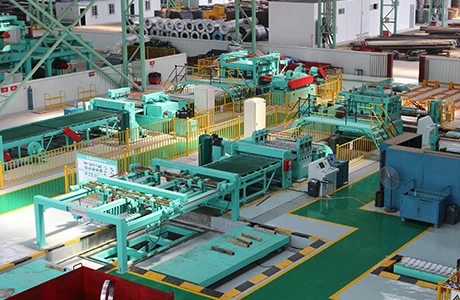
Coil processing equipment—oddly enough—forms some of the quietest backbones of modern manufacturing. Think about the billions of tons of rolled metal coils that get transformed into everything around us: cars, appliances, pipelines, even infrastructure. Grasping how coil processing equipment works, and why industries worldwide depend on it, unlocks a deeper appreciation for this craft and its global impact. Frankly, these machines don’t just convert metal; they streamline supply chains, ensure quality, and reduce waste—making them crucial for sustainable manufacturing and economic growth.
Global Context: Why Coil Processing Equipment Is Critical Today
On a global scale, metal production and processing industries are massive contributors to GDPs and employment, particularly in countries like China, Germany, and the US. According to the World Steel Association, global steel production surpassed 1.9 billion metric tons in 2023, with much of it supplied as flat coils that need precise processing before reaching end users. The challenge here is efficiency and precision under growing demand and tightening environmental regulations.
Coil processing equipment addresses this challenge by enabling rapid, accurate conversion of raw coil stock into ready-to-use components. Without it, delays, waste, and quality inconsistencies would multiply exponentially, hurting everything from automotive production lines to construction supply.
Mini takeaway: Coil processing equipment is indispensable worldwide, ensuring the metal products you rely on are manufactured efficiently and sustainably.
What Exactly Is Coil Processing Equipment?
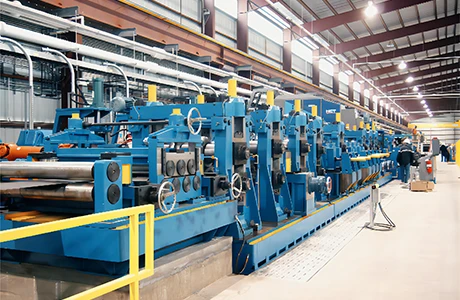
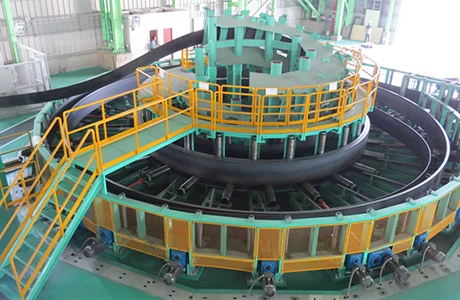
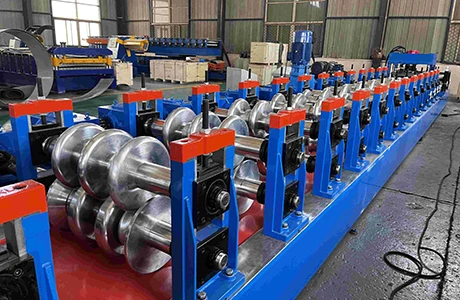
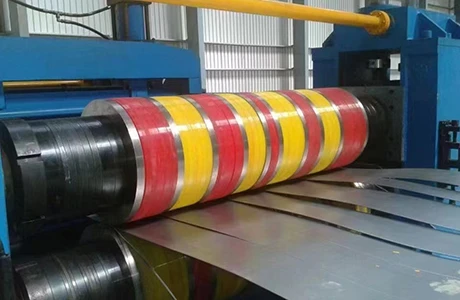
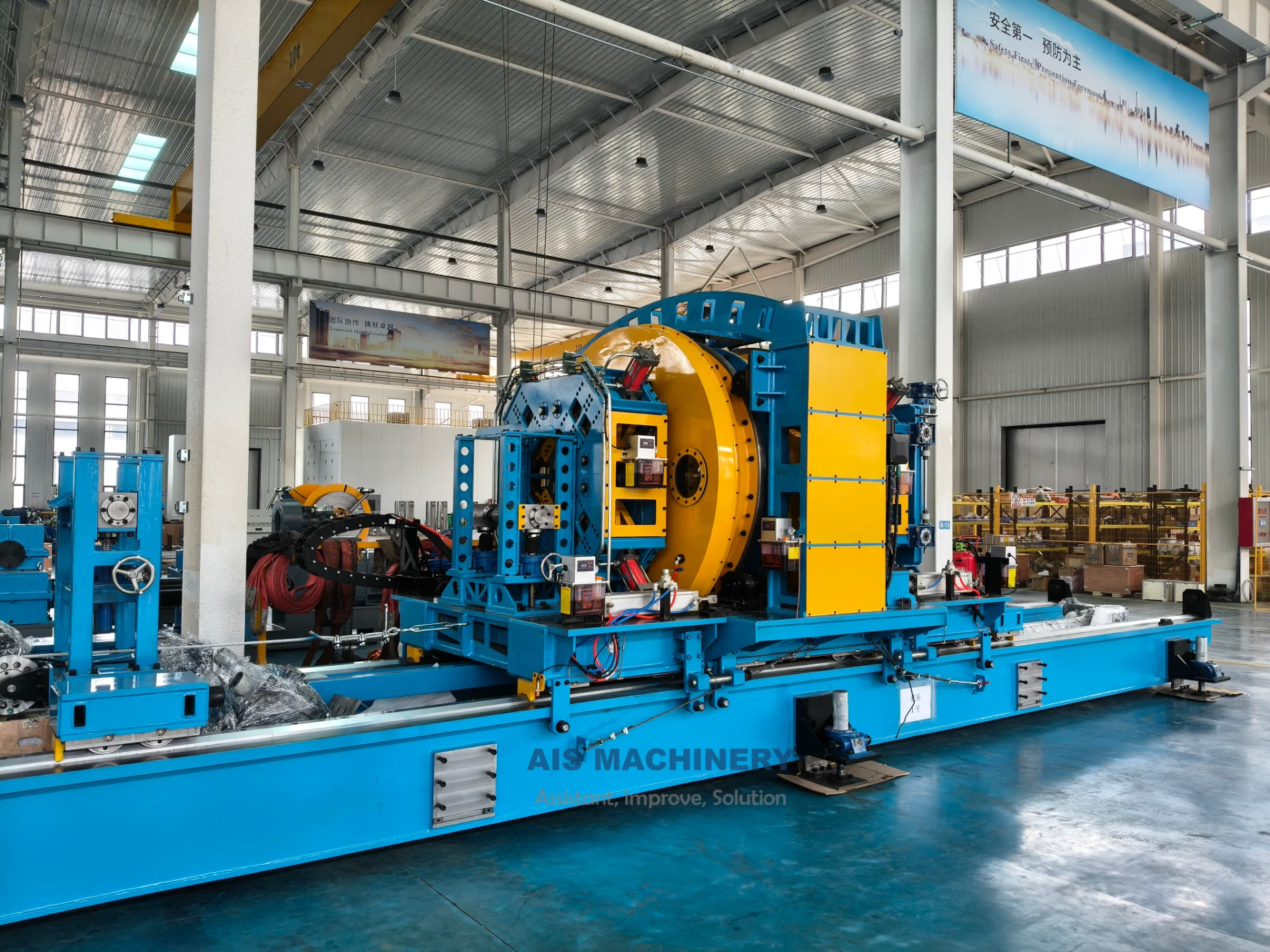
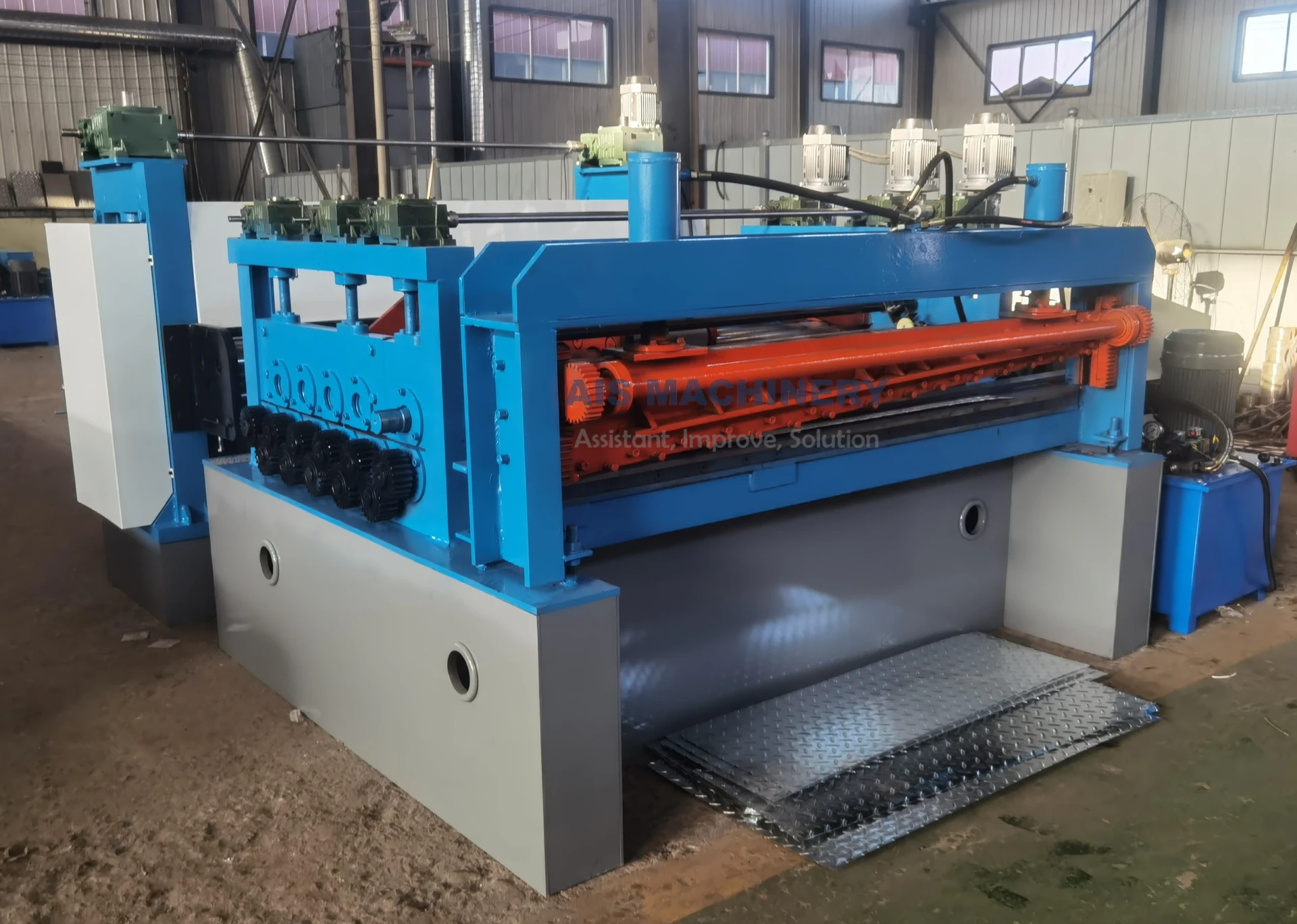
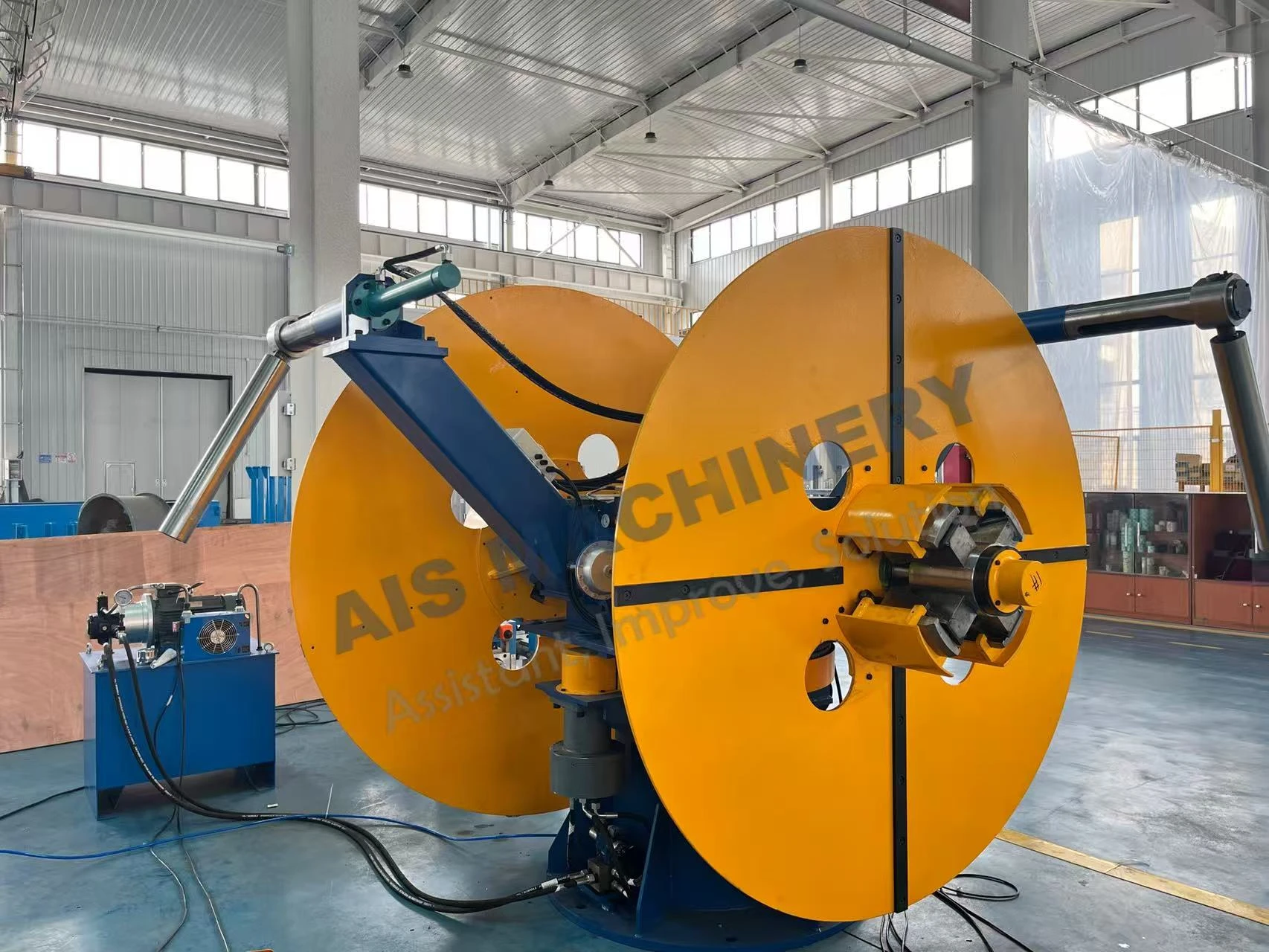
At its core, coil processing equipment refers to the suite of machinery that handles metal coils—unwinding, flattening, slitting, cutting-to-length, and sometimes surface treating them—to prepare the material for manufacturing downstream. It's like a finely choreographed dance: you feed in a tight coil of steel or aluminum, and out comes perfectly sized sheets or strips, ready to be stamped, welded, or rolled further.
This equipment is tightly interwoven with modern industry and even humanitarian initiatives. For instance, in disaster relief, pre-engineered steel building panels often start as coil-processed material—allowing fast deployment structures to be manufactured rapidly and with high consistency.
Mini takeaway: Coil processing equipment transforms raw metal coils into precise, application-ready materials, keeping modern industry and emergency responses on track.
Core Components of Coil Processing Equipment
1. Durability and Robust Design
These machines work with heavy steel coils—sometimes weighing several tons—and must operate continuously under harsh industrial settings. The equipment’s mechanical components, from uncoilers to leveling rolls, must be built for minimal downtime and longevity.
2. Scalability and Throughput
Manufacturers need coil processing lines that adapt to various coil widths and thicknesses, scaling from hundreds to thousands of tons monthly. High throughput capability with consistent quality output is essential to handle fluctuating demand.
3. Precision and Automation
Modern systems often integrate sensors and PLC controls to ensure consistent slitting widths and cut lengths. Automation reduces human error and speeds up orders, which is key in just-in-time manufacturing.
4. Cost Efficiency and Waste Reduction
Efficient coil processing minimizes scrap, controls energy consumption, and lowers operation costs—directly impacting profit margins and sustainability credentials.
5. Flexibility for Various Materials
Besides steel, many lines process aluminum, copper, or specialty alloys. Flexibility ensures equipment remains valuable despite shifting materials trends.
Mini takeaway: Durability, scalability, precision, and cost efficiency are pillars supporting modern coil processing equipment’s performance.
Global Applications & Real-World Use Cases
Industries ranging from automotive, construction, appliances, to packaging rely on coil processing equipment globally. For example:
- In Germany’s automotive manufacturing hubs, high-speed coil slitting lines ensure steel strips meet exact tolerances for body panel production.
- Japanese electronics producers require ultra-clean surface treatment in coil lines preparing aluminum for casings and heat sinks.
- In remote industrial zones of South America, coil processing enables creation of durable roofing and infrastructure components, vital for growth and disaster resilience.
- Post-disaster relief organizations use coil-processed steel panels to manufacture rapid assembly shelters supporting displaced populations.
Mini takeaway: Across continents and industries, coil processing shapes the steel and metal products essential to modern life and emergency response.
Advantages & Long-Term Value of Coil Processing Equipment
The tangible benefits are readily apparent: cost savings from scrap reduction, reliable product quality, and faster turnaround times. But the emotional value resonates too. Workers feel safer operating automated, well-maintained equipment. Manufacturers trust the consistency of processed materials, enhancing brand reputations globally. From a sustainability point of view, efficient coil processing reduces energy use and waste, aligning with ISO 14001 environmental management standards.
That blend of emotional reassurance and rational economics means coil processing equipment investments often pay dividends far beyond immediate cost-savings.
Product Specifications Comparison
| Specification | Typical Range | Industry Standard |
|---|---|---|
| Coil Width | 400 - 2000 mm | 600 - 1600 mm |
| Coil Thickness | 0.2 - 6 mm | 0.4 - 4 mm |
| Line Speed | 0 - 200 m/min | 50 - 150 m/min |
| Automation Level | Manual to Full PLC | Semi to Fully Automated |
| Cutting Accuracy | ±0.1 mm | ±0.2 mm |
Leading Vendors: A Quick Comparison
| Vendor | Automation | Customization | Price Range | Sustainability Focus |
|---|---|---|---|---|
| Vendor A | Full PLC Controls | High | $$$ | Yes, ISO 14001 Certified |
| Vendor B | Semi-Automated | Medium | $$ | Partial |
| Vendor C | Manual to Semi-Automated | Low | $ | No |
Future Trends & Innovations
As the manufacturing world advances, coil processing equipment is evolving too. Expect to see more integration of IoT sensors for predictive maintenance, reducing costly downtimes. Green energy initiatives press for lower power consumption lines and use of renewable electricity. Material science improvements enable more gentle handling of ultra-thin metals and advanced alloys that are lighter yet stronger.
Also, digital twins—virtual replicas of processing lines—are gaining traction, letting engineers simulate and optimize coil processing remotely before installation. These developments steer toward smarter, greener, and more efficient operations.
Challenges & Practical Solutions
Of course, no technology is perfect. Challenges like adapting to varied coil materials or thicknesses can cause bottlenecks. Maintenance downtime can lead to lost productivity, and integration with legacy factory systems is sometimes tricky. Luckily, modular system designs and IoT-enabled diagnostics help mitigate these issues by allowing incremental upgrades and real-time problem detection. Training operators on automation software is crucial too—many vendors now provide online technical courses.
FAQ: Frequently Asked Questions About Coil Processing Equipment
- What types of metals can coil processing equipment handle?
- Typically, steel, stainless steel, aluminum, copper, and specialty alloys are processed. Some advanced lines can adjust parameters to accommodate sensitive materials, ensuring minimal damage during slitting or leveling.
- How does automation improve coil processing efficiency?
- Automation reduces human error, maintains consistent product measurements, speeds up line changeovers, and allows for real-time monitoring—resulting in faster throughput and higher quality.
- Is coil processing equipment customizable to different production needs?
- Yes, many vendors offer flexible configurations to adjust coil width, thickness, slitting patterns, and additional treatment modules tailored to specific industries.
- How do companies reduce waste in coil processing?
- Waste is minimized by precise slitting accuracy, carefully optimized cutting lengths, and on-line scrap recycling systems integrated into processing lines.
- What maintenance strategies help avoid unexpected downtime?
- Predictive maintenance using IoT sensors to monitor vibration, temperature, and wear indicators, paired with scheduled inspections, keeps equipment running reliably.
Conclusion
At the end of the day, coil processing equipment represents an intersection of engineering precision, economic efficiency, and sustainability. Investing in robust and adaptable coil lines empowers manufacturers globally to produce higher quality materials, reduce waste, and respond rapidly to evolving market and humanitarian needs. If you want to learn more or explore tailored equipment options, I encourage you to visit our website and discover how the right coil processing technologies can transform your production.
On a personal note, I’ve seen how these systems quietly power everything from skyscrapers to smartphones—without much fanfare but loads of impact. That’s a pretty incredible legacy for some big rolling coils of metal.

Related Products

Related News
2026-04-15 10:37:55
Flat Bar Production Line for Steel Coils: How It Works & Why It Matters
Looking for a flat bar production line? Learn how it turns steel coils into ready-to-use flat bars with precise length and high straightness. Compare it with slitting lines and get the best solution for your steel processing needs.
2026-04-14 00:00:00
Looking for a Milling Saw for ERW Tube Mill? Here’s What You Need to Know
Looking for a high-performance milling saw for your ERW tube mill? Upgrade to burr-free, high-precision pipe cutting with advanced flying saw technology. Improve efficiency, reduce rework, and meet export standards for carbon steel, stainless steel, and API pipes. Contact us today for expert solutions and competitive pricing tailored to your production needs.
2026-04-09 16:15:19
5-Inch (127mm) ERW Tube Making Machine Delivered with Heavy-Duty Design and Advanced Quick Change System
2027-04-07 00:00:00
Metal Embossing Machine: Turn Flat Sheets into High-Value Textured Products
Discover how a metal embossing machine transforms flat steel, stainless steel, and aluminum sheets into high-value textured products. Learn about its working principle, key components, and applications. Ideal for decorative and industrial use, embossing machines improve both appearance and performance. Explore complete embossing line solutions and find the right machine for your production needs.
2026-04-04 20:37:18
Automatic Double Side Uncoiler with Hydraulic Expansion and Auto Rotation for Steel Coil Processing
The Automatic Double Side Uncoiler is a high-efficiency solution designed for modern steel coil processing lines, including tube mills, roll forming machines, and slitting lines. With a maximum capacity of 4 tons per side, this machine ensures stable and continuous coil feeding while reducing downtime during coil change.
2026-04-04 02:35:29
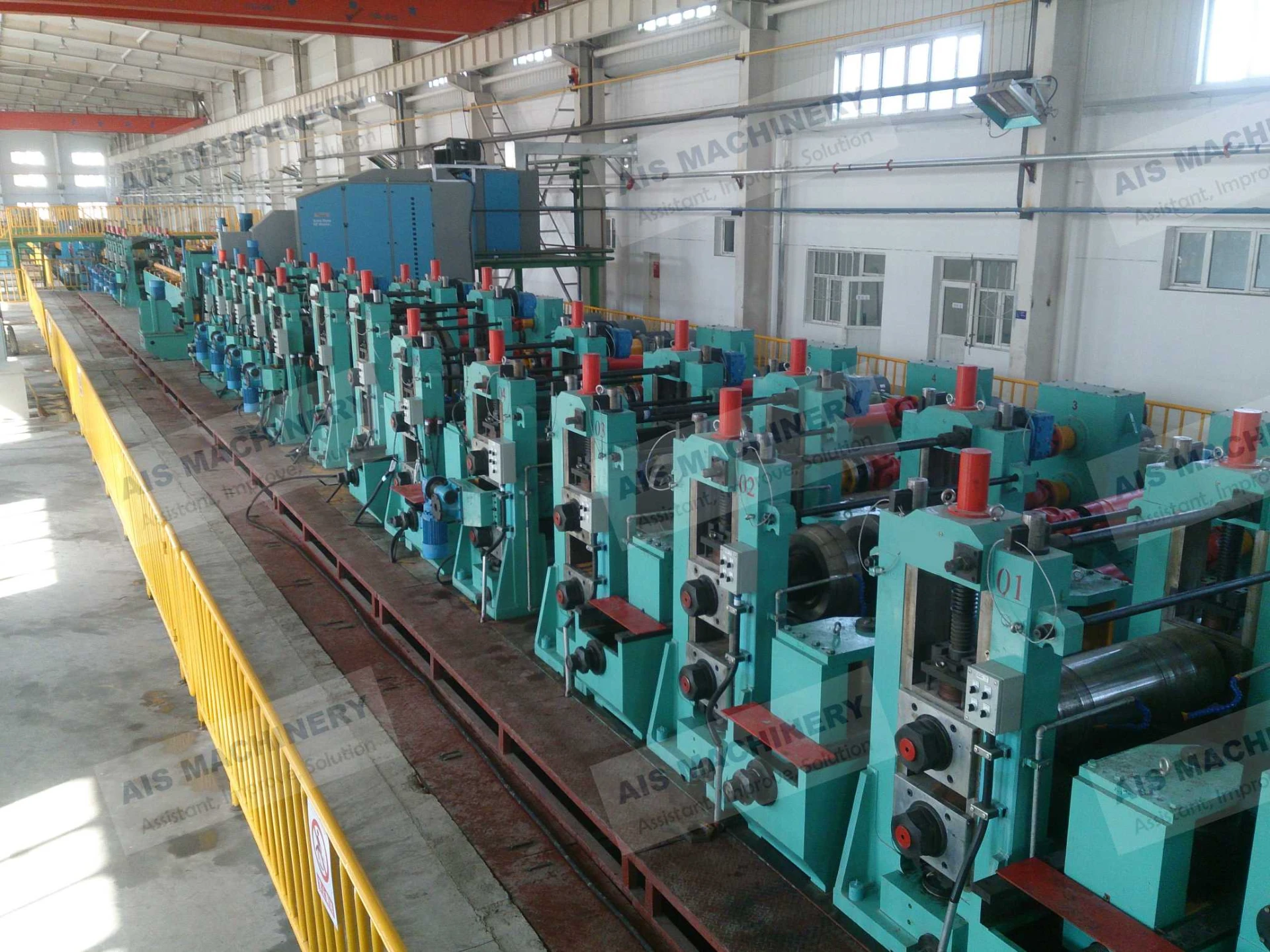
Exploring Advanced Cold Forming Machines for Efficient Metal Production
In the realm of metal fabrication, cold forming machines are pivotal for efficient and cost-effective production of various metal components. These machines utilize a shaping process at room temperature, offering advantages like enhanced material strength and reduced production costs. This article provides an in-depth look into the world of cold forming machines, covering their types, applications, benefits, and key considerations when choosing the right machine for your needs. Understanding the nuances of these machines is crucial for optimizing manufacturing processes and achieving superior product quality.
2026-04-01 00:00:00
14 Inch 355mm API Tube Mill: Complete Guide to Structure and Production Process
Discover the complete structure of a 14 inch (355mm) API standard tube mill, including forming, welding, sizing, and finishing sections. Learn what API standards mean and why they are essential for oil and gas pipe production. A practical guide for buyers seeking high-quality ERW tube mill solutions with stable performance and international compliance.
2026-03-31 14:01:29
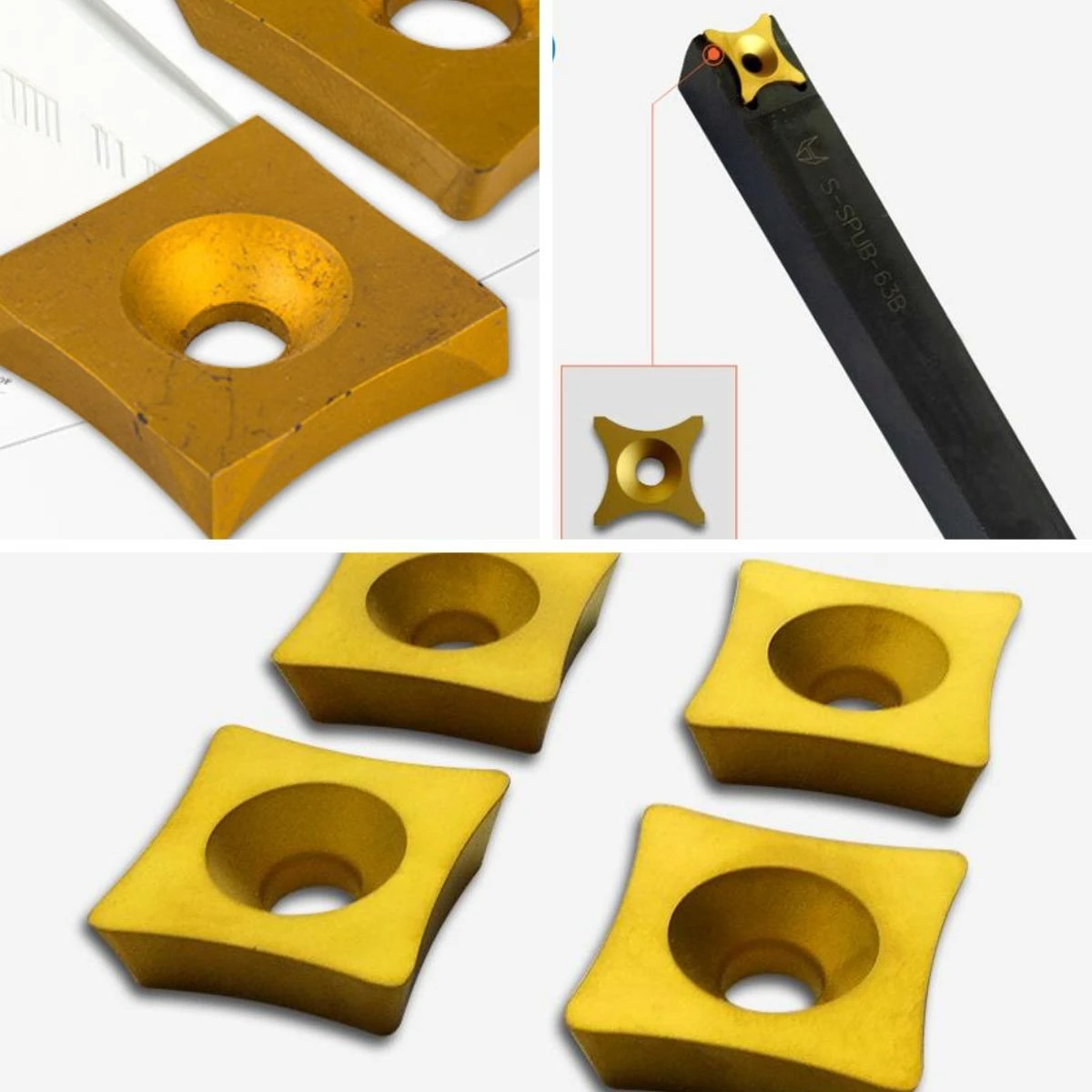
What Is an External Burr Scraper? Types, Benefits & Applications in Tube Mills
Discover how an external burr scraper improves weld seam quality in ERW tube mills. Learn the differences between four-sided and six-sided burr scrapers, their applications, and how to choose the right solution for your production line. Optimize pipe surface finish, reduce defects, and increase efficiency with the right external burr removal tool for your tube and pipe manufacturing process.
Send a Message
Dear customer, thank you for your attention! We provide high-quality machinery and equipment and look forward to your orders. Please inform us of your needs and we will respond quickly!
 English
  Albanian
  Arabic
  French
  German
  Indonesian
  Italian
  Japanese
  Kazakh
  Korean
  Latin
Latin  Macedonian
  Portuguese
  Russian
  Spanish
  Thai
Thai  Turkish
  Ukrainian
  Uzbek
Uzbek