
-
 Tel:86-15176910262
-

Search
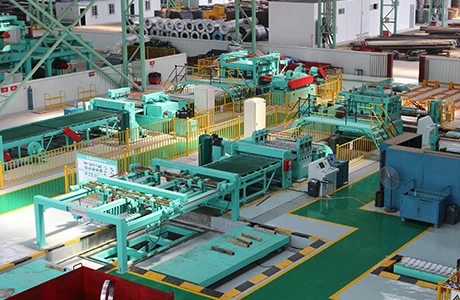

Coil Storage System: Essential Insights for Industrial Efficiency and Safety
Dec . 02, 2025 11:05
Understanding the Coil Storage System: A Key to Modern Industrial Efficiency
The coil storage system might sound a bit niche, but it’s unexpectedly vital for many industries worldwide. Essentially, it involves the organized storage of large coils—think steel, aluminum, or copper—ready for processing or shipping. Why does it matter globally? In an age where manufacturing and resource utilization require precise handling, an efficient coil storage system can boost productivity, reduce damage, and improve safety. Plus, it's integral to supply chains that ultimately power everything from construction to automotive manufacturing.
Before diving deeper, here’s a quick takeaway: Understanding coil storage isn’t just for engineers or warehouse managers. It impacts costs, environmental sustainability, and the reliability of entire industries.
Global Context: Why Coil Storage Systems Are Crucial Today
Steel production alone reaches over 1.8 billion metric tons annually worldwide (World Steel Association, 2023), and a large share is stored and transported in coils. An optimized coil storage system ensures these hefty materials don’t suffer in transit or warehousing, reducing waste and delays. The International Organization for Standardization (ISO) sets guidelines that many industries follow, pushing for safe and standardized storage methods globally.
Still, a common issue persists: poor storage can lead to coil damage, rust, or deformation, which ripples downstream to product quality and delivery timelines. For companies juggling tight margins and high demand, a solid coil storage solution is not optional, it’s essential.
What Exactly Is a Coil Storage System?
At its core, a coil storage system is a collection of hardware and organizational strategies designed to store metal coils safely and efficiently. Picture heavy-duty racks, protective barriers, and climate-controlled areas tailored so the coils maintain their shape and integrity.
Though it’s purely practical, this system supports broader industrial and even humanitarian needs—steel coils, for example, eventually become infrastructure projects that aid communities or rapid post-disaster rebuilding efforts.
Core Components of a Coil Storage System
1. Durability
Material racks and support structures must weather extreme loads and environmental conditions. Many use galvanized steel or reinforced alloys to resist corrosion and deformation—the kind of resilience that translates directly into fewer repairs or replacements.
2. Scalability
Whether a small fabrication shop or a huge mill, coil storage systems should grow with your needs. Modular racks and adjustable configurations allow facilities to adapt without overspending on permanent fixtures.
3. Cost Efficiency
Beyond upfront costs, factors like maintenance, ease of handling, and space utilization feed into overall efficiency. Systems designed for optimal coil overlap and stacking reduce warehouse footprints and material movements.
4. Safety Features
Hefty coils demand safety mechanisms—anti-slip coatings, securing straps, and well-calculated load limits prevent accidents that could injure personnel or damage goods.
5. Environmental Control
In environments prone to humidity or contaminants, climate-controlled storage can be a game-changer. Preventing rust or degradation means longer coil lifespans and consistent quality.
Product Specifications of a Typical Coil Storage System
| Feature | Specification |
|---|---|
| Maximum Coil Diameter | 2,000 mm |
| Load Capacity per Rack Layer | 5,000 kg |
| Material Type | Galvanized Steel Framework |
| Adjustability | Modular, Adjustable Rack Height |
| Environmental Controls | Optional Climate-Controlled Areas |
Global Use Cases: Coil Storage in Action
In northern Europe, where steel manufacturing is integral, large coil storage systems enable just-in-time production, cutting inventory costs and waste. Meanwhile, in Southeast Asia, coil storage solutions often have to balance humid tropical conditions, demanding enhanced protective measures.
In post-disaster reconstruction zones—say, after typhoons in the Philippines—quickly accessible coil stores help maintain supply continuity for rebuilding infrastructure, shortening project delays. Industrial zones in remote locations, like parts of Central Africa, rely on well-designed coil storage to keep precious materials unspoiled during lengthy transport phases.
Mini takeaway: The robustness and adaptability of coil storage systems make them practically indispensable across diverse climates and industry types.
Comparing Leading Coil Storage Vendors
| Vendor | Material Quality | Customization | Price Range | Delivery Options |
|---|---|---|---|---|
| SteelStorage Pro | High-grade galvanized steel | Full customization | $$$ | Worldwide shipping |
| CoilRack Solutions | Standard steel with anti-corrosion coating | Limited modular options | $$ | Regional delivery |
| GlobalCoil Tech | Reinforced alloy frames | Customizable heights and widths | $$$$ | International expedited |
Advantages & Long-Term Value of a Reliable Coil Storage System
One of the more tangible benefits is reduced material damage—less rust or coil deformation means materials retain quality into the manufacturing phase, saving costs and energy spent on replacements. There are clear safety dividends too: fewer accidents caused by unstable stacks or poor storage conditions. On an emotional level, this reliablility fosters workplace dignity, giving employees confidence that their environment is well-managed and safe.
Environmentally, improved storage reduces waste and diminishes demand for excess raw materials, nicely aligning with growing corporate sustainability goals. It’s a scenario where logic and sentiment align: innovation meets trust.
Emerging Trends and Innovations
Digitization is beginning to change the coil storage landscape. Smart sensors can now monitor coil conditions (humidity, temperature, position) in real-time, helping prevent damage before it happens. Automation also promises safer and faster handling, especially in large facilities.
Materials-wise, greener coatings and composite racks are being tested to enhance durability while reducing carbon footprints. Policies from bodies like ISO continue evolving, promoting uniform safety and environmental standards worldwide.
Challenges and How Experts Are Tackling Them
Despite progress, challenges like the high setup costs and difficulty in storing unusually sized coils persist. Experts recommend modular systems with scalable investments and emphasize the value of stakeholder training to maximize safety and efficiency.
Moreover, cross-industry collaboration is fostering innovative storage designs that better serve emerging metals markets, such as recyclable alloys and lightweight composites.
FAQs About Coil Storage Systems
- What are the typical load capacities for coil storage racks?
Most industrial racks handle between 3,000 to 5,000 kg per layer, but this varies by design and material. Always check vendor specs for exact capacity. - How do climate conditions affect coil storage?
Humidity and temperature fluctuations can accelerate corrosion. Climate-controlled systems or protective coatings are critical in such environments. - Can coil storage systems be expanded easily?
Modular designs allow incremental expansion as operational needs grow, preventing costly overhauls. - Are coil storage systems standardized internationally?
While ISO provides guidelines, regional variations exist. Aligning with global standards ensures compatibility and safety. - How do coil storage systems impact workplace safety?
Properly designed storage reduces accident risks related to collapses or coil shifting, improving overall safety.
Conclusion
In real terms, a robust coil storage system can mean the difference between smooth operations and costly disruptions. Beyond just holding materials, these systems contribute to sustainability, safety, and efficiency across industries worldwide. For anyone interested, I encourage you to explore more practical solutions through trusted providers like coil storage system specialists, who can tailor offerings to your precise needs.
Reflecting on this, it’s clear that while coil storage might seem mundane, it’s quietly foundational to modern industry—sort of the unsung hero of manufacturing logistics.
References

Related Products


Related News
2026-04-18 03:20:20
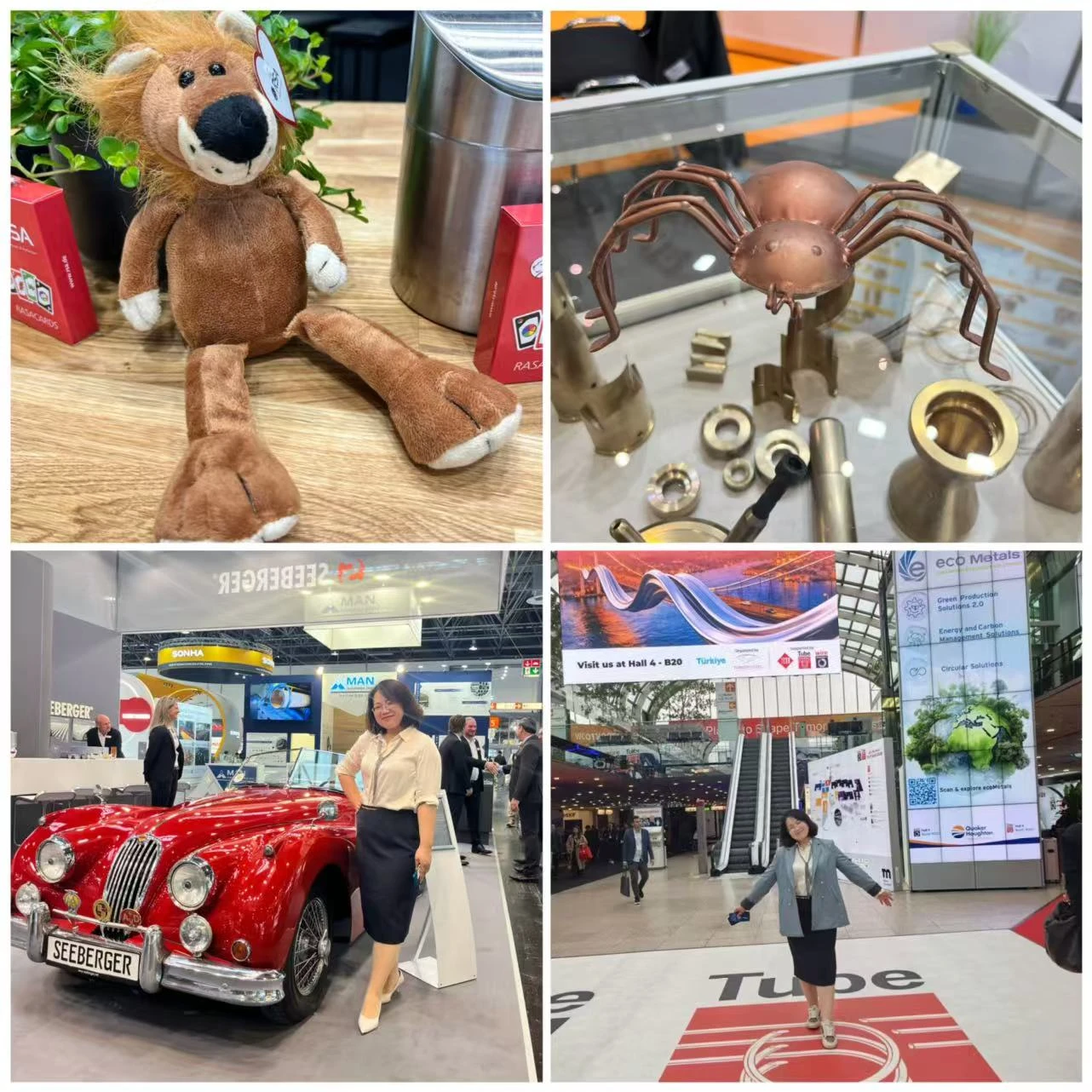
AIS Machinery Showcases Advanced Tube Solutions at Tube & Wire Düsseldorf 2026
Tube & Wire Düsseldorf 2026, one of the most influential exhibitions in the global tube and wire industry, held biennially in Düsseldorf, Germany
2027-04-17 00:00:00
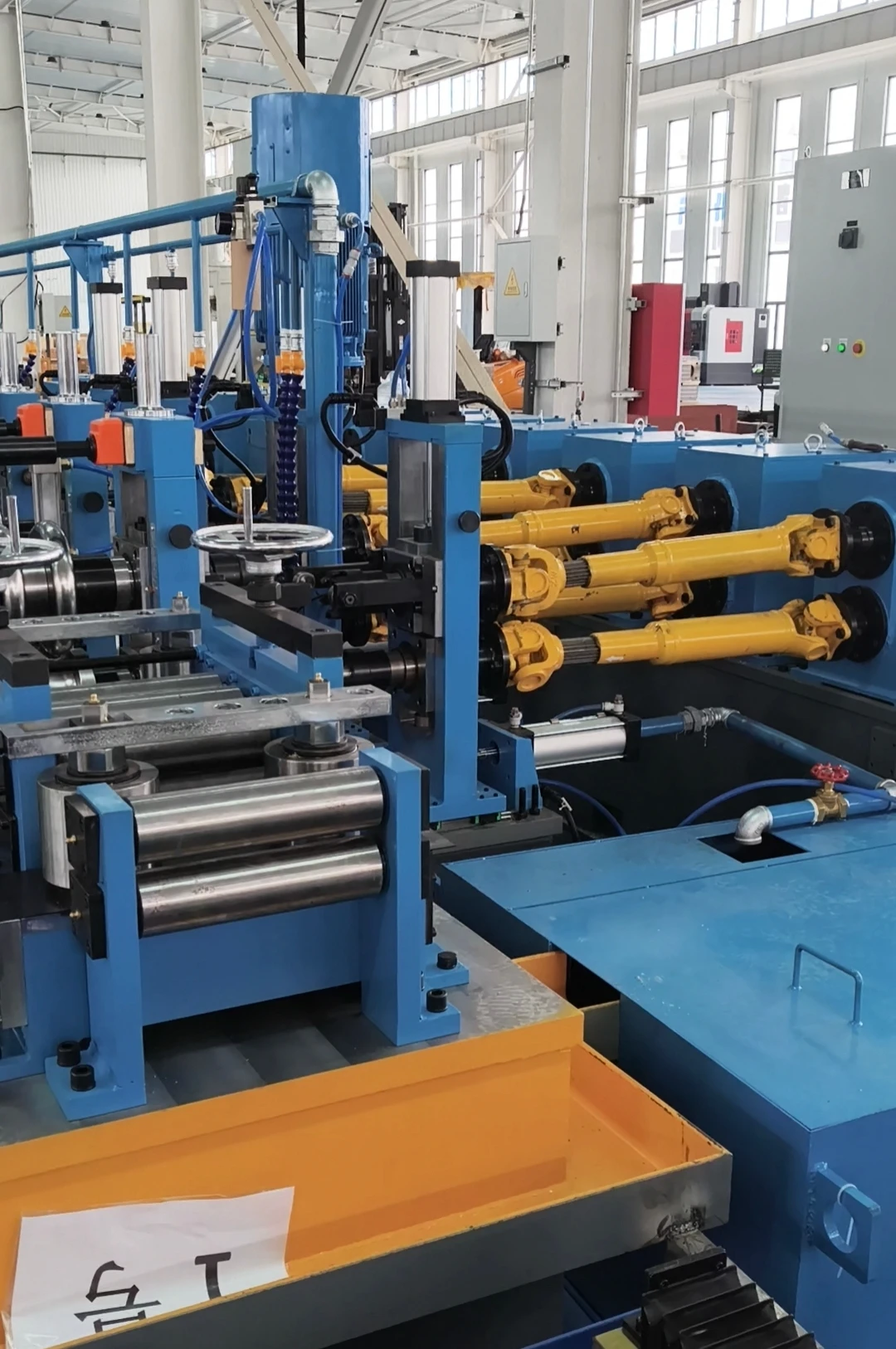
Southeast Asia Client Visits Our Factory | Customized Tube Mill Solution Delivered
A Southeast Asia client visited our ERW tube mill factory to inspect production lines and discuss a customized tube mill solution. Impressed by our machine quality, welding performance, and engineering support, the client confirmed strong cooperation intentions. Discover how our ERW tube mill solutions improve efficiency, precision, and long-term production reliability.
2026-04-16 02:35:12
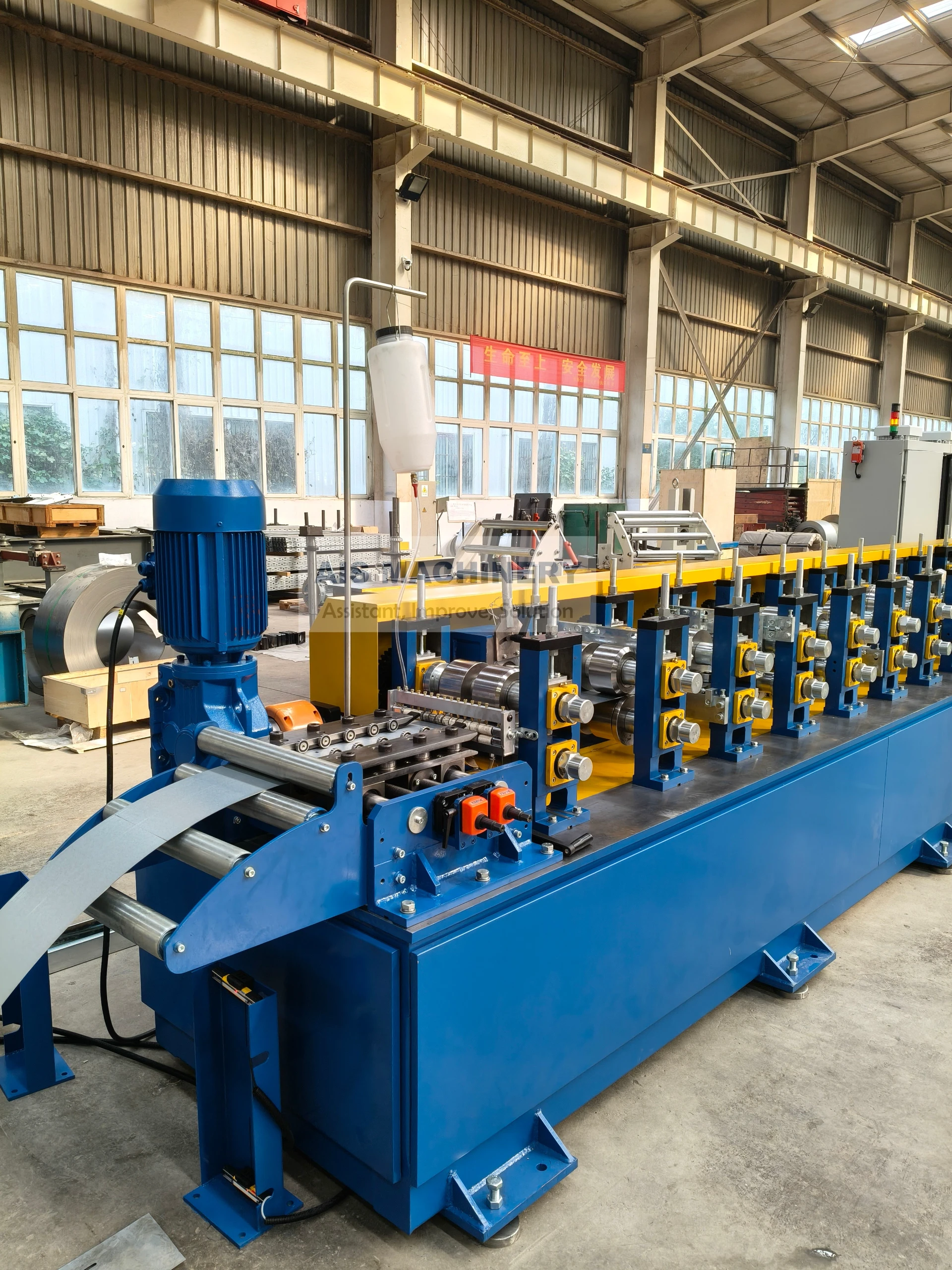
Professional Cold Roll Forming Machine Factory for Production
In the modern industrial landscape, the precision of metal shaping is the cornerstone of quality manufacturing. Partnering with a professional cold roll forming machine factory is essential for businesses looking to optimize their production lines, reduce material waste, and ensure high-dimensional accuracy. Whether you are producing C-channels, square tubes, or custom profiles, the choice of machinery determines your competitive edge in the market. This guide will explore the critical factors in selecting a factory and the technical advantages of advanced roll forming technology to help you make an informed investment.
2026-04-15 10:37:55
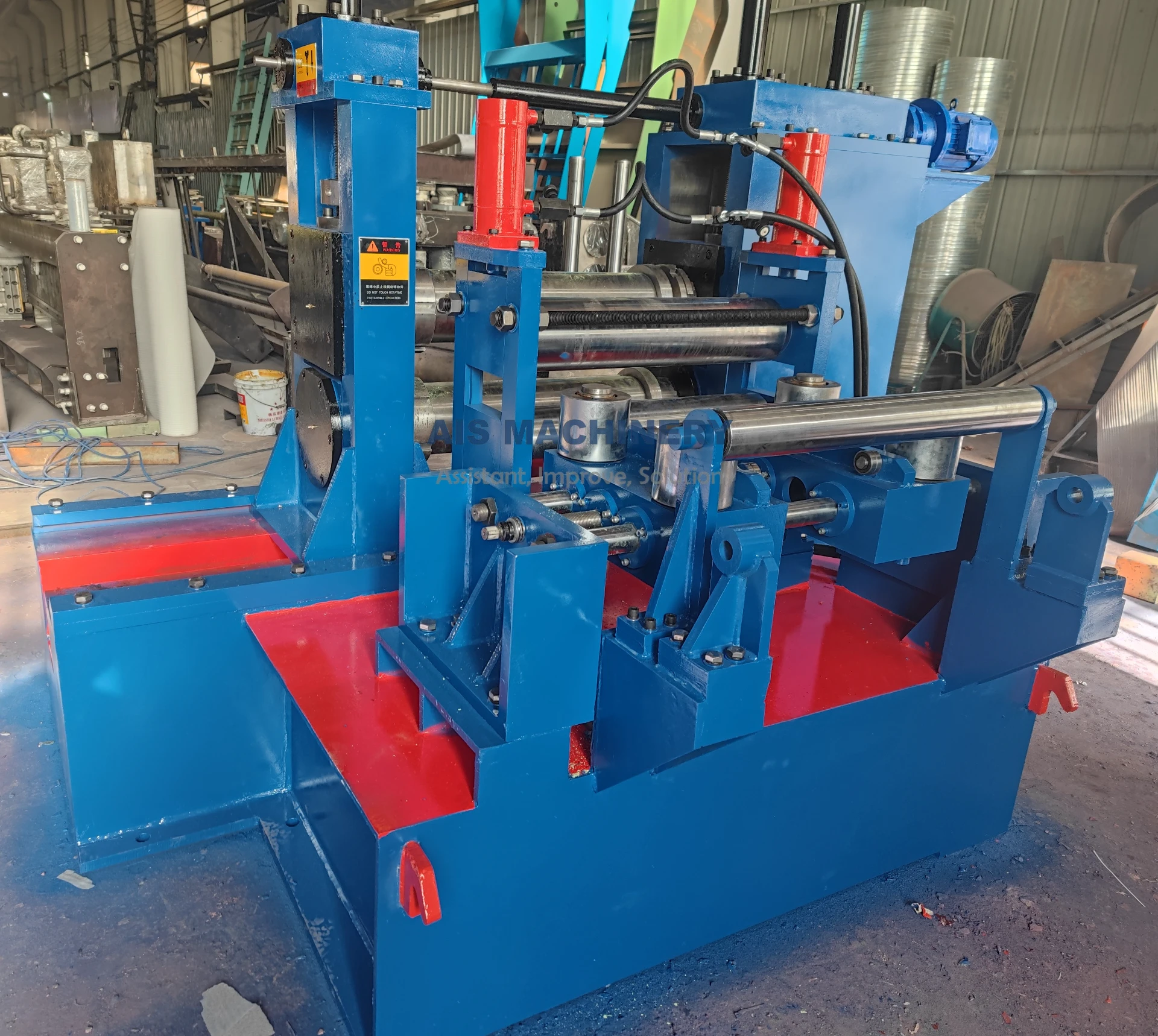
Flat Bar Production Line for Steel Coils: How It Works & Why It Matters
Looking for a flat bar production line? Learn how it turns steel coils into ready-to-use flat bars with precise length and high straightness. Compare it with slitting lines and get the best solution for your steel processing needs.
2026-04-14 00:00:00
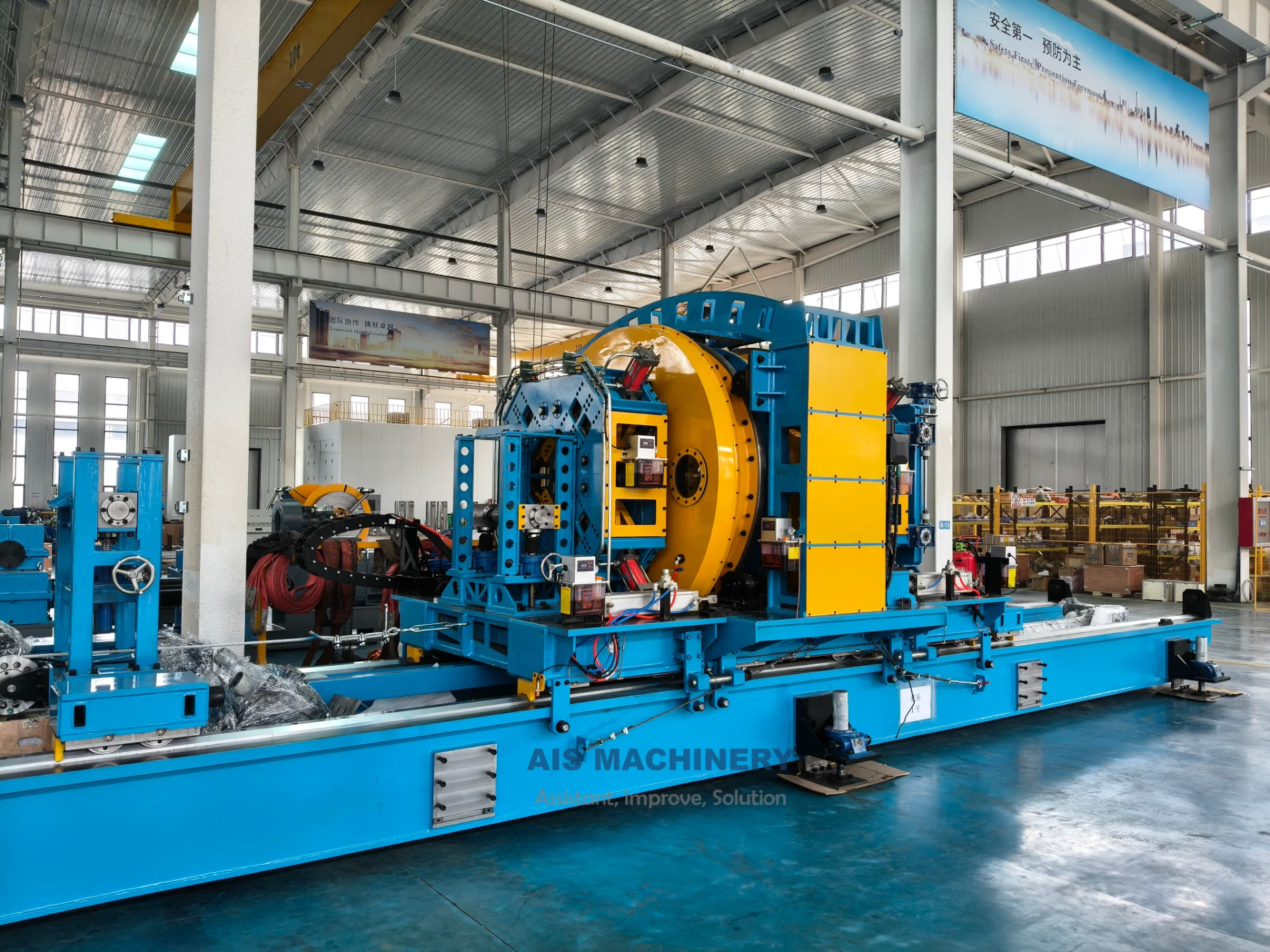
Looking for a Milling Saw for ERW Tube Mill? Here’s What You Need to Know
Looking for a high-performance milling saw for your ERW tube mill? Upgrade to burr-free, high-precision pipe cutting with advanced flying saw technology. Improve efficiency, reduce rework, and meet export standards for carbon steel, stainless steel, and API pipes. Contact us today for expert solutions and competitive pricing tailored to your production needs.
2026-04-09 16:15:19
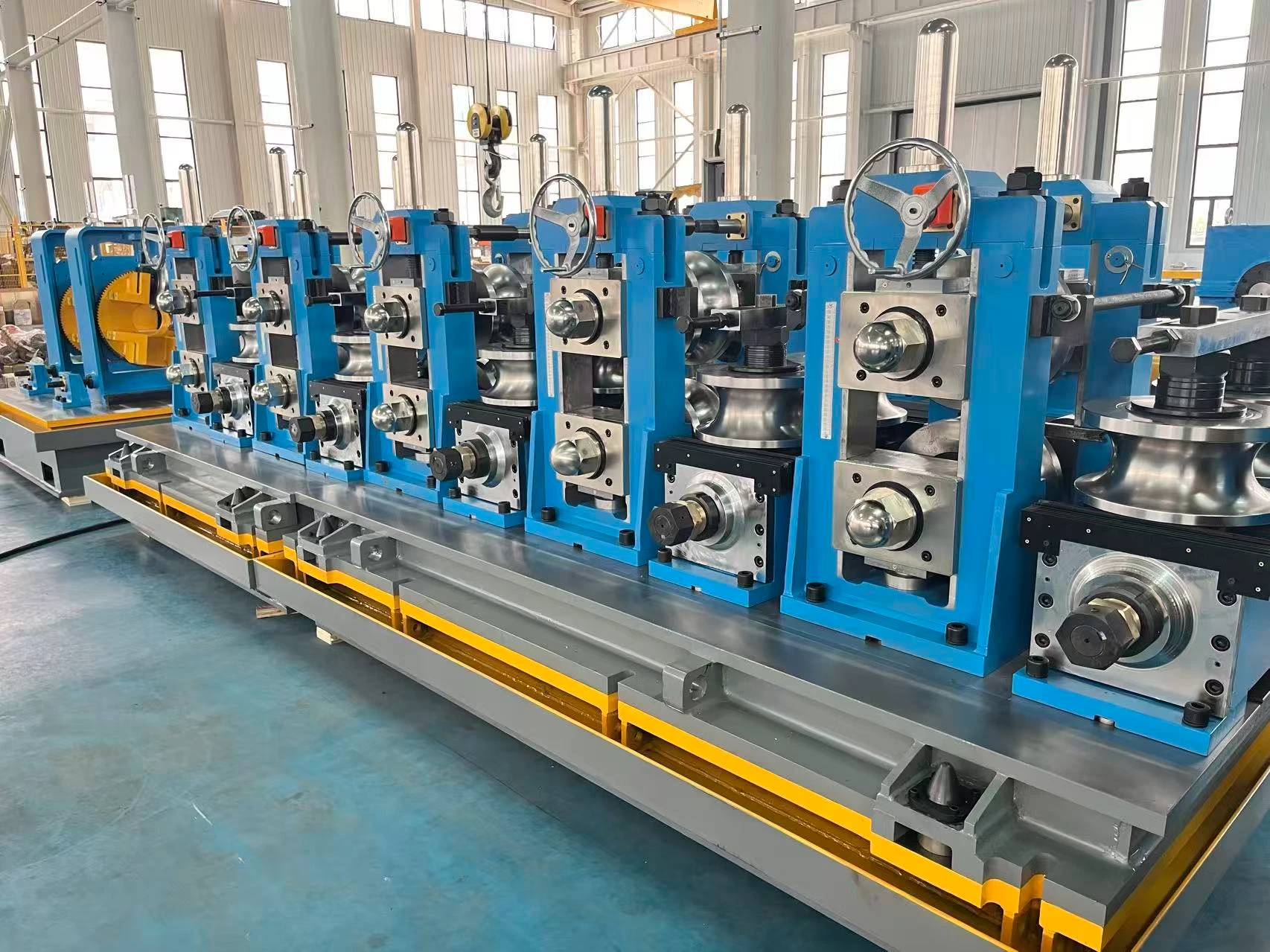
5-Inch (127mm) ERW Tube Making Machine Delivered with Heavy-Duty Design and Advanced Quick Change System
2027-04-07 00:00:00
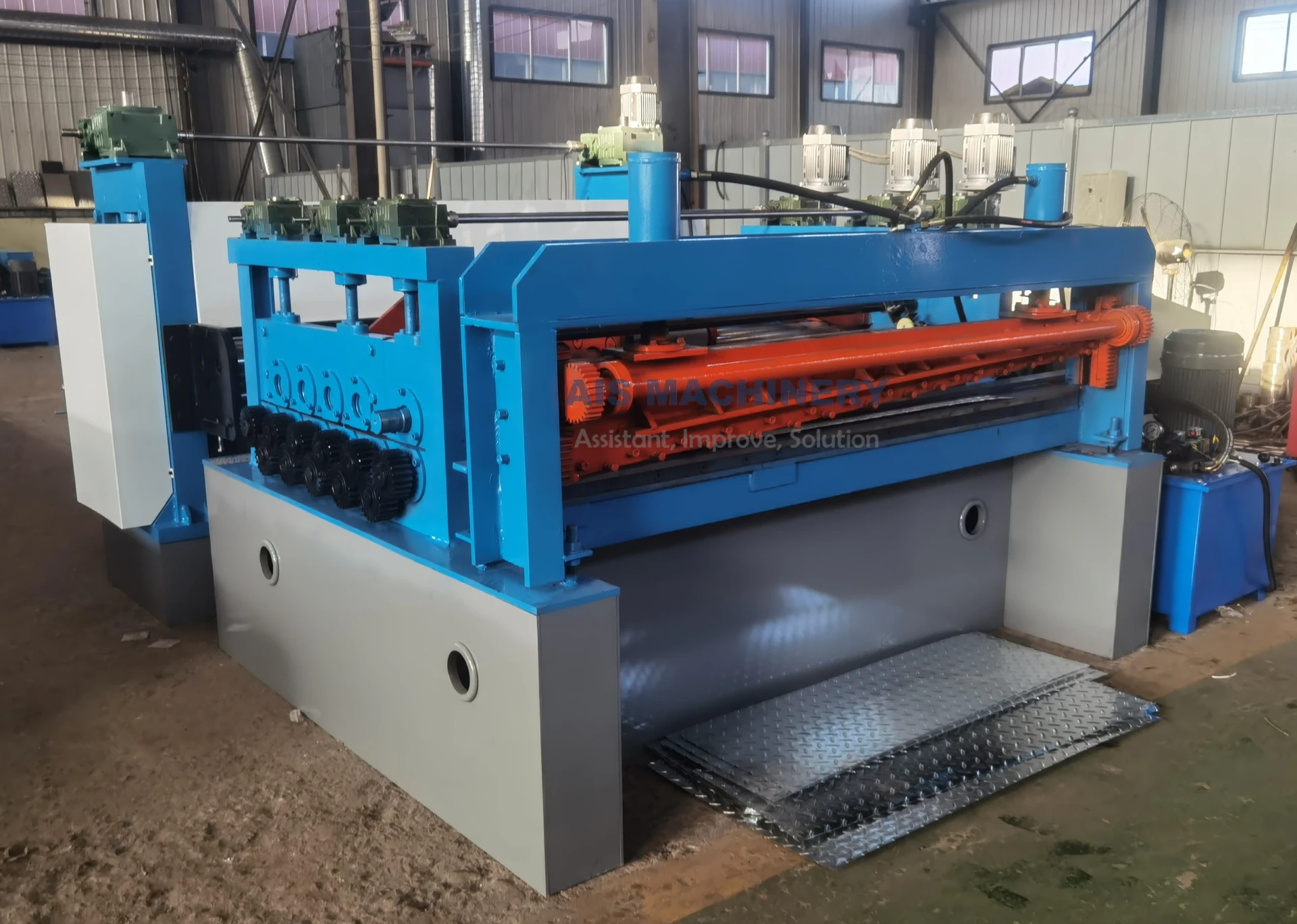
Metal Embossing Machine: Turn Flat Sheets into High-Value Textured Products
Discover how a metal embossing machine transforms flat steel, stainless steel, and aluminum sheets into high-value textured products. Learn about its working principle, key components, and applications. Ideal for decorative and industrial use, embossing machines improve both appearance and performance. Explore complete embossing line solutions and find the right machine for your production needs.
2026-04-04 20:37:18
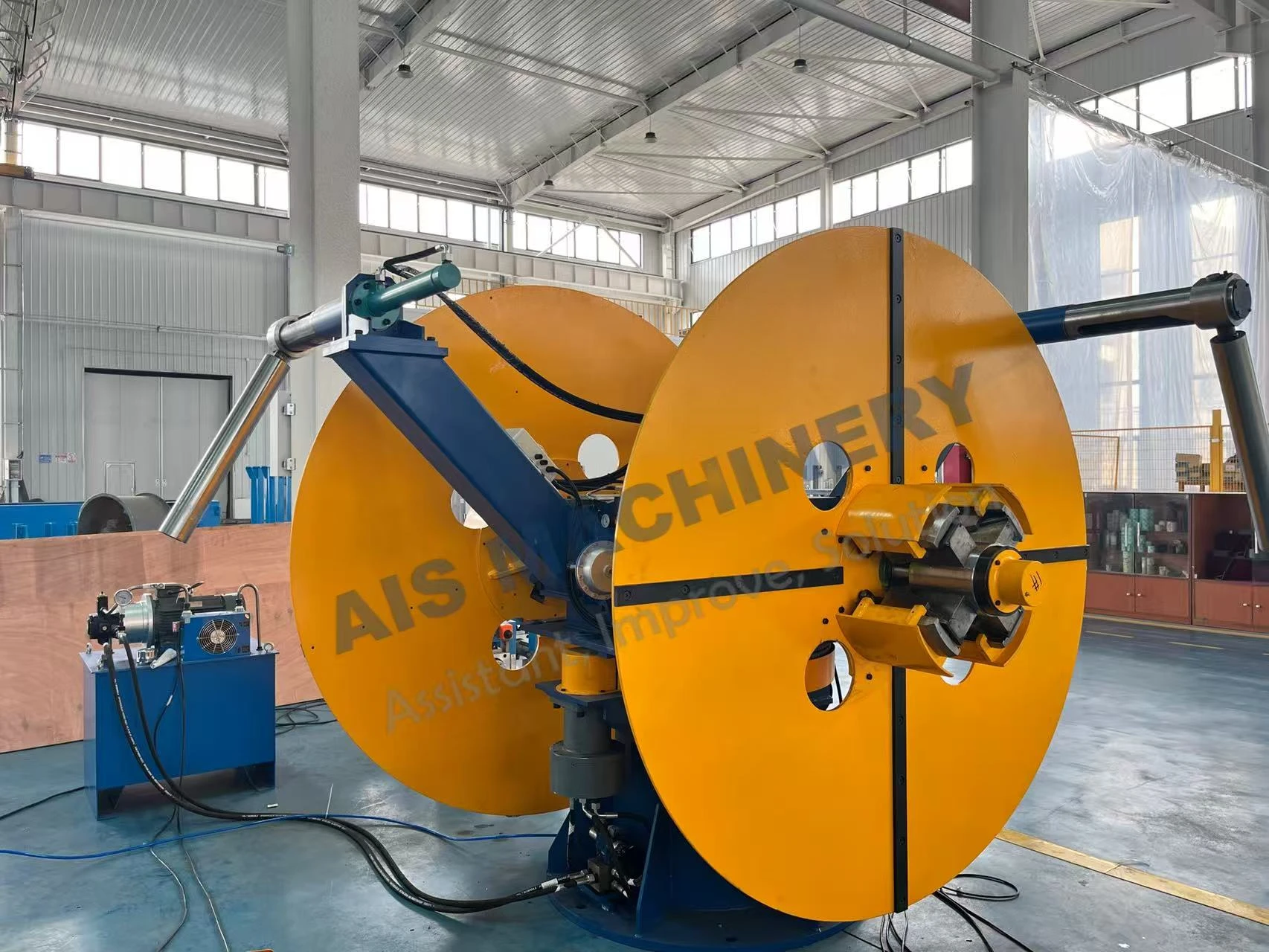
Automatic Double Side Uncoiler with Hydraulic Expansion and Auto Rotation for Steel Coil Processing
The Automatic Double Side Uncoiler is a high-efficiency solution designed for modern steel coil processing lines, including tube mills, roll forming machines, and slitting lines. With a maximum capacity of 4 tons per side, this machine ensures stable and continuous coil feeding while reducing downtime during coil change.
Send a Message
Dear customer, thank you for your attention! We provide high-quality machinery and equipment and look forward to your orders. Please inform us of your needs and we will respond quickly!
 English
  Albanian
  Arabic
  French
  German
  Indonesian
  Italian
  Japanese
  Kazakh
  Korean
  Latin
Latin  Macedonian
  Portuguese
  Russian
  Spanish
  Thai
Thai  Turkish
  Ukrainian
  Uzbek
Uzbek