
-
 Tel:86-15176910262
-

Search

What Is a Strip Accumulator? Key Benefits & Global Industrial Uses
Dec . 02, 2025 10:30
Understanding the Strip Accumulator: A Key Industrial Component
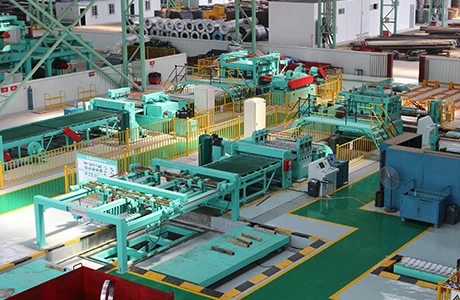
Strip accumulators—oddly enough—don’t get nearly as much spotlight as they deserve in modern manufacturing discussions. Yet, these devices play a quietly crucial role in ensuring smooth, continuous metal processing lines worldwide. Before we dive deeper, here’s a quick snapshot: a strip accumulator temporarily stores metal strips during production, preventing costly downtime and maintaining the flow, which is pretty essential in industries from automotive manufacturing to construction.
Why Strip Accumulators Matter Globally
Globally, the metals industry is a backbone to countless infrastructures, transportation systems, and consumer goods. According to the International Organization for Standardization (ISO), the steel and aluminum production industries contribute trillions of dollars annually to the global economy—so any component that helps streamline metal-processing workflows impacts GDP indirectly. The strip accumulator helps manufacturers maintain speed and flexibility, especially under fluctuating demand or operational hiccups.
Interestingly, the World Bank reports that continuous production lines with efficient material handling see up to 20% fewer stoppages. Strip accumulators are central to this efficiency. So, in a nutshell, this small but powerful tool supports a smoother manufacturing chain and prevents costly slowdowns.
Mini takeaway: Strip accumulators might not make headlines, but their role in global manufacturing efficiency is no less than vital.
What Is a Strip Accumulator?
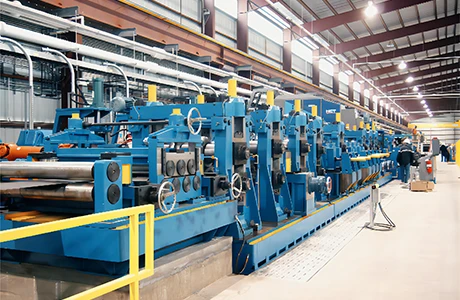
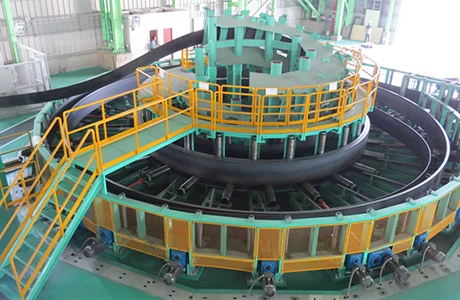
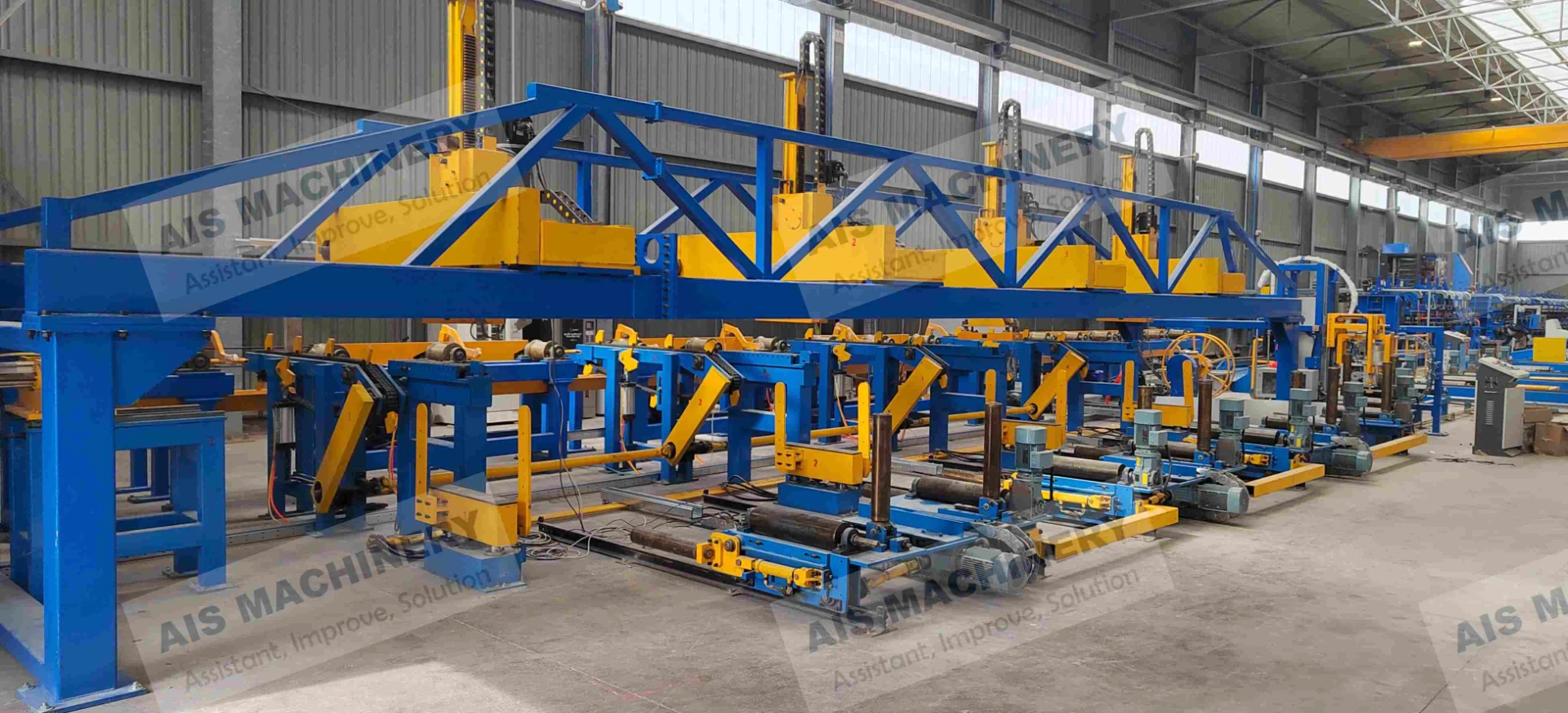
At its simplest, a strip accumulator is a mechanism placed along a metal strip’s production line. Its job? To temporarily gather and store the continuous strip when the downstream process pauses. Think of it as a “buffer zone” — it prevents the entire production line from having to stop, which saves time and money.
These devices come in various shapes and sizes but often use loop control or hydraulic arms to coil or loop the strip safely. The relevance isn’t just industrial: in humanitarian logistics where lightweight, flexible metal components are needed for quick assembly shelter frameworks or emergency supplies, strip accumulators help by ensuring there’s a smooth flow of material to meet urgent demands.
Core Components and Key Factors of Strip Accumulators
1. Durability
Strip accumulators are subjected to high forces, temperature fluctuations, and wear. So they must be built tough, typically using hardened steel components and precision bearings. Durability means fewer maintenance breaks and longer lifespans—translating to operational savings.
2. Scalability
Because production volumes fluctuate, many modern strip accumulators are designed to handle varying widths and thicknesses of metal strip without losing efficiency. Scalability ensures adaptability, vital for manufacturers switching between product lines.
3. Cost Efficiency
Though a strip accumulator is an upfront investment, it reduces downtime and scrap rates, which cuts costs dramatically over time. Many plants report ROI within months of installation.
4. Automation Compatibility
Integration with line control systems is critical. That way, the strip accumulator responds in real time—adjusting loops or pauses dynamically. It feels a bit like the line’s safety net, ready to catch inconsistencies.
5. Space Optimization
Space can be tight in manufacturing plants. Accumulators must fit compactly while storing enough strip length. Modular designs help here, making them easy to install even in retrofits.
Mini takeaway: Durability, scalability, and smart automation make strip accumulators indispensable for modern metalworking facilities.
Global Applications & Use Cases of Strip Accumulators
This device finds use across varied sectors and geographies:
- Automotive manufacturing in Europe and Asia relies heavily on precise metal strip handling; interruptions can delay entire assembly lines.
- Construction materials plants in North America use accumulators to ensure steady metal coil supplies for roofing and framing.
- In emerging markets, strip accumulators help streamline production even in less optimized plants, boosting output quality.
- Some specialised NGOs engaged in rapid infrastructure rebuilding post-disaster incorporate strip accumulators to ensure material flow for emergency projects.
For example, a steel plant in Germany integrated a strip accumulator that reduced downtime by 15%, improving overall capacity without expensive new line installations.
Advantages & Long-Term Value of Strip Accumulators
Tangible benefits extend well beyond simple material storage:
- Cost savings: Reduced downtime and scrap directly lower operational expenses.
- Sustainability: Less wasted metal means a smaller environmental footprint.
- Reliability: Consistent production pace builds trust with clients and suppliers.
- Safety: Automated accumulators minimize manual handling, reducing injury risk.
- Innovation: Automated, sensor-driven systems open doors for Industry 4.0 integration.
It’s a blend of logical and emotional; knowing your production will hum smoothly feels like having an insurance policy on workflow—and frankly, that peace of mind is priceless.
Strip Accumulator Spec Table
| Specification | Typical Range / Value | Notes |
|---|---|---|
| Strip Width | 50mm to 1500mm | Adjustable for various products |
| Thickness Range | 0.3mm to 6mm | Covers thin foil to heavy duty strips |
| Storage Capacity | Up to 100 meters strip length | Depends on model and loop system |
| Max Operating Speed | Up to 1500 m/min | Matching high-speed production lines |
| Control System | PLC / SCADA integration | Essential for automation |
Popular Strip Accumulator Vendors: A Comparison
| Vendor | Strengths | Limitations | Region |
|---|---|---|---|
| MetalFlex Systems | Highly customizable; excellent service network | Premium pricing | Europe, North America |
| AccuStrip Technologies | Compact design and robust automation | Limited after-sales support in Asia | Asia, Australia |
| IronLoop Co. | Cost-effective solutions for smaller plants | Lower maximum speed capacity | Global |
Future Trends & Innovations in Strip Accumulator Technology
Looking ahead, manufacturers are exploring energy-efficient hydraulic systems to reduce environmental impact. Meanwhile, digitization and IoT sensors allow real-time monitoring of strip tensions and loop status, minimizing human error and predictive maintenance needs. Sustainability goals push for lighter materials in accumulator arms without sacrificing strength, while automation advancements will likely make strip accumulators “smarter” participants in Industry 4.0 workflows.
Challenges and Practical Solutions
That said, not all is perfect. Challenges include:
- Space constraints: Some plants struggle to fit accumulators without major redesign.
- Compatibility issues: Integrating older lines with modern accumulators can be tricky.
- Maintenance demands: Precision parts require timely servicing.
Innovation helps—modular designs and retrofit-friendly models partly solve space and compatibility problems. Predictive maintenance software also promises to reduce unexpected breakdowns.
Frequently Asked Questions about Strip Accumulators
- Q: How does a strip accumulator improve production line efficiency?
- A: By temporarily storing metal strips during downstream pauses, strip accumulators prevent full line stoppages. This buffer maintains continuous production, reducing downtime and saving cost.
- Q: Can strip accumulators handle different metal types and thicknesses?
- A: Most modern accumulators are designed for flexibility, handling wide-ranging strip widths and thicknesses for metals like steel, aluminum, and copper, though specification checks are essential.
- Q: Are strip accumulators adaptable for automation systems?
- A: Yes. Integration with PLC or SCADA control systems is common and allows real-time adjustment to strip loop length based on line conditions.
- Q: What maintenance is required for a strip accumulator?
- A: Regular inspection of mechanical parts, lubrication, belt tension checks, and sensor calibration is typical to ensure smooth operation.
- Q: Is installation disruptive to existing production?
- A: Installation may require brief line shutdowns but modular designs and experienced vendors minimize downtime, often coordinating with planned maintenance breaks.
Conclusion
In sum, strip accumulators are much more than simple storage devices; they’re pivotal to manufacturing efficiency, cost savings, and sustainable metal production. They adapt dynamically to ever-changing production demands, powering workflows behind the scenes. For anyone involved in metal processing, understanding their intricacies offers a pathway to improved line performance and lower operational risk.
If you're curious about enhancing your manufacturing line or want to explore specific models, do take a look at strip accumulator options available and stay ahead in this competitive field.
It feels like the strip accumulator is one of those unheralded heroes silently powering modern industry—definitely worth a spotlight.
References

Related Products


Related News
2026-04-18 03:20:20
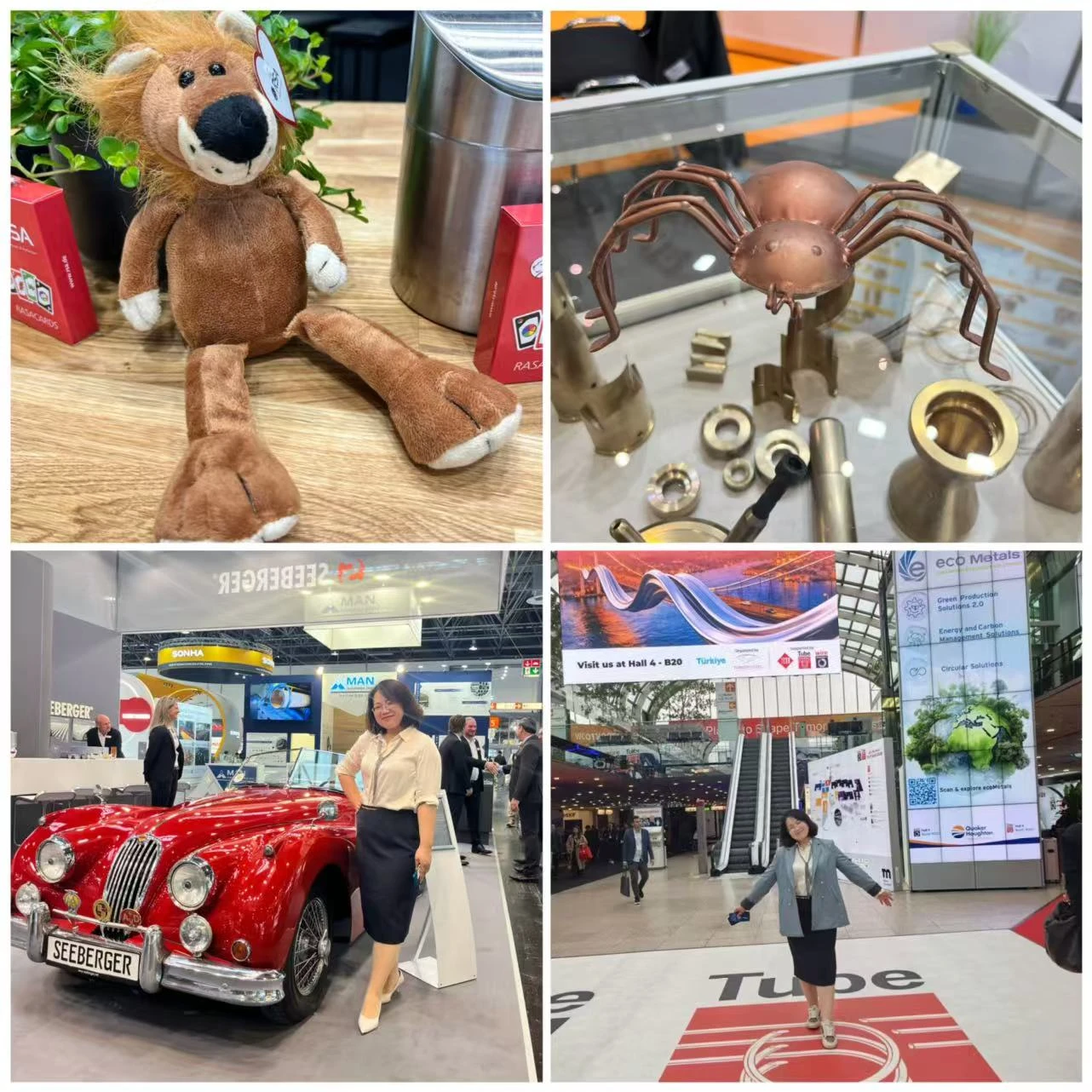
AIS Machinery Showcases Advanced Tube Solutions at Tube & Wire Düsseldorf 2026
Tube & Wire Düsseldorf 2026, one of the most influential exhibitions in the global tube and wire industry, held biennially in Düsseldorf, Germany
2027-04-17 00:00:00
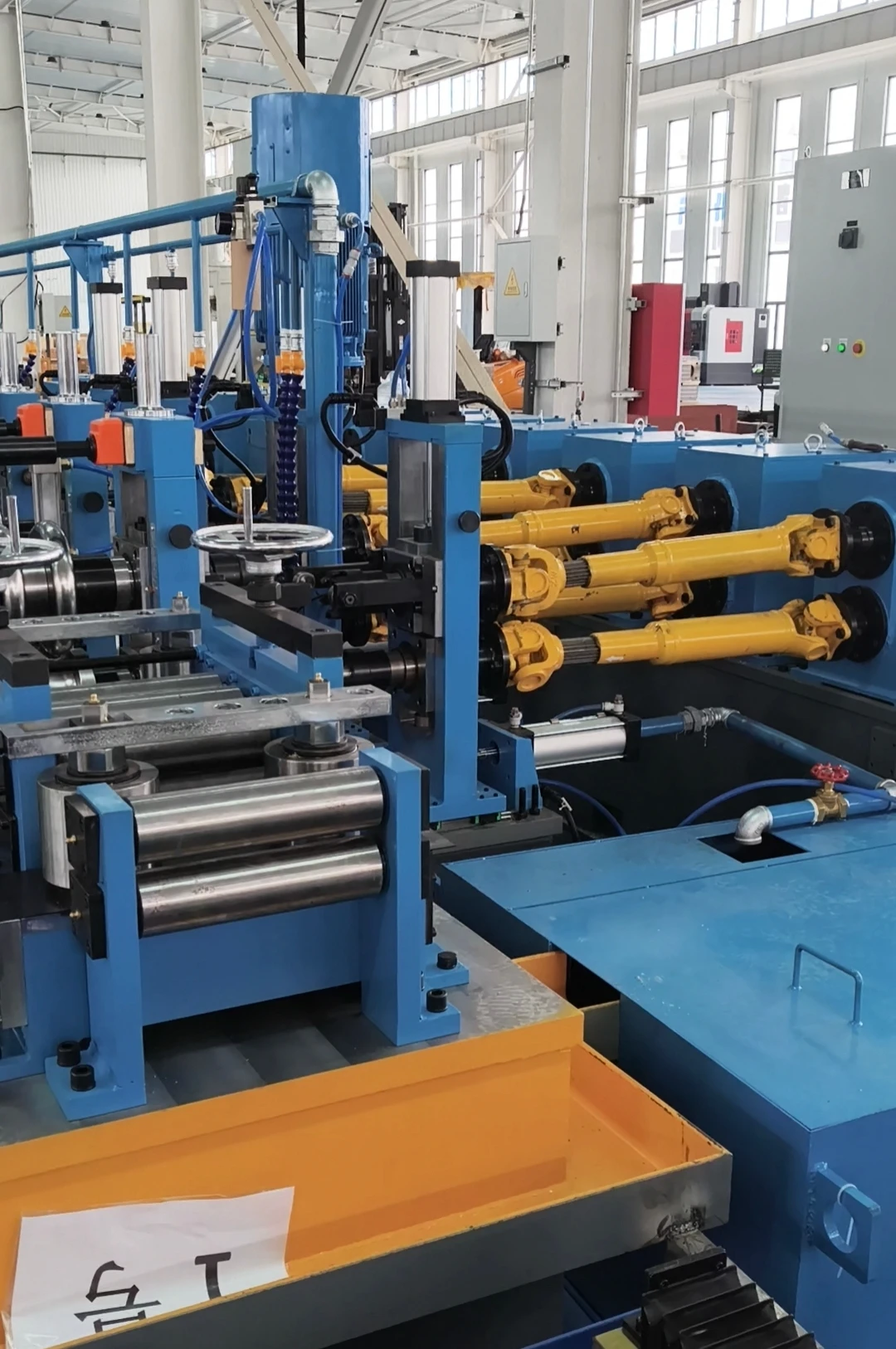
Southeast Asia Client Visits Our Factory | Customized Tube Mill Solution Delivered
A Southeast Asia client visited our ERW tube mill factory to inspect production lines and discuss a customized tube mill solution. Impressed by our machine quality, welding performance, and engineering support, the client confirmed strong cooperation intentions. Discover how our ERW tube mill solutions improve efficiency, precision, and long-term production reliability.
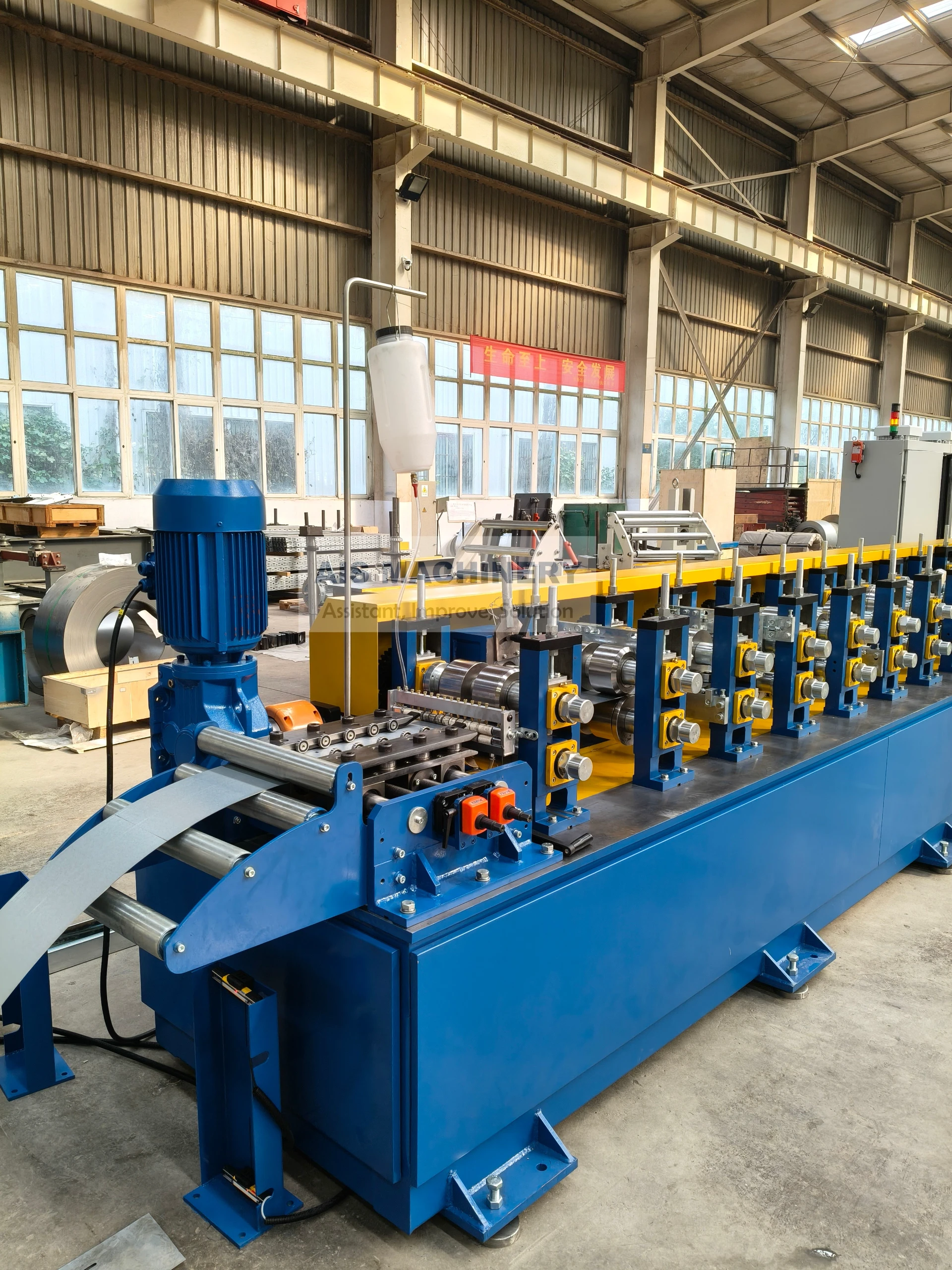
2026-04-16 02:35:12
Professional Cold Roll Forming Machine Factory for Production
In the modern industrial landscape, the precision of metal shaping is the cornerstone of quality manufacturing. Partnering with a professional cold roll forming machine factory is essential for businesses looking to optimize their production lines, reduce material waste, and ensure high-dimensional accuracy. Whether you are producing C-channels, square tubes, or custom profiles, the choice of machinery determines your competitive edge in the market. This guide will explore the critical factors in selecting a factory and the technical advantages of advanced roll forming technology to help you make an informed investment.
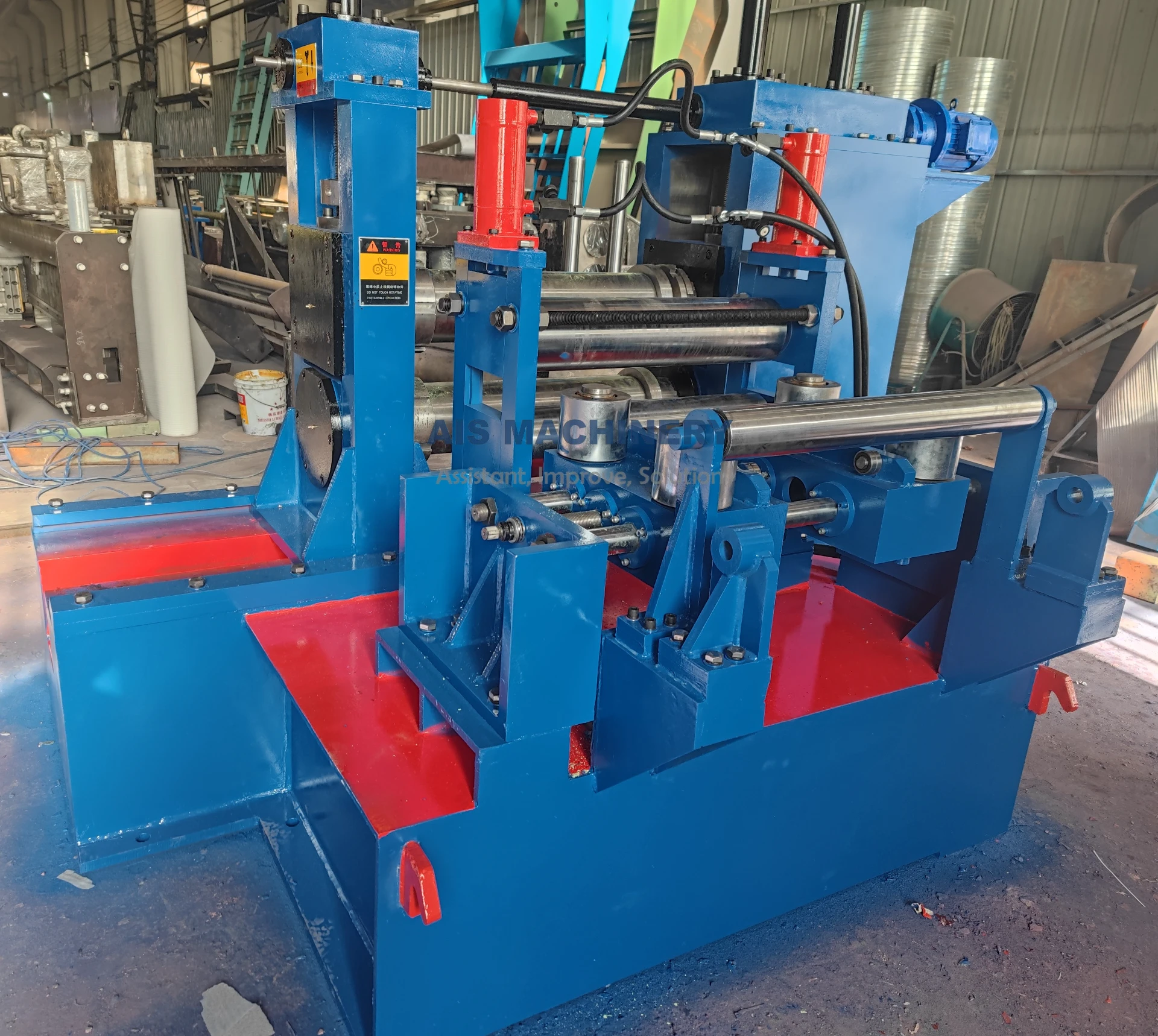
2026-04-15 10:37:55
Flat Bar Production Line for Steel Coils: How It Works & Why It Matters
Looking for a flat bar production line? Learn how it turns steel coils into ready-to-use flat bars with precise length and high straightness. Compare it with slitting lines and get the best solution for your steel processing needs.
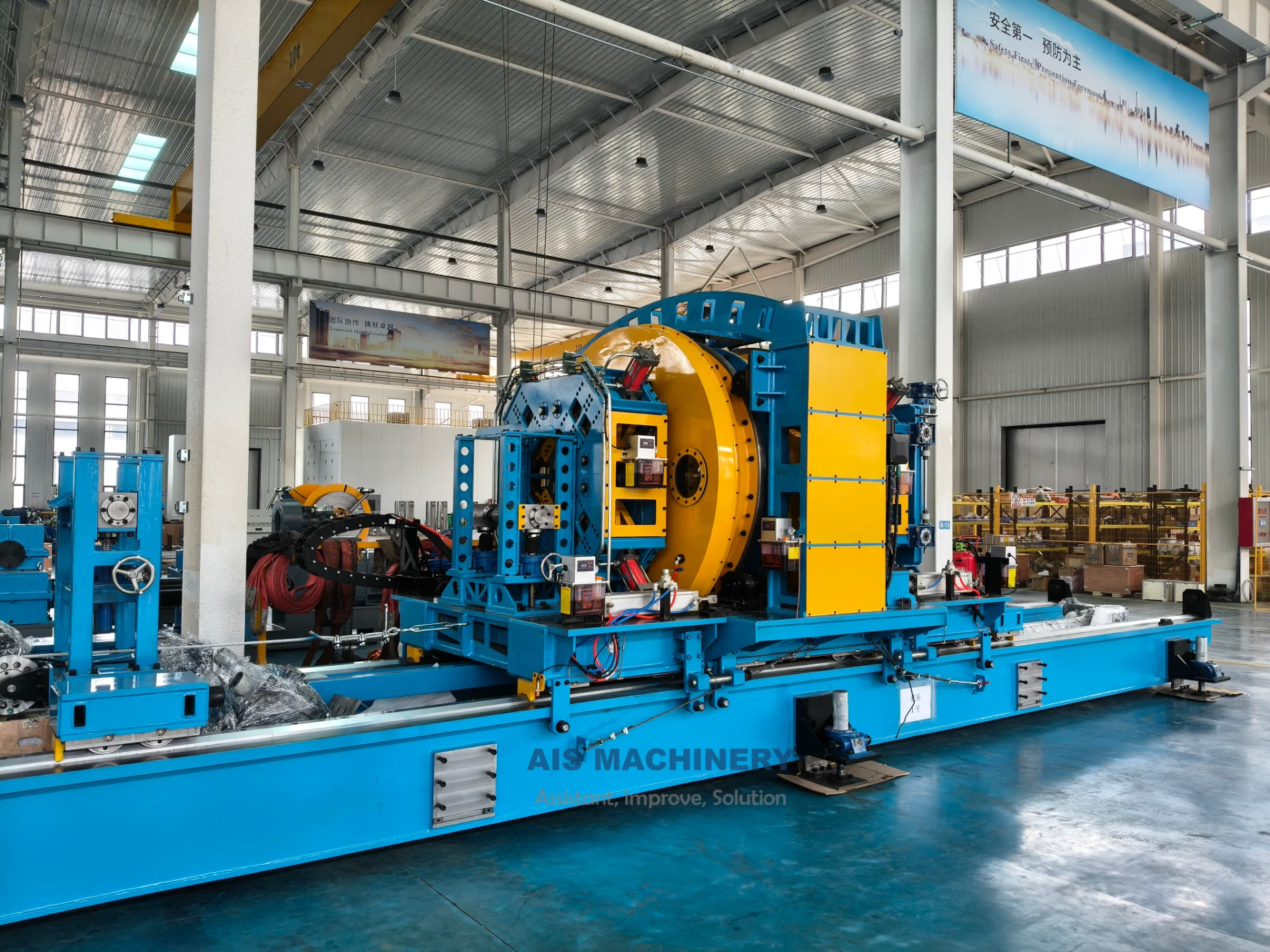
2026-04-14 00:00:00
Looking for a Milling Saw for ERW Tube Mill? Here’s What You Need to Know
Looking for a high-performance milling saw for your ERW tube mill? Upgrade to burr-free, high-precision pipe cutting with advanced flying saw technology. Improve efficiency, reduce rework, and meet export standards for carbon steel, stainless steel, and API pipes. Contact us today for expert solutions and competitive pricing tailored to your production needs.
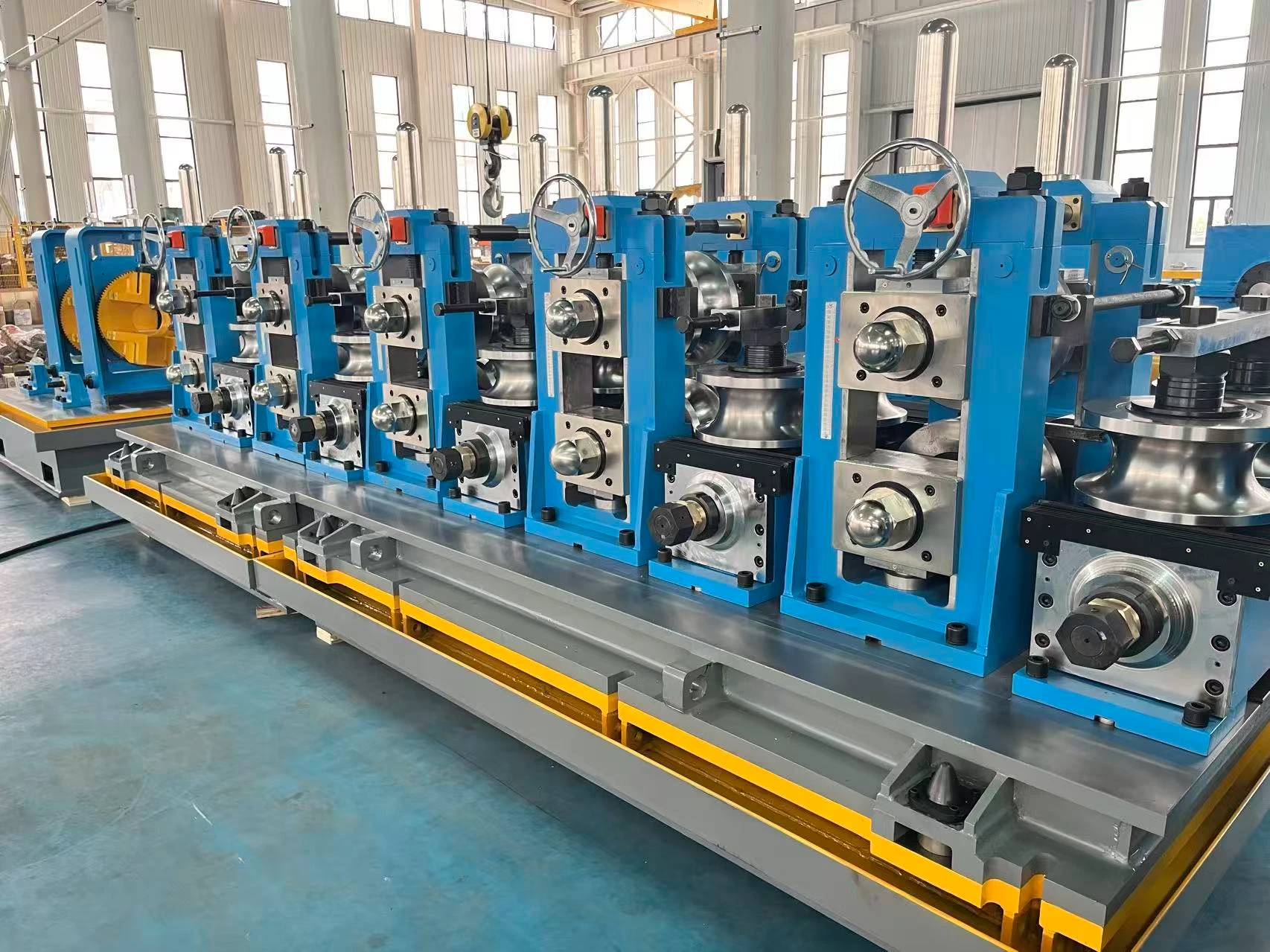
2026-04-09 16:15:19
5-Inch (127mm) ERW Tube Making Machine Delivered with Heavy-Duty Design and Advanced Quick Change System
2027-04-07 00:00:00
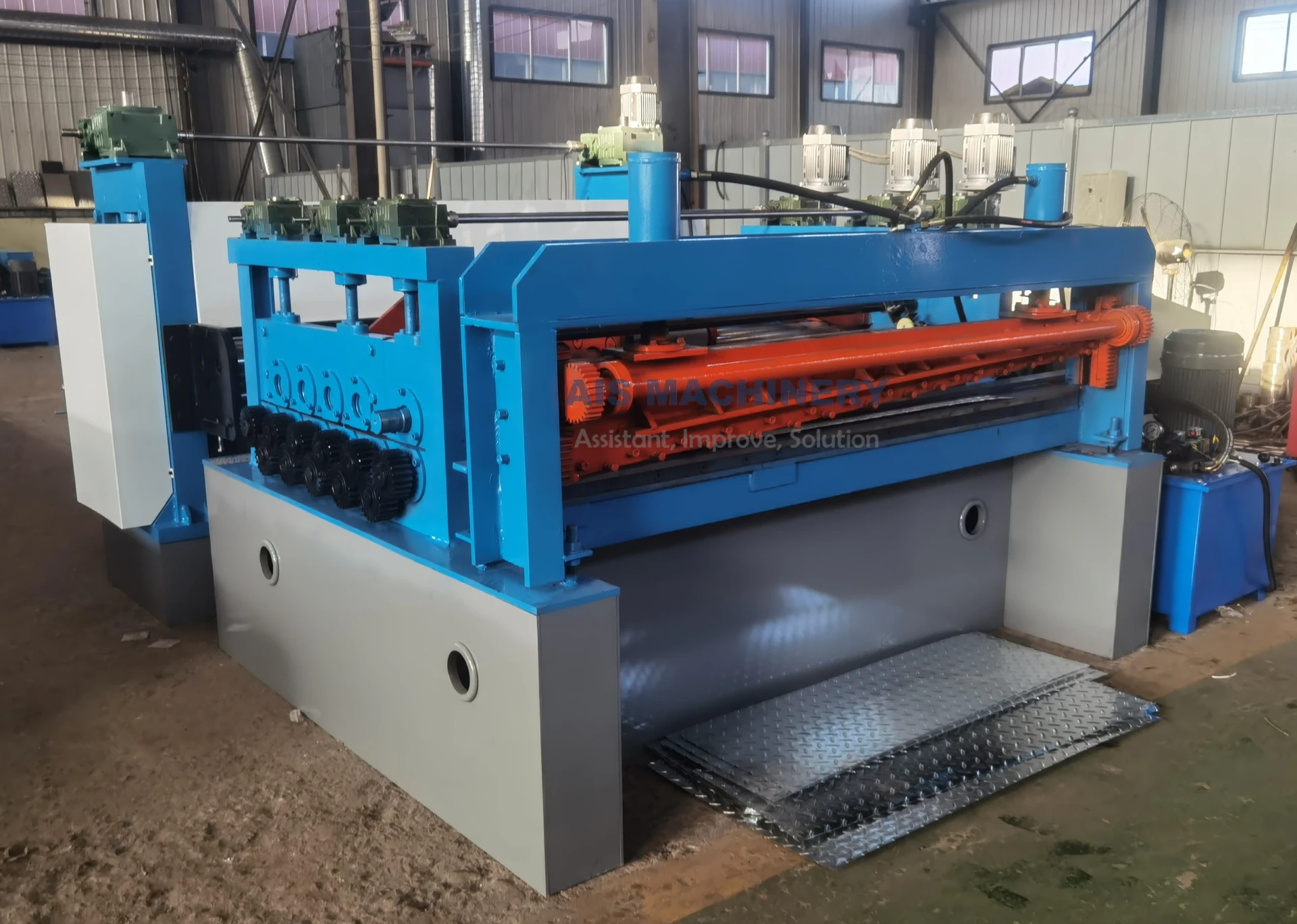
Metal Embossing Machine: Turn Flat Sheets into High-Value Textured Products
Discover how a metal embossing machine transforms flat steel, stainless steel, and aluminum sheets into high-value textured products. Learn about its working principle, key components, and applications. Ideal for decorative and industrial use, embossing machines improve both appearance and performance. Explore complete embossing line solutions and find the right machine for your production needs.
2026-04-04 20:37:18
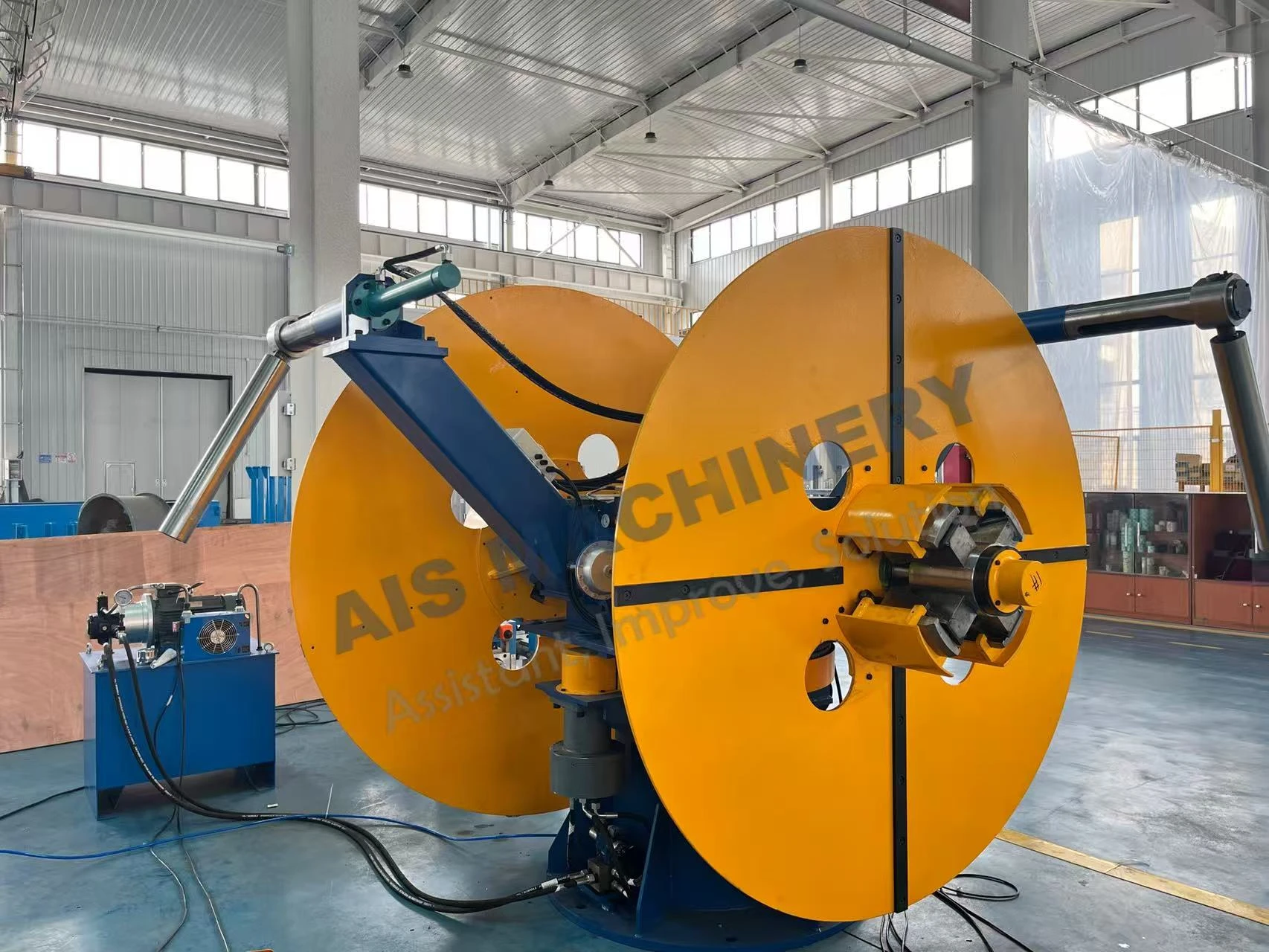
Automatic Double Side Uncoiler with Hydraulic Expansion and Auto Rotation for Steel Coil Processing
The Automatic Double Side Uncoiler is a high-efficiency solution designed for modern steel coil processing lines, including tube mills, roll forming machines, and slitting lines. With a maximum capacity of 4 tons per side, this machine ensures stable and continuous coil feeding while reducing downtime during coil change.
Send a Message
Dear customer, thank you for your attention! We provide high-quality machinery and equipment and look forward to your orders. Please inform us of your needs and we will respond quickly!
 English
  Albanian
  Arabic
  French
  German
  Indonesian
  Italian
  Japanese
  Kazakh
  Korean
  Latin
Latin  Macedonian
  Portuguese
  Russian
  Spanish
  Thai
Thai  Turkish
  Ukrainian
  Uzbek
Uzbek