
-
 Tel:86-15176910262
-

Search

Understanding Coil Accumulators: Benefits, Applications & Future Trends
Dec . 02, 2025 09:55
Understanding the Coil Accumulator: Its Role and Relevance Today
At first glance, a coil accumulator might sound like a niche, technical gadget tucked away in industrial manuals. But don’t be fooled — this device plays a surprisingly pivotal role in industries worldwide, from metal processing plants in Germany to coil handling facilities in Asia. So, what exactly is a coil accumulator, and why does it matter so much globally? Let’s take a closer look.
The Big Picture: Global Context of Coil Accumulators
As the World Bank reports, metal and steel production have been steadily increasing as infrastructure and manufacturing demand grow worldwide. In these sectors, efficient coil management isn’t just a luxury: it’s essential for productivity. That’s where the coil accumulator comes in — designed to manage metal coils during continuous processing, it helps solve a key problem: how to handle different processing speeds without halting production, which is costly and inefficient.
Oddly enough, despite the technical nature of coil accumulators, understanding their function ties directly to broader themes like energy conservation, waste reduction, and safety improvements on factory floors — critical issues highlighted in ISO standards for manufacturing efficiency.
What Is a Coil Accumulator?
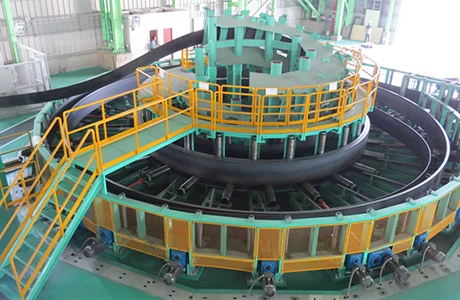
Simply put, a coil accumulator is a mechanical or hydraulic device installed along metal coil processing lines. Its job? To temporarily store or “accumulate” metal coils so downstream operations can maintain a steady pace even when upstream or downstream processes slow or stop. Think of it as a buffer — it eases the tension between start-stop production rhythms, much like a traffic roundabout smooths out congestion without abrupt halts.
In industries ranging from automotive panel stamping to appliance manufacturing, coil accumulators ensure continuous workflow, minimize coil damage, and reduce labor costs associated with manual coil handling.
Core Components and Key Factors
1. Durability
Given harsh industrial environments, coil accumulators are built to last, often crafted from heavy-duty steel and equipped with wear-resistant rollers or belts. This durability means less downtime and fewer replacements.
2. Speed Control and Scalability
Modern coil accumulators can adjust to different line speeds, handling coil storage from a few meters up to tens of meters, accommodating varying production needs and coil sizes.
3. Automation Compatibility
Some high-end models integrate easily with digital controls, allowing remote monitoring, automated tension control, and synchronization with other processing machinery — a must for Industry 4.0-ready plants.
4. Cost Efficiency
While coil accumulators represent an upfront investment, the reduction in production stoppages and coil waste often results in swift ROI. Plus, automated versions help reduce labor costs.
5. Safety Features
Safety is no afterthought — guarding mechanisms, emergency stops, and anti-slip rollers help protect operators from accidents in busy processing environments.
Product Specification Table: Typical Coil Accumulator Model
| Specification | Details |
|---|---|
| Max Coil Width | 1600 mm |
| Coil Weight Capacity | Up to 25,000 kg |
| Accumulation Length | 20 meters (variable) |
| Drive Type | Hydraulic / Electric |
| Control Interface | PLC / Remote Monitoring |
| Safety Features | Emergency stop, Guard rails, Sensor interlocks |
Global Applications & Real-World Use Cases
Coil accumulators find their place in metal processing plants worldwide — from China's vast steel fabrication hubs to North American automotive manufacturers. For example, in post-disaster infrastructure rebuilding, having uninterrupted steel sheet supplies via coordinated coil handling is crucial to maintaining tight project schedules.
Similarly, remote industrial zones rely on coil accumulators to mitigate processing delays caused by supply chain hiccups or power fluctuations, making these devices an unsung hero in ensuring operational resilience.
Manufacturers eager to increase output without major new capital outlays look towards coil accumulators to buffer their workflow, preventing bottlenecks and optimizing resource use.
Vendor Comparison Table
| Feature | Vendor A | Vendor B | Vendor C |
|---|---|---|---|
| Max Coil Width | 1500 mm | 1600 mm | 1550 mm |
| Accumulation Length | 15 m | 20 m | 18 m |
| Automation Integration | Yes | Yes | Limited |
| Price Range | $$$ | $$$$ | $$ |
| Warranty | 2 years | 3 years | 1 year |
Why Invest in Coil Accumulators? Advantages & Long-Term Value
Beyond the obvious production efficiency, coil accumulators contribute to safety by reducing manual coil handling incidents. Producing fewer damaged coils means less waste — a small but significant sustainability win. Plus, employees feel the difference: smoother line operations often improve workplace morale and trust in management’s commitment to innovation and safety.
Many engineers I’ve spoken with consider coil accumulators a smart investment that encourages continuous process improvement — and frankly, who wouldn’t want fewer shutdowns and material waste?
Looking Ahead: Trends & Innovations
Technology marches on, and coil accumulators are no exception. With the rise of green manufacturing, newer models incorporate energy-efficient drives and regenerative braking systems. Digital twin technology and AI-enabled predictive maintenance tools are increasingly integrated to optimize coil storage and anticipate mechanical issues before they cause costly downtime.
Materials like advanced composites might soon replace traditional steel components, reducing weight and maintenance needs. Furthermore, efforts to comply with evolving ISO standards are pushing vendors to innovate smarter, safer, and more sustainable coil accumulator designs.
Challenges & Smart Solutions
One common challenge is balancing capacity and footprint — large accumulators take space and cost more, while smaller units may limit flexibility. Engineers often tackle this with modular designs that scale incrementally or retract when not needed.
Additionally, integrating legacy lines with new coil accumulators requires careful planning and sometimes custom engineering — but the productivity gains justify the effort, experts say.
FAQ: Your Questions on Coil Accumulators Answered
- Q: How does a coil accumulator improve production efficiency?
A: By buffering coils during line stoppages, it allows upstream and downstream processes to run continuously without costly pauses, reducing downtime and improving throughput. - Q: Are coil accumulators compatible with different metal coil types?
A: Yes, many models handle various metals like steel, aluminum, and copper, provided coil dimensions and weight limits are respected. - Q: What maintenance is required for coil accumulators?
A: Regular inspection of rollers, hydraulic systems, and safety features is essential to keep them operating safely and efficiently. - Q: Can coil accumulators be customized?
A: Absolutely. Vendors often offer tailored solutions to fit specific plant sizes, speeds, and automation levels.
Wrapping Up: Why Coil Accumulators Matter
If I had to sum it up — coil accumulators are more than just mechanical buffers. They’re facilitators of smooth production, guardians of material integrity, and contributors to safer, greener, and more efficient industrial environments. For manufacturers eyeing both immediate productivity gains and long-term sustainability, investing in a quality coil accumulator is a no-brainer.
If you want to explore what coil accumulators can do for your operations, I’d suggest visiting coil accumulator suppliers and learning more about the latest options.
Mini takeaway: Coil accumulators play a crucial link in the chain of modern metal processing, quietly enabling continuous production, minimizing waste, and promoting safer workplaces worldwide.
References

Related Products

Related News
2026-04-15 10:37:55
Flat Bar Production Line for Steel Coils: How It Works & Why It Matters
Looking for a flat bar production line? Learn how it turns steel coils into ready-to-use flat bars with precise length and high straightness. Compare it with slitting lines and get the best solution for your steel processing needs.
2026-04-14 00:00:00
Looking for a Milling Saw for ERW Tube Mill? Here’s What You Need to Know
Looking for a high-performance milling saw for your ERW tube mill? Upgrade to burr-free, high-precision pipe cutting with advanced flying saw technology. Improve efficiency, reduce rework, and meet export standards for carbon steel, stainless steel, and API pipes. Contact us today for expert solutions and competitive pricing tailored to your production needs.
2026-04-09 16:15:19
5-Inch (127mm) ERW Tube Making Machine Delivered with Heavy-Duty Design and Advanced Quick Change System
2027-04-07 00:00:00
Metal Embossing Machine: Turn Flat Sheets into High-Value Textured Products
Discover how a metal embossing machine transforms flat steel, stainless steel, and aluminum sheets into high-value textured products. Learn about its working principle, key components, and applications. Ideal for decorative and industrial use, embossing machines improve both appearance and performance. Explore complete embossing line solutions and find the right machine for your production needs.
2026-04-04 20:37:18
Automatic Double Side Uncoiler with Hydraulic Expansion and Auto Rotation for Steel Coil Processing
The Automatic Double Side Uncoiler is a high-efficiency solution designed for modern steel coil processing lines, including tube mills, roll forming machines, and slitting lines. With a maximum capacity of 4 tons per side, this machine ensures stable and continuous coil feeding while reducing downtime during coil change.
2026-04-04 02:35:29
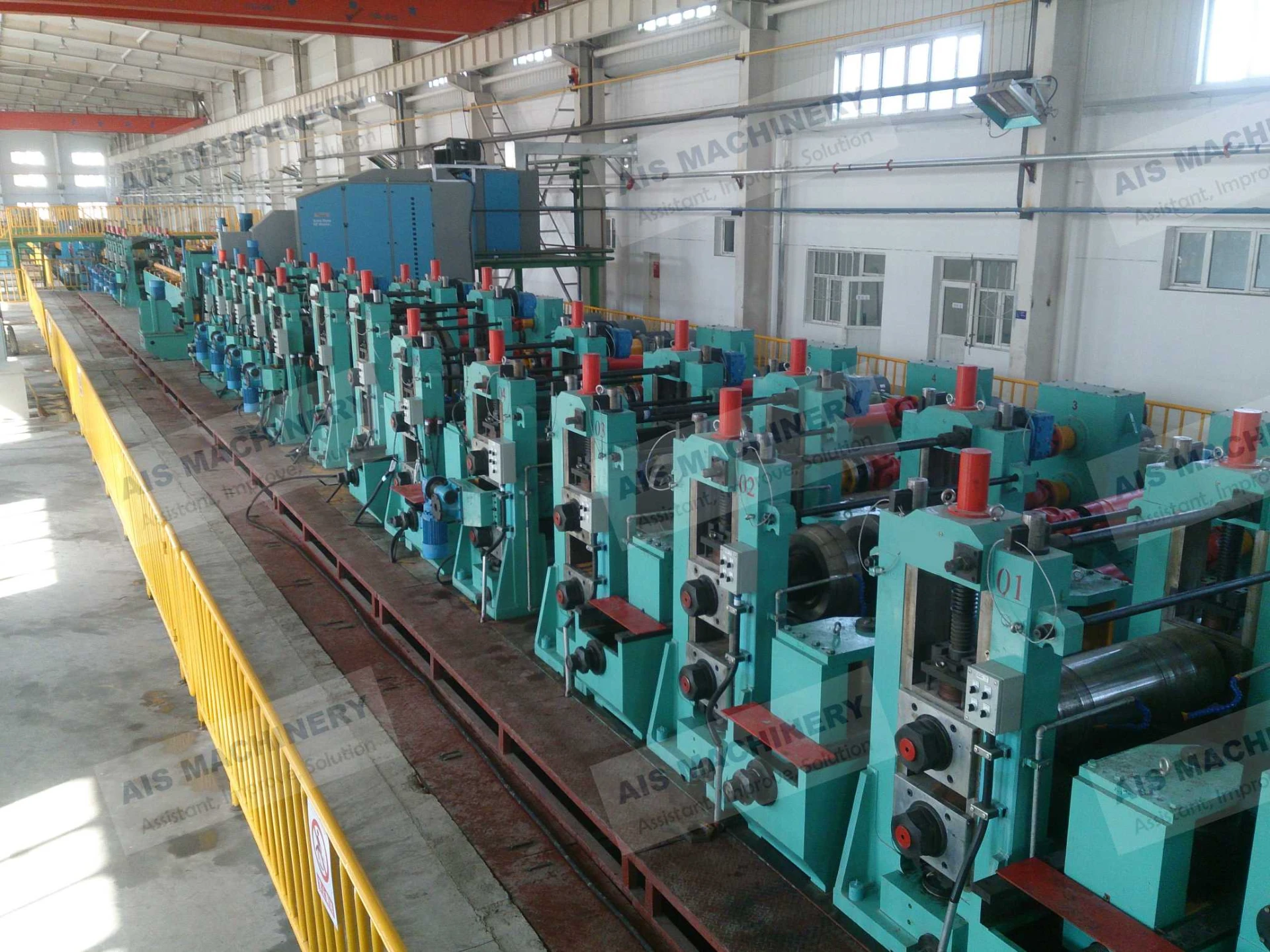
Exploring Advanced Cold Forming Machines for Efficient Metal Production
In the realm of metal fabrication, cold forming machines are pivotal for efficient and cost-effective production of various metal components. These machines utilize a shaping process at room temperature, offering advantages like enhanced material strength and reduced production costs. This article provides an in-depth look into the world of cold forming machines, covering their types, applications, benefits, and key considerations when choosing the right machine for your needs. Understanding the nuances of these machines is crucial for optimizing manufacturing processes and achieving superior product quality.
2026-04-01 00:00:00
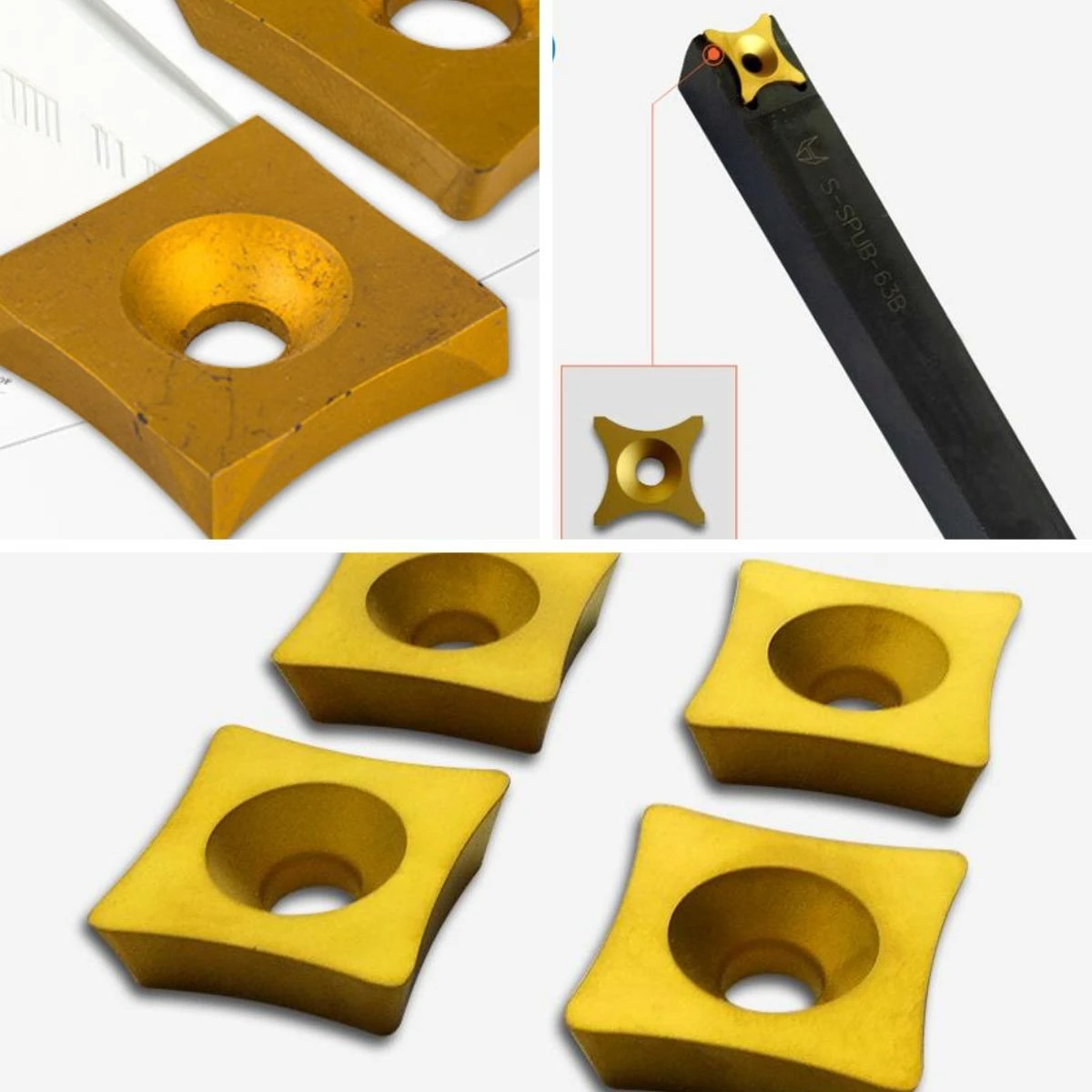
14 Inch 355mm API Tube Mill: Complete Guide to Structure and Production Process
Discover the complete structure of a 14 inch (355mm) API standard tube mill, including forming, welding, sizing, and finishing sections. Learn what API standards mean and why they are essential for oil and gas pipe production. A practical guide for buyers seeking high-quality ERW tube mill solutions with stable performance and international compliance.
2026-03-31 14:01:29
What Is an External Burr Scraper? Types, Benefits & Applications in Tube Mills
Discover how an external burr scraper improves weld seam quality in ERW tube mills. Learn the differences between four-sided and six-sided burr scrapers, their applications, and how to choose the right solution for your production line. Optimize pipe surface finish, reduce defects, and increase efficiency with the right external burr removal tool for your tube and pipe manufacturing process.
Send a Message
Dear customer, thank you for your attention! We provide high-quality machinery and equipment and look forward to your orders. Please inform us of your needs and we will respond quickly!
 English
  Albanian
  Arabic
  French
  German
  Indonesian
  Italian
  Japanese
  Kazakh
  Korean
  Latin
Latin  Macedonian
  Portuguese
  Russian
  Spanish
  Thai
Thai  Turkish
  Ukrainian
  Uzbek
Uzbek