
-
 Tel:86-15176910262
-

Search

What Is a Steel Coil Leveler? Global Insights, Benefits & Future Trends
Dec . 02, 2025 09:15
Understanding the Steel Coil Leveler: Why It’s Crucial in Modern Industry
When you think about the humble steel coil leveler, it probably doesn’t hit the headlines like some cutting-edge tech. Yet, it quietly underpins the efficiency and quality of steel manufacturing around the world — a sector that fuels everything from infrastructure to transportation. Globally, steel production topped 1.9 billion metric tons in recent years according to the World Steel Association, and ensuring those steel coils are flawlessly flat is critical for downstream applications.
So, what exactly is a steel coil leveler and why does it matter? This simple machine dramatically improves the flatness and straightness of steel coils, boosting their usability and reliability. In a world where steel must meet stringent standards — be it for automobile bodies or construction beams — mastering coil leveling can be the difference between success and costly rejects. Plus, understanding this tech isn’t just for engineers or plant managers; it has ramifications for global supply chains, sustainability, and even humanitarian projects that depend on high-quality steel components.
Global Context: The Steel Coil Leveler in Industry and Economy
There’s a fascinating bit of irony here. Steel is a foundational material globally, yet it faces huge challenges such as meeting high-quality criteria, reducing waste, and adapting to stricter sustainability policies set by bodies like ISO 14001. The steel coil leveler addresses these by enhancing product precision and minimizing defects. According to UNIDO’s reports on industrial modernization, improving leveling accuracy can reduce raw material wastage by up to 15% — that's no small figure when multiplied across billions of tons annually.
In addition, modern steel coil levelers help mills comply with increasingly tight environmental regulations by lowering rework and scrap rates, which directly cuts down energy consumption and emissions. These efficiency gains ripple out economically, allowing steelmakers in emerging regions — you might look at parts of Southeast Asia or South America — to ramp up competitiveness. Frankly, without precision equipment like coil levelers, the entire steel value chain risks bottlenecks or quality issues.
What Is a Steel Coil Leveler?
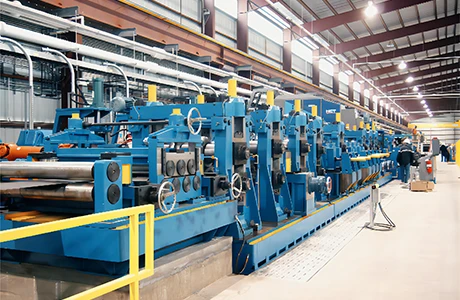
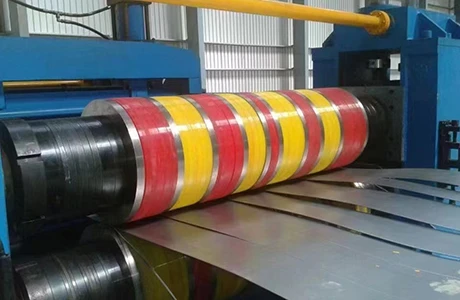
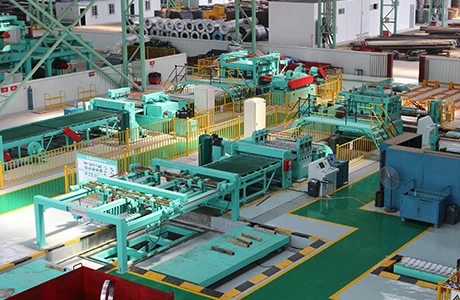
At its core, a steel coil leveler is a mechanical device designed to flatten steel coils that often come out curved or twisted from the hot rolling or cold rolling processes. Imagine unrolling a slightly curled piece of paper — the leveler uses a series of rollers that apply tension and bending actions to “iron out” the metal so it becomes uniformly flat and easy to work with.
Though it sounds mundane, this is a crucial step before further processing like stamping, drawing, or cutting. In humanitarian or infrastructure projects, the quality of steel affects everything from safety margins to longevity of structures. So this seemingly simple apparatus actually touches on broader issues — material reliability and social infrastructure.
Key Components and Factors of Steel Coil Levelers
1. Precision Rollers
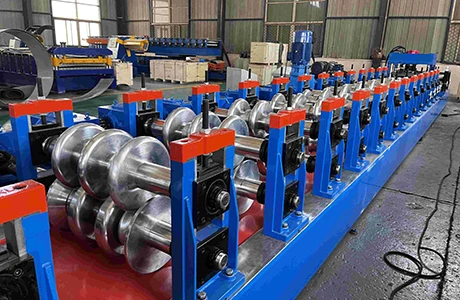
The heart of the machine, rollers come in various materials — often hardened steel or composite coatings — designed to withstand constant stress and maintain tight dimensional tolerances. Their arrangement, diameter, and spacing influence how effectively the coil flattens without causing surface damage.
2. Adjustable Tension Systems
Many levelers use hydraulic or electric motor-driven tensioners that adapt based on the material thickness and coil width. This flexibility is vital when manufacturers handle diverse steel grades or custom orders.
3. Control Interfaces
Modern systems almost always incorporate digital controls with feedback loops featuring laser or optical sensors to monitor flatness in real time. This automation adds repeatability—a real boon when aiming for ISO-compliant product batches.
4. Scalability and Throughput
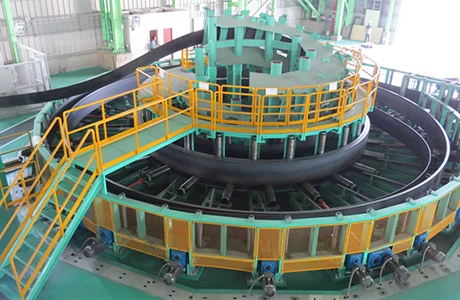
Depending on plant size and demand, levelers range from compact bench models suitable for small workshops to massive continuous lines integrated into high-volume steel mills. Choosing the right scale impacts cost efficiency and product lead times.
5. Durability and Maintenance
Steel coil levelers operate under considerable mechanical load and continuous cycles. Regular preventive maintenance programs are necessary to maintain accuracy and avoid downtime, which is costly in high-output settings.
| Specification | Description |
|---|---|
| Max Coil Width | Up to 2,200 mm (varies by model) |
| Thickness Range | 0.3 mm to 12 mm |
| Operating Speed | Up to 500 meters/min |
| Roller Diameter | 50 mm – 150 mm |
| Power Supply | 400 V / 3-phase electric |
Global Applications and Use Cases
Steel coil levelers are indispensable across multiple continents and industries. In automotive manufacturing hubs like Germany and Japan, coil leveling ensures the steel sheets used for car bodies have flawless flatness, which translates to safer vehicles with better aerodynamics.
Meanwhile, in construction-heavy countries such as China and India, levelers help produce steel beams and panels that comply with stringent building codes. Oddly enough, even in humanitarian contexts — disaster relief shelters or modular temporary constructions deployed by NGOs — flat steel sheets produced after leveling guarantee easier assembly and enhanced structural integrity.
In remote industrial zones, such as mining operations in Australia, equipment durability is essential. Steel coils leveled properly reduce machine downtime by lessening abrasive wear during machinery fabrication. Clearly, the utility is broad and cross-cutting.
Vendor Comparison: Popular Steel Coil Leveler Manufacturers
| Vendor | Technology Focus | Typical Customers | Price Range |
|---|---|---|---|
| LevelTech Corp. | Advanced digital control systems | Large-scale mills & automotive | $200,000 - $500,000 |
| SteelRoFlex | Hydraulic tensioning with manual override | Medium manufacturers & workshops | $80,000 - $180,000 |
| EcoLevel Systems | Energy-efficient, low emissions tech | Green-focused manufacturers | $150,000 - $300,000 |
Advantages & Long-Term Value of Steel Coil Levelers
- Cost Efficiency: By reducing scrap rates and improving yield, levelers save manufacturers significant money over the long haul.
- Sustainability: Less waste means a smaller environmental footprint. Many levelers are now designed with energy-saving features.
- Reliability: Consistent product quality leads to fewer production hiccups and satisfies stricter global standards.
- Social Impact: In disaster-prone or developing regions, leveled steel ensures safety and dignity in rapid construction efforts.
- Innovation Catalyst: Precision rolling and leveling technology often sparks advancements in downstream steel processing.
It feels worth noting that beyond numbers and specs, having a trustworthy coil leveler contributes to workplace confidence and pride in craftsmanship — not something to overlook, really.
Future Trends in Steel Coil Leveling
Looking ahead, automation and AI-driven pattern recognition are gradually entering leveling systems, allowing real-time adjustments that improve precision dramatically. There’s also a growing push towards integrating steel coil leveler technology with Industry 4.0 digital platforms for holistic plant efficiency.
Furthermore, green energy initiatives are encouraging manufacturers to opt for coil levelers powered by more sustainable means, including variable-frequency drives and energy recovery systems. New materials for rollers, including ceramic coatings, promise longer life and less maintenance effort. All of which paints an optimistic picture for the technology’s evolution.
Challenges and Solutions
While coil levelers are robust machines, they’re not without challenges. Heavy mechanical wear, inconsistent coil quality, and the complexity of multi-gage leveling require constant operator expertise and regular upkeep.
Innovative solutions include predictive maintenance powered by IoT sensors that warn of parts nearing failure well before downtime occurs. Also, hybrid leveling approaches that combine mechanical with electromagnetic leveling are gaining traction for harder-to-flatten alloys. Ultimately, knowledge sharing among operators and manufacturers keeps raising the bar on what’s achievable.
FAQ: Frequently Asked Questions About Steel Coil Levelers
- Q: How does a steel coil leveler improve steel flatness?
- A: It applies controlled bending forces via rollers that correct curvature and internal stresses in the coil, resulting in a flatter and smoother sheet ready for further processing.
- Q: Can steel coil levelers handle different thicknesses and steel grades?
- A: Yes, adjustable tension systems and programmable controls allow levelers to accommodate a wide range of thicknesses and grades, from thin cold-rolled sheets to thick hot-rolled coils.
- Q: What maintenance is necessary for reliable coil leveler operation?
- A: Regular inspection of rollers, lubrication of moving parts, timely replacement of worn components, and calibration of sensors ensure consistent performance and prolong machine life.
- Q: Are there small-scale steel coil levelers for workshops?
- A: Definitely. Bench-mounted or compact models exist for smaller operations, providing decent leveling capability without the footprint or cost of large industrial lines.
- Q: How do steel coil levelers contribute to environmental sustainability?
- A: By reducing waste and scrap during production and improving energy efficiency with smart controls, coil levelers promote greener manufacturing practices.
Conclusion: The Lasting Benefits of Embracing Steel Coil Leveler Technology
In wrapping up, it’s clear that steel coil levelers may not grab headlines but are quietly transformative. They enhance steel quality, improve manufacturing efficiency, and indirectly support global infrastructure and humanitarian efforts. Making an informed investment in these devices aligns with modern demands for precision, sustainability, and cost control.
If you want to explore steel coil leveler options tailored to your needs or stay updated on industry advancements, do pay a visit to https://www.aistubemill.com. Trust me, it’s a resource worth bookmarking.
Mini takeaway: The steel coil leveler is the unsung hero making modern steel applications possible — mechanical genius in service of quality and sustainability.
References
- World Steel Association. “World Steel in Figures.” worldsteel.org
- UNIDO. “Industrial Upgrading through Steel Manufacturing.” unido.org
- ISO 14001 Environmental Management Standards. iso.org

Related Products

Related News
2026-04-18 03:20:20
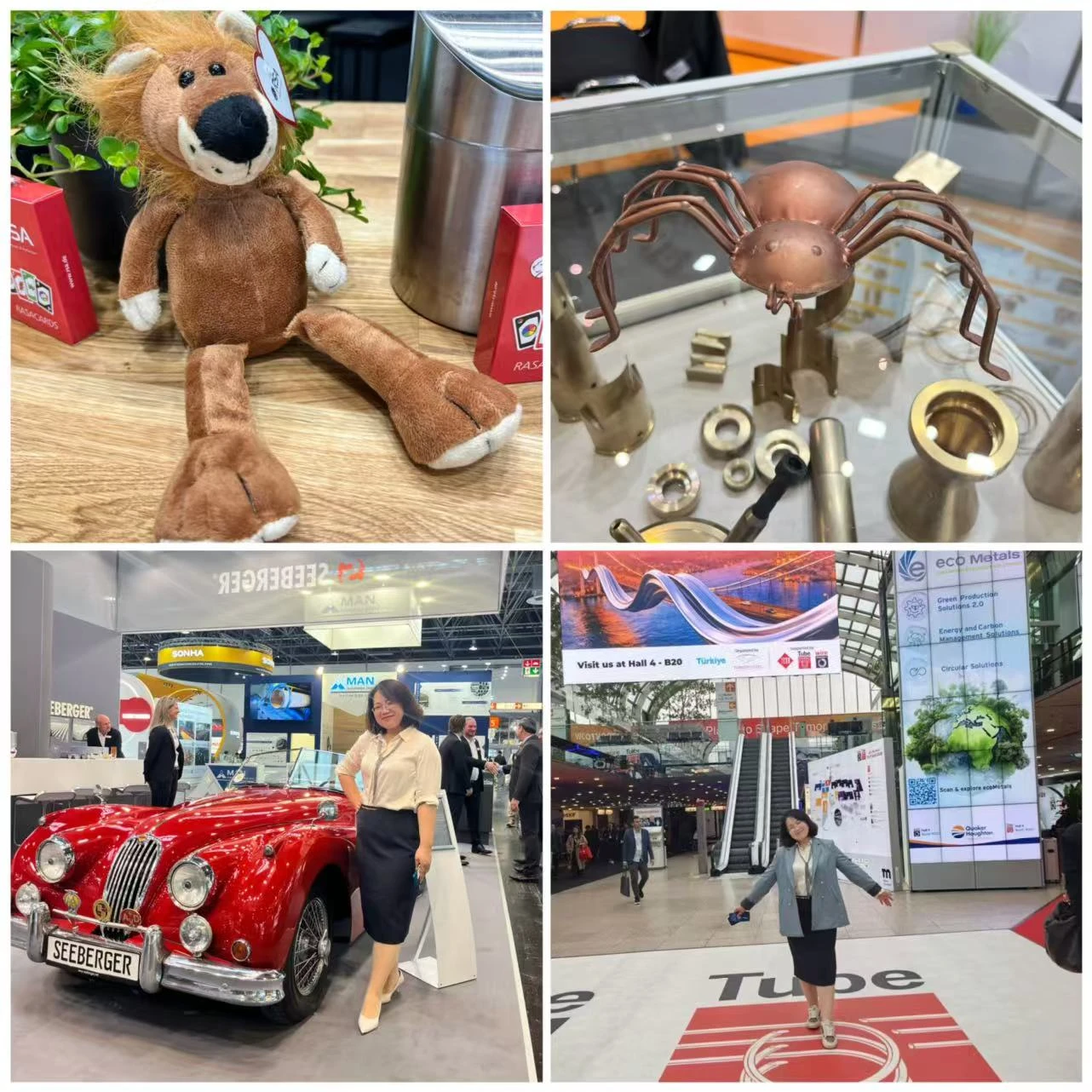
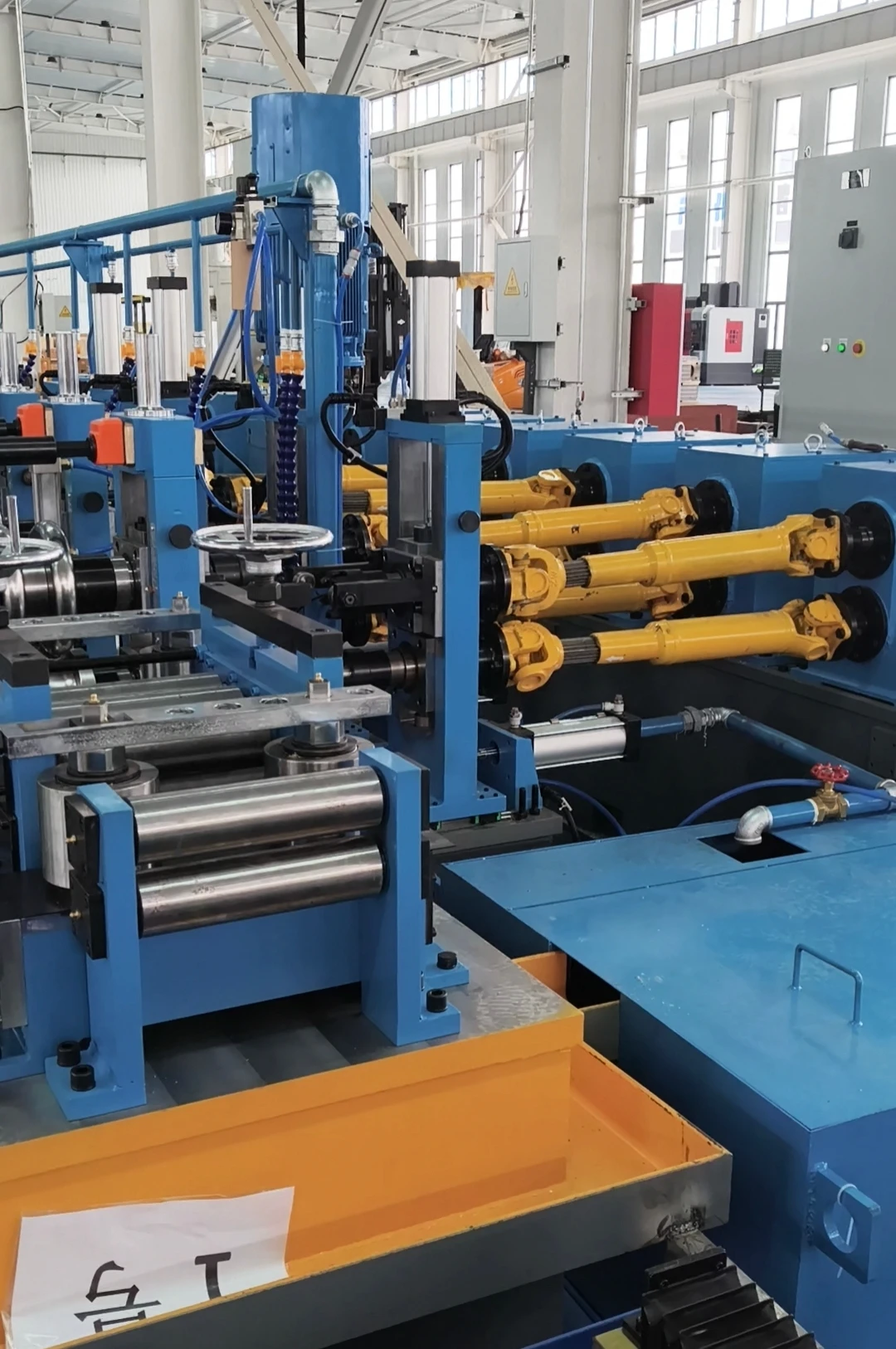
AIS Machinery Showcases Advanced Tube Solutions at Tube & Wire Düsseldorf 2026
Tube & Wire Düsseldorf 2026, one of the most influential exhibitions in the global tube and wire industry, held biennially in Düsseldorf, Germany
2027-04-17 00:00:00
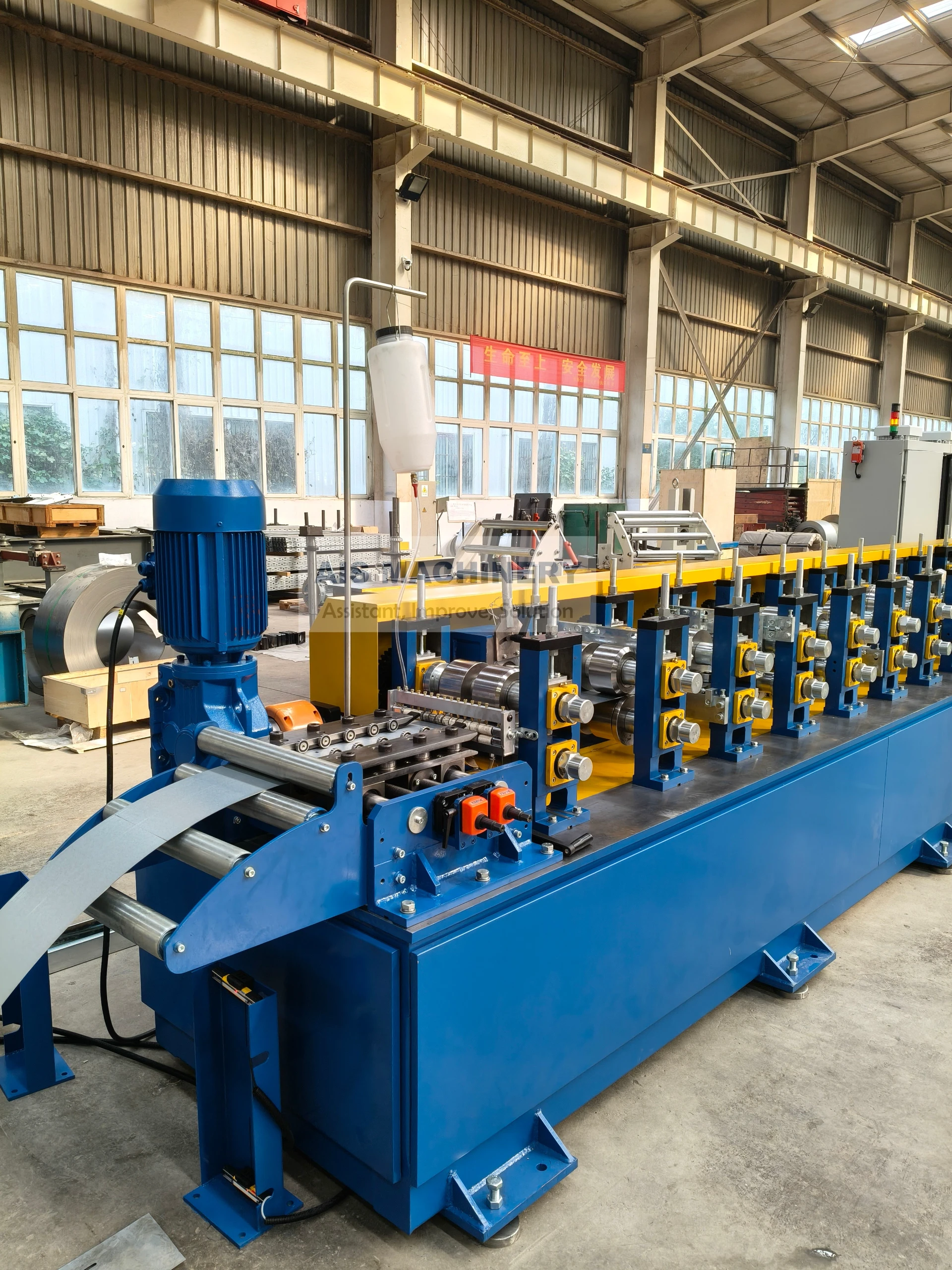
Southeast Asia Client Visits Our Factory | Customized Tube Mill Solution Delivered
A Southeast Asia client visited our ERW tube mill factory to inspect production lines and discuss a customized tube mill solution. Impressed by our machine quality, welding performance, and engineering support, the client confirmed strong cooperation intentions. Discover how our ERW tube mill solutions improve efficiency, precision, and long-term production reliability.
2026-04-16 02:35:12
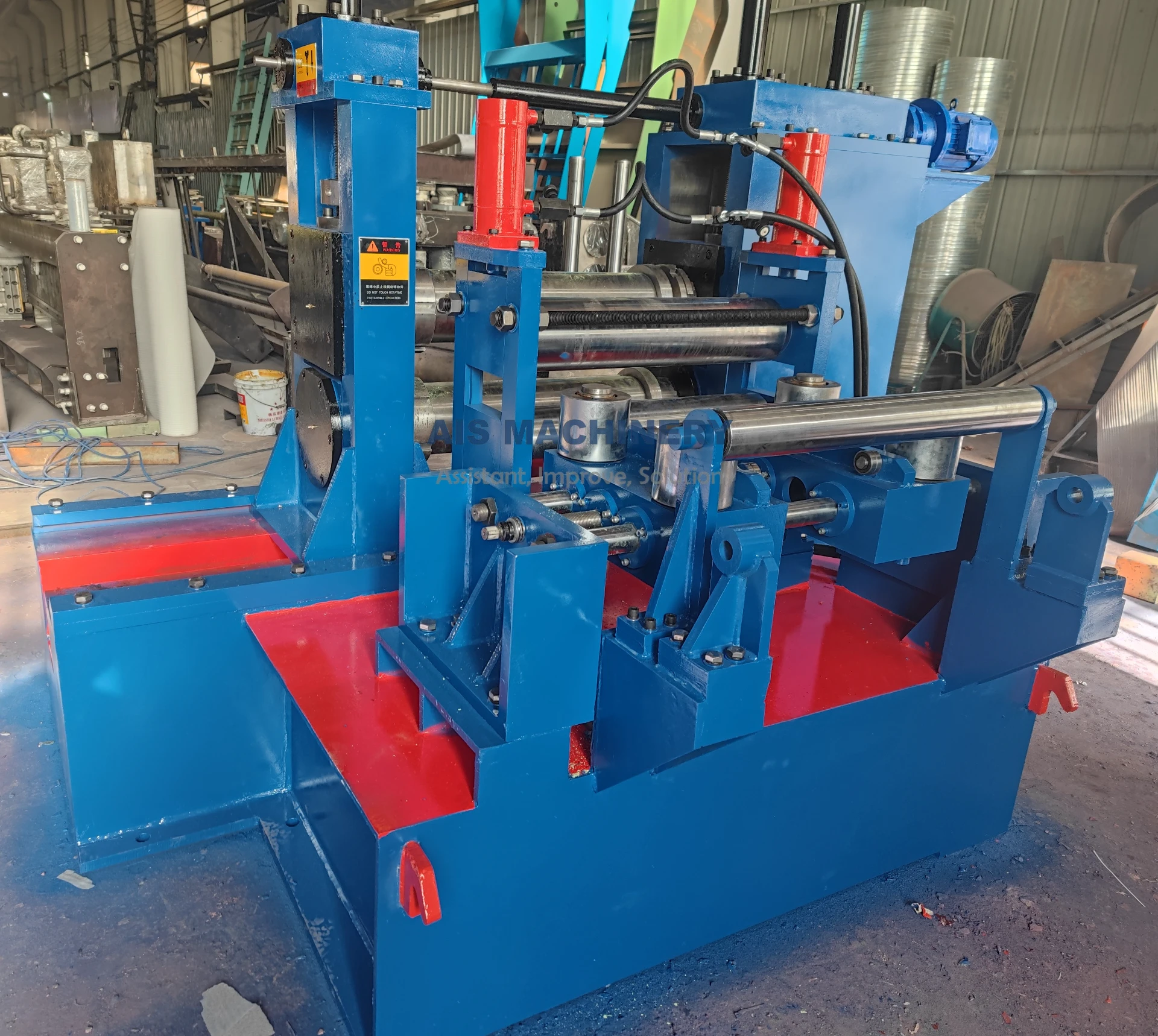
Professional Cold Roll Forming Machine Factory for Production
In the modern industrial landscape, the precision of metal shaping is the cornerstone of quality manufacturing. Partnering with a professional cold roll forming machine factory is essential for businesses looking to optimize their production lines, reduce material waste, and ensure high-dimensional accuracy. Whether you are producing C-channels, square tubes, or custom profiles, the choice of machinery determines your competitive edge in the market. This guide will explore the critical factors in selecting a factory and the technical advantages of advanced roll forming technology to help you make an informed investment.
2026-04-15 10:37:55
Flat Bar Production Line for Steel Coils: How It Works & Why It Matters
Looking for a flat bar production line? Learn how it turns steel coils into ready-to-use flat bars with precise length and high straightness. Compare it with slitting lines and get the best solution for your steel processing needs.
2026-04-14 00:00:00
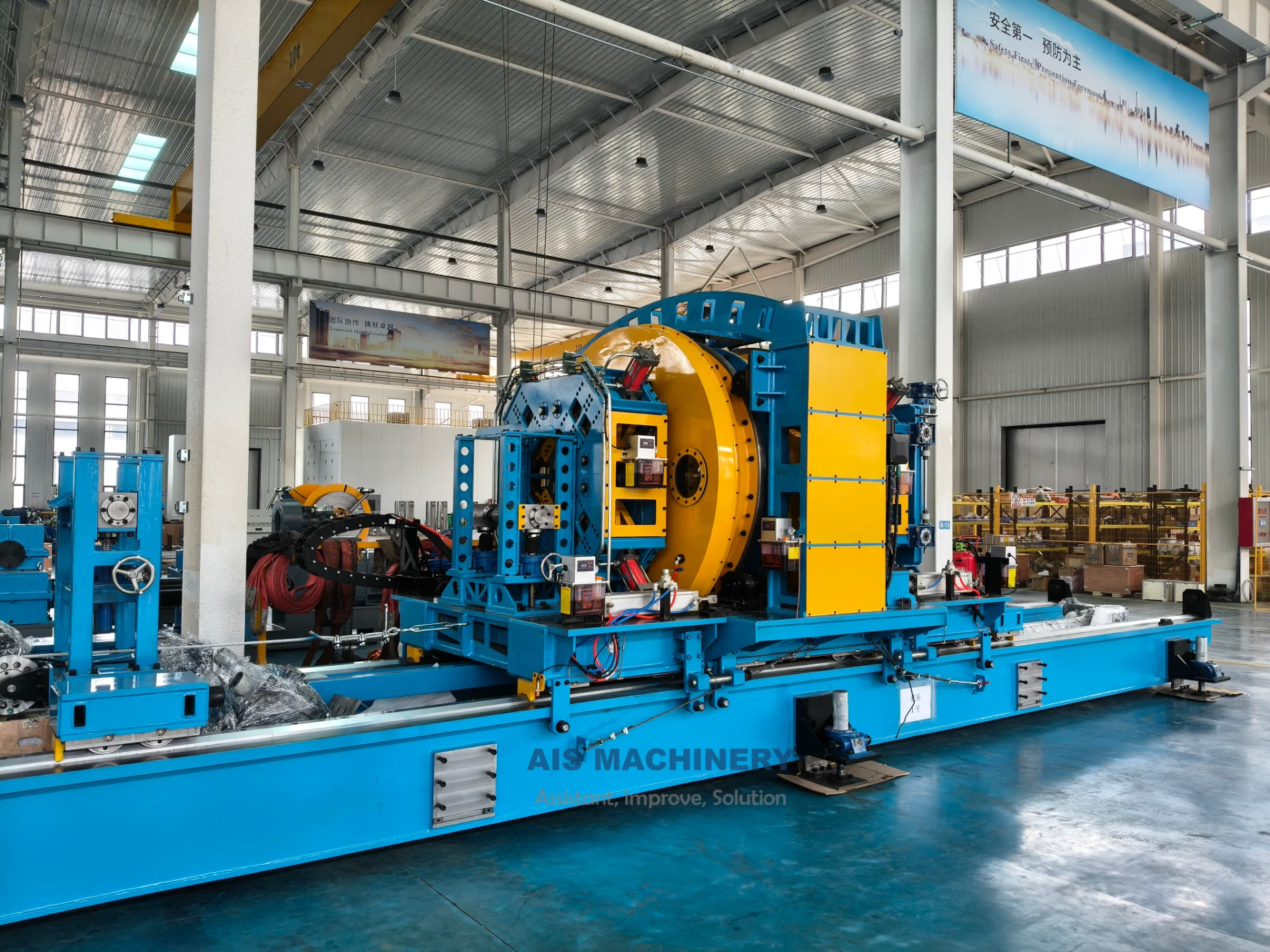
Looking for a Milling Saw for ERW Tube Mill? Here’s What You Need to Know
Looking for a high-performance milling saw for your ERW tube mill? Upgrade to burr-free, high-precision pipe cutting with advanced flying saw technology. Improve efficiency, reduce rework, and meet export standards for carbon steel, stainless steel, and API pipes. Contact us today for expert solutions and competitive pricing tailored to your production needs.
2026-04-09 16:15:19
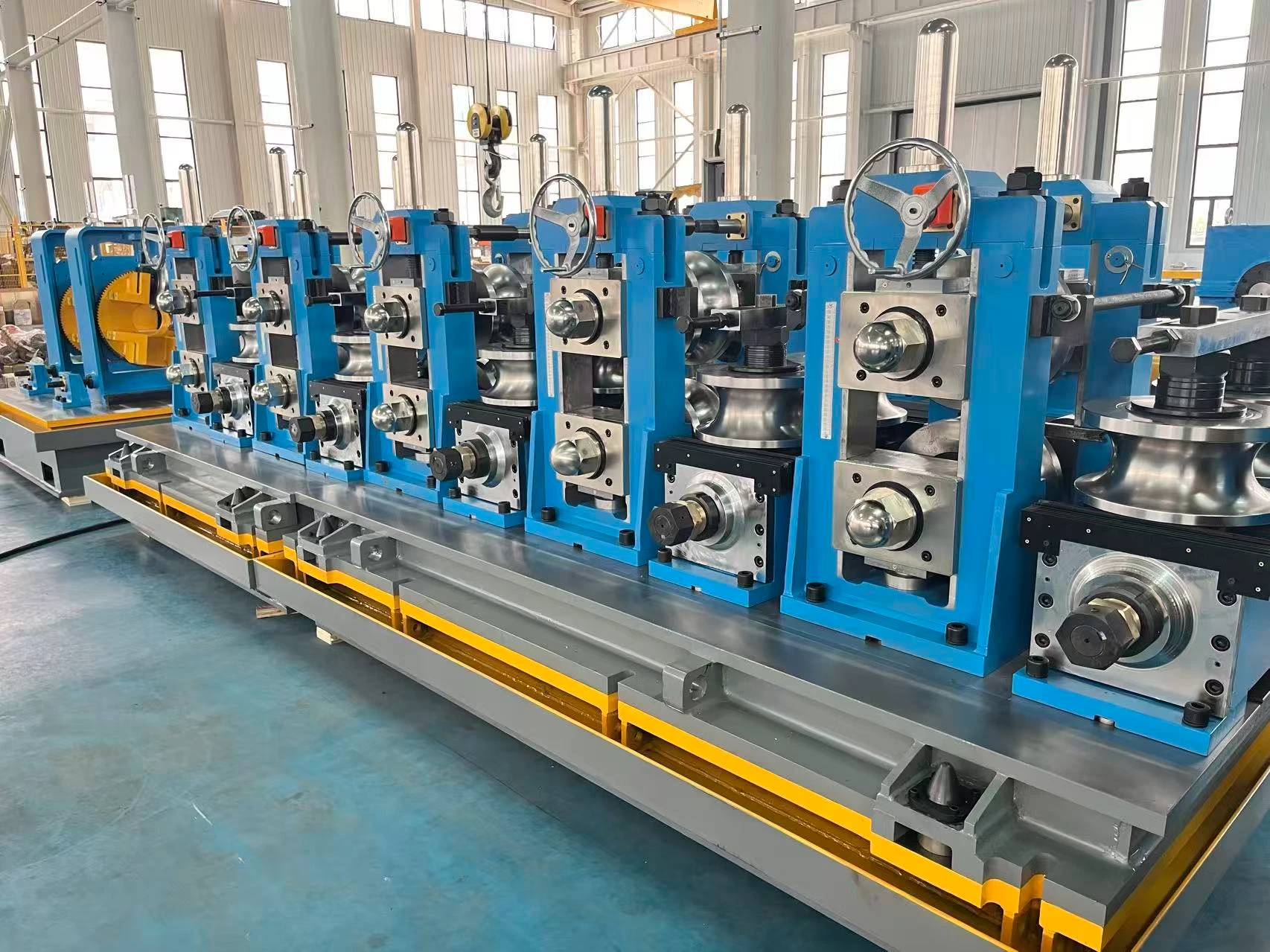
5-Inch (127mm) ERW Tube Making Machine Delivered with Heavy-Duty Design and Advanced Quick Change System
2027-04-07 00:00:00
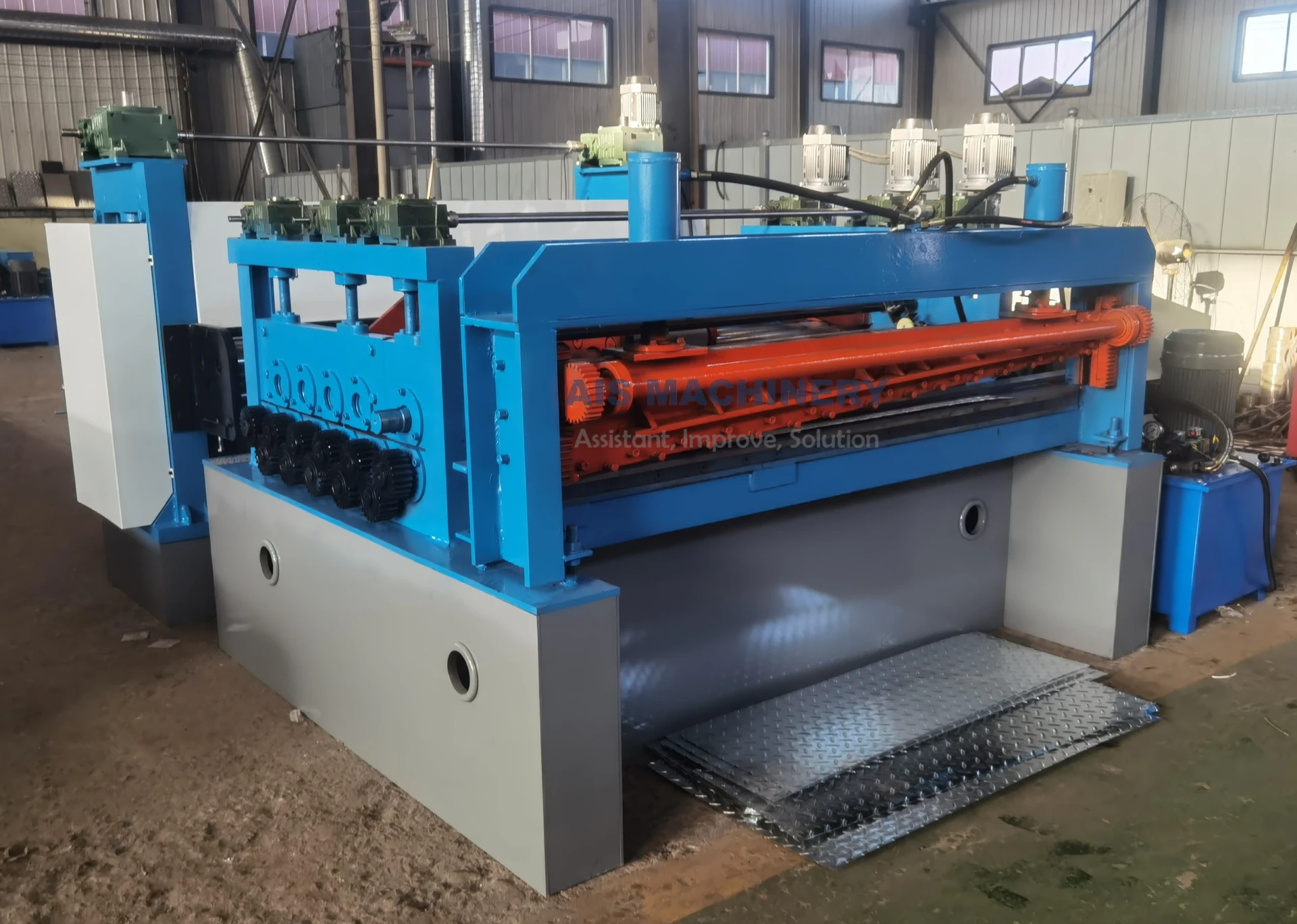
Metal Embossing Machine: Turn Flat Sheets into High-Value Textured Products
Discover how a metal embossing machine transforms flat steel, stainless steel, and aluminum sheets into high-value textured products. Learn about its working principle, key components, and applications. Ideal for decorative and industrial use, embossing machines improve both appearance and performance. Explore complete embossing line solutions and find the right machine for your production needs.
2026-04-04 20:37:18
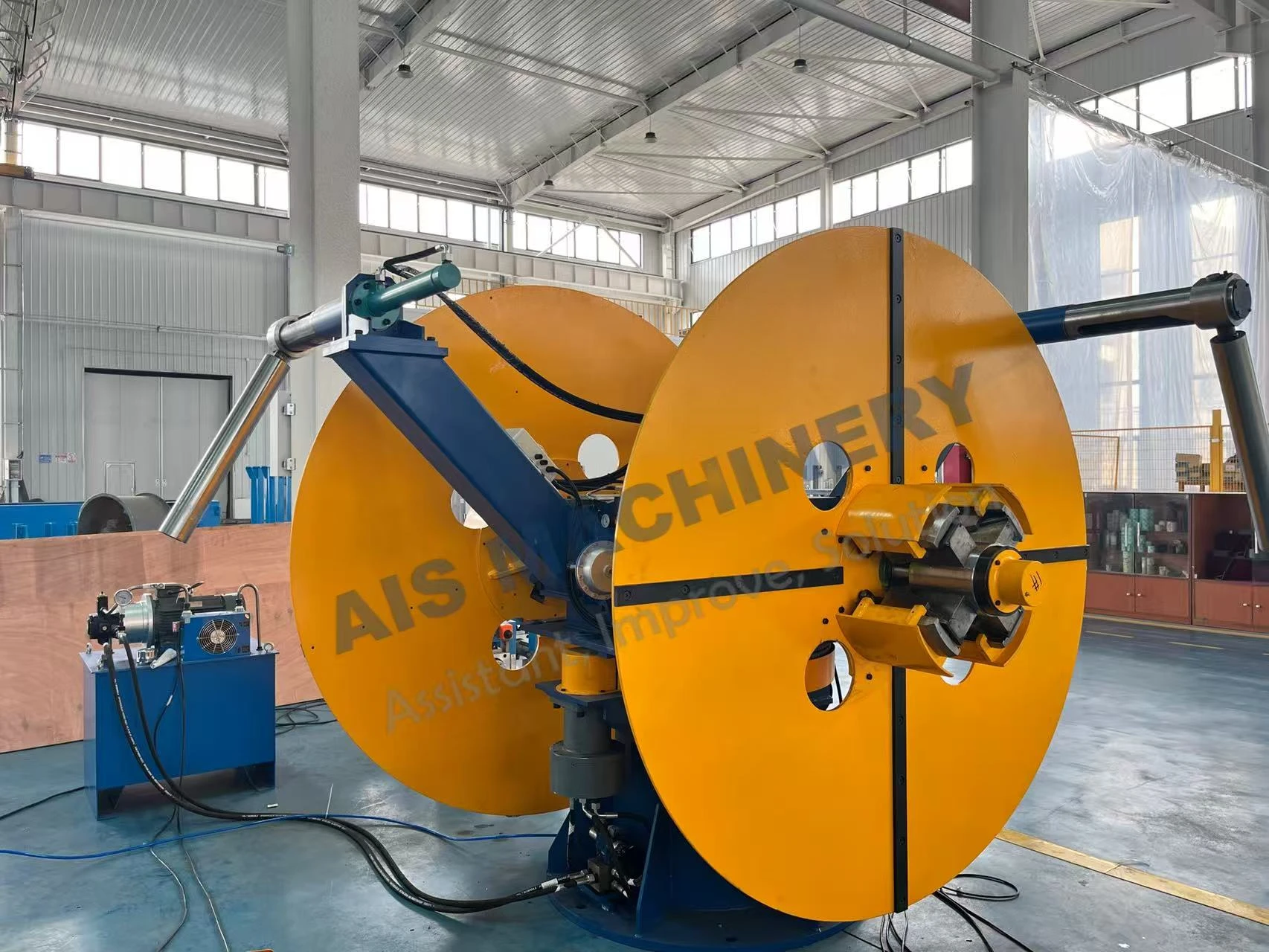
Automatic Double Side Uncoiler with Hydraulic Expansion and Auto Rotation for Steel Coil Processing
The Automatic Double Side Uncoiler is a high-efficiency solution designed for modern steel coil processing lines, including tube mills, roll forming machines, and slitting lines. With a maximum capacity of 4 tons per side, this machine ensures stable and continuous coil feeding while reducing downtime during coil change.
Send a Message
Dear customer, thank you for your attention! We provide high-quality machinery and equipment and look forward to your orders. Please inform us of your needs and we will respond quickly!
 English
  Albanian
  Arabic
  French
  German
  Indonesian
  Italian
  Japanese
  Kazakh
  Korean
  Latin
Latin  Macedonian
  Portuguese
  Russian
  Spanish
  Thai
Thai  Turkish
  Ukrainian
  Uzbek
Uzbek