
-
 Tel:86-15176910262
-

Search

Premium Carbide Inserts & Tools Durable Scarfing Solutions
May . 22, 2025 06:16
- Introduction to Carbide Inserts in Modern Machining
- Technical Superiority: Why Carbide Outperforms Traditional Materials
- Manufacturer Comparison: Key Metrics Across Leading Brands
- Custom Solutions for Industry-Specific Challenges
- Real-World Applications: Efficiency Gains in Heavy Industries
- Maintenance Strategies to Extend Insert Lifespan
- Future Trends in Carbide Tooling Innovation
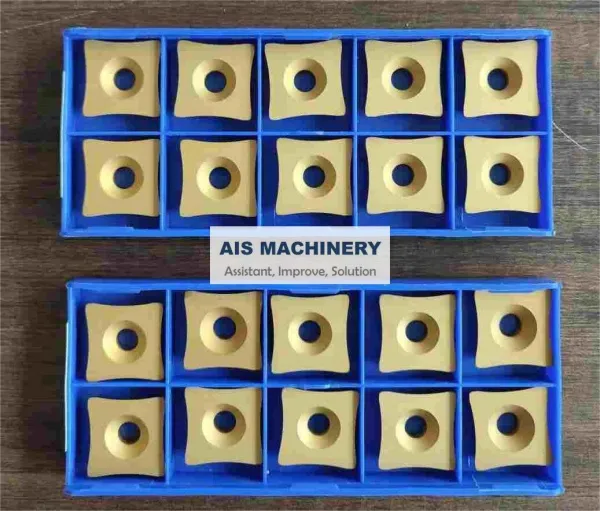
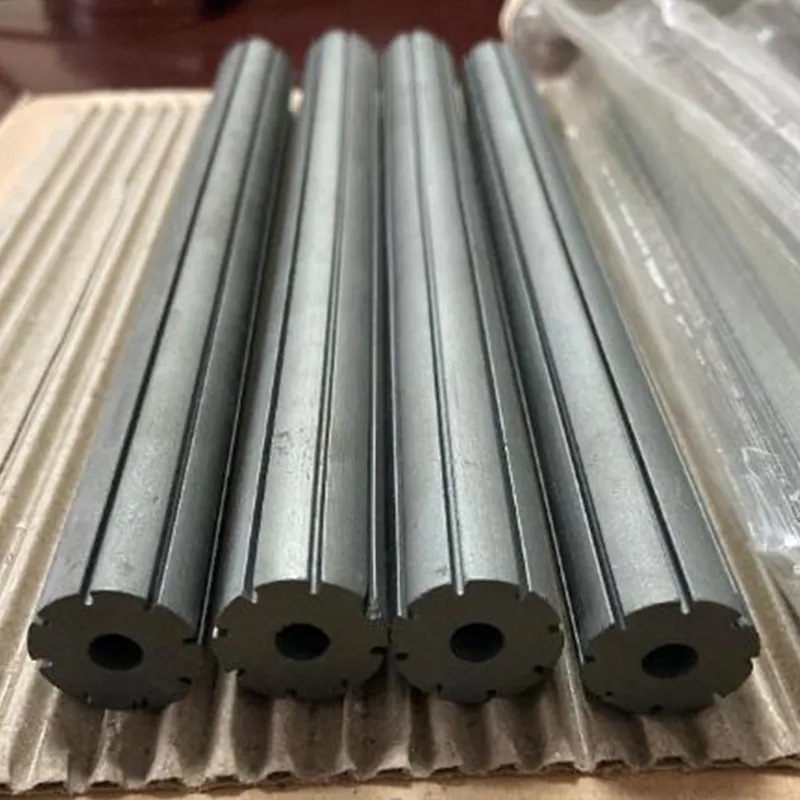
(carbide insert)
Carbide Inserts Revolutionize Precision Machining
Modern manufacturing relies on carbide insert
s for 83% of high-precision metal cutting operations. These engineered components deliver 4-7x longer service life than high-speed steel tools, with 15% tighter tolerance capabilities across CNC machining workflows. Industries from aerospace to automotive increasingly depend on scarfing inserts specifically designed for heavy material removal in foundry applications.
Technical Advantages of Carbide Tooling
Advanced carbide formulations combine tungsten carbide (85-92% by weight) with cobalt binders, achieving:
- Hardness: 88-94 HRA vs. 82-87 HRA for tool steel
- Heat Resistance: 1,200°C operational stability
- Wear Rate: 0.003 mm/hr under standard milling conditions
Post-treatment processes like PVD coating reduce friction coefficients by 40%, enabling faster feed rates without compromising surface finish quality.
Performance Comparison: Leading Manufacturers
| Brand | Hardness (HRA) | Max RPM | Avg. Lifespan (hours) | Thermal Shock Resistance |
|---|---|---|---|---|
| Brand A | 92.5 | 18,000 | 48 | Grade 8 |
| Brand B | 91.8 | 22,500 | 52 | Grade 9 |
| Brand C | 93.1 | 15,000 | 41 | Grade 7 |
Customized Solutions for Industrial Demands
Specialized scarfing insert configurations now address:
- Continuous steel scarfing: 150-200mm depth capacity
- High-silicon aluminum milling: 35° positive rake angles
- High-temperature alloys: Multi-layer TiAlN coatings
Custom geometries reduce burr formation by 60% in medical device manufacturing compared to standard inserts.
Operational Efficiency in Critical Applications
Aerospace case study (2023):
- Material: Inconel 718
- Tool Life Improvement: 320% vs. previous generation
- Surface Roughness: Ra 0.8μm maintained over 22-hour operation
Automotive die casting applications report 18% faster cycle times through optimized chipbreaker designs.
Maximizing Carbide Insert Longevity
Proper maintenance protocols extend tool life by 35-50%:
- Optimal coolant concentration: 8-12%
- Re-grinding intervals: Every 6-8 hours of heavy cutting
- Storage humidity control: <45% RH
Next-Generation Carbide Insert Development
Emerging nano-grained carbide inserts (2024 Q2 release) demonstrate:
- 150% improvement in edge retention
- 30% reduction in cutting forces
- Adaptive chip control for multi-material workpieces
These innovations position carbide tools as critical components in Industry 4.0 manufacturing ecosystems.
(carbide insert)
FAQS on carbide insert
Q: What are the primary applications of carbide inserts?
A: Carbide inserts are widely used in machining for cutting, shaping, and milling metals. They excel in high-speed operations due to their hardness and heat resistance. Common applications include automotive, aerospace, and industrial manufacturing.
Q: How do carbide tools improve machining efficiency?
A: Carbide tools retain sharpness longer than steel, reducing downtime for replacements. Their wear resistance allows higher cutting speeds and feeds. This results in faster production rates and lower long-term costs.
Q: What is a scarfing insert, and where is it used?
A: A scarfing insert is designed for removing surface defects from metals, like slag or imperfections. It’s commonly used in steel mills and foundries during descaling or surface preparation. The insert’s durability ensures consistent performance under high thermal stress.
Q: Can carbide inserts be used for both roughing and finishing?
A: Yes, specific carbide insert grades are tailored for roughing (heavy material removal) or finishing (smooth surface quality). Geometry and coating variations optimize performance for each stage. Always select the insert type based on the machining phase.
Q: How should carbide tools be maintained for longevity?
A: Clean carbide tools after use to prevent chip buildup and corrosion. Store them in dry, organized containers to avoid physical damage. Regularly inspect for wear or cracks and replace inserts promptly to maintain precision.

Related Products

Related News
2026-04-18 03:20:20
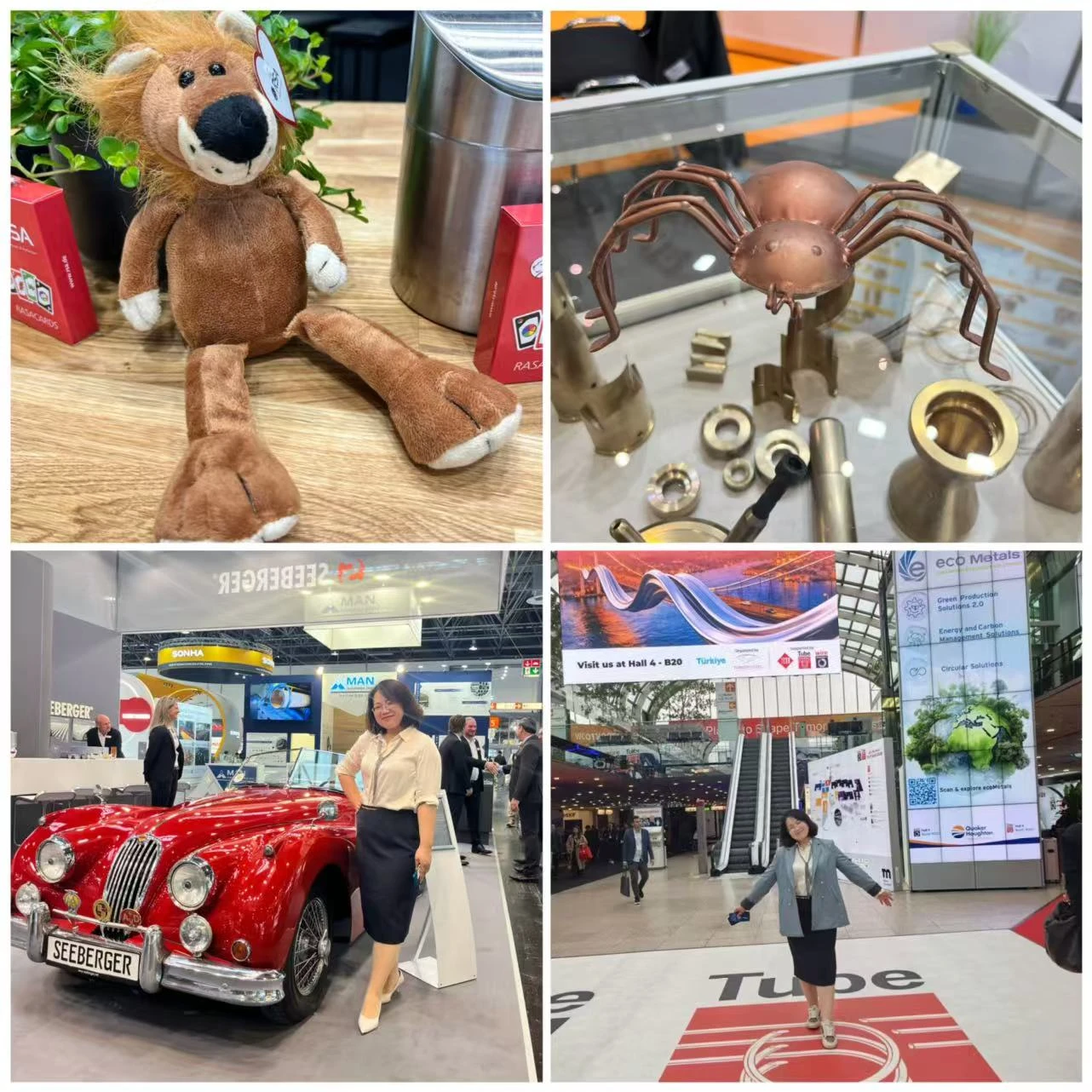
AIS Machinery Showcases Advanced Tube Solutions at Tube & Wire Düsseldorf 2026
Tube & Wire Düsseldorf 2026, one of the most influential exhibitions in the global tube and wire industry, held biennially in Düsseldorf, Germany
2027-04-17 00:00:00
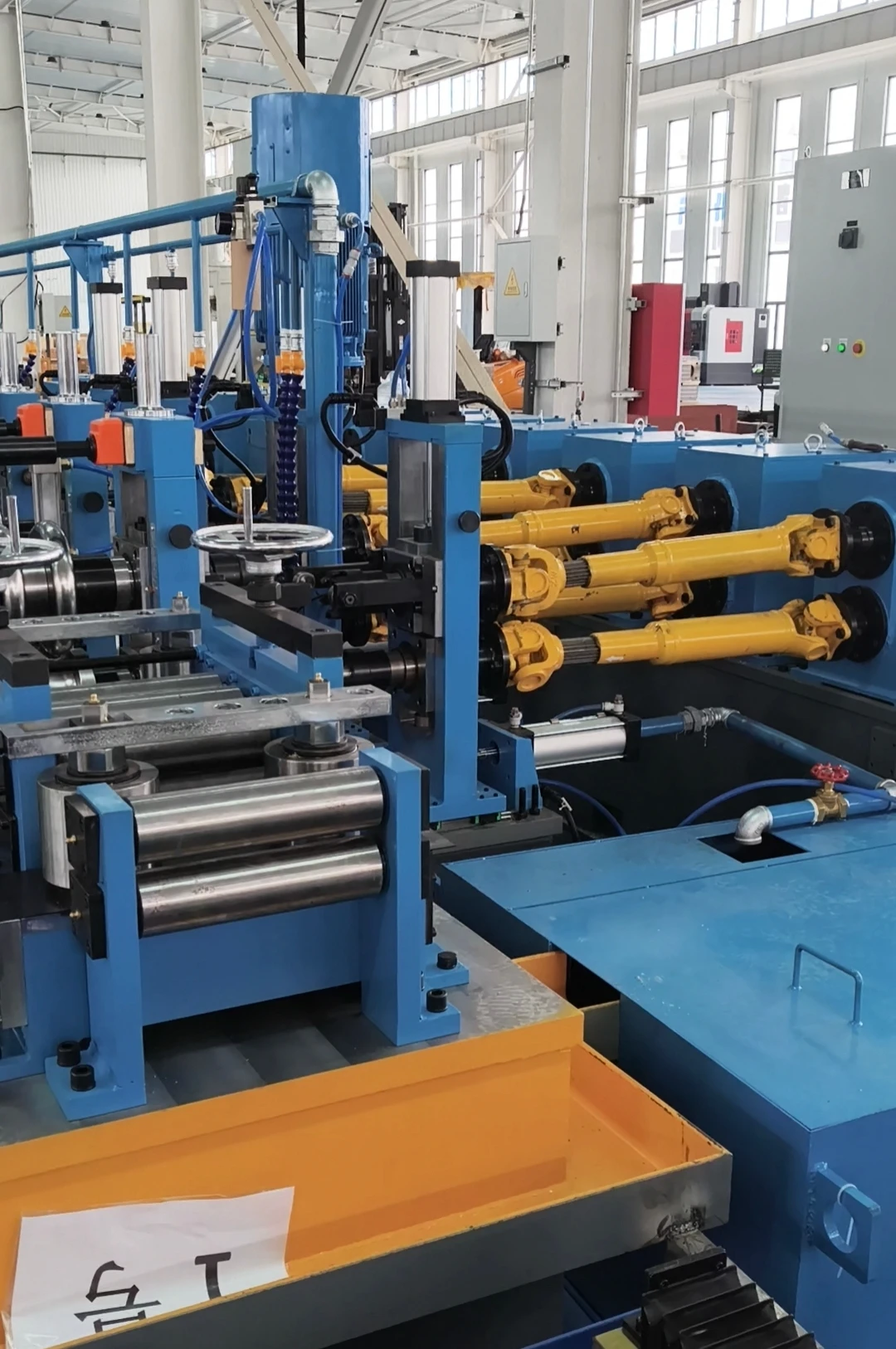
Southeast Asia Client Visits Our Factory | Customized Tube Mill Solution Delivered
A Southeast Asia client visited our ERW tube mill factory to inspect production lines and discuss a customized tube mill solution. Impressed by our machine quality, welding performance, and engineering support, the client confirmed strong cooperation intentions. Discover how our ERW tube mill solutions improve efficiency, precision, and long-term production reliability.
2026-04-16 02:35:12
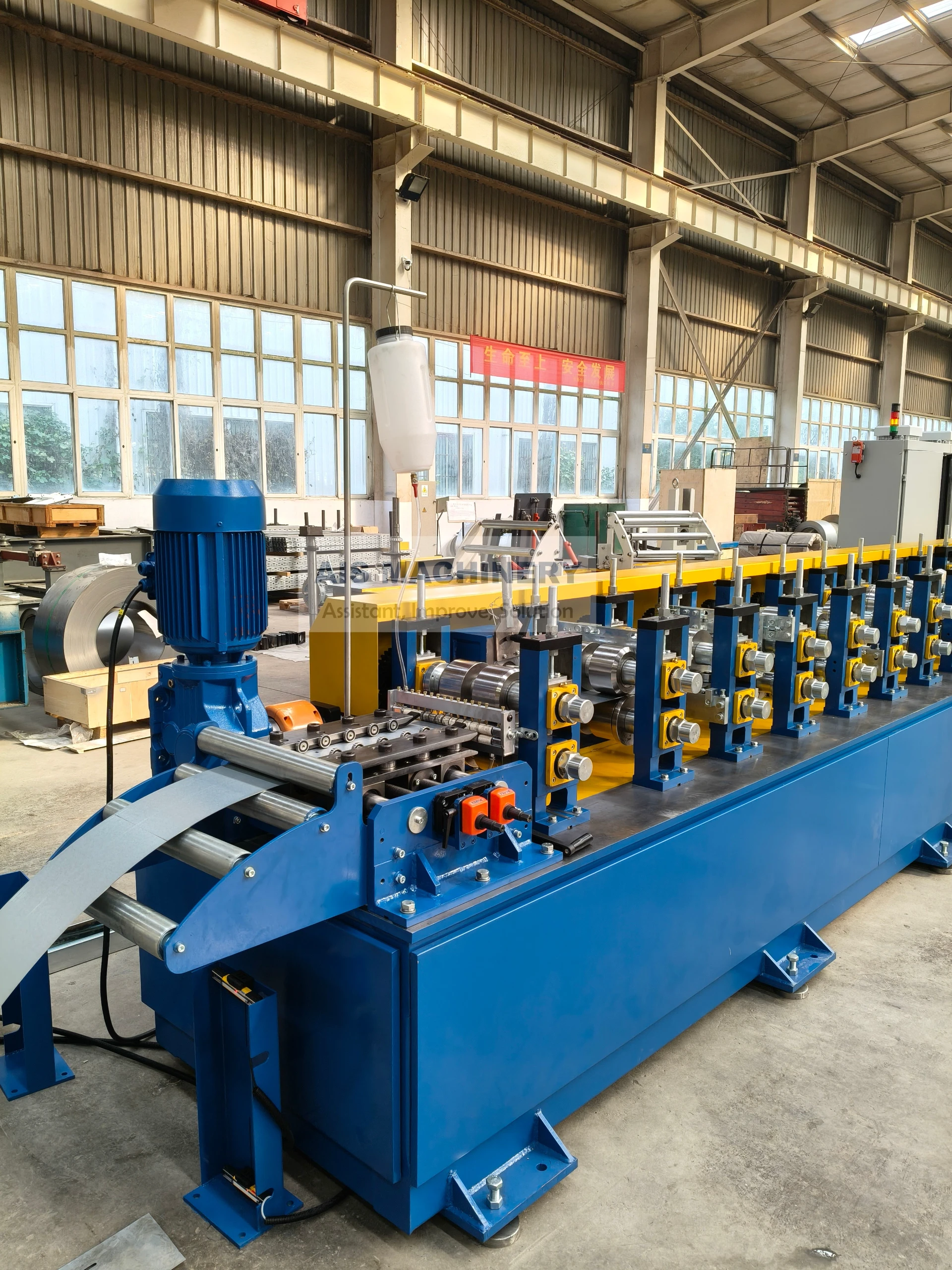
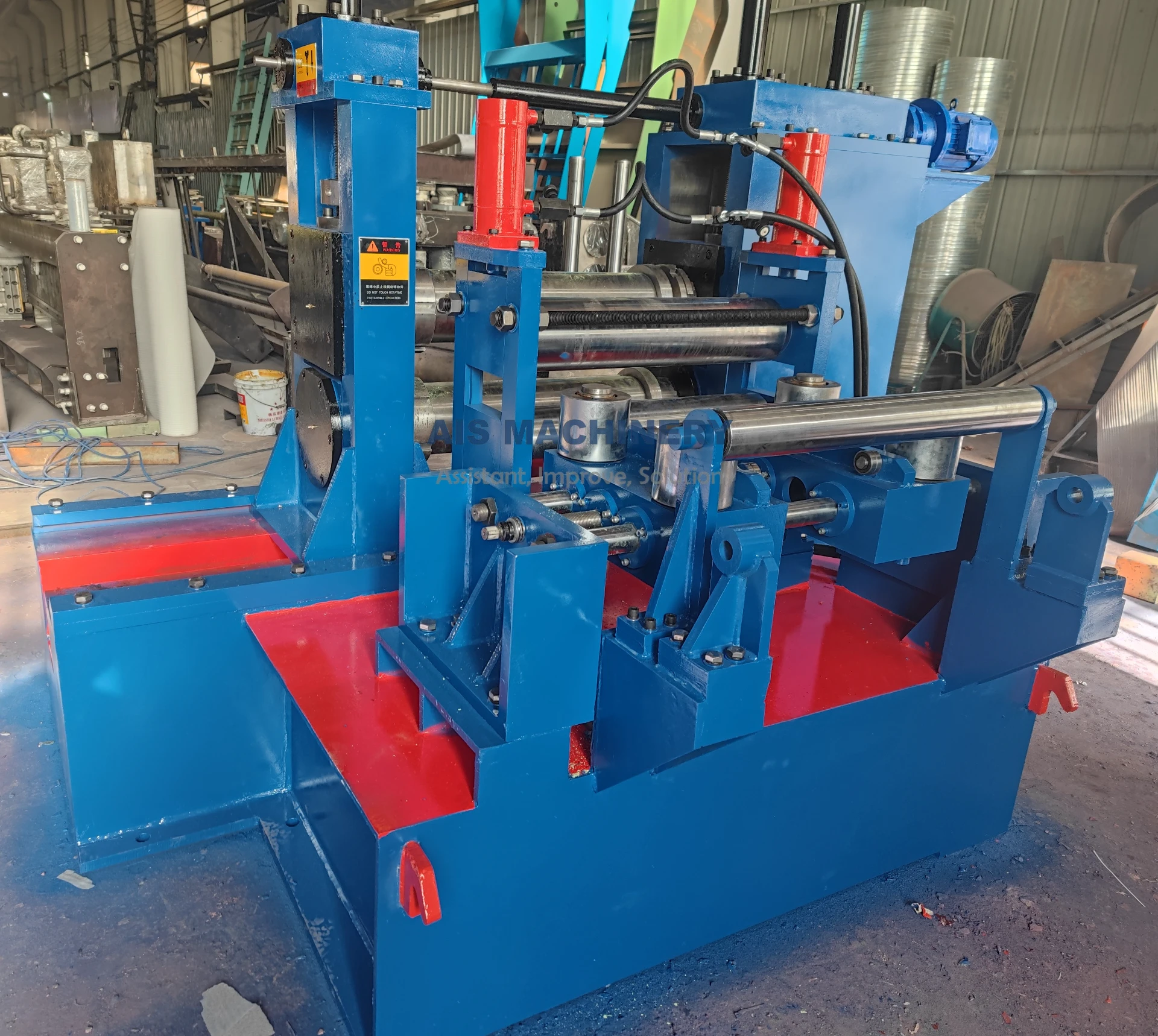
Professional Cold Roll Forming Machine Factory for Production
In the modern industrial landscape, the precision of metal shaping is the cornerstone of quality manufacturing. Partnering with a professional cold roll forming machine factory is essential for businesses looking to optimize their production lines, reduce material waste, and ensure high-dimensional accuracy. Whether you are producing C-channels, square tubes, or custom profiles, the choice of machinery determines your competitive edge in the market. This guide will explore the critical factors in selecting a factory and the technical advantages of advanced roll forming technology to help you make an informed investment.
2026-04-15 10:37:55
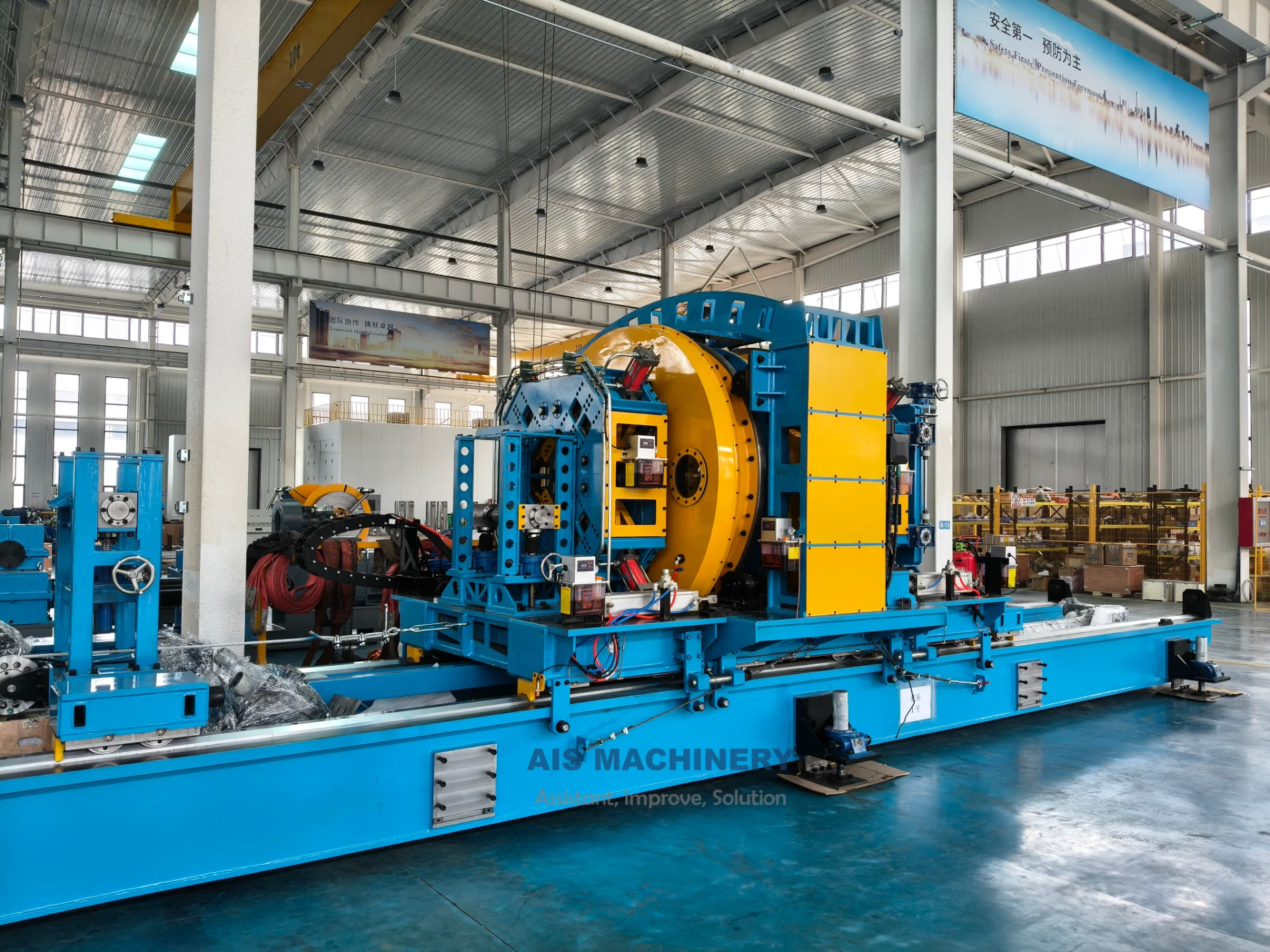
Flat Bar Production Line for Steel Coils: How It Works & Why It Matters
Looking for a flat bar production line? Learn how it turns steel coils into ready-to-use flat bars with precise length and high straightness. Compare it with slitting lines and get the best solution for your steel processing needs.
2026-04-14 00:00:00
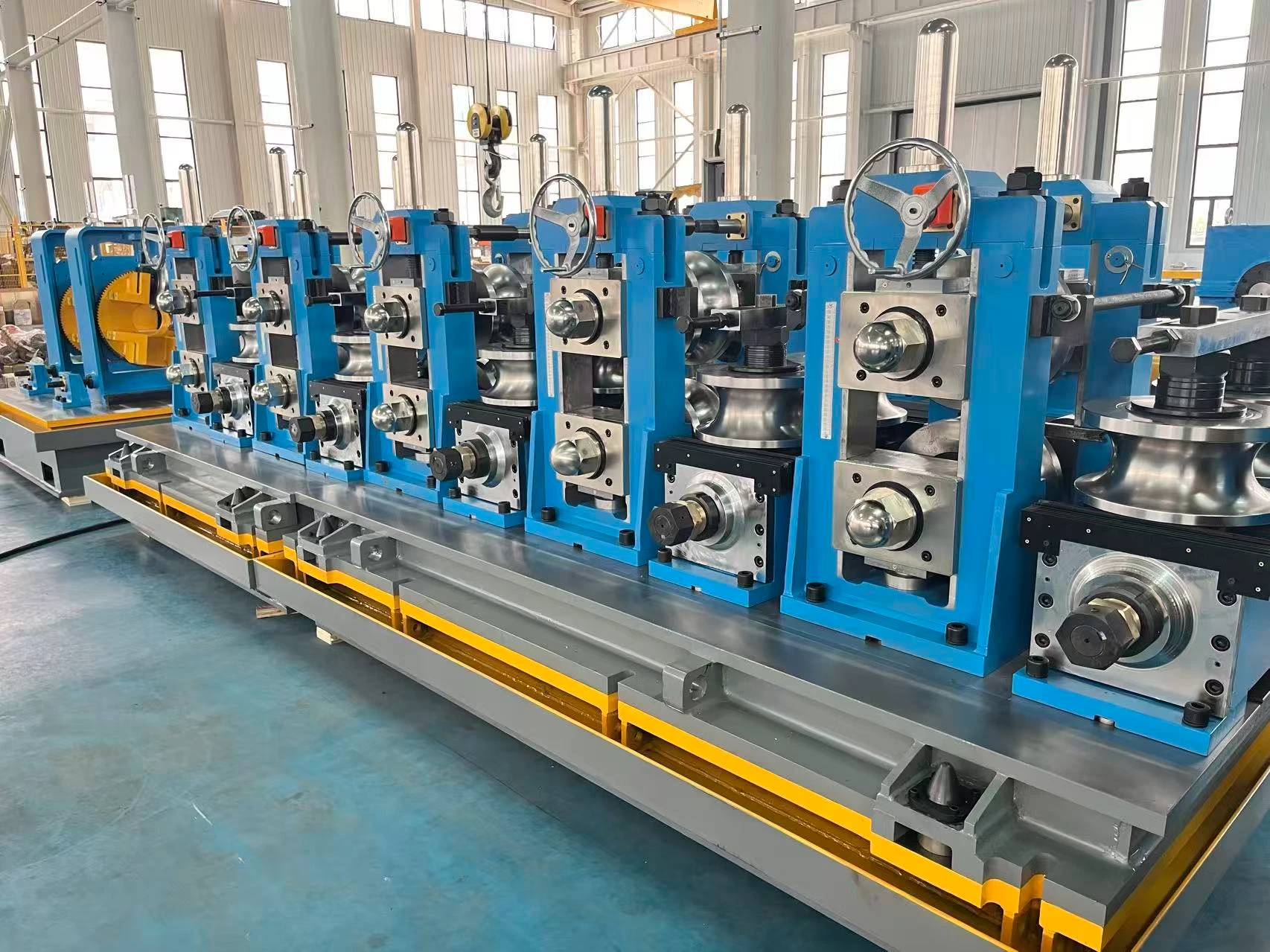
Looking for a Milling Saw for ERW Tube Mill? Here’s What You Need to Know
Looking for a high-performance milling saw for your ERW tube mill? Upgrade to burr-free, high-precision pipe cutting with advanced flying saw technology. Improve efficiency, reduce rework, and meet export standards for carbon steel, stainless steel, and API pipes. Contact us today for expert solutions and competitive pricing tailored to your production needs.
2026-04-09 16:15:19
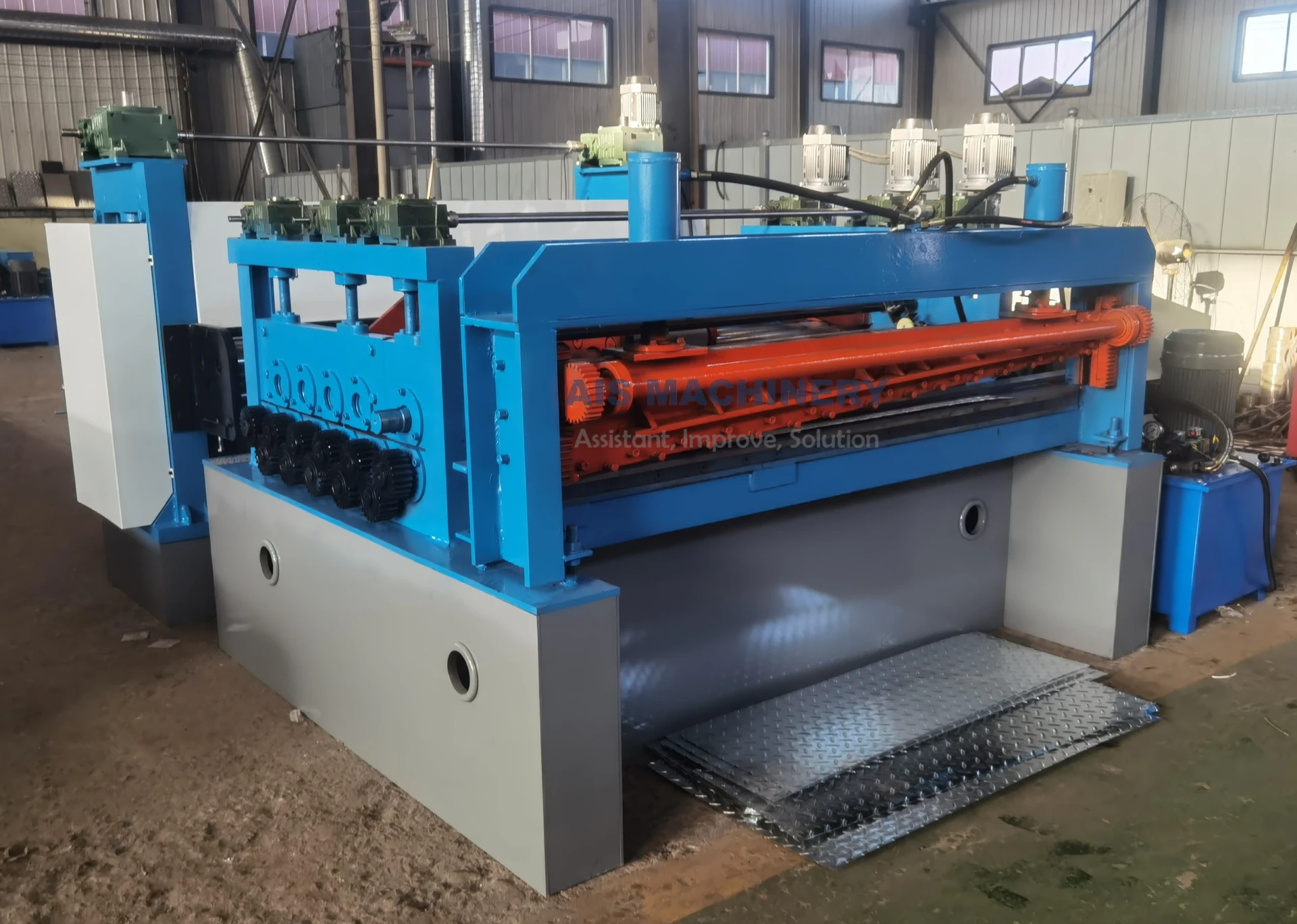
5-Inch (127mm) ERW Tube Making Machine Delivered with Heavy-Duty Design and Advanced Quick Change System
2027-04-07 00:00:00
Metal Embossing Machine: Turn Flat Sheets into High-Value Textured Products
Discover how a metal embossing machine transforms flat steel, stainless steel, and aluminum sheets into high-value textured products. Learn about its working principle, key components, and applications. Ideal for decorative and industrial use, embossing machines improve both appearance and performance. Explore complete embossing line solutions and find the right machine for your production needs.
2026-04-04 20:37:18
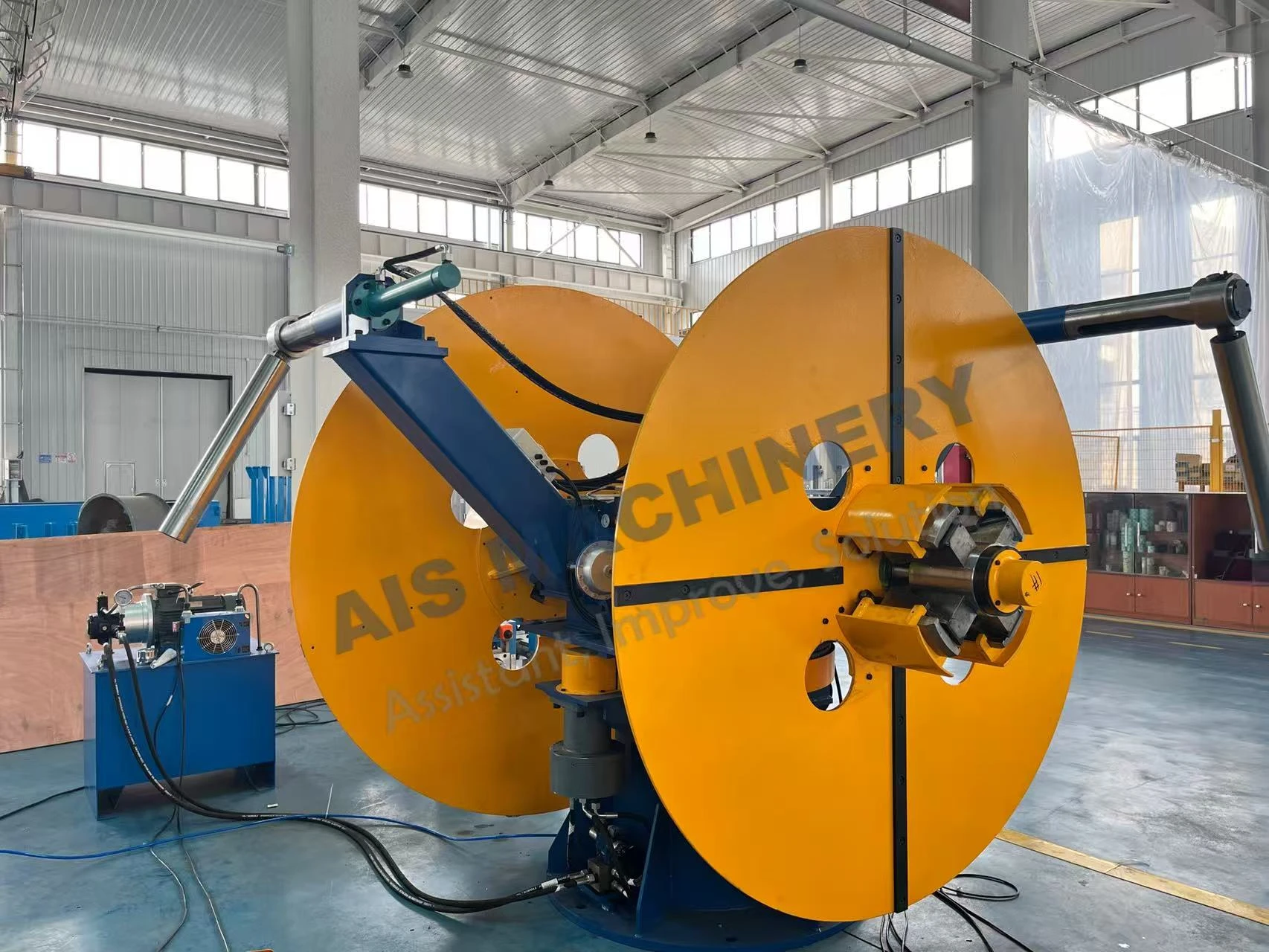
Automatic Double Side Uncoiler with Hydraulic Expansion and Auto Rotation for Steel Coil Processing
The Automatic Double Side Uncoiler is a high-efficiency solution designed for modern steel coil processing lines, including tube mills, roll forming machines, and slitting lines. With a maximum capacity of 4 tons per side, this machine ensures stable and continuous coil feeding while reducing downtime during coil change.
Send a Message
Dear customer, thank you for your attention! We provide high-quality machinery and equipment and look forward to your orders. Please inform us of your needs and we will respond quickly!
 English
  Albanian
  Arabic
  French
  German
  Indonesian
  Italian
  Japanese
  Kazakh
  Korean
  Latin
Latin  Macedonian
  Portuguese
  Russian
  Spanish
  Thai
Thai  Turkish
  Ukrainian
  Uzbek
Uzbek