



26,3월 2026
Understanding Cold Roll Forming and the Cold Roll Machine Process
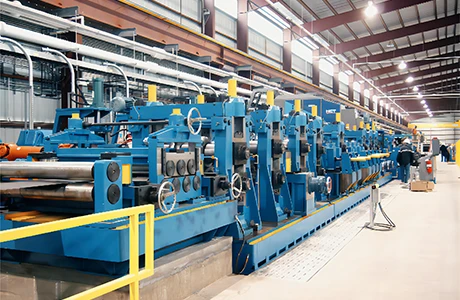
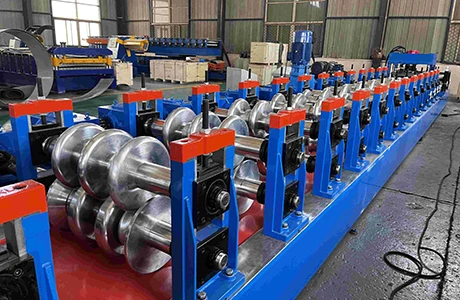
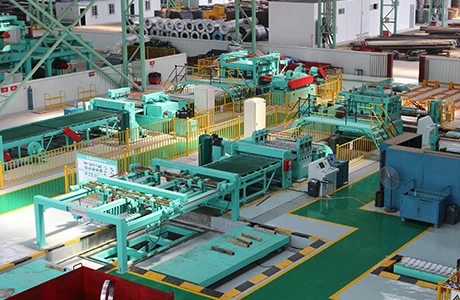
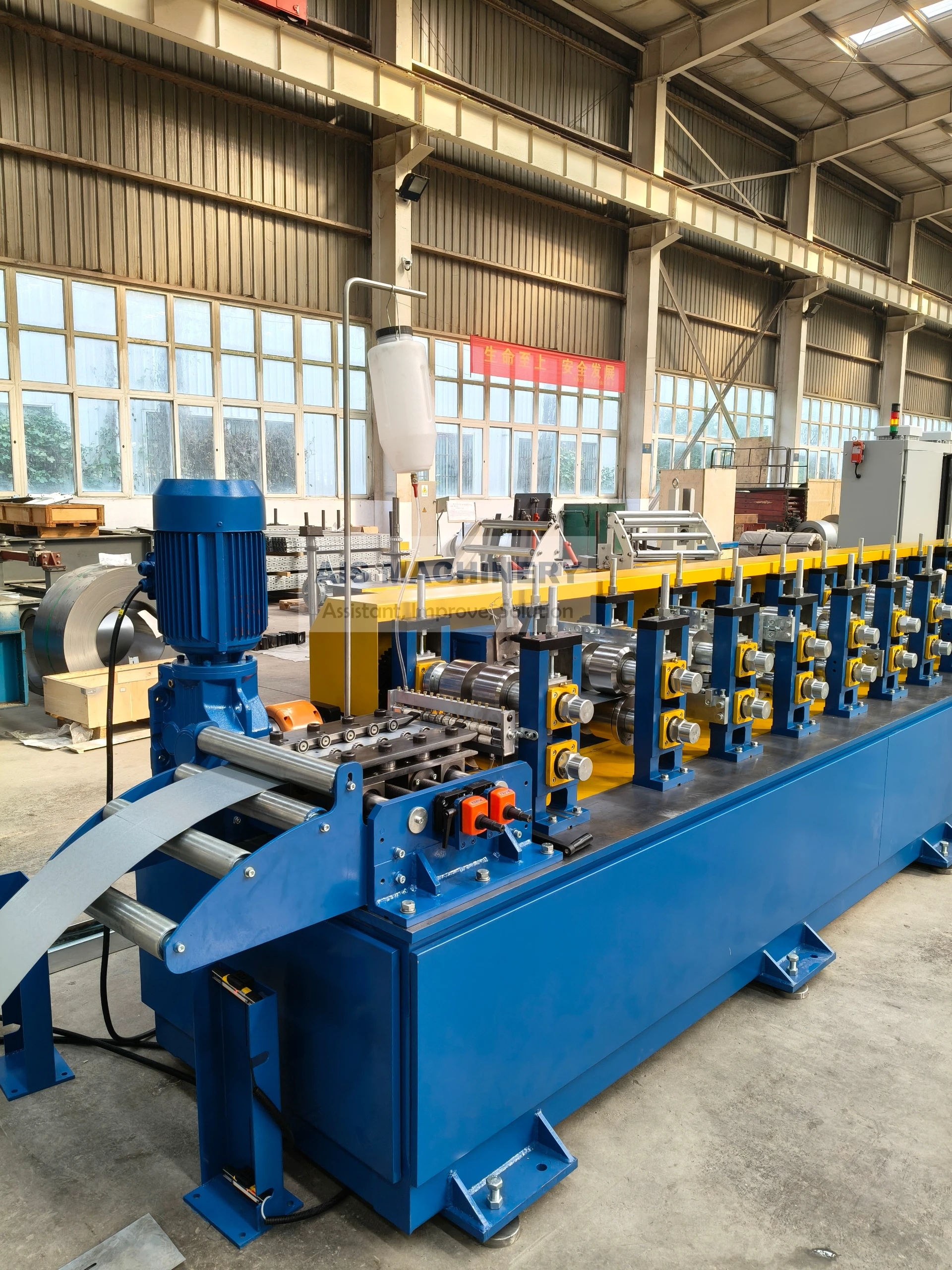
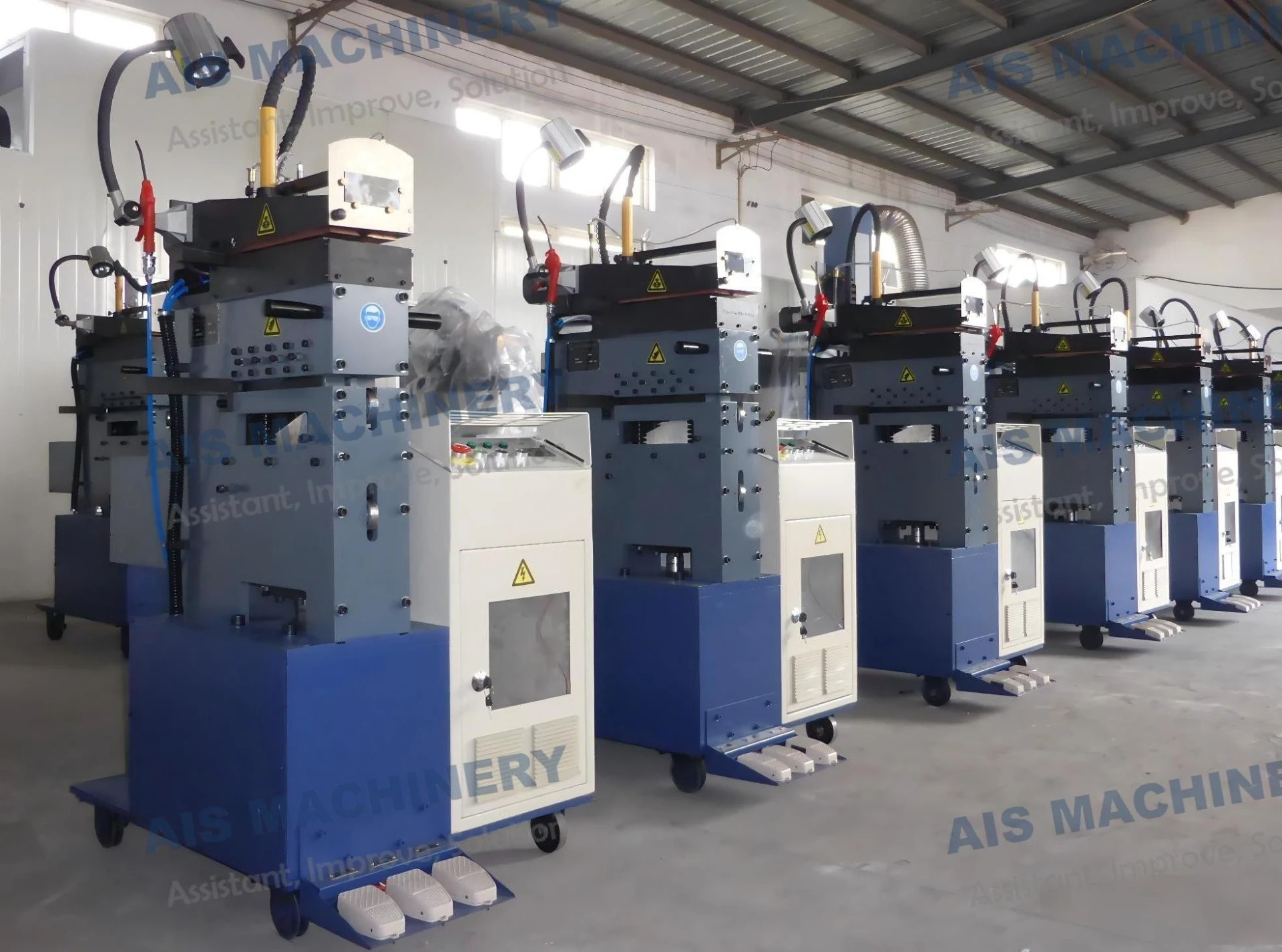
Cold roll forming is a highly efficient and cost-effective process for manufacturing metal components with consistent cross-sections. Utilizing a cold roll machine allows businesses to produce high-strength, precise metal profiles for a diverse range of applications. This article will explore the process, advantages, key components, applications, and considerations when investing in a cold roll machine. We aim to provide a comprehensive guide for those looking to understand and implement this powerful manufacturing technique. Cold roll forming, also known as cold rolling, is a continuous bending process that shapes metal sheets into desired profiles. Unlike hot rolling, which involves heating the metal, cold roll forming is performed at room temperature. This process uses a series of rollers, each precisely shaped, to gradually deform the metal strip as it passes through the cold roll machine. This gradual deformation maintains the metal’s strength and produces profiles with tight tolerances and a smooth surface finish. The process is particularly well-suited for producing long, continuous sections, making it ideal for applications like structural components, tubing, and channels.
25,3월 2026
Automatic vs Manual Shear and Welder in ERW Tube Mill: Complete Guide
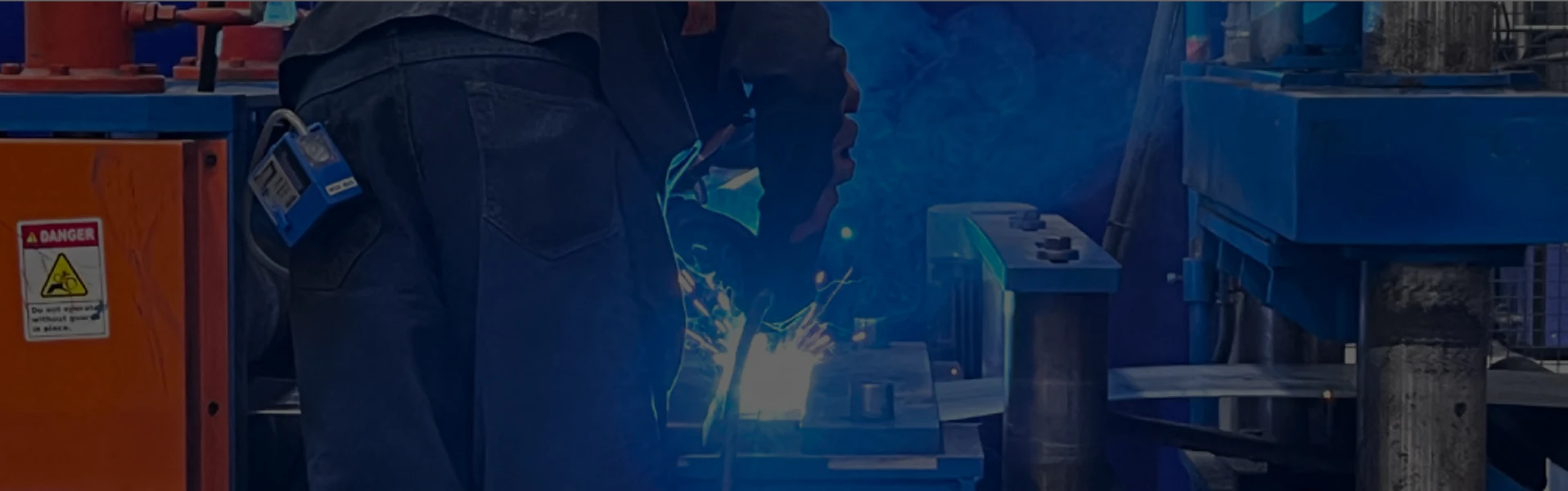
Boost your ERW tube mill efficiency with the right shear and welder. Compare automatic and manual shear and welder machines, understand key differences, benefits, and applications. Discover how to achieve continuous production, reduce downtime, and improve welding quality in steel pipe manufacturing. Contact us today for expert advice and customized solutions for your tube mill line.
23,3월 2026
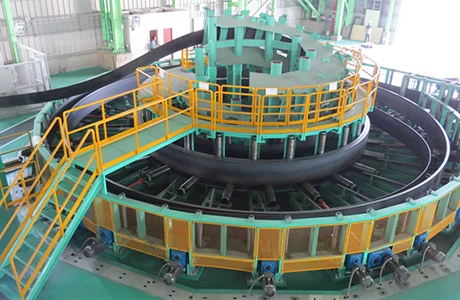
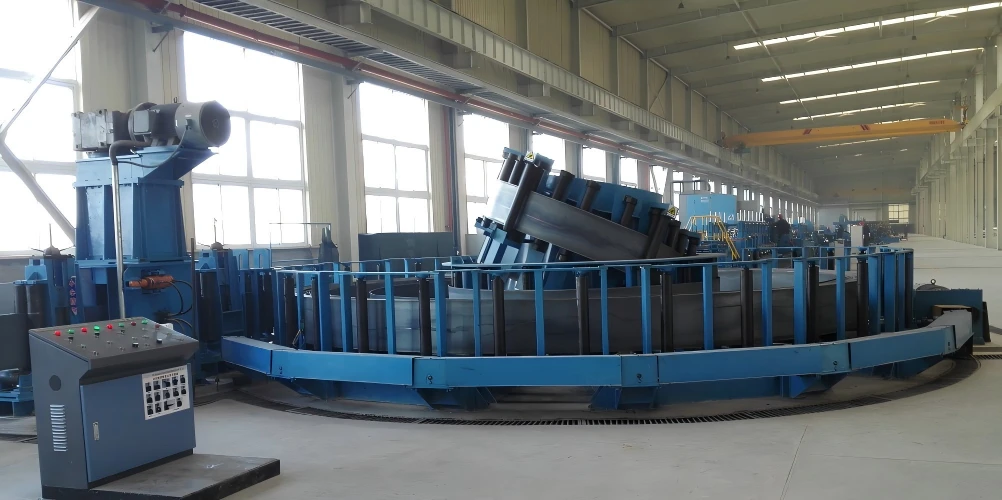
Learn how accumulators work in an ERW tube mill, including cage loop and horizontal spiral accumulator systems. Discover their differences, advantages, disadvantages, and how to choose the right solution for continuous production. Improve efficiency, reduce downtime, and optimize strip storage in your tube manufacturing line.
19,3월 2026
Optimizing Material Handling with Robust Coil Car Solutions for Industry
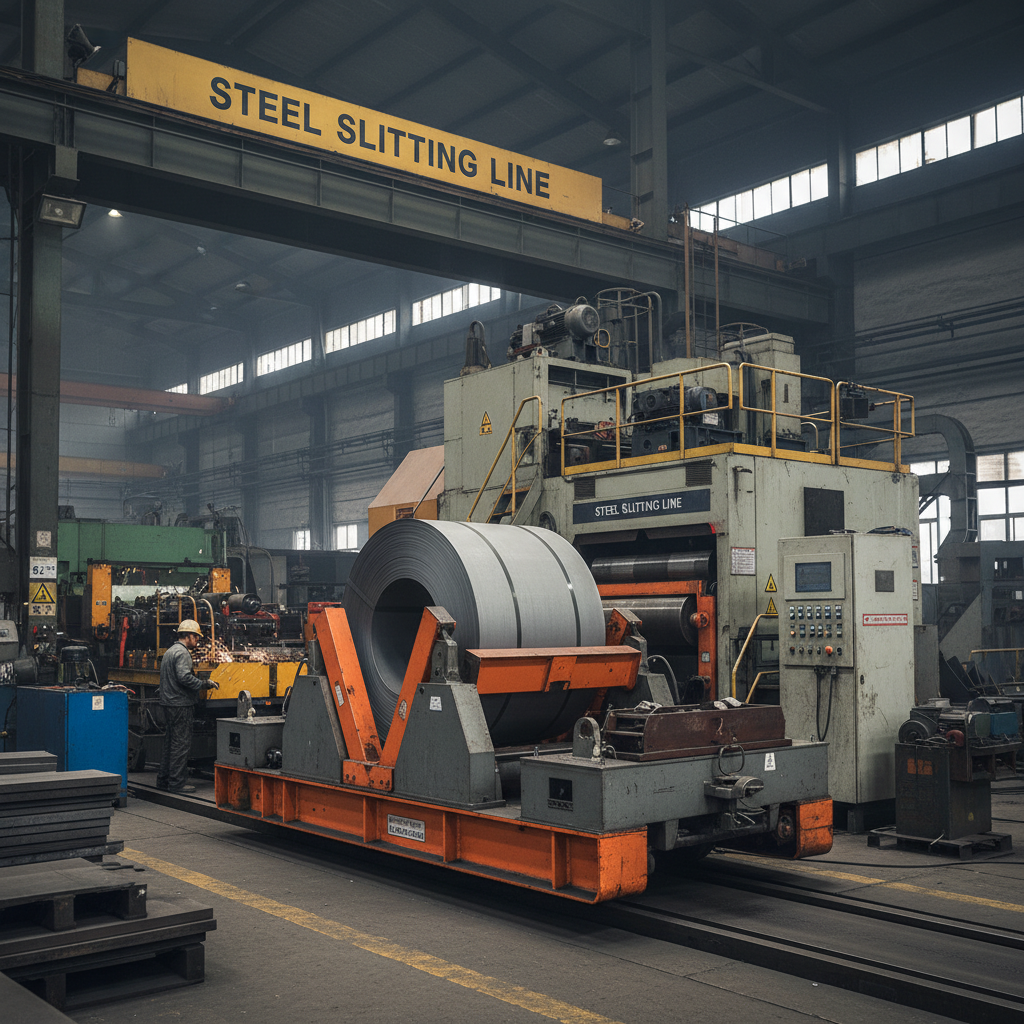
In the realm of material handling, coil cars are indispensable for the safe and efficient transport of steel, aluminum, paper, and other materials wound into coils. These specialized carts are designed to handle the unique challenges presented by coiled materials – maintaining stability, preventing damage, and streamlining movement within manufacturing and processing facilities. Aistu Tube Mill provides robust coil car solutions tailored to various industrial needs. This article will delve into the different types of coil cars, their applications, key considerations when selecting one, and why choosing a reliable supplier is paramount. Coil cars are essential across a wide range of industries. In the steel industry, they facilitate the movement of steel coils between processing stages – from slitting and shearing to warehousing and shipping. The aluminum industry utilizes them for similar purposes, ensuring the integrity of aluminum coils during handling.
18,3월 2026
Direct Forming Line for Square and Rectangle Pipe: A Complete Guide
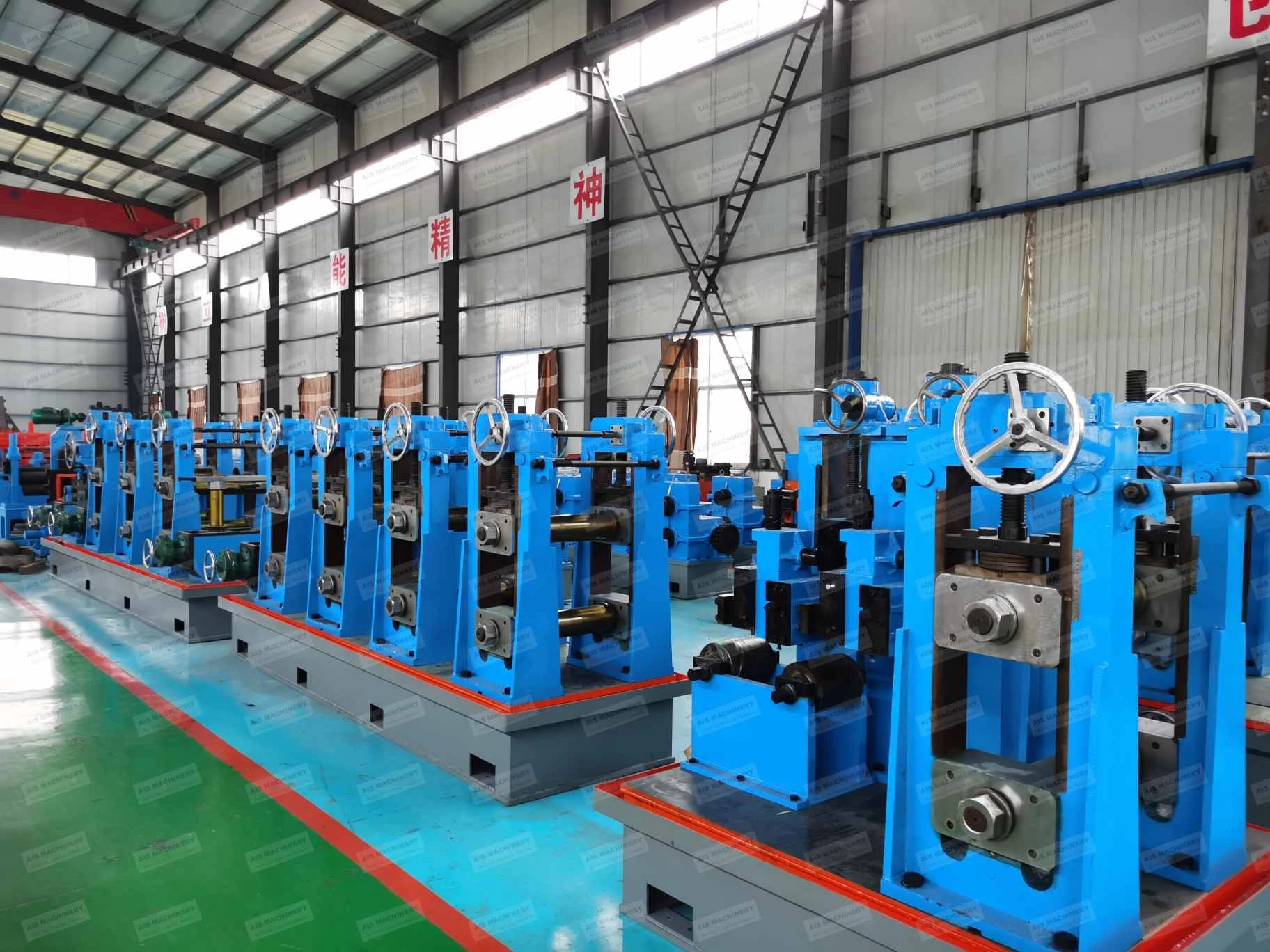
Discover the Direct Forming Line for Square and Rectangle Pipe, an advanced tube mill solution that forms pipes directly without round shaping. Improve production efficiency, reduce material waste, and achieve better dimensional accuracy. Ideal for structural steel, construction, and industrial applications. Contact us for customized solutions and competitive pricing.
17,3월 2026
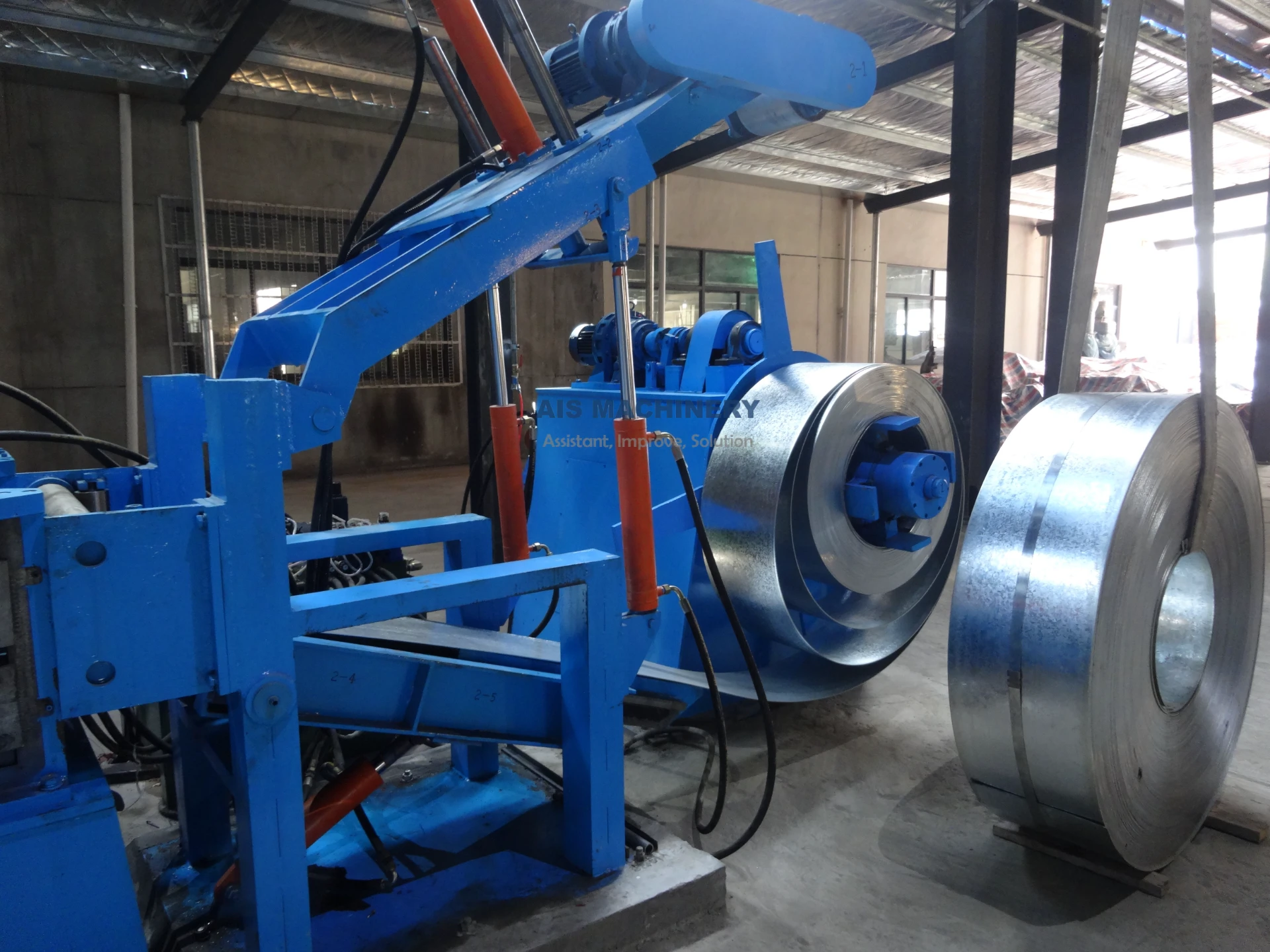
Uncoiler with Peeler and Hold Down Roll: What It Is and Why It Matters in an ERW Tube Mill
Learn what an uncoiler with peeler and hold down roll is and why it is essential for ERW tube mills. Discover its functions, applications, and benefits in handling thick, high-strength steel coils safely and efficiently. Improve feeding stability, reduce downtime, and enhance production performance with the right uncoiling solution.
14,3월 2026
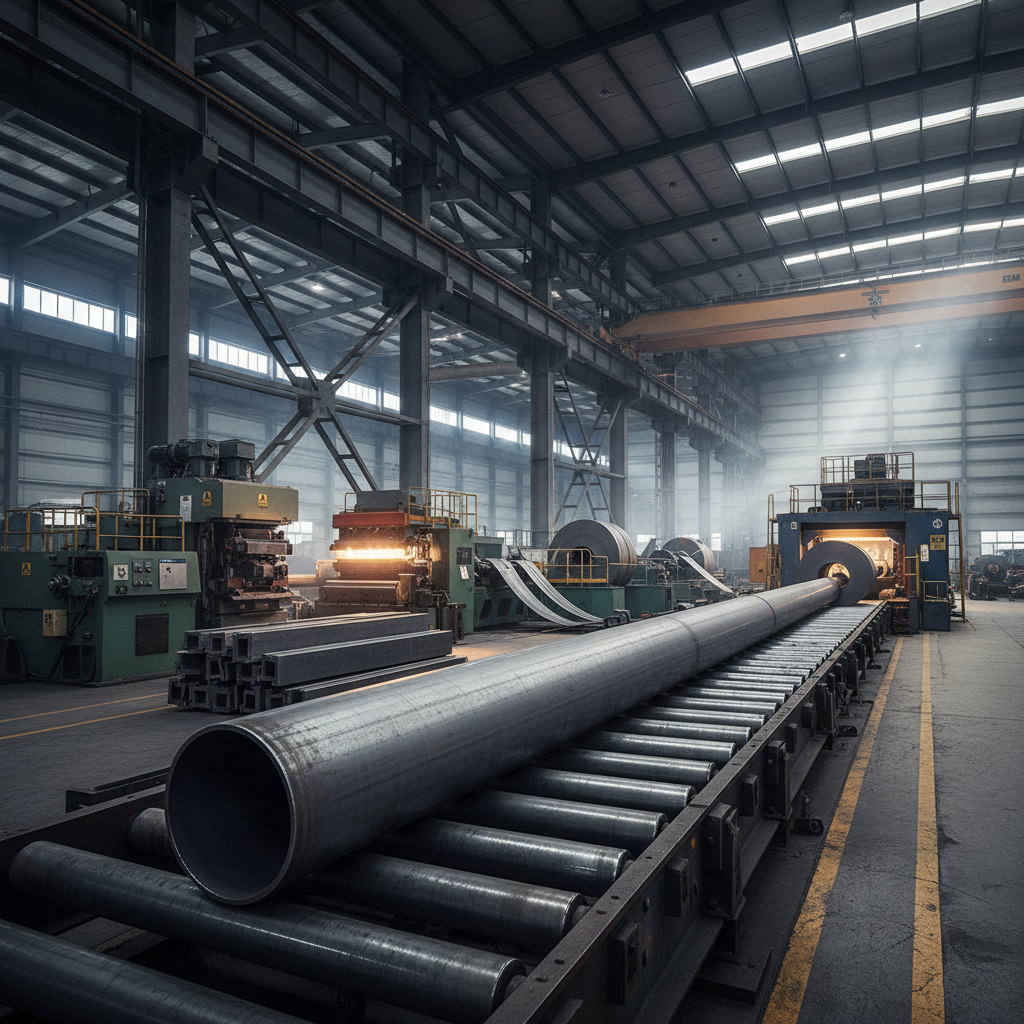
Optimize CrossBorder Trade with a Proactive Run Out Table Strategy
In the dynamic world of cross-border trade, efficient inventory management is paramount. A critical tool for achieving this is the 'run out table' – a data-driven approach to forecasting demand and minimizing stockouts. This article delves into what a run out table is, how it functions, its benefits, and how it can significantly optimize your supply chain. AISTubeMill helps businesses streamline their operations, and understanding tools like the run out table is key to success. We’ll explore how leveraging this strategy can lead to increased profitability and customer satisfaction. A run out table is essentially a structured spreadsheet or database that helps predict when a specific product will likely be out of stock, given current sales rates and lead times for replenishment. It's a core component of demand planning, particularly useful for businesses dealing with products that have fluctuating demand.
12,3월 2026
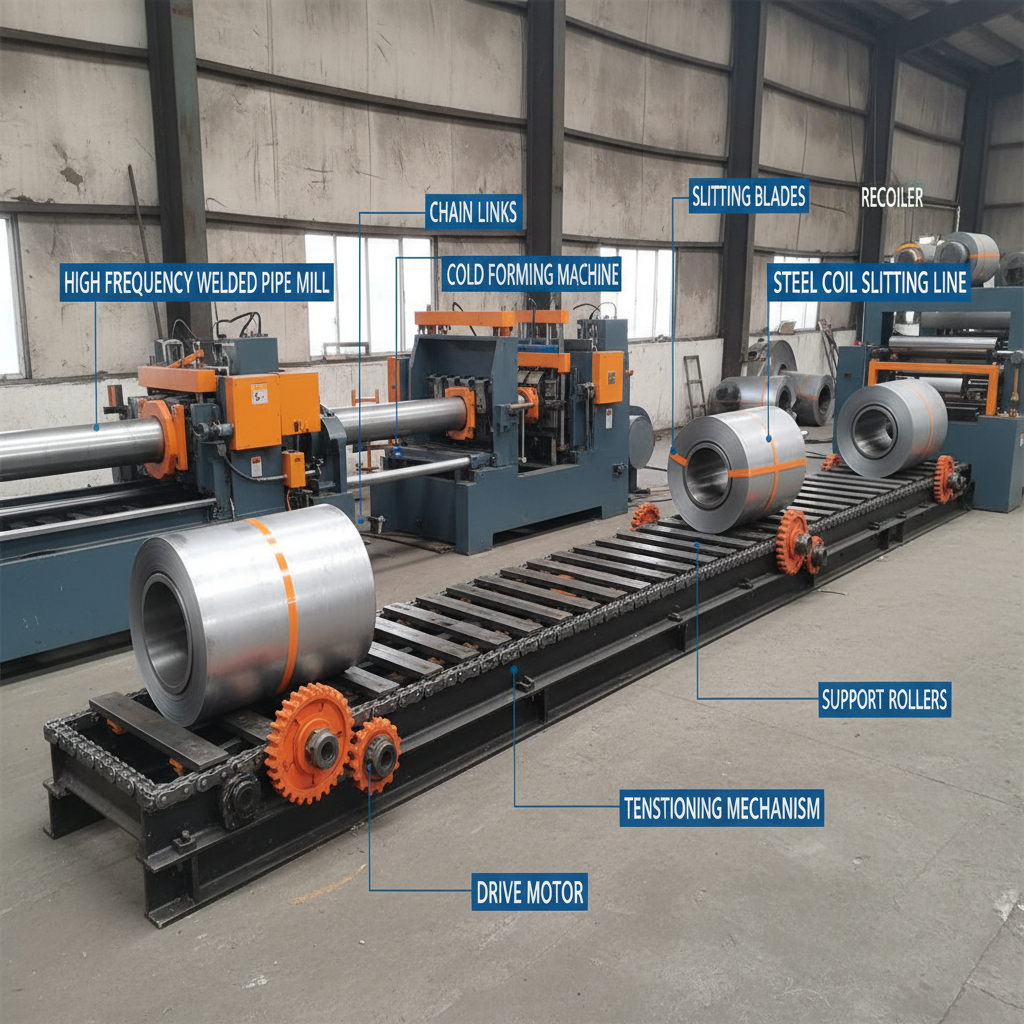
Comprehensive Guide to Chain Type Conveyors for Efficient Material Handling
Chain conveyors are essential material handling systems used across a variety of industries. From automotive manufacturing to food processing, these conveyors offer a robust and reliable solution for moving goods efficiently. This article provides a detailed overview of chain type conveyors, including their types, applications, benefits, and key considerations when selecting a system. We’ll delve into the specifics to help you understand if a chain conveyor is the right solution for your material handling needs. Chain conveyors come in several configurations, each suited to different applications. The most common types include: Drag Chain Conveyors, Overhead Chain Conveyors, Pallet Chain Conveyors, Scraper Chain Conveyors. The selection of the appropriate type depends on factors such as the weight and size of the materials being conveyed, the required throughput, and the layout of the facility. Chain conveyors excel in handling abrasive, hot, or oily materials, making them suitable for challenging environments. The versatility of chain conveyors makes them valuable in numerous sectors: Automotive, Food Processing, Foundries, Wood Processing, Coal Handling.
10,3월 2026
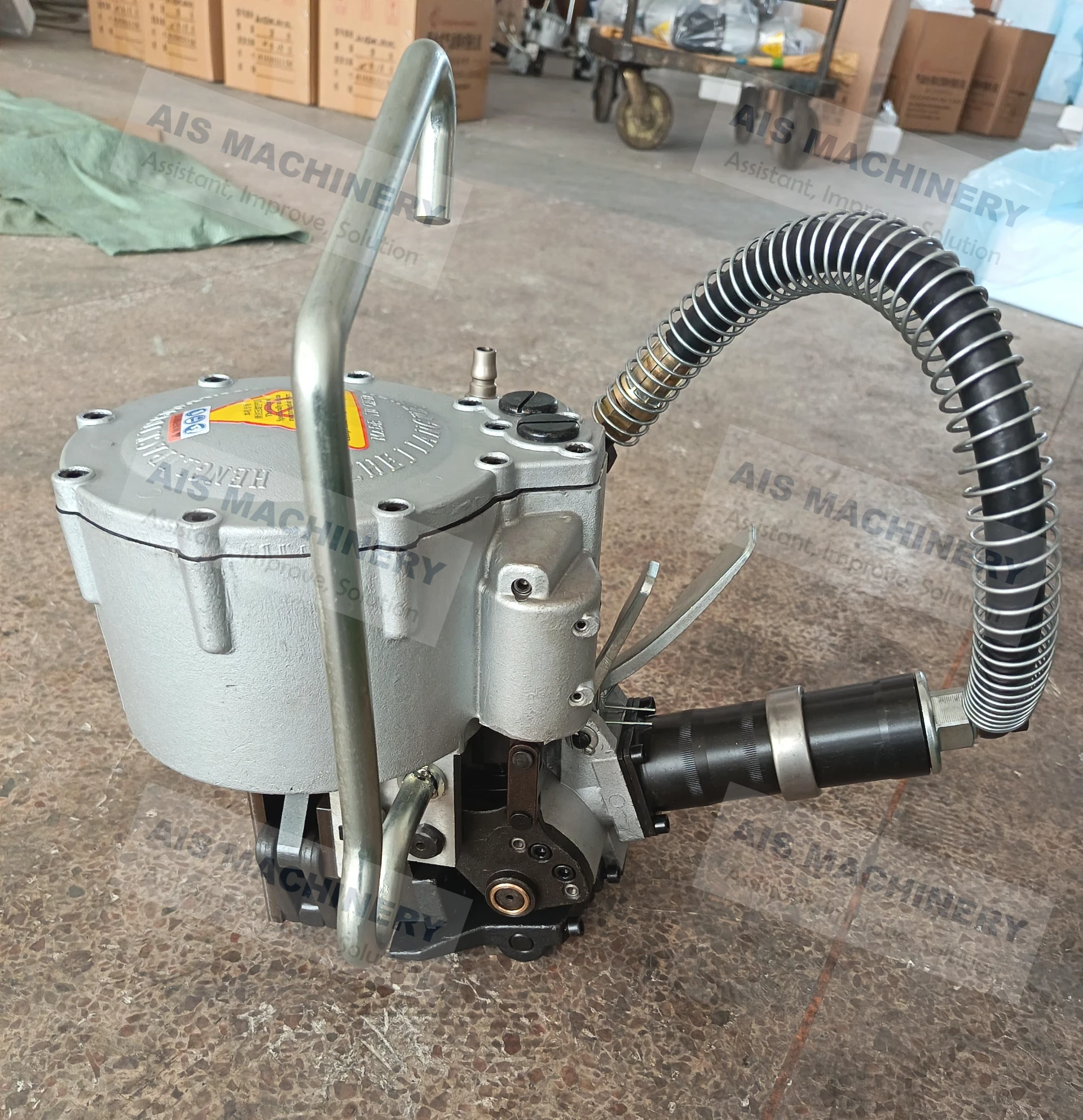
Maximize Packaging Efficiency with a Pneumatic Strapping Machine Solution
In today's fast-paced industrial environment, efficient and reliable packaging solutions are essential. A pneumatic strapping machine offers a significant upgrade over manual strapping methods, increasing productivity and reducing labor costs. This article delves into the advantages, applications, and considerations when choosing a pneumatic strapping machine for your business. We’ll explore how this equipment can streamline your operations and enhance your bottom line. Pneumatic strapping machines utilize compressed air to tighten and seal strapping materials, typically polypropylene (PP) or polyester (PET). This automation significantly reduces the time and effort required compared to manual strapping. The result is increased packaging throughput, minimized strain on workers, and consistent strap tension – vital for secure loads. They are especially beneficial for businesses handling high volumes of goods and seeking to optimize their packaging processes.
09,3월 2026
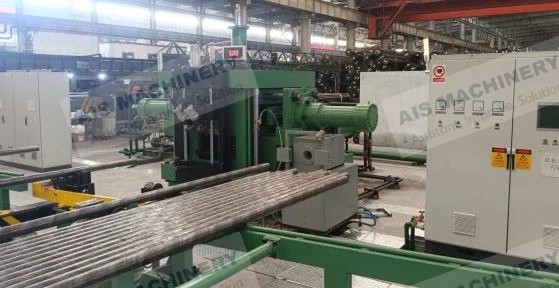
Hydraulic Upsetting Machine: Pipe End Forming Equipment for Tube Mill Lines
A Hydraulic Upsetting Machine is an important auxiliary device used in tube mill workshops for pipe end forming and reinforcement. It uses hydraulic pressure to increase the diameter or wall thickness of steel pipe ends, improving connection strength and durability. Widely used in ERW tube mill production and pipe processing industries, hydraulic upsetting machines help manufacturers achieve stronger pipe connections, higher product quality, and more reliable pipeline performance.
08,3월 2026
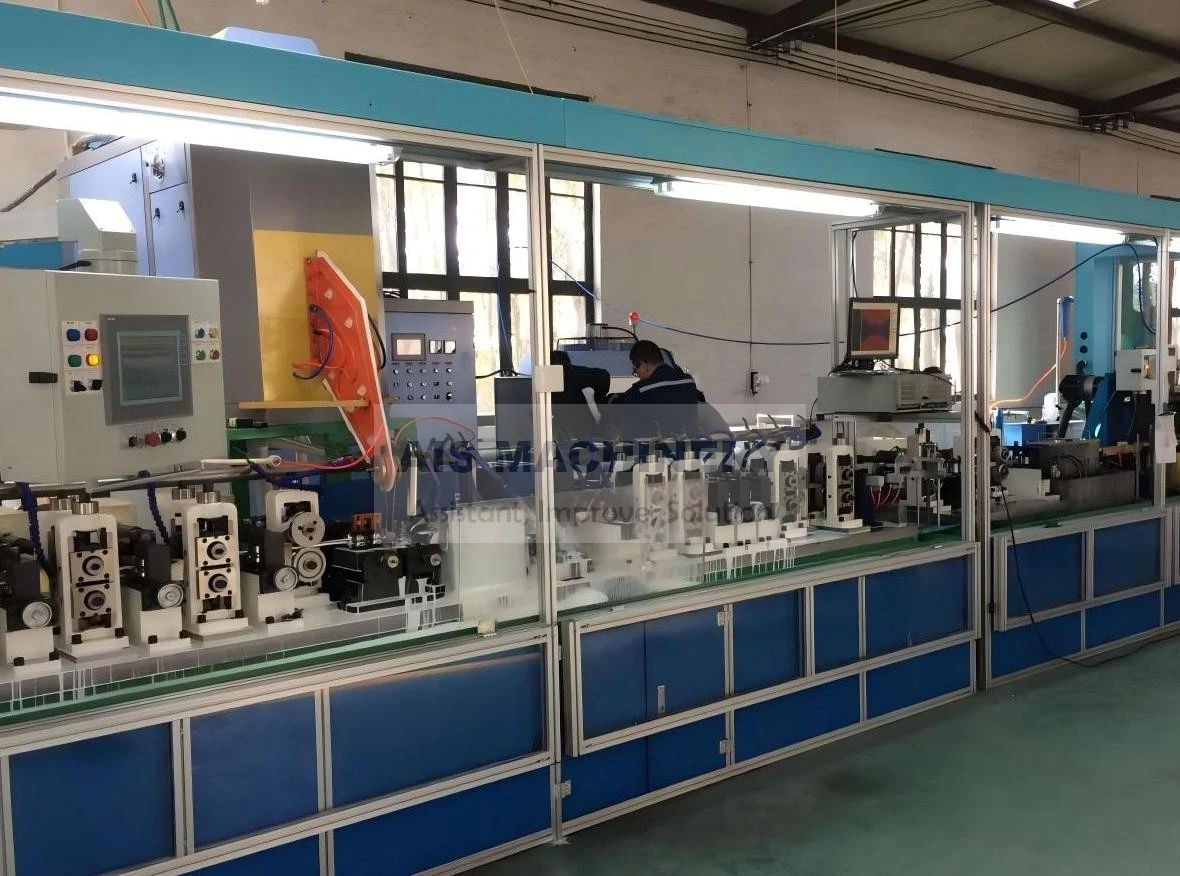
Comprehensive Guide to Eddy Current Technology for NonDestructive Testing
Eddy Current Technology (ECT) is a versatile and widely-used non-destructive testing (NDT) method for detecting surface and near-surface flaws in conductive materials. At AISTubeMill, we leverage this technology to ensure the highest quality standards in our seamless steel tubes. ECT offers a fast, reliable, and repeatable method for identifying defects without damaging the material being inspected. This article will delve into the principles of ECT, its applications, advantages, and limitations. Understanding ECT is crucial for maintaining safety and reliability in various industries. ECT operates on the principle of electromagnetic induction. An alternating current (AC) flows through a coil, generating a magnetic field. When this coil is brought near a conductive material, the magnetic field induces circulating currents within the material – these are known as eddy currents. These eddy currents, in turn, create their own magnetic field. Any changes in the material’s properties, such as the presence of a crack, variation in conductivity, or change in permeability, will alter the flow of eddy currents and therefore the secondary magnetic field.
06,3월 2026
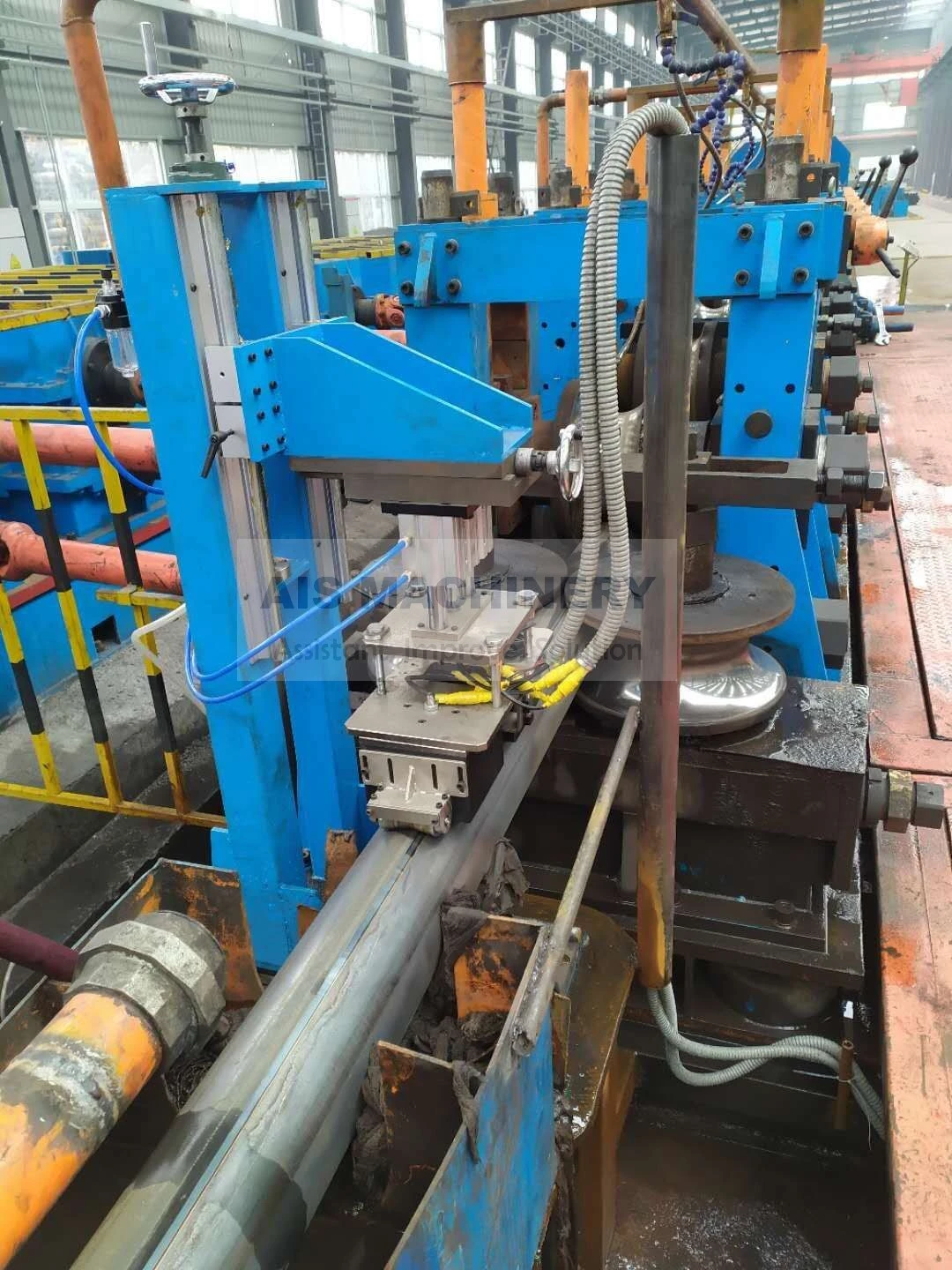
Comprehensive Guide to Eddy Current Testing Equipment and Applications
Eddy current testing (ECT) is a non-destructive testing (NDT) method used to detect flaws and characterize materials. It's a versatile technique widely employed across industries like aerospace, oil & gas, and manufacturing for quality control and maintenance. This article explores the principles, applications, types, and key considerations when selecting eddy current testing equipment, helping you make informed decisions. Understanding ECT is crucial for ensuring the reliability and safety of critical components. At its core, ECT relies on electromagnetic induction. An alternating current is passed through a coil, generating a magnetic field. When this field interacts with a conductive material, circulating currents – known as eddy currents – are induced within the material. Any flaws or variations in the material’s conductivity or permeability disrupt the flow of these eddy currents. The ECT instrument detects these disruptions, allowing for the identification of surface and near-surface defects, material variations, and coating thickness. The sensitivity and effectiveness of the test depend on factors like frequency, probe design, and material properties.
관련 상품


메시지 보내기
Dear customer, thank you for your attention! We provide high-quality machinery and equipment and look forward to your orders. Please inform us of your needs and we will respond quickly!
 Korean
  English
  Albanian
  Arabic
  French
  German
  Indonesian
  Italian
  Japanese
  Kazakh
  Latin
Latin  Macedonian
  Portuguese
  Russian
  Spanish
  Thai
Thai  Turkish
  Ukrainian
  Uzbek
Uzbek