
-
 Tel:86-15176910262
-

Search

Advanced C Purlin Forming Machine | Efficient Steel Purlins
Aug . 03, 2025 11:00
The rising demand for structural steel solutions across construction, infrastructure, petrochemical, and energy sectors spurs ongoing innovations in c purlin forming machine technology. This comprehensive guide delivers a deep dive into the field of c purlin forming machine, its variants such as c purlin machine, c purlin roll forming machine, c purlin roll former, and purlin roll forming machine, with an emphasis on industry trends, technical parameters, process excellence, and real-world success stories.
Industry Trends & Market Drivers for C Purlin Forming Machines
- 2023 global market size for roll forming machines reached USD 9.8 billion, with a CAGR estimation of 4.2% till 2028 (Source: MarketWatch, 2023).
- Rising demand for pre-engineered buildings (PEB), sustainable infrastructure, and advanced corrosion-resistant purlins fuels growth.
- Key users: Construction (65%), petrochemical (11%), metallurgy (8%), utilities (7%), others (9%).
- Standardization trends: ISO 9001/14001, ANSI C80.1, and CE compliance are now baseline purchasing criteria.
- Technological innovations: Automatic width adjustment, NC servo feeding, quick-change cassettes, and integrated inline punching now dominate the latest c purlin roll forming machine releases.
What is a C Purlin Forming Machine?
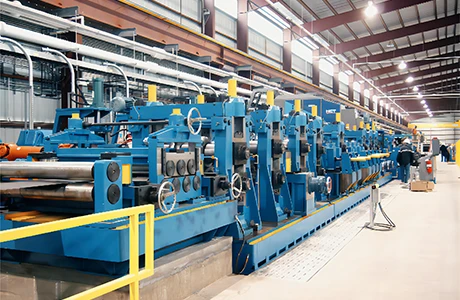
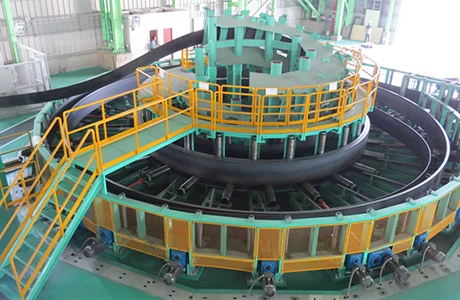
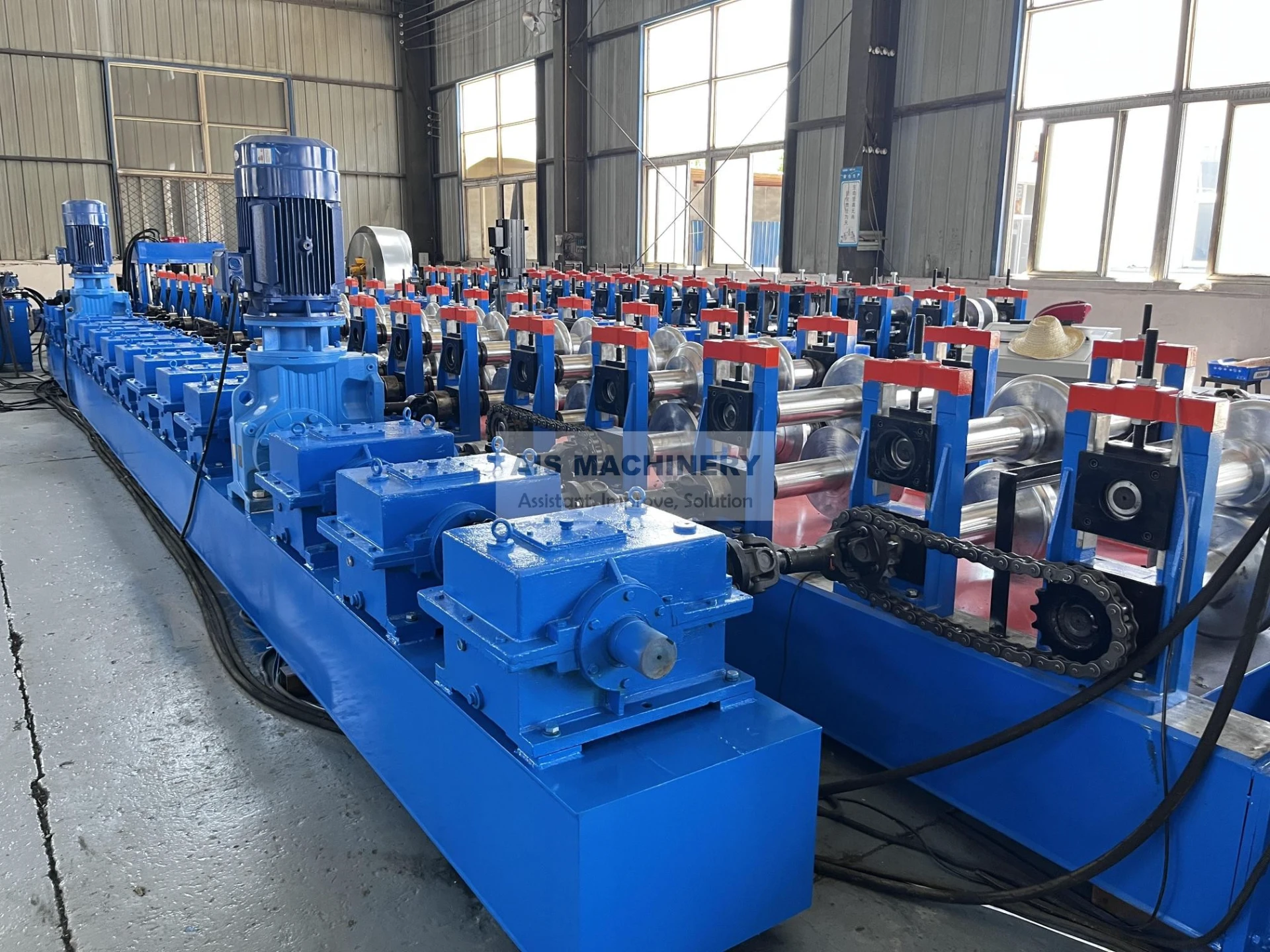
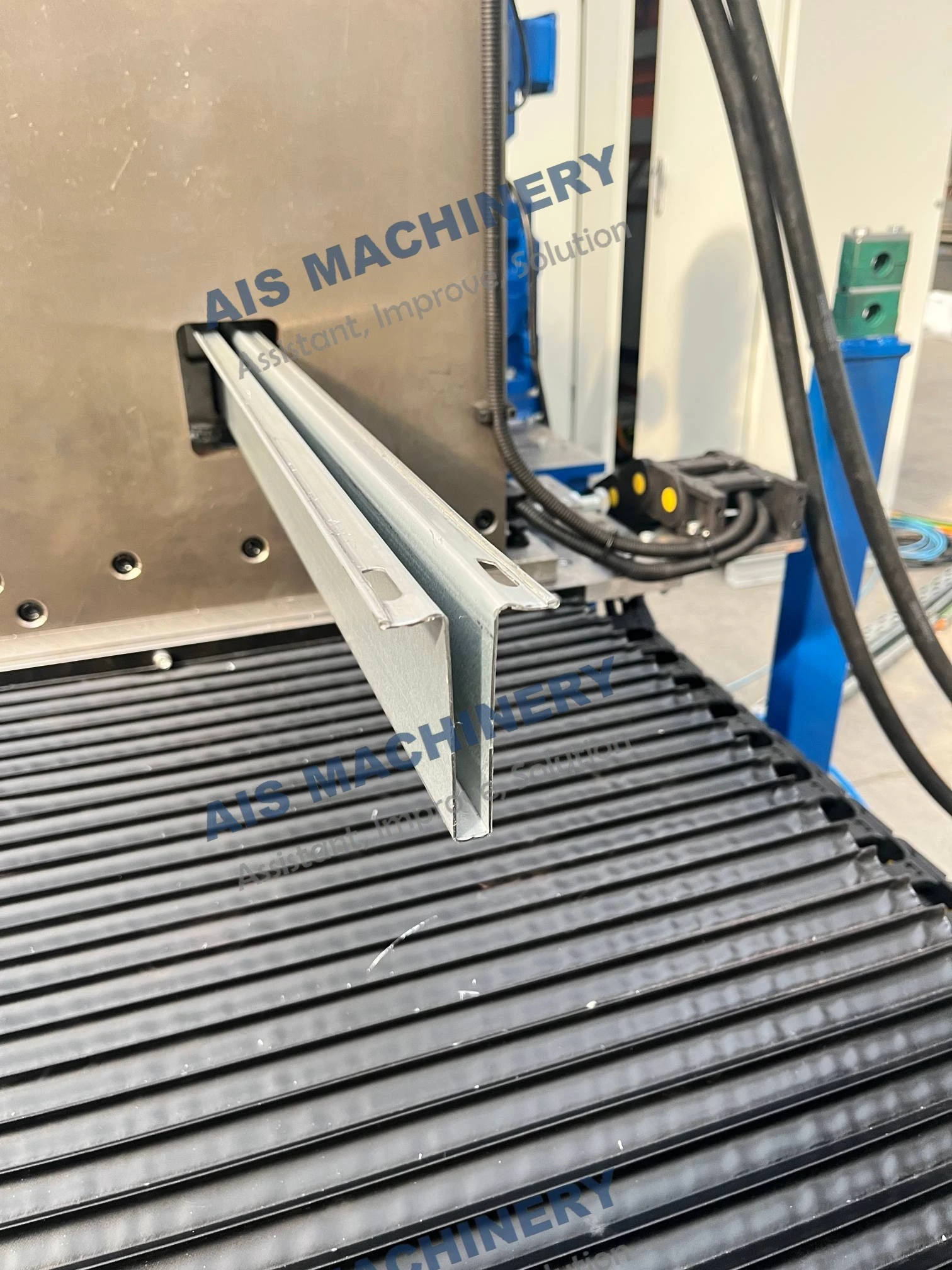
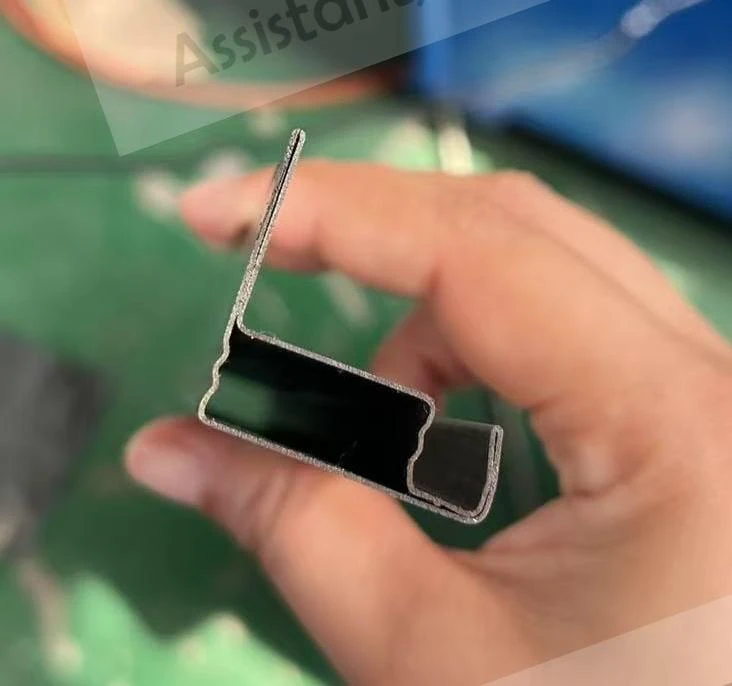
A c purlin forming machine is an industrial cold roll forming system that continuously transforms galvanized steel coils, high-strength alloys, or pre-coated strips into precisely dimensioned C-shaped purlins. These systems are indispensable for lightweight steel structure assemblies, framing, roof supports, and various load-bearing frameworks.
Manufacturing Process of C Purlin Cold Roll Forming Machine
Step-by-Step Process Diagram
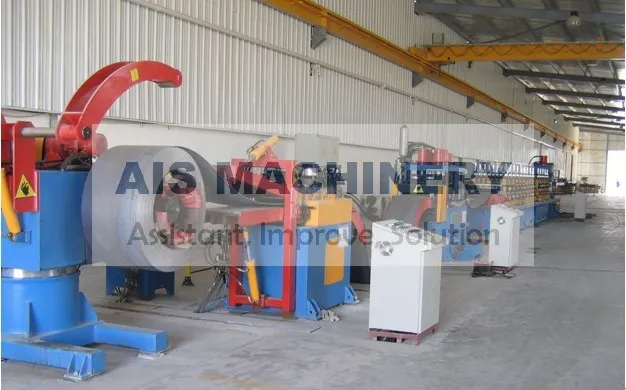
- Uncoiling: Automatic decoiler feeds metal coil into the line.
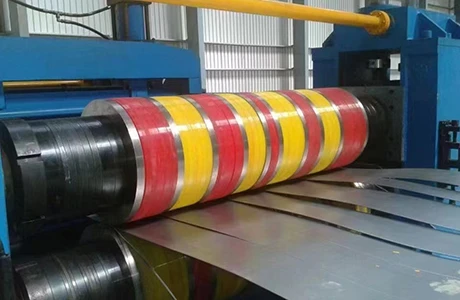
- Leveling & Feeding: Leveler ensures flatness; servo feeder controls speed and positioning.
- Punching & Notching: Hydraulic press stations perform holes/slots as per specification.
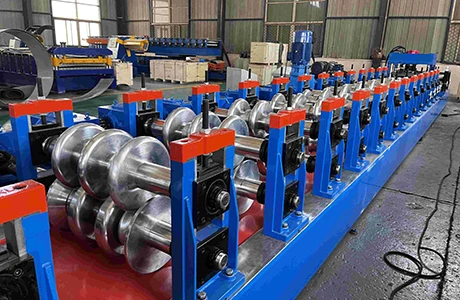
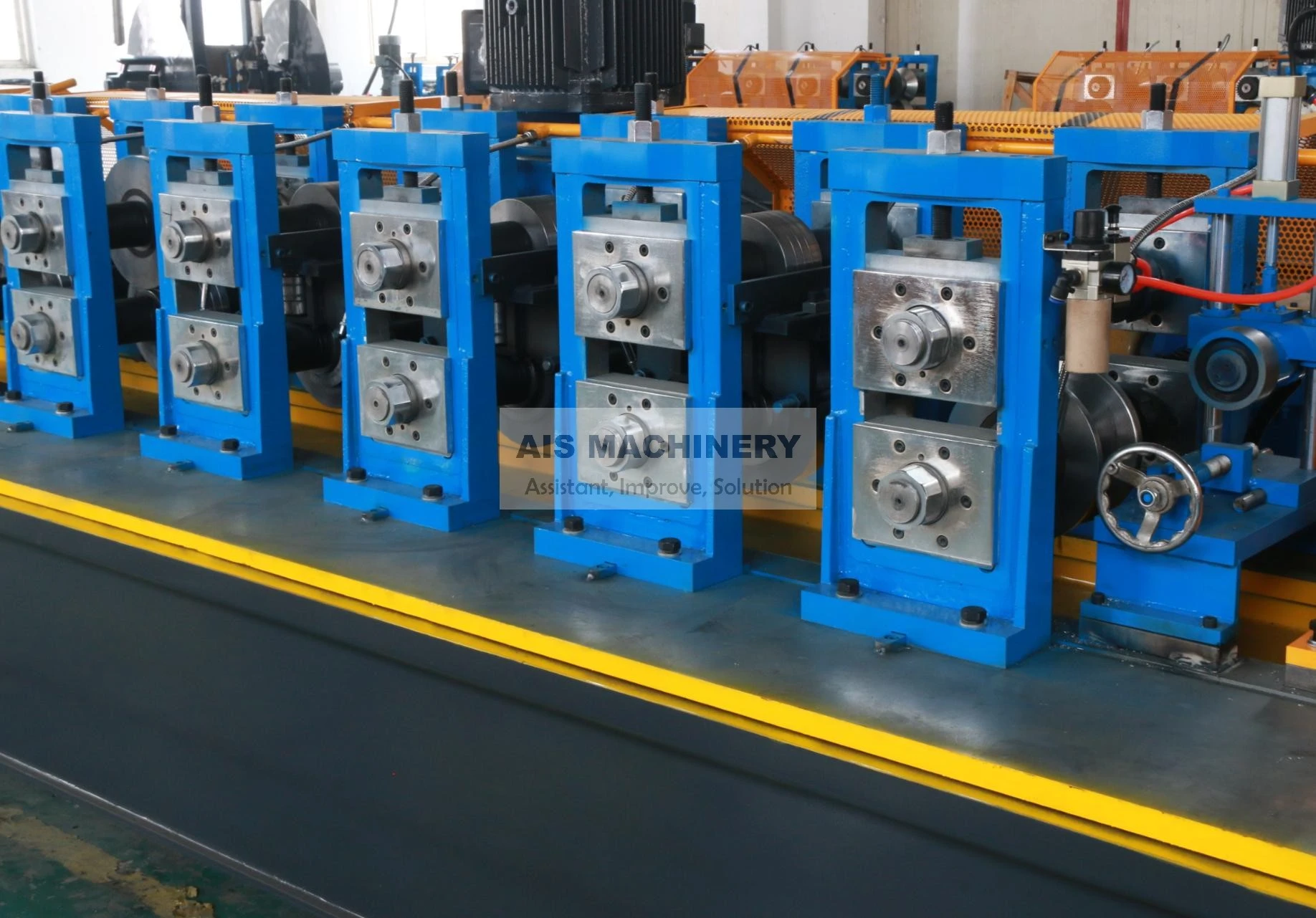
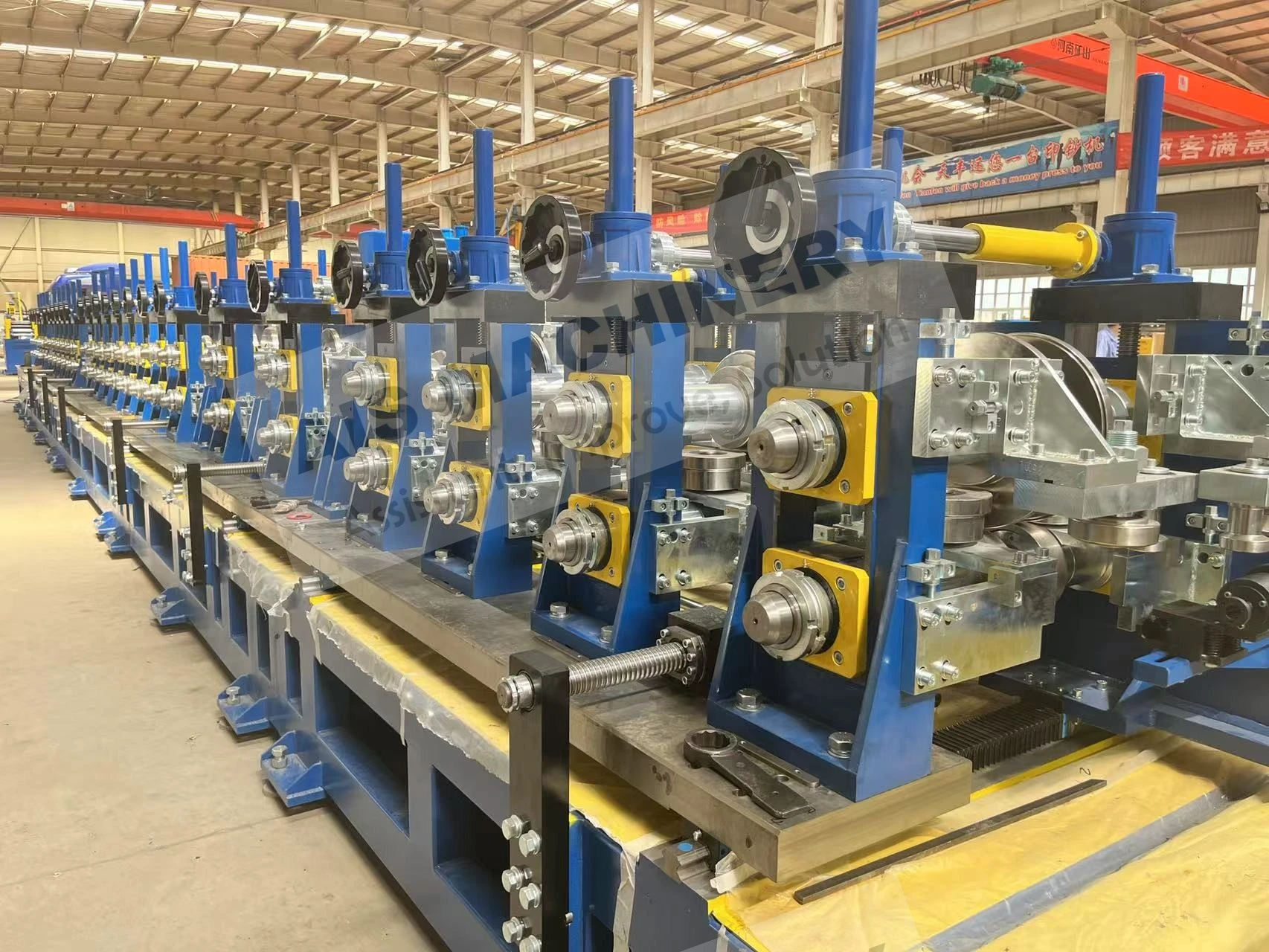
- Roll Forming: Sequential roll stands shape the strip into the C-purlin profile via precision ground rollers (typically 12-20 stands).
- Cut-to-Length: NC flying cutting device achieves high-speed, burr-free lengths.
- Stack & Output: Automatic stackers neatly arrange finished products for packing and dispatch.
Technical Specification Table: Top-Rated C Purlin Forming Machines
| Model | Material Type | Thickness Range (mm) | Width Range (mm) | Production Speed (m/min) | Roll Stations | Cutting Type | Control System |
|---|---|---|---|---|---|---|---|
| CP-120 | GI, HR/CR Steel | 1.5-3.0 | 80-300 | 20-25 | 15 | Hydraulic, Flying | PLC, HMI |
| CP-200 Auto | GI, Galvalume | 1.5-2.5 | 80-250 | 12-18 | 13 | Servo-Flying | Siemens PLC |
| AT-CZ350 | GI, Stainless | 1.5-4.0 | 80-350 | 18-22 | 18 | Hydraulic NC | Mitsubishi PLC |
| AI-C100 | GI, SS 304 | 1.0-2.5 | 60-200 | 15-28 | 16 | Pneumatic | Delta PLC |
| C Purlin Cold Roll Forming Machine | Q235, Q345, GI, AL-Zn | 1.5-3.5 | 50-300 | 12-20 | 12-20 | NC Servo Flying, Hydraulic | Siemens PLC + Touch HMI |
*GI: Galvanized Iron; HR/CR: Hot/Cold Rolled; SS: Stainless Steel.
Key Terminologies Explained
- Roll Stations: The number of sequential roller sets through which steel passes — more stations indicate greater profile complexity and accuracy.
- NC Servo Flying Cut: Synchronous, high-speed cut-to-length system without halting production, maximizing throughput and cut precision.
- PLC: Programmable Logic Controller — the industrial automation core that governs speed, cutting and error detection.
- Production Speed: Standard range is 12–28m/min, with high-speed machines up to 40m/min for non-punching profiles.
- Material Types: GI (Galvanized Iron), Q235/Q345 (Structural Carbon Steel), Stainless 304, and Aluminum–Zinc alloys common for anti-corrosion needs.
Parameter Comparison: Industry Leaders
Application Scenarios & Industry Use-Cases
- Structural Steelwork: Roofing, wall purlins, girts in pre-fabricated buildings and factories.
- Petrochemicals: Corrosion-resistant C-profiles for pipeline/utility support frames.
- Metallurgy & Power: Supporting structures in pipe racks, conveyor galleries (emphasis on Q345/SS316 for high load and anti-rust).
- Water Supply/Drainage: Bearing elements in water treatment and pump stations.
- Renewables: Solar mounting frames and racking systems.
- Transport: Highway guardrail subframes, airport hangar structures, modular shelters.
Why Choose a C Purlin Cold Roll Forming Machine?
- Precision Manufacturing: Advanced CNC and high-tensile alloy roll dies achieve tight tolerance (±0.5mm), per ANSI/SPCC standards.
- Corrosion Defense: Compatible with GI, AL-Zn (Z275/Z350 coating) and SS316, ensuring >15 years service life in chemical, coastal, and humid environments.
- Energy Efficiency: Servo drive and hydraulic optimization cut energy use by 20% (based on AISTUBEMILL field data, 2023).
- Rapid Profile Changes: Modular tooling design supports changeover in <15 minutes for multi-size runs.
- Robust Quality Control: Compliance with ISO 9001:2015 and in-line laser dimension check, minimizing out-of-spec occurrence (<0.6%).
- Long Lifespan: Average design life of main gear box and drives >10 years (200,000 operation cycles or more).
Factory Comparison: Top C Purlin Roll Forming Machine Manufacturers
| Manufacturer | Established | Key Market | ISO/CE Cert. | Typical Lead Time | Warranty | Noted Customers |
|---|---|---|---|---|---|---|
| AISTUBEMILL | 2003 | Global | ISO 9001, CE | 60 days | 2 years | Sinopec, Tata Steel |
| Dingbo Tech | 2008 | Asia, Europe | ISO 9001 | 80 days | 1 year | BASF, CNPC |
| BMS Machinery | 2010 | EMEA, S-America | ISO, CE | 95 days | 1.5 years | ArcelorMittal |
| BOTOU KEXIN | 2002 | Domestic, SEA | CE | 65 days | 1 year | Baosteel |
Custom Configuration & Engineering Solutions
At C Purlin Cold Roll Forming Machine (official product link), bespoke engineering ensures each c purlin forming machine delivers tailored performance to your project’s requirements:
- Profile Customization: C, Z, Sigma, U-purlin profiles; special lips/flanges according to ASTM, EN or JIS standards.
- Inline Functions: Pre-punching (web/slot/emboss), logo stamping, auto stacking, and edge de-burring modules.
- Automation level: From basic semi-auto to full auto with HMI/SCADA integration, remote diagnostics, and real-time production analytics.
- Material Adaptability: Supports GI, HR/CR, SS 304/316/430, ASTM A653, and S500GD.
- Quality Assurance: Each machine is loaded-tested (run 24h non-stop), undergoes dimensional checks (per EN 10162), and is backed by global service network.
Delivery, Warranty & Customer Support
- Lead Time: 60-75 days typical for custom specification machines, including debugging and FAT (Factory Acceptance Test).
- Warranty: Up to 24 months for main mechanical/electrical assemblies; lifetime remote support and software updates.
- Service: Global on-site installation, English manuals/videos, and 24/7 spare parts dispatch centers.
- Certification: All machines supplied with ISO 9001 and CE conformity documents.
Application Case Studies & Customer Feedback
- Sinopec (2022): Installed high-output c purlin roll former for pipe rack substructures — reduced fabrication costs by 23%, achieved 0.35mm length tolerance.
- Phoenix Building Systems (UK): Using dual-profile purlin roll forming line to deliver modular warehouse frames; output speed enhanced by 28% versus prior system.
- Tata Projects (India): Adopted custom c purlin machine for solar racking project in coastal area — product retained 99% anti-corrosive property after 1500h salt-spray test (per ISO 9227:2017).
- Client Feedback (2023 AISTUBEMILL Survey): 95%+ users reported “Excellent” for stability, operator safety, and post-sales service.
— Phoenix Building Systems, UK
Technical FAQ: C Purlin Forming Machine Terminology
Conclusion: Why AISTUBEMILL for Your Next C Purlin Forming Machine?
Combining over 20 years of engineering expertise, rigorous global certifications, and proven field results, AISTUBEMILL’s c purlin forming machine solutions are trusted by industry leaders from Sinopec to Tata and major pre-engineered building integrators worldwide. Robust design, document-backed quality, rapid after-sales, and CE/ISO benchmarks make it a prime partner for your next smart, high-yield steel purlin project.
References & Industry Insights
- MarketWatch, Roll Forming Machine Market Report, 2023-2028
- ResearchGate, "Deformation Characteristics and Forming Precision in Cold Roll Forming of C Section Steel", 2023
- LinkedIn Pulse: Roll Forming Tech Innovations & Trends 2024
- SteelConstruction.info, Purlins Application Overview
- American Society of Civil Engineers (ASCE) Journal of Constructional Steel Research

Related Products

Related News
2026-04-30 09:35:04
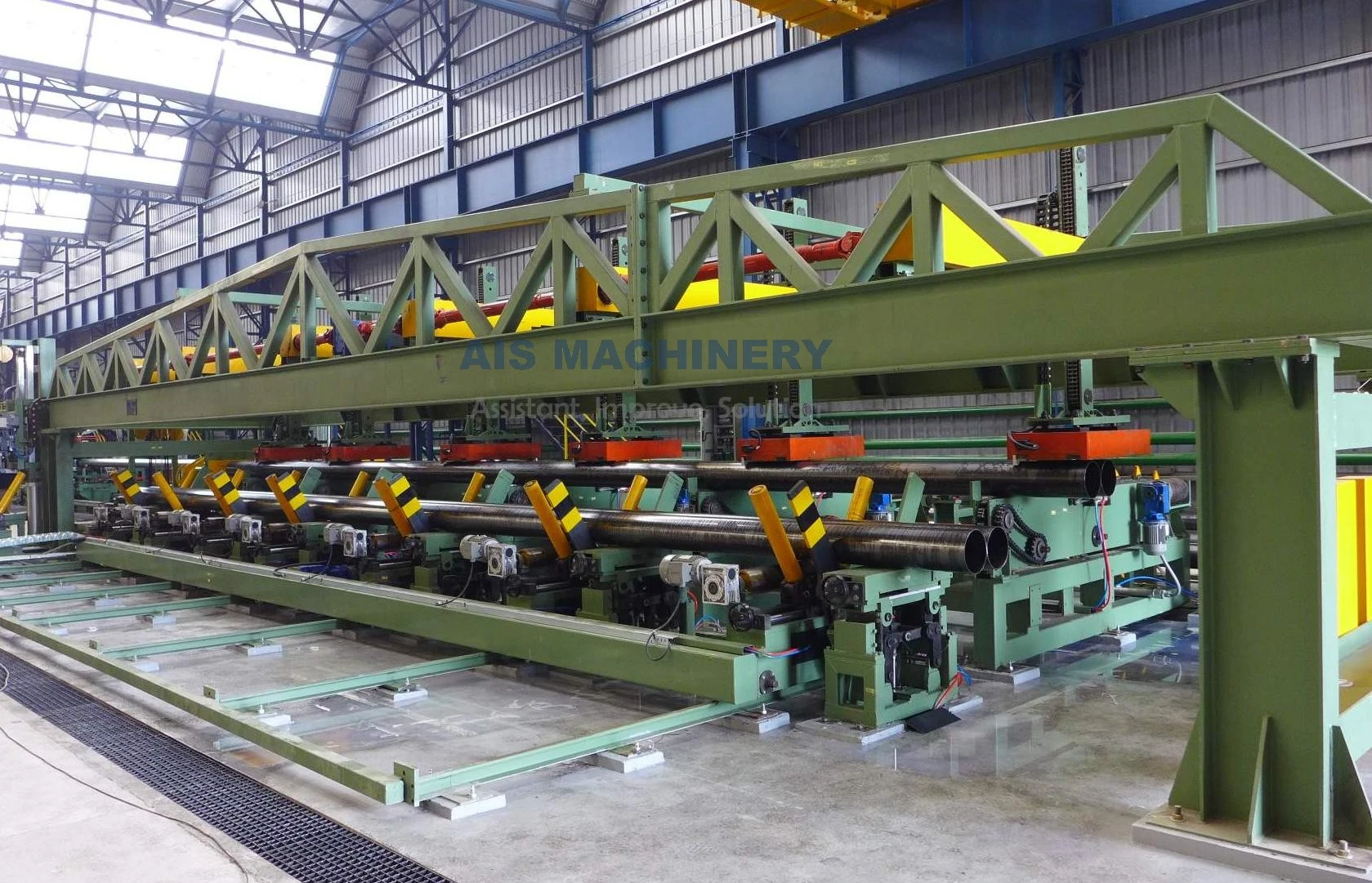
Automatic Stacking Machine (Magnetic Chuck Type)
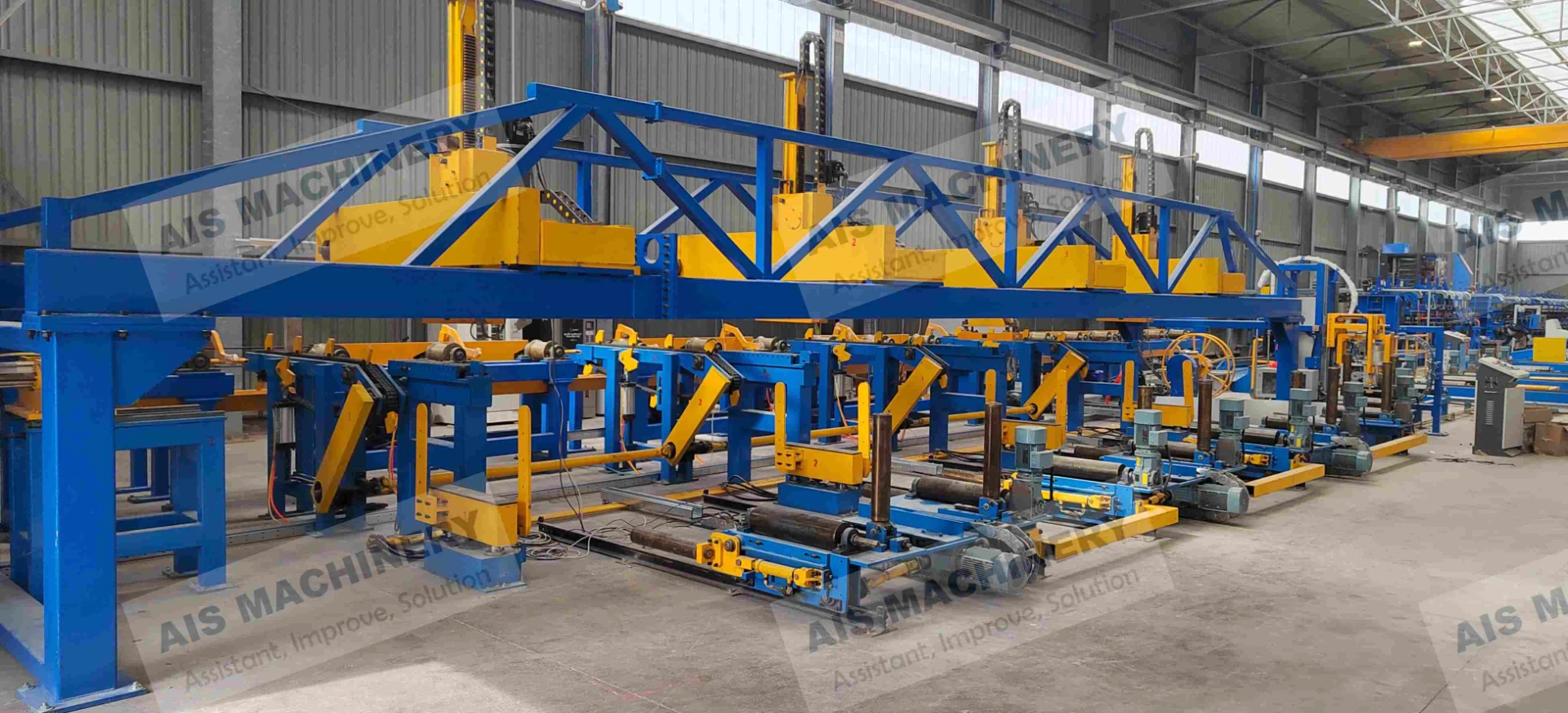
The Automatic Stacking Machine (Magnetic Chuck Type) from AIS Machinery is designed to efficiently collect and stack steel tubes in ERW tube mill production lines. Using electromagnetic lifting, it can pick up multiple tubes at once and place them neatly in layers. This reduces manual labor, improves stacking accuracy, and increases overall production efficiency. It is installed after the flying saw and works seamlessly with the mill line, making it an ideal solution for modern tube manufacturers.
2026-04-28 08:56:05
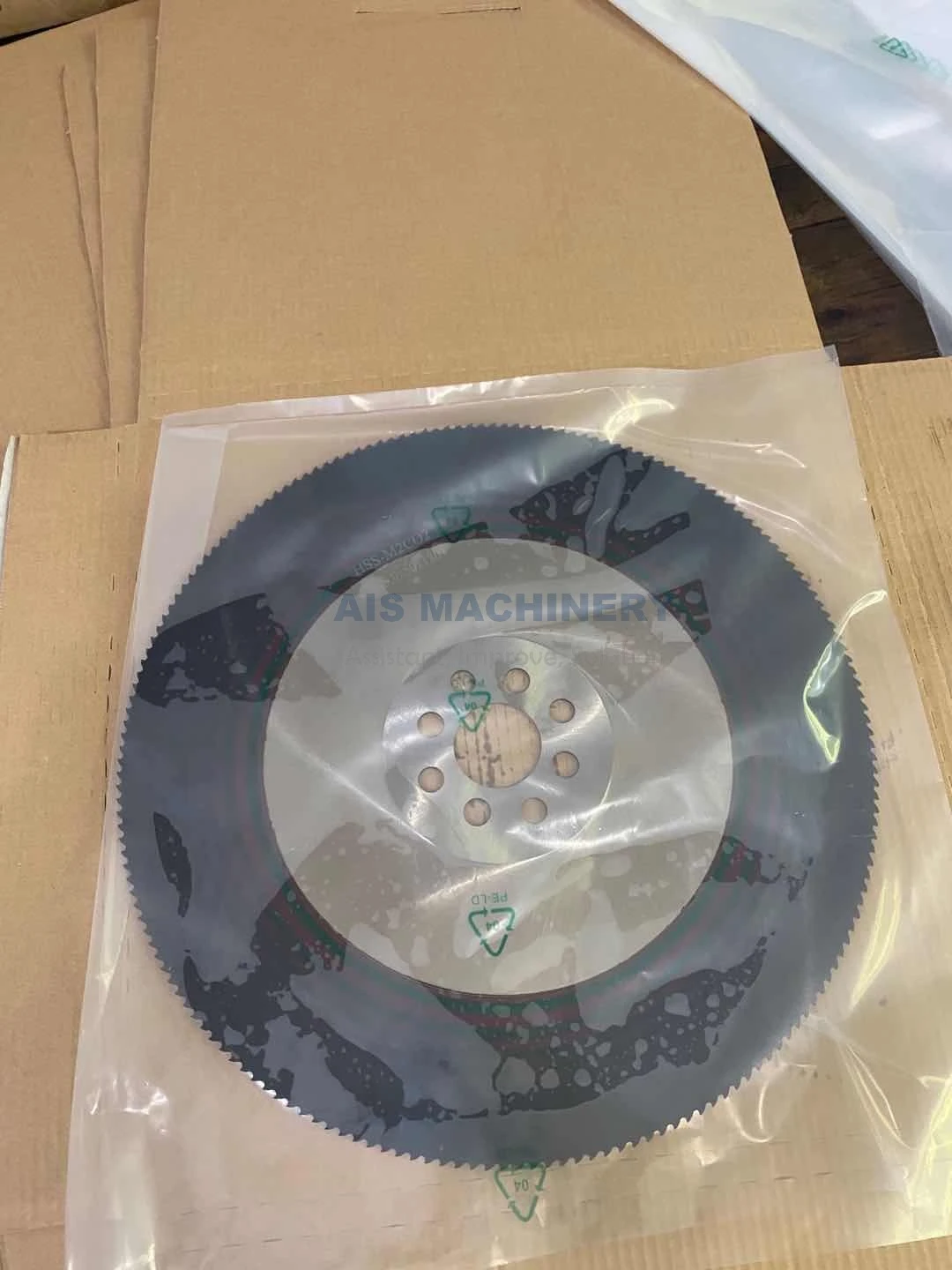
Saw Blade Guide for Tube Mills: Friction vs HSS vs TCT — Which One Should You Choose?
Confused about friction saw, HSS, and TCT blades? This guide explains their uses in cold saw and friction saw machines, with pros, cons, and expert selection tips.
2026-04-24 08:54:16
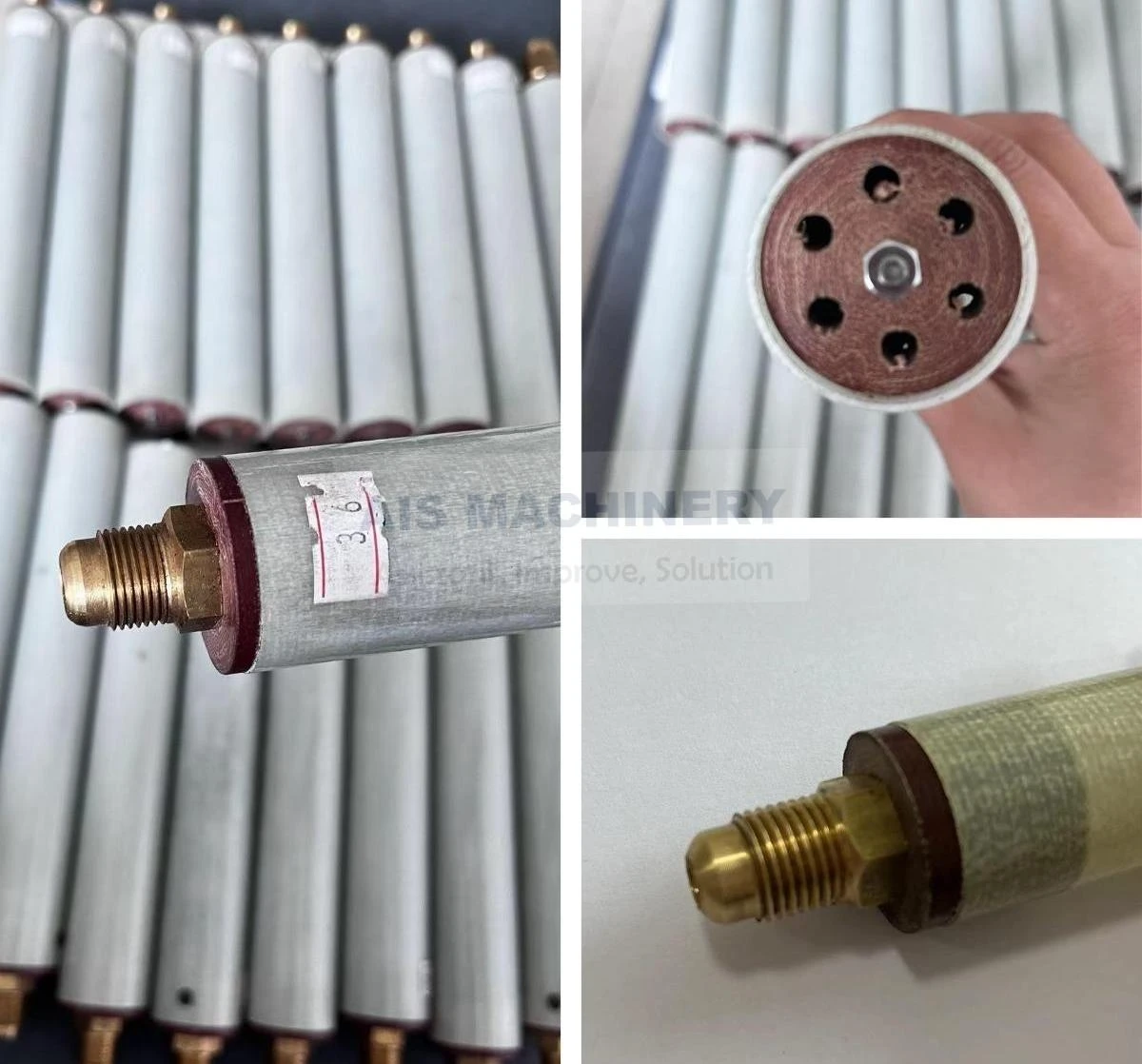
What is an Impeder and Ferrite Rods in ERW Tube Mill?
Struggling with impeder overheating or short service life in your ERW tube mill? This guide explains common impeder problems, the role of ferrite rods, and how to choose the right impeder for stable welding performance. Improve weld quality, reduce energy loss, and extend equipment lifespan with the right selection and proper cooling solutions.
2026-04-21 10:22:25
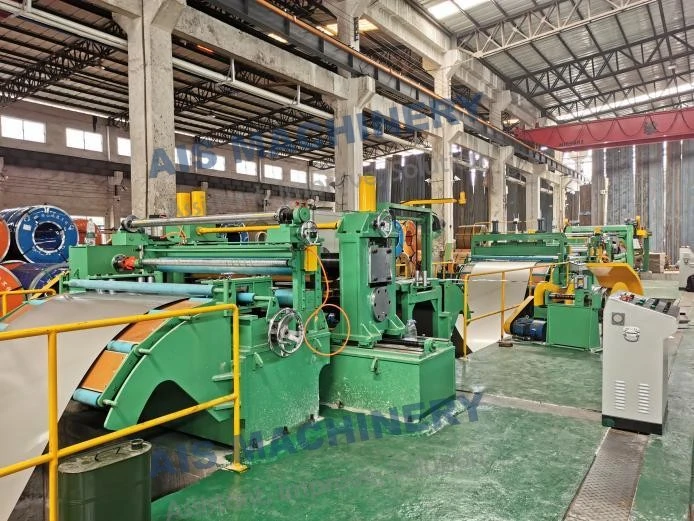
Slitting & Cut-to-Length Combined Production Line: A Smarter Way to Process Steel Coils
Discover the Slitting & Cut-to-Length Combined Production Line, a flexible solution for steel coil processing. This system integrates slitting line and cut-to-length line functions in one machine, saving space, reducing costs, and improving efficiency. Ideal for processing both steel strips and sheets, it is widely used in service centers and manufacturing industries. Learn its advantages, limitations, and applications.
2026-04-18 03:20:20
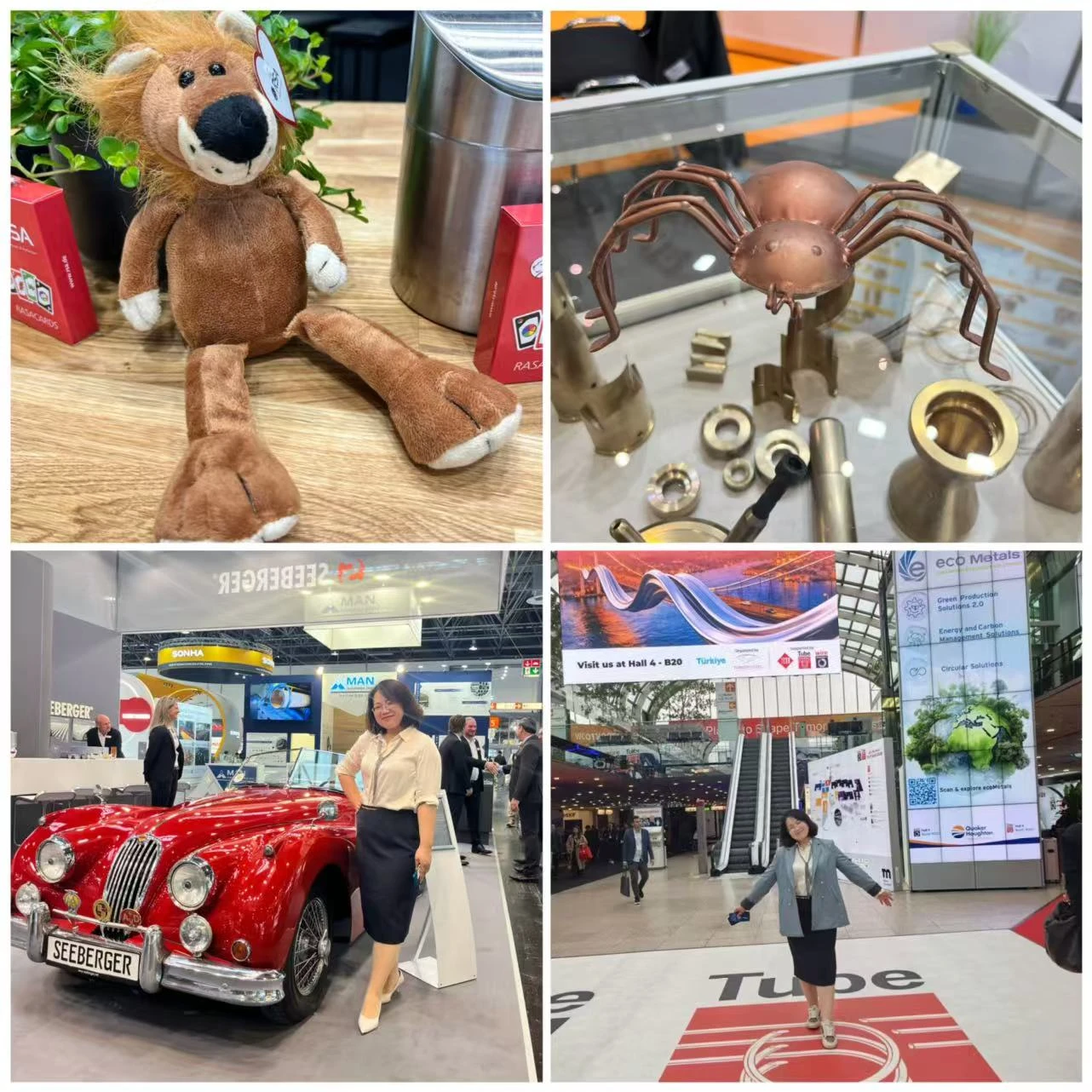
AIS Machinery Showcases Advanced Tube Solutions at Tube & Wire Düsseldorf 2026
Tube & Wire Düsseldorf 2026, one of the most influential exhibitions in the global tube and wire industry, held biennially in Düsseldorf, Germany
2026-04-17 00:00:00
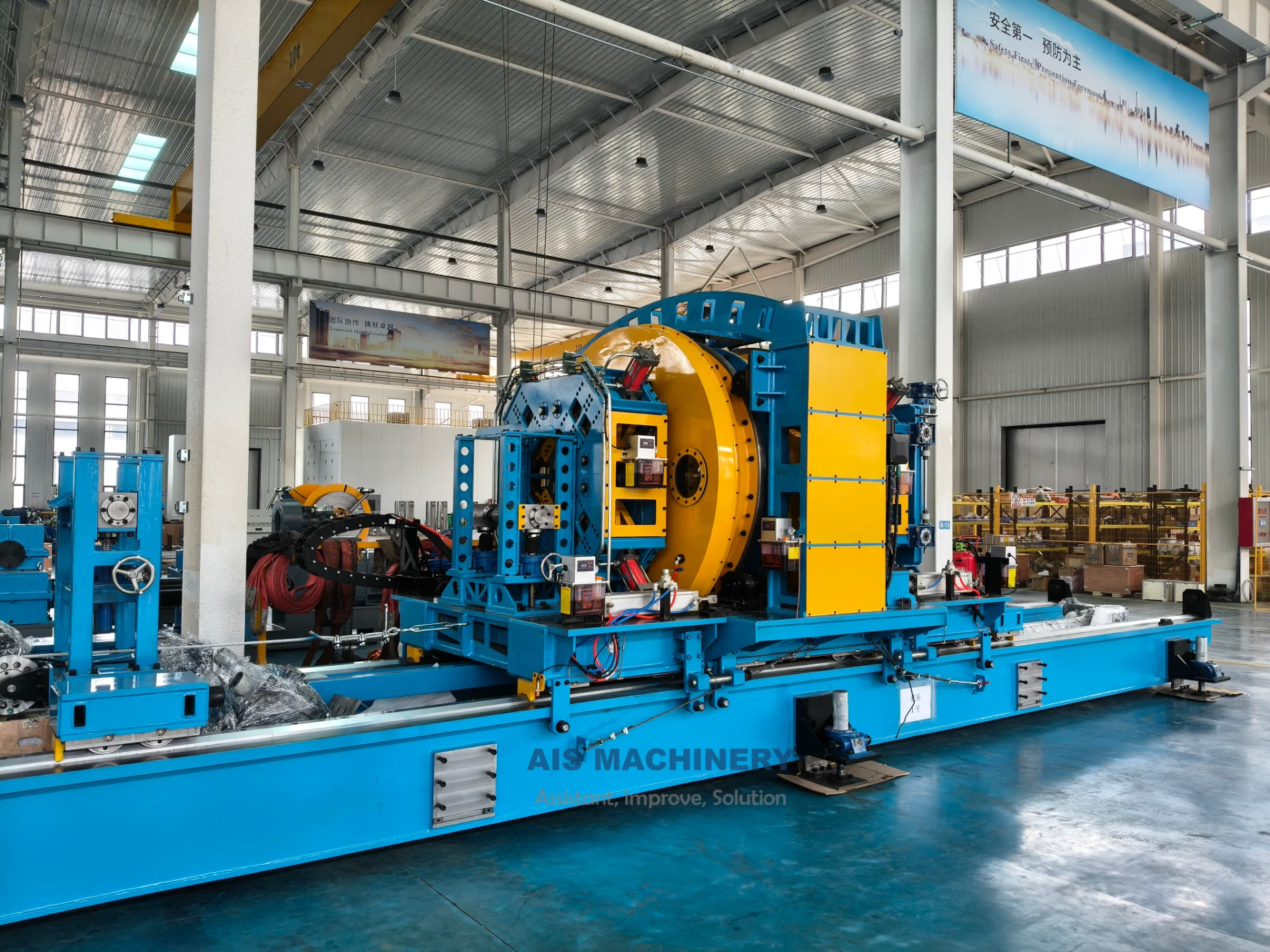
Southeast Asia Client Visits Our Factory | Customized Tube Mill Solution Delivered
A Southeast Asia client visited our ERW tube mill factory to inspect production lines and discuss a customized tube mill solution. Impressed by our machine quality, welding performance, and engineering support, the client confirmed strong cooperation intentions. Discover how our ERW tube mill solutions improve efficiency, precision, and long-term production reliability.
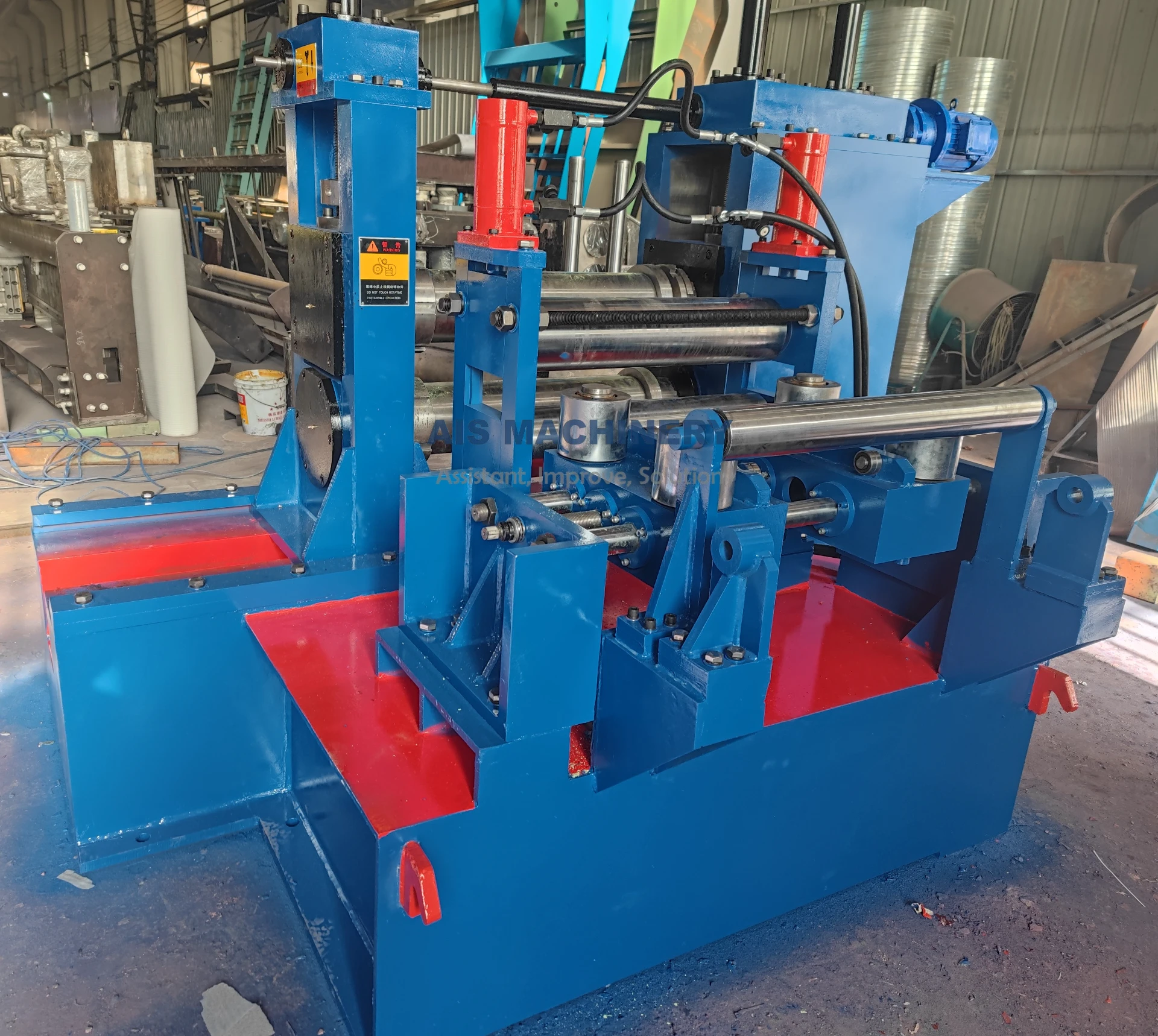
2026-04-15 10:37:55
Flat Bar Production Line for Steel Coils: How It Works & Why It Matters
Looking for a flat bar production line? Learn how it turns steel coils into ready-to-use flat bars with precise length and high straightness. Compare it with slitting lines and get the best solution for your steel processing needs.
2026-04-14 00:00:00
Looking for a Milling Saw for ERW Tube Mill? Here’s What You Need to Know
Looking for a high-performance milling saw for your ERW tube mill? Upgrade to burr-free, high-precision pipe cutting with advanced flying saw technology. Improve efficiency, reduce rework, and meet export standards for carbon steel, stainless steel, and API pipes. Contact us today for expert solutions and competitive pricing tailored to your production needs.
Send a Message
Dear customer, thank you for your attention! We provide high-quality machinery and equipment and look forward to your orders. Please inform us of your needs and we will respond quickly!
 English
  Albanian
  Arabic
  French
  German
  Indonesian
  Italian
  Japanese
  Kazakh
  Korean
  Latin
Latin  Macedonian
  Portuguese
  Russian
  Spanish
  Thai
Thai  Turkish
  Ukrainian
  Uzbek
Uzbek