
-
 Tel:86-15176910262
-

Search

Automatic Palletizing Machine | Efficient Package Solutions
Sep . 15, 2025 12:20
The Evolution and Impact of Palletizing Machines in Modern Manufacturing
In the contemporary landscape of industrial automation, the role of advanced packaging solutions is paramount. Central to optimizing end-of-line processes is the palletizing machine, a critical piece of equipment that automates the stacking and organizing of products onto pallets. This technology is no longer a luxury but a necessity for businesses aiming to enhance operational efficiency, reduce labor costs, and improve workplace safety. The demand for palletizing machine solutions is rapidly growing, driven by Industry 4.0 initiatives and the increasing need for high-throughput, precision-driven manufacturing across various sectors.
Recent market analyses indicate a steady expansion in the global palletizing equipment market, projected to reach over USD 3 billion by 2028, with a Compound Annual Growth Rate (CAGR) exceeding 5%. This growth is fueled by the rise of e-commerce, the need for faster logistics, and escalating labor costs, compelling manufacturers to invest in sophisticated automatic package machine systems. Our focus here will delve into the intricacies of these machines, particularly their application in handling specialized products like hex steel tubes, providing a comprehensive overview for B2B decision-makers and technical professionals.
Operational Process Flow of a Palletizing Machine
The operational process of a palletizing machine involves several synchronized steps to efficiently stack products onto pallets. For specialized items like hex steel tubes, the process is adapted to accommodate their unique geometry and weight. Below is a detailed breakdown, often employing robotic or conventional layer-forming techniques:
1. Product Infeed and Alignment
Products, such as hex steel tubes, are fed into the palletizer via conveyor belts or roller systems. Sensors detect the products, ensuring proper spacing and orientation. For tubes, specialized guides and indexing systems ensure they are perfectly aligned for stacking, preventing jams and ensuring uniform layers. This stage requires robust material handling components, often manufactured from high-grade steel alloys through precision CNC machining to withstand continuous industrial use.
2. Layer Formation
Depending on the palletizer type (conventional, robotic, or gantry), products are grouped into pre-defined layers. In a conventional palletizer, a forming table arranges tubes into a specific pattern. For robotic systems, specialized end-of-arm tooling (EOAT), often custom-designed grippers, picks multiple tubes simultaneously and places them with high accuracy. The programming for layer patterns optimizes pallet stability and cubic efficiency.
3. Layer Transfer and Stacking
Once a layer is formed, it is transferred onto the pallet. Conventional machines use a sweep bar or push plate, while robotic arms precisely lower the layer. This process is repeated until the desired pallet height is reached. Sensors ensure each layer is correctly positioned, and inter-layer sheets can be automatically placed if required to protect surfaces or enhance stability.
4. Pallet Handling and Discharge
Empty pallets are automatically fed into the palletizing machine via a pallet dispenser. Once a pallet is fully loaded, it is conveyed out of the stacking zone, ready for strapping, wrapping, or transportation. The machine automatically retrieves a new empty pallet, ensuring continuous operation.
Manufacturing Processes and Materials for Machine Components:
- Structural Frame: High-strength steel (e.g., Q235, Q345) often undergoes laser cutting, bending, and welding. Precision forging and casting are used for critical load-bearing components.
- Mechanical Components: Gears, shafts, and linkages are typically CNC machined from alloy steels (e.g., 40Cr, 42CrMo) for high wear resistance and precision. Hardening treatments like carburizing or induction hardening enhance service life.
- Grippers/EOAT: Custom-designed for specific products, often using lightweight yet strong materials like aluminum alloys or specialized composites, sometimes with rubber or polyurethane inserts to prevent product damage.
- Pneumatics & Hydraulics: High-quality seals, cylinders, and valves from reputable manufacturers ensure reliable and controlled movement.
Testing Standards and Service Life:
Our palletizing machine systems adhere to stringent international standards, including ISO 9001 for quality management and CE marking for European market compliance. Critical components undergo ANSI-compliant stress tests and fatigue analysis. Designed for continuous industrial operation (24/7), these machines typically boast a service life exceeding 15 years with proper maintenance, significantly outperforming manual alternatives in terms of longevity and consistency.
Target Industries and Application Advantages:
These automated systems are vital in target industries such as metallurgy (e.g., for steel tube mills, rebar production), petrochemicals (packaging of pipes and structural components), and water supply & drainage (handling various pipe sizes). In these demanding environments, the advantages are clear:
- Energy Saving: Optimized motor controls, servo-driven axes, and efficient pneumatic systems reduce energy consumption by up to 30% compared to older models.
- Corrosion Resistance: For environments with high humidity or chemical exposure, specialized coatings and stainless steel components ensure durability and extended operational life.
- Reduced Manual Labor: Eliminates the need for strenuous manual lifting, reducing workplace injuries and associated costs.
- Increased Throughput: Achieves significantly higher speeds and consistent stacking quality compared to human operators.
Technical Specifications: Auto Stacking and Strapping Machine for Hex Steel Tubes
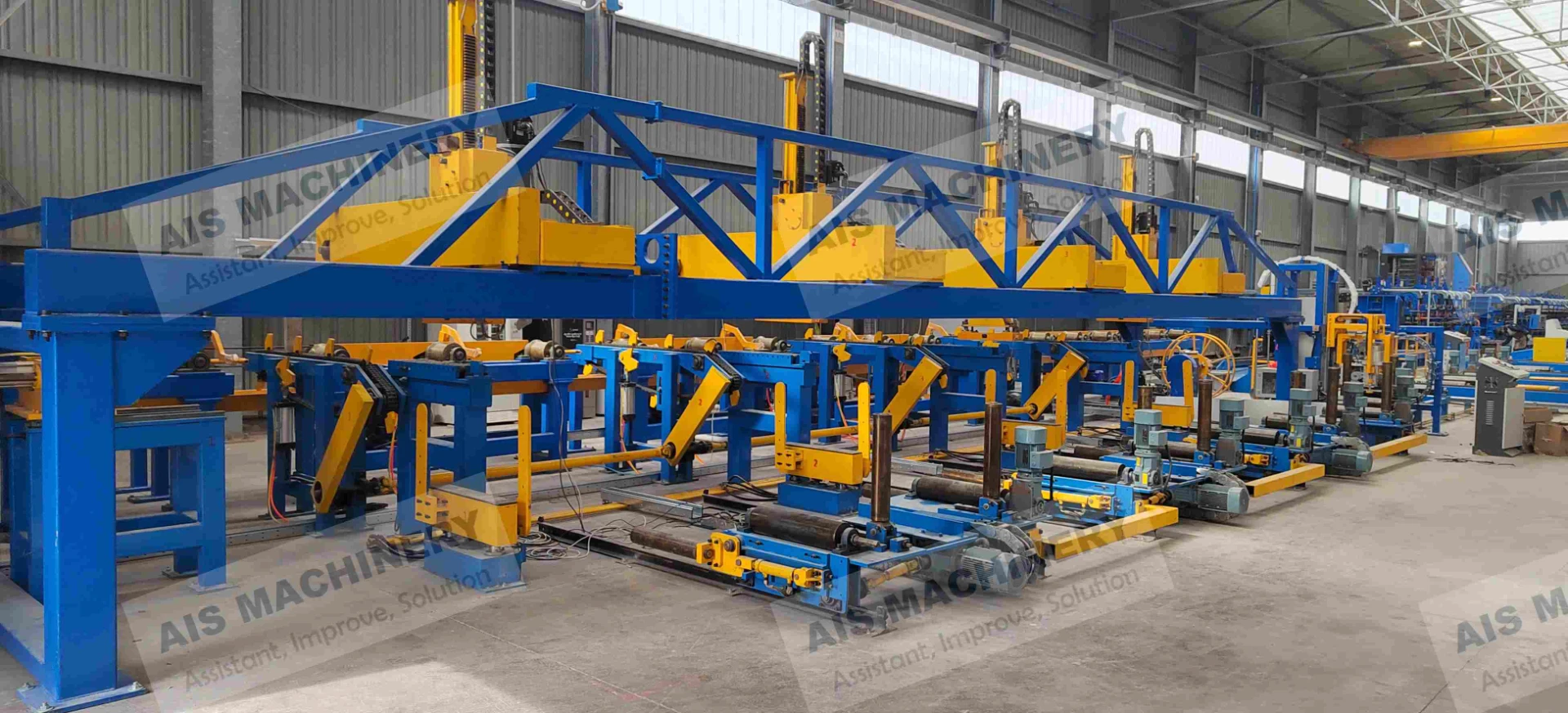
The "Auto Stacking and Strapping Machine for Hex Steel Tubes" exemplifies precision engineering in automated packaging. This advanced automatic package machine is specifically designed to handle the unique profiles of hexagonal steel tubes, ensuring secure and efficient bundling for transport and storage. Below are key technical parameters and specifications that highlight its capabilities:
| Parameter | Specification |
|---|---|
| Product Type Handled | Hexagonal Steel Tubes, Square Tubes, Rectangular Tubes |
| Tube Length Range | 4,000 mm – 12,000 mm (customizable) |
| Tube Side Length | 15 mm – 150 mm |
| Max. Bundle Weight | 2,000 kg (standard), up to 4,000 kg (custom) |
| Stacking Speed | Up to 60 tubes/min (depending on tube length and profile) |
| Bundling Material | Steel Strap, PET Strap (optional) |
| Strap Tension | Adjustable, 500 N – 5,000 N |
| Control System | Siemens PLC, HMI Touch Screen (user-friendly interface) |
| Power Requirement | 3 Phase, 380V/50Hz (customizable per region), ~15-25 kW |
| Air Pressure | 0.6 - 0.8 MPa |
| Machine Footprint | Varies with layout, typically 15m x 5m to 25m x 8m |
Diverse Application Scenarios
The versatility of an advanced palletizing machine extends across a multitude of industrial applications, far beyond just steel tube manufacturing. Its ability to handle diverse product types and varying production speeds makes it invaluable for:
- Steel Tube Mills: Specifically for hex, square, round, and rectangular steel tubes, streamlining the packaging process directly after the forming or finishing lines. This ensures tubes are perfectly bundled for storage and transport, minimizing damage and maximizing logistical efficiency.
- Construction Material Production: Palletizing rebar, profiles, lumber, and other bulky construction components.
- Automotive Industry: Stacking engine parts, chassis components, or sub-assemblies for internal logistics or shipment to assembly plants.
- Food & Beverage: High-speed palletizing of cases, bags, and cartons containing beverages, canned goods, or packaged dry foods, where consistent stacking is crucial for supply chain integrity.
- Chemical & Petrochemical: Handling drums, barrels, and sacks of chemicals or plastic resins, often in environments requiring explosion-proof or corrosion-resistant designs.
- Consumer Goods: Packaging various consumer products into retail-ready pallets for distribution centers.
The adaptability of these machines, particularly those with modular designs and advanced robotics, allows them to be seamlessly integrated into existing production lines, often without significant overhauls to the upstream processes.
Technical Advantages and Performance Metrics
Investing in a high-quality palletizing machine offers a multitude of technical and operational advantages that directly translate into tangible business benefits:
- High Throughput & Efficiency: Capable of processing hundreds of tubes or packages per hour, significantly exceeding manual labor capabilities. Our hex tube machine, for instance, achieves up to 60 tubes/minute, resulting in a substantial increase in daily output.
- Precision & Consistency: Advanced servo motor control and vision systems ensure accurate placement of each product, leading to perfectly formed, stable pallets. This consistency is critical for safe transport and storage, reducing product damage rates by over 15%.
- Reduced Labor Costs & Increased Safety: Automates repetitive, strenuous tasks, freeing up personnel for higher-value activities and virtually eliminating ergonomic injuries associated with manual lifting. This can lead to a return on investment (ROI) within 2-3 years based on labor savings alone.
- Optimized Space Utilization: Intelligent stacking patterns and compact machine footprints maximize warehouse and production floor space, enhancing overall operational layout.
- Flexibility & Adaptability: Easily reconfigurable to handle different product sizes, shapes, and pallet patterns through HMI adjustments or quick-change tooling. This is crucial for manufacturers with diverse product portfolios.
- Integration Capabilities: Seamless integration with upstream (e.g., tube mills, cutting lines) and downstream (e.g., automatic stretch wrappers, labeling systems) equipment, creating a fully automated end-of-line solution. Supports various industrial communication protocols (e.g., Profinet, Ethernet/IP).
- Data & Diagnostics: Modern machines come equipped with extensive sensor arrays and diagnostic tools, providing real-time performance data, fault detection, and predictive maintenance insights, leading to increased uptime and proactive problem-solving.
Vendor Comparison Considerations for Palletizing Systems
When selecting a palletizing machine vendor, a thorough evaluation is essential to ensure the solution aligns with specific operational needs and long-term strategic goals. Key comparison criteria extend beyond initial purchase price to encompass total cost of ownership (TCO) and long-term support:
| Feature Category | Key Considerations for Evaluation |
|---|---|
| Technical Capabilities |
|
| Quality & Durability |
|
| Support & Service |
|
| Customization & Integration |
|
A holistic assessment based on these criteria ensures a robust and future-proof investment in automation. Our commitment as a vendor emphasizes not just the sale of a machine, but a partnership in optimizing your production lifecycle.
Customized Solutions for Unique Production Needs
Recognizing that no two manufacturing lines are identical, we specialize in delivering highly customized palletizing machine solutions. Our engineering team collaborates closely with clients to understand specific challenges, product characteristics, and existing infrastructure. This bespoke approach ensures optimal performance and seamless integration. Customization options include:
- Product Infeed Systems: Tailored conveyors, rollers, or grippers to handle irregular shapes, varying lengths, or sensitive surfaces of products like hexagonal steel tubes without damage.
- Pallet Dimensions & Patterns: Adaptable for different pallet sizes (e.g., EURO, US standard, custom) and complex stacking patterns to maximize stability and density for specific logistics requirements.
- Environmental Adaptations: Machines designed for harsh environments, including high temperatures, dusty conditions, corrosive atmospheres, or cleanroom standards, often utilizing specialized materials, coatings, or sealed components.
- Integration with Existing Systems: Custom PLC programming and communication interfaces to ensure flawless data exchange and operational synchronization with existing Manufacturing Execution Systems (MES), ERPs, and other production line machinery.
- Safety Features: Enhanced safety protocols, additional guarding, light curtains, and emergency stop systems beyond standard requirements to meet specific plant safety standards.
- Advanced Automation: Incorporation of vision systems for quality control, automated pallet inspection, or robotic strapping/wrapping integration for fully hands-off end-of-line processing.
This ability to configure and adapt our automatic package machine solutions ensures that clients receive a system perfectly optimized for their unique production flow, delivering maximum efficiency and return on investment.
Application Case Study: High-Volume Hex Steel Tube Packaging
Client Profile:
A major European steel producer specializing in bespoke structural tubes for the construction and automotive sectors. Their existing manual stacking and strapping process for hexagonal steel tubes was a bottleneck, leading to high labor costs, inconsistent bundle quality, and frequent worker injuries.
Challenge:
The client needed an automated solution capable of handling hex steel tubes of varying lengths (4m-12m) and side dimensions (50mm-100mm) at a rate of 40-50 tubes per minute. The system also needed to integrate seamlessly with their existing tube mill exit conveyor and provide secure, uniform bundles for overseas shipping.
Our Solution:
We deployed a customized Auto Stacking and Strapping Machine for Hex Steel Tubes. The solution featured:
- Precision Infeed & Alignment: Integrated with their existing conveyor system, utilizing custom V-groove rollers and laser sensors to ensure precise alignment of hex tubes before stacking.
- Robotic Layer Formation: A heavy-duty robotic arm equipped with custom multi-gripper EOAT designed specifically for hexagonal profiles, allowing simultaneous handling of multiple tubes.
- Automated Strapping Unit: Integrated strapping heads capable of applying 3-5 steel straps per bundle, with adjustable tension, ensuring maximum bundle integrity.
- Advanced Control: Siemens S7-1500 PLC with a user-friendly HMI allowed for quick recipe changes for different tube dimensions and bundle configurations.
Results and Client Feedback:
Within six months of installation, the client reported significant improvements:
- Increased Throughput: A 45% increase in packaging speed, eliminating the end-of-line bottleneck.
- Labor Savings: Reduction of three full-time packaging personnel, leading to an estimated annual saving of €150,000.
- Improved Safety: Zero reported manual handling injuries in the packaging area post-installation.
- Enhanced Quality: Consistently uniform and securely strapped bundles, resulting in a 10% reduction in shipping damages and positive feedback from downstream customers.
- Reliability: Achieved 98% uptime, exceeding the initial project goal.
The client praised the palletizing machine's robust construction and the comprehensive post-sales support, confirming the solution's long-term value and reliability.
Trustworthiness & Support: FAQs, Lead Time, Warranty, and After-Sales
Frequently Asked Questions (FAQs)
Q: What is the typical lead time for a custom palletizing machine solution?
A: Lead times can vary depending on the complexity and customization required. For our Auto Stacking and Strapping Machine for Hex Steel Tubes, standard configurations typically range from 12-16 weeks from order confirmation to factory acceptance test (FAT). Highly customized solutions may require 18-24 weeks.
Q: What kind of maintenance does an automatic package machine require?
A: Routine maintenance includes daily visual inspections, weekly lubrication of moving parts, and monthly checks of pneumatic and electrical connections. Annual comprehensive checks and preventive replacements are also recommended to ensure optimal performance and longevity. We provide detailed maintenance schedules and training.
Q: Can the machine handle different product sizes without major retooling?
A: Yes, our machines are designed for flexibility. Most adjustments for different tube sizes or bundle configurations can be made quickly via the HMI touch screen. For significant changes in product type, minor adjustments to grippers or guides may be necessary, which are typically designed for quick-changeovers.
Warranty Commitments
We stand behind the quality and reliability of our equipment. All our palletizing machine systems come with a standard 12-month warranty on parts and labor from the date of commissioning or 18 months from shipment, whichever comes first. Extended warranty options are available upon request, offering additional peace of mind and protection for your investment.
After-Sales Support and Service
Our commitment to our clients extends far beyond the point of sale. We provide comprehensive after-sales support designed to ensure maximum uptime and operational efficiency for your automatic package machine. Our services include:
- 24/7 Technical Hotline: Access to expert engineers for immediate troubleshooting and guidance.
- Remote Diagnostics: Capabilities for remote access to the machine's PLC for diagnostics, software updates, and minor adjustments, minimizing downtime.
- On-Site Service: A global network of skilled technicians available for on-site support, preventive maintenance, and repairs.
- Spare Parts Management: Readily available genuine spare parts with efficient logistics to ensure prompt delivery. Critical wear parts are often stocked regionally.
- Training Programs: Tailored training for your operators and maintenance teams, conducted both on-site and remotely, ensuring your staff are proficient in operating and maintaining the equipment.
Our dedication to superior customer service ensures that your investment continues to perform at its peak for years to come.
References:
1. Grand View Research. "Palletizing Equipment Market Size, Share & Trends Analysis Report By Product Type (Robotic, Conventional), By Application, By End-use, By Region, And Segment Forecasts, 2021 - 2028."
2. ISO 9001:2015 - Quality management systems — Requirements.
3. European Committee for Standardization. "CE Marking Guidelines."

Related Products

Related News
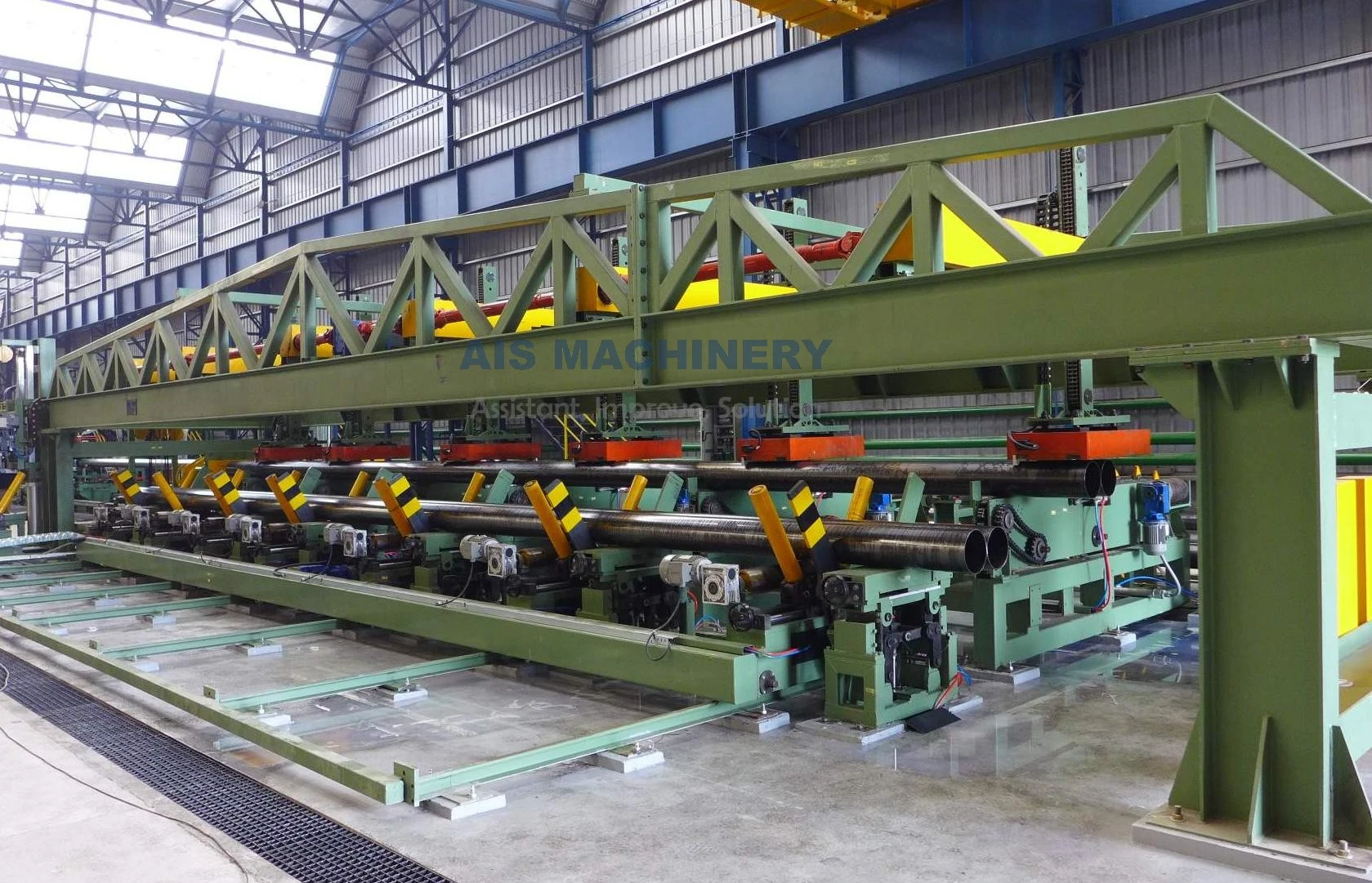
2026-04-30 09:35:04
Automatic Stacking Machine (Magnetic Chuck Type)
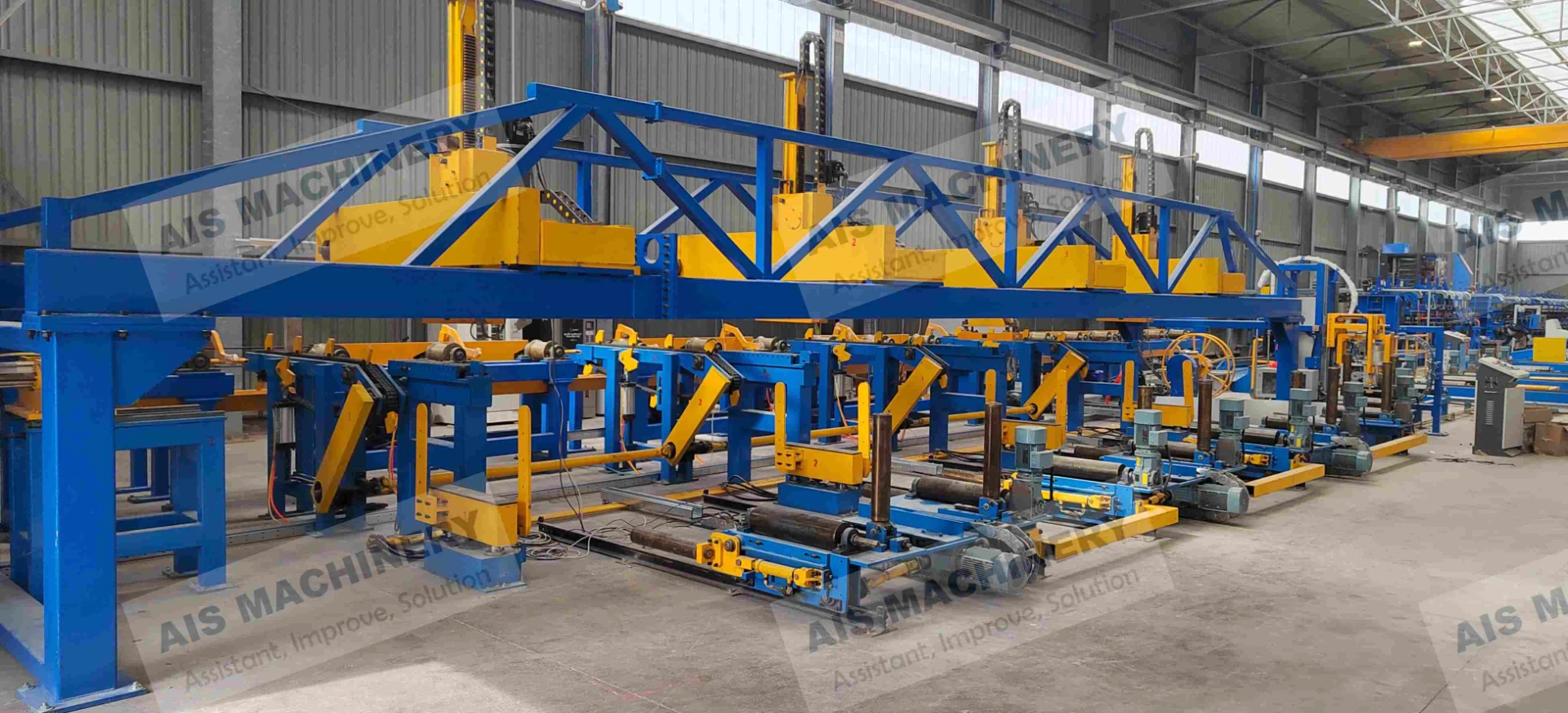
The Automatic Stacking Machine (Magnetic Chuck Type) from AIS Machinery is designed to efficiently collect and stack steel tubes in ERW tube mill production lines. Using electromagnetic lifting, it can pick up multiple tubes at once and place them neatly in layers. This reduces manual labor, improves stacking accuracy, and increases overall production efficiency. It is installed after the flying saw and works seamlessly with the mill line, making it an ideal solution for modern tube manufacturers.
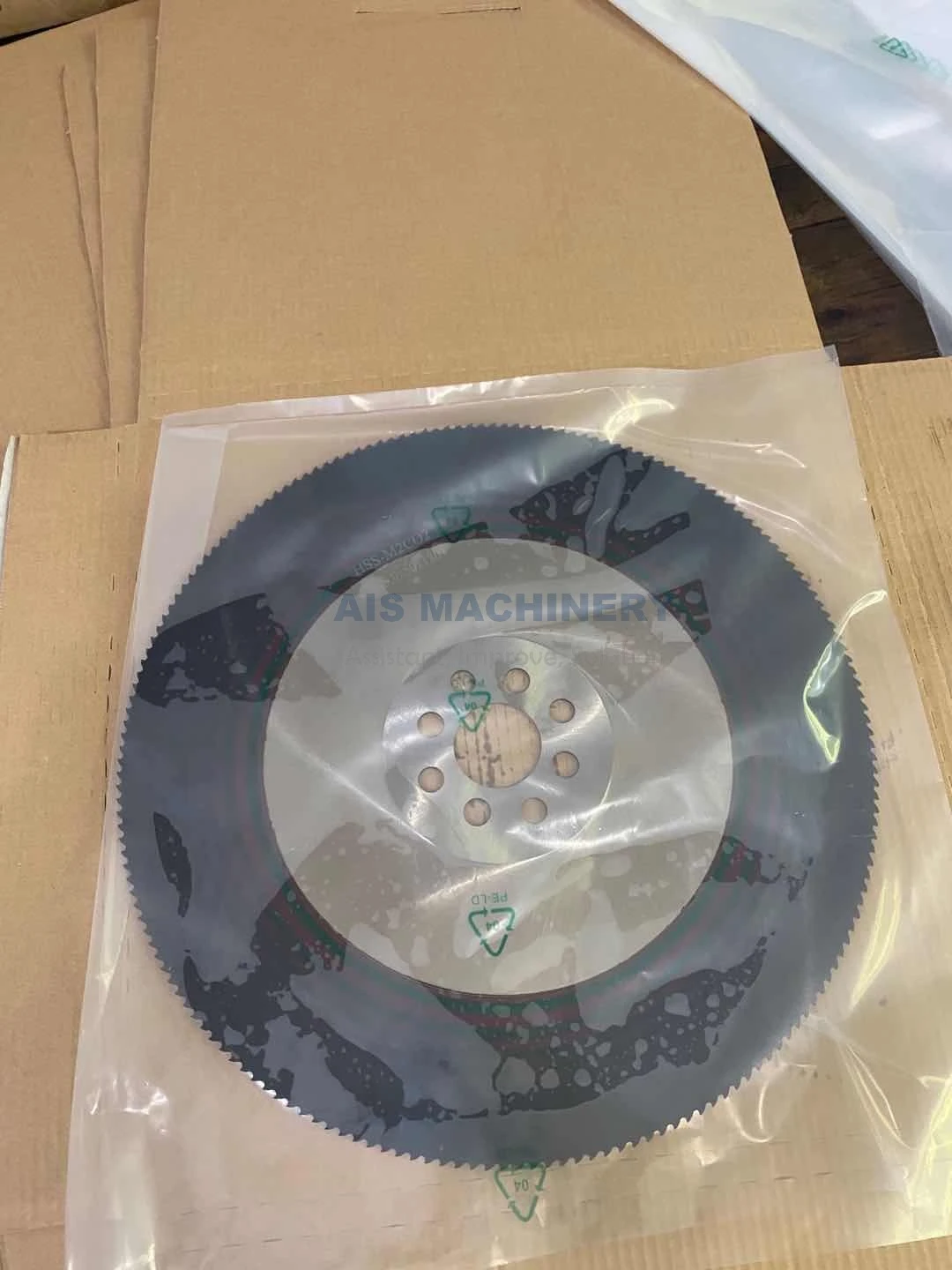
2026-04-28 08:56:05
Saw Blade Guide for Tube Mills: Friction vs HSS vs TCT — Which One Should You Choose?
Confused about friction saw, HSS, and TCT blades? This guide explains their uses in cold saw and friction saw machines, with pros, cons, and expert selection tips.
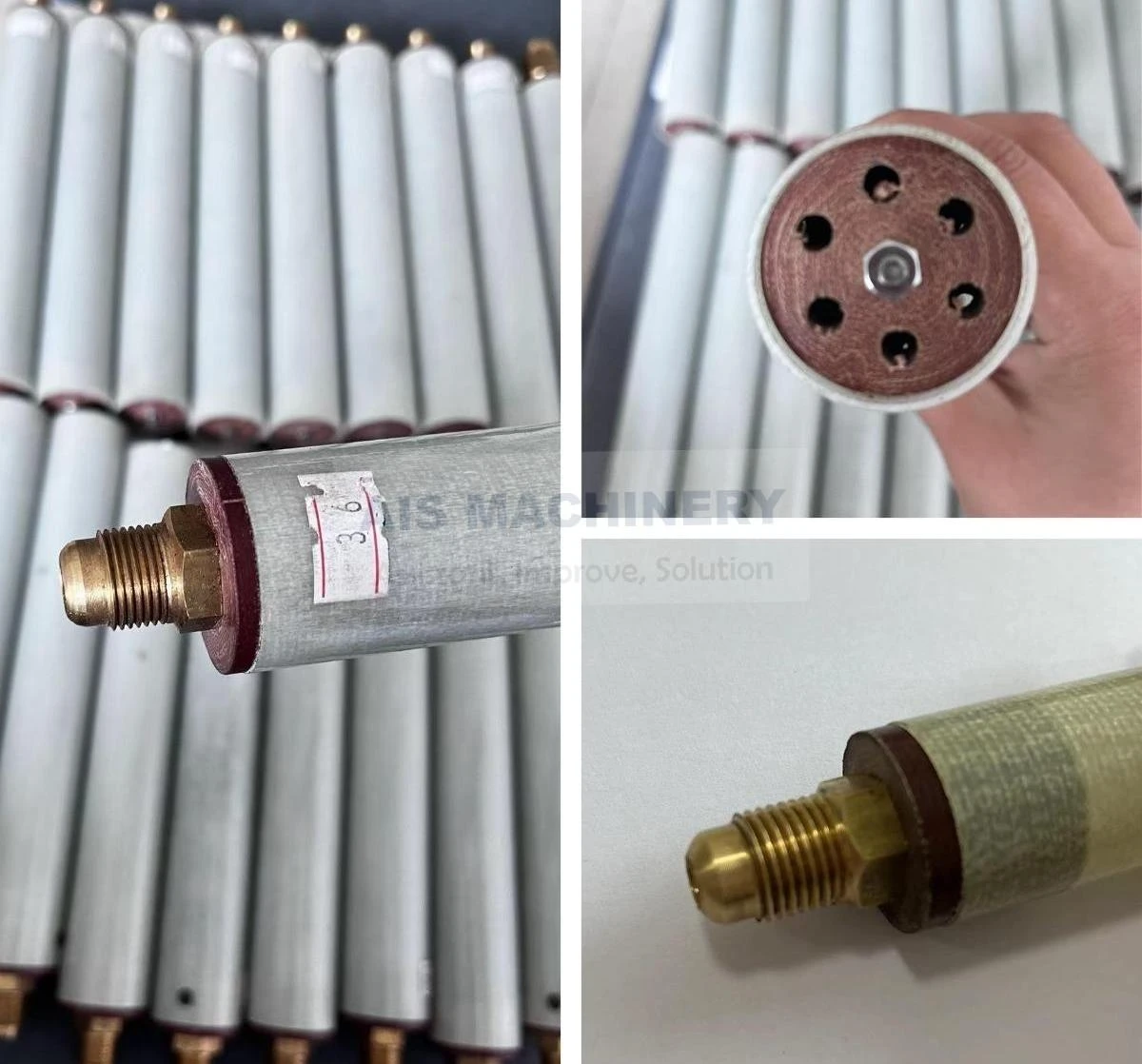
2026-04-24 08:54:16
What is an Impeder and Ferrite Rods in ERW Tube Mill?
Struggling with impeder overheating or short service life in your ERW tube mill? This guide explains common impeder problems, the role of ferrite rods, and how to choose the right impeder for stable welding performance. Improve weld quality, reduce energy loss, and extend equipment lifespan with the right selection and proper cooling solutions.
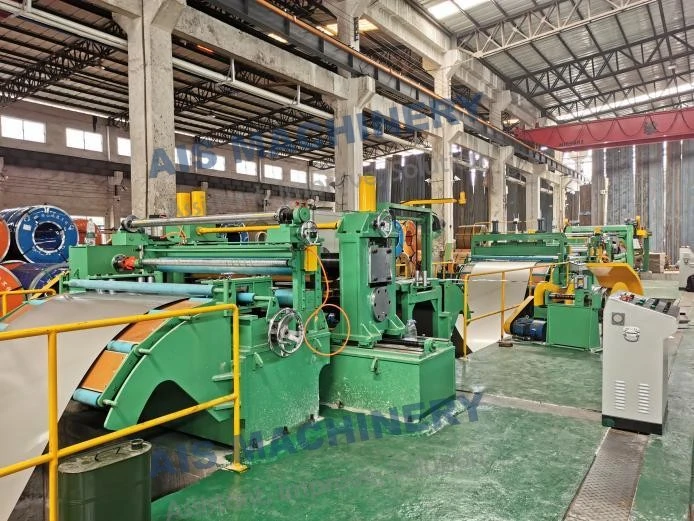
2026-04-21 10:22:25
Slitting & Cut-to-Length Combined Production Line: A Smarter Way to Process Steel Coils
Discover the Slitting & Cut-to-Length Combined Production Line, a flexible solution for steel coil processing. This system integrates slitting line and cut-to-length line functions in one machine, saving space, reducing costs, and improving efficiency. Ideal for processing both steel strips and sheets, it is widely used in service centers and manufacturing industries. Learn its advantages, limitations, and applications.
2026-04-18 03:20:20
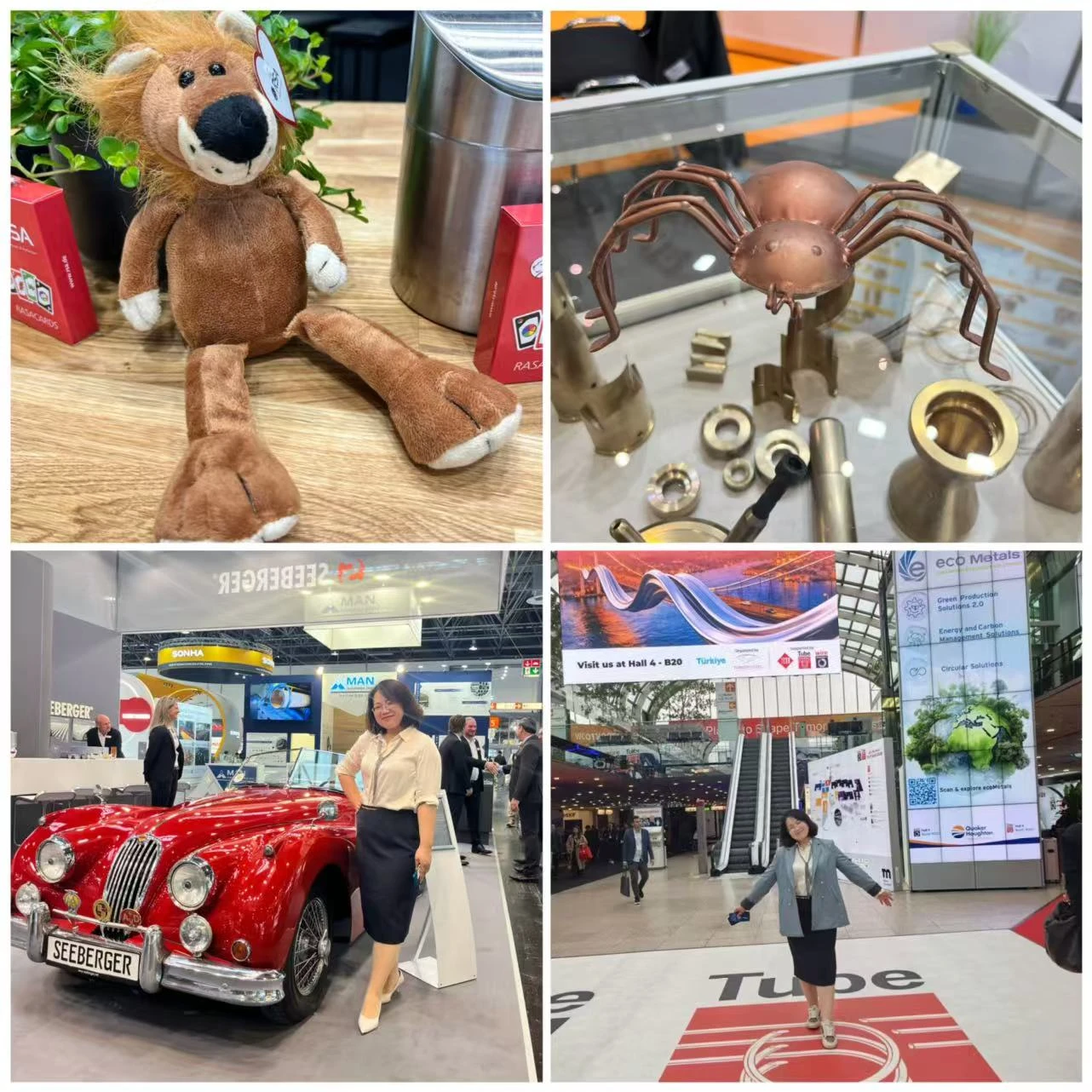
AIS Machinery Showcases Advanced Tube Solutions at Tube & Wire Düsseldorf 2026
Tube & Wire Düsseldorf 2026, one of the most influential exhibitions in the global tube and wire industry, held biennially in Düsseldorf, Germany
2026-04-17 00:00:00
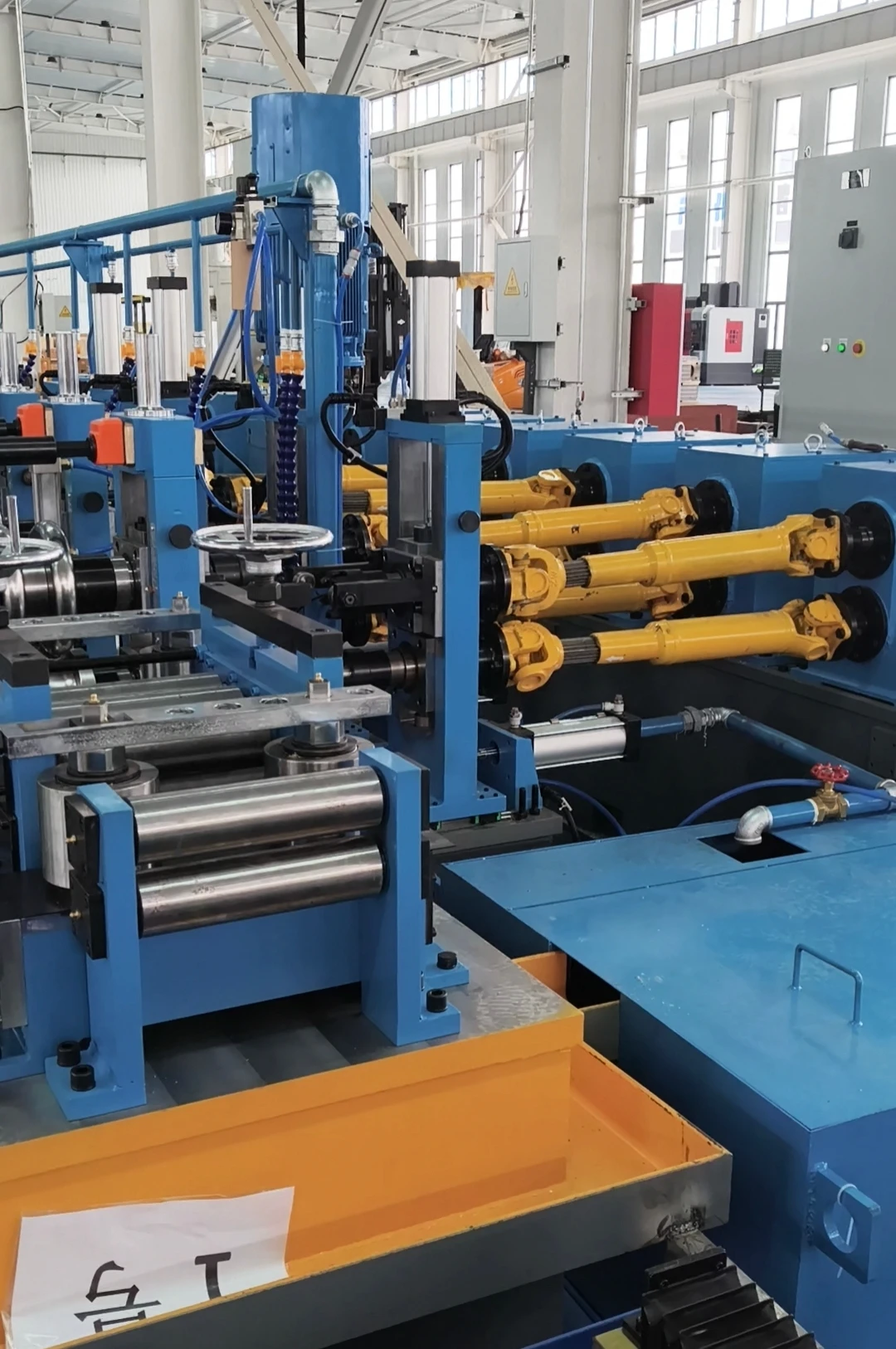
Southeast Asia Client Visits Our Factory | Customized Tube Mill Solution Delivered
A Southeast Asia client visited our ERW tube mill factory to inspect production lines and discuss a customized tube mill solution. Impressed by our machine quality, welding performance, and engineering support, the client confirmed strong cooperation intentions. Discover how our ERW tube mill solutions improve efficiency, precision, and long-term production reliability.
2026-04-15 10:37:55
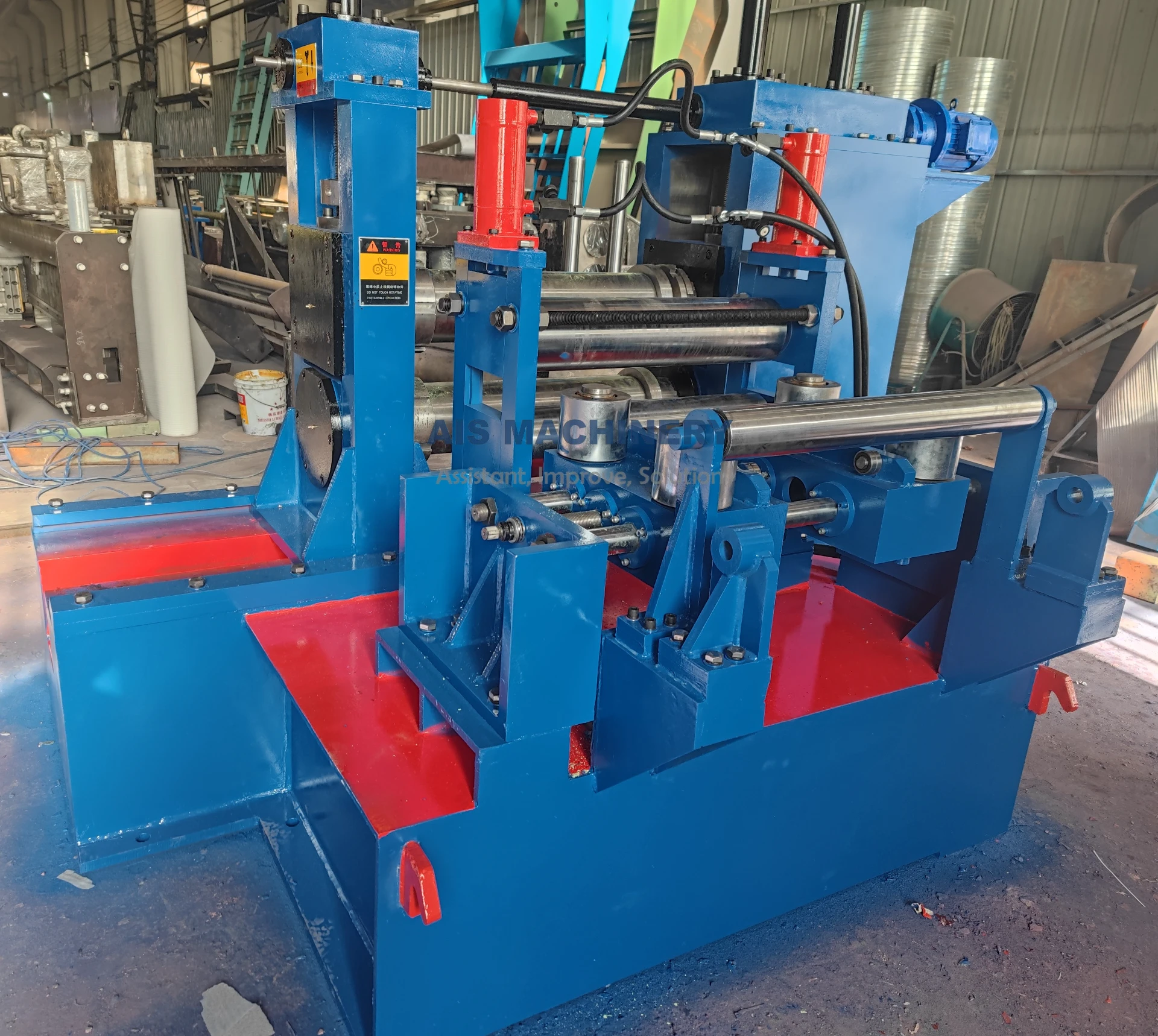
Flat Bar Production Line for Steel Coils: How It Works & Why It Matters
Looking for a flat bar production line? Learn how it turns steel coils into ready-to-use flat bars with precise length and high straightness. Compare it with slitting lines and get the best solution for your steel processing needs.
2026-04-14 00:00:00
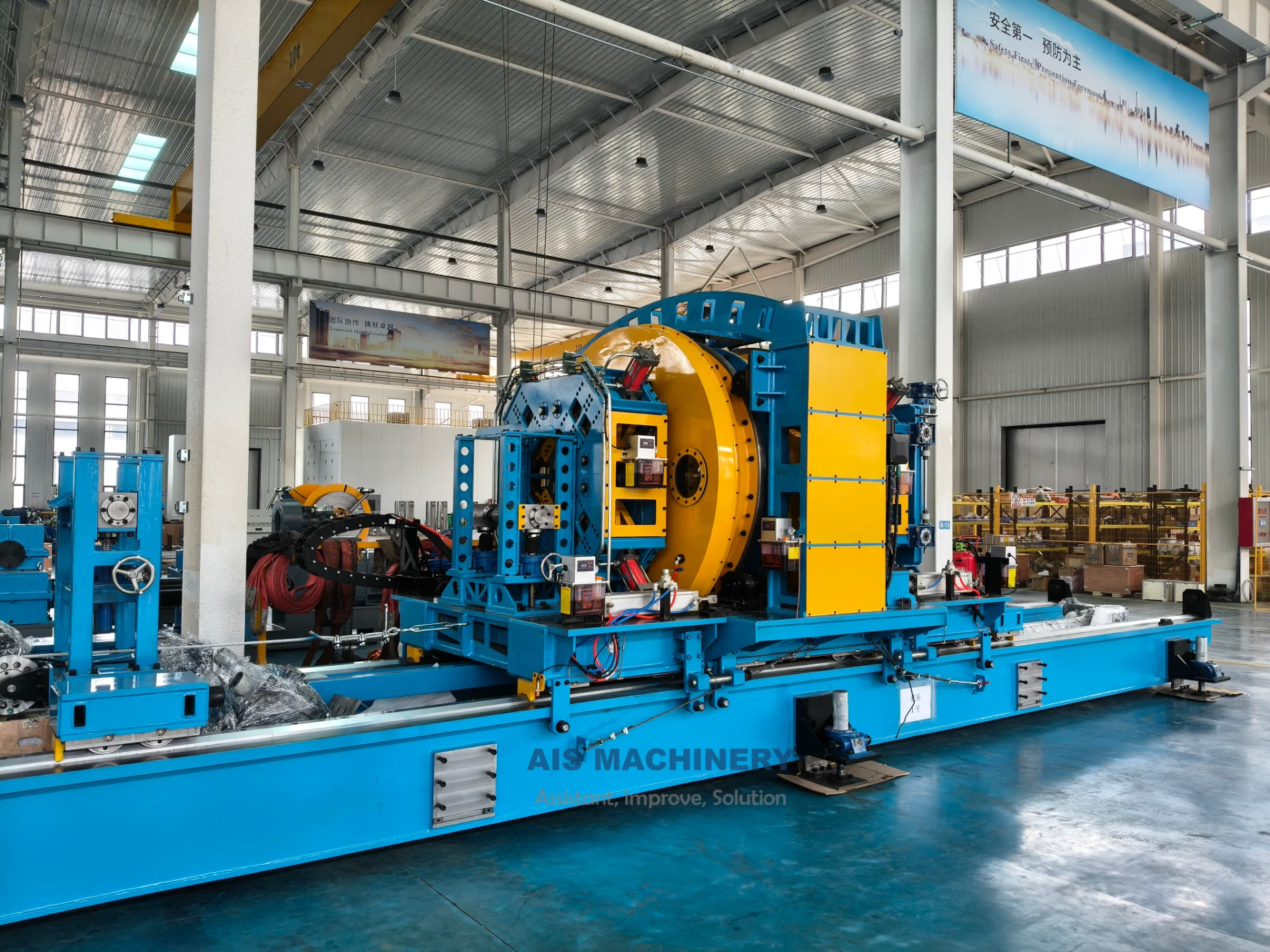
Looking for a Milling Saw for ERW Tube Mill? Here’s What You Need to Know
Looking for a high-performance milling saw for your ERW tube mill? Upgrade to burr-free, high-precision pipe cutting with advanced flying saw technology. Improve efficiency, reduce rework, and meet export standards for carbon steel, stainless steel, and API pipes. Contact us today for expert solutions and competitive pricing tailored to your production needs.
Send a Message
Dear customer, thank you for your attention! We provide high-quality machinery and equipment and look forward to your orders. Please inform us of your needs and we will respond quickly!
 English
  Albanian
  Arabic
  French
  German
  Indonesian
  Italian
  Japanese
  Kazakh
  Korean
  Latin
Latin  Macedonian
  Portuguese
  Russian
  Spanish
  Thai
Thai  Turkish
  Ukrainian
  Uzbek
Uzbek