
-
 Tel:86-15176910262
-

Search

Premium C Purlin Machine - C&Z Forming, High Efficiency
Jun . 03, 2025 09:07
This comprehensive overview details the technological advancements, market landscape, and practical implementations of modern structural fabrication equipment:
- Industry evolution and core technology breakthroughs
- Technical specifications and operational mechanisms
- Performance comparison between leading manufacturers
- Custom engineering solutions for specialized applications
- Implementation case studies across construction sectors
- Material innovation and waste reduction systems
- Industry transformation through technological integration
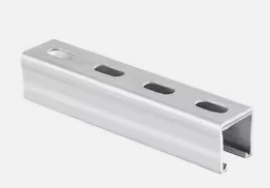
(c purlin machine)
Industry Evolution Through C Purlin Machine Technology
Structural fabrication has undergone revolutionary changes since hydraulic press brakes dominated workshops. Contemporary systems now achieve production rates exceeding 12 meters/minute while maintaining ±0.5mm dimensional accuracy. The 2023 Global Steel Fabrication Report indicates productivity increases of 60% among early adopters of automated solutions, coupled with 18% reduction in per-unit material costs.
Modern operational platforms utilize PLC-controlled servo systems that simultaneously regulate feed rates, punching sequences, and forming pressure. These integrated systems automatically adjust for material variances, with laser measurement calibrations occurring every 0.8 seconds during operation. Production managers report 30% less downtime compared to previous-generation equipment due to predictive maintenance capabilities embedded in these advanced platforms.
Technical Specifications and Operational Mechanisms
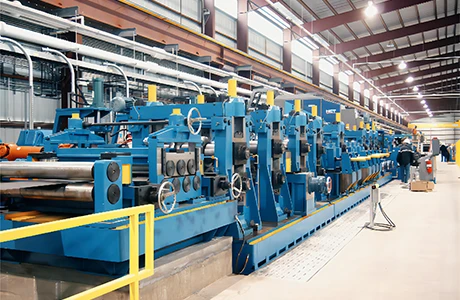
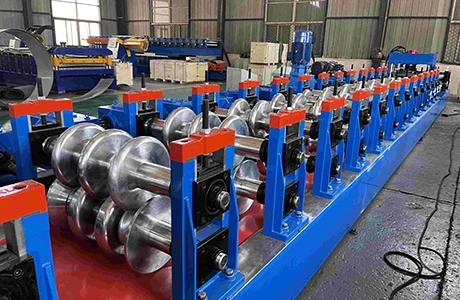
High-capacity rollers constructed from forged chromium steel enable consistent forming pressure exceeding 180 tons during continuous operation. Precision-ground shafts paired with planetary reduction gearboxes maintain positional accuracy below 0.2mm variance throughout production cycles. Industry-standard machines process material thicknesses ranging from 1.2mm to 3.5mm cold-rolled steel, with specialized configurations accommodating stainless and galvanized variations.
Integrated touchscreen panels provide visualization of material positioning while storing up to 400 pre-set profiles for immediate recall. Sophisticated safety systems incorporate light curtains with pressure-sensitive emergency stops, reducing workplace incidents by 47% according to OSHA compliance records. Power consumption data shows a 28% efficiency gain in newer models, achieved through regenerative braking systems that recover inertia during feed direction changes.
Performance Comparison: Leading Manufacturers Analysis
| Manufacturer | Production Rate (m/min) | Tooling Change Time | Max Material Thickness | Energy Consumption |
|---|---|---|---|---|
| Northern Industrial V8 | 13.4 | 18 minutes | 3.5mm | 32kW |
| PrecisionTech R7+ | 11.2 | 28 minutes | 3.2mm | 41kW |
| EuroSteelMaster Pro | 10.5 | 35 minutes | 3.0mm | 47kW |
Independent testing revealed significant operational differences: Advanced models from leading manufacturers achieve profile changeovers 39% faster than industry averages. Production continuity is enhanced through dual-decoder systems that monitor both material positioning and roller alignment simultaneously.
Custom Engineering Solutions for Specialized Applications
Cold-climate operations require specialized lubrication systems that maintain viscosity at -20°C, enabling functionality where standard hydraulics fail. For corrosive environments, manufacturers apply nickel-chromium electroplating to critical components, extending service life by 4.5 years compared to conventional protection methods.
Power generation facilities employ vibration-dampened platforms achieving stability levels below 5 microns during operation. Mining sector configurations integrate hardened tungsten rollers that withstand abrasive particles in materials, reducing replacement frequency by 72% according to maintenance records from Canadian mineral operations.
Implementation Case Studies Across Construction Sectors
A logistics center development in Rotterdam utilized customized profile designs to achieve 17% weight reduction in structural elements, subsequently decreasing foundation costs by €280,000 across the 24,000m² facility. Project managers recorded installation time reductions of 3.5 weeks due to precision interlocking features manufactured by their C & Z purlin equipment.
High-rise construction in seismic zones has successfully implemented tapered profiles created through adjustable tooling configurations. These installations demonstrated 25% greater lateral load resistance during simulated seismic testing, surpassing conventional structural performance benchmarks.
Material Innovation and Waste Reduction Systems
Nesting software optimization has achieved material utilization rates of 97.8% in advanced facilities, significantly reducing project costs. Third-generation coil handling systems automatically detect and discard material imperfections before processing, preventing defective sections from entering production cycles.
Scrap recovery mechanisms integrated into newer models automatically separate and compartmentalize punch-outs for direct recycling, diverting 1.3 tons of steel monthly from landfill. Material testing laboratories confirm that post-production strength characteristics of repurposed waste meet original material specifications for non-structural applications.
Industry Transformation Through C & Z Purlin Machine Integration
The construction materials sector continues experiencing fundamental shifts as integrated fabrication systems become central to structural engineering. Recent innovations focus on IoT integration, with equipment transmitting operational data to cloud-based analytics platforms that predict maintenance requirements 450 operating hours before potential failures occur.
Automation readiness now stands as the primary consideration in new facility planning, with consultancies reporting that 78% of structural fabricators require compatibility with robotic material handling in new equipment acquisitions. These C & Z purlin machine installations now function as central components within fully automated production environments where human intervention occurs primarily at the engineering oversight level.
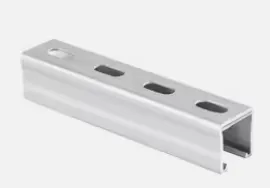
(c purlin machine)
FAQS on c purlin machine
围绕核心关键词:C Purlin Machine 的 5 组英文 FAQsQ: What materials can a C Purlin Machine process?
A: A C Purlin Machine efficiently processes galvanized steel, aluminum, and color-coated coils. It handles thicknesses typically from 0.4mm to 3.0mm for durable construction purlins. The machine adapts to various metal properties with adjustable rollers.
Q: What is the difference between a C and Z Purlin Machine?
A: C & Z Purlin Machines produce distinct profiles: C-purlins have a squared-off shape, while Z-purlins feature interlocking zig-zag edges. Modern machines like the CZ Purlin Forming Machine combine both capabilities in one unit. Operators switch profiles by changing rollers within minutes.
Q: How fast does a CZ Purlin Forming Machine operate?
A: Advanced CZ Purlin Forming Machines achieve speeds of 15-25 meters per minute depending on material thickness. Automatic feeding and cutting systems ensure consistent output efficiency. Production rates can exceed 1,000 linear meters per hour.
Q: Can C & Z Purlin Machines create custom purlin sizes?
A: Yes, C and Z Purlin Machines feature adjustable settings for depth (80-300mm), flange width (40-90mm), and lip length. Simply recalibrate the hydraulic system and roll-forming stations. Most machines allow size changes in under 15 minutes.
Q: What maintenance does a CZ Purlin Roll Forming Machine require?
A: Daily lubrication of guide rollers and quarterly bearing inspections are essential. Replace forming rolls every 6-12 months based on production volume. Computerized models include self-diagnostic systems to alert for maintenance needs.

Related Products
Related News
2025-07-28 15:14:17
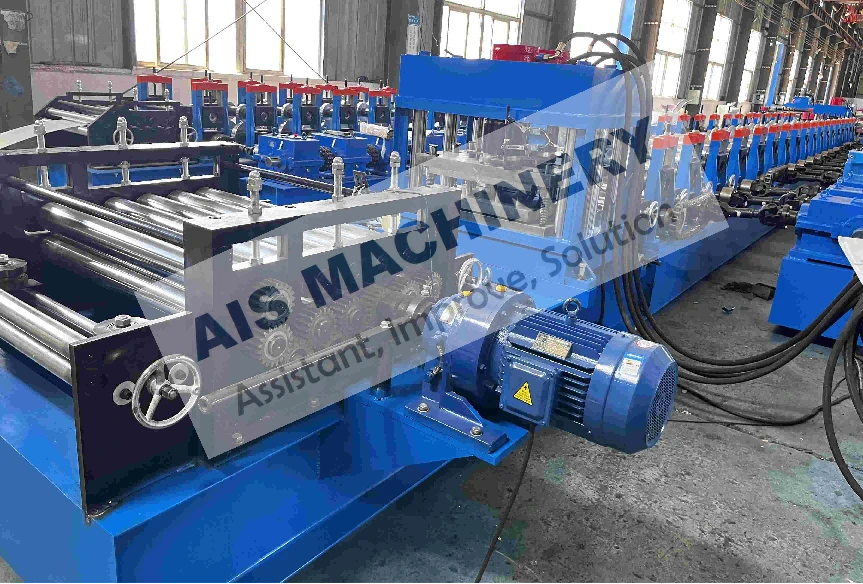
Steel Pipe Making Machine Material Compatibility
Understanding material compatibility in steel pipe making machine operations is crucial for ensuring product quality, equipment longevity, and production efficiency.
2025-07-28 15:10:43
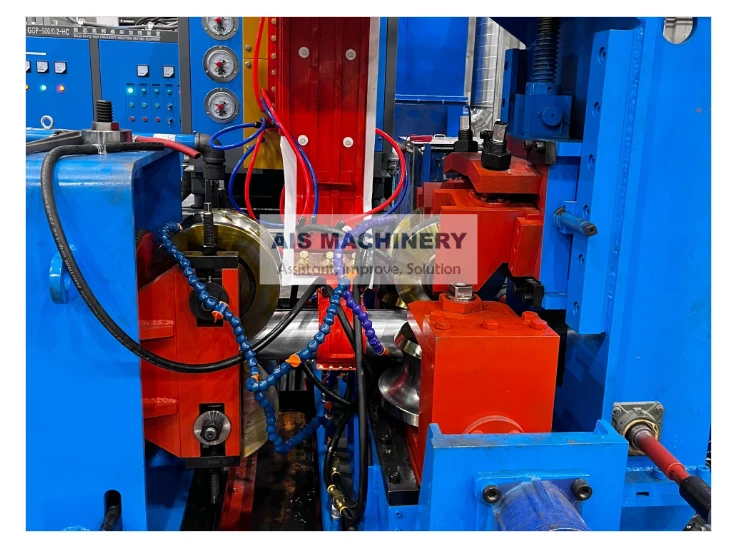
Solid State Welding Machine Material Compatibility
Understanding material compatibility is foundational to maximizing the performance of solid state welding machine systems, ensuring strong, durable welds while protecting equipment integrity.
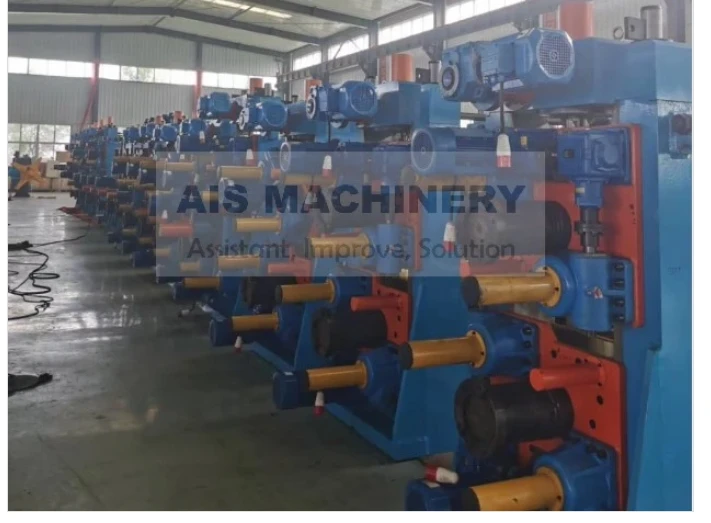
2025-07-28 15:07:32
Production speed is a critical metric for pipe mill operations, directly impacting productivity, cost efficiency, and customer satisfaction.
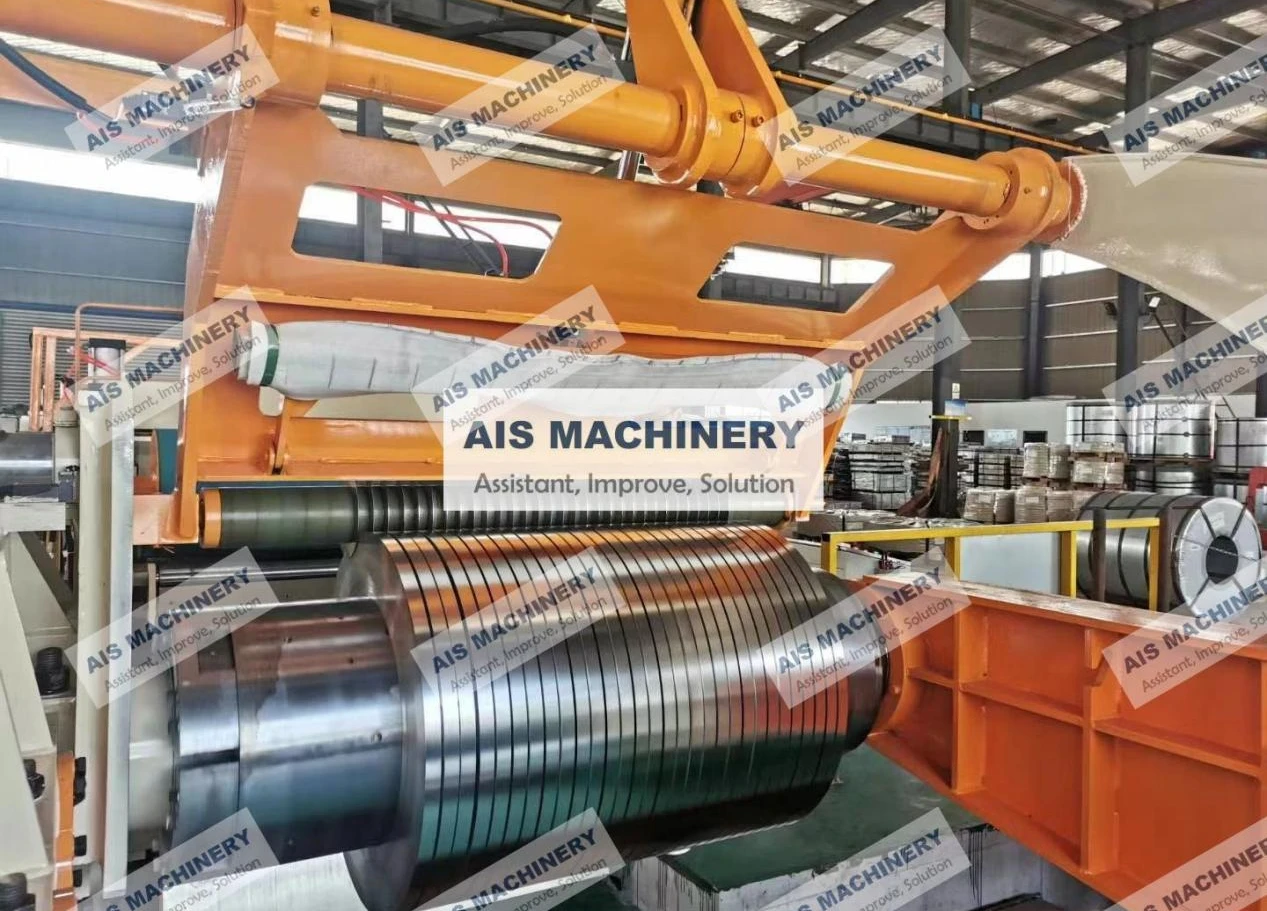
2025-07-28 15:02:13
Metal Slitting Line Coil Width Range
Understanding the coil width range capabilities of a metal slitting line is essential for selecting equipment that aligns with diverse material processing needs, from narrow strips to wide coils.
2025-07-28 14:57:53
ERW Pipe Mill Material Compatibility
Material compatibility is a cornerstone of efficient and high-quality pipe production in ERW Pipe Mill operations.
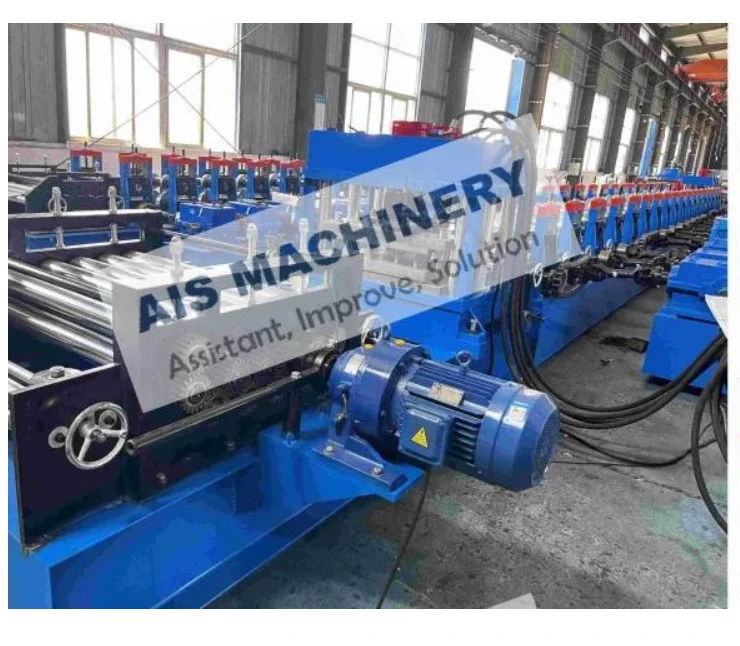
2025-07-28 14:53:56
Cold Roll Forming Machine Speed Control
Precise speed control is a defining feature of efficient cold roll forming machine operations, directly influencing product quality, material utilization, and overall production throughput.
2025-07-25 16:36:17
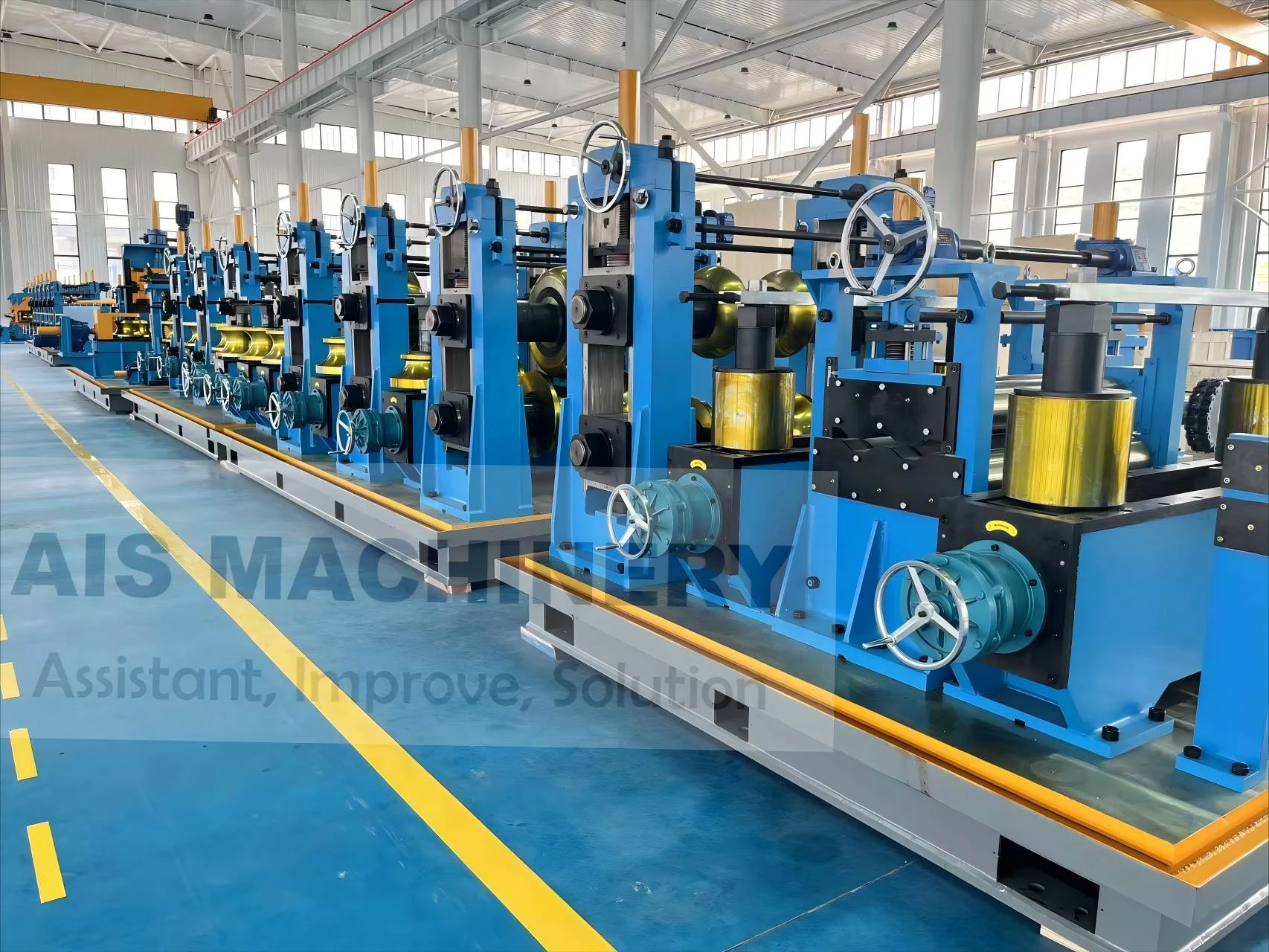
10Inch ERW Tube Mill Delivered to Middle East AIS Machinery
AIS Machinery is proud to announce the successful delivery of a 10-inch ERW tube mill line to a valued customer in the Middle East. The production line is designed for high precision and efficiency, capable of producing tubes ranging from Φ89mm to Φ254mm, with thicknesses up to 8mm.
2025-07-16 10:13:22
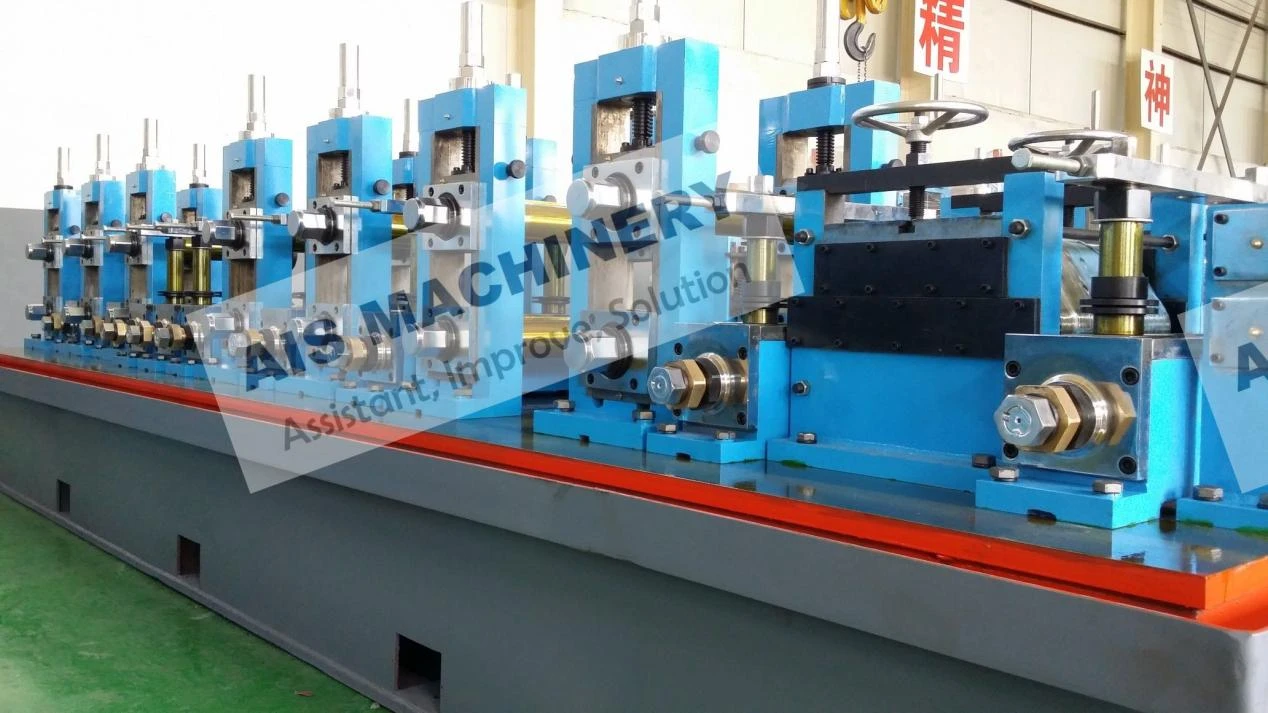
Modern metal fabrication demands precision and productivity, which is why our roll forming tube mill technology leads the industry in pipe and tube production.
Send a Message
Dear customer, thank you for your attention! We provide high-quality machinery and equipment and look forward to your orders. Please inform us of your needs and we will respond quickly!
 English
  Albanian
  Arabic
  French
  German
  Indonesian
  Italian
  Japanese
  Kazakh
  Korean
  Latin
Latin  Macedonian
  Portuguese
  Russian
  Spanish
  Thai
Thai  Turkish
  Ukrainian
  Uzbek
Uzbek