
-
 Tel:86-15176910262
-

Search

Chain Type Conveyor | Heavy-Duty, Custom, Low Maintenance
Oct . 16, 2025 12:35
Chain Type Conveyors for Tube Mills: What’s Working on Real Shop Floors
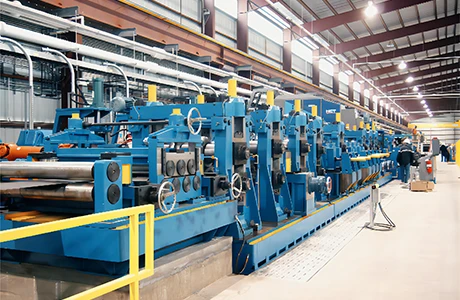
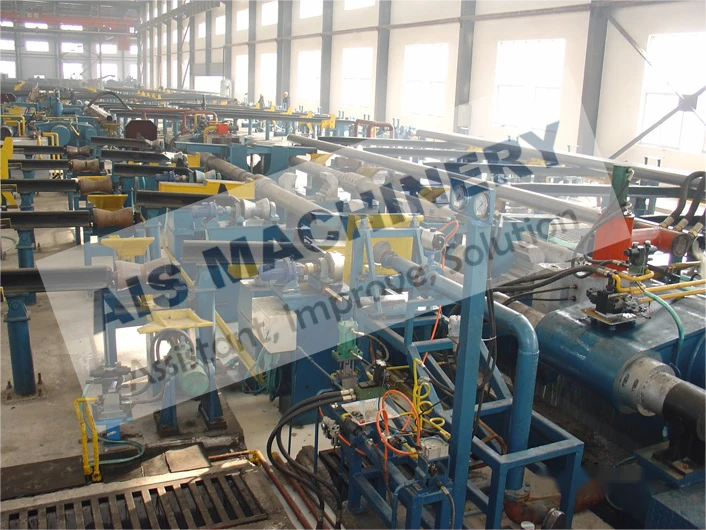
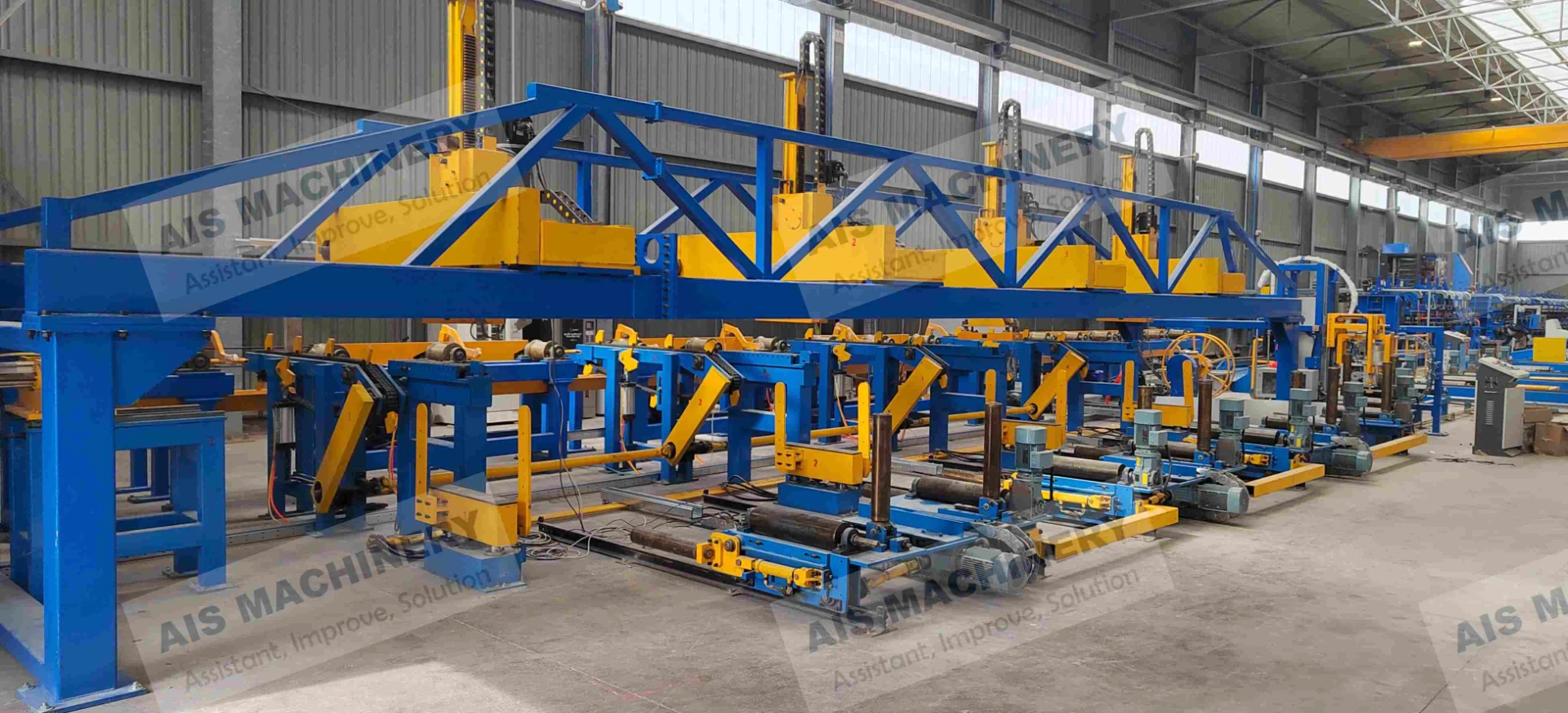
If you’ve walked the discharge end of a tube mill lately, you know the unsung hero isn’t the saw or the straightener—it’s the chain type conveyor humming along, moving pipes without drama. I’ve seen lines stall over a jammed section, and I’ve seen lines fly when transfer and run-out are dialed in. The ERW (Electric Resistance Weld) Tube Mill Pipe Transfer Conveyor and Run Out Table from AIS Tube Mill (Shijiazhuang, Hebei, China) sits squarely in that “make-or-break” zone.
What’s trending (and what actually matters)
Shops are asking for three things: higher uptime (obviously), quieter operation, and easier changeovers. VFD-driven motors, low-friction UHMW wear strips under roller chains, and smarter sensors are pretty much table stakes now. Interestingly, many customers say predictive maintenance via simple hour counters and vibration thresholds beats a heavy IIoT stack—at least for the conveyor zone. To be honest, I agree; keep it practical.
Product snapshot: ERW Pipe Transfer Conveyor + Run Out Table
| Parameter | Value | Notes |
|---|---|---|
| Pipe OD range | ∼ 20–273 mm | Real-world use may vary by fixture |
| Line speed | 3–60 m/min | VFD-tuned; saw sync optional |
| Max load per meter | ≈ 120 kg/m | Based on 25°C ambient |
| Chain | DIN 8187 roller chain | Hardened pins; UHMW wear strips |
| Frame | Q235/SS400 steel, powder-coated | Hot-dip galvanizing optional |
| Drive | IE3 geared motor + VFD | Energy-efficient |
| Sensors | Photoelectric + proximity | Jam and count logic |
| Noise | ≤ 75 dB(A) | At 1 m; unloaded |
| Service life | ≈ 8–12 years | With standard maintenance |
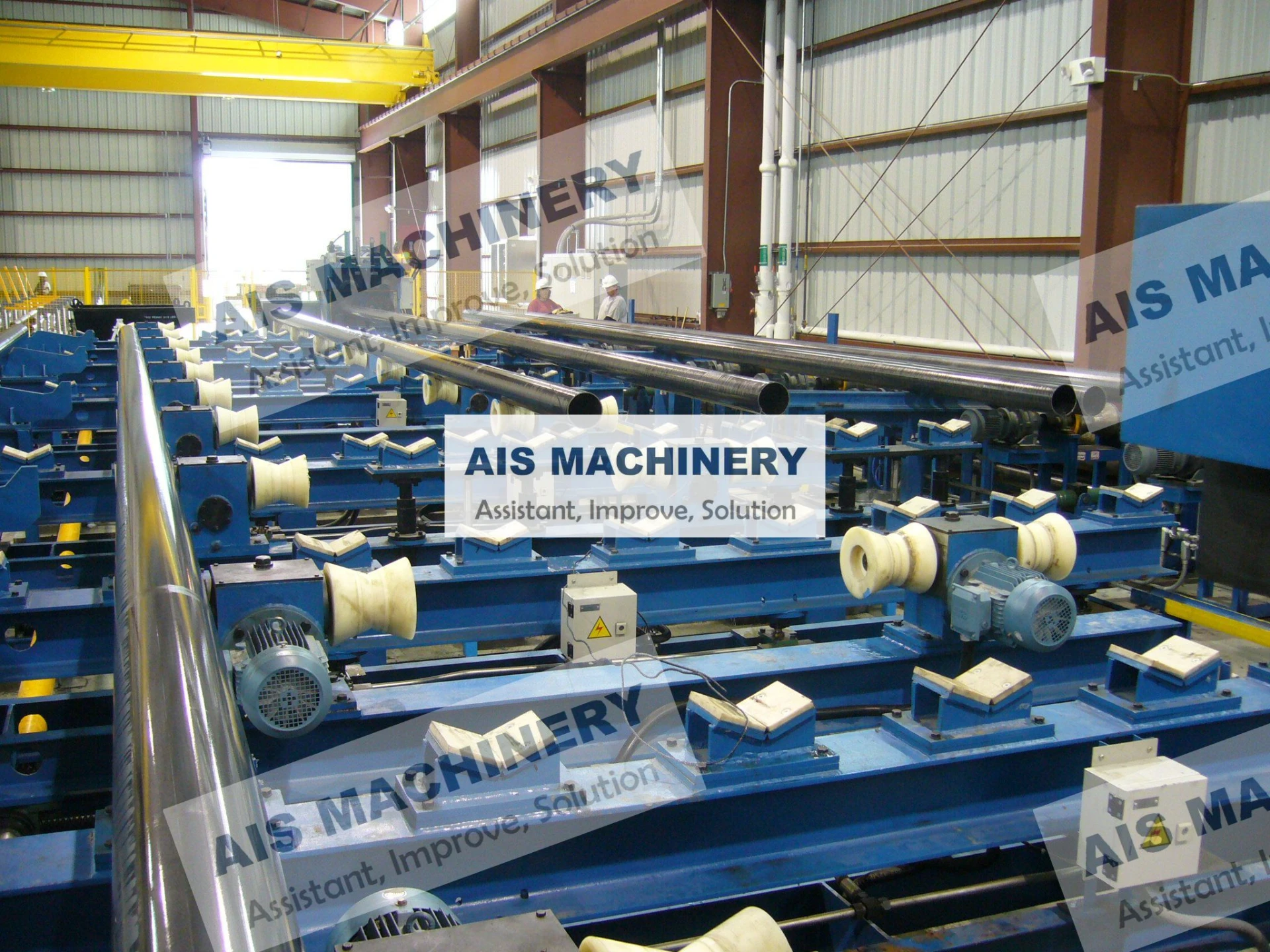
Process flow in the mill (quick but real)
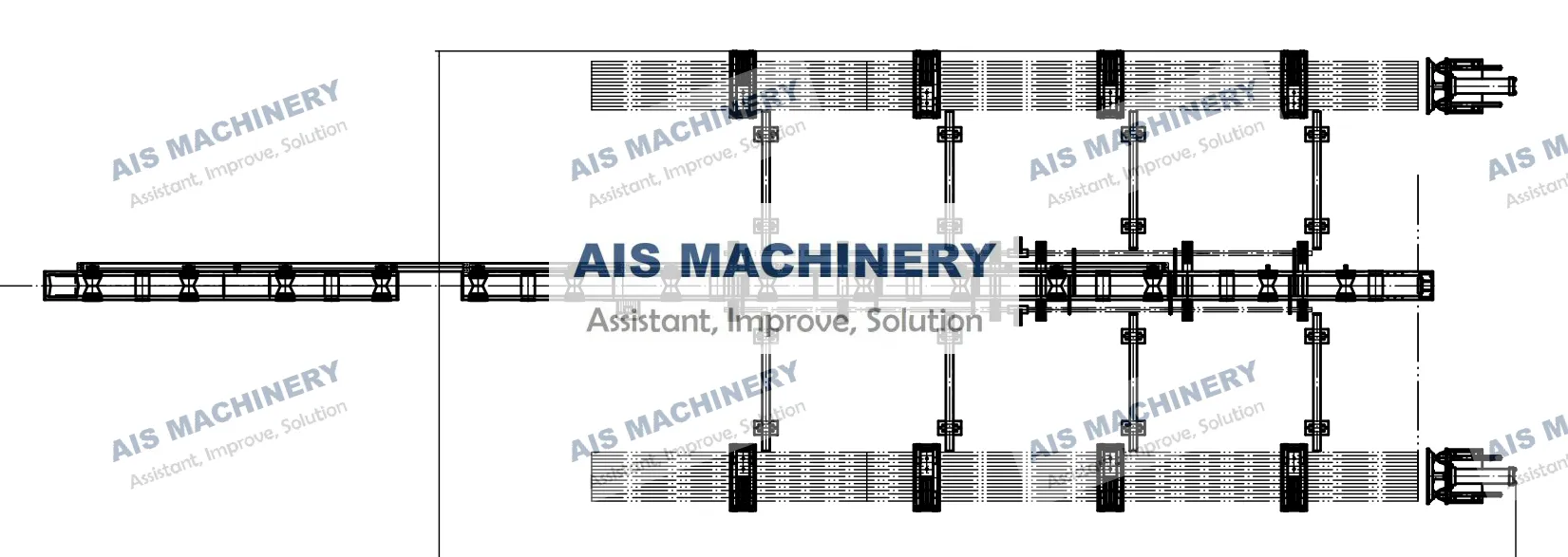
- After sizing and cutoff, pipe lands on the chain type conveyor in-feed skids.
- Indexed transfer moves pipes to run-out positions; anti-roll fingers stabilize.
- Counting/length verification; optional in-line spray cool and marking.
- Discharge to bundling or end-facing; buffer logic prevents pileups.
Materials and methods: welded steel frame, stress relief, machined sprocket seats; chain pre-tension setting; guards per ANSI B11.0; electrical to IEC/CE. Testing includes 125% static load test, 24 h burn-in, vibration check (ISO 10816), and functional E-stop verification. I guess the burn-in step is what saves headaches—catches noisy bearings early.
Where it’s used
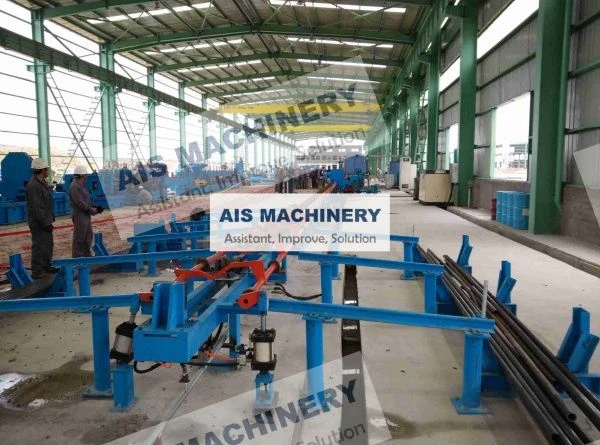
ERW pipe and tube lines for construction, automotive crash components, furniture tube, HVAC, and oil & gas casing prep. Some shops run mixed diameters in one shift; the chain type conveyor doesn’t mind, as long as stops and spacing are set right.
Why shops pick this setup
- Steady discharge that matches saw cadence—surprisingly hard to nail.
- Lower wear thanks to UHMW pads and hardened sprockets.
- Service-friendly: chain master links accessible; guards hinge off.
- Safety-first: interlocks, light stacks, and clean E-stop zoning.
Vendor snapshot (field-notes version)
| Vendor | Core build | Lead time | Certs | Typical Price | After-sales |
|---|---|---|---|---|---|
| AIS Tube Mill (Hebei, CN) | Heavy frame, DIN chains, IE3 drives | 8–14 weeks | ISO 9001, CE | $$ (value) | Remote + on-site in Asia/EMEA |
| Local integrator | Mixed-brand components | 4–10 weeks | Varies | $–$$$ | Close support; parts vary |
| Euro brand | Premium chain and guarding | 12–20 weeks | CE, ISO 12100 | $$$ | Strong network; higher costs |
Origin note: AIS ships from RM604 Shenxing Building, Xinhua Street, Shijiazhuang, Hebei, China 050000. Not a surprise—they’ve been around this niche for years.
Customization
Options include kickers and squaring stops, zinc-nickel chain plating, hot-dip galvanized frames for wet ends, extra-long run-out sections, barcode/inkjet marking, and PLC integration with saw encoders. For abrasive pipes, I’d spec replaceable UHMW strips and a chain oiler—cheap insurance.
Mini case: furniture-tube line upgrade
A Southeast Asia plant swapped a roller table for a chain type conveyor and run-out bundle station. Result: 18% throughput gain, jams cut by 70% (operator logs), and 2 dB(A) noise drop. Not a lab test, but the crew wouldn’t give it back—always a good sign.
Standards and compliance
Built to ISO 9001 quality systems, CE Machinery Directive, ANSI B11.0 safety, and typical conveyor design practice guided by CEMA. Pipe specs often align with ASTM A513 for ERW; risk assessment per ISO 12100. Always verify with your site’s EHS.
References
- ISO 9001:2015 Quality management systems.
- EU Machinery Directive 2006/42/EC (CE).
- ANSI B11.0 – Safety of Machinery.
- CEMA Application Guide for Unit Handling Conveyors.
- ASTM A513 – Electric-Resistance-Welded Carbon Steel Mechanical Tubing.

Related Products

Related News
2026-04-18 03:20:20
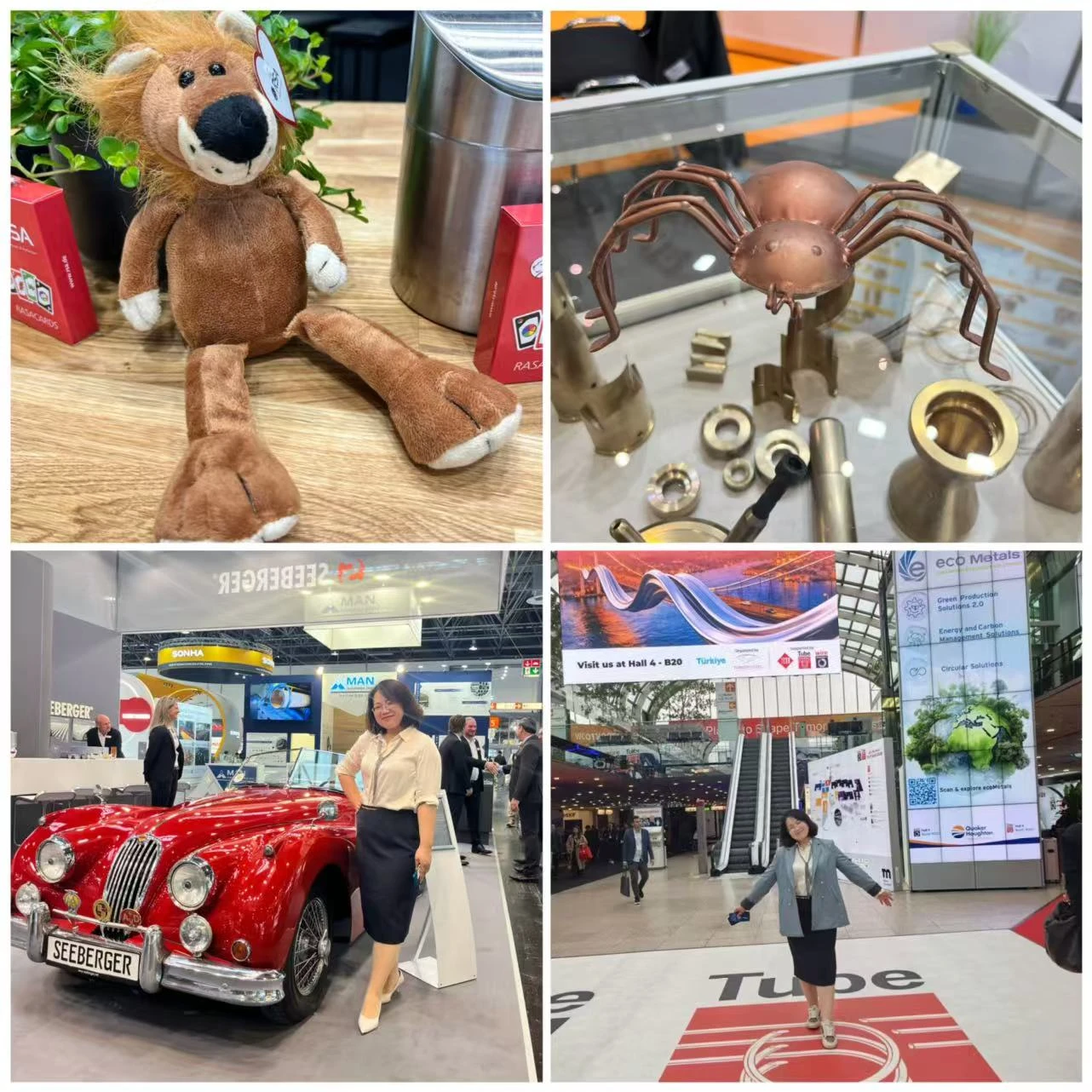
AIS Machinery Showcases Advanced Tube Solutions at Tube & Wire Düsseldorf 2026
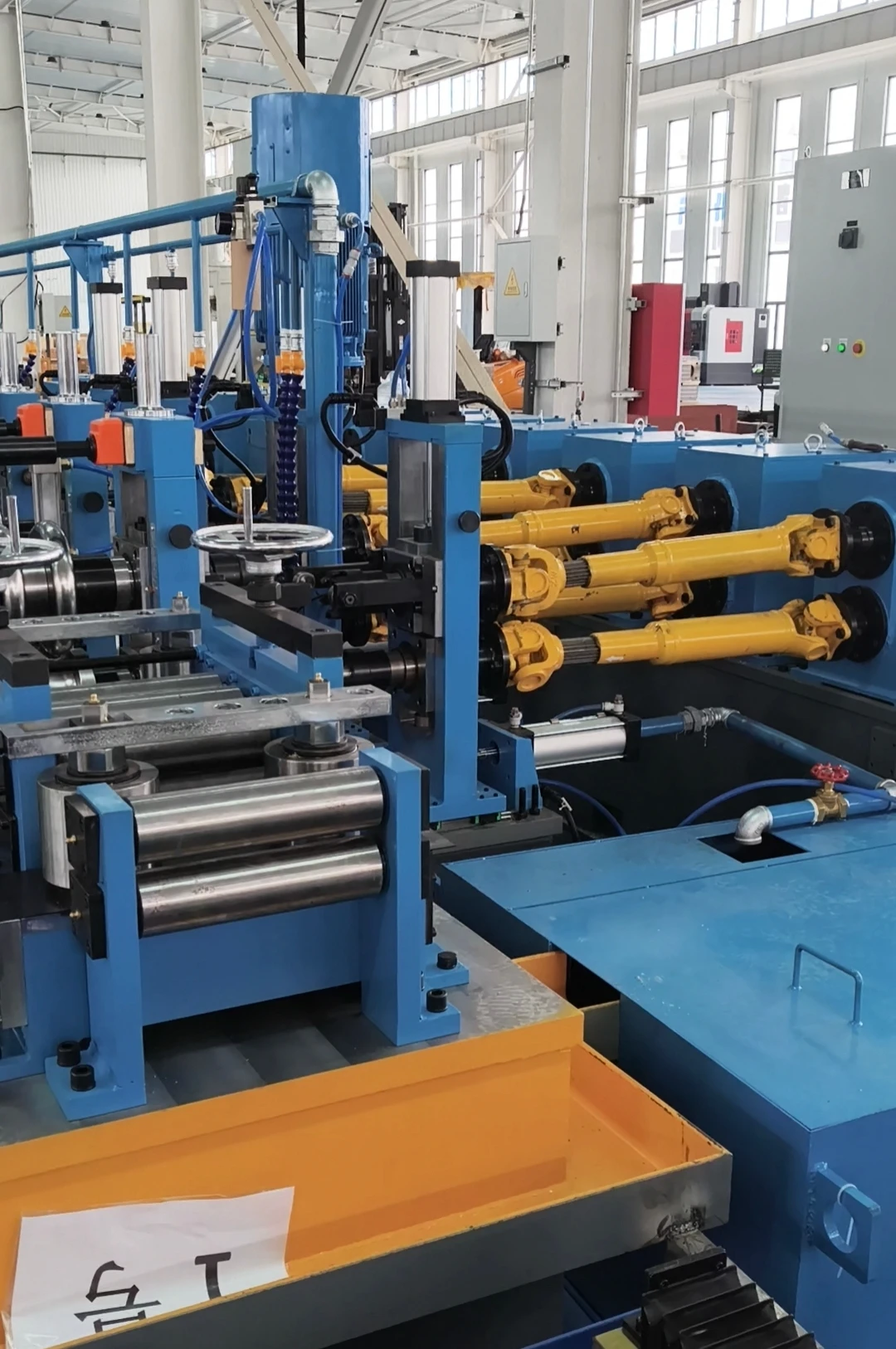
Tube & Wire Düsseldorf 2026, one of the most influential exhibitions in the global tube and wire industry, held biennially in Düsseldorf, Germany
2027-04-17 00:00:00
Southeast Asia Client Visits Our Factory | Customized Tube Mill Solution Delivered
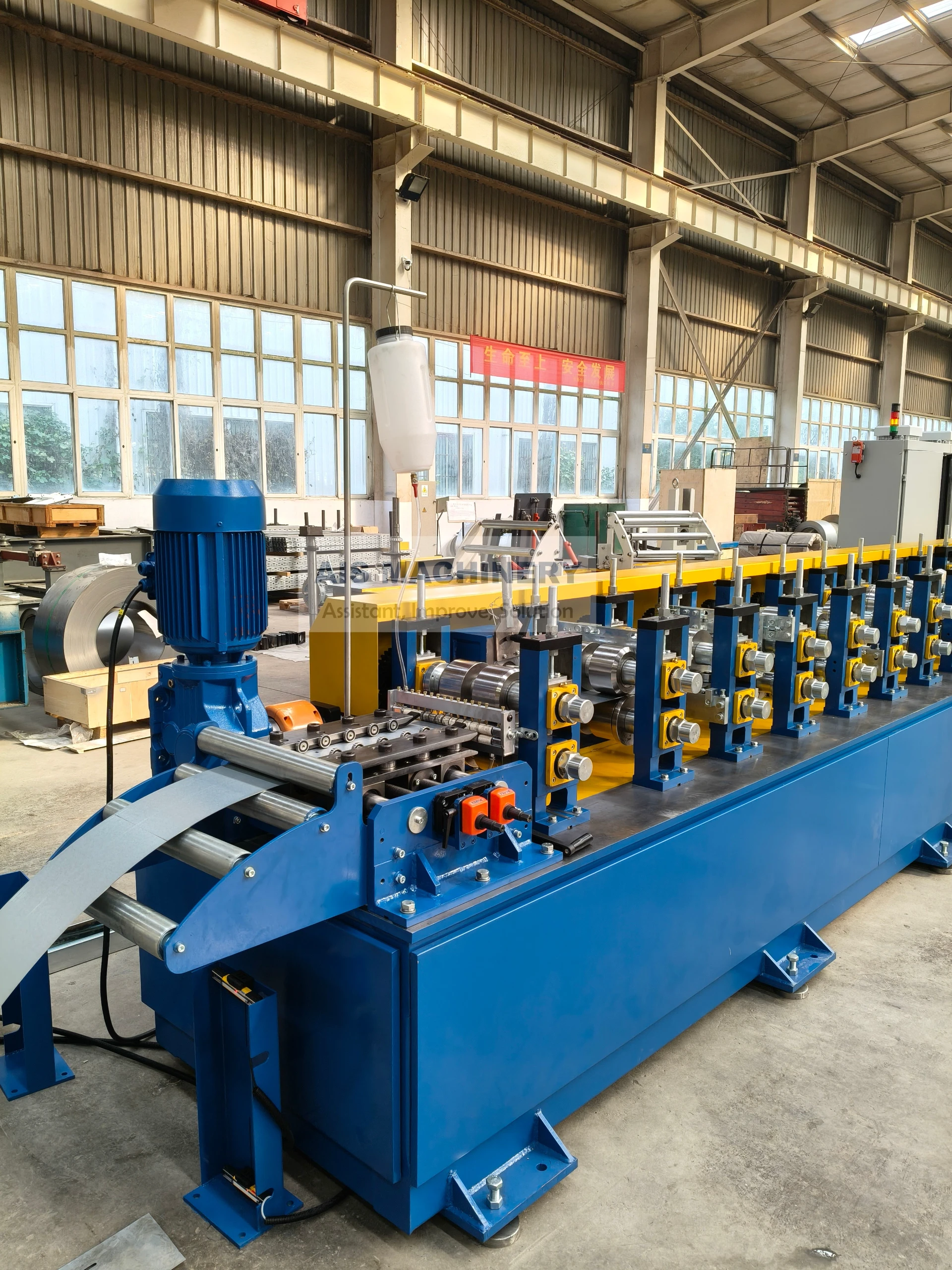
A Southeast Asia client visited our ERW tube mill factory to inspect production lines and discuss a customized tube mill solution. Impressed by our machine quality, welding performance, and engineering support, the client confirmed strong cooperation intentions. Discover how our ERW tube mill solutions improve efficiency, precision, and long-term production reliability.
2026-04-16 02:35:12
Professional Cold Roll Forming Machine Factory for Production
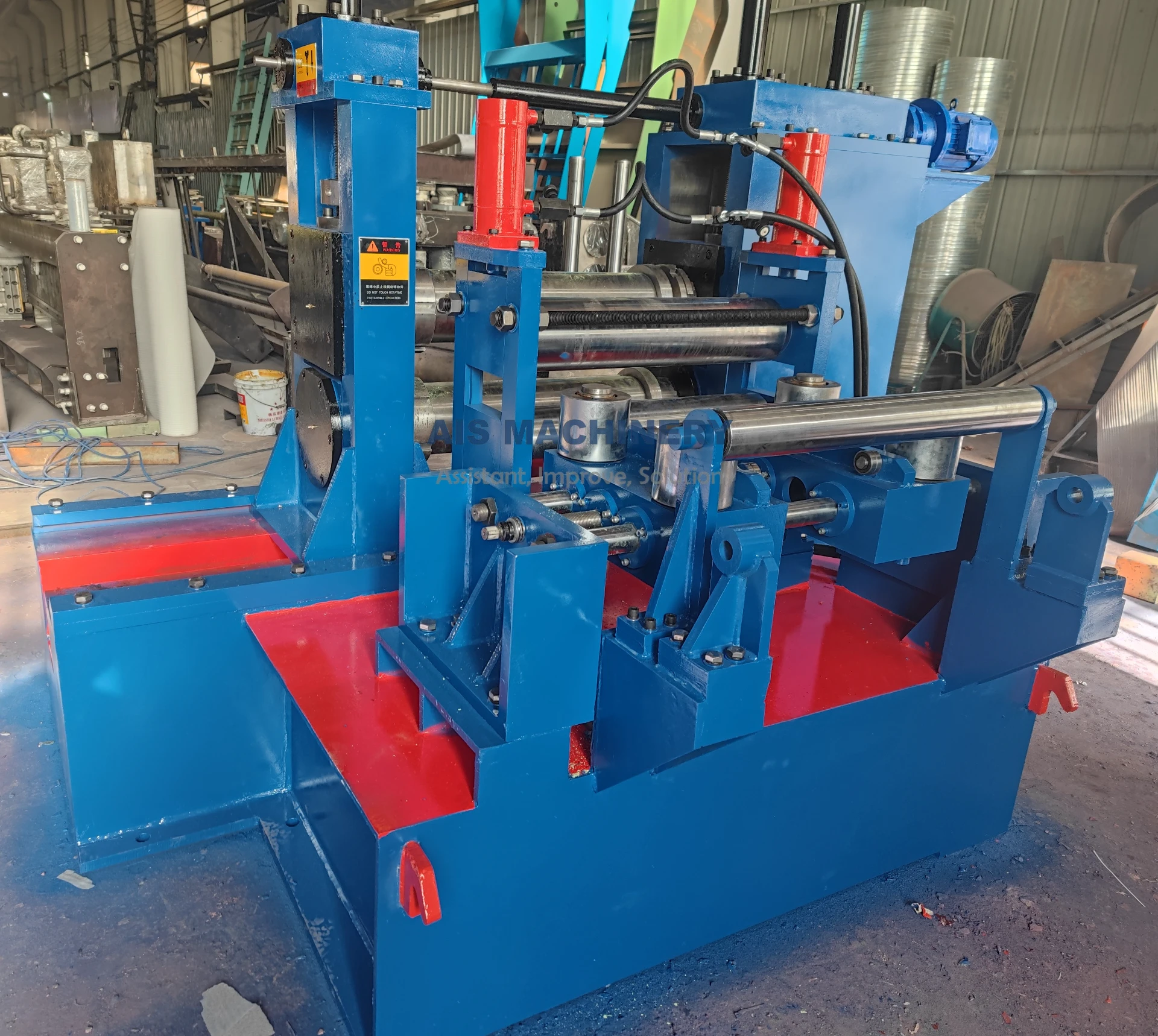
In the modern industrial landscape, the precision of metal shaping is the cornerstone of quality manufacturing. Partnering with a professional cold roll forming machine factory is essential for businesses looking to optimize their production lines, reduce material waste, and ensure high-dimensional accuracy. Whether you are producing C-channels, square tubes, or custom profiles, the choice of machinery determines your competitive edge in the market. This guide will explore the critical factors in selecting a factory and the technical advantages of advanced roll forming technology to help you make an informed investment.
2026-04-15 10:37:55
Flat Bar Production Line for Steel Coils: How It Works & Why It Matters
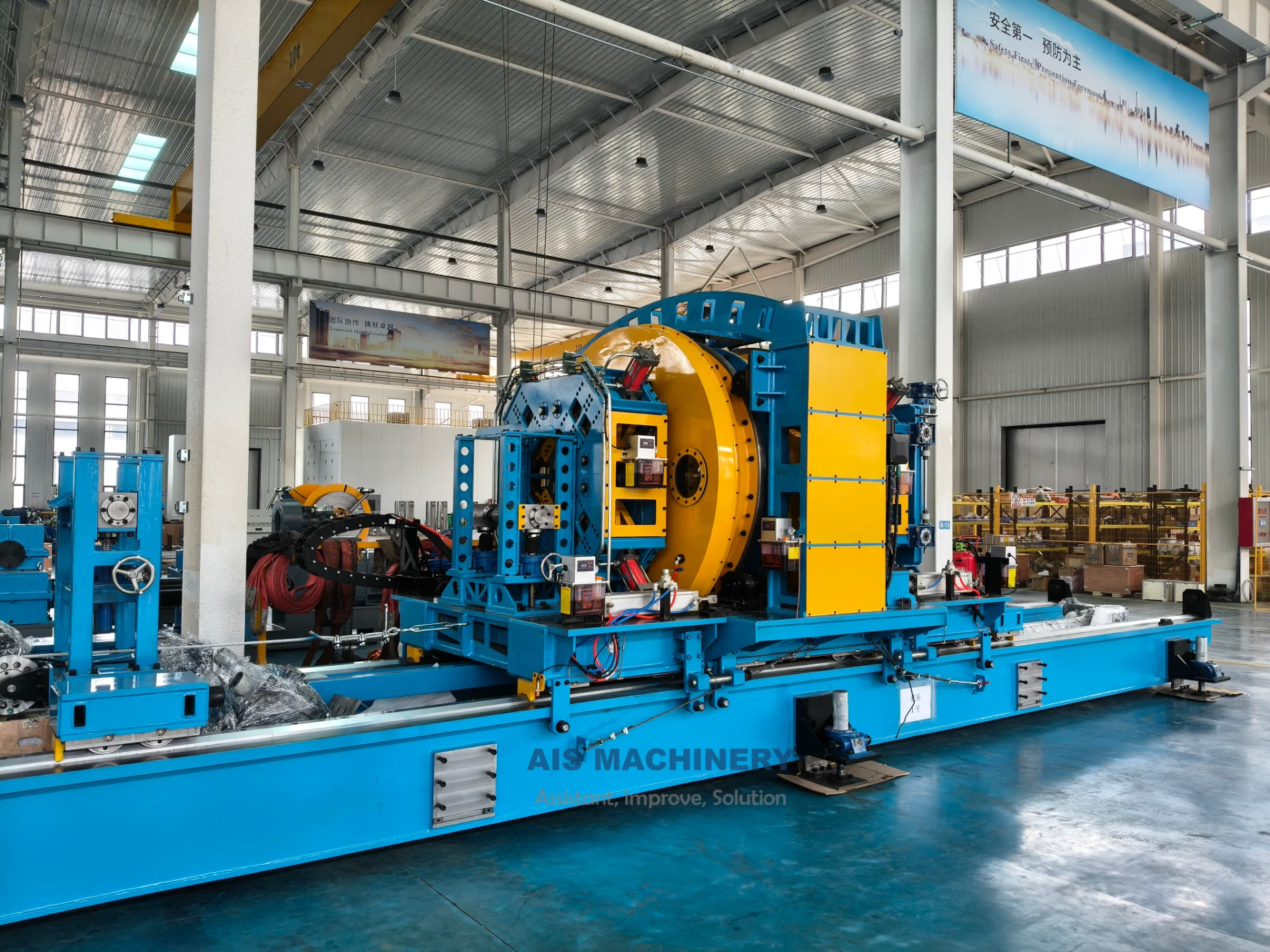
Looking for a flat bar production line? Learn how it turns steel coils into ready-to-use flat bars with precise length and high straightness. Compare it with slitting lines and get the best solution for your steel processing needs.
2026-04-14 00:00:00
Looking for a Milling Saw for ERW Tube Mill? Here’s What You Need to Know
Looking for a high-performance milling saw for your ERW tube mill? Upgrade to burr-free, high-precision pipe cutting with advanced flying saw technology. Improve efficiency, reduce rework, and meet export standards for carbon steel, stainless steel, and API pipes. Contact us today for expert solutions and competitive pricing tailored to your production needs.
2026-04-09 16:15:19
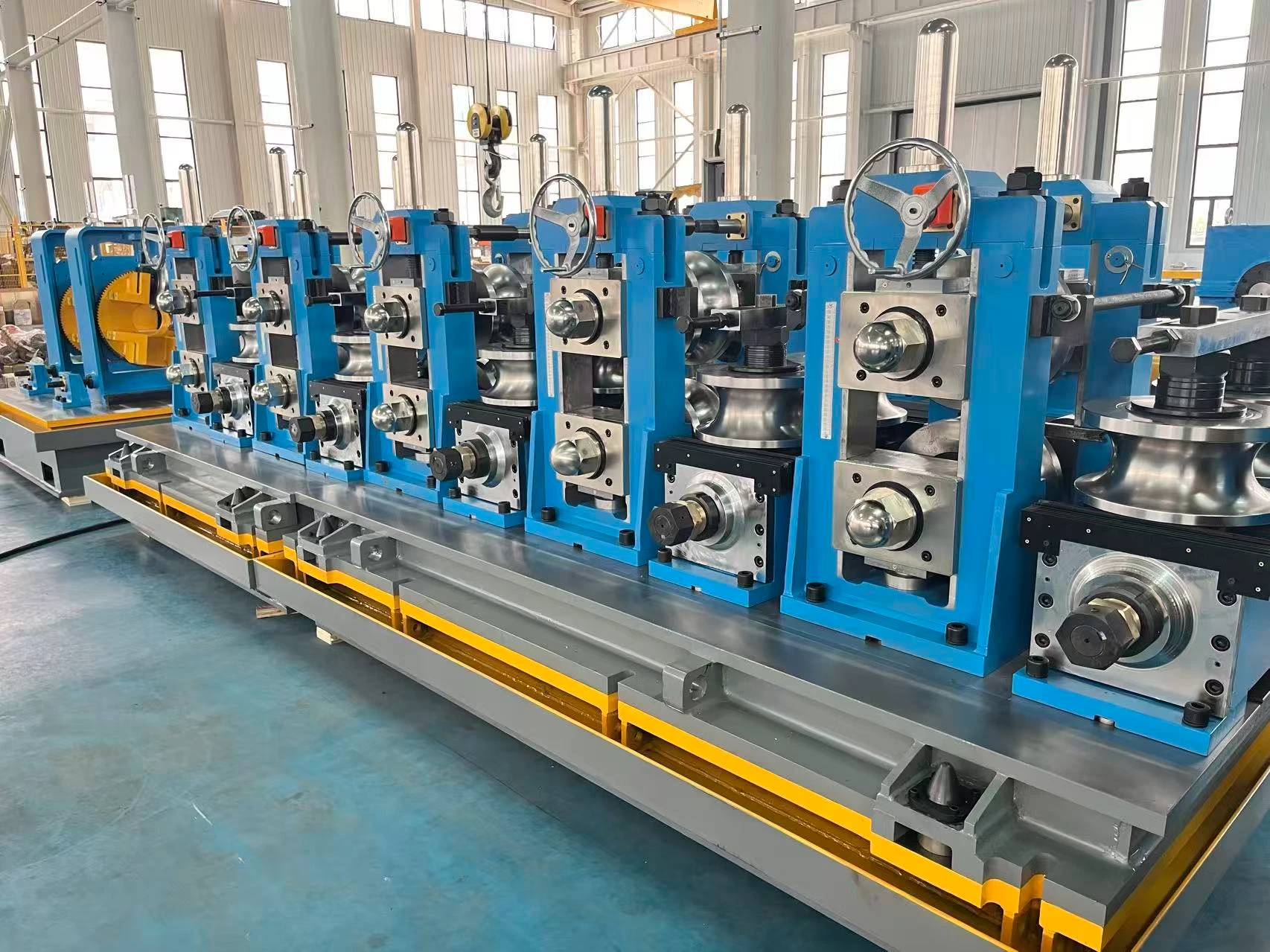
5-Inch (127mm) ERW Tube Making Machine Delivered with Heavy-Duty Design and Advanced Quick Change System
2027-04-07 00:00:00
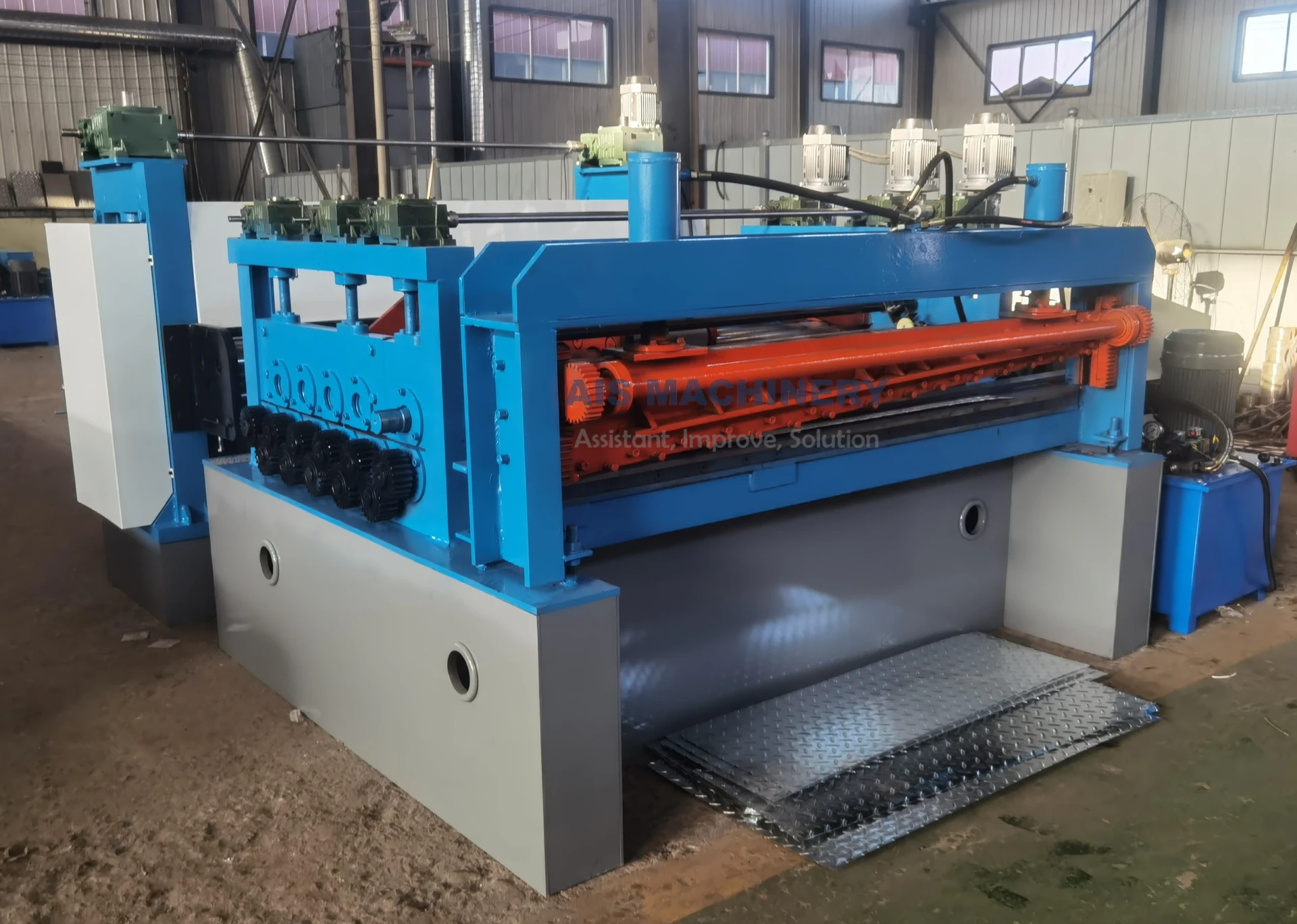
Metal Embossing Machine: Turn Flat Sheets into High-Value Textured Products
Discover how a metal embossing machine transforms flat steel, stainless steel, and aluminum sheets into high-value textured products. Learn about its working principle, key components, and applications. Ideal for decorative and industrial use, embossing machines improve both appearance and performance. Explore complete embossing line solutions and find the right machine for your production needs.
2026-04-04 20:37:18
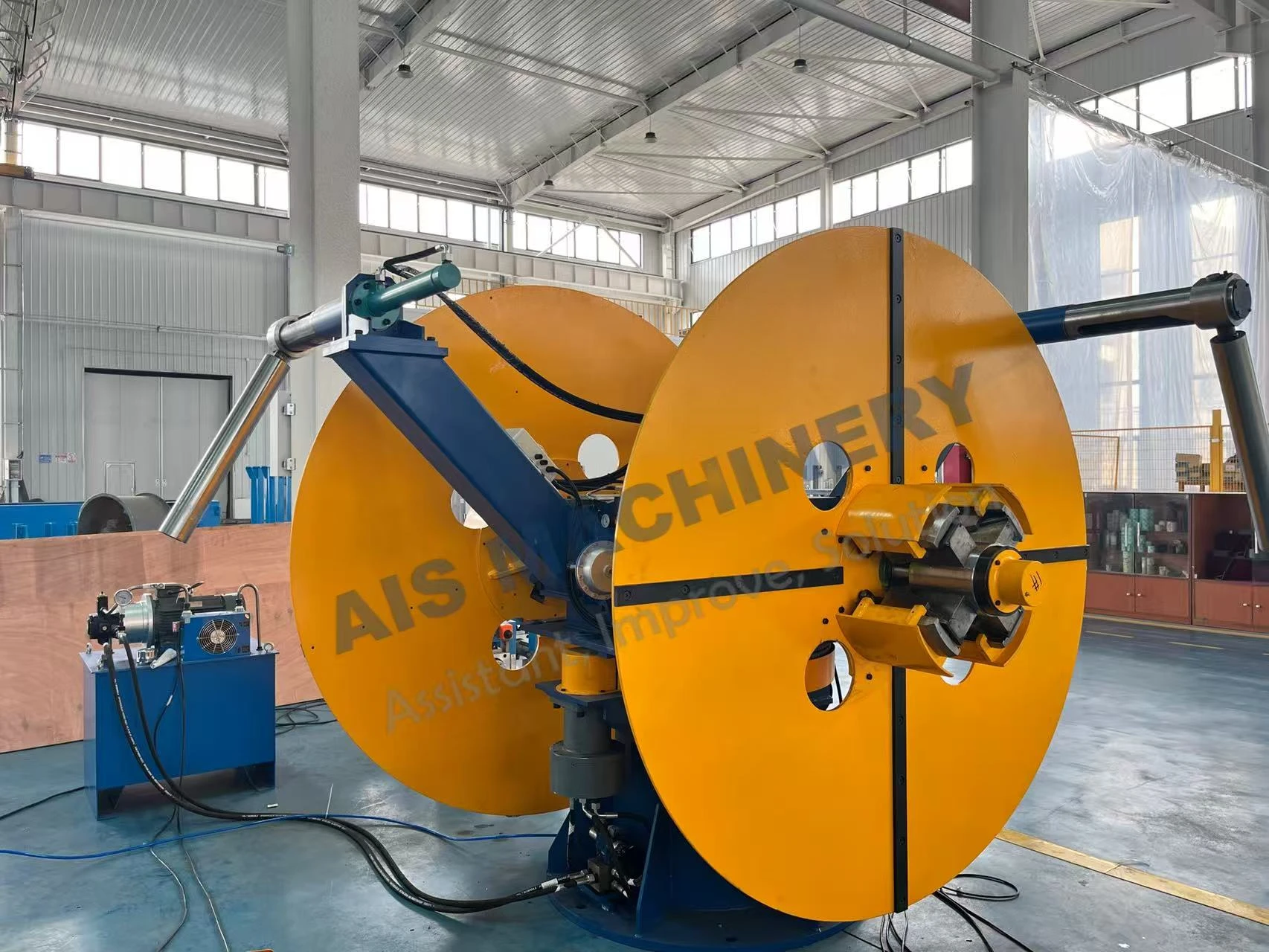
Automatic Double Side Uncoiler with Hydraulic Expansion and Auto Rotation for Steel Coil Processing
The Automatic Double Side Uncoiler is a high-efficiency solution designed for modern steel coil processing lines, including tube mills, roll forming machines, and slitting lines. With a maximum capacity of 4 tons per side, this machine ensures stable and continuous coil feeding while reducing downtime during coil change.
Send a Message
Dear customer, thank you for your attention! We provide high-quality machinery and equipment and look forward to your orders. Please inform us of your needs and we will respond quickly!
 English
  Albanian
  Arabic
  French
  German
  Indonesian
  Italian
  Japanese
  Kazakh
  Korean
  Latin
Latin  Macedonian
  Portuguese
  Russian
  Spanish
  Thai
Thai  Turkish
  Ukrainian
  Uzbek
Uzbek