
-
 Tel:86-15176910262
-

Search

Saw Grinding Machine | CNC Precision, Fast Sharpening
Oct . 16, 2025 13:55
saw grinding machine,saw blade grinding machine,circular saw blade sharpening machine is a key solution in the manufacturing industry, specifically within General equipment manufacturing industry and Machine tool manufacturing. This article explores how HEBEI AIS MACHINERY EQUIPMENT CO.,LTD supports professionals with durable, high-performance products, and explains why this product is an ideal choice for businesses in these sectors.
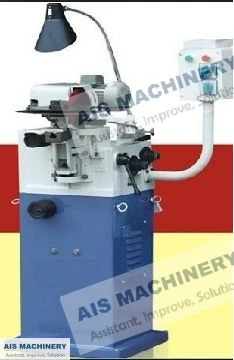
Table of Contents
- saw grinding machine,saw blade grinding machine,circular saw blade sharpening machine Overview
- Benefits & Use Cases of saw grinding machine,saw blade grinding machine,circular saw blade sharpening machine in Machine tool manufacturing
- Cost, Maintenance & User Experience
- Sustainability & Market Trends in manufacturing
- Conclusion on saw grinding machine,saw blade grinding machine,circular saw blade sharpening machine from HEBEI AIS MACHINERY EQUIPMENT CO.,LTD
saw grinding machine,saw blade grinding machine,circular saw blade sharpening machine Overview
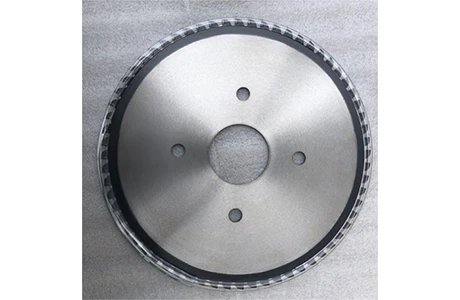
A modern saw grinding machine—also called a saw blade grinding machine or circular saw blade sharpening machine—is engineered to restore precise tooth geometry on HSS and carbide-tipped circular blades. In Machine tool manufacturing, the quality of the blade directly influences cutting speed, edge finish, and tool life. By ensuring consistent rake, clearance, and bevel angles, a robust sharpening process improves throughput and reduces scrap across tube mills, steel service centers, and precision fabrication lines.
Typical configurations in this class support blade diameters from 80–700 mm, automatic tooth indexing, and programmable profiles such as ATB, TCG, and flat-top. Advanced models feature multi-axis servo control, CBN/diamond grinding wheels, automatic wheel dressing, flood or mist coolant with fine filtration, and an HMI for storing recipes and job history. These capabilities help maintain tooth form repeatability across batches while minimizing operator variability.
HEBEI AIS MACHINERY EQUIPMENT CO.,LTD delivers these capabilities with an emphasis on stability, ease of use, and uptime. In a representative deployment for a tube and pipe line, standardizing on an AIS circular saw blade sharpening machine reduced regrind variability and extended blade service intervals, supporting higher line speeds and more predictable maintenance windows.
Benefits & Use Cases of saw grinding machine,saw blade grinding machine,circular saw blade sharpening machine in Machine tool manufacturing
In Machine tool manufacturing, tool-room precision and production efficiency are inseparable. A high-precision saw blade grinding machine enables manufacturers to bring sharpening in-house, control quality, and respond rapidly to changing order mixes. Typical use cases include production of new blades with defined tooth forms, regrinding of carbide-tipped blades for tube mills and bar-cutting cells, and refurbishment of special-purpose circular saws for aluminum, stainless steel, and alloy steels.
Key advantages include:
- Consistency: Servo-driven indexing and profile libraries maintain tight tooth geometry across long runs.
- Flexibility: Quick changeover between tooth forms and diameters keeps small-batch and high-mix production profitable.
- Longevity: Optimized coolant delivery and automatic dressing improve wheel life and minimize thermal damage to teeth.
- Traceability: Job recipes and data logging support ISO-compliant processes and customer audits.
Cost, Maintenance & User Experience
Total cost of ownership (TCO) for a saw grinding machine involves capital expenditure, grinding wheels/consumables, coolant management, energy, and labor. When benchmarking against outsourced sharpening, many B2B operators find rapid payback through reduced per-blade cost, less downtime waiting for returns, and extended in-cut life from consistent geometry. A simple model considers blades sharpened per month, cost per outsourced regrind, internal consumable spend, and the productivity value of improved blade life and reduced changeovers.
Durability hinges on a rigid base, precision spindles, and quality servo components. AIS designs prioritize thermal stability and vibration damping to protect tooth form accuracy over long cycles. Preventive maintenance is straightforward: daily cleaning and chip removal, weekly coolant inspection and filtration checks, scheduled wheel dressing, and periodic spindle/axis calibration. Many users report uptime above 95% when PM routines are followed.
From a user-experience standpoint, operators benefit from an intuitive HMI, guided setup for tooth forms, and recipe-driven workflows that shorten training time. Feedback from general equipment manufacturing customers highlights reduced setup from tens of minutes to just a few, fewer rework loops, and measurable improvements in cut surface quality. These factors combine into tangible ROI and smoother production planning.
Sustainability & Market Trends in manufacturing
Manufacturers are pushing to decarbonize operations, reduce waste, and comply with evolving safety and environmental standards. In sharpening, this translates into energy-efficient drives, closed-loop coolant filtration, mist extraction, and longer blade life that reduces raw material consumption. A circular saw blade sharpening machine that maintains tooth geometry prolongs blade service cycles, directly cutting both cost and environmental impact.
Market trends favor reshoring and vertically integrated tool management—keeping critical capabilities in-house for supply-chain resilience. Digitalization is accelerating, with recipe libraries, production data capture, and remote diagnostics supporting predictive maintenance and audit-ready traceability. Safety remains central, with adherence to applicable CE requirements and industry norms for guarding, interlocks, and electrical design.
HEBEI AIS MACHINERY EQUIPMENT CO.,LTD aligns with these trends by engineering machines for efficient power use, offering coolant management options, and providing software features that standardize best practices. The company’s commitment to continuous improvement helps customers meet internal ESG targets while staying competitive on throughput, quality, and cost.
Conclusion on saw grinding machine,saw blade grinding machine,circular saw blade sharpening machine from HEBEI AIS MACHINERY EQUIPMENT CO.,LTD
A high-performance saw grinding machine—whether you refer to it as a saw blade grinding machine or a circular saw blade sharpening machine—can transform tool control, improve cut quality, and reduce TCO across Machine tool manufacturing. With robust engineering, intuitive operation, and application-focused support, HEBEI AIS MACHINERY EQUIPMENT CO.,LTD stands out as a partner for B2B decision makers seeking measurable gains in uptime and quality.
Contact us: LINDA@AISMACHINERY.COM
Visit our website: https://www.aistubemill.com

Related Products

Related News
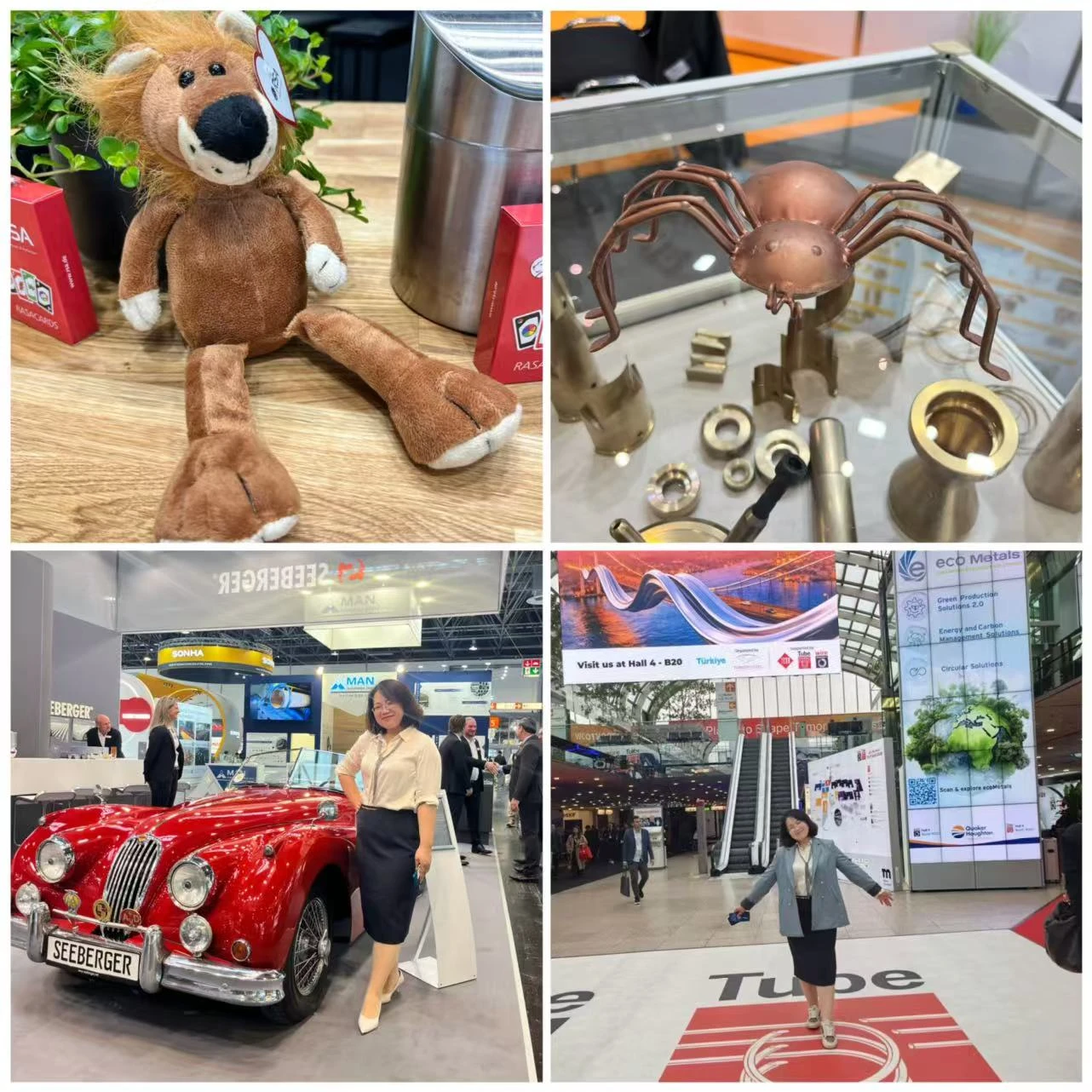
2026-04-18 03:20:20
AIS Machinery Showcases Advanced Tube Solutions at Tube & Wire Düsseldorf 2026
Tube & Wire Düsseldorf 2026, one of the most influential exhibitions in the global tube and wire industry, held biennially in Düsseldorf, Germany
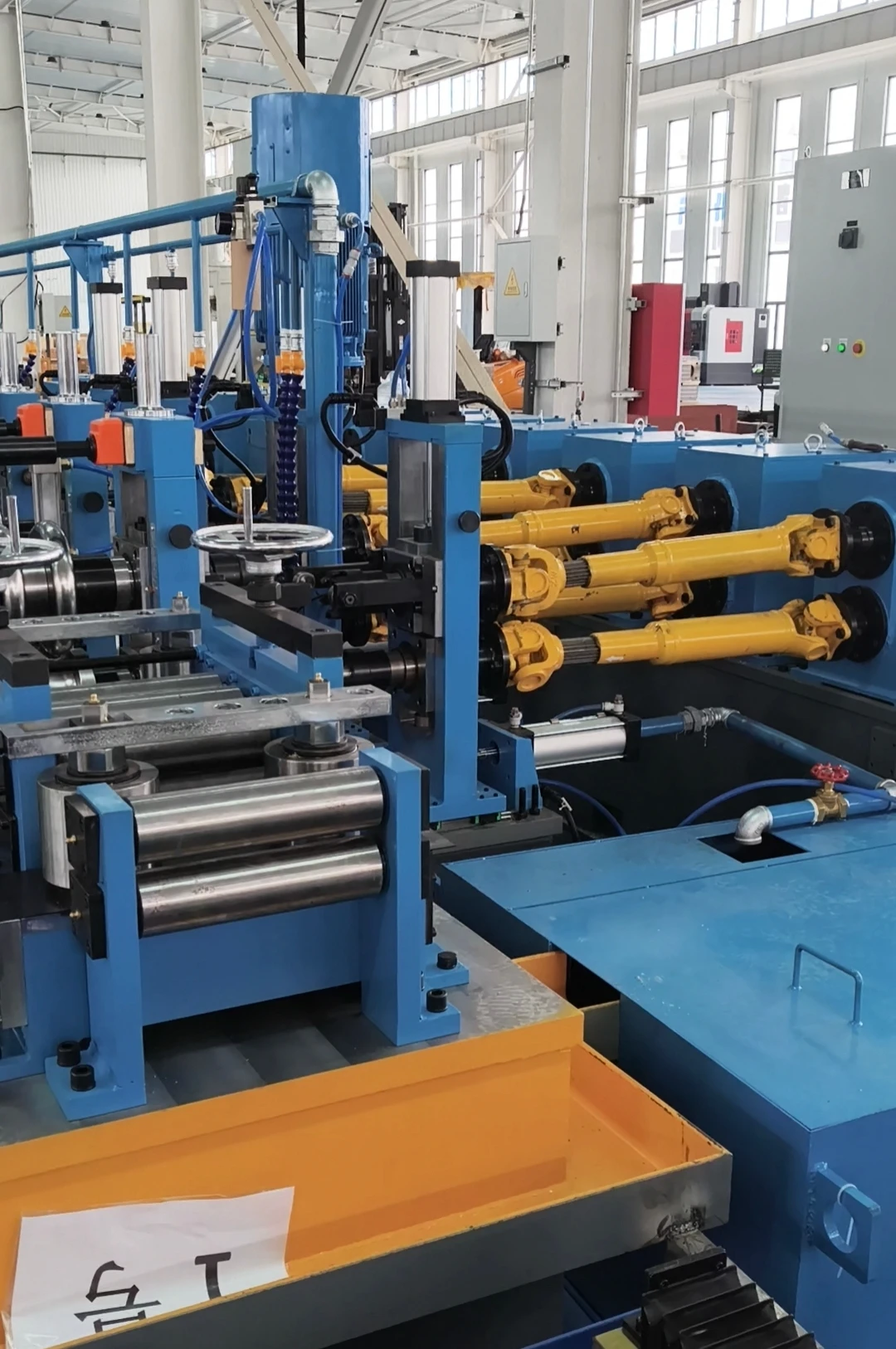
2027-04-17 00:00:00
Southeast Asia Client Visits Our Factory | Customized Tube Mill Solution Delivered
A Southeast Asia client visited our ERW tube mill factory to inspect production lines and discuss a customized tube mill solution. Impressed by our machine quality, welding performance, and engineering support, the client confirmed strong cooperation intentions. Discover how our ERW tube mill solutions improve efficiency, precision, and long-term production reliability.
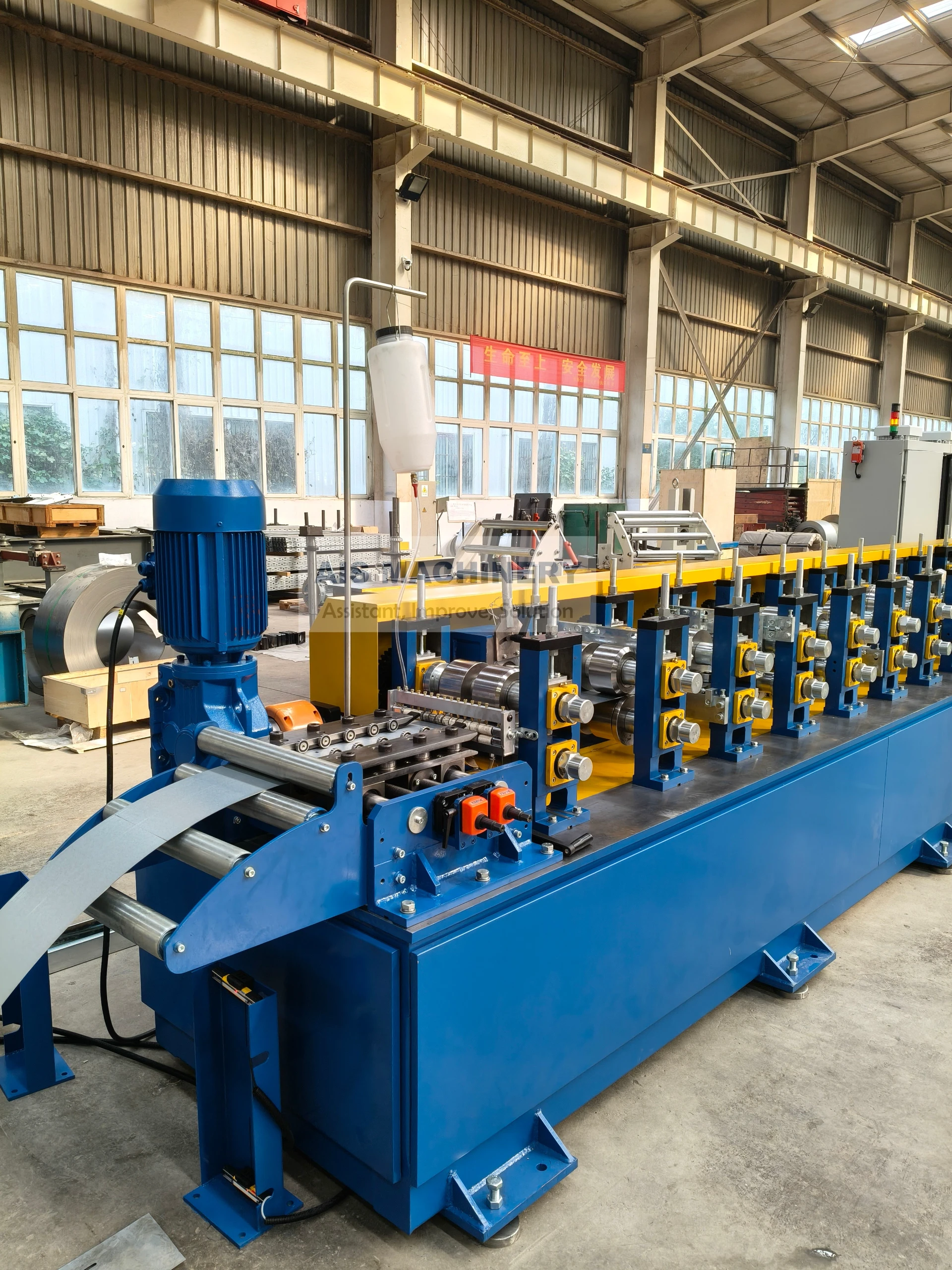
2026-04-16 02:35:12
Professional Cold Roll Forming Machine Factory for Production
In the modern industrial landscape, the precision of metal shaping is the cornerstone of quality manufacturing. Partnering with a professional cold roll forming machine factory is essential for businesses looking to optimize their production lines, reduce material waste, and ensure high-dimensional accuracy. Whether you are producing C-channels, square tubes, or custom profiles, the choice of machinery determines your competitive edge in the market. This guide will explore the critical factors in selecting a factory and the technical advantages of advanced roll forming technology to help you make an informed investment.
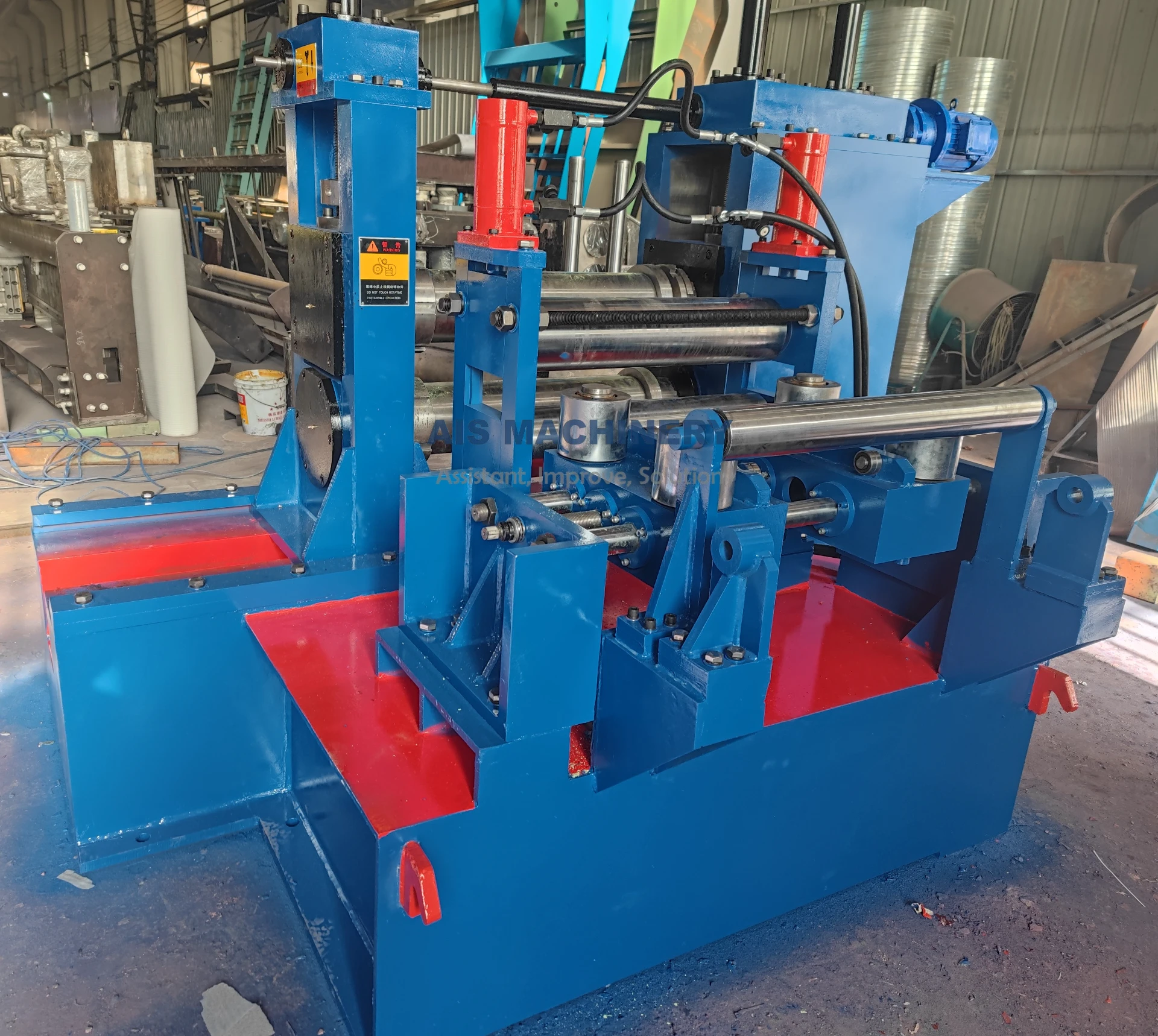
2026-04-15 10:37:55
Flat Bar Production Line for Steel Coils: How It Works & Why It Matters
Looking for a flat bar production line? Learn how it turns steel coils into ready-to-use flat bars with precise length and high straightness. Compare it with slitting lines and get the best solution for your steel processing needs.
2026-04-14 00:00:00
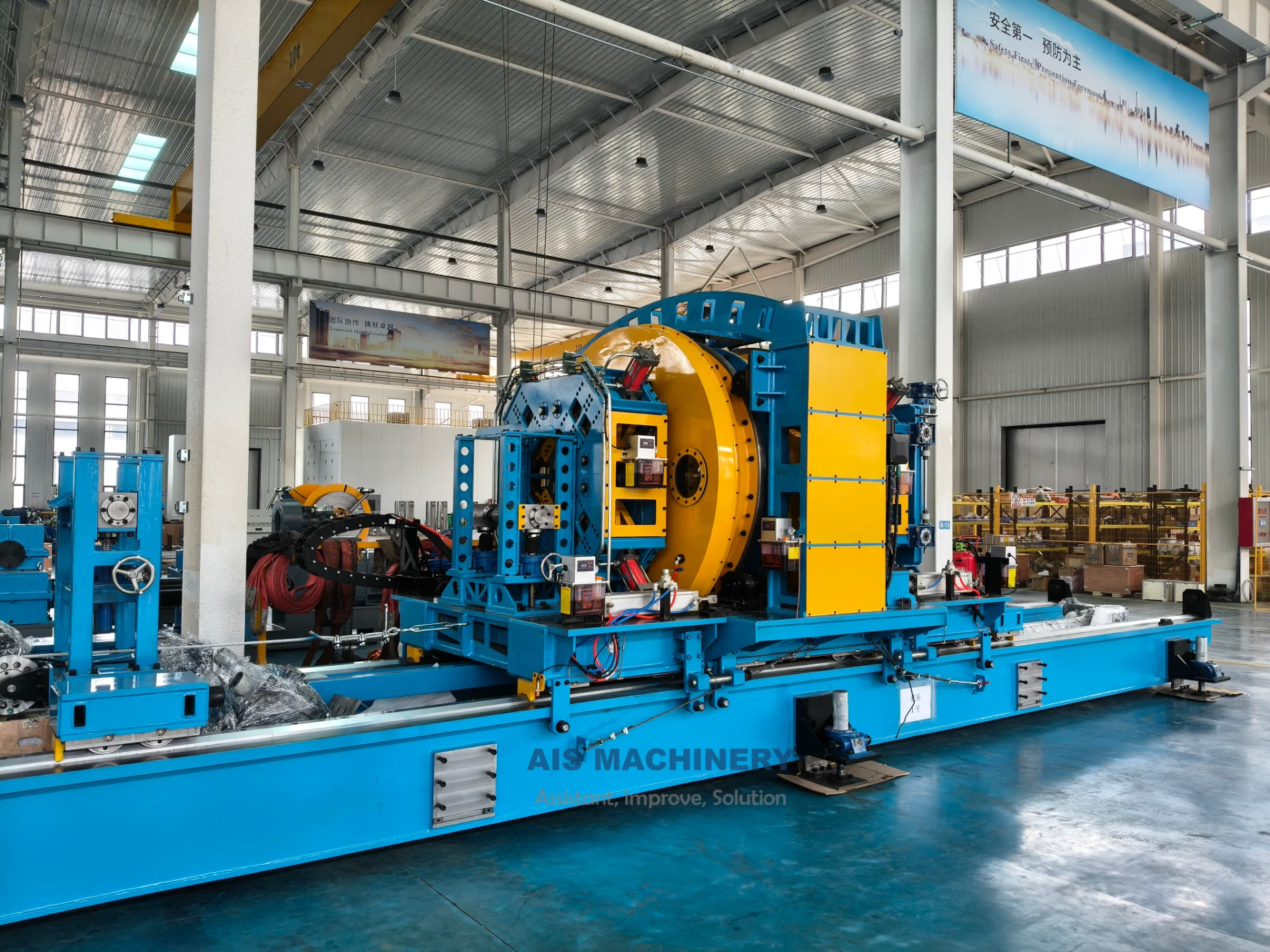
Looking for a Milling Saw for ERW Tube Mill? Here’s What You Need to Know
Looking for a high-performance milling saw for your ERW tube mill? Upgrade to burr-free, high-precision pipe cutting with advanced flying saw technology. Improve efficiency, reduce rework, and meet export standards for carbon steel, stainless steel, and API pipes. Contact us today for expert solutions and competitive pricing tailored to your production needs.
2026-04-09 16:15:19
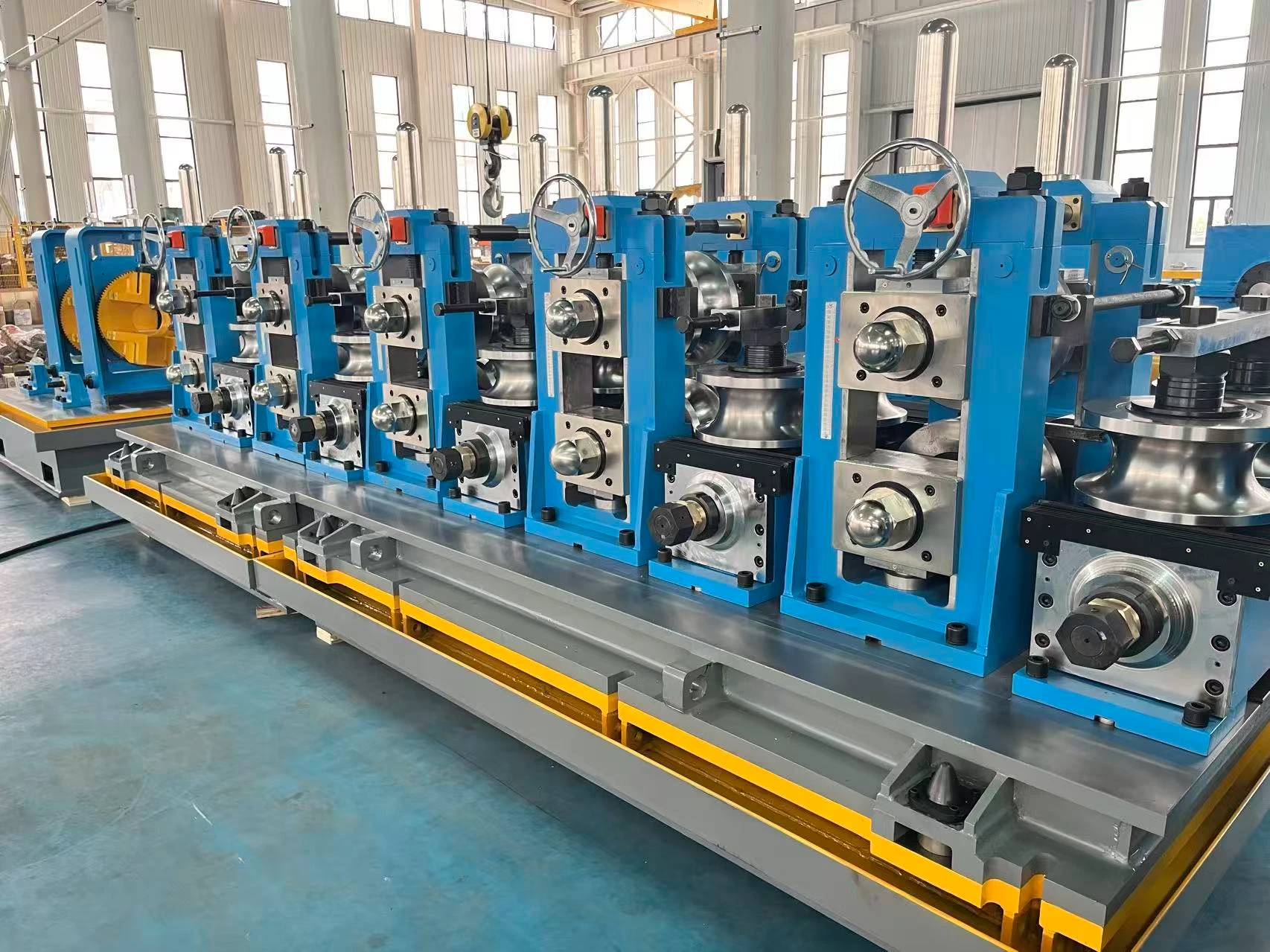
5-Inch (127mm) ERW Tube Making Machine Delivered with Heavy-Duty Design and Advanced Quick Change System
2027-04-07 00:00:00
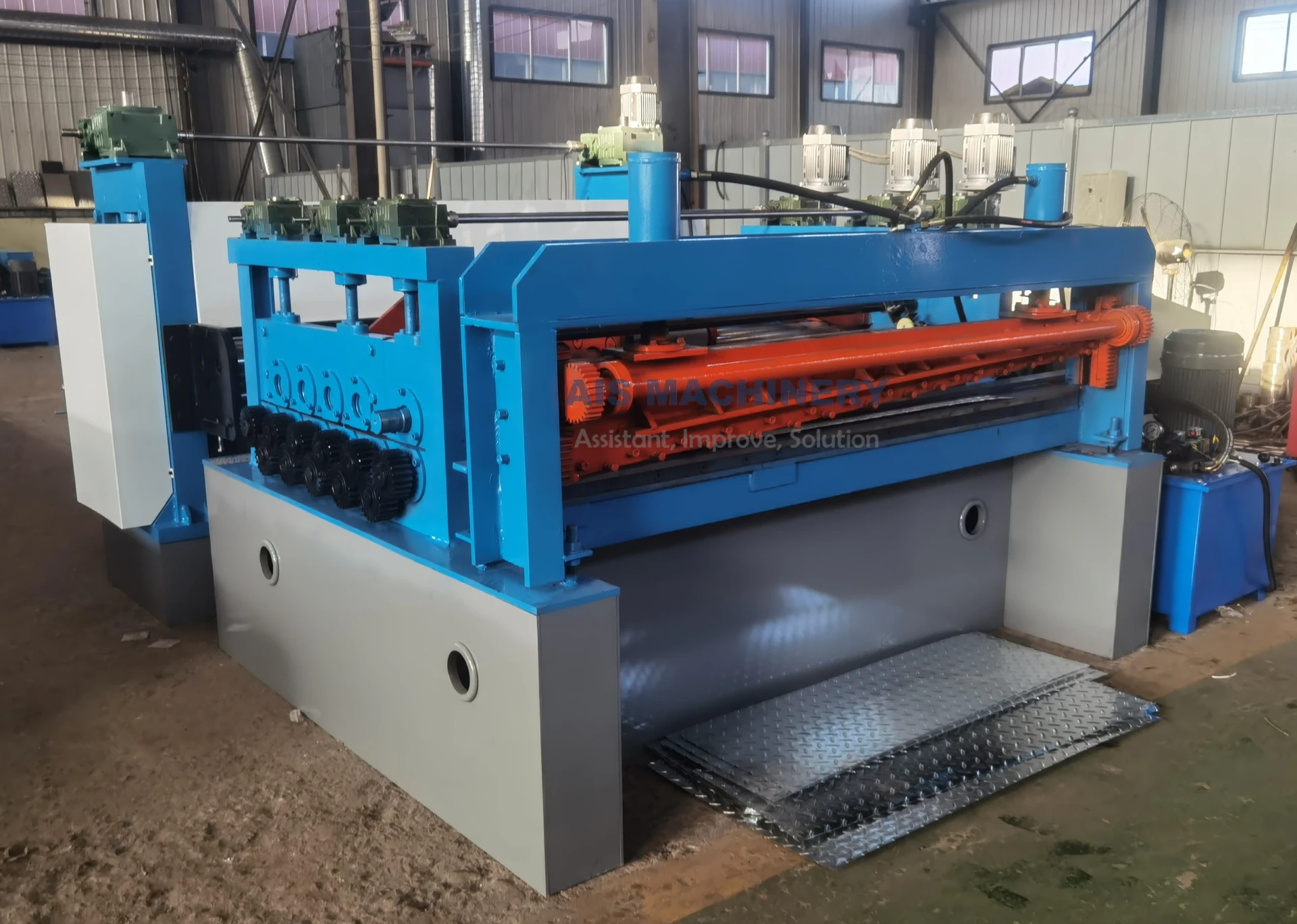
Metal Embossing Machine: Turn Flat Sheets into High-Value Textured Products
Discover how a metal embossing machine transforms flat steel, stainless steel, and aluminum sheets into high-value textured products. Learn about its working principle, key components, and applications. Ideal for decorative and industrial use, embossing machines improve both appearance and performance. Explore complete embossing line solutions and find the right machine for your production needs.
2026-04-04 20:37:18
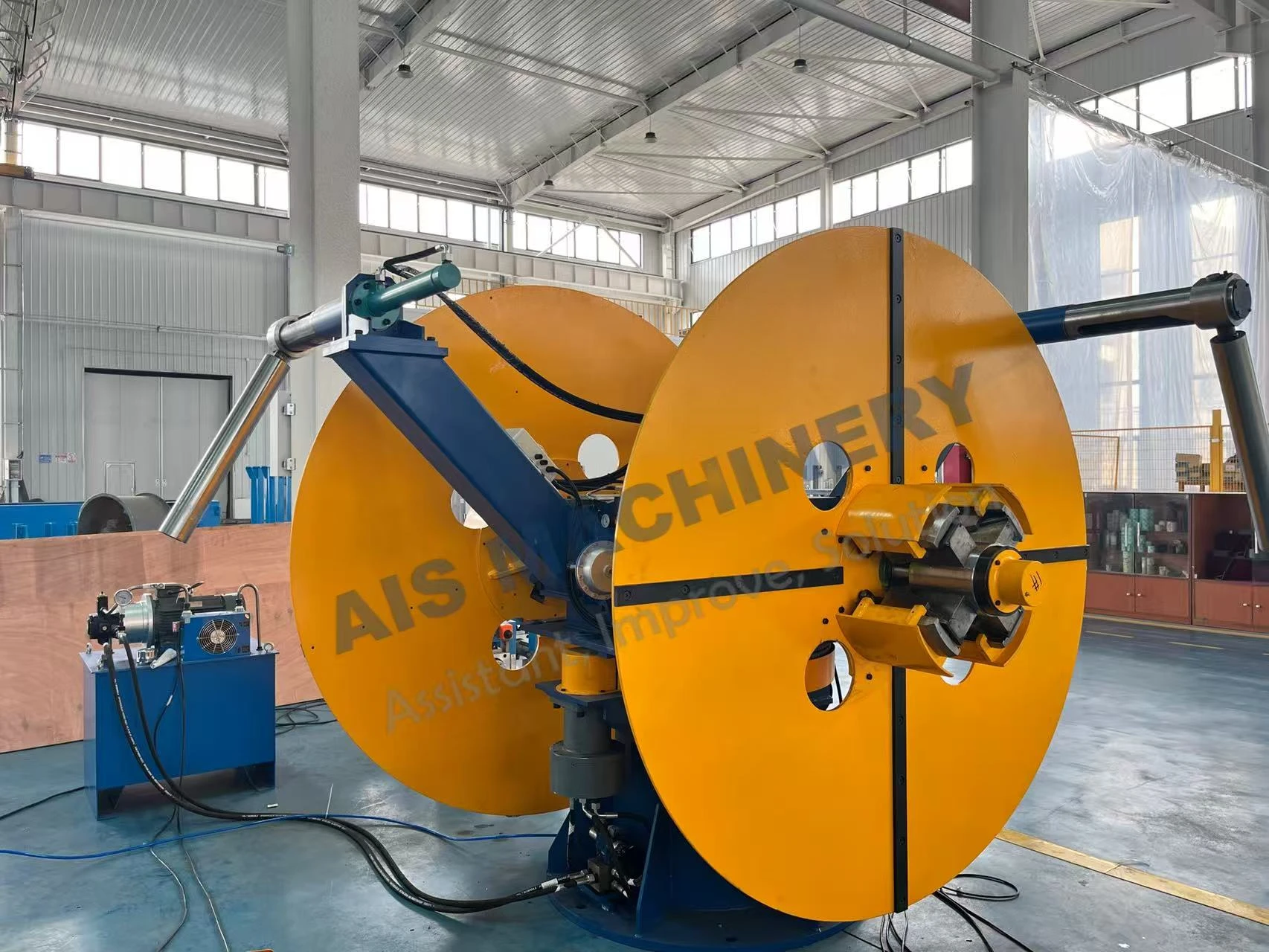
Automatic Double Side Uncoiler with Hydraulic Expansion and Auto Rotation for Steel Coil Processing
The Automatic Double Side Uncoiler is a high-efficiency solution designed for modern steel coil processing lines, including tube mills, roll forming machines, and slitting lines. With a maximum capacity of 4 tons per side, this machine ensures stable and continuous coil feeding while reducing downtime during coil change.
Send a Message
Dear customer, thank you for your attention! We provide high-quality machinery and equipment and look forward to your orders. Please inform us of your needs and we will respond quickly!
 English
  Albanian
  Arabic
  French
  German
  Indonesian
  Italian
  Japanese
  Kazakh
  Korean
  Latin
Latin  Macedonian
  Portuguese
  Russian
  Spanish
  Thai
Thai  Turkish
  Ukrainian
  Uzbek
Uzbek