
-
 Tel:86-15176910262
-

Search

Comprehensive Guide to Metal Slitting Machines – Features, Benefits & Trends
Nov . 24, 2025 12:00
Understanding the Metal Slitting Machine: Why It Matters Globally
At first glance, the metal slitting machine might sound niche–a mere industrial device slicing sheets of metal. But the truth is it plays a pivotal role in multiple industries worldwide and impacts sectors from automotive to construction. With metal consumption rising steadily (the World Steel Association reports a global steel demand of about 1.8 billion tonnes in recent years), precision cutting tools like metal slitters are more crucial than ever.
Whether you’re a manufacturer seeking cost-efficient material use or a humanitarian organization needing rapid fabrication of shelter components, understanding how metal slitting machines operate and benefit various sectors offers a clear edge. This machine doesn’t just trim metal; it streamlines production, reduces waste, uplifts supply chains, and ultimately underpins infrastructure development worldwide.
Mini takeaway: The metal slitting machine is more than a cutter — it’s a global workhorse enabling smarter, faster, and leaner metal processing.
The Global Context: Why Metal Slitting Machines Are Essential Today
Look at the scale — from developing regions investing in infrastructure to industrialized nations speeding up automotive assembly lines, the demand for narrow metal strips is booming. The UN’s Industrial Development Organization highlights that global manufacturing output hit over $16 trillion in 2022, and many of these outputs rely on materials prepped with precision tools like slitting machines.
One of the main challenges is minimizing material waste while maintaining high productivity. Metal slitting machines respond directly to this by producing strips with clean edges and precise widths, optimizing the raw material usage. Oddly enough, in some areas, a lack of proper slitting technology can create bottlenecks or force overconsumption of raw metals, causing environmental and economic issues.
Considering global metal prices are volatile, the push for efficient processing is no passing trend. At the same time, industries face the combined pressures of new sustainability standards (ISO 14001 compliance) and supply chain resilience, making metal slitting machines a practical solution.
Mini takeaway: Global industrial growth fuels the need for metal slitting machines as a means to increase efficiency and reduce environmental impact.
Metal Slitting Machine: What Exactly Is It?
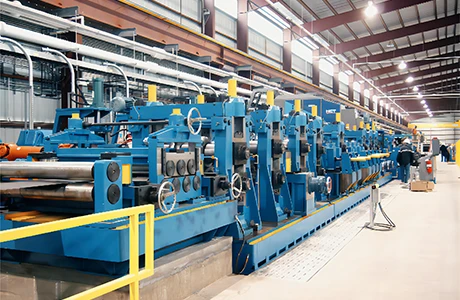
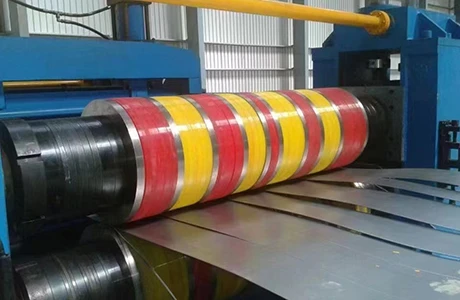
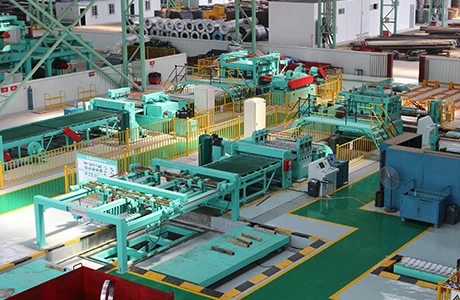
In simple terms, a metal slitting machine is a mechanical device designed to cut wide coils or sheets of metal into narrower strips or sections. Imagine having a giant sheet of metal rolled up, and your task is to produce metal strips of varying widths that can then be used for roofing, automobile parts, or electrical enclosures. That’s exactly the role of a metal slitter.
Modern metal slitting machines combine rotary knives, precise tension control, and robust motors to ensure clean, burr-free cuts without deforming the metal. It’s an indispensable link between raw metal suppliers and fabricators or end-users.
Interestingly, from a humanitarian perspective, these machines facilitate the creation of affordable steel components for things like disaster relief housing and durable infrastructure in remote or developing regions, amplifying their importance beyond pure manufacturing.
Mini takeaway: The metal slitting machine converts large metal inputs into precise, application-ready widths, essential across numerous industries.
Core Components and Features That Define a Metal Slitting Machine
1. Blade Quality and Configuration
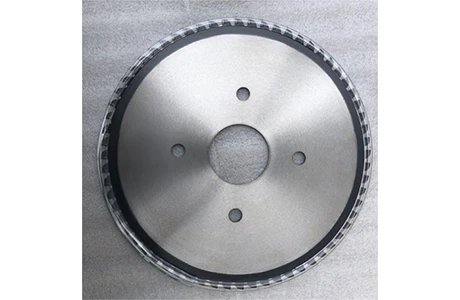
The heart of any slitting machine is its circular blades. Manufacturers vary blade hardness, coating, and tooth design to handle metals from soft aluminum to hardened stainless steel. Many engineers I’ve spoken to stress that blade longevity directly impacts downtime and operating costs.
2. Tension Control System
Maintaining correct tension on metal strips is crucial—too tight, and the material wrinkles or tears; too loose, and the cut isn’t clean. Modern machines use pneumatic or electronic feedback systems to regulate tension precisely.
3. Adjustable Speed and Automation
Speed affects throughput and quality simultaneously. Higher speeds improve productivity but require advanced automation and sensors to avoid errors. Integration with industrial PLCs (Programmable Logic Controllers) is becoming standard.
4. Durability and Build Quality
Given the heavy-duty use, frames typically utilize heavy cast iron or alloy steel, ensuring stability and long service life, even in high-shift factories.
5. Scalability & Customize Options
From small workshops to large-scale production, machines can be adjusted for coil widths, thicknesses, and strip sizes. Optional features like coil unwinders, recoilers, or stacking systems expand functionality.
Mini takeaway: The efficiency and reliability of metal slitting machines boil down to finely-tuned blades, tension systems, and smart automation, tailored to the user’s needs.
Where You’ll Find Metal Slitting Machines Making a Difference
Frankly, these machines pop up everywhere. Across Europe, automotive manufacturers rely on slit metal strips for body panels. In Asia’s booming construction scene—countries like India and China—steel coil processing is extensive. Even in African industrial zones, smaller but vital metalworking shops depend on reliable slitting equipment.
One interesting case: NGOs involved in rapid housing post-disaster use metal slitters to supply corrugated metal roofing. It’s not glamorous, but it saves lives and rebuilds livelihoods swiftly.
Plus, companies producing metal packaging materials for food and pharmaceuticals utilize slitters for accuracy and speed, meeting stringent hygiene standards.
Product Specification Table: A Typical Metal Slitting Machine
| Specification | Typical Value |
|---|---|
| Max Coil Width | 1300 mm (51 inches) |
| Max Coil Thickness | 1.5 mm (59 mils) |
| Blade Diameter | 300 mm (11.8 inches) |
| Cutting Speed | 50–100 m/min |
| Power Supply | 380V, 50Hz, 3 phase |
| Tension Control | Electronic Feedback System |
Advantages of Metal Slitting Machines: The Long-Term Value
- Cost Efficiency: By cutting metal precisely, reduce scrap and maximize raw material utilization.
- Consistency and Quality: Uniform strips improve downstream manufacturing, reducing rework.
- Versatility: From thin aluminum foils to thick steel coils, adaptable blades and settings cover various materials.
- Sustainability: Less waste means fewer environmental impacts; some machines even allow recycling of trimming offcuts.
- Social Impact: Enables rapid production of metal components for essentials like housing and sanitation, boosting community resilience.
In real terms, these advantages translate into businesses saving money, meeting regulatory standards, and building goodwill. For operators on the shop floor, it adds a layer of confidence knowing their equipment is both efficient and dependable.
Vendor Comparison Table: Popular Metal Slitting Machine Brands
| Brand | Max Coil Width | Automation Level | Price Range | Warranty |
|---|---|---|---|---|
| SteelPro | 1300 mm | Semi-Automatic | $35,000 - $45,000 | 2 Years |
| CutMax Tech | 1600 mm | Fully Automated | $60,000 - $75,000 | 3 Years |
| PrecisionSlit | 1200 mm | Manual Adjustment | $25,000 - $30,000 | 1 Year |
Looking Ahead: Innovations and Future Trends
Automation isn’t news, but what really excites me is how AI and IoT are getting integrated into metal slitting machines. Real-time monitoring of blade wear and predictive maintenance systems reduce downtime — an absolute game-changer for many operators.
Environmental factors are reshaping machine designs too. More manufacturers adopt energy-efficient motors and regenerative braking systems to lower power consumption. Plus, materials science advances bring blades coated with diamond-like carbon and ceramics for longer lasting performance. This means fewer replacements and less waste.
There’s also a push for modular designs that allow easier upgrades or parts swaps — a practical answer to reducing e-waste and extending machine lifespans. Frankly, I can’t wait to see how these trends reshape metal processing in the coming years.
Challenges & How To Overcome Them
The primary pain points with metal slitting machines often revolve around tuning: getting tension control and blade alignment just right requires skill and experience. Mishandling leads to metal burrs or inconsistent cuts.
Another challenge is upfront costs. Some smaller manufacturers or shops struggle with the initial investment, which can be prohibitive.
Solutions lie in better training for operators, more accessible automation features, and modular machines that scale with business growth. Leasing or financing options also open doors to smaller enterprises wanting to upgrade.
FAQ About Metal Slitting Machines
Q1: What types of metals can metal slitting machines handle?
A1: Most machines can process various metals including steel, stainless steel, aluminum, and copper. The key is selecting appropriate blade types and machine settings to handle metal thickness and hardness.
Q2: How often should blades be replaced?
A2: Blade lifespan depends on metal type, thickness, and operating speed. Typically, manufacturers recommend inspection every 500-1000 hours and replacement when blade quality declines to avoid poor cuts.
Q3: Can metal slitting machines be integrated into automated assembly lines?
A3: Absolutely. Many modern slitters come with PLC integration, allowing synchronized operation with upstream and downstream processes, improving overall line efficiency.
Q4: What safety features are common on these machines?
A4: Safety measures include emergency stops, blade guards, automatic shutoffs on jams, and sensors to prevent accidental operator contact.
Q5: How can I ensure minimal material waste during slitting?
A5: Proper machine setup, tension control, and blade maintenance are key. Also, working with machines that provide fine width adjustments helps optimize strip sizes to material needs.
Wrapping Up: The Long-Term Benefits of Metal Slitting Machines
In summary, metal slitting machines are quietly steering the course of global manufacturing toward smarter, leaner metal consumption. Their precise cutting capabilities reduce costs, improve product quality, and support sustainable manufacturing practices – all important in today’s industrial environment.
For businesses or organizations looking to boost efficiency or contribute to community infrastructure with metal components, a dependable metal slitting machine is a sound investment.
Ready to explore the right option yours? Visit metal slitting machine and discover more about how these machines can transform your metal processing workflow.
References

Related Products

Related News
2026-04-18 03:20:20
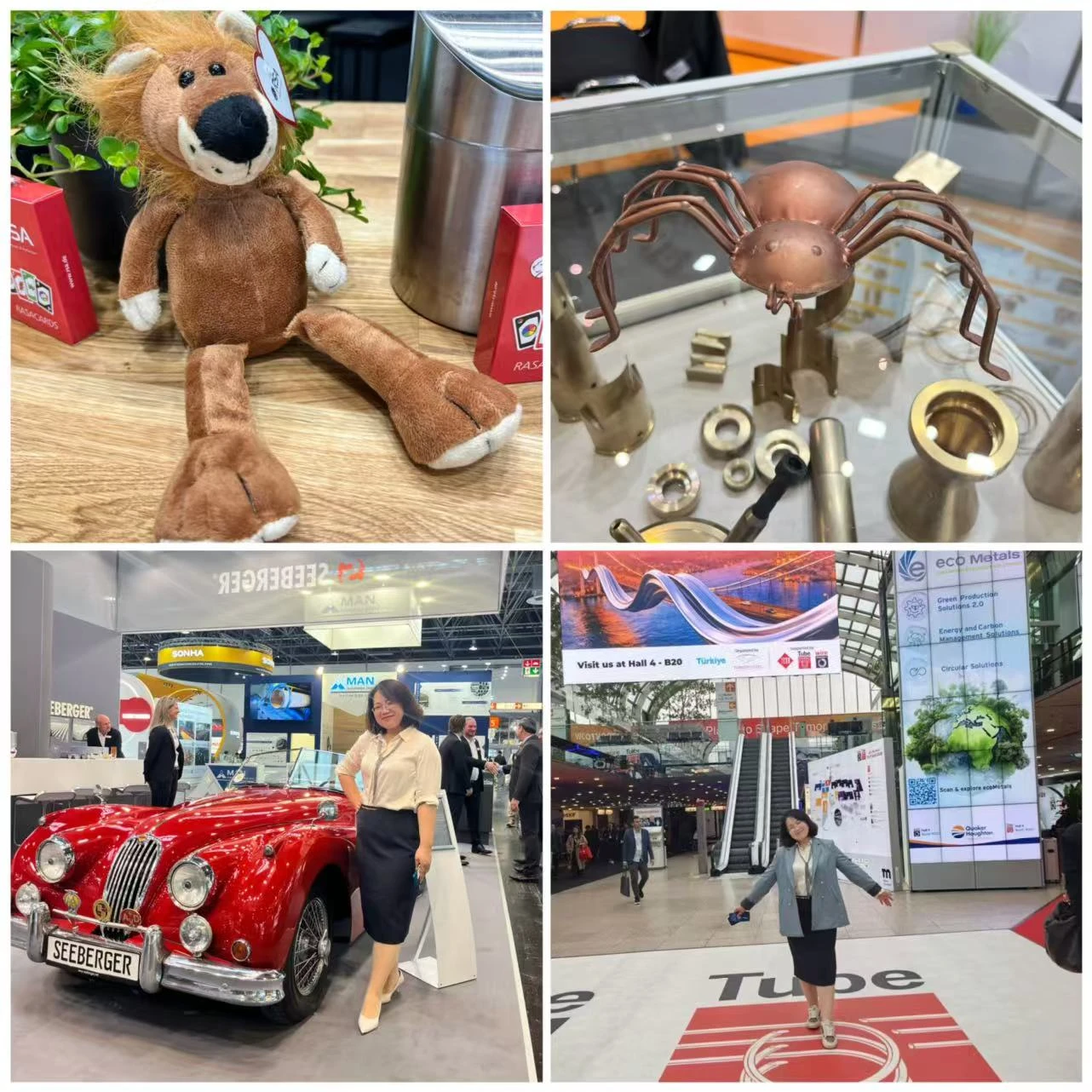
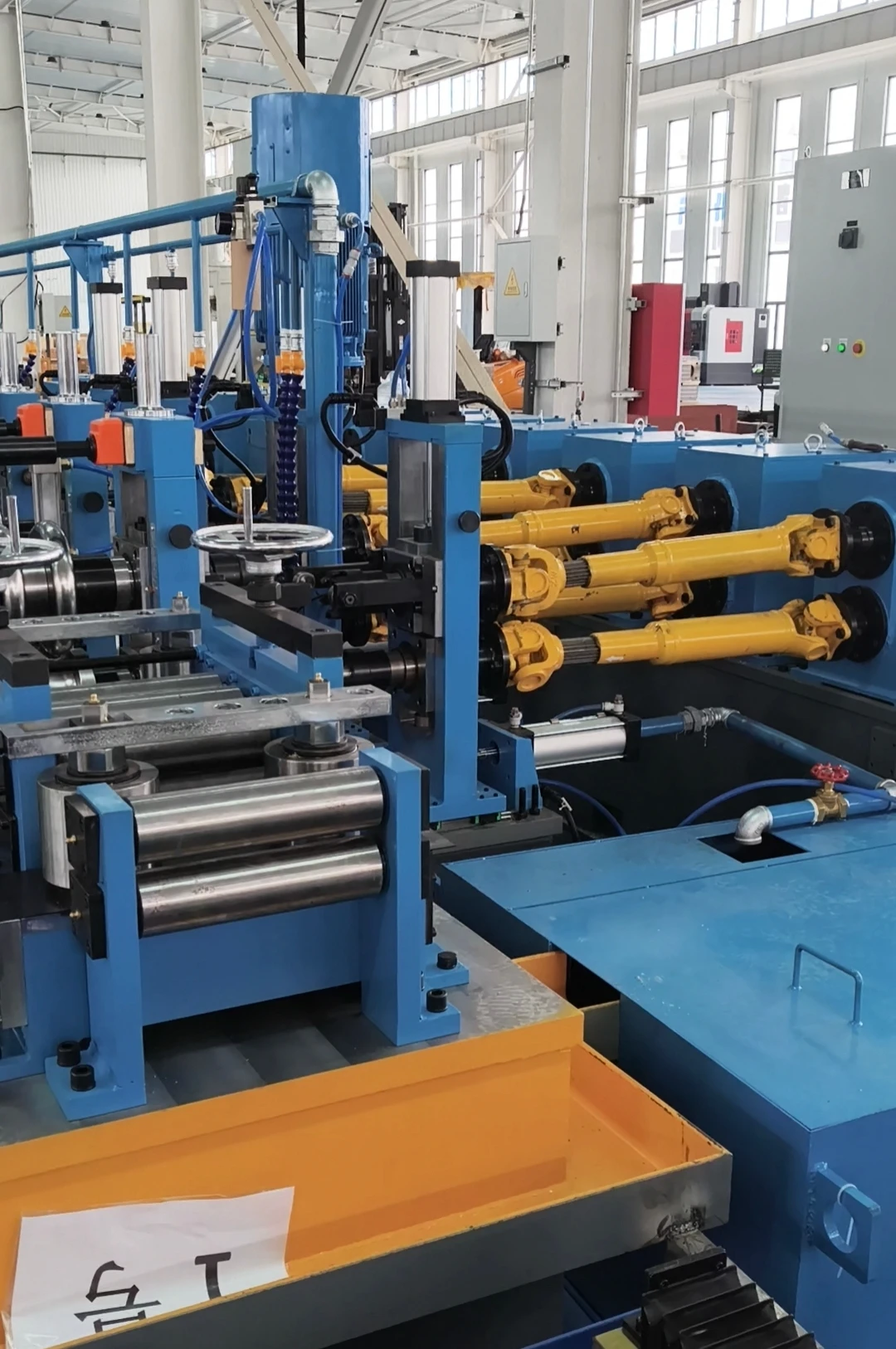
AIS Machinery Showcases Advanced Tube Solutions at Tube & Wire Düsseldorf 2026
Tube & Wire Düsseldorf 2026, one of the most influential exhibitions in the global tube and wire industry, held biennially in Düsseldorf, Germany
2027-04-17 00:00:00
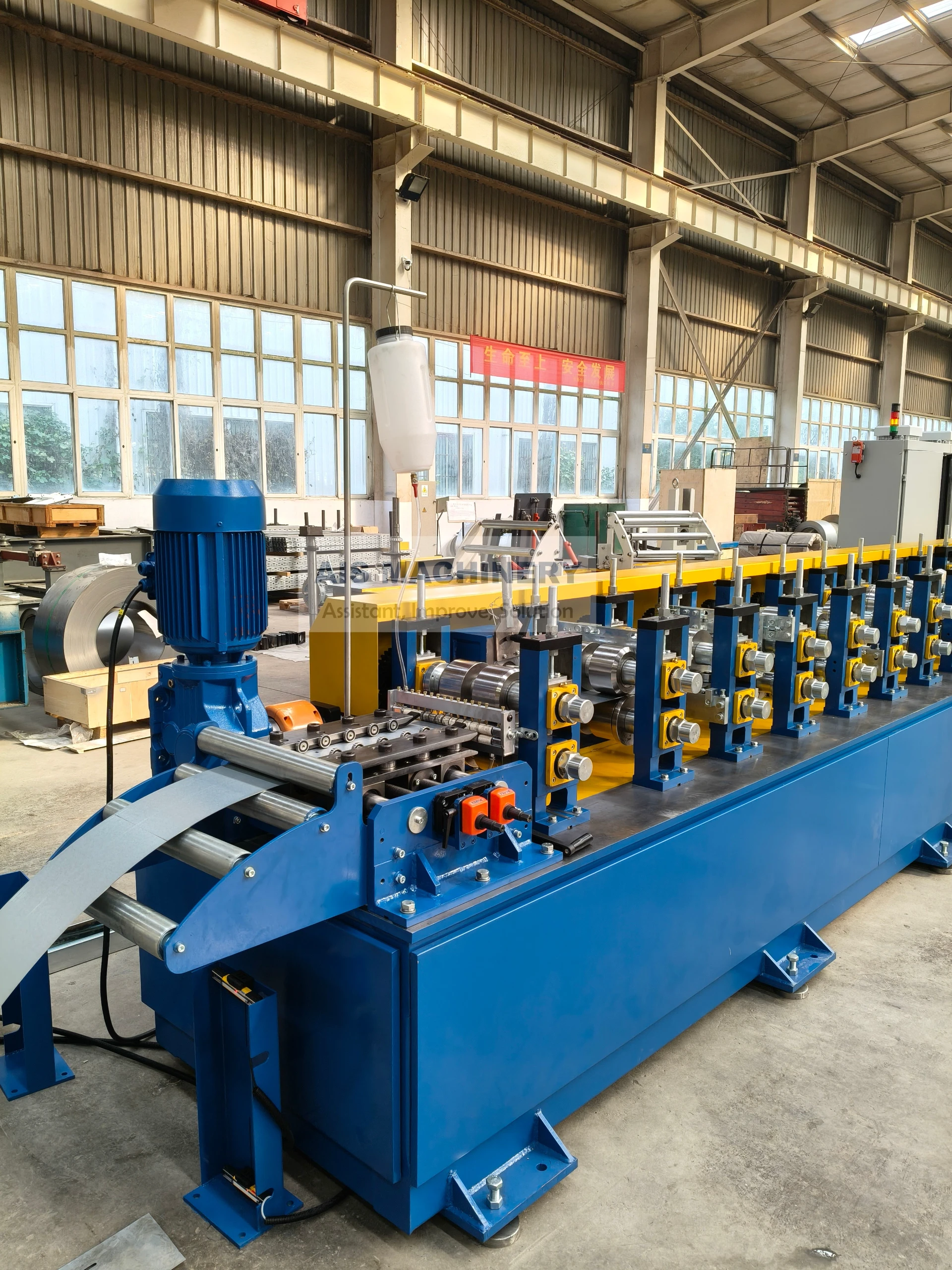
Southeast Asia Client Visits Our Factory | Customized Tube Mill Solution Delivered
A Southeast Asia client visited our ERW tube mill factory to inspect production lines and discuss a customized tube mill solution. Impressed by our machine quality, welding performance, and engineering support, the client confirmed strong cooperation intentions. Discover how our ERW tube mill solutions improve efficiency, precision, and long-term production reliability.
2026-04-16 02:35:12
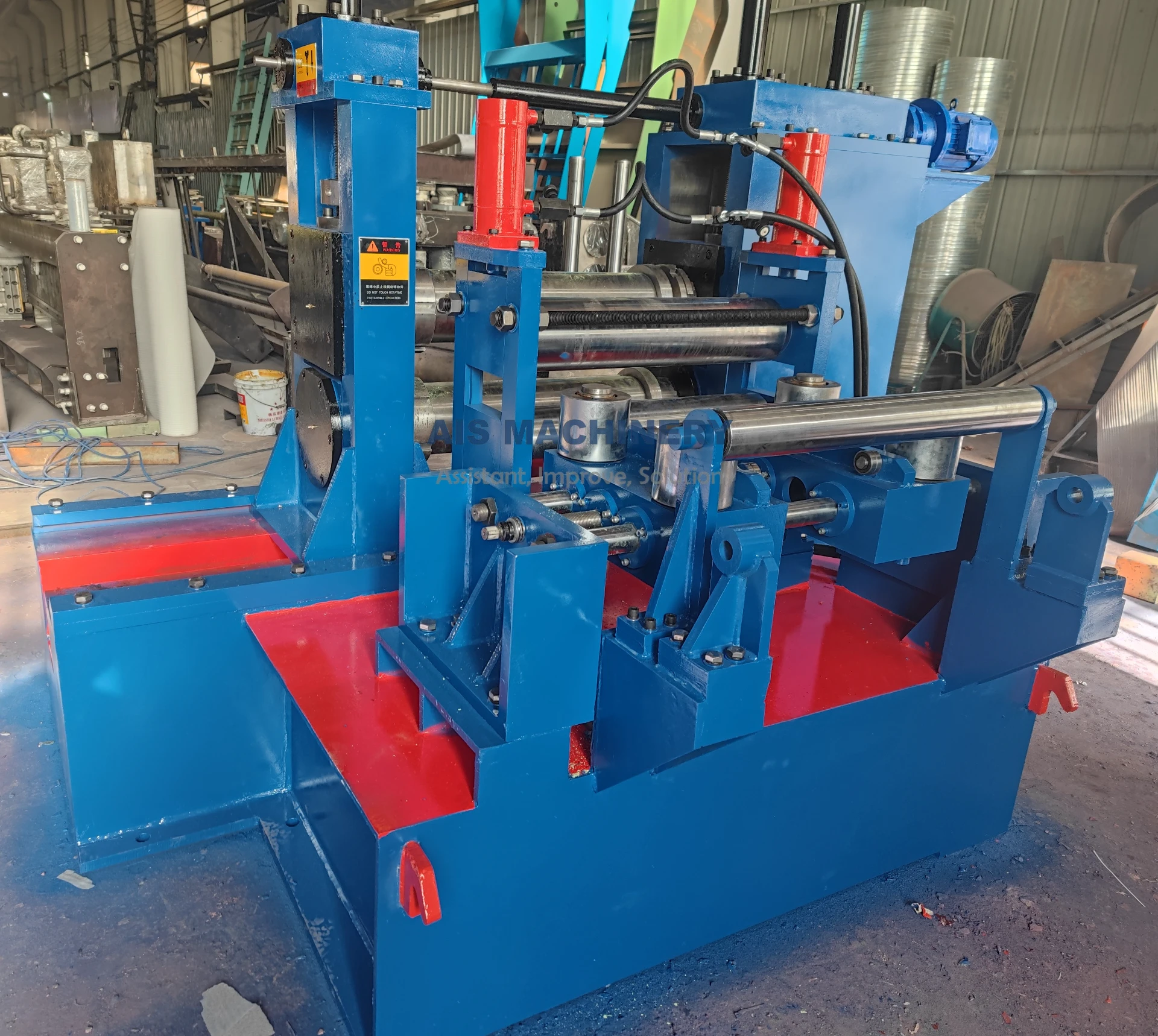
Professional Cold Roll Forming Machine Factory for Production
In the modern industrial landscape, the precision of metal shaping is the cornerstone of quality manufacturing. Partnering with a professional cold roll forming machine factory is essential for businesses looking to optimize their production lines, reduce material waste, and ensure high-dimensional accuracy. Whether you are producing C-channels, square tubes, or custom profiles, the choice of machinery determines your competitive edge in the market. This guide will explore the critical factors in selecting a factory and the technical advantages of advanced roll forming technology to help you make an informed investment.
2026-04-15 10:37:55
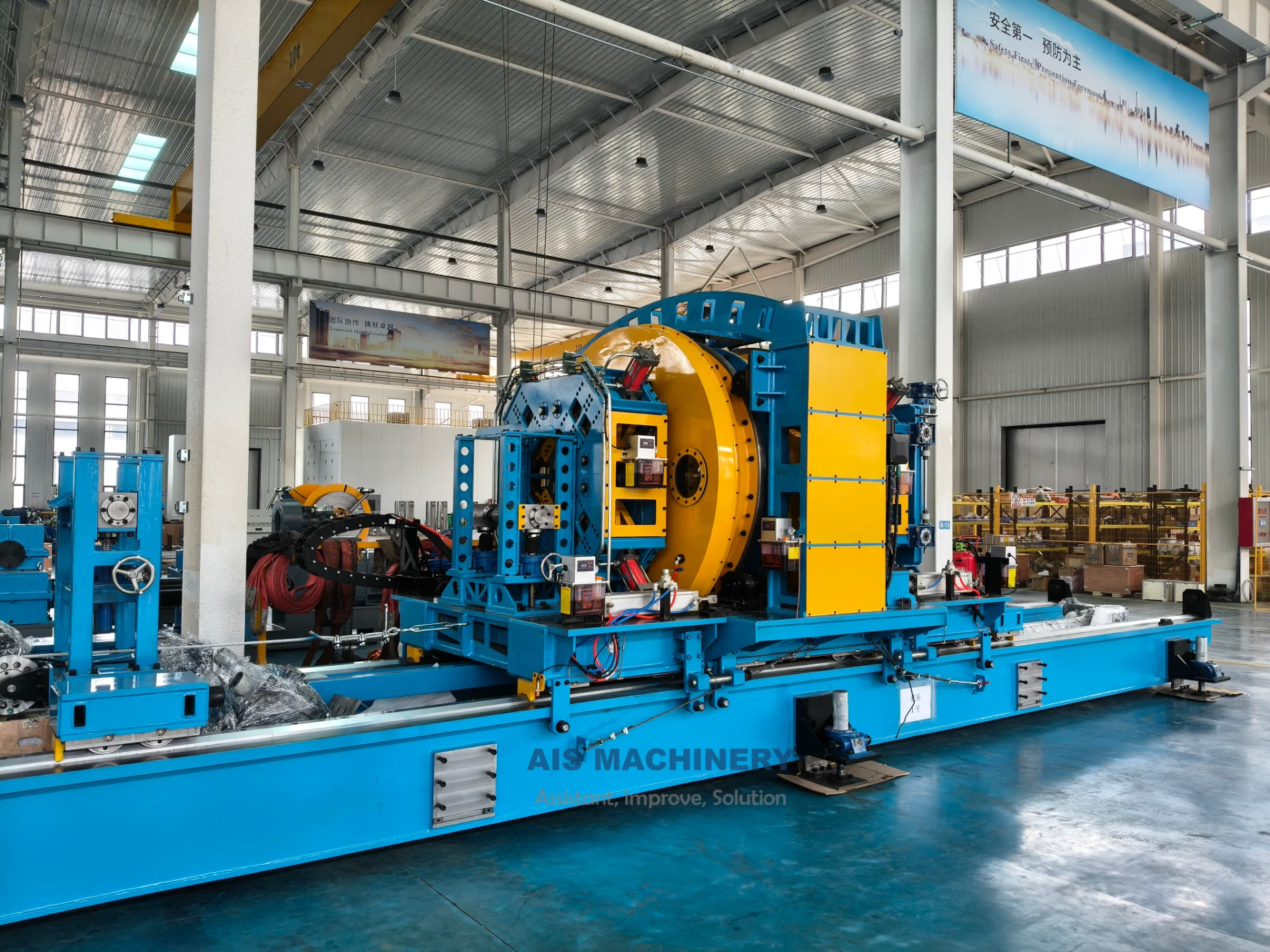
Flat Bar Production Line for Steel Coils: How It Works & Why It Matters
Looking for a flat bar production line? Learn how it turns steel coils into ready-to-use flat bars with precise length and high straightness. Compare it with slitting lines and get the best solution for your steel processing needs.
2026-04-14 00:00:00
Looking for a Milling Saw for ERW Tube Mill? Here’s What You Need to Know
Looking for a high-performance milling saw for your ERW tube mill? Upgrade to burr-free, high-precision pipe cutting with advanced flying saw technology. Improve efficiency, reduce rework, and meet export standards for carbon steel, stainless steel, and API pipes. Contact us today for expert solutions and competitive pricing tailored to your production needs.
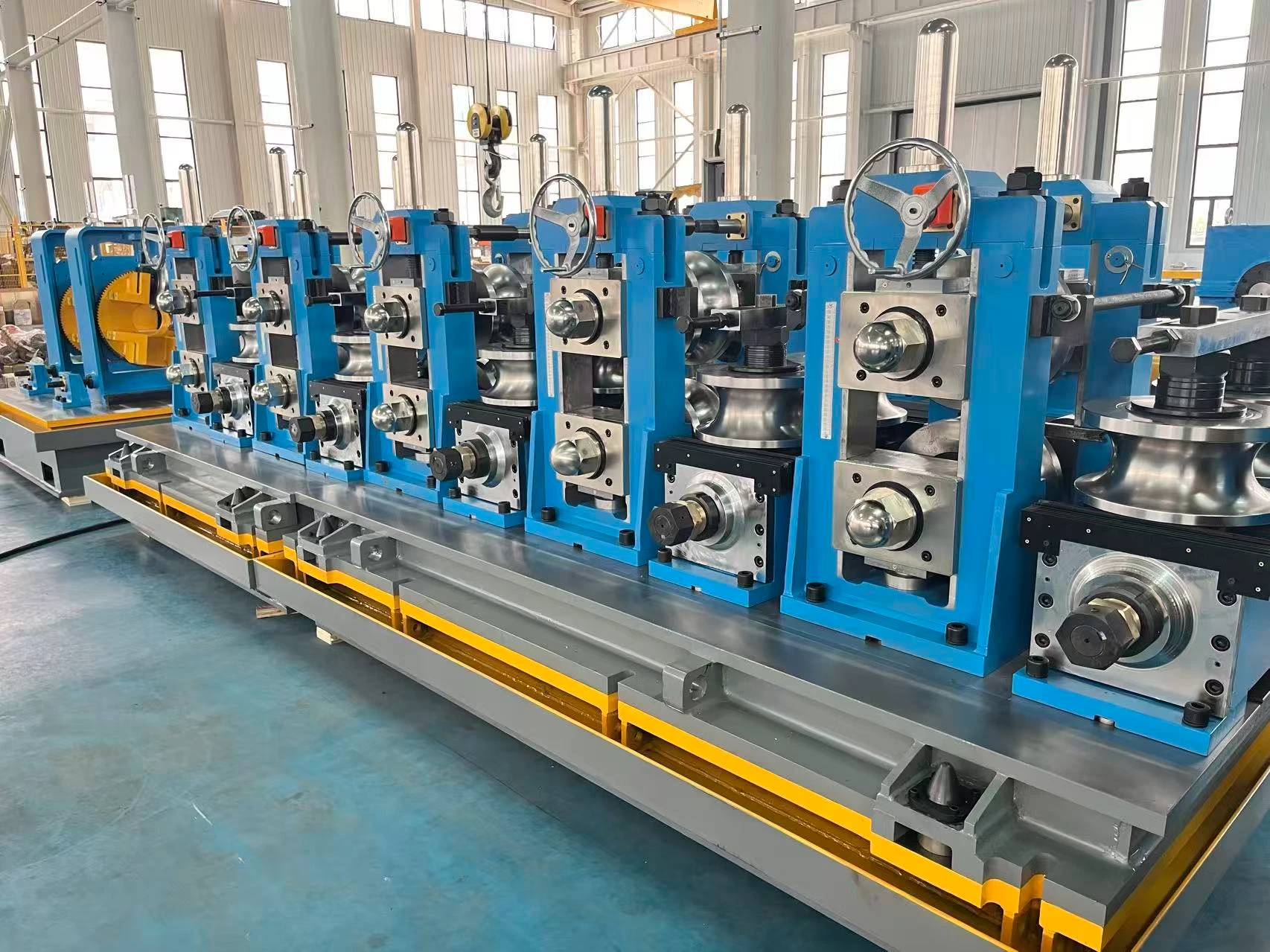
2026-04-09 16:15:19
5-Inch (127mm) ERW Tube Making Machine Delivered with Heavy-Duty Design and Advanced Quick Change System
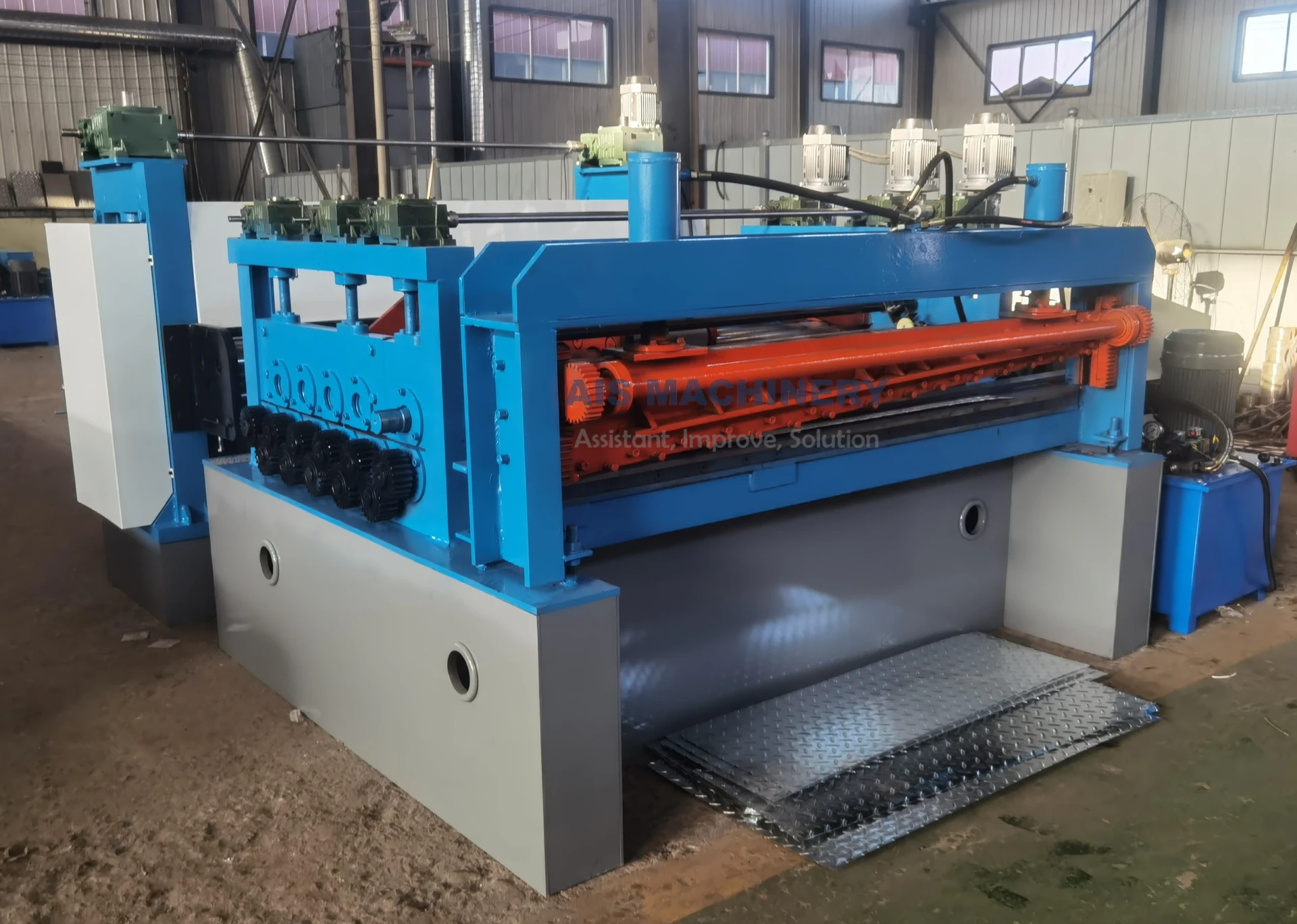
2027-04-07 00:00:00
Metal Embossing Machine: Turn Flat Sheets into High-Value Textured Products
Discover how a metal embossing machine transforms flat steel, stainless steel, and aluminum sheets into high-value textured products. Learn about its working principle, key components, and applications. Ideal for decorative and industrial use, embossing machines improve both appearance and performance. Explore complete embossing line solutions and find the right machine for your production needs.
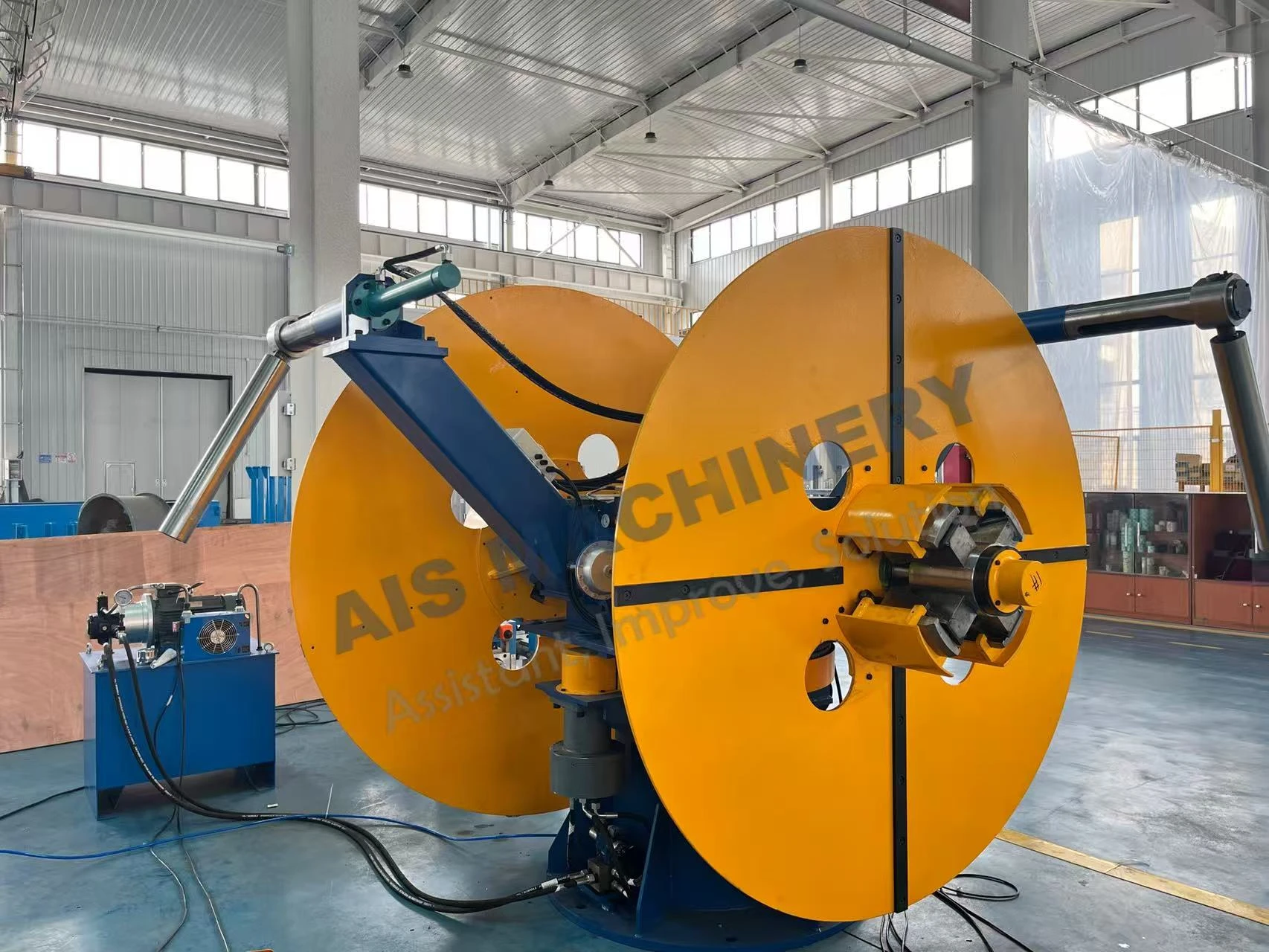
2026-04-04 20:37:18
Automatic Double Side Uncoiler with Hydraulic Expansion and Auto Rotation for Steel Coil Processing
The Automatic Double Side Uncoiler is a high-efficiency solution designed for modern steel coil processing lines, including tube mills, roll forming machines, and slitting lines. With a maximum capacity of 4 tons per side, this machine ensures stable and continuous coil feeding while reducing downtime during coil change.
Send a Message
Dear customer, thank you for your attention! We provide high-quality machinery and equipment and look forward to your orders. Please inform us of your needs and we will respond quickly!
 English
  Albanian
  Arabic
  French
  German
  Indonesian
  Italian
  Japanese
  Kazakh
  Korean
  Latin
Latin  Macedonian
  Portuguese
  Russian
  Spanish
  Thai
Thai  Turkish
  Ukrainian
  Uzbek
Uzbek