
-
 Tel:86-15176910262
-

Search
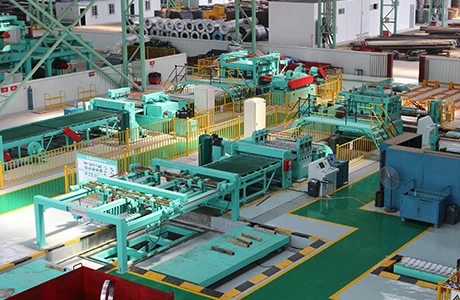

Coil Slitting Machine Price - A Key to Efficient Metal Processing & Manufacturing
Nov . 23, 2025 14:30
Understanding Coil Slitting Machine Price: What’s It All About?
In the world of metal processing and manufacturing, the coil slitting machine is a crucial player. Knowing about coil slitting machine price matters far beyond the balance sheet of just one company — it tells a story of efficiency, industrial scale, and even sustainability in modern industry. Whether you’re a procurement specialist, an engineer, or just industry-curious, understanding the pricing of this equipment gives you a leg up on how raw materials like steel, aluminum, or copper get handled globally.
Why Should We Care? Global Industry Perspective
It might seem niche, but coil slitting machines are everywhere—from automotive hubs in Germany to electronics manufacturing in South Korea, all the way to construction projects in Africa. According to the International Organization for Standardization (ISO), metal processing remains a bellwether of industrial productivity worldwide. The coil slitting machine price essentially reflects a blend of technical capacity, manufacturing quality, and market demand.
Globally, the steel market was valued at over $1 trillion in 2023 (World Steel Association), which means nearly every coil slitting machine purchased helps shape massive industrial supply chains. The problem? Manufacturers often face a complex tangle of costs, from machine durability to precision level, affecting what they ultimately pay.
Mini takeaway: Understanding the coil slitting machine cost is about more than a price tag — it’s a lens on industry health, manufacturing innovation, and supply chain reliability.
Defining Coil Slitting Machine Price in Simple Terms
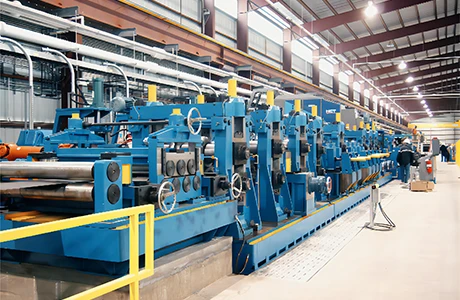
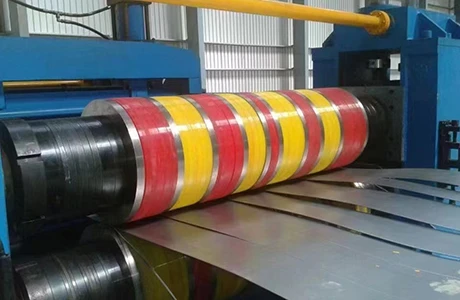
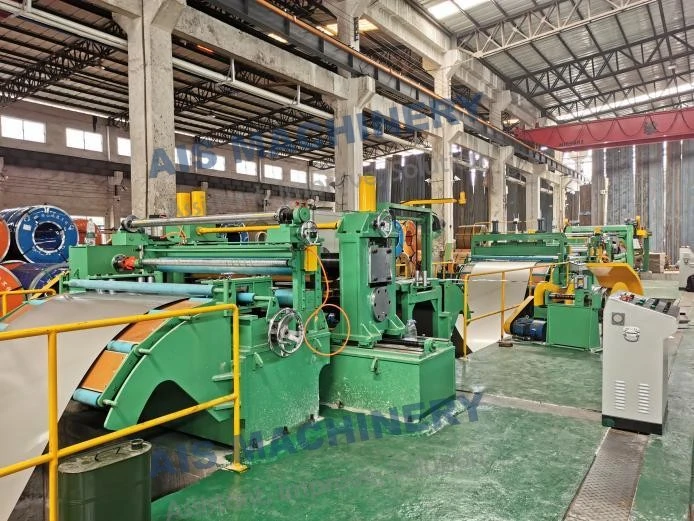
Put plainly, the coil slitting machine price refers to the purchase cost of machinery that cuts large rolls of metal coils into narrower strips. This is essential before these strips are formed into parts for cars, appliances, packaging, and more. In a way, these machines underpin the modern infrastructure — from the bridges we drive over to the smartphones in our pockets.
They’re more than industrial “tools”: they play a silent but decisive role in ensuring materials meet exact specifications, reducing waste, and boosting efficiency. By accurately pricing these machines, manufacturers and buyers ensure this silent workhorse keeps supporting humanitarian efforts and essential building globally.
Key Factors That Affect Coil Slitting Machine Price
1. Durability and Build Quality
Higher quality materials and precision engineering push the price up — but this often means machines that last longer, survive harsh factory conditions, and require less downtime. Many engineers will tell you, investing upfront pays off in reduced maintenance.
2. Cutting Precision and Speed
Machines with finer control systems and faster slitting capabilities tend to carry a higher price. In sectors where tolerance is tight, like aerospace or medical device manufacturing, paying more ensures fewer rejects and higher yield.
3. Scalability and Capacity
The size of coils or the number of slits a machine can handle simultaneously impacts pricing. Large plants handling massive coils naturally invest more for heavy-duty, scalable equipment.
4. Automation and Technology Integration
Modern coil slitters often come integrated with computer controls or IoT for predictive maintenance and process optimization — features adding to the cost but promising future-proofing and data-driven efficiency.
5. After-Sales Service and Warranty
Good post-purchase support or extended warranties usually factor into the machine price but offer peace of mind, especially in remote or developing market installations.
Comparison: Typical Specifications of a Mid-Range Coil Slitting Machine
| Specification | Details |
|---|---|
| Max Coil Width | 1600 mm |
| Max Coil Weight | 15,000 kg |
| Cutting Speed | 0-120 m/min |
| Slitter Blades | 4-12 (adjustable) |
| Automation Level | Semi-Automatic with PLC Controls |
| Typical Price Range | $50,000 – $80,000 |
How Coil Slitting Machine Price Plays Out Globally
Regions with heavy metal processing industries—China, the US, Japan, and Europe—naturally dominate the coil slitting machine market. But the growing industrialization of Southeast Asia and Africa is expanding demand for affordable, durable machines.
Take the automotive sector in Germany: high-end machines with advanced automation dominate to meet tight quality standards. Meanwhile, steel traders in India often balance coil slitting machine price with maintenance costs, prioritizing longevity.
Even humanitarian sectors find relevance here. In post-disaster rebuilding efforts, locally sourced coil slitters can help in quick metal refurbishment, especially for temporary shelters and infrastructure. Interestingly, machine price considerations directly affect the speed and scale of recovery operations.
For insight on exact figures, it’s worth checking out updated coil slitting machine price listings from industry vendors.
Mini takeaway: Price doesn’t just reflect cost—it mirrors regional industry focus, technological access, and even social imperatives.
Why Investing Wisely in Coil Slitting Machines Matters
- Cost Efficiency: A well-priced machine lowers raw material waste and decreases downtime.
- Sustainability: Precision cutting reduces scrap, fostering greener manufacturing.
- Reliability & Safety: High-quality machines build trust among workers and management alike.
- Social Impact: Economical machines aid infrastructure projects in developing regions, promoting development and dignity.
The Horizon: Trends Shaping Coil Slitting Machine Costs
Like many machines, coil slitters are embracing digital transformation. We’re seeing rising integration of sensors for real-time monitoring and AI-driven predictive maintenance, which—frankly—will bump up upfront prices but slash long-term costs. Greener energy considerations mean newer models also aim to reduce power consumption.
Moreover, modular designs mean easier upgrades rather than full replacements, opening doors to budget adaptations over time. This total cost of ownership perspective is slowly reshaping how buyers view coil slitting machine price.
Challenges and How to Navigate Them
Of course, several challenges remain. High initial investment can be a barrier for small manufacturers or entrants in developing markets. Variable quality from less-known vendors risks productivity losses. Then there’s the ever-present question of machine servicing — breakdowns far from service centers can be costly.
Experts suggest partnering with reputable vendors offering extensive after-sales support and opting for semi-automated machines if full automation is not feasible immediately. This strategy balances price with practical use.
Vendor Comparison Table: Coil Slitting Machines
| Vendor | Price Range (USD) | Automation Level | Warranty (Years) | Global Support |
|---|---|---|---|---|
| MillTech Co. | $55,000 – $75,000 | Semi-Automatic | 2 | Yes (Asia, Europe) |
| SteelGear International | $70,000 – $100,000 | Fully Automatic | 3 | Global |
| EconoSlit Machinery | $40,000 – $60,000 | Manual-Semi | 1 | Limited (Local) |
FAQ: Your Practical Questions on Coil Slitting Machine Price
Q1: What factors most influence the coil slitting machine price?
A1: The key influencers include machine size, cutting speed, blade quality, automation level, and after-sales support. Higher precision and automation typically mean higher prices but often deliver better ROI through efficiency.
Q2: Are cheaper coil slitting machines worth the risk?
A2: While lower-price machines can fit smaller budgets, they might lack durability or advanced features, leading to higher maintenance costs or production downtime. It's crucial to balance price with quality and service.
Q3: How can small manufacturers afford advanced coil slitting machines?
A3: Leasing options, phased upgrades, or buying semi-automatic models are practical strategies. Also, some vendors provide financing or bundle maintenance packages to ease budget pressures.
Q4: Is it important to consider after-sales service when looking at price?
A4: Absolutely. Reliable support ensures any issues are swiftly addressed, safeguarding production time. Sometimes, paying a bit more upfront for better service is a smart investment.
Q5: How often should coil slitting machines be upgraded or replaced?
A5: Depending on usage and maintenance, machines can last 7-15 years. Upgrades are recommended when production needs or technology outgrow the existing equipment's capacity.
Wrapping Up: Why the Coil Slitting Machine Price Deserves Your Attention
At first glance, coil slitting machine price might seem like just another cost on a procurement list. But in real terms, it shapes manufacturing agility, supply chain resilience, and even environmental impact. The decisions behind selecting a machine reverberate across production floors worldwide, and yes, even in humanitarian relief contexts.
Thinking of upgrading or sourcing coil slitters? Feel free to explore detailed pricing and machine options on our website — the right choice might be just a click away.
Mini takeaway: The price you pay today is the productivity and sustainability you gain tomorrow.
References

Related Products

Related News
2026-04-30 09:35:04
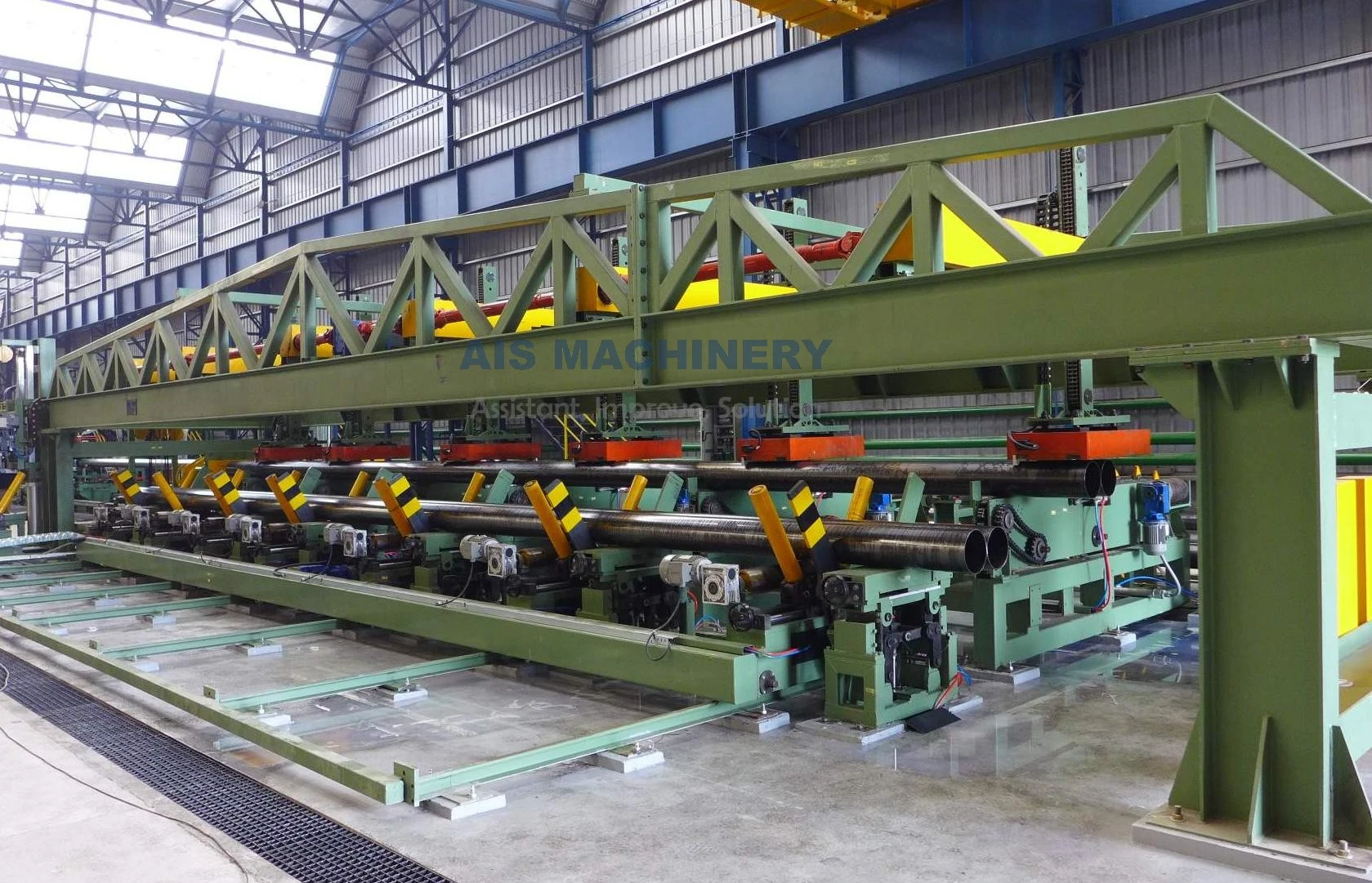
Automatic Stacking Machine (Magnetic Chuck Type)
The Automatic Stacking Machine (Magnetic Chuck Type) from AIS Machinery is designed to efficiently collect and stack steel tubes in ERW tube mill production lines. Using electromagnetic lifting, it can pick up multiple tubes at once and place them neatly in layers. This reduces manual labor, improves stacking accuracy, and increases overall production efficiency. It is installed after the flying saw and works seamlessly with the mill line, making it an ideal solution for modern tube manufacturers.
2026-04-28 08:56:05
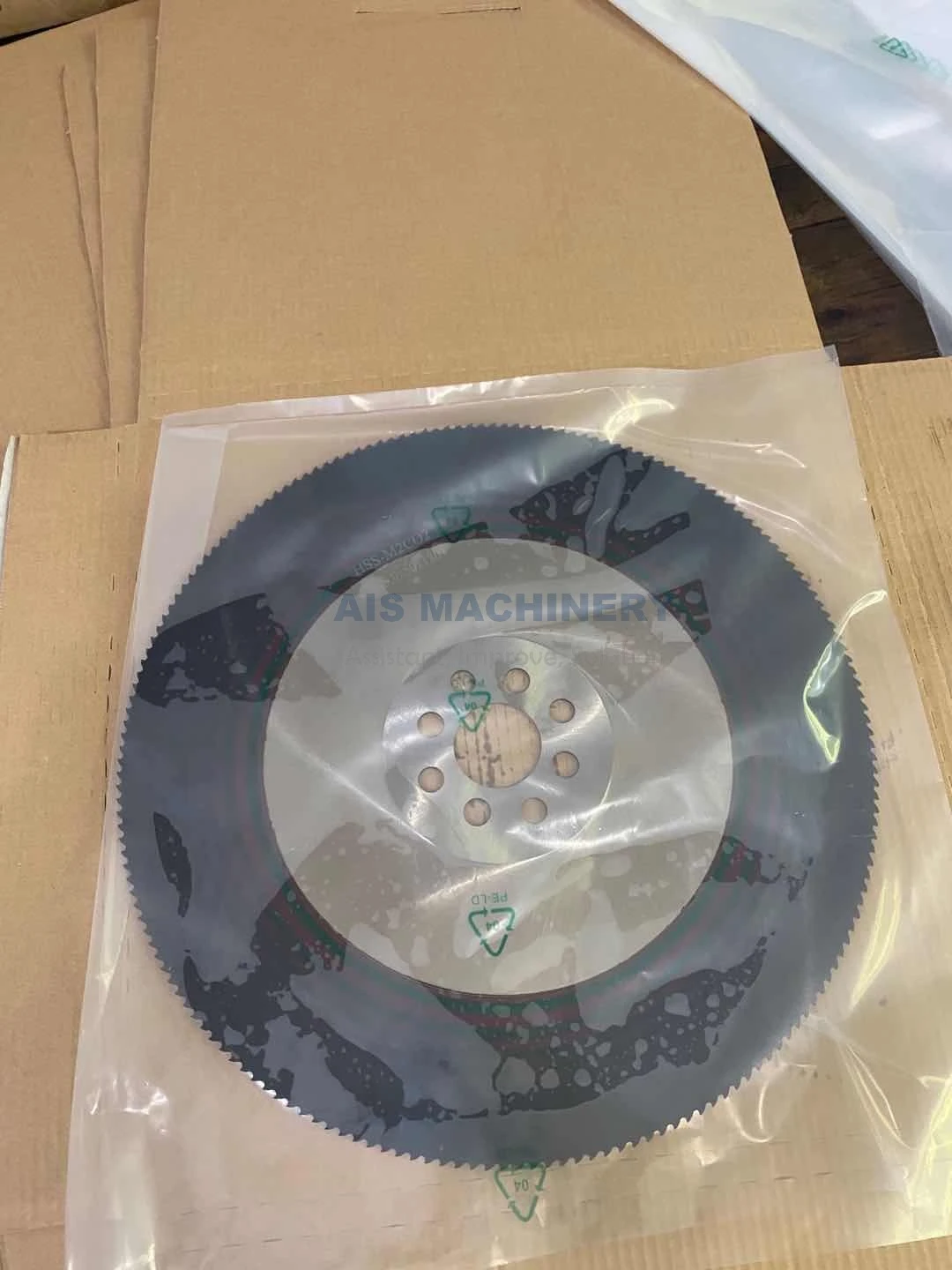
Saw Blade Guide for Tube Mills: Friction vs HSS vs TCT — Which One Should You Choose?
Confused about friction saw, HSS, and TCT blades? This guide explains their uses in cold saw and friction saw machines, with pros, cons, and expert selection tips.
2026-04-24 08:54:16
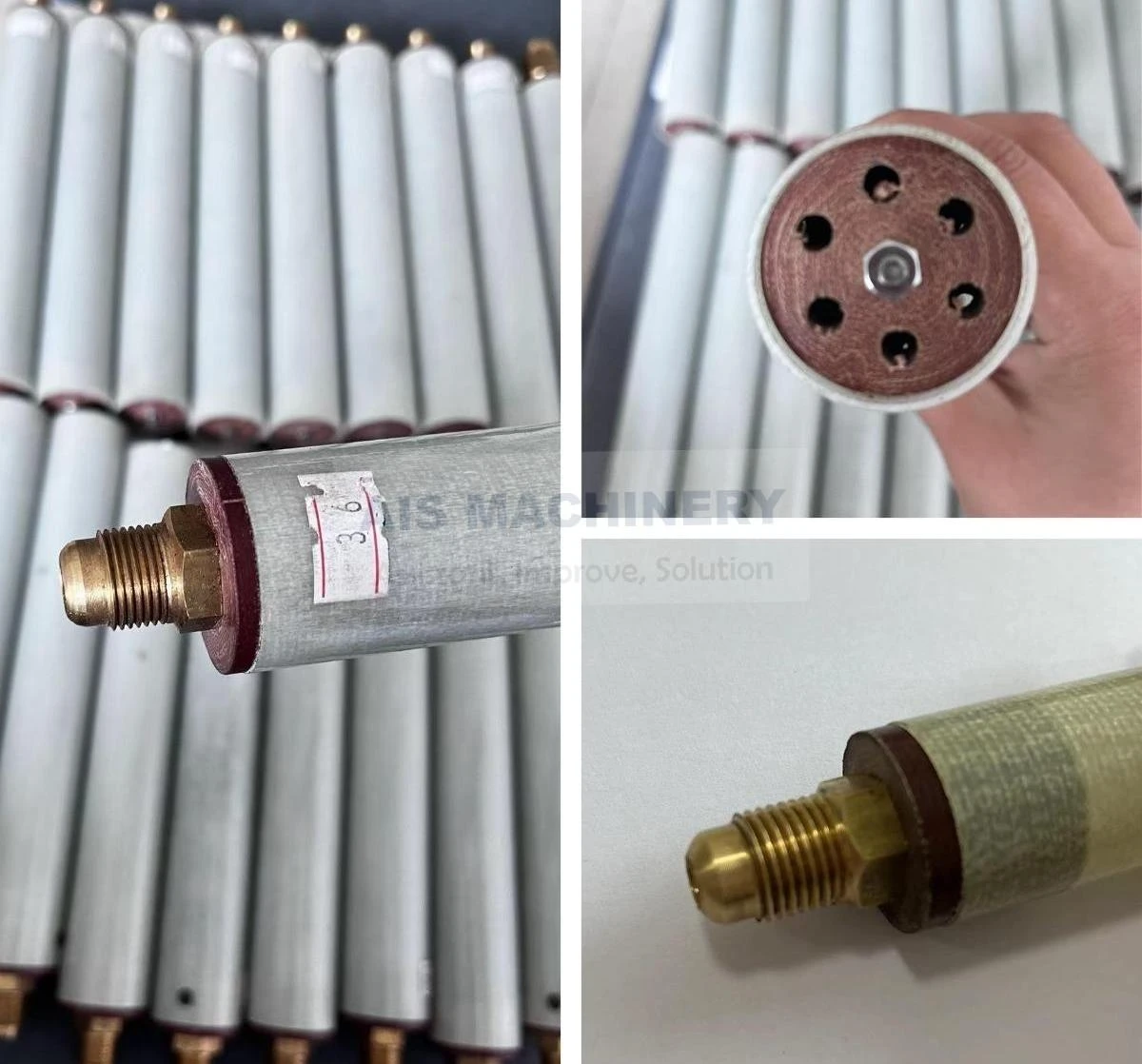
What is an Impeder and Ferrite Rods in ERW Tube Mill?
Struggling with impeder overheating or short service life in your ERW tube mill? This guide explains common impeder problems, the role of ferrite rods, and how to choose the right impeder for stable welding performance. Improve weld quality, reduce energy loss, and extend equipment lifespan with the right selection and proper cooling solutions.
2026-04-21 10:22:25
Slitting & Cut-to-Length Combined Production Line: A Smarter Way to Process Steel Coils
Discover the Slitting & Cut-to-Length Combined Production Line, a flexible solution for steel coil processing. This system integrates slitting line and cut-to-length line functions in one machine, saving space, reducing costs, and improving efficiency. Ideal for processing both steel strips and sheets, it is widely used in service centers and manufacturing industries. Learn its advantages, limitations, and applications.
2026-04-18 03:20:20
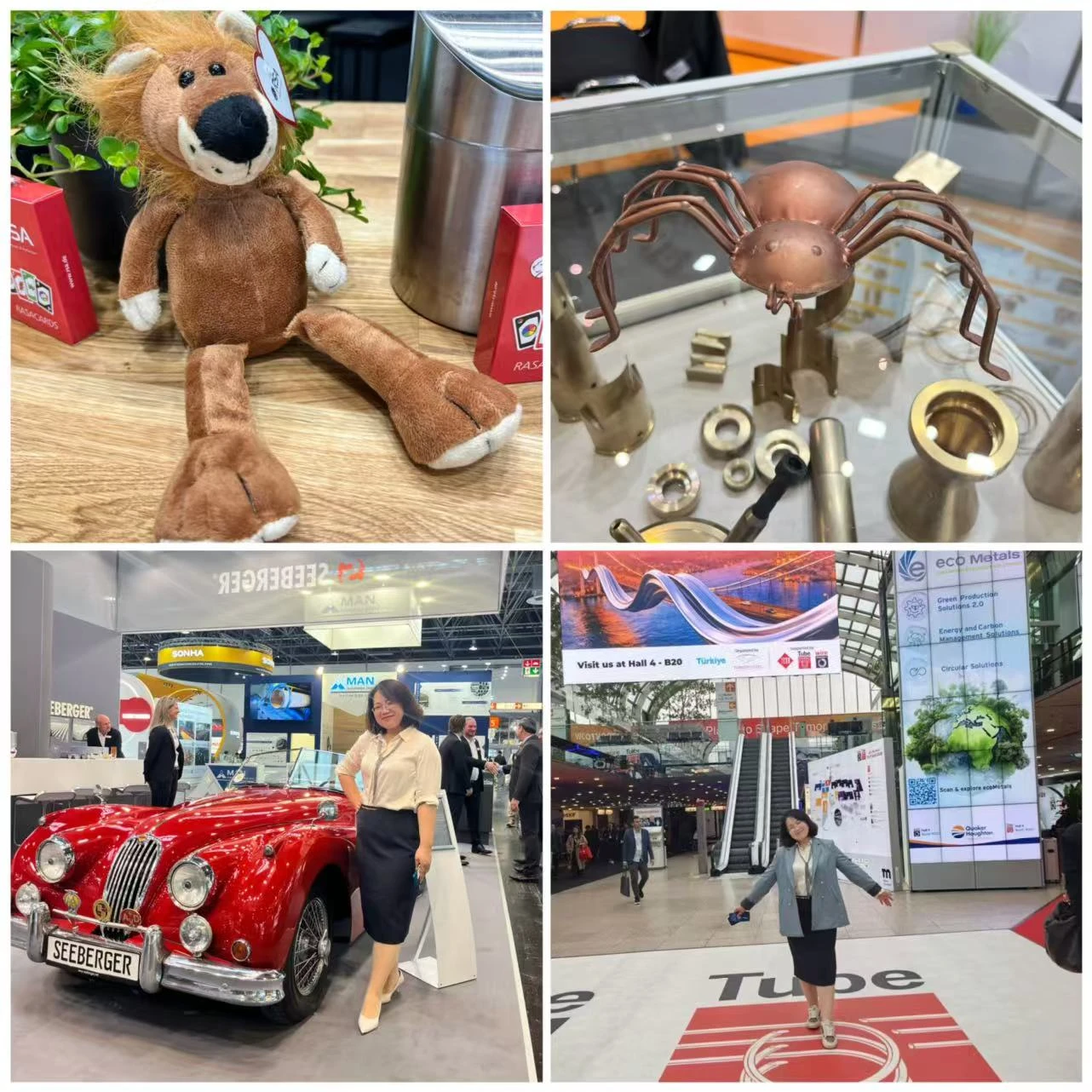
AIS Machinery Showcases Advanced Tube Solutions at Tube & Wire Düsseldorf 2026
Tube & Wire Düsseldorf 2026, one of the most influential exhibitions in the global tube and wire industry, held biennially in Düsseldorf, Germany
2026-04-17 00:00:00
Southeast Asia Client Visits Our Factory | Customized Tube Mill Solution Delivered
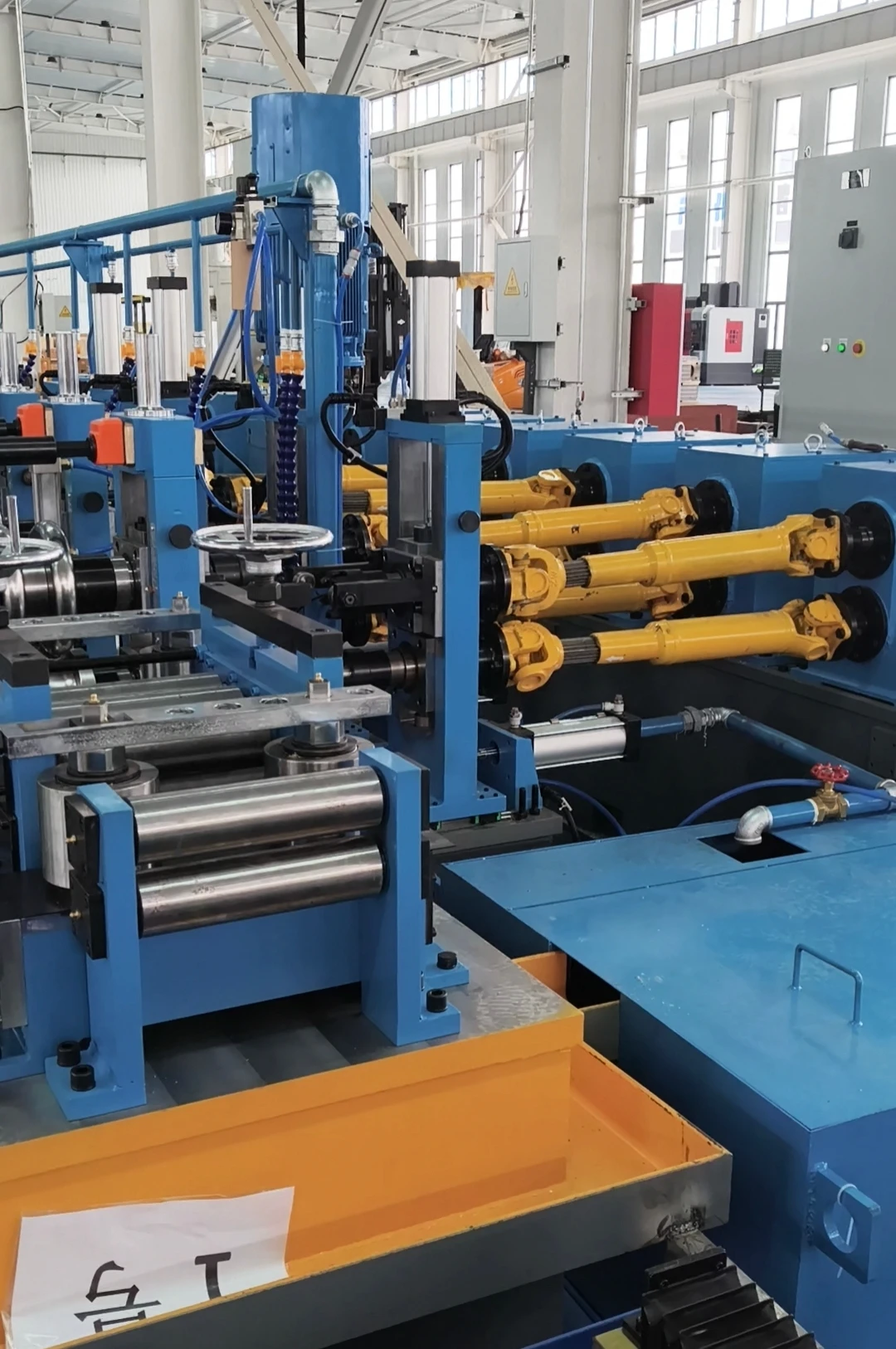
A Southeast Asia client visited our ERW tube mill factory to inspect production lines and discuss a customized tube mill solution. Impressed by our machine quality, welding performance, and engineering support, the client confirmed strong cooperation intentions. Discover how our ERW tube mill solutions improve efficiency, precision, and long-term production reliability.
2026-04-15 10:37:55
Flat Bar Production Line for Steel Coils: How It Works & Why It Matters
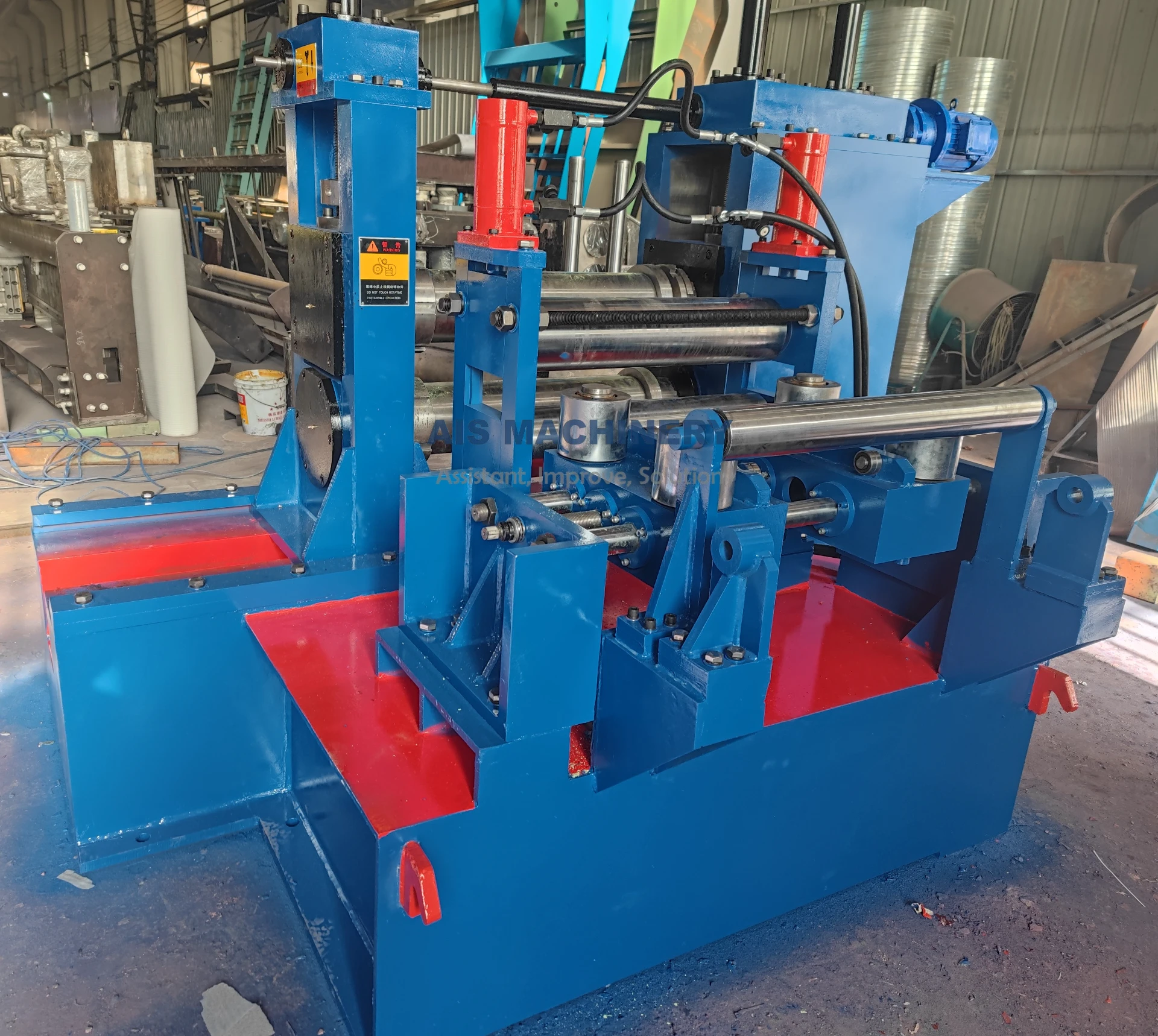
Looking for a flat bar production line? Learn how it turns steel coils into ready-to-use flat bars with precise length and high straightness. Compare it with slitting lines and get the best solution for your steel processing needs.
2026-04-14 00:00:00
Looking for a Milling Saw for ERW Tube Mill? Here’s What You Need to Know
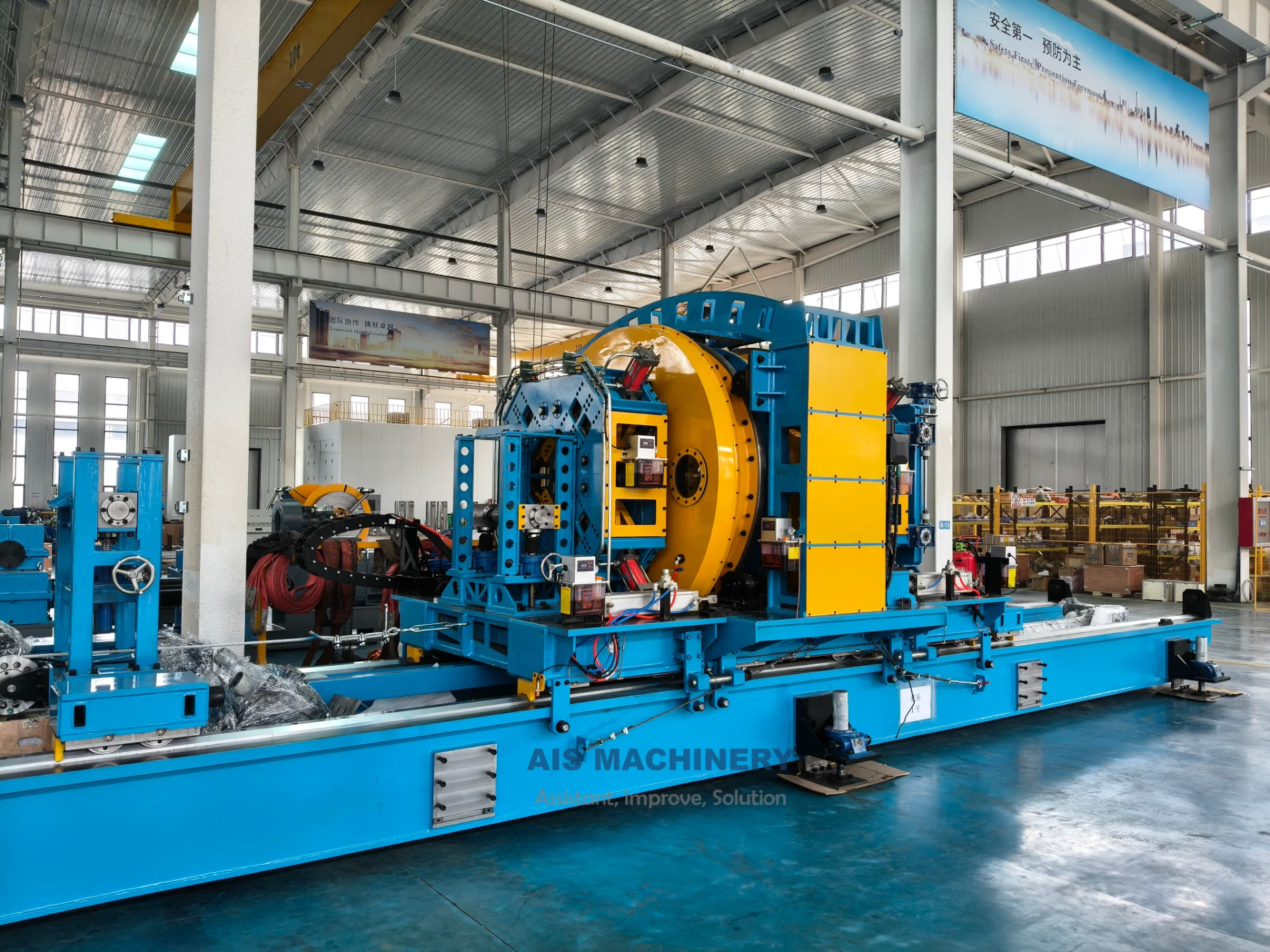
Looking for a high-performance milling saw for your ERW tube mill? Upgrade to burr-free, high-precision pipe cutting with advanced flying saw technology. Improve efficiency, reduce rework, and meet export standards for carbon steel, stainless steel, and API pipes. Contact us today for expert solutions and competitive pricing tailored to your production needs.
Send a Message
Dear customer, thank you for your attention! We provide high-quality machinery and equipment and look forward to your orders. Please inform us of your needs and we will respond quickly!
 English
  Albanian
  Arabic
  French
  German
  Indonesian
  Italian
  Japanese
  Kazakh
  Korean
  Latin
Latin  Macedonian
  Portuguese
  Russian
  Spanish
  Thai
Thai  Turkish
  Ukrainian
  Uzbek
Uzbek