
-
 Tel:86-15176910262
-

Search
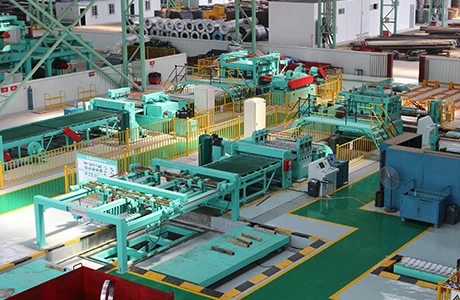

Top Slitting Line Manufacturers: Precision, Efficiency & Innovation in Coil Processing
Nov . 22, 2025 17:00
Why Slitting Line Manufacturers Matter: A Brief Overview
At first glance, the term slitting line manufacturers might sound like a niche buzzword in the vast world of manufacturing. But when you dig a bit, it reveals a whole ecosystem that quietly powers many industries we depend on every day — from packaging to automotive parts, even cutting-edge electronics. These manufacturers design and build slitting lines: specialized industrial setups that efficiently cut large metal coils, films, or paper rolls into narrower strips or rolls. Why does this matter globally? Because these precision-cut materials become the backbone of countless products shipped worldwide.
Understanding the role and benefits of slitting lines means diving into a manufacturing process that impacts cost efficiency, sustainability, and product quality. A single small improvement in slitting precision can save tons in material waste or downtime, a real game-changer when scaled to global production volumes.
A Global Perspective: Why Slitting Line Manufacturing is More Critical Than Ever
Industrial production numbers from organizations like the International Organization for Standardization (ISO) and data from the World Bank reveal robust growth in metal processing worldwide. For instance, global steel coil production reached approximately 1.9 billion metric tons in recent years, highlighting a growing demand for precise coil processing tools like slitting lines. This means factories need versatile and reliable equipment that slitting line manufacturers deliver.
Yet the problem is complex: manufacturers face increasing demands to reduce waste, improve automation, and customize production runs rapidly. Without precision slitting lines, waste skyrockets — up to 10% material loss in some cases — which translates to higher costs and more environmental pressure.
What Exactly Are Slitting Line Manufacturers?
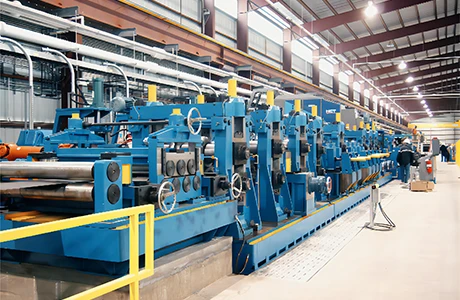
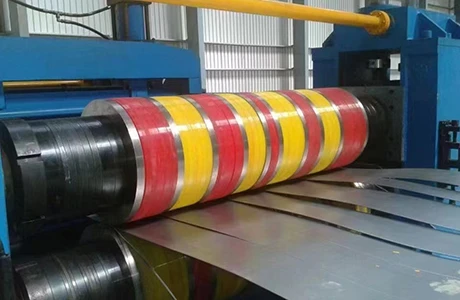
Simply put, slitting line manufacturers design, build, and service machines that cut rolled materials into narrower widths. Think of a giant kitchen knife slicing a huge sheet of paper into strips — except done with metal coils or plastic films, at speeds of several meters per minute, and tolerances measured in microns. These manufacturers ensure the machinery suits specific materials, thicknesses, and output speeds.
Modern industry relies on slitting lines not just for manufacturing convenience but for meeting strict product specs, especially in sectors like automotive, electrical, and consumer goods. Oddly enough, humanitarian efforts can also benefit indirectly: packaging for aid supplies, easily stored in neat strips, often relies on material processed by these lines.
Core Components & Key Factors in Slitting Lines
1. Durability and Material Handling
Toughness matters because slitting lines often baton metal coils weighing several tons. Manufacturers carefully select components like shear knives, drive motors, and bearings that endure wear and tear.
2. Precision and Cut Quality
High precision leads to less material waste and cleaner edges, critical for downstream processes. Optical sensors and computer-controlled tension lines are often integrated to ensure consistency.
3. Scalability and Customization
One size rarely fits all. The best slitting line manufacturers tailor machines for different thicknesses, coil sizes, and desired strip widths, even integrating automation to switch quickly between jobs.
4. Energy Efficiency
With rising electricity costs and environmental policies, energy use matters. Modern lines incorporate regenerative drives and smart motors to minimize consumption.
5. Maintenance and Support
Easy maintenance reduces downtime. Manufacturers often provide remote diagnostics, modular parts, or user-friendly interfaces to help operators identify issues fast.
Slitting Line Use Cases Around the World
Industries spanning continents rely on precision slitting. In East Asia, huge electronics plants require ultra-thin metal strips for semiconductors. In Europe, automotive parts suppliers lean on these machines to create durable steel components. North America’s packaging sector cuts flexible films into tailored widths for everything from food wraps to medical supplies.
Oddly enough, in remote post-disaster zones, slitting technology indirectly supports relief by enabling the rapid production of packaging and shelter components, ensuring aid reaches those in need in orderly packages.
Governments and private industries alike seek partnerships with slitting line manufacturers who can deliver flexible solutions for such diverse needs.
Product Specification Table: Typical Slitting Line Features
| Feature | Specification | Remarks |
|---|---|---|
| Max Coil Width | 2000 mm | Suitable for broad metal coils |
| Cutting Speed | Up to 150 m/min | Variable per material |
| Slit Width Range | 20 mm – 500 mm | Customizable by customer |
| Tension Control Accuracy | ±1% | Critical for edge quality |
| Energy Consumption | 20 kW (average) | Depends on speed and load |
How Do Leading Slitting Line Manufacturers Compare?
| Manufacturer | Customization Options | Lead Time | After-Sales Service | Price Range |
|---|---|---|---|---|
| FlexiSlit Inc. | High - full automation & sensors | 8–12 weeks | 24/7 remote support | $$$ |
| SteelCut Solutions | Medium - modular design | 6–10 weeks | On-site training available | $$ |
| EcoSlit Tech | High - eco-friendly optimizations | 10–14 weeks | Green tech consultancy | $$$ |
The Many Advantages and Long-Term Value of Choosing the Right Slitting Line Manufacturer
The benefits of a well-designed slitting line are more than just technical. Cost efficiency is at the core: smoother operations mean less downtime, less raw material waste, and a predictable maintenance schedule. On the sustainability front, manufacturers can reduce energy consumption and improve material yield, aligning with global carbon reduction targets.
I’ve also noticed that reliability builds trust between fabricators and suppliers — when your slitting line runs flawlessly, you’re delivering consistent quality downstream, which supports product safety and even consumer dignity (yes, the little things matter).
Long term, investing in quality slitting equipment is like buying peace of mind — and many CEOs I’ve talked to say it pays off in unexpected dividends over years.
What’s Next? Future Trends in Slitting Line Manufacturing
- Automation and AI Integration: Smarter sensors and machine learning will help avoid material defects and optimize workflows.
- Green Technologies: Expect more energy-efficient motors, recyclable components, and integration with renewable power sources.
- Digital Twin Models: Virtual replicas of slitting lines to predict maintenance and improve uptime.
- Modular Designs: For faster customization and field upgrades, cutting lead times further.
Common Challenges and Practical Solutions
Running a slitting line isn’t always smooth. Common challenges include machine downtime, blade wear, and inconsistent tension control. To overcome these, many manufacturers incorporate:
- Predictive Maintenance: Sensors alert operators before a failure happens.
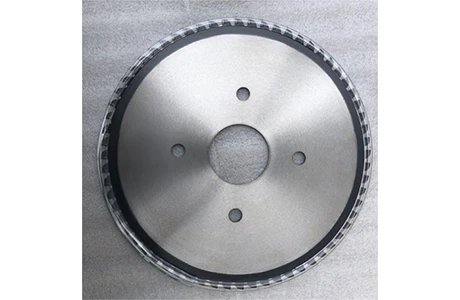
- Blade Material Advancements: Using carbide or ceramic for longer life and sharper edges.
- Operator Training Programs: Ensuring hands-on expertise reduces human error.
In real terms, the right combination of technology and human insight keeps production humming and costs manageable.
FAQ: Your Top Questions About Slitting Line Manufacturers
Q1: How do I choose the right slitting line manufacturer for my business?
Look for customization capabilities, industry reputation, and solid after-sales support. Assess if their lines can handle your specific materials and output volumes. Also, consider lead times and total cost of ownership.
Q2: Can slitting lines handle different materials like plastics and metals?
Yes, many modern slitting lines are versatile. However, configurations vary depending on material thickness, hardness, and coil dimensions, so discuss requirements upfront with manufacturers.
Q3: What maintenance is required for slitting lines?
Regular blade sharpening or replacement, tension calibration, and lubrication. Some advanced lines have predictive maintenance sensors that simplify scheduling.
Q4: Are there eco-friendly slitting lines available?
Increasingly so. Manufacturers are designing energy-efficient models with lower waste outputs and using sustainable components to help industries reach environmental goals.
Q5: How long does it typically take to get a new slitting line installed?
Lead times range from 6 to 14 weeks depending on customization and supplier capacity. Installation and training may add additional time but vary by project scope.
To Wrap Up: Why Partnering With Top Slitting Line Manufacturers Pays Off
In the grand scheme, slitting line manufacturers quietly underpin much of our modern industrial landscape. They empower companies to slice material with extraordinary precision, reduce waste, and adapt quickly to changing demands. Over the long haul, these advantages grow into a potent combination of cost savings, operational reliability, and sustainability wins. If you’re navigating this space, whether upgrading your equipment or entering metal processing, it’s worth exploring what today’s leading slitting line makers can offer.
Interested in taking the next step? Visit our website at slitting line manufacturers to learn more and request a consultation tailored to your needs.
References

Related Products

Related News
2026-04-30 09:35:04
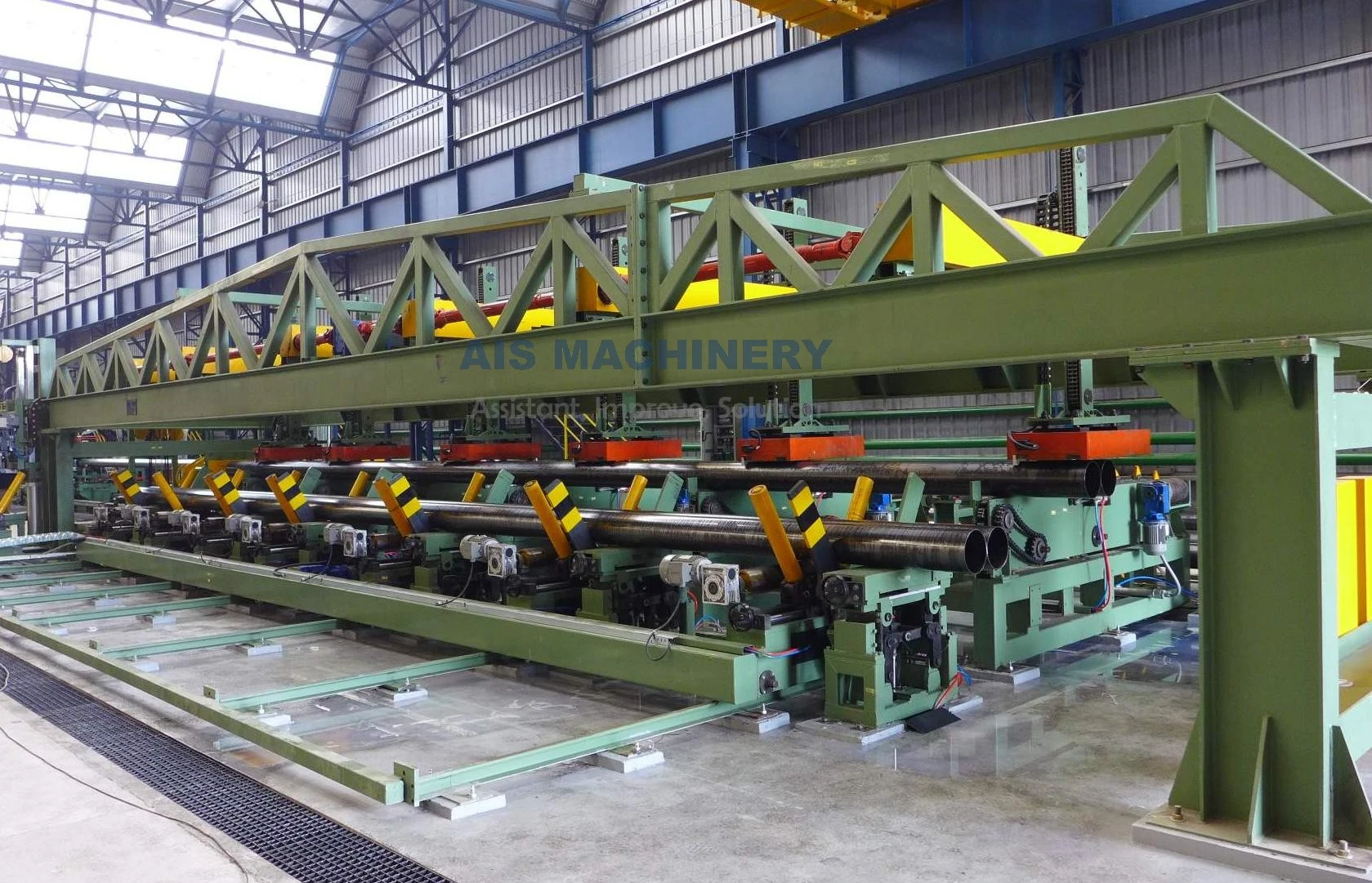
Automatic Stacking Machine (Magnetic Chuck Type)
The Automatic Stacking Machine (Magnetic Chuck Type) from AIS Machinery is designed to efficiently collect and stack steel tubes in ERW tube mill production lines. Using electromagnetic lifting, it can pick up multiple tubes at once and place them neatly in layers. This reduces manual labor, improves stacking accuracy, and increases overall production efficiency. It is installed after the flying saw and works seamlessly with the mill line, making it an ideal solution for modern tube manufacturers.
2026-04-28 08:56:05
Saw Blade Guide for Tube Mills: Friction vs HSS vs TCT — Which One Should You Choose?
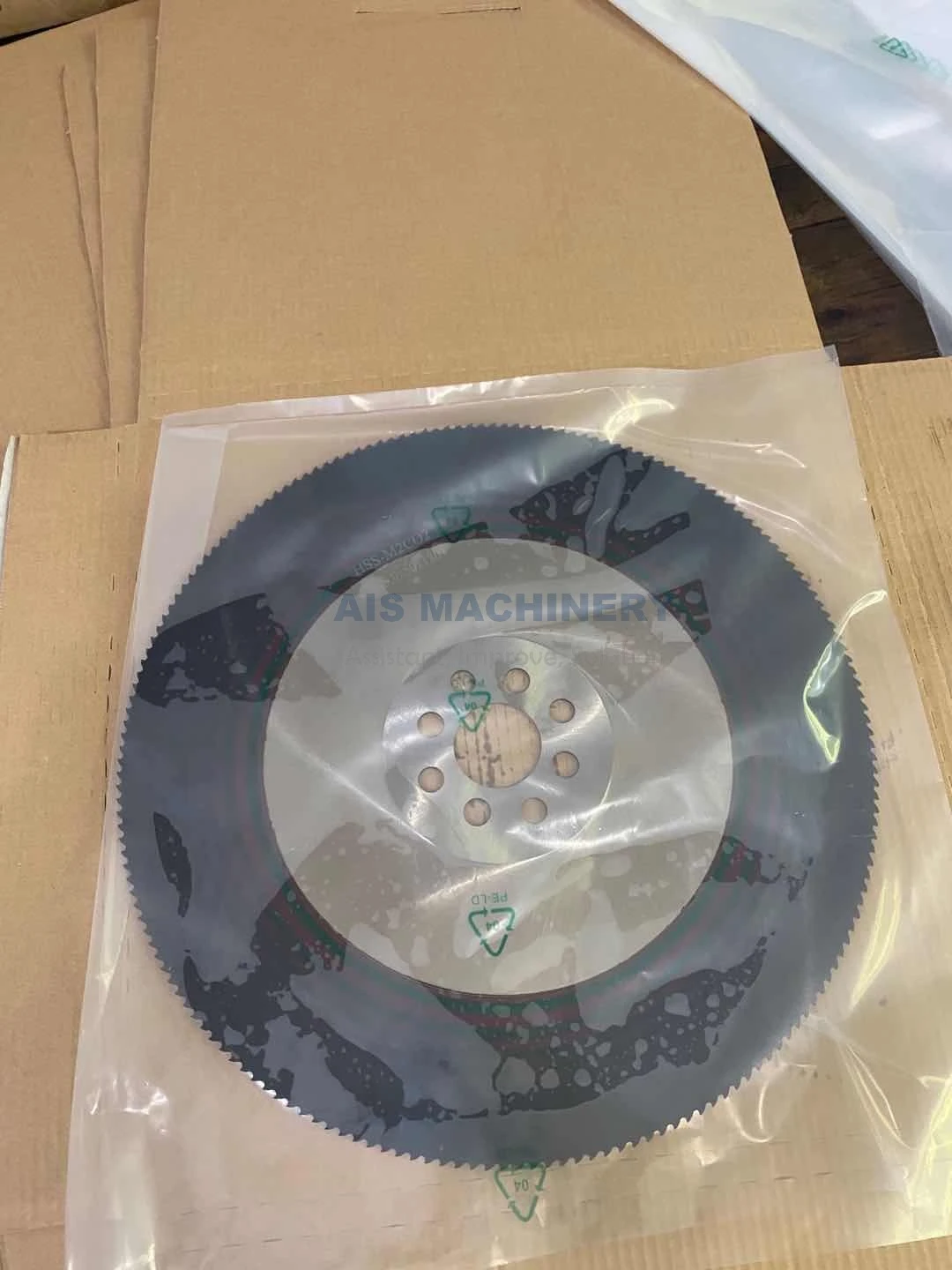
Confused about friction saw, HSS, and TCT blades? This guide explains their uses in cold saw and friction saw machines, with pros, cons, and expert selection tips.
2026-04-24 08:54:16
What is an Impeder and Ferrite Rods in ERW Tube Mill?
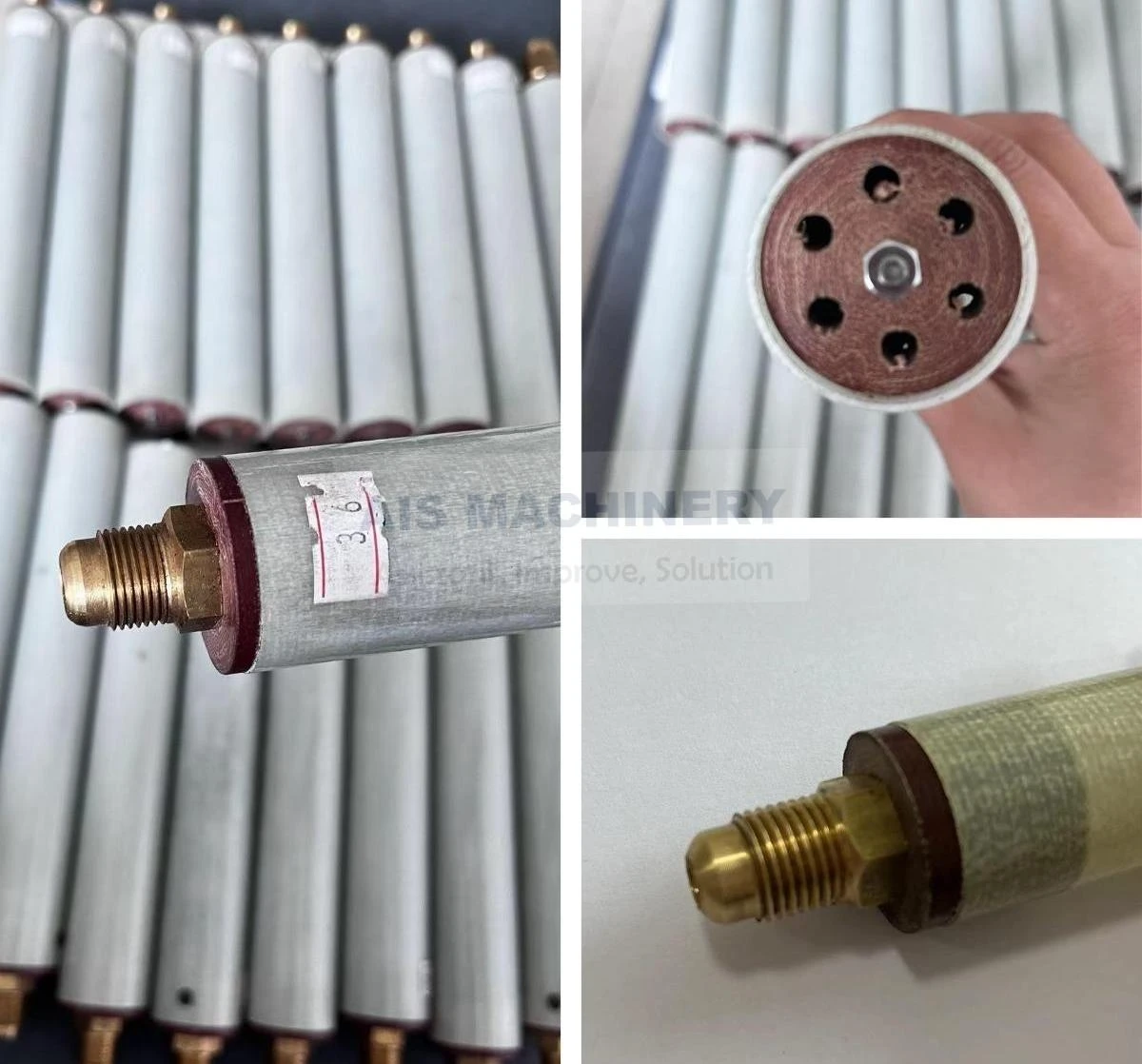
Struggling with impeder overheating or short service life in your ERW tube mill? This guide explains common impeder problems, the role of ferrite rods, and how to choose the right impeder for stable welding performance. Improve weld quality, reduce energy loss, and extend equipment lifespan with the right selection and proper cooling solutions.
2026-04-21 10:22:25
Slitting & Cut-to-Length Combined Production Line: A Smarter Way to Process Steel Coils
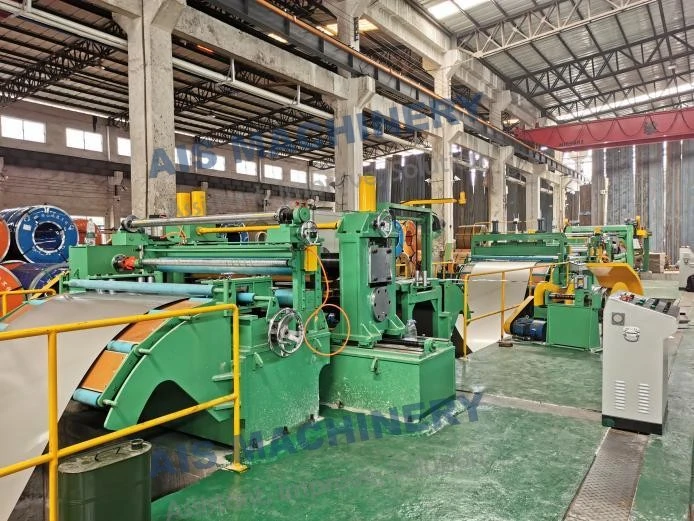
Discover the Slitting & Cut-to-Length Combined Production Line, a flexible solution for steel coil processing. This system integrates slitting line and cut-to-length line functions in one machine, saving space, reducing costs, and improving efficiency. Ideal for processing both steel strips and sheets, it is widely used in service centers and manufacturing industries. Learn its advantages, limitations, and applications.
2026-04-18 03:20:20
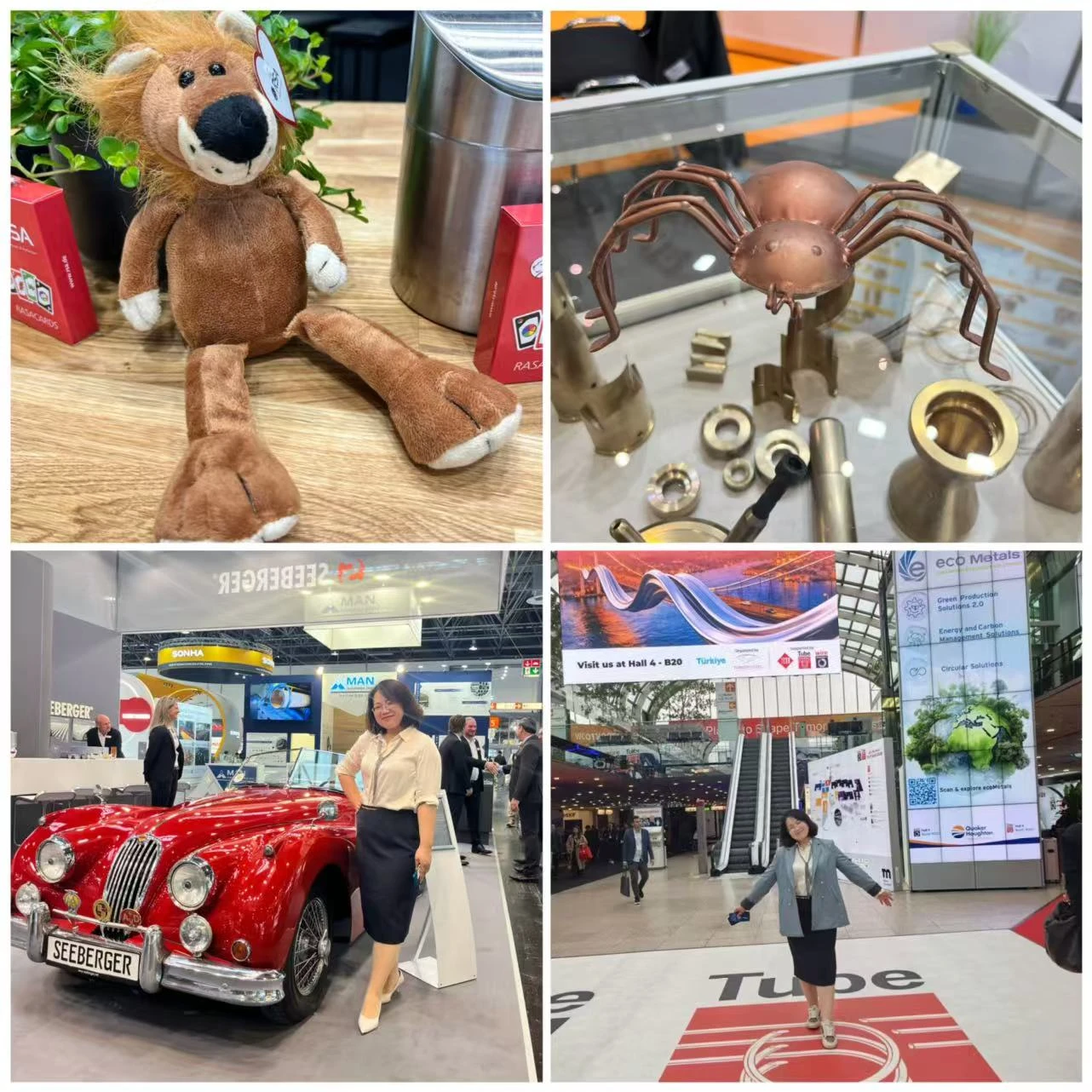
AIS Machinery Showcases Advanced Tube Solutions at Tube & Wire Düsseldorf 2026
Tube & Wire Düsseldorf 2026, one of the most influential exhibitions in the global tube and wire industry, held biennially in Düsseldorf, Germany
2026-04-17 00:00:00
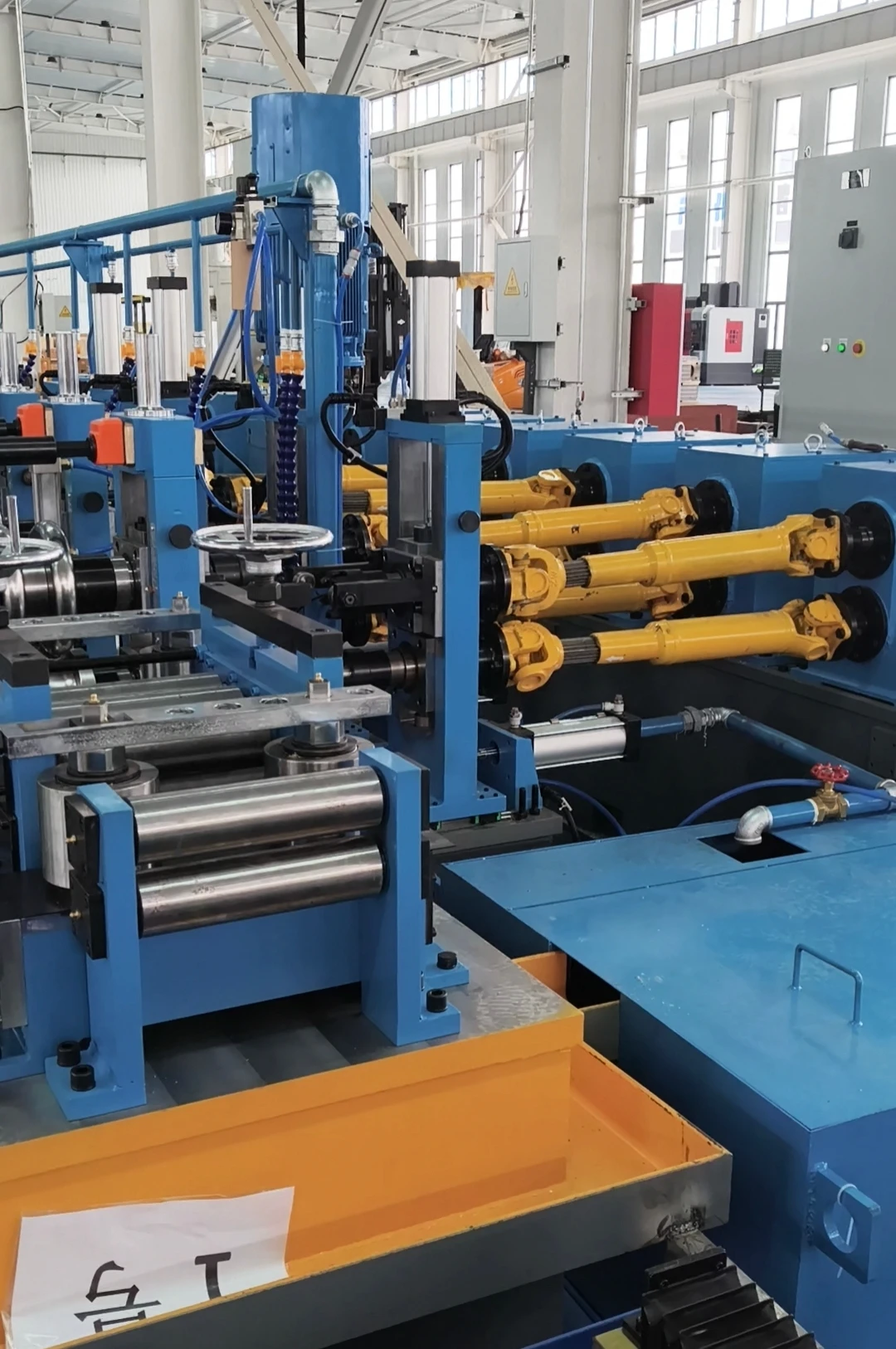
Southeast Asia Client Visits Our Factory | Customized Tube Mill Solution Delivered
A Southeast Asia client visited our ERW tube mill factory to inspect production lines and discuss a customized tube mill solution. Impressed by our machine quality, welding performance, and engineering support, the client confirmed strong cooperation intentions. Discover how our ERW tube mill solutions improve efficiency, precision, and long-term production reliability.
2026-04-15 10:37:55
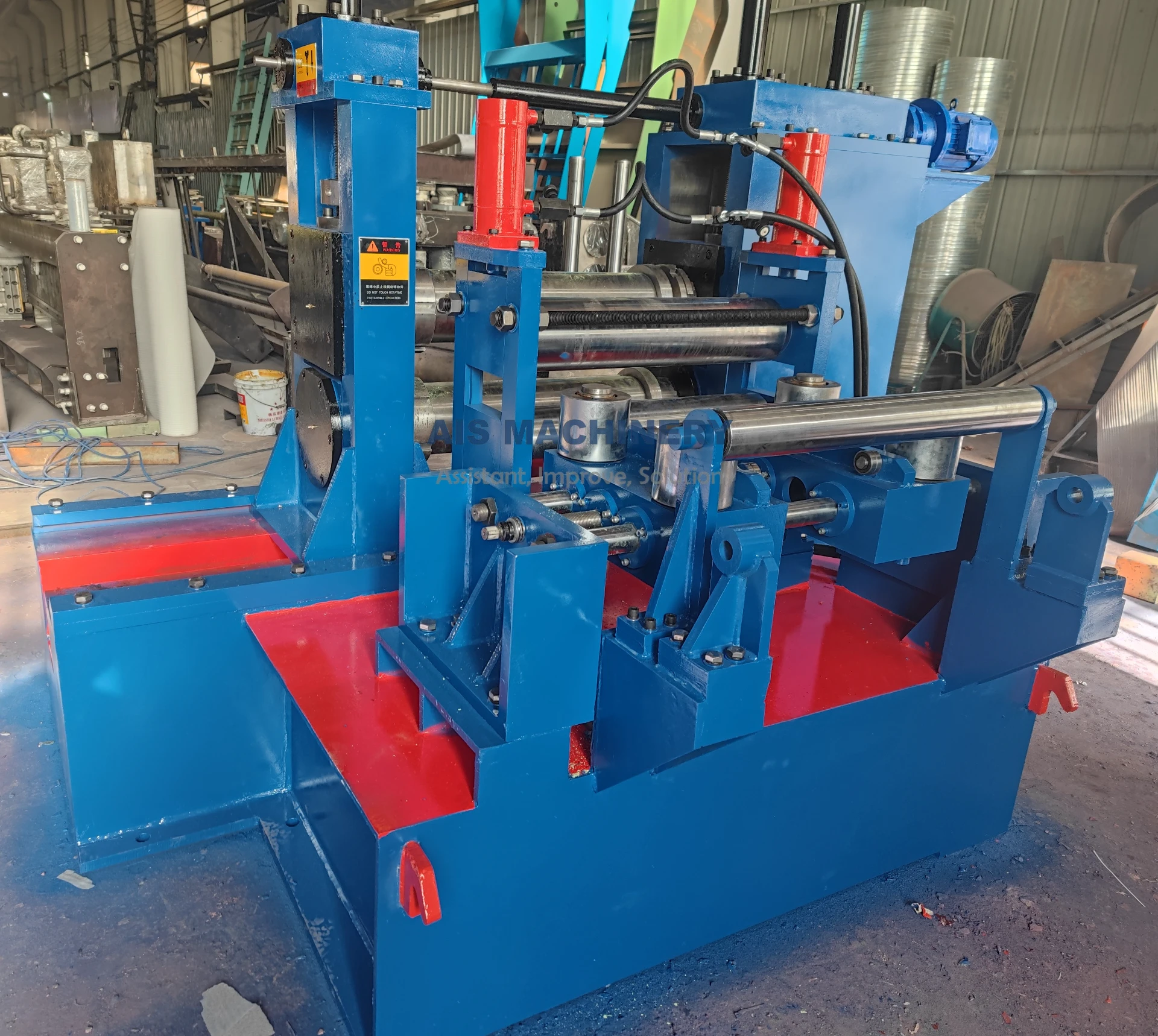
Flat Bar Production Line for Steel Coils: How It Works & Why It Matters
Looking for a flat bar production line? Learn how it turns steel coils into ready-to-use flat bars with precise length and high straightness. Compare it with slitting lines and get the best solution for your steel processing needs.
2026-04-14 00:00:00
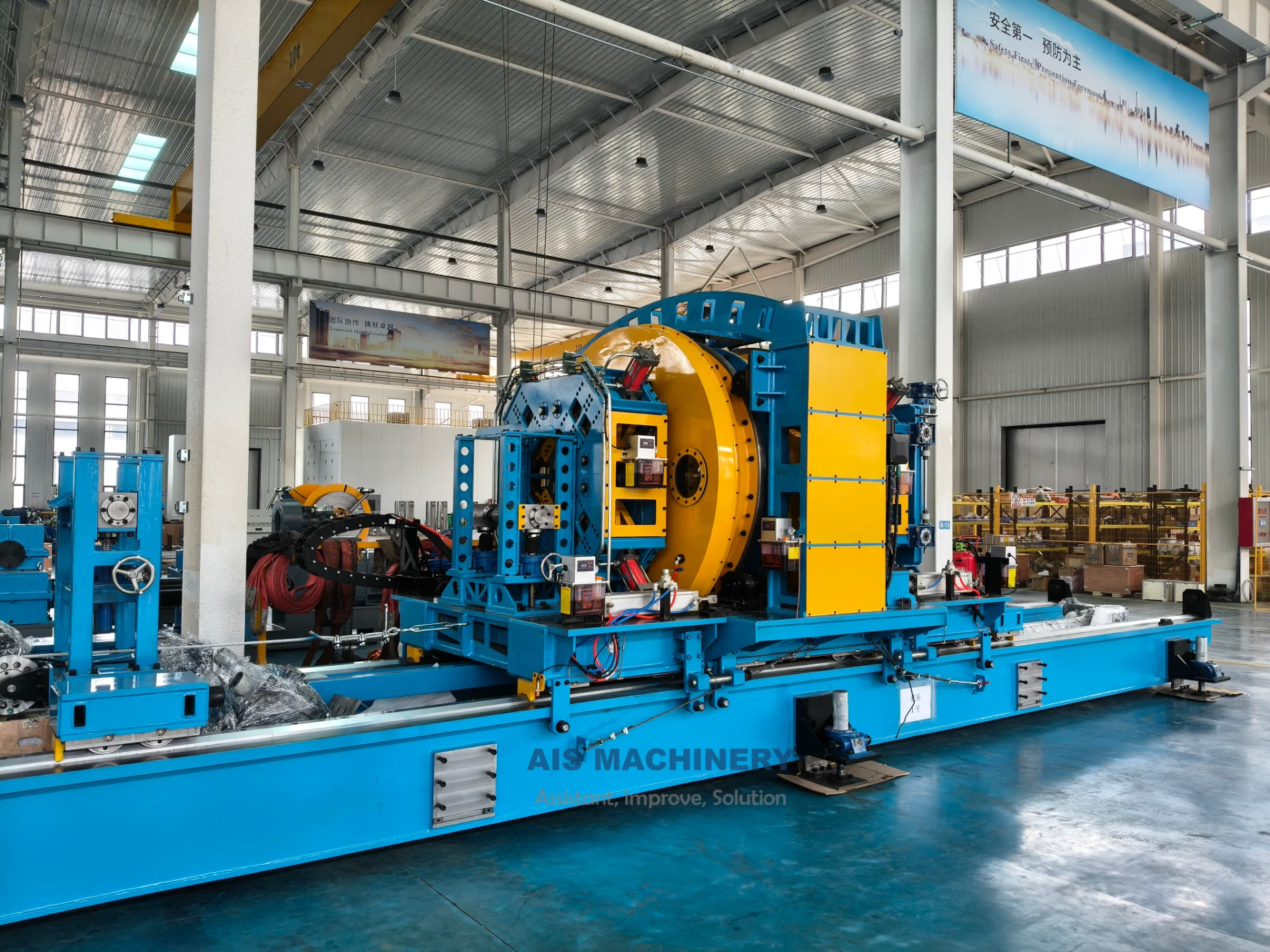
Looking for a Milling Saw for ERW Tube Mill? Here’s What You Need to Know
Looking for a high-performance milling saw for your ERW tube mill? Upgrade to burr-free, high-precision pipe cutting with advanced flying saw technology. Improve efficiency, reduce rework, and meet export standards for carbon steel, stainless steel, and API pipes. Contact us today for expert solutions and competitive pricing tailored to your production needs.
Send a Message
Dear customer, thank you for your attention! We provide high-quality machinery and equipment and look forward to your orders. Please inform us of your needs and we will respond quickly!
 English
  Albanian
  Arabic
  French
  German
  Indonesian
  Italian
  Japanese
  Kazakh
  Korean
  Latin
Latin  Macedonian
  Portuguese
  Russian
  Spanish
  Thai
Thai  Turkish
  Ukrainian
  Uzbek
Uzbek