
-
 Tel:86-15176910262
-

Search

Precision Slitting Line Solutions | Innovative Metal Slitting Technology
Nov . 21, 2025 20:00
Precision Slitting Line: Cutting Edge of Modern Manufacturing
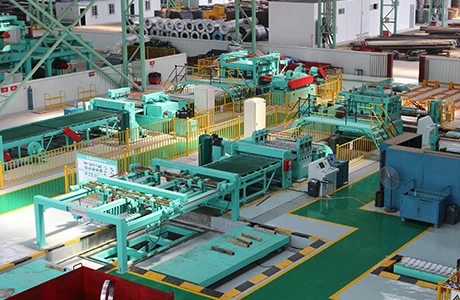
When it comes to metal processing and converting facilities, the term precision slitting line rings loudly, though it might not be household lingo. At its core, a precision slitting line is the unsung hero, turning large coils of raw materials like steel, aluminum, or copper into narrower, precisely cut strips—critical for downstream applications in automotive, electronics, packaging, and more. Globally, this technology is increasingly important as industries demand tighter tolerances, faster production speeds, and more sustainable processes to stay competitive. Understanding precision slitting lines isn’t just for engineers; it’s a window into how global supply chains keep the wheels turning, quite literally.
Global Importance of Precision Slitting Lines
According to a 2023 report by the International Organization for Standardization (ISO), the global metal fabrication market continues to grow steadily, serviced in large part by sophisticated line equipment such as precision slitters. Metal slitting lines are essential in meeting stringent standards for quality and cutting-edge design worldwide. For instance, in rapidly industrializing countries across Asia and Latin America, manufacturers rely heavily on these systems to produce parts for everything from consumer electronics to infrastructure projects.
Yet, there is a challenge—a lot of older slitting lines around the world operate with inefficiencies, leading to material waste and slower throughput times. Precision slitting technology seeks to solve this by marrying automation with exact cutting precision. The UN’s emphasis on efficient resource use also indirectly highlights the relevance of precisely engineered slitting lines in reducing scrap materials.
Mini takeaway: Precision slitting lines are an indispensable nexus of efficiency and quality in global manufacturing, helping industries worldwide meet growing demands without compromising on sustainability.
What Exactly Is a Precision Slitting Line?
Simply put, a precision slitting line is a complex mechanical setup designed to unwind, slit, and rewind metal coils efficiently. Imagine taking a giant roll of steel that's maybe 48 inches wide and slicing it down accurately into multiple narrow strips—each down to fractions of an inch wide, with minimal burr or edge roughness. That’s what these lines do, but backed by digital controls and feedback systems to ensure tight tolerances are met with every run.
Why does this matter beyond manufacturing floors? Well, the resulting metal strips are used in countless everyday products—from car chassis components and electrical enclosures to flexible electronic circuits. Without precision slitting lines, you’d likely see shoddier products, more waste, and increased costs.
Core Components That Make the Difference
1. Uncoiler/Decoiler
This is the starting point—where raw material coils are loaded. Advanced uncoilers accommodate varying coil weights and widths, ensuring a smooth, tension-controlled feed into the slitting zone. Proper tension means no wrinkling or distortion later, which is critical.
2. Slitting Knives and Shafts
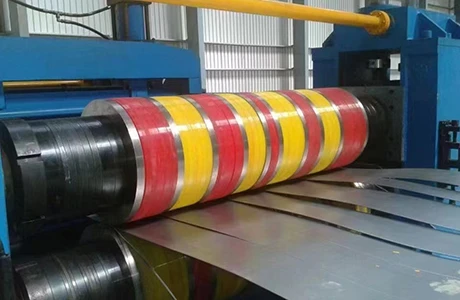
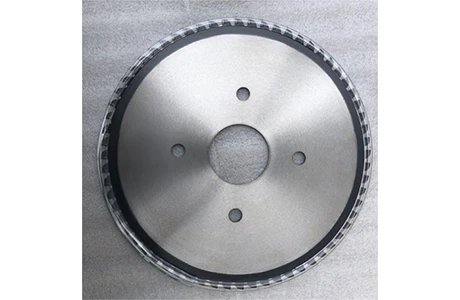
These are the “cutters," often made of hardened steel or tungsten carbide, and they’re set in precisely measured pairs. The quality and maintenance of these knives determine the edge finish and accuracy. Some lines even feature rotary shear cutting, which can extend blade life.
3. Tension Control System
Maintaining consistent tension throughout the slitting process avoids defects and ensures uniform slit widths. Many modern lines include electronic tension controllers that adjust dynamically based on material thickness changes.
4. Recoiler
Finally, the cut strips are rewound into coils for shipment or further processing. Smooth recoiling prevents surface damage, a must for high-end industries.
5. Automation & Control Systems
From programmable logic controllers (PLCs) to real-time monitoring with sensors, automation has transformed slitting lines. Operators can change settings digitally, and diagnostic systems reduce downtime.
Mini takeaway: It’s not just cutting—precision slitting lines require meticulous engineering of every component to deliver consistent, high-quality output.
Global Applications & Use Cases in Industry
Industries like automotive manufacturing in Germany, electronics assembly in South Korea, and packaging production in the United States all depend heavily on precision slitting lines. For example:
- In the automotive sector, thin, high-strength steel strips cut with high precision help form lightweight car frames—key for improving fuel efficiency and safety.
- In electronic component manufacturing across East Asia, narrow copper slits are essential for circuit boards and connectors.
- Packaging companies worldwide use slit aluminum and steel for flexible foil packs, which must meet strict standards to preserve perishables.
An interesting note: post-disaster relief organizations sometimes deploy modular production units with portable slitting lines to locally manufacture parts, reducing logistics hurdles.
Advantages and Long-Term Value of Using Precision Slitting Lines
On the plus side, precision slitting lines:
- Cut waste dramatically: By producing exactly sized strips, these systems reduce scrap and leftover edges that often end in landfill.
- Boost throughput: Automated lines achieve higher speeds compared to manual cutting, supporting larger manufacturing scales.
- Improve product quality: Uniform edges mean downstream processes such as stamping or coating are more efficient and less prone to defects.
- Enhance worker safety: Automation minimizes manual intervention around hazardous cutting knives.
- Support sustainability goals: By limiting waste and energy use, companies can align with global environmental standards.
Emotionally speaking, the trust that builds from years of precise, reliable outputs can translate into stronger client relationships and brand loyalty—something many firms underestimate.
Typical Product Specification Table
| Feature | Typical Value | Notes |
|---|---|---|
| Max Coil Width | 1500 mm (59 in) | Can vary by model |
| Material Thickness Range | 0.3 – 3.0 mm | Steel, aluminum, copper |
| Slitting Speed | up to 300 m/min | Depends on material |
| Tension Control | Closed-loop digital | Ensures slit accuracy |
| Automation Level | Full PLC control with HMI | Integration possible |
Comparing Major Vendors of Precision Slitting Lines
| Vendor | Technology | Automation Features | Price Range | Best For |
|---|---|---|---|---|
| AlphaSlit Dynamics | Tandem rotary shear | Adaptive tension control | $$$ | High-precision electronics |
| GlobalCoil Tech | Shear slitting | Manual & semi-auto options | $–$$ | Entry-level to mid-market |
| PrecisionLine Inc. | Rotary scissors with Feedforward control | Full automation + remote diagnostics | $$$$ | Advanced automotive & aircraft |
Looking Ahead: Innovations in Precision Slitting Lines
Frankly, it feels like this space never stops evolving. Some interesting trends include:
- Integration of AI-based sensors to predict blade wear and prevent downtime.
- Use of eco-friendly lubricants and zero-waste designs in line construction.
- Energy-efficient servo motors combined with regenerative braking systems.
- Advanced digital twins for remote commissioning and operator training.
With global pushes toward carbon neutrality, manufacturers of slitting lines are under pressure—innovate or become obsolete.
Challenges and How the Industry Is Addressing Them
No machine, even high-tech ones, is perfect. Common issues include:
- Material variability: Not all coils are consistent. Thickness fluctuations can cause mis-cuts.
- Blade wear: Unexpected wear reduces cut quality.
- Downtime: Setup and maintenance time can eat productivity.
Solutions? Some companies now embed real-time thickness gauges and adaptive control to adjust on the fly. Others provide predictive maintenance using IoT devices, alerting technicians before failures. And it’s interesting how flexible models, which allow quick blade changes or slew adjustments, reduce downtime substantially.
FAQ: Frequently Asked Questions About Precision Slitting Lines
- What types of materials can I process on a precision slitting line?
- Typically, these lines handle metals like cold-rolled steel, aluminum coils, copper strips, and sometimes specialty alloys — as long as the thickness and width fall within machine specs.
- How does automation impact slitting line productivity?
- Automation helps maintain consistent tension, speeds up setup times, and reduces manual errors, which can raise output by 20-50%, depending on operator skill.
- Can these lines be customized for different coil sizes?
- Yes, modular design allows adjustments in uncoiler width, blade spacing, and recoiler diameter, making them versatile for varying job demands.
- What safety features are standard?
- Most modern slitting lines include blade guards, emergency stops, and sensors to halt operations if safety zones are breached.
- How do I choose between shear slitting and rotary slitting mechanisms?
- Shear slitting is generally suited for thicker materials needing clean edges. Rotary slitting offers higher speeds and works well for thinner or softer metals.
Wrapping Up: Why Precision Slitting Lines Matter
If you take just one thing away: precision slitting lines keep the metal processing world humming by combining fine engineering with smart automation—an essential mix to meet the rising demands of today’s and tomorrow’s manufacturing challenges. They reduce waste, speed up production, and open the door for complex, high-value applications. For businesses looking to invest in this technology, keeping abreast of the latest trends and choosing the right vendors can make a huge difference in cost savings and product quality.
Ready to explore how precision slitting lines can optimize your manufacturing workflow? Visit our site and discover tailored solutions.
References

Related Products

Related News
2026-04-30 09:35:04
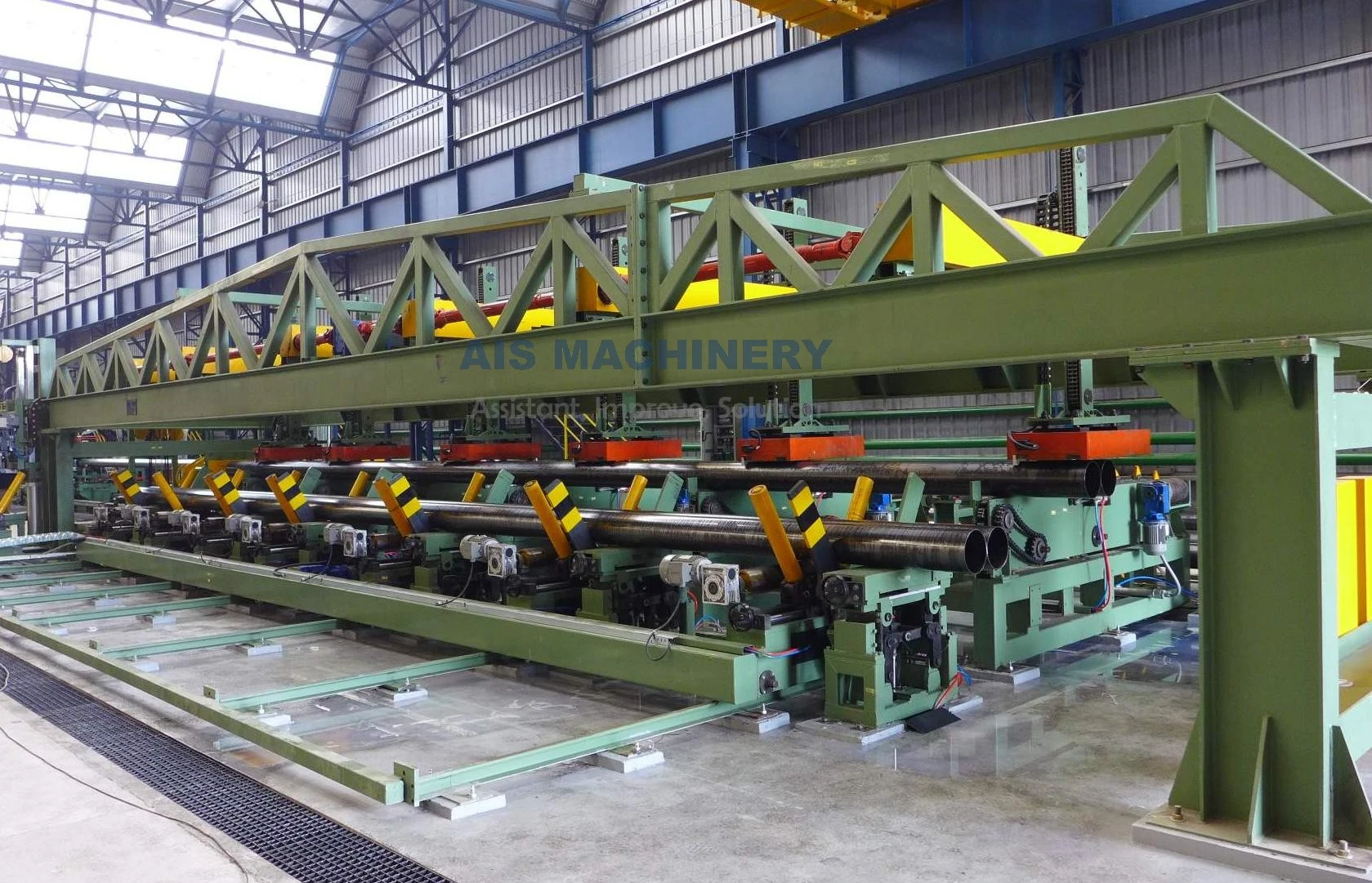
Automatic Stacking Machine (Magnetic Chuck Type)
The Automatic Stacking Machine (Magnetic Chuck Type) from AIS Machinery is designed to efficiently collect and stack steel tubes in ERW tube mill production lines. Using electromagnetic lifting, it can pick up multiple tubes at once and place them neatly in layers. This reduces manual labor, improves stacking accuracy, and increases overall production efficiency. It is installed after the flying saw and works seamlessly with the mill line, making it an ideal solution for modern tube manufacturers.
2026-04-28 08:56:05
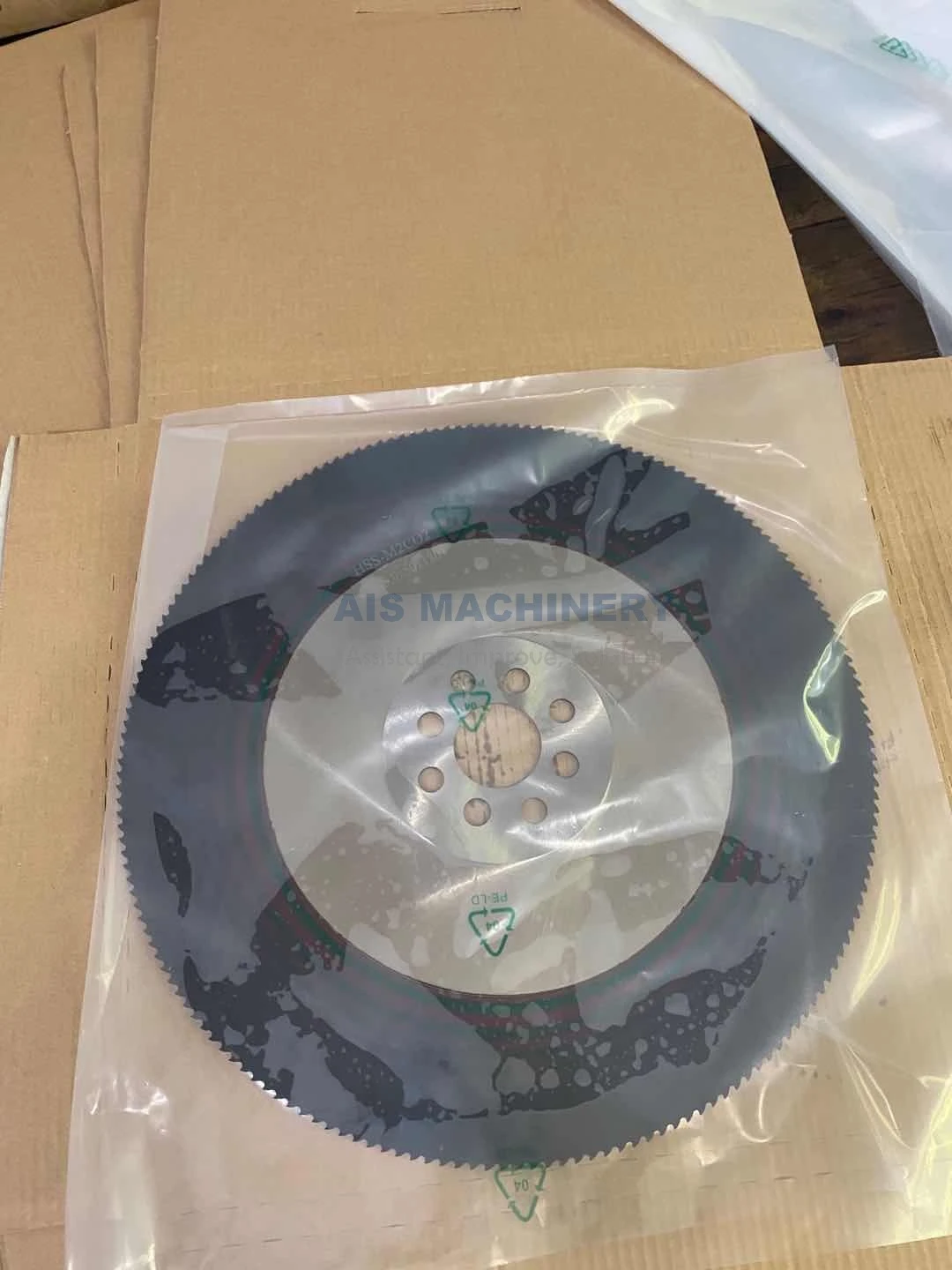
Saw Blade Guide for Tube Mills: Friction vs HSS vs TCT — Which One Should You Choose?
Confused about friction saw, HSS, and TCT blades? This guide explains their uses in cold saw and friction saw machines, with pros, cons, and expert selection tips.
2026-04-24 08:54:16
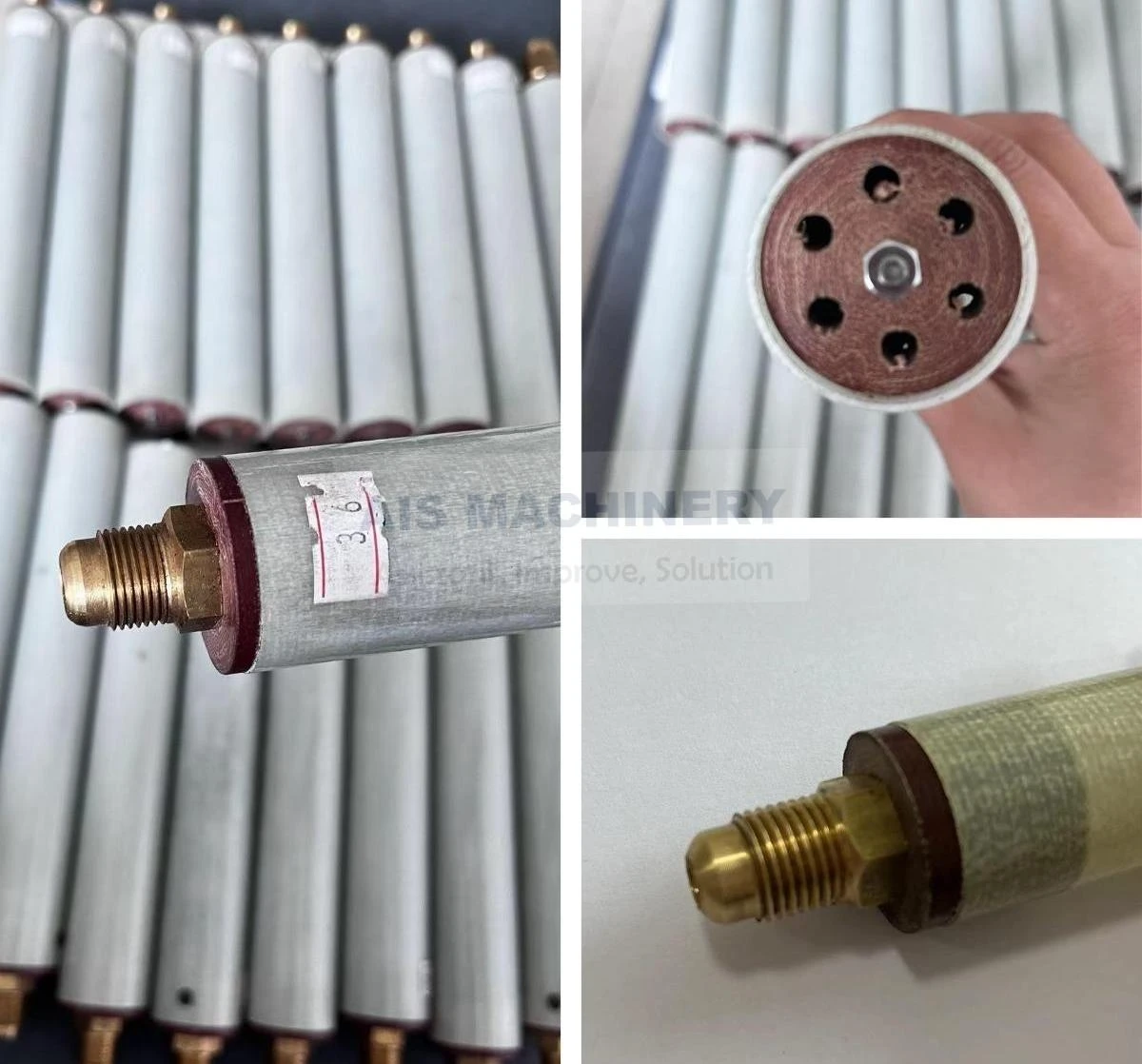
What is an Impeder and Ferrite Rods in ERW Tube Mill?
Struggling with impeder overheating or short service life in your ERW tube mill? This guide explains common impeder problems, the role of ferrite rods, and how to choose the right impeder for stable welding performance. Improve weld quality, reduce energy loss, and extend equipment lifespan with the right selection and proper cooling solutions.
2026-04-21 10:22:25
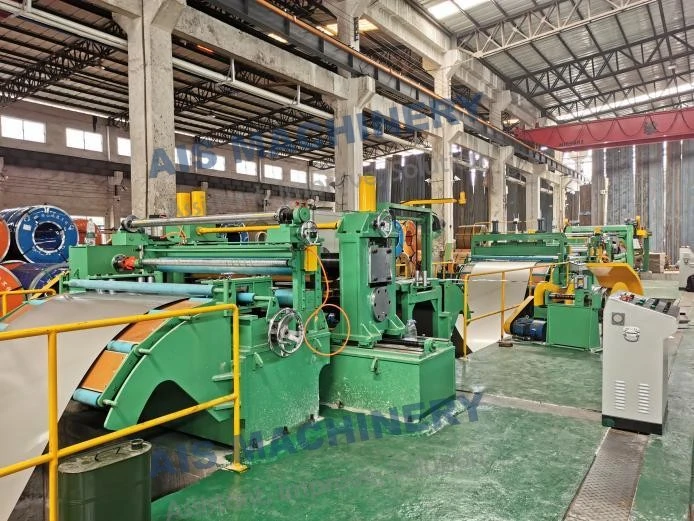
Slitting & Cut-to-Length Combined Production Line: A Smarter Way to Process Steel Coils
Discover the Slitting & Cut-to-Length Combined Production Line, a flexible solution for steel coil processing. This system integrates slitting line and cut-to-length line functions in one machine, saving space, reducing costs, and improving efficiency. Ideal for processing both steel strips and sheets, it is widely used in service centers and manufacturing industries. Learn its advantages, limitations, and applications.
2026-04-18 03:20:20
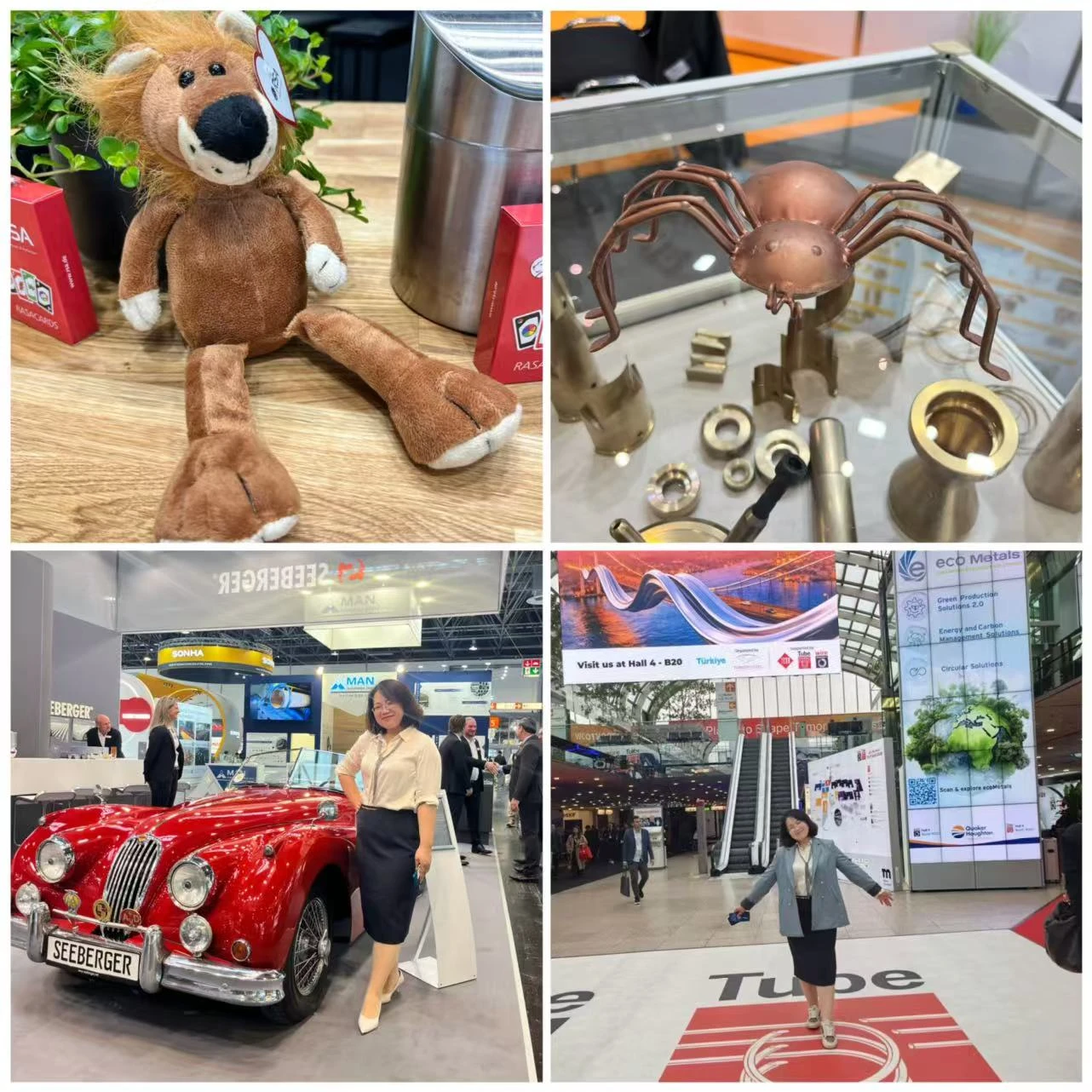
AIS Machinery Showcases Advanced Tube Solutions at Tube & Wire Düsseldorf 2026
Tube & Wire Düsseldorf 2026, one of the most influential exhibitions in the global tube and wire industry, held biennially in Düsseldorf, Germany
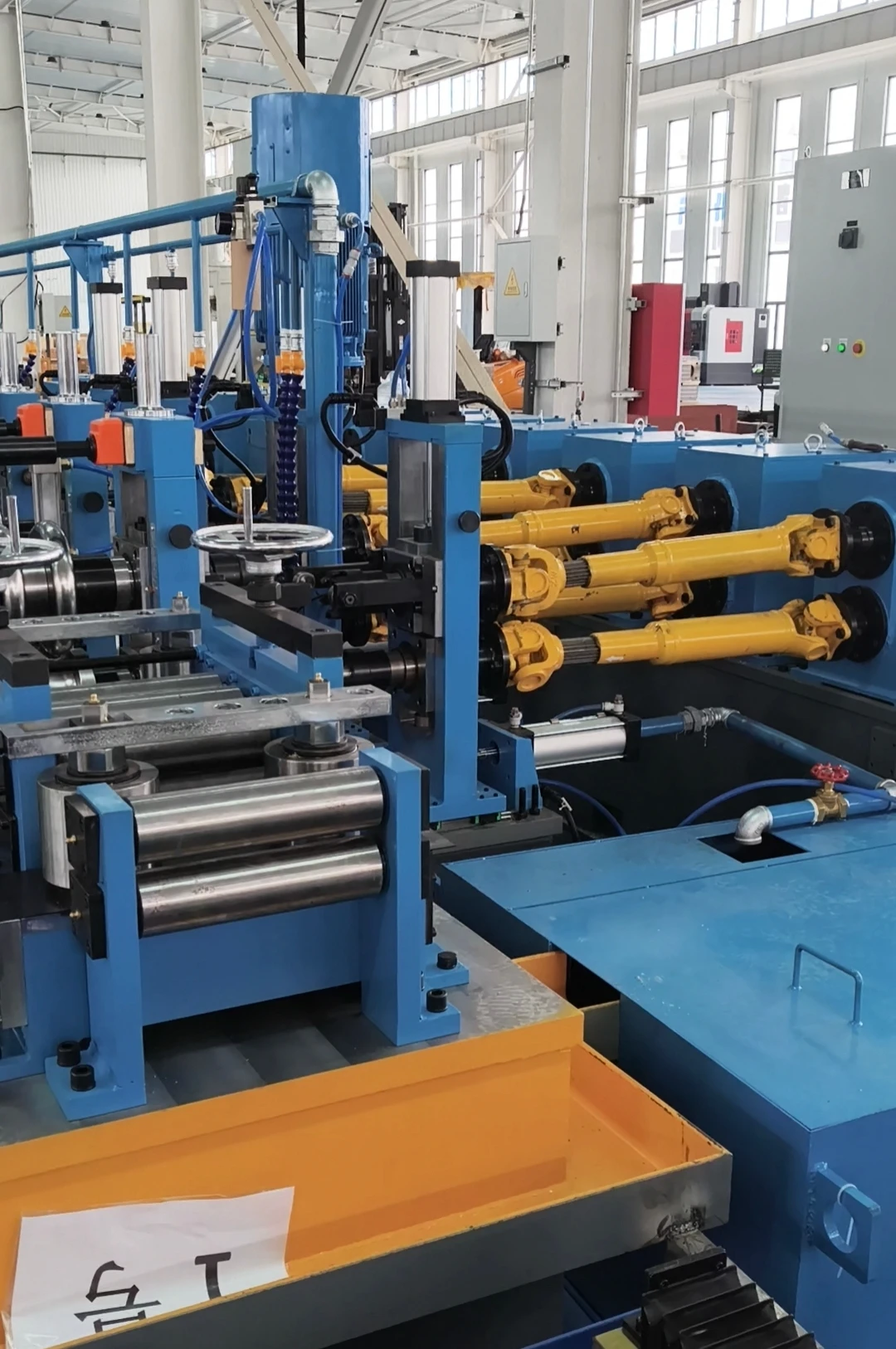
2026-04-17 00:00:00
Southeast Asia Client Visits Our Factory | Customized Tube Mill Solution Delivered
A Southeast Asia client visited our ERW tube mill factory to inspect production lines and discuss a customized tube mill solution. Impressed by our machine quality, welding performance, and engineering support, the client confirmed strong cooperation intentions. Discover how our ERW tube mill solutions improve efficiency, precision, and long-term production reliability.
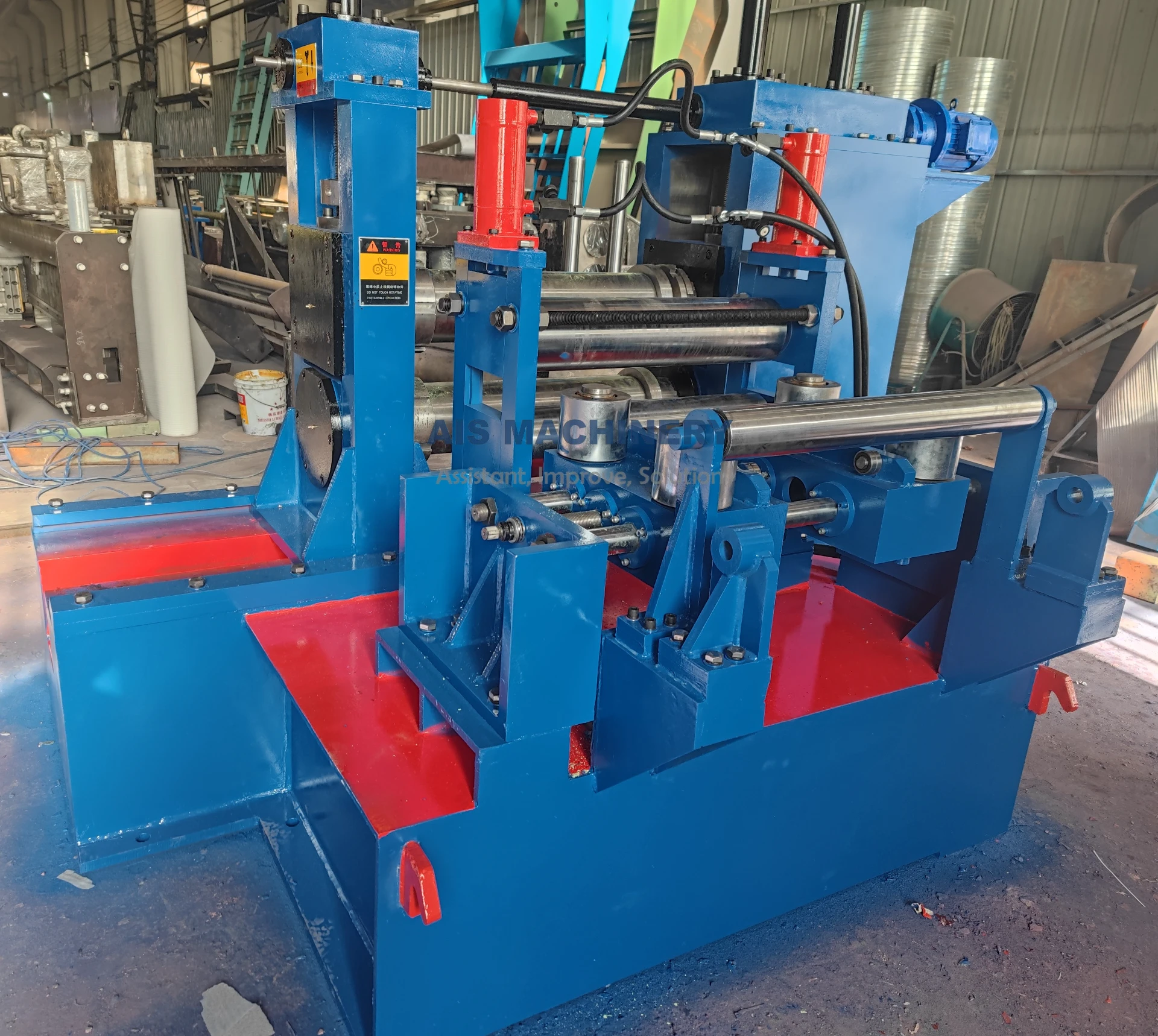
2026-04-15 10:37:55
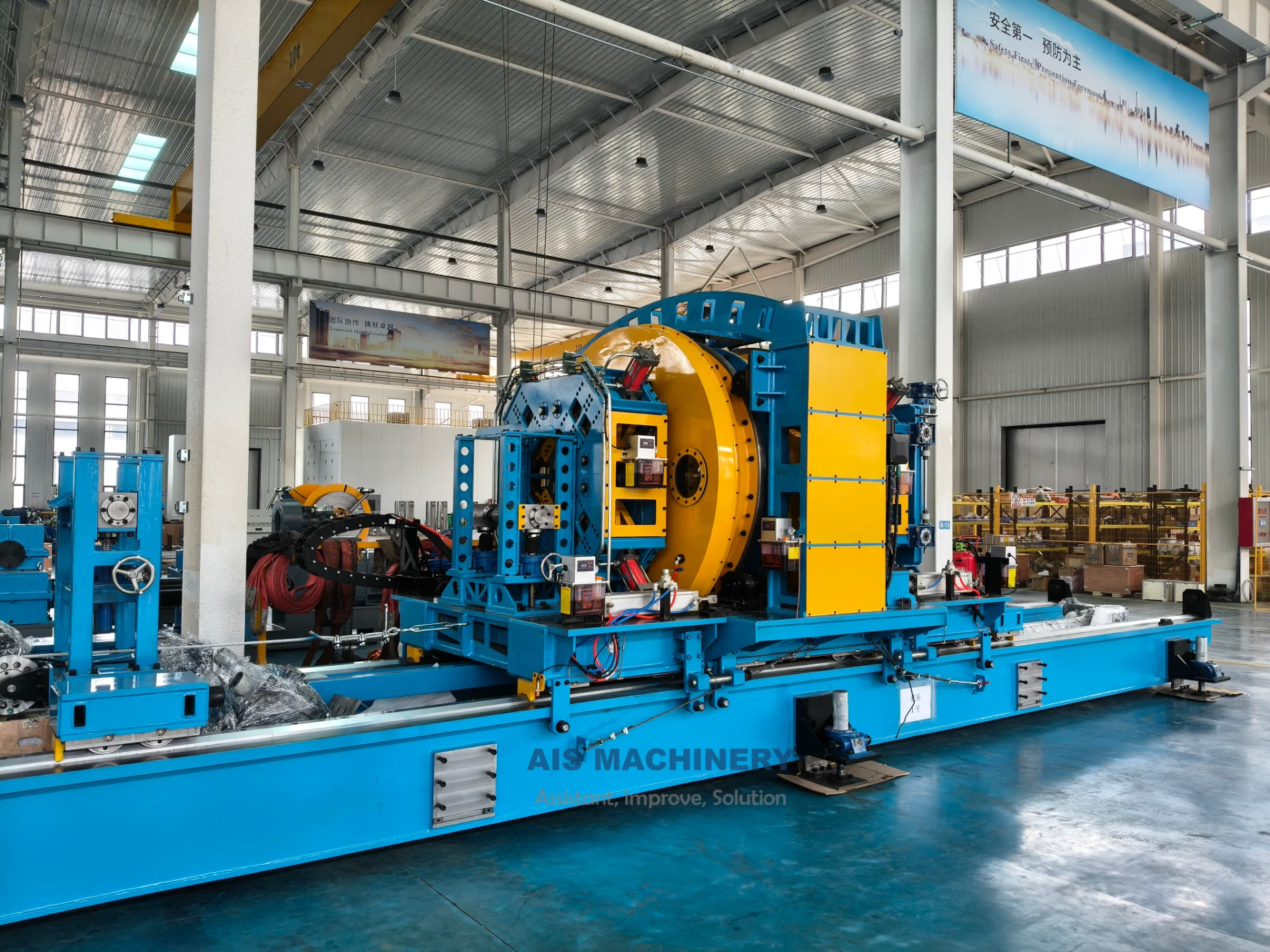
Flat Bar Production Line for Steel Coils: How It Works & Why It Matters
Looking for a flat bar production line? Learn how it turns steel coils into ready-to-use flat bars with precise length and high straightness. Compare it with slitting lines and get the best solution for your steel processing needs.
2026-04-14 00:00:00
Looking for a Milling Saw for ERW Tube Mill? Here’s What You Need to Know
Looking for a high-performance milling saw for your ERW tube mill? Upgrade to burr-free, high-precision pipe cutting with advanced flying saw technology. Improve efficiency, reduce rework, and meet export standards for carbon steel, stainless steel, and API pipes. Contact us today for expert solutions and competitive pricing tailored to your production needs.
Send a Message
Dear customer, thank you for your attention! We provide high-quality machinery and equipment and look forward to your orders. Please inform us of your needs and we will respond quickly!
 English
  Albanian
  Arabic
  French
  German
  Indonesian
  Italian
  Japanese
  Kazakh
  Korean
  Latin
Latin  Macedonian
  Portuguese
  Russian
  Spanish
  Thai
Thai  Turkish
  Ukrainian
  Uzbek
Uzbek