
-
 Tel:86-15176910262
-

Search

Efficient Metal Coil Slitting Machines for Modern Industry | AISTubemill
Nov . 20, 2025 22:30
Metal Coil Slitter: The Unsung Hero of Modern Manufacturing
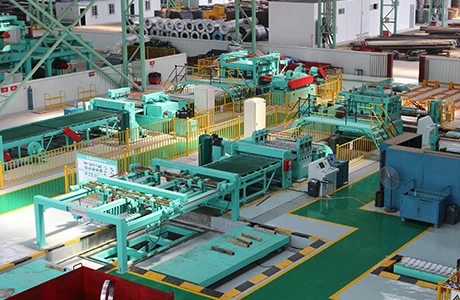
At first glance, a metal coil slitter might not sound like something that shapes the future of manufacturing—but it absolutely does. These machines, simple yet profound, slice large rolls of metal into precise strips tailored to exact specifications, serving as the backbone for industries worldwide. Understanding how metal coil slitters work and why they matter globally opens a window into efficient production, reduced waste, and innovative supply chains.
Mini takeaway: Metal coil slitters make metal processing efficient, economical, and versatile—key traits in today’s globally connected industries.
The Global Landscape: Why Metal Coil Slitting Matters
According to ISO standards and manufacturing data worldwide, steel and aluminum flat products rank among the most traded commodities. The World Steel Association noted global crude steel production reached nearly 1.9 billion tons in recent years—much of it handled as coils. But raw coils rarely fit production needs directly. Enter metal coil slitters: machines that transform unwieldy broad coils into narrow strips tailored for everything from automotive panels to electrical enclosures.
Industries face challenges like minimizing scrap material, speeding up line changes, and achieving flawless material dimensions. Without precision slitting, downstream processes suffer, leading to increased costs and waste.
Mini takeaway: As global manufacturing volume grows, the demand for precise, scalable metal coil slitting intensifies—making this technology critical for sustainable industry.
What Exactly Is a Metal Coil Slitter?
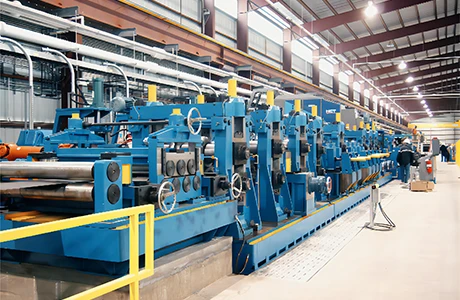
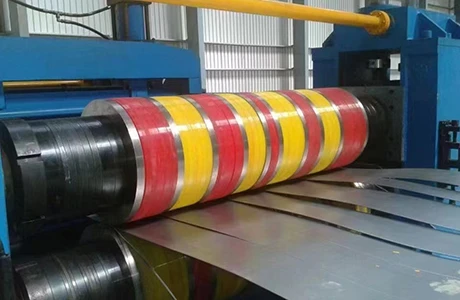
Put simply, a metal coil slitter is a specialized industrial machine that cuts rolled metal into narrower strips by passing it through rotary blades. The result? Metal strips of custom widths feeding directly into forming or fabrication processes. Think of it as slicing a giant loaf of bread into even slices, but for metal coils often hundreds or even thousands of kilograms in weight.
This exactness is indispensable—whether it’s making door frames for shelters, appliance panels, or electrical housings. With urbanization and humanitarian needs rising, efficient coil slitting directly supports manufacturing those lifesaving or essential products.
Mini takeaway: Metal coil slitters convert heavy, unwieldy coils into precise, usable strips essential for diverse manufacturing needs.
Key Factors Shaping Metal Coil Slitting
1. Durability
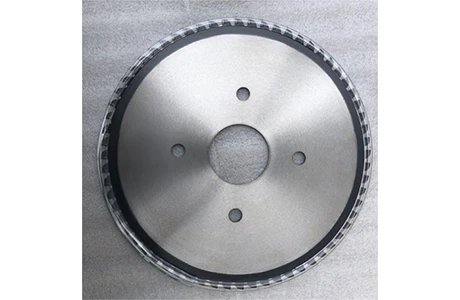
These machines often run continuous 24/7 shifts and process metals like steel, aluminum, and copper. Blade material quality and machine frame rigidity affect lifespan and maintenance.
2. Scalability & Throughput
Depending on plant size and output volume, slitting lines are sized differently. Some compact units handle a few tons daily; others process hundreds of tons, matching industrial demands seamlessly.
3. Cut Precision & Adjustability
Close tolerance cutting is critical. Variable blade spacing, programmable width settings, and automated blade changeovers enable adaptability across multiple product runs.
4. Cost Efficiency
Efficient scrap reduction and energy usage translate to long-term savings. Some models integrate smart controls for power optimization, combining economics and eco-friendliness.
5. Maintenance & Ease of Use
Quick blade replacement, clear diagnostics, and operator-friendly controls reduce downtime—vital in fast-paced industrial environments.
Mini takeaway: Durability, precision, efficiency, and operator-friendly designs define successful metal coil slitters for modern needs.
Where in the World Are Metal Coil Slitters Making a Difference?
Metal coil slitters find their place across the globe—from sprawling manufacturing hubs in China and Germany to emerging industrial zones in Southeast Asia and South America. In automotive factories near Detroit, slit strips become body parts. In the Middle East, slit metal rolls make components for construction elevators supporting rapid urban growth. Post-disaster relief groups employ slit sheet metals to fabricate shelters quickly. Even small-scale workshops in remote industrial zones benefit from narrow, ready-to-use strips, cutting down waste and manual labor.
It’s fascinating how one machine bridges continents, industries, and applications—it’s a testament to interconnected supply chains and the diverse use of metal raw materials.
Mini takeaway: From urban production lines to remote relief efforts, metal coil slitters empower industries worldwide.
Advantages of Investing in Metal Coil Slitting
- Cost Savings: Precision cuts reduce scrap rates and optimize raw material use.
- Sustainability: Efficient processing translates to fewer resources wasted and lower energy footprint.
- Social Impact: Enables rapid manufacturing of critical infrastructure, enhancing safety and dignity.
- Reliability: With durable components and smart controls, downtime minimizes and throughput maximizes.
- Flexibility: Easily adjustable setups mean quick changeovers between different product lines.
Mini takeaway: Metal coil slitters offer tangible financial and social returns, essential for modern manufacturing sustainability.
Looking Ahead: Trends and Innovations in Metal Coil Slitting
Automation and digital transformation prove to be front runners in advancing slitting technology. Many new machines come equipped with IoT sensors, enabling predictive maintenance and real-time quality control. Coupled with AI-driven blade optimization algorithms, these systems reduce human error and improve uptime. Additionally, ecological trends spur development of durable, energy-efficient drives, and variable-speed motors aligned with green manufacturing goals.
Material-wise, rising use of advanced alloys and coated metals pushes innovation in blade materials and cutting techniques, ensuring clean edges even on challenging substrates. Frankly, the pace of change feels like it will only speed up, reshaping what’s “standard” for slitters in the next decade.
Mini takeaway: Automation, AI, and green technologies are shaping metal coil slitters of the future.
Challenges in Metal Coil Slitting and Expert Solutions
Despite their strengths, metal coil slitters face hurdles like blade wear, alignment issues, and occasional material deformation during high-speed processing. These can cause downtime or unsatisfactory cuts, impacting productivity. Experts recommend regular blade condition monitoring via embedded sensors, use of precision alignment systems during coil loading, and incorporating adjustable tension control to avoid warping.
Also, training operators on emerging digital interfaces is crucial—machines are smarter but rely on savvy humans to keep them running at peak. I’ve noticed companies investing in short, practical skill refreshers to great effect.
Mini takeaway: Tackling wear and precision challenges requires smart tech, proper training, and preventive maintenance.
Frequently Asked Questions About Metal Coil Slitters
- What materials can a metal coil slitter handle?
- Most coil slitters process metals such as cold-rolled steel, aluminum, brass, and copper. However, blade types and machine configurations need to be matched to material properties like thickness and coating.
- How precise are metal coil slitters?
- Modern machines achieve tolerances within ±0.05 mm, essential for applications requiring seamless downstream manufacturing.
- Can slit coil widths be changed quickly?
- Yes, many machines feature adjustable or programmable blades allowing quick size changes, minimizing production downtime.
- Is metal coil slitting sustainable for large volumes?
- Absolutely. Efficient processing reduces waste and energy use, especially when combined with automation and smart monitoring systems.
- What maintenance is required for coil slitters?
- Routine inspection of blades, cleaning, lubrication, and calibration are key. Advanced slitters may have sensor-driven alerts to optimize upkeep.
Product Specification Table
| Specification | Standard Model X1000 | Advanced Model Z5000 |
|---|---|---|
| Max Coil Width | 1500 mm | 2000 mm |
| Thickness Range | 0.3–3.0 mm | 0.2–4.5 mm |
| Blade Type | High-carbon rotary blades | Tungsten carbide with adjustable tension |
| Cut Tolerance | ±0.1 mm | ±0.05 mm |
| Speed | 20 m/min | 40 m/min |
| Automation Level | Manual setup, semi-automatic | Fully automated with IoT integration |
Vendor Comparison Table
| Vendor | Machine Range | Lead Time | Service & Support | Pricing |
|---|---|---|---|---|
| AISTubemill | Compact to Heavy-Duty | 4-6 weeks | 24/7 Global Remote & Onsite | Competitive |
| MetalCut Pro | Mid-Range | 6-8 weeks | Business Hours Only | Standard |
| SliceTech | High-End Heavy Duty | 8-12 weeks | Premium 24/7 Support | Premium |
Final Thoughts & Next Steps
Metal coil slitters quietly power some of the most vital manufacturing processes globally. Their ability to transform raw heavy coils into precision strips keeps industries leaner, greener, and more responsive—whether in high-tech automotive plants or emergency shelter fabrication. Investing in the right slitting technology means embracing durability, efficiency, and adaptability, all while contributing to more sustainable metal use.
If you’re curious about how a metal coil slitter might elevate your operation, now’s a great time to explore the latest models and innovations. Whether scaling output or improving cut quality, the right equipment could be a game changer.
Here’s to smarter slitting and sharper deliveries!
References

Related Products

Related News
2026-04-30 09:35:04
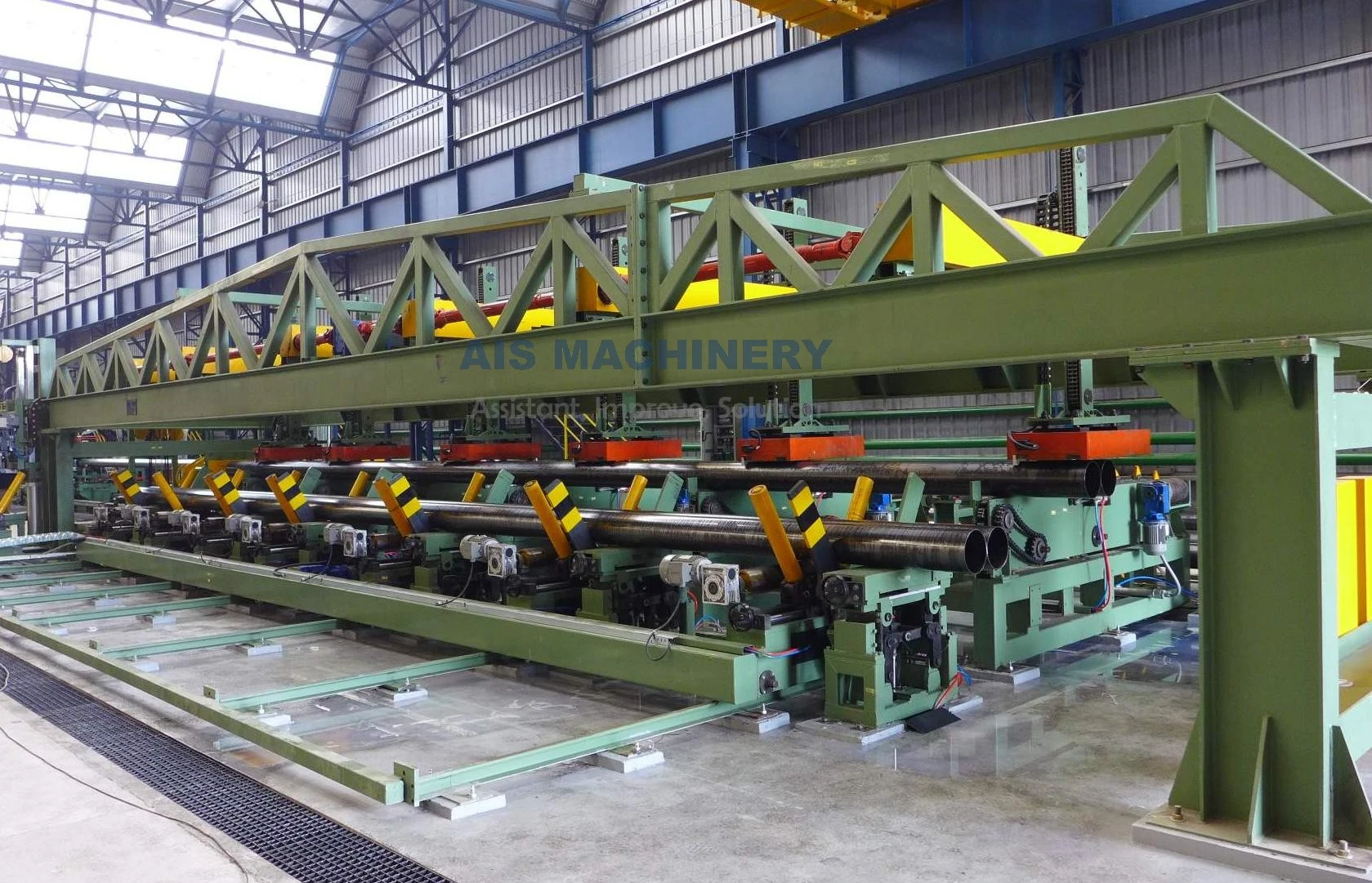
Automatic Stacking Machine (Magnetic Chuck Type)
The Automatic Stacking Machine (Magnetic Chuck Type) from AIS Machinery is designed to efficiently collect and stack steel tubes in ERW tube mill production lines. Using electromagnetic lifting, it can pick up multiple tubes at once and place them neatly in layers. This reduces manual labor, improves stacking accuracy, and increases overall production efficiency. It is installed after the flying saw and works seamlessly with the mill line, making it an ideal solution for modern tube manufacturers.
2026-04-28 08:56:05
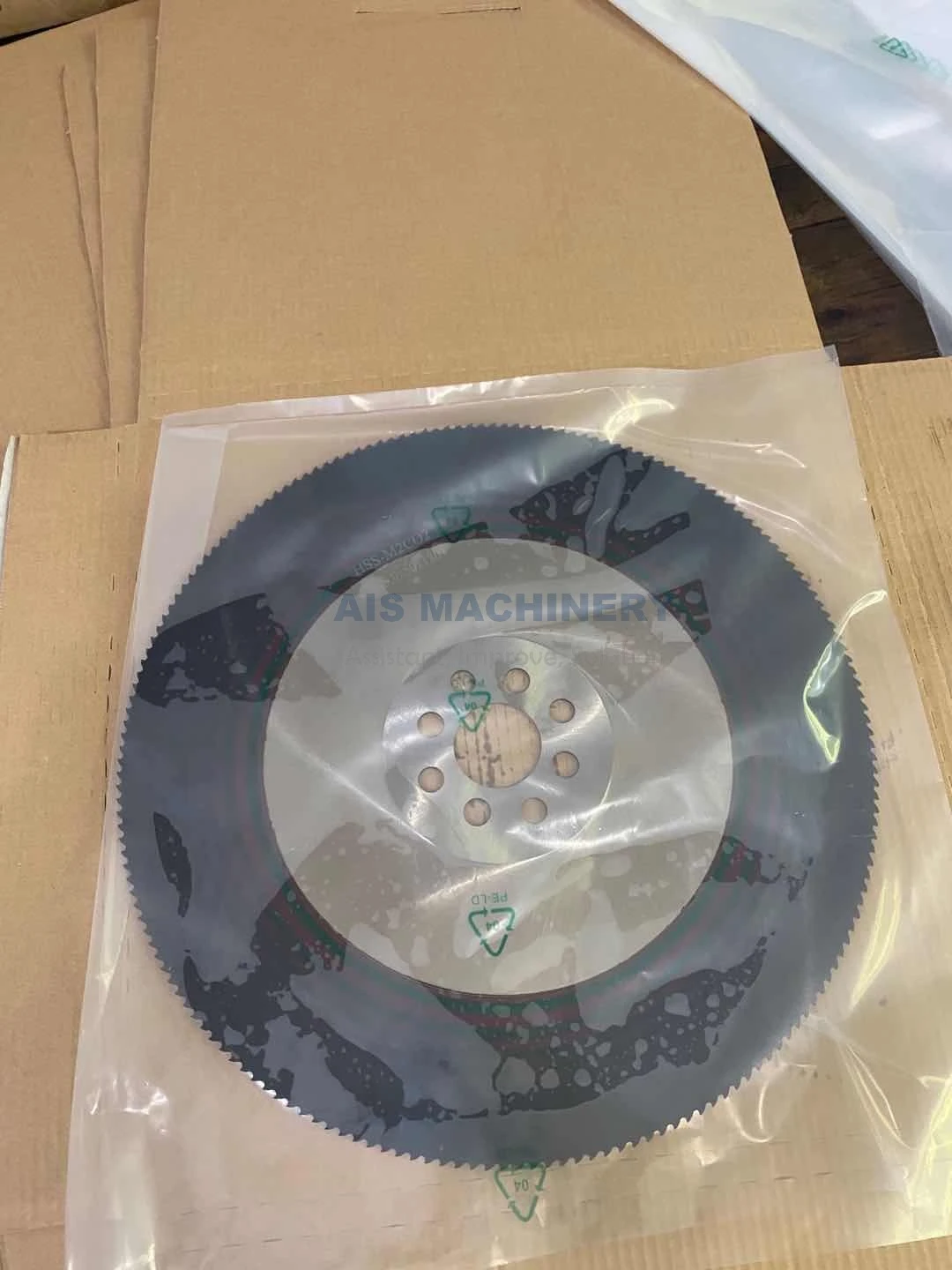
Saw Blade Guide for Tube Mills: Friction vs HSS vs TCT — Which One Should You Choose?
Confused about friction saw, HSS, and TCT blades? This guide explains their uses in cold saw and friction saw machines, with pros, cons, and expert selection tips.
2026-04-24 08:54:16
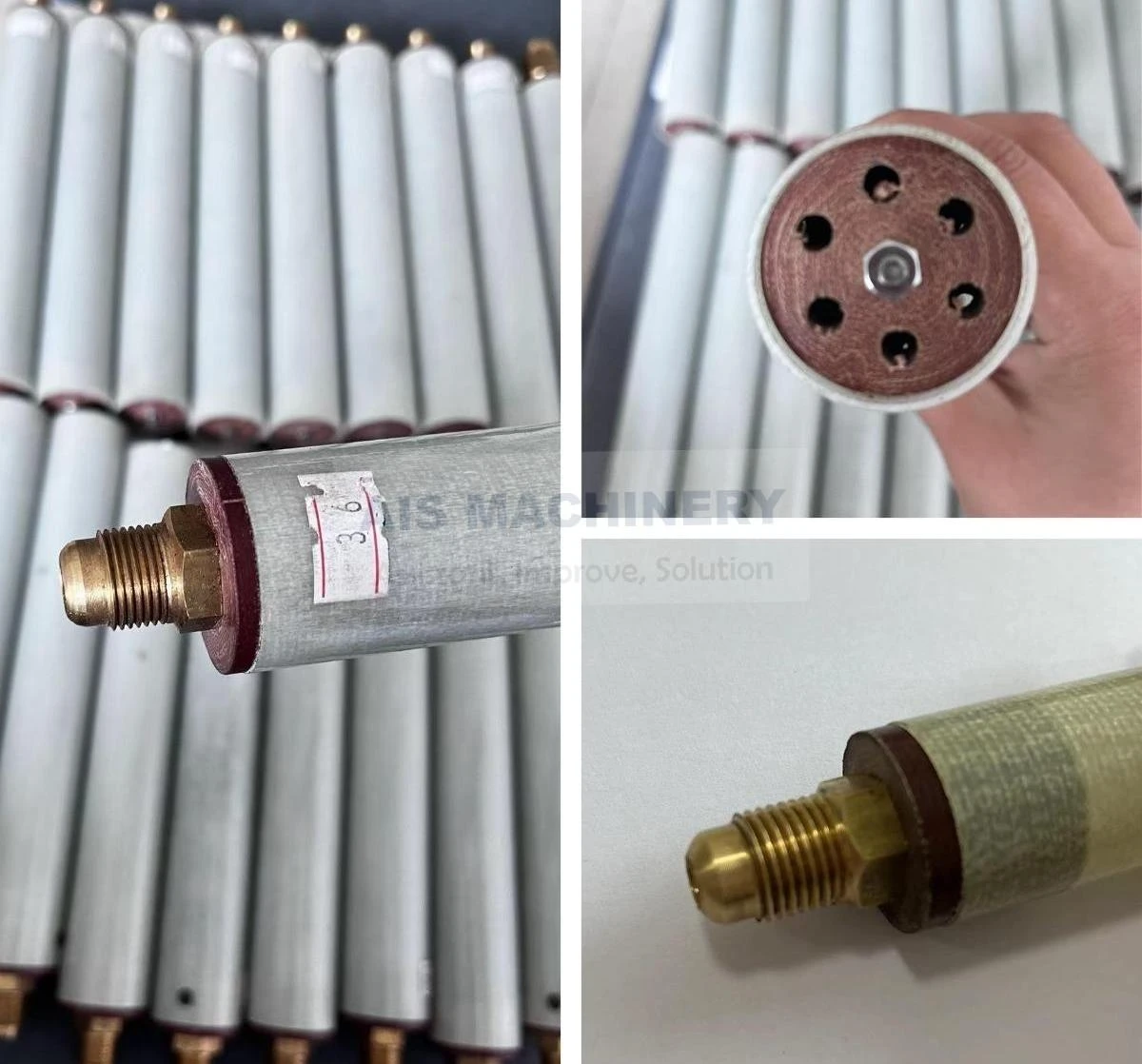
What is an Impeder and Ferrite Rods in ERW Tube Mill?
Struggling with impeder overheating or short service life in your ERW tube mill? This guide explains common impeder problems, the role of ferrite rods, and how to choose the right impeder for stable welding performance. Improve weld quality, reduce energy loss, and extend equipment lifespan with the right selection and proper cooling solutions.
2026-04-21 10:22:25
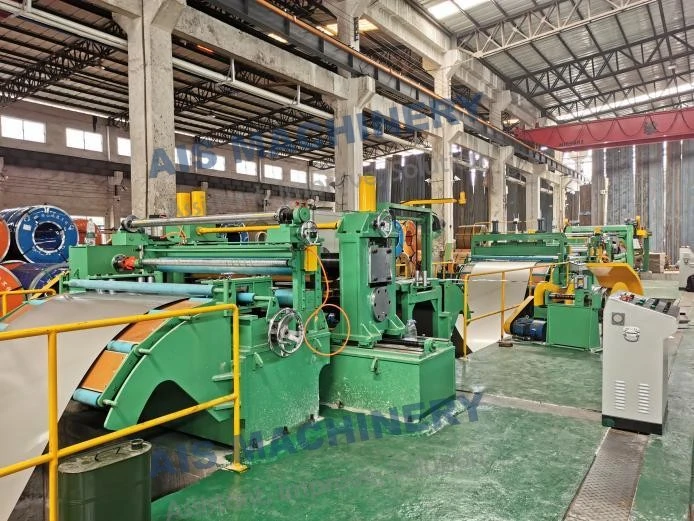
Slitting & Cut-to-Length Combined Production Line: A Smarter Way to Process Steel Coils
Discover the Slitting & Cut-to-Length Combined Production Line, a flexible solution for steel coil processing. This system integrates slitting line and cut-to-length line functions in one machine, saving space, reducing costs, and improving efficiency. Ideal for processing both steel strips and sheets, it is widely used in service centers and manufacturing industries. Learn its advantages, limitations, and applications.
2026-04-18 03:20:20
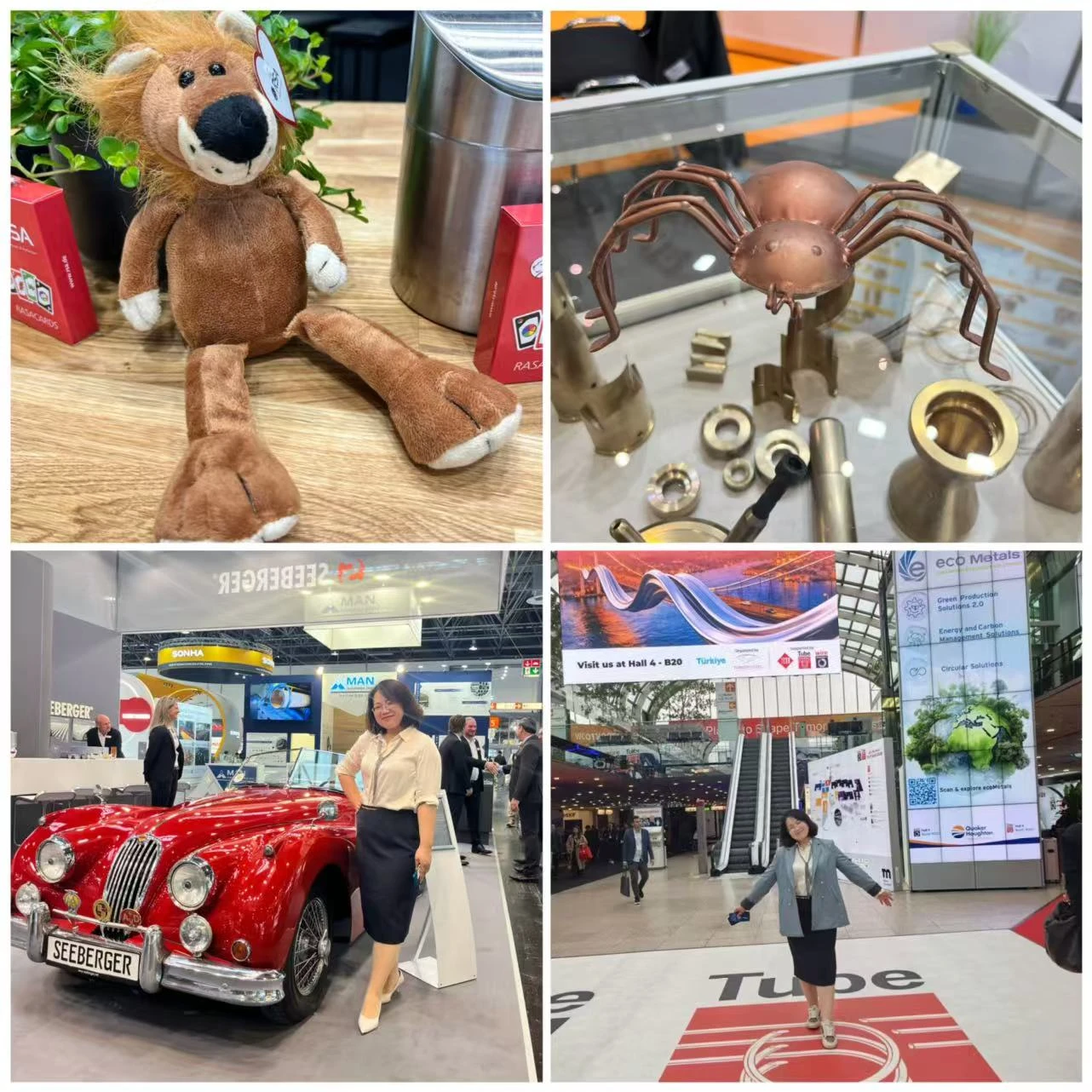
AIS Machinery Showcases Advanced Tube Solutions at Tube & Wire Düsseldorf 2026
Tube & Wire Düsseldorf 2026, one of the most influential exhibitions in the global tube and wire industry, held biennially in Düsseldorf, Germany
2026-04-17 00:00:00
Southeast Asia Client Visits Our Factory | Customized Tube Mill Solution Delivered
A Southeast Asia client visited our ERW tube mill factory to inspect production lines and discuss a customized tube mill solution. Impressed by our machine quality, welding performance, and engineering support, the client confirmed strong cooperation intentions. Discover how our ERW tube mill solutions improve efficiency, precision, and long-term production reliability.
2026-04-15 10:37:55
Flat Bar Production Line for Steel Coils: How It Works & Why It Matters
Looking for a flat bar production line? Learn how it turns steel coils into ready-to-use flat bars with precise length and high straightness. Compare it with slitting lines and get the best solution for your steel processing needs.
2026-04-14 00:00:00
Looking for a Milling Saw for ERW Tube Mill? Here’s What You Need to Know
Looking for a high-performance milling saw for your ERW tube mill? Upgrade to burr-free, high-precision pipe cutting with advanced flying saw technology. Improve efficiency, reduce rework, and meet export standards for carbon steel, stainless steel, and API pipes. Contact us today for expert solutions and competitive pricing tailored to your production needs.
Send a Message
Dear customer, thank you for your attention! We provide high-quality machinery and equipment and look forward to your orders. Please inform us of your needs and we will respond quickly!
 English
  Albanian
  Arabic
  French
  German
  Indonesian
  Italian
  Japanese
  Kazakh
  Korean
  Latin
Latin  Macedonian
  Portuguese
  Russian
  Spanish
  Thai
Thai  Turkish
  Ukrainian
  Uzbek
Uzbek