
-
 Tel:86-15176910262
-

Search

Steel Coil Slitters: Precision Cutting Machines Driving Global Steel Manufacturing Efficiency
Nov . 20, 2025 12:30
Steel Coil Slitters: Cutting Through the Global Manufacturing Curve
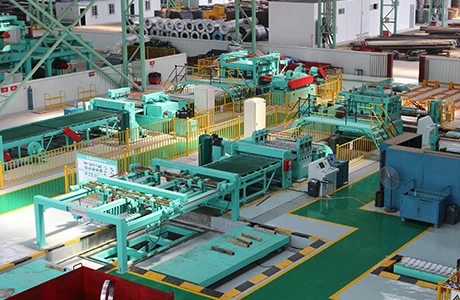
Steel coil slitters might not sound exciting, but these machines quietly keep entire industrial sectors humming. If you’ve ever wondered how massive steel coils transform into pencils, car parts, or roofing sheets, steel slitters are the unsung heroes behind that magic. Globally, steel remains one of the most demanded materials, with the World Steel Association reporting over 1.8 billion metric tons produced in 2023 alone. Properly processing steel coils through slitters ensures not just quality, but also efficiency and considerable resource savings. That is why understanding steel coil slitters isn’t just for engineers — but for anyone interested in how raw materials meet manufacturing realities worldwide.Why Global Industries Rely on Steel Coil Slitters
The global steel market’s growth drives the need for precision coil processing. Industries from automotive to construction depend on efficient slitters to customize coil widths exactly as needed. According to the International Organization for Standardization (ISO), today’s manufacturing lines emphasize automation and sustainability. Poor handling of steel coils leads to waste, downtime, and excess cost — all avoidable with properly spec’d slitters. But here’s the rub: many factories face challenges in balancing machine speed, cut precision, and material thickness adaptability. This is where advanced steel coil slitters come in — optimizing each cut to minimize defects and maximize throughput.What Exactly Are Steel Coil Slitters?
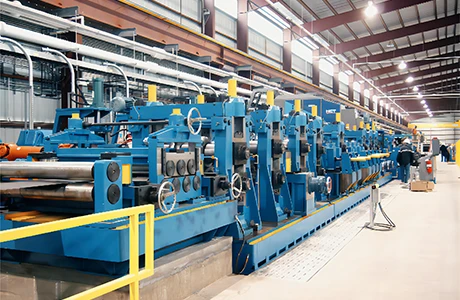
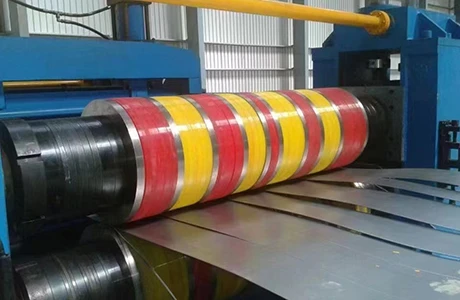
Simply put, steel coil slitters are machines designed to cut wide steel coils into narrower strips. Imagine unrolling a giant roll of steel and slicing it perfectly down to the widths your production line needs — that’s the basic idea. These machines typically employ rotary circular knives or razor blades, powered by electric or hydraulic motors. The slit widths can be precisely adjusted to meet customer requirements, enabling downstream processes to smoothly continue without manual intervention. This makes coil slitters vital to industries where steel strip dimensions dictate product functionality — everything from electrical transformers to sandwich panels.Core Components and Essential Functions of Steel Coil Slitters
1. Blade and Knife Technology
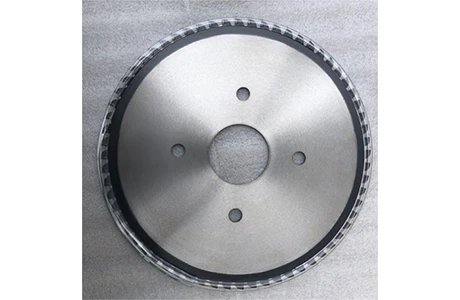
The heart of any slitter machine is its blades — they come in circular or straight types. The choice depends on steel type and thickness. Circular knives tend to allow faster operations with self-sharpening designs, while straight knives are favored for heavy-gauge steel. Blade wear affects cutting quality, so durability matters a lot.2. Leveling and Flattening Mechanisms
Steel coils can be warped or twisted. Integrated leveling sections before slitting ensure the coil is flat, preventing uneven cuts or blade damage. This also reduces scrap rates—a factor many operators obsess over.3. Adjustable Width and Precision Control
Fine-tuned control systems let operators set slit widths down to fractions of a millimeter. Many modern slitters leverage PLCs (Programmable Logic Controllers) and digital displays, offering automatic width adjustments. This adaptability is crucial when manufacturers switch between product runs.4. Speed and Throughput
Speed isn’t just about faster cuts; it implicates machine longevity and material handling. Many slitters balance rapid throughput rates (hundreds of meters per minute) with steady, jitter-free feed systems for consistent width tolerances.5. Material Compatibility
A good slitter can handle various steel types: carbon steel, stainless steel, galvanized steel, or even specialty alloys. This versatility broadens applications and reduces the need for multiple machines.Mini Takeaway:
Understanding these key components reveals how steel coil slitters fit into broader production ecosystems. Without precise control and robust mechanics, manufacturers risk costly delays or stiff competition penalties.Global Applications: Where Steel Coil Slitters Make a Difference
Steel coil slitters serve industries across continents: - Automotive Manufacturing: In Germany and Japan, precision slit steel strips become automotive bodies or engine parts, where tolerances are razor-thin. - Construction: In rapidly urbanizing regions like Southeast Asia and the Middle East, slit sheets form roofing, insulation panels, and piping. - Appliance Makers: US and European factories use steel coil slitters daily to create components for refrigerators, ovens, and air conditioners. - Remote Industrial Zones: Even low-infrastructure areas rely on slitters for small batch production, ensuring localized supply chains. - Post-Disaster Relief Efforts: Steel slit strips can be quickly fashioned into temporary housing components, showcasing slitters’ role far beyond factories. A real customer story: A mid-sized steel mill in Poland recently upgraded its coil slitting machine, doubling daily output and reducing scrap by 15%. This productivity jump improved delivery times and secured new contracts—proof that investing in slitters pays dividends.Advantages and Long-Term Value of Steel Coil Slitters
- Cost Efficiency: Precise slitting reduces material waste and lowers need for secondary operations. - Sustainability: Less scrap means fewer resources wasted, aligning with global efforts like the ISO 14001 environmental standards. - Reliability: Durable components mean less downtime, translating to stable production schedules. - Innovation: Automated slitters reduce human error and allow for just-in-time manufacturing, which cuts inventory costs. - Social Impact: By enabling faster, cleaner steel production, slitters indirectly support job creation and infrastructure growth worldwide.Steel Coil Slitter Specification Table
| Feature | Typical Range | Optimal For |
|---|---|---|
| Coil Width | 500 mm – 2000 mm | Automotive, appliances |
| Material Thickness | 0.2 mm – 20 mm | Light to heavy steel |
| Cutting Speed | 50 – 400 m/min | High-volume production |
| Blade Type | Rotary circular or straight | Various steel grades |
| Control System | PLC with touch panel | Automation, precision |
Comparing Leading Steel Coil Slitter Vendors
| Vendor | Key Strength | Typical Clientele | Innovation Highlights |
|---|---|---|---|
| SteelMaster Inc. | High-speed processing | Automotive giants, OEMs | AI blade wear prediction |
| QuadCut Systems | Customization options | Small to mid-size mills | Modular design, easy upgrades |
| EcoSlit Solutions | Eco-friendly materials & tech | Green steel producers | Renewable energy integration |
Future Trends and Emerging Innovations
The steel coil slitting industry is evolving fast. Automation is no longer optional — intelligent systems now predict blade wear, adjust slit width on-the-fly, and even diagnose operational hiccups remotely. Green manufacturing pushes vendors to reduce energy usage; solar-assisted coil handling is already in pilot programs. Plus, demands for “digitally native” factories mean slitters integrate with broader Industry 4.0 data ecosystems, providing real-time analytics to plant managers. Interestingly, new blade materials like ceramics and composites promise longer life and fewer sharpening stops. And the push for sustainability means many mills also look for machines with lower lubricants and eco-friendly waste management.Common Challenges and Expert Solutions
No machine is flawless, and slitters have their hurdles. - Blade wear and downtime: Many operators note frequent sharpening interrupts flow. AI-enabled predictive maintenance can reduce surprises. - Material slippage: Thicker or coated steels sometimes shift mid-cut, hurting precision. Advanced tension controls and better coil feeding help. - Energy consumption: High-speed slitters draw a lot of power. Using regenerative drives and optimizing idle states can trim kilowatt demands. Many manufacturers also face integration woes — older plants can struggle marrying new slitters with legacy equipment. Modular designs and customizable interfaces ease those headaches remarkably.FAQ: Frequently Asked Questions About Steel Coil Slitters
Q1: What distinguishes a high-quality steel coil slitter from a basic model?A: High-quality slitters excel in precision adjustment, blade durability, and speed control. They also feature advanced automation like PLC touchscreens and predictive maintenance. Basic models often lack these, resulting in more downtime and scrap. Q2: Can steel coil slitters handle different steel types without modification?
A: Many modern slitters are versatile enough for carbon steel, stainless, and galvanized steel. However, very specialized alloys may require blade changes or adjustment of cutting parameters. Q3: How does automation improve slitter efficiency?
A: Automation reduces human error, speeds up slit width changes, and monitors blade condition in real-time. This leads to less scrap, faster production, and better integration with other manufacturing stages. Q4: What environmental benefits do modern slitters offer?
A: Reduced waste from precise cuts saves raw material, and energy-efficient drives lower power consumption. Some also recycle cutting fluids and integrate green energy options.
Wrapping Up: Why Steel Coil Slitters Matter More Than You Think
It’s a bit like the quiet engine behind a sports car: you don’t see them often, but without steel coil slitters, modern manufacturing would stall. They refine raw materials with a deftness that boosts productivity, lowers waste, and unlocks countless industrial possibilities globally. Whether you’re involved in automotive fabrication, construction supplies, or appliance parts, investing time to understand slitters—and choosing the right machine—pays off. Curious to learn more? Visit our website — steel coil slitters — for the latest innovations and expert insights in coil processing technology.References

Related Products

Related News
2026-04-30 09:35:04
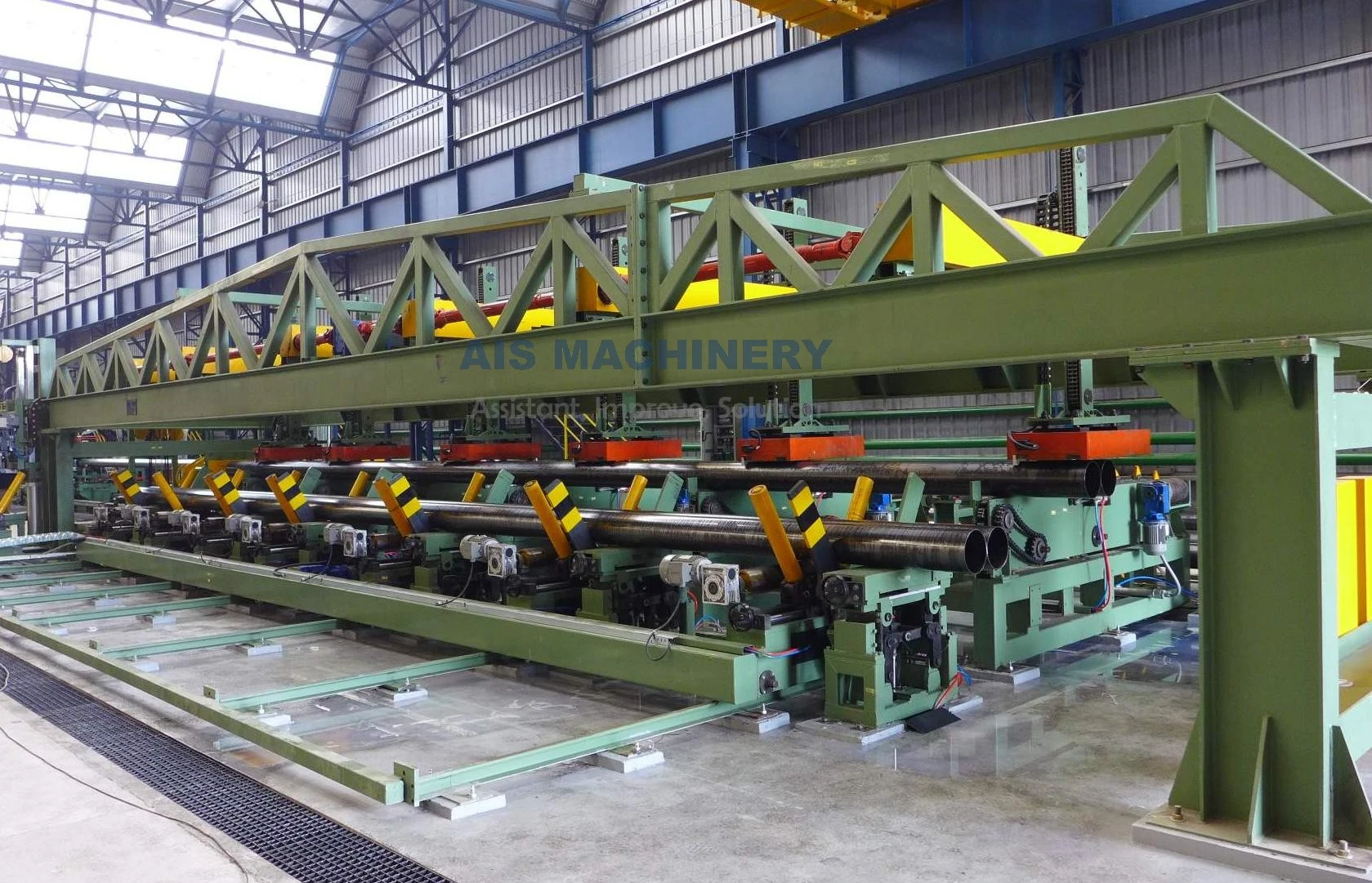
Automatic Stacking Machine (Magnetic Chuck Type)
The Automatic Stacking Machine (Magnetic Chuck Type) from AIS Machinery is designed to efficiently collect and stack steel tubes in ERW tube mill production lines. Using electromagnetic lifting, it can pick up multiple tubes at once and place them neatly in layers. This reduces manual labor, improves stacking accuracy, and increases overall production efficiency. It is installed after the flying saw and works seamlessly with the mill line, making it an ideal solution for modern tube manufacturers.
2026-04-28 08:56:05
Saw Blade Guide for Tube Mills: Friction vs HSS vs TCT — Which One Should You Choose?
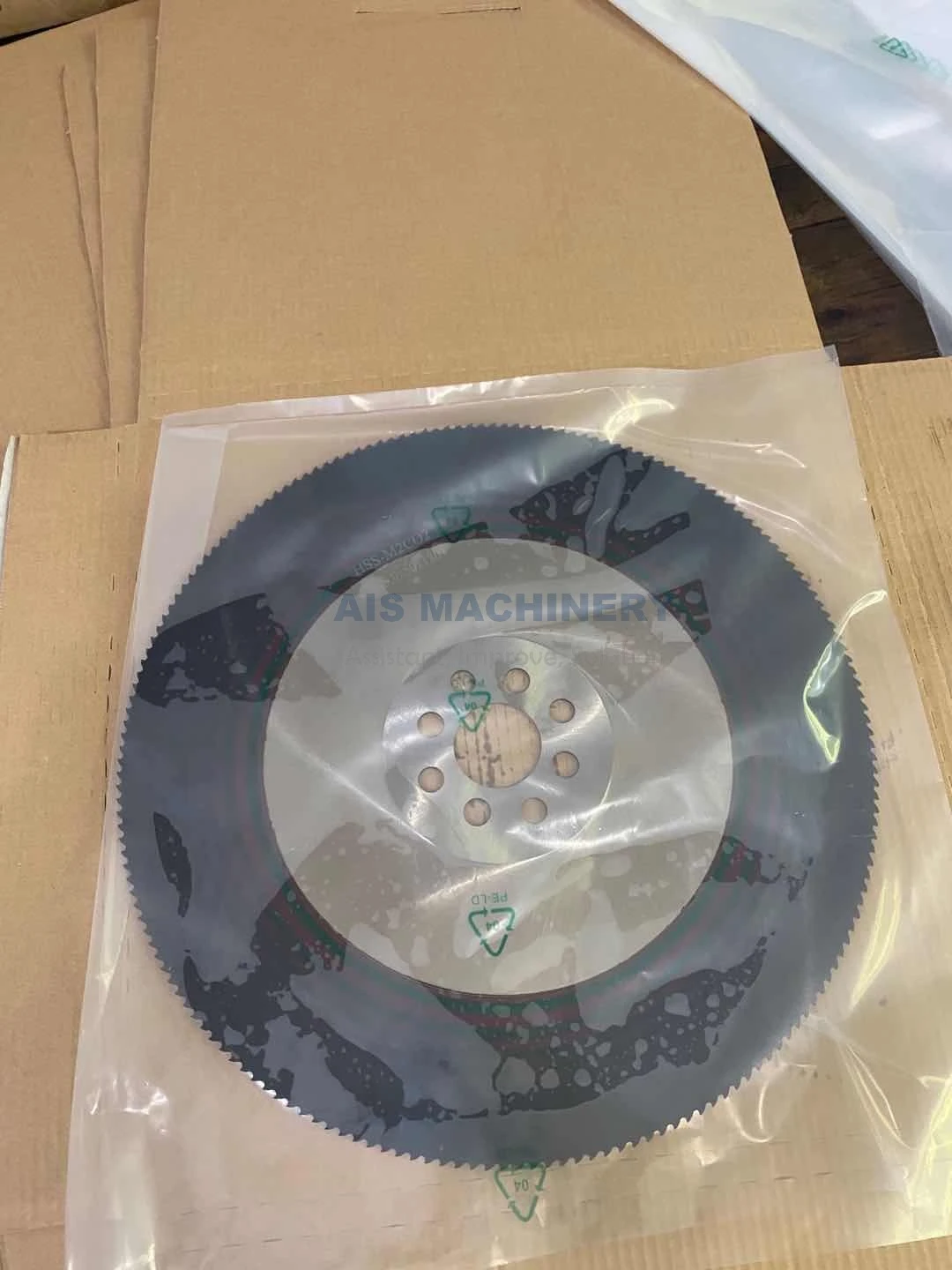
Confused about friction saw, HSS, and TCT blades? This guide explains their uses in cold saw and friction saw machines, with pros, cons, and expert selection tips.
2026-04-24 08:54:16
What is an Impeder and Ferrite Rods in ERW Tube Mill?
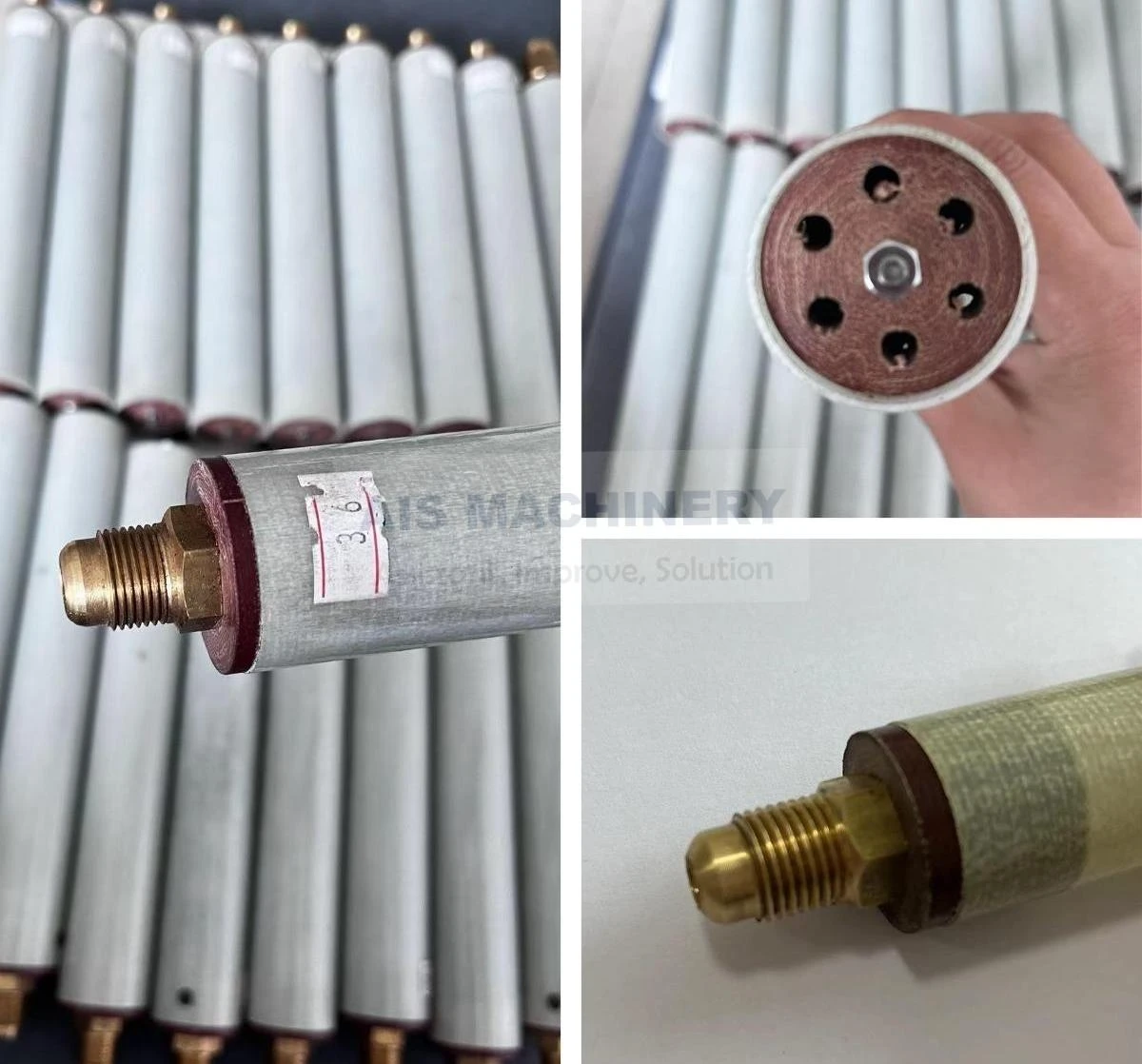
Struggling with impeder overheating or short service life in your ERW tube mill? This guide explains common impeder problems, the role of ferrite rods, and how to choose the right impeder for stable welding performance. Improve weld quality, reduce energy loss, and extend equipment lifespan with the right selection and proper cooling solutions.
2026-04-21 10:22:25
Slitting & Cut-to-Length Combined Production Line: A Smarter Way to Process Steel Coils
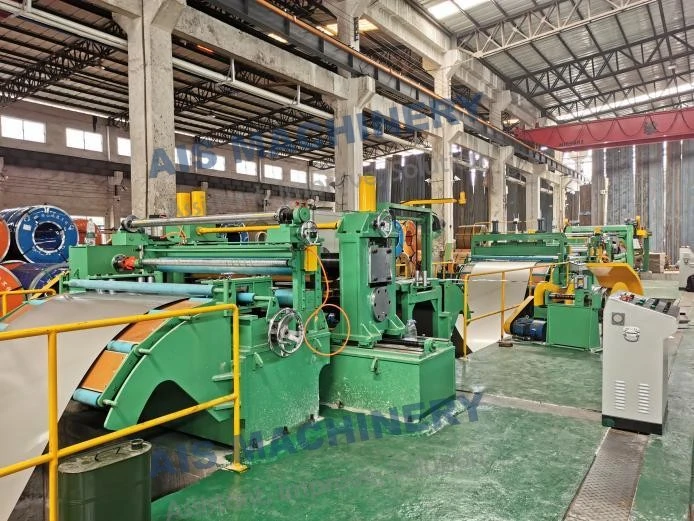
Discover the Slitting & Cut-to-Length Combined Production Line, a flexible solution for steel coil processing. This system integrates slitting line and cut-to-length line functions in one machine, saving space, reducing costs, and improving efficiency. Ideal for processing both steel strips and sheets, it is widely used in service centers and manufacturing industries. Learn its advantages, limitations, and applications.
2026-04-18 03:20:20
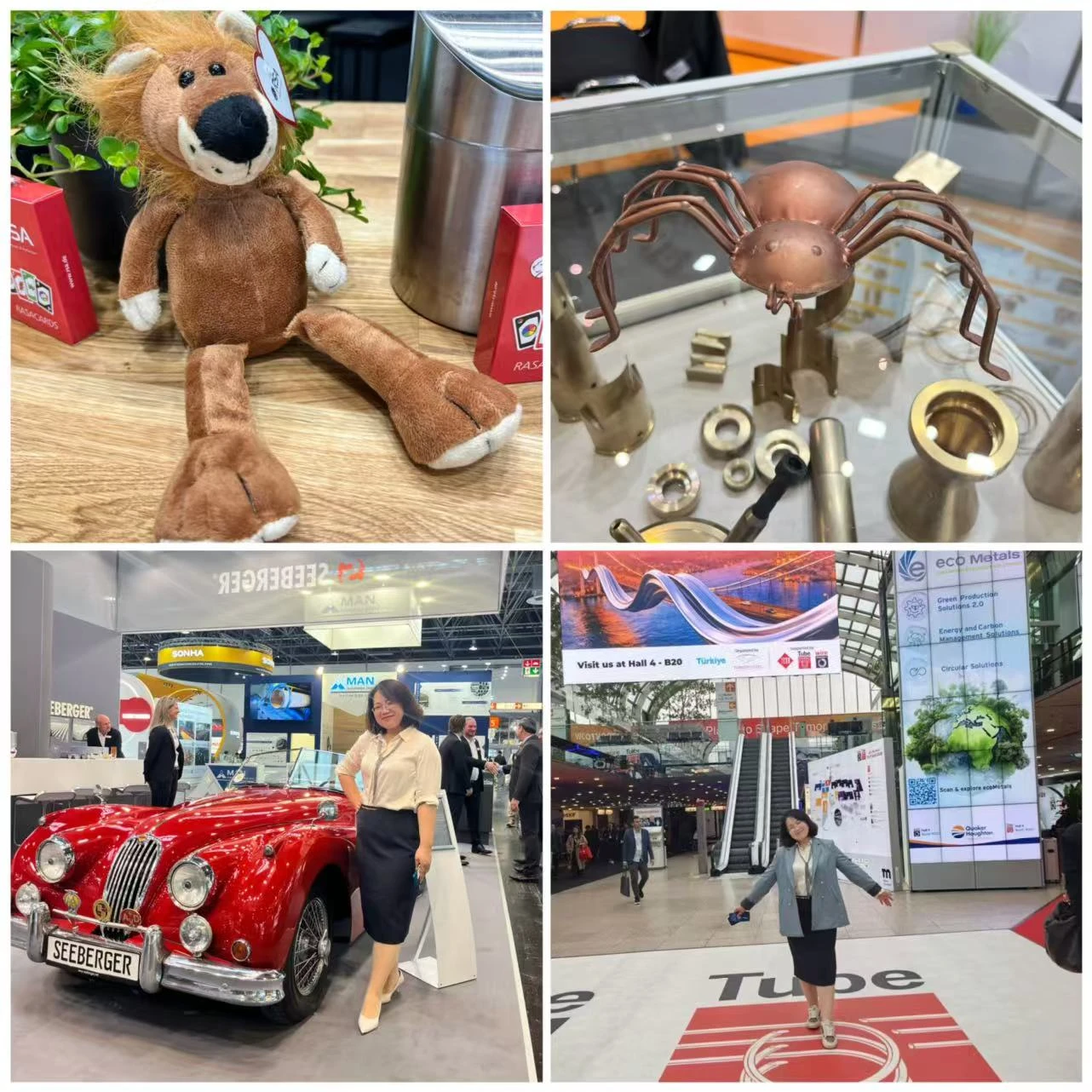
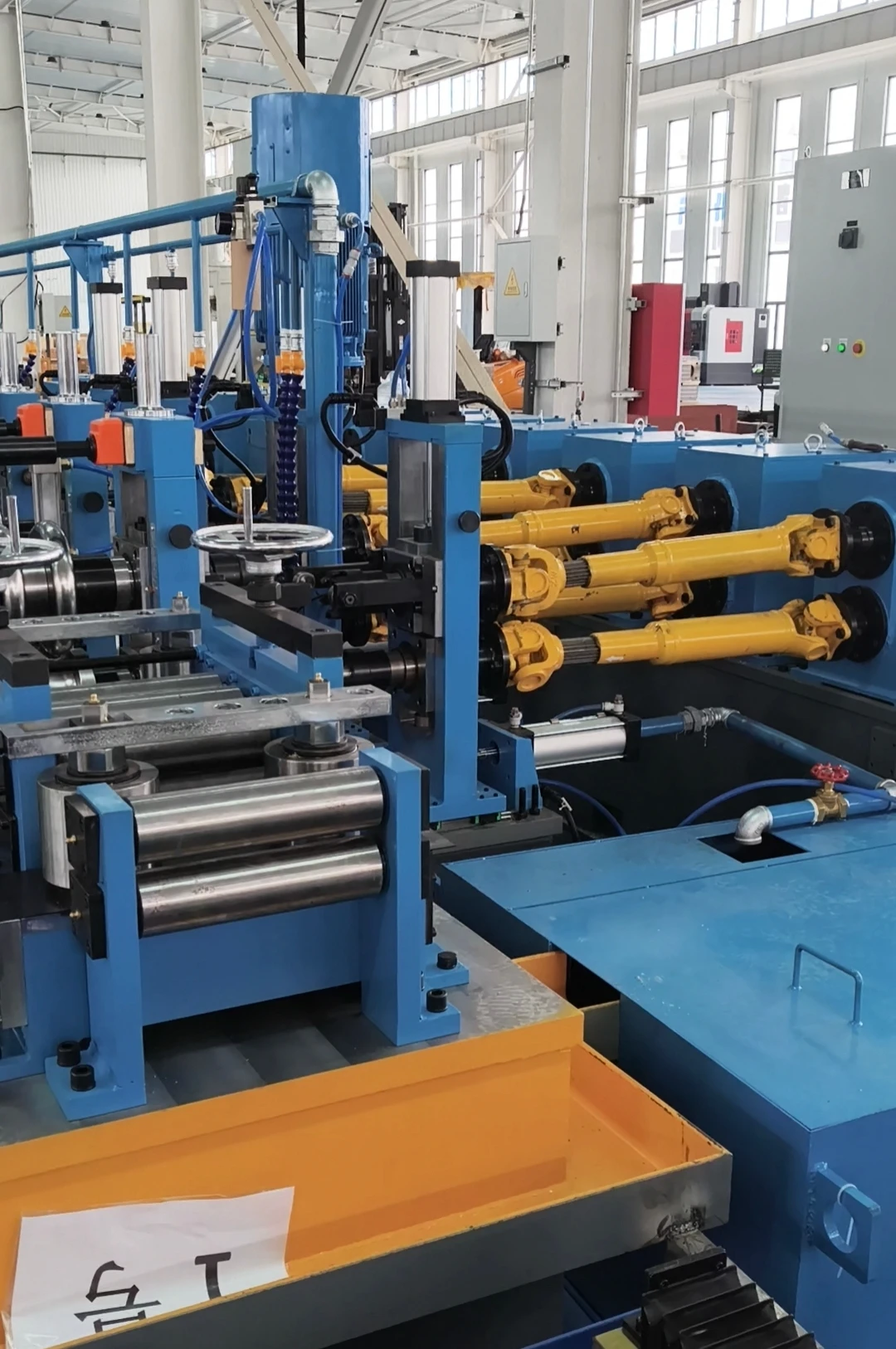
AIS Machinery Showcases Advanced Tube Solutions at Tube & Wire Düsseldorf 2026
Tube & Wire Düsseldorf 2026, one of the most influential exhibitions in the global tube and wire industry, held biennially in Düsseldorf, Germany
2026-04-17 00:00:00
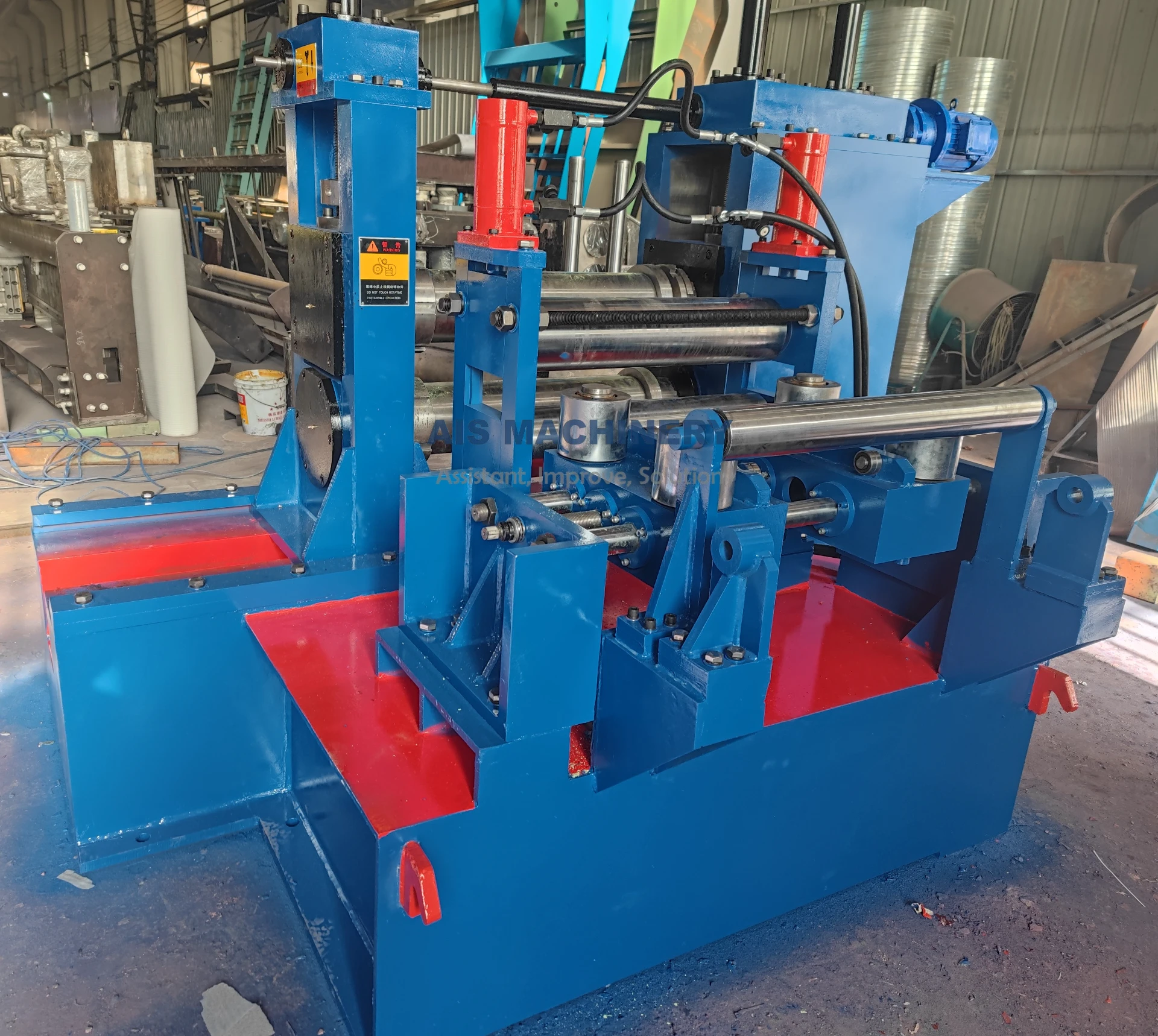
Southeast Asia Client Visits Our Factory | Customized Tube Mill Solution Delivered
A Southeast Asia client visited our ERW tube mill factory to inspect production lines and discuss a customized tube mill solution. Impressed by our machine quality, welding performance, and engineering support, the client confirmed strong cooperation intentions. Discover how our ERW tube mill solutions improve efficiency, precision, and long-term production reliability.
2026-04-15 10:37:55
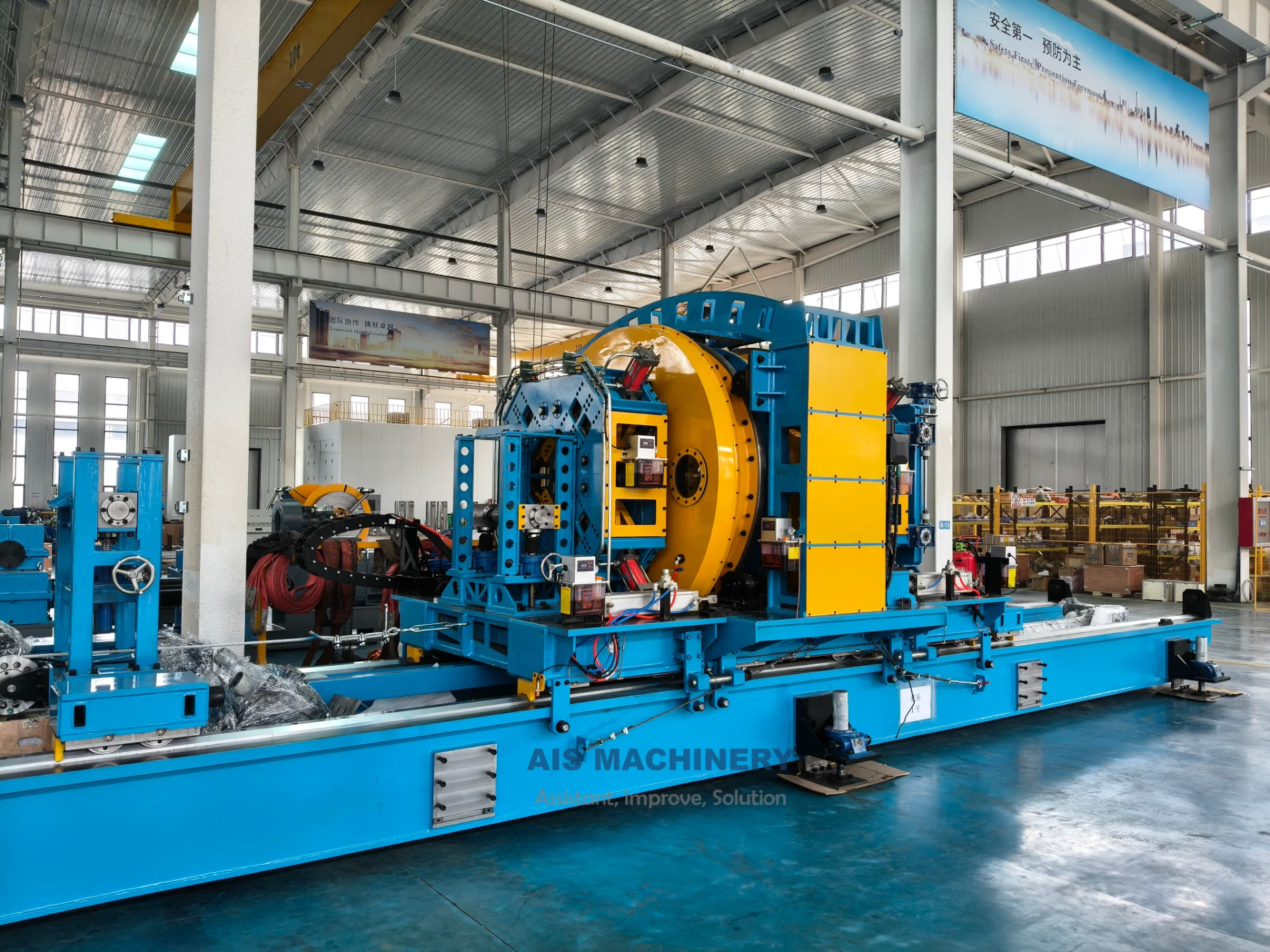
Flat Bar Production Line for Steel Coils: How It Works & Why It Matters
Looking for a flat bar production line? Learn how it turns steel coils into ready-to-use flat bars with precise length and high straightness. Compare it with slitting lines and get the best solution for your steel processing needs.
2026-04-14 00:00:00
Looking for a Milling Saw for ERW Tube Mill? Here’s What You Need to Know
Looking for a high-performance milling saw for your ERW tube mill? Upgrade to burr-free, high-precision pipe cutting with advanced flying saw technology. Improve efficiency, reduce rework, and meet export standards for carbon steel, stainless steel, and API pipes. Contact us today for expert solutions and competitive pricing tailored to your production needs.
Send a Message
Dear customer, thank you for your attention! We provide high-quality machinery and equipment and look forward to your orders. Please inform us of your needs and we will respond quickly!
 English
  Albanian
  Arabic
  French
  German
  Indonesian
  Italian
  Japanese
  Kazakh
  Korean
  Latin
Latin  Macedonian
  Portuguese
  Russian
  Spanish
  Thai
Thai  Turkish
  Ukrainian
  Uzbek
Uzbek