
-
 Tel:86-15176910262
-

Search
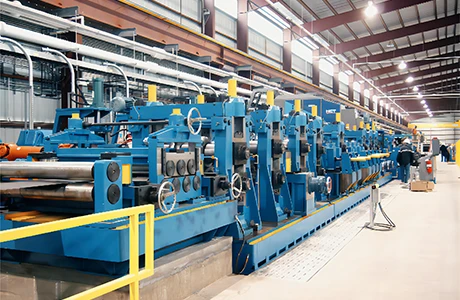
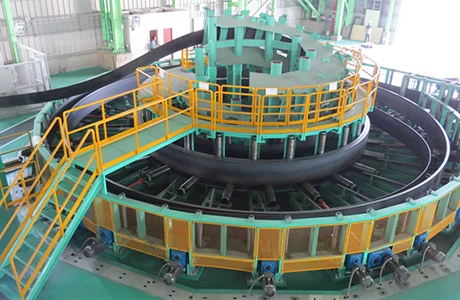
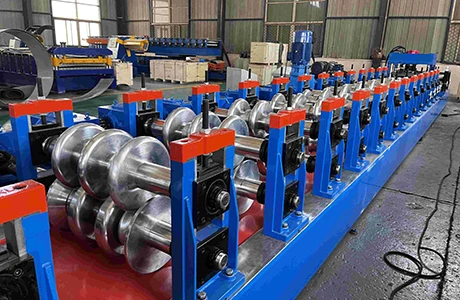
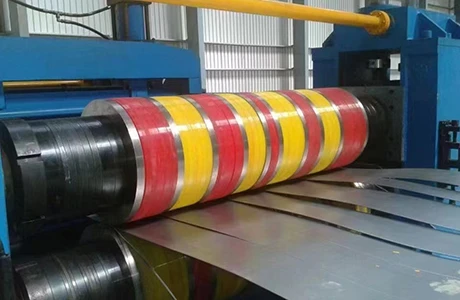
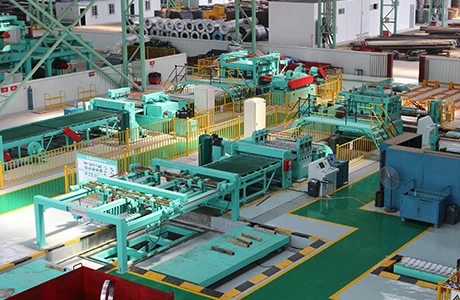
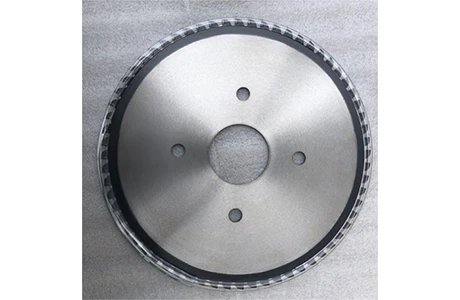
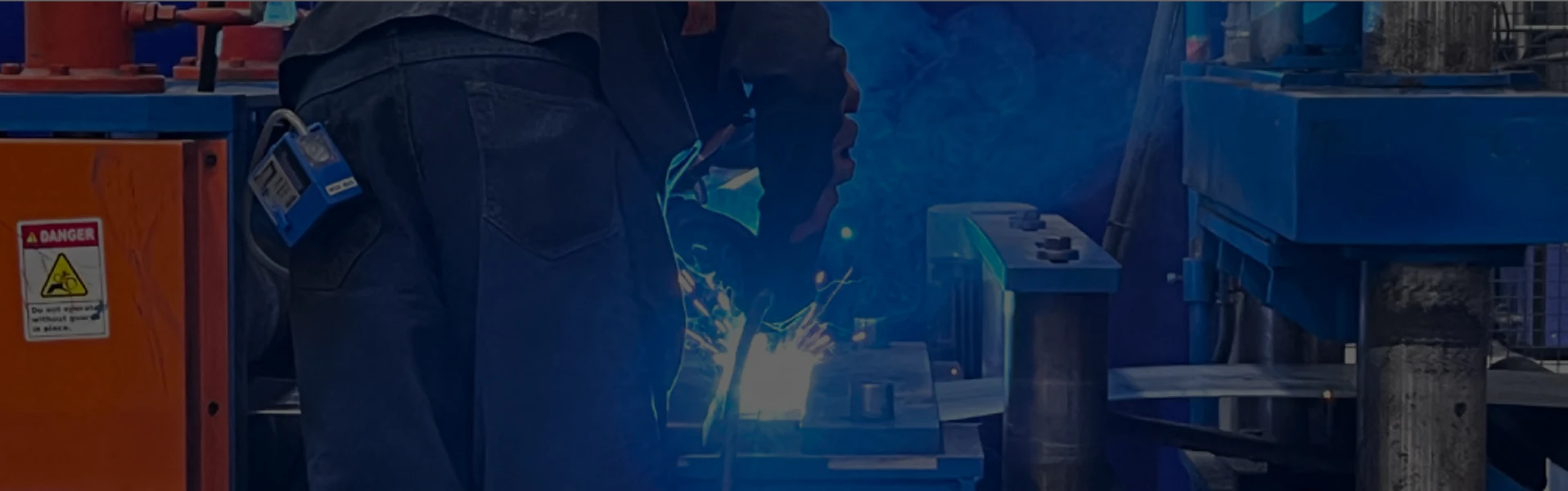

Steel Coil Slitting Line: Precision Cutting Solutions for Global Steel Processing
Nov . 24, 2025 22:00
Understanding the Steel Coil Slitting Line and Its Global Relevance
If you've ever wondered how massive steel coils are transformed into sizes precise enough for everything from automotive panels to kitchen appliances, the steel coil slitting line is quietly working behind the scenes. It's a cornerstone of modern manufacturing that directly impacts global industries, trade, and infrastructure development.
Why does this matter globally? Because steel isn't just a metal; it's a backbone for development, construction, and technological progress. Understanding how steel coil slitting works can unlock insights into efficiency, sustainable production, and the advances shaping industrial manufacturing worldwide.
The Global Context: Steel Coil Slitting Line in Today’s Industry
Steel production remains one of the largest industrial activities worldwide, with the World Steel Association reporting over 1.8 billion metric tons produced annually (Source: World Steel Association, 2023). Yet transforming raw steel coils into usable, dimensionally precise strips requires sophisticated machinery and processes — the steel coil slitting line being a prime example.
This technology directly addresses growing challenges such as minimizing material waste, enhancing product quality, and ramping up throughput to keep pace with booming sectors like automotive, construction, and electronics manufacturing. In places ranging from South Korea’s industrial zones to Europe’s steel hubs, slitting lines have become integral to keeping supply chains lean and responsive.
What Exactly is a Steel Coil Slitting Line?
Simply put, a steel coil slitting line is a manufacturing system designed to cut large steel coils into narrower strips with high precision. The process involves feeding a steel coil through rotary knives or shear blades that slice the material lengthwise to desired widths.
Think of it as slicing that giant roll of paper towels into thinner, exact strips — but with steel, at incredible speeds and tolerances. This machinery is essential not only for meeting end-user specifications but also for enabling secondary processes like stamping, forming, and assembling in modern factories.
Key Components and Crucial Aspects of a Steel Coil Slitting Line
1. Precision Cutting Mechanism
The heart of the slitting line involves rotary knives or circular blades that must be precisely aligned and maintained. Their sharpness and rigidity affect edge quality and reduce burring, which is essential to create clean strips that downstream processes can handle smoothly.
2. Robust Decoiling and Feeding System
Coils weighing several tons require sturdy decoilers to unwind material in a steady, controlled manner. Proper tension control is vital here; too tight and the steel can deform, too loose and you get wrinkles or misalignment.
3. Scalability and Throughput
Depending on customer demand, slitting lines can be designed to handle varying widths and thicknesses. Faster lines increase output but often at the cost of more complex maintenance routines or higher energy consumption.
4. Automation and Control
Modern slitting lines increasingly integrate digital controls, sensors, and even AI-driven maintenance alerts to boost uptime and reduce human error. This trend is especially evident in high-value sectors like aerospace and electronics, where precision is king.
5. Safety and Environmental Considerations
Given the heavy equipment and high speeds involved, safety features like emergency stops, guards, and noise reduction are not mere afterthoughts. Additionally, manufacturers focus on dust and scrap management to comply with environmental standards and reduce waste.
Mini takeaway: The steel coil slitting line is a finely tuned blend of mechanics and electronics designed to deliver top-notch product quality while adapting to diverse industrial needs.
Global Applications & Real-World Use Cases of Steel Coil Slitting Lines
Regions heavily invested in heavy industry—East Asia, Europe, and North America—depend on steel coil slitting lines for a variety of purposes. In automotive manufacturing, slitted steel strips form door panels, chassis parts, and more. Electronics manufacturers use precisely slit steel as casings and components. Even packaging industries rely on slit steel bands for durable strapping.
There are some striking examples: In India's rapidly expanding infrastructure projects, slitting lines help supply rails and structural supports to construction sites on tight deadlines. Post-disaster relief programs sometimes require lightweight, easily transportable steel components—for shelters or bridging—that begin life on a slitting line.
Steel coil slitting line tech is also leveraged in emerging economies looking to build local value chains, cutting down leads and pricing while increasing product customization.
Advantages and Long-Term Value of Using a Steel Coil Slitting Line
- Cost Efficiency: Precise slitting reduces material waste by up to 30% compared to manual cutting methods.
- Quality Consistency: Uniform slit widths improve downstream processing reliability and product lifespan.
- Sustainability: Automation can optimize energy use and scrap recycling processes.
- Safety & Trust: Reduced manual handling means fewer workplace accidents and a safer environment.
- Innovation Driver: Adaptable designs encourage experimentation with new alloys and composites.
These benefits ripple out beyond balance sheets — affecting environmental impact, workforce wellbeing, and even customer satisfaction. It's this mix of logic and empathy that makes slitting lines a silent hero in steel manufacturing.
Emerging Trends & Innovations in Steel Coil Slitting Technology
Looking forward, automation continues to evolve with AI algorithms helping predict blade wear or adjust tension dynamically to prevent defects. Eco-friendly lubricants and energy-efficient motors are becoming standard fare. There's also increasing interest in integrating Industry 4.0 concepts: real-time monitoring, digital twins, and predictive maintenance.
As the push for greener manufacturing grows, some innovators are experimenting with slitting lines tailored for new materials — high-strength, recyclable, or composite steels — which require gentler handling to preserve properties.
Challenges & Practical Solutions in Current Steel Coil Slitting Operations
Despite the advances, common hurdles persist. Blade wear and tear can cause costly downtime. Variability in raw coil quality makes automation tricky. High initial investment and maintenance costs sometimes deter smaller shops.
Solutions include modular systems that allow incremental upgrades, operator training programs focused on equipment care, and remote diagnostic services. Collaboration between manufacturers and users fosters custom solutions fit for niche requirements.
Frequently Asked Questions About Steel Coil Slitting Lines
- What types of steel can be processed on a slitting line?
- Most lines handle carbon steel, stainless steel, and electrical steel varieties up to specified thicknesses (usually 0.2mm to 6mm). Specialized lines handle high-strength or coated steels with adjusted tooling.
- How precise are slitting widths?
- Modern slitting lines typically maintain tolerances within ±0.1mm, crucial for downstream usage. Precision depends on blade quality, tension control, and line speed.
- Can a slitting line handle variable coil widths?
- Yes, many lines are adjustable and can be configured to slit coils from roughly 800mm up to 2000mm wide, making them flexible to customer needs.
- What maintenance is required?
- Regular blade sharpening or replacement, lubrication, and system calibration are main tasks. Predictive maintenance through sensors is growing to reduce surprises.
Product Specification Table: Typical Steel Coil Slitting Line
| Feature | Specification |
|---|---|
| Max Coil Width | 2000 mm |
| Thickness Range | 0.2 - 6 mm |
| Slitting Speed | Up to 200 m/min |
| Blade Type | Rotary Shear Circular Blades |
| Automation | PLC Control, Tension Monitoring |
| Power Supply | 3-Phase 380V, 50Hz |
Vendor Comparison: Leading Steel Coil Slitting Line Manufacturers
| Vendor | Country | Key Strength | Notable Feature | Price Range |
|---|---|---|---|---|
| AIST Steel Corp | Japan | High Precision & Reliability | Integrated AI diagnostics | $$$ |
| EuroSlit Technologies | Germany | Energy Efficient Designs | Modular Build for Easy Upgrades | $$$ |
| MegaSlitter Inc. | USA | Customization & After-Sales Support | On-site Training Included | $$ |
Final Thoughts: Why the Steel Coil Slitting Line Still Matters in 2024 and Beyond
It feels like we talk more about digital transformations and AI these days, but the humble steel coil slitting line quietly remains essential in powering that innovation. This equipment bridges raw material and ready-to-use steel parts in a way that shapes industries, communities, and economies worldwide.
For manufacturers and innovators alike, keeping abreast of slitting technology not only means cost savings but contributes to sustainability efforts and safety improvements. Curious to learn more or see these machines in action? Visit https://www.aistubemill.com to explore contemporary steel coil slitting solutions.
Mini takeaway: Even as technology races ahead, some tried-and-true industrial processes like steel coil slitting continue quietly transforming our world.
References

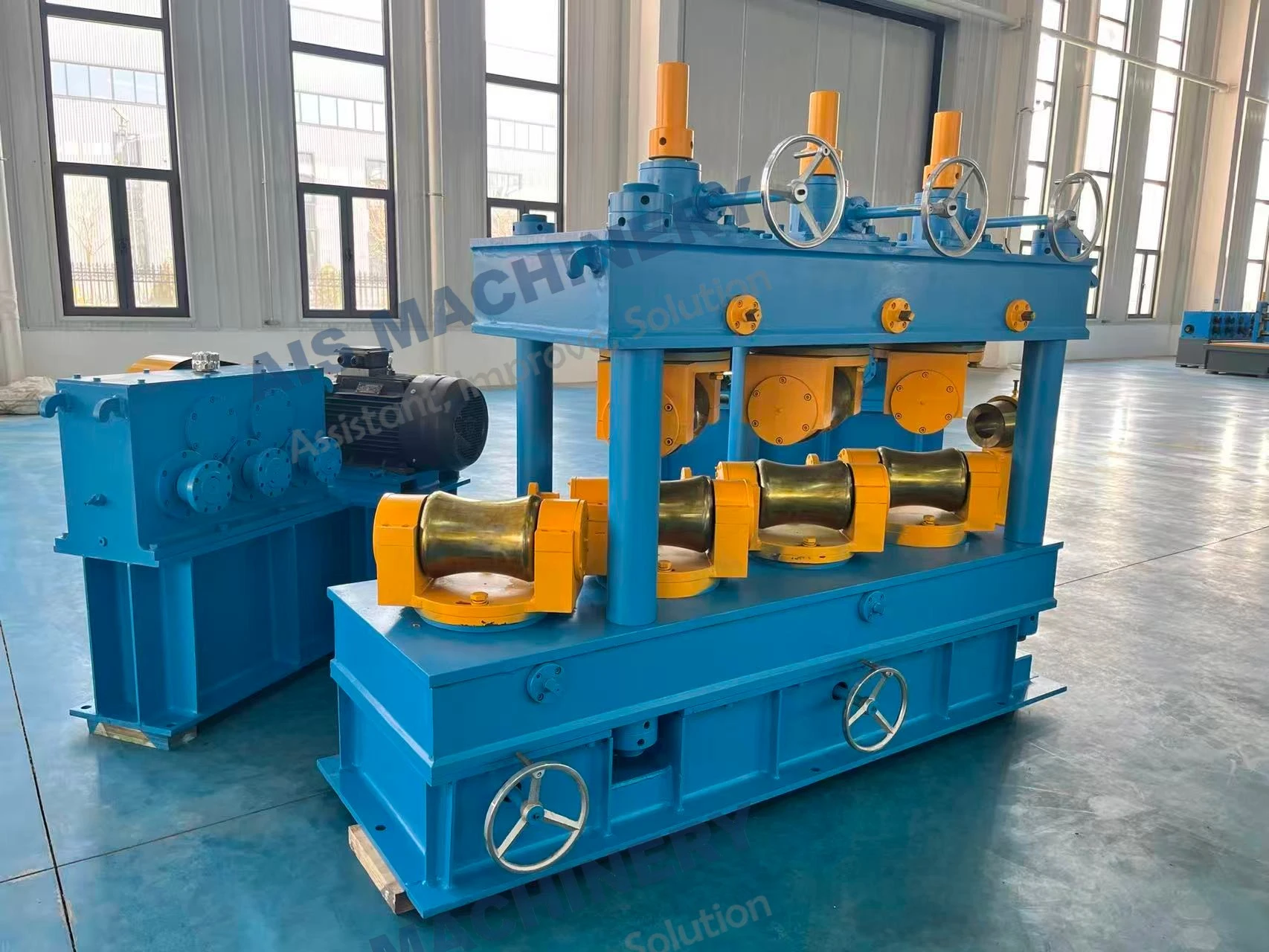
Related Products

Related News
2026-04-18 03:20:20
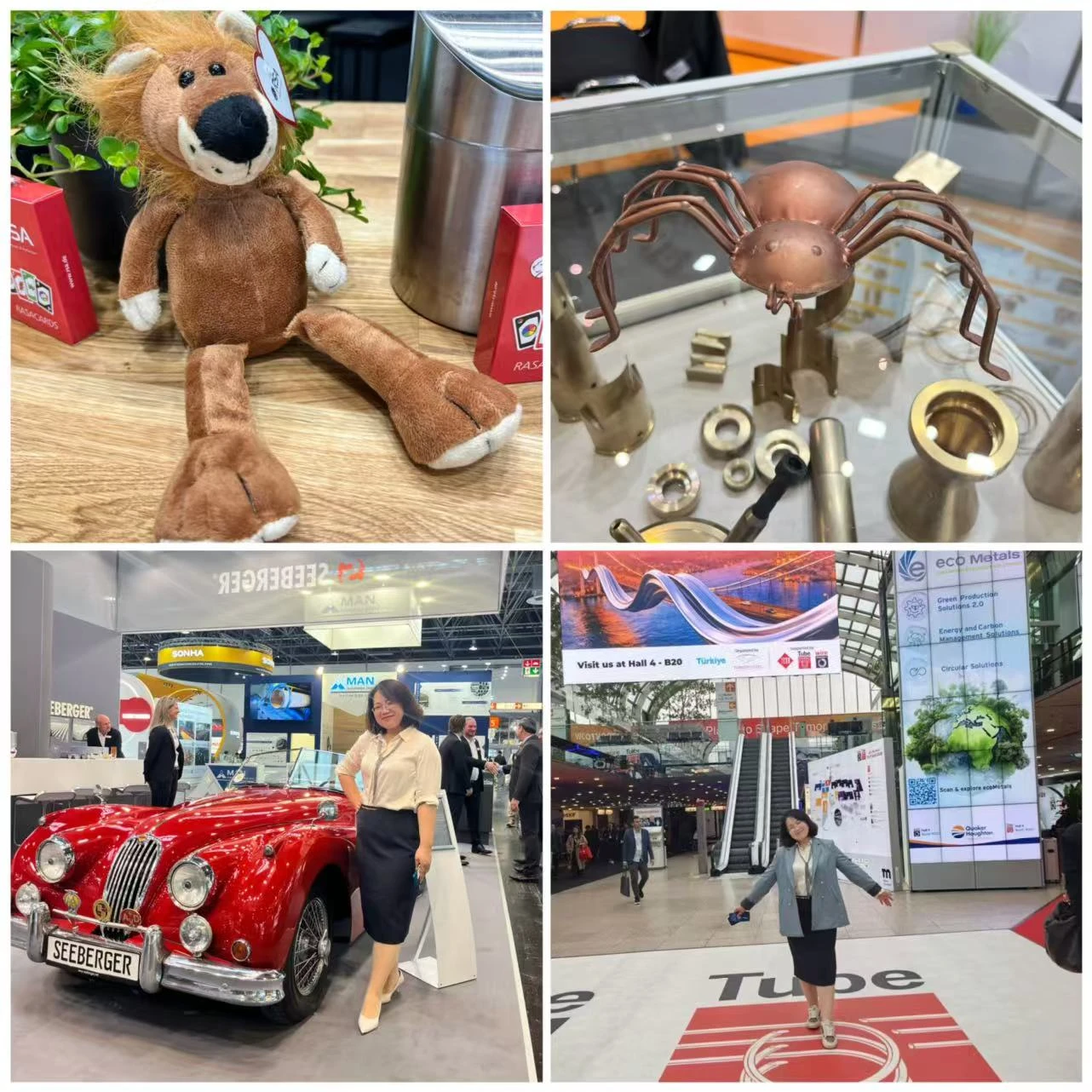
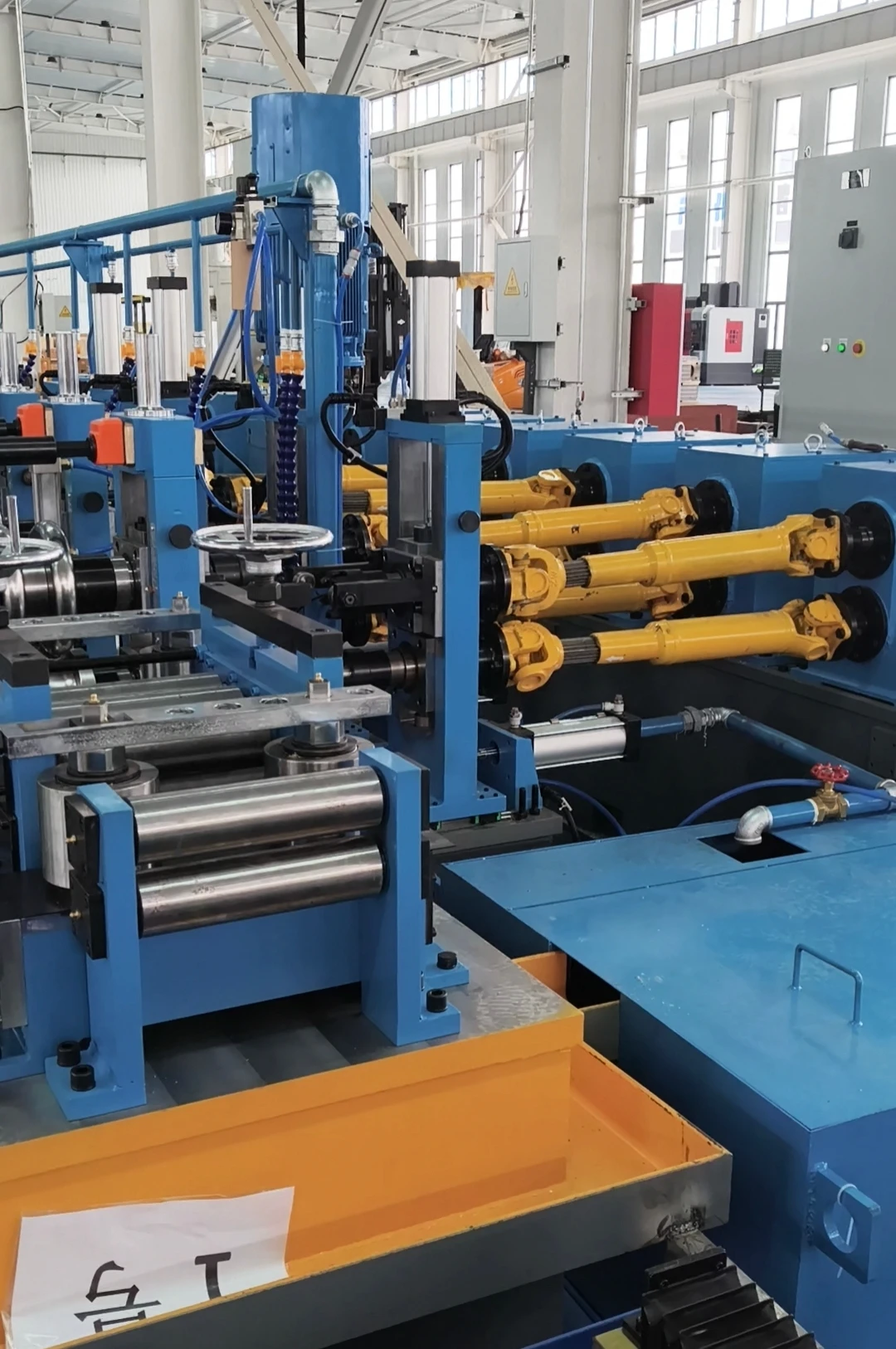
AIS Machinery Showcases Advanced Tube Solutions at Tube & Wire Düsseldorf 2026
Tube & Wire Düsseldorf 2026, one of the most influential exhibitions in the global tube and wire industry, held biennially in Düsseldorf, Germany
2027-04-17 00:00:00
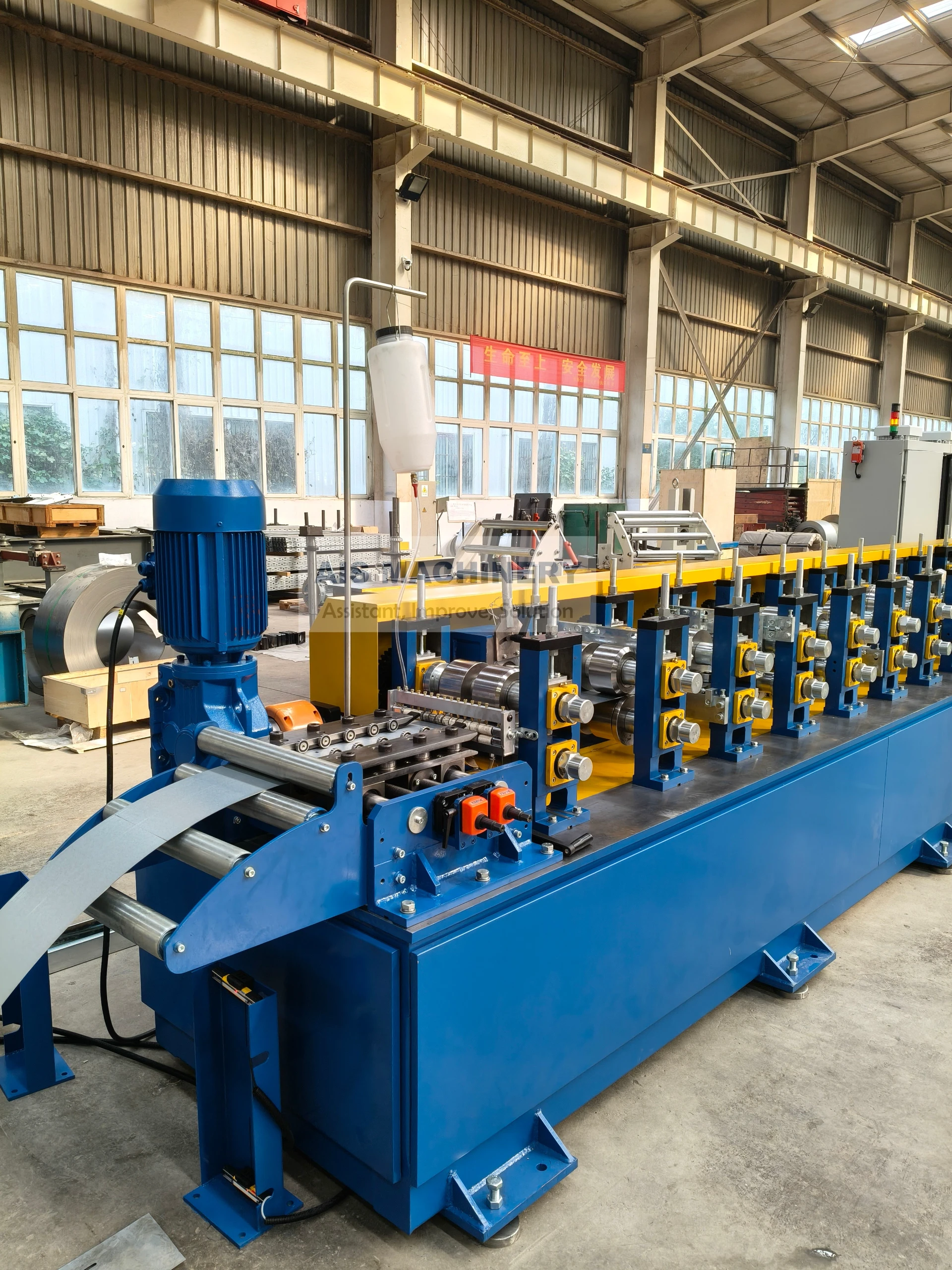
Southeast Asia Client Visits Our Factory | Customized Tube Mill Solution Delivered
A Southeast Asia client visited our ERW tube mill factory to inspect production lines and discuss a customized tube mill solution. Impressed by our machine quality, welding performance, and engineering support, the client confirmed strong cooperation intentions. Discover how our ERW tube mill solutions improve efficiency, precision, and long-term production reliability.
2026-04-16 02:35:12
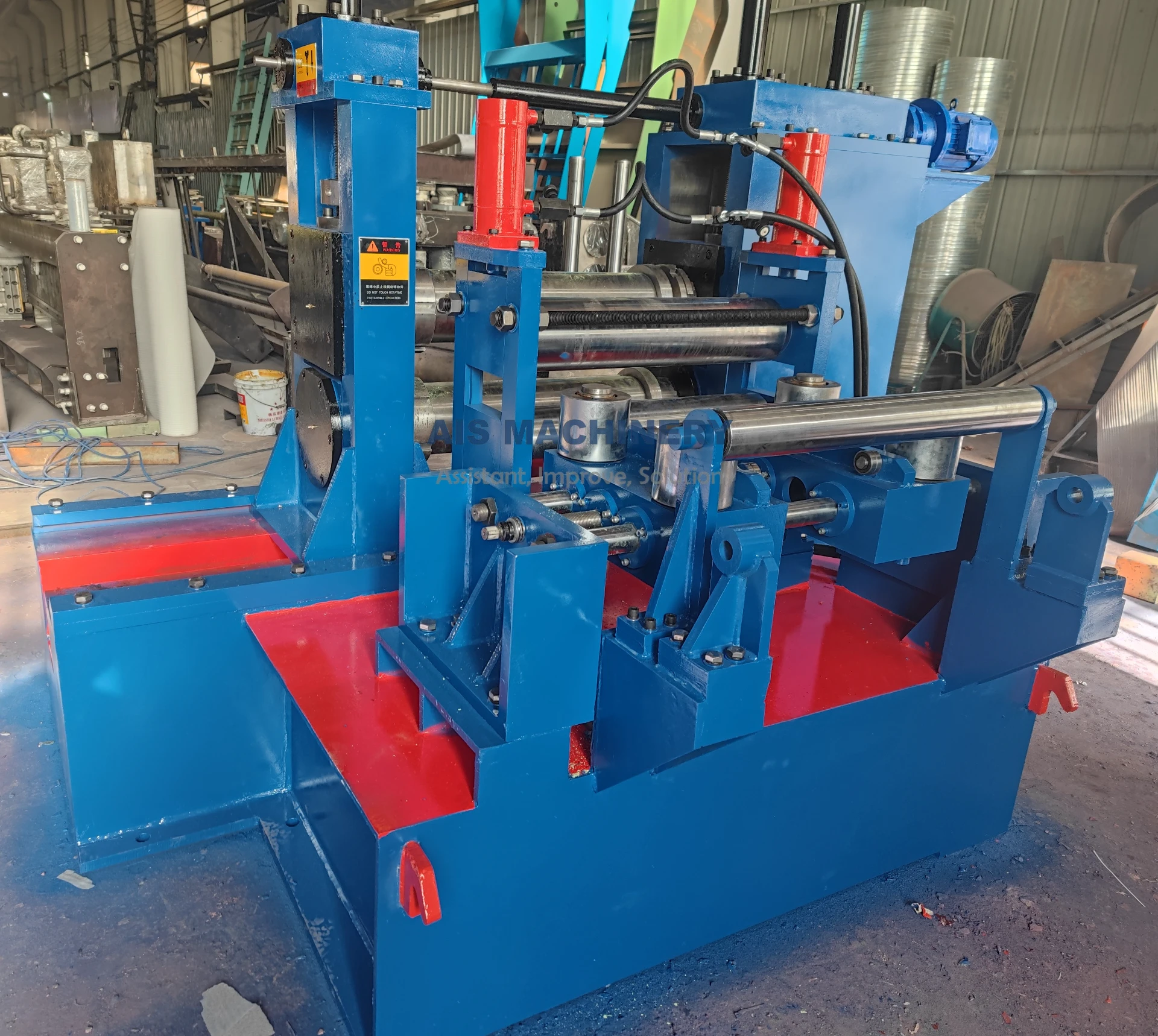
Professional Cold Roll Forming Machine Factory for Production
In the modern industrial landscape, the precision of metal shaping is the cornerstone of quality manufacturing. Partnering with a professional cold roll forming machine factory is essential for businesses looking to optimize their production lines, reduce material waste, and ensure high-dimensional accuracy. Whether you are producing C-channels, square tubes, or custom profiles, the choice of machinery determines your competitive edge in the market. This guide will explore the critical factors in selecting a factory and the technical advantages of advanced roll forming technology to help you make an informed investment.
2026-04-15 10:37:55
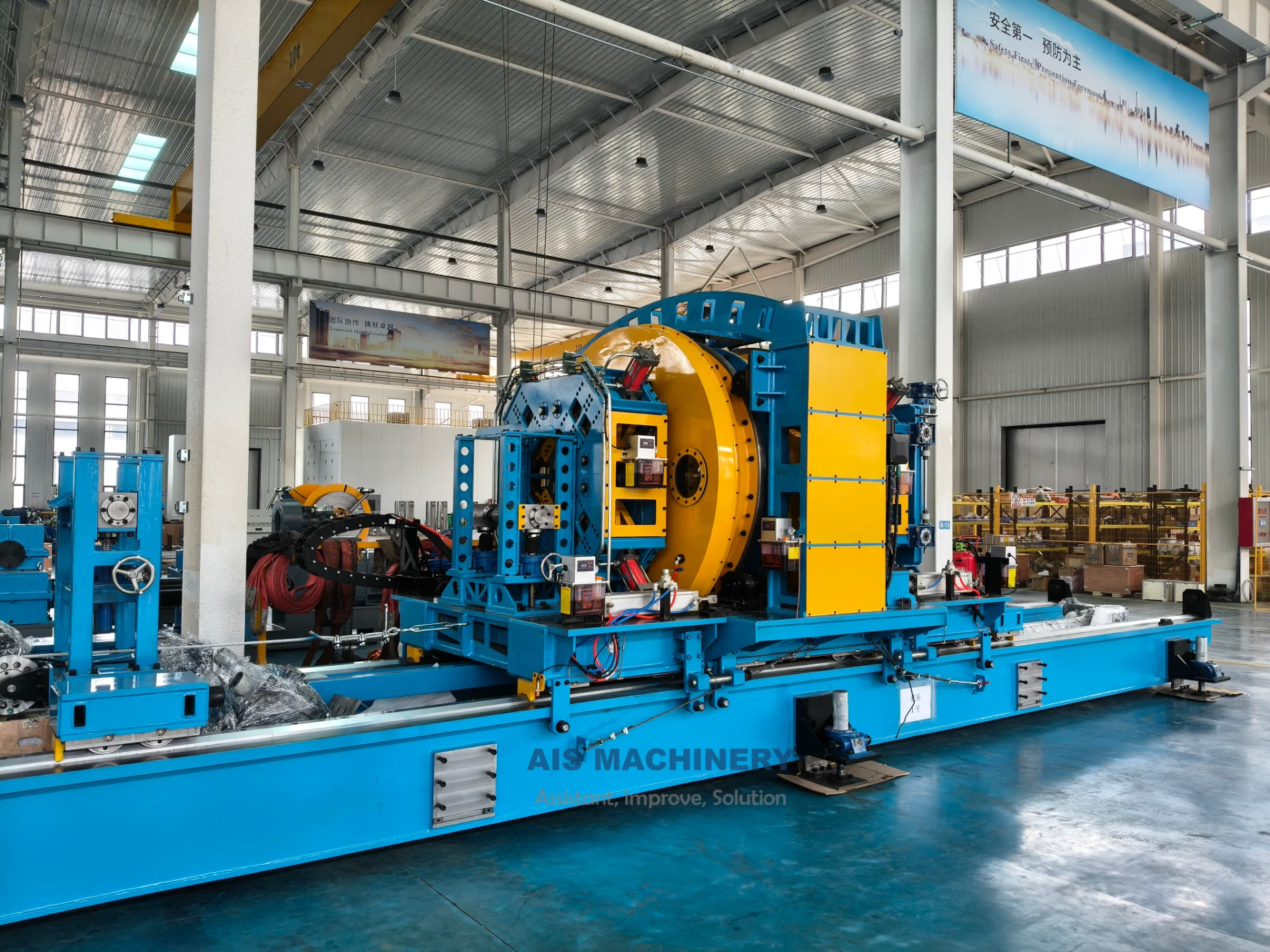
Flat Bar Production Line for Steel Coils: How It Works & Why It Matters
Looking for a flat bar production line? Learn how it turns steel coils into ready-to-use flat bars with precise length and high straightness. Compare it with slitting lines and get the best solution for your steel processing needs.
2026-04-14 00:00:00
Looking for a Milling Saw for ERW Tube Mill? Here’s What You Need to Know
Looking for a high-performance milling saw for your ERW tube mill? Upgrade to burr-free, high-precision pipe cutting with advanced flying saw technology. Improve efficiency, reduce rework, and meet export standards for carbon steel, stainless steel, and API pipes. Contact us today for expert solutions and competitive pricing tailored to your production needs.
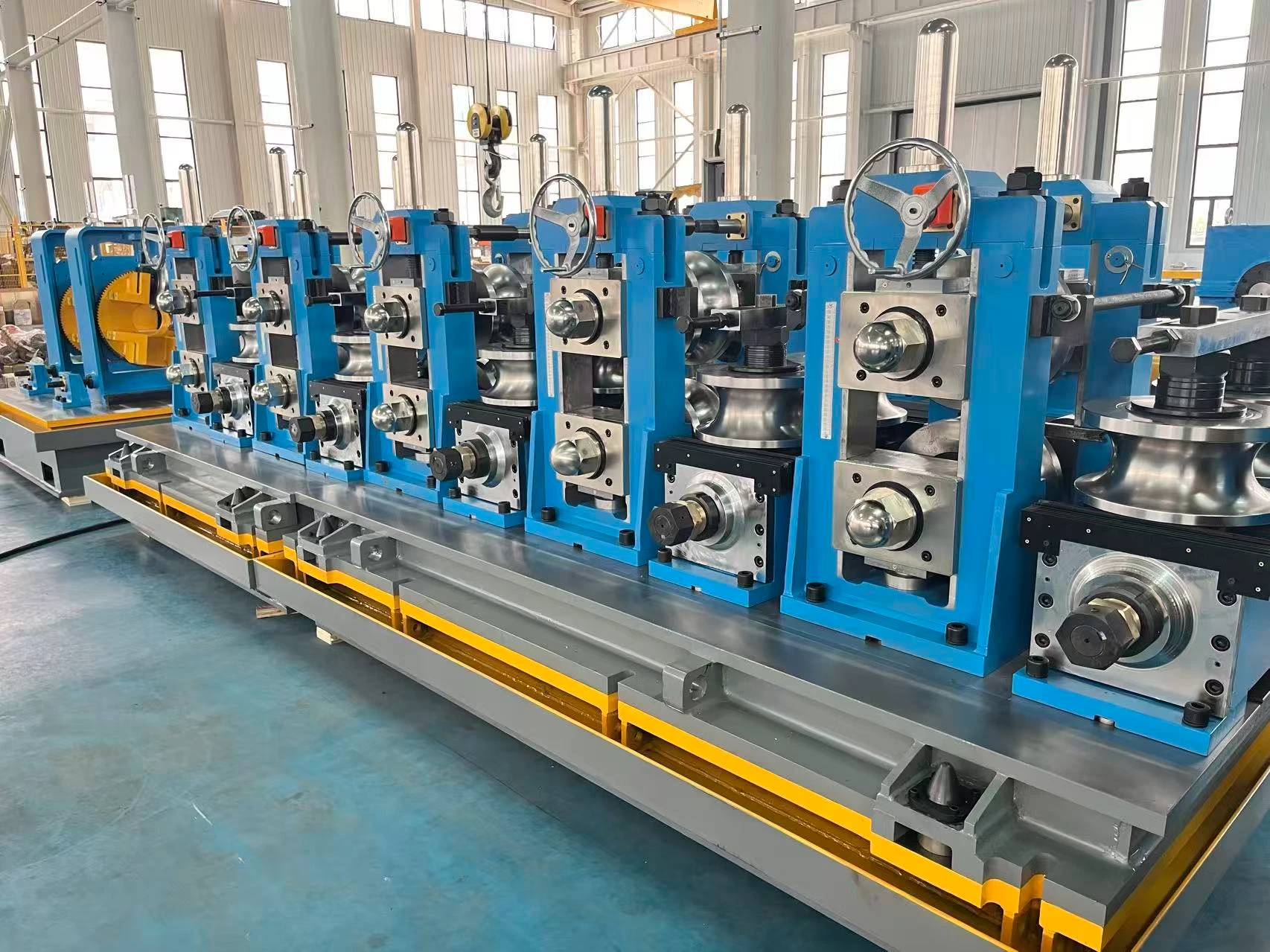
2026-04-09 16:15:19
5-Inch (127mm) ERW Tube Making Machine Delivered with Heavy-Duty Design and Advanced Quick Change System
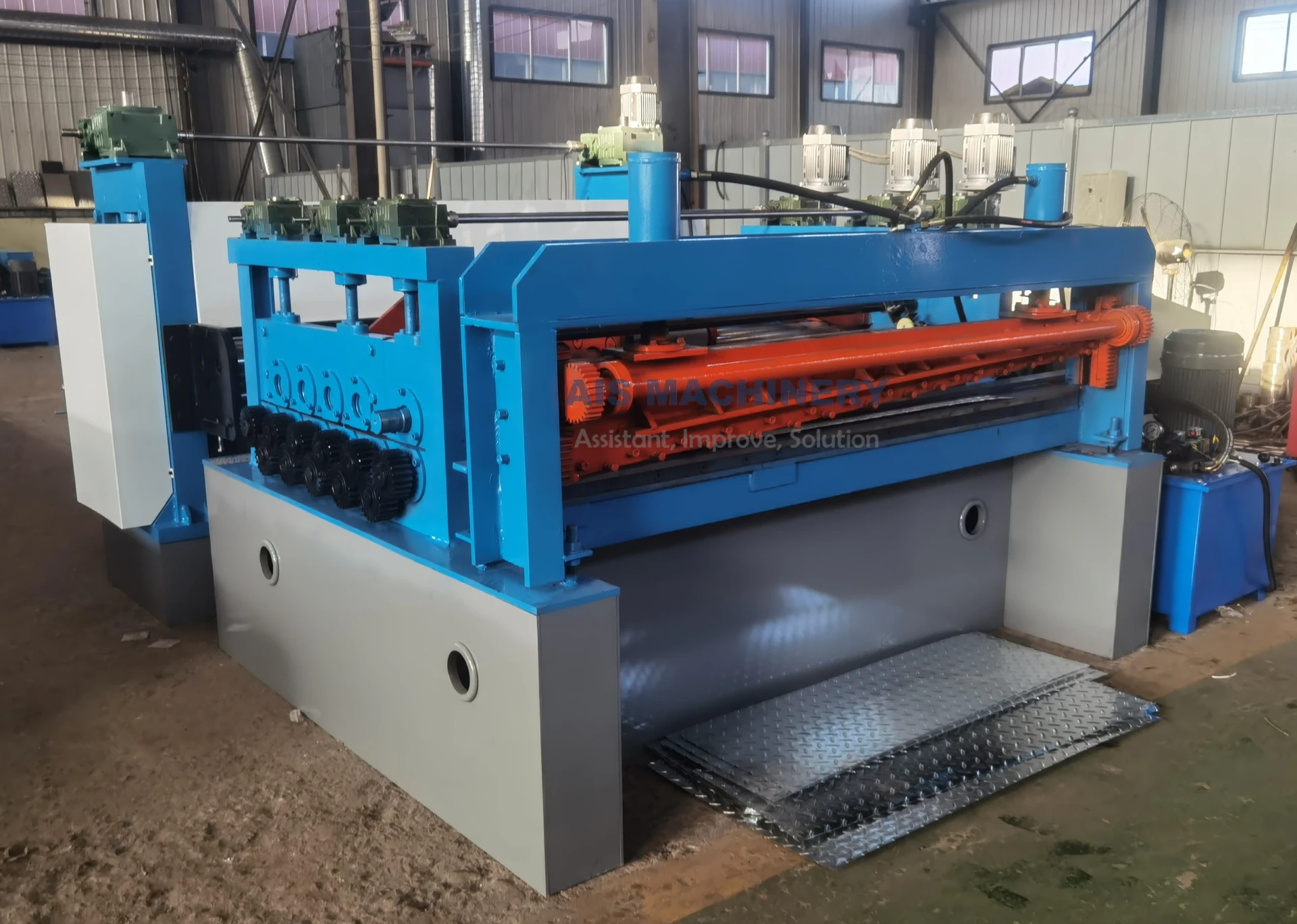
2027-04-07 00:00:00
Metal Embossing Machine: Turn Flat Sheets into High-Value Textured Products
Discover how a metal embossing machine transforms flat steel, stainless steel, and aluminum sheets into high-value textured products. Learn about its working principle, key components, and applications. Ideal for decorative and industrial use, embossing machines improve both appearance and performance. Explore complete embossing line solutions and find the right machine for your production needs.
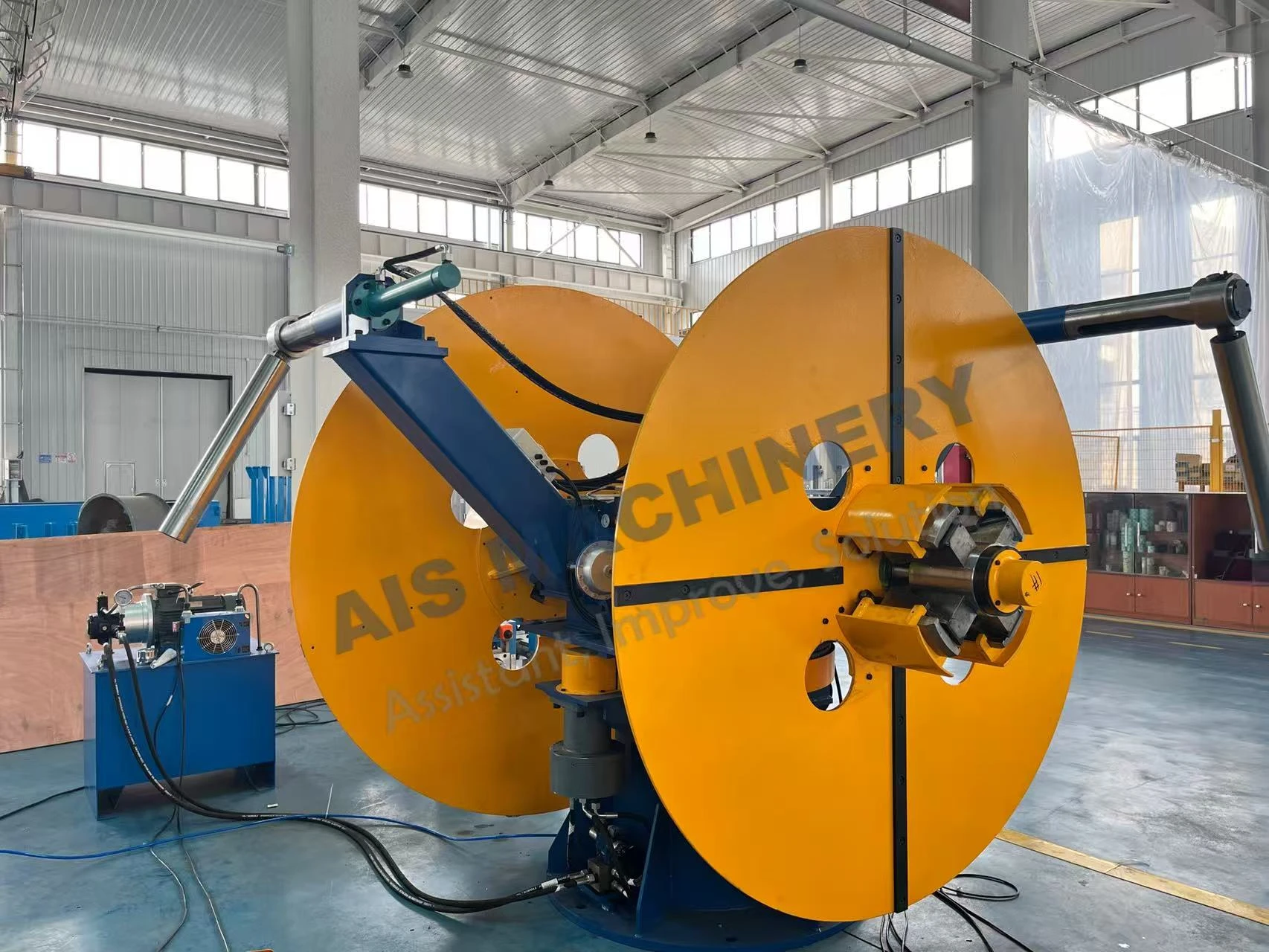
2026-04-04 20:37:18
Automatic Double Side Uncoiler with Hydraulic Expansion and Auto Rotation for Steel Coil Processing
The Automatic Double Side Uncoiler is a high-efficiency solution designed for modern steel coil processing lines, including tube mills, roll forming machines, and slitting lines. With a maximum capacity of 4 tons per side, this machine ensures stable and continuous coil feeding while reducing downtime during coil change.
Send a Message
Dear customer, thank you for your attention! We provide high-quality machinery and equipment and look forward to your orders. Please inform us of your needs and we will respond quickly!
 English
  Albanian
  Arabic
  French
  German
  Indonesian
  Italian
  Japanese
  Kazakh
  Korean
  Latin
Latin  Macedonian
  Portuguese
  Russian
  Spanish
  Thai
Thai  Turkish
  Ukrainian
  Uzbek
Uzbek