
-
 Tel:86-15176910262
-

Search
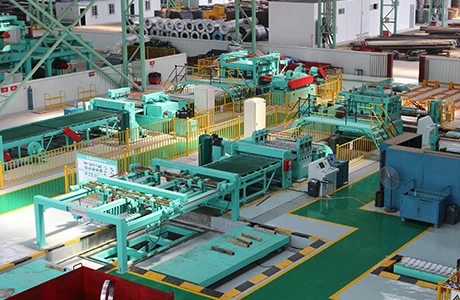

Mini Slitter Machines — Compact Precision Cutting Solutions for Global Manufacturing
Nov . 25, 2025 18:30
Mini Slitter: A Small Machine Making a Big Impact Globally
Mini slitter machines might not be headline grabbers in the manufacturing world, but their role is surprisingly essential — no matter if you’re in a bustling factory in Germany or a small production line in Southeast Asia. At its core, a mini slitter is all about precision cutting and efficient material handling. Their footprints might be compact, but their influence touches everything from packaging innovation to sustainable manufacturing methods.
Why dwell on them here? Because understanding the mini slitter unlocks insights on how industries worldwide reduce waste, save costs, and fine-tune production processes while keeping up with ever-increasing customization demands.
Global Relevance and Industry Context of Mini Slitters
Globally, the demand for fast, clean, and cost-effective cutting solutions has exploded. According to the ISO, packaging industries alone contribute over 15% of manufacturing output worldwide, and impeccable cutting processes are critical to streamlining these operations. Mini slitter machines plug a vital gap here. The mini slitter industry finds its significance amplified in places where full-sized, high-capacity slitting machines aren’t practical or cost-efficient.
What’s the real challenge these machines solve? Well, it’s about scale and precision. Many SMEs or localized production units run into issues with waste material, downtime due to lengthy machine setup, or simply lack of space for large equipment. Mini slitters answer these problems by supporting agile manufacturing — machines that fit on a workbench but deliver quality slit widths for packaging films, paper, or lightweight metal sheets.
- Compactness helps operations in tight factory floors
- Lower power requirements suit regions with energy constraints
- They allow precision needed for premium packaging finishes without the bulk or cost
Mini slitters, in short, are quietly helping industries across developed and developing nations meet modern production demands more flexibly.
What Exactly Is a Mini Slitter?
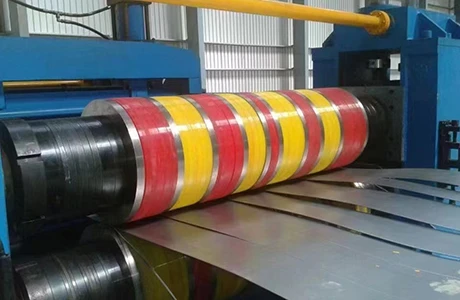
If all this sounds technical, here’s the gist in simple terms: a mini slitter is a machine designed to cut rolled materials — like paper, film, foil, or thin metal — into narrower strips or sheets. Think of a big roll of plastic wrap: a mini slitter slices it lengthwise into many narrower rolls, ready for packaging or further processing.
These machines differ from full-sized slitters by their size, speed, and intended throughput. Their smaller footprint fits well for customized batch jobs or workshops.
Interestingly, mini slitters also align well with humanitarian and eco-sensitive projects. For example, NGOs repurposing plastic waste into packaging rely on small-scale slitters to make usable materials locally, minimizing shipping costs and supporting circular economies.
Core Components and Key Features of Mini Slitters
1. Cutting Mechanism
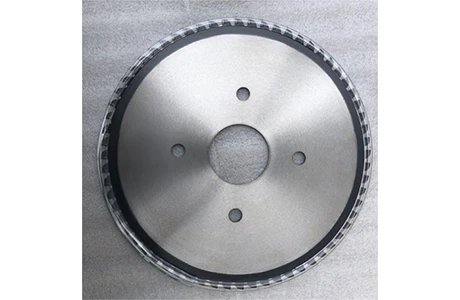
Most mini slitters employ rotary knives or shear blades designed for smooth, consistent cuts. The precision of these blades dictates the final product quality — jagged or rough edges just won’t do in today’s sleek packaging demands.
2. Material Compatibility
They’re versatile — paper, polymer films, aluminum foils — but only thin or light material. Manufacturers carefully calibrate blade sharpness and tension controls to match the material type, which is why features like adjustable speed and tension matter a lot.
3. Scalability
While "mini," many models allow scaling by modular add-ons or custom blade arrays to handle complex jobs. It’s like having a Swiss army knife in a small box.
4. Durability and Maintenance
Because these machines often work in continuous operation, tool life and ease of maintenance are crucial. Good manufacturers offer easily replaceable blade sets and robust bearings to minimize downtime.
5. User Interface and Controls
Modern mini slitters incorporate digital control panels with speed and blade gap settings, making them user-friendly even for operators new to slitting technology.
Mini Slitter Product Specification Table
| Feature | Specification |
|---|---|
| Max Roll Width | 600 mm (24 inches) |
| Slitting Speed | Up to 30 meters/min |
| Material Thickness | 0.01 mm – 0.5 mm |
| Cutting Mechanism | Rotary Steel Blades, Adjustable Knife Gaps |
| Power Consumption | 0.75 kW (Single Phase) |
| Dimensions (L×W×H) | 1.2 m × 0.8 m × 1.0 m |
Global Applications and Real-World Use Cases
The mini slitter is everywhere you might not immediately suspect: from the small paper shops in Italy to plastic recyclers in India, even volunteer groups in disaster-stricken zones. Here’s how that plays out:
- Packaging Industry: In Europe and North America, mini slitters are crucial in crafting custom-sized packaging films for pharmaceuticals or luxury goods, where precision is non-negotiable.
- Recycling Efforts in Asia: Many facilities reuse plastic waste locally, cutting sheets into manageable sizes with mini slitters, saving transportation costs and reducing landfill.
- Small-Scale Manufacturers in Africa: Entrepreneurs producing paper bags or labels rely on compact slitters rather than waiting for expensive, full-scale machines that may also need skilled operators.
- Emergency Relief Supplies: In humanitarian contexts, NGOs sometimes need to cut tarps or lightweight materials rapidly—portable mini slitters fill that niche.
Simply put, mini slitters make manufacturing flexible and accessible in places where bigger machines might just sit idle or be impractical.
Advantages and Lasting Value of Mini Slitters
Why choose a mini slitter? It’s a balance of tangible cost-benefit and a subtle social angle. Here’s the lowdown:
- Cost Efficiency: Lower upfront investment and reduced power consumption make mini slitters attractive, especially for startups or SMEs.
- Waste Reduction: Accurate slitting minimizes offcuts, which is both financially smart and environmentally responsible.
- Portability & Space Saving: Their compact design allows integration into smaller facilities or mobile workshops.
- Ease of Use and Maintenance: Fewer complex parts mean less downtime and simpler repairs, which is a plus in rural or remote settings.
- Social Impact: By enabling localized production and recycling, they empower communities toward circular economies.
Emotionally, these machines symbolize reliability and trust for operators — they don’t frustrate, they perform consistently. That peace of mind counts much more than you might guess.
Future Trends on the Mini Slitter Horizon
As with most manufacturing tech, we’re seeing the mini slitter evolve alongside automation and sustainability pushes. Some game-changers on the horizon:
- Smart Sensors and IoT: Real-time blade wear monitoring and predictive maintenance to avoid unexpected stops.
- Green Materials Compatibility: Adjustments to handle bioplastics and recycled composites cleanly without blade damage.
- Automation Integration: Linking mini slitters with compact conveyors or packaging lines for fully automated micro-factories.
- Energy Efficiency: Lighter motors, variable-frequency drives, and regenerative braking mechanisms help reduce environmental footprints.
Frankly, it feels like mini slitters will stay small but get a lot smarter — hopefully more intuitive to reduce operator training and error.
Challenges & Potential Solutions in Mini Slitter Usage
Of course, nothing is perfect. Common bottlenecks in mini slitter operations include:
- Material Jamming: Thin films can stick or bunch, needing precise tension control.
- Blade Dulling: Frequent blade replacements can add up unless wear-resistant materials are used.
- Limited Capacity: Not suitable for ultra-high volume jobs, where big slitters dominate.
Experts recommend introducing modular upgrades like automatic tensioners or quick-change blade cartridges to ease these pains. And from a design perspective, demand is growing for hybrid machines that handle slitting and rewinding in one, saving labor steps.
FAQ: Mini Slitter Basics Answered
Q1: What materials can a mini slitter handle?
A1: Most mini slitters process thin materials such as paper, plastic films, aluminum foils, and light metal sheets. The key is the thickness, usually up to 0.5 mm, with proper tension and blade adjustment to avoid tearing or jamming.
Q2: How is maintenance typically managed on mini slitters?
A2: Maintenance usually involves regular blade sharpening or replacement, checking bearings, and cleaning the machine to prevent material buildup. Many manufacturers now include easily swappable parts and digital alerts to simplify upkeep — even for non-expert users.
Q3: Can mini slitters be used for custom-sized production runs?
A3: Absolutely. Their flexibility and quick setup times make mini slitters ideal for custom or small batch productions. Quick blade gap adjustments allow different slit widths without extensive downtime.
Q4: Are mini slitters energy intensive?
A4: Not really. Compared to industrial-scale slitters, mini slitters consume significantly less power (roughly 0.75 kW), making them suitable for locations with limited or costly electricity.
Q5: Where can I buy or learn more about mini slitters?
A5: Many manufacturers and specialized vendors supply mini slitters globally. For detailed product info and sourcing, check out aistubemill.com, a reputed resource for innovative slitting technologies.
Mini Slitter Vendor Comparison
| Feature | Vendor A | Vendor B | Vendor C |
|---|---|---|---|
| Max Roll Width | 600 mm | 550 mm | 650 mm |
| Slitting Speed | 30 m/min | 25 m/min | 28 m/min |
| Power Consumption | 0.75 kW | 1.0 kW | 0.85 kW |
| Blade Replacement | Quick-change cartridges | Manual sharpening | Quick-change but limited stock |
| User Interface | Touchscreen control panel | Manual dials | Basic digital display |
Wrapping It Up: Why Mini Slitters Matter
Mini slitters might not be the flashiest machines on the production floor, but their value is deceptively broad and deep. They enable affordable, precise, and flexible slitting operations essential for small and mid-sized manufacturers worldwide. More than machines, they represent a bridge between large-scale industry capabilities and local, sustainable production needs.
Whether you’re reducing waste in plastics recycling in Southeast Asia or producing fine packaging films in Europe, mini slitters hold a quiet but crucial role in modern manufacturing.
Want to explore how a mini slitter can fit your workflow? Visit our website for the latest on models, specifications, and expert advice.

Related Products

Related News
2026-04-18 03:20:20
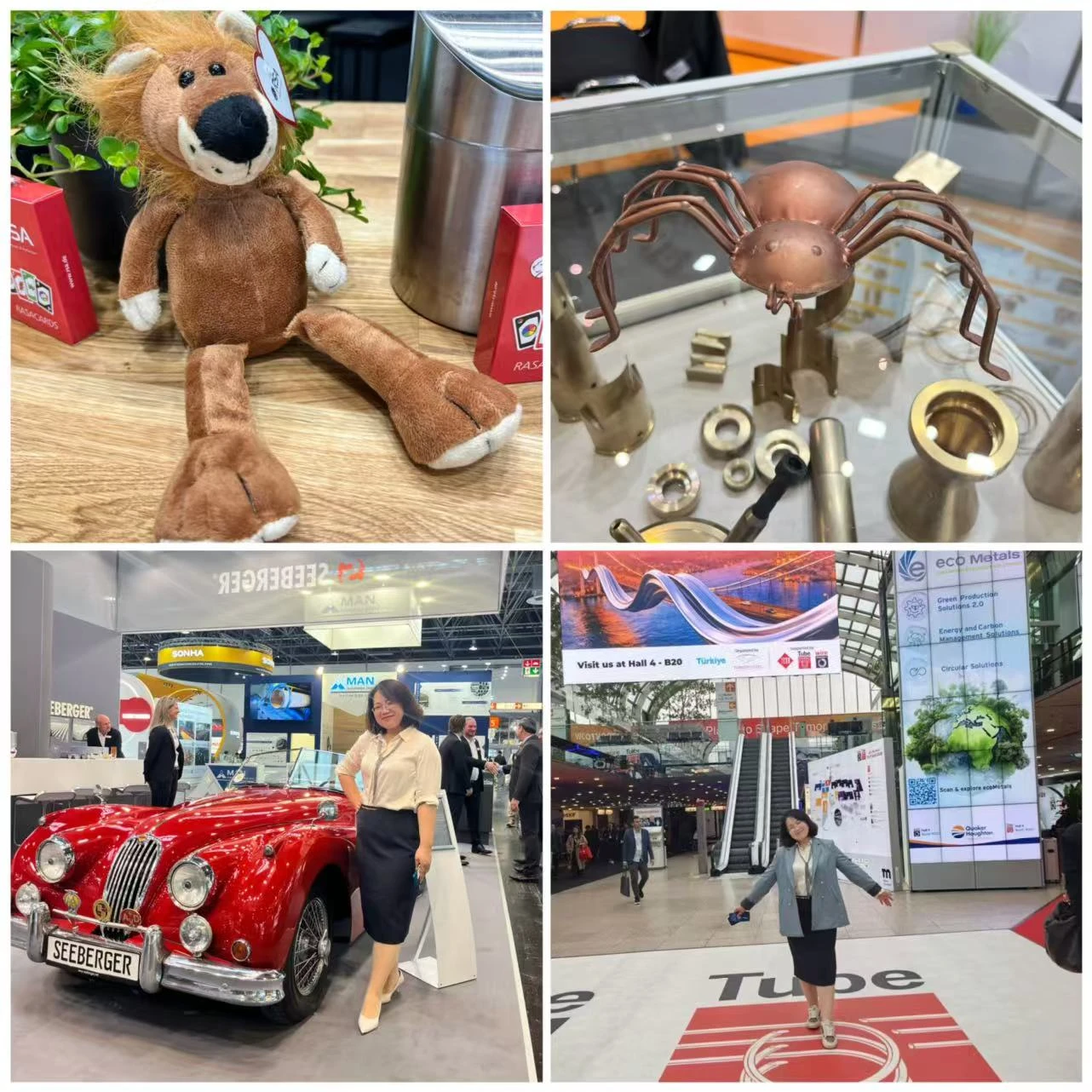
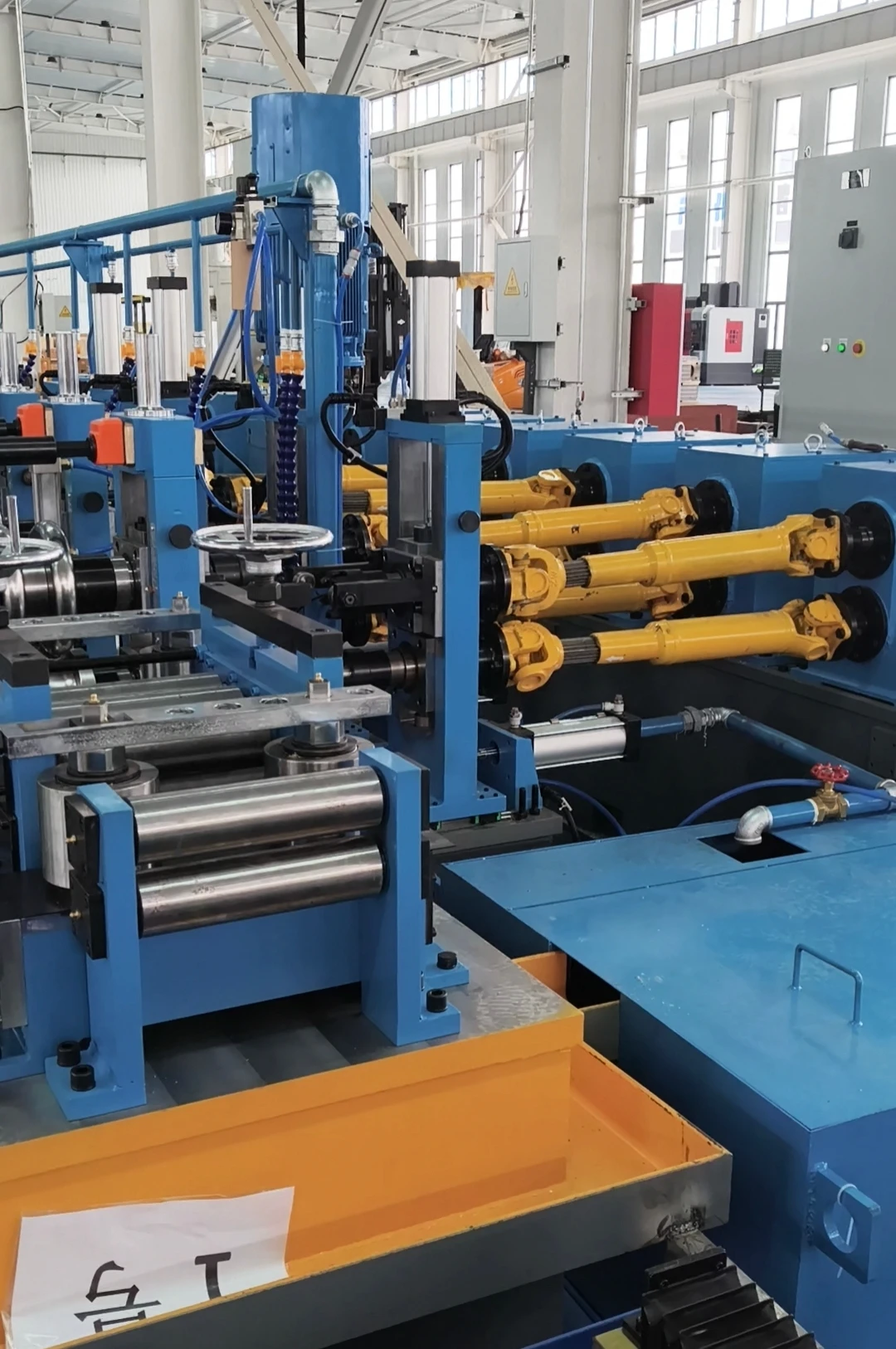
AIS Machinery Showcases Advanced Tube Solutions at Tube & Wire Düsseldorf 2026
Tube & Wire Düsseldorf 2026, one of the most influential exhibitions in the global tube and wire industry, held biennially in Düsseldorf, Germany
2027-04-17 00:00:00
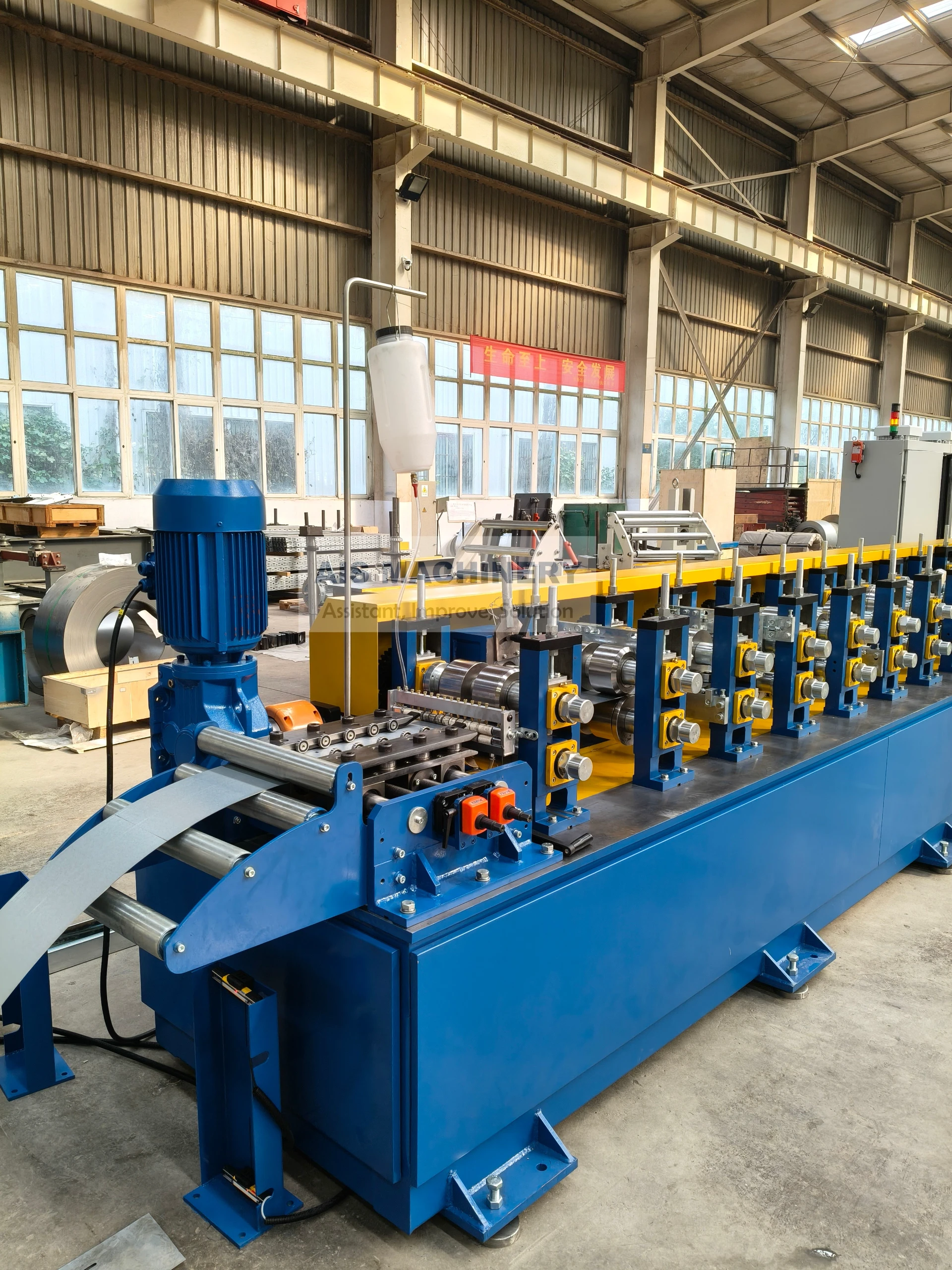
Southeast Asia Client Visits Our Factory | Customized Tube Mill Solution Delivered
A Southeast Asia client visited our ERW tube mill factory to inspect production lines and discuss a customized tube mill solution. Impressed by our machine quality, welding performance, and engineering support, the client confirmed strong cooperation intentions. Discover how our ERW tube mill solutions improve efficiency, precision, and long-term production reliability.
2026-04-16 02:35:12
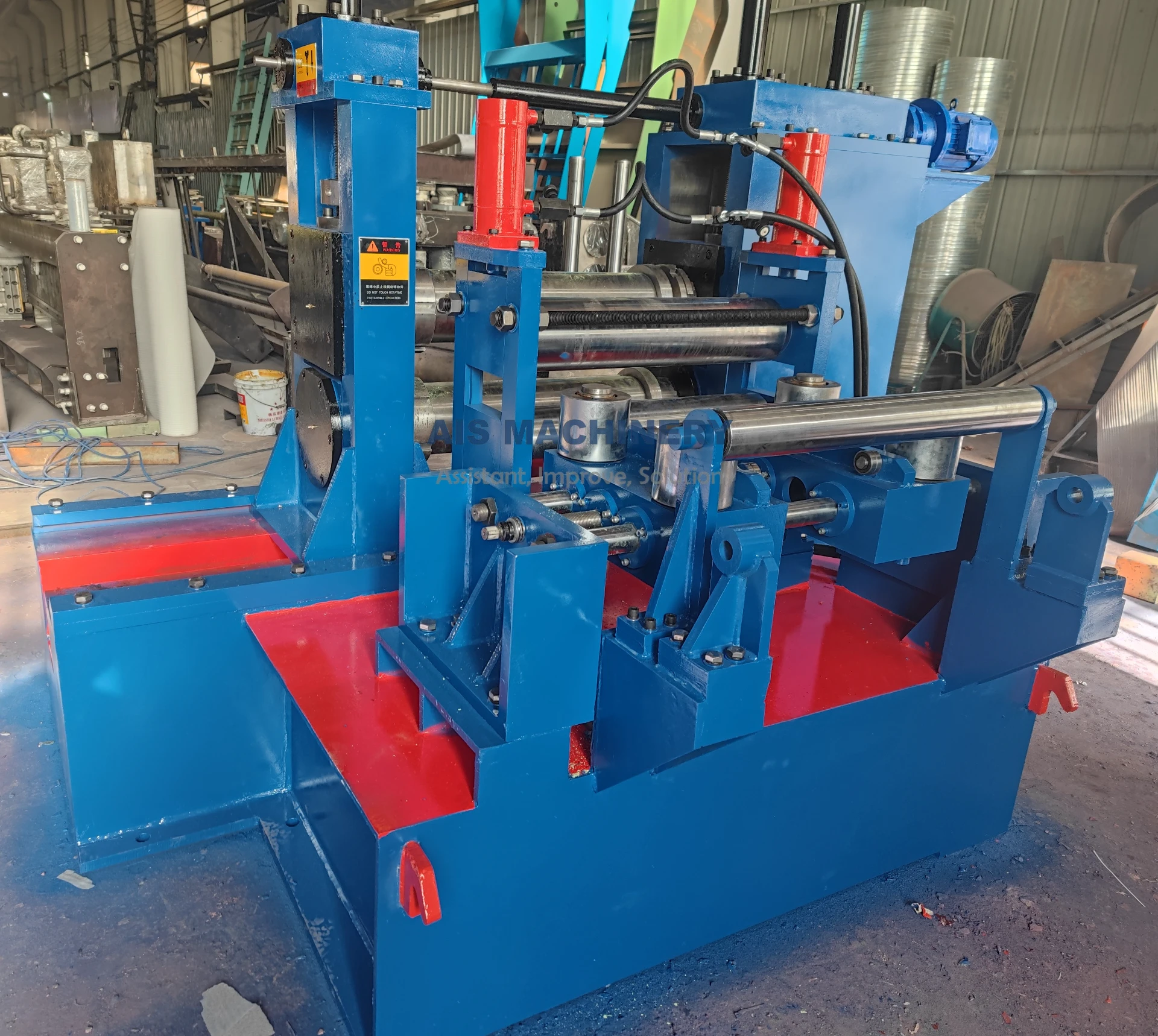
Professional Cold Roll Forming Machine Factory for Production
In the modern industrial landscape, the precision of metal shaping is the cornerstone of quality manufacturing. Partnering with a professional cold roll forming machine factory is essential for businesses looking to optimize their production lines, reduce material waste, and ensure high-dimensional accuracy. Whether you are producing C-channels, square tubes, or custom profiles, the choice of machinery determines your competitive edge in the market. This guide will explore the critical factors in selecting a factory and the technical advantages of advanced roll forming technology to help you make an informed investment.
2026-04-15 10:37:55
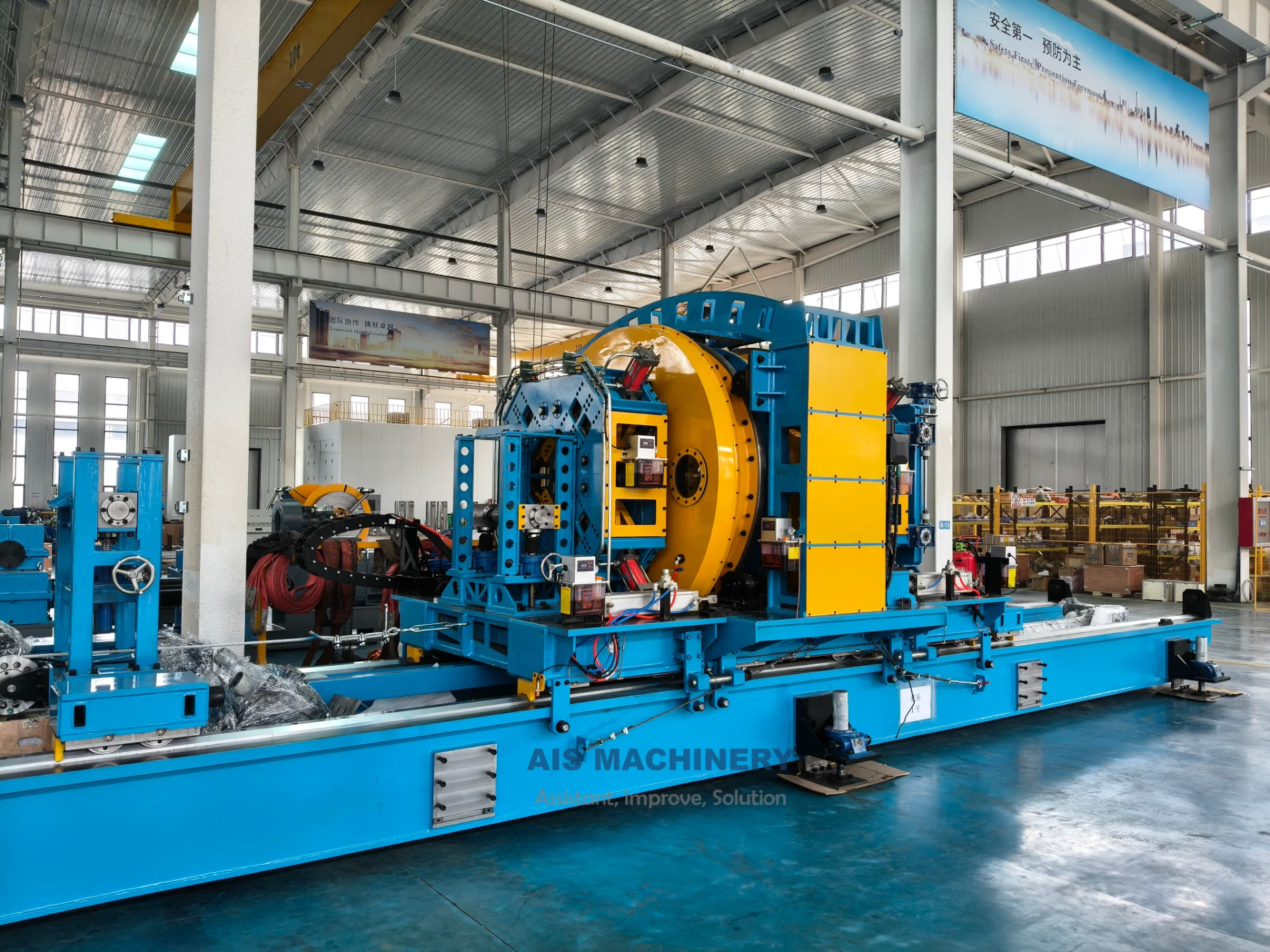
Flat Bar Production Line for Steel Coils: How It Works & Why It Matters
Looking for a flat bar production line? Learn how it turns steel coils into ready-to-use flat bars with precise length and high straightness. Compare it with slitting lines and get the best solution for your steel processing needs.
2026-04-14 00:00:00
Looking for a Milling Saw for ERW Tube Mill? Here’s What You Need to Know
Looking for a high-performance milling saw for your ERW tube mill? Upgrade to burr-free, high-precision pipe cutting with advanced flying saw technology. Improve efficiency, reduce rework, and meet export standards for carbon steel, stainless steel, and API pipes. Contact us today for expert solutions and competitive pricing tailored to your production needs.
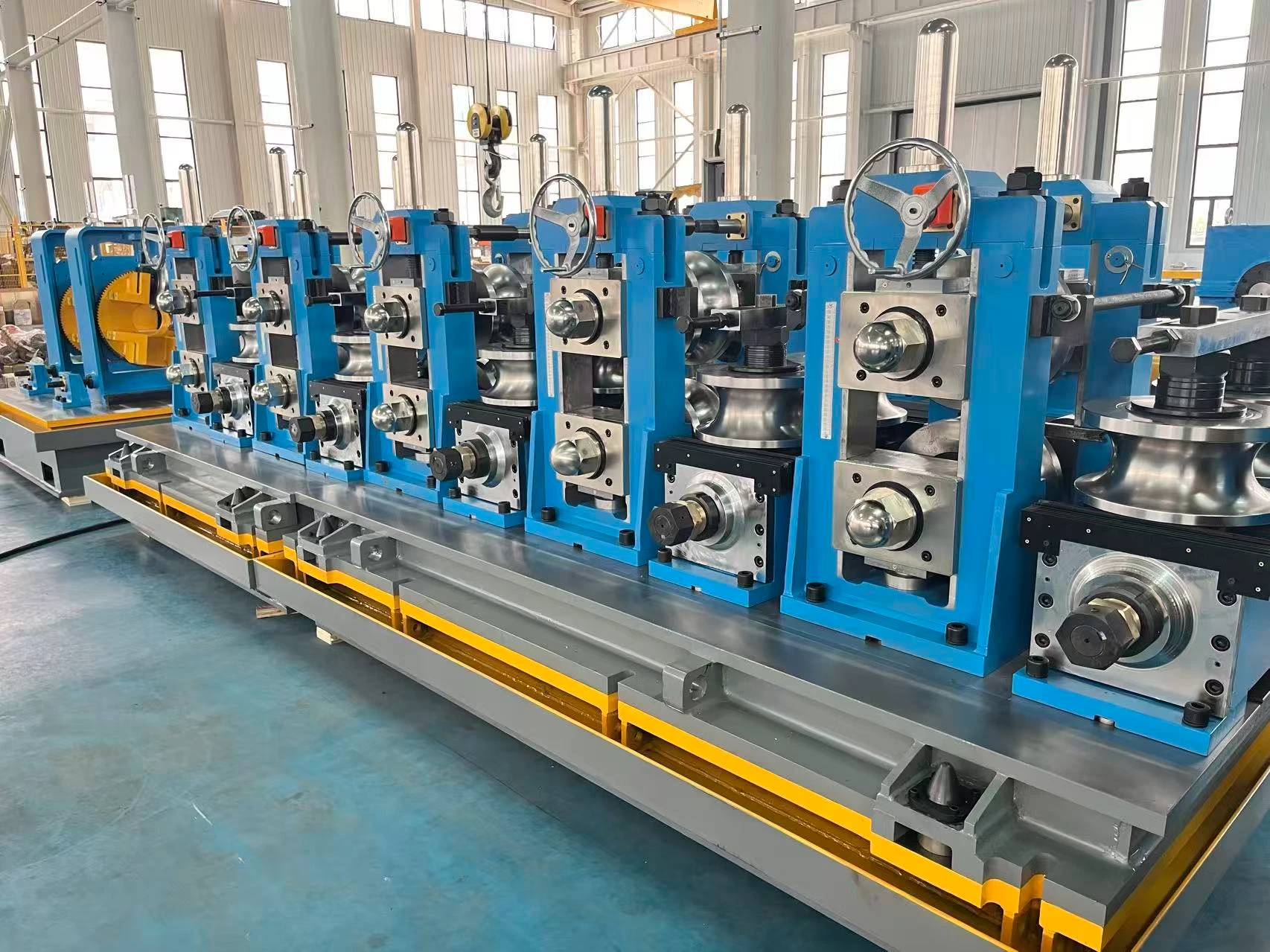
2026-04-09 16:15:19
5-Inch (127mm) ERW Tube Making Machine Delivered with Heavy-Duty Design and Advanced Quick Change System
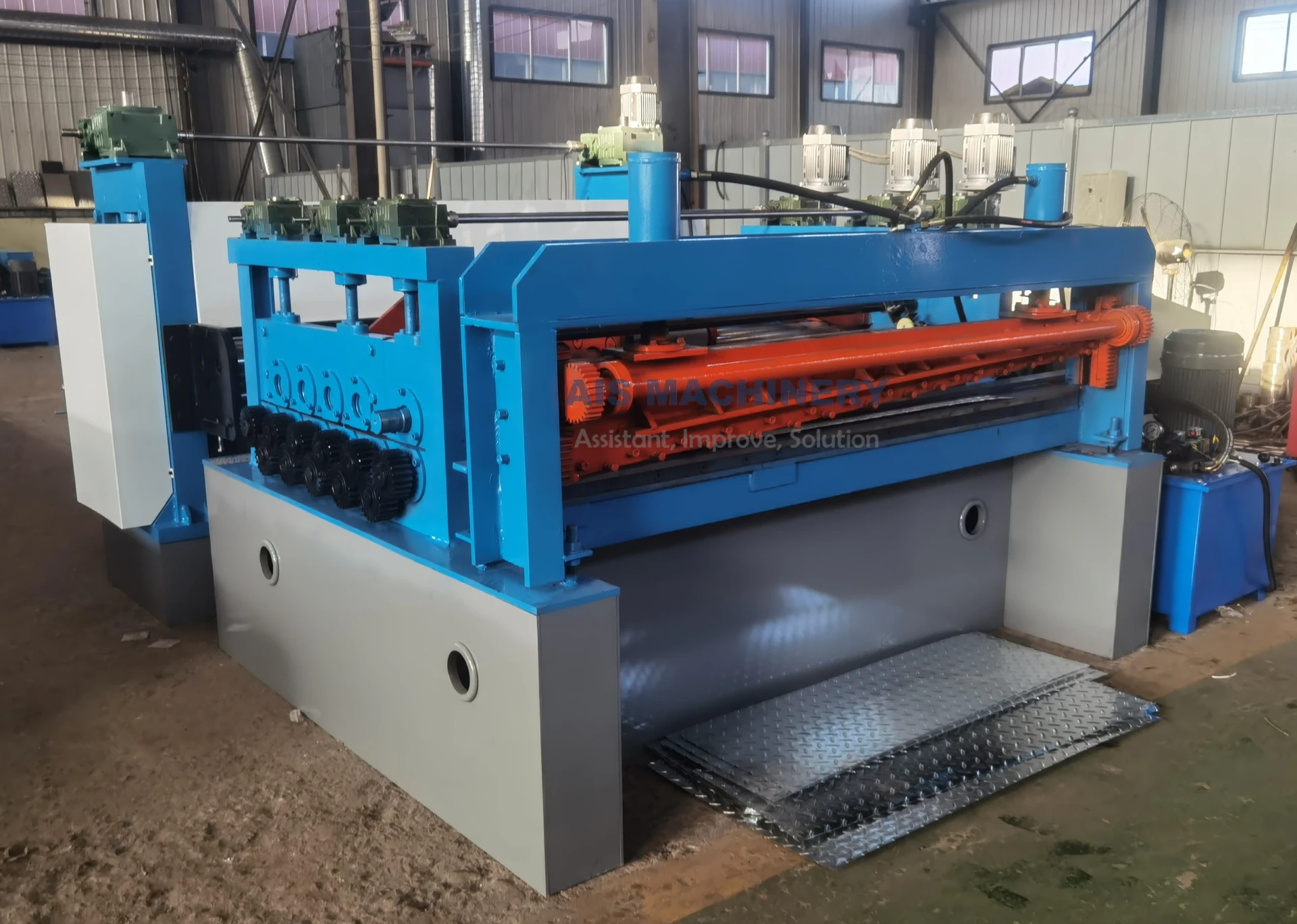
2027-04-07 00:00:00
Metal Embossing Machine: Turn Flat Sheets into High-Value Textured Products
Discover how a metal embossing machine transforms flat steel, stainless steel, and aluminum sheets into high-value textured products. Learn about its working principle, key components, and applications. Ideal for decorative and industrial use, embossing machines improve both appearance and performance. Explore complete embossing line solutions and find the right machine for your production needs.
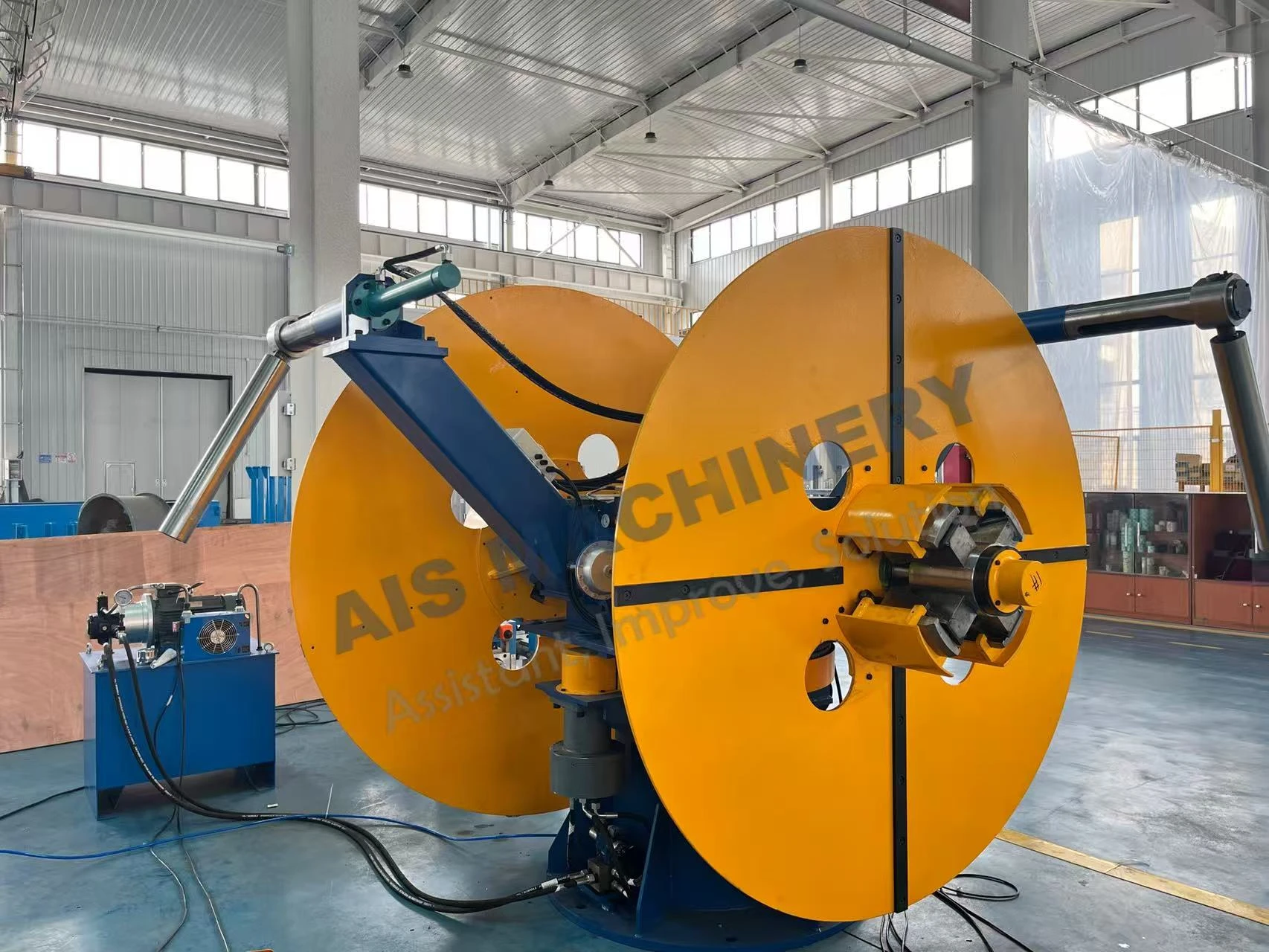
2026-04-04 20:37:18
Automatic Double Side Uncoiler with Hydraulic Expansion and Auto Rotation for Steel Coil Processing
The Automatic Double Side Uncoiler is a high-efficiency solution designed for modern steel coil processing lines, including tube mills, roll forming machines, and slitting lines. With a maximum capacity of 4 tons per side, this machine ensures stable and continuous coil feeding while reducing downtime during coil change.
Send a Message
Dear customer, thank you for your attention! We provide high-quality machinery and equipment and look forward to your orders. Please inform us of your needs and we will respond quickly!
 English
  Albanian
  Arabic
  French
  German
  Indonesian
  Italian
  Japanese
  Kazakh
  Korean
  Latin
Latin  Macedonian
  Portuguese
  Russian
  Spanish
  Thai
Thai  Turkish
  Ukrainian
  Uzbek
Uzbek