
-
 Tel:86-15176910262
-

Search

Leading Coil Slitting Line Manufacturers | Precision Metal Processing Solutions
Nov . 26, 2025 00:00
Understanding the Role of Coil Slitting Line Manufacturers in Modern Industry
At first glance, the phrase coil slitting line manufacturers might sound like something tucked away exclusively in factory floors or engineering jargon. But when you peel back the layers, it’s really about precision, efficiency, and driving massive supply chains that underpin everything from your smartphone’s body to the car you drive. Globally, industries rely heavily on slitting lines to convert metal coils—giant rolls of sheet metal—into narrower strips ready for further processing. Understanding who makes these machines—and why they matter—is crucial not just for industry insiders but also, indirectly, for anyone who uses products made from metal sheets.
Industry data indicates that the global metal slitting equipment market is projected to grow steadily, driven by sectors like automotive, construction, and electronics manufacturing [1]. The rise in demand for lighter, stronger materials also calls for finer and more precise coil slitting technologies. So, knowing what coil slitting line manufacturers bring to the table is more than trivia—it impacts global manufacturing agility, sustainability, and cost efficiency.
The Global Context: Why Coil Slitting Line Manufacturers Matter
Why should anyone outside industrial procurement care about coil slitting line manufacturers? Here’s the thing: metal coils are central raw materials worldwide—ISO reports say steel production alone topped 1.8 billion tons in recent years [2]. These coils need to be cut down with razor-sharp precision for countless industries. Without reliable coil slitting line manufacturers, you'd face bottlenecks in production, increased waste, and higher costs.
Moreover, with the push toward greener manufacturing, efficient slitting lines that reduce material waste are becoming imperative. But ironically, many manufacturers still struggle with outdated equipment or lack customization options—issues that slow global supply chains. These challenges underscore why the latest innovations from coil slitting line manufacturers deserve attention.
What Exactly Are Coil Slitting Line Manufacturers?
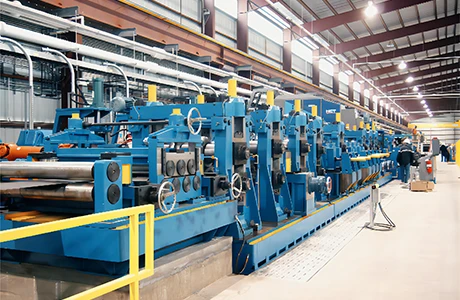
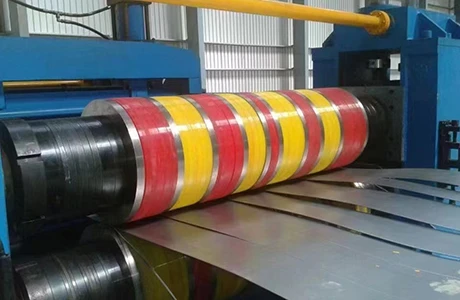
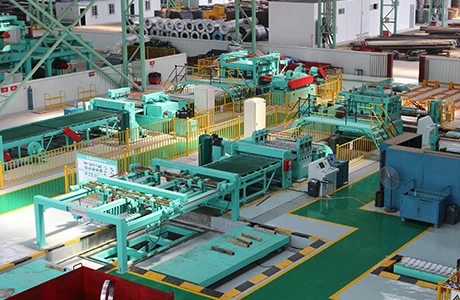
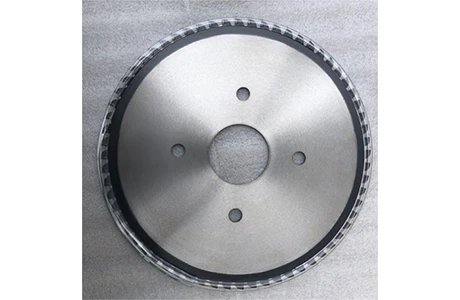
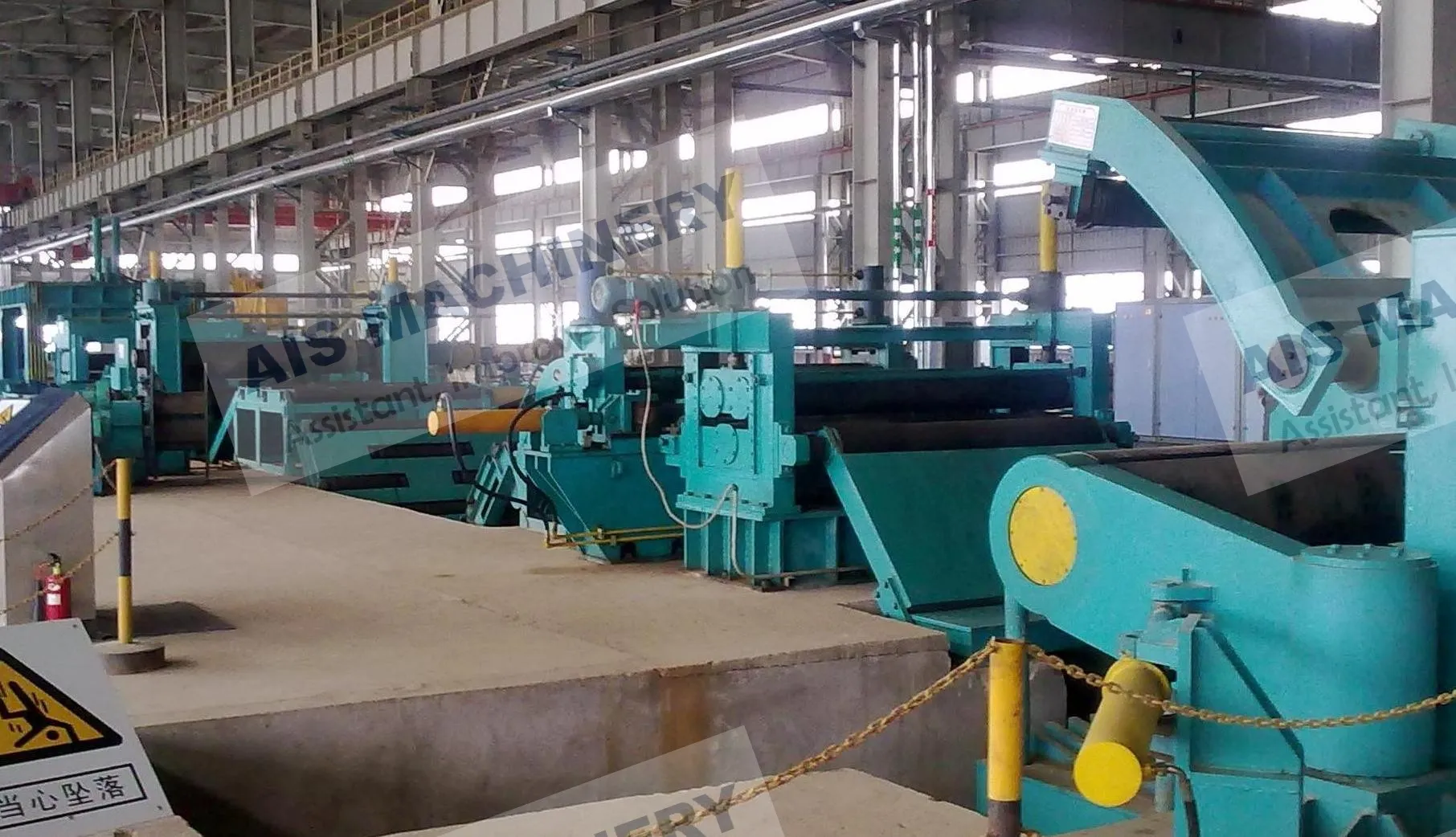
Put simply, coil slitting line manufacturers design, build, and supply the machines responsible for unwinding large metal coils and slicing them into narrower strips or sheets. Imagine a giant, mechanical guillotine but far more precise, automated, and complex. These lines include components such as coil stands, slitting heads equipped with circular blades, tension controls, and recoilers.
This isn't just about cutting metal. It’s the backbone of modern fabrication processes where accuracy affects everything downstream—from stamping and forming to assembly. For humanitarian and construction projects, for example, reliable coil slitting equipment ensures steel parts fit perfectly, maintaining structural integrity and safety.
Key Factors that Define Quality in Coil Slitting Lines
Durability and Material Quality
These machines work with hard metals day in and day out. Manufacturers who invest in high-grade blades, precision shafts, and wear-resistant bearings usually produce slitting lines that last longer and demand fewer repairs. Frankly, downtime in a coil slitting line can stall entire production chains.
Scalability and Customization
Not all factories have the same coil widths or material thicknesses. The best coil slitting line manufacturers offer modular systems that adjust easily to different project requirements—whether you’re processing thin aluminum for electronics or heavy steel for automotive parts.
Cost Efficiency
Efficient slitting lines minimize scrap by optimizing blade placement and tension. This reduces waste and, consequently, material costs. Manufacturers that incorporate smart automation also lower labor and energy consumption.
Automation and Control Systems
Modern coil slitting lines often come with advanced PLC controls, HMI interfaces, and real-time monitoring. This tech boosts accuracy and lets operators fine-tune processes on the fly.
Safety Features
Working with heavy coils and sharp blades is inherently risky. Trusted manufacturers prioritize protective enclosures, emergency stops, and fail-safes to protect operators.
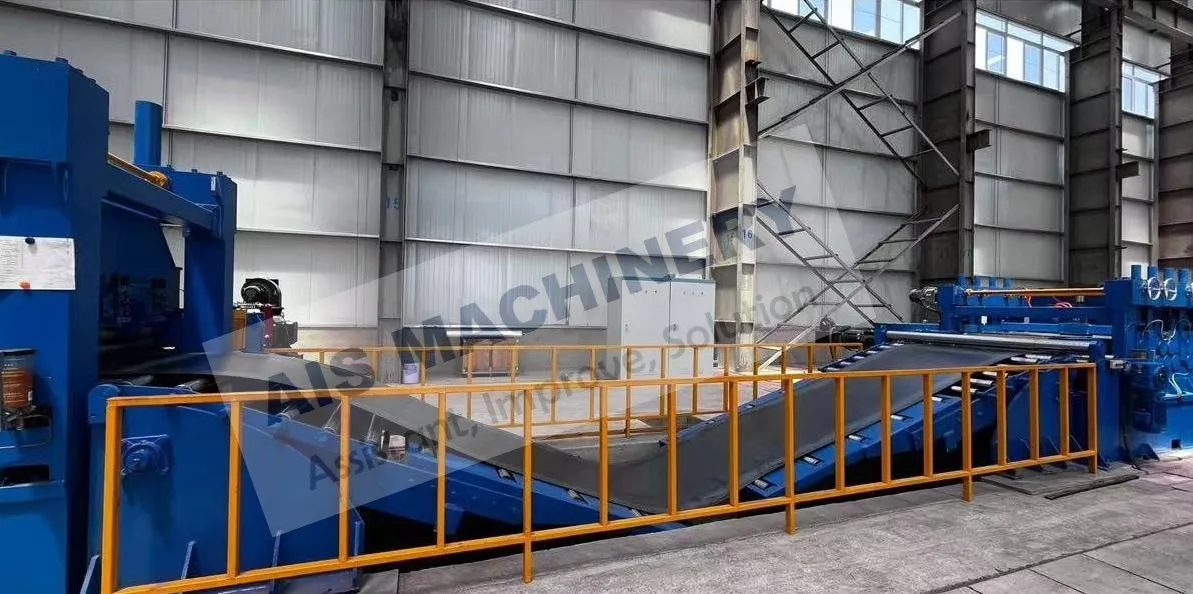
Typical Product Specifications
| Specification | Typical Range | Remarks |
|---|---|---|
| Coil Width Capacity | 600 mm – 2,000 mm | Depends on industry application |
| Material Thickness | 0.2 mm – 6 mm | Steel, aluminum, copper |
| Slitting Speed | 50 m/min – 300 m/min | Varies per machine model |
| Max Coil Weight | 10 metric tons | Heavy-duty industrial use |
| Automation Level | Semi-automatic to Fully automatic | Depending on budget |
Who’s Using These Machines? Global Applications & Use Cases
Coil slitting lines don't sit idle in some cloistered niche—they’re humming around the clock from Japan to Germany, to the U.S. Midwest, and even in emerging industrial zones in Southeast Asia. Automotive manufacturers rely on precision cut strips for body panels and chassis components. Meanwhile, home appliance producers need exact-width coils to build everything from refrigerators to microwave ovens.
In infrastructure, slit coils become roofing sheets, pipes, and other components. Oddly enough, during disaster relief rebuilding efforts, quickly manufacturable and reliable steel parts—made possible by efficient coil slitting—help get communities back on their feet faster. The military and aerospace sectors also depend on high-tolerance slit metals for safety-critical parts.
If you peek at the supply chains for pretty much any metal product, you'll find coil slitting lines playing a quiet but indispensable role.
Vendor Comparison: Leading Coil Slitting Line Manufacturers
| Manufacturer | Automation Level | Customization | Lead Time | Market Focus |
|---|---|---|---|---|
| Alpha Steel Machines | Fully Automated | High | 12-16 weeks | Automotive, Heavy Industry |
| Beta Coil Tech | Semi-Automatic | Medium | 8-12 weeks | Electronics, Appliances |
| Gamma Metals | Manual to Semi-Automatic | Low | 6-10 weeks | Small Scale Industrial |
Why Invest in Quality Coil Slitting Lines? Advantages & Long-Term Value
- Cost Savings: Reduced material waste and efficient production lower overall costs.
- Improved Product Quality: Precise cuts lead to better-fitting parts, reducing rework.
- Sustainability: Less scrap means less environmental impact and resource waste.
- Enhanced Safety: Modern safety features protect operators, fostering trust and peace of mind.
- Innovation Boost: Automations and smart controls keep factories competitive in an evolving market.
Put together, these benefits bring not only financial gains but also intangibles like closer teamwork on plant floors and confidence among suppliers and customers.
Emerging Trends and Innovations in Coil Slitting Line Manufacturing
The industry is moving steadily toward automation with AI-assisted roll adjustment and predictive maintenance features. Add to that eco-friendly hydraulic fluids and energy-saving drives, and your slitting line becomes both greener and smarter.
Digital twins and virtual commissioning are gaining ground. Engineers run simulations before actual production, slashing lead times and errors. There’s also an increased focus on lightweight materials needing ultra-fine slit widths, pushing manufacturers to innovate blade materials and machine rigidity.
Facing Challenges and How Industry Experts Tackle Them
Challenges still linger: blade wear, handling ultra-thick coils, and costly downtime. But many OEMs now equip machines with automatic blade changers, advanced tension control, and IoT monitoring for early problem detection. In real-world terms, this means less guesswork and fewer surprises.
Some manufacturers also offer comprehensive after-sales service and training, helping customers get the most out of their investments. The goal is clear: machines that run smoother, safer, and longer.
Frequently Asked Questions About Coil Slitting Line Manufacturers
1. What quality standards should I look for in a coil slitting line manufacturer?
Look for manufacturers adhering to ISO 9001 quality management standards and those who implement CE safety certifications. These ensure the equipment meets international benchmarks for quality, safety, and reliability.
2. How customizable are coil slitting lines to my specific material needs?
Most reputable manufacturers offer extensive customization—from coil width and thickness handling to automation levels and blade types—tailored to your production goals.
3. What’s the typical lead time when ordering a coil slitting line?
Lead times vary but typically range from 8 to 16 weeks, depending on the degree of customization and machine complexity.
4. Can coil slitting lines handle multiple metal types on the same machine?
Yes, with proper blade selection and tension adjustment, modern slitting lines can process steel, aluminum, copper, and other alloys without much setup time.
5. How do coil slitting manufacturers support after-sales service?
Many provide on-site training, remote diagnostics, spare parts supply, and maintenance contracts to keep your equipment running optimally.
Conclusion: A Smart Investment With Long-Term Rewards
In the grand scheme, choosing the right coil slitting line manufacturers is about more than just buying a machine. It’s an investment in reliability, efficiency, and future-proofing your production. As industries face rising demand for quality and sustainability, those who partner well get an edge that ripples across their entire supply chain.
Feel free to explore options, check specs carefully, and think ahead—because in metal production, precision today shapes the products of tomorrow.
Visit our website for expert advice and tailored solutions: https://www.aistubemill.com
Mini Takeaways:
- Coil slitting line manufacturers are critical to modern manufacturing efficiency.
- Customization and automation are key trends shaping the future.
- Proper vendor selection ensures cost savings, safety, and sustainability.
References:

Related Products

Related News
2026-04-15 10:37:55
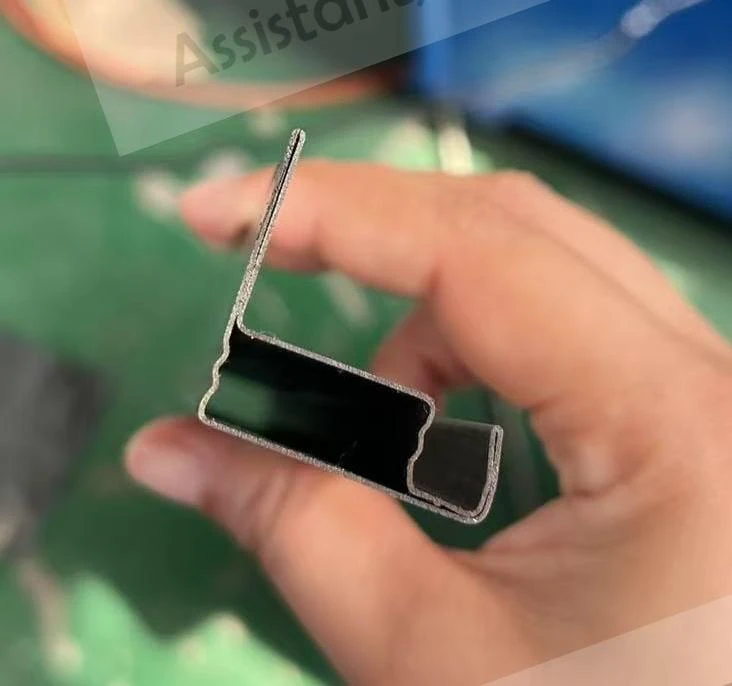
Flat Bar Production Line for Steel Coils: How It Works & Why It Matters
Looking for a flat bar production line? Learn how it turns steel coils into ready-to-use flat bars with precise length and high straightness. Compare it with slitting lines and get the best solution for your steel processing needs.
2026-04-14 00:00:00
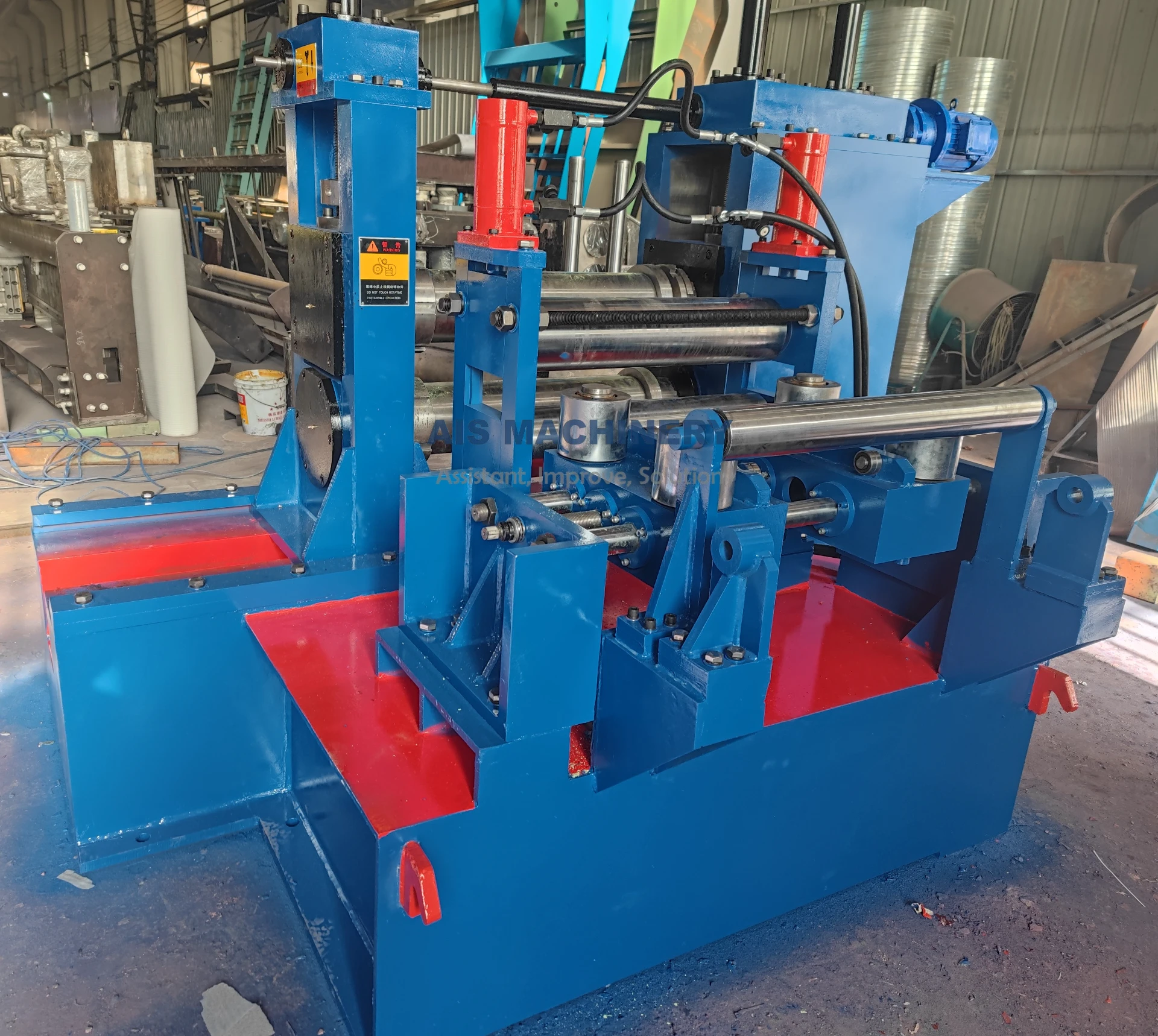
Looking for a Milling Saw for ERW Tube Mill? Here’s What You Need to Know
Looking for a high-performance milling saw for your ERW tube mill? Upgrade to burr-free, high-precision pipe cutting with advanced flying saw technology. Improve efficiency, reduce rework, and meet export standards for carbon steel, stainless steel, and API pipes. Contact us today for expert solutions and competitive pricing tailored to your production needs.
2026-04-09 16:15:19
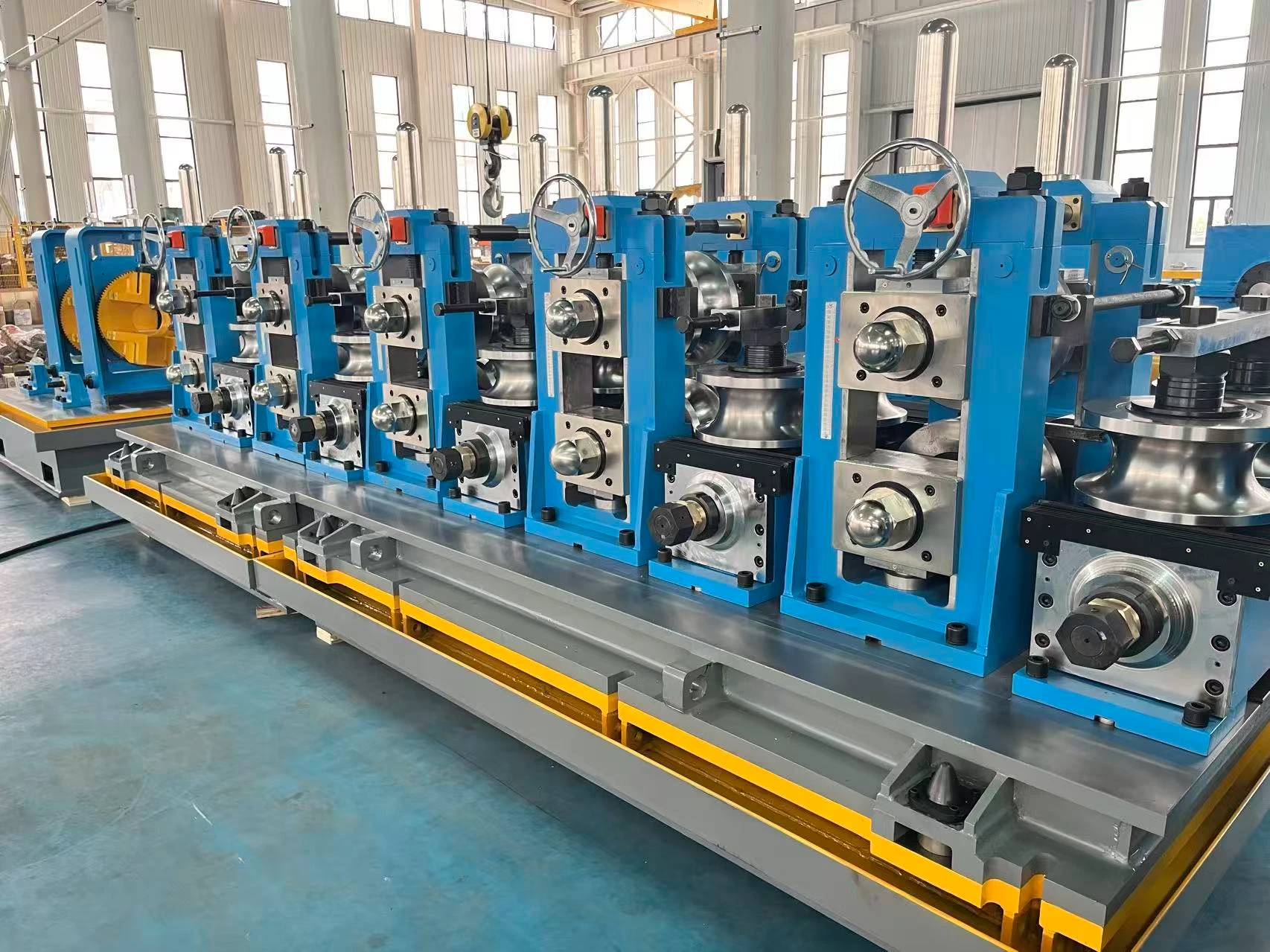
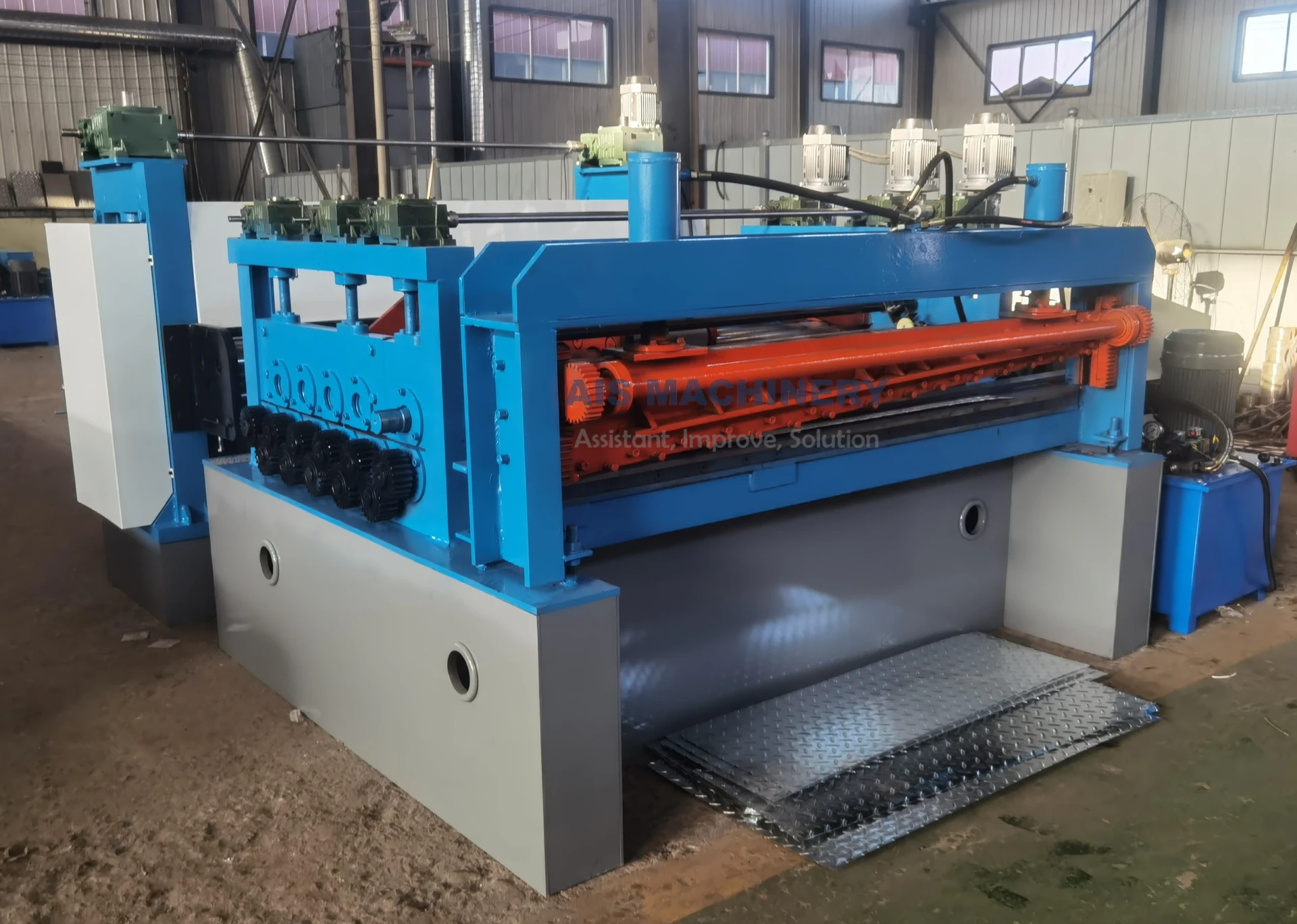
5-Inch (127mm) ERW Tube Making Machine Delivered with Heavy-Duty Design and Advanced Quick Change System
2027-04-07 00:00:00
Metal Embossing Machine: Turn Flat Sheets into High-Value Textured Products
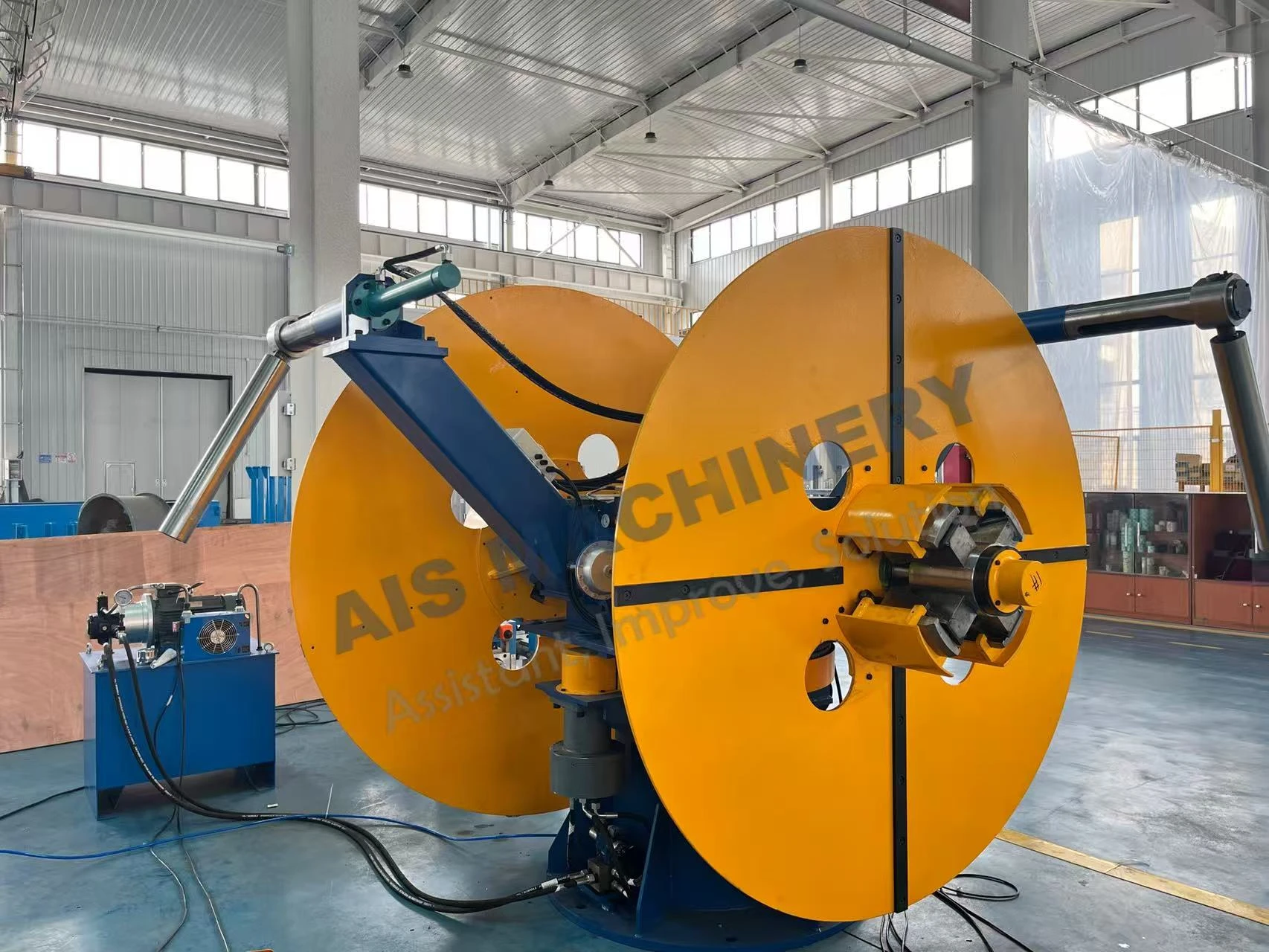
Discover how a metal embossing machine transforms flat steel, stainless steel, and aluminum sheets into high-value textured products. Learn about its working principle, key components, and applications. Ideal for decorative and industrial use, embossing machines improve both appearance and performance. Explore complete embossing line solutions and find the right machine for your production needs.
2026-04-04 20:37:18
Automatic Double Side Uncoiler with Hydraulic Expansion and Auto Rotation for Steel Coil Processing
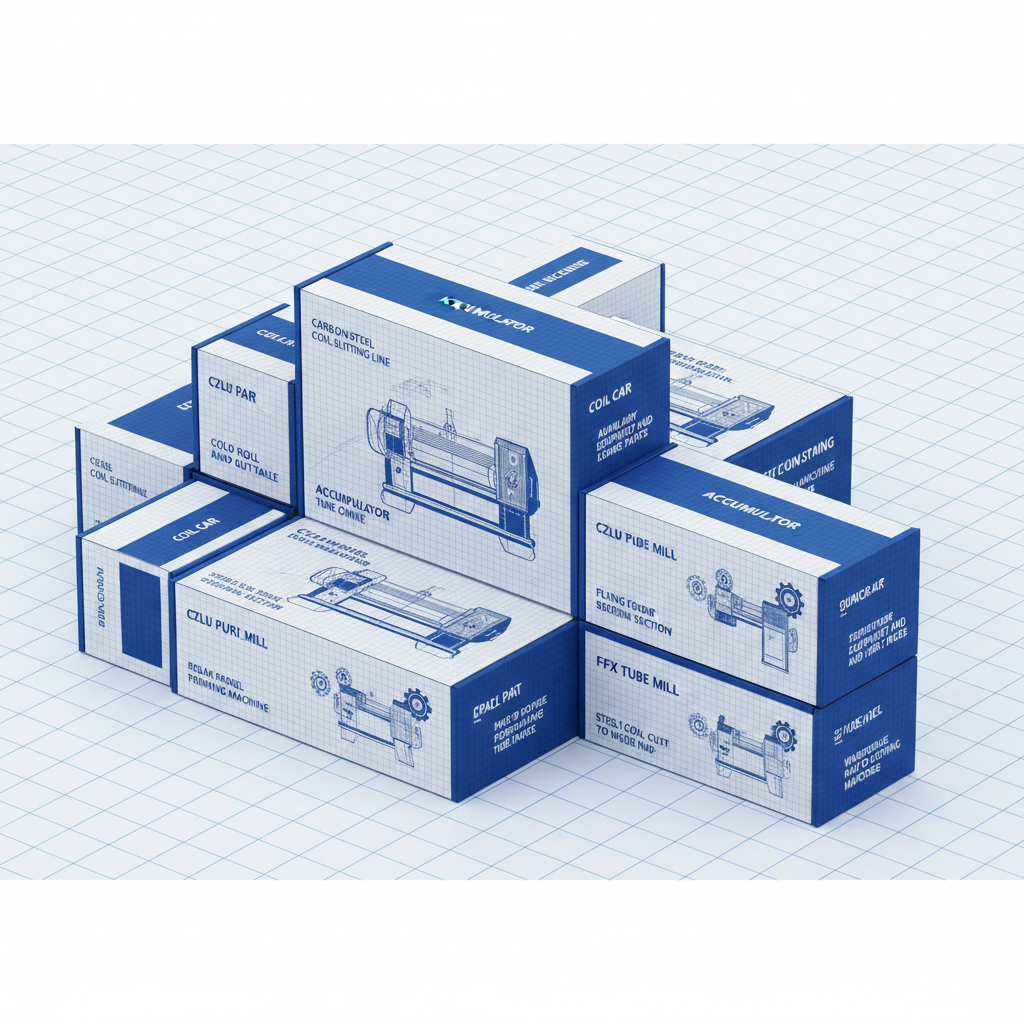
The Automatic Double Side Uncoiler is a high-efficiency solution designed for modern steel coil processing lines, including tube mills, roll forming machines, and slitting lines. With a maximum capacity of 4 tons per side, this machine ensures stable and continuous coil feeding while reducing downtime during coil change.
2026-04-04 02:35:29
Exploring Advanced Cold Forming Machines for Efficient Metal Production
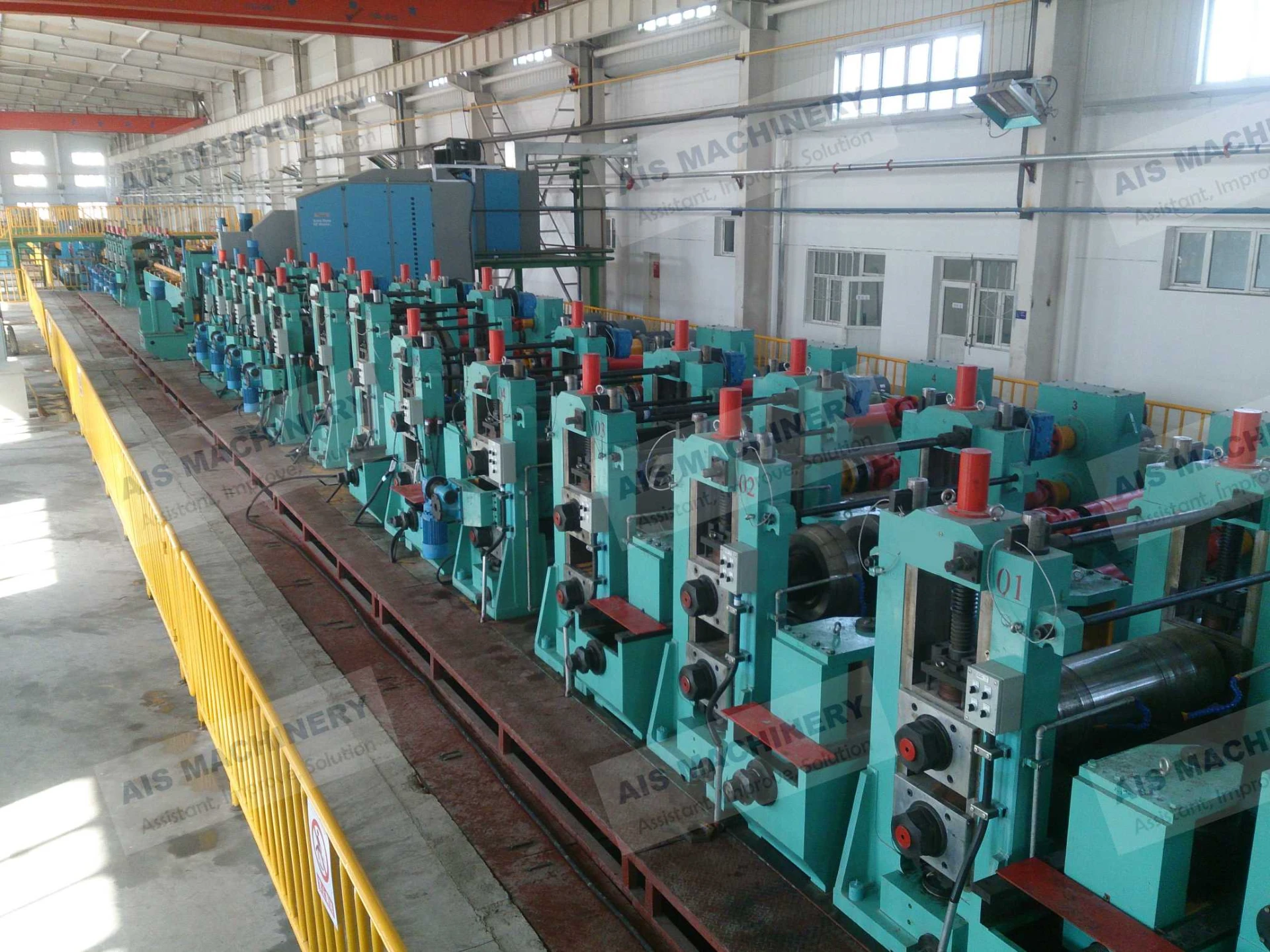
In the realm of metal fabrication, cold forming machines are pivotal for efficient and cost-effective production of various metal components. These machines utilize a shaping process at room temperature, offering advantages like enhanced material strength and reduced production costs. This article provides an in-depth look into the world of cold forming machines, covering their types, applications, benefits, and key considerations when choosing the right machine for your needs. Understanding the nuances of these machines is crucial for optimizing manufacturing processes and achieving superior product quality.
2026-04-01 00:00:00
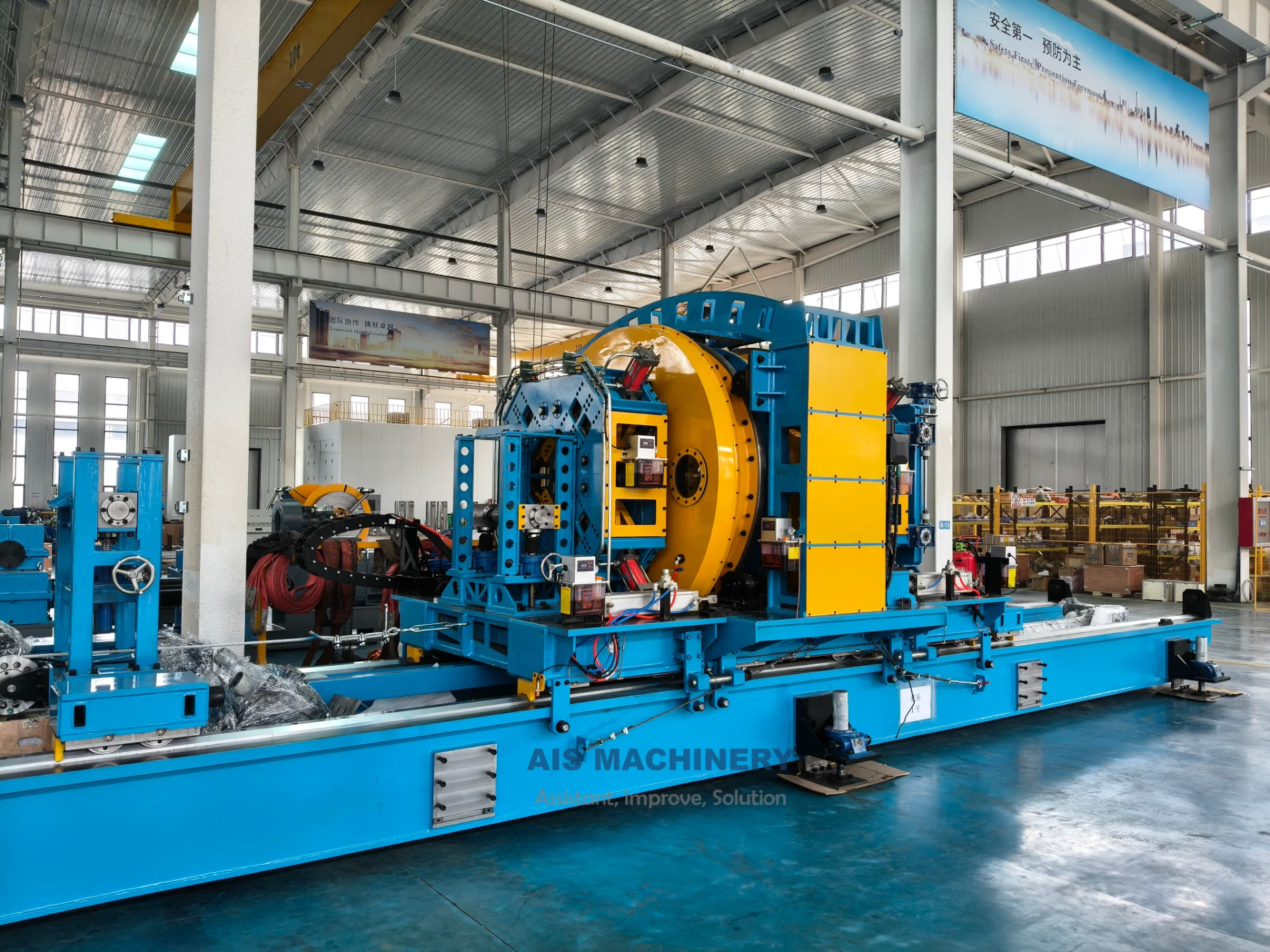
14 Inch 355mm API Tube Mill: Complete Guide to Structure and Production Process
Discover the complete structure of a 14 inch (355mm) API standard tube mill, including forming, welding, sizing, and finishing sections. Learn what API standards mean and why they are essential for oil and gas pipe production. A practical guide for buyers seeking high-quality ERW tube mill solutions with stable performance and international compliance.
2026-03-31 14:01:29
What Is an External Burr Scraper? Types, Benefits & Applications in Tube Mills
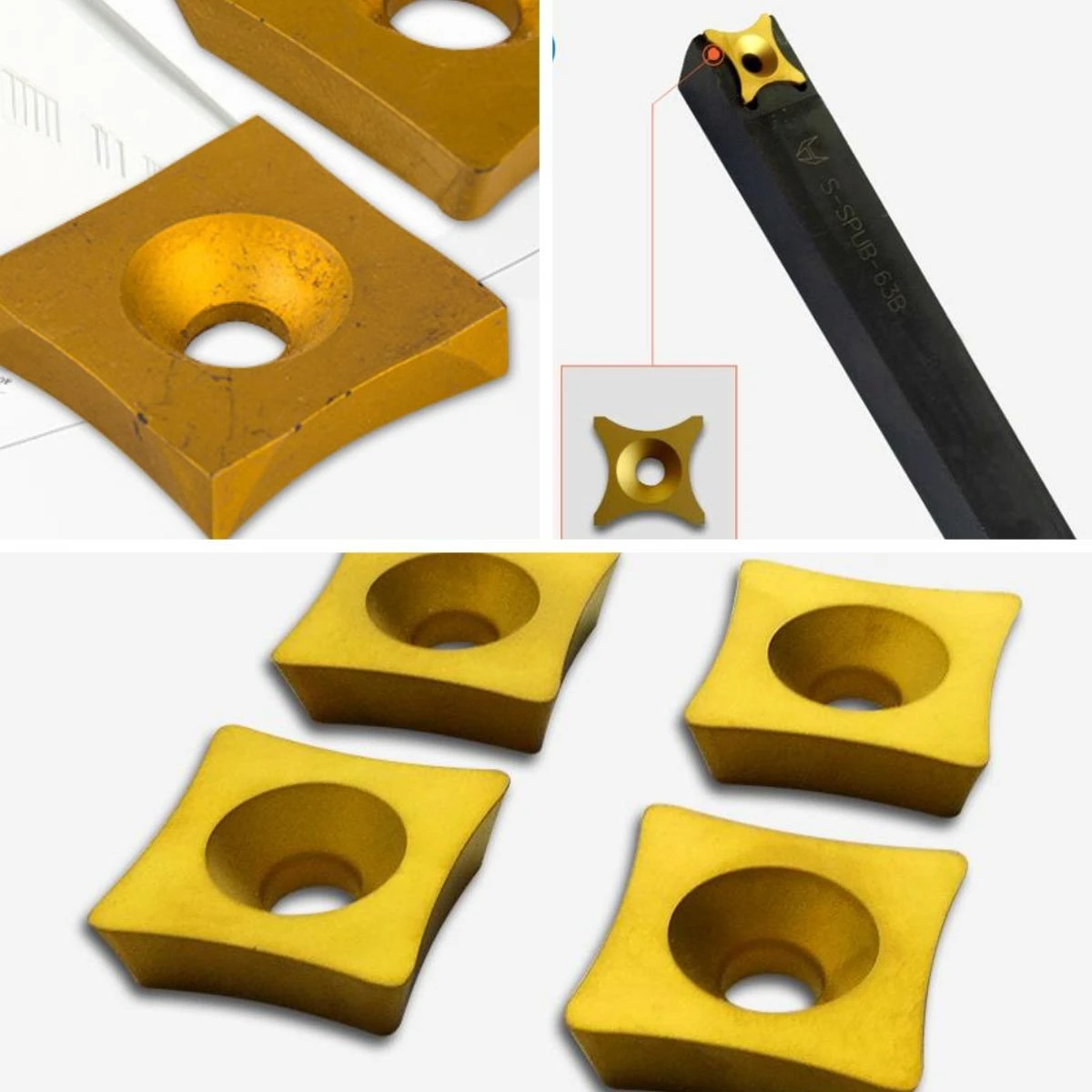
Discover how an external burr scraper improves weld seam quality in ERW tube mills. Learn the differences between four-sided and six-sided burr scrapers, their applications, and how to choose the right solution for your production line. Optimize pipe surface finish, reduce defects, and increase efficiency with the right external burr removal tool for your tube and pipe manufacturing process.
Send a Message
Dear customer, thank you for your attention! We provide high-quality machinery and equipment and look forward to your orders. Please inform us of your needs and we will respond quickly!
 English
  Albanian
  Arabic
  French
  German
  Indonesian
  Italian
  Japanese
  Kazakh
  Korean
  Latin
Latin  Macedonian
  Portuguese
  Russian
  Spanish
  Thai
Thai  Turkish
  Ukrainian
  Uzbek
Uzbek