
-
 Tel:86-15176910262
-

Search
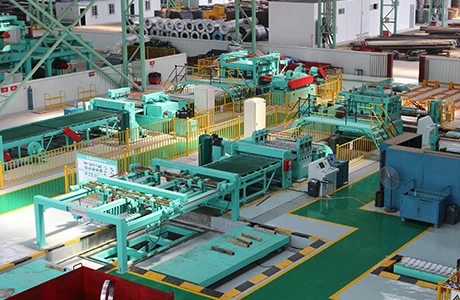

Comprehensive Guide to Slitting and Cut to Length Line Technologies for Modern Industry
Nov . 27, 2025 21:40
Understanding the Slitting and Cut to Length Line: Why It Matters Worldwide
In an age where precision and efficiency govern manufacturing and materials handling, the slitting and cut to length line quietly plays a pivotal role. This equipment might not often make headlines, but it’s the backbone behind everything from metal sheets in car factories to packaging materials in consumer goods. Why should you care? Because the ability to quickly and accurately convert large rolls of material into usable sizes is a key step that can shave costs, reduce waste, and speed production globally.
On a broader scale, with the industrial sector tightening its grip on sustainability goals and supply chain optimization, mastering how materials are prepped through slitting and cut to length processes is a sneaky sort of competitive advantage that’s only getting more crucial.
Global Industry Context: Where Slitting and Cut to Length Lines Fit In
Globally, the demand for metals, plastics, and paper products continues to surge — the World Bank reports steady growth in industrial outputs, and ISO standards continuously evolve to ensure quality. But here’s the catch: raw materials often arrive in massive, unwieldy coils or rolls. Without efficient conversion lines, manufacturers face bottlenecks, increased wastage, and inconsistent product quality.
As industries grapple with these challenges, especially in regions focusing on rapid industrialization (think Southeast Asia, Eastern Europe), slitting and cut to length lines emerge as essential enablers. A recent UN report also points towards these technologies supporting infrastructure projects in developing countries by ensuring material precision and reducing resource consumption.
Oddly enough, many companies still underestimate the strategic nature of these lines, treating them as mere "helpers" when, in industrial terms, they’re the fine scissors that actually shape the economic fabric.
What Is a Slitting and Cut to Length Line, Really?
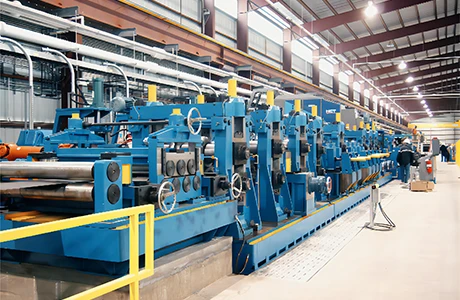
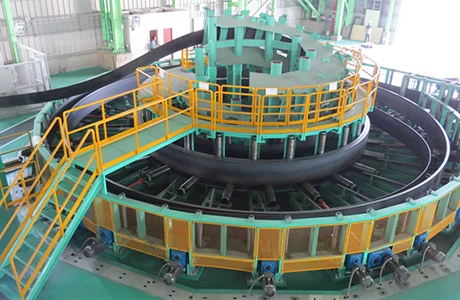
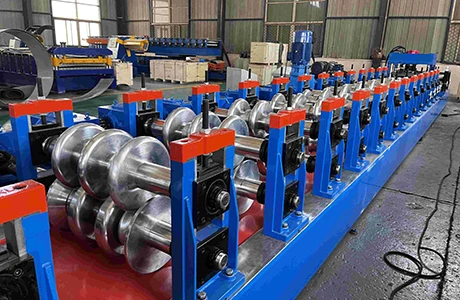
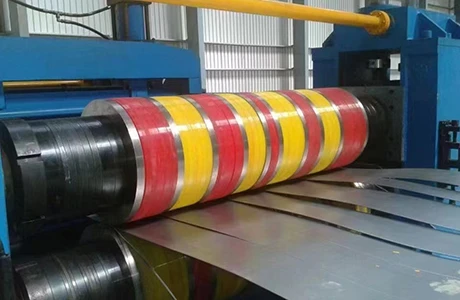
In simple terms, a slitting and cut to length line is a machine designed to take a large coil or roll of material — be it steel, aluminum, plastic film, or paper — and convert it into narrower strips (slitting) and then cut those strips into sheets or specific lengths (cut to length). Imagine you’re slicing a big pizza into long strips, then cutting those strips into bite-sized squares. Except, this pizza can be several tons of steel sheet.
This process touches many industries — automotive, construction, packaging — and is instrumental in fulfilling the precise size requirements needed downstream. For humanitarian needs, such as providing shelters or protective materials quickly, having reliable lines ensures materials arrive just right, minimizing delays or waste.
Core Components of Effective Slitting and Cut to Length Lines
1. Precision Cutting Mechanisms
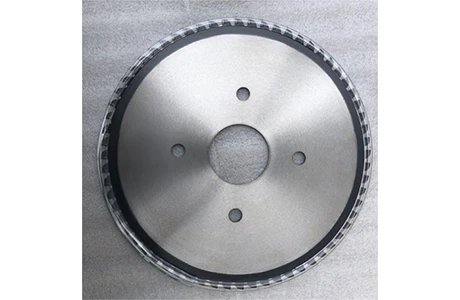
The heart of the system is the knife or rotary slitter. The sharper and more robust these are, the better the quality of the cut, minimizing burrs and defects. Many engineers swear by the use of carbide-tipped blades for longevity.
2. Robust Material Handling
Handling large, heavy coils requires well-tuned conveyors, tension controls, and rewinders. If the material isn’t fed steadily, the quality dips and downtime spikes.
3. Customizable Speed and Scalability
This isn’t a “one size fits all” deal. Lines must adapt to different materials and thicknesses, scaling speeds from a gentle crawl up to hundreds of meters per minute, depending on demand.
4. Automation and Control Systems
Modern lines come with sophisticated touch screen controls and PLC automation, making setup adjustments easier and repeatable. Some even integrate with IoT for remote monitoring.
5. Safety Features and Ergonomics
Sharp blades and heavy materials mean risk. Effective lines incorporate safety shields, emergency stops, and user-friendly interfaces to protect operators.
Mini takeaway: These core factors aren’t just specs on paper — they combine to define whether a line is an asset or a headache.
What Does Slitting and Cut to Length Lines Look Like in the Real World?
Take the booming metal fabrication plants in countries like Mexico or Turkey. They rely heavily on slitting and cut to length lines to deliver precise sheets that become car doors or roofing panels. Elsewhere, in post-disaster relief zones such as after a hurricane in the Caribbean, slitting and cut to length line technology enables fast preparation of materials needed for emergency shelters, cutting down lead times critically.
In places where industrial infrastructure isn’t fully developed, such as parts of Africa, mobile or modular lines are becoming a trend — large enough to be effective, yet flexible and transportable. This ensures remote construction or production can maintain pace without waiting on imported final cuts.
Why Invest in Slitting and Cut to Length Lines? The Advantages That Last
- Cost Efficiency: Reduces scrap material, lowers labor costs via automation, improves yield.
- Sustainability: By minimizing wasted raw input, companies fulfill ISO 14001 and other green standards easier.
- Reliability: High uptime and consistent quality builds trust with downstream partners and clients.
- Flexibility: Ability to switch products and specs quickly means better market responsiveness.
- Social Impact: Faster production of critical materials can support humanitarian causes and infrastructure growth.
From an emotional standpoint, imagine the pride of a production manager who knows their line rarely breaks down. It’s like the quiet reassurance that the day's work won’t stumble, that shipment deadlines will be met, that the company stays competitive.
Looking Ahead: Innovations Shaping the Future of Slitting and Cut to Length Lines
The future is digitally connected, greener, and smarter. AI-based quality inspection can detect tiny defects mid-run, preventing costly recalls. Automated tension controls adapted in real time to material oscillations reduce jams and wear. Plus, emerging materials that are stronger but thinner demand lines with enhanced control precision.
Green energy also plays a role: some manufacturers are installing electric servo motors powered by renewable energy sources to reduce their carbon footprint. Not to mention the rise of slitting and cut to length line providers offering modular automation packages that neatly fit into Industry 4.0 ecosystems.
Challenges You Might Face—and How to Tackle Them
It’s not all smooth sailing. Common issues include handling ultra-thin or delicate materials without damage, and setting up lines quickly for diverse products without extensive downtime. Also, training operators to manage advanced systems is an ongoing hurdle.
Innovative approaches include modular blade holders for quick swaps, digital twin technology to simulate setups before actual production, and VR-based operator training to speed up onboarding.
Product Specifications at a Glance
| Feature | Specification | Common Applications |
|---|---|---|
| Max Coil Width | 2000 mm | Steel, Aluminum, Plastic Rolls |
| Line Speed | Up to 300 m/min | High-volume industrial production |
| Cutting Accuracy | ±0.1 mm | Precision sheet metal parts |
| Automation Level | Full PLC & Touchscreen Control | Automotive, Construction |
| Operator Safety | Emergency Stops, Safety Guards | Heavy industrial settings |
Vendor Comparison: Choosing the Right Slitting and Cut to Length Line Supplier
| Vendor | Product Range | Global Presence | Customization | Typical Lead Time |
|---|---|---|---|---|
| AISTubeMill | Standard & Custom Lines | Worldwide | High | 8-12 Weeks |
| MetalPro Inc. | Heavy-duty Lines | North America, Europe | Medium | 12-16 Weeks |
| SlitTech Solutions | Compact & Modular Lines | Asia, Australia | High | 6-10 Weeks |
Addressing Common Questions About Slitting and Cut to Length Lines
Q1: How does slitting differ from cut to length in these lines?
A: Slitting narrows a wide coil into smaller strips by slicing lengthwise, while cut to length cuts those strips into specific sheet lengths. Both processes may happen sequentially or separately, depending on production needs.
Q2: Can these lines handle different materials without major reconfiguration?
A: Many modern lines feature adjustable tension controls and modular blade holders, enabling quick adaption to various materials from thin films to thick metals, though some setups require minor downtime.
Q3: What maintenance do slitting and cut to length lines require?
A: Regular blade sharpening or replacement, routine lubrication, and periodic calibration of sensors and tension units are key. Many vendors now offer remote diagnostics to catch issues early.
Q4: Are these lines eco-friendly?
A: Indirectly yes. By maximizing material yield and reducing scrap, they contribute significantly to less waste. Integration with energy-saving motors and renewable energy sources is also on the rise.
Wrapping Up: Long-term Benefits of Mastering Slitting and Cut to Length Lines
To sum up, whether you’re a manufacturer aiming to streamline production, a procurement specialist balancing cost and quality, or a project manager in relief or construction, the slitting and cut to length line represents more than just a machine. It’s a gateway to efficiency, sustainability, and flexibility in material handling that quietly delivers big returns over time. With ongoing innovations, the future promises even smarter, greener, and faster lines that respond to market needs like never before.
If you’re curious to learn more or explore top-tier solutions, don’t hesitate to visit https://www.aistubemill.com and see how modern slitting and cut to length line technologies can transform your production workflow.
References & Further Reading

Related Products

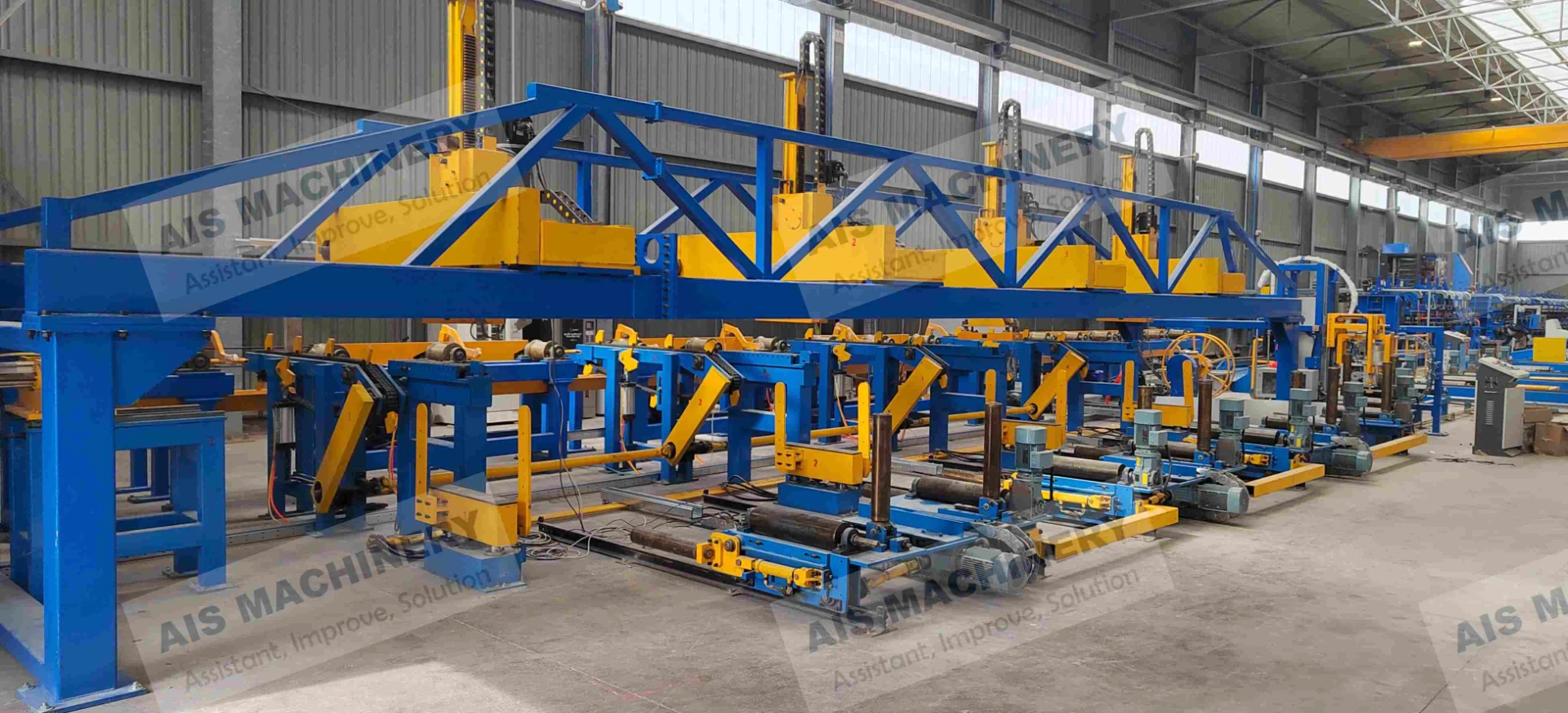
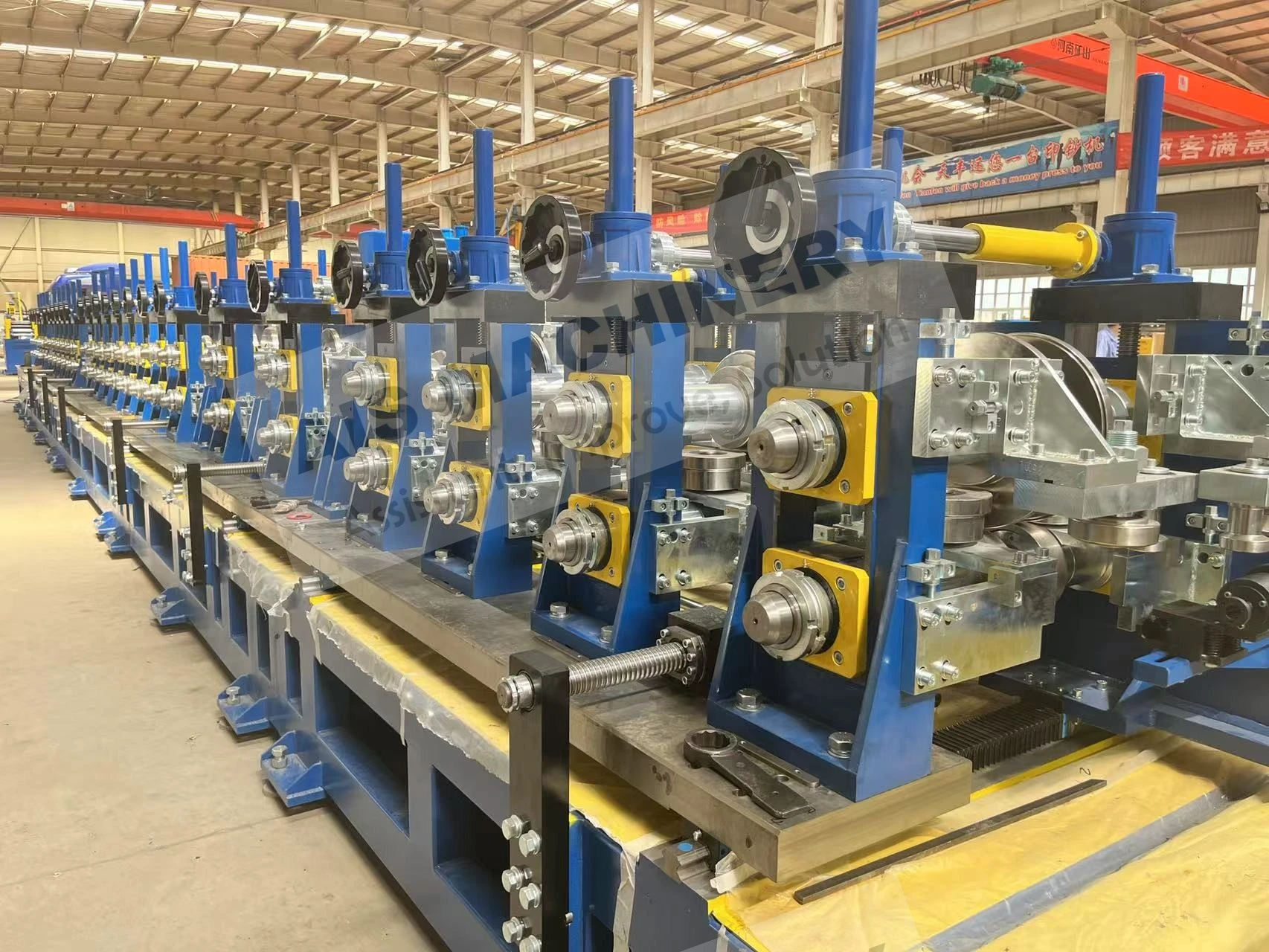
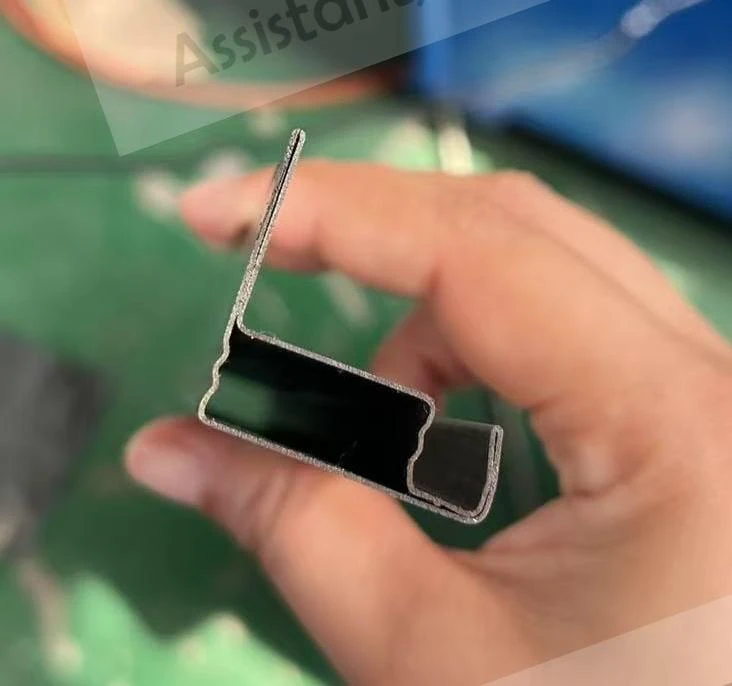
Related News
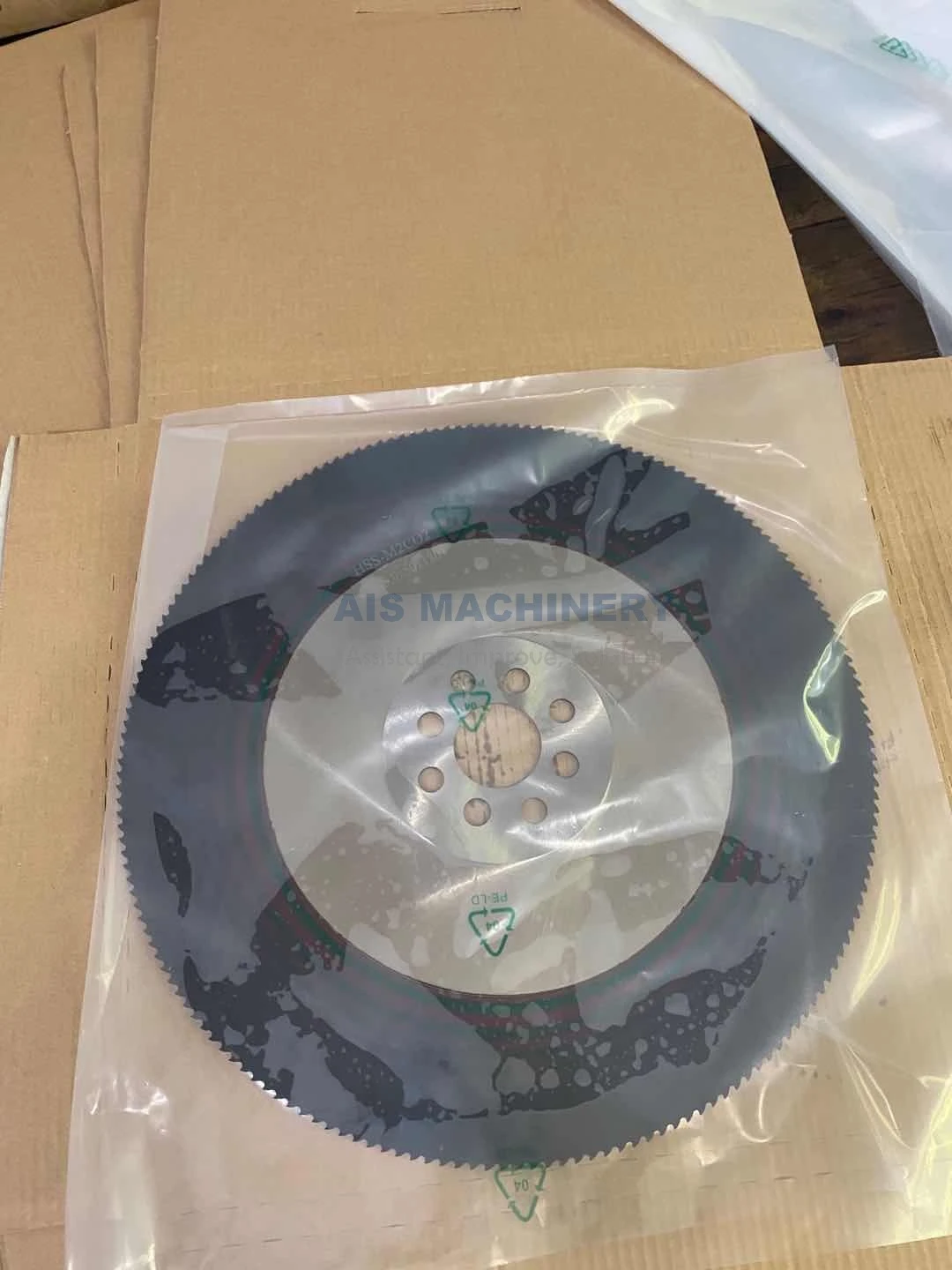
2026-04-28 08:56:05
Saw Blade Guide for Tube Mills: Friction vs HSS vs TCT — Which One Should You Choose?
Confused about friction saw, HSS, and TCT blades? This guide explains their uses in cold saw and friction saw machines, with pros, cons, and expert selection tips.
2026-04-24 08:54:16
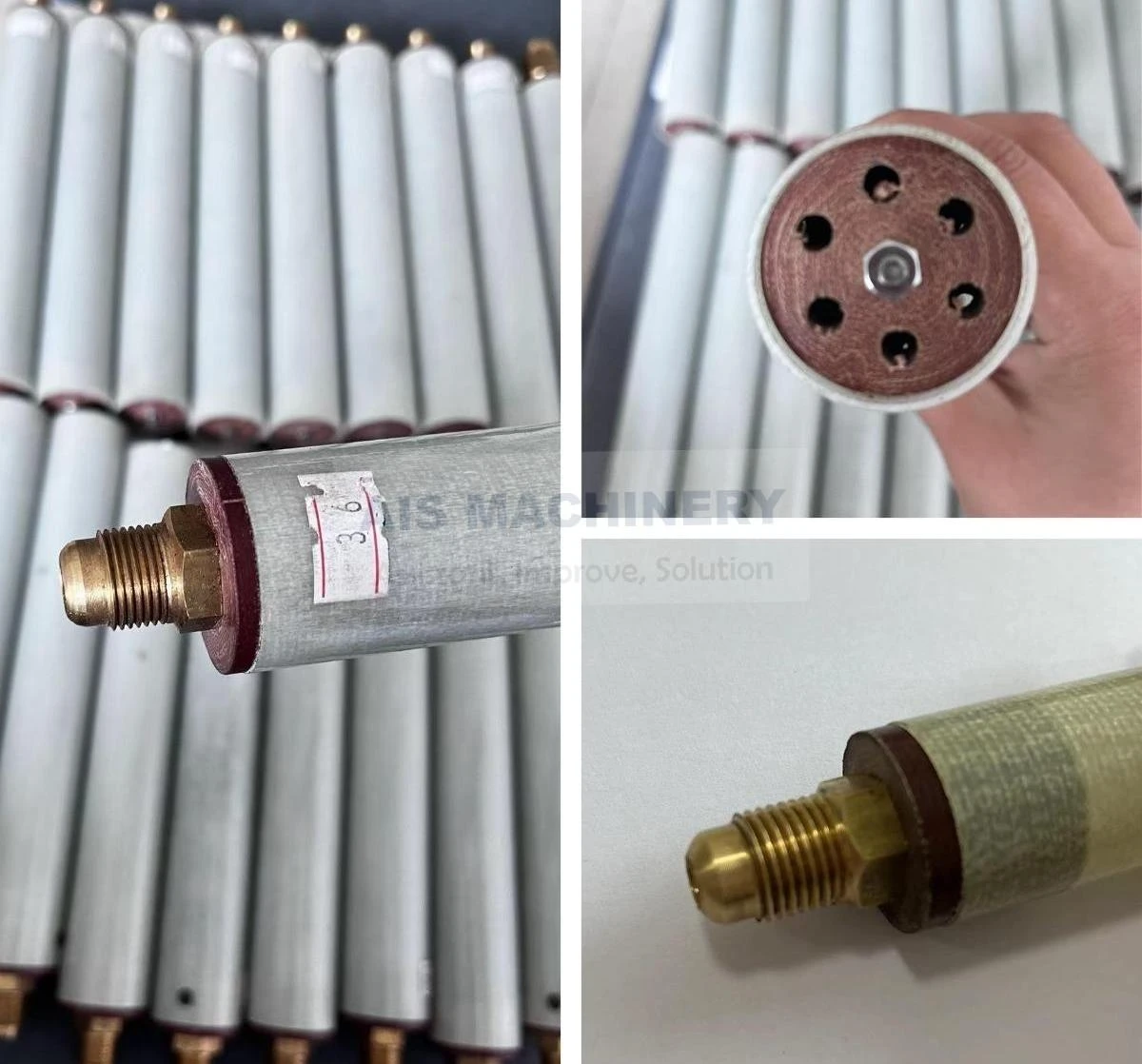
What is an Impeder and Ferrite Rods in ERW Tube Mill?
Struggling with impeder overheating or short service life in your ERW tube mill? This guide explains common impeder problems, the role of ferrite rods, and how to choose the right impeder for stable welding performance. Improve weld quality, reduce energy loss, and extend equipment lifespan with the right selection and proper cooling solutions.
2026-04-21 10:22:25
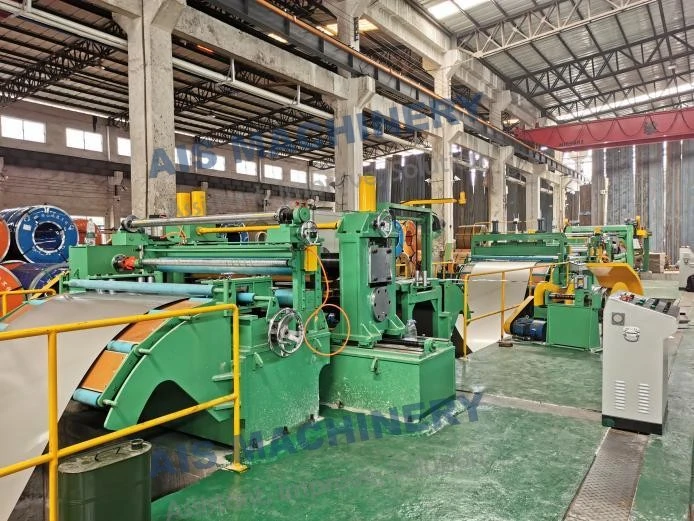
Slitting & Cut-to-Length Combined Production Line: A Smarter Way to Process Steel Coils
Discover the Slitting & Cut-to-Length Combined Production Line, a flexible solution for steel coil processing. This system integrates slitting line and cut-to-length line functions in one machine, saving space, reducing costs, and improving efficiency. Ideal for processing both steel strips and sheets, it is widely used in service centers and manufacturing industries. Learn its advantages, limitations, and applications.
2026-04-18 03:20:20
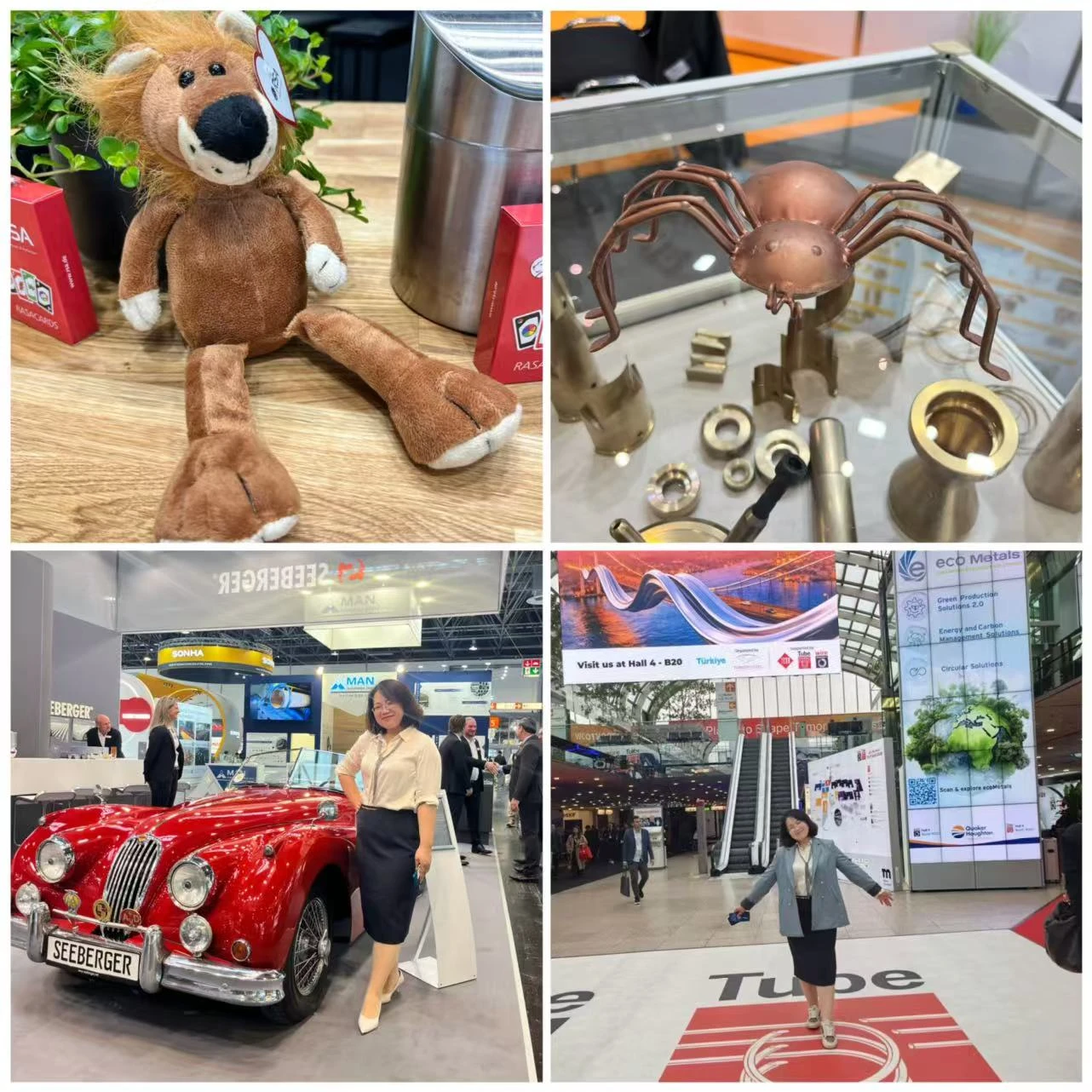
AIS Machinery Showcases Advanced Tube Solutions at Tube & Wire Düsseldorf 2026
Tube & Wire Düsseldorf 2026, one of the most influential exhibitions in the global tube and wire industry, held biennially in Düsseldorf, Germany
2026-04-17 00:00:00
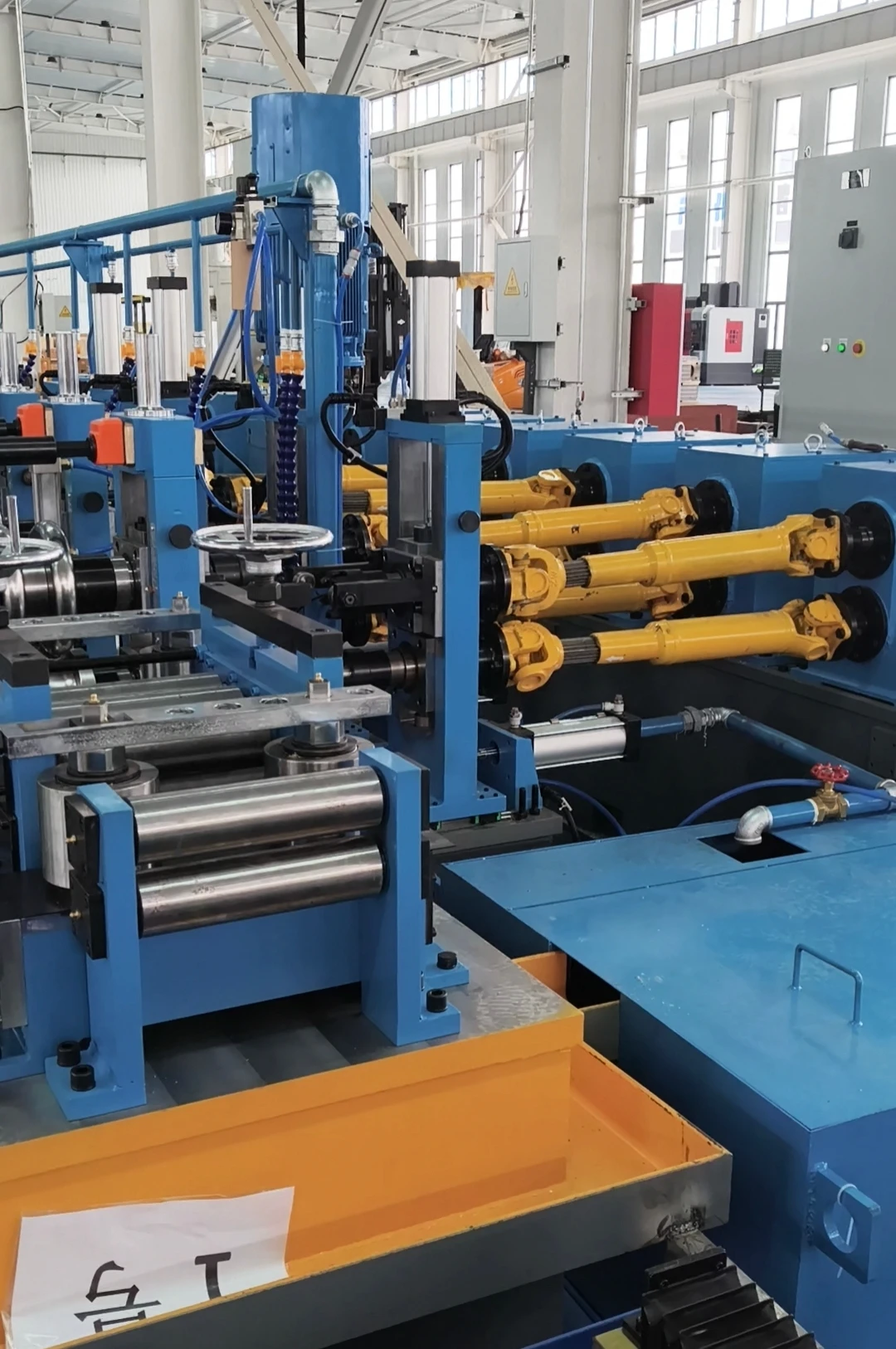
Southeast Asia Client Visits Our Factory | Customized Tube Mill Solution Delivered
A Southeast Asia client visited our ERW tube mill factory to inspect production lines and discuss a customized tube mill solution. Impressed by our machine quality, welding performance, and engineering support, the client confirmed strong cooperation intentions. Discover how our ERW tube mill solutions improve efficiency, precision, and long-term production reliability.
2026-04-15 10:37:55
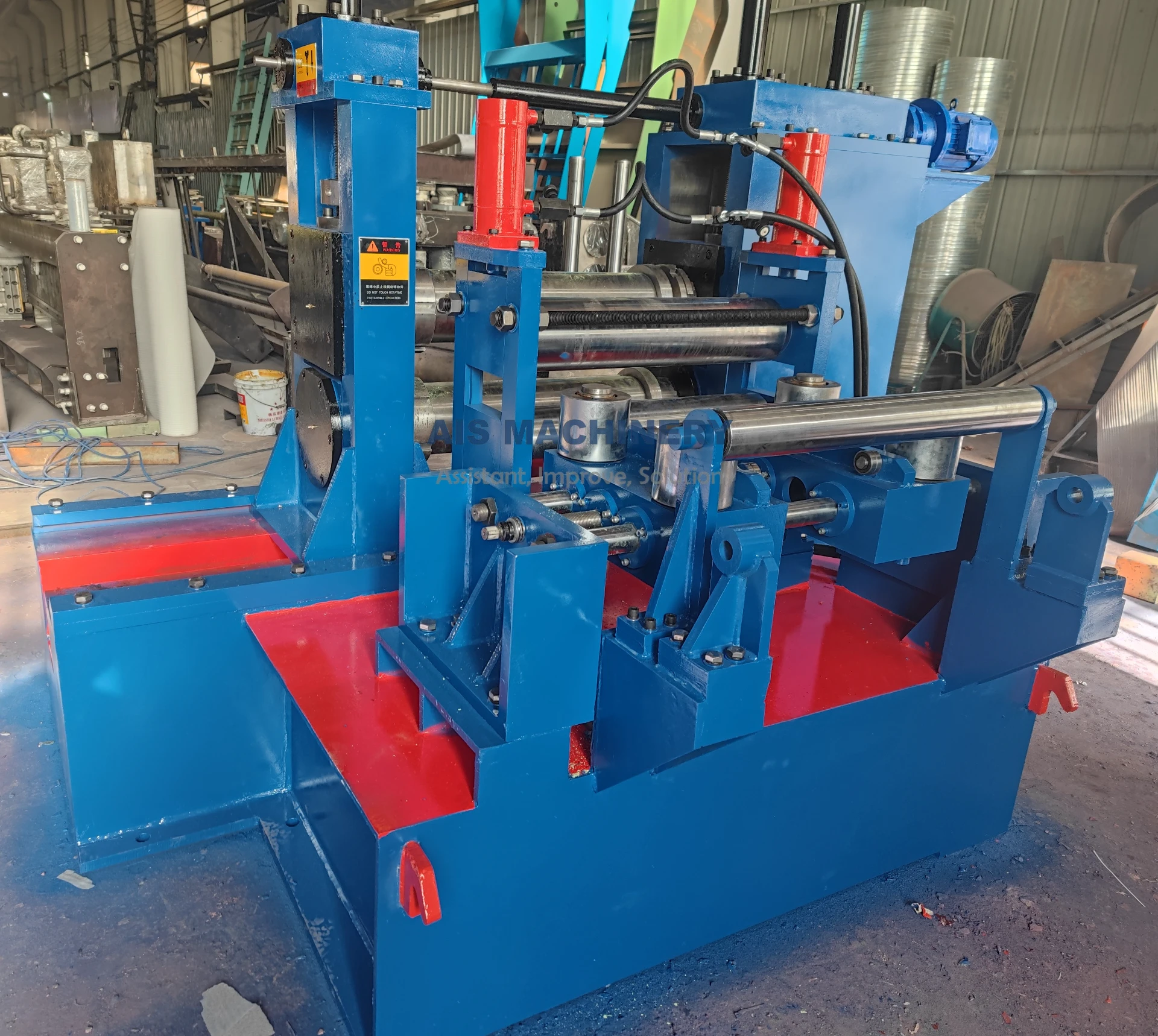
Flat Bar Production Line for Steel Coils: How It Works & Why It Matters
Looking for a flat bar production line? Learn how it turns steel coils into ready-to-use flat bars with precise length and high straightness. Compare it with slitting lines and get the best solution for your steel processing needs.
2026-04-14 00:00:00
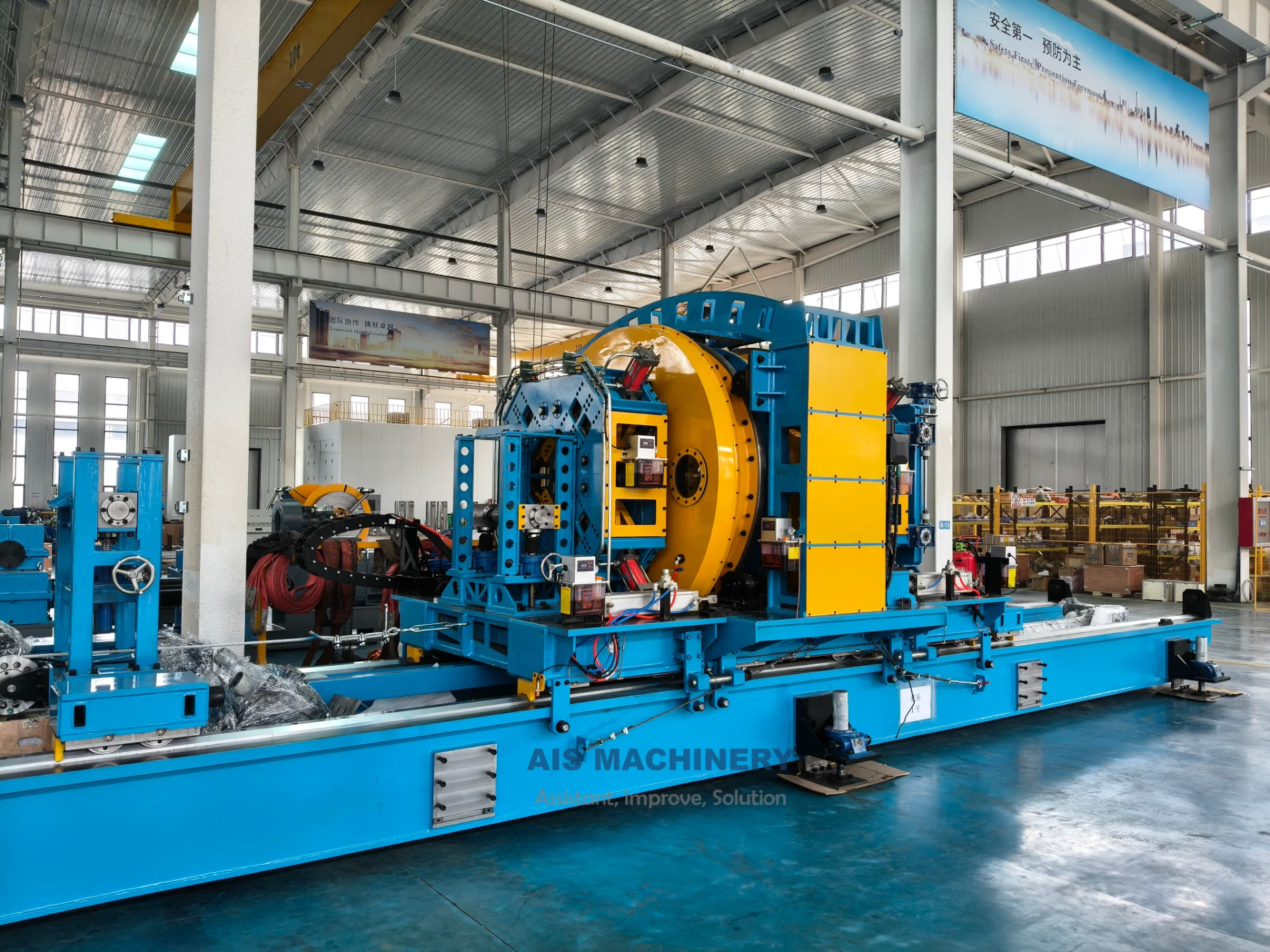
Looking for a Milling Saw for ERW Tube Mill? Here’s What You Need to Know
Looking for a high-performance milling saw for your ERW tube mill? Upgrade to burr-free, high-precision pipe cutting with advanced flying saw technology. Improve efficiency, reduce rework, and meet export standards for carbon steel, stainless steel, and API pipes. Contact us today for expert solutions and competitive pricing tailored to your production needs.
2026-04-09 16:15:19
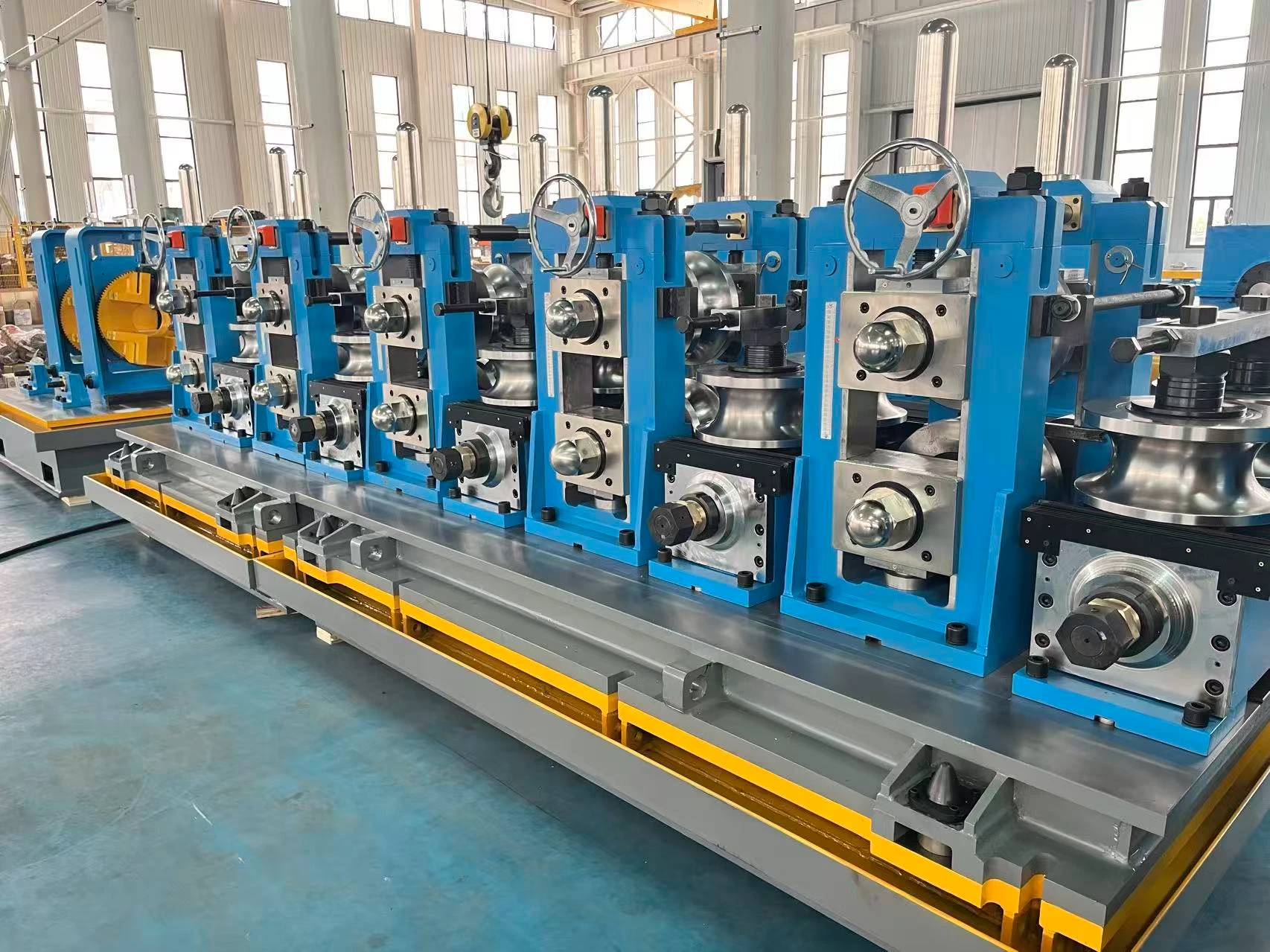
5-Inch (127mm) ERW Tube Making Machine Delivered with Heavy-Duty Design and Advanced Quick Change System
Send a Message
Dear customer, thank you for your attention! We provide high-quality machinery and equipment and look forward to your orders. Please inform us of your needs and we will respond quickly!
 English
  Albanian
  Arabic
  French
  German
  Indonesian
  Italian
  Japanese
  Kazakh
  Korean
  Latin
Latin  Macedonian
  Portuguese
  Russian
  Spanish
  Thai
Thai  Turkish
  Ukrainian
  Uzbek
Uzbek