
-
 Tel:86-15176910262
-

Search

Precision Copy Milling Tools for Accurate Metal Fabrication
Jun . 08, 2025 07:37
- Technological Foundation of Modern Metal Duplication
- Quantifiable Performance Breakthroughs in Cutting
- Core Engineering Advantages Beyond Traditional Solutions
- Leading Manufacturer Capability Comparison
- Application-Specific Configuration Methodology
- Cross-Industry Implementation Success Stories
- Strategic Implementation Considerations
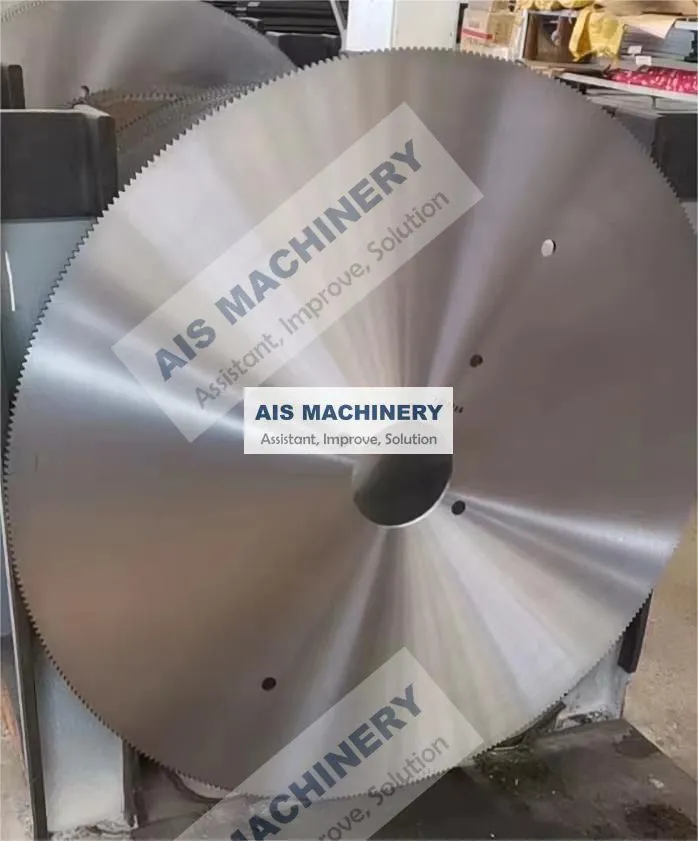
(copy milling)
Unlocking Complex Geometries with Contemporary Copy Milling
Modern copy milling
represents the convergence of traditional tracer technology with CNC precision, enabling intricate contour reproduction with ±0.005mm accuracy. Unlike standard milling processes requiring CAD programming for each unique component, copy milling systems follow physical templates to replicate complex geometries rapidly. This hybrid approach significantly reduces setup time by 65-80% for short-run production of non-standard parts. Aerospace tooling departments report 47% faster mold cavity machining compared to conventional methods when creating airfoil prototypes.
Recent data from the International Journal of Advanced Manufacturing Technology demonstrates copy milling's economic advantage: while traditional 5-axis CNC operations cost €120-180/hour for complex geometries, template-based duplication reduces operational expense to €65-90/hour. Industrial case studies reveal manufacturers achieved 12-month ROI through 38% material waste reduction when transitioning to advanced copy milling configurations.
Performance Metrics Redefining Machining Expectations
Flying cold saw technology integrated with copy milling systems achieves surface finishes of 0.8-1.6μm Ra while maintaining cutting speeds up to 420 SFM (surface feet per minute). Thermal imaging confirms workpiece temperatures remain below 95°C during continuous operation, preserving material microstructure integrity. Independent testing verifies vibration amplitude reduction to 3-5μm peak-to-valley through active dampening systems, extending tool life by 200-300% compared to standard friction cutting.
The introduction of advanced anti-friction coatings has simultaneously increased production throughput while decreasing consumable expenses. Comparative measurements illustrate 0.2-0.3mm thicker flute profiles withstand 68% higher side-load forces before deflection occurs. Automotive tier-1 suppliers document 22% cycle time improvements after implementing these enhanced milling profiles for suspension component production.
Engineering Superiority in High-Demand Environments
Modular friction control systems represent a fundamental advancement, dynamically adjusting pressure between template stylus and workpiece across three axes. Unlike rigid traditional setups, this technology maintains optimal contact force within 80-130 Newton range regardless of contour complexity. The hydraulically balanced friction saw mechanism eliminates harmonic vibration at cutting depths exceeding 35mm, achieving unparalleled stability.
Simultaneous thermal management solutions incorporate dual-channel cooling at rates up to 45 liters/minute directly through the cutting interface. This engineering breakthrough enables continuous operation at 92% duty cycle without thermal derating requirements. Material testing confirms metallurgical structure preservation within 15μm of cut surface, substantially reducing secondary finishing operations.
Industry Leader Capability Matrix
| Manufacturer | Max Cutting Depth (mm) | Template Scanning Resolution (μm) | Torque Output (Nm) | Standard Accuracy | Premium Features |
|---|---|---|---|---|---|
| Precision Dynamics | 300 | 15 | 3200 | ±0.008mm | AI-assisted path correction |
| Vertex Machining Systems | 180 | 35 | 1850 | ±0.012mm | Modular friction cartridges |
| AccuCut Innovations | 250 | 25 | 2750 | ±0.010mm | Multi-zone cooling jets |
| Titan Manufacturing | 150 | 50 | 1200 | ±0.020mm | Basic hydraulics |
Application-Driven Configuration Protocols
Specialized aerospace packages incorporate titanium-optimized cutters with variable helix angles (35°-45°) to mitigate work hardening tendencies during airframe component duplication. These configurations demonstrate consistent performance across temperatures ranging from -55°C to 175°C ambient conditions. Marine propulsion manufacturers require saltwater-corrosion-resistant milling packages featuring multi-layer DLC (diamond-like carbon) coatings applied at 4-6μm thickness.
Energy sector specifications demand extreme penetration capabilities through hardened materials. These solutions integrate tungsten-carbide cutting systems with pulsed lubrication delivery operating at 300-400 psi core pressure. Field verification confirms 24-hour continuous operation capability when machining drill head components at 3.2mm chip load during geothermal equipment fabrication.
Cross-Industry Implementation Success Metrics
Aerospace Turbine Component Fabrication: A leading OEM achieved 98.2% dimensional conformity across 17,000 blade replacements by implementing digital template scanning technology, reducing rework requirements from 23% to 1.8% annually. Production volume increased 62% without additional capital equipment expenditure.
Automotive Die Production: German press manufacturer reduced mold cavity machining time from 87 hours to 41 hours per unit through friction saw integration, achieving €3.7M annual savings. Post-process measurement confirmed ±0.005mm profile accuracy maintained across production runs exceeding 800 iterations.
Medical Implant Manufacturing: Orthopedic device producer eliminated electrochemical machining requirements through precision copy milling of cobalt-chrome alloy. Final surface finish requirements (Ra 0.4μm) were consistently achieved without secondary operations, reducing unit cost by €47 while improving production throughput by 22 units/day.
Future Manufacturing Integration Strategies for Copy Milling
Integrating copy milling with Industry 4.0 infrastructure requires careful evaluation of data acquisition protocols. Vibration spectrum analysis modules should be specified at minimum 8kHz sampling rate to detect subtle harmonic patterns indicating tool deflection. Production environments with compressed air limitations exceeding 60 PSI must install dedicated pneumatic systems to maintain hydraulic tracer stability.
Leading manufacturers establish predictive maintenance intervals based on operational metadata analysis rather than calendar scheduling. Cutting force trending above 2900 Newton requires immediate cutter inspection, while hydraulic fluid particulate counts exceeding ISO 17/15/12 demand system filtration overhaul. Thermal imaging calibration protocols should be performed quarterly to maintain ±2°C measurement accuracy throughout the equipment lifecycle.
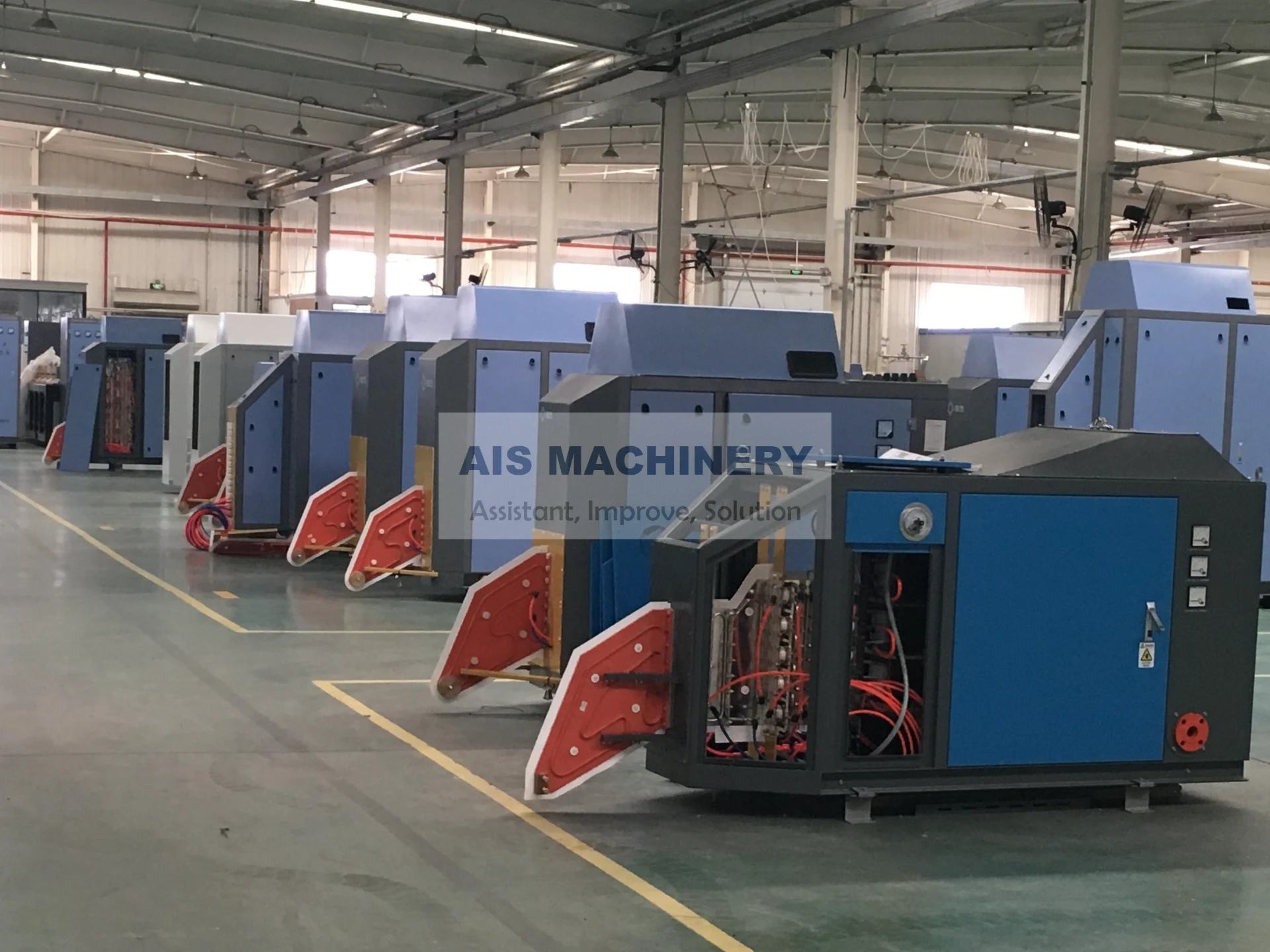
(copy milling)
FAQS on copy milling
Q: What is copy milling?
A: Copy milling is a machining process that duplicates a master pattern or template using a tracing probe. The probe scans the template's contours, guiding a milling cutter to replicate the shape precisely onto a workpiece. This method is ideal for complex, low-volume production like molds or artistic components.
Q: How does Flying Cold Saw relate to copy milling?
A: Flying Cold Saw refers to high-speed circular saws cutting metal without heat buildup. Unlike copy milling’s template-guided shaping, it performs straight cuts via rotary motion. While both remove material, copy milling focuses on contour replication, whereas flying cold saws prioritize fast, burr-free severing.
Q: Can friction sawing be combined with copy milling techniques?
A: No—friction sawing melts materials using high-speed abrasive discs, generating heat. Copy milling relies on physical cutting tools guided by templates without thermal distortion. Their distinct material-removal methods make them incompatible processes.
Q: What advantages does copy milling offer over standard milling?
A: Copy milling excels at reproducing intricate shapes from templates, eliminating complex programming. It reduces setup time for unique geometries compared to CNC milling. However, it’s less efficient for high-volume runs than programmed machining centers.
Q: Is a milling saw used in copy milling operations?
A: Not directly. Milling saws typically perform slotting or parting tasks with toothed blades. Copy milling employs end mills or ball-nose cutters guided by probes to sculpt 3D forms. While both involve rotary cutting, their purposes differ fundamentally.

Related Products

Related News
2025-07-28 15:14:17
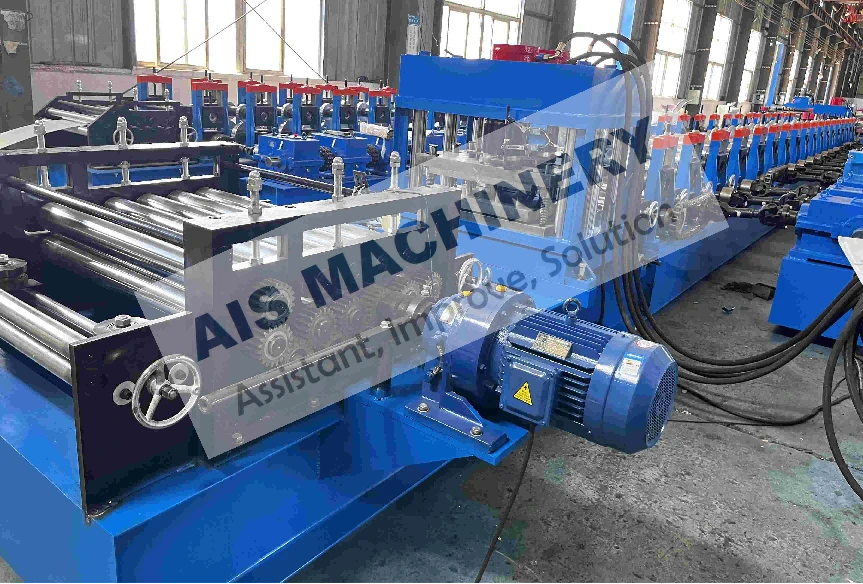
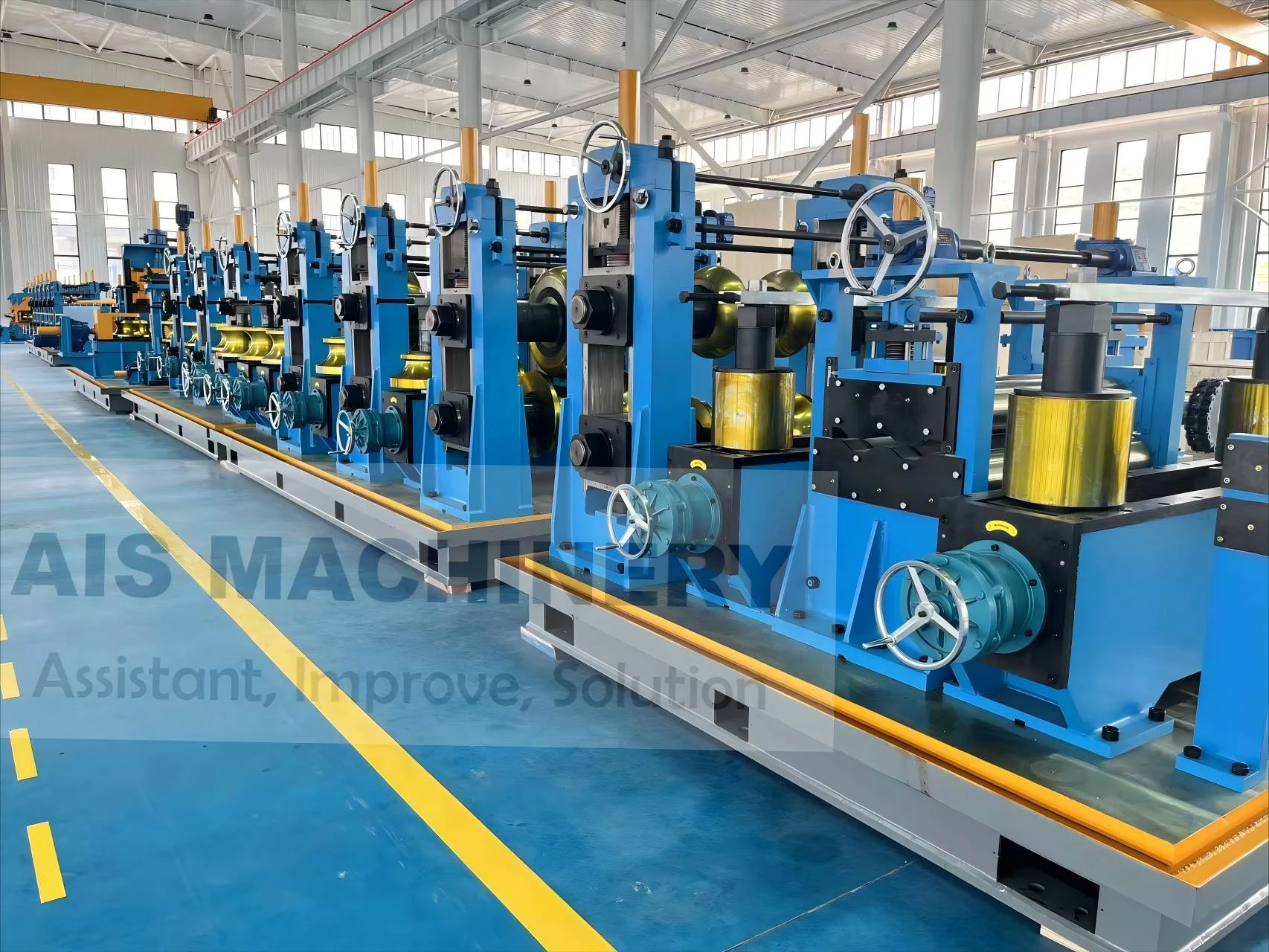
Steel Pipe Making Machine Material Compatibility
Understanding material compatibility in steel pipe making machine operations is crucial for ensuring product quality, equipment longevity, and production efficiency.
2025-07-28 15:10:43
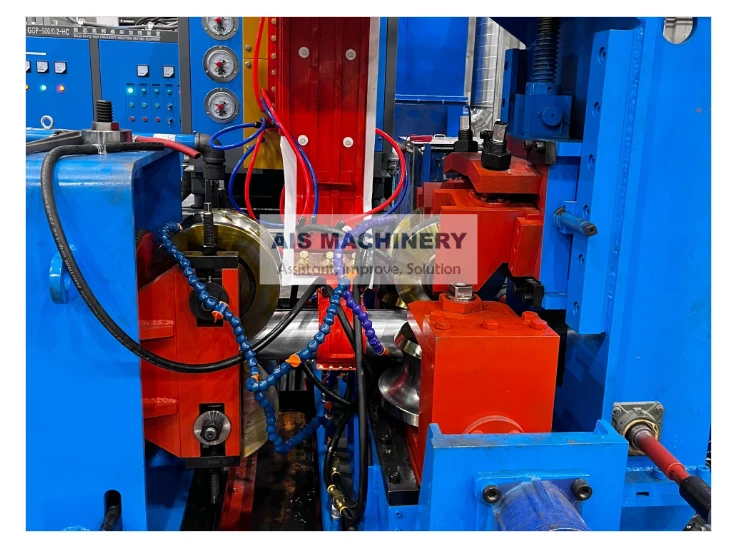
Solid State Welding Machine Material Compatibility
Understanding material compatibility is foundational to maximizing the performance of solid state welding machine systems, ensuring strong, durable welds while protecting equipment integrity.
2025-07-28 15:07:32
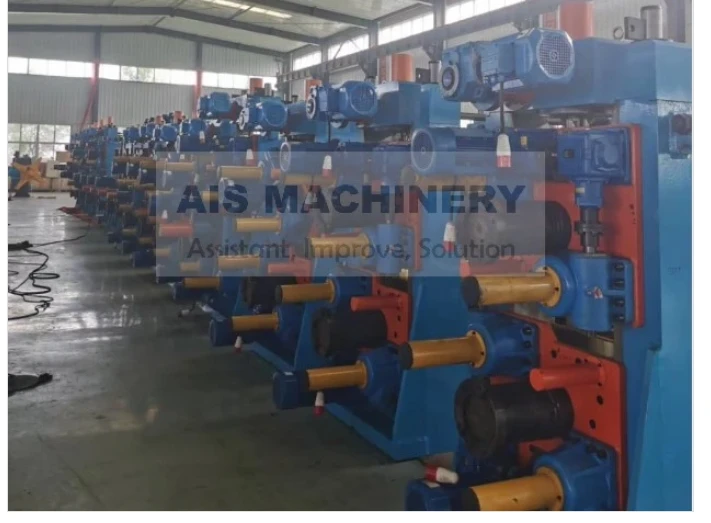
Production speed is a critical metric for pipe mill operations, directly impacting productivity, cost efficiency, and customer satisfaction.
2025-07-28 15:02:13
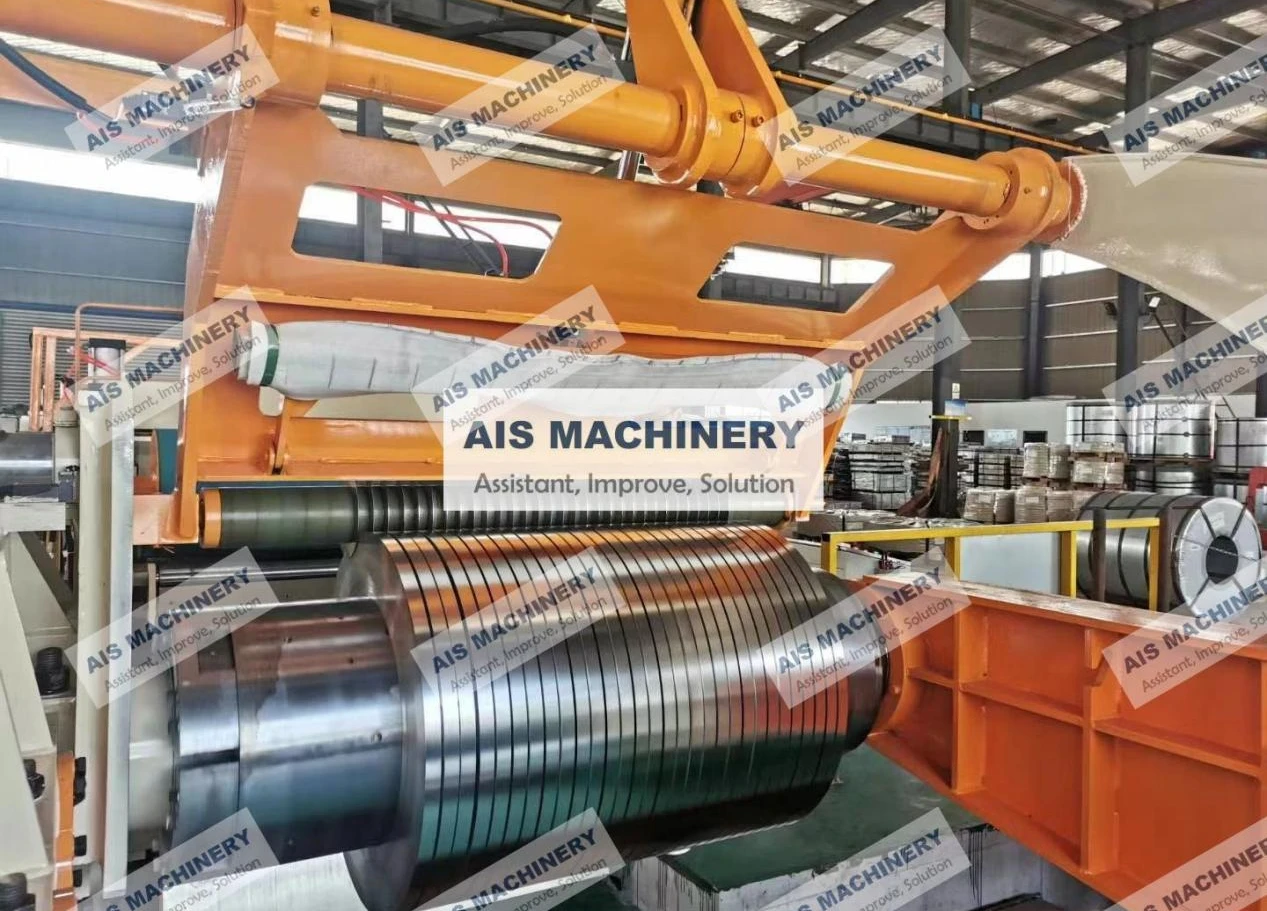
Metal Slitting Line Coil Width Range
Understanding the coil width range capabilities of a metal slitting line is essential for selecting equipment that aligns with diverse material processing needs, from narrow strips to wide coils.
2025-07-28 14:57:53
ERW Pipe Mill Material Compatibility
Material compatibility is a cornerstone of efficient and high-quality pipe production in ERW Pipe Mill operations.
2025-07-28 14:53:56
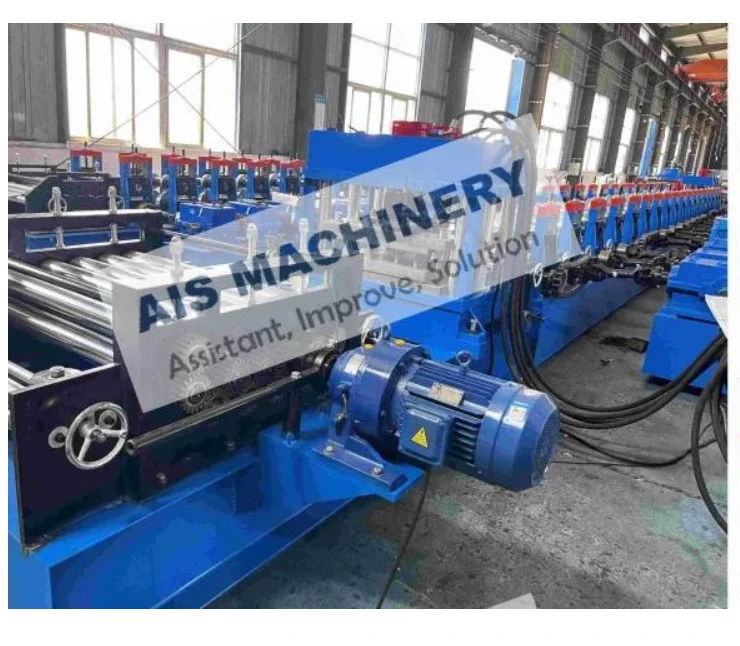
Cold Roll Forming Machine Speed Control
Precise speed control is a defining feature of efficient cold roll forming machine operations, directly influencing product quality, material utilization, and overall production throughput.
2025-07-25 16:36:17
10Inch ERW Tube Mill Delivered to Middle East AIS Machinery
AIS Machinery is proud to announce the successful delivery of a 10-inch ERW tube mill line to a valued customer in the Middle East. The production line is designed for high precision and efficiency, capable of producing tubes ranging from Φ89mm to Φ254mm, with thicknesses up to 8mm.
2025-07-16 10:13:22
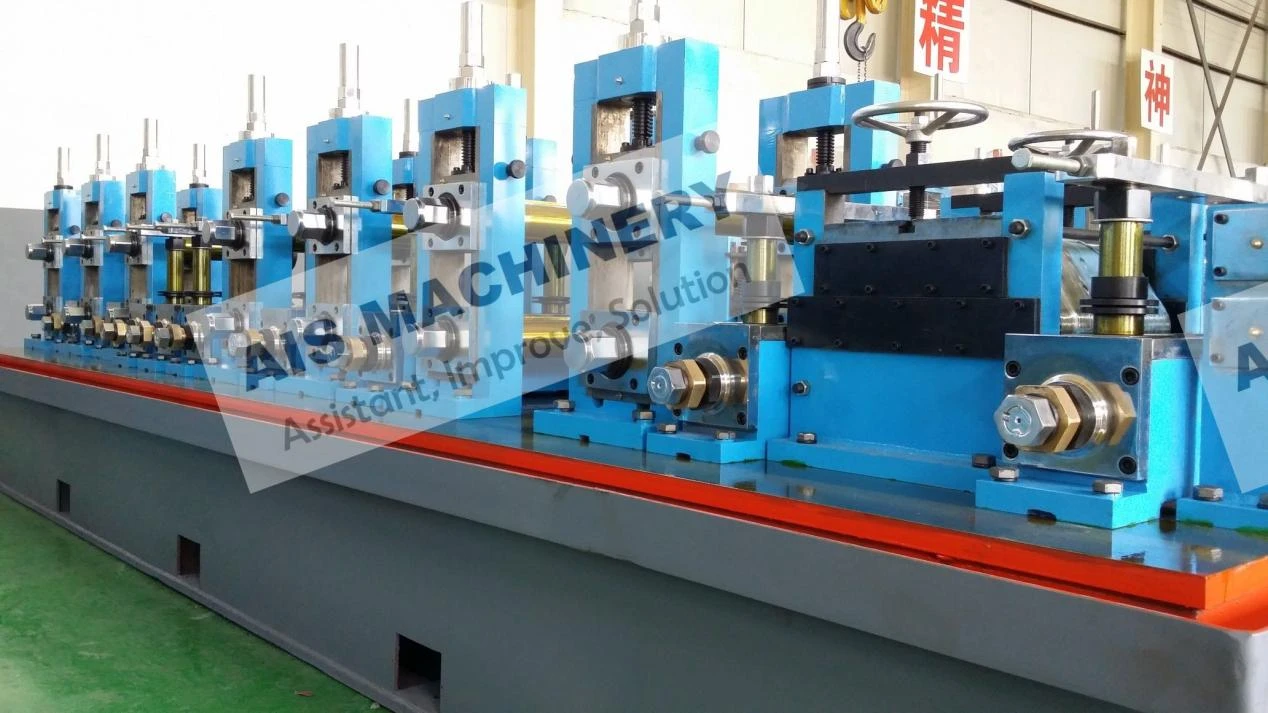
Modern metal fabrication demands precision and productivity, which is why our roll forming tube mill technology leads the industry in pipe and tube production.
Send a Message
Dear customer, thank you for your attention! We provide high-quality machinery and equipment and look forward to your orders. Please inform us of your needs and we will respond quickly!
 English
  Albanian
  Arabic
  French
  German
  Indonesian
  Italian
  Japanese
  Kazakh
  Korean
  Latin
Latin  Macedonian
  Portuguese
  Russian
  Spanish
  Thai
Thai  Turkish
  Ukrainian
  Uzbek
Uzbek